
What Are Human Derived Exosomes And Why Should You Care?
Understanding The Basics Of Human Derived Exosomes
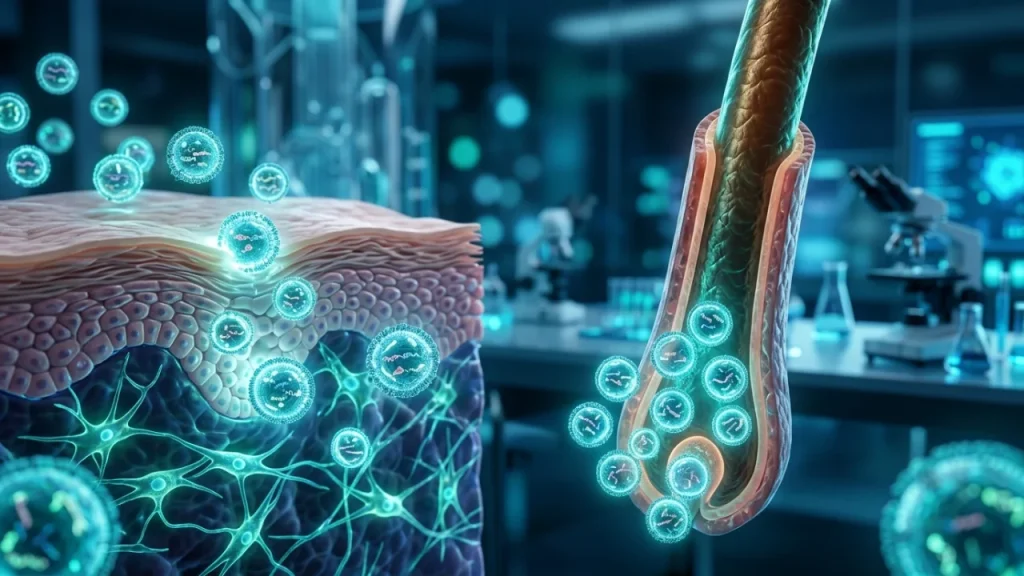
Imagine your body’s cells are tiny cities. They need to communicate. They don’t use phones or emails. They use microscopic packages. These packages are called human derived exosomes.
They are natural nanoparticles. Think of them as biological letters. Cells make them and send them out. They travel through your bodily fluids. Their job is to carry messages and supplies.
What’s inside these tiny parcels? They are packed with important cargo. This cargo includes proteins. It includes lipids. Most importantly, it includes nucleic acids like RNA. This RNA can deliver instructions to other cells.
Here is a key point. The cargo is not random. It reflects the state of the sending cell. A healthy skin cell sends helpful signals. A stressed cell might send different messages. This is biological intelligence in action.
How do they work? The process has clear steps. – First, a cell creates a small sac inside itself. This sac gathers specific molecules. – Next, this sac moves to the outer wall of the cell. – Then, it fuses with the cell’s membrane and is released outside. – Finally, it navigates to a target cell and delivers its cargo.
This delivery changes the receiving cell’s behavior. It can tell a cell to repair itself. It can encourage a cell to make more collagen. It can calm inflammation. This is how tissues maintain health and balance every single day.
You have billions of these messengers working right now. They are crucial for healing a cut on your knee. They help your organs coordinate. They are a fundamental part of your body’s operating system.
Why should you care about this basic biology? Because science has learned to harness this system. Researchers can collect these exosomes from certain human cells. They can then apply them where needed. This is not introducing a foreign drug. It is amplifying your body’s own language.
Understanding this is vital. It shifts the view from a passive treatment to active communication. The goal in aesthetics becomes supporting the skin’s native dialogue, not just covering up problems.
These natural vesicles offer a targeted approach. Their intelligence lies in their specificity. They go where needed and carry precise instructions. This makes them powerful tools for regeneration.
In summary, human derived exosomes are your body’s innate communication network. They are essential for maintenance and repair. Grasping this concept unlocks the reason they represent such a promising frontier in modern regenerative science.
How Exosomes Differ From Stem Cells In Aesthetics
You often hear about stem cells in beauty treatments. Stem cells are the body’s master cells. They can turn into different cell types. For years, people hoped stem cells could regenerate skin directly. But using live stem cells is complex. Human derived exosomes offer a different, more precise strategy. They are not cells at all. They are the messages cells send.
Think of it this way. Stem cells are like construction workers. They can potentially become part of a new building. Exosomes are like the foreman’s detailed blueprints and instructions. The blueprints tell the existing workers exactly what to do. In your skin, the “existing workers” are your own living cells. Exosomes carry instructions to those cells. This is a key difference. Exosome therapy aims to guide your native cells. It does not try to add new foreign cells.
This leads to several clear advantages for aesthetic goals. First, there is no risk of the cells growing in the wrong way. Live stem cells must be handled very carefully. They need to stay alive and function correctly after injection. Exosomes are not alive. They are stable lipid bubbles carrying information. This makes their use simpler and reduces certain risks.
Second, exosomes work through a natural signaling system. Your skin cells already know how to receive these messages. The instructions inside exosomes are meant for them. This makes the process highly efficient. The effect can be more predictable because it uses the body’s own language.
Third, the focus is on communication, not replacement. A stem cell approach might aim to replace damaged skin cells. An exosome approach tells your damaged cells to repair themselves. It also tells healthy nearby cells to support the area. This can lead to a more balanced and natural rejuvenation.
Let’s look at a specific example: collagen production. A stem cell might be injected hoping it becomes a collagen-producing cell. An exosome delivers signals directly to your existing fibroblasts. These are your skin’s collagen factories. The message says “increase collagen production now.” The result is your body making more of its own structural support.
The practical benefits for a treatment are significant. – Storage and transport are easier. Exosome preparations can be frozen and shipped without losing activity. – There is no need for a perfect genetic match between donor and recipient. The messages are broadly understood. – The action is targeted and temporary. Exosomes do their job and are cleared by the body, leaving only the improved cellular activity behind.
In short, stem cell therapies are about adding new potential. Exosome therapies are about unlocking existing potential. It is the difference between planting a new tree and expertly pruning and feeding the tree you already have. Both have their place in medicine. For non-invasive, signaling-based rejuvenation of skin and hair, human derived exosomes provide a sophisticated tool. They leverage intelligence already built into your biology.
This understanding naturally leads to a new question. How exactly are these powerful messengers prepared for safe and effective use in treatments?
The Natural Communication System Of Your Cells
Think of your body as a vast, bustling city. Your cells are the citizens. For the city to function, these citizens must talk to each other constantly. They send millions of messages every second. Human derived exosomes are some of the most important couriers for these messages.
They are tiny bubbles made by cells. Each exosome is packed with a specific set of instructions. These instructions are not simple notes. They are complex biological codes. They contain proteins, lipids, and genetic material like RNA. This cargo tells another cell exactly what to do.
Cells release exosomes all the time. It is a normal part of life. A skin cell talks to a neighboring skin cell. A hair follicle cell signals a blood vessel cell. Even distant organs communicate this way. Your liver can send messages to your skin through the bloodstream. This system maintains balance and health.
The process is precise and intentional. A cell creates an exosome inside itself. It carefully selects the cargo for the bubble. The cell then sends the exosome out into the space around it. The exosome travels until it finds a target cell. It docks on that cell’s surface. It delivers its instructional package.
This communication controls vital processes. One key example is inflammation. When you get a cut, damaged cells send out exosomes with “alert” signals. These messages recruit immune cells to fight infection. Once healing starts, new exosomes send “calm down” signals. This turns off the inflammation.
Another example is repair. Older or stressed cells send out distress calls via exosomes. Healthier cells receive these calls. They then respond by dividing more or working harder. They might start producing more structural proteins like collagen. This keeps tissues strong and resilient.
The system is also crucial for cleaning up. Cells use exosomes to remove waste products. They pack unwanted molecules into these vesicles and eject them. This is like taking out the cellular trash. It prevents toxic buildup inside the cell.
Why should you care about this natural system? Because its state directly reflects your health. When cellular communication is clear and precise, your body functions well. Tissues repair themselves efficiently. Inflammation is a short, controlled response. Your skin and hair get the right signals to stay vital.
Problems arise when the messages get corrupted. Stressed, aging, or diseased cells can send bad instructions. They might release exosomes that tell other cells to stop working properly. They might spread inflammation instead of stopping it. They could even tell healthy cells to become dysfunctional.
This is where therapeutic human derived exosomes come into the picture. Scientists can collect these vesicles from healthy, young, communicating cells. They gather exosomes carrying positive, restorative instructions. These are the messages your body’s system is meant to use.
Using them in treatment is like rebooting a network. It adds a flood of correct signals to your biological conversation. It tells your skin cells to rebuild, not just survive. It tells your hair follicle cells to reactivate. It tells inflammatory processes to resolve properly.
Understanding this changes how you see rejuvenation. It is not about adding foreign material. It is about restoring the quality of your own cellular dialogue. The goal is to help your cells talk to each other like they did when they were younger and healthier.
This foundational knowledge leads to a practical question. If these messengers are so powerful, where do they come from for safe use in aesthetics? The source of the exosomes is critical for both safety and effect.
Why Human Derived Exosomes Matter For Skin Health
Your skin is not a static covering. It is a living, talking organ. Billions of cells constantly send signals to each other. They decide when to make new collagen. They coordinate repairs after sun exposure. They manage inflammation from daily life. The quality of this conversation defines your skin’s health and appearance.
Human derived exosomes carry the precise language your skin cells understand. Think of them as instruction manuals written in your body’s native tongue. When applied to skin, these vesicles are absorbed. They deliver their cargo of proteins and genetic material directly to your skin cells. This starts a cascade of correct biological activity.
The primary target in your skin is the fibroblast. This cell is your collagen factory. As we age, fibroblasts become sluggish and deaf to signals. They produce less structural support. Therapeutic exosomes from healthy human sources re-educate these tired cells. They provide the exact blueprints for robust collagen and elastin production. This is not just plumping from filler. It is your skin rebuilding its own foundation from within.
Exosomes also directly manage inflammation. Chronic, low-grade inflammation is a key driver of aging. It breaks down collagen and harms skin cells. The right exosome signals can calm this fire. They instruct immune cells in the skin to resolve inflammation and begin repair. This shift from a state of damage to a state of healing is fundamental for a clear, calm complexion.
The process also enhances your skin’s natural renewal cycle. Exosomes can encourage the turnover of old, damaged cells. They support the formation of new, healthy epidermal cells. This leads to a smoother skin texture and a more radiant surface glow. The effect is a refreshed barrier that functions better at keeping moisture in and irritants out.
Consider these key actions together: – They directly instruct fibroblasts to boost collagen and elastin. – They reprogram the skin’s immune response to reduce chronic inflammation. – They support faster, healthier turnover of skin cells for renewed texture. – They enhance the skin’s barrier function for improved hydration and resilience.
This multi-pathway approach is what makes the technology distinct. Most traditional treatments address only one or two of these factors. Exosome therapy aims to reset the entire system’s communication. The goal is coordinated rejuvenation across all layers of the skin.
The source matters deeply for skin results. Exosomes derived from human cells carry the complete set of biological instructions evolved for human tissue. Their messages are comprehensive and recognized instantly by your skin’s cellular machinery. This leads to a more natural, integrated, and sustained response compared to synthetic or single-ingredient approaches.
You care because the results are based on function, not just camouflage. Healthier cellular dialogue translates to tangible improvements: firmer skin, diminished fine lines, a more even tone, and a vibrant glow that comes from within. The skin begins to behave like a younger version of itself.
The logical next question is about practical application. How are these powerful messengers prepared and delivered to your skin to ensure both safety and maximal effect?
The Scientific Evidence Supporting Exosome Therapy
The science behind exosome therapy is not just theory. It is built on a solid foundation of laboratory and clinical research. This research shows how these tiny messengers create real changes in skin and hair.
Let’s start with the lab. Scientists can grow human skin cells in dishes. They can then add purified human derived exosomes to these cultures. What happens next is measurable. Studies consistently show a significant increase in collagen production. One key protein, called Type I collagen, can rise by over 50% in treated cells. Elastin fibers, which give skin its snap, also get a boost.
This isn’t just about making more materials. It’s about better quality and organization. Research using electron microscopes reveals that new collagen forms in a healthy, woven pattern. This pattern is crucial for strength and smoothness. Disorganized collagen leads to weak, uneven skin.
The evidence extends to living tissue. Researchers use validated models to test wound healing and regeneration. In these models, exosome application speeds up the repair process dramatically. It does this by coordinating different cell types. – Fibroblasts are told to build new matrix. – Blood vessel cells are signaled to grow, improving nutrient delivery. – Immune cells are guided to reduce damaging inflammation and focus on clean-up.
This coordinated response is the hallmark of intelligent signaling.
For hair revitalization, the data is equally compelling. Hair follicles are complex mini-organs. Their growth cycle can stall due to age, stress, or inflammation. Peer-reviewed studies demonstrate that exosomes can reactivate dormant follicles. They send signals that shift follicles from a resting phase back into a growth phase.
In clinical observations, this translates to tangible results. Patients see improvements in hair density and shaft thickness. The hair that grows is often stronger and healthier. The mechanism involves silencing inflammatory signals around the follicle bulb. A calm environment allows growth to restart.
Safety data is a critical part of the evidence. Because human derived exosomes are natural carriers of information, they are generally well-tolerated. They do not contain live cells, which eliminates risks of rejection or uncontrolled growth. Their action is temporary and regulatory, not permanent or genetic. They work by nudging the body’s own systems.
The body of research grows every year. New studies explore specific mixtures of signals for targeted concerns like hyperpigmentation or scarring. The consistent finding is that these vesicles act as master coordinators. They don’t force a single outcome. Instead, they restore the network of communication that youthful tissue possesses.
This evidence moves the concept from fascinating biology to a credible therapeutic approach. It answers the “why should you care” question with data, not just promise. You should care because the effects are measurable, repeatable, and based on the body’s own language.
Understanding this science naturally leads to practical considerations. How are these findings translated into a treatment you can receive? The next step involves looking at production standards and delivery methods that ensure purity and potency.
How Human Derived Exosomes Work In Your Body
The Journey Of Human Derived Exosomes From Source To Target
Human derived exosomes begin their journey inside specialized cells. These cells act as biological factories. They carefully package their cargo. This cargo includes proteins, lipids, and genetic instructions like RNA. The cell membrane pinches inward to form a small bubble. This bubble is the early exosome. It is then released from the cell into the surrounding fluid.
Think of each exosome as a tiny, smart package. It has a protective outer layer made of lipid. This layer is similar to your own cell membranes. This similarity is crucial. It allows the exosome to travel safely through your body. Your immune system recognizes it as friendly, not foreign. This natural design prevents attacks and rejection.
Once released, these vesicles enter the circulation. They travel through tissue fluids and possibly the bloodstream. Their journey is not random. Exosomes carry specific address markers on their surface. These are like molecular zip codes. They guide the exosome to the right destination. A skin cell exosome, for example, is more likely to find other skin cells.
The delivery process is precise. The exosome docks onto the membrane of a target cell. This could be a tired fibroblast in your skin or a stressed hair follicle cell. The two membranes can fuse together. The cargo from the exosome empties directly into the recipient cell. Alternatively, the target cell can swallow the entire exosome whole.
The delivered cargo then goes to work. It does not force the cell to do something new. Instead, it provides updated instructions and resources. The RNA molecules can temporarily influence which proteins the cell makes. The signaling proteins can turn on helpful pathways. They can also turn off damaging ones, like inflammation.
This process restores cellular conversation. Aged or damaged cells often send poor signals. They create a noisy, stressful environment. Fresh human derived exosomes bring clear, youthful messages. They tell the receiving cell to repair itself, produce more collagen, or divide properly.
The entire sequence happens at a microscopic scale but has visible results. – First, release from donor cells. – Second, safe transit through the body. – Third, targeted delivery to specific cells. – Fourth, precise unloading of biological cargo. – Fifth, action on the cell’s machinery.
The effects are temporary and regulatory. The exosomes do not live forever inside you. They deliver their messages and are eventually broken down. Their job is to kick-start your own cells. The goal is to shift tissue from a state of decline to a state of active repair and maintenance.
This journey from source to target explains the high precision of this approach. It is not a blanket treatment that affects everything. It is targeted communication. The right messages reach the right cells at the right time. This leads to coordinated tissue renewal without disrupting healthy functions elsewhere.
Understanding this path clarifies why purity and source matter so much. The next logical question is how these natural messengers are collected and prepared for clinical use while preserving their delicate biological intelligence.
What’s Inside These Powerful Biological Packages
The power of human derived exosomes comes from their cargo. Think of each tiny vesicle as a secure delivery package. It carries a precise set of instructions and tools for a skin or hair cell. This cargo is not random. It is carefully selected by the healthy donor cell that created the exosome.
The contents can be grouped into three main types. Each type has a different job in cellular communication.
First are nucleic acids like microRNAs. These are not full genes. They are short strands of genetic code. They work like master switches inside the receiving cell. A single microRNA can turn dozens of genes on or off. For example, one might signal “make more collagen.” Another might say “reduce inflammation.” This is how exosomes guide cell behavior so precisely.
Second are proteins. Thousands of different proteins can be found inside exosomes. Some are enzymes that speed up chemical reactions in the aging cell. Others are growth factors. These are key signaling molecules. They directly tell cells to grow, heal, or produce structural proteins. Common growth factors in exosomes include TGF-β and VEGF. They support tissue repair and new blood vessel formation.
Third are lipids. The membrane of the exosome itself is made of lipids. These lipids do more than just form a container. They help the exosome fuse with the target cell. This ensures the cargo is delivered directly into the cell’s interior. Lipids also protect the delicate contents during transit through the body.
This combination is what makes the therapy intelligent. The microRNAs provide the long-term program. They reset the cell’s activity blueprint. The proteins offer immediate tools and signals to execute that program. The lipids guarantee safe delivery. Together, they create a coordinated repair response.
The exact mix of cargo defines an exosome’s function. Exosomes from young, healthy mesenchymal stem cells are particularly valuable. Their cargo reflects a state of vigorous repair and growth. Scientists can analyze this cargo to confirm potency.
They look for markers like CD63, CD81, and CD9. These surface proteins confirm a pure exosome sample. Advanced techniques can even map the hundreds of molecules inside. This quality control is crucial. It ensures the biological packages contain the right instructions.
The effect inside your skin cell is multifaceted. Upon receiving the cargo, the cell’s machinery gets to work. – Collagen and elastin production ramps up. These proteins give skin its firmness and bounce. – Cellular energy production improves. Mitochondria, the cell’s power plants, become more active. – Damaged proteins are cleared out more efficiently. This is part of cellular cleanup. – Inflammatory signals are quieted. This reduces chronic redness and sensitivity. – The cell’s own protective antioxidants are boosted.
This is not a single action but a symphony of renewal. The cargo works on multiple pathways at once. It addresses root causes of aging rather than just one symptom. The result is improved skin texture, tone, and resilience over time.
For hair follicles, the cargo delivers different messages. Growth factors can awaken dormant follicles. They extend the active growth phase of the hair cycle. Signals also improve blood flow to the scalp. This provides more nutrients to the hair root.
The beauty of this system lies in its natural logic. Your body already uses exosomes for communication. The therapy simply amplifies this process with high-quality messages from robust donor cells. It supplies your tissues with the biological information they have lost with age or damage.
Understanding this intricate cargo explains why not all exosome preparations are equal. The source and handling methods directly impact what is inside the vesicles. The next step is exploring how these potent packages are responsibly collected and processed for safe clinical use without losing their native power.
How Cells Recognize And Accept Exosome Messages
Your cells do not accept messages from just anywhere. They are selective. For an exosome to deliver its cargo, the target cell must first recognize it as a legitimate messenger. This process is precise and secure.
Think of it like a locked mailbox. The exosome has “keys” on its outer surface. The target cell has matching “locks.” Only when the key fits the lock does the cell open up. This ensures messages go to the right address.
These “keys” are often proteins or sugar molecules. They are embedded in the exosome’s membrane. Scientists call these molecules ligands. The matching “locks” on the cell surface are called receptors. Each cell type has a unique set of receptors.
This system is highly specific. An exosome from a skin cell likely carries keys for other skin cells or fibroblasts. An exosome from a stem cell might have a broader set of keys. This targeting guides the therapy.
Once the exosome docks, the cell can accept its message in several ways. The method depends on the type of message and the cell’s needs.
- Direct fusion is one way. The exosome’s membrane merges with the cell’s own membrane. It is like two soap bubbles becoming one. The exosome’s cargo spills directly into the cell’s interior.
- Endocytosis is another common method. The cell’s membrane folds inward. It wraps around the exosome and pulls it inside. This forms a little bubble called a vesicle inside the cell. The vesicle then opens to release the cargo.
- Sometimes, receptors on the cell surface simply bind to the exosome. This binding itself sends a signal into the cell. It triggers a change without full internalization.
The source of the exosomes matters greatly for this recognition. Human derived exosomes naturally carry human biological keys. Your body’s cells are programmed to recognize these keys. They see them as friendly and familiar signals.
This is a critical advantage. It means communication happens efficiently. There is less chance for rejection or an unclear message. The cell is more likely to act on the instructions it receives.
The cargo inside does not just float freely after entry. Specific signals guide it to the right department within the cell. For example, some RNA molecules need to reach the nucleus. That is the cell’s command center. Other signals might target mitochondria or protein-building machinery.
This entire process is fast and natural. It mirrors how your cells talk to each other every day. The therapy uses this existing mail system. It simply sends high-priority, high-quality messages.
Understanding this step explains safety and specificity. Because the system uses natural locks and keys, side effects from misdelivery are rare. The messages go where they are meant to go. This cellular post office ensures order.
The next logical question is about the messages themselves. How do we ensure they are clear and powerful? This depends on the health of the donor cells and careful laboratory science.
The Precision Targeting Of Human Derived Exosomes
Human derived exosomes do not move at random. They carry precise molecular addresses. These addresses guide them to specific cell types. Think of it like a zip code on a letter. The exosome’s surface is covered with these codes.
These addressing molecules are called ligands. They stick out from the exosome’s outer membrane. Different exosomes have different sets of ligands. This depends on the cell they came from. The target cell has matching receptors. Receptors are like docks on the cell’s surface.
The ligand on the exosome finds its matching receptor. This is called ligand-receptor binding. It is a lock-and-key mechanism. Only the right key fits the right lock. This ensures precision. An exosome meant for a skin cell will not dock with a liver cell.
Several factors create this targeting. First is the origin of the exosome. A fibroblast exosome naturally carries ligands for other skin cells. It speaks their language. Second is the condition of the donor cell. A healthy, stimulated cell produces exosomes with clear addresses.
The body’s own systems help with delivery. Blood flow and tissue fluid carry the exosomes. But the final step is always molecular. The exosome rolls along until its ligand catches the correct receptor. Then it docks. This docking can happen even in complex environments like your skin.
Scientists can observe this targeting in research. In one method, exosomes are tagged with a fluorescent dye. Researchers then watch their journey under a microscope. The labeled exosomes gather at specific tissue sites. They do not spread evenly everywhere.
This precision has major benefits for aesthetics. It means therapy can be focused. Exosomes can be directed to areas that need repair. For example, they can target hair follicle cells to support growth. They can target aged skin fibroblasts to boost collagen.
The process involves a few clear steps. – Release: Donor cells release exosomes with specific surface ligands. – Travel: These exosomes enter circulation or are applied to a tissue. – Search: They move through the biological environment. – Recognition: Their surface ligands scan for matching receptors on cells. – Docking: Upon finding a match, they bind tightly to the target cell.
This system minimizes waste. More of the signal goes where it is needed. It also increases safety. Non-target cells are largely ignored. This reduces the risk of off-target effects or unwanted reactions.
The precision is not absolute but it is remarkably high. It is far more accurate than simple diffusion of a cream or serum. Those topical products rely on passive absorption. Exosomes use active biological targeting.
Human derived exosomes excel here because their ligands are human proteins and sugars. Your body’s cells are evolved to read these signals perfectly. This natural compatibility makes the targeting more efficient. It is like using local postal codes instead of foreign ones.
Different cell types express unique receptor patterns. A keratinocyte in your skin has different surface receptors than a fat cell. Exosomes from skin-derived sources will naturally have ligands that match keratinocyte receptors better. This is source-dependent targeting.
The cargo inside can also influence targeting indirectly. Some RNA molecules can instruct the target cell to produce more receptors. This can create a positive feedback loop. More receptors mean more exosomes can dock later. It amplifies the healing signal over time.
Understanding this targeting explains clinical results. Noticeable effects often begin in specific treated areas first. The surrounding tissue may improve later through secondary signals. The initial change happens where the exosome concentration and targeting are strongest.
This leads to the next point of consideration. How do we ensure these precise messengers carry the best possible instructions? The quality of the message depends entirely on the donor cells and their environment before collection.
Why Natural Exosomes Avoid Immune Reactions
Your immune system is your body’s defense force. It constantly patrols for foreign invaders like bacteria and viruses. It identifies these threats by recognizing markers on their surfaces. These markers are like foreign flags. Your immune system is trained to attack anything flying an unfamiliar flag.
Human derived exosomes naturally avoid this attack. They fly a “self” flag. Their surface is decorated with proteins and sugars native to the human body. Your immune cells see these familiar markers and interpret the exosome as “self.” They do not see it as a threat. This is fundamental immune tolerance.
Think of it like a national postal service. A letter with correct, domestic postage moves freely within the country. A letter with strange, foreign stamps gets inspected at customs. Human exosomes have the correct biological “postage.” They move without extra inspection.
The membrane of an exosome is key. It is a tiny piece of the donor cell’s own outer membrane. When a cell makes an exosome, it buds off a small vesicle inside itself. This vesicle is then released. Its surface molecules are identical to the parent cell’s surface. If the parent cell is human, the exosome carries a human signature.
This differs greatly from synthetic drug carriers or animal-derived products. Those can carry unfamiliar markers. They may trigger an immune alert. This can cause inflammation or rejection. The body works to remove them. Human derived exosomes bypass this problem entirely.
There is another clever layer of protection. Healthy human cells release exosomes that carry specific “do not attack” signals. These are regulatory molecules on their surface. One important group is called MHC class I molecules. These molecules tell immune cells, “I belong here.”
Exosomes from healthy sources are rich in these peaceful signals. They essentially show their ID card to the immune system. The immune system checks the ID and lets them pass. This process happens constantly in your body right now. Your own cells release exosomes that other cells accept.
This natural stealth has major benefits for aesthetic and regenerative treatments. It means the therapy can focus its energy on repair. No energy is wasted fighting an immune response. There is typically no redness, swelling, or rejection often seen with foreign substances.
The risk of an allergic reaction is also very low. Allergies happen when the immune system overreacts to a harmless protein. Since the proteins on human exosomes are already present in your body, the system does not overreact. It stays calm.
Consider what happens with non-human alternatives. Exosomes from other species, like plants or cows, have different surface markers. These can be seen as foreign. They might work initially, but they carry a higher risk of causing an immune response over time. Your body could develop antibodies against them.
Human derived exosomes use biological intelligence for safe delivery. Their compatibility is built-in at the cellular level. This allows them to perform their healing mission undisturbed. They integrate seamlessly into your body’s own communication network.
The source of the exosomes matters deeply for this immune safety. Exosomes from young, healthy donor cells carry the clearest “self” signals. Cells from diseased or stressed sources might have altered surface markers. These altered markers could send confusing signals to your immune patrols.
Therefore, the quality and health of the donor cells are vital. They ensure the exosomes are not only effective but also invisible to your defenses. This stealth enables precise, repeated signaling without interference. It is a cornerstone of their therapeutic potential.
In summary, human derived exosomes are inherently designed for biological harmony. Their human origin grants them a passport for free travel within your body. This avoids inflammatory battles and lets their regenerative cargo work in peace. This seamless integration sets the stage for understanding how their powerful cargo is carefully loaded and controlled before they ever reach you.
Human Derived Exosomes For Skin Rejuvenation
How Exosomes Boost Collagen Production Naturally
Collagen is your skin’s support framework. It gives skin its firmness and smooth texture. As we age, our cells make less collagen. Existing collagen fibers also break down. This leads to wrinkles and sagging skin. Human derived exosomes address this problem at its source. They carry precise instructions to your skin’s cells.
These instructions tell cells to boost collagen production. Think of a fibroblast cell as a collagen factory. Fibroblasts are the primary collagen-producing cells in your skin. An aging or damaged fibroblast is like a factory running slow. It has received fewer orders to produce. The machinery is still there, but it is idle.
Exosomes deliver a package of direct orders. They do not force the cell. They restore its natural, youthful function. The exosome membrane fuses with the target cell’s membrane. This delivers the cargo directly inside. The cargo includes key signaling molecules.
The most important molecules are growth factors and microRNAs. Growth factors are like urgent memos. They bind to specific receptors on the fibroblast. This triggers a cascade of activity inside the cell. The cell’s nucleus gets the signal to activate collagen genes.
MicroRNAs work differently. They are like master regulators. They can silence genes that hinder collagen production. They can also promote genes that help it. This dual action is powerful. It removes roadblocks while stepping on the accelerator.
The process follows a natural sequence: – Exosomes dock onto the fibroblast cell. – They deliver growth factors like TGF-β and IGF-1. – These factors activate the cell’s internal pathways. – Key pathways include SMAD and MAPK. – These pathways send signals to the cell’s DNA. – Collagen genes (like COL1A1) switch on. – The cell begins building new collagen proteins. – MicroRNAs ensure the process runs efficiently.
New collagen proteins are then secreted into the surrounding space. They assemble into strong, organized fibers. This new network integrates with your existing skin structure. The result is not just more collagen, but better-quality collagen. The structure resembles younger skin.
This is a gradual and natural process. It does not create an instant filler effect. Instead, it guides your skin to rebuild itself from within. The effects accumulate over weeks and months. Skin becomes denser and more resilient.
The beauty of this mechanism is its intelligence. Exosomes do not overstimulate cells. They provide a balanced signal that mimics youthful communication. This reduces any risk of abnormal growth or scarring. The goal is restoration, not disruption.
Using human derived exosomes ensures these signals are perfectly understood. Your skin cells recognize the messages as their own. There is no confusion or inflammatory reaction. The factory gets clear, safe instructions to resume optimal production.
This biological approach has a lasting impact. By teaching cells to function better, the benefits extend beyond a single collagen fiber. Improved cell communication supports ongoing skin health. The environment becomes more supportive for future renewal.
Ultimately, exosome therapy works with your biology, not against it. It leverages the body’s innate repair systems. This makes it a fundamentally different strategy from simply injecting filler material. You are supporting the source of youth, not just patching the surface.
The next logical question is about delivery: how do these powerful messengers actually reach the deep layers of skin where fibroblasts live?
Restoring Elasticity With Human Derived Exosomes
Skin loses its bounce over time. This bounce is called elasticity. Elasticity comes from a network of fibers made of a protein named elastin. Think of elastin like tiny, stretchy rubber bands within your skin. When you smile or frown, these fibers stretch. Then they pull your skin back to its original position.
Young skin has a dense, organized crisscross of elastin fibers. This network is strong and springy. With age and sun exposure, this network breaks down. The fibers get frayed. They become fewer in number. The result is skin that stays stretched out. It forms permanent lines and sagging.
Human derived exosomes address this problem directly. They carry specific instructions to the cells that build elastin. These cells are called fibroblasts. The exosomes tell fibroblasts to make more elastin protein. More importantly, they guide the proper assembly of new elastic fibers.
This process is complex. Building a functional elastic fiber is not simple. It requires precise organization. Exosomes provide the complete blueprint for this construction. They do more than just shout “make elastin.” They deliver a coordinated set of signals.
These signals achieve several key tasks: – They increase the production of tropoelastin, the basic building block. – They promote the release of enzymes that weave tropoelastin into mature, stable fibers. – They encourage the formation of a supportive scaffold for these new fibers to latch onto.
The use of human derived exosomes is key here. The messages are perfectly tuned for human skin cells. There is no translation error. The fibroblast receives a clear, native command to restart a youthful program.
The effect is not immediate plumping. It is a gradual restoration of infrastructure. New elastic fibers integrate into the existing skin layers. They slowly reinforce the weakened network. Over time, this improves skin’s mechanical properties.
You can imagine old elastic fibers as a worn-out trampoline mat. It sags and lacks rebound. Adding new, high-quality springs throughout the mat restores its tension and lift. Exosomes help your skin add those new springs from within.
This work happens alongside collagen renewal. The two processes support each other. Collagen provides the sturdy mattress. Elastin provides the springy top layer. Together, they create skin that is both firm and supple.
The restoration of elasticity has visible benefits. Skin appears tighter and more lifted. Fine lines caused by repetitive motions may soften. The skin’s overall contour can improve. It gains resilience against further sagging.
This approach treats the cause, not just the symptom. Topical creams cannot rebuild the deep elastic network. They sit on the surface. Exosome therapy targets the cellular source of the problem deep in the dermis.
The result is a more fundamental rejuvenation. Skin does not just look temporarily filled. It behaves like younger skin. It recovers better from stretching. It maintains its shape more effectively throughout the day.
Ultimately, restoring elasticity is about restoring function. It gives skin back its innate ability to snap back. This is a core feature of youthful skin that is often lost. Human derived exosomes offer a pathway to reclaim it by communicating directly with your skin’s builders.
The next step is to see how these improvements translate to the surface layer, enhancing texture and tone for a radiant finish.
Reducing Fine Lines And Wrinkles Through Cellular Repair
Fine lines and wrinkles are not just surface folds. They are the final result of a long cellular process. Your skin cells gradually lose their ability to perform essential tasks. They produce less collagen. They repair damage more slowly. Their communication breaks down. Human derived exosomes act as a reset for this cellular chatter.
Think of an aging skin cell as a confused factory worker. The worker has forgotten parts of the blueprint. The machinery is getting slow. Production lines are shutting down. Exosomes deliver updated instructions directly to that worker. They carry specific signals.
These signals tell your cells to do several key things. – Increase the production of new collagen and elastin proteins. – Boost the creation of hyaluronic acid for natural hydration. – Ramp up the cell’s own antioxidant defenses. – Improve the rate and quality of cellular repair.
This is cellular repair in action. It addresses the root cause of wrinkles. The process starts deep in the dermis where living cells operate. Improved cell function leads to better tissue structure. This stronger foundation then influences the outermost layer, the epidermis.
The epidermis itself also benefits. Exosome signals can improve the health of keratinocytes. These are the primary cells in your outer skin layer. Healthier keratinocytes create a more robust barrier. They also undergo a more orderly renewal process.
Skin cell turnover is crucial for a smooth surface. In young skin, fresh cells rise to the surface quickly. Old cells shed efficiently. This process slows with age. Dead cells linger on the surface longer. This contributes to a dull, rough texture and can emphasize fine lines.
Exosome communication helps normalize this turnover cycle. It encourages balanced cell proliferation and differentiation. The result is a fresher, more refined skin surface. New cells arrive in a more organized way.
The reduction of fine lines becomes visible over weeks and months. It is not an instant filler effect. It is the gradual appearance of smoother skin as the infrastructure improves. Dynamic lines from smiling or squinting may soften first. These are lines caused by repeated muscle movement over weaker skin.
Static wrinkles, those visible at rest, may also improve. Their depth can lessen as new collagen fills in the underlying gaps. The skin’s texture becomes more even. This happens because the support underneath is being rebuilt.
Hydration plays a supporting role here. Hyaluronic acid acts like a molecular sponge. It holds water within the skin’s layers. Better hydration plumps up skin cells from the inside. This can make minor lines temporarily less noticeable while long-term repair continues.
The antioxidant effect is equally important. Daily environmental stress generates free radicals. These molecules damage cellular machinery and accelerate aging. Exosomes help your skin’s own cells fight back more effectively. This protects new collagen and supports ongoing repair.
The outcome is a comprehensive approach to wrinkles. It combines structural reinforcement with improved cellular function and protection. This multi-pathway action is why human derived exosomes are considered transformative.
They do not simply freeze a muscle or fill a line with foreign material. They guide your skin to restore its own youthful functions. The change comes from within your biology.
This leads to results that look natural and integrated. The skin’s quality improves overall. It is not just about erasing a single line but about revitalizing the entire canvas.
The next logical step is to examine how this renewed cellular activity translates to another key sign of aging: uneven pigmentation and loss of radiant tone.
Strengthening Your Skin’s Protective Barrier
Your skin’s outermost layer is not just a wall. It is a dynamic, living shield. This barrier has a crucial job. It keeps essential moisture in. It also keeps irritants and pollutants out. A strong barrier means resilient, calm, and hydrated skin. A weak one leads to problems like dryness, sensitivity, and inflammation.
Human derived exosomes directly support this vital structure. They do this by communicating with the skin cells that build and maintain the barrier. Think of these cells as construction workers and security guards. Exosomes deliver instructions that help them work better.
The key players are keratinocytes. These are the primary cells in your skin’s outer layers. They produce keratin and lipids. These substances form the actual brick-and-mortar of your barrier. When stressed or aging, these cells slow down. Their communication breaks down. The barrier becomes leaky and disorganized.
This is where exosome signaling makes a difference. The messages they carry can tell keratinocytes to: – Produce more of the ceramides, cholesterol, and fatty acids that form the protective lipid layer. – Strengthen the connections between cells, making the barrier tighter. – Calm down inflammatory signals that can weaken barrier function.
The result is a more competent physical shield. Imagine tiny cracks in a wall being sealed. With a robust lipid layer, water evaporates more slowly from your skin. This is known as transepidermal water loss. Reducing this loss is a direct measure of barrier health. Better hydration is a natural outcome.
But protection is more than just blocking things. Your skin’s barrier also has an immune function. Specialized cells within it act as sentinels. They detect potential threats. A hyper-reactive barrier can overreact to harmless substances. This leads to redness and sensitivity.
Exosomes help modulate this immune vigilance. They promote a balanced response. This means your skin is less likely to see a mild cleanser or pollen as a major attack. The overall effect is a reduction in unnecessary inflammation. Your skin becomes less reactive over time.
Environmental aggressors constantly test your barrier. Sun exposure, pollution particles, and even harsh weather chip away at it. These factors generate oxidative stress. This stress damages barrier cells and their lipids.
The antioxidant molecules and signals within exosomes provide a countermeasure. They help neutralize free radicals right at the surface. This protects the barrier’s structural components from damage. It allows repair processes to keep pace with daily wear and tear.
Strengthening the barrier has visible benefits. Skin often looks less red and feels more comfortable. It may better tolerate active ingredients like retinols or vitamin C. The overall complexion appears smoother and more plump because hydration is locked in. This is not a temporary coating from a cream. It is an improvement in the skin’s own biology.
The process is foundational. You are improving your skin’s first line of defense. Everything else builds upon this stability. A resilient barrier creates the ideal environment for the collagen renewal and pigmentation correction discussed earlier to succeed.
Ultimately, human derived exosomes offer a strategy for smarter skin defense. They help your skin build a stronger shield while teaching it to react more wisely. This turns your outer layer from a passive covering into an active, intelligent protector. The next aspect to explore is how this renewed cellular activity addresses specific concerns like sun spots and uneven tone, moving from defense to targeted correction.
Improving Skin Texture And Tone With Exosome Signaling
Human skin cells constantly send messages to each other. They use tiny packages called exosomes for this communication. When your skin is damaged or aged, these messages can get confused. The signals might tell cells to make too much pigment or not enough collagen. This leads to rough texture and uneven color.
Human derived exosomes carry a clear set of instructions. They deliver these orders directly to your skin’s living cells. Think of them like a software update for your phone. They do not just cover up a problem. They teach your cells to function better.
For texture, the key task is rebuilding the support structure. This structure is mostly collagen and elastin. Sun and time break these proteins down. Your skin becomes thinner and develops fine lines. It can feel rough or crepey.
Exosome signaling addresses this directly. The messages inside tell fibroblast cells to become more active. Fibroblasts are your skin’s builders. They make new collagen and elastin fibers.
This is not a simple trigger. It is a coordinated program. The signals do three main things. – They encourage fibroblasts to multiply. – They guide them to produce high-quality structural proteins. – They reduce enzymes that break collagen down.
The result is a net gain in firm support. Skin does not just get a temporary plump from filler. It rebuilds its own foundation from within. Texture improves as new collagen fills in minor pits and wrinkles. The surface becomes smoother to the touch.
Tone correction works through a different path. Dark spots or patches come from melanin. Melanin is made by cells called melanocytes. These cells sit at the base of your epidermis. Sometimes they become overactive. They produce too much pigment and send it to nearby skin cells.
Exosomes help restore balance here too. Their signals can calm overactive melanocytes. They tell these pigment cells to slow their production. The messages also improve how pigment is distributed.
This process relies on healthy cell dialogue. Exosomes support communication between melanocytes and keratinocytes. Keratinocytes are the main skin cells that receive pigment. Better communication means pigment spreads more evenly.
It prevents clumps of dark color from forming. Existing spots may fade over time as normal skin cell turnover occurs. New spots are less likely to appear because the system is better regulated. The goal is a uniform complexion.
The approach is intelligent and targeted. Exosomes do not bleach or destroy pigment cells. That could cause white spots or damage. Instead, they guide the entire system back to a balanced state. Your skin achieves a more even tone naturally.
Texture and tone improvements happen together. New collagen firms the skin and smooths its surface. Balanced pigment reduces visual distractions. These changes reinforce each other. Smooth skin reflects light evenly, enhancing the look of a uniform tone.
This signaling works best on a strong base. That is why barrier repair comes first. A calm, hydrated barrier allows these precise messages to be delivered effectively. Inflamed or damaged skin may not respond as well.
The process takes time and consistency. You are changing cellular behavior, not applying makeup. Results build up over weeks and months as your skin cycles through renewal phases. Each cycle incorporates the new instructions.
Human derived exosomes offer a fundamental strategy for renewal. They provide the missing signals your skin needs to self-correct. This leads to lasting changes in both how your skin feels and how it looks. The next logical step is understanding how these revitalized functions translate into lasting resilience against future aging signs.
Human Derived Exosomes For Hair Restoration
How Exosomes Support Hair Follicle Health
Hair follicles are tiny, complex organs. They cycle between growth and rest phases. Many factors can disrupt this natural cycle. Thinning hair often results from follicles becoming inactive or miniaturized. They enter a prolonged resting state. Human derived exosomes address this problem at its source.
These exosomes carry specific instructions. They are released by healthy, active cells. The messages they carry can reach the hair follicle stem cells. These stem cells are crucial. They are responsible for starting a new growth phase. Without proper signals, they remain dormant.
Exosomes support follicle health in several key ways. First, they can reduce local inflammation. Inflammation around a follicle can damage it. This damage pushes the follicle into a resting state. Exosomes send anti-inflammatory signals. This calms the area and removes a major barrier to growth.
Second, they improve blood supply. Tiny blood vessels surround each follicle. They deliver oxygen and nutrients. Exosomes promote the formation of new capillaries. This process is called angiogenesis. Better blood flow means more fuel for hair growth.
Third, they directly activate stem cells. Follicle stem cells need a clear “go” signal to produce a new hair shaft. Exosomes provide this signal. They encourage these cells to divide and specialize. This shifts the follicle from the resting phase back into the active growth phase.
The environment around the follicle matters greatly. Think of it as the soil for a plant. Exosomes help create richer soil. They do this by modulating the extracellular matrix. This is the supportive scaffold of proteins around cells. A healthy matrix provides better structural support for the growing follicle.
Dermal papilla cells are central to this process. These are special cells at the base of the follicle. They act as the command center. They direct the rate of growth and the hair’s thickness. Exosomes communicate directly with dermal papilla cells. They help restore their normal function when it has declined.
This approach is fundamentally different from common treatments. Many treatments focus only on prolonging the growth phase of existing hairs. Exosomes aim to wake up completely resting follicles. They also work to improve the quality and health of each new hair produced.
The signaling is precise and multi-faceted. It is not one single action. Exosomes deliver a coordinated set of instructions. – Reduce inflammatory signals. – Increase growth factor production. – Enhance cellular energy metabolism. – Protect cells from oxidative stress.
This combination creates a favorable microenvironment. The follicle gets what it needs to perform its job optimally. It is about enabling normal function rather than forcing it.
The timeline for seeing changes follows the hair growth cycle. Hair grows in distinct phases that last months. After receiving new signals, a follicle must complete its current rest phase. Then it can begin a new anagen, or growth, phase. This means results become visible over several months.
Consistency is important here too. Initial treatments help reset the follicular environment. Follow-up sessions may help maintain this improved state. The goal is to support the follicle’s own regenerative capacity long-term.
Human derived exosomes offer a biological strategy for hair restoration. They do not block hormones or act as superficial stimulants. Instead, they provide missing communication to the follicle’s own repair systems. This helps shift the balance from dormancy back to active growth.
The result is not just more hair, but potentially better hair. Follicles operating in a healthier environment can produce thicker, more robust hair shafts. The focus is on quality as much as quantity.
This process complements skin rejuvenation beautifully. A healthy scalp is skin, after all. The same principles of barrier repair and balanced signaling apply here too. A calm, well-nourished scalp is the perfect foundation for follicular revival.
Ultimately, exosome signaling helps restore a natural physiological process that has slowed down or stopped. It empowers your body’s own resources to resume their normal work. The next step is understanding how these cellular messages integrate into a complete treatment plan for lasting results
Extending The Growth Phase Of Hair Cycles
Hair does not grow continuously. Each follicle on your scalp cycles through phases independently. The growth phase is called anagen. This active period can last for several years. After anagen, a brief transition phase called catagen begins. Finally, the follicle enters telogen, a rest period that lasts months.
The length of the anagen phase determines your ultimate hair length. A short anagen means hair stops growing sooner. It then falls out after its rest period. A long anagen allows hair to grow much longer before this cycle restarts. Many factors can shorten anagen over time. Aging, inflammation, and poor cellular communication are key contributors.
Human derived exosomes target this timing mechanism directly. They carry specific instructions to the follicle’s stem cells and dermal papilla cells. These cells act as the central command for the growth cycle. The messages in exosomes can help counteract signals that prematurely end the growth phase.
Think of it like a timer for a light. The anagen phase is the light being on. Normally, internal signals eventually flip the switch to off, starting the rest phase. Exosomes deliver messages that help keep the switch in the ‘on’ position for a longer duration. They do not force growth unnaturally. They support the follicle’s inherent ability to sustain its active period.
The science focuses on key proteins and microRNAs within exosomes. These molecules can influence pathways like Wnt/β-catenin. This pathway is crucial for maintaining the anagen phase. They can also modulate levels of growth factors such as VEGF and IGF-1 right at the follicular site. This creates a local environment that favors continued growth.
- They may downregulate signals that trigger the catagen transition.
- They can upregulate factors that promote cell proliferation in the hair bulb.
- They help maintain optimal nutrient and oxygen supply to the growing shaft.
- They support matrix cell health, which builds the actual hair fiber.
This approach differs from traditional stimulants. Many treatments simply try to shock or irritate the follicle into activity. Exosome signaling is more about providing intelligent support. It helps the follicle follow its natural, but extended, growth program. The goal is a longer, more productive anagen cycle.
The result is not just delayed shedding. It is more cumulative growth time for each individual hair. Over successive cycles, this can lead to a visibly denser appearance. More follicles are actively growing at any given moment. Fewer are sitting idle in a resting state.
Consistency matters for this effect. Initial treatments help reset the cellular conversation. Follow-up sessions may reinforce these pro-growth signals. This helps train the follicular environment to sustain longer anagen phases on its own. The process works with your body’s rhythms.
Ultimately, extending anagen addresses a core aspect of hair thinning. It moves beyond just waking up dormant follicles. It helps each active follicle perform its job better and for a longer time. This creates a stronger foundation for lasting density and coverage. The next consideration is how these cellular messages integrate into a practical treatment journey for visible, enduring results.
Reducing Inflammation Around Hair Follicles
Inflammation is a silent enemy of healthy hair growth. It can quietly damage follicles over time. This process is often invisible to the naked eye. It is not always about redness or itching. Instead, it is a cellular state of alarm. This alarm disrupts normal function.
Human derived exosomes carry specific instructions to calm this alarm. They are like diplomatic envoys in a conflict zone. Their messages tell overactive immune cells to stand down. This reduces the production of inflammatory signals. These signals are called cytokines.
Cytokines can be harmful in excess. They can shorten the hair’s growth phase. They can also push follicles into a resting state too early. Chronic inflammation can even lead to fibrosis. This is a scarring process that strangles the follicle. Once fibrosis sets in, recovery becomes very difficult.
Exosomes work against this in several direct ways. – They deliver molecules that block pro-inflammatory pathways inside cells. – They promote the activity of regulatory T-cells. These are peacekeeper cells. – They encourage cells to release anti-inflammatory cytokines of their own. – They help repair damage to the tiny blood vessels around the follicle.
This improves the follicular microenvironment. Think of it as clearing smoke from a fire. The fire is the inflammatory response. The smoke is the damaging byproducts. Exosomes help put out the fire first. Then they help clear the smoke. This allows cells to breathe and function normally again.
Common scalp conditions involve this type of inflammation. Androgenetic alopecia often has an inflammatory component. Conditions like alopecia areata are directly driven by immune attack. Even persistent dandruff or seborrheic dermatitis creates a hostile landscape. Exosome signaling addresses the root cause, not just the symptom.
The result is a follicle freed from constant stress. With reduced inflammation, the follicle can focus its energy on growth. Nutrient uptake improves. Cell division becomes more efficient. The stem cells in the bulge region are better protected. This preservation of the regenerative reservoir is crucial for long-term hair health.
This anti-inflammatory effect is systemic at the local site. It does not suppress the entire body’s immune system like a drug might. The action is targeted and intelligent. Exosomes go where they are needed most. They modulate rather than obliterate the immune response. This is a key aspect of their biological intelligence.
Reducing inflammation also supports the work described earlier on extending anagen. A calm follicle is more capable of entering a long growth phase. It is also more responsive to pro-growth signals. The two mechanisms work together synergistically. One prepares the ground, and the other cultivates growth.
Patients may notice this effect indirectly at first. They might report a less itchy or tender scalp. They may see a reduction in flaking or redness. These are outward signs of a calmer internal environment. Healthy growth cannot occur on a battlefield.
The use of human derived exosomes for this purpose is precise. It represents a shift from suppressing symptoms to resolving underlying dysfunction. The goal is to restore a state of biological peace around the hair follicle. This creates a stable foundation for regeneration to occur naturally and sustainably.
With a calmer, healthier scalp environment established, the next logical step is reinforcement. The focus turns to how these follicles build stronger, more resilient hair strands themselves.
Improving Blood Flow To Support Hair Growth
A hair follicle is like a tiny factory. It needs a steady supply of materials to work. These materials come from blood. Blood brings oxygen and nutrients to the follicle. It also takes away waste products. Without good blood flow, the factory slows down. Growth becomes weak or stops entirely.
Human derived exosomes address this problem directly. They carry specific instructions to the blood vessels near hair follicles. These instructions tell the body to build new, tiny capillaries. This process is called angiogenesis. It is a natural and controlled process. Think of it as expanding the delivery network to a growing town.
Exosomes do not create blood flow from nothing. They enhance what is already there. They signal to the endothelial cells. These are the cells that line the inside of blood vessels. The signals encourage these cells to multiply and form new tube-like structures. This expands the local capillary bed around each follicle.
The result is a richer, denser network of micro-vessels. This network surrounds the hair bulb. It brings the follicle’s fuel supply closer to the source. The delivery of critical nutrients becomes more efficient. Key nutrients for hair include: – Amino acids (the building blocks of keratin) – Vitamins like biotin and niacin – Minerals such as zinc and iron – Oxygen for cellular energy
Improved circulation has another major benefit. It helps remove metabolic waste. As follicle cells work, they produce waste. This waste can build up in a stagnant environment. Good blood flow carries these byproducts away. This keeps the follicular environment clean and functional.
The mechanism is beautifully targeted. Exosomes tend to accumulate in areas needing repair. After treatment, they migrate to the scalp tissue. Their signals work locally where they are deposited. This means the effect focuses on the scalp. It does not cause unnecessary blood vessel growth elsewhere in the body.
Patients may not “feel” increased blood flow. But they will likely see the results over time. Better-nourished follicles produce stronger hair strands. The hair shaft itself becomes thicker and more resilient. It may also grow for a longer period before resting. This is because the growth phase is fully supported.
The timing of this effect is crucial. Enhanced blood flow supports every other regenerative process. It works with the anti-inflammatory effects discussed earlier. A calm follicle with a great blood supply is in an ideal state. It has both the peace and the resources to thrive.
Consider the hair growth cycle again. The anagen phase requires immense energy and raw materials. By boosting local circulation, exosomes ensure this demand is met. They help extend the productive growth phase practically and effectively.
This approach is different from simply taking oral supplements. Supplements increase nutrient levels in your general bloodstream. But they do not guarantee delivery to your scalp follicles. Exosomes help solve the delivery problem directly. They help ensure that available nutrients actually reach their target.
The use of human derived exosomes for this purpose is a form of biological engineering. It uses the body’s own communication system to upgrade local infrastructure. The goal is sustainable support, not a temporary stimulant.
In summary, robust blood flow is non-negotiable for healthy hair regeneration. Human derived exosomes act as master planners for this system. They guide the body to build a better supply line to each follicle. This sets the stage for the final, visible outcome: the production of dense, healthy hair that lasts.
The next question is how this internal renewal translates to the hair strand itself. How does the follicle use these new resources to build stronger hair?
The Science Behind Thicker, Healthier Hair Strands
The final quality of your hair depends on the tiny factory inside each follicle. This factory is called the hair matrix. It is where new hair cells are born. These cells must multiply quickly. They also must harden into the strong fiber we see.
Human derived exosomes deliver precise instructions to this factory. They tell the matrix cells to work more efficiently. Think of it as upgrading the machinery on an assembly line. The goal is to produce a better product.
One key instruction is about protein production. Hair is mostly made of a protein named keratin. Keratin gives hair its strength and elasticity. For strong hair, keratin fibers must be dense and well-organized.
Exosomes carry signals that boost keratin synthesis. This means each new hair cell packs in more high-quality keratin. The result is a thicker hair strand from the very start. The strand has a larger diameter.
But thickness is not just about size. It is also about structural integrity. A weak hair strand will break easily. It may look thin even if it starts thick.
Exosomes address this by improving the cross-linking between keratin proteins. Imagine a brick wall. Strong bricks are important. But the mortar holding them together is just as critical. Exosomes help improve the mortar.
They do this by regulating the activity of specific enzymes in the follicle. These enzymes manage the bonds that create a resilient hair structure. The process makes each strand more resistant to daily stress.
- Stress from brushing.
- Stress from heat styling.
- Stress from environmental exposure.
Another factor is the hair growth cycle phase called anagen. This is the active growth period. A longer anagen phase means more time for the follicle to build a long, thick hair.
Human derived exosomes can help extend this phase. They send signals that delay the transition to the resting phase. The follicle stays productive for a longer time. This directly contributes to greater hair density on your scalp.
More follicles in growth phase at once means more hair.
Density also depends on minimizing shedding. Some hair loss occurs when follicles enter the resting phase too early. Exosomes help maintain a healthy, active environment. This discourages premature shutdown.
The health of the inner follicle sheath is also vital. This sheath molds and shapes the emerging hair strand. If the sheath is weak or inflamed, the hair may grow unevenly. It might be rough or prone to splitting.
The anti-inflammatory signals from exosomes calm this sheath. A calm sheath provides a smooth, steady channel for growth. The hair cuticle lays flat as it emerges. A flat cuticle reflects light better. This makes hair look shinier and smoother.
All these processes are interconnected. Better blood flow brings more nutrients and oxygen. A calm follicle reduces damage. Precise instructions optimize protein building. Together, they transform the output of the follicle.
The use of human derived exosomes represents a shift in approach. It moves beyond simply stimulating growth at any cost. Instead, it focuses on improving the fundamental biology of hair production.
The outcome is not just more hair. It is better hair.
Each strand emerges thicker from its root. It possesses inherent strength from better keratin structure. It grows from a follicle supported to function at its best for longer. This leads to a visible increase in overall density and volume.
The final proof is in the mirror—hair that feels denser, looks fuller, and withstands daily life with greater resilience. This biological upgrade at the cellular level translates directly to tangible quality you can see and touch.
The next logical step is understanding how these benefits are applied in practice and what one can realistically expect from this innovative science.
Practical Applications And Future Directions
Current Clinical Uses Of Human Derived Exosomes
Human derived exosomes are now used in specific medical and aesthetic procedures. They are not a standalone treatment. Instead, they are added to existing procedures to improve healing and results.
Their most common use is in skin rejuvenation. Exosomes are applied after procedures that cause controlled skin injury. These procedures include laser treatments and microneedling. The goal is to accelerate repair. Exosomes calm inflammation quickly after the procedure. This reduces redness and swelling. They also instruct local skin cells to rebuild collagen and elastin more efficiently. The result is faster recovery. Patients often see smoother skin texture sooner. The final outcome of the original procedure can also be enhanced.
In hair restoration, exosomes are becoming a key adjunct therapy. They are used alongside traditional treatments like platelet-rich plasma (PRP) injections or hair transplant surgery. When injected into the scalp, they target the follicle environment. They work to improve the health of existing follicles. This can make transplanted grafts more likely to survive. It can also improve the thickness of hairs already present. The therapy aims to create a healthier scalp for long-term hair support.
Wound healing is another important clinical area. Chronic wounds, like diabetic ulcers, often struggle to close. Standard care focuses on cleaning and dressing the wound. Exosome therapy offers a new approach. Applied topically or injected around the wound, these vesicles deliver precise instructions. They tell cells to grow new blood vessels. This improves circulation to the damaged area. They also direct cells to build new tissue in an organized way. This can lead to faster wound closure and reduced scarring.
The application methods are precise and minimally invasive. – Topical application after procedures: A solution containing exosomes is spread directly over treated skin. – Micro-injections: Exosomes are injected into the target area using very fine needles. This is common for scalp or deep skin treatments. – Combination with PRP: Exosomes are sometimes mixed with a patient’s own platelet-rich plasma before injection. This combines multiple growth signals.
Clinical use is guided by important safety principles. The exosomes used are rigorously screened. They come from secure, laboratory-controlled sources. They are purified to remove other cell components. This ensures a consistent and predictable product. Treatments are performed by trained professionals who understand the biology.
Realistic expectations are crucial for patients. Exosomes are not a magic solution. They are a biological enhancer. They work by optimizing the body’s own repair processes. Results depend on an individual’s overall health and age. Improvements are typically seen over weeks and months, not days. The effects are often described as improved skin quality, better healing, and enhanced treatment outcomes rather than dramatic overnight change.
Research continues to expand these applications. Scientists are studying exosomes for use in scar revision, pigment disorders, and even strengthening skin before surgery. The future points towards more personalized protocols. A doctor might one day select exosomes with specific signals for a patient’s unique needs.
The current uses establish a strong foundation. They demonstrate how biological signaling can be harnessed in practical medicine. This leads directly to considering what the near future may hold for this dynamic field.
What To Expect From Exosome-Based Treatments
A typical exosome treatment begins with a detailed consultation. Your provider will examine your skin or scalp. They will discuss your specific goals. This conversation is vital. It ensures the treatment plan is right for you. The provider will explain how human derived exosomes work as biological messengers. They are not a filler or a toxin. They are a communication tool for your cells.
The treatment session itself is often straightforward. The area is first cleaned thoroughly. A topical numbing cream is usually applied. This maximizes comfort. The exosome preparation is then delivered into the target tissue. The method depends on the goal.
- For skin rejuvenation, micro-injections or a mesotherapy technique are common. Tiny amounts are placed at precise depths.
- For scalp treatments, injections are placed across the thinning areas.
- For enhanced healing after procedures like laser, the solution may be applied directly to the skin surface.
The process usually takes under an hour. There is minimal downtime. You might see small bumps or redness at injection sites. These fade within hours or a couple of days. It is not a traumatic procedure for the skin.
The biological process starts immediately after treatment. The exosomes begin interacting with your local cells. They deliver their signals and instructions. Your cells receive these messages. This kicks off a natural regenerative response. You will not see visual changes at this stage. The work is happening beneath the surface.
The timeline for visible results is gradual and biological. Do not expect instant transformation. The effects unfold in phases over weeks.
In the first few weeks, cellular activity increases. Your skin’s repair mechanisms are being optimized. You may notice subtle early signs. These can include improved hydration or a smoother texture. Some people report a healthier glow. For the scalp, initial changes might be less visible.
The more significant improvements often appear after one to three months. This timeframe allows for new collagen production and tissue remodeling.
- Skin may look firmer and more elastic.
- Fine lines can appear softened.
- Scalp health may improve, potentially leading to stronger hair.
- Post-procedure redness from other treatments might fade faster.
The full effect of a single treatment is usually assessed at the three-month mark. This is when the new proteins and cells have had time to integrate. Results are not permanent, however. Your skin and body continue their natural aging process.
Maintenance treatments are often recommended. A common schedule is every six to twelve months. This helps sustain the enhanced cellular communication. It supports ongoing tissue quality. Think of it as periodic reinforcement for your skin’s biology.
Realistic expectations are key. Exosome therapy improves quality and function. It is not a dramatic volume replacement like filler. Patients typically describe looking refreshed and revitalized. Their skin behaves better and heals faster. The outcome is a healthier version of your own tissue.
Choosing a qualified provider is your most important step. Look for a professional with deep training in regenerative medicine. They should understand cell biology, not just injection technique. They will use high-quality, screened human derived exosomes from reputable labs. They will also give you honest advice about what this therapy can and cannot do for you.
This understanding of the treatment journey shows how science translates into practice, setting the stage to look ahead at where this field is going next.
Safety Considerations For Exosome Therapies
Safety begins with the source. The most critical factor for safe exosome therapy is the origin of the exosomes themselves. Human derived exosomes must come from rigorously screened and healthy donor cells. These are often mesenchymal stem cells from umbilical cord tissue or other approved sources. Donors undergo extensive testing. This testing checks for viruses, bacteria, and other pathogens. The goal is to ensure the starting material is completely clean. This is the first and most important safety gate.
The production process is next. It happens in controlled laboratory settings called cleanrooms. Scientists grow the donor cells in a nutrient solution. The cells naturally release exosomes into this solution. The exosomes are then collected and purified. Purification removes the original cells, cell debris, and other particles. Only the tiny exosome vesicles remain. This step is vital. It prevents unwanted immune reactions. A pure exosome product contains only the messaging vesicles, not the cells that made them.
Third-party testing confirms safety and identity. A reputable lab does not just trust its own process. It sends final product samples to independent laboratories. These labs perform tests. They verify the exosomes are present and intact. They confirm the absence of contaminants again. They also check for endotoxins, which are fever-causing substances. A certificate of analysis from these tests should be available. Your provider should be able to discuss this.
Regulation is a key point for patients to understand. In many regions, exosomes are regulated as a biologic drug or a human cell and tissue product. This means their production must follow strict rules called Good Manufacturing Practices (GMP). GMP covers everything from donor screening to final packaging. It ensures consistency, purity, and safety in every batch. You should ask if a product is manufactured under GMP standards. This is a major marker of quality.
Clinical administration has its own safety rules. A trained medical professional should perform the treatment. They must use proper injection techniques. The skin must be cleaned to prevent infection. The correct depth of injection matters for both safety and effect. Using the wrong technique can lead to problems. These problems include infection, inflammation, or simply wasting the product. The provider’s skill directly impacts your safety.
Potential risks exist, though they are rare with high-quality products. The main theoretical risks are infection or an immune response. These are minimized by the strict sourcing and testing already described. Some temporary redness or swelling at the injection site is possible. This is a common reaction to any minor skin procedure. Serious adverse events are not commonly reported with purified, properly sourced exosomes. However, long-term studies are ongoing.
Be aware of red flags in the market. Some clinics may offer products that are not properly characterized or tested. Avoid providers who cannot explain their product’s origin or show third-party testing. Be cautious of claims that seem too good to be true. Exosomes are not a miracle cure. They are a sophisticated biological tool that requires respect and proper handling.
Your role in safety is about asking questions. You are part of the safety team. Do not hesitate to ask your provider detailed questions. – What is the exact source of your exosomes? – Can I see the certificate of analysis for the batch you will use? – Is your manufacturing facility GMP-compliant? – What is your training and experience with this specific therapy? A qualified expert will welcome these questions and have clear answers.
The future of safety lies in even stricter standards and tracking. Researchers are working on better methods to “fingerprint” exosomes. This will ensure every batch has exactly the right vesicles. Tracking systems may follow a patient’s response over years. This will build a larger safety database. The field is moving toward more personalized approaches, which could further enhance safety and results.
Ultimately, the safety of exosome therapy rests on a chain of trust. It links ethical donors, rigorous science, transparent labs, and skilled clinicians. When every link is strong, the therapy can offer its benefits with a high degree of confidence for patients seeking revitalization through their own body’s language of healing
The Future Of Personalized Exosome Medicine
The future of medicine is not one-size-fits-all. It is tailored to you. Personalized exosome medicine aims to do exactly that. It seeks to match the right exosomes to your unique biology. This approach could make treatments more effective. It could also make them safer.
Today, most human derived exosomes used in aesthetics come from pooled sources. They are like a broad-spectrum supplement. They send general signals for repair and renewal. This works well for many people. But the next step is precision. Researchers are exploring how to create exosomes for specific needs.
Think of your body as a complex network. Your cells send constant signals. Some signals say “repair collagen.” Others say “calm inflammation.” Future therapies may analyze your skin’s signal profile first. A small biopsy or even a blood test could provide this data. The test would show what your skin needs most right now.
Then, scientists could select or even engineer exosomes for those needs. The process might work in several ways. – First, exosomes could be sourced from specific cell types chosen for your profile. – Second, their cargo could be enriched for certain molecules like growth factors or microRNAs. – Third, they could be designed to target very specific skin cells.
This is not science fiction. Labs are already working on these concepts. For example, scientists can load exosomes with specific RNA instructions. These instructions can tell a target cell to produce more elastin or to reduce oxidative stress. The exosome delivers the message directly.
Personalization also considers timing and delivery. Your skin’s needs change. They change with seasons, age, and lifestyle. A future treatment plan might involve a series of different formulations. Each formulation would address a shifting priority. This is called dynamic dosing.
Another exciting area is predictive analytics. Imagine a database that links exosome profiles to treatment outcomes. Your provider could input your data. The system could then predict which exosome profile might work best for you. This would reduce guesswork. It would build on the safety tracking discussed earlier.
The ultimate goal is autologous exosome therapy. This means using your own cells. Doctors would take a small sample of your cells, like fibroblasts or stem cells. These cells would be cultured in a lab. They would produce exosomes meant just for you.
These personal exosomes would carry your biological signature. They would be perfectly compatible. The risk of an immune reaction would be nearly zero. The process is complex and expensive now. But technology often becomes more accessible over time.
Challenges remain for personalized medicine. Manufacturing custom exosomes must be rigorous. Quality control is critical. Each batch must be pure and potent. Regulatory pathways for custom biologics are also new territory. The field must navigate these issues carefully.
Yet the direction is clear. Medicine is moving toward greater individuality. Exosome science is perfectly suited for this shift. These vesicles are natural messengers. They can be guided to deliver precise commands.
This leads us to consider the bigger picture. The journey of exosomes from lab curiosity to potential personalized treatment is remarkable. It shows our growing ability to work with the body’s own systems. We are learning to listen to cellular signals and craft intelligent replies.
The final part of this discussion looks at the broader horizon. What other frontiers are researchers exploring? How might these tiny vesicles change our approach to aging and health beyond the skin? The potential applications are vast and inspiring. They point to a new chapter in regenerative science, built on the foundation of personalization we have just described.
Integrating Exosomes Into Holistic Skincare Routines
Exosomes work best when your skin is ready to receive their signals. Think of your skincare routine as preparing the soil. Exosomes are the intelligent seeds. A healthy skin barrier allows these messengers to work more effectively.
Start with a consistent, gentle cleansing routine. This removes debris without stripping vital lipids. A compromised barrier can hinder cellular communication. Exosomes aim to improve that communication, so a strong foundation helps.
Next, consider hydration. Well-hydrated skin cells are more active and receptive. Hyaluronic acid serums or simple moisturizers plump the skin’s surface. This creates a better environment for exosome activity after application.
Sun protection is non-negotiable. UV radiation causes immense cellular stress and damage. It disrupts the very signaling pathways exosomes try to correct. Daily broad-spectrum sunscreen protects your investment in any advanced treatment.
Where do human derived exosomes fit into this routine? They are not a daily product. Instead, they are periodic strategic treatments. A professional application might occur in a clinic setting every few months. This provides a powerful burst of regenerative messaging.
Your daily products then support and maintain that signal. Antioxidants like vitamin C are excellent partners. They neutralize free radicals that cause aging. This lets the exosomes’ regenerative signals focus on repair, not constant defense.
Nutrition also plays a role. Your skin cells need building blocks. Diets rich in protein, vitamins, and minerals supply the raw materials. Cells use these to carry out the repair commands delivered by exosome cargo.
Sleep is another critical factor. The body’s deepest repair processes happen during sleep. Applying exosomes in the evening or ensuring good sleep after a treatment can synergize with these natural cycles.
Avoid harsh treatments that damage the barrier. Strong chemical peels or abrasive scrubs can cause inflammation. This creates biological noise that can drown out the precise signals from exosome therapies.
The sequence matters for products used alongside exosomes. Generally, apply thinnest to thickest textures. If using an exosome serum at home, apply it after cleansing and toning but before heavier creams. This allows direct contact with the skin.
Patience is key. Exosomes instruct your skin’s own cells to regenerate. This is a biological process, not an instant filler. Results emerge over weeks as cells renew themselves. Your daily routine supports this gradual improvement.
Monitoring your skin’s response is important. Note changes in texture, hydration, or resilience. This feedback helps you and your provider tailor the holistic approach for the best long-term results.
The goal is a sustainable cycle. Professional exosome treatments provide high-level instructions. Your daily routine maintains cellular health to execute those instructions effectively over time.
This integrated approach maximizes benefits. It respects the science of cellular communication. It also empowers you to take an active role in your skin’s long-term vitality beyond any single treatment.
Ultimately, holistic skincare with exosomes is about synergy. It combines cutting-edge biological messaging with timeless principles of skin health. This partnership offers a sophisticated path to sustained rejuvenation, leveraging the body’s innate intelligence for visible, lasting results.