
What Are Exosomes and Why Should You Care About Skin Treatment?
Understanding Exosomes: Nature’s Tiny Messengers
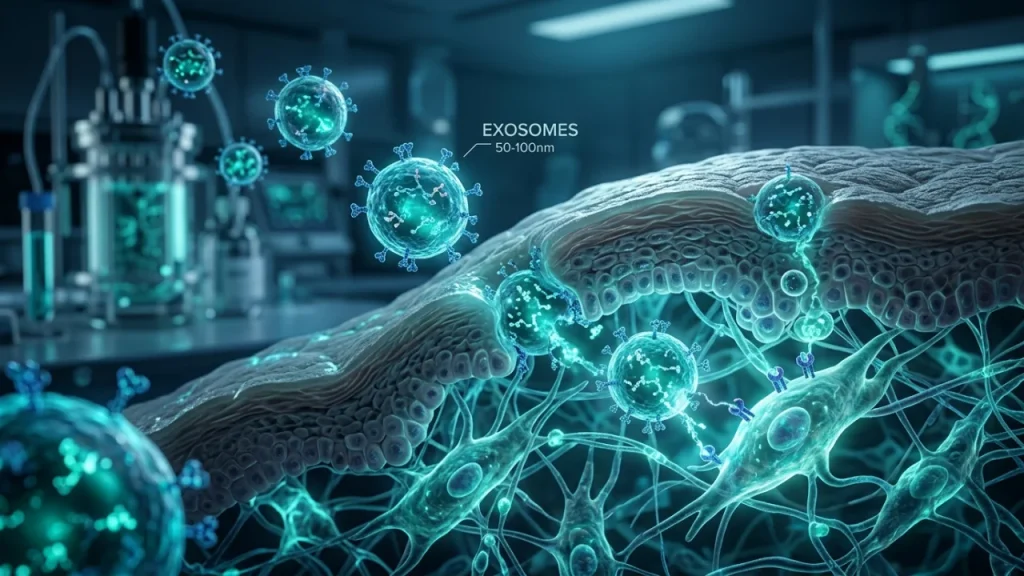
Imagine your body’s cells have a sophisticated postal system. Exosomes are the tiny packages they send. These are not cells. They are much smaller particles released by nearly every cell type in your body. Think of them as biological messengers.
They are extracellular vesicles. This means they are small sacs that exist outside of cells. Their size is incredibly small. You could line up thousands of them across the width of a single human hair.
Their main job is communication. Cells load exosomes with specific cargo. This cargo includes proteins, lipids, and genetic material like RNA. The cell then releases the exosome into the space around it.
The exosome travels until it finds another cell. It delivers its cargo directly to that cell. This process sends precise instructions. It can tell the target cell to calm inflammation, repair itself, or create new collagen.
This signaling is a fundamental part of how our tissues stay healthy. It is a natural process happening inside you right now. Stem cells are particularly skilled at creating helpful exosomes. These stem cell-derived exosomes carry powerful regenerative messages.
Why does this matter for skin? Skin health depends entirely on cell communication. Damaged or aging skin cells often send poor signals. They might tell other cells to slow down collagen production.
An exosomes treatment for skin introduces a high volume of these beneficial messengers. It gives your skin cells a clear, positive instruction manual. The goal is to restore healthy communication pathways.
The cargo inside exosomes is key. Different source cells create exosomes with different contents. For skin renewal, we look for exosomes carrying specific instructions.
- They can signal fibroblasts to produce more collagen and elastin.
- They can instruct cells to increase hydration by making more hyaluronic acid.
- They can reduce inflammation by calming overactive immune responses.
- They promote the growth of new, healthy blood vessels.
- They encourage damaged cells to repair themselves more efficiently.
This makes them fundamentally different from traditional treatments. Serums and creams work from the outside in. They supply materials to the skin’s surface.
Exosomes work from the inside out. They deliver information that tells your own cells how to behave better. It is like updating the software of your skin rather than just painting the hardware.
Scientists can now collect and concentrate these vesicles from certain cell cultures. This creates a potent preparation for therapeutic use. The focus is on purity and biological activity.
Understanding this messenger role is the first step. It explains why there is so much excitement in dermatology. This natural signaling system offers a precise tool for regeneration. Next, we will explore how this science translates into actual benefits for aging or damaged skin.
How Exosomes Differ from Traditional Skin Treatments
Traditional skin treatments are largely based on a principle of addition. They add something your skin may lack. Creams and serums apply molecules like retinoids or peptides directly to the skin’s surface. Their job is to penetrate the outer layers. They aim to deliver these active ingredients to where living cells reside. Injections like fillers add physical volume beneath wrinkles. They place hyaluronic acid or collagen directly into the tissue. These methods supply a material resource. Think of it as delivering construction supplies to a building site.
Exosomes operate on a principle of instruction. They do not primarily add a new structural material. Instead, they deliver biological commands. These commands tell your skin’s own cells how to act. This is a core difference in the exosomes treatment for skin approach. Your fibroblasts already know how to make collagen. With age and damage, they slow down or get confused. Exosomes carry specific signals that effectively remind these cells of their job. They turn on the cell’s natural production machinery.
The results of these two approaches differ in key ways. Traditional methods often provide a temporary effect. Topical ingredients get used up or break down. Injected fillers are gradually metabolized by the body. Their effect diminishes over months. The instructional method of exosomes aims for a more sustained outcome. By changing cellular behavior, the benefits may last longer. The skin continues its improved function after the initial signal.
Consider the issue of inflammation and repair. Many creams contain anti-inflammatory agents like corticosteroids. These molecules passively block inflammation pathways. They act as an external dampening force. Exosomes can instruct immune cells to resolve inflammation actively. They promote a balanced, healthy response from within the cellular network.
Here is a simple comparison of the fundamental strategies:
- Traditional treatments: Add material from outside. Effect is often local and temporary.
- Exosome signaling: Activate internal cell programs. Effect aims to be broader and more durable.
Another distinction lies in precision and communication. A serum ingredient affects any cell it contacts. Its action is broad and not specifically targeted. Exosomes have natural targeting abilities. Their membrane can guide them to specific cell types, like fibroblasts or keratinocytes. This allows for a more precise delivery of instructions. It reduces unintended effects on unrelated cells.
This does not mean exosomes replace all other treatments. They represent a different category of tool. For some goals, adding volume with a filler is the direct solution. For improving overall skin quality, health, and regeneration, influencing cell behavior is powerful. The exosomes treatment for skin paradigm shifts focus from passive supply to active cellular education.
Understanding this difference helps set realistic expectations. You would not expect a single instructional seminar to instantly rebuild a house. Similarly, exosome therapies work by initiating a biological process. The full results develop as your cells respond and regenerate over time. This cellular-level dialogue offers a sophisticated complement to the established toolkit of dermatology, aiming for rejuvenation that originates from your skin’s own innate intelligence.
The Science Behind Exosomes Treatment for Skin
Exosomes are tiny messengers. They are produced by nearly all cell types in your body. Stem cells are particularly skilled at making them. Think of a cell as a factory. It packages important materials into small bubbles. These bubbles are exosomes. They get released into the space between cells.
Their job is communication. Cells do not talk with words. They send chemical signals. Exosomes are like secure mail trucks for these signals. They carry a precise set of instructions from one cell to another. This is key for skin repair. Damaged or aging skin cells often send confused signals. Healthy stem cell exosomes can deliver a clearer, corrective message.
What is inside these tiny vesicles? Their cargo is complex and purposeful. It is not a random mix. It includes several key components.
- Proteins: These can be enzymes that speed up repair. Some are growth factors that tell cells to multiply or make collagen.
- Lipids: These are fat molecules. They help maintain the exosome’s structure. They also can influence how recipient cells behave.
- Nucleic Acids: This is the most crucial instructional material. It includes microRNA (miRNA). miRNA does not carry blueprints for proteins. Instead, it acts like a manager. It regulates which genes in the target cell are turned on or off.
This last point is vital for exosomes treatment for skin. The miRNA inside exosomes can dial down inflammation. It can switch on collagen production. It can encourage cells to repair themselves. The exosome delivers this manager directly to the target cell’s machinery.
How does delivery work? The exosome does not just bump into a cell. Its outer membrane has “address tags.” These tags allow it to bind to specific cell types. A fibroblast, the cell that makes collagen, has different tags than an immune cell. An exosome can be designed to find fibroblasts. This targeting makes the signal efficient.
Once bound, the exosome has two main delivery methods. It can fuse with the target cell’s membrane. It empties its cargo directly inside. Alternatively, the whole exosome can be swallowed by the cell. The cell then opens it and uses the contents. The instructions then take effect.
The process is natural. Your body uses this system every day. A therapeutic exosomes treatment for skin amplifies this natural process. It provides a high concentration of clear instructions to skin cells that may be struggling. The treatment does not force cells to do something new. It reminds them how to function at their best.
This scientific foundation explains why results develop over weeks. The exosome signal starts a program. Cells need time to execute it. They produce new proteins, regenerate, and communicate with neighbors. The initial signal fades, but the cellular activity it triggered continues. This leads to improvements in texture, tone, and resilience from within your skin’s own biology.
Key Benefits of Using Exosomes for Skin Health
Exosomes offer distinct advantages for skin rejuvenation. They work with your biology, not against it. This leads to several key benefits. One major benefit is reduced inflammation. Inflammation is a root cause of many skin issues. It drives redness in rosacea. It worsens acne breakouts. It accelerates aging. Exosomes carry specific instructions to calm the immune response.
They signal immune cells to lower their activity. This quiets chronic, damaging inflammation. The result is less visible redness and irritation. Skin becomes more comfortable. Another core benefit is accelerated repair. Your skin constantly fixes daily damage from the sun and environment. This process slows with age.
An exosomes treatment for skin directly addresses this. The cargo inside exosomes includes molecules for growth and repair. These molecules tell skin cells to move faster. They increase the production of new, healthy tissue. This means cuts or procedures may heal quicker. It also means your skin recovers better from daily stress.
Improved collagen and elastin production is a fundamental result. Collagen provides structure. Elastin gives snap-back elasticity. Both proteins break down over time. Traditional treatments often try to force their production. Exosomes take a smarter path. They instruct fibroblast cells to resume a more youthful program.
The cells naturally make more collagen and better-quality elastin. This happens from within your own cells. The effect is not just adding volume. It is restoring the skin’s genuine framework. Skin texture becomes smoother. Fine lines soften because the foundation underneath is stronger.
Exosomes also enhance skin’s hydration and barrier function. A strong barrier keeps moisture in and irritants out. Exosome signals help keratinocytes, the main barrier cells, function optimally. They improve the production of natural moisturizing factors and ceramides. This strengthens the skin’s protective shield.
Your skin retains more water. It feels more supple and resilient. It is better protected against pollutants and allergens. The benefits extend to tone and pigmentation. Exosomes can help regulate melanocytes, the cells that produce pigment. They promote a more balanced, even distribution of melanin.
This can lead to a reduction in the appearance of dark spots and sun damage. The overall complexion looks more uniform and radiant. These benefits are interconnected. Lower inflammation supports better healing. Better healing supports stronger collagen. A stronger barrier protects new collagen.
This creates a positive cycle of skin health. – Reduced inflammation and redness. – Faster wound healing and recovery. – Increased collagen and elastin production. – Improved hydration and barrier strength. – More even skin tone and texture.
The approach is holistic. Instead of targeting one single issue, exosomes support the entire cellular community in your skin. They provide a broad set of instructions for optimal function. This is why results are often described as “global improvement.” People notice changes in multiple areas at once.
The effects develop sustainably because they come from your skin’s renewed activity. In summary, exosomes offer a multi-faceted benefit profile rooted in cellular communication. They address core biological processes that define skin health and youthfulness. This sets the stage for understanding how these benefits translate into specific clinical applications for common concerns.
How Exosomes Work to Repair and Rejuvenate Your Skin
The Journey of Exosomes from Source to Skin Cells
Exosomes begin their journey inside specialized donor cells. Stem cells are a common source. These cells naturally produce exosomes as part of their communication system. Think of them as tiny biological packages. Each exosome is a lipid bubble filled with active cargo.
This cargo includes growth factors, signaling proteins, and genetic instructions. The exosome’s membrane protects this precious contents. It ensures safe travel through the body’s environment. This membrane also holds key recognition markers on its surface. These markers act like addresses or identification tags.
For an exosomes treatment for skin, these vesicles are collected and purified. The process isolates billions of exosomes into a concentrated solution. This solution is prepared for clinical application. The goal is to deliver a high dose of signaling molecules directly to the target area.
Application methods are designed for maximum effect. Common techniques include: – Micro-needling: creating tiny channels for direct delivery. – Professional facials: using sonophoresis or gentle massage. – Post-procedure application: following laser or peel treatments.
Once applied, the exosomes get to work immediately. They are not passive particles. Their surface markers interact with the membranes of your skin cells. This interaction is highly specific. It is like a key finding its lock.
This binding triggers one of two entry pathways. The exosome may fuse directly with the cell’s membrane. It then empties its cargo directly into the cell’s interior. Alternatively, the entire vesicle can be engulfed by the cell. The cell literally takes the package inside.
The internalized cargo then influences the cell’s behavior. Proteins and lipids activate cellular receptors. They switch on pathways for repair and renewal. RNA molecules can provide new blueprints for protein production. This is the core of cellular communication.
The process is rapid and efficient. Signaling can begin within hours of application. The instructions carried by exosomes are inherently logical to your skin cells. Your cells recognize them as natural commands, not foreign chemicals.
This targeted delivery system explains the treatment’s precision. Exosomes preferentially seek out cells that need help. They are drawn to areas of inflammation, damage, or stress. This homing ability increases their effectiveness where it matters most.
The journey concludes with a change in cellular activity. Fibroblasts receive signals to build more collagen. Keratinocytes are instructed to strengthen the barrier. Melanocytes get messages to normalize pigment production. The result is coordinated rejuvenation.
This entire pathway underscores a fundamental advantage. Exosomes work *with* your skin’s biology, not against it. They use the body’s own language to prompt healing. This natural mechanism supports sustainable results with minimal risk of rejection or adverse reaction. Understanding this journey clarifies why the effects are both broad and deeply rooted at a cellular level, setting the stage for exploring specific treatment protocols for common skin concerns.
Exosomes and Collagen: Building Firmer, Younger Skin
Collagen loss is a primary reason skin thins and sags with age. Exosome treatment for skin directly addresses this fundamental issue. It does so by sending precise instructions to your skin’s fibroblasts. Fibroblasts are the cells responsible for making collagen.
Think of a fibroblast as a construction factory. With age, this factory receives fewer work orders. It also gets noisy signals from inflammation. This slows production. The factory’s output of quality collagen drops. The supporting scaffold of your skin weakens.
Exosomes deliver a clear set of blueprints and tools. They carry specific growth factors and RNA messages. These molecules bind to receptors on the fibroblast. This binding activates key production pathways. One major pathway is called TGF-β signaling.
This activation does several critical things. It switches on the genes needed for collagen synthesis. It provides the cell with resources to fuel this energy-intensive process. It also downregulates enzymes that break collagen down. This dual action is crucial.
The result is not just more collagen, but better-organized collagen. Exosomes promote the formation of strong, youthful Type I and Type III collagen fibers. They guide the proper cross-linking of these fibers. This creates a dense, supportive network.
The process mirrors natural, youthful repair. It is not a sudden, artificial spike. The signals encourage sustained, physiological activity. Your fibroblasts become more efficient and productive on their own.
Consider the key steps in this rejuvenation sequence: – Exosomes target dormant or stressed fibroblasts in the dermis. – Their cargo activates the cell’s collagen production machinery. – New procollagen molecules are assembled inside the cell. – These are exported and woven into stable fibrils outside. – Enzymatic degradation of existing collagen is simultaneously reduced.
This leads to a measurable increase in collagen density over time. Studies show significant improvements within weeks. The skin’s architecture is physically restored from within. Firmness and elasticity improve as the foundation is rebuilt.
The approach has a distinct advantage over topical treatments. Most creams cannot effectively signal fibroblasts deep in the dermis. Exosomes, as natural carriers, excel at this targeted delivery. They place the instructions directly inside the target cell.
Furthermore, this collagen boost is integrated. The new collagen is your own tissue. It blends seamlessly with the existing matrix. This supports long-lasting structural improvement without foreign materials.
The impact extends beyond just filling lines. A robust collagen network improves hydration and resilience. It provides a smoother surface for light reflection, enhancing radiance. It also strengthens the skin’s barrier function.
Ultimately, exosome therapy recalibrates a core biological function. It turns back the clock on cellular communication for collagen production. This restores your skin’s inherent capacity to maintain its own structural support. The following section will explore how this same targeted signaling helps to calm inflammation and repair damage from environmental stress.
Reducing Inflammation with Exosome Signaling
Inflammation is your skin’s natural alarm system. It activates to fight germs or heal a wound. But this alarm can get stuck in the “on” position. Chronic, low-grade inflammation silently damages skin over years. It breaks down collagen and elastin. It weakens the skin’s barrier. This process is called inflammaging.
Exosomes offer a sophisticated solution to this problem. They carry specific instructions to calm this overactive response. Think of them as a “stand down” signal for your immune cells. This is a core part of how exosome treatment for skin promotes repair.
The signaling works through key molecules. Exosomes deliver microRNAs and proteins directly to immune cells in the skin. These include cells like macrophages and keratinocytes. The messages tell these cells to reduce their production of inflammatory signals.
These inflammatory signals have names like TNF-alpha, IL-1beta, and IL-6. They are like fire alarms that keep ringing. Exosome cargo helps turn these alarms off. This shifts the skin’s state from reactive and damaged to calm and receptive to repair.
The benefits of reducing this background noise are profound. – First, it stops the continuous breakdown of structural proteins. Collagen and elastin fibers last longer. – Second, it allows fibroblasts to focus on rebuilding. They are not distracted by constant inflammatory signals. – Third, it helps repair a compromised skin barrier. A calm environment lets barrier cells regenerate properly.
This anti-inflammatory action is particularly valuable for specific concerns. It soothes conditions like rosacea or persistent redness. It calms skin that overreacts to common products or stress. It also mitigates damage from environmental aggressors.
For example, UV exposure triggers a strong inflammatory cascade. This leads to visible redness and unseen cellular stress. Exosomes can help modulate this response after sun exposure. They support the skin’s natural recovery processes from within.
The mechanism is precise and natural. Exosomes do not broadly suppress the immune system like a drug might. Instead, they recalibrate it. They restore balanced communication between skin cells and immune cells.
This creates a positive cycle. Less inflammation means a stronger barrier. A stronger barrier keeps out more irritants. Fewer irritants lead to even less inflammation. The skin enters a state of homeostasis, or stable balance.
The result is skin that looks calm and feels comfortable. Redness and sensitivity diminish. The overall tone becomes more even. This healthy baseline is essential for any rejuvenation effort to succeed long-term.
Ultimately, exosome signaling addresses a root cause of aging skin. Chronic inflammation is that root cause. By quieting this internal noise, exosomes set the stage for effective renewal. They prepare the tissue for the structural rebuilding described earlier.
This dual action—building new support and calming inflammation—works in harmony. One process reinforces the other. The next logical step is to see how this combined effect tackles visible damage from daily life and environmental exposure.
Activating Cellular Repair Mechanisms Naturally
Exosomes deliver precise instructions to dormant skin cells. These instructions are packaged as proteins and genetic material. Think of them as a targeted wake-up call. They tell older, slower cells to act young again.
This process is called cellular rejuvenation. It does not involve harsh chemicals or artificial stimulants. Instead, exosomes trigger natural pathways. Your skin already knows these pathways. They just become less active with age and damage.
The key mechanism is the activation of repair proteins. Skin cells contain the blueprints for these proteins. Exosomes provide the signal to start building. One major target is collagen production.
Dermal fibroblasts are the skin’s collagen factories. Over time, they become sluggish. They produce less collagen and poorer quality fibers. Exosome treatment for skin directly addresses this decline. The vesicles deliver specific microRNAs to these fibroblasts.
These microRNAs switch on critical genes. The fibroblasts then ramp up production. They synthesize new, robust Type I and Type III collagen. This is the structural scaffolding of your skin.
The process also improves elastin. Elastin gives skin its snap-back quality. Exosomes help organize new elastin fibers properly. This combats sagging and loss of resilience.
Another vital repair function is angiogenesis. This is the formation of new, tiny blood vessels. Improved blood flow is crucial for healing. It delivers more oxygen and nutrients to the tissue.
Exosomes promote this healthy angiogenesis. Better circulation creates a vibrant, nourished complexion. It also speeds recovery from existing damage like sun spots.
Cellular turnover increases as well. Exosomes encourage the natural shedding of old surface cells. They also promote the healthy maturation of new cells from below. This leads to smoother, more refined skin texture.
The repair work happens at multiple levels simultaneously: – At the genetic level, turning on youth-associated genes. – At the protein level, boosting structural building blocks. – At the tissue level, enhancing support and circulation.
This multi-target approach is why results appear comprehensive. The skin is not just patched up in one area. It is systematically renewed across all layers.
Damage from UV rays creates fragmented collagen networks. Exosomes help clear this damaged matrix. They then guide cells to deposit fresh, organized collagen in its place. This repairs the underlying architecture.
The result is not just superficial plumping. It is genuine structural reinforcement. The skin becomes denser and more resilient from within.
This natural activation has a lasting effect. Treated cells continue their renewed activity for months. The cycle of repair becomes self-sustaining for a period. This leads to progressive improvement over time.
Ultimately, exosome signaling restores the skin’s innate intelligence. It reminds cells of their original healthy function. The body’s own repair mechanisms become the primary treatment agent.
This sets the stage for visible transformation. Once cellular repair is fully engaged, it directly addresses the signs of aging we see every day in the mirror.
Common Skin Issues Addressed by Exosomes Treatment
Fighting Photoaging: Sun Damage and Wrinkles
Sunlight is a primary cause of visible skin aging. This process is called photoaging. It is different from the natural aging of time. Ultraviolet rays penetrate deep into the skin’s layers. They create damage that builds up over years.
Exosomes treatment for skin directly targets this accumulated damage. The approach is biological and precise. Think of exosomes as cellular repair messengers. They deliver specific instructions to sun-injured cells.
Photoaging shows up as wrinkles, fine lines, and leathery texture. It also causes dark spots and broken capillaries. These signs come from deep structural breakdown. UV radiation attacks the skin’s support network.
This network relies on two key proteins. They are collagen and elastin. Collagen provides firmness and strength. Elastin gives skin its snap-back quality. Sun exposure breaks down these proteins.
It also harms the cells that make them. These cells are called fibroblasts. Chronically sun-damaged fibroblasts become lazy and inefficient. They produce poor-quality collagen in low amounts.
Exosomes reactivate these tired fibroblasts. The vesicles carry growth factors and signaling molecules. They tell the fibroblast to resume its youthful function. The cell starts producing robust collagen and elastin fibers again.
The repair process follows clear steps. First, exosomes help clear away the damaged protein debris. This debris is called the fragmented extracellular matrix. Clearing it makes space for new construction.
Next, they instruct cells to build fresh, properly organized collagen. The new fibers form a dense, supportive lattice. This lattice reinforces the skin from within.
Finally, exosomes calm chronic low-grade inflammation. This inflammation is known as inflammaging. It is a silent fire fueled by sun damage. It constantly degrades skin structure.
Exosomes modulate the immune signals in the skin. They reduce this destructive inflammatory state. A calmer environment allows for better repair.
The results address the classic signs of sun damage. – Deep wrinkles soften as new collagen fills them from below. – Skin texture improves because the new collagen network is smooth. – Elasticity returns due to renewed elastin production. – Discoloration can fade as inflammation subsides.
This is not a surface-level change. It is a reconstruction of the skin’s foundation. The treatment works with your body’s own biology. It restores the skin’s ability to heal itself from past sun exposure.
Protection from future sun damage remains essential. However, exosome therapy can effectively treat the existing damage. It turns back the clock on years of sun exposure at a cellular level.
The skin becomes more resilient and better structured. This comprehensive approach makes exosome treatment a powerful tool against photoaging. It moves beyond surface care to fundamental biological renewal. The next logical step is to see how this renewal impacts other common skin concerns beyond sun damage.
Scar Reduction and Smoother Skin Texture
Scars form when the skin heals too quickly or under stress. The body prioritizes closing a wound over perfect repair. This creates scar tissue. Scar tissue is different from normal skin. It often has less collagen. The collagen fibers it does have are disorganized. They form dense, cross-linked bundles. This leads to a texture that is raised, sunken, or overly tight. The goal of scar revision is not just to remove tissue. It is to transform it.
Exosome treatment for skin offers a sophisticated approach to this transformation. Exosomes deliver precise instructions to the cells living within the scar. These are often fibroblasts. Fibroblasts are the skin’s collagen-producing factories. In a scar, these factories are dysfunctional. They produce either too much of the wrong type of collagen or not enough of the right kind. Exosomes can reset their function.
The vesicles carry signals that target several key processes at once. First, they help break down the old, disorganized collagen matrix. They encourage enzymes called matrix metalloproteinases. These enzymes carefully degrade the stiff, scarred scaffolding. This is a controlled demolition.
Second, exosomes instruct fibroblasts to produce new, healthy collagen. This new collagen is Type I and Type III collagen. These are the primary types found in youthful, resilient skin. The new fibers are laid down in a neat, basket-weave pattern. This pattern mimics natural skin structure.
Third, exosomes modulate inflammation in the scar bed. Chronic inflammation can perpetuate poor healing and itching. By calming immune signals, exosomes create a better environment for remodeling. They also support the formation of new blood vessels. This improves nutrient delivery to the area.
The combined effect is a gradual softening and flattening of the scar. The color often improves as well. Red or dark pigmentation can fade as inflammation resolves. The skin’s texture becomes more even and pliable.
This process applies to several common scar types: – Acne scars, particularly rolling or boxcar scars that create texture irregularities. – Surgical scars, where improving pliability and appearance is desired. – Injury scars from cuts or abrasions. – Stretch marks, which are a form of scarring in the dermis.
The treatment works best on scars that are mature but not old. A mature scar is typically at least six months to one year old. It is no longer actively changing or red. Exosomes can still influence older scars, but the process may be slower.
It is important to have realistic expectations. Exosome therapy aims for significant improvement, not always total erasure. The goal is to make a scar less noticeable. It should blend better with the surrounding skin texture and tone.
The results develop over weeks and months. Collagen remodeling is a slow biological process. Patients may notice initial softening within a few weeks. The most visible improvements often appear after two to three months. The process can continue for up to six months or longer.
This approach differs from abrasive or surgical methods. Lasers or microneedling physically injure the skin to trigger a new healing response. Exosome therapy works without causing significant new trauma. It uses signaling to guide a smarter repair cycle.
The potential for smoother skin extends beyond obvious scars. Many people have minor textural irregularities from past mild acne or sun damage. These are tiny subclinical scars. The same collagen-renewing process can improve this overall canvas. Skin feels softer and looks more refined.
Ultimately, exosome treatment for skin reframes scar management. It moves from destruction to intelligent communication. The therapy encourages flawed tissue to remodel itself into something closer to healthy skin. This represents a fundamental shift in regenerative dermatology. By addressing the cellular miscommunication at the root of poor scarring, it offers a path to lasting improvement. The next logical question is how this powerful signaling affects another universal concern: the loss of firmness and elasticity as skin ages
Managing Inflammatory Skin Conditions Like Eczema
Eczema and similar conditions stem from an overactive immune response in the skin. This creates persistent redness, itching, and damage. Conventional treatments often suppress this entire reaction. Exosome treatment for skin offers a different strategy. It aims to calm the overreaction without shutting down normal defenses.
The process starts with communication. Inflamed skin cells send out distress signals. These signals attract immune cells. The cycle of inflammation then continues. Exosomes from stem cells carry instructions to break this cycle. They deliver specific messages to the resident skin cells and immune cells.
These messages can tell cells to reduce their alarm signals. Think of it as turning down the volume on a false alarm. The key mechanisms involve several actions. Exosomes may promote a shift toward anti-inflammatory signaling molecules. They can support the repair of the skin’s protective barrier. They also help regulate the activity of immune cells called T-cells.
This targeted approach addresses the root dysfunction. It is not merely masking symptoms like itching. It seeks to restore a more balanced state in the skin’s environment. The goal is a lasting calm, not just a temporary pause. For a patient, this could mean fewer flare-ups over time. It could also mean less reliance on constant steroid creams.
The potential benefits are clear for chronic conditions. – Reduced frequency and severity of inflammatory flares. – Decreased reliance on topical steroids that can thin skin. – Support for healing the compromised skin barrier. – Less itching and discomfort, improving daily life.
Clinical observations show promising pathways. Studies note that mesenchymal stem cell exosomes carry molecules like IL-10 and TGF-β. These are known to soothe immune reactions. They help switch immune responses from a pro-inflammatory state to a restorative one. This cellular diplomacy is the core of the therapy.
It is a logical extension of regenerative principles. The previous section discussed fixing flawed collagen in scars. Here, the focus is on fixing flawed communication in inflammation. Both applications use exosomes as intelligent messengers. They guide cells toward a healthier pattern of behavior.
Managing eczema with exosomes represents a paradigm shift. It moves from suppression to regulation. The therapy uses the body’s own language of repair. This offers hope for managing stubborn conditions with fewer side effects. The underlying science points to a future of smarter dermatology.
This foundational work on inflammation also sets the stage for tackling aging. Chronically inflamed skin ages faster. By resolving this underlying stress, we directly support long-term skin health and resilience.
Overall Skin Rejuvenation and Tone Enhancement
Exosomes go beyond treating single problems. They work at a foundational level. This action leads to overall skin renewal. Your skin’s tone and brightness often show this change first.
Dull and uneven skin usually has multiple causes. Sun damage plays a role. Natural aging is another factor. Past inflammation also leaves a mark. These issues disrupt how skin cells talk to each other. Fibroblasts slow down collagen production. Melanocytes may produce pigment unevenly. The result is a tired, blotchy complexion.
Exosome treatment for skin addresses these communication errors. The vesicles deliver precise instructions to your cells. Think of it as a system-wide software update. The goal is to restore optimal function.
The effects on skin tone are direct. Exosomes carry signals that regulate melanin. This is the pigment that gives skin its color. They can help normalize its production. This reduces the appearance of dark spots. It also promotes a more even color across your face.
Skin brightness comes from light reflection. Healthy, smooth skin reflects light well. Exosomes support this in key ways. – They encourage fibroblasts to build new, organized collagen. – They improve the skin’s hydration mechanisms. – They promote a faster turnover of surface cells.
This process sheds old, dull cells more efficiently. Fresher, healthier cells then come to the surface. Your skin naturally looks more radiant.
The improvement in texture is significant. Fine lines often soften. Pores can appear smaller. This happens because the dermal structure gets stronger. Better collagen and elastin provide firmer support. The skin’s surface becomes smoother as a result.
This is not a superficial coating or a peel. The change comes from within your own skin. The therapy uses your body’s biological language. It instructs cells to act younger and healthier.
The timeline for these results is gradual. You may notice early brightness within a few weeks. Deeper improvements in tone and firmness develop over months. The effects are cumulative as cells continue their renewed activity.
This approach complements other skincare routines. It works well with sun protection. Daily sunscreen is still essential. It also pairs with gentle cleansers and moisturizers. Exosomes enhance your skin’s natural response to these products.
Consider the difference between painting a wall and repairing its foundation. Traditional creams are like paint. They work on the surface. Exosome treatment for skin is like fixing the foundation. It improves the structure underneath. The surface then looks better because the base is solid.
The outcome is a comprehensive refresh. Skin looks more vibrant. Its color appears more uniform. The overall texture feels smoother and firmer. This holistic rejuvenation is a core strength of exosome science.
It connects directly to the earlier discussion on inflammation. Calming internal stress prevents further damage. Rebuilding structure repairs past damage. Together, they create a powerful cycle of renewal. This sets a healthy stage for long-term maintenance and care.
The next logical step is understanding the treatment experience itself. How is this therapy actually delivered?
The Treatment Process: What to Expect with Exosomes
Preparing for an Exosomes Treatment Session
Proper preparation is key for optimal results. Your skin must be ready to receive and use the biological instructions. This process starts before you arrive for your appointment.
A consultation always comes first. A qualified provider will review your skin history and goals. They will explain the procedure in clear detail. This discussion ensures the treatment plan is right for you. It also builds realistic expectations for the outcome.
You will receive specific instructions to follow in the days before treatment. These steps create the ideal environment for exosomes to work. The main goal is to minimize skin irritation and inflammation. Calm skin is more receptive to regenerative signals.
Common preparation steps include: – Avoiding sun exposure and tanning for at least one week. Sunburned or tanned skin cannot be treated. – Stopping the use of strong topical products several days prior. This includes retinoids, acid peels, and abrasive scrubs. – Informing your provider of all medications and supplements. Some substances, like blood thinners, may need a temporary pause. – Arriving with clean, makeup-free skin on the day of your session.
Hydration is another critical factor. You should drink plenty of water in the days leading up to your appointment. Well-hydrated skin supports better cellular function. It also aids in overall recovery.
Do not schedule other aggressive facial treatments close to your session. Avoid laser procedures, deep chemical peels, or microdermabrasion for two weeks before. Your skin needs to be in a baseline, stable state.
On the morning of your treatment, use only a gentle cleanser. Do not apply moisturizers, serums, or sunscreen. The provider will cleanse your skin again in the clinic. This ensures no barrier exists between the exosomes and your skin.
The actual delivery method is simple and minimally invasive. The exosome solution is typically applied topically after micro-needling or a similar technique. These methods create tiny, temporary channels in the skin’s surface. They allow the vesicles to bypass the outer barrier and reach deeper layers.
The preparation phase is fundamentally about reducing interference. It clears away factors that could distract your skin cells. The cells can then focus fully on the new instructions from the exosome treatment for skin. This careful approach maximizes the therapy’s sophisticated potential.
Think of it like preparing a garden bed before planting seeds. You remove weeds and loosen the soil first. You do not just scatter seeds onto hard ground. Preparation creates fertile conditions for growth. Your pre-care routine serves the same purpose for your skin’s biology.
Following these guidelines supports a smooth, comfortable experience. It also sets the stage for the best possible cellular response. Your proactive role is a valuable part of the scientific process. This leads naturally to understanding what happens during the session itself.
Delivery Methods: Serums, Microneedling, and More
The exosome treatment for skin is not a single procedure. It is a combination of two key steps. First, a method creates access points in the skin. Second, the exosome solution is delivered through them. This dual approach is central to its effectiveness.
Think of your skin’s outer layer, the stratum corneum, as a protective wall. It keeps bad things out. Unfortunately, it also blocks large, helpful molecules from getting in. Topical creams alone cannot push exosomes through this barrier. They sit on the surface.
Clinicians use different tools to create temporary pathways. These micro-channels are incredibly small. They cause minimal discomfort and heal quickly. Their main job is to allow direct passage to the living cells below.
One common technique is microneedling. A sterile device with fine needles rolls over the skin. It creates hundreds of these micro-channels in minutes. This process is often called collagen induction therapy. It triggers the skin’s natural repair response.
Another method uses fractional laser technology. The laser emits precise beams of light. These beams create microscopic columns of treatment in the skin. The surrounding tissue remains intact. This aids rapid healing.
Sometimes, a gentle glycolic acid peel is used first. This weakens the bonds between dead surface skin cells. It thins the barrier slightly before creating channels.
Once the pathways are open, the exosome solution is applied. Delivery is typically immediate. The method of application can vary based on the clinic’s protocol and the patient’s needs.
- Direct Topical Application: The liquid is massaged gently onto the treated skin. The micro-channels act like tiny sponges, drawing the solution downward.
- Serum Infusion: The exosomes are mixed into a hydrating serum or gel. This carrier helps spread the vesicles evenly across the treatment area.
- Microdroplet Technique: A fine mist or spray applies the solution. This can ensure consistent coverage on larger areas like the neck or chest.
The entire process from start to finish usually takes under an hour for a facial treatment. Most patients describe sensations as mild tingling or warmth during channel creation. The application of the exosome solution itself is generally soothing and feels like applying a cool serum.
There is no universal “best” delivery method. A skilled provider chooses the technique based on individual skin goals and conditions. For example, microneedling might be preferred for overall texture and scarring. Fractional laser may be selected for addressing specific sun damage or tighter lifting.
The sophistication lies in this tailored approach. The creation of micro-channels is a physical event. The delivery of exosomes is a biological one. Together, they form a complete treatment session designed for deep cellular communication.
This direct delivery ensures the vesicles reach their target: fibroblasts, keratinocytes, and stem cells in the dermis. These cells then uptake the exosomes and begin interpreting their molecular instructions. The real work happens invisibly in the days and weeks that follow the brief clinical visit.
Understanding this process demystifies the treatment experience. It shifts focus from a simple application to a deliberate, two-stage biological strategy. This sets the stage for knowing what comes next: how your skin responds after you leave the clinic and begin the recovery phase.
During the Treatment: A Step-by-Step Overview
A typical exosome treatment for skin begins with a consultation and skin preparation. Your provider will cleanse your skin thoroughly. This removes any barriers like oil or makeup. The goal is a perfectly clean canvas for the procedure.
Next comes the creation of micro-channels. This step opens temporary pathways into the dermis. The method used depends on your skin’s needs. Common techniques include microneedling or fractional laser.
Microneedling uses a sterile device with fine needles. These needles create tiny, controlled punctures. You may feel a vibrating sensation or mild prickling. The discomfort is usually minimal. Most patients describe it as tolerable.
Fractional laser uses precise light energy. It creates microscopic columns of thermal injury. You might feel quick pulses of heat. A cooling device often accompanies the laser for comfort. Your provider will apply a topical numbing cream beforehand in either case. This cream sits on your skin for about twenty to thirty minutes. It greatly reduces any sensation during the channel creation phase.
After creating the channels, the provider applies the exosome solution. This liquid contains billions of extracellular vesicles. The solution is often clear and cool. It is gently massaged or sprayed onto the treated skin.
The exosomes enter through the fresh micro-channels. They travel directly to living skin cells. This direct delivery is key to the treatment’s action. The entire active process from numbing to application usually takes under an hour for the face.
You will be awake and alert during the session. The room will be clinical but comfortable. Your provider may explain each step as they proceed. Here is a simple breakdown of the core sequence:
- Skin cleansing and application of topical anesthetic.
- Waiting period for the numbing cream to take effect.
- Creation of micro-channels with the chosen device.
- Application of the exosome treatment solution.
- Gentle massage to aid absorption.
Some protocols include additional steps. A provider might use a specialized serum before the exosomes. This can prime the skin for better uptake. Others may use LED light therapy after application. The light can support cellular activity.
Sensations during the solution application are generally soothing. Patients often report a cooling feeling. Some feel a slight tingling as the exosomes absorb. This is normal and temporary. There is no heat or intense discomfort at this stage.
The atmosphere is focused and professional. The priority is safety and precision. Sterile equipment and techniques are used throughout. This minimizes any risk of infection. The provider wears gloves and uses single-use components where needed.
You can expect direct communication from your clinician. They will tell you when to expect a vibration or a pulse of energy. They may check in on your comfort level. Brief pauses are possible if needed. The goal is a controlled, effective procedure without distress.
After applying the exosomes, the provider may let them absorb for a few minutes. No bandages or wraps are typically required. Your skin will look flushed and feel warm, similar to a sunburn. This is the expected immediate response.
The treatment itself is a catalyst. The visible work happens in the weeks after you leave. The session sets a biological process in motion inside your skin cells. Understanding this straightforward procedure removes uncertainty and prepares you for the recovery journey ahead.
Post-Treatment Care and Recovery Timeline
Your skin’s response in the first 24 hours is a positive sign. The initial warmth and redness typically fade within a few hours. Gentle care is crucial during this window. You should avoid touching or rubbing the treated area. Use only the mild cleanser recommended by your provider. Do not apply any active skincare products. This means no retinols, acids, or vitamin C serums. Your skin needs a calm environment to begin its work.
The exosomes are now interacting with your skin cells. Think of them as delivering precise instructions. These instructions tell your cells to repair and renew themselves. This process is not instant. It unfolds over a structured timeline. Visible changes come from this underlying cellular activity.
Follow these simple aftercare steps for the first three days: – Cleanse your skin gently, using only your fingertips. – Apply a basic, fragrance-free moisturizer as directed. – Use a mineral-based sunscreen every single day. Sun protection is non-negotiable. – Avoid strenuous exercise that causes excessive sweating. – Skip saunas, steam rooms, and very hot showers.
You will not see dramatic changes in the first week. The primary action is happening beneath the surface. Some people notice improved hydration early on. Skin may feel smoother. The initial glow from increased circulation might be visible. This is just the start.
The real transformation occurs in the weeks that follow. Cellular turnover takes time. Most patients observe clearer results two to three weeks after their session. Collagen and elastin production ramps up. This improves skin firmness. Fine lines may begin to soften. The tone and texture of your skin often become more even.
The full benefits of an exosome treatment for skin usually manifest after one month. The biological signals have been fully integrated. Your skin cells are now operating with better efficiency. Results can include diminished pore appearance, enhanced brightness, and a strengthened skin barrier. The effects are natural and progressive.
A single treatment can provide benefits for several months. The renewed cellular activity has a lasting impact. Many people choose periodic follow-up sessions. This helps maintain optimal results over time. It supports the skin’s long-term health.
Your daily habits directly influence outcomes. Continued sun protection is vital. A good diet supports cellular health. Staying hydrated helps your skin from the inside out. Quality sleep is when much skin repair occurs.
Patience is key with regenerative treatments. You are supporting your skin’s own biological wisdom. The exosomes treatment for skin works with your body’s timeline, not against it. This approach leads to authentic, sustainable rejuvenation. Your aftercare partnership ensures the best possible result from the advanced science now active within your cells.
Safety, Efficacy, and Future of Exosomes in Dermatology
Ensuring Safety in Exosomes Treatment for Skin
Safety is the most important part of any medical treatment. For exosomes treatment for skin, this starts with where the exosomes come from. Reputable sources use specific types of cells grown under strict conditions. These are often mesenchymal stem cells. The cells are never taken from a patient’s own body. They come from controlled laboratory environments.
The cells are grown in a clean, nutrient-rich solution. They naturally release exosomes into this solution. Scientists then collect the liquid. A complex purification process begins. This process removes the original cells and other debris. Only the tiny exosome vesicles remain.
Testing is critical at every single step. Each batch of exosomes undergoes rigorous checks. Scientists confirm the exosomes are the correct size and shape. They verify the vesicles carry the intended signaling molecules. This ensures consistency and activity. No batch is used without passing these tests.
A major safety focus is on sterility. The final product must be completely free of bacteria, viruses, or fungi. Labs use advanced filtration methods. They test extensively for microbial contamination. This step protects patients from infection.
Another key point is characterization. This means knowing exactly what is in the treatment. Experts analyze the proteins and genetic material on the exosomes. This “fingerprint” confirms they are genuine and potent. It also shows they are free from unwanted components.
Regulatory oversight provides another layer of safety. In many regions, exosome preparations are regulated as biologic products. This means they must meet high manufacturing standards. These standards are often called Good Manufacturing Practices or GMP. GMP facilities follow meticulous procedures for cleanliness and documentation.
Patients should ask their provider specific questions about safety. Here are important points to discuss: – What is the original source of the exosomes? – What testing does each batch undergo? – Can you see the quality control reports? – Is the product sterile and free of pathogens?
Understanding these protocols builds trust. It shows that advanced science includes rigorous safeguards. The goal is to deliver pure, active, and safe signaling particles to your skin.
The future of this field involves even stricter standards. Research continues to improve isolation techniques. New methods can create more precise exosome profiles. These profiles can target specific skin concerns more effectively.
Ongoing clinical studies also support safety and efficacy. Researchers monitor outcomes over time. They look for any unexpected reactions. So far, properly prepared exosome treatments show an excellent safety profile in dermatology.
This careful approach ensures that the regenerative potential of exosomes is matched by reliability. Safety protocols transform powerful biological tools into trusted clinical treatments. This foundation allows us to confidently explore their growing efficacy and future applications for skin health.
Clinical Evidence and What Studies Show
Clinical studies provide solid evidence for exosomes. Research shows they can improve skin structure and function. This is not just theory. Real data from trials supports their use.
One key area is collagen production. Collagen gives skin its firmness and youth. Our bodies make less collagen as we age. Several studies have measured collagen changes after exosome therapy. They often use a special score called a histology score. This score looks at skin samples under a microscope. Treatments with stem cell exosomes have significantly increased these scores. Patients see improved skin thickness and density. This happens because exosomes carry direct instructions to fibroblast cells. Fibroblasts are the skin’s collagen factories. The signals tell them to become more active and produce new, healthy collagen fibers.
Another proven benefit is wound healing and repair. Exosomes excel at coordinating cellular repair processes. They do this by reducing inflammation quickly. They also speed up the formation of new blood vessels. This brings more oxygen and nutrients to the area. Furthermore, they directly encourage skin cells to move and multiply over the wound site. Clinical trials for burn care and diabetic ulcers show these mechanisms in action. Healing times can improve. Scarring may be less severe. This regenerative capability is now being applied to aesthetic healing. It helps recovery after laser treatments or microneedling.
Hyperpigmentation is a common concern. This includes dark spots from sun damage or melasma. Exosomes offer a strategic approach here. They carry molecules that can regulate melanin production. Melanin is the pigment that gives skin its color. The signals from exosomes help normalize overactive melanocytes. These are the cells that make pigment. Early clinical reports show a brightening effect. Skin tone becomes more even. This happens without harsh chemicals that strip the skin.
The evidence also covers hydration and barrier strength. The skin’s barrier keeps moisture in and irritants out. When it is weak, skin feels dry and sensitive. Exosome therapy can improve barrier proteins. Studies measure this through transepidermal water loss or TEWL. Lower TEWL numbers mean a stronger, healthier barrier. Patients often report better hydration and less reactivity.
Here is what modern clinical research typically measures: – Collagen density and elastic fiber quality via biopsies. – Epidermal thickness and overall skin architecture. – Reduction in wrinkle depth and surface roughness. – Improvements in standardized scales for hydration, pigmentation, and firmness. – Patient satisfaction scores and quality-of-life surveys.
Long-term studies are still ongoing. However, current evidence points to sustained benefits. The effects are not just superficial or temporary. Exosomes work by changing the skin’s cellular environment. This leads to natural, gradual improvement. Results often develop over weeks and months as new cells form.
Future research will make treatments even more personalized. Scientists are identifying specific exosome profiles. Certain profiles may be best for collagen repair. Others might target inflammation or pigment more precisely. This next step moves from general regeneration to targeted correction.
The clinical picture is encouraging. Rigorous science supports the efficacy of exosome treatment for skin. It addresses fundamental aging processes at a cellular level. This strong foundation of evidence allows doctors and patients to make informed decisions about this advanced therapy.
Standardizing Protocols for Consistent Results
A single milliliter of exosome solution can contain trillions of individual vesicles. Their potency depends entirely on their quality and purity. Without strict standards, two treatments labeled the same could have vastly different effects. This is why protocol standardization is a major focus in dermatology today.
Consistency starts with the source material. The type of stem cells used matters greatly. Their age, health, and culture conditions change the exosomes they produce. Researchers now define optimal cell sources and passages. This ensures each batch begins with the same biological blueprint.
The collection process must also be controlled. Cells release exosomes under specific conditions. Scientists adjust factors like temperature and nutrients. These factors influence the exosomes’ cargo. Standardized collection yields a predictable mix of signaling molecules.
Next comes isolation and purification. This is a technical but vital step. The goal is to get only exosomes, free from other cell debris. Multiple methods exist, like ultracentrifugation or filtration. Each method has pros and cons. The field is moving toward agreed-upon best practices. Pure exosomes are safer and more effective.
Concentration is another key variable. How many exosomes are in a single dose? Right now, measurements can vary between labs. Standard units of measurement are needed. Patients should receive a defined, therapeutic number of vesicles. This is crucial for reliable exosome treatment for skin.
Finally, application protocols must be uniform. How are exosomes prepared just before use? What tools deliver them into the skin? How deep should they go? Consistent techniques prevent waste and ensure full absorption. Doctors follow detailed steps for microneedling or topical application.
- Critical protocol checkpoints include:
- Source cell verification and banking.
- Sterility testing at every production stage.
- Measurement of key protein markers to confirm identity.
- Tests for endotoxins or other contaminants.
- Precise quantification of particle count and size.
Without these standards, clinical results cannot be compared or trusted. A successful treatment in one clinic might fail in another. The reason could be a difference in protocol, not the science itself. Standardization turns promising science into dependable medicine.
This work also supports future research. When every team uses similar methods, their data can be combined. This accelerates discovery. It helps identify which protocols work best for specific skin concerns.
The path forward involves collaboration. Research institutions, clinical practices, and regulatory bodies must work together. They are creating clear guidelines for the entire process. From the lab bench to the patient’s skin, each step will be defined.
This rigorous approach protects patients. It ensures they receive a high-quality, active product. It also builds trust in this advanced field. Standardized protocols are the foundation that will allow exosome treatment for skin to reach its full potential reliably and safely for everyone.
The Future Outlook: Non-Invasive Skin Rejuvenation
The future of skin care may not involve needles or surgery. Research is now focusing on how to guide exosomes to achieve precise, non-invasive results. Scientists are learning to design treatments for specific concerns. This is the next step after establishing standard protocols.
Think of exosomes as natural text messages between cells. Future therapies aim to write these messages with purpose. Researchers can load exosomes with specific instructions. These instructions can tell skin cells to perform certain tasks.
For example, an exosome treatment for skin aging could carry a different signal than one for scarring. The vesicles for aging might tell fibroblasts to produce fresh collagen and elastin. The ones for scars might instruct cells to remodel damaged tissue gently. This is called targeted cargo delivery.
The goal is a predictable, office-based treatment with no downtime. You would not need recovery days. The process could work like this: – A doctor analyzes your skin’s specific needs. – They select or prepare an exosome formula designed for that need. – The exosomes are applied topically or with very gentle methods. – The vesicles deliver their programmed instructions to your skin cells. – Your own cells then do the repair work naturally.
This approach moves beyond general rejuvenation. It aims for condition-specific solutions. Early research points to several key areas.
Hair regrowth is one major focus. Exosomes from certain cells can wake up dormant hair follicles. They send signals that reduce inflammation around the follicle. They also promote new blood vessel growth. This brings more nutrients to the area. The result can be thicker, stronger hair growth without transplants.
Hyperpigmentation is another target. Melasma and sun spots happen when pigment cells become overactive. Specific exosome signals can help normalize these cells. They can reduce the overproduction of melanin pigment. This may lead to a more even skin tone over time.
The science also looks at sustained results. The best treatments would not just offer a temporary fix. The cellular instructions from exosomes could create a lasting change. They might reset the skin’s environment to a healthier, younger state. This effect could continue for months after the treatment ends.
Delivery methods will keep improving. New techniques may use special gels or devices. These tools help exosomes penetrate the skin’s barrier effectively. They do this without creating wounds. The integrity of the skin stays intact.
Safety profiles are expected to remain high. Using the body’s own communication system lowers risks. There is little chance of allergic reaction. The body recognizes these vesicles as natural elements.
The path forward requires more clinical data. Researchers are running studies to confirm these mechanisms. They are measuring long-term outcomes in real patients. Each study brings the future closer to today’s clinic.
This vision turns advanced science into simple care. A patient could address a skin concern without complex procedures. The treatment would be comfortable and focused. Results would develop naturally from cellular activity.
The promise is a new era of dermatology. It would be highly effective yet gentle. This future relies on the solid foundation of manufacturing and protocol standards discussed earlier. With that base secure, the focus can shift to personalization and precision. The next chapter will examine how patients and doctors can navigate this evolving field together, making informed choices about these innovative options.
Making Informed Decisions About Exosomes Treatment
Who Is a Good Candidate for Exosomes Therapy?
Exosome treatment for skin is not a one-size-fits-all solution. It works best for specific concerns and skin conditions. The ideal candidate has realistic goals and understands how this therapy functions.
Good candidates often seek to improve skin quality without invasive surgery. They may want to enhance texture, tone, and overall radiance. This therapy appeals to those looking for a natural, cellular-level approach.
Common skin issues that may respond well include fine lines and early wrinkles. Sun damage and uneven pigmentation are another target. Dull, fatigued skin lacking vitality can also benefit. The goal is rejuvenation, not a dramatic surgical alteration.
The condition of a person’s skin barrier is crucial. Exosomes communicate best with healthy, functioning skin cells. Patients with severely compromised skin, like active eczema or open wounds, may need to address those issues first. A stable baseline allows the exosomes to work effectively.
Age and skin stage are important factors. Younger patients might use exosomes for prevention and early correction. Older patients may seek restoration and improved healing. The therapy can be tailored across different age groups.
Lifestyle and overall health play a significant role. Non-smokers generally see better results. Individuals committed to sun protection are ideal candidates. Good nutrition and skincare habits support the treatment’s long-term effects.
Expectations must be managed. Exosome therapy is a regenerative process, not an instant filler. Results develop over weeks as cells renew and communicate. Patients seeking gradual, natural-looking improvement are the best fit.
Certain situations may require caution or delay. Active skin infections or inflammatory conditions like severe rosacea need prior control. Individuals with a history of keloid scarring should consult carefully. Anyone with a known allergy to components of the carrier solution is not a candidate.
A thorough consultation with a qualified provider is essential. They will review your medical history and skin assessment. This discussion determines if your biology and goals align with the treatment’s mechanisms.
Here are typical markers of a strong candidate: – Concerns focused on skin aging, texture, or pigmentation. – A generally healthy lifestyle without heavy smoking. – No active inflammatory skin diseases. – Realistic expectations about the timeline and results. – A commitment to follow pre- and post-care instructions.
The best outcomes come from a partnership between patient and provider. Understanding your skin’s needs is the first step. This knowledge guides whether exosome treatment for skin is your right choice. The next logical consideration is how to prepare for a treatment session to maximize these benefits.
Questions to Ask Your Dermatologist About Exosomes
Choosing to try exosomes treatment for skin is a significant step. Being prepared for your consultation is key. A good discussion with your dermatologist builds trust. It also sets clear expectations. Come to your appointment with a list of questions. This shows you are an engaged partner in your care. It helps ensure the treatment plan is right for you.
Start by asking about their experience and the product. Do not be shy about this. You need to know your doctor’s background with these therapies. Ask how many exosome treatments they have performed. Inquire about their training in regenerative procedures. Next, ask about the source of the exosomes they use. Where do the parent stem cells come from? What type of cells are they, like mesenchymal stem cells? A reputable provider will share this information openly.
Understanding the treatment process is crucial. Ask for a clear, step-by-step explanation of the appointment. How is the skin prepared before application? Is there microneedling or another method to help delivery? How long does the actual procedure take? You should also ask about the exosome solution itself. Is it pure, or is it combined with other growth factors or serums? Knowing what will be applied to your skin is your right.
Safety and evidence are non-negotiable topics. Ask what scientific studies or clinical data support the use of their specific protocol. What results can be reasonably expected for your concerns? Discuss potential side effects in detail. While often minimal, you should know all possible reactions. Redness, swelling, or temporary sensitivity are common. Also ask about how they handle rare adverse events.
Logistics and aftercare are practical concerns. Ask about the total cost of the treatment session. Is it a single fee, or are there separate charges for the exosomes and the procedure? Find out the recommended number of sessions for optimal results. Most plans involve a series. Finally, get detailed aftercare instructions. What should you do and avoid in the first 24 hours? What products are safe to use? When can you resume exercise and sun exposure?
Here are core questions to have on your list: – What is your specific experience with exosome therapy? – Can you explain the source and preparation of the exosomes? – What does the treatment procedure involve from start to finish? – What are the proven benefits and potential risks for my skin type? – What is the full cost, and how many sessions will I likely need?
Asking these questions creates a productive dialogue. It separates hype from science. Your dermatologist’s answers will give you confidence. You will understand both the promise and the parameters of your care. This informed approach is the foundation of successful treatment. It ensures you move forward with clarity and realistic goals for your skin’s renewal.
Integrating Exosomes into Your Skin Care Routine
Exosome therapy is not a replacement for your daily skin care. It is a powerful boost. Think of it as a major renovation. Your daily routine is the ongoing maintenance. Both are essential for lasting results. The treatment provides a concentrated signal to your skin cells. Your daily products support and extend that signal.
Your skin barrier is vital after treatment. A strong barrier keeps moisture in and irritants out. It also helps the exosomes’ messages work better. Use gentle, repairing products. Look for these ingredients:
- Ceramides. These lipids naturally occur in your skin. They are like the mortar between bricks. They repair the barrier.
- Hyaluronic acid. This molecule holds vast amounts of water. It provides deep hydration without heaviness.
- Peptides. These are short chains of amino acids. They can support collagen production and skin repair.
Avoid harsh actives immediately after your session. Your dermatologist will give a specific timeline. Typically, you should pause products with retinoids or strong acids for a few days. These can irritate freshly treated skin. They might also interfere with the exosomes’ activity. Sun protection becomes non-negotiable. UV radiation causes significant oxidative stress. This stress can undermine the regenerative signals from your exosome treatment.
Use a broad-spectrum sunscreen every single day. Reapply it every two hours if you are outdoors. Protective clothing and hats offer great extra defense. This practice safeguards your investment. It allows your skin to heal and renew without new damage.
Your routine should evolve with your skin’s needs. The initial weeks after treatment focus on calming and barrier support. Later, you can reintroduce targeted actives. Do this slowly and one product at a time. Watch how your skin responds. The goal is sustained health, not constant stimulation.
Nutrition and lifestyle also play supporting roles. Drink plenty of water. Hydrated skin functions better. A diet rich in antioxidants can help. Think colorful fruits and vegetables. They combat free radicals from the environment. Good sleep and stress management are crucial too. Skin renewal peaks during rest.
Consistency is your greatest tool. Exosome therapy offers a profound reset. Your daily habits determine how long the benefits last. A simple, effective routine locks in progress. It protects your skin’s new vitality.
This integrated approach maximizes your results. It connects advanced science with everyday practice. Next, we will look at the future horizon for this technology in dermatology.
The Path Forward: Embracing Advanced Skin Health
The future of skin care is moving beyond one-size-fits-all solutions. It is becoming deeply personal. Your skin’s unique biology will guide your treatment plan. Exosomes treatment for skin is a major step in this direction. These tiny messengers carry specific instructions. They can be chosen and applied to match your individual needs.
Think of it like a targeted delivery system. Different exosomes do different things. Some primarily reduce inflammation. Others strongly boost collagen production. Future therapies may analyze your skin’s condition first. Then, a precise blend of exosomes is selected. This blend addresses your exact concerns.
This is the promise of precision dermatology. Treatments become more effective. They also become more efficient. You are not getting a general signal for repair. You are getting a customized set of instructions. Your skin knows how to use these instructions to heal itself.
The science is advancing quickly. Researchers are learning to “engineer” exosomes. This does not mean making them artificial. It means enhancing their natural abilities. Scientists can load exosomes with extra beneficial molecules. They can also direct them to specific cell types. This makes their action even more powerful and focused.
What does this mean for you? Your journey with skin health will become more collaborative. It will involve clearer communication with your provider. You might discuss specific goals like strengthening your skin barrier or fading specific scars. Your treatment can then be tailored to meet those goals directly.
The role of technology will grow. Advanced imaging can show skin changes at a cellular level. This allows for very accurate monitoring. You could see how your skin responds to an exosomes treatment for skin in great detail. Adjustments to your plan can be made based on this real data.
This approach integrates several key elements: – Personalized biological signals from sources like exosomes. – Advanced diagnostic tools to understand your baseline. – Ongoing assessment to track progress and adapt.
The ultimate goal is long-term skin resilience. It is not just about fixing a single problem. It is about building a stronger foundation. Your skin becomes better at protecting itself. It becomes better at maintaining its own health over time.
This shift requires a new mindset from all of us. We move from being passive recipients of care to active participants. Understanding the science behind options like exosome therapy is empowering. It helps you ask the right questions. It helps you make informed decisions about your skin health.
The path forward is exciting. It combines biological intelligence with medical insight. Skin care transforms into a truly regenerative practice. The focus is on supporting your body’s innate ability to restore itself. This leads to results that are both visible and sustainable.
Your skin’s future looks bright, smart, and uniquely yours. Embracing these advances means choosing a path of personalized science for lasting vitality.