
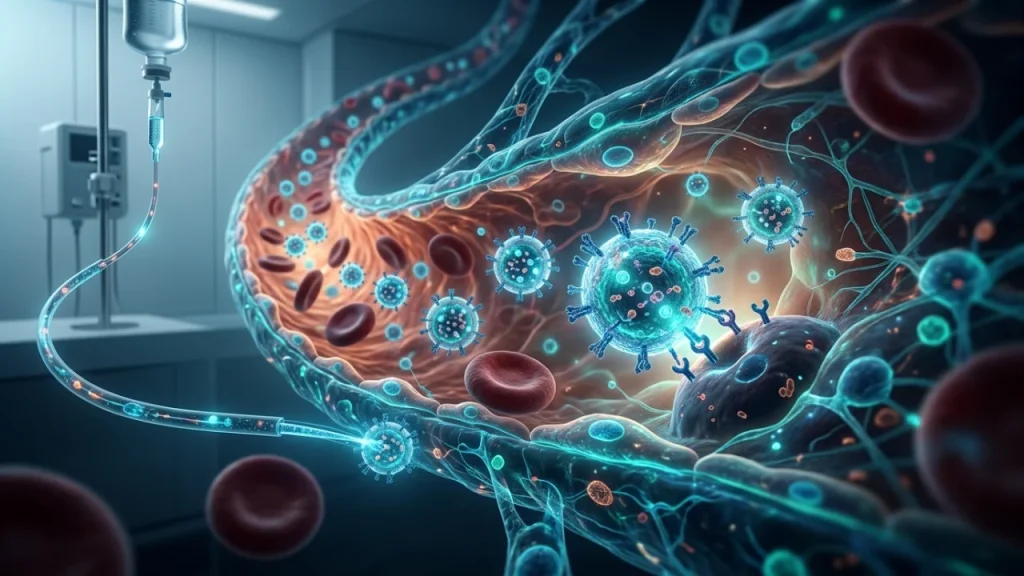
What Are Exosomes IV and Why Should You Care?
Understanding Exosomes: Tiny Messengers in Your Body
Imagine your body’s cells are like a vast network of offices. They don’t use email or phones. Instead, they send tiny packages to communicate. These packages are called exosomes.
Exosomes are incredibly small bubbles released by cells. They are about one-thousandth the width of a human hair. You could fit thousands of them on the tip of a needle. Inside each exosome is a precious cargo. This cargo includes proteins, genetic instructions, and growth factors.
Cells create exosomes to send messages. A healthy cell might send signals for repair. An immune cell can send an alert about an invader. Even damaged or stressed cells release exosomes. Their cargo tells the story of the cell that sent them.
Think of it like receiving a letter. The envelope is the exosome’s membrane. The letter inside is the molecular cargo. This system allows cells to influence each other from a distance. It is a fundamental part of how our bodies work and heal.
Why does this matter for health? The messages inside exosomes direct crucial actions. They can tell other cells to: – Reduce inflammation – Grow new blood vessels – Repair damaged tissue – Modulate the immune system
When this communication system breaks down, problems can start. Aging, chronic disease, or injury can disrupt the flow of good messages. Cells may not get the right signals to heal effectively. This is where the science of exosomes iv therapy enters the picture.
Researchers can collect exosomes from specific healthy cell types. These donor exosomes carry beneficial instructions. The idea is to deliver a concentrated dose of clear, helpful messages to the body. This is done intravenously, hence the term exosomes iv.
The goal is not to add new cells. It is to upgrade the body’s own communication network. It provides your cells with the correct blueprints and tools to do their repair work better. Understanding these tiny messengers is the first step to seeing their potential for restoring health and function from within.
How Exosomes IV Therapy Differs from Stem Cell Treatments
Stem cell treatments and exosomes iv therapy aim for similar goals. They both seek to promote healing and reduce inflammation. Yet their methods are fundamentally different. One delivers living cells. The other delivers precise instructions.
Traditional stem cell therapy involves transplanting living, functioning cells into the body. These are often mesenchymal stem cells. The hope is that these cells will engraft and work at the site of injury. They might differentiate into needed cell types. They also release their own beneficial signals over time.
Exosomes iv therapy takes a more direct approach. It bypasses the living cell entirely. Instead, it delivers the concentrated communication packets those cells produce. Think of it as receiving the finished medicine instead of the factory.
This key difference leads to several practical advantages. First, exosome therapy is a cell-free product. This removes risks linked to whole cell transplants. There is no chance the administered cells will multiply uncontrollably. There is no risk they will differentiate into the wrong tissue type.
Second, the mechanism is more predictable. Scientists can characterize the exosome cargo before infusion. They can measure specific growth factors and signaling molecules. With stem cells, their actions after injection are less controlled. Their survival and behavior can vary.
Third, exosome therapy may have a stronger safety profile. The tiny vesicles do not get stuck in small lung capillaries like some larger cells can. Their small size allows wide distribution throughout the bloodstream. They are also processed to remove other cellular debris.
Here is a simple comparison of the core approaches: – Stem Cell Therapy: Deliver living worker cells (the “factory”) and hope they produce the right tools on-site. – Exosome IV Therapy: Deliver a purified dose of the tools and blueprints (the “message”) directly.
The shift represents an evolution in regenerative medicine. It moves from replacing parts to upgrading the body’s own repair software. This cell-free strategy allows precise targeting of communication pathways. It focuses on modulating the patient’s existing cells rather than adding new ones.
This does not make stem cell research obsolete. Far from it. Stem cells remain the vital source for harvesting these potent exosomes. But using their exosomes alone offers a streamlined, next-generation option. It leverages natural biology with a refined, targeted technique.
The potential is significant for conditions where cellular communication has broken down. This includes chronic inflammation or tissue damage from injury. By delivering clear instructions via exosomes iv, therapists aim to reset the body’s internal dialogue. This encourages a more effective and natural healing response from your own cells.
The Science Behind Exosomes as Biological Messengers
Exosomes are tiny biological packages. Cells create and release them constantly. Think of them as miniature mail trucks in your bloodstream. Each exosome carries a specific cargo from its parent cell. This cargo delivers instructions to other cells.
The membrane of an exosome acts like a secure envelope. It protects the precious contents during transit. This membrane also has address labels. These labels help the exosome find the right recipient cell. It is a highly targeted delivery system.
What’s inside these packages? The cargo is rich and varied. It includes proteins, lipids, and genetic material like RNA. This RNA is particularly important. It can act as a set of blueprints or direct commands. It tells the receiving cell what to do next.
For example, a stem cell might send exosomes to an injured area. These vesicles carry instructions for reducing inflammation. They also carry signals for building new tissue. The target cells receive these orders and change their behavior. This is how healing communication happens naturally.
The process of exosomes iv therapy harnesses this natural system. It involves collecting these vesicles from healthy donor cells. Scientists then purify and concentrate them. The resulting solution is administered intravenously. This delivers a high volume of clear instructions directly into circulation.
Why does the intravenous method matter? IV delivery ensures systemic distribution. The exosomes enter the bloodstream directly. From there, they can travel throughout the entire body. Their small size lets them reach tissues that larger cells cannot access easily.
This messaging system goes wrong in disease. Cancer cells, for instance, send out many more exosomes than healthy cells. Their exosomes carry bad instructions. They can tell nearby cells to help the tumor grow. They can even shut down the immune system’s attack.
Therapeutic exosomes iv aim to override faulty signals. They provide a flood of correct, healing information. This can help reset cellular conversations. It encourages your body’s own repair mechanisms to function properly again.
Understanding this messenger role is key. It shows why this approach is so targeted. We are not adding foreign workers. We are upgrading the communication network all cells use. This foundational science powers the potential of regenerative treatments.
The next step is to see how this translates into real-world benefits for patients dealing with specific health challenges.
Key Benefits of Using Exosomes for Medical Therapy
Exosome therapy offers distinct advantages over older cell-based treatments. Its cell-free nature is a major benefit. There is no risk of the cells replicating or forming tumors. The body also cannot reject exosomes as it might reject foreign cells. This makes the treatment very safe.
The small size of exosomes is another key advantage. They are about one hundredth the size of a typical cell. This lets them cross biological barriers easily. They can move from the bloodstream into tissues with less effort. They can even reach the brain by crossing the blood-brain barrier. Larger cells simply cannot do this.
Precision is a core strength. Exosomes are not general workers. They are targeted messengers. They carry specific instructions to specific cell types. For example, exosomes from stem cells can tell skin cells to make more collagen. They can tell nerve cells to repair their coatings. This targeted action reduces side effects.
The exosomes iv delivery method maximizes this reach. An intravenous infusion puts billions of vesicles directly into circulation. They travel everywhere blood flows. This creates a whole-body effect. It supports systemic healing and reduces inflammation across multiple organs at once.
The benefits translate into real patient outcomes. People report faster recovery from injuries. They notice reduced joint pain and improved mobility. Skin texture and tone often improve due to better collagen production. Many experience a boost in overall energy and well-being.
Consider these primary medical benefits: – Reduced Inflammation: Exosomes carry molecules that calm overactive immune responses. This can help in conditions like arthritis or autoimmune issues. – Tissue Regeneration: They deliver direct signals and building blocks to repair damaged muscles, tendons, and cartilage. – Cellular Communication Reset: They can override chaotic signals from diseased cells, helping restore normal function.
The production process allows for strict quality control. Scientists can select the exact donor cell type needed. They can purify the exosome solution to remove unwanted debris. They can also test each batch for potency and safety before use. This consistency is hard to achieve with live cell therapies.
Patients appreciate the straightforward procedure. A typical exosomes iv session is similar to receiving vitamins through an IV drip. It often takes less than an hour. There is no complex surgery or long recovery time needed afterward. The body uses the signals immediately to begin its repair work.
This combination of safety, precision, and systemic impact makes exosome therapy a powerful tool. It uses the body’s own language to prompt healing from within. The next logical question is understanding which health conditions respond best to this innovative approach.
How Exosomes IV Therapy Works in the Body
The Journey of Exosomes After IV Injection
The journey begins the moment exosomes enter your vein. They mix directly with your bloodstream. This is a major advantage of exosomes iv delivery. The circulatory system acts as a vast, high-speed transportation network. It carries these tiny vesicles everywhere blood flows.
Think of each exosome as a smart package. It has a protective lipid membrane. This membrane is like a durable envelope. It shields the exosome’s precious cargo during transit. The cargo includes proteins, RNA, and signaling molecules. The bloodstream can be a rough environment. But this natural packaging keeps the contents safe and functional.
The exosomes do not float aimlessly. They actively navigate. Their surface carries special address proteins. These proteins act like GPS coordinates. They help exosomes find specific tissues that need help. For example, an exosome might have signals for joint tissue or liver cells. It will seek out those areas.
Their small size is critical. An exosome is about 1000 times smaller than a single cell. This nano-scale size allows them to perform key actions:
- They can easily slip through the walls of tiny blood vessels. This movement is called extravasation.
- They can travel into the spaces between your cells, called the interstitium.
- They can even cross certain tissue barriers that larger cells cannot.
Once exosomes reach a target area, they deliver their instructions. They use several methods to communicate with your cells. One common method is direct fusion. The exosome membrane merges with the membrane of your cell. It empties its cargo directly into the cell’s interior.
Another method is receptor binding. The exosome docks onto a receptor on your cell’s surface. This is like a key fitting into a lock. The binding triggers a signal cascade inside your cell. It tells the cell to change its behavior—perhaps to reduce inflammation or to start repairing itself.
The entire process from injection to cellular action is remarkably fast. Signaling can begin within minutes. The systemic effect builds over the following hours and days. Because the treatment uses your body’s own communication system, the instructions are clear and natural. Your cells recognize the signals and know how to respond.
This targeted journey explains why exosomes iv therapy can address multiple issues at once. The exosomes disperse widely. Yet they are smart enough to find sites of damage or inflammation on their own. They go where your body needs them most. This intelligent targeting is the core of its systemic healing power. Understanding this path shows why the therapy is both broad in reach and precise in action, seamlessly setting the stage for discussing specific conditions it can help.
Targeting Specific Cells with Exosomes IV
Exosomes do not enter cells at random. They carry a precise addressing system on their outer surface. This system guides them to specific cell types. Think of it like a shipping label with a zip code and street address.
The “label” consists of proteins and sugars. These molecules are embedded in the exosome’s membrane. Different cell types display unique “docks” or receptors on their own surfaces. An exosome will only bind tightly to a cell that has a matching dock. This ensures precise delivery.
For example, an exosome meant for a skin cell will have different surface markers than one targeting a neuron. The body produces this variety naturally. In exosomes iv therapy, the exosomes are often harvested from cells primed for healing. These exosomes already carry helpful addresses.
The targeting process involves a few key steps: – Circulation and surveying. Exosomes flow through capillaries, moving near various cells. – Initial tethering. Weak bonds form if a general marker is recognized. – Firm adhesion. Strong, specific binding occurs only with the correct receptor match. – Cargo delivery. After binding, the exosome transfers its signals.
This selectivity is why the therapy can have focused effects. Exosomes promoting collagen growth will seek out fibroblasts in the skin. Those carrying anti-inflammatory signals will find immune cells at a swollen joint.
The source of the exosomes determines their addresses. Mesenchymal stem cell exosomes often target injured tissue. They find areas with high inflammation or oxidative stress. The damaged cells send out chemical “SOS” signals. The exosomes detect these signals and move toward them.
This homing ability is natural and efficient. It means a systemic exosomes iv infusion can still result in localized benefits. The exosomes ignore healthy, functioning tissue. They concentrate their work where the body shows clear need.
Scientists can also engineer exosomes for better targeting. They can add specific proteins to the membrane surface. This is like updating an address book for a new destination. However, many therapeutic exosomes rely on the innate intelligence of their parent cells.
The result is a targeted communication network. Specific cells get specific instructions without wasted effort. This cellular precision transforms a broad intravenous treatment into a smart repair system. It ensures the right message reaches the right place at the right time, maximizing the potential for healing and recovery.
Exosomes and Immune System Modulation
Exosomes act as direct instructors for your immune system. They carry precise commands to immune cells. These commands can tell cells to become more active or to calm down. This process is called immune modulation. It is a key reason for the therapy’s broad potential.
Think of your immune system as an army. It needs to attack invaders but also avoid harming your own tissues. Sometimes this balance fails. The system may become overactive and cause inflammation. Or it may become weak and fail to stop a threat. Exosomes help restore this critical balance.
They do this through specific cargo. Exosomes deliver different signals based on their source and purpose. For immune calming, exosomes often carry special molecules. – Anti-inflammatory cytokines like IL-10. – MicroRNAs that silence pro-inflammatory genes. – Growth factors that promote tissue repair.
When an exosome delivers this cargo to an overactive immune cell, the cell changes its behavior. A macrophage might switch from causing inflammation to reducing it. A T-cell might slow its attack. This can help in conditions like autoimmune diseases or chronic joint swelling.
The reverse is also true. Some exosomes can boost immune responses. They might carry signals that activate natural killer cells. These cells then better recognize and destroy infected or abnormal cells. This approach supports the body’s fight against certain viruses or precancerous conditions.
The exosomes iv delivery method is ideal for this system-wide effect. An intravenous infusion allows exosomes to enter the bloodstream quickly. From there, they can reach immune cells everywhere in the body. They find lymph nodes, the spleen, and sites of inflammation directly.
This systemic access is powerful. It means the therapy can address imbalances that are not just in one joint or organ. It can help regulate the entire immune network. The exosomes’ natural homing ensures they engage primarily with immune cells that are already involved in a response.
The source cells are carefully chosen for this task. Exosomes from mesenchymal stem cells are often used for their calming effect. They are known for their strong anti-inflammatory and regulatory signals. This makes them a key tool for modulating an overreactive immune system.
The process is temporary and natural. The exosomes deliver their instructions and are then cleared by the body. They do not permanently alter your DNA. They provide a temporary guide to help your immune system function better on its own.
This precise communication avoids the side effects of broad immunosuppressant drugs. Those drugs often weaken the entire immune system. Exosome signals are more targeted. They aim to retrain specific cells, not blanket-suppress all defenses.
Understanding this modulation shows the therapy’s dual nature. It is not simply an anti-inflammatory treatment. It is a sophisticated communication system. It provides the intelligence your immune system needs to self-correct, aiming for long-term balance rather than just short-term symptom relief. This sets the stage for exploring how these effects translate into tangible clinical benefits for specific health concerns.
Promoting Tissue Repair and Regeneration
Beyond calming inflammation, exosomes carry a direct repair toolkit. They deliver specific instructions to damaged cells. These instructions tell cells how to heal themselves.
The cargo inside exosomes is key. It includes growth factors and proteins. It also includes nucleic acids like mRNA and microRNA. These are biological blueprints and commands. They can turn on repair genes in target cells.
Think of a damaged tissue site. It might be an arthritic joint or injured muscle. Cells there are stressed. They may not function correctly. Exosomes arrive via exosomes iv delivery. They fuse with these target cells. Then they unload their molecular instructions.
This process activates several critical repair pathways. It is not just one action. It is a coordinated set of signals.
- First, exosomes can stimulate angiogenesis. This is the growth of new, tiny blood vessels. Better blood flow brings more oxygen and nutrients to the area. This supports healing.
- Second, they promote cell proliferation. This means they encourage healthy cells to divide and multiply. This helps replace cells that are dead or too damaged to recover.
- Third, they reduce cell death, or apoptosis. In a damaged area, too many cells might be programmed to die. Exosome signals can help keep valuable cells alive.
- Finally, they guide cell differentiation. They can help direct local stem cells to become the specific cell type needed for repair, like cartilage or tendon cells.
The effect is a shift in the local environment. Exosomes change it from a state of chronic damage to one of active rebuilding. They do not become part of the tissue. Instead, they change how the existing cells behave.
For example, in osteoarthritis, cartilage breaks down. Exosome signals may tell cartilage-producing cells to make more collagen. They also calm inflammatory cells attacking the joint. This dual action addresses both cause and symptom.
The systemic reach of intravenous therapy is vital here. It allows these repair signals to reach multiple areas at once. This is useful for widespread conditions or general recovery from injury.
The timeline for this regeneration is not instant. Cellular repair takes time. Effects often build over weeks as new proteins are made and new cells grow. The temporary nature of the signal remains. The goal is to jump-start the body’s own lasting repair mechanisms.
This capacity for direct tissue healing complements immune modulation perfectly. Together, they form a comprehensive regenerative strategy, setting the stage to see how these actions apply to real-world health goals.
The Technology Behind Exosomes IV Production
Isolating Exosomes from Cell Cultures
The journey of an exosomes IV therapy begins in a sterile lab, not in the human body. Scientists first grow a specific type of cell in special containers. These cells act as tiny factories. They naturally produce and release exosomes into the liquid nutrient bath surrounding them. This liquid is called the cell culture medium.
Think of it like a fish tank. The cells are the fish. The culture medium is the water. The exosomes are like beneficial molecules the fish release into the water. To get the exosomes, scientists must separate them from this complex liquid. They must also remove the cells themselves. This process is called isolation.
Isolation is a multi-step filtration and concentration process. The goal is to get a pure sample of exosomes. They must be free of other cell debris and proteins. Purity is essential for safety and predictable effects in therapy.
The first step is to remove the larger elements. Scientists take the culture medium and spin it at very high speeds. This is called centrifugation. The spinning force causes whole cells and large cell fragments to gather at the bottom. The clearer liquid, now free of big debris, is moved to a new container.
Next, scientists concentrate the exosomes from this liquid. The exosomes are incredibly small. They are measured in nanometers, which are billionths of a meter. Special filters with extremely tiny pores are used. These filters let water and small molecules pass through. They trap the larger exosomes and similar-sized particles.
Several advanced methods can then be used for final purification. – Ultracentrifugation spins the sample at even higher speeds. This forces the dense exosomes to form a pellet at the bottom of a tube. – Size-exclusion chromatography passes the sample through a column filled with beads. Smaller particles get trapped in the bead pores, slowing them down. Exosomes flow through more quickly and are collected separately. – Precipitation uses a special solution that makes exosomes clump together and fall out of the liquid, making them easier to collect.
After isolation, scientists confirm what they have collected. They use tests to check the size, number, and specific markers on the surface of the particles. This ensures they have genuine exosomes, not other vesicles or impurities. Only batches that pass strict quality checks move forward. This careful isolation from cell cultures provides the raw material for safe and potent exosomes IV formulations. It is the foundational step that ensures consistency before these signaling particles are prepared for clinical use.
Engineering Exosomes for Enhanced Effects
Scientists can engineer exosomes to become more powerful therapeutic tools. This process is like upgrading a delivery van into a targeted medical courier. Natural exosomes carry helpful signals. Engineered exosomes can be designed to do specific jobs much better.
The engineering happens in two main ways. Scientists can modify the parent cells before exosomes are made. They can also change the exosomes directly after they are collected.
First, let’s look at modifying the parent cells. Scientists grow the cells in special conditions. They might change the nutrients in the cell culture. They can expose cells to low oxygen levels. This stress tells cells to pack their exosomes with particular healing factors. Researchers can also genetically engineer the parent cells. They insert new instructions into the cell’s DNA. These instructions tell the cell to load its exosomes with extra proteins or RNA. For example, a cell could be told to put more growth factors into its exosomes.
The second method is direct modification of purified exosomes. This is done after the isolation steps we described earlier. One common technique is called electroporation. A quick electric pulse creates tiny temporary holes in the exosome’s membrane. Scientists can then slip new cargo inside, like specific types of RNA. Another method uses simple incubation. Exosomes are mixed with desired drugs or molecules. Some of these molecules naturally fuse with or attach to the exosomes.
A key goal is improving targeting. Natural exosomes often go to the liver or spleen. Scientists want them to go to other tissues, like damaged heart muscle or brain cells. To do this, they can attach special molecules to the exosome’s surface. These molecules act like homing signals. They bind only to receptors on certain cell types.
Engineering allows for very precise goals: – Increasing anti-inflammatory signals to calm an overactive immune system. – Delivering tumor-suppressing RNA directly to cancer cells. – Carrying healing proteins to a site of muscle or joint injury.
These enhanced exosomes are then prepared for clinical use. They undergo even more testing after engineering. This ensures the modifications worked correctly and are safe. The final product is a potent, designed therapeutic agent. It is ready for formulation into a sterile solution suitable for intravenous delivery, or exosomes IV therapy.
This engineering step transforms exosomes from natural messengers into precision medicine tools. It allows treatments to be tailored for specific diseases and conditions. The next phase involves rigorously testing these enhanced particles for safety and effect before they are ever used in patients.
Ensuring Purity and Safety in Exosome Preparations
Before any engineered exosome solution is cleared for exosomes IV therapy, it must pass strict purity checks. The goal is to have only exosomes in the final vial. There must be no other cell debris or contaminants. Even useful molecules from the growth medium must be removed.
Scientists use several high-tech methods to check purity. One common method is called nanoparticle tracking analysis. This machine uses a laser to see each tiny particle. It counts them and measures their size. A good preparation will show a tight size range. Most exosomes should be between 30 and 150 nanometers.
Another key test checks for protein markers. Exosomes carry specific proteins on their surface. Tests can confirm these proteins are present. More importantly, tests check for unwanted proteins. These unwanted proteins would signal contamination from broken cells. The process also checks for something called endotoxin. Endotoxin is a harmful substance from bacteria. It must be completely absent for IV use.
After confirming purity, scientists test for safety and function. They do this in controlled lab settings before any human use. – First, they test the exosomes on different types of human cells in a dish. This checks if the exosomes cause unexpected cell death or stress. – Next, they may run tests in animal models. This studies how the body handles the exosomes. It looks at distribution and any immune response. – Finally, they verify the exosomes still do their intended job. For example, do anti-inflammatory exosomes actually reduce inflammation in a test?
The entire manufacturing process happens in a sterile environment. It is similar to how pharmaceutical drugs are made. All equipment and fluids are free of microbes. Technicians wear protective gear. This prevents any bacterial or viral contamination during production.
Each batch of exosomes gets its own detailed record. This is called a certificate of analysis. It lists all the test results for that specific batch. It shows the particle count, size, protein markers, and sterility results. A clinic will review this certificate before administering the therapy.
These steps transform a lab discovery into a reliable clinical product. They ensure that what is in the vial matches the design exactly. This rigorous process builds the foundation for patient trust and consistent outcomes. The final gate is regulatory review, which evaluates all this data before approving human trials or use.
This focus on purity directly supports the therapy’s mechanism. Clean, well-defined exosomes can communicate their healing messages without interference. They are less likely to cause side effects from contaminants. Next, we must explore how these pristine exosomes actually work inside the human body after infusion.
Advances in Intravenous Delivery Systems
Getting exosomes from the vial into your bloodstream is just the first step. The real challenge begins inside the body. The circulatory system is a dynamic environment. Exosomes face rapid clearance by the liver and spleen. They can also break down before reaching their destination. Modern intravenous delivery systems are designed to solve these problems.
Scientists use several advanced strategies to protect exosomes during their journey. One method involves special lipid coatings. These coatings act like a protective shield. They help exosomes avoid detection by the immune system. This allows the vesicles to circulate longer. Another strategy uses synthetic carrier particles. Exosomes are attached to or enclosed within these biocompatible materials. The carriers degrade slowly, releasing exosomes over time.
Targeting is a major focus of new delivery systems. The goal is to direct exosomes to specific organs or damaged tissues. Researchers achieve this by engineering the exosome surface. They can add tiny protein tags or homing molecules. These tags bind to receptors on particular cell types. For instance, a tag might seek out inflamed joint tissue or injured heart muscle.
- Passive Targeting: This relies on natural body processes. Inflamed or cancerous tissues often have leaky blood vessels. Smaller exosomes can passively accumulate in these areas.
- Active Targeting: This is more precise. Scientists attach navigation molecules to exosomes. These molecules act like address labels, guiding exosomes to a exact cellular destination.
- Triggered Release: Some systems are designed to release their exosome cargo only under certain conditions. A specific pH level or enzyme presence at a disease site can trigger the release.
The physical method of the exosomes iv infusion itself is also refined. Controlled infusion pumps are now standard. These devices deliver the solution at a steady, calibrated rate. A slow, consistent drip is better than a quick push. It prevents overwhelming the circulation and improves tissue uptake.
These delivery advances work together. Protection extends the therapeutic window. Targeting increases efficiency and reduces the needed dose. Controlled infusion maximizes safety. This integrated approach turns a simple IV drip into a smart delivery system.
Future systems may be even more sophisticated. Imagine exosomes that release their healing factors only after reaching the correct cell type. Or designs that allow for oral or inhaled administration instead of IV. The core principle remains: effective delivery is just as important as the exosome cargo itself. With these technologies, the potential of exosomes iv therapy expands significantly, setting the stage for understanding its precise clinical effects.
Current Uses of Exosomes IV in Medicine
Exosomes IV for Anti-Aging and Skin Health
The skin is a prime target for exosomes iv therapy. Aging skin shows clear cellular problems. Collagen production slows. Elastic fibers break down. Inflammation often increases quietly. Exosomes address these issues at their source.
They carry specific instructions to skin cells. These are not surface-level treatments. The exosomes deliver signals directly to fibroblasts. Fibroblasts are the cells that make collagen and elastin. Think of them as the skin’s construction crew. Aging tells these cells to slow down. Exosome signals can tell them to restart.
The process involves several key actions. First, exosomes can reduce chronic inflammation. This low-grade inflammation is a major driver of aging. It damages healthy cells and structures. Second, they promote new collagen synthesis. This plumps the skin from within. Third, they encourage the formation of new blood vessels. This improves nutrient delivery and creates a healthy glow.
A typical treatment goal is improving skin texture and elasticity. Patients may seek this for facial rejuvenation or scar revision. The controlled infusion of an exosomes iv protocol allows for whole-body effects. This is different from a localized injection. The systemic delivery can improve skin quality over larger areas.
The logic is clear. An IV delivers exosomes into the bloodstream. From there, they can reach dermal cells everywhere. Their messages help reset cellular functions. The skin’s repair mechanisms get a powerful nudge.
Key observed benefits include improved hydration and firmness. Fine lines may appear softened. The skin often looks more radiant. These changes result from renewed cellular activity. It is a process of regeneration from the inside out.
Safety is a noted advantage for this approach. As a cell-free treatment, it avoids risks linked to whole stem cells. There is no risk of the cells growing where they should not. The exosomes simply deliver their messages and are cleared.
This application shows the power of signaling. The therapy does not add foreign material. It instead instructs the body to use its own resources better. This makes it a compelling option in modern aesthetic medicine.
The future of this use is bright. Research aims to refine which exosome signals work best for specific concerns. Combining this therapy with other modalities is also being studied. The core promise remains using the body’s own communication system for repair. This represents a significant shift from traditional anti-aging methods that often work only on the surface.
Next, we will examine how these same signaling principles apply to more complex internal conditions, like joint health or neurological support.
Treating Joint Pain and Arthritis with Exosomes
Joint pain often stems from chronic inflammation and worn-down cartilage. Exosomes offer a different approach to this problem. They are not painkillers. Instead, they carry instructions to modify the joint environment.
When delivered via an exosomes iv infusion, these vesicles travel through the bloodstream. They can reach tissues throughout the body, including affected joints. Inside a troubled joint, several damaging processes are usually at work. The immune system may be overactive, causing swelling. Cartilage-producing cells can become slow or dysfunctional. Exosomes address these issues through communication.
Their signals can help calm an overactive immune response. This reduces inflammatory signals that cause pain and swelling. Exosomes also carry growth factors and other molecules. These can encourage cartilage cells to become more active. The goal is to support the repair of the joint’s own cushioning tissue.
The potential benefits for patients are multi-faceted. – A reduction in persistent stiffness and discomfort. – Improved mobility and range of motion in the joint. – Possible slowing of further degenerative damage.
This process is fundamentally regenerative. It aims not just to mask symptoms but to promote a healthier joint state. The therapy leverages the body’s innate repair toolkit. It simply delivers clearer instructions to the area.
Research in this area is promising. Studies using animal models of arthritis show decreased inflammation after exosome therapy. Treated joints often show signs of better cartilage protection. Human clinical data is growing but still early. The scientific rationale, however, is strong.
Safety remains a key point, as with the skin applications. The cell-free nature of the exosomes iv approach minimizes risks. There is no concern about cells implanting in the joint. The exosomes perform their signaling role and are then processed by the body.
This represents a shift in managing chronic joint conditions. It moves beyond temporary relief toward potential tissue restoration. The same core principle applies here as in skin rejuvenation. Exosomes act as a biological reset button for cellular function.
The next frontier involves targeting these signals even more precisely. Future work may identify exosomes best suited for ligament repair versus cartilage regeneration. For now, the systemic delivery method offers a broad supportive strategy for overall joint health. This lays a foundation for exploring even more complex systems, like the brain and nerves.
Exosomes in Neurological Conditions and Brain Health
The brain and spinal cord have a limited ability to heal themselves. This is where exosomes iv therapy shows significant promise. Exosomes can cross the protective blood-brain barrier. This is a major hurdle for many drugs. Once inside, they deliver signals directly to brain cells.
Their action in neurology focuses on three key areas: – Reducing chronic inflammation in nerve tissue. – Stimulating the growth of new neural connections. – Supporting the health of existing brain cells.
In conditions like traumatic brain injury or stroke, the immediate damage is followed by harmful inflammation. This secondary damage can worsen outcomes. Exosomes carry instructions that help calm this overactive immune response. They tell brain cells to focus on repair, not defense.
For neurodegenerative diseases, the approach is different. In Alzheimer’s or Parkinson’s, brain cells slowly lose function and die. Research suggests exosomes may help by clearing toxic protein clumps. They also encourage neuroplasticity. This is the brain’s ability to rewire itself and form new pathways.
A key mechanism is promoting angiogenesis. This means forming new blood vessels. Better blood flow delivers more oxygen and nutrients to struggling brain regions. Improved circulation is vital for recovery in many neurological conditions.
Patients considering this for cognitive decline often report subtle benefits. These may include sharper focus, better memory recall, or improved mental clarity. The effects are not an instant cure. They represent a shift toward a healthier cellular environment in the brain.
The systemic nature of intravenous delivery is crucial here. An IV infusion sends exosomes throughout the entire circulatory system. They can reach widespread areas of the brain and the lengthy pathways of the spinal cord simultaneously. This whole-body support is difficult to achieve with targeted local injections.
Scientific studies using animal models are encouraging. They show exosomes can improve recovery after stroke. They also show slower progression in models of multiple sclerosis. Human clinical trials are ongoing to confirm these effects in patients.
Safety protocols are paramount when targeting the nervous system. The cell-free profile of exosome preparations minimizes risks of adverse reactions. The goal is precise signaling without unwanted physical interference in delicate neural circuits.
This work represents perhaps the most ambitious application of regenerative science. It moves beyond repairing cartilage or skin toward supporting our most complex organ. The potential to modulate brain health systemically opens new doors for treatment. This foundational science now paves the way for addressing systemic wellness and longevity directly.
Cardiovascular Benefits of Exosomes IV Therapy
The heart and blood vessels are prime targets for systemic exosomes iv therapy. Damaged heart tissue releases distress signals into the bloodstream. Exosomes from healthy donor cells can respond to these signals. They travel directly to sites of injury after an intravenous infusion.
Their primary job is communication. They do not become new heart muscle cells themselves. Instead, they deliver precise instructions to the heart’s own cells. These instructions encourage repair and reduce harmful inflammation. This process helps the heart heal after an event like a heart attack.
The benefits for cardiovascular health are multi-faceted. Exosomes promote the growth of new, tiny blood vessels. This is called angiogenesis. Better blood flow delivers more oxygen to struggling heart tissue. They also help reduce scar tissue formation. Excessive scarring can stiffen the heart muscle and impair its pumping ability.
Key actions of exosomes in cardiovascular repair include: – Modulating the immune response to prevent excessive inflammation. – Protecting endothelial cells that line all blood vessels. – Stimulating the heart’s resident stem cells to support regeneration. – Delivering molecules that prevent programmed cell death in stressed tissue.
Research in animal models shows clear promise. Studies on mice after induced heart attacks show smaller scar sizes in treated groups. These animals also show better overall heart function. The exosomes help create a healthier microenvironment for natural healing.
The systemic delivery via IV is critical for this application. The entire network of arteries and veins is accessible. Exosomes can find areas of damage that are not immediately obvious. They support the entire vascular tree, from large arteries to tiny capillaries.
This approach addresses a major challenge in cardiology. Current treatments often manage symptoms or restore blood flow. They do not actively instruct the heart to regenerate. Exosome therapy aims to fill that gap. It provides the body with the biological tools to mend itself.
Safety considerations remain central. The non-cellular nature avoids risks linked to whole-cell therapies. There is no risk of the cells forming unwanted tissue or blocking vessels. The exosomes exert their influence and are then naturally cleared by the body.
Human clinical trials are exploring these effects. Early-phase studies are assessing safety in patients with chronic heart failure. Others are looking at recovery after acute heart attacks. The goal is to add a regenerative tool to the standard cardiology toolkit.
The potential extends beyond repair after major events. This therapy may help strengthen blood vessels in aging individuals. It could support overall vascular resilience. Healthy circulation is foundational for every other organ system, including the brain discussed earlier.
This cardiovascular application showcases a core strength of the therapy. It uses the body’s natural signaling systems for targeted healing. The future of heart medicine may well include these sophisticated cellular messengers to promote lasting recovery from within.
Safety and Regulation of Exosomes IV Treatments
What Research Says About Exosomes IV Safety
Early research into exosomes IV infusions shows a promising safety record. The data comes from initial human trials and extensive laboratory work. A key reason is the biological nature of these vesicles. Your body makes exosomes every day. They are a normal part of cellular communication.
Administered exosomes are not foreign drugs. They are purified versions of your body’s own signaling tools. This often leads to good tolerance. Many early-phase clinical studies report minimal adverse events. The most common observations are mild and temporary.
These minor reactions can include: – A brief feeling of fatigue or warmth during the infusion. – A temporary, mild headache. – Minor redness at the injection site.
Serious side effects are notably rare in reported literature. This contrasts with some traditional cell therapies. Whole cells can sometimes multiply or lodge in capillaries. Exosomes do not replicate. They cannot form tumors or block small blood vessels. They deliver their molecular instructions and are then broken down by the body’s natural clearance systems. Their effect is transient but their signaling can trigger lasting repair.
The source of the exosomes is a major safety factor. Research primarily uses exosomes from specific cell types. Mesenchymal stem cells (MSCs) are a common source. These cells are known for their anti-inflammatory and healing signals. Exosomes from MSCs inherit these properties. They carry instructions that generally calm the immune system, not provoke it. This reduces the risk of severe allergic or immune reactions.
Laboratory testing provides another layer of safety data. Scientists can analyze the contents of an exosome batch before use. They check for specific growth factors and proteins. They also test for potential contaminants. This quality control helps ensure a consistent and pure product. It is a crucial step for patient safety.
It is vital to view this data in context. Most completed human studies are Phase I or early Phase II trials. Their primary goal is to establish safety, not prove effectiveness. These studies involve small numbers of patients under close watch. Larger trials with more participants are still needed. They will provide stronger, more definitive safety statistics over longer periods.
The current evidence suggests a favorable risk profile for properly prepared exosome IV therapy. The body recognizes these vesicles as native messengers. The reported side effects are typically mild and short-lived. Ongoing research continues to monitor and confirm this initial positive outlook. This foundational safety data supports the move into larger studies for various health conditions.
Potential Side Effects and How to Manage Them
Most people tolerate exosome IV therapy very well. Reported side effects are usually mild. They also tend to be short-lived. These effects often signal that the exosomes are working. They are engaging with the body’s own systems.
Some individuals may feel temporary fatigue after the infusion. This is a common response. The body is directing energy toward repair processes. Rest and hydration are typically sufficient management strategies. The feeling usually passes within a day.
A low-grade fever or brief chills can occasionally occur. This is not an infection. It is generally a sign of immune system modulation. The exosomes are delivering their regulatory signals. This reaction normally resolves on its own within a few hours. Over-the-counter fever reducers can help if needed.
Some patients report mild headache or muscle aches. These are similar to feelings after a good workout. They are linked to inflammatory pathways being reset. Drinking plenty of water is helpful. So is light activity like walking. These aches rarely last more than twenty-four hours.
Local irritation at the injection site is possible. It is similar to any intravenous procedure. The skin might show slight redness or tenderness. This minor discomfort fades quickly. Proper technique by the clinician minimizes this risk.
Managing these potential effects is straightforward. Clinicians provide clear aftercare instructions. Key steps for patients often include: – Drinking extra water for the next forty-eight hours. – Avoiding strenuous exercise for one to two days. – Getting adequate sleep to support cellular repair. – Eating nutritious, anti-inflammatory foods. – Monitoring their temperature and symptoms.
It is crucial to report any persistent or severe symptoms to your provider. This is standard medical practice. Severe allergic reactions are extremely rare with purified exosomes IV. The preparation lacks whole cells that often trigger such events. However, immediate medical attention is needed for any breathing difficulties or chest pain. This ensures absolute safety.
These transient effects contrast with risks from traditional stem cell IV injections. Those can carry higher risks of immune reaction or clumping in lungs. The exosome approach avoids those specific dangers. Its side effect profile is considered more favorable.
Understanding these possibilities allows for realistic expectations. Patients can plan for a quiet recovery day. They can see mild symptoms as a temporary part of the process. This knowledge reduces unnecessary anxiety.
The overall management strategy emphasizes support, not alarm. The body’s brief response is often a positive indicator. It shows the therapeutic messengers are active. With simple aftercare, patients navigate this phase comfortably. This practical focus on management completes the safety picture before considering regulatory oversight.
Regulatory Guidelines for Exosome Therapies
Exosome IV treatments exist in a specific legal category. They are not approved as drugs by the FDA for most uses. This is a key point for patients to understand. The regulatory path is still developing.
In the United States, the Food and Drug Administration sets the rules. The FDA views exosome products as more than just tissue. They are often classified as biologic drugs or devices. This classification triggers strict requirements.
Providers must operate under certain FDA guidelines. These guidelines help ensure patient safety. Common regulatory frameworks include: – The Public Health Service Act for biologics. – Current Good Manufacturing Practices for facilities. – The FDA’s Regulatory Framework for Regenerative Medicine.
These rules cover how products are made. They set standards for purity and testing. Every batch should be free from contaminants. This means checking for bacteria, viruses, and endotoxins. Reputable clinics follow these protocols closely.
The FDA also monitors how treatments are promoted. Clinics cannot claim exosomes cure specific diseases. They cannot make unfounded promises. Marketing must be truthful and not misleading. This protects patients from false hope.
Enforcement actions do occur. The FDA has sent warning letters to some clinics. These letters cite concerns about manufacturing and unsupported claims. This oversight pushes the entire field toward higher standards.
Patients should ask providers about regulatory compliance. Key questions include: – Is your facility registered with the FDA? – Do you follow Current Good Manufacturing Practices? – Can you show third-party testing for purity and potency?
Responsible providers will answer these clearly. They understand the importance of operating within guidelines. This compliance is a major part of treatment safety.
The regulatory landscape continues to evolve. New draft guidance documents are issued periodically. Scientists and regulators work to create clear pathways. The goal is to balance innovation with strong patient protection.
This evolving framework provides essential guardrails. It complements the direct safety measures discussed earlier. Understanding these guidelines helps patients make informed choices about exosomes IV. It separates established clinical practice from experimental ventures. This knowledge leads logically to considering the future of this promising field.
Choosing a Safe Provider for Exosomes IV
Choosing a safe provider is your most important step. It directly impacts your treatment experience and results. Not all clinics offer the same quality. Your research and questions are essential.
Start by looking at the source of the exosomes. Providers should explain where their exosomes come from. Are they derived from mesenchymal stem cells? Are they from a certified laboratory? The best clinics use exosomes made under strict standards. They avoid shortcuts in production.
Ask for third-party verification. A reputable provider will have documents. These papers show testing for purity, safety, and strength. They prove the exosomes are what the clinic says they are. They also show the product is free from contaminants.
- Look for certificates of analysis (COA) from an independent lab.
- Confirm the exosome count and particle size are listed.
- Verify tests for endotoxins and sterility are included.
Evaluate the medical team’s expertise. Who will administer your exosomes IV? The procedure should be overseen by a licensed doctor. This doctor should have training in regenerative medicine. They should understand how to prepare and deliver the exosomes properly.
Discuss the treatment protocol in detail. A safe provider creates a plan just for you. They consider your health history and goals. They explain the intravenous process clearly. They tell you what to expect during and after the infusion.
- How many exosomes are in one dose?
- What is the saline solution used for dilution?
- How long will the IV infusion take?
- What is the recommended number of sessions?
Visit the facility if you can. A clean, professional environment matters. The clinic should feel organized and serious about patient care. Observe how staff answer your questions. Transparency is a key sign of reliability.
Be very careful with big claims. Providers promising cures for serious diseases are a red flag. Ethical clinics discuss potential benefits realistically. They talk about wellness, anti-aging, or reducing inflammation. They do not guarantee specific disease outcomes.
Check for follow-up care. A good clinic will check on you after your exosomes IV treatment. They want to know how you are feeling. They track your progress over time. This shows they care about long-term results, not just a single transaction.
Finally, trust your instincts. If something feels rushed or unclear, take a step back. A safe provider welcomes your questions. They give you time to decide. They respect your need for information.
This careful selection process protects your health and investment. It ensures you work with professionals who follow science and rules. Making an informed choice builds confidence as you move toward treatment. This leads naturally to understanding what happens during the actual infusion process.
The Future of Exosomes IV in Healthcare
Ongoing Clinical Trials and New Discoveries
Research into exosomes IV therapy is moving quickly from labs to human studies. Scientists are now testing these tiny vesicles in formal clinical trials. This research aims to prove safety and find clear benefits for specific health conditions. These trials are the critical next step for wider medical acceptance.
Current investigations focus on several key areas. Many trials examine exosomes for reducing inflammation. Chronic inflammation is a root cause of many age-related issues. Other studies target tissue repair. For example, researchers are looking at heart recovery after minor attacks. Neurological conditions are another major focus. Early work explores how exosomes might support brain health and cognitive function.
The design of these studies is important. Rigorous trials compare treated patients to those receiving a placebo. This controlled approach helps isolate the true effect of the exosomes. Researchers measure specific biomarkers in the blood. They track changes in symptoms and quality of life surveys. This data provides solid evidence beyond personal stories.
New discoveries in lab science are making treatments more powerful. Scientists are learning to “engineer” exosomes. This means they can load vesicles with specific healing signals or drugs. Think of it as programming a natural delivery system. Another advance involves targeting. Researchers are finding ways to direct exosomes to specific organs, like the liver or a damaged joint, after an IV infusion.
The future may see exosomes used alongside other treatments. They could prepare the body for better healing before a procedure. They might also help manage side effects from stronger therapies. Their role in maintaining long-term wellness is a key research question.
Ongoing work also aims to standardize doses. Defining how many exosomes are needed for different goals is complex. Scientists are identifying which surface markers indicate the most potent vesicles. This leads to more consistent and reliable products for clinics.
These trials and discoveries are building a stronger scientific foundation. Each completed study adds a piece to the puzzle. This gradual progress ensures that future exosomes IV therapies are both effective and predictable. The path forward relies on this careful, evidence-based research, promising more refined applications in the years to come.
Personalized Medicine with Exosomes IV
Personalized medicine aims to treat you as an individual. It moves beyond a one-size-fits-all approach. The future of exosomes IV therapy is tightly linked to this idea. Your own body could provide the blueprint for your treatment.
The process might start with a detailed analysis. Doctors could take a small sample of your blood or tissue. They would study your unique cellular signals and inflammation markers. This profile shows what your body needs to heal. It reveals which communication pathways are broken.
Exosomes can then be selected or designed to match this profile. Think of it like a key made for a specific lock. For instance, one person’s profile might show high levels of a certain inflammatory protein. Their exosome treatment could be enriched with molecules that precisely calm that signal. Another person might need signals to repair skin. Their vesicle cocktail would be different.
This customization could happen in several practical ways. – Exosomes could be sourced from cells that match a patient’s specific condition. Donor cells are stimulated to produce vesicles rich in the needed factors. – Laboratory engineering could load exosomes with specific microRNAs or growth factors. These are chosen based on the patient’s diagnostic data. – The dose and frequency of exosomes iv infusions could be tailored. A person with acute injury might need a different schedule than someone with a chronic condition.
Personalization also considers timing. Exosome therapy might be used at a specific point in your health journey. It could prepare your body for a surgery. It might be used after an injury to optimize the repair phase. The treatment aligns with your body’s own rhythm and needs.
The goal is higher effectiveness and fewer side effects. When treatment is precisely targeted, the body responds better. Resources are not wasted on unnecessary signals. This efficiency makes regenerative medicine more powerful.
Challenges remain in making this routine. Creating personal exosome profiles requires advanced testing. Manufacturing tailored batches must be both precise and timely. However, technology is moving quickly in this direction.
The end result is a fundamental shift in care. Medicine becomes less about treating a disease name and more about repairing your unique biology. Personalized exosome therapy represents a step toward truly restorative healthcare. It uses the body’s own language to guide healing.
Challenges in Making Exosomes IV Standard Care
Several key challenges must be solved before exosomes iv therapy becomes a standard option in clinics. The first major hurdle is manufacturing. Producing exosomes for clinical use is complex and costly. Cells must be grown under strict conditions. The tiny vesicles must then be collected and purified without damage. This process needs to be consistent every single time. A batch made today must be identical to a batch made next month. Achieving this level of quality control at a large scale is difficult.
Standardization is another big obstacle. Right now, different labs may measure exosomes differently. They might count them or measure their protein content. There is no universal agreement on the best unit for dosing. Is it based on particle number? Or the amount of a specific protein? Without clear standards, comparing study results is hard. Doctors also lack clear dosing guidelines for different conditions. Finding the right dose for a knee injury will differ from the dose for a skin condition.
Regulatory approval pathways are still being defined. In many countries, exosome products are reviewed as biologic drugs or advanced therapies. This is a rigorous process designed for safety. It requires extensive clinical trials to prove both safety and effectiveness. These trials are expensive and take many years to complete. The regulatory landscape is evolving, but clarity is needed for more companies to invest in large-scale research.
Cost and access present significant barriers. The sophisticated manufacturing and testing make these therapies expensive. Insurance companies often do not cover experimental treatments. This can put cutting-edge care out of reach for many patients. Widespread access depends on proving the therapy’s value through solid data. It also depends on creating more efficient production methods to lower costs.
Finally, more clinical evidence is needed. While early research is promising, large-scale human studies are crucial. Scientists need to answer important questions. How long do the effects of an infusion last? Are there any long-term side effects we have not seen yet? Which specific conditions benefit the most from exosomes iv treatment? Robust data will build trust within the medical community and guide better treatment protocols.
Overcoming these challenges requires collaboration between scientists, doctors, and regulators. Progress is being made in each area. As these hurdles are addressed, the path for exosome therapy to move from the frontier to the mainstream will become clear. The next step is to see how this science integrates with other medical advances.
How Exosomes Could Change Medicine in the Next Decade
Imagine a future where your doctor treats your osteoarthritis not with a major surgery, but with a targeted infusion. This infusion would calm joint inflammation and help your cartilage repair itself. This is one clear goal for exosomes iv therapy in the next ten years. The treatment would work by delivering precise repair instructions directly to damaged tissues.
The impact could stretch far beyond joints. Consider chronic wounds that refuse to heal, like diabetic foot ulcers. Exosome infusions could jump-start the body’s own repair systems at the cellular level. They could deliver the exact signals needed to grow new skin and blood vessels. This approach would offer a powerful new tool where current options are limited.
Neurological conditions represent another frontier. Research is exploring how exosomes might help the brain recover after injury. Think of a stroke. An infusion given soon after the event might protect vulnerable brain cells. It could also promote new neural connections. The goal is to reduce long-term disability and improve recovery speed.
The very model of treating disease could shift. Today, many medicines simply manage symptoms. Exosome therapy aims at the root cause by promoting repair. This is a fundamental change. It moves medicine from management toward genuine restoration of function.
Personalization will be key. Not all exosomes are the same. Future treatments may use exosomes engineered for specific tasks. One batch might carry signals to reduce scar tissue in the heart after an attack. Another batch could carry molecules to modulate an overactive immune system in autoimmune disease. Doctors would select the optimal “cargo” for each patient’s condition.
In practice, this might look like: – Routine use for post-surgical recovery to speed healing and reduce complications. – A standard protocol for certain autoimmune conditions to reset immune function. – Combination therapies, where an exosome infusion makes another treatment, like a drug or physical therapy, work much better.
For this future to arrive, the science must mature. Researchers need to map which exosome signals work for each health condition. They must perfect large-scale production without losing quality. The medical community will need clear guidelines on who benefits most from an exosomes iv approach.
The next decade will likely see exosomes move from specialized clinics into broader hospital settings. Their success hinges on the robust clinical data now being gathered. As evidence grows, these tiny vesicles could redefine standard care for some of our most persistent health challenges. This integration represents the next logical phase of regenerative medicine.
Taking Action: What You Need to Know About Exosomes IV
Evaluating If Exosomes IV Is Right for You
Deciding to explore exosome IV therapy is a significant personal health consideration. It is not a one-size-fits-all solution. Your first step is a clear understanding of your own health goals. Are you seeking to reduce chronic joint pain and improve mobility? Do you want to accelerate recovery from a recent injury or surgery? Perhaps you are managing a complex condition like long-term fatigue or autoimmune issues. Defining your primary objective is crucial.
Next, examine your current health landscape. Exosome therapies are generally not first-line treatments. They are often considered after conventional options have provided limited relief. Be prepared to discuss your full medical history with a provider. This includes all past treatments, current medications, and any ongoing health issues. A detailed history helps determine if your body’s environment is suitable for the therapy to work.
Realistic expectations are vital. Exosome IV infusion is not a magic cure. It is a biological signaling treatment. Think of it as giving your body a precise set of instructions and tools for repair. The process takes time. You may not feel changes immediately. Effects often build over weeks as cellular communication improves and repair mechanisms activate. Some people notice subtle improvements in energy or reduced inflammation first.
Consider these practical questions before proceeding: – What is the source and preparation method of the exosomes? Reputable clinics should explain this in clear terms. – What specific clinical data or rationale supports using exosomes for your condition? – What is the proposed treatment protocol? This includes the number of exosomes iv infusions and any supportive care. – What are the measurable goals? How will you and your provider track progress?
Finally, consult with qualified healthcare professionals. Seek providers who take time to explain the science. They should perform a thorough evaluation, not just promote the treatment. A good practitioner will discuss both potential benefits and limitations. They will tell you if you are not an ideal candidate. This honest approach is a sign of credible care. Making an informed choice requires balancing hope with evidence and personal health facts. This careful assessment ensures your journey is built on a solid foundation.
Steps to Access Exosomes IV Treatments Safely
Finding a provider for exosomes IV therapy requires careful research. Your first step is to identify clinics or medical centers specializing in regenerative medicine. Look for those with a clear focus on exosome treatments. Do not rely on flashy marketing alone. Investigate the medical directors and their credentials. They should be licensed physicians with relevant training. Board certification in fields like sports medicine or anti-aging medicine is a good sign.
Next, prepare for the initial consultation. This is your most important meeting. Bring a complete copy of your medical records. Be ready to discuss your full health history in detail. A serious provider will review all this information. They will use it to assess your specific case. The consultation should feel like a medical evaluation, not a sales pitch. Ask direct questions about their exosome source. Common sources include donated human mesenchymal stem cells or placental tissues. The provider should explain their lab’s quality controls. They must test every batch for purity, safety, and potency.
You must understand the treatment protocol fully. A responsible plan is never one-size-fits-all. – What is the exact number of infusions suggested? – What is the concentration and volume of exosomes in each dose? – How will the exosomes iv infusion be administered? It is typically a slow drip into a vein. – Are there any pre-treatment preparations? This might include hydration or stopping certain supplements. – What supportive therapies are recommended? Some clinics pair exosomes with specific nutrients or light therapy to enhance results.
Clarify all safety and monitoring procedures. Reputable clinics conduct baseline health tests before your first infusion. These often check inflammatory markers and organ function. They establish a starting point for comparison. During the infusion, a medical professional should monitor you closely. They watch for any immediate reactions. Afterward, they will give you clear aftercare instructions. You should know what normal sensations are and what signs warrant a call to the doctor.
Finally, discuss follow-up and outcome tracking. How will the clinic measure your progress? Expect a plan for scheduled check-ins. These may be at two weeks, one month, and three months post-treatment. Progress can be tracked through symptom diaries, new lab tests, or functional assessments. This structured follow-up is crucial. It turns the treatment from a single event into a managed process. Taking these deliberate steps minimizes risk. It also aligns your expectations with a realistic, science-guided pathway for care. This methodical approach empowers you to move forward with greater confidence and clarity.
Cost and Insurance Considerations for Exosomes IV
The cost of an exosomes IV treatment is a significant consideration for most people. It is not typically covered by health insurance. You should plan for this as an out-of-pocket expense. Prices can vary widely between different clinics and regions. A single infusion may range from several thousand to tens of thousands of dollars. The final price depends on several key factors.
The total cost is rarely just for the exosomes IV drip itself. It usually reflects a complete clinical protocol. This bundled approach often includes essential services. – Initial medical consultation and health assessment. – Required pre-treatment laboratory testing. – The exosome preparation and the intravenous administration session. – Post-treatment monitoring and follow-up consultations.
The source and concentration of the exosomes greatly influence the price. Exosomes derived from specific cell types may cost more. Higher concentrations or larger volumes in a dose also increase the price. More complex manufacturing processes contribute to a higher final cost. Clinics with extensive medical oversight and advanced facilities often charge premium rates. Their fees cover the expertise of the staff and the safety of the environment.
Some clinics offer package deals for multiple sessions. They might suggest a series of two or three infusions over time. Package pricing can sometimes reduce the per-treatment cost. Be sure to understand exactly what is included in any package. Ask for a detailed, written breakdown of all fees before committing.
You should inquire about payment methods and plans. Many clinics accept major credit cards or cash. Some may offer financing options through third-party medical loan companies. Always review the terms of any financing agreement carefully. Understand the interest rates and repayment schedule.
Since insurance coverage is uncommon, you must be proactive. Contact your insurance provider directly before treatment. Ask them specifically about coverage for investigational exosome therapies. Get their answer in writing if possible. You can also ask the clinic if they provide a superbill. This is a detailed receipt for medical services. You can submit it to your insurance for possible reimbursement. Do not expect reimbursement, but it is worth trying.
You must also consider potential additional costs. These might include travel to a specialized clinic or accommodation expenses. Time off work for recovery could be another indirect cost.
Budgeting for this therapy requires clear financial planning. View it as an investment in a specific wellness strategy, not a guaranteed cure. Compare clinic offerings carefully. The lowest price may not represent the best value or safest protocol. Your priority should be treatment quality and clinical safety, not cost alone. Understanding these financial aspects prepares you for a fully informed decision. This clarity allows you to focus on the treatment’s potential benefits without unexpected financial stress moving forward.
Staying Informed on Exosomes IV Advances
Science moves quickly, especially in regenerative medicine. New discoveries about exosomes IV therapies happen often. Staying informed helps you make smart choices about your health. You become an active partner in your care. Knowledge also helps you talk clearly with doctors.
You do not need a science degree to follow key advances. Reliable sources exist for the general public. Start with trusted medical and university websites. Look for sites ending in `.edu` or `.gov`. These institutions often publish plain-language summaries of new research. They explain complex studies in simpler terms.
Scientific journals are the primary source for new data. Reading the full studies is hard for non-scientists. Instead, use journal press releases. Universities put these out when their researchers publish. Press releases highlight the main finding in clear English. They often link to the original study if you want more detail.
Follow reputable science news outlets. Choose ones known for careful reporting. They employ journalists who translate research into everyday language. Be cautious of websites that only promote a single treatment or product. A good source reports on both successes and setbacks in the field.
Consider these specific actions to build your knowledge: – Set up a simple Google Scholar alert for the term “exosome therapy clinical trial.” – Bookmark the clinical trials database from the U.S. National Institutes of Health. – Subscribe to newsletters from major research hospitals focused on regenerative medicine.
Understanding the science behind exosomes IV is also key. Learn the basic mechanisms. Exosomes are tiny messengers. Your own cells make them naturally. In therapy, they are given intravenously to send signals. These signals may tell your body to repair itself. Knowing this helps you evaluate new claims.
When you see a new headline, ask a few simple questions. Where was the research published? Was it a lab study or a human trial? How many people were involved? Early lab results are promising but not final proof. Large human trials provide stronger evidence. This critical lens protects you from hype.
The conversation around exosomes is evolving. Regulatory guidelines may change as evidence grows. Staying informed means you understand these shifts. You can then discuss them with potential providers. Ask how their protocols adapt to new scientific consensus.
This proactive approach puts you in a stronger position. You can identify truly innovative clinics. You can also spot those using outdated or unsupported methods. Your ongoing learning becomes a powerful tool for navigating this exciting field. It ensures your decisions are based on current, solid information as you consider your path forward.