
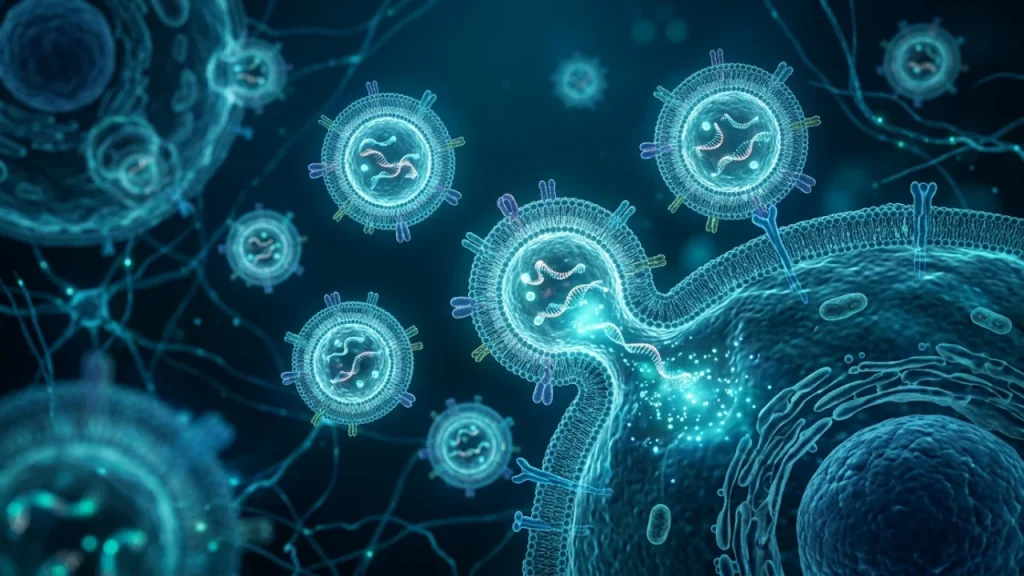
What Are Exosomes and Why Should You Care?
From Cellular Trash to Medical Treasure
For decades, scientists saw exosomes as cellular trash bags. Cells seemed to use these tiny bubbles to simply dump unwanted material. This view was logical but incomplete. It missed their true function entirely.
The turning point came with better technology. Researchers could finally see these vesicles in detail. They discovered something astonishing. Exosomes were not random garbage. They carried carefully selected cargo. This cargo included proteins, lipids, and genetic instructions like RNA.
More importantly, cells released exosomes on purpose. They sent them into bodily fluids like blood. These vesicles traveled to other cells. They delivered their molecular messages with precision. This changed everything. Exosomes were a communication network, not a waste system.
This network is vital for health. It helps coordinate immune responses. It aids in tissue repair. It allows organs to talk to each other. But the system can also go wrong. Diseased cells send corrupted messages.
For example, cancer cells are prolific exosome producers. They send out vesicles that can trick the immune system. These exosomes may help tumors grow and spread. This discovery highlighted a double role. Exosomes are essential for life, but they can also aid disease.
That dual nature is key to their medical potential. If exosomes carry disease signals, we can study them for diagnosis. They are biomarkers found in simple blood draws. Yet their role as natural delivery vehicles is even more promising.
This leads directly to the field of exosomes based therapeutics. Scientists are learning to engineer these natural carriers. The goal is to create targeted treatments. The concept is elegant. We can use the body’s own mail system to deliver medicine.
Think of a synthetic drug as a letter. It might get lost or rejected in the body. Now imagine putting that letter inside an exosome. The exosome is like an official envelope. The body recognizes it. It delivers the letter directly to the correct address, a sick cell.
This approach could revolutionize how we treat many conditions. The potential applications are vast: – Delivering healing RNA to damaged heart tissue after an attack. – Carrying anti-inflammatory signals to an arthritic joint. – Teaching immune cells to target specific cancer cells.
The shift in understanding was profound. We went from ignoring these vesicles to harnessing them. They transformed from cellular trash to medical treasure. This new view opens doors to smarter, more targeted therapies. It all starts with recognizing the courier.
The next question is how we turn this knowledge into actual treatments. The process requires careful design and engineering.
How Exosomes Work as Natural Messengers
Cells constantly talk to each other. They do not use words. They send tiny packages called exosomes. This is how a cell in your liver can send a message to a cell in your muscle.
The process starts inside a cell. A small compartment forms inside the cell membrane. This compartment acts like a sorting station. It gathers specific molecules for delivery. These molecules are the message. They can be proteins, lipids, or strands of genetic code called RNA.
Once loaded, this compartment moves to the cell’s outer wall. It fuses with the cell membrane. Then it pinches off into the space outside the cell. Now it is a free exosome. It carries its molecular cargo into the body’s fluids. Think of it as a cell launching a miniature submarine.
The exosome then travels. It navigates through blood or other bodily fluids. But it does not travel aimlessly. Its surface is covered with address labels. These labels are proteins and sugars. They match specific receptors on certain target cells.
A target cell has the right lock for the exosome’s key. When they meet, the exosome can deliver its cargo in several ways. It can fuse directly with the target cell’s membrane. This empties the cargo inside the cell. Alternatively, the target cell can swallow the entire exosome. The message is then unpacked inside.
The cargo itself is the instruction manual. For example, an RNA molecule can tell the target cell to make a new protein. A signaling protein can directly turn a cellular process on or off. This changes the target cell’s behavior.
Healthy communication keeps tissues in balance. A stem cell might send exosomes to repair damaged cells nearby. An immune cell can send alerts about a potential threat.
However, diseased cells hijack this system. A cancer cell sends far more exosomes than a healthy one. Its exosomes carry dangerous messages. They can tell nearby healthy cells to help the tumor grow. They can also tell immune cells to stand down and not attack.
This hijacking is why scientists care so much about exosomes based therapeutics. If we understand the natural system, we can fix it or use it. Researchers study how exosomes find their targets with such precision. They want to copy that precision for drug delivery.
The entire journey has clear steps: – Cargo selection and loading inside the sender cell. – Formation and release of the exosome. – Navigation through bodily fluids. – Targeting via surface markers. – Delivery and unpacking at the target cell.
Each step offers a chance for medical intervention. We could engineer an exosome to carry a drug instead of a natural signal. We could change its address labels to seek out diseased tissue. This turns a disease messenger into a treatment courier.
The natural messaging system is fast and efficient. Billions of these events happen in your body every day. This constant chatter maintains your health. When the messages go wrong, disease can follow. Understanding this flow of information is the first step toward controlling it. The next challenge is learning how to design and produce these engineered messengers at scale.
Why Exosomes Are Better Than Pills
Most drugs in a pill travel through your entire body. They go everywhere. This causes side effects. The medicine hits healthy cells along with sick ones. An exosome-based therapeutic is different. It is designed to deliver its cargo to a specific address.
Think of it like mail delivery. A traditional pill is like a flyer dropped on every doorstep in a city. An engineered exosome is like a sealed letter with a precise street address. It finds the one house that needs it.
This targeting happens through natural locks and keys. All cells have unique protein markers on their surface. These are like ID badges. An exosome can be fitted with a matching key on its own surface. It floats through the bloodstream until it finds the cell with the right ID badge. Then it docks and delivers.
The benefits of this precision are major.
First, it means stronger effects with smaller doses. A pill might need a large amount to ensure enough medicine reaches the right spot. Most of it is wasted. A targeted exosome sends almost all of its cargo directly into the target cells. This increases efficiency.
Second, it drastically cuts side effects. Chemotherapy drugs are powerful. They kill fast-dividing cells. This includes cancer cells. But it also includes hair follicles and stomach lining cells. That is why patients lose hair and feel nausea. An exosome could carry that same drug only to the tumor. Healthy tissues would be spared.
The natural composition of exosomes gives a third advantage. Your immune system is designed to attack foreign invaders. Synthetic drug carriers, like some nanoparticles, can trigger this attack. They get cleared away before finishing their job. Exosomes are made from human cell membranes. Your body recognizes them as native, friendly traffic. They avoid immune detection better. This lets them work longer.
Here is a simple comparison for two common issues:
- For a joint disease: A pill reduces inflammation everywhere. An exosome therapy could be designed to only enter inflamed joint tissue.
- For a liver condition: A pill metabolizes through the liver, adding strain. An exosome could target only the diseased liver cells needing repair.
Creating these smart packages is the goal of exosomes based therapeutics. Scientists do not just fill exosomes with drugs. They also engineer the outside address labels. They can take an exosome from a stem cell, load it with healing RNA, and add a key that fits only heart muscle cells damaged by a heart attack.
This is not science fiction. Early clinical trials are testing this approach. The challenge is manufacturing these engineered couriers reliably and in large numbers. The science, however, is clear. The future of medicine lies in sending treatments exactly where they are needed. Exosomes show us how our own bodies already do this every day. The next step is learning to command the system for healing.
The Science Behind Exosomes Based Therapeutics
What Makes Up an Exosome?
An exosome is a tiny bubble of biological material. It is not empty. It is packed with precise instructions and tools. These contents turn it from a simple bubble into a masterful courier. The cargo falls into three main types. These are proteins, lipids, and genetic material.
First, let’s look at the proteins. Hundreds of different proteins exist inside a single exosome. Some proteins form its structural frame. They act like the hull of a miniature ship. Other proteins are functional. They work as address labels. These are called targeting ligands. They guide the exosome to a specific cell type. Other proteins are enzymes. They can trigger chemical reactions inside the target cell upon delivery.
For example, an exosome from an immune cell might carry antiviral proteins. An exosome from a brain cell could carry proteins needed for neuron growth. The protein mix is a fingerprint. It tells scientists which cell sent the exosome. It also hints at the exosome’s possible mission.
Next are the lipids. These fatty molecules make up the exosome’s membrane. This lipid bilayer is a protective barrier. It shields the delicate inner cargo during transit through the body. But lipids are more than just wrapping. The specific lipids present can determine how the exosome fuses with a target cell. Some lipids help the exosome merge smoothly with another cell’s membrane. This allows it to dump its cargo directly into that cell.
The third and perhaps most crucial cargo is genetic material. This is mainly RNA. RNA is a set of molecular instructions. Exosomes carry microRNAs, which are short strands. They do not carry blueprints for proteins themselves. Instead, they act as managers. They can turn genes in the target cell on or off.
Think of a diseased cell sending wrong signals. A therapeutic exosome could deliver microRNA to correct those signals. It could tell the inflamed cell to calm down. It could tell a damaged cell to begin repair. This genetic cargo allows exosomes to change cell behavior without changing its core DNA.
All this cargo works together. The lipids protect it. The proteins direct it. The RNA reprograms the recipient. This natural design is the foundation for exosomes based therapeutics. Scientists study these components to create better treatments. They might load extra healing RNA into an exosome. They might add more precise address proteins to its surface.
Understanding this makeup solves a puzzle. It shows why exosomes are so powerful. A simple synthetic nanoparticle might carry one drug. A natural exosome carries a coordinated toolkit. It delivers many signals at once. This synergy is hard to copy in a lab from scratch.
The contents also explain specificity. A liver cell exosome has different surface proteins than a skin cell exosome. Their lipid membranes have slightly different flavors. Their RNA messages are written for different purposes. This inherent targeting is what researchers aim to harness and refine.
In summary, an exosome is a complex biological package. Its value lies in its precise combination of fats, proteins, and genes. Each component has a vital job. Together, they enable precise communication between cells across the body. This natural system of delivery is now a template for next-generation medicine.
How Scientists Engineer Exosomes for Medicine
Scientists do not just collect exosomes. They improve them. This process turns natural carriers into precision medical tools. It is the core of exosomes based therapeutics. The goal is clear. Researchers load exosomes with specific healing agents. They also steer them to the right place in the body.
The first step is getting the exosomes. Cells grown in labs release them into a liquid broth. Scientists then separate the tiny exosomes from this mixture. They use high-speed spinning called centrifugation. They also use filters with extremely small pores. This yields a pure sample of natural nanovesicles.
These collected exosomes are like empty envelopes. The next job is to put a message inside. Loading is a key engineering challenge. Scientists have developed clever ways to do this.
One common method is called incubation. The drug or genetic material is mixed with the exosomes in a tube. The exosomes are permeable. Given time and the right conditions, the therapeutic cargo seeps inside. It is a passive but effective technique for some molecules.
A more active method uses electricity. Scientists apply short electrical pulses to the mixture. This temporarily opens tiny holes in the exosome’s lipid membrane. The drug molecules quickly rush inside. Then the holes seal shut, trapping the cargo safely.
For delicate genetic material like RNA, gentler methods are needed. Scientists can use special solutions that make membranes more fluid. They can also use heat shock. The exosomes are briefly warmed. This makes their lipid walls more flexible so they can absorb new RNA.
Sometimes, loading happens at the source. Scientists can engineer the parent cells themselves. They give these cells the DNA instructions for a healing protein or RNA. The cells then produce this therapeutic cargo as they grow. They naturally pack it into the exosomes they release. This is a bio-inspired production line.
But a loaded exosome must find its target. Surface engineering directs its journey. Recall that proteins on the outside act like address labels. Scientists can add new labels.
They can attach small antibody fragments to the exosome surface. These fragments are designed to stick only to certain cell types, like cancer cells. This is like adding a custom GPS address.
Another tactic uses chemical linkers. These molecules bond to both the exosome’s lipids and a targeting peptide. This peptide is a key that fits a lock on the desired tissue.
Researchers also work on stealth. The body’s immune system might clear exosomes before they arrive. Coating an exosome with a polymer like polyethylene glycol can help. This creates a neutral shield. It lets the vesicle travel longer in the bloodstream undetected.
The final test is delivery and release. An exosome must unload its cargo inside the target cell. The natural biology often handles this. The exosome fuses with the cell’s membrane or gets swallowed whole.
Scientists can encourage this process. They design exosomes to be more prone to fusion in certain environments. For example, an exosome’s lipids can be chosen to break down in slightly acidic conditions. Tumors often have acidic surroundings. This ensures the drug releases right where it is needed.
Here is a simplified view of the engineering pipeline: – Harvest exosomes from cell cultures. – Load them with a drug, protein, or RNA using physical or chemical methods. – Modify their surface with targeting molecules for precision. – Test their ability to deliver and release cargo in target cells.
Each step offers choices. The best method depends on the disease and the cargo type. A small chemotherapy drug needs different handling than a large gene-editing tool.
This engineering work turns a natural process into a controlled technology. It leverages billions of years of cellular evolution. Scientists then add human design for a medical purpose. The result is a smart delivery system that is both biological and engineered.
The promise is powerful treatments with fewer side effects. An engineered exosome can carry a toxic drug directly to a tumor, sparing healthy organs. It can deliver a correct gene to a faulty cell without affecting others.
This foundational science leads directly to clinical questions. How are these engineered exosomes tested for safety? How do they move from lab designs to real patient treatments? The journey from concept to clinic involves rigorous trials and scaling production, which builds upon every loading and targeting technique discussed here.
Why Exosomes Cross Tough Barriers in the Body
The human body erects formidable walls to protect its most vital areas. The blood-brain barrier is one famous example. This lining of specialized cells shields the brain from toxins and pathogens in the bloodstream. It also blocks over 98% of potential drug molecules. This makes treating brain diseases incredibly hard.
Exosomes possess a natural master key. Their outer membrane is made from the same lipid bilayer as our own cell membranes. The body recognizes this as “self,” not a foreign threat. This native identity lets exosomes slip past immune surveillance. They avoid quick destruction in the bloodstream.
Their small size is a major advantage. Exosomes are typically 30 to 150 nanometers wide. That is about 1000 times thinner than a human hair. This tiny scale allows them to navigate through tiny capillaries. They can squeeze through cellular gaps larger particles cannot.
But identity and size are just part of the story. Exosomes have active biological tools. Their surface carries adhesion molecules and proteins. These act like hooks or passes. They can bind to specific receptors on the barrier’s cells. This binding can trigger a process called transcytosis.
Transcytosis is a cellular transport system. A vesicle is engulfed on one side of a barrier cell. It is carried across the cell’s interior. Then it is released out the other side. Exosomes evolved to hijack this natural pathway. They use the body’s own transport routes.
This ability is not limited to the brain. Exosomes cross the placental barrier between mother and fetus. They pass into lymph fluid. They can penetrate dense tumor tissue and cartilage. These are all environments where conventional drug delivery fails.
Consider a brain tumor. A chemotherapy drug injected alone cannot cross the blood-brain barrier. An engineered exosome can carry that drug. It uses its natural targeting and transport mechanisms. It delivers the payload directly to the tumor cells behind the barrier.
The implications for exosomes based therapeutics are profound. Diseases once thought untreatable with drugs become reachable. – Neurodegenerative conditions like Alzheimer’s. – Brain cancers like glioblastoma. – Genetic disorders affecting the central nervous system.
Scientists study how different parent cells create exosomes with different crossing abilities. Mesenchymal stem cell exosomes are particularly good at navigating to injury sites. Immune cell exosomes may better target inflammation zones.
This isn’t magic; it’s evolved biology repurposed. By choosing the right source cell and engineering its exosomes, researchers design precision couriers. These couriers go where we need them most.
The journey does not end at the barrier. After crossing, exosomes must find the right cell type. Their surface engineering, discussed earlier, combines with this innate crossing skill. This creates a two-stage delivery system: first cross the wall, then find the door.
Understanding this natural talent explains the excitement in medical research. It provides a clear path to treat protected organs. The next challenge is scaling this process for reliable, safe medicines for many patients.
Exosomes in Cancer Treatment
How Exosomes Deliver Drugs to Tumors
Cancer cells send out far more exosomes than healthy cells. This hyperactivity is a flaw we can exploit. For exosomes based therapeutics, scientists use this natural traffic system. They load therapeutic exosomes with cancer drugs. Then they send them back into the body.
The delivery process is a precise sequence. It starts with navigation. Engineered exosomes have targeting molecules on their surface. These molecules act like homing signals. They bind to matching receptors on tumor cells. Many tumor cells have unique surface markers. This makes them easier to find.
Next comes attachment. The exosome docks onto the tumor cell’s membrane. This connection is specific. It ensures the payload goes to the right address. A delivery van does not drop packages at random houses. It finds the correct one. Exosomes work the same way.
After docking, the exosome must enter the cell. There are two main paths. The first is direct fusion. The exosome’s membrane merges with the cell’s membrane. This dumps the cargo straight into the cell’s interior. The second path is endocytosis. The cell’s membrane wraps around the exosome. It pulls it inside in a little bubble called a vesicle.
Now the drug needs to escape. If the exosome entered via endocytosis, it is trapped inside that vesicle. The vesicle is acidic. This acidity can trigger the exosome to rupture. It releases its cargo into the cell’s cytoplasm. This is where the drugs need to be to work.
The released drugs then attack the cancer cell. Different drugs have different targets. – Chemotherapy drugs attack DNA or cell division machinery. – RNA interference drugs can silence cancer-promoting genes. – Some new drugs trigger the cell’s own self-destruct program.
This targeted approach has big advantages over standard chemotherapy. Traditional chemo floods the entire body. It hits fast-dividing cells everywhere. This causes severe side effects. Hair follicles and gut lining cells are also fast-dividers. They get damaged too.
Exosome delivery changes this equation. More drug goes to the tumor. Less drug circulates freely in the blood. This means higher efficacy at the tumor site. It also means lower toxicity for healthy tissues.
Research shows this is not just theory. In lab studies, exosomes loaded with anti-cancer drugs have been directed to: – Breast cancer tumors, reducing their growth. – Lung cancer metastases, shrinking them. – Drug-resistant ovarian cancers, overcoming their defenses.
The key is the exosome’s natural composition. The human body does not see it as a foreign threat immediately. This helps it avoid early detection by the immune system. A synthetic nanoparticle might be attacked and cleared faster.
Engineering makes this system smarter. Scientists can add more than one type of targeting signal. This helps exosomes find tumors even if some cells change their markers. They can also load combination cargoes. – A chemotherapy drug. – A specific RNA to block a survival gene. – An imaging agent to track delivery.
This turns one exosome into a multi-tool weapon.
The process faces real challenges too. Tumors are not uniform. Their cells can have different receptors. The pressure inside a tumor can push exosomes out. The body still clears exosomes over time, so timing matters.
Yet, the core mechanism is solid and elegant. It uses biology’s own mailing system to send a therapeutic package. It ensures delivery, entry, and release right inside the cancer cell. This precision turns a potent poison into a targeted strike.
The next step for medicine is ensuring these engineered couriers can be made consistently and in large amounts for patients who need them.
Why Cancer Cells Hijack Exosomes
Cancer cells are not passive. They actively reshape their environment to survive and spread. One of their most powerful tools is the exosome. A tumor can release up to ten times more exosomes than normal tissue. This flood is not random waste. It is a calculated biological attack.
These tumor-derived exosomes carry specific cargo. They deliver signals that help the cancer in several key ways.
First, they prepare distant sites for metastasis. Exosomes travel through the bloodstream to other organs. They deposit molecules that make those tissues more welcoming for cancer cells to settle and grow later. Think of it as sending advance scouts to prepare a new camp.
Second, they suppress the immune system. The exosomes can carry molecules that deactivate or confuse immune cells like T-cells and natural killer cells. This weakens the body’s natural defenses against the tumor. The cancer disables the alarms.
Third, they help tumors resist drugs. Exosomes can export chemotherapy agents out of cancer cells. They also share genes between cells that make them all resistant to treatment. This turns the tumor into a fortress.
Finally, they commandeer healthy cells. Exosomes from the tumor can fuse with normal cells nearby. They reprogram these cells to support the tumor’s growth. They can even force them to build new blood vessels to feed the cancer.
This hijacking is possible because exosomes are native to the body. They are trusted messengers. Cancer exploits this trust for its own deadly purposes. The very system that keeps our cells talking becomes a weapon.
This creates a critical opportunity for exosomes based therapeutics. If cancer uses these vesicles as a tool, medicine can turn that tool against it. The strategy is interception and redirection.
Scientists are developing countermeasures. One approach is to block the release of exosomes from cancer cells. Certain drugs can inhibit the cellular machinery that makes and sends them. This cuts off the tumor’s communication lines.
Another method is to filter harmful exosomes from a patient’s blood. Specialized filters or binding agents could capture the tumor-derived vesicles before they reach other organs.
The most direct strategy is using engineered therapeutic exosomes as decoys. These designed vesicles can outcompete the cancer’s own exosomes. They can bind to the same receptors on target cells but deliver a killing signal instead of a growth signal.
For example, an engineered exosome could target the same cell that would normally receive a “suppress immune system” order from the tumor. Instead, it delivers a message to activate an immune attack right at the tumor’s edge.
Understanding this hijack reveals a double advantage for medicine. We are not just adding a new drug to the body. We are taking over a communication channel that the cancer already depends on. We disrupt its plans with its own system.
This turns a weakness in biology into a strength for treatment. The next challenge is learning to control this complex system reliably in patients who need it most.
Exosomes Based Therapeutics for Breast Cancer
Breast cancer cells are especially active communicators. They release large numbers of exosomes into their surroundings. These vesicles carry specific signals that help the tumor grow and spread.
The exosomes from a breast tumor perform several harmful tasks. They can prepare distant organs, like the lungs or bones, for cancer cell arrival. They can shut down local immune cells. They also help the tumor resist common drug treatments.
This makes breast cancer a prime target for exosomes based therapeutics. The goal is to disrupt these precise communication lines. Scientists are designing treatments that intervene at different stages.
One approach is diagnostic. The exosomes from breast cancer cells carry unique molecular fingerprints. A simple blood test could detect these vesicles early. This could spot recurrence long before a traditional scan shows anything.
Another strategy is interception. Researchers create sponge-like nanoparticles. These nanoparticles circulate in the bloodstream. They are designed to bind and trap tumor exosomes. This prevents the harmful vesicles from reaching their targets.
The most advanced concept uses engineered therapeutic exosomes as targeted delivery vehicles. Here is how it could work for a patient: – Scientists collect a patient’s own cells or use donor cells. – These cells are used to produce exosomes in a lab. – The exosomes are then loaded with anti-cancer drugs or specific RNA messages. – Finally, the exosomes are engineered to seek out only breast cancer cells.
The targeting is key. Breast cancer cells often have unique surface markers, like the HER2 protein. Therapeutic exosomes can be designed to latch onto these markers. This ensures the treatment goes directly to the tumor.
For example, an exosome could deliver a drug directly into a resistant cancer cell. It could also carry molecules that tell the cell to self-destruct. Another exosome might deliver instructions to revive immune cells near the tumor.
This method has major advantages over conventional chemotherapy. It reduces severe side effects. The treatment is more precise. Lower doses of powerful drugs can be used because they go straight to the disease site.
Clinical research is actively exploring these ideas. Early-stage trials are testing safety. Scientists are learning how to manufacture these therapeutic vesicles consistently at scale.
The challenge is complexity. Breast cancer is not one single disease. It has multiple subtypes that communicate differently. A treatment for one subtype may need a different design for another.
Future work will likely combine these approaches. A patient might first get a diagnostic exosome blood test. Then they could receive personalized therapeutic exosomes based on their tumor’s specific profile.
This represents a shift towards smarter, more adaptable cancer care. It uses the body’s own communication system against a formidable disease. The focus on breast cancer provides a clear roadmap for applying these principles to other common cancers as the science matures.
Exosomes for Brain and Nerve Diseases
How Exosomes Reach the Brain Safely
The brain is a fortress. It is protected by a dense network of blood vessels and cells called the blood-brain barrier. This barrier blocks most drugs and large molecules from entering. It keeps the brain safe from toxins and infections. However, it also stops helpful medicines from reaching brain diseases. Exosomes offer a unique solution. They have a natural ability to cross this barrier without causing damage.
Cells in our body constantly release billions of exosomes. The brain itself produces them. These natural vesicles carry signals between brain cells. They maintain healthy function. Scientists realized these particles act like biological passports. Their small size is one key factor. Exosomes are typically 30 to 150 nanometers wide. That is about 1000 times smaller than the width of a human hair. Their tiny size lets them navigate small spaces.
Their surface composition is more important. Exosomes are made from the same material as cell membranes. This makes them biocompatible. The body recognizes them as normal, not foreign. Specific proteins on their surface act like keys. These proteins bind to receptors on the blood-brain barrier’s cells. This binding triggers a process called transcytosis.
Think of transcytosis as a secure escort service. The exosome attaches to the inner wall of a blood vessel in the brain. The vessel wall then forms a tiny bubble around the vesicle. This bubble carries the exosome straight through the cell. It releases the exosome safely on the other side. The exosome enters the brain tissue itself. The barrier remains intact and unharmed.
This natural process is perfect for exosomes based therapeutics. Researchers can load therapeutic exosomes with medicine. The vesicles use their innate “keys” to gain entry. They deliver their cargo directly to diseased brain cells. This method avoids the need for risky surgery or invasive procedures.
Several brain disorders could benefit from this approach. – In Alzheimer’s disease, exosomes could carry enzymes to break down toxic protein clumps. – For Parkinson’s disease, they might deliver factors to protect and nourish dying neurons. – In stroke recovery, they could bring molecules that reduce inflammation and promote healing. – For brain tumors, like glioblastoma, they could transport chemotherapy past the barrier.
A major advantage is stealth. Synthetic nanoparticles often get attacked by the immune system. The body sees them as invaders. Exosomes derived from human cells are much less visible to immune patrols. They deliver their cargo quietly. This reduces potential side effects like swelling or fever.
Current research is optimizing this delivery system. Scientists are studying which cell types produce the best exosomes for brain targeting. Some studies use exosomes from mesenchymal stem cells. These exosomes seem to have a natural affinity for injured tissue. Other work engineers the surface proteins to make them even better “keys.”
The future of treating brain diseases looks different because of this research. The old problem was getting medicine inside the fortress. Exosomes provide a smart, biological solution. They use the brain’s own communication channels for therapy. This safe passage is the first critical step in healing complex neurological conditions from within.
Exosomes Based Therapeutics in Alzheimer’s Disease
Alzheimer’s disease involves two main problems in the brain. Sticky plaques made of beta-amyloid protein build up between neurons. Tangled fibers of tau protein form inside the cells. These clumps disrupt communication. They eventually cause cell death and memory loss. Current drugs often struggle to reach these targets effectively. They also fail to stop the disease’s progression.
Exosomes based therapeutics offer a new strategy. Think of exosomes as tiny biological trucks. Scientists can load them with specific therapeutic cargo. Then they send these trucks directly to the diseased brain areas. The exosomes use natural pathways to deliver their load. This approach aims to treat the root causes, not just the symptoms.
One key strategy is to attack the harmful plaques. Researchers can engineer exosomes to carry special enzymes. These enzymes can break down the beta-amyloid clumps. Other exosomes might carry antibodies that bind to the plaques. This marks them for removal by the brain’s clean-up cells. The goal is to clear the cellular debris that harms neurons.
Another approach focuses on protection and repair. Damaged neurons in Alzheimer’s suffer from inflammation and stress. Exosomes can be packed with helpful molecules. – They might deliver growth factors to support neuron survival. – They could carry anti-inflammatory signals to calm the brain’s immune cells. – Some exosomes contain genetic instructions to help cells repair themselves.
The source of the exosomes matters greatly for this disease. Mesenchymal stem cell exosomes are commonly studied. They naturally contain a mix of beneficial factors. These factors can promote synaptic health. Synapses are the critical connections between neurons where memories form. Strengthening these connections could slow cognitive decline.
A promising area is using exosomes for early intervention. They could serve as diagnostic tools and treatments. In early stages, exosomes from a patient’s blood might show specific biomarkers. This allows for earlier detection. Then, therapeutic exosomes could be deployed sooner. Early treatment is vital before widespread damage occurs.
The delivery process is elegantly simple in concept. Scientists harvest cells and collect the exosomes they release. They then load these vesicles with chosen therapeutic agents. The loaded exosomes are administered to the patient, often via injection. Their natural homing ability guides them to the affected brain tissue.
Safety is a primary advantage over synthetic systems. Since exosomes are natural, the body tolerates them well. This reduces risks of adverse reactions. It allows for repeated dosing if needed. Long-term treatment plans become more feasible with a safe delivery vehicle.
Challenges remain in this exciting field. Determining the exact dose is complex. Standardizing production methods is crucial for consistency. Large-scale clinical trials are needed to prove efficacy in humans. Yet, the foundational science is strong and progressing quickly.
The vision for Alzheimer’s therapy is shifting. Instead of one single drug, exosomes could provide a multi-pronged treatment platform. A single vesicle might carry both plaque-clearing and neuroprotective agents simultaneously. This tackles multiple pathways of the disease at once.
This targeted biological approach brings new hope. It represents a move from managing symptoms to potentially altering disease progression. The next frontier will explore combining exosome therapy with other modalities for a comprehensive defense against neurological decline.
Using Exosomes to Repair Nerve Damage
Nerve cells have a limited ability to repair themselves after injury. A spinal cord injury or severe peripheral nerve damage often leads to permanent loss of function. The body’s natural healing signals are too weak or disorganized to bridge the gap. Exosomes based therapeutics are emerging as a powerful tool to change this outcome.
These tiny vesicles carry precise instructions for repair. They do not just deliver drugs. They deliver biological commands. The cargo inside exosomes tells surrounding cells to start rebuilding.
The process involves several key steps. First, exosomes help create a supportive environment. After injury, scar tissue and inflammation can block regrowth. Exosomes from stem cells can reduce this harmful inflammation. They calm the immune response. This clears the path for healing.
Next, exosomes promote axon regeneration. Axons are the long, wire-like parts of nerve cells that send signals. When severed, they must grow back to reconnect. Exosomes deliver proteins and RNA that directly stimulate axon growth. They act like a molecular guide rope, encouraging axons to extend across the injury site.
They also protect surviving nerve cells. Injury stresses nearby neurons, risking further cell death. Exosomal cargo provides survival signals. It helps these vulnerable cells stay healthy and functional during the repair process.
The sources of these therapeutic exosomes are crucial. Scientists often use mesenchymal stem cells (MSCs). These cells are naturally skilled at tissue repair. Their exosomes are packed with beneficial factors.
- Growth factors like BDNF and NGF that nourish neurons.
- MicroRNAs that switch on regenerative genes.
- Proteins that remodel the extracellular matrix, the scaffold around cells.
This combination tackles the problem from multiple angles simultaneously. It is a coordinated biological strategy.
Research in animal models shows promising results. In studies of sciatic nerve injury, exosome treatment improved nerve regrowth and muscle function. In spinal cord injury models, treated animals showed better recovery of movement. The exosomes helped rebuild neural connections that were thought to be lost forever.
The advantages for nerve repair are significant. Exosomes can cross the blood-brain barrier and reach deep into neural tissue. Their natural composition minimizes immune rejection risks. This allows for systemic delivery, like an intravenous injection, while still reaching the precise injury site.
Challenges specific to nerve repair exist. The timing of treatment is critical. The therapeutic window after injury may be narrow. The exact dose needed to stimulate robust regrowth without side effects is still being defined. Furthermore, nerves heal slowly. Treatments may need to work over weeks or months, requiring sustained release or repeated dosing.
The future direction involves engineering exosomes for even greater effect. Scientists can load them with extra regenerative factors. They can also attach surface molecules to make them bind more strongly to damaged nerve tissue. This enhances their targeting and potency, creating advanced exosomes based therapeutics.
This approach moves beyond simple protection. It actively instructs the body to rebuild its own neural wiring. While Alzheimer’s therapy aims to protect and preserve, nerve repair seeks to restore what was damaged. Together, they showcase the versatile potential of exosomes as master healers of the nervous system, turning biological messengers into tools for reconstruction.
Exosomes in Healing and Regeneration
How Exosomes Help Wounds Heal Faster
The skin is a dynamic organ constantly repairing itself. When injured, a complex sequence of events begins. Exosomes are key directors of this process. They carry urgent instructions between cells.
After a cut or burn, resident skin cells release exosomes immediately. These nanovesicles signal nearby cells to spring into action. They help control inflammation, which is vital. Too much inflammation damages tissue. Too little slows healing. Exosomes help find the right balance.
They promote new blood vessel growth. This is called angiogenesis. New vessels bring oxygen and nutrients to the wound site. This fuels repair. Exosomes directly encourage cells called fibroblasts to multiply and move into the wound bed. Fibroblasts are the body’s builders. They produce collagen, the main structural protein of skin.
Collagen gives healing tissue its strength. But collagen must be laid down in an organized way. Poor organization leads to thick, raised scars. Exosomes guide fibroblasts to create a more natural collagen network. This results in less scar tissue and better skin quality.
The cargo inside exosomes drives these effects. Key components include: – Growth factor proteins that stimulate cell growth. – microRNA molecules that regulate gene activity in target cells. – Signal proteins that call immune cells to the site.
Scientists can harvest exosomes from certain cell types known for healing. Mesenchymal stem cell exosomes are particularly potent. They have been shown in studies to speed up wound closure significantly. Treated wounds often show better re-epithelialization. This is the process of new skin cells covering the wound.
The potential for chronic wounds is immense. Diabetic ulcers and pressure sores can persist for months. They fail to progress through normal healing stages. Applying exosome-based therapeutics can restart the stalled process. They can shift the wound environment from inflammatory to regenerative.
Practical delivery methods are being developed for skin use. These include: – Topical gels infused with exosomes. – Hydrogel dressings that release exosomes over time. – Sprayable solutions for large or irregular wounds.
These methods aim to keep exosomes active at the site. The goal is sustained signaling. This approach mirrors the body’s own continuous communication but amplifies it.
Reducing scarring is a major focus beyond simple closure. Exosomes can modulate the final remodeling phase of healing. They can reduce the overproduction of collagen that causes keloid or hypertrophic scars. Early research suggests they promote regeneration that resembles the original tissue more closely.
The advantages for skin healing are clear. Exosomes act on multiple stages at once. They are naturally targeted to wound sites due to chemical signals. Their use avoids the risks and complexity of whole cell therapies. This positions them as powerful, precise tools in regenerative dermatology.
This logic of local repair extends to other tissues. The principles seen in skin—controlling inflammation, building new tissue, improving structure—apply broadly. The next frontier is applying these masterful couriers to mend internal organs after injury or disease, showcasing their universal role in healing.
Exosomes Based Therapeutics for Heart Repair
A heart attack creates a scar that cannot beat. This dead tissue weakens the entire organ. Unlike skin, heart muscle has very limited ability to regenerate itself. The damage sets off a harmful chain of events. Inflammation floods the area. This further hurts surviving cells. The stiff scar tissue then remodels the heart’s shape. This often leads to heart failure over time.
Exosomes based therapeutics aim to interrupt this destructive cycle. They offer a strategy without transplanting whole cells. The goal is to heal the heart from within. These nanovesicles carry specific instructions. They tell the heart’s cells how to respond to injury more effectively.
The therapeutic cargo works in several key ways right after an attack. First, exosomes can calm the overactive immune response. They send signals that reduce damaging inflammation. This protects the border zone around the infarct. Saving these cells is crucial. Second, they promote the growth of new blood vessels. This process is called angiogenesis. New vessels restore oxygen and nutrients to starved tissue. Third, they encourage the survival of stressed heart muscle cells. They deliver proteins and RNA that help cells resist death.
A major focus is stimulating existing cardiac cells to divide. Adult heart muscle cells rarely proliferate. Exosomes can reawaken this dormant capacity. They carry molecules that push cells back into a regenerative state. This could lead to true muscle renewal, not just scar reduction.
Delivery to the heart presents unique hurdles. Simply injecting into a vein is not enough. Many exosomes would be filtered out by the liver or lungs. Scientists are engineering smarter delivery methods for heart repair.
- Direct injection during cardiac catheterization places exosomes precisely into the damaged wall.
- Intravenous delivery uses exosomes coated with targeting peptides that guide them to injured heart tissue.
- Sustained-release patches or hydrogels can be attached to the heart’s surface during surgery, providing a slow release of vesicles.
Research in animal models shows promising results. Treated hearts show smaller scars. Their pumping function improves significantly. There is more healthy muscle and fewer dysfunctional areas. The new blood vessel network becomes denser.
The shift from inflammatory to regenerative signaling is central here, just as in skin wounds. However, the stakes are higher for a vital pump. The signals must be perfectly timed. The wrong signal at the wrong time could be ineffective or even risky.
Safety is a primary concern for any heart therapy. Exosomes derived from certain stem cells appear safe in early studies. They do not form tumors or cause erratic heart rhythms. Their natural origin and short lifespan in the body reduce risks.
The vision is a targeted treatment administered after a heart attack. It would act as an emergency repair kit on a cellular level. This could prevent the long slide toward heart failure. It represents a move from managing disease to truly promoting regeneration of a critical organ.
The principle of using biological communication for repair proves powerful across systems. From skin to heart, exosomes based therapeutics provide a master key to unlock innate healing. The next logical step explores their role in another complex system: the network of neurons in the brain after injury or decay.
Using Exosomes to Grow New Bones
Bone is not a static scaffold. It is living tissue that constantly remodels itself. After a break, the body must quickly bridge the gap. This healing process is complex. It requires perfect coordination between many cell types. Cells must form new blood vessels. They must lay down a temporary cartilage framework. Finally, they must replace it with hard, mineralized bone. Any misstep can lead to delayed healing or a non-union. This is where exosomes based therapeutics offer a sophisticated solution.
Exosomes act as a precise instruction set for bone repair. They are packed with specific molecules that tell local cells what to do. These molecules include microRNAs and growth factors. For example, one key signal might tell progenitor cells to become osteoblasts. Osteoblasts are the cells that build new bone. Another signal might attract new blood vessels to the site. This ensures the growing tissue gets oxygen and nutrients.
Research shows certain exosomes are especially potent for bone growth. They often come from mesenchymal stem cells (MSCs). These stem cells naturally reside in bone marrow and fat. Their exosomes carry a cargo optimized for regeneration. In laboratory studies, these vesicles trigger a clear chain of events. They reduce inflammation at the fracture site early on. Chronic inflammation can block healing. Then they directly stimulate the bone-forming cells.
The practical application for patients is clear. Imagine a severe fracture that struggles to heal. A doctor could use a concentrated dose of these exosomes. They could be delivered directly to the break in several ways. – They could be injected into the area around the fracture. – They could be incorporated into a biocompatible gel or paste applied during surgery. – They could be loaded onto a special scaffold that acts as a guiding structure for new bone.
This approach has major advantages over some current treatments. It uses natural signaling, not foreign materials or high-dose drugs. The exosomes do not stay permanently. They deliver their instructions and are cleared by the body. This minimizes side effects. The goal is to enhance the body’s own repair program, not replace it.
Animal studies provide strong evidence. In models of critical-sized bone defects, treatment with MSC exosomes led to remarkable results. New bone formed faster and more completely. The bone was stronger and had better blood supply. The regenerated tissue closely matched the original in structure and function.
The potential impact is huge for an aging population and for complex injuries. Conditions like osteoporosis weaken bones and make fractures more likely and harder to heal. For soldiers or accident victims with massive bone loss, current grafts have limits. Autografts require a second surgery and have limited supply. Allografts from donors carry risks of rejection or disease.
Exosome therapy could change this paradigm. It represents a shift from structural replacement to biological guidance. Instead of just inserting a metal rod or a piece of donor bone, doctors could stimulate the body to grow its own robust new bone. The treatment would be targeted and regenerative.
The science moves from principle to practice by solving delivery challenges. Ensuring the vesicles remain active and localize to the injury site is key. Ongoing work focuses on engineering these natural carriers for even greater precision and power.
This journey through healing—from skin to heart to bone—reveals a consistent theme. The body’s own communication system holds the blueprint for repair. By harnessing exosomes, medicine learns to speak the language of regeneration directly to our cells, offering hope for restoring even our hardest tissues.
The Benefits of Exosomes Based Therapeutics
Why Exosomes Cause Fewer Side Effects
One major reason exosomes based therapeutics are so promising is their safety profile. They tend to cause fewer side effects than many conventional drugs. This advantage comes from their fundamental nature. Exosomes are not synthetic chemicals invented in a lab. They are natural biological particles. Your own cells make them every day.
Think of it like receiving a letter from a family member versus a stranger. A letter from home is familiar. Your body recognizes the handwriting and the seal. It is accepted without alarm. Exosomes work in a similar way. Because they are derived from human cells, often your own or donor stem cells, your immune system is less likely to attack them. This means a lower risk of inflammation or rejection.
Many powerful drugs are foreign to the body. Chemotherapy agents, for example, are designed to kill fast-growing cells. They cannot tell the difference between a cancer cell and a healthy hair follicle or stomach lining. This leads to well-known side effects like hair loss and nausea. Exosomes function differently. They carry instructions, not poison. Their goal is to communicate and regulate, not to destroy.
The structure of an exosome itself is key to its safety. Each vesicle has a protective lipid bilayer membrane. This membrane is just like the outer layer of your own cells. It blends in with the body’s environment. This natural coating helps exosomes avoid immediate detection and breakdown by the immune system. It allows them to deliver their cargo precisely where it needs to go.
Consider the process of an organ transplant. A donor kidney is a lifesaving gift. But the recipient’s body often sees it as a foreign object. Patients must take strong immunosuppressant drugs for life. These drugs have severe side effects because they weaken the entire immune system. Exosome therapy offers a different path. It provides only the essential healing signals, not a whole foreign organ. The body’s defense systems stay largely intact.
The cargo inside exosomes also contributes to safety. They deliver molecules like microRNAs and proteins that your cells already use. These are native signaling tools. Introducing them is like giving a construction crew a better blueprint instead of unfamiliar, harsh machinery. The crew knows how to read it and can work more effectively with less collateral damage.
- They are naturally targeted. Exosomes have surface markers that guide them to specific cell types.
- They have low toxicity. Their biological cargo is meant to be processed by cellular machinery.
- They are biodegradable. After delivering their message, exosomes break down into harmless components.
Traditional drug delivery often uses artificial nanoparticles. These can sometimes accumulate in organs like the liver or spleen. The body struggles to clear them. Exosomes, being natural, have built-in clearance pathways. The body knows how to process and recycle their materials efficiently.
This does not mean exosome therapies are completely free of all risk. Any medical intervention carries some potential for reaction. The dose, source, and purity are critical factors. However, their foundational biocompatibility presents a significant safety advantage. It reduces the hurdles between lab research and patient treatment.
The reduced side effect profile makes repeated treatments more feasible. A patient might tolerate multiple rounds of exosome therapy better than chronic use of a harsh pharmaceutical. This opens doors for managing long-term conditions like degenerative diseases. The therapy works with the body’s language, not against it.
In summary, the natural origin of exosomes is their strategic benefit. They are stealthy, targeted messengers that the body is primed to accept. This inherent compatibility is central to their therapeutic potential, allowing them to promote healing with minimal disruption. This safety edge supports their development for a wide range of medical applications, moving us closer to precise and gentle regenerative medicine.
How Exosomes Target Specific Cells Precisely
Exosomes do not wander the body at random. They deliver their cargo with remarkable accuracy. This precision targeting is a core benefit of exosomes based therapeutics. It means treatments can aim for sick cells while leaving healthy ones alone.
Think of an exosome as a tiny envelope. It has a specific address written on its surface. This “address” is made of proteins and sugars. These molecules act like keys. They only fit into matching locks on the surface of certain target cells.
The system is highly organized. A cell sending the exosome packs it with special instructions. It also places the correct address markers on the vesicle’s outer membrane. The receiving cell has the right locks to accept it. This ensures the message goes to the right place.
Targeting works through a few key steps. First, the exosome circulates until it finds its match. Second, its surface proteins bind tightly to the target cell. This binding is like a handshake. It signals the cell to start taking in the vesicle.
The exosome then transfers its cargo inside. This cargo can include healing instructions like RNA or proteins. The target cell uses these instructions to change its behavior. It might repair itself, reduce inflammation, or start regenerating.
This precision comes from nature. Cells in our body use exosomes to talk to each other every day. Immune cells send exosomes to coordinate an attack on an infection. Stem cells send exosomes to sites of injury. Scientists are learning to direct this natural postal service for medicine.
For example, exosomes can target inflamed tissue. Cells in inflamed areas express unique “lock” proteins on their surface. Researchers can load exosomes with anti-inflammatory signals. The vesicles will naturally seek out those inflamed zones.
Cancer cells also have unique surface markers. Some studies engineer exosomes to find these markers. The exosomes could then deliver drugs directly into the tumor. This method would spare healthy organs from toxic side effects.
The targeting ability solves a major drug delivery problem. Traditional drugs often flood the entire system. They affect both diseased and healthy tissues. This leads to unwanted side effects. Exosomes offer a smarter, more focused approach.
Their natural targeting makes them efficient. Lower doses of medicine might be needed. The therapy goes straight to the problem area. This efficiency supports the development of effective exosomes based therapeutics for complex conditions.
Precise targeting also allows for combination strategies. One exosome could carry multiple types of healing messages. All these messages would arrive at the same sick cell together. This coordinated action could be more powerful than a single drug.
In essence, exosomes are guided biological missiles. Their guidance system is built from natural cellular codes. This inherent precision ensures that therapeutic messages reach their intended destination, maximizing benefit and minimizing harm. This targeted delivery is what makes them such promising tools for the future of precise medicine.
Why Exosomes Work for Personalized Medicine
Personalized medicine means treatments are designed for one person. Exosomes are perfect tools for this approach. Their biology allows for deep customization. This happens in two main ways.
First, exosomes can come from the patient’s own cells. Doctors can collect a small sample of a patient’s blood or skin cells. These cells are grown in a lab. They then release exosomes. These exosomes are inherently compatible with the patient’s body. The immune system sees them as “self.” This means they are less likely to cause a reaction. Using a patient’s own exosomes is like using a biological key made for their unique lock.
Second, these native exosomes can be engineered. Scientists can load them with specific cargo for that patient’s disease. For example, a patient with a rare autoimmune condition might need a very specific signal turned off. Their own exosomes can be packed with RNA instructions to do just that. The exosome becomes a personalized corrective message. It is sent from the patient’s own cells back to their body.
This custom approach solves several problems common in traditional medicine. Standard drugs are made for the average patient. They do not account for individual genetic differences. These differences can affect how a drug works. They can also cause bad side effects. Exosomes based therapeutics avoid this pitfall. They are designed from the start for a single individual’s biology.
The process for creating a personalized treatment has clear steps. – Doctors first analyze the patient’s specific disease at a molecular level. They find the key targets. – A suitable cell source from the patient is selected and expanded. – These cells are used to produce a batch of exosomes. – The exosomes are then loaded with the precise therapeutic molecules needed. – Finally, the tailored exosomes are given back to the patient.
This method is being explored for complex cancers. Every tumor has a unique set of markers. A treatment can be designed to match that exact profile. Exosomes from the patient’s immune cells could be taught to recognize those markers. They would then guide the immune system to attack the cancer. This is more precise than standard chemotherapy.
The benefits of this personalization are significant. Treatments could have higher effectiveness because they are perfectly matched. The risk of side effects is greatly lowered. There is also less chance of the body rejecting the therapy. This makes exosomes based therapeutics a safe and potent option.
Of course, creating one-of-a-kind treatments presents challenges. The process takes time and advanced technology. It is also more costly than mass-produced drugs. However, for diseases with no good standard options, this personalized path offers new hope. It represents a shift from treating the general disease to treating the specific person.
In essence, exosomes provide the ideal biological platform for customization. They carry natural targeting signals from the patient. They can be modified with precision tools. This combination allows medicine to move beyond a one-size-fits-all model. The future may see clinics creating unique exosome therapies tailored for individual needs, marking a new era of truly personal healthcare.
Current Research and Clinical Trials
What Early Studies Show About Exosomes
Early research provides strong clues about how exosome therapies might work. Scientists are not just guessing. They are testing these nanovesicles in detailed lab experiments and small animal studies. The results so far are encouraging.
One key finding involves safety. Because exosomes are natural, the body often tolerates them well. Studies in mice show that exosomes from certain human cells cause few side effects. The mice do not show signs of major inflammation or organ damage. This is a crucial first step. A treatment must be safe before it can be considered effective.
The evidence for healing is also growing. For example, research on heart attacks is promising. After a heart attack, scar tissue forms. This weakens the heart muscle. In animal models, exosomes from stem cells are injected. These exosomes carry specific instructions. They tell heart cells to repair themselves. They also reduce harmful inflammation. Treated animals show better heart function and less scarring.
The power of exosomes lies in their cargo. They deliver working tools directly to damaged cells.
- They can carry microRNA molecules. These act like software updates, telling a sick cell to stop dying or to start repairing.
- They can deliver proteins that help rebuild tissue, like collagen for skin wounds or cartilage for joints.
- They can even transfer enzymes that break down toxic substances in the brain.
This targeted delivery makes them efficient. A large dose of free-floating medicine might scatter throughout the body. But exosomes go where they are needed. This targeting boosts effectiveness with a smaller dose.
Early human trials are now underway. These Phase I trials mainly check for safety in people. The initial data is positive for several conditions. In one trial for chronic wounds, patients received exosome gel. Their wounds showed faster closure rates compared to standard care. Another small study looked at knee osteoarthritis. Patients reported less pain and better joint movement after exosome injections.
The mechanism behind this pain relief is clear. Osteoarthritis involves constant inflammation. Exosomes from stem cells can calm this inflammation. They signal the joint’s immune cells to stop attacking. This allows the remaining cartilage to function better.
Cancer research is particularly active. Tumors use exosomes to spread and hide. But scientists are turning this against cancer. Engineered exosomes can block tumor signals. They can also deliver anti-cancer drugs straight to the tumor core. Early mouse studies show this approach can shrink tumors with minimal damage to healthy organs.
Of course, these are early days. Lab results in animals do not always translate perfectly to humans. Larger clinical trials are needed to confirm the benefits. Researchers must still answer important questions.
- What is the perfect dose for each disease?
- How often should treatments be given?
- Which source of exosomes works best for different organs?
But the path forward is based on solid proof-of-concept science. Each small study adds another piece of evidence. Together, they build a compelling case for exosomes based therapeutics. The data moves the field from a hopeful idea to a tangible medical strategy under rigorous testing.
This growing body of research confirms their dual potential: inherent safety and potent, targeted action. The next logical step is scaling this evidence into widely available treatments through advanced clinical development.
How Exosomes Based Therapeutics Are Tested in Humans
Moving a therapy from mice to humans is a careful, step-by-step journey. This process is called clinical development. For exosomes based therapeutics, this path is now active. Scientists are testing these nanovesicles in people with specific conditions.
The first human studies are Phase I trials. Their main goal is safety. Researchers give a small number of volunteers a very low dose of exosomes. They watch the people closely for any side effects. The team checks blood and vital signs often. They want to see how the body handles the foreign vesicles. If no major safety issues appear, the dose is slowly increased for the next group. A successful Phase I trial does not prove the treatment works. It simply shows it is likely safe to test further.
Phase II trials focus on finding the right dose and seeing early signs of benefit. These studies involve more patients, usually between 50 and 200. All participants have the disease the therapy aims to treat. Researchers split them into groups. Each group gets a different dose or schedule. One group might get a placebo, an inactive substance, for comparison.
Scientists then look for biological changes. For a knee osteoarthritis trial, they might measure inflammation markers in joint fluid. They also track pain scores and mobility. The goal is to find the dose that gives the best response with the fewest side effects. This phase provides preliminary evidence of effectiveness.
Phase III trials are the final and largest test. They often include thousands of patients across many hospitals or countries. The design is usually randomized and double-blinded. This means patients are randomly assigned to get either the real exosome therapy or a placebo/standard treatment. Neither the patient nor the doctor knows which one is given during the trial. This prevents bias.
The primary measure here is clinical benefit. Does the treatment significantly improve how patients feel or function? For a heart attack study, does it improve survival or reduce scar tissue? These trials must show a clear, reproducible advantage over current care. Success here is needed for regulatory approval.
The entire process is governed by strict rules. An Institutional Review Board must approve every trial plan first. This board protects patient rights and safety. All manufacturing of therapeutic exosomes follows Good Manufacturing Practice. This ensures every batch is pure, potent, and identical.
Current human trials are exploring several avenues. Some inject exosomes directly into a problem area, like a damaged knee joint or a wound. Others deliver them intravenously into the bloodstream for systemic diseases. Researchers track where the exosomes go using special labels. They use imaging to see if they reach the intended organ.
The results from these human studies are measured in specific ways. – Biomarker changes: A drop in a specific inflammatory protein in the blood. – Imaging: MRI scans showing reduced scar tissue in the heart or brain. – Functional scores: Patients reporting less pain or breathing easier during a walk test. – Survival rates: Comparing how many patients are alive after one or two years.
This rigorous pathway turns exciting lab science into trusted medicine. Each phase answers critical questions, building the evidence required for doctors to confidently prescribe new exosomes based therapeutics. The ongoing trials are writing the first chapters of their clinical story in real time.
Recent Breakthroughs in Exosome Medicine
Recent research has uncovered a surprising fact. Cancer cells release up to ten times more exosomes than healthy cells. This discovery is not just a curiosity. It has opened a new front in the fight against cancer. Scientists are now engineering smart exosomes to target these same tumors. They load exosomes with anti-cancer drugs. Then they coat the vesicles with special molecules. These molecules act like homing devices. They guide the exosome directly to the cancer cell. This method delivers a powerful punch right where it is needed. It also spares healthy tissue from damage.
Another breakthrough involves the exosome’s natural cargo. Researchers can now edit the tiny RNA messages inside an exosome. Think of it as rewriting the instructions a cell receives. In heart attack studies, scientists loaded exosomes with specific microRNAs. These RNAs promote blood vessel growth and reduce scarring. When injected into damaged heart tissue in animals, these edited exosomes helped the heart muscle heal. The treated hearts pumped blood more effectively. This precise editing is a key step for advanced exosomes based therapeutics.
The source of therapeutic exosomes is also expanding. Mesenchymal stem cells (MSCs) have been a common starting point. New studies show other cell types are highly effective. For example: – Immune cells can produce exosomes that calm an overactive immune system. This is promising for diseases like rheumatoid arthritis. – Skin cells called fibroblasts create exosomes packed with collagen and elastin. These are crucial for wound repair and skin regeneration. – Neurons release exosomes that may help other brain cells survive. This is a vital area for neurodegenerative disease research.
This variety gives doctors a toolkit. They can match the exosome source to the specific disease.
Perhaps one of the most futuristic advances is in diagnostics. Scientists are developing “liquid biopsies” using exosomes. A simple blood draw can capture exosomes shed by a hidden tumor. By analyzing their protein and genetic cargo, doctors can detect cancer earlier than ever before. They can also monitor how a patient is responding to treatment without invasive surgery. The exosome acts as a tiny messenger reporting from deep within the body.
Finally, engineering has solved a major production problem. Naturally, cells release very few exosomes. Scaling up for medicine was a huge barrier. New bioreactors act like high-tech cell farms. They create the perfect environment for cells to thrive and produce exosomes in massive quantities. These systems ensure a reliable, pure supply for clinical use. This engineering feat makes widespread therapy possible.
These breakthroughs are transforming the vision for exosome medicine. It is no longer just about delivering drugs. It is about programming intelligent biological systems to diagnose, target, and heal with unmatched precision. The science is building a new foundation for treatment, one discovery at a time.
Challenges and Future Directions
Why Making Exosomes in Large Amounts Is Hard
Scaling up exosome production for widespread patient use presents major scientific hurdles. It is not as simple as just growing more cells. The core challenge lies in their biology. Healthy cells are not efficient exosome factories. They release these vesicles for precise local communication, not for mass export. A single cell might produce only a few thousand exosomes over its lifetime. Treating a single patient could require trillions of these particles. This creates a massive numbers gap.
Collecting enough exosomes requires enormous numbers of cells. Growing these cells is the first step. They need a controlled environment with perfect nutrients and temperature. This process is slow and expensive. Specialized bioreactors help, but they are complex machines. They must keep cells alive and happy for weeks. Even a small contamination can ruin an entire batch. This makes the process fragile.
The next hurdle is isolation. The soup that cells grow in contains many things. It has dead cell debris, proteins, and other vesicles. Exosomes are just one small part of this mixture. Separating them is like finding needles in a haystack. Scientists use several methods to do this.
- Ultracentrifugation spins samples at extreme speeds. This is the traditional gold standard. However, it is slow and can damage the delicate exosomes.
- Filtration uses tiny pores to sort by size. It is faster but can clog easily.
- Polymer-based kits precipitate exosomes out of solution. They are simpler but may co-precipitate impurities.
No single method is perfect. Each one faces a trade-off between purity, yield, and cost. High purity often means low yield. High yield can mean more contaminants. Contaminants are a serious problem for safety. They could cause unwanted immune reactions in patients.
Characterization adds another layer of difficulty. After isolation, scientists must prove what they have. They need to check the exosome size, shape, and surface markers. They must confirm the cargo inside is correct. This requires advanced, costly equipment like electron microscopes and flow cytometers. Every batch must be tested thoroughly. This quality control is essential but time-consuming.
Storage and stability are final barriers. Exosomes are delicate biological structures. They are not stable at room temperature. They can degrade or clump together during freezing and thawing. Finding the right way to preserve them is critical. They must remain intact and functional from the factory to the clinic. This often means developing special freezing solutions and protocols.
The cost of overcoming all these steps is high. The process needs expensive equipment, skilled workers, and rigorous testing. This makes current production methods very costly. For exosomes based therapeutics to become common, these costs must come down significantly.
Research is actively tackling each bottleneck. Scientists are engineering cells to be better producers. They are designing new isolation technologies that are gentler and faster. Better preservation methods are also in development. The goal is a streamlined, reliable pipeline. It must deliver pure, potent exosomes at a scale that matches clinical demand. Solving these production puzzles is key to turning the promise of exosome medicine into an everyday reality for patients everywhere.
How Scientists Standardize Exosome Treatments
Think of exosome treatments like a prescription drug. Every pill in a bottle must have the exact same dose. It must be pure. Exosomes based therapeutics need this same level of consistency. But achieving it is uniquely complex. An exosome is not a single chemical. It is a tiny, loaded bubble. Scientists must agree on what to measure to prove two batches are the same.
First, they define key features. These are called critical quality attributes. Every batch is checked against this list.
- Particle number: How many exosomes are in a single dose? Scientists use machines to count them. This sets the basic dose.
- Size and shape: Are they all around the same size, like 100 nanometers? Do they have the expected round shape? This ensures the isolation process worked.
- Surface markers: Do they carry the right protein ID tags? This confirms they are true exosomes, not other debris.
- Cargo: What is inside? This might mean checking for specific healing RNAs or proteins. The cargo defines the therapy’s job.
Without these checks, one batch could be strong. The next could be weak or even empty. Patients would get different results. This is unacceptable for medicine.
Next comes functional testing. Counting particles is not enough. Scientists must show the exosomes actually *work* as intended. They run lab tests on cells. For example, do the exosomes reduce inflammation in target cells? Do they help skin cells make more collagen? These tests prove biological activity. They link the physical dose to a real effect.
Setting international standards is a major goal. Groups like the International Society for Extracellular Vesicles are working on this. They create guidelines for isolation and measurement. They recommend which tests are most important. This helps labs worldwide speak the same scientific language. It allows research to be compared fairly.
Regulatory agencies like the FDA then use this data. For a therapy to be approved, a company must show tight control. They must prove their product is the same every single time. They document every step from cell source to final vial. This creates a complete history for each batch. It is called traceability.
The future involves smart engineering. Scientists are designing exosomes with built-in tracking. Imagine an exosome that also carries a tiny fluorescent signal. Doctors could then track where it goes in the body. This provides direct proof of delivery. Other advances focus on synthetic mimics. These are lab-made nanovesicles built to exact specifications. They could offer even tighter quality control than natural exosomes.
Standardization turns a promising science into a trusted medicine. It builds the bridge from lab research to routine clinical use. It ensures that when a patient receives treatment, the outcome depends on their biology, not on a variable product. The path forward requires continued global collaboration to refine these essential rules for cellular communication turned cure.
The Future of Exosomes Based Therapeutics
The future of medicine may involve receiving a treatment tailored just for you. This treatment could come from tiny messengers already inside your body. These messengers are called exosomes. Exosomes based therapeutics aim to use these natural carriers to treat disease in new ways.
One major area is regenerative medicine. Imagine repairing a damaged heart after a heart attack. Scientists are loading exosomes with special instructions. These instructions can tell heart muscle cells to grow new blood vessels. This helps heal scarred tissue. The same idea applies to brain injuries and arthritic joints. Exosomes can carry signals that reduce inflammation. They can also encourage local stem cells to start repairs.
Cancer treatment is another frontier. Tumors are tricky. They can hide from our immune system. Researchers are engineering exosomes to expose cancer cells. One method is to load exosomes with tumor markers. These exosomes then act like training dummies for immune cells. They teach the body’s defenses to recognize and attack the real cancer.
- Targeted drug delivery: Exosomes can be designed to find specific organs. This means strong chemotherapy drugs could be sent straight to a tumor. Healthy tissues would be spared from most side effects.
- Early disease detection: Exosomes from cancer cells are different. A simple blood test could find these unique exosomes years before symptoms appear.
- Fighting infections: Some studies show exosomes can carry antiviral signals. They might help the body fight off viruses like influenza more effectively.
The next decade will see more clinical trials. These are tests in human patients. Early trials focus on safety. Later trials measure how well the treatments work. We will likely see the first approved exosomes based therapeutics for specific conditions. Skin wound healing and certain eye diseases are strong candidates.
Personalized medicine is the ultimate goal. Doctors could take a sample of your own cells. They would then grow your personal exosomes in a lab. These exosomes would be perfectly matched to your body. They would carry medicine or healing signals designed just for you. This reduces the risk of rejection.
Challenges remain. Making large batches of identical therapeutic exosomes is complex and costly. Delivering them to the right organ every time is also difficult. But the science is advancing quickly. Each solved problem brings us closer to a new medical era.
This shift will change how we think about treatment. Instead of broad-acting pills, we may use precise cellular messengers. They offer a powerful blend of natural delivery and human engineering. The path forward is clear, focused, and full of potential for healing.
How Exosomes Will Change Medicine Forever
Why Exosomes Lead to Less Invasive Treatments
Traditional medicine often relies on two blunt tools. Surgeons cut into the body to remove problems. Powerful drugs flood the entire system to reach one area. Both methods work, but they carry a cost. Surgery requires recovery and risks infection. Strong drugs can cause severe side effects as they affect healthy tissues.
Exosomes offer a different path. They are natural delivery vehicles. Our bodies already use them. This native design is key to less invasive care. Think of a traditional drug as a broadcast radio signal. It goes everywhere. An exosome therapeutic is like a targeted text message. It goes directly to the correct address.
How does this reduce invasiveness? First, it can change how we deliver treatment. Many potent drugs cannot be taken as pills. They would break down in the gut. So doctors inject them into veins. This sends the drug on a whole-body journey. Exosomes can protect their cargo. They might allow these same drugs to be given as a simple nasal spray or a topical cream. The exosome guides the drug to the target, avoiding a systemic journey.
For example, consider repairing damaged heart tissue after an attack. Today, major interventions might be needed. Exosomes based therapeutics could change this. Doctors could inject exosomes directly into a leg vein. These vesicles would naturally travel to the inflamed heart site. They would then release molecules that help heart muscle cells repair themselves. This turns a major cardiac procedure into a precise injection.
The list of potential shifts is growing. – Brain disorders: Treating brain diseases is hard. The blood-brain barrier blocks most drugs. Getting medicine past it is very invasive. Exosomes from certain cells can cross this barrier naturally. This could allow doctors to treat Alzheimer’s or Parkinson’s with an IV drip, not brain surgery. – Osteoarthritis: Today, joint pain leads to steroid injections or eventual replacement surgery. Exosomes loaded with healing signals could be injected into the knee. They would reduce inflammation and help cartilage regrow. This is a simple office procedure versus an operation. – Chronic wounds: Diabetic ulcers that won’t heal can lead to amputation. Applying exosome gels directly to the wound could trigger precise local repair. This avoids systemic drugs and saves limbs.
The core principle is targeting. Because exosomes can be engineered to seek specific cells, the treatment concentrates where it is needed. The rest of the body is largely spared. This means lower doses of powerful medicines can be used effectively. Lower doses directly translate to fewer side effects.
Patients experience treatment differently. Recovery times shorten when there is no surgical wound to heal. Daily life is less disrupted when therapy is a simple injection, not a hospital stay. The risk of secondary infections drops dramatically.
This approach also makes repeat treatments feasible and safer. Managing a chronic disease often requires constant medication. Long-term use of strong drugs can damage organs like the liver or kidneys. Targeted exosome therapies would minimize this cumulative toll over years of care.
The shift is fundamental. Medicine moves from gross anatomy to cellular messaging. We are not just replacing a scalpel with a different tool. We are changing the level at which treatment happens. This leads to procedures that are easier on the human body as a whole. The next step is understanding how this precision creates entirely new treatment options we never had before.
How Exosomes Make Medicine More Personal
Today’s medicine often uses a one-size-fits-all approach. Two people with the same disease get the same pill. But our bodies are not identical. Exosomes change this. They make truly personal medicine possible.
How? Exosomes carry a detailed molecular snapshot of the cell that released them. Think of them as tiny cellular diaries. A tumor’s exosomes differ from a heart cell’s exosomes. Even your exosomes differ from mine. Doctors can analyze these differences. They can use a simple blood draw to study a patient’s personal exosome profile.
This profile reveals the exact state of a disease. It shows which repair signals are missing. It identifies harmful inflammation patterns. This detailed information allows doctors to design a custom treatment plan. The plan targets the unique problems in that one person’s body.
Personalized exosomes based therapeutics could work in several key ways.
First, treatment can be matched to a patient’s specific disease subtype. For example, not all osteoarthritis is the same. One person’s joint decay might be driven mainly by inflammation. Another person’s might stem from failed cartilage repair. Exosomes from each patient would tell this story. Therapy could then be chosen to calm inflammation or boost regeneration directly.
Second, doctors could use a patient’s own cells to create therapeutic exosomes. A small skin sample provides starter cells. Scientists can nurture these cells in a lab. They can encourage the cells to release exosomes packed with needed healing signals. These exosomes are then given back to the patient. Because they come from the patient’s own body, the risk of an immune reaction is very low.
Third, dosing becomes personal. Instead of a standard amount, the dose is based on the patient’s need and size. It is also based on how severe their cellular messages have become. This makes treatment both safer and more effective.
The process turns medicine into a tailored service. – Diagnosis uses personal exosome signatures. – Treatment uses engineered or personal vesicle cargo. – Monitoring tracks changes in exosome signals over time.
This level of personal care was not possible before. Traditional drugs are made for millions. Exosome therapies can be designed for one. This is a fundamental shift. It moves healthcare from reactive to predictive and precise.
The future might see “exosome banks.” These are not for blood, but for characterized healing vesicles. A patient could receive vesicles matched to their immune profile and disease. This is like finding a perfect biological key for a complex lock.
The result is better outcomes. A treatment designed for you will likely work better for you. It aligns with your biology. This personal fit reduces trial and error with medications that may not work. It saves precious time when managing serious illness.
Personalized medicine via exosomes also makes prevention stronger. Shifts in exosome cargo can signal trouble long before symptoms appear. Catching a disease at its earliest cellular stage allows for early, gentle intervention.
Ultimately, this technology respects human individuality at the molecular level. It acknowledges that each person’s disease journey is unique. The goal is to provide the exact biological instructions needed to correct a personal imbalance. This is how exosomes will move us beyond standard formulas into an era of custom healing.
The Big Picture: Exosomes Based Therapeutics in Daily Life
Imagine a patient arriving at the emergency room after a severe heart attack. Time is critical. Today, doctors work to restore blood flow. Tomorrow, they might also administer a clear infusion of exosomes. These nanovesicles would rush to the damaged heart muscle. They would deliver precise signals to calm inflammation. They would instruct surviving cells to begin repair. This is not science fiction. It is the direct goal of exosomes based therapeutics.
This shift will start in specialized hospital units. Think of a stroke ward or a burn center. Exosome treatments could become standard tools there within a decade. They offer a biological strategy that drugs alone cannot match. How would this work in daily practice?
First, diagnosis will get faster and more accurate. A simple blood draw will be analyzed for exosome signatures. These tiny messengers reveal what is happening inside organs. For example, exosomes from a struggling brain will carry different markers than those from a healthy one. Doctors will see the problem’s molecular picture hours sooner.
Treatment will follow quickly. Exosome therapies will likely come in ready-to-use vials, stored cold in hospital pharmacies. Their use will fall into clear categories.
- Acute repair: For trauma, heart attacks, or strokes, exosomes can shield tissues from further damage. They tell immune cells to stand down. They promote healing from the very first dose.
- Chronic management: For conditions like arthritis or kidney disease, exosomes could be given in regular infusions. They would provide ongoing instructions to reduce scarring and improve function.
- Supportive care: During cancer treatments like chemotherapy, exosomes could protect healthy tissues. They might help the gut lining or bone marrow recover faster.
The administration will be simple for staff. It may look like a standard IV drip. Nurses will monitor vital signs as with any infusion. The major difference is the mechanism inside the body. Instead of a chemical drug affecting many pathways, exosomes act like targeted messengers. They go where needed and deliver a natural package.
Safety is a key advantage for hospital use. Because exosomes are natural biological particles, they are well-tolerated in early studies. They avoid the toxic side effects of strong drugs. This makes them suitable for very sick or elderly patients. Their natural origin reduces the risk of harsh reactions.
Cost and production are challenges, but progress is swift. Large-scale manufacturing methods are being perfected. This will turn bespoke therapies into widely available products. Insurance companies may cover them because they could prevent more expensive complications. Healing a heart better after an attack reduces long-term disability costs.
The doctor’s role will evolve too. They will become interpreters of exosome data. They will read these biological reports to choose the best vesicle “key” for each patient’s “lock.” Treatment decisions will be guided by real-time molecular updates.
This future is close. Clinical trials are already testing exosomes for lung injury, wound healing, and joint pain. Positive results will pave the way for FDA approvals. The first approved uses will likely be for specific, hard-to-treat conditions. From there, applications will expand.
The hospital of 2035 will likely have an exosome therapy protocol on file for dozens of conditions. It will be a standard part of advanced care. This integration marks the true change. Medicine will gain a powerful new tool that speaks the body’s own language, making healing more direct, intelligent, and gentle for every patient who walks through the doors.