
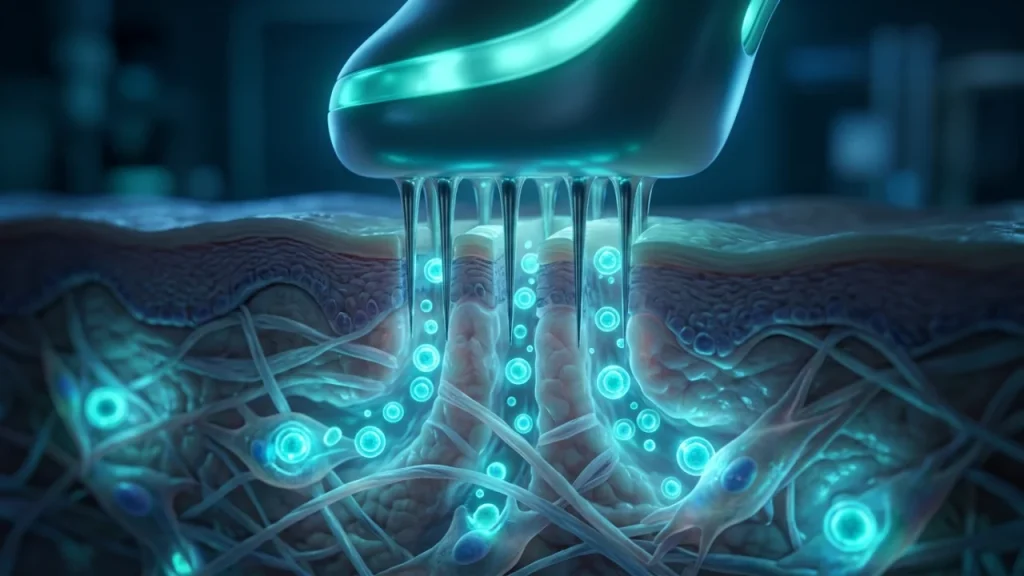
What Are Microneedling and Exosomes and Why Should You Care?
Understanding the Basics of Skin Rejuvenation
Skin rejuvenation is not just about looking younger. It is the process of helping your skin repair itself. This repair happens deep within your skin’s layers. Your skin naturally makes new collagen and elastin. These are the support structures that keep skin firm and smooth. Over time, this natural production slows down. Sun exposure, pollution, and aging are common causes. The result is skin that looks tired, wrinkled, or loose.
Traditional methods often work on the surface. Creams can moisturize the top layer. Some acids can remove dead skin cells. These approaches have limits. Their ingredients cannot easily reach the living layers where repair happens. The skin’s outer barrier is very good at its job. It keeps things out. This is why new, smarter methods are needed. The goal is to support the skin from the inside.
This is where advanced techniques come in. They aim to safely bypass the surface barrier. They deliver a clear signal to your skin’s cells. That signal tells them to start rebuilding. Think of it like restarting a stalled engine. The ideal method causes minimal damage to the surface. It focuses energy where it matters most: the dermis. The dermis is the skin’s supportive middle layer.
Two key approaches now work together perfectly. The first creates tiny temporary channels. The second delivers powerful natural messages. Together, they form a powerful system for renewal. This combination is changing non-surgical care. The synergy between microneedling and exosomes tackles the root cause of aging skin. It goes beyond surface-level improvement.
The core principle is simple: enable, then instruct. First, you enable passage through the protective outer layer. Next, you instruct the deeper skin cells with precise biological information. This one-two punch mimics the body’s own healing process. It just gives it a stronger direction and better tools. The outcome is skin that doesn’t just look refreshed. It actually functions in a more youthful way. This foundational understanding shows why this convergence is so significant for lasting results.
How Microneedling Creates Pathways for Healing
Microneedling uses very fine needles to create controlled micro-injuries. These are not deep cuts. They are precise, temporary channels. Think of them as tiny access roads into the skin. They go through the tough outer layer, the epidermis. They reach the living dermis below.
This process triggers your body’s innate wound healing response. It is a natural cascade of events. Your skin recognizes these micro-channels as minor injuries. It immediately starts to repair them. This repair is the key to the treatment’s benefits.
The healing sequence follows clear biological steps. First, the area releases growth factors. These are signaling proteins. They act like emergency dispatchers calling for help. Next, new collagen and elastin production begins. Collagen provides structure and firmness. Elastin gives skin its snap-back quality. Finally, fresh skin cells migrate to the surface. This entire process is guided by your own body.
The micro-channels themselves have a second vital function. They serve as direct pathways for delivery. After creating them, a serum can be applied. The channels allow it to bypass the surface barrier. Ingredients reach deeper layers much more effectively. This is where combining microneedling and exosomes becomes so powerful. The needles create the access routes. Then, specialized messengers can travel those routes.
Crucially, this method avoids significant damage. The epidermis remains largely intact. It heals quickly, often within a day. The real work happens beneath it. The goal is stimulation, not destruction. You are nudging your skin’s repair systems into action. You are giving them a clear project to complete.
This leads to tangible improvements over time. Skin texture becomes smoother. Fine lines may appear softened. The overall firmness can improve. These changes result from new, healthy tissue. The skin is not just superficially plumped. It is genuinely remodeled from within. The micro-channels close, but the healing signal continues working for weeks.
Understanding this mechanism shows why microneedling is foundational. It prepares the skin to receive and act on complex instructions. It sets the stage for the next step: delivering precise biological messages to guide this renewal in an optimal direction.
What Exosomes Are and Where They Come From
Exosomes are incredibly small packages released by your cells. Think of them as tiny biological letters. They carry important instructions and materials. These instructions tell other cells how to behave. This is a natural form of communication inside your body.
Almost every cell type in your body can release exosomes. Skin cells, stem cells, and immune cells all send them. Their job is to share information. They travel through bodily fluids to reach target cells. A receiving cell absorbs the exosome. Then it reads the instructions inside.
The contents of an exosome are specific and powerful. They are not random bubbles. Each one is carefully loaded by its parent cell. Typical cargo includes: – Signaling proteins that tell a cell to repair itself. – Growth factors that encourage new cell production. – RNA molecules, which are blueprints for making new proteins. – Enzymes that can speed up chemical reactions in the target cell.
This cargo makes exosomes master regulators of healing. They do not work like a simple moisturizer. They act as a precise command signal. They can direct a cell to calm inflammation. They can order it to build more collagen. They can instruct it to renew itself faster.
In skin rejuvenation, we harness this natural signaling power. The goal is to deliver a high concentration of helpful exosomes. These exosomes come from cultured cells optimized for healing. When applied to skin, they look for cells needing guidance. They provide a clear, constructive message: repair and regenerate.
This is why the combination of microneedling and exosomes is so logical. Microneedling creates temporary pathways through the tough outer skin layer. Exosomes use these pathways to reach living cells deep in the dermis. Without these channels, many exosomes would not penetrate deeply enough. With them, delivery is direct and efficient.
The process mirrors your body’s own systems but amplifies them. You are adding more of the right messengers at the right place. This guides your skin’s renewal with exceptional precision. The result is not an artificial change. It is your own skin cells working smarter, guided by fundamental biological signals. Understanding their origin explains why exosomes are a transformative tool in advanced skincare.
Why Combining These Two Methods Makes Sense
Think of your skin’s outer layer, the stratum corneum, as a protective wall. This barrier keeps bad things out. It also keeps good things from going deep inside. Topical creams mostly sit on this wall. Their active ingredients often cannot reach the living cells below. This is a key limitation in skincare.
Microneedling temporarily creates tiny openings in this wall. These micro-channels are incredibly small. They are measured in microns. They close quickly after treatment. But for a short time, they allow direct access to the dermis. The dermis is where collagen lives. It is where skin repair happens.
Exosomes are tiny messengers. They carry instructions for cells. But they cannot drill through the skin’s tough barrier on their own. Applying them to unbroken skin is inefficient. Many exosomes never reach their target cells.
Combining microneedling and exosomes solves both problems. The needles create the pathways. The exosomes use these pathways immediately. This teamwork ensures a high percentage of exosomes reach the deep dermis. Delivery is no longer left to chance.
The timing is also perfect. Microneedling causes a controlled, minor injury. This triggers the skin’s natural repair mode. Cells in the dermis become active and receptive. They are looking for signals to guide the healing process.
Introducing exosomes at this exact moment is powerful. You are providing guidance when the skin is ready to listen. The exosomes deliver their cargo directly into this active environment. Their messages to boost collagen and calm inflammation are heard clearly.
Using them separately misses this synergy. Microneedling alone starts the repair process. But it relies only on your body’s existing signals. Exosomes alone on intact skin may have a weak effect. Their instructions get lost at the surface.
Together, they create a complete cycle. – The needles open the door and call the cells to action. – The exosomes enter and provide the precise blueprints for quality repair. This cycle leads to more effective results. Skin rejuvenation becomes smarter and more directed.
The combination mimics an advanced natural process. It is like giving your skin’s repair team a detailed map and better tools. The outcome is enhanced texture, firmness, and tone. This logical partnership is why microneedling and exosomes together are greater than the sum of their parts. Next, we will look at what this means for your actual treatment experience.
The Science Behind Exosomes and Their Role in Skin Health
How Exosomes Carry Messages Between Cells
Exosomes are tiny messengers. They are natural particles released by your cells. Think of them as microscopic delivery trucks. Their job is to carry cargo from one cell to another.
These vesicles form inside a cell. They gather specific materials. This cargo can include proteins, growth factors, and RNA. RNA is a set of instructions. It tells a cell what to build.
Once loaded, the exosome travels to the cell membrane. It gets pushed out into the space between cells. Then it navigates to a target cell. The target cell recognizes the exosome. It pulls the vesicle inside.
The cargo gets unpacked. The instructions are read. This process lets cells talk over distances. A stressed skin cell can send an SOS signal. A healthy fibroblast can send a command to make collagen.
This system is crucial for skin repair. After microneedling, skin cells become active. They release more exosomes naturally. They also become more ready to receive them.
Adding therapeutic exosomes supercharges this chat. You provide a concentrated dose of precise messages. These are not random signals. They are selected for repair.
Key messages carried include: – Instructions to produce collagen and elastin. – Commands to reduce inflammation. – Signals to increase cell turnover and migration.
This direct delivery changes the local environment. It shifts the skin’s activity from basic healing to targeted rejuvenation. The messages are clear and potent.
The entire process is efficient and targeted. It avoids waste. This is why combining microneedling and exosomes is so logical. The needles create a temporary network of pathways. Exosomes use these paths for direct delivery.
Their role is informational. They do not act as permanent filler or drugs. Instead, they guide your own cells to work better. This makes results appear natural and gradual.
Understanding this cargo system shows the treatment’s intelligence. Your skin’s biology does the real work. The therapy simply provides the best possible instructions at the perfect time. Next, we will explore what these specific instructions mean for common skin concerns.
What Bioactive Molecules Exosomes Contain
Exosomes are like tiny biological packages. Their power comes from what they carry inside. This cargo is a mix of active molecules. Each molecule has a specific job for skin health.
The most important cargo is signaling proteins. These proteins act as direct commands. One key group is growth factors. For example, TGF-β tells fibroblasts to make collagen. VEGF tells the body to create new blood vessels. This improves skin nourishment.
Exosomes also carry many enzymes. Enzymes speed up chemical reactions in cells. Some enzymes help break down damaged proteins. Others help build new structural support. This cleanup and rebuild process is vital for renewal.
Genetic instructions are another crucial part. Exosomes contain microRNAs. These are small pieces of genetic code. They do not carry full genes. Instead, they act like switches. They can turn specific cell functions on or off. One microRNA might switch on collagen production. Another might switch off chronic inflammation.
The lipid membrane itself is bioactive. It is not just a simple bubble. It helps exosomes fuse with target cells. This ensures the cargo gets delivered properly. The membrane also carries receptors. These can signal to the immune system to calm down.
Think of the combined cargo as a full toolkit: – Proteins give direct orders. – Enzymes provide the tools for the work. – Genetic microRNAs manage the long-term plan. – The membrane ensures precise delivery.
This rich mix explains why microneedling and exosomes work so well together. The needles create access points. Then, this concentrated toolkit goes straight to where it is needed. The skin cells get everything required for repair at once.
The result is coordinated healing. It is not just one signal. It is an entire program delivered at the perfect time. This program guides your skin’s natural abilities with remarkable precision. Next, we will see how this translates into visible changes for different skin concerns.
How Exosomes Influence Wound Healing Pathways
When skin is injured, cells send out a flood of exosomes. This is a core part of the body’s repair system. These tiny vesicles carry urgent messages. They coordinate the complex healing process from start to finish.
The first phase is inflammation. This is a normal and necessary response. Exosomes help control it. They carry signals that tell immune cells where to go. These signals also tell those cells when their job is done. This prevents inflammation from lasting too long. Chronic inflammation can damage healthy tissue and slow healing.
Next comes the proliferation phase. New tissue must be built. Exosomes direct this construction project with precision. – They stimulate cells called fibroblasts to move into the wound area. – They instruct these fibroblasts to produce new collagen and elastin. – They promote the growth of new blood vessels for vital nutrients.
This phase relies heavily on the cargo described earlier. The proteins give direct orders for building. The enzymes help create the building blocks. The genetic microRNAs switch on production lines inside the cells.
The final phase is remodeling. This is when the new tissue matures and strengthens. Exosomes guide this long-term process. They send signals that organize collagen fibers. Properly organized fibers are stronger and more flexible. They also help remove excess scar tissue. This leads to a smoother, more resilient final result.
The entire sequence shows intelligent communication. Exosomes do not just start healing. They manage its pace and quality at every step. This natural guidance system is what microneedling and exosomes aim to enhance. The procedure uses the micro-channels to deliver a concentrated dose of these messengers. It effectively boosts the skin’s own signals.
Think of it as reinforcing a cellular conversation. Your skin is already trying to heal and renew itself. The added exosomes amplify the clearest instructions for that job. They help ensure the process is efficient and complete. This leads to better structural repair with less visible scarring or damage.
Understanding this pathway explains the treatment’s broader benefits. It is not just for fresh wounds. Aged or sun-damaged skin exists in a state of low-grade injury and slow repair. Exosomes can reset these stalled pathways, prompting a proper, youthful healing response even without a new cut. The skin begins to rebuild itself as if it were younger.
Why Exosomes Are Safer Than Other Cell Therapies
Exosomes offer a major safety benefit. They provide healing instructions without transplanting living cells. Whole cell therapies carry inherent risks that exosome treatments avoid.
A primary concern with whole cells is immune rejection. Your body may recognize transplanted cells as foreign. This can trigger a defensive immune response. The reaction could attack the new cells. It might also cause inflammation that harms surrounding tissue. Exosomes sidestep this problem entirely. They are not whole cells. They are simply tiny messengers carrying cargo.
Think of it like receiving a letter instead of a visitor. The letter holds the information you need. The visitor, however, might not be welcome in your home. Exosomes are the letter. They deliver the crucial commands for skin repair. They do not try to move in and live there.
Another risk involves uncontrolled cell growth. Living cells can sometimes multiply in unpredictable ways. This is a rare but serious potential complication. Exosomes cannot replicate. They do their job and are naturally cleared by the body. Their action is temporary and controlled.
The production process also enhances safety. Creating pure exosomes allows for rigorous filtering. Scientists can remove unwanted components. These include potential pathogens or large cellular debris. The final product is a concentrated signal, not a living entity.
- No risk of immune rejection (exosomes are not immunogenic like whole cells).
- No risk of uncontrolled cell growth (they cannot divide or form tumors).
- Reduced risk of infection (the vesicles can be sterilized and filtered).
- Precise dosing (you measure the number of vesicles, not variable cell activity).
This safety profile makes the combination of microneedling and exosomes particularly powerful. The procedure uses a controlled physical stimulus. It then delivers a purified biochemical signal. This two-part approach maximizes benefit while minimizing unknown variables.
The focus shifts entirely to communication. The goal is not to add foreign workers but to better instruct your skin’s own crew. This represents a smarter, more refined strategy in regenerative medicine. It leverages biology’s natural systems without introducing unnecessary complexity or danger. This foundational safety allows the treatment to be used effectively for cosmetic rejuvenation, where risk tolerance is rightly very low.
How Microneedling Enhances Exosome Delivery and Effectiveness
The Role of Micro-Channels in Treatment Precision
Microneedling creates precise entry points for exosomes. These tiny needles make controlled micro-channels in the skin. Think of them as temporary tunnels. These tunnels bypass the outermost layer of skin. This layer is called the stratum corneum. It is a strong barrier against most creams and serums.
The micro-channels are incredibly small. They are measured in microns. Their depth can be carefully adjusted. A practitioner targets different skin layers for different goals. A shallow setting works on fine lines and texture. A deeper setting addresses scars or firmness. This control is key for treatment precision.
Exosome solutions are applied directly after needling. The micro-channels act like open doors. The liquid containing exosomes flows into these passages. It moves directly into the living layers of the skin. This process is called transdermal delivery. It is far more efficient than surface application.
Without these channels, most exosomes would sit on top. The skin’s barrier would block them. They could not reach the fibroblasts and other cells that need their signals. Microneedling and exosomes work together because one creates the pathway and the other uses it.
The channels do more than just allow entry. They also trigger a mild wound response. This is a natural healing process. Blood flow increases to the area. Cells become more active and receptive. This state makes them more likely to accept the exosome signals. The exosomes then guide this activity toward repair and rejuvenation.
- Direct delivery: Exosomes bypass surface barriers.
- Targeted depth: Needle length decides which skin layer gets treated.
- Enhanced absorption: The solution does not evaporate or rub off.
- Synergistic effect: Needling primes the skin; exosomes instruct it.
The entire procedure takes advantage of biology’s own systems. The micro-injuries from the needles are a call to action. The exosomes deliver the specific plan for that action. This partnership ensures that powerful signals arrive exactly where they are needed most. This precise targeting is what makes the combination uniquely effective for structured skin renewal. The next logical question is how these delivered exosomes then communicate with our skin cells to produce visible results.
Why Depth and Pattern Matter for Exosome Absorption
The length of the microneedles is a critical control setting. It directly decides which skin layer receives the exosome signals. Shallow depths target the epidermis. This is the skin’s outermost layer. Deeper settings reach the dermis. The dermis holds collagen-producing cells.
These cells are called fibroblasts. They are key for structural repair. Exosomes must reach them to command new collagen growth. A 0.5 millimeter needle depth may work for surface texture. A 1.5 millimeter depth is often needed for firmness and scars.
The needle pattern is equally important. It refers to how the device moves across the skin. A dense, multi-directional pattern creates more micro-channels. This increases the total entry points for the exosome solution.
More channels mean greater absorption. It also creates a wider network for cell communication. The healing signals can spread more efficiently through this prepared grid.
- Superficial (0.2–0.5 mm): Targets epidermis; enhances product absorption for hydration and glow.
- Mid (0.5–1.0 mm): Reaches upper dermis; ideal for fine lines and early elasticity loss.
- Deep (1.0–2.0 mm): Accesses reticular dermis; addresses scars, deep wrinkles, and laxity.
The chosen pattern also affects comfort and recovery. A slower, methodical pass with adequate spacing causes less irritation. It still creates sufficient pathways. The goal is maximum channel creation without compromising the skin barrier’s overall function.
This precision turns the skin into a prepared canvas. Each micro-channel acts like a dedicated port. The exosome solution is applied topically immediately after needling. It flows into these ports by capillary action.
The science of microneedling and exosomes relies on this calibrated approach. Correct depth ensures the signals reach the right cell type. The optimal pattern ensures they are delivered in sufficient volume across the treatment area.
Think of it like watering a garden. Depth decides if you water the roots or just the leaves. The pattern decides how evenly the water spreads across the soil. Together, they determine how well the garden grows.
A practitioner’s skill lies in selecting these settings. They consider your skin’s condition and goals. The right combination makes the treatment far more effective. It transforms a general delivery into a targeted cellular intervention.
This controlled process sets the stage for the next critical phase. The exosomes are now inside the skin’s layers. Their complex communication with your cells can begin.
How Microneedling Prepares Skin for Better Results
Microneedling does more than make tiny holes. It starts a precise wound healing process. This process is key for exosome success.
Your skin sees the micro-channels as minor, controlled injuries. It reacts immediately. Blood flow increases to the area. Your cells release natural growth factors and signaling proteins. This is the skin’s own repair toolkit activating.
Think of it like preparing soil for seeds. You don’t just drop seeds on hard ground. First, you till the soil. Tilling breaks the crust. It also brings nutrients to the surface and lets in air. Microneedling works the same way for your skin.
The needling process creates a specific cellular environment. This environment is perfect for exosome therapy. Here is how:
- It increases cell activity. Fibroblasts, the cells that make collagen, become alert and ready.
- It causes a temporary, mild inflammation. This inflammation is a useful signal, not damage. It tells your cells to pay attention and get ready for repair.
- It makes the skin’s extracellular matrix more receptive. The matrix is the network between your cells. Needling temporarily loosens this network.
This preparation is crucial. Applying exosomes to unprepared skin is less effective. Many signals might not reach the right cells. The cells might be in a resting state and not listen.
With microneedling and exosomes, the timing is perfect. Exosomes are applied right after needling. Your skin is already in active repair mode. The exosome signals arrive exactly when your cells are most ready to use them.
The micro-channels guide the exosomes down. The wound healing process tells your cells to listen up. This combination ensures the message is delivered and understood.
It turns a simple delivery into a coordinated conversation. The exosomes don’t just float around hoping to find a cell that will listen. They are ushered into a room where the cells are already waiting for instructions.
This prepared state does not last forever. The peak window is right after treatment. That is why applying the exosome solution immediately is so important. The synergy between the two steps maximizes results.
The skin’s repair signals and the exosome signals now work together. They guide your cells toward rejuvenation from two directions. This teamwork leads to better collagen production and healthier skin.
Ultimately, microneedling transforms the skin from a passive surface into an active participant. It sets the biological stage for exosomes to perform their best work. This preparation is what makes the combined approach so powerful compared to using either method alone.
Comparing Microneedling with Other Delivery Methods
Topical creams and serums face a major barrier. Your skin’s outermost layer, the stratum corneum, is designed to keep things out. This protective barrier also blocks most exosome particles. The exosomes in a cream simply cannot penetrate deeply enough on their own. They sit on the surface and often degrade before reaching living cells.
Injections solve the depth problem but create others. A needle delivers exosomes to a single, specific point. The treatment area is very localized. This does not work well for treating larger areas like the entire face or neck. Injections also miss the crucial wound-healing signal that microneedling provides.
The process of microneedling and exosomes is fundamentally different. It combines wide-area access with a biological call to action. Think of the three methods this way:
- Topical application is like mailing a letter to a sealed fortress. It likely won’t get in.
- Injection is like delivering that letter to one single room inside the fortress.
- Microneedling is like opening hundreds of tiny doors across the fortress walls while simultaneously announcing the letter’s important arrival.
Microneedling creates hundreds of micro-channels per square inch. These are temporary pathways. They allow exosomes to bypass the tough surface barrier. The exosomes can reach the dermis, where collagen and elastin live.
More importantly, these micro-injuries are not just holes. They trigger your skin’s natural repair process. Cells become active and alert. This state makes them highly receptive to the signals carried by exosomes. An injection puts exosomes into quiet, unprepared tissue.
The delivery is also more even with microneedling. It covers a full treatment zone uniformly. You avoid the spotty or uneven results possible with separate injections. The micro-channels guide the exosome solution across a broad area for consistent effects.
For rejuvenation, the goal is not just to deposit exosomes. The goal is to ensure they are heard by as many skin cells as possible. Microneedling achieves both wide delivery and high cellular attention. This dual action is why it outperforms other methods for most skin renewal goals. It provides the ideal physical and biological context for exosome therapy to work at its full potential. This leads us to consider the specific regenerative signals that exosomes then deliver through these optimized channels.
Benefits of Microneedling and Exosomes for Common Skin Issues
Reducing Fine Lines and Wrinkles with Cellular Signals
Fine lines and wrinkles form as skin’s support structure weakens. This structure relies on collagen and elastin proteins. Over time, production of these proteins slows. Existing fibers also break down. The result is thinning skin that creases and folds. Simply adding filler does not fix this core problem.
Exosomes address the root cause. They carry precise instructions to skin cells. These are not drugs or synthetic chemicals. They are natural biological signals. Think of them as a cellular instruction manual for repair. Microneedling and exosomes work together to deliver this manual directly to the cells that need it most.
Once inside, exosome signals tell fibroblast cells to become active again. Fibroblasts are the skin’s collagen factories. The signals trigger two key actions: – Increased collagen synthesis: Fibroblasts start building new, strong collagen fibers. – Improved elastin production: They also make more elastic tissue for snap-back resilience.
This process does not just add volume beneath a wrinkle. It rebuilds the entire area’s architecture. New collagen and elastin integrate with your existing skin. This leads to natural smoothing from within. The effect is not a temporary plumping. It is genuine structural renewal.
The micro-channels from needling boost this further. They create a mild, controlled stress response. This primes fibroblasts to listen closely to the incoming exosome signals. The cells are already in ‘repair mode’. They are more likely to act on the instructions they receive. The combination yields a stronger, more coordinated rebuilding effort.
Results typically develop over weeks. This matches your skin’s natural regeneration cycle. Collagen production takes time. Initial smoothing may appear in a few weeks. Optimal results often show after two to three months. The skin continues improving as new proteins mature and organize.
This method is effective for common aging signs: – Crow’s feet around the eyes – Forehead lines – Smile lines from nose to mouth – General loss of firmness on cheeks and jawline
The outcome is smoother, tighter skin with improved texture. It looks like your skin but rejuvenated. This cellular signaling approach offers a fundamental solution. It moves beyond surface-level change to actual physiological restoration. Next, we can examine how this same powerful combination tackles another pervasive concern: hyperpigmentation and uneven skin tone.
Improving Acne Scars Through Enhanced Collagen Production
Acne scars often leave behind pits and uneven texture. This happens because severe inflammation destroys the skin’s collagen framework. The body’s natural repair process can be incomplete. It fills the defect with weaker, disorganized scar tissue. This results in a visible depression on the surface.
Microneedling and exosomes directly address this structural problem. The microneedles create precise micro-injuries in the scarred area. This does more than open delivery channels. It triggers the skin’s wound healing cascade from the start. Fibroblasts are called to the site. They begin their repair work. However, scarred skin often needs clearer instructions for optimal rebuilding.
This is where exosome signaling becomes crucial. Exosomes carry specific instructions for high-quality collagen production. They guide fibroblasts to produce more Type I collagen. This is the strong, durable collagen found in youthful skin. The signals also encourage proper collagen organization. The new fibers are laid down in a neat, cross-linked network. This network integrates with your surrounding skin.
The process systematically remodels the scar depression. – First, new collagen forms at the base and sides of the scar. – This collagen gradually elevates the depressed floor. – Simultaneously, new elastin improves skin resilience. – The border between scar and normal skin softens.
The improvement is progressive. You will not see immediate fullness after one session. The biological rebuilding takes time. Initial changes in texture may be felt within weeks. Visual smoothing of shallow scars can appear in a month or two. Deeper scars require more collagen buildup. They show improvement over several months and multiple treatments.
The goal is not perfect, flawless skin. The goal is significant cosmetic improvement. Scars become less noticeable. Skin texture becomes smoother and more even. This approach tackles the root cause of atrophic scarring. It provides the cells with the precise blueprint they need for effective repair. Next, we can explore how this combination also calms active inflammation, targeting acne at its source.
Addressing Sun Damage and Uneven Skin Tone
Sun exposure triggers your skin’s pigment cells to overproduce melanin. This creates dark spots and uneven tone. These spots are often stubborn. Surface creams struggle to reach the deeper layers where the problem starts.
Microneedling creates controlled micro-channels. These channels allow direct delivery of exosomes to the dermis. This is where your pigment-producing cells, called melanocytes, live. The exosomes carry vital signaling molecules. These signals help recalibrate the melanocytes’ activity.
The process works through several key actions. Exosome signals can help reduce the overproduction of melanin. They encourage a more even distribution of pigment. They also support skin cell renewal. This helps shed existing pigmented cells from the surface faster.
- First, the needling process itself creates a minor wound response. This naturally encourages skin turnover.
- Next, delivered exosomes provide specific instructions. They tell hyperactive melanocytes to slow down pigment production.
- Finally, signals promote healthier skin cell function. New, clear cells gradually replace older, pigmented ones.
Results are not instant like a laser zap. The approach aims for gradual, biological correction. You may notice initial brightening within a few weeks. More significant lightening of dark spots develops over one to three months. The skin’s overall tone becomes more uniform.
This method is precise. It targets the cellular communication errors caused by sun damage. The combination of microneedling and exosomes addresses both delivery and instruction. It gets the right signals to the exact cells that need them. This leads to a more lasting correction than topical agents alone.
It is a strategic way to combat sun damage at its source. The goal is clearer, more radiant skin with balanced pigment. Next, we will examine how this powerful duo also strengthens the skin’s fundamental support structure.
Enhancing Skin Hydration and Elasticity Naturally
Healthy, youthful skin holds water well and springs back when touched. This relies on two key components. The first is hyaluronic acid. This substance acts like a sponge within the skin. The second is a strong network of collagen and elastin fibers. These proteins provide firmness and snap. As we age, our skin cells produce less of these vital materials. Sun exposure speeds up this decline. The result is skin that can look dry, thin, or crepey.
The combination of microneedling and exosomes tackles this problem directly. Microneedling creates temporary micro-channels. This allows exosomes to reach the living layers of skin. Exosomes are tiny messengers. They carry instructions from healthy, young cells. These instructions tell your skin’s own cells to become more active and youthful in their function.
For hydration, exosome signals do a specific job. They tell fibroblasts, which are skin building cells, to make more hyaluronic acid. More internal sponge means better water retention. Your skin can draw in and hold moisture more effectively. This leads to a plumper, dewier complexion from within. It is different from just applying a moisturizer on top. This process improves the skin’s own ability to stay hydrated.
For firmness and elasticity, the action is on structural proteins. Exosomes encourage fibroblasts to ramp up production of new collagen and elastin. Think of collagen as the steel beams of the skin. Elastin acts like rubber bands. New collagen thickens and strengthens the skin’s foundation. New elastin improves its ability to stretch and recoil.
The process unfolds in a natural sequence over weeks. – First, improved hydration can lead to a smoother texture. – Next, new collagen begins to form, which increases firmness. – Finally, enhanced elasticity helps soften fine lines.
This approach does not add foreign material to the skin. Instead, it uses biological signals to reboot your skin’s natural factory. The goal is to restore its inherent capacity to stay supple and resilient. You support the skin’s architecture at a cellular level. This creates a more lasting improvement in skin quality than surface-level treatments alone.
Ultimately, enhancing hydration and elasticity addresses core signs of aging. It builds healthier, stronger skin from the inside out. This sets the stage for discussing how this same technology can calm irritated or sensitive complexions.
What to Expect During and After a Treatment Session
Step-by-Step Process of a Typical Procedure
A typical treatment session begins with a thorough cleansing of the skin. Your provider will then apply a topical numbing cream. This cream sits on the skin for about 20 to 30 minutes. It makes the procedure much more comfortable. Once the skin is numb, the provider gently removes the cream.
The next phase is the microneedling itself. A sterile device with fine needles creates micro-channels in the skin. These channels are incredibly tiny. They are not large holes or cuts. Think of them as microscopic pathways. Their primary job is to bypass the skin’s tough outer barrier. This allows for direct access to the deeper dermal layer.
Immediately after needling, the exosome solution is applied. This timing is critical. The fresh micro-channels act like delivery routes. The exosomes can now travel directly into the living skin tissue. They do not need to struggle through the intact surface. The solution is often massaged gently into the skin. This ensures even distribution.
The entire active process usually takes under an hour. Your skin will appear pink and feel warm afterward. This is a normal inflammatory response. It shows the skin’s natural healing signals are activated. The micro-channels typically close within hours. They seal rapidly to protect the skin.
Post-treatment care is simple but important. – Use only gentle, recommended cleansers and moisturizers for a few days. – Avoid direct sun exposure and wear a high-SPF sunscreen. – Skip strenuous exercise and very hot showers for about 48 hours. – Do not use active skincare products like retinols or acids for one week.
The combination of microneedling and exosomes leverages this precise delivery method. The procedure sets the stage for the biological process described earlier. You leave the clinic with your skin’s natural repair system fully engaged. The visible journey from this point involves the unfolding cellular renewal over the following weeks.
How Long Treatment Takes and How Many Sessions Are Needed
A single treatment session with microneedling and exosomes is efficient. The active needling and application process typically takes 30 to 45 minutes. Adding time for consultation and preparation, your total clinic visit usually lasts about 60 to 90 minutes. This makes it a viable option for a lunch break appointment.
However, one session is rarely enough for optimal results. Skin renewal is a biological process, not an instant fix. Most patients need a series of treatments. This series allows for cumulative benefits. Each session builds upon the progress of the last.
The standard recommendation is a series of three sessions. These are spaced about four to six weeks apart. This spacing is deliberate. It aligns with the skin’s natural cellular turnover cycle. The skin needs this full cycle to fully respond and regenerate before the next session.
Some individuals may benefit from more sessions. People with more significant sun damage or deeper wrinkles might need four to six treatments. Your provider will assess your specific goals and skin condition. They will then recommend a personalized plan during your initial consultation.
The results are progressive and gradual. You should not expect dramatic change after one visit. Initial improvements often appear about two to four weeks after your first session. Your skin may look brighter and feel smoother. Deeper structural changes continue over months.
After your initial series, maintenance is key. Your skin continues to age and face environmental stress. To preserve and extend results, a single maintenance session is often advised. This is typically done every six to twelve months. It helps sustain the new cellular activity and collagen levels.
Consider this treatment plan as a short-term investment for long-term gain. The commitment involves a few focused visits over several months. The outcome is sustained rejuvenation driven by your own enhanced biology. This strategic approach ensures the therapy works with your skin’s natural pace for lasting effects.
Common Side Effects and How to Manage Them
Your skin will react to the microneedling and exosomes procedure. This is a normal sign that the healing process has started. The micro-channels created during treatment trigger a controlled inflammatory response. This is how your skin begins its repair work.
Most side effects are mild and short-lived. They typically fade within a few hours to a few days. The most common reactions are easy to manage at home.
You will likely see redness immediately after your session. Your skin may look like you have a mild sunburn. This redness is usually uniform across the treated area. It is a direct result of the micro-injuries and increased blood flow. This effect generally diminishes within 24 to 48 hours.
Some swelling or puffiness is also common. It is often more noticeable around delicate areas like the eyes or cheeks. This swelling is your body sending fluid and cells to begin healing. It usually resolves within one to three days.
Temporary dryness and flaking can occur a few days later. This happens as the outer layer of skin cells turns over. It is a sign of the skin’s renewal cycle accelerating. Gentle moisturizing is key during this phase.
Minor pinpoint bleeding might happen during the treatment itself. This is not heavy bleeding. It stops quickly after the procedure ends. Your provider will cleanse your skin thoroughly afterward.
Sensitivity is expected. Your skin may feel warm, tight, or tender to the touch for a day or two. This sensation is temporary. It should not be a sharp or severe pain.
Here is how to care for your skin and manage these effects: – Use a gentle, non-active cleanser for the first few days. – Apply a simple moisturizer as often as needed to soothe dryness. – Use a mineral-based sunscreen every single day. Your skin will be more sun-sensitive. – Avoid direct sun exposure for at least one week. – Do not use exfoliating acids or retinols for five to seven days. – Let any minor scabbing or flaking shed naturally. Do not pick or scratch.
Serious side effects are very rare when performed by a trained professional. However, you should contact your provider if you experience signs of infection. These include increasing pain, yellow pus, or excessive swelling that worsens after two days.
Understanding these temporary reactions helps you plan your recovery. You can schedule your session when you have a day or two for social downtime. This knowledge turns normal side effects from a worry into an expected part of the journey. Your skin’s brief response paves the way for the lasting renewal to come.
Recovery Time and Post-Treatment Care Tips
Your skin enters an active recovery phase immediately after the procedure. This period is crucial for optimal results. Think of it as helping your skin help itself. The micro-channels created during microneedling and exosomes treatment are temporary pathways. They typically stay open for a short window. This window lasts up to 48 hours. Your post-care routine works within this timeframe.
The first 24 hours are for calming and protection. Your skin barrier is temporarily compromised. Avoid tap water on the treated area for at least four hours. Use only the gentle cleanser or mist recommended by your provider. You may apply a prescribed hydrating serum or moisturizer. This soothes the skin and supports healing. Continue to avoid direct sun exposure completely.
Days two through five focus on continued repair and moisture. Mild peeling or flaking is common. This is old skin cells shedding. Do not pick or pull at this skin. Let it come off naturally. Keep the area well-moisturized. Hydration supports the new skin cells emerging underneath. You may notice a slight tightness or dryness. This is normal.
You can usually resume light makeup application after three to four days. Ensure your brushes and sponges are clean. Mineral makeup is often a good choice. It is less likely to irritate the fresh skin. Avoid heavy, full-coverage formulas for the first week.
Strict sun protection is non-negotiable for several weeks. Use a broad-spectrum mineral sunscreen every day. Reapply it every two hours if you are outdoors. The new skin is more vulnerable to sun damage. Sun exposure can hinder results and cause discoloration.
The full renewal cycle takes time. Initial glow and improved texture may be visible within a week. However, the deeper collagen rebuilding continues silently for weeks. The most significant improvements often appear after four to six weeks. Some people see further refinement for up to three months.
Follow these specific tips for best outcomes: – Sleep on your back if possible for the first few nights. This reduces friction on your face. – Avoid strenuous exercise that causes heavy sweating for 48 hours. Sweat can irritate the micro-channels. – Drink plenty of water. Hydrated skin heals more efficiently from within. – Do not schedule other facial treatments for at least two weeks. Let your skin complete this cycle first.
Adhering to this care plan protects your investment in the procedure. It ensures the biological process you started can finish properly. Proper aftercare transforms the temporary disruption into lasting renewal. Your consistent actions in the days following treatment directly influence your final results. This disciplined approach leads to the smooth, refreshed skin you are seeking.
Realistic Results and Long-Term Outcomes of This Therapy
When to See Visible Improvements in Your Skin
The skin’s response to microneedling and exosomes follows a predictable biological schedule. You can think of it in distinct phases. Each phase has different visible signs.
The first changes are often seen within days. Initial redness fades in about 24 to 72 hours. A subtle glow and improved hydration might appear by day three or four. This early plumpness comes from increased skin surface hydration. The micro-channels have closed, and the initial healing response is active.
True collagen remodeling takes more time. This process is not instantly visible. Your fibroblasts need time to receive the new signals from the exosomes. They then start building fresh collagen and elastin fibers. You may notice a change in skin texture around week two. Skin can feel smoother to the touch. Fine lines may begin to look softer.
The most significant visual improvements typically emerge between weeks four and six. This is a key milestone. By this time, the new structural proteins have started to organize. Results often include: – Improved firmness and elasticity. – A reduction in the appearance of shallow scars. – More even skin tone and diminished pigmentation. – A sustained healthy radiance.
The process does not stop at six weeks. Collagen production can continue for three months or longer. Some patients see further refinement in skin quality during this extended period. Deeper concerns like pitted scars require more time. Multiple treatment sessions are usually needed for these issues.
Your final outcome depends on several factors. Your age and skin condition play a role. Your genetic collagen production rate is also a factor. Consistent sun protection is critical throughout this period. Sun damage can slow progress.
Patience is essential with this advanced therapy. The combination works on a cellular level. These changes cannot be rushed. You are guiding your skin through a natural renewal cycle. The goal is lasting improvement, not a quick fix.
Understanding this timeline helps set proper expectations. It confirms that the careful aftercare has a direct purpose. The visible results are the final step in the biological chain you started with your treatment.
How Long Results Last and Maintenance Strategies
The results from combining microneedling and exosomes are not permanent. Your skin continues its natural aging process. However, this therapy can significantly reset your skin’s biological clock. The new collagen network you build provides lasting support.
Think of the results in phases. The initial visual peak occurs around three to six months post-treatment. This is when collagen maturation is most active. The improvements you see then are your new baseline.
With proper care, this revitalized baseline can last. Many people enjoy noticeable benefits for twelve to eighteen months. Some factors influence this duration. Your natural aging speed is one factor. Your lifestyle and environment are other major factors.
Maintenance is key for long-term success. The goal is to protect your new collagen and support continued skin health. A proactive strategy beats a reactive one. Here is a core maintenance plan:
- Use daily broad-spectrum sunscreen. UV rays are the primary cause of collagen breakdown. This is the most important step.
- Follow a consistent skincare routine. Use products with proven ingredients. Vitamin C and retinoids can help sustain results.
- Consider a follow-up treatment session. A single maintenance session per year is common. This refreshes the cellular signaling process.
- Maintain overall skin health. Stay hydrated and eat a nutrient-rich diet. Manage stress levels when possible.
Do not view maintenance as a burden. See it as protecting your investment. The therapy gives your skin a powerful jumpstart. Your daily habits determine how long that advantage lasts.
The need for maintenance varies per person. Someone treating early signs of aging may need less. Someone managing significant sun damage may need more. Your provider can create a personalized plan.
This approach leads to cumulative improvement over time. Each treatment cycle builds on the last. Your skin quality can improve progressively for years. The combination of microneedling and exosomes offers a sustainable path, not a one-time event. This sets the stage for understanding its ideal uses and limitations for different skin concerns.
Factors That Influence Individual Treatment Success
Your starting point matters. Not everyone sees identical results from this therapy. Several key factors shape your personal outcome. Think of these as the raw materials for your skin’s renewal project.
Your age is a primary factor. Younger skin typically has more active fibroblasts. These are the cells that make collagen. The therapy signals these cells to work harder. Older skin has fewer and slower fibroblasts. The treatment still works, but the baseline is different. The goal in mature skin is often restoration, not just enhancement.
Your skin type and condition set the stage. People with fair, thin skin may see redness longer. Those with thicker, oilier skin might need deeper needle settings. Existing damage also plays a role.
- Significant sun damage creates a stiffer collagen network. Remodeling this takes more time.
- Active acne or rosacea requires careful management first. Inflammation can interfere with healing.
- Genetic factors influence your skin’s natural repair speed and collagen quality.
Your overall health is crucial. Your body’s internal environment fuels the repair process. Chronic stress elevates cortisol. This hormone can break down collagen. Poor sleep reduces growth hormone release. This hormone aids overnight repair. A diet lacking protein and vitamin C provides fewer building blocks for new skin.
The technical execution of the procedure is vital. The depth of the microneedling and exosomes application must be precise. It must create channels without causing excessive scarring. The exosome preparation and its application timing affect signal delivery. A skilled provider adjusts these parameters for your unique profile.
Healing compliance after treatment is non-negotiable. The first 72 hours are critical. Touching your face introduces bacteria. Skipping sunscreen exposes fragile new cells to UV damage. Strenuous exercise too soon increases inflammation. These missteps can divert energy from repair to damage control.
Realistic expectations are part of success. This therapy improves skin quality and structure. It is not a facelift. It will not remove deep, static wrinkles completely. It will not shrink enlarged pores dramatically. It builds health from within, which reflects on the surface over months.
Understanding these factors allows for a personalized approach. Your provider should assess them before your session. This assessment helps predict your likely timeline and degree of improvement. The next logical step is to see how these principles apply to specific skin concerns people hope to address.
Setting Proper Expectations for Skin Transformation
The goal of this therapy is to change your skin’s biology, not just its surface. Think of it as upgrading the soil for a healthier garden. The microneedling and exosomes process sends clear repair signals directly to your skin cells. This triggers a targeted renewal cycle.
You can expect improvements in several key areas over time. These changes happen because the treatment boosts your skin’s own resources.
- Skin texture becomes smoother. New collagen fills in minor pits and rough patches. This makes your skin feel softer to the touch.
- Fine lines appear less noticeable. Plumper skin structure helps smooth these shallow wrinkles from underneath.
- Tone and redness often improve. Signals can help calm overactive pigment cells and reduce background inflammation.
- Your skin may gain a healthier glow. Better hydration and blood flow contribute to this radiance.
These results are cumulative. Most people need a series of sessions. You might see initial changes in a few weeks. The most significant collagen building happens over two to six months. This is not an instant fix. It is a gradual process.
The therapy will not perform like surgery or fillers. It cannot remove excess skin or lift sagging jowls. It will not erase deep, etched-in wrinkles completely. Pore size is determined by genetics; they may appear smaller but will not vanish.
Your final outcome depends on your starting point. Younger skin with early sun damage often responds beautifully. More mature skin sees meaningful restoration but not reversal. The therapy works with your body’s natural pace.
This approach builds lasting strength. The new collagen you create can last for years with proper care. Think of it as an investment in your skin’s long-term health. The right expectations lead to greater satisfaction with your real, visible results. This understanding helps us look at how these biological changes address specific common concerns.
Safety Considerations and Who Is a Good Candidate
Identifying Ideal Candidates for Microneedling and Exosomes
The best results from microneedling and exosomes come to those whose skin concerns match the treatment’s biological strengths. This combination excels at remodeling skin structure and improving quality. It is not a one-size-fits-all solution. Knowing who benefits most ensures realistic goals.
Ideal candidates often share common traits. Their primary concerns involve texture, tone, and early aging. They seek improvement, not perfection. Their skin has a baseline ability to heal.
Good candidates typically want to address these issues: – Dull, tired-looking skin that lacks radiance. – Fine lines, especially around the eyes and mouth. – Mild to moderate sun damage and uneven pigment. – Skin that is thinning or has lost its firmness. – Mild acne scarring or rough texture from past blemishes.
The treatment works with your body’s natural repair cycle. You must be in good general health. Your skin should not have an active infection or widespread breakout. Conditions that slow healing can reduce effectiveness. A consultation reviews your full medical history.
Age is less important than skin condition. Younger adults with early sun damage see strong preventive results. More mature individuals gain meaningful restoration of skin density. The therapy cannot remove loose, sagging skin. It builds from within.
Certain factors make someone a less suitable candidate right now. These include: – Pregnancy or breastfeeding. – A history of poor wound healing or thick scarring. – Active cold sores or warts in the treatment area. – Uncontrolled diabetes or immune system disorders. – Recent use of strong acne medications like isotretinoin.
Your skin type matters. The procedure is generally safe for all tones. However, those with darker skin must be cautious about pigment changes. An expert provider will adjust needle depth and protocol. This minimizes any risk of dark or light spots.
Realistic expectations are the final key trait of an ideal candidate. Patients should understand this is a gradual process. They commit to a series of sessions and proper aftercare. They want healthier skin, not a completely different face.
This careful selection leads to high satisfaction. It sets the stage for discussing how to prepare for a safe and successful treatment experience.
Potential Risks and How to Minimize Them
Every medical procedure carries some risk. The combination of microneedling and exosomes is very safe when done correctly. Understanding potential issues helps you choose a qualified provider.
Temporary redness and swelling are normal. They usually fade within a few days. Minor pinpoint bleeding can occur. It stops quickly. These are not risks but expected reactions.
The main risk is infection. Micro-channels are tiny openings in the skin. Using sterile, single-use needles prevents this. Proper aftercare is also your responsibility. You must keep the area clean. Do not apply non-recommended products.
Skin discoloration is another possible concern. It is more common in darker skin tones. This is called post-inflammatory hyperpigmentation. Providers minimize this risk by choosing the correct needle depth. They avoid aggressive treatment in sensitive areas. Sun protection after treatment is non-negotiable.
Allergic reactions to exosome solutions are extremely rare. Exosomes themselves are not typically allergenic. The carrier solution must be reviewed. A detailed consultation screens for any known allergies.
Poor healing or scarring is uncommon. It is linked to incorrect technique or pre-existing conditions. This is why candidate screening is so vital. Providers with deep experience adjust their method for your unique skin.
You can take active steps to ensure your safety. First, choose a licensed medical professional. Ask about their training with exosomes. Second, follow all pre- and post-care instructions exactly. These instructions exist for a reason. Third, report any unusual symptoms immediately. Severe pain, spreading redness, or fever are warning signs.
The synergy of microneedling and exosomes relies on controlled, minor injury. The goal is to trigger healing without causing real harm. A skilled provider manages this balance precisely. This careful approach makes serious complications very unlikely. It allows you to focus on the benefits of your treatment journey.
Contraindications and When to Avoid This Therapy
Some health conditions make microneedling and exosomes an unsafe choice. These are called contraindications. Active skin infection is a primary reason to postpone treatment. This includes bacterial acne flares, active cold sores, or fungal issues. The micro-channels could spread the infection deeper. This would worsen the initial problem.
Skin diseases that alter healing are also key concerns. These include conditions like eczema or psoriasis in a flare-up stage. The controlled injury from needling could trigger a severe response. This is known as the Koebner phenomenon. It causes new lesions to form at the site of skin trauma. Your skin must be calm and stable before considering any procedure.
Certain systemic illnesses affect your candidacy. Uncontrolled diabetes is a significant factor. High blood sugar levels impair wound healing and raise infection risk. Autoimmune disorders that affect the skin, like lupus, require extreme caution. Your body’s immune system may react unpredictably to the introduced exosomes.
Anyone taking specific medications must inform their provider. Blood thinners like warfarin can increase bruising and bleeding. Recent use of isotretinoin for acne is a critical contraindication. This oral medication changes skin healing for many months after stopping. Treatment during this period can lead to poor scarring.
A history of keloid scarring is a major consideration. Keloids are raised scars that grow beyond the original wound. The micro-injuries from needling could potentially trigger a new keloid. Providers often avoid treatment in prone areas for these patients.
Active cancer or a recent history of it is an absolute stop. The theoretical risk involves cell signaling. While exosomes in therapy are derived from healthy sources, the principle of caution prevails. The focus should remain solely on managing the primary illness.
Pregnancy and breastfeeding are periods for avoidance. Clinical studies on exosome use during these times do not exist. The safest path is to wait until after this life stage.
Good candidates have realistic goals and healthy, resilient skin. They do not have the conditions listed above. They understand this is a collaborative process with their provider. A thorough medical history review is the essential first step. This conversation ensures your safety is the top priority before any treatment begins.
The Importance of Choosing a Qualified Provider
The safety and results of your treatment depend heavily on the person holding the device. Not all providers have the same training for advanced procedures like microneedling and exosomes. This combination requires specific knowledge in two distinct fields. Proper technique is non-negotiable.
First, consider their background and certifications. A qualified provider has documented training in both cosmetic needling and biologic therapies. They should readily explain their credentials. Ask where they received instruction. Look for ongoing education in regenerative science. Medicine in this area evolves quickly.
Their consultation process is telling. A thorough provider will review your full medical history. They will discuss your skin goals in detail. They should explain the science in terms you understand. They will set realistic expectations for results and downtime. A rushed consultation is a major warning sign.
Sterile technique and product handling are critical. Exosomes are delicate biological products. They must be stored and prepared correctly to remain active. The provider should open vials in front of you. They must use sterile, single-use needling tips. The skin must be properly cleansed before treatment. Ask about their clinic’s safety protocols.
- Check the device they use. Medical-grade, adjustable-depth microneedling pens are preferred. They allow precise control.
- Inquire about the exosome source. While brand names aren’t shared, they should explain the origin, like mesenchymal stem cells.
- Observe the clinic environment. It should be clean and professional, not a casual setting.
Experience matters greatly. Ask how many similar treatments they have performed. An experienced provider understands how skin reacts. They can adjust needle depth for different areas of your face. They know how to manage rare side effects. They also develop an artistic eye for natural-looking improvement.
Finally, a true expert prioritizes safety over sales. They will not treat you if you are not a good candidate, even if you request it. Their goal is your long-term skin health. Choosing such a provider is your most important step toward a successful outcome. This due diligence ensures the advanced science works safely for you.
The Future of Microneedling and Exosomes in Aesthetic Medicine
Emerging Research on New Exosome Applications
Research is rapidly expanding the potential of exosome therapy. Scientists are now targeting specific skin concerns with precision. The combination of microneedling and exosomes is central to this work. It creates an ideal delivery pathway for new targeted treatments.
One major focus is improving stubborn scars. This includes acne scars and surgical scars. Studies show exosomes can directly influence fibroblast cells. These cells produce collagen. Exosomes instruct them to remodel scar tissue. This helps soften raised scars. It also fills in depressed scars more effectively than needling alone.
Hair restoration is another exciting area. Early trials apply exosomes to the scalp with microneedling. The goal is to reactivate dormant hair follicles. Exosomes deliver growth signals and nutrients. They may help extend the growth phase of hair. This could offer a new option for pattern thinning.
Researchers are also tackling inflammatory conditions. This includes alopecia areata and certain eczema forms. Exosomes from specific stem cells have strong anti-inflammatory messages. They can calm overactive immune responses in the skin. Microneedling delivers these signals directly to the problem area.
Hyperpigmentation studies are underway too. Exosomes may help regulate melanin production. They send instructions to melanocyte skin cells. This could lead to more even skin tone. The approach aims for lasting results without harsh ingredients.
- Wound healing is a key application, especially for diabetic ulcers.
- Enhanced healing after laser procedures is also being examined.
- Some research even explores exosomes for strengthening skin barrier function.
Each application relies on a unique exosome “cargo.” Different parent cells release exosomes with different instructions. This is called functional specificity. Future treatments may use custom exosome blends. A blend could target multiple concerns in one session.
The future points toward personalized skin regimens. A provider might analyze your skin’s specific needs. Then they would choose an exosome formula designed for those issues. Microneedling and exosomes provide the tools for this personalized approach. Ongoing clinical trials will determine the best protocols for each use. This research promises to move aesthetic medicine from general improvement to targeted cellular repair.
Technological Advances in Microneedling Devices
The tools for microneedling are becoming more sophisticated. This evolution is crucial for maximizing the benefits of exosome therapy. Early devices used simple, uniform needles. Modern systems offer far greater control and comfort.
One major advance is adjustable needle depth. Different skin areas and concerns require different penetration levels. For instance, treating fine lines around the eyes needs a shallower setting. Addressing deeper scars or hair follicles requires a longer needle. Today’s devices allow providers to change depth with precision. This ensures exosomes are delivered to the ideal skin layer.
Needle design itself has improved. Many devices now use medical-grade nano-coated needles. These needles are incredibly sharp. They create cleaner micro-channels with less tearing. This leads to faster healing and less irritation. Some needles are also designed to vibrate at a high frequency. This vibration can further reduce any discomfort during the procedure.
Another key innovation is automated, motorized needle movement. Older manual rollers required the provider to press and roll with their hand. This could lead to uneven pressure and inconsistent results. Motorized pens move the needle cartridge up and down at a steady, pre-set speed. This guarantees uniform micro-injuries across the treatment area. It also gives the provider better control for delicate zones.
Integration with imaging technology is on the horizon. Imagine a device with a small camera attached. It could analyze skin condition in real time. The system could then automatically adjust needle depth and pattern for each tiny section of skin. This would pair perfectly with personalized exosome formulas. The combination would represent true smart skincare.
These technological advances make treatments safer and more effective. They also improve the patient experience through reduced discomfort and downtime. Smarter devices ensure that the valuable cargo of exosomes is placed exactly where it is needed most. This precise delivery is what turns a good treatment into a great one. The future of microneedling and exosomes relies on this synergy between biological science and engineering precision. Next, we must consider how treatment protocols are being refined to match these advanced tools.
How Personalized Treatments Could Evolve
The future of skin rejuvenation is not one-size-fits-all. It is a bespoke plan crafted for your unique biology. Personalized treatments will use detailed data to guide every step. This data will come from new tools and deeper science.
First, advanced skin analysis will go far beyond surface observation. Imagine a handheld scanner used before your treatment. It could map your skin’s moisture, elasticity, and pigment levels. More importantly, it might analyze biomarkers in your skin’s outer layer. These biomarkers are tiny chemical signals. They can reveal your skin’s current state of inflammation, collagen production, and cellular stress. This scan would create a precise baseline portrait.
This portrait would then dictate two key parts of your session. It would determine the exact settings for the microneedling and exosomes procedure. More than just depth, it could suggest a specific needle pattern for problem zones. Second, it would guide the choice of exosome formula. Not all exosome preparations are identical. They can be derived from different cell types. Each type carries a slightly different set of instructions.
- Exosomes from skin cells might prioritize repair and barrier function.
- Exosomes from stem cells could strongly signal for new collagen.
- Future formulas might even be “tuned” to calm specific inflammatory signals found in your scan.
Your treatment protocol would also be dynamic. It would change from session to session. Follow-up scans would show how your skin responded. Did collagen markers rise? Is hydration improved? The next treatment would adjust accordingly. The needle depth might be reduced. The exosome formula might be switched to focus on a new goal. This approach treats the skin as a living system that changes over time.
The ultimate goal is predictive care. With enough data from many patients, algorithms could forecast your skin’s aging pattern. They could suggest proactive interventions long before a wrinkle deeply forms. This shifts the model from fixing damage to actively maintaining health. The combination of microneedling and exosomes provides the perfect physical and biological canvas for this personalized future. The devices create controlled access points. The exosomes deliver customized instructions. Together, they form a responsive loop between technology and human biology. This leads us to consider the final piece: how these advanced treatments integrate into overall wellness practices.
The Growing Role of Exosomes in Regenerative Therapies
Exosomes are not just for skin. Their core function is cellular communication. This makes them powerful tools for healing. Researchers are actively studying them for many medical conditions. The goal is to repair damaged tissues inside the body.
One major area is orthopedics. Exosomes could help heal injured joints. For example, they might treat osteoarthritis. In this disease, cartilage breaks down. Exosomes from stem cells can signal local cells. These signals may reduce inflammation. They could also encourage cartilage repair. This approach could delay or prevent joint replacement surgery.
Another promising field is wound care. Chronic wounds are a serious problem. Diabetic ulcers often refuse to close. Standard treatments sometimes fail. Exosome therapy offers a new strategy. Applied to the wound, exosomes can instruct cells to: – Grow new blood vessels for better blood flow. – Speed up the movement of skin cells to cover the gap. – Calm the destructive inflammation that blocks healing.
Neurology is also a key frontier. The brain and nerves heal poorly after injury. Scientists are exploring exosomes for conditions like stroke or nerve damage. The vesicles might help protect surviving neurons. They could promote the growth of new neural connections. Some studies even suggest they can carry therapeutic molecules across the protective blood-brain barrier.
The link to microneedling and exosomes in skin is clear. It proves a principle. Microneedling creates temporary channels for delivery. This method could be adapted for other tissues. Imagine a device that helps exosomes reach deep into a wounded muscle or a scarred tendon. The precision of delivery will be critical for all these uses.
Cardiology research is underway too. After a heart attack, scar tissue forms. This weakens the heart muscle. Early experiments show exosomes might help heart tissue recover better. They could limit scar size and improve function.
The future of exosomes in medicine depends on rigorous science. Researchers must identify the exact contents of therapeutic vesicles. They need to ensure consistent results. Large clinical trials will determine true effectiveness and safety for each condition.
This expanding role shows a bigger picture. Aesthetic medicine is just the first visible application. The knowledge gained from skin treatments fuels wider discovery. The ultimate vision is a new class of regenerative therapies. These treatments would use the body’s own communication system to mend itself from within. This leads us to consider how patients can evaluate these emerging options today.
Taking the Next Step Toward Healthier, Younger-Looking Skin
How to Discuss This Option with Your Dermatologist
Discussing new treatments with your doctor can feel overwhelming. Being prepared makes the conversation more productive. Start by sharing your specific skin goals. Do you want to treat fine lines, acne scars, or overall texture? Clear goals help your dermatologist assess if this approach fits.
Ask about their experience with microneedling and exosomes. Inquire how many such treatments they have performed. A practitioner familiar with the protocol can explain it clearly. They should describe the two-step process. First, the microneedling device creates microscopic channels. Second, the exosome solution is applied topically.
Next, focus on the exosomes themselves. Since brand names are not used, ask about the source. Exosomes can come from different cell types, like stem cells. Ask what scientific data supports the preparation they use. Reputable providers rely on research, not just marketing.
Key questions to bring to your appointment include: – What specific results can I realistically expect for my concern? – How many treatment sessions will I likely need? – What is the planned downtime or recovery period? – Are there any risks or side effects I should know about? – How do you ensure the exosome solution is handled and stored correctly?
Understand the investment. Ask about the total cost for the recommended series. Results take time as your skin’s natural processes work. A single session is often not enough. Your dermatologist should outline a follow-up plan.
This dialogue ensures you are both aligned. It builds a foundation of trust and managed expectations. Your skin’s health is a collaborative journey. An open discussion turns a complex treatment into a clear path forward. This knowledge prepares you to make a confident choice about your care.
Evaluating Costs and Value of Microneedling with Exosomes
The price for a microneedling with exosomes session is not a single number. It varies based on several key factors. Understanding these helps you evaluate value. Think of it as an investment in your skin’s biological machinery.
First, the exosome preparation itself is a major cost driver. Sourcing and purifying these vesicles is a complex scientific process. Research-grade exosomes require strict laboratory controls. This technology demands significant investment. The result is a potent, active solution.
Second, the practitioner’s expertise adds value. A skilled provider ensures proper technique. They tailor needle depth to your specific concerns. They apply the exosome solution correctly for optimal absorption. This experience directly impacts your results and safety.
Third, geographic location and clinic overhead influence price. A practice in a major city often has higher costs. These costs reflect rent, advanced equipment, and staff training. You are also paying for a clinical environment.
You might see a range from several hundred to over a thousand dollars per treatment. Most people need a series for cumulative benefits. Therefore, ask for the total cost of the recommended plan.
Consider these elements of true value: – The quality and concentration of the exosomes used. – The precision of the microneedling procedure. – The provider’s knowledge of skin biology and healing. – The included follow-up care and assessment.
This combination aims to change your skin at a cellular level. It supports your body’s own repair systems. Compare this to buying a single topical product. The treatment offers a targeted, deep-acting approach.
Cost should align with realistic outcomes. A very low price may signal compromised quality. Conversely, the highest price does not guarantee superior results. Your prior consultation questions provide the context to judge.
View this as a long-term strategy for skin health. The goal is sustained improvement, not a quick fix. Your financial investment should match your skin goals. This thoughtful evaluation completes your journey from inquiry to informed decision. Next, we can explore what happens after you decide to proceed.
Integrating Treatment into a Holistic Skin Care Routine
Your treatment with microneedling and exosomes starts a powerful process inside your skin. Your daily routine can now support this process. Think of your skin as a garden. The treatment planted new seeds and improved the soil. Your daily care provides the water and sunlight for growth.
Protection from the sun is your most important job. UV rays create inflammation. This inflammation can disrupt the fresh healing pathways created by needling. Use a broad-spectrum sunscreen every single morning. Reapply it every two hours if you are outside. A hat and seeking shade offer extra defense.
Your skin will be more receptive to certain products after treatment. Your provider will give you a specific plan. Generally, gentle cleansers and rich moisturizers are best in the first few days. Avoid harsh scrubs or strong acids initially. These can irritate the newly treated skin.
After the initial healing phase, you can introduce active ingredients. These ingredients work in harmony with your treatment’s goals. – Vitamin C serums help defend skin and brighten tone. – Peptides can support collagen production alongside your exosomes. – Retinoids may be added later to refine texture and speed cell turnover. Always introduce one new product at a time. This lets you see how your skin reacts.
Your lifestyle directly fuels your skin’s repair cells. Drinking enough water helps every cellular process. Aim for balanced nutrition with plenty of protein and colorful fruits. Quality sleep is when your body does its deepest repair work. Manage stress through walking or meditation. Chronic stress can slow healing.
Do not overwhelm your skin with too many products. A simple, consistent routine is more effective. Listen to your skin’s signals. If it feels tight or looks red, simplify your steps. Your provider is your partner for long-term planning.
This holistic approach locks in your results. It turns a single treatment into lasting change for healthier, younger-looking skin. Your commitment daily makes the professional investment work harder. Next, we will look at what you can realistically expect to see in the mirror over time.
Why This Duo Represents a Shift in Non-Surgical Care
Traditional skin treatments often work by causing controlled damage. The skin then heals itself. This process can be effective. Yet it relies heavily on your body’s innate, sometimes limited, repair response. The combination of microneedling and exosomes changes this old model entirely. It represents a major shift in non-surgical care.
Think of microneedling as creating precise delivery routes. These are tiny channels in the skin. They bypass the tough outer barrier. This allows direct access to the living layers below. It is like opening a network of small doors.
Exosomes are the intelligent cargo delivered through those doors. They are natural signaling messengers. Your own cells make them. In this treatment, they come from specialized sources. These vesicles carry instructions.
They do not just add volume or fill space. They communicate with your skin’s existing cells. They tell those cells to act younger and healthier. The instructions can include: – Boost collagen and elastin production. – Calm inflammation quickly. – Increase skin’s own hydration mechanisms. – Speed up the repair process.
This is the key shift. We are moving from forcing skin to heal damage to teaching it to regenerate. The micro-channels ensure the exosomes reach exactly where they are needed. They are not wasted on the surface.
The result is a more efficient and predictable outcome. The skin’s response is guided, not just hoped for. This makes the rejuvenation process smarter. It also means potential for longer-lasting results. The improvements come from within your own revitalized cellular environment.
This duo leverages biology rather than just mechanics. It marks a move toward truly regenerative aesthetics. The focus is on cellular communication and function. This sets a new standard for what non-invasive treatments can achieve. It promises healthier skin, not just skin that looks temporarily better.
The next logical question is how this translates into visible, tangible results over time.