
What Is Exosomes Therapy for Skin and Why Should You Care?
Understanding Exosomes: Tiny Messengers in Your Body
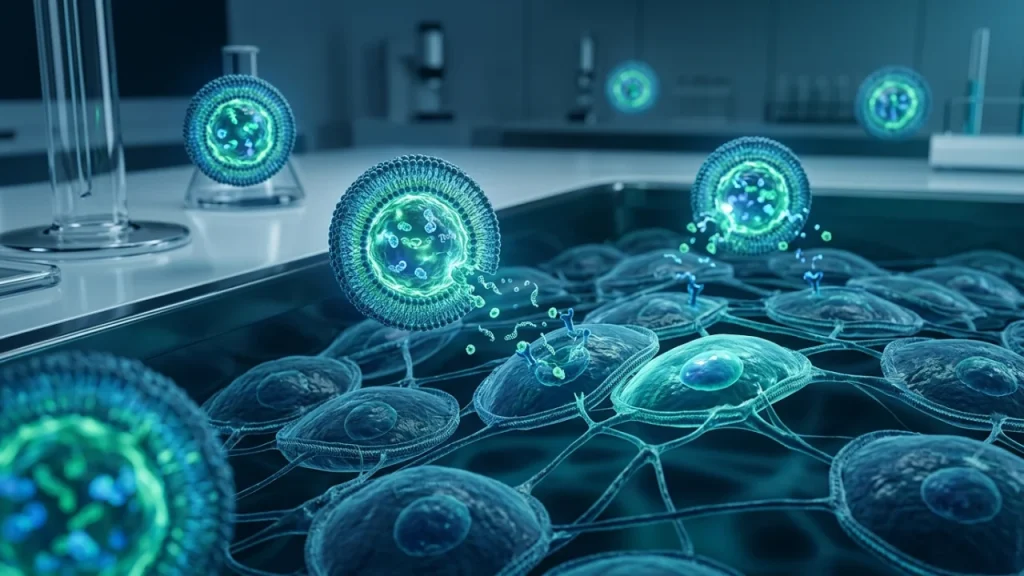
Your body’s cells are in constant conversation. They do not speak with words. They communicate with tiny biological packages. These packages are called exosomes. Think of them as microscopic mail carriers. They travel between cells to deliver vital messages.
Exosomes are incredibly small vesicles. One vesicle is a tiny bubble made of fat. Billions would fit on the head of a pin. Your cells create them naturally. Almost every cell type in your body can make and release these vesicles. They form inside a cell in a compartment called an endosome.
This endosome gathers specific cellular material. It collects proteins, lipids, and genetic instructions. These instructions are often in the form of RNA. The endosome then buds inward multiple times. It creates many small bubbles inside itself. These internal bubbles are the exosomes.
The cell then releases these exosomes into the space around it. This process happens all the time. It is a fundamental part of how our tissues function. The released exosomes enter bodily fluids like blood or interstitial fluid. They travel until they find another cell.
The receiving cell accepts the exosome package. It does this through surface signals. The exosome membrane fuses with the target cell’s membrane. It delivers its molecular cargo directly inside. This cargo can change the behavior of the receiving cell.
The message might tell a cell to calm inflammation. It could instruct a skin cell to make more collagen. It might direct a cell to repair itself faster. This system is precise and efficient. Healthy communication supports tissue repair and balance.
Diseases can hijack this system too. For example, cancer cells send many more exosomes. They use them to spread harmful signals. This shows the power of this messaging network. In healthy skin, exosome talk maintains youth and resilience.
Fibroblasts are key skin cells. They produce structural proteins like collagen. Young fibroblasts send helpful exosomes to their neighbors. These signals promote firmness and elasticity. As we age, this communication breaks down.
Older cells send fewer exosomes. The messages they do send become less effective. This decline contributes to visible aging. Skin loses its repair capacity. Wrinkles form more easily. Healing slows after injury or sun damage.
The core idea of exosomes therapy for skin leverages this biology. It introduces a high volume of potent young messenger vesicles. This therapy aims to restore clear cellular communication. It provides fresh instructions to aging skin cells.
Scientists can collect these vesicles from certain cell types. Stem cells are a common source. Stem cell exosomes carry powerful regenerative signals. The therapy uses concentrated and purified exosome preparations. It is a cell-free approach.
You care about this because it targets the root cause of aging skin. It goes beyond surface-level hydration. This therapy works at the cellular signaling level. It aims to reboot your skin’s own repair mechanisms. Understanding this natural system is the first step to seeing its therapeutic potential.
The next logical question is how this science translates into a real treatment for rejuvenation
How Exosomes Therapy Differs from Other Skin Treatments
Exosomes therapy for skin takes a fundamentally different path. It does not inject living cells into your body. Instead, it delivers only the purified messaging cargo those cells produce. This is its core distinction.
Think of older skin cells as tired factories. They have forgotten how to make their best products. Traditional treatments often try to replace the entire factory. Exosome therapy simply delivers the updated instruction manual. This allows your existing factories to work better.
Many popular rejuvenation methods rely on introducing foreign cells. These are live stem cell injections or platelet-rich plasma (PRP). PRP uses concentrated platelets from your own blood. These approaches put whole cells or cell components into the skin. The goal is for these cells to activate local repair.
Exosome therapy skips the cells entirely. Scientists harvest exosomes from stem cells grown in labs. These vesicles are then carefully isolated and purified. The final solution contains billions of these signal-carrying particles. No actual cells remain in the therapeutic vial.
This cell-free nature offers distinct advantages. First, it greatly reduces potential risks. Live cell therapies can sometimes trigger immune reactions. Cells might also divide in unpredictable ways. Exosomes are not alive. They cannot replicate or form tumors. They simply deliver their messages and are naturally cleared.
Second, the effect is more precise. A living cell sends out many types of signals over time. Some signals might not be helpful for a specific need. Purified exosome preparations can be characterized. This means doctors can use a more consistent and targeted set of instructions.
Third, storage and use become simpler. Living cells are fragile. They often require complex handling and immediate use. Exosome formulations can be stabilized and stored longer. This allows for reliable quality and broader availability.
Compare this to topical skincare. Creams and serums work on the skin’s very surface layers. Their large molecules often cannot penetrate deeply. They aim to hydrate and protect the outer barrier. Exosomes, due to their tiny nano-size, can reach deeper living layers. They interact directly with dermal cells like fibroblasts.
The process for exosomes therapy for skin is typically straightforward. A provider applies a topical numbing cream. The exosome solution is then delivered using micro-injections or a specialized device. This ensures the vesicles reach the ideal depth in the skin. The procedure is usually quick with minimal downtime.
Results also build differently. A filler gives immediate volume change. Botox relaxes muscles within days. Exosome therapy works by changing cellular behavior. You are not adding physical structure or paralyzing muscles. You are encouraging your skin to rebuild its own support network.
This means improvements appear gradually over weeks. Collagen production increases steadily. Skin texture and tone enhance from within. The outcome aims to be more natural and self-sustaining.
The choice depends on your goals. If you need quick contour correction, other methods exist. If you seek to improve your skin’s fundamental health and longevity, this cellular signaling approach is unique. It supports your skin’s innate biology rather than imposing an external change.
Understanding this difference clarifies its modern role in dermatology. It is not a mere trend but a shift in strategy. Next, we must examine what this approach can realistically achieve for rejuvenation goals.
The Rise of Exosomes in Modern Dermatology
The field of dermatology is experiencing a fundamental shift. For decades, treatments focused on external correction or temporary interruption. Now, the focus is turning inward to cellular communication. This shift is powered by a deeper understanding of exosomes. These natural messengers are changing how doctors think about skin repair.
Exosomes are not a new discovery. Scientists first observed small vesicles released by cells decades ago. For years, they were considered mere cellular trash bags. This view changed completely in the early 2000s. Critical research showed these tiny packages were loaded with functional cargo. They could deliver instructions to other cells. This revelation sparked intense study across all of medicine.
Recent advances in biotechnology have been crucial. Researchers can now isolate exosomes with high purity. They can study their precise contents. These contents include growth factors, signaling proteins, and genetic material like miRNA. Each component plays a specific role in skin health. For example, certain miRNAs can turn down inflammation. Others can switch on collagen production genes in fibroblasts.
The clinical interest stems from compelling preclinical data. Laboratory studies show clear cause and effect. Exosomes from stem cells can accelerate wound healing in models. They reduce scar formation. They protect skin cells from oxidative stress damage. This lab evidence provided the rationale for human trials.
Early clinical reports are promising. They document measurable improvements in skin parameters. Studies note increased collagen density based on ultrasound measurements. Hydration levels rise. Fine lines and pore appearance improve. These studies are often small at first. Yet, they consistently point toward a positive effect from exosomes therapy for skin.
Several key factors explain its rapid rise in modern practice. – First, it aligns with the rising demand for preventative, holistic care. Patients seek treatments that work with their biology. – Second, it offers a cell-free approach. Using the messengers avoids the risks and regulations of live stem cell injections. – Third, it addresses aging at a foundational level. It targets the cellular fatigue and poor communication that cause visible decline.
The therapeutic logic is strong. Aged or damaged skin cells send weak or faulty signals. This leads to poor tissue repair. Introducing a concentrated dose of youthful, precise signals can reset this process. It is like updating outdated software in the skin’s operating system.
Dermatologists are taking note. The conversation at medical conferences has changed. Discussions now center on optimal sources, dosing, and delivery methods. The goal is to translate exciting science into reliable, standardized treatments. This professional engagement is a key driver of its legitimacy.
Critically, this approach moves beyond surface-level care. It is not another topical antioxidant or moisturizer. It is a targeted biologic intervention. It uses the body’s own language to instruct repair. This represents a new category in regenerative dermatology.
The momentum is clear. From biological curiosity to clinical tool, the journey of exosomes reflects medical progress. It combines growing scientific validation with shifting patient expectations for natural results. This foundation of evidence answers why exosomes therapy for skin is more than a passing trend. It establishes a credible basis for its rejuvenating potential, which we will explore in concrete detail next.
The Science Behind Exosomes Therapy for Skin Rejuvenation
How Exosomes Deliver Signals to Skin Cells
Exosomes are tiny delivery vehicles. They carry molecular messages directly to skin cells. Their job is to transfer instructions. These instructions tell cells how to behave.
Think of a skin cell as a house. It has walls and doors. The cell membrane is a protective wall. Large molecules cannot simply pass through. They need a special delivery system. Exosomes act as that system.
They are made by cells. The cell packages instructions inside a tiny bubble. This bubble is the exosome. It is released into the space between cells. Then it travels until it finds a target.
The delivery process is precise. It happens in key steps.
First, exosomes navigate to specific cells. They carry address labels on their surface. These labels are proteins. They match receptors on certain skin cells, like fibroblasts or keratinocytes. This ensures the message goes to the right place.
Next, the exosome docks at the cell membrane. It binds to the cell’s receptor. This is like a key fitting into a lock. The connection is secure.
Then, the real magic happens. The exosome delivers its cargo. Scientists have identified two main methods for this.
- Fusion: The exosome’s membrane merges with the cell’s membrane. It opens up and empties its contents directly into the cell’s interior.
- Endocytosis: The cell membrane folds inward. It wraps around the exosome and swallows it whole. The exosome is now inside a small pouch inside the cell.
Once inside, the cargo is released. This cargo is powerful. It includes growth factors, proteins, and RNA.
These molecules act as new software code. They give the cell fresh instructions. A tired fibroblast might get a signal to make more collagen. A damaged keratinocyte might be told to repair itself.
This process is natural. Your body uses exosomes every day for cell communication. Exosomes therapy for skin simply amplifies this system. It provides a concentrated dose of these smart messengers.
The therapy uses exosomes from young, healthy stem cells. These exosomes carry robust, youthful signals. When delivered to aged skin, they can reset old patterns.
The signals tell cells to rejuvenate. They promote several vital activities.
- Collagen and elastin production increases. This improves firmness and reduces wrinkles.
- New blood vessel formation is supported. This enhances nutrient delivery and creates a healthy glow.
- Cellular repair mechanisms are activated. Damaged components are cleared out.
- Inflammation is calmed. The skin’s environment becomes more balanced.
This direct delivery is efficient. Topical creams often cannot penetrate deeply enough. Their large molecules sit on the surface. Exosomes are designed by nature to enter cells.
Their small size is a major advantage. They are nanometers in diameter. Thousands could fit on the head of a pin. This lets them move through tissue easily.
The entire system is cell-free. The exosome does the work, not a living stem cell. This avoids many risks. It is all about the information transfer.
Understanding this mechanism shows why the therapy is targeted. It is not a general stimulus. It is a precise program delivered into each cell’s command center.
The result is smarter skin cells. They function better because they receive better instructions. This foundational change drives visible renewal from within.
Now that we see how messages are delivered, we can examine what specific changes they command in aging skin.
Stimulating Collagen Production with Exosomal Cargo
Collagen is the main structural protein in your skin. It acts like a scaffold. This scaffold provides strength and firmness. As we age, our cells make less collagen. The existing collagen also breaks down. This leads to wrinkles and sagging skin. Exosome therapy for skin directly addresses this core issue.
Fibroblasts are the cells that make collagen. They are the factories in your skin. Aged fibroblasts slow down. They get poor instructions from their environment. Exosomes carry a powerful corrective signal. They deliver their cargo directly into these fibroblast cells.
This cargo is a precise toolkit. It contains growth factors and microRNAs. These are not random molecules. They are selected by the parent stem cell for repair. One key component is TGF-β. This is a growth factor. It binds to receptors on the fibroblast. This binding starts a chain reaction inside the cell.
The reaction turns on specific genes. These are the genes for making collagen type I and type III. Think of it as flipping a switch. The fibroblast gets a clear command to resume production. Another important factor is IGF-1. This factor provides energy and resources for the task.
The microRNA cargo is equally vital. These are tiny strands of genetic code. They do not make proteins themselves. Instead, they regulate how genes are used. Some microRNAs in exosomes silence genes that promote aging. They block signals that tell fibroblasts to become inactive.
This dual approach is effective. Growth factors turn on pro-collagen genes. MicroRNAs turn off anti-collagen signals. The fibroblast receives a coordinated message. The result is a significant shift in cell behavior.
The process follows logical steps. – First, exosomes attach to the fibroblast cell membrane. – Next, they fuse with the membrane or are taken inside. – Their cargo is then released into the cell’s cytoplasm. – The growth factors find their targets quickly. – The microRNAs integrate into the cell’s own regulatory machinery. – Finally, the cell’s machinery starts producing new collagen proteins.
This is not a superficial plumping effect. It is a fundamental reboot of cellular function. The new collagen is your skin’s own natural protein. It integrates into the existing network. This strengthens the skin’s foundation from within.
Studies show measurable increases in collagen density. This can be seen under microscopes after treatment. The skin’s dermis becomes thicker and more organized. Clinical effects follow this biological change. Fine lines soften because the support underneath improves.
The timing is also key. Collagen production is a slow process. Cells need time to read the new instructions and act. Results from exosome therapy for skin build gradually over weeks and months. This reflects genuine tissue remodeling, not temporary swelling.
The beauty of this mechanism lies in its specificity. The therapy does not force cells to work abnormally hard. It simply restores their natural, youthful function. Fibroblasts start acting like younger versions of themselves.
This targeted stimulation has another benefit: balance. Healthy skin needs the right types of collagen in the correct ratios. Exosomal signals promote this balanced production. This ensures the new tissue is strong and elastic, not stiff or irregular.
Understanding this cargo delivery transforms how we see rejuvenation. It moves beyond simple stimulation to intelligent communication. The next logical question is about elastin and hydration, which work alongside collagen for complete skin renewal
Exosomes and Their Role in Cellular Repair Processes
Exosomes are master coordinators of your skin’s repair system. They do not just deliver one message. They deliver entire instruction sets. These sets tell cells how to start, manage, and finish healing.
Think of a construction site after damage. Workers need to arrive. They need clear blueprints. They also need to communicate with each other. Exosomes provide all these functions for your skin cells.
The process begins with a signal. Damage from sun exposure or inflammation creates a distress call. Nearby healthy cells release exosomes in response. These vesicles travel to the site of trouble.
Their cargo is packed for repair. It includes different types of genetic instructions and proteins. – Growth factors act as green lights. They tell repair cells to multiply and get to work. – MicroRNAs are the detailed blueprints. They control which genes get turned on or off inside the cell. – Enzymes help clean up the damaged area. They break down old or faulty proteins.
This coordinated action is crucial. It ensures repair is efficient and organized. Without it, healing can be slow or messy. It can lead to poor quality tissue or scarring.
Exosome therapy for skin leverages this natural system. Applied exosomes amplify the body’s own signals. They provide a concentrated boost of these master instructions. This helps guide cellular repair processes more effectively.
One key role is modulating inflammation. Acute inflammation is necessary to start healing. But chronic inflammation breaks tissue down. Exosomes help calm this excessive response. They send signals that switch the process from destructive to constructive.
They also recruit stem cells to the area. Stem cells are the body’s raw material for repair. Exosomes act as homing beacons. They guide these cells to where they are needed most.
Once there, exosomes tell stem cells what to become. They might instruct them to turn into new fibroblasts. Fibroblasts are the cells that build collagen and elastin. This creates a lasting repair workforce.
The timing of these signals is precise. Exosomes control the sequence of events. First comes cleanup and anti-inflammation. Next comes cell recruitment and growth. Finally comes tissue remodeling and strengthening.
This process mirrors how young skin heals quickly and completely. As we age, our cells send fewer exosomes. The messages they send become weaker and less clear. Repair becomes sluggish and imperfect.
Therapy with exosomes aims to restore this clear communication. It provides the missing instructions. This helps older cells perform repair like younger ones do.
The result is not just new collagen. It is a fully coordinated renewal of the skin’s structure. All elements work together in the right order. This leads to stronger, more resilient, and healthier-looking skin.
Understanding this role transforms our view of treatment. It is not about adding a single ingredient. It is about restoring the skin’s innate intelligence for self-repair. The next step is seeing how this applies to specific concerns like scars or pigmentation, where directed healing is vital.
Clinical Evidence Supporting Exosomes Therapy for Skin
Studies on Exosomes for Advanced Skin Rejuvenation
Research now shows exosomes can directly improve aged skin. Clinical studies provide solid evidence. This is not just theory. Real people have seen measurable changes.
One key study involved participants with visible photoaging. Photoaging is damage from sun exposure. It causes wrinkles and loose skin. Researchers used a topical gel containing exosomes. Participants applied it for twelve weeks.
Results were measured with scientific tools. These tools are more precise than the naked eye. Skin elasticity improved by over 18% on average. Skin roughness was reduced significantly. Hydration levels also increased. The study concluded the exosomes stimulated new collagen production.
Another trial focused on skin texture and tone. This was a split-face study. One side of the face got exosome treatment. The other side got a standard treatment or placebo. This method gives very clear comparisons.
After several sessions, the exosome side showed better results. Fine lines were less visible. Pore appearance was refined. The overall glow of the skin improved. Biopsies gave a deeper look. They showed a thicker epidermis and denser collagen networks in the treated skin.
How do these changes happen? The clinical data points to specific actions. Exosomes from therapy activate dermal fibroblasts. Remember, these are the collagen-making cells. Aged fibroblasts are often slow and inactive.
The exosomes wake them up. They deliver direct instructions to produce new proteins. They also calm chronic, low-level inflammation. This inflammation silently breaks down collagen. By reducing it, exosomes protect the existing skin framework.
The evidence highlights several consistent benefits from exosomes therapy for skin: – Enhanced firmness and elasticity, reversing sagging. – Smoother surface texture, reducing fine lines. – Improved barrier function, leading to better hydration. – More even skin tone and a healthier radiance.
These effects are cumulative. They build over weeks and months. This matches the natural skin renewal cycle. Collagen takes time to make and organize. The studies show improvement continues after treatment stops. This suggests a lasting reset of skin cell behavior.
Safety data from these trials is also important. The reported side effects were minimal. Most were mild redness or warmth after the procedure. This safety profile supports the idea of exosomes as natural signalers. They guide rather than force a reaction.
The clinical picture is becoming clear. Applying specific exosomes triggers a coordinated repair response. The skin’s own cells do the work. But they do it with better guidance. The outcome is structural rejuvenation from within.
This evidence moves the concept from promising science to practical application. It answers the critical question of efficacy. The next logical step is to see how this approach applies to specific, stubborn skin concerns that demand precise healing.
Exosomes in Accelerated Wound Healing: What Research Shows
Chronic wounds are a major clinical challenge. They fail to progress through the normal stages of healing. Research now shows exosomes can restart this stalled process. They do this by delivering precise instructions to the cells around a wound.
The healing cascade is a complex dance. It involves inflammation, new tissue growth, and remodeling. Exosomes help coordinate each step. For example, they carry signals that tell immune cells to reduce excessive inflammation. This clears the way for rebuilding.
Specific studies highlight this effect. In one lab model, exosome application cut wound closure time nearly in half. Treated wounds healed in about seven days. Untreated wounds took nearly two weeks. The new tissue also showed better collagen organization. This means stronger, more normal skin.
The mechanism is fascinating. Fibroblasts are the skin’s builder cells. At a wound site, they often become sluggish. Exosomes reactivate them. They tell fibroblasts to move into the wound bed. Then they instruct them to start producing new collagen and elastin fibers. This rebuilds the structural matrix.
Exosomes also direct the creation of new blood vessels. This process is called angiogenesis. New capillaries are vital. They bring oxygen and nutrients to the healing tissue. Without them, repair stalls. Exosome signals encourage endothelial cells to form these tiny vessels.
Reducing scar formation is another key benefit. Scar tissue has less elasticity than normal skin. It forms when healing is disorganized. Studies indicate exosomes promote more regulated repair. This leads to a better architectural result with less scarring.
The anti-inflammatory action is critical here too. Persistent inflammation damages new cells as they form. By calming this response, exosomes create a better environment for regeneration. This protects delicate new structures.
Clinical data from human trials is growing. A pilot study on post-procedure recovery showed clear results. Patients receiving exosomes therapy for skin after laser treatment saw faster resolution of redness and swelling. Their re-epithelialization, the sealing of the skin surface, occurred quicker.
The benefits for wound healing can be summarized in a few key actions: – Modulating the immune response to prevent excessive damage. – Recruiting and activating repair cells like fibroblasts. – Stimulating the growth of a new blood supply network. – Providing the genetic blueprints for building strong collagen.
This makes exosomes a powerful tool for precise healing. They are not just adding a generic growth factor. They are delivering a full program of instructions. This program guides every phase of the complex healing journey.
The implications extend beyond cosmetic procedures. This science applies to diabetic ulcers, surgical wounds, and burn recovery. The core principle remains the same. Exosomes restore the body’s innate ability to heal efficiently.
This evidence solidifies their role as master regulators of repair. They offer a strategic approach to overcoming healing delays. The next frontier is targeting specific signs of aging that also stem from slowed cellular repair and communication breakdowns.
Managing Scarring with Exosome-Based Treatments
Scarring represents a fundamental failure in the skin’s regenerative process. During normal healing, the body quickly lays down collagen to close a wound. This collagen is often disorganized and dense. It forms a scar. Exosomes therapy for skin aims to change this flawed blueprint. It guides cells toward regeneration, not just repair.
The goal is not to erase old scars completely. The new goal is to improve the quality of new tissue from the start. This is called scar modulation. Exosomes work by instructing fibroblasts, the cells that make collagen. They send signals that tell these cells to build organized, flexible collagen networks. This results in tissue that looks and behaves more like natural skin.
Clinical studies are showing promising results. Research on patients after surgical procedures is key. One trial observed patients who received exosome treatment after skin excision. Their emerging scars showed better pliability and color match compared to untreated sites. The texture was smoother. Another pilot study focused on early intervention after injury. Applying exosomes in the initial inflammatory phase reduced later thickening of the scar.
The mechanism behind this is multi-faceted. Exosomes carry specific instructions to modify the entire healing environment. – They dampen prolonged inflammation that drives excessive scar tissue formation. – They balance the types of collagen produced, increasing flexible Type III alongside stronger Type I. – They promote healthy blood vessel formation within the new tissue. – They regulate the activity of myofibroblasts, cells that cause scar contraction and hardening.
This approach is particularly relevant for problematic scar types. Hypertrophic scars are raised and red but stay within the wound’s original border. Keloid scars grow beyond that border aggressively. Both involve runaway production of collagen. Early evidence suggests exosome signals can help restore control to this process. They may calm the overactive fibroblasts responsible for the excess buildup.
The potential extends to addressing the texture and suppleness of mature scars. While newer scars are more responsive, studies are exploring micro-needling delivery of exosomes into older scar tissue. The aim is to restart a more controlled remodeling phase. This could soften firmness and improve appearance over time.
It is important to manage expectations. Exosome treatments are not a magic eraser. They are a biological strategy to optimize the body’s own healing pathway. Success depends on factors like the wound type, the timing of intervention, and individual biology. The best outcomes are seen when treatment begins early in the healing journey.
This evidence positions exosome-based interventions as a sophisticated tool in scar revision. They move beyond simply cutting out bad tissue. Instead, they seek to communicate with cells and change their behavior. This represents a paradigm shift from destructive techniques to regenerative signaling.
The logic now leads to another major concern in skin health. Beyond scars, many signs of aging stem from chronic, low-level damage and inefficient cellular communication. The next area of exploration is how exosome signals can address this accumulated wear and tear directly at a cellular level.
Practical Applications of Exosomes Therapy in Aesthetic Medicine
Innovative Anti-Aging Protocols Using Exosomes
Fine lines and wrinkles are not just surface flaws. They are the visible result of a cellular communication breakdown deep within your skin. Over time, your skin cells become less efficient. They produce less collagen and elastin. These are the vital proteins that keep skin firm and springy. Cellular renewal also slows down. This leads to thin, dull skin. Exosome therapy for skin aims to reboot this stalled cellular activity. It delivers a concentrated set of instructions directly to aging cells.
The protocol often starts with preparation. The goal is to create optimal conditions for the exosome signals. Many practitioners use a method like micro-needling or a fractional laser first. These tools create microscopic channels in the skin’s surface. This is not to cause damage. It is to trigger a mild, controlled healing response. The skin’s cells become alert and receptive. They are ready to receive new instructions. This step primes the treatment area for maximum absorption.
The application of the exosome solution follows immediately. The liquid is gently applied to the prepared skin. It soaks into the micro-channels. The billions of exosomes now travel into the dermis. This is the skin’s foundational layer. Here, they encounter fibroblasts. These are the cells that make collagen. The exosomes fuse with these target cells. They release their cargo of growth factors and RNA messages. Think of it as delivering a software update to a tired machine.
The signals instruct the fibroblasts to become active again. They are told to ramp up collagen and elastin production. Other messages encourage faster cellular turnover. This process is not instant. It works with your body’s natural biological rhythms. You will not see a change overnight. The regeneration happens from the inside out over several weeks.
A typical treatment plan involves a series of sessions. – An initial series might include three treatments. – These are spaced about four to six weeks apart. – This staggered approach provides repeated, powerful signaling. – It guides the skin through a full cycle of renewal. – Maintenance treatments might follow once or twice a year.
The outcomes are cumulative and progressive. After the first treatment, patients often report improved hydration and a brighter complexion. This is due to enhanced surface cell turnover. After the second and third sessions, structural changes become apparent. Skin texture refines. Fine lines begin to soften from the bottom up. Deeper wrinkles may become less pronounced. The skin often develops a stronger, more resilient quality.
This approach is fundamentally different from simply filling a wrinkle. Fillers add volume from the outside. They are a static solution. Exosome therapy for skin stimulates your own cells to rebuild the support structure. It addresses the root cause of the wrinkle, not just its shadow. The result is more natural and integrative.
Combining exosomes with other modalities can enhance results further. For example, using them after a gentle chemical peel can accelerate healing. It can also improve the clarity of the new skin that emerges. The key is using methods that work in harmony with the regenerative signaling, not overwhelming it.
The protocol requires patience but offers durable improvement. Since you are changing cellular behavior, the results can last much longer than topical solutions. Your skin maintains its renewed function for many months. This makes exosome therapy a powerful component in modern, preventative anti-aging strategies. It shifts the focus from correction to active regeneration, setting the stage for exploring how this same logic applies to other pervasive skin concerns like pigmentation and tone.
Exosomes for Scar Revision and Improved Skin Texture
Scars represent skin that healed in a hurry. When injury occurs, the body prioritizes quick closure over perfect repair. This often results in collagen fibers laid down in a dense, disorganized pattern. The texture feels rough and looks uneven. Exosome therapy for skin intervenes in this flawed process. It sends new instructions to the cells working at the scar site.
The key lies in communication. Exosomes carry specific signals to fibroblasts. These are the cells that produce collagen and elastin. In a scar, fibroblasts are stuck in a hyperactive, single-minded state. They keep making too much of the wrong kind of collagen. Exosomes can change their behavior. The signals encourage fibroblasts to switch from making dense, stiff collagen to producing a softer, more flexible type. They also promote the orderly arrangement of these new fibers. This is how texture improves from within.
The approach works on different scar types. It shows promise for atrophic scars, like those from acne. These are small depressions in the skin. Here, exosomes stimulate not just better collagen, but also support for the surrounding tissue. This can help elevate the depressed base. For hypertrophic or raised scars, the therapy aims to calm overactive fibroblasts. It helps soften and flatten the excess tissue. The goal is to blend the scar with the healthy skin around it.
The process is gradual and follows a logical sequence. First, inflammation in and around the scar is modulated. A calmer environment is essential for proper healing. Next, new blood vessel formation is supported. This brings oxygen and nutrients to the area. Then, the reprogramming of fibroblasts begins. They start their remodeling work. Finally, the old, disorganized scar matrix is slowly broken down. It is replaced by new, structured tissue. This cycle repeats over weeks.
Treatment protocols are tailored. A series of sessions is typical for meaningful scar revision. The exosome solution is carefully introduced into or around the scar tissue. This ensures the signals reach their target cells directly. Some clinicians use very fine needles. Others may use specialized devices to create micro-channels for delivery. The method depends on the scar’s depth and nature.
Results manifest as visible and tactile changes. – Skin surface becomes smoother to the touch. – Scar borders start to soften and blend. – Redness or discoloration often diminishes. – The skin regains a more pliable, supple feel.
This is not an instant erasure. It is a biological revision. The improvement continues for months as cellular activity progresses. The final outcome is skin that behaves more like normal, healthy tissue. It responds better to environmental stresses. It heals more efficiently if injured again.
This same principle of remodeling applies broadly to texture issues unrelated to scars. Enlarged pores, for instance, are often supported by weak collagen around their edges. General skin roughness stems from an uneven surface layer and poor cell turnover. Exosome signaling addresses these core issues simultaneously. It strengthens the pore framework. It encourages consistent shedding and renewal of surface cells.
The logic extends from anti-aging to corrective care seamlessly. By providing cells with precise instructions, exosome therapy moves beyond surface-level smoothing. It fosters genuine architectural change where the skin needs it most. This foundational repair sets a stable stage for addressing another layer of aesthetic concern: the complex issue of pigmentation and achieving a unified, radiant tone.
Enhancing Skin Resilience with Exosome Treatments
Healthy skin is more than just smooth and even. It is tough. It bounces back from daily insults. Think of it like a well-built wall. A weak wall cracks under pressure. A strong, resilient wall holds firm. Our skin faces constant pressure. Sunlight, pollution, and even routine cleansing cause microscopic damage. This damage adds up over time. It leads to visible aging and sensitivity. Exosomes therapy for skin aims to fortify your biological wall from within.
The process starts with communication. Your skin cells are in constant conversation. They send signals to coordinate repair. Stress from ultraviolet radiation can drown out these signals. Cells become overwhelmed. They cannot fix damage efficiently. Exosomes deliver a clear set of instructions directly to stressed cells. These instructions prioritize defense and recovery.
Three key structural elements determine skin resilience. These are collagen, elastin, and the extracellular matrix. Think of them as the bricks, springs, and mortar of your skin. – Collagen provides firmness and strength. It is the main structural protein. – Elastin gives skin its snap-back quality. It allows skin to stretch and return. – The extracellular matrix is the supportive gel around cells. It holds everything together.
Daily stress breaks down these components. Exosome signals tell fibroblast cells to produce more of them. More importantly, they guide the production of higher-quality, well-organized fibers. This results in denser, more resilient skin architecture.
Resilience also depends on the skin barrier. This is the outermost layer. A strong barrier keeps moisture in and irritants out. A compromised barrier leads to dryness, redness, and reactivity. Exosomes can enhance barrier function. They do this by signaling for increased production of ceramides and other key lipids. These lipids are the mortar between the skin’s top-layer cells. Better mortar means a tighter, more impermeable shield.
The benefits of this strengthening are practical and visible. Your skin may become less reactive to common triggers. It may retain hydration better throughout the day. It can recover faster from procedures like chemical peels or laser treatments. The skin acts younger in its functional behavior.
Consider sun exposure as a key test. Sunlight is a primary cause of cumulative damage. It generates reactive molecules called free radicals. These radicals attack collagen and cell DNA. Resilient skin has a robust antioxidant defense system. Exosome messaging can upregulate this system. It boosts the skin’s natural production of protective enzymes like superoxide dismutase. This gives cells better tools to neutralize attack before harm is done.
This approach is fundamentally proactive. Traditional treatments often address damage after it appears. Exosome therapy helps prevent the damage from becoming permanent. It builds a cellular environment that is resistant to decline. The goal is not just to repair but to reinforce.
The outcome is skin that copes better with its environment. It is less prone to fine lines from repeated squinting. It is less likely to develop weak areas that become enlarged pores. Its improved healing capacity means minor abrasions resolve quickly without marking. This functional upgrade complements the visual improvements in texture and tone.
Ultimately, enhancing resilience is about investing in long-term skin health. It shifts the focus from fixing problems to preventing them. This creates a stable foundation that maintains aesthetic results longer. When your skin’s core functions are optimized, it naturally reflects a healthier, more vibrant appearance. This foundational strength seamlessly supports the next goal: achieving lasting radiance through improved cellular energy and vitality.
Safety and Outcomes of Exosomes Therapy for Skin
Evaluating the Safety Profile of Exosome Treatments
Safety is a primary concern with any new medical treatment. Exosome therapy for skin has a strong safety profile in current clinical use. This is due to its fundamental nature. The treatment uses natural signaling vesicles, not live cells.
Live cell therapies carry certain risks. These include the risk of immune reaction or uncontrolled growth. Exosome treatments avoid these specific issues. Exosomes cannot replicate or divide. They deliver their messages and are naturally cleared by the body.
The most common side effects are mild and temporary. They are typically limited to the injection site. Patients might experience some redness or slight swelling. Minor bruising can also occur. These effects usually resolve within 24 to 48 hours. They are similar to reactions from other cosmetic injectables.
Serious adverse events are extremely rare in dermatological applications. This strong record is linked to the therapy’s precision. Exosomes instruct native skin cells to act. The cells themselves perform the repair and regeneration work. This process uses the body’s own biological pathways.
The source of exosomes is critical for safety. Exosomes must be derived from carefully screened and tested human cells. Reputable labs use strict donor criteria. All source materials are tested for pathogens. The final product undergoes purification to remove any cellular debris or contaminants.
Regulatory oversight is an important consideration. In the United States, exosome products are regulated as biologic drugs by the FDA. This means clinical data must support their safety and purity. Providers should use exosomes processed in FDA-registered facilities. These facilities follow current Good Manufacturing Practices.
Patients should ask their provider key questions about safety. This helps in evaluating any treatment clinic.
- What is the source of the exosomes used?
- Are they manufactured in an FDA-registered facility?
- Can you share third-party testing for purity and sterility?
- What is your protocol for managing potential side effects?
The purification process is a major safety step. Advanced techniques isolate exosomes based on their size and surface markers. This creates a consistent product. It removes impurities that could cause unwanted reactions. The goal is a pure population of therapeutic vesicles.
Long-term safety data continues to grow. Studies following patients for over a year show no delayed adverse effects. The therapy’s mechanism supports this finding. Exosomes do not permanently alter cell DNA. They temporarily influence gene expression to promote healing.
Choosing a qualified medical professional is vital for safe treatment. A knowledgeable doctor can properly assess your skin. They can create a tailored treatment plan. They also use correct injection techniques to minimize discomfort and risk.
The excellent safety profile of exosomes therapy for skin makes it a compelling option. It offers a powerful regenerative effect without the risks of cell-based procedures. This allows patients to focus on the potential outcomes. Understanding these outcomes sets realistic expectations for treatment success and longevity of results.
Realistic Expectations from Exosomes Therapy
Exosomes therapy for skin delivers results through your body’s own repair systems. The injected vesicles send signals to your local skin cells. These signals instruct cells to become more active and productive. This process is not an instant filler or a chemical peel. Think of it as a cellular reboot that encourages natural rejuvenation from within.
You will not leave the clinic with dramatically transformed skin. The initial changes are subtle and biological. The primary action happens beneath the surface in the days following treatment. Your fibroblasts, the cells that make collagen, get a powerful wake-up call. They start producing more structural proteins. Other cells boost their production of elastin and hyaluronic acid. These are the building blocks of firm, hydrated, youthful skin.
Most patients begin to notice improvements within two to three weeks. The first signs are often improved skin texture and hydration. Your complexion may appear more radiant and even-toned. Fine lines might start to look softer because of better hydration and new collagen formation. This early phase is about subtle revitalization.
The most significant visual changes typically emerge after one month. Collagen remodeling takes time. You may observe a gradual improvement in skin firmness and elasticity. Some patients report a reduction in the appearance of pores. The skin’s overall tone and luminosity continue to improve. This period can last for several weeks as cellular activity peaks.
Optimal results are usually visible by the two to three-month mark. This is when the new collagen network has matured. The cumulative effects become more apparent. Common outcomes from exosomes therapy for skin include:
- Improved skin tightness and reduced sagging
- A smoother skin surface with diminished fine lines
- Enhanced natural glow and reduced dullness
- Better hydration and skin barrier function
- More even pigmentation and reduced redness
The longevity of results varies by individual. Factors like age, skin condition, and lifestyle play a role. Generally, results can last from six to twelve months or longer. The therapy does not stop the natural aging process. Your skin will continue to age, but from a significantly improved baseline. Many patients choose maintenance treatments to sustain the benefits. A common schedule is one treatment per year.
It is important to have realistic expectations about what this therapy can address. It excels at overall rejuvenation and quality improvement. It is not primarily a single-issue treatment. For example:
- It improves skin texture but is not a substitute for laser resurfacing of deep scars.
- It enhances glow but is not a strong laser for removing specific sunspots.
- It supports healing but is not a stand-alone treatment for severe acne.
Combining exosomes with other procedures can yield enhanced outcomes. Some clinics use them with microneedling or laser treatments. The exosomes can accelerate healing and improve the final result of those procedures. This synergistic approach is becoming more common in advanced practices.
Your personal results depend on several key factors. The skill of your injector is critical for proper placement. The quality and concentration of the exosome preparation matter greatly. Your own cellular responsiveness and health are fundamental variables. Following post-treatment care instructions also supports optimal outcomes.
This cell-free approach offers progressive, natural-looking improvement. The goal is refreshed and healthier skin, not a dramatically different appearance. Understanding this timeline helps patients appreciate the gradual nature of this regenerative science. With proper expectations set, we can now explore who is an ideal candidate for this innovative treatment journey.
Comparing Exosomes to Traditional Dermatology Methods
Exosome therapy works from the inside out. Traditional methods often work from the outside in. This is the core difference. Lasers and chemical peels remove or damage outer skin layers to trigger a healing response. Fillers physically add volume beneath wrinkles. Exosomes take a different path. They deliver molecular instructions directly to your skin cells.
Think of your skin cells as factories. Traditional treatments might remodel the factory building or add more raw materials. Exosomes therapy for skin delivers new blueprints and tools to the workers inside. These nano-scale vesicles carry growth factors and RNA messages. Your cells use these signals to boost their own collagen production and repair functions. The action is cellular and communicative.
Let us compare recovery times. After an aggressive laser treatment, skin often requires significant downtime. It can be red and swollen for days or weeks. The surface needs to heal fully. Exosome treatments, especially when applied topically after microneedling, aim for minimal disruption. There might be slight redness for a few hours. The focus is on activating regeneration without causing major injury first.
The results also show different timelines. Fillers and Botox offer immediate visual changes. You see the effect right away. Laser results appear as the skin heals over weeks. Exosome outcomes unfold more gradually over months. You are not seeing a sudden alteration. You are observing your skin’s natural function improving. The glow comes from enhanced cellular health, not from an external substance.
Consider the primary target of each approach. – Ablative lasers target specific flaws: a sunspot, a scar, a broken blood vessel. – Fillers target lines and folds by adding physical support. – Exosomes target the overall health and signaling environment of all skin cells. They improve global quality.
This does not make one method better than another. It makes them different tools for different jobs. A skilled dermatologist might use a laser to erase sun damage. They might use a filler to restore contour. They could use exosomes therapy for skin to comprehensively rejuvenate the cellular landscape afterward. The treatments can be complementary.
The risk profiles differ substantially. Traditional procedures carry risks related to their mechanism. Lasers can cause burns, scarring, or pigment changes. Fillers can lead to lumps or vascular complications. Exosomes, as a cell-free biologic signal, avoid many of these risks. There is no risk of allergic rejection to foreign donor cells. The main concerns involve injection technique and product purity.
Longevity of results is another key contrast. Fillers are metabolized by the body over time. Their effect is temporary, often lasting 6 to 18 months. Laser results can be long-lasting but may require touch-ups. Exosomes aim for a more sustained shift. By educating your native cells, they promote a longer period of improved function. This can mean results that persist for a year or more from a single series.
In essence, traditional dermatology is often subtractive or additive. Exosome therapy is fundamentally communicative and regenerative. It is less about forcing a change and more about guiding your skin to perform better on its own. This positions it not as a replacement for established methods, but as a sophisticated new strategy in the toolkit for holistic skin health. Understanding these distinctions allows for smarter, combined treatment planning tailored to individual aging concerns.
The Future of Exosomes Therapy in Dermatology
Emerging Trends in Exosome Research for Skin Health
Research is rapidly expanding the potential of exosomes therapy for skin. Scientists are not just improving rejuvenation. They are exploring entirely new medical uses. The future lies in precision. This means creating treatments designed for very specific skin problems.
One major trend is targeting chronic wounds. Diabetic ulcers and other non-healing wounds are a huge challenge. Early studies show exciting promise. Mesenchymal stem cell exosomes can instruct skin cells at the wound edge. They tell cells to move faster, multiply, and form new blood vessels. This accelerates closure. It also reduces scarring compared to crude growth factor gels. This approach could change care for millions.
Another frontier is modulating skin immunity. Conditions like psoriasis and eczema involve confused immune signals. Researchers are engineering exosomes to carry calming messages. These messages could tell overactive immune cells to settle down. This is a form of targeted biologic therapy. It would work from within the body’s own communication network.
Personalization is also a key goal. In the future, your treatment might be tailored using biomarkers. A doctor could analyze your skin’s exosome profile. This profile reveals what your cells are saying. The therapy could then be chosen to correct those specific signals. This moves from a one-size-fits-all serum to a truly custom protocol.
Here are some active areas of laboratory investigation: – Engineering exosomes to carry specific healing microRNAs or drugs directly to damaged cells. – Using exosomes as protective carriers for sensitive molecules like antioxidants, shielding them until they reach the deeper skin layers. – Combining exosome therapy with other energy-based devices to enhance results and shorten recovery times. – Developing topical formulas that can effectively deliver exosomes through the skin’s barrier.
The source of exosomes is also evolving. While stem cells are common, researchers are testing exosomes from other cell types. Skin cells themselves, called fibroblasts, can produce helpful vesicles. Even plant-derived exosomes are under study for their anti-inflammatory properties. This diversity expands the toolkit.
Safety and standardization remain critical for these future applications. As uses grow, defining purity and dose becomes more important. Regulatory bodies are working to create clear guidelines. This ensures that advanced therapies are both effective and reliable for patients.
The ultimate vision is a shift from treating symptoms to reprogramming skin health. It is about restoring the organ’s intrinsic ability to repair and balance itself. This represents a fundamental change in dermatology’s approach. The field is moving from external correction to internal instruction.
This progress relies on continued clinical validation. Large, rigorous trials are needed to confirm these promising early findings. The next decade will likely see some of these research trends become clinical reality. They will offer new hope for conditions that are difficult to manage today.
The journey of exosome science is just beginning. Its path points toward more intelligent, gentle, and lasting solutions for skin health.
How Exosomes Are Redefining Standards of Care
Exosome therapy for skin is shifting medical priorities. The goal is no longer just temporary improvement. The new standard aims for lasting biological correction. This changes how doctors plan treatments and what patients can expect.
Think of traditional treatments as giving orders. They command skin cells to do one specific task. Exosomes work differently. They deliver a complete instruction manual. This manual helps cells make better long-term decisions. The effect is more holistic and self-sustaining.
This approach redefines success in dermatology. Success is measured by the quality of healing, not just the speed of covering a problem. For example, after a laser procedure, the old standard was smooth, red skin that healed quickly. The new standard looks deeper. It seeks truly regenerated skin with strong collagen and a healthy barrier function. Exosomes help achieve this higher benchmark.
Clinical practices are adapting in clear ways. Treatment protocols now combine modalities more strategically. A practitioner might use a device to create a controlled injury. Then they apply exosomes to guide the repair process perfectly. This combination leads to better outcomes with fewer side effects.
- Treatment focus shifts from symptom management to root cause correction.
- Recovery is evaluated by tissue quality, not just by time.
- Combination therapies become standard for superior regeneration.
Patient consultations are also changing. Discussions now include cellular health and signaling. People learn how their skin communicates internally. They understand that a treatment can support this natural conversation. This builds more realistic and scientifically-grounded expectations.
The economic model of care evolves alongside the science. Instead of frequent, superficial touch-ups, the goal becomes fewer, more impactful regenerative sessions. This represents a move toward value-based care. The value lies in the duration and quality of results, not in the number of procedures sold.
Safety standards are becoming more rigorous due to this technology. “Cell-free” does not mean simple. It requires precise characterization of vesicles. Clinics adopting exosome therapy must prioritize verification of purity and potency. This pushes the entire field toward higher accountability.
Training for dermatologists and aesthetic practitioners now includes molecular biology. To use exosomes well, a provider must understand extracellular vesicles and cell signaling pathways. This elevates the expertise required in the clinic. It merges cosmetic art with regenerative science.
The very definition of “rejuvenation” is being rewritten. It is no longer about filling or freezing. True rejuvenation means restoring the skin’s innate ability to function like younger tissue. Exosome therapy for skin provides the tools for this biological restoration. It sets a new benchmark that all future technologies will be measured against.
This foundational change establishes a precedent for all incoming innovations. Any new treatment must now consider how it interacts with the skin’s biological language. The standard of care has permanently shifted toward supporting intrinsic intelligence.
Integrating Exosomes into Everyday Dermatology Practices
Integrating exosome therapy for skin into a clinic starts with source verification. Clinics must ask detailed questions about their supply. They need to know where the exosomes come from. The original cells should be from a reputable lab. These cells must be thoroughly tested for safety. The collection process must be clean and controlled. This is the first critical step for patient safety.
The next focus is on storage and handling. Exosomes are delicate biological tools. They are not like traditional fillers or serums. They often require deep freezing at very low temperatures. A clinic needs a reliable ultra-low temperature freezer. The staff must be trained in proper thawing techniques. Incorrect handling can destroy the vesicles. This makes the treatment ineffective before it even begins.
Treatment protocols differ from standard procedures. A typical session might follow these steps: – First, the patient’s skin is gently cleansed. – Then, a method is used to create micro-channels. This can be a very light laser or microneedling. – The goal is not injury, but access. These tiny openings allow the exosomes to reach deeper skin layers. – The prepared exosome solution is then applied topically or infused. – The process is generally quick, with minimal discomfort.
Combining exosomes with other treatments requires careful planning. They are often used to enhance outcomes from other procedures. For example, after a laser treatment, exosomes can support healing. They can help reduce redness and downtime. They may improve the final regenerative result. However, timing and dosage are key. A clinic must develop clear combination protocols. This avoids overwhelming the skin’s biological pathways.
Patient education becomes a major part of the practice. People need to understand what they are receiving. Staff should explain that exosomes are messengers, not live cells. They should manage expectations about results. This therapy aims for gradual biological improvement. It is not an instant filler effect. Clear communication prevents disappointment and builds trust.
Documentation and tracking are more important than ever. Clinics should record detailed notes for each treatment session. They should note the exosome source and batch number. They should document the application method and any combined procedures. Taking standardized before-and-after photos is essential. This data helps track progress over months. It also builds a clinic’s own evidence base for what works best.
The financial model for offering this therapy is different. The cost per treatment is often higher due to the technology involved. Clinics must explain this value to patients effectively. They should focus on the long-term benefits of skin health restoration. Payment structures may adapt to support this approach. The focus shifts from volume of sales to quality of outcomes.
Finally, integration demands a commitment to continuous learning. The science of extracellular vesicles is advancing rapidly. A responsible practice stays updated on new research. It refines its techniques based on emerging clinical evidence. This ensures patients always receive care based on the latest science.
Adopting exosome therapy transforms a clinic from the inside out. It requires new equipment, new knowledge, and new communication skills. This practical integration makes the future of dermatology a present-day reality for patients seeking advanced care.
Your Guide to Considering Exosomes Therapy for Skin
Steps to Take Before Trying Exosomes Treatment
Thinking about exosomes therapy for skin requires careful preparation. This is not a quick cosmetic fix. It is a detailed biological process. Your body must be ready to receive and use these signals effectively. Proper steps beforehand ensure safety and improve your potential results. They also help set realistic expectations for your skin rejuvenation journey.
Your first and most important step is a professional consultation. Schedule this with a licensed dermatologist or qualified medical provider. Do not seek this treatment at a spa without medical oversight. The consultation is a two-way conversation. You will discuss your skin concerns and goals. The provider will explain the science behind exosome treatments in simple terms. They will review your complete medical history.
Be prepared to discuss all current health conditions. Certain autoimmune diseases or active cancers may be reasons to postpone treatment. Your provider needs a full picture. You must also provide a list of every medication and supplement you take. This includes over-the-counter drugs and vitamins. Some substances, like strong blood thinners, can affect the procedure. Others might influence your body’s inflammatory response.
A thorough skin assessment is next. The provider will examine your skin type and condition. They will look for active infections, inflammation, or severe sun damage. These issues might need to be treated first. The goal is to create a stable baseline for your skin. Exosomes work best on a prepared canvas. Your provider might recommend a pre-treatment skincare routine for several weeks. This often includes gentle cleansers, moisturizers, and medical-grade sunscreen.
You will likely need baseline laboratory tests. These are not always required but are increasingly common in responsible clinics. A basic metabolic panel checks your overall health. A complete blood count looks for signs of hidden infection or imbalance. These tests help rule out conditions that could interfere with healing. They ensure your body is in a good state to respond.
Financial transparency is a key preparatory step. Understand the full cost of the proposed treatment plan from the start. Ask what the fee includes. Does it cover the consultation, the exosome product itself, and the application procedure? Inquire about the potential need for multiple sessions. Get this information in writing. A reputable clinic will provide clear pricing without pressure.
- Research your provider’s credentials and experience.
- Ask about the source and handling of the exosomes they use.
- Discuss the exact application method planned for you.
- Inquire about their protocol for managing any rare side effects.
- Request to see before-and-after photos from previous patients with similar concerns.
Mental preparation is just as vital. Set aside unrealistic ideas of instant transformation. Think in terms of skin health and gradual restoration. The process works from within your cells over weeks and months. Plan for the treatment day itself. You may have minor redness or swelling afterward. Schedule it at a time when you can rest and avoid sun exposure for a day or two.
Finally, give yourself permission to ask every question you have. A trustworthy provider welcomes this dialogue. They should explain how they tailor treatments to individual needs. They should outline what you can realistically expect in the months following your session. This collaborative preparation builds a foundation of trust and science. It aligns your expectations with the biological timeline of true skin renewal, paving the way for a more informed and confident treatment experience.
What to Ask Your Dermatologist About Exosomes
A productive conversation with your dermatologist is key. It turns general knowledge into a personal plan. Come prepared with specific questions. This ensures you understand the science and the safety of your potential treatment. Start with the basics of the exosomes themselves.
First, ask about the source of the exosomes. Where do they come from? Exosomes used in therapy are derived from stem cells. But not all sources are identical. Ask if they are from human or non-human origins. Human-derived sources are common for skin treatments. Inquire about how the exosomes are processed and purified. A reliable provider will explain their laboratory standards. They should detail how they ensure the vesicles are clean and active. This is fundamental for both safety and results.
Next, discuss the application method. How will the exosomes be delivered into your skin? The most common technique is micro-needling. Tiny needles create micro-channels. This allows the exosome solution to penetrate deeply. Some clinics use specialized devices for this. Others may combine it with laser treatments or simple topical application after a light peel. Ask which method your dermatologist recommends for your specific goals. Ask why they prefer that technique. Each method has different strengths for targeting skin layers.
Understanding the expected timeline is crucial. Ask what you should notice first after the procedure. Initial effects often involve hydration and a subtle glow. These can appear within days. More significant changes happen later. Collagen remodeling takes time. Ask when you might see improvements in skin texture or fine lines. This typically begins around four to six weeks. Full results can take three months or more. This biological process cannot be rushed.
You must also talk about safety and compatibility. Share your full medical history with your dermatologist. Discuss any active skin conditions like rosacea or eczema. Mention if you have a history of cold sores. Exosome therapy is very safe, but your provider needs all information. Ask about their protocol for managing any potential reactions. Redness or slight swelling is normal and temporary. They should have clear steps for any rare side effects.
Finally, focus on realistic outcomes. Ask to see before-and-after photos from their practice. Look for patients with similar skin types and concerns as yours. This gives you a visual reference for their work. Discuss how many sessions they think you might need for optimal results. One session can provide benefits, but some plans include two or three spaced a month apart. A tailored plan addresses your unique needs.
This consultation is your opportunity to become an informed partner in your care. The right exosomes therapy for skin relies on expert application and clear communication. Your questions help build that essential trust. They ensure the treatment aligns with scientific principles and your personal expectations. A thorough discussion sets the stage for a confident decision and a successful path toward skin rejuvenation
Making an Informed Decision on Exosomes Therapy
Choosing exosomes therapy for skin is a decision about engaging your body’s own repair system. It is not a quick cosmetic fix. This therapy uses biological signals to change skin behavior. Think of it as a software update for your cells. The hardware remains your own skin.
The primary benefit is improved skin quality from within. Results often appear gradually. You may notice better hydration first. Your skin might hold moisture more effectively. Then texture can refine. Fine lines may become less visible. This happens because exosomes instruct cells to make more collagen. They also support elastin and other support structures. The goal is healthier, more resilient skin.
Consider your main skin concern. This therapy can address several issues. – Aging signs like fine lines and lost firmness. – Dull or uneven skin tone and texture. – Scarring or damage from sun exposure. – General skin vitality and barrier function.
It is crucial to match the treatment to your goal. A single session may refresh tired skin. A series of sessions often builds a stronger cumulative effect. Your provider should explain a realistic timeline. Full results typically need three months. The biological process works at its own pace.
You must also weigh safety and compatibility. Exosome therapy is considered very safe. It uses purified signaling particles. There are no living cells injected. This greatly reduces rejection risks. However, discuss your full history with your provider. Temporary redness or swelling is possible. These effects usually fade within days.
Personal factors play a big role in your decision. Your age and skin condition matter. Younger skin may respond faster with strong building blocks. More mature skin still benefits but needs patience. Your overall health is important too. Conditions that slow healing can affect outcomes. Lifestyle choices like smoking or sun exposure also impact long-term results.
Think about your commitment to aftercare. Protecting your skin from the sun is non-negotiable. Using gentle skincare products supports the process. Good nutrition and hydration help your cells use the signals well. The therapy gives your skin a powerful nudge. You must maintain that progress.
Finally, consider the value compared to other options. Traditional treatments like lasers physically remove layers. Injectables often fill lines or paralyze muscles. Exosome therapy works differently. It aims to improve overall skin health and function. It is a regenerative approach. The effects can be more natural and holistic.
Cost is another practical factor. This is an advanced treatment with significant scientific backing. It is an investment in your skin’s biology. Prices vary by clinic and treatment plan. Understand exactly what is included in the fee.
Making your choice comes down to aligning expectations with science. Trust the clinical evidence you have reviewed. Trust the expertise of your chosen provider. Most importantly, trust your own informed judgment about what is right for your skin. This decision empowers you to pursue rejuvenation through a cell-free, forward-thinking path. It represents a confident step into the next era of dermatology, where healing signals guide the way to lasting skin vitality