
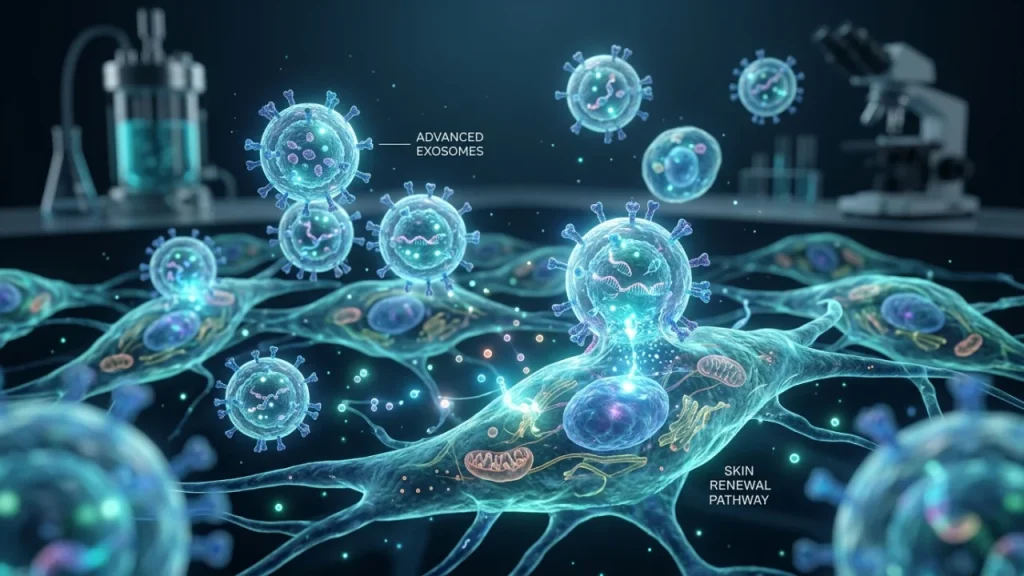
What Is an Exosomes Facial in Boston and Why It Matters
Understanding Exosomes Facial Boston Basics
An exosomes facial in Boston represents a modern approach to skin rejuvenation. It is not a traditional facial. This procedure uses key signaling particles called exosomes. These particles are naturally released by cells. Think of them as tiny messengers. They carry important instructions and materials.
Your skin cells constantly communicate with each other. They need this talk to repair damage and stay healthy. As we age, this communication slows down. Cells become less efficient. They receive fewer repair signals. The skin’s natural renewal process weakens.
An exosomes facial aims to restart this vital conversation. The core idea is simple. Applying prepared exosomes to the skin delivers a concentrated set of biological instructions. These messages tell your existing skin cells to act younger. The goal is to support your skin’s own repair systems.
The protocol involves several careful steps. First, the skin is professionally cleansed. It may be gently prepped to optimize absorption. Then, the exosome solution is applied. This is often done with techniques like micro-needling or ultrasound. These methods help the messengers reach deeper skin layers.
The exosomes themselves are not living cells. They are derived from stem cells. They are purified and prepared for topical use. Once delivered, they do not stay in the skin forever. They work by transferring their cargo to your local cells. This cargo includes proteins, lipids, and genetic material like RNA.
This transfer triggers a cellular response. Your fibroblasts may produce more collagen and elastin. These are the building blocks of firm, supple skin. Blood vessel formation can improve, enhancing nutrient delivery. Inflammation may be calmed. Cellular repair pathways are activated.
The result is a targeted rejuvenation effort. The skin is encouraged to heal itself from within. This process addresses signs of aging at a foundational level. It focuses on improving skin texture, tone, and resilience. The effects develop over weeks as your cells respond.
Why does this matter for skin care? It shifts the focus from external masking to internal signaling. Many treatments work by adding temporary volume or removing surface layers. An exosomes facial aims to change the biological behavior of your skin. It supports long-term health and function.
This approach is grounded in cell biology research. Scientists have studied exosome communication for decades. Its application in aesthetics is a newer development. Boston, with its strong medical and biotech community, is a natural hub for such innovations. The city’s expertise supports advanced protocols.
Patients seek this treatment for various concerns. These include fine lines, wrinkles, and dull complexion. It also helps with uneven skin texture and loss of firmness. The procedure is non-surgical. There is no significant downtime required for recovery.
It is important to have realistic expectations. Results are not instant like a moisturizer. They are progressive and biological. Most patients need a series of treatments for optimal effect. Maintenance sessions are often recommended to sustain the benefits over time.
Safety and proper sourcing are critical. The exosomes used must be processed correctly. They should come from reputable labs following strict guidelines. A qualified provider will understand the science behind the treatment. They will tailor the protocol to individual skin needs.
Understanding these basics demystifies the procedure. It moves beyond a trendy name to the science beneath it. This knowledge helps you make an informed decision about your skin health journey. Next, we will explore how this science translates into visible results for your complexion.
How Exosomes Work in Skin Rejuvenation
Exosomes are tiny messengers. Your own cells create them naturally. Think of them as biological text messages. They carry instructions and materials from one cell to another.
Skin aging often involves poor communication. Cells become less efficient at talking to each other. This leads to slower collagen production and weaker repair. An exosomes facial in Boston aims to restore this vital conversation.
Here is how the process works. Applied exosomes deliver precise signals to your skin cells. They do not force cells to act. Instead, they encourage your cells to function better. It is like giving a clear instruction manual to a repair crew.
The key signals promote several essential activities. They tell fibroblast cells to make more collagen and elastin. These are the proteins that give skin its structure and bounce. They also encourage faster cellular turnover. This means fresher, brighter skin surfaces.
Exosomes can calm inflammation. Chronic, low-level inflammation speeds up aging. The messengers help regulate the skin’s immune response. This creates a healthier environment for repair.
They also support the skin’s own stem cells. These are master cells that can become different cell types. Exosomes help guide them. This aids in natural regeneration and healing.
The protocol uses a high concentration of these messengers. Billions of exosomes are in a typical treatment vial. This creates a strong signal. Your skin cells receive a clear directive to rejuvenate.
The process is natural because it uses existing pathways. Your body already uses exosomes every day. The treatment simply adds more messengers to the system. It amplifies your skin’s own language.
Results build over weeks and months. Collagen production is a slow biological process. You will not see new collagen overnight. Improvements in texture and tone often appear first.
This science matters for one main reason. It addresses aging at a cellular level. Topical creams work on the surface layer. Exosomes communicate with the living cells beneath.
The approach is strategic and targeted. It is not a general stimulus like microneedling alone. It is a specific set of instructions delivered directly to cells.
Patients choosing an exosomes facial in Boston access this advanced science. The city’s medical community helps ensure treatments follow rigorous standards. This provides confidence in the protocol’s application.
Understanding this mechanism separates hope from hype. It shows why the treatment is more than a fancy serum. It is a fundamental support for your skin’s biology.
The next step is seeing how this cellular activity translates to visible changes in the mirror.
Key Benefits of Exosomes Facial Boston Treatments
An exosomes facial in Boston offers distinct advantages over traditional surface-level treatments. The benefits stem from its targeted cellular approach. This leads to measurable changes in skin health and appearance.
One primary benefit is a significant reduction in fine lines and wrinkles. These signs form as collagen and elastin fibers break down. The exosome signal directly instructs fibroblast cells to produce more of these proteins. This rebuilds the skin’s supportive structure from within. The result is a natural smoothing effect. Skin becomes firmer and more resilient.
Improvements in skin texture and tone are often the first noticeable changes. Exosomes help normalize cellular activity. This can reduce uneven pigmentation and redness. Skin clarity improves. Pores may appear smaller as surrounding skin tightens. The overall effect is a more refined, even complexion.
The treatment enhances the skin’s hydration and barrier function. Exosomes carry instructions for cells to produce more hyaluronic acid. This substance holds vast amounts of water. They also support the lipids that form the skin’s protective shield. Healthier barrier function means better moisture retention. Skin looks plumper and feels smoother.
Healing and recovery processes receive a major boost. This is crucial after procedures like microneedling or laser therapy. Exosomes reduce inflammation quickly. They accelerate the repair of microscopic wounds. This can shorten downtime after a treatment. It also improves the final results of combined procedures.
The effects are cumulative and progressive. Benefits build over several months as new collagen forms. This is not a temporary plumping effect. It is genuine structural renewal. The longevity of results is a key advantage. Maintenance treatments are typically needed far less often than with topical products alone.
- Reduction of fine lines and wrinkles through collagen stimulation
- Improved skin texture, tone, and clarity
- Enhanced hydration and barrier strength
- Accelerated healing when combined with other procedures
- Long-lasting, cumulative results from cellular renewal
This protocol offers a strategic solution for common aging concerns. It addresses multiple issues with a single, intelligent mechanism. The goal is not just to change how skin looks temporarily. The goal is to improve how skin functions at a fundamental level.
Patients seek an exosomes facial in Boston for these unified benefits. The science translates into a visible difference. Skin behaves like younger, healthier tissue. It responds better to environmental stress and daily care.
The benefits connect directly to the science of cellular messaging. Clear instructions lead to precise biological actions. These actions then create consistent visual improvements. This chain is what makes the treatment effective.
Understanding these advantages helps set realistic expectations. Results are not instant but they are foundational. The process works with your body’s own rhythms. It supports long-term skin health beyond a single treatment session.
The next consideration is how this treatment integrates into a complete skincare strategy. Its role alongside other aesthetic choices is important for optimal outcomes.
Why Boston Is a Hub for Exosomes Facial Care
Boston’s reputation in medicine is not an accident. It is built on a dense network of world-class institutions. These include Harvard University, MIT, and numerous teaching hospitals. This concentration creates a unique environment. Cutting-edge biological research moves quickly from the lab to the clinic. For exosome science, this translation is critical. Researchers here are pioneers in understanding extracellular vesicles. They study how these tiny messengers work in healing and regeneration. This deep knowledge directly informs clinical aesthetic practices. A Boston exosomes facial is backed by this robust scientific culture.
The city attracts top talent in biotechnology and dermatology. Experts in cellular biology often collaborate with cosmetic surgeons and skincare specialists. This collaboration ensures treatments are both safe and effective. Protocols are designed with a scientist’s precision and a clinician’s practicality. Patients benefit from this high standard of care. They receive treatments grounded in the latest peer-reviewed studies. The approach is careful and evidence-based. This matters for a novel field like exosome therapy.
Boston’s medical community also sets strict ethical and quality benchmarks. The sourcing and preparation of exosomes are paramount. In this environment, clinics prioritize exosomes derived from reputable, regulated laboratories. These labs use rigorous purification processes. They ensure the final product contains active, therapeutic vesicles without unwanted contaminants. When you seek an exosomes facial in Boston, you access this stringent supply chain. The focus is on purity and biological activity.
The city’s history with innovation plays a role too. Boston has long been a leader in biotechnology and pharmaceutical development. This infrastructure supports advanced treatment modalities. Specialized labs and manufacturing facilities are often located nearby. This proximity can allow for faster adoption of new techniques and higher-quality materials. Clinics are integrated into an ecosystem that values innovation with validation.
Patients in Boston also tend to be informed and health-conscious. They ask detailed questions about the science behind their care. This educated demand pushes providers to maintain excellence. It encourages continuous learning and protocol refinement. Clinics must be prepared to explain mechanisms and show credible sources. This dynamic creates a market for truly advanced procedures, not just trends.
Key factors make Boston a hub: – Direct access to foundational exosome and stem cell research from leading universities. – A collaborative culture between research scientists and clinical practitioners. – High regulatory and ethical standards for biological materials used in aesthetics. – A sophisticated patient population that values science-driven results. – A established biotechnology infrastructure that supports advanced therapy development.
This confluence of factors means patients are not just getting a facial treatment. They are accessing a regional specialty. The protocol leverages local expertise and scientific rigor. This hub status offers practical advantages. It often means practitioners have more experience with these advanced biologics. They understand the nuances of application for optimal skin rejuvenation.
Therefore, the location is more than a geographic detail. It is a signifier of quality and scientific integration. Choosing to have this procedure in Boston connects you to the source of much of its underlying science. This provides confidence in the treatment’s methodology and potential. The next logical step is to examine what a typical treatment session involves, from consultation to application.
Comparing Exosomes Facial to Other Skin Treatments
An exosomes facial Boston represents a fundamental shift in approach. Most traditional treatments work by causing controlled damage. The skin then heals itself. This process can stimulate collagen. Examples include laser resurfacing and chemical peels. These methods rely on the skin’s inherent, and sometimes limited, ability to repair. In contrast, an exosomes facial does not cause injury. It provides precise instructions to your skin cells. It tells them to repair, regenerate, and communicate better on their own.
Think of it as the difference between remodeling a house two ways. One method involves tearing down walls to force a rebuild. The other delivers expert blueprints and new materials to the existing construction crew. The crew then works smarter and more efficiently. Exosomes are those blueprints and materials. They are natural signaling particles. Your own cells produce them every day.
The core mechanism sets this treatment apart. Here is a direct comparison with other popular procedures:
- Versus Injectables (Fillers, Toxins): Fillers add physical volume to smooth lines. Toxins relax muscles to reduce wrinkles. Both are mechanical corrections. They do not change the skin’s biological health. An exosomes facial aims to improve the skin’s quality from within. It targets texture, tone, and elasticity by enhancing cellular function.
- Versus Laser Treatments: Lasers use light energy. They remove damaged outer layers or heat deeper tissue to trigger collagen. Results depend heavily on the wound-healing response. Recovery times can be lengthy. Exosome application is non-invasive. There is no downtime because there is no injury phase.
- Versus Topical Serums: High-quality serums deliver vitamins and antioxidants. They nourish the skin’s surface and upper layers. However, their molecules are often too large to penetrate deeply where new collagen forms. Exosomes are nano-sized. They can reach deeper dermal layers. They also carry instructions, not just nutrients.
The goal of each treatment differs significantly. Traditional methods often focus on a single issue: filling a line, removing a sunspot, or smoothing texture. An exosomes facial supports a broader regenerative process. It addresses multiple signs of aging at once by targeting their common root: declining cellular communication and collagen production.
Results also follow a different timeline and pattern. Injectable results are immediate but static. Laser results emerge after healing but can plateau. The effects of an exosomes facial unfold gradually over weeks to months. This mirrors the natural biological cycle of skin cell renewal and matrix rebuilding. Improvements in hydration, brightness, and fine lines often appear first. Firmer skin and improved elasticity develop later as new collagen forms.
This biological approach influences treatment frequency as well. Maintenance for fillers or toxins involves repeat injections every several months. A typical exosomes protocol might involve an initial series of treatments spaced weeks apart. This establishes a strong cellular signal. Then, a single annual session may suffice for maintenance.
Understanding these distinctions clarifies why location matters so much. The advanced science behind an exosomes facial Boston requires precise handling and expert application. It is not a simple surface treatment. Its value lies in influencing the skin’s innate biology without trauma. This offers a unique path to rejuvenation for those seeking more than a temporary cosmetic fix.
The next consideration is understanding what these potent biological signals actually are and where they originate.
The Science Behind Exosomes Facial Boston Procedures
What Are Exosomes and Their Natural Role
Exosomes are tiny messengers. Your body’s cells create them constantly. Think of each cell as a busy office. Exosomes are like secure mail packets sent from one office to another. They carry important instructions and supplies.
These messengers are incredibly small. Billions could fit on the head of a pin. They are not cells themselves. Instead, they are vesicles—tiny bubbles made from the same material as the cell membrane. Cells release exosomes into the fluid surrounding them.
Their natural role is communication. Cells do not work in isolation. They must coordinate to keep tissue healthy. Exosomes facilitate this talk. They carry a precise cargo from their parent cell. This cargo includes proteins, lipids, and genetic material like RNA.
This shipment tells other cells what to do. An exosome from a skin cell might signal for more collagen production. One from an immune cell might trigger a defense response. The receiving cell accepts the exosome and reads its instructions. This changes the cell’s behavior.
The process is selective and smart. Cells do not pack exosomes at random. They load them with specific molecules for a purpose. This makes exosomes key players in healing and maintenance. Healthy skin relies on a constant, clear flow of these signals.
Scientists first thought exosomes were just cellular trash bags. They believed cells used them to dump waste. Research over the past two decades changed that view entirely. Now we know they are essential for health.
Their function is evident in many body systems. – In the immune system, exosomes help activate defenses. – In the brain, they may shuttle nutrients between neurons. – During wound healing, they direct cells to repair damage.
When you get a cut, local cells release exosomes. These packets rush to the site. They tell surrounding cells to multiply and rebuild tissue. They calm inflammation and recruit help. This natural role is the foundation for an exosomes facial Boston approach.
Aging and stress disrupt this network. Over time, cells send fewer clear messages. The exosome traffic can slow down or carry confusing signals. This breakdown contributes to visible aging. Skin loses its coordinated repair efforts.
The science behind an exosomes facial Boston procedure taps into this system. It aims to supplement the body’s own declining communication. The goal is not to force an unnatural change. Instead, it provides a clear, strong signal that skin cells recognize.
Think of it like refreshing a fading radio signal. The stations are still broadcasting, but your receiver gets weak. A boost clarifies the transmission. Exosome treatments aim to boost the skin’s native regenerative signals.
These messengers are universal. All human cells use this language. That is why their potential extends beyond skin. Research explores their role in heart disease, nerve repair, and more. For skin rejuvenation, we focus on signals for repair and youthfulness.
The source of these exosomes matters greatly. They must be derived from healthy, human cells capable of producing the right messages. The purification process is critical to ensure safety and function. This scientific backbone supports the entire protocol.
Understanding this natural role clarifies the treatment’s logic. It is not about adding foreign chemicals or causing damage. It is about enhancing a biological conversation your skin already knows how to have. The next step is examining how this science translates into a clinical procedure for facial rejuvenation.
How Exosomes Cross Cell Membranes Safely
Exosomes deliver their messages without breaking into a cell. They use methods cells already understand. This safe delivery is key for treatments like an exosomes facial Boston procedure.
Think of a cell membrane as a security gate. It controls what enters and exits. Large or foreign objects are blocked. Exosomes are tiny native vesicles. They speak the cell’s own biological language.
Two main pathways allow safe entry. The first is direct fusion. The exosome’s outer membrane merges with the cell’s membrane. It is like two soap bubbles becoming one. The exosome’s contents spill directly into the cell’s interior. This method is efficient and fast.
The second pathway is endocytosis. The cell membrane folds inward. It wraps around the exosome to form a pouch. This pouch pinches off inside the cell. Now the exosome is in a protective bubble called an endosome. Enzymes can then break open this bubble to release the cargo.
Cells use these processes every day. They are natural for nutrient uptake and communication. Exosome treatments simply provide more of these natural carriers.
The cargo inside remains protected during transit. It is shielded by the double-layered exosome membrane. Growth factors and signaling proteins avoid degradation. They arrive at their target intact and functional.
Specific surface molecules guide the exosomes. These are like address labels or docking ports. They ensure exosomes bind to the correct recipient cells. This targeting minimizes waste and off-target effects.
The process does not damage the recipient cell’s membrane. Fusion and endocytosis are normal, controlled events. The cell’s integrity stays completely intact.
This distinguishes exosomes from other delivery methods. Some techniques use artificial nanoparticles or viruses. These can trigger immune reactions or cause stress. Exosomes are inherently biocompatible because the body makes them.
Safety also comes from the exosome’s origin. They are derived from human cells grown in controlled labs. Their membranes match our own cellular makeup. This compatibility allows smooth, recognized interaction.
The entire sequence happens on a microscopic scale. Thousands of exosomes can engage with a single skin cell. Each delivers a small packet of instructions. The cumulative effect prompts a significant cellular response.
Research shows this delivery is highly efficient. Studies measure how quickly labeled exosomes enter cells. Results often show uptake within hours. The delivered signals then alter cell behavior within days.
This efficient transfer is why clinical procedures can show results. The messengers get where they need to go. They use the cell’s own entry systems. No forcing or damage is required.
Understanding this demystifies the treatment’s action. It is not a chemical peel that damages to rebuild. It is not an injection of synthetic filler. It is a supplement of natural communicators using natural entry points.
The next logical question concerns the cargo itself. What specific instructions do these exosomes carry for skin rejuvenation? The answer lies in the precise molecular messages packed inside them before delivery.
Exosomes Stimulate Collagen Production in Skin
Collagen is the primary structural protein that gives skin its firmness and elasticity. Our bodies produce less of it as we age. This natural decline leads to thinner, looser skin with fine lines. An exosomes facial Boston approach directly targets this fundamental issue. The exosomes deliver precise commands to the cells responsible for collagen.
These commands come in the form of nucleic acids and proteins. Key among these are specific microRNAs. These are small pieces of genetic material. They do not alter your own DNA. Instead, they regulate how genes are used. They can turn the activity of certain genes up or down.
Inside a skin cell, these microRNAs target messages related to collagen production. They often silence signals that slow down or inhibit collagen synthesis. This is like removing a roadblock on a production line. With the inhibitor reduced, the cell’s natural collagen-making machinery can operate at a higher capacity.
The process also involves growth factors and signaling proteins. These molecules bind to receptors on the skin cell’s surface. This binding triggers a cascade of internal events. The cell’s nucleus gets the message to activate relevant genes. Resources within the cell are directed toward protein construction.
Think of a fibroblast, the main collagen-producing cell in skin. It receives exosomes from stem cells. The exosome cargo tells the fibroblast several things. It encourages the cell to enter a more active, youthful state. It provides the blueprints and tools to build collagen fibers.
The result is not just more collagen, but better-organized collagen. New collagen fibers integrate with the existing extracellular matrix. They form a strong, supportive network under the skin’s surface. This network provides tangible structural support.
Clinical studies measure this effect through skin biopsies. Researchers can stain tissue samples to highlight collagen. Treated skin often shows a denser, thicker weave of collagen fibers after a series of sessions. This is objective evidence of the biological change.
The stimulation is also balanced and intelligent. It does not force uncontrolled overproduction. The signals mimic the body’s own natural communication for repair and maintenance. This promotes harmonious tissue regeneration without abnormal growth.
The timeline for this process is gradual and biological. You do not get instant collagen like with a filler injection. The cellular activity begins soon after the exosomes facial Boston procedure. However, building new protein structures takes time.
Visible improvements in firmness typically emerge over weeks. This coincides with the cellular production cycle. Skin cells synthesize new collagen and elastin continuously after the signal boost. The effect accumulates with each treatment session.
The benefits extend beyond just collagen type I, which provides strength. Exosome signaling can also promote elastin and hyaluronic acid. Elastin allows skin to snap back after stretching. Hyaluronic acid provides hydration and volume within the dermis.
This multi-targeted approach addresses skin aging comprehensively. It is not a single-action treatment. The messengers work on several pathways at once for a synergistic outcome. Improved firmness is one part of a broader rejuvenation.
For optimal results, protocols are designed in series. This maintains the signaling environment over time. It supports the skin’s remodeling phase as old, damaged collagen is replaced. Consistent stimulation guides this renewal process effectively.
Patients often report a feeling of tighter, more resilient skin. This sensation reflects the underlying architectural change. The skin’s foundation becomes stronger and more organized from within. This is the core promise of science-driven rejuvenation.
Understanding this mechanism separates hope from hype. It grounds the procedure in validated cell biology. The next logical step is to examine what this means for specific skin concerns beyond general firmness, such as texture and tone.
Exosomes Enhance Elastin for Skin Elasticity
Elastin is the protein that gives skin its snap-back quality. Think of a new rubber band. It stretches and returns to its original shape. Aged or sun-damaged skin loses this ability. It becomes more like a worn-out, overstretched band. This leads to sagging and laxity.
Exosomes address this problem at its source. They carry specific instructions to fibroblast cells. Fibroblasts are the skin’s factory for structural proteins. These instructions tell fibroblasts to produce more elastin. They also guide the proper assembly of this elastin into functional fibers.
The process is precise. It is not just about making more protein. The signaling guides the correct cross-linking of elastin molecules. Proper cross-linking is crucial for durability. It ensures the elastic fibers can last for years. This is a key difference from temporary fillers.
An exosomes facial Boston procedure delivers these signals directly. The goal is to restart a natural process that has slowed down. Sun exposure and time degrade the elastic network. New, well-formed elastin can help repair it from within.
The benefits are not immediate. Elastin production is a complex biological task. Cells need time to receive the signals, activate their machinery, and synthesize new protein. Initial changes start at a molecular level. Visible improvements in skin bounce often follow.
This enhancement works alongside collagen renewal. Collagen provides the rigid scaffold. Elastin provides the dynamic stretch. Together, they create a supportive and resilient dermal structure. One without the other is less effective for comprehensive rejuvenation.
Several factors influence the outcome of elastin enhancement. – The baseline condition of the skin’s elastic network. – The patient’s overall cellular health and age. – The consistency of treatment to maintain signaling. – Protection from new sun damage during the renewal phase.
Sun protection becomes critically important after treatment. Ultraviolet rays are a primary enemy of elastin. They break down the very fibers the procedure aims to rebuild. Daily sunscreen use protects this new investment in skin health.
The result is a gradual restoration of skin elasticity. Fine lines from repeated expressions may soften. The skin may feel more supple and less loose. This contributes significantly to a more youthful facial contour. It helps combat the gradual pull of gravity over time.
This science moves beyond surface-level fixes. Topical creams cannot effectively deliver these rebuilding signals deep into the dermis. Exosomes act as a targeted communication system. They bypass surface barriers to instruct the foundational layers.
Understanding this mechanism highlights the procedure’s logic. It is a catalyst for the skin’s own regenerative abilities. The focus is on long-term architectural improvement, not just short-term plumping. The goal is skin that behaves like younger skin.
The next consideration is how these cellular messages also refine skin’s surface texture and clarity, creating a smoother, more even tone.
Reducing Inflammation with Exosomes Facial Boston
Inflammation is a primary driver of visible skin aging. It is not just about redness or acne. Low-grade, persistent inflammation works silently beneath the surface. This process is often called inflammaging. It constantly stresses your skin cells. This stress degrades collagen and elastin. It disrupts the skin’s natural repair cycles. The goal of an exosomes facial Boston procedure is to interrupt this damaging cycle.
Exosomes act as cellular peacekeepers. When introduced into the skin, they deliver specific instructions to immune cells. These instructions are carried by microRNAs and proteins. The message is clear: reduce the alarm signals. Calm the inflammatory response. This allows the skin to shift from a state of constant defense to a state of repair and renewal.
The mechanism is precise. Key signaling pathways like NF-κB are moderated. This pathway is a master switch for inflammation. Exosomes help dial down this switch. They also promote the activity of regulatory T-cells. These are specialized cells that maintain immune tolerance. They tell overactive immune responders to stand down.
The clinical effects of this calming action are significant. Patients often observe a reduction in several conditions. – General skin sensitivity and reactivity. – Redness associated with rosacea or irritation. – The lingering redness after procedures or sun exposure. – The inflammatory component of conditions like acne.
This creates an environment where healing is more efficient. With inflammation reduced, the skin’s energy and resources are redirected. Cells can focus on their primary jobs: generating new collagen, producing healthy elastin, and maintaining a strong barrier. Think of a construction site. Reducing inflammation is like clearing away chaotic debris. This allows the builders to work smoothly and effectively.
The benefits extend beyond calming. A less inflamed environment is crucial for long-term skin health. Chronic inflammation accelerates the breakdown of hyaluronic acid. It impairs the skin’s ability to retain moisture. By quieting this fire, exosomes help restore the skin’s natural hydration balance. The complexion appears less red and more radiantly even.
This process is fundamentally different from using topical anti-inflammatories. Creams often work on the surface to suppress a reaction. An exosomes facial Boston approach works at a cellular level. It educates the skin’s own immune system to achieve a more balanced state. The change is communicative, not just suppressive.
The result is skin that is more resilient. It becomes better equipped to handle daily environmental stressors. These include pollution, temperature changes, and incidental sun exposure. The baseline level of irritation is lowered. This resilience contributes directly to a healthier, more youthful appearance over time.
Reducing inflammation also optimizes results from other treatments. When the skin is calm, procedures like lasers or microneedling can be more effective. Healing is faster and more predictable. This makes exosome therapy a powerful complementary treatment in a comprehensive skincare plan.
Ultimately, this aspect of treatment addresses a core cause of aging. It is not merely symptom management. It is a strategic reset of the skin’s internal communication network. The goal is a complexion that is not just smoother, but also calmer and stronger from within.
This foundational calm sets the stage for the next visible improvement: a brighter, more unified skin tone and texture.
What to Expect from Exosomes Facial Boston Treatments
The Typical Exosomes Facial Boston Procedure Steps
An exosomes facial Boston procedure is a precise clinical protocol. It is not a simple spa treatment. The process is designed to safely deliver exosomes into your skin. This requires creating tiny, controlled channels for access. The goal is to maximize communication between the exosomes and your skin cells.
The session typically begins with a thorough consultation. Your provider will review your skin history and goals. They will examine your skin’s current condition. This step ensures the treatment is right for you. Clear expectations are set from the start.
Next, the skin is meticulously prepared. The treatment area is cleansed with a medical-grade solution. This removes all surface oil, dirt, and bacteria. A sterile field is crucial. It prevents any infection during the next steps.
A topical numbing cream is then applied. This cream sits on the skin for about 20 to 30 minutes. It makes the treatment comfortable for you. Most patients feel only slight pressure or vibration. Significant pain is very rare.
While the numbing cream works, the exosome solution is prepared. The provider will thaw a small vial of purified exosomes. These exosomes are suspended in a sterile saline solution. They are never mixed with other active ingredients. The purity of the exosomes is paramount for their function.
The core of the procedure involves creating micro-channels in the skin. This is most often done with a microneedling device. The device has fine, sterile needles. It makes tiny punctures in the top layers of skin. – The needles are extremely thin. – They create microscopic temporary openings. – These openings do not cause significant damage. – They act as pathways for the exosomes.
The microneedling step serves two key purposes. First, it stimulates your skin’s natural wound-healing response. This calls your fibroblasts and other repair cells to action. Second, it creates the necessary access points for the exosomes to enter deeper tissue.
Immediately after microneedling, the exosome solution is applied. The provider gently massages the liquid onto the treated skin. The exosomes use the fresh micro-channels to travel downward. They begin interacting with your cells right away. This step is quick but vital.
Some protocols may use a different delivery method. This could be a fractional laser or an ultrasonic device. The principle remains identical. The tool creates controlled injury and pathways. Then the exosomes are applied topically to enter those pathways.
After application, there is a brief waiting period. The exosome solution is left to absorb fully. This usually takes about 10 to 15 minutes. Your skin will feel cool and hydrated during this time.
The final step is post-procedure care. Any remaining solution is patted into the skin. A soothing serum or barrier cream is often applied. This helps to calm any immediate redness. You receive clear aftercare instructions to follow at home.
The entire process usually takes 60 to 90 minutes. Most of that time is for preparation and numbing. The active treatment phase is relatively short. You can return to most normal activities immediately afterward.
Results are not instant like a filler injection. The exosomes need time to communicate with your cells. You may see initial hydration within days. The more significant changes develop over the following weeks as cellular activity improves.
This straightforward, standardized procedure focuses on efficacy and safety. It transforms complex cellular science into a manageable clinical experience. Understanding these steps demystifies the treatment and highlights its logical, science-backed approach to rejuvenation from within
Preparation Tips Before Your Exosomes Facial
Proper preparation begins weeks before your appointment. Your skin’s condition directly influences treatment results. A consultation with your provider is the essential first step. This visit is not just a formality. It is a strategic planning session. The provider will assess your skin’s health and goals. They will review your full medical history. Be ready to discuss all medications and supplements you take. Certain substances can thin the blood or increase inflammation. These can affect your skin’s response.
Disclosing your complete history is non-negotiable. Share any history of cold sores or fever blisters. Exosome treatments can sometimes trigger a recurrence. Your provider can prescribe preventive medication. Mention all skin conditions like rosacea or eczema. Active infections or open wounds will require rescheduling. The goal is to treat healthy, stable skin for the best outcome.
Sun protection becomes your top priority during preparation. Avoid direct sun exposure for at least two weeks prior. Do not use tanning beds. Sunburn or a significant tan is a strict contraindication. Ultraviolet radiation creates underlying inflammation and cellular damage. This alters how your skin receives the exosome signals. Use a broad-spectrum sunscreen daily. Reapply it every two hours if you are outdoors.
Adjust your skincare routine as directed. Typically, you must stop using irritating products several days before treatment. These often include retinoids, strong alpha hydroxy acids, and benzoyl peroxide. These agents increase skin cell turnover and sensitivity. Their use can compromise your skin barrier. A calm, intact barrier is ideal for treatment. Your provider will give you a precise timeline for pausing these products.
Stay well-hydrated in the days leading up to your session. Drink plenty of water. Hydrated skin cells function more optimally. They may be more receptive to the regenerative signals from exosomes. Avoid alcohol for at least 24 to 48 hours beforehand. Alcohol dehydrates the body and can promote inflammation.
Consider your diet as part of preparation. Eat nutritious, anti-inflammatory foods in the week before treatment. Focus on fruits, vegetables, and lean proteins. Try to reduce processed foods and excess sugar. These can promote systemic inflammation. A healthy internal environment supports better healing.
Plan your schedule wisely on the day of your treatment. Arrive with a clean face. Do not apply makeup, moisturizer, or sunscreen that morning. The clinic will cleanse your skin thoroughly as part of the procedure. Wear comfortable, loose-fitting clothing. Necklines that do not rub against your face are ideal.
Manage your expectations through realistic preparation. An exosomes facial Boston treatment is a regenerative process, not a quick fix. It works with your biology, which requires time. Do not expect dramatic, visible changes immediately after leaving the clinic. The true results unfold over subsequent weeks as cellular activity improves.
Follow these preparation steps diligently. They create the optimal foundation for the exosomes to perform their work effectively and safely. This proactive approach turns you from a passive recipient into an active participant in your skin rejuvenation journey. Thoughtful preparation seamlessly bridges the decision to have treatment with the experience of the procedure itself, setting the stage for optimal results
During the Exosomes Facial Boston Application
The exosomes facial Boston procedure begins with a thorough consultation and skin assessment. Your provider will examine your skin’s condition. They will discuss your specific goals one final time. This ensures the treatment plan is tailored for you.
Next comes the critical step of skin preparation. Your clinician will cleanse your face meticulously. They use a medical-grade cleanser to remove all impurities. This step is vital. It ensures no barriers exist between your skin and the treatment solution.
Many protocols include a light exfoliation or microneedling step. This creates controlled, microscopic channels in the skin’s surface. Think of these as tiny entry points. They are not large wounds. Instead, they are subtle pathways that allow for better absorption.
The creation of these micro-channels serves a key purpose. It signals a minor, controlled injury to your skin. This triggers your body’s natural repair response. Blood flow increases to the area. Your own repair cells become active and alert. This prepares the cellular environment to receive the exosome signals.
The exosome solution itself is then applied. The liquid is typically clear and odorless. It is carefully applied to your skin using a sterile technique. The clinician may use a brush or their gloved hands. They gently massage the solution across your entire face and neck.
You will feel a cool, soothing sensation during application. There is no heat or burning associated with the exosomes themselves. Any mild discomfort would stem from the prior preparation step, like microneedling. That sensation is usually brief and manageable.
The exosomes now begin their work at a cellular level. They do not act as filler or a topical moisturizer. Instead, they communicate with your skin’s resident cells. They deliver their cargo of proteins, lipids, and genetic instructions.
This cargo instructs your cells to optimize their functions. Key processes are enhanced. These include collagen and elastin production. Cellular repair mechanisms are supported. Inflammation is modulated. The goal is to shift your skin’s behavior from a passive state to an active, regenerative state.
The entire application process is relatively quick. The active treatment phase often takes under an hour. The exact timing depends on your specific protocol and any combined treatments.
After application, there is typically a brief waiting period. You may rest for several minutes. This allows for initial absorption of the solution into the prepared skin. The clinician ensures your skin is not overly wet or tacky before you sit up.
You will not see a dramatic visual change immediately after. Your skin may appear slightly flushed or pink from the preparation method. It will feel hydrated and possibly tighter as the solution forms a thin film. This is normal and temporary.
The clinician will then provide clear aftercare instructions verbally and in writing. They will review what to do and what to avoid in the coming days. This post-procedure guidance is crucial for supporting the biological process now underway.
You are then free to leave the clinic. There is no mandatory downtime. You can resume most normal activities right away. However, you must protect your skin diligently from sun exposure.
The experience is designed to be efficient and comfortable. It bridges advanced science with a straightforward clinical visit. You transition from an active participant in preparation to a recipient of precise biological signaling. The real work now continues invisibly within your skin’s architecture over the following weeks.
This seamless in-office experience sets the biological stage for the next phase: recovery and the gradual emergence of results.
Aftercare for Exosomes Facial Boston Results
Proper aftercare is not just a suggestion. It is a key part of your treatment’s success. The exosomes and growth factors are now interacting with your skin cells. Your daily habits create the environment for this work. Think of it as protecting a delicate biological process.
Your skin barrier is temporarily more open after preparation. This helps with absorption. It also means your skin can lose moisture faster. It can also let in irritants more easily. You must support and protect this barrier.
Gentle cleansing is essential for the first 72 hours. Use only a mild, non-exfoliating cleanser. Use lukewarm water, not hot. Pat your skin dry softly with a clean towel. Do not scrub or rub your face. This prevents physical disruption to the signaling process.
Hydration is crucial on two levels. First, drink plenty of water. This supports all cellular functions from within. Second, use a simple moisturizer as directed. A good moisturizer helps maintain an optimal environment on the skin’s surface. It supports the barrier function.
Sun protection is your most important job. Ultraviolet rays are a major source of skin damage. They create inflammation and oxidative stress. This can directly interfere with the regenerative signals you just received.
You must use a broad-spectrum sunscreen every single day. Reapply it every two hours if you are outdoors. Wear a wide-brimmed hat for added shade. Avoid direct sun exposure as much as possible for at least two weeks. This protection allows the new collagen and elastin to form without immediate damage.
Avoid certain activities and products for a short time. Do not use retinoids or strong acids for one week. Do not get chemical peels or laser treatments for four weeks. Avoid strenuous exercise that causes heavy sweating for 48 hours. Sweat can contain salts and enzymes that may irritate the skin.
Do not swim in chlorinated pools or salt water for one week. The chemicals and minerals can be drying and irritating. Avoid saunas and steam rooms for the same period. The goal is to keep the skin calm and stable.
You may wonder about visible changes. Do not expect dramatic peeling or flaking. This is not a resurfacing treatment. Some people notice a healthy glow within days. This is from improved hydration and initial cellular activity.
The deeper rebuilding takes time. Collagen production is a slow biological process. You may start to see subtle improvements in texture after three to four weeks. Full results often develop over two to three months. Your skin continues its renewal cycle.
Stick to the simple regimen your clinician provided. Do not add new serums or active products during this time. More is not better here. The exosomes facial Boston protocol delivers precise instructions to your cells. Your job is to not add conflicting noise.
Signs of a normal response include mild tightness or slight pinkness. These should fade within a day. You should not experience significant pain, swelling, or blistering. Contact your clinic if you have any concerns.
Consistency in aftercare maximizes your investment. It protects the biological communication you started in the clinic. This careful support guides your skin toward its best potential results. Your disciplined routine now sets the foundation for lasting rejuvenation from within
Timeline for Seeing Exosomes Facial Boston Effects
The journey to renewed skin begins at a cellular level the moment the exosomes facial Boston treatment concludes. You will not see dramatic changes in the mirror right away. The initial work is invisible. Specialized vesicles deliver precise instructions to your skin cells. Think of this as sending a software update to your cellular machinery. The first cells to respond are often those involved in repair and hydration.
Many patients report an early glow within the first few days. This is a common initial effect. It stems from a rapid increase in skin hydration and metabolic activity. Cells are taking up nutrients and signaling each other more efficiently. Your complexion may look more radiant and feel smoother. This is a positive sign that the cellular communication is active. It is not the final result, however.
The true rebuilding phase operates on a biological schedule. Collagen and elastin production are slow processes. Your body must manufacture these structural proteins from scratch. Significant turnover does not happen overnight. You may start to notice subtle improvements in skin texture after about three to four weeks. Fine lines may appear softer. Skin might feel more resilient to touch. These changes are gradual and cumulative.
The most noticeable results typically emerge between six to eight weeks post-treatment. This timeline aligns with your skin’s natural renewal cycle. Older, damaged cells have been replaced by newer, healthier ones. The new collagen fibers begin to organize and provide support. Improvements in firmness, elasticity, and pore appearance become more evident during this period.
For optimal outcomes, the full effects of an exosomes facial Boston protocol often develop over two to three months. The cellular instructions continue to work through several generations of skin cells. This extended timeline ensures lasting change rather than a temporary plumping effect. The skin’s foundation is genuinely reinforced from within.
Several factors influence your personal results timeline. Your age and initial skin condition play a role. Sun damage levels and genetic factors also matter. The skill of your clinician is crucial for proper application. Your commitment to aftercare protects the process. Consistent sun protection is non-negotiable. UV exposure can disrupt cellular signaling and degrade new collagen.
Consider these general phases for seeing effects: – Days 1-7: Enhanced hydration and radiance. – Weeks 2-4: Improved texture and early smoothing of fine lines. – Weeks 5-8: Visible gains in firmness and elasticity. – Months 2-3: Full maturation of results, with lasting structural improvement.
Do not compare your progress to others. Each person’s biology is unique. Some individuals see changes quickly, while others experience a slower, steadier enhancement. The goal is sustainable rejuvenation, not an instant but fleeting fix. Trust the biological process you have initiated.
This phased approach underscores the treatment’s nature as a cellular reset. It requires patience as your skin executes its new instructions. Understanding this timeline helps manage expectations and confirms the value of your aftercare diligence. The next logical consideration is how to maintain these results over the long term.
Benefits and Results of Exosomes Facial Boston
Diminishing Fine Lines with Exosomes Facial Boston
Fine lines often appear from a slowdown in your skin’s natural repair cycle. Exosomes directly address this slowdown. They carry precise instructions to your aging skin cells. Think of them as a software update for your cellular machinery. This update specifically boosts collagen and elastin production. These are the key structural proteins that keep skin smooth.
Collagen acts like the scaffolding beneath your skin. Elastin gives skin its snap-back quality. Daily expressions and sun exposure break down these proteins over time. Your body’s ability to replace them slows with age. This creates tiny creases, especially around the eyes and mouth. Traditional creams only hydrate the surface layer. They cannot command cells to rebuild.
An exosomes facial Boston approach works differently. It uses purified signaling particles. These exosomes are applied after creating micro-channels in the skin. This allows direct delivery to the living cellular layer. The exosomes then merge with your existing skin cells. They transfer their cargo of RNA and proteins.
This cargo acts as a powerful prompt. It tells your fibroblast cells to become active again. Fibroblasts are your skin’s collagen factories. The signals essentially switch these factories from standby mode to full production. The process is natural and uses your body’s own language.
The results are not just about adding volume. It is about restoring quality and organization. New collagen forms in a healthy, crisscross pattern. This reinforces the weakened areas under fine lines. The skin’s foundation becomes denser and more supportive. The surface gradually smoothes from the bottom up.
You will notice changes in texture first. Skin feels softer to the touch. Then, superficial lines begin to appear less defined. They may not vanish completely, but they soften significantly. This effect is most visible in dynamic lines. These are the lines formed by repeated smiling or squinting.
The treatment is particularly effective for certain types of fine lines. – Early expression lines from repeated muscle movement. – Fine dryness lines that become etched from lack of support. – Crepey texture on the cheeks or décolletage. – Subtle lines around the lips and forehead.
It is less suited for deep, static wrinkles that exist without movement. Those folds involve severe volume loss and skin laxity. The exosomes facial Boston protocol excels at cellular rejuvenation, not lifting heavy tissue.
Consistency in aftercare protects this new collagen. Sunscreen is absolutely critical every single day. UV rays contain enzymes that actively break down collagen. You must shield the new proteins you are working hard to build. A gentle skincare routine supports the healing environment.
Patients often report a refreshed, rested appearance. They look like themselves after a good vacation. The change is subtle but impactful because it restores a youthful quality to the skin’s architecture. The goal is not to erase all character from your face, but to reduce the visible signs of fatigue and aging.
This cellular-level improvement sets the stage for lasting change. By fundamentally resetting the skin’s repair activity, you gain more than just a temporary fix. You initiate a renewed cycle of healthier skin function. This leads us to consider how these results integrate with other aspects of a holistic skincare philosophy.
Improving Skin Texture Through Exosomes
Skin texture improves when its surface becomes smoother and more even. Exosomes directly target the cellular processes that create this smoothness. They do not simply fill or sand the surface. Instead, they instruct your skin’s own cells to rebuild it properly.
Think of skin texture like the surface of a wall. A rough, bumpy wall has an uneven foundation and damaged plaster. Simply painting over it does not fix the problem. The bumps will still show through. The exosomes facial Boston approach is like sending a repair crew to fix the foundation and re-plaster from within. The result is a genuinely smooth wall that needs only a thin, perfect coat of paint.
The key players in texture are fibroblasts and keratinocytes. Fibroblasts build the support structure. Keratinocytes form the outermost protective layer. Exosomes carry messages to both of these cell types.
For fibroblasts, the signals are clear: make more collagen and organize it neatly. Healthy new collagen fibers form a tight, mesh-like network. This network sits beneath the surface. It acts as a supportive mattress for the skin above. A strong, plump mattress makes the surface taut and smooth. It reduces the tiny hills and valleys that cause roughness.
For keratinocytes, the instructions focus on turnover and barrier health. Exosomes can help normalize the cell renewal cycle. Skin cells are born, rise to the surface, and then shed. This cycle often slows down with age. Dead cells linger too long on the surface. They can clump together and create a dull, flaky texture.
The messages from exosomes encourage timely shedding. This reveals fresher, brighter skin cells underneath. The process also strengthens the skin’s barrier function. A strong barrier keeps moisture in and irritants out. Well-hydrated skin has a softer, more supple texture.
Pore appearance is closely tied to texture. Pores are not holes that open and close. They are openings for hair follicles and oil glands. Their apparent size is often a matter of contrast. A pore looks large when it is stretched or surrounded by rough, uneven skin.
Exosomes address pore appearance indirectly but effectively. By plumping the surrounding collagen support, the skin tightens slightly. This can make pores seem less stretched. By improving overall smoothness and hydration, the skin around each pore reflects light more evenly. This reduces shadows that accentuate pores. The goal is not to erase pores but to minimize their visual impact for a refined finish.
Radiance is a direct result of better texture. Light reflects off a smooth surface in a uniform way. It scatters off a rough surface unevenly. When exosomes smooth the skin’s microscopic landscape, light reflection improves. Your skin gains a natural glow from within.
This glow comes from cellular health, not shimmer or glitter. It is the visual sign of cells functioning optimally.
The timeline for texture change is distinct from wrinkle reduction. Many patients notice a softer feel within days after treatment. This is due to enhanced hydration and initial cellular activity. Visible smoothing of fine roughness often appears in two to four weeks. This aligns with the early stages of new collagen formation and improved cell turnover.
Optimal results for refined texture typically solidify after one month. The full effect continues to develop for up to three months as collagen remodels.
- Key improvements in texture include:
- Reduced sandpaper-like feel on cheeks and forehead.
- Softer, more supple skin to the touch.
- A more even complexion with diminished rough patches.
- A healthy, natural luminosity instead of dullness.
- Minimized appearance of enlarged pores.
This transformation in texture creates a perfect canvas for your skin. It establishes a foundation of health that enhances all other results. When your skin’s surface is smooth and radiant, it better reflects light. This can make improvements in tone and lines even more visible.
The next logical step is to examine how these cumulative changes impact one’s overall appearance and confidence, moving beyond individual improvements to a holistic result.
Boosting Luminosity with Exosomes Facial Boston
Skin luminosity is not about surface glitter. It is a measure of light reflection from within your skin’s layers. Healthy, well-functioning cells create this effect naturally. The exosomes facial Boston approach targets this cellular source of glow.
Think of your skin cells as tiny light bulbs. For a bulb to shine brightly, it needs a good power supply and a clean surface. Exosomes deliver the instructions and materials for both. They help optimize how your cells produce energy. This process is called cellular respiration.
Better energy production means cells can perform their duties more efficiently. They repair damage faster. They renew themselves on schedule. This vibrant activity inside the cell contributes to its external appearance. A tired, sluggish cell looks dull. An active, healthy cell has a natural translucency.
Exosomes carry specific signals for this task. They may upregulate the activity of mitochondria. Mitochondria are the power plants inside your cells. By supporting these organelles, exosomes help your skin cells generate more vital energy. This energy fuels all rejuvenation processes.
The result is a cascade of improvements that your eyes perceive as glow. First, improved cell turnover leads to a fresher, younger cell layer at the surface. These new cells have a more regular shape. They lie flatter and more organized.
This orderly surface is crucial for light reflection. Imagine light hitting a smooth lake versus a choppy sea. The calm water reflects light clearly, creating a shine. The rough sea scatters light, looking dull. Your skin works the same way.
After an exosome treatment, the skin’s surface becomes that calmer lake. The texture refinement you experienced sets the stage. Then, the enhanced cellular vitality adds the actual light source from below. This combination creates depth in your radiance.
The glow appears integrated and natural. It does not sit on top of your skin like a highlighter or cream. It seems to emanate from below the surface. People often describe it as a “lit-from-within” look. This is because the light is reflecting off healthier, more translucent cell layers.
You can observe this in specific lighting conditions. Notice your skin in soft, natural daylight. A luminous complexion will have a soft-focus effect. It minimizes the appearance of minor shadows from fine lines or pores. Your overall complexion appears more even and bright.
This radiance also affects how skin tone is perceived. Dull skin can make hyperpigmentation or redness look more pronounced. Luminous skin helps blend these variations into a more unified canvas. The light reflection softens contrasts across your face.
The timeline for this glow follows a clear path. Initial hydration can impart a slight plumpness and sheen within days. The true cellular luminosity begins to emerge as new cells reach the surface. This typically becomes noticeable around the two to four week mark.
The glow continues to deepen for months. This is linked to ongoing collagen production and sustained cellular activity. Your skin is not just reflecting light better. It is also producing less of the cellular debris that can cause dullness.
Maintaining this result relies on supporting your skin’s new healthy habits. Using broad-spectrum sunscreen is non-negotiable. Sun damage directly attacks cellular energy and creates irregular skin surfaces. Protecting your investment is key.
A gentle skincare routine supports continued luminosity. Harsh products can strip away the very cells you worked to rejuvenate. Think of your post-treatment skincare as nurturing the new cellular environment.
Luminosity is perhaps the most holistic benefit of this treatment. It sums up improved texture, better hydration, and optimal cell function into one visible outcome. It is the clear sign that your skin’s internal communication network is thriving.
This radiant foundation naturally draws attention to your features, not your pores or lines. It sets the stage for the final, overarching outcome of treatment: a comprehensive restoration of a youthful appearance and the confidence it brings
Increasing Firmness from Exosomes Facial Treatments
Firm skin relies on a strong, plentiful network of collagen and elastin. These are structural proteins. They form a supportive scaffold beneath the surface. As we age, our skin produces less of these proteins. Existing fibers also break down. This natural process leads to laxity and softness where firmness once was.
An exosomes facial in Boston targets this decline directly. It does not simply fill space. It instructs your skin to rebuild its own support system. The treatment delivers precise cellular messages. These messages are carried by exosomes.
Think of a fibroblast as a construction cell in your skin. Its job is to make collagen and elastin. Over time, fibroblasts become less active. They also produce poorer quality materials. Exosomes change this. They signal dormant fibroblasts to wake up and get back to work.
The process is a reactivation of your skin’s innate building program. Exosomes carry specific instructions. These instructions tell fibroblasts to increase their metabolic activity. The cells start synthesizing new, robust collagen strands. They also produce fresh, springy elastin fibers.
This is not a temporary plumping effect. It is genuine neocollagenesis. That term means the creation of new collagen. This new collagen integrates into your existing skin matrix. It adds real structural density where it had thinned.
The tightening effect follows a logical timeline. Initial swelling from the procedure subsides quickly. The true firming begins silently beneath the surface. Your fibroblasts need time to decode the new instructions and ramp up production.
You may first notice a subtle change in texture. Your skin may begin to feel more resilient to the touch. This often happens within several weeks. Visible firming continues to develop over two to three months. The new proteins need time to organize and mature.
The result is a gradual lifting and tightening of the skin’s appearance. Fine lines caused by collagen loss may soften. Areas that had begun to sag may exhibit a firmer, more supported look. The skin’s architecture is literally reinforced.
Several key factors influence the degree of firmness achieved. Your skin’s starting condition is one factor. Your age and genetic collagen production rate are others. The number of treatment sessions also plays a role. A series can provide cumulative signaling for a stronger rebuilding effect.
Supporting this process at home is straightforward. Antioxidant serums can protect the new collagen from environmental damage. Peptide creams may offer complementary support for fibroblast function. Avoiding collagen-destroying behaviors is critical.
Sun exposure is the primary enemy of collagen. Ultraviolet rays shred collagen fibers through a process called photoaging. They also inhibit fibroblast activity. Daily sunscreen use is non-negotiable for preserving firmness.
Smoking dramatically reduces skin collagen levels. It constricts blood vessels. This deprives fibroblasts of the oxygen and nutrients they need to build new proteins. Avoiding smoking protects your investment in firmness.
The increase in firmness contributes significantly to a youthful silhouette. It works together with the luminosity described earlier. Glow comes from the surface and immediate upper layers. Firmness comes from the deeper structural foundation.
Together, they reduce the visible signs of aging from multiple angles. This comprehensive approach is why these treatments are considered regenerative. They do not mask one issue. They address the root causes of several.
Your face begins to reflect a more supported, lifted contour. This restored foundation naturally enhances your features. It sets the stage for the final aspect of rejuvenation: a lasting improvement in skin strength and resilience against future aging.
Long-Term Skin Health with Exosomes Facial Boston
The true power of an exosomes facial Boston protocol lies beneath the surface. Its benefits build over months. The treatment does not just add temporary volume. It changes how your skin behaves.
Think of your skin cells as a community. Damaged or aging cells send out stress signals. These signals can create inflammation. They can tell nearby cells to slow down their repair work.
Exosomes carry different instructions. They deliver messages of repair and normal function. This helps recalibrate the cellular environment. Your skin’s community becomes more resilient and better organized.
This leads to several long-term advantages. Your skin’s ability to defend itself improves. Its repair systems become more efficient. It maintains a healthier balance over time.
One key benefit is enhanced barrier strength. Your skin’s barrier is its outermost shield. A strong barrier keeps moisture in and irritants out.
Exosome signaling supports the cells that build this barrier. These cells are called keratinocytes. Messages encourage them to produce essential lipids and proteins.
The result is a more robust protective layer. Your skin may feel less reactive. It can better handle environmental stressors like wind or pollution.
Long-term hydration also improves from within. A healthy barrier prevents water loss. But exosomes also support the deeper layers where moisture is held.
They promote the production of hyaluronic acid. This molecule can hold vast amounts of water. Sustained support means your skin retains its plumpness longer between treatments.
Another lasting effect is a normalized inflammatory response. Chronic, low-level inflammation is a major cause of aging. It breaks down collagen and elastin.
Exosomes help modulate this process. They can reduce the output of inflammatory signals. This creates a calmer, more stable skin environment.
The slowdown of collagen breakdown is crucial for long-term health. New collagen formation was discussed earlier. Preventing existing collagen from degrading is equally important.
Certain enzymes, called MMPs, cut collagen apart. Stress and sun exposure trigger these enzymes. Exosome messages can help regulate their activity.
This dual action builds a stronger foundation. You add new structural support while preserving what you have. The net gain in firmness is more significant and enduring.
Your skin’s overall resilience increases. It recovers faster from minor damage. This could mean quicker healing after minor cuts or less irritation from daily shaving.
The cellular communication also supports antioxidant networks. Your skin has its own antioxidant enzymes like superoxide dismutase. Exosomes can upregulate their production.
This gives your skin better natural tools to fight free radicals. Free radicals come from sun, stress, and pollution. They damage cellular DNA and proteins.
With enhanced defense, long-term damage accumulation slows. This can influence how quickly new signs of aging appear. It is a proactive form of protection.
The treatment’s effects are cumulative with proper care. Each session reinforces the positive signaling. The goal is to establish a new baseline of skin function.
Maintenance becomes about supporting this new baseline. You protect the community you have helped rebuild. Simple, consistent skincare is key.
Use a gentle cleanser to avoid barrier disruption. Apply antioxidant serums daily to support cellular defense. Always use broad-spectrum sunscreen.
These steps protect the investment in your skin’s long-term health. They allow the improved cellular communication to continue its work uninterrupted.
The outcome is skin that ages differently. It may show finer lines later. It may retain its elasticity for longer periods.
It is a shift from reactive correction to proactive support. The focus moves from fixing past damage to fortifying against future challenges. This establishes a lasting foundation for skin that not only looks better now but continues to function better for years to come.
Making the Most of Your Exosomes Facial Boston Experience
Choosing the Right Provider for Exosomes Facial Boston
Your choice of provider is the most critical factor for a safe and effective exosomes facial Boston experience. Exosomes are potent biological signals. Their correct handling and application require specific expertise.
Not all clinics offering this treatment have equal standards. The field is rapidly advancing. You must be a careful evaluator.
Start by investigating the practitioner’s core credentials. The individual performing the procedure should be a licensed medical doctor, a nurse practitioner, or a physician assistant. These professionals have advanced medical training in skin biology and sterile technique.
They understand how skin heals. They can manage any potential reactions. Always verify this license is current and in good standing.
Look for specific training in regenerative medicine or exosome therapy. Ask where they received this training. Reputable providers pursue continuing education in this new field.
They should be able to explain the science simply. They will not make unrealistic promises. A qualified expert discusses potential outcomes based on your unique skin.
The clinical environment is equally important. The procedure should occur in a clean, medical setting. This is not a treatment for a standard spa or salon.
Exosomes are stored at precise temperatures. They must be prepared under sterile conditions. Ask about the clinic’s protocols for product storage and handling.
Inquire about the source of the exosomes themselves. A trustworthy provider uses exosomes derived from ethical, regulated laboratories. These labs test extensively for purity and safety.
The exosomes should come with documentation. This verifies they are free from contaminants. The provider should be transparent about this origin.
Your consultation is a key evaluation tool. Come prepared with specific questions. A serious provider will welcome them.
First, ask about their experience. How many exosome facial procedures have they performed? Request to see before-and-after photos of actual patients.
Second, discuss your personal skin goals. The provider should conduct a thorough skin analysis. They should explain how exosomes might address your specific concerns.
They should also outline a clear treatment plan. This plan includes the number of sessions suggested. It covers the total cost upfront.
Third, review all safety considerations. The provider must explain the procedure steps. They should detail any possible side effects.
They must discuss your medical history. Certain conditions may not be suitable for treatment. A good provider prioritizes safety over making a sale.
Be wary of clinics that pressure you to book immediately. Avoid those that claim miraculous, permanent results with one session. Steer clear of providers who cannot clearly explain what exosomes are.
The cost of an exosomes facial Boston reflects these high standards. It involves a medical-grade product and expert application. If a price seems unusually low, it may indicate compromised quality or inexperience.
Your skin deserves this level of due diligence. Investing time in selecting the right professional ensures you invest wisely in your treatment. It establishes trust and sets the stage for optimal results.
This careful selection process protects your health and maximizes your treatment’s potential. It is the essential first step on your rejuvenation journey. With the right provider secured, you can confidently focus on preparing for your actual treatment day.
Questions to Ask About Exosomes Facial Boston
Asking the right questions transforms you from a passive client into an informed participant. Your consultation is a two-way conversation. It is your chance to assess the provider’s expertise and the treatment’s fit for you. Start by inquiring about the exosomes themselves. Ask where they are sourced from. A reputable answer will mention ethical, laboratory-grown human cells. These are often mesenchymal stem cells.
Ask about purification and testing. The provider should explain how the exosomes are isolated. They should detail the tests used to confirm their purity and concentration. This ensures you receive a viable product free from contaminants. You can ask for a general concentration range. For instance, some protocols use billions of particles per treatment.
Next, focus on the application process. How will the exosomes be delivered into your skin? The most common method is after microneedling. The micro-channels created allow for direct absorption. Ask about the depth of needle penetration. A typical range for this treatment is 0.5 to 1.0 millimeters.
Ask if a topical numbing cream will be used. This is standard for comfort. Inquire about the entire procedure’s duration from start to finish. A typical session lasts about 60 minutes. Understanding each step reduces anxiety and sets clear expectations.
Then, discuss realistic outcomes and the treatment plan. Avoid questions about “miracles.” Instead, ask for typical results based on the clinic’s experience. A good provider will show you a range of before-and-after photos from similar patients. Ask how many sessions are generally recommended for your specific concern. Most plans involve a series, often two to three initial treatments.
- What is the expected timeline for seeing initial changes?
- When are peak results usually visible?
- How long do results typically last for most patients?
Clarify the total investment required. This includes the cost per session and any package pricing. Ask if follow-up or maintenance sessions are suggested, and at what interval. A transparent plan has no hidden fees.
Finally, address safety and aftercare directly. Review your medical history with the provider. Then ask specific safety questions.
- What are the most common side effects I might see in the first 48 hours?
- Are there any rare but serious risks I should know about?
- What is your specific protocol if an adverse reaction occurs?
Request detailed aftercare instructions. You should know exactly how to care for your skin post-treatment.
- When can I resume my regular skincare products?
- Is there any makeup or sunscreen I should avoid?
- What activities should I avoid, and for how long?
A confident provider will answer these questions readily. They welcome your engagement. If a provider seems vague, dismissive, or impatient with these queries, consider it a warning sign. Your proactive questions ensure the exosomes facial Boston experience is built on clarity and trust. This dialogue solidifies your partnership with the provider, paving the way for a smooth treatment day and optimal skin rejuvenation.
Combining Exosomes Facial with Other Skin Care
Your exosomes facial Boston treatment is a powerful reset for your skin. Think of it as a catalyst. Its success depends heavily on what you do before and after. A smart skincare routine supports and extends your results. It creates the ideal environment for cellular communication to thrive.
Exosomes deliver precise instructions to your skin cells. These instructions tell cells to boost collagen, improve elasticity, and calm inflammation. Your daily products provide the raw materials cells need to follow these orders. Without proper support, results may be less dramatic or fade faster.
The first rule is timing. Do not introduce new, active products right before or after your treatment. Your skin needs stability. Follow your provider’s aftercare instructions exactly. Typically, you will use only gentle cleansers and moisturizers for the first few days. Sunscreen is non-negotiable.
After the initial healing phase, you can strategically add other elements. Consider these categories for synergy.
- Hydration: Hyaluronic acid serums are excellent partners. They attract water into the skin. This plumps the surface and supports the deeper repair work exosomes initiate.
- Barrier Repair: Ceramide-rich creams strengthen your skin’s outer layer. A strong barrier protects the new, healthy cells developing underneath.
- Antioxidants: Vitamin C and E neutralize free radicals from sun and pollution. This protects the delicate cellular signaling from environmental damage.
- Gentle Exfoliation: After two weeks, consider mild acids like lactic acid. They remove dead surface cells. This allows newer, healthier skin to reflect light better.
Avoid harsh treatments immediately following your facial. Do not use strong retinoids, physical scrubs, or chemical peels for at least two weeks. These can irritate and disrupt the healing process. Always ask your provider for a clear timeline.
Your at-home routine should be consistent, not aggressive. Morning focus should be on protection. Cleanse gently, apply an antioxidant serum, then moisturizer and sunscreen. Evening focus should be on repair and nourishment. Cleanse, use a hydrating serum or barrier cream, then moisturize.
Professional treatments can also be combined thoughtfully. Many patients pair exosomes with microneedling or laser therapies. The key is sequencing. The exosomes facial often serves as a finishing treatment. It helps calm skin and optimize recovery after more invasive procedures.
Listen to your skin’s signals. If you experience redness or sensitivity, simplify your routine temporarily. Return to just a cleanser, moisturizer, and sunscreen until your skin calms down. The goal is to complement, not overwhelm.
Long-term maintenance is crucial. An exosomes facial provides a significant boost. Your daily habits preserve that improvement. Consistent sun protection is the single most important factor. UV radiation breaks down collagen and creates inflammation, countering the exosomes’ work.
Nutrition and hydration also play a role from the inside out. Drinking enough water supports overall cell function. A diet rich in antioxidants from fruits and vegetables provides internal support for skin health.
Integrating an exosomes treatment transforms your skincare approach from surface-level to cellular. Your daily products become partners in maintaining a biological process you have activated. This integrated strategy ensures you see lasting benefits from your investment in advanced rejuvenation. The next step is understanding how to track your progress and set realistic expectations over time.
Maintaining Results After Exosomes Facial Boston
The results of your exosomes facial Boston experience begin the moment you leave the clinic. Your skin cells have received new instructions and building materials. Your long-term job is to protect and support that cellular activity. Think of it as guarding a garden you just planted. You must shield the seedlings and provide steady nourishment.
Sun protection is your most critical daily task. Ultraviolet rays do more than cause sunburn. They create free radicals deep within your skin. These unstable molecules damage cellular membranes and DNA. This disrupts the very communication pathways that exosomes use. A broad-spectrum SPF 30 or higher sunscreen is non-negotiable. Apply it every single morning, even on cloudy days and when indoors near windows. Reapplication every two hours during direct sun exposure is key.
Your nightly skincare routine should focus on gentle support. Avoid harsh physical scrubs or high-concentration acid toners for at least two weeks post-treatment. These can compromise your skin barrier. A compromised barrier leads to inflammation. Inflammation signals your cells to shift into repair mode, diverting resources from the rejuvenation process. Stick to mild cleansers and hydrating products. Look for ingredients like ceramides and peptides. They help maintain the skin’s protective outer layer.
Internal hydration directly affects your skin’s plumpness and function. Your cells are mostly water. Exosomes function in a fluid environment. When you are dehydrated, this cellular environment becomes less efficient. Nutrient transport slows down. Aim to drink water consistently throughout the day. Do not wait until you feel thirsty. A simple guideline is to drink half your body weight in ounces daily.
Your diet provides the raw materials for new collagen and elastin. The exosomes delivered a blueprint for repair. Your body needs quality supplies to follow it. Incorporate these foods regularly: – Fatty fish like salmon for omega-3 fatty acids that fight inflammation. – Colorful berries and dark leafy greens for antioxidants that neutralize free radicals. – Nuts and seeds for zinc and vitamin E, which aid in skin healing. – Bone broth or collagen peptides to supply amino acids, the building blocks of proteins.
Consistent sleep is another powerful tool. Your body enters its deepest repair cycle during sleep. Growth hormone release increases. Cellular cleanup processes are more active. This is when your skin does its best rebuilding work. Aim for seven to nine hours of quality sleep per night. Create a dark, cool sleeping environment.
Manage stress proactively. Chronic stress elevates cortisol levels. This hormone can break down collagen and increase oil production. It also promotes systemic inflammation. Find activities that lower your stress response. This could be walking, meditation, reading, or deep breathing exercises. Even ten minutes a day makes a difference.
Consider your treatment schedule as part of maintenance. One exosomes facial Boston protocol offers significant results. However, skin aging is an ongoing process. A follow-up treatment every six to twelve months can provide a fresh boost of cellular signals. This helps counteract new daily damage. It sustains the momentum of rejuvenation over years, not just months.
Track your progress with photos. Take a clear selfie in consistent natural light once a month. Look for changes in skin texture, brightness, and fine lines over time. This objective record is more reliable than memory. It shows you what is working.
Avoid habits that undermine your results. Smoking constricts blood vessels, starving skin of oxygen and nutrients. Excessive alcohol consumption dehydrates the body and depletes vital vitamins. These habits create an internal environment hostile to cellular renewal.
Your skin is a living organ that responds to its environment. The exosomes facial jump-starts a biological program of renewal. Your daily choices determine how fully that program runs. This maintenance turns a single advanced treatment into a lasting transformation of your skin’s health and appearance. The final consideration is recognizing when your skin is ready for its next chapter of care.
Future Trends in Exosomes Facial Boston Science
The science behind cellular communication is advancing rapidly. Researchers are learning to engineer exosomes for specific tasks. This is a key future trend. Think of it as upgrading a natural messaging system. Scientists can now load exosomes with precise instructions. These instructions target very specific skin concerns.
One major area is targeted pigment correction. Current treatments can brighten skin. Future exosome science may directly address hyperpigmentation at its source. Exosomes could be designed to carry signals that calm overactive melanocytes. These are the cells that produce pigment. The goal is a more precise and even result.
Another focus is strengthening the skin’s foundation. This goes beyond boosting collagen. Research is exploring exosomes that can instruct fibroblasts to produce better quality elastin. Elastin gives skin its snap-back property. Improved elastin networks could lead to more resilient and firmer skin over time.
Personalization is a central goal for the future. Not every person’s skin cells communicate the same way. The next evolution may involve personalized exosome profiles. A small sample of your cells could be used to generate exosomes tailored for you. This approach aims to maximize compatibility and effectiveness.
Delivery methods are also set to improve. The current standard is topical application after micro-needling. Future protocols may use more advanced delivery systems. These systems could help exosomes reach deeper skin layers more efficiently. Better delivery means a stronger signal to your skin’s cells.
The source of exosomes is a rich area of study. Different cell types release exosomes with different messages. Scientists are mapping these differences carefully. Future treatments might use exosomes from specific cell types. Each type would be chosen for a unique regenerative purpose.
Combination therapies will become more sophisticated. An exosomes facial Boston protocol may be paired with other energy-based technologies. The sequence and timing will be crucial. The exosomes could prepare the skin to heal better after another treatment. This synergy could unlock new levels of results.
Long-term safety and effect studies are ongoing. As research continues, we will understand the duration of benefits better. We will also learn about optimal treatment intervals. This data will help refine protocols for lasting skin health.
The bridge from lab to clinic is getting shorter. Discoveries in cellular biology are translated into clinical practice faster than before. This means patients may access these advanced options sooner. The field is moving from general rejuvenation to targeted correction.
The ultimate trend is a shift from repair to true regeneration. The goal is not just to fix visible damage. The future points toward encouraging the skin to regenerate itself in a more youthful state. This involves a complex concert of cellular signals.
Your skin’s health tomorrow will benefit from today’s research. The core principle will remain harnessing cellular communication. The methods will become more precise and powerful. Staying informed helps you make wise choices for your skin’s future.
This progress ensures that non-surgical rejuvenation continues to evolve. It offers new hope for addressing skin concerns at their biological roots. The journey of discovery is just beginning.
Conclusion
The journey through modern web architecture reveals a core principle: resilience is not a single feature but a system-wide philosophy. From stateless microservices and immutable infrastructure to intelligent traffic management, each component builds upon the other to create applications that withstand failure and scale seamlessly. This approach shifts the focus from preventing outages entirely to ensuring they have minimal, often imperceptible, impact on the end-user experience.
Ultimately, building for the modern internet means accepting complexity and designing for its inherent uncertainties. The strategies discussed—prioritizing observability, automating recovery, and decoupling services—provide a robust framework. They empower engineering teams to move quickly without sacrificing stability, turning potential points of failure into managed, routine events.
Your next step is to conduct a focused resilience audit of your own critical user pathways. Map one key transaction flow—from user request to backend service and database—and identify its single points of failure. Then, implement just one of the patterns discussed, such as a circuit breaker for a downstream dependency or defining a clear fallback response. Start small, measure the outcome, and iterate. True resilience is built progressively, not delivered in a single launch.