
What Are Exosomes in Aesthetics and Why Should You Care?
What Are Exosomes in Aesthetics?
Think of your skin cells as a busy community. They constantly talk to each other. They send messages to coordinate healing, make collagen, and fight damage. For decades, aesthetic treatments worked from the outside in. Now, science taps into the skin’s own language. The messengers in this language are called exosomes.
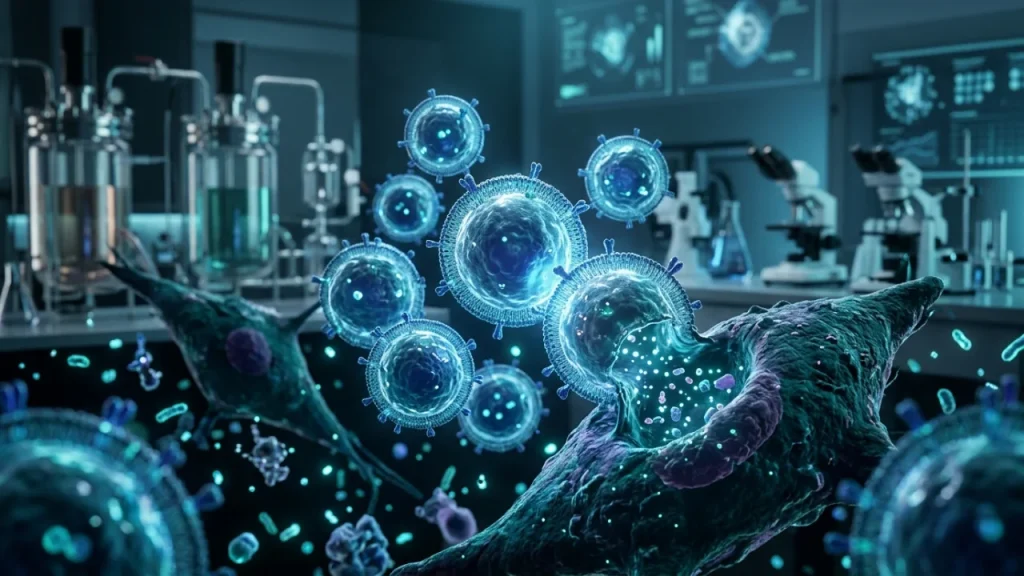
So, what are exosomes in aesthetics? They are tiny natural carriers. Your own cells make them all the time. Exosomes are like microscopic delivery trucks. Each truck is loaded with important cargo. This cargo includes proteins, growth factors, and genetic instructions. Cells release these vesicles into the spaces between them. Neighboring cells then receive these packages. The instructions inside tell the receiving cell what to do.
This process is fundamental cellular communication. It is how your body manages repair naturally. In aesthetic medicine, these messengers are harnessed for skin rejuvenation. The goal is to support your skin’s innate intelligence. Treatments using exosomes aim to boost this cellular dialogue. They provide a concentrated signal to your skin cells.
The exosomes used in treatments are carefully prepared. They are derived from stem cells. Stem cells are master cells known for their healing signals. These stem cells are grown in a controlled laboratory setting. They release exosomes into their culture medium. Scientists then collect and purify these exosomes. The result is a clear solution rich in communication factors.
This solution contains no actual stem cells. It contains only the messengers they produced. This is a key point for safety and regulation. The product is the message itself, not the cell. When applied to the skin, these exogenous messengers join the conversation. They deliver their precise cargo to aging or damaged skin cells.
What kind of instructions do they carry? The signals can vary. Some exosomes tell fibroblasts to make more collagen. Collagen is the protein that gives skin its firmness and bounce. Others may instruct cells to create new elastin fibers. Elastin provides skin with its snap-back elasticity. Further signals can boost cellular energy production or calm inflammation.
This represents a paradigm shift in approach. Traditional methods often add a foreign substance or cause controlled injury. The body then reacts to that stimulus. Exosome therapy works differently. It gives your skin cells clearer, stronger instructions to perform their normal jobs better. It enhances the existing biological software.
Why should you care about this cellular approach? It targets the root cause of aging skin. Aging skin often suffers from poor cell communication and slow repair. By improving the messaging, treatments can promote healthier cell behavior from within. This can lead to improvements in texture, tone, and overall vitality.
The potential benefits are multi-faceted because the messages are complex. – They may support the skin’s healing response after procedures like microneedling or laser treatments. – They can provide antioxidant signals to help protect skin from environmental stress. – They might encourage a more robust natural hydration network in the skin.
Understanding this foundation is crucial. It moves the discussion beyond a simple “treatment” to a conversation about cellular support. This sets the stage for exploring how these messengers are actually used in a clinical setting for tangible results.
How Exosomes Differ from Traditional Skin Care
Traditional skin care and procedures largely work from the outside in. Think of them as giving orders to your skin’s surface. Exosome therapy works from the inside out. It upgrades the skin cells’ own ability to follow their natural instructions.
Consider a daily moisturizer. Its job is to add hydration to the top layers of your skin. It acts as a temporary barrier. It does not teach your skin cells to produce more moisture themselves. Once you wash it off, its direct effect is gone. Similarly, many serums deliver antioxidants like vitamin C. These molecules fight free radicals on contact. They are used up in the process. Your skin needs a constant new supply.
Professional treatments often rely on controlled damage. Laser therapies create precise injuries in the skin. The healing process that follows can stimulate new collagen. Microneedling creates many tiny channels. This triggers the skin’s repair response. The results depend on your body’s innate and sometimes limited ability to heal. These methods provide a stimulus. Your cells must interpret and act on it.
Exosomes function differently at a fundamental level. They are not a surface barrier or a damaging stimulus. They are not consumed like an antioxidant. Instead, they carry information. This is the core answer to what are exosomes in aesthetics. They deliver biological messages directly to your skin’s cells.
The difference is like giving someone a fish versus teaching them to fish. A cream gives your skin a “fish” – a direct substance. Exosomes teach your skin’s cells “how to fish” better. They enhance the cell’s own programs for repair and maintenance.
Here is a direct comparison of mechanisms.
- Target: Traditional approaches often target visible signs – a wrinkle, a dark spot, dry patches. Exosome messaging targets cellular functions – communication, energy production, protein synthesis.
- Action: Creams coat. Lasers remove or heat. Microneedles puncture. Exosomes communicate.
- Duration: Many topical effects are temporary because skin cells shed naturally. Cellular changes from clear instructions can be more sustained.
- Scope: A single ingredient in a serum usually has one primary job, like brightening. A population of exosomes can deliver dozens of coordinated instructions for multiple jobs at once.
Why should you care about this distinction? It addresses aging at a different level. Surface treatments manage symptoms. Improving cellular communication manages the cause of those symptoms. Skin aging is not just about losing collagen. It is about cells becoming less efficient at making it and repairing daily damage.
Exosome therapy aims to make cells better at their original jobs. It supports the skin’s intrinsic systems. This can lead to improvements that feel more natural and holistic. The goal is not just to smooth a single line but to improve overall skin health and resilience.
This cellular approach complements other methods well. For example, after microneedling creates micro-channels, exosomes can be introduced. They may then provide optimal healing signals to the cells in the wounded area. This could potentially guide the repair process toward better results.
Understanding this difference is key. It shifts expectation from a passive treatment to an active support system for your skin’s biology. The next logical question is how these messages are practically delivered into the skin for effect.
The Science Behind Cellular Communication
Think of a healthy, youthful body as a well-organized city. Every cell is like a citizen or a building. For the city to thrive, constant communication is essential. Cells must send and receive clear instructions. These instructions coordinate everything from daily maintenance to major repair projects after damage.
Cells communicate through signals. For decades, scientists focused on single molecules as signals. Hormones are one classic example. They travel through the bloodstream with broad messages. But this is like using a city-wide radio broadcast. It’s effective for general alerts but not for precise, complex instructions sent to a specific address.
This is where exosomes change the game. They are not simple molecules. They are tiny, sealed packages. Cells create them internally and release them into the spaces between other cells. Each exosome is a sophisticated mail pouch. It has a protective outer membrane. Inside, it carries a concentrated cargo of signaling molecules.
This cargo is the actual message. It can include many different things working together. – Proteins that can activate specific pathways in a receiving cell. – Lipids that help with membrane fusion and recognition. – Growth factors that directly instruct a cell to grow or divide. – Most importantly, nucleic acids like RNA. This includes microRNA, which acts as a master regulator of gene activity.
The process is targeted and efficient. An exosome released from one cell navigates the extracellular space. It finds a specific target cell. Their membranes fuse, or the exosome is engulfed whole. The cargo is delivered directly into the recipient cell’s interior. The instructions are then unpacked and executed.
In aesthetics, this natural system is harnessed for repair. Aging, sun exposure, and injury create a problem. The local cellular network becomes noisy with stress signals or quiet from lack of good instructions. The repair dialogue breaks down. Skin cells stop producing optimal amounts of collagen and elastin. They struggle with efficient turnover and antioxidant defense.
Introducing exosomes derived from healthy, active cells can reset this dialogue. It is like providing a city’s repair crews with a complete, updated blueprint. The exosomes deliver a coordinated set of instructions that tell skin cells what to do. – Fibroblasts in the dermis get signals to ramp up collagen and elastin production. – Stem cells may receive cues to become more active and proliferate. – Inflammatory pathways can be calmed, guiding healing toward regeneration rather than scarring.
This answers ‘what are exosomes in aesthetics’ on a mechanistic level. They are biological messengers that restore the native language of skin cells. You should care because this approach works with your body’s own systems. It does not force an unnatural change. Instead, it provides the precise information your cells need to perform their best.
The power lies in the cargo’s complexity. A single growth factor serum gives one instruction. An exosome population delivers an entire conversation. This multi-signal approach mirrors how healthy tissue naturally manages itself. The next step is understanding where these therapeutic exosomes come from and how they are prepared for safe, effective use in clinical practice.
How Exosomes Work Inside Your Skin
The Journey of an Exosome from Cell to Cell
The journey begins inside a source cell. This cell is healthy and active. It could be a stem cell. It packages vital instructions into tiny vesicles. These vesicles are the exosomes. Think of this like a cell writing a detailed letter. It then seals this letter in a secure envelope for delivery.
The cell creates exosomes in a special compartment. This compartment is called the endosome. Inside it, the cell gathers specific cargo. This cargo includes proteins, lipids, and RNA. RNA is a type of genetic instruction. The endosome pinches off small, bubble-like structures. These bubbles are now independent exosomes. They are ready for release.
The exosome must now exit its source cell. It travels to the outer membrane of the cell. The exosome fuses with this cell membrane. It is then released into the space between cells. This space is the extracellular matrix. The exosome is now outside in the tissue environment. It navigates this gel-like matrix to find its target.
Targeting is not random. Exosomes carry address labels on their surface. These labels are proteins and sugars. They act like molecular zip codes. They help the exosome find the right type of cell to talk to. In skin, an exosome might seek out a fibroblast. A fibroblast makes collagen. Another might look for a keratinocyte or a stem cell.
The exosome arrives at its target cell. It docks onto the cell’s surface. It binds to specific receptors there. This binding is like a key fitting into a lock. It signals the target cell to let the messenger inside. The transfer of information can happen in two main ways.
First, the exosome can fuse with the target cell’s membrane. It merges completely. This delivers its cargo directly into the cell’s interior. The instructions are emptied inside. Second, the whole exosome can be swallowed by the cell. This process is called endocytosis. The cell membrane wraps around the exosome and brings it in.
Once inside, the exosome’s cargo is unpacked. The proteins and RNA molecules get to work. They interact with the cell’s own machinery. For example, an RNA molecule might signal the nucleus. The nucleus is the cell’s command center. The signal tells it to start producing more collagen.
This entire process is fast and efficient. It happens on a microscopic scale billions of times over during a treatment. The result is a coordinated change in cell behavior. Different cells get different instructions at the same time.
- Fibroblasts receive building plans for structural proteins.
- Inflammatory cells get signals to calm down.
- Stem cells obtain cues to renew and divide.
This answers ‘what are exosomes in aesthetics’ from a delivery angle. They are not passive substances. They are active delivery vehicles with built-in navigation. Their journey ensures that precise commands reach the correct cellular addresses.
The beauty of this system lies in its natural logic. Your body already uses exosomes for communication every day. Aesthetic treatments simply amplify this existing process. They provide a concentrated surge of clear instructions when the skin’s own signals have become weak or confused.
Understanding this journey clarifies why exosomes are different from simple serums. A serum floods the area with ingredients. It hopes some will absorb correctly. An exosome operates with purpose. It carries a protected payload to a specific destination. This ensures the message is delivered intact and without degradation.
The final outcome depends on the quality and specificity of the exosomes used. Their source and preparation matter greatly for their therapeutic potential. This leads us to a critical next question about their origin and production for clinical use
What Exosomes Carry: Proteins, Lipids, and Nucleic Acids
Exosomes are like microscopic cargo ships. Their hull is a protective lipid membrane. Inside, they carry a precise mix of biological instructions. This cargo is what changes your skin’s behavior. It is not a single drug. It is a complex toolkit for cellular repair.
The cargo has three main types of molecules. Each type plays a distinct role. They work together to send a complete message.
First, exosomes carry proteins. These are the workhorses of the cell. Some proteins are enzymes. They can speed up chemical reactions in the target cell. Others are growth factors. These act like direct commands. They tell a cell to grow, to move, or to make collagen. Signal proteins on the exosome’s surface act as keys. They unlock the recipient cell to allow delivery.
Second, exosomes contain lipids. These are fat molecules. They are not just for the vesicle’s own structure. Some lipids are active signaling molecules themselves. They can influence inflammation. They can help maintain the skin’s barrier function. This lipid layer also protects the precious inner cargo during transit. It shields it from enzymes that might break it down.
The third and most crucial cargo is nucleic acids. This includes RNA, specifically microRNA (miRNA). Think of miRNA as a master control switch. It does not carry blueprints for proteins itself. Instead, it can turn specific genes in the target cell on or off. One exosome can carry hundreds of these miRNA molecules. They fine-tune the cell’s activity with incredible precision.
For example, an exosome might deliver miRNAs that tell a fibroblast to stop producing a degraded collagen type. It simultaneously tells it to start making fresh, strong collagen fibers. Another exosome might carry miRNAs that calm an overactive immune cell. This reduces background inflammation that ages skin.
The power comes from the combination. A protein might give an immediate signal. The nucleic acids then ensure that signal leads to lasting change in the cell’s gene expression. This answers ‘what are exosomes in aesthetics’ on a molecular level. They are multi-component messaging systems.
Their cargo is naturally sourced and balanced. It reflects the state of the cells that released them. Healthy, young cells send out exosomes with rejuvenating signals. Stressed or aged cells may send out less helpful messages. This is why the source of exosomes in treatments is so vital.
Understanding this cargo explains why effects can be so broad and coordinated. A single type of exosome can influence many cell types at once. It does this by carrying a diverse set of instructions for different pathways. The result is not one isolated change. It is a harmonized shift towards repair and renewal.
The next logical question concerns this source. Where do these potent messengers come from for clinical use? Their origin defines their potential and their safety profile
How Exosomes Trigger Collagen Production
Collagen loss is a primary reason skin becomes thin and saggy. Exosomes directly counter this. They send clear instructions to your skin’s fibroblasts. Fibroblasts are the cells that make collagen and other support structures.
The process starts with delivery. Exosomes from young, healthy cells travel to your fibroblasts. They fuse with the fibroblast’s membrane. Their precious cargo enters the cell’s interior.
This cargo contains specific microRNAs and growth factors. These molecules act like a master switch. They flip the cell from a passive state into an active building mode.
Think of a fibroblast as a factory. Aging or sun damage can put this factory on a slow production schedule. Exosomes deliver new blueprints and urgent orders. The factory manager reads these orders. Production lines restart.
Key signals inside the exosome tell the fibroblast nucleus one thing. The message is: “Make more collagen.” But it is not a vague command. It is a precise set of genetic instructions.
The microRNAs target and silence genes for collagen breakdown. They simultaneously boost genes for collagen synthesis. This dual action is critical. It stops the loss and accelerates new production.
The result is not just more collagen. It is better-organized collagen. Fresh collagen fibers weave into the existing matrix. They strengthen and tighten the weakened network under your skin.
This explains a core benefit of what are exosomes in aesthetics. Their action is foundational. They do not just plump skin with filler. They guide your cells to rebuild the natural support system.
The timeline for this is biological, not instant. You will not see changes overnight. Fibroblasts need time to respond, produce, and organize new proteins.
Visible firming typically develops over weeks. Improvement continues for months as new collagen matures. This creates a natural-looking result. The skin’s quality improves from within.
Several factors influence how well this works. The health of your own fibroblasts matters. The quality and potency of the exosomes used is also vital.
Treatment technique plays a role too. Exosomes must be delivered to the right skin layer. They need to reach the living fibroblasts where collagen is made.
This cellular communication has another advantage. It helps coordinate repair across different cell types. Exosomes from fibroblasts can also signal to other cells.
They can tell blood vessel cells to support new growth. They can instruct keratinocytes to improve barrier function. This creates a holistic rejuvenation effect.
Skin does not age from just one problem. It faces multiple issues at once. Exosomes address several pathways together.
Their power lies in this coordinated response. Triggering collagen is a central part of it. Stronger collagen framework supports everything else.
It reduces the appearance of fine lines. It improves skin elasticity and resilience. It can even help with texture and tone over time.
The process mirrors how young skin naturally maintains itself. It uses its own communication system. We are simply enhancing that native language.
This is why effects can appear so natural. The skin is not being forced to do something strange. It is being reminded how to perform at its best.
Understanding this mechanism separates hope from hype. It shows the scientific basis for real change. The goal is lasting improvement, not temporary masking.
Next, we must consider how these messengers are prepared for safe clinical use. Their journey from source to treatment is essential for both results and safety.
Exosomes and Tissue Repair Mechanisms
Skin damage creates a clear biological emergency. Cells at the site of injury send out immediate distress signals. These signals often come in the form of specific molecules. Nearby healthy cells detect this alarm. They respond by releasing a flood of exosomes loaded with instructions.
These exosomes travel directly to the damaged zone. Their cargo is a precise repair toolkit. It contains growth factors, proteins, and genetic material like RNA. This cargo is not random. It is carefully selected for the task of healing.
The repair process follows a logical biological sequence. Exosomes help coordinate each critical phase.
First, they manage inflammation. Controlled inflammation is necessary to clear debris. Exosomes help regulate immune cells on site. They signal for cleanup without letting the reaction become excessive or chronic. This prevents collateral damage to healthy tissue.
Next, they direct new blood vessel formation. This step is called angiogenesis. Exosomes carry signals that tell endothelial cells to build new capillaries. These tiny vessels are essential. They deliver oxygen and nutrients needed for all other repair work.
Then, exosomes directly activate fibroblasts. These are the skin’s collagen factories. The exosome cargo instructs fibroblasts to multiply and get to work. It provides the blueprints for producing new collagen and elastin fibers. This rebuilds the skin’s structural foundation.
Finally, they guide tissue remodeling. This is the long-term refinement phase. New collagen fibers are initially laid down in a disorganized web. Exosomes help direct their realignment into a strong, organized network. This results in stronger, more elastic skin.
So, what are exosomes in aesthetics from a repair view? They are the master coordinators of this entire cascade. They ensure each step happens in the right order and at the right time. Their communication prevents the process from stalling or becoming chaotic.
This mechanism is crucial for treating aged or sun-damaged skin. Such skin often has a stalled repair cycle. Inflammation might be lingering. Fibroblasts can become lazy or inactive. Exosomes can restart and refocus the entire system.
They deliver the exact signals needed to jumpstart dormant processes. Think of them as a system reset for your skin’s innate repair software. They do not add foreign material. They trigger your skin’s own powerful regenerative capacity.
The effects are comprehensive because the repair is holistic. Improved texture comes from better collagen organization. Better tone arises from regulated inflammation and healthy blood flow. Enhanced firmness is the direct result of a renewed structural matrix.
This explains why results develop over weeks and months. You are witnessing a full biological repair cycle unfold. It is not an instant filler effect. It is the gradual process of authentic tissue restoration from within.
The safety profile is tied to this natural mechanism too. Since exosomes enhance existing pathways, risks of rejection or strange reactions are low. The body recognizes and uses these biological messengers as its own.
Understanding these tissue repair mechanisms separates realistic expectations from fantasy. It shows why exosomes are not a quick fix but a fundamental restorative treatment. The goal is to restore the skin’s innate ability to heal and maintain itself properly over time.
This leads to a vital practical question: how are these potent messengers sourced and prepared for safe use in a clinical setting? Their origin and processing determine their purity and activity.
Benefits of Exosome Treatments for Skin Rejuvenation
Improving Skin Texture and Tone with Exosomes
Exosomes directly target the cells responsible for your skin’s surface quality. They carry specific instructions to fibroblasts and keratinocytes. These are your skin’s builder and outer layer cells. The messages tell them to function in a more organized, youthful way.
One primary goal is smoothing rough texture. Texture issues often come from uneven collagen production. Collagen is the protein that gives skin its plump, smooth structure. Sun damage and aging disrupt its even creation.
Exosomes correct this imbalance. They signal fibroblasts to produce new, high-quality collagen. More importantly, they guide its proper organization. Think of old, damaged collagen as a pile of scattered bricks. Exosomes help your cells rebuild a neat, strong wall with new bricks.
This organized collagen network fills in minor scars and rough patches. It creates a uniform subsurface structure. The skin’s surface reflects this new foundation. It becomes smoother to the touch.
Improving skin tone involves a different set of commands. Uneven tone stems from two main issues. The first is excess pigment, or melanin, clustering in spots. The second is poor microcirculation, leading to dullness or redness.
Exosomes address pigment precisely. They carry regulatory signals to melanocytes. These are the cells that produce skin pigment. The signals help normalize melanin production and distribution.
The result is a gradual evening-out of dark spots. Exosomes do not bleach or destroy pigment cells. They encourage them to behave in a balanced, healthy manner. This leads to a more uniform complexion.
For redness and dullness, exosomes work on blood flow and inflammation. They promote the health of tiny blood vessels near the skin’s surface. Better circulation delivers more oxygen and nutrients. It also carries away waste products more efficiently.
This improved vascular function reduces persistent redness. It also imparts a healthier, brighter glow. Dull skin is often skin with sluggish circulation.
The combined effect on texture and tone is powerful. You see a reduction in visible pores. Pores appear smaller when the collagen around them is firm and tight. Fine lines soften as the skin’s matrix becomes more supportive.
The changes are cohesive because the signals are coordinated. Exosomes do not just trigger more collagen alone. They simultaneously regulate pigment and calm inflammation. This multi-pathway approach prevents a patchy or unnatural result.
Here is a simple list of the key improvements: – Smoother surface from organized collagen. – Reduced appearance of pores and fine lines. – More even pigment and faded dark spots. – Reduced redness and improved clarity. – A overall brighter, healthier glow.
These benefits answer the common question ‘what are exosomes in aesthetics’ for texture and tone. They are intelligent messengers that recalibrate your skin’s own repair and renewal cycles. The outcome is not an artificial polish. It is the authentic appearance of healthy, functionally young skin.
The process requires patience as cells regenerate. New collagen takes weeks to form and settle. Pigment adjustment follows a natural cellular turnover cycle. The improvements build steadily over time.
This foundational renewal sets the stage for another major benefit: enhanced firmness and elasticity. When texture smoothes and tone evens, the underlying structure must also strengthen to support it
Reducing Fine Lines and Wrinkles Naturally
Fine lines start deep within your skin’s foundation. They are not just surface marks. They signal a breakdown in the skin’s support system. This system relies on proteins like collagen and elastin. Think of them as the scaffolding and springs in a mattress. Over time, this support weakens. Skin becomes thinner and less springy. It starts to fold and crease. Traditional approaches often just fill these creases temporarily. Exosome therapy takes a different path. It aims to rebuild the scaffolding itself.
So, how do exosomes achieve this? They carry precise instructions to your skin’s own repair cells. These cells are called fibroblasts. Fibroblasts are the builders that make collagen and elastin. As we age, these builders become slow and less productive. They also get poor instructions from their environment. Exosomes deliver a fresh set of blueprints. They tell fibroblasts to become active again. The messages inside exosomes include growth factors and RNA molecules. These are like work orders for protein production.
The process is natural and gradual. Exosomes do not force an unnatural surge of collagen. Instead, they restore balanced communication. This leads to several key changes in the skin’s layers.
First, exosomes can help increase the density of your dermis. The dermis is the thick middle layer of skin. It is where collagen lives. By signaling fibroblasts, exosomes promote the creation of new, healthy collagen fibers. This new collagen is organized in a strong network. It is not clumped or scar-like. This network plumps the skin from within. It fills out shallow lines from the bottom up.
Second, these messengers improve skin elasticity. Elastin fibers give skin its snap-back quality. Exosome signals help maintain and repair these vital fibers. With better elastin function, skin does not stay folded after expressions like smiling or squinting. It recovers its shape more readily.
Third, exosomes support the skin’s hydration matrix. They can encourage the production of hyaluronic acid. This is a molecule that holds vast amounts of water. Well-hydrated skin looks plumper and smoother. Fine lines are less visible when skin cells are full of moisture.
Here is a simple look at this multi-step action: – Exosomes deliver instructions to aging skin cells. – Fibroblast cells receive these signals and become active. – New, structured collagen and elastin are produced. – The deep dermal layer becomes thicker and more resilient. – Skin hydration improves from within.
This answers ‘what are exosomes in aesthetics’ for anti-aging. They are a biological tool for cellular renewal. The goal is not to freeze the face or create an overfilled look. The goal is to restore the skin’s inherent ability to support itself. The result is a natural softening of lines and wrinkles. They become less deep and less defined over time.
The most common areas for improvement are around the eyes and mouth. Crow’s feet and smile lines often respond well. So do forehead lines and frown lines between the brows. These areas are prone to repetitive motion and collagen loss. The regenerative signals from exosomes are particularly useful there.
Timing is important for seeing these effects. Fine lines may soften before deeper wrinkles do. The skin needs time to manufacture new proteins. Initial changes can sometimes be seen in a few weeks. The most significant improvements often build over two to three months. This timeline matches your skin’s natural regeneration cycle.
This approach avoids the pitfalls of more invasive procedures. There is no downtime required after an exosome treatment. There is also no risk of looking overdone or artificial. The change is subtle but fundamental. Your skin simply behaves like a younger version of itself.
Addressing lines and wrinkles this way creates a stable base. A stronger structure supports all other aspects of rejuvenation. It leads us to the final cornerstone of youthful skin: lasting firmness and lifted contours.
Accelerating Healing After Procedures
Exosomes can significantly shorten recovery time after cosmetic treatments. This is a key benefit beyond their role in anti-aging. Many popular procedures create controlled micro-injuries to stimulate healing. This process is how the skin rebuilds itself. But the natural healing cycle can be slow. It can also involve unwanted side effects like prolonged redness or swelling. Exosomes act as biological guides to optimize this entire process.
Think of your skin’s healing cells as a construction crew after a procedure. They arrive on site ready to work. But without clear instructions, progress can be slow and disorganized. Exosomes deliver those precise instructions directly to the crew’s foreman. They tell cells exactly what to do and when to do it. This orchestrates a faster, more efficient repair job.
The mechanism is direct cell-to-cell communication. After a procedure like laser therapy or microneedling, the skin is in an active state. It needs to reduce inflammation quickly. It then must generate new collagen and elastin fibers. Finally, it must remodel these proteins into strong, organized networks. Exosomes carry orders for each of these phases.
- First, they signal to calm the initial inflammatory response. This helps reduce post-treatment redness and swelling sooner.
- Next, they instruct fibroblasts, the skin’s building cells, to ramp up production of structural proteins.
- Finally, they guide the proper alignment of new collagen. This prevents scar tissue and ensures smooth texture.
This accelerated healing is not about rushing the skin. It is about making the natural process more efficient. Your body’s own repair mechanisms get a clear roadmap. The result is less downtime for you. Where you might have experienced five to seven days of noticeable redness, it may resolve in two or three days. Peeling or crusting can be minimized. The skin transitions faster from the repair phase to the remodeling phase.
This leads to better overall outcomes from your primary procedure. The foundation for new collagen is laid down more swiftly and orderly. Because healing is optimized, the risk of complications like hyperpigmentation or poor texture may decrease. The skin reaches its final refreshed state quicker. You enjoy your results sooner.
The practical advantage is clear for anyone with a busy schedule. Shorter recovery means less disruption to social or work life. It also makes combining treatments more feasible. A patient could consider a laser procedure knowing the visible recovery window is condensed. This benefit applies to a range of common aesthetic interventions.
Exosome support turns the page on prolonged recovery. It transforms downtime from a waiting period into an active, guided renewal phase. The next logical step is understanding how this enhanced healing builds more resilient skin over the long term.
Enhancing Skin Hydration and Elasticity
Healthy, youthful skin holds water well and springs back when touched. Exosome treatments directly target these qualities. They do more than just add surface moisture. They instruct your skin’s cells to improve their own hydration networks. This leads to lasting change from within.
Think of your skin’s middle layer, the dermis. Here, cells called fibroblasts build the skin’s support structure. They produce collagen for strength and elastin for snap. They also make a substance called hyaluronic acid. This acid acts like a giant sponge. It can hold up to a thousand times its weight in water.
With age and sun damage, fibroblasts slow down. They produce less of these vital materials. The skin’s sponge dries out. Its support framework weakens. This is why skin can look dry, thin, and loose.
So, what are exosomes in aesthetics doing here? They carry specific instructions to your fibroblasts. These biological messages tell the cells to become more active again. The signals encourage several key actions.
- First, fibroblasts increase their production of hyaluronic acid. This rebuilds the skin’s internal moisture reservoir.
- Second, they synthesize more and better-quality collagen and elastin fibers. This reinforces the skin’s foundation.
- Third, exosomes can help form new, tiny blood vessels. This improves nutrient and oxygen delivery to skin cells.
The result is a dual improvement in hydration and elasticity. Better hydration means plumper, smoother skin. Fine lines caused by dryness become less visible. The complexion gains a natural radiance because light reflects off a more even surface.
Enhanced elasticity gives the skin bounce and resilience. It feels firmer to the touch. It may better resist the downward pull of gravity over time. This can translate to a subtle lifting effect and improved contour.
The process is gradual and biological. You are not filling the skin with a foreign substance. You are encouraging it to replenish its own supplies. This makes the results appear natural. The skin does not look overly filled or tight.
Treatments often involve applying exosomes after a procedure like microneedling. The micro-channels help deliver these messengers deep into the dermis. Once there, they get to work. Patients typically notice improved hydration within days or weeks. Changes in firmness and elasticity develop over the following months as new collagen matures.
This approach is fundamentally different from using a standard moisturizer. A cream hydrates the very top layers temporarily. Exosome signaling aims to correct the root cause of moisture loss and laxity. It helps the skin help itself.
The benefits build upon the efficient healing discussed earlier. Once repair is complete, the focus shifts to remodeling and enhancement. The skin does not just heal to its old state. It has the potential to rebuild a stronger, more hydrated structure.
Ultimately, this leads to skin that not only looks better but also functions better. A robust moisture barrier protects against environmental irritants. A dense collagen network provides structural integrity. Together, they create a visible vitality that is hard to achieve with topical products alone. This sets the stage for discussing how these cellular upgrades contribute to long-term resilience against aging factors.
The Process of Exosome Therapy in Aesthetic Medicine
How Exosomes Are Collected and Prepared
Exosomes used in aesthetics come from human cells. They are not synthetic. Scientists grow specific cell types in controlled laboratory settings. These cells are chosen for their robust communication abilities. Mesenchymal stem cells are a common source. They are known for their strong healing signals.
The cells are nurtured in a nutrient-rich solution. This environment is called a culture medium. As the cells live and grow, they naturally release exosomes into this liquid. Think of it like a cellular soup. The exosomes carry instructions from the cells that made them. This process mirrors what happens inside our bodies every day.
Collecting the exosomes is a key step. The cell culture medium is first separated from the cells themselves. This leaves a liquid full of various particles. The exosomes must be isolated from this mix. They are incredibly small. Specialized equipment is required to purify them.
Several isolation methods exist. Each technique aims to get a clean, concentrated exosome sample. – Ultracentrifugation spins the liquid at very high speeds. This forces the heavier exosomes to gather together. – Size-based filtration uses extremely fine filters. These filters let smaller molecules pass but trap the exosomes. – Precipitation techniques use solutions that make exosomes clump together for easier collection.
After isolation, the exosome preparation undergoes rigorous testing. Scientists confirm the identity of the vesicles. They check for specific protein markers on the surface. These markers act like a fingerprint proving they are exosomes. The concentration of particles is measured precisely. This ensures consistent dosing for treatments.
Safety screening is critical. The preparation is tested for any potential contaminants. This includes bacteria, viruses, and endotoxins. Only batches that pass all quality checks are cleared for use. This creates a standardized, off-the-shelf product for clinicians.
The final product is typically a liquid in a small vial. It is frozen to preserve stability and biological activity. A clinic will thaw a vial just before a patient’s treatment. The exosomes are then ready for application. They might be combined with a saline solution or applied directly.
This entire process happens under strict regulatory guidelines. It ensures a sterile and potent product. The goal is to deliver a defined dose of signaling molecules. Patients receive a known quantity of these natural messengers.
Understanding this journey answers a key question: what are exosomes in aesthetics from a practical view? They are purified biological signals harvested from cultured cells. Their preparation is a blend of biology and precise engineering.
The collection process determines the exosomes’ inherent message. Cells from different tissues may send slightly different signals. Some preparations might emphasize collagen production more strongly. Others could focus on reducing inflammation or accelerating repair.
This careful production contrasts with earlier aesthetic approaches. Historically, practitioners used whole cell extracts or growth factor serums. These were less defined mixtures. Modern exosome isolation provides a more targeted tool. Clinicians work with a known agent.
The result is a treatment component with a clear provenance. It bridges advanced cell biology with clinical practice. This reliable pipeline allows the cellular communication discussed earlier to be harnessed safely and effectively. With the preparation clear, the next logical step is to see how these messengers are delivered into the skin during an actual procedure.
Delivery Methods for Exosome Treatments
Exosomes require precise delivery to reach their target cells within the skin. They are not simply rubbed onto the surface. The outer layer of skin, the stratum corneum, acts as a strong barrier. This protective shield blocks large molecules and particles from entering. Exosomes cannot passively cross this boundary. Clinicians use specific methods to bypass this barrier. These techniques place the exosomes directly into the living layers of tissue.
The most common technique is micro-needling. A device with many fine needles creates tiny, controlled channels in the skin. These micro-injuries are superficial. They do not cause significant pain or downtime. The process serves two key purposes. First, it creates direct pathways for the exosome solution to enter. Second, the micro-injuries themselves trigger a natural wound-healing response. This response primes the skin’s cells for communication. The exosome solution is then applied topically over the treated area. The messengers travel down the micro-channels to reach dermal fibroblasts and other cells.
Another primary method is direct injection. This approach uses very fine needles or cannulas. The exosome preparation is injected into specific layers of the skin. Practitioners might choose intradermal injections just below the surface. They may also use deeper subcutaneous injections. The injection method allows for exact placement of the signal molecules. This is useful for targeting specific areas like deep wrinkles or scars. The technique delivers a high local concentration of exosomes exactly where they are needed.
Some protocols combine these core methods for a layered effect. A practitioner might start with micro-needling. They could then follow with superficial injections in key zones. This combination aims to treat both broad areas and specific concerns simultaneously. The choice of method depends on the patient’s goals and skin condition.
A less invasive option is topical application after laser treatment. A fractional laser creates microscopic columns of thermal injury in the skin. These columns are surrounded by healthy tissue. Like micro-needling, this process creates entry points. It also generates a strong signal for skin regeneration. Exosomes applied after this procedure can enter through these microscopic zones. They then help guide and modulate the healing process for improved results.
The delivery method is a critical part of the treatment’s success. It ensures these biological messengers reach the living cells that can act on their signals. Without effective delivery, the prepared exosomes would remain on the skin’s surface. Their potent messages would go unheard by the deeper dermal cells. This answers a practical aspect of what are exosomes in aesthetics—they are cargo that needs a reliable delivery system.
Each technique has its own profile in terms of patient comfort and recovery. Micro-needling with topical application typically involves minimal redness. It often resolves within a day or two. Injection methods may cause slight swelling or small bumps at the site. These effects usually fade quickly. The chosen delivery influences the immediate post-treatment experience.
The ultimate goal is always the same: facilitate a conversation between the exosomes and the skin’s resident cells. Successful delivery starts this dialogue. The cells receive the packaged instructions for repair and renewal. This moves us from the *how* of application to the *what happens next* inside the tissue, setting the stage for understanding the cellular response that leads to visible improvements.
What to Expect During a Treatment Session
A typical exosome treatment session is a precise, outpatient procedure. It often takes between 60 to 90 minutes from start to finish. Your visit will follow a clear sequence of steps designed for safety and results. The first step is always a consultation with your provider. This happens even if you had a prior planning appointment. They will examine your skin and confirm the treatment plan. They will also answer any last-minute questions you may have.
Next comes the crucial step of preparing your skin. The treatment area will be thoroughly cleansed. A medical-grade cleanser removes oil, makeup, and debris. This step minimizes the risk of any bacteria entering the micro-channels created during delivery. After cleansing, a topical numbing cream is often applied. This cream needs time to take effect. You will wait for about 20 to 30 minutes. This ensures you are comfortable during the procedure itself.
Once your skin is numb, the provider removes the cream. They then proceed with the chosen delivery method. If it’s micro-needling, a sterile device with fine needles glides over your skin. You may feel a vibrating sensation or mild pressure. You should not feel sharp pain. If injections are used, you will feel quick, small pinpricks. The exosome solution itself is usually clear and fluid. It is applied topically after micro-needling or drawn into syringes for injection.
The application process is generally quick. The active part where exosomes are delivered often takes only 10 to 15 minutes. The provider works methodically across the target areas. They ensure even coverage. For the face, this might mean separate attention to the cheeks, forehead, and around the eyes. Throughout this, you are awake and alert. You can communicate any discomfort immediately.
After the exosomes are delivered, there is a brief waiting period. The solution needs a few minutes to begin its absorption. The provider may then apply a soothing serum or a calming mask. This post-treatment product is designed to reduce redness. It also enhances initial comfort. You will receive clear aftercare instructions before you leave. These instructions are vital for optimal results.
Here is what you can expect right after the session: – Your skin will look flushed and feel warm, similar to a sunburn. – There may be slight swelling, especially around delicate eye areas. – With micro-needling, tiny pinpoint dots are visible but fade quickly. – With injections, small bumps or welts may appear; they settle within hours. – Mild tenderness is common but temporary.
You can resume most normal activities immediately. However, you must avoid sun exposure, intense heat, and strenuous exercise for 24 to 48 hours. Use only gentle, recommended skincare products for the first few days. Do not scrub or exfoliate the treated skin. This protects the newly opened pathways and allows the exosomes to work without interference.
The immediate post-treatment phase is about supporting the biological process you have started. Your skin has received precise instructions. Now it needs a calm environment to execute them. This seamless experience from consultation to aftercare demystifies the practical reality of what are exosomes in aesthetics in action. The visible journey begins with this session, but the cellular conversation continues silently beneath the surface in the following weeks.
Timeline for Seeing Results from Exosome Therapy
The first visible changes after your session are not the final result. They are signs of the initial cellular activity. Your skin’s response unfolds in distinct phases. Each phase has its own characteristics.
The initial inflammatory phase lasts about 24 to 72 hours. The redness, warmth, and slight swelling you see are normal. This is not damage. It is a necessary biological signal. Your cells are responding to the micro-injuries from delivery. They are also receiving the new instructions from the exosomes. This phase is a sign that the process has started correctly.
Next comes the silent repair and signaling phase. This lasts from day three to about week two. The surface redness fades completely. You may feel your skin has returned to normal. However, crucial work is happening beneath the surface. The exosomes have delivered their cargo. They have communicated with your skin’s cells.
Fibroblasts are key cells in this phase. They produce collagen and elastin. These proteins give skin its firmness and bounce. Exosome signaling tells fibroblasts to become more active. It encourages them to produce new, high-quality structural proteins. This process does not happen overnight. Building new collagen is a slow, deliberate cellular task.
The first subtle improvements often become noticeable around weeks three to four. You may not see a dramatic change yet. Instead, you might feel a difference. Skin often feels smoother to the touch. Hydration may improve. A healthy glow can emerge. Fine lines might appear softer. This is the first visual proof of the underlying cellular work.
The most significant results build gradually over the following months. Collagen remodeling peaks around eight to twelve weeks post-treatment. This is when structural improvements solidify.
You may observe these changes: – Improved skin texture and refined pores. – Increased firmness and elasticity. – Reduction in the depth of fine lines. – More even skin tone and reduced dullness. – Enhanced overall skin quality and resilience.
The timeline can vary based on individual factors. Your age and skin condition influence the pace. The treatment area matters too. The type of delivery method used plays a role. Deeper concerns like significant volume loss take longer to address than surface texture issues.
A single session provides a powerful stimulus. However, the natural aging process continues. Some people choose follow-up sessions for cumulative benefits. These are typically spaced three to six months apart. This strategy helps maintain and build upon the achieved results.
Understanding what are exosomes in aesthetics includes knowing their timeline. They are not a quick filler or a superficial peel. Their action is fundamental and biological. The results appear gradually as your own cells regenerate tissue. This journey from cellular instruction to visible renewal requires patience. The final outcome is skin that is not just temporarily improved but functionally renewed from within. This cellular conversation sets the stage for exploring how these results compare to traditional methods.
Safety and Considerations for Exosome Use
Are Exosome Treatments Safe for Most People?
Exosome treatments are generally considered safe for most healthy individuals. Their inherent safety stems from their natural biological role. Your own body produces billions of exosomes daily. Aesthetic treatments simply harness and concentrate this native communication system. This is a key part of understanding what are exosomes in aesthetics. They are not synthetic drugs or foreign chemicals. They are biological signaling tools.
The primary safety advantage lies in their mechanism. Exosomes instruct your existing cells. They do not permanently alter or replace your genetic code. Their messages guide your cells to perform their natural functions more effectively. Think of them as a software update for your cellular hardware. The hardware remains yours and unchanged.
However, not everyone is an ideal candidate. Certain conditions require careful evaluation. A thorough consultation with a qualified provider is essential. They will review your full medical history. This step is non-negotiable for safety.
Key factors that influence suitability include active autoimmune diseases. In these conditions, the immune system is already overactive. Introducing strong cellular signals could potentially worsen inflammation. Stability of the condition is a critical consideration.
Current or recent cancer is another major factor. Since exosomes are involved in cell communication, their use in this context is avoided. The priority is always patient safety and avoiding any theoretical risk.
Pregnancy and breastfeeding are also times for caution. While exosomes are natural, medical ethics dictate extreme prudence. Treatments are postponed until after these periods.
Acute skin infections or open wounds at the treatment site are a temporary barrier. The skin must be healthy to receive treatment. This prevents complications and ensures optimal results.
The source and preparation of the exosomes are paramount for safety. Exosomes used in aesthetics should come from controlled laboratory settings. They are derived from human mesenchymal stem cells grown under strict conditions. These cells are screened for pathogens. The exosomes are then purified and tested.
This process creates a consistent product free from whole cells. You are not receiving donor cells. You are receiving the purified messages those cells produced. This eliminates risks associated with cell transplantation.
The treatment procedure itself is minimally invasive. It typically involves micro-needling or similar techniques to create tiny channels. This allows the exosome solution to reach the deeper skin layers. Local discomfort is minimal and brief.
Common after-effects are mild and short-lived. You might experience temporary redness. Some swelling can occur. Minor pinpoint bleeding is possible. These effects usually resolve within 24 to 48 hours. Serious adverse events like allergic reactions are extremely rare when products are properly sourced.
Real safety depends on the clinical setting. A licensed medical professional should always perform the procedure. They use sterile technique and approved products. This environment minimizes any risk of infection or error.
Your provider’s expertise is crucial. They determine the correct dose and delivery method for your goals. They also set realistic expectations based on your health profile.
Ultimately, safety profiles are promising due to the biological logic of exosomes. For healthy individuals without contraindicating conditions, the risk is very low. The body recognizes and uses these natural messengers effectively.
The next logical step is understanding how to ensure you receive a high-quality treatment from a reputable provider, which hinges on knowing what questions to ask during your consultation.
Potential Side Effects and How to Manage Them
Most people experience only mild, temporary reactions after an exosome treatment. These are signs the biological process is starting. They are not typically signs of a problem. Understanding what is normal helps you manage your recovery calmly.
The most common reaction is skin redness. This is called erythema. It looks like a mild sunburn. It happens because the micro-channels from delivery cause a local increase in blood flow. This blood brings healing cells to the area. Redness usually fades within a few hours. Sometimes it can last up to two days.
You may also notice some swelling. This is called edema. The skin might feel tight or look slightly puffy. Swelling is the body’s standard response to the micro-injuries created during delivery. It is part of the inflammatory phase of healing. This phase is necessary and brief. Applying a cold compress can help reduce this feeling. The swelling often goes down significantly within the first day.
Minor pinpoint bleeding or scabbing can occur. This is directly from the micro-needling or delivery device. The channels are tiny. Any bleeding is minimal and stops quickly. Do not pick at any small scabs. Let them flake off naturally. This prevents scarring and infection.
Some people report a feeling of warmth or itching in the treated area. Itching can be a sign of histamine release. This is a common local immune response. It is usually not an allergic reaction. A gentle, fragrance-free moisturizer can soothe the skin. Avoid scratching.
These effects are generally manageable at home. Your provider will give you clear aftercare instructions. Following them is key for the best results and comfort.
Here is a simple timeline for common side effects. – First 6 hours: Redness, warmth, possible slight swelling. – Day 1-2: Redness decreases. Swelling may peak then subside. Minor itching might begin. – Day 3-4: Skin texture may feel rough or dry as it starts to peel lightly. – Day 5-7: Most visible reactions are gone. The deeper regenerative work continues unseen.
Serious complications are very rare. You should know the signs that require a call to your provider. Contact them if you experience severe or increasing pain, not mild tenderness. Call if redness spreads instead of fading. Call if you see signs of infection like yellow pus or excessive heat. Report any fever or systemic illness.
Managing side effects is straightforward. Use gentle cleansers and moisturizers as directed. Protect your skin from the sun absolutely. Use a high-SPF mineral sunscreen. Avoid strenuous exercise and excessive heat for about 48 hours. This includes hot showers and saunas. Sweat and heat can increase irritation.
Do not use active skincare products for the time your provider specifies. This means avoiding retinoids, alpha-hydroxy acids, and strong vitamin C serums. These can irritate the freshly treated skin. Let the exosomes work without interference.
Drinking plenty of water supports overall skin healing. Good sleep and a healthy diet also help your body use the treatment well.
The key is patience. The visible side effects are superficial and short-term. They relate to the delivery method, not primarily to what are exosomes in aesthetics themselves. The exosomes are working silently beneath the surface. They are sending signals to your skin cells.
This process does not cause dramatic visible peeling like some laser treatments. The renewal is more subtle and biological from within.
If you have any concern during recovery, contact your clinic. A reputable provider will always be available for follow-up questions. They want to ensure your experience is positive.
Knowing what to expect turns normal reactions into non-events. You can focus on the long-term benefits instead of short-term minor effects. This practical knowledge completes the safety picture, empowering you to approach treatment with informed confidence and realistic expectations for the recovery period
Who Should Avoid Exosome Therapies
Exosome therapies are not a universal solution for everyone. Certain health conditions create risks that outweigh potential benefits. Understanding these contraindications is a critical part of patient safety. A responsible provider will screen for them thoroughly.
Active cancer is an absolute reason to avoid aesthetic exosome treatments. This is a primary safety rule. The scientific reason is fundamental. Exosomes are natural messengers that can influence cell growth and communication.
Cancer cells themselves release large amounts of exosomes. These exosomes can help tumors grow and spread. Introducing additional exosome signals could theoretically interfere with ongoing cancer treatments. It might also pose an unknown risk of stimulating any dormant cancer cells. The priority must always be treating the active disease first. Aesthetic goals must wait until a patient is fully in remission and cleared by their oncologist.
Pregnancy and breastfeeding are also periods to avoid these procedures. This is a standard precaution for many aesthetic treatments. The reason is one of utmost caution. Scientists do not yet have comprehensive data on how exosomes might affect a developing fetus or pass into breast milk.
The changes in a pregnant person’s immune system are also complex. It is best to avoid any non-essential biological therapies during this time. The same caution applies to women who are actively trying to conceive.
Anyone with an active skin infection or a major flare-up of a skin condition like eczema or psoriasis should postpone treatment. The treatment involves creating micro-channels in the skin. Applying a substance to broken, inflamed, or infected skin could worsen the condition. It could also lead to a systemic infection. The skin barrier must be intact and healthy before proceeding.
A history of severe autoimmune disorders requires careful discussion with both a specialist and the provider. Exosomes work by modulating the immune system and reducing inflammation. This is their core mechanism. For someone with a poorly controlled autoimmune disease, there is a theoretical risk of disrupting this delicate balance.
The treatment might inadvertently stimulate an overactive immune response. Each case must be evaluated individually with full medical transparency.
Individuals with known allergies to components of the exosome solution or the carrier serum must avoid treatment. Reputable providers will disclose the composition of their preparations. Patients should always disclose all known allergies during consultation.
Finally, unrealistic expectations are a different kind of contraindication. Exosome treatments are not magic. They are a sophisticated biological process. Someone seeking dramatic, instant, surgical-like changes will likely be disappointed.
This technology works on a cellular level to improve skin quality and health over time. A good candidate understands what are exosomes in aesthetics—they are cellular messengers, not fillers or toxins. They must have patience for gradual, natural-looking results.
A trustworthy clinic will not proceed if any of these conditions are present. They will prioritize your long-term health over a short-term cosmetic procedure. A detailed medical history review is non-negotiable. This careful screening protects patients and ensures the treatment is used where it has the highest benefit and lowest risk.
This responsible approach builds the foundation for true progress in the field. It ensures that advancements are matched with rigorous safety standards for every individual considering treatment.
The Future of Exosomes in Aesthetic Medicine
Ongoing Research in Exosome Science
Research labs are now engineering exosomes to carry specific instructions. Scientists can load these vesicles with precise RNA or protein messages. This turns natural messengers into targeted delivery systems. Think of it as programming a biological text message. The goal is to send a very specific command to skin cells.
One major focus is improving wound healing and scar reduction. Studies show certain exosome signals can calm overactive fibroblasts. These are the cells that make scar tissue. By modulating this process, researchers aim to guide skin to heal with less visible scarring. This has clear uses after surgery or for injury repair.
Another exciting area is hair follicle regeneration. Early experiments use exosomes derived from stem cells. These exosomes appear to wake up dormant hair follicles. They may also extend the growth phase of active follicles. This research goes beyond treating hair loss. It seeks to fundamentally improve scalp health and hair density.
Scientists are also decoding the exosome “language” itself. They are cataloging what different donor cells put inside their vesicles. For instance, exosomes from young, healthy cells carry a different cargo than those from older cells. Researchers map these differences. This helps them select the most potent and beneficial exosomes for aesthetic purposes.
A key technical challenge is scaling up production. Growing enough stem cells to collect exosomes is complex and costly. New bioreactor technologies are solving this. These devices can grow cells in large, controlled batches. This makes high-quality exosome collection more efficient and consistent.
Targeting remains a critical puzzle. How do we ensure exosomes go exactly where we need them? Some studies attach tiny navigation molecules to the exosome’s surface. These molecules act like homing devices. They can guide vesicles to specific cell types, like collagen-producing fibroblasts in the dermis.
The concept of what are exosomes in aesthetics is expanding from general rejuvenation to personalized medicine. Future treatments may use your own cells. A small biopsy could provide your fibroblasts or fat cells. Exosomes would then be harvested from your cultured cells. This creates a fully personalized treatment with minimal rejection risk.
Research into shelf life and delivery is also vital. Scientists test various methods to preserve exosome potency. They also experiment with new ways to apply them. Methods under study include: – Specialized serums for deeper penetration. – Combination with microneedling at specific depths. – Use with fractional laser to create precise channels for entry.
Long-term safety studies are ongoing. Responsible research tracks effects over months and years. This ensures benefits are stable and sustained. It also confirms no unwanted late reactions occur. This data is crucial for building trust in these advanced treatments.
The ultimate goal is predictable, controlled regeneration. The field is moving from simple signaling to directed programming of skin behavior. This research turns the innate power of cell communication into a reliable clinical tool. Each study brings that future closer to reality.
These efforts ensure progress is built on solid evidence. The next clinical advances will come directly from these labs. This rigorous path defines the responsible future of aesthetic science.
New Applications Beyond Anti-Aging
Exosome research is now targeting stubborn scars and uneven skin tone. Scientists are moving beyond general rejuvenation. They are focusing on specific problems. These issues often resist standard treatments. The goal is to change flawed healing at its source.
Scar reduction is a major new area. Scars form when skin healing goes wrong. The body makes too much of a protein called collagen. It also makes too little of another type. This creates thick, raised tissue. Traditional methods often cut or burn this tissue. They do not fix the underlying cellular process.
Exosomes offer a different path. They can instruct cells in the scar. The messages tell cells to break down excess collagen fibers. They also encourage normal collagen production to restart. This remodels the scar from within. The tissue can become softer and flatter. It may also look more like the surrounding skin.
Early studies show promising changes in scar texture. Research looks at both new and old scars. For fresh wounds, guiding proper healing can prevent bad scarring. For mature scars, the focus is on gradual improvement. This approach is minimally invasive. It avoids further trauma to the skin.
Hyperpigmentation is another key target. Dark spots come from melanin overproduction. Melanin is our skin’s pigment. It is made by cells called melanocytes. These cells can become overactive due to sun damage or inflammation.
The concept of what are exosomes in aesthetics includes regulating these cells. Exosomes from certain sources carry signals to calm melanocytes down. They can reduce the enzyme that makes melanin. This leads to a gradual lightening of dark spots. The effect aims for an even complexion.
This method differs from bleaching agents. It does not just destroy pigment. It tries to normalize the cell’s behavior. The result may be more natural and sustained. It also might avoid irritation common with strong topical creams.
Hair restoration is a growing application too. Thinning hair involves dormant follicles. These tiny organs need signals to reactivate. Exosomes can deliver a powerful cocktail of growth factors and instructions.
They may improve blood flow around the follicle. They can also extend the growth phase of the hair cycle. Early work shows potential for increased hair density and thickness. This applies to both male and female pattern hair loss.
The mechanism is about communication, not just stimulation. It tells the follicle’s stem cells to become active again. This can lead to stronger, healthier hair growth over time.
Wound healing and post-procedure recovery are critical uses. After laser treatments or surgery, skin needs to repair quickly. Faster healing means less downtime for patients. It also lowers infection risk.
Exosomes applied after a procedure can accelerate this process. They reduce inflammation rapidly. They also speed up the formation of new blood vessels and skin cells. This helps wounds close faster. It can lead to better final results with less redness.
The future includes treating conditions like eczema or stubborn redness. These involve chronic inflammation and barrier defects. Exosomes might help reset the skin’s immune response. They could strengthen the skin’s protective outer layer over time.
Each new use relies on a specific exosome profile. Not all exosomes are the same. Their cargo changes based on their parent cell. Scientists must match the right exosome messenger to the right biological problem.
This requires deep understanding of skin biology. It moves from a one-size-fits-all signal to a targeted toolkit. Different messages will be used for scars, spots, or hair growth.
The next frontier is combining these applications for holistic results. A treatment could address aging, scars, and pigmentation at once. This multi-target approach uses the body’s own language for comprehensive repair.
These emerging applications show the versatility of cellular communication. The science shifts from cosmetic improvement to true functional restoration for damaged skin and follicles. This expands the impact of aesthetic medicine far beyond wrinkles
How to Choose a Qualified Practitioner
Choosing a practitioner for exosome therapy is a critical step for your safety and results. This field is new and highly specialized. Not every clinic offering it has the right training or uses quality products. Your first question should always be about the practitioner’s specific education in exosome biology. A general medical degree is not enough. Look for dedicated training in regenerative medicine or cellular therapies. Ask where they received this instruction. Reputable courses are offered by major medical academies.
The source of the exosomes is your next major concern. Remember, not all exosomes are the same. You must ask where the exosomes come from. A qualified provider will explain this openly. They should detail the type of parent cells used. They should also explain the laboratory processes for collection and purification. Avoid any clinic that is vague or secretive about the origin. A safe product comes from a certified lab that follows strict guidelines. These are often called cGMP (Current Good Manufacturing Practice) standards.
Treatment protocols matter greatly. Ask how the exosomes will be prepared and applied. Will they be combined with other procedures like microneedling? If so, what is the depth and technique? The practitioner should have a clear plan tailored to your goals. They should explain exactly how the exosomes enter the skin. They must also describe what you should expect during healing. Proper application affects whether the cellular messages are delivered correctly.
Understanding what are exosomes in aesthetics means knowing their limits. A good practitioner will not promise miracle cures. They will present realistic outcomes based on current science. Be wary of claims that sound too good to be true. Exosomes are powerful communicators, but they are not magic. They work by supporting your body’s natural repair systems. This process takes time and follows biological rules.
You should also discuss safety and side effects openly. Any medical treatment carries some risk. The practitioner must explain all possible reactions. These can include temporary redness, swelling, or mild discomfort. They should have a plan to manage these effects if they occur. Ask about their experience with adverse events. A trustworthy professional tracks patient outcomes carefully.
Finally, consider the clinical environment itself. The procedure should be performed in a clean, medical setting. Sterile technique is non-negotiable. Exosomes are a biological product. They must be handled with care to avoid contamination. Observe the clinic’s overall standards of cleanliness and professionalism.
Your consultation is a two-way conversation. Come prepared with your questions written down. A qualified expert will welcome them. They will provide clear, evidence-based answers without pressure. This dialogue builds trust and ensures you are both aligned. It turns a complex treatment into a collaborative plan.
Selecting the right professional protects your health. It also maximizes your investment in this advanced science. The future of aesthetics depends on responsible adoption by both doctors and patients. Making an informed choice supports the entire field’s credibility and progress towards reliable treatments. Your due diligence is a key part of this new medical landscape.
Integrating Exosomes into Your Skin Care Routine
Exosome treatments are not a one-time fix. They are a powerful reset for your skin’s cellular communication. Think of them as upgrading your phone’s operating system. The new software runs better. But you still need to charge the battery and protect the screen. Your daily routine is that essential care. It protects the cellular upgrade.
So, what are exosomes in aesthetics for long-term care? They are the signalers. They tell your skin cells to repair and renew. Your job is to support those cells every day. This creates a lasting partnership between advanced treatment and simple maintenance.
Start with consistent sun protection. Ultraviolet rays cause immense cellular stress. They damage DNA and create harmful molecules. This directly counteracts the repair signals from exosomes. Use a broad-spectrum SPF 30 or higher every single day. Reapply it every two hours during sun exposure. This is the most important step.
Next, focus on gentle cleansing and hydration. Harsh soaps can strip the skin’s natural barrier. A compromised barrier loses water and lets in irritants. This creates background inflammation. Exosomes work to reduce inflammation. Do not make their job harder. Use a mild, non-foaming cleanser. Follow with a simple moisturizer. Hydrated cells function more efficiently.
Your diet also feeds your skin cells. Antioxidants help neutralize daily damage. They support the environment exosomes strive to create. – Include colorful fruits and vegetables. – Choose foods rich in omega-3 fats, like walnuts or salmon. – Drink plenty of water throughout the day.
Avoid habits that promote inflammation. Smoking severely restricts blood flow to the skin. It depletes vital nutrients and oxygen. Excessive sugar consumption can also trigger inflammatory pathways. Moderation is key for cellular health.
Consider your topical products carefully. After an exosome procedure, your skin may be more receptive. Use this period wisely. Look for products with proven, stable ingredients. – Vitamin C is a classic antioxidant. – Niacinamide helps strengthen the skin barrier. – Peptides are short protein chains that support skin structure.
Avoid aggressive exfoliation for several weeks post-treatment. Do not use strong acids or physical scrubs. Let the exosome signaling work without interruption. Always patch-test any new product on a small area first.
Sleep is when your body does its deepest repair. This is when exosome-driven processes are highly active. Aim for seven to nine hours of quality sleep per night. Your skin cells use this time for renewal.
Stress management is another tool. Chronic stress raises cortisol levels. This hormone can break down collagen and slow healing. Find a calming practice that works for you. Even brief daily walks can make a measurable difference.
Track your skin’s progress in a simple journal. Note its texture, tone, and how it feels. This helps you see long-term trends beyond daily fluctuations. It connects your daily actions to lasting results.
Finally, maintain a dialogue with your provider. Share your routine observations at follow-up visits. They can offer personalized adjustments. This integrated approach merges cutting-edge science with timeless self-care principles. It builds resilience from the inside out and the outside in, making aesthetic results truly sustainable. The future of this field relies on this holistic view, where clinical innovation is supported by consistent, intelligent daily choices