
What Are Exosomes and Growth Factors and Why Should You Care?
Understanding Exosomes: Tiny Messengers with Big Impact
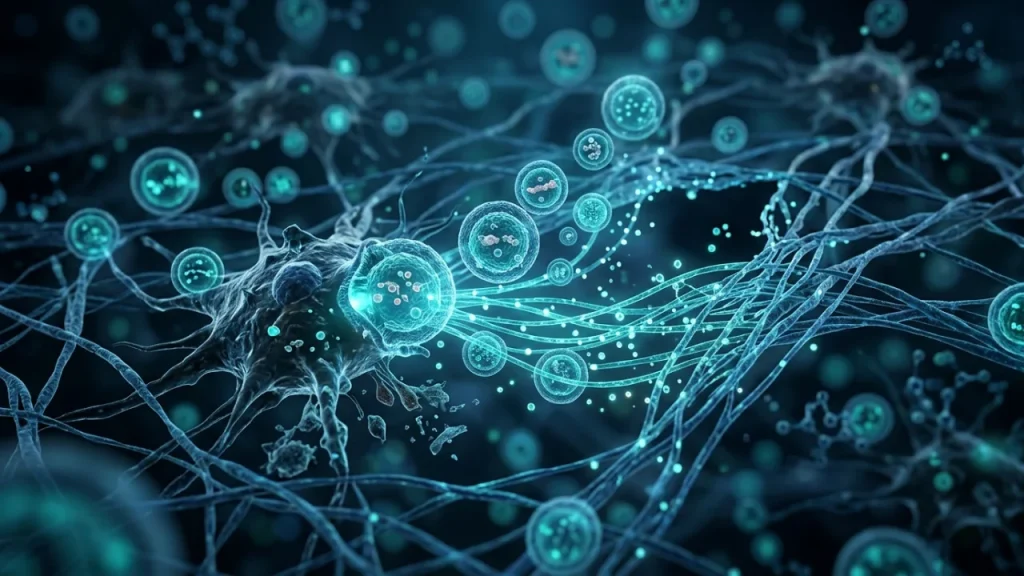
Imagine your body’s cells are like a vast city. They need to talk to each other constantly. They send urgent updates and detailed instructions. But they don’t use phones or emails. They use exosomes. Exosomes are incredibly tiny messengers. They are produced by nearly every cell type in your body.
These messengers are not simple signals. They are complex packages. Each exosome is a microscopic bubble, or vesicle. It is loaded with a precise cargo from its parent cell. This cargo can include proteins, lipids, and genetic material like RNA. Think of it as a sealed envelope containing blueprints and tools.
The journey of an exosome is deliberate. A cell releases these vesicles into the spaces between cells. They travel through bodily fluids like blood or tissue fluid. Then they find a target cell. The exosome delivers its cargo directly into that target cell. This process changes the target cell’s behavior. It is a direct form of biological communication.
This system is crucial for health. Your cells use exosomes for many vital tasks. They help coordinate immune responses. They aid in tissue repair after an injury. They also remove unwanted cellular waste. This communication keeps your tissues functioning smoothly.
The content of the message matters greatly. A healthy skin cell might send exosomes telling neighboring cells to make more collagen. A stressed cell might send signals for help. The cargo defines the instruction. This is where the science gets powerful. We can study what these natural packages contain.
Researchers now understand this native delivery system. They see its potential for healing. By harnessing exosomes and growth factors, we tap into the body’s own language. This is not introducing foreign chemicals. It is amplifying the precise signals your skin already knows.
The impact of these tiny vesicles is enormous. A single exosome can alter a cell’s function. Billions of them are working in your body right now. They maintain balance and promote renewal. Disruptions in this messaging can contribute to aging or disease.
Understanding this sets the stage for the next piece. Exosomes are one part of a powerful duo. Their natural partnership with other signaling molecules is key. This partnership drives targeted, intelligent repair in dermatology.
The synergy between exosomes and growth factors represents this advanced approach. Exosomes can carry and protect growth factors. They can also make target cells more receptive to them. This combination creates a coordinated regeneration signal. It is far more effective than a single molecule alone.
Scientists focus on the specific contents of beneficial exosomes. They identify which cargo combinations yield the best results for skin rejuvenation. This research aims to replicate and enhance nature’s own processes. The goal is precise, natural-looking restoration.
Your skin’s cells already use this technology every day. They constantly send and receive these microscopic packages. Advanced dermatology seeks to support and optimize this innate system. It works with your biology, not against it.
This foundational knowledge changes how we view skin care. It moves from simply applying surface treatments to influencing cellular dialogue. The future lies in understanding these complex conversations. Then we can help guide them toward healthier, more resilient skin.
Growth Factors Explained: Nature’s Repair Signals
Growth factors are tiny protein messengers. They carry specific instructions from one cell to another. Their main job is simple. They tell cells to grow, divide, and make new materials. Think of them as a construction foreman at a worksite. The foreman does not lay bricks himself. Instead, he directs the crew to start building, move materials, and work faster.
Your body produces many types of growth factors naturally. Each one has a special task. Some factors specifically tell skin cells to multiply. Others command cells to produce fresh collagen or elastin. These are the fibers that give skin its firmness and bounce. Another type might instruct cells to form new blood vessels. This brings oxygen and nutrients to heal a wound.
The process starts with a signal. Damage to the skin, like a cut or sun exposure, creates this signal. Nearby cells then release growth factors into the space between cells. These proteins travel until they find a target cell with the right lock. They bind to a receptor on the cell’s surface. This binding is like a key turning in a lock.
It triggers a chain reaction inside the target cell. The cell gets the message loud and clear. It then springs into action based on the instruction. The cell might begin copying its DNA to prepare for division. It might start synthesizing new proteins to repair damage. This is how a scrape on your knee heals from the inside out. Growth factors manage the entire repair project.
Without these signals, healing would not happen. Cells would sit idle without direction. Chronic wounds often have low levels of needed growth factors. The communication line is broken. This shows their vital role in daily maintenance and repair.
Their partnership with exosomes is powerful. Exosomes can carry and protect these delicate protein signals. This protects growth factors from breaking down in the harsh environment between cells. Exosomes deliver them directly to the recipient cell’s door. This makes the message more efficient and potent.
Scientists have identified key growth factors important for skin health. – EGF (Epidermal Growth Factor) prompts skin cells to multiply and migrate. – FGF (Fibroblast Growth Factor) helps produce collagen and new blood vessels. – TGF (Transforming Growth Factor) also aids in collagen formation and tissue remodeling. – VEGF (Vascular Endothelial Growth Factor) builds new capillaries for better nutrient delivery.
These are not foreign chemicals. They are native to your biology. Advanced dermatology studies how to support this natural signaling system. The goal is to provide clear, targeted instructions to aging or damaged skin. It tells your skin’s own cells to activate their renewal programs.
This is why the synergy between exosomes and growth factors is so promising. It amplifies your body’s innate language of repair. Understanding this language allows us to care for skin at its most fundamental level. Next, we will see how this partnership is applied in modern science for tangible results.
Why Combining Exosomes and Growth Factors Creates Synergy
Think of a single growth factor as a vital instruction. It is a message telling a skin cell to act. Now imagine that message written on delicate paper. Sending it alone is risky. It could get lost, torn, or ignored. Exosomes act as a protective courier for these instructions. They are tiny, durable capsules made by your own cells. This partnership creates a synergy where the whole is greater than the sum of its parts.
The synergy between exosomes and growth factors works on several levels. First, it is about protection. The space between cells is a busy, harsh environment. Enzymes there can break down naked growth factors quickly. An exosome shields its cargo. It keeps the growth factor intact until it reaches the target cell. This ensures the message arrives complete.
Second, it is about precision delivery. An exosome has surface markers. These act like a zip code or an address label. They guide the vesicle to the correct recipient cell. A fibroblast gets a different signal than a keratinocyte. This targeted approach reduces waste. It makes the biological signal much more efficient.
Third, exosomes do more than just deliver mail. They can prime the recipient cell to listen. They make the cell more receptive to the incoming growth factor message. This is like the courier knocking on the door and ensuring someone is home to receive the package. The cell’s response becomes stronger and more coordinated.
Consider wound healing as a real example. The process requires perfect timing. Different cells must act in a specific sequence. Growth factors direct this sequence. – First, inflammation must be controlled. – Then, new skin cells must multiply and cover the gap. – Next, collagen must be laid down for strength. – Finally, new blood vessels must form to feed the new tissue.
Using growth factors alone can be messy. Signals might arrive out of order or degrade too fast. But when exosomes deliver them, the timing improves. The protected signals are released in a controlled way. They hit the right cells at the right time. This orchestrates the entire repair process smoothly.
This synergy also matters for aging skin. Aging cells become lazy and deaf to signals. They produce fewer growth factors and exosomes. Applying both together can jump-start the system. The exosomes can rejuvenate cellular communication pathways. The growth factors provide clear instructions. Together, they tell old skin cells to behave like younger ones again.
The combined effect is not just additive; it is multiplicative. One study showed that exosomes loaded with specific growth factors could increase collagen production by skin cells significantly more than either component alone. The exosomes enhanced the cells’ ability to interpret and act on the growth factor’s command.
Why should you care about this synergy? Because it mirrors how your body works at its best. Your healthy skin already uses this system every day. Advanced dermatology aims to restore this natural, efficient dialogue when it falters. It is about giving your skin the complete toolkit it needs for optimal repair, not just one part of it.
This powerful combination sets the stage for practical applications. Knowing how they work together allows scientists to design better solutions for skin renewal and healing.
The Shift from Surface Treatment to Cellular Communication
For decades, skin care focused on the surface. Creams added moisture. Acids removed dead cells. Treatments often addressed what you could see and feel directly. This is like cleaning up a messy room without fixing the person making the mess. The results were temporary. The root cause remained untouched.
The new approach is different. It targets cellular communication. Your skin’s health depends on millions of tiny conversations between cells. These conversations control everything. They tell cells when to make collagen. They order repair after a sunburn. They manage inflammation. When this communication breaks down, skin problems begin.
Think of a busy city. Traffic lights and radios keep everything moving. In your skin, molecules like growth factors act as the messages. They are the “what” to do. Exosomes act as the delivery system. They are the protected envelopes and precise addresses for those messages. A breakdown in either part causes chaos.
Traditional methods just added more messages (growth factors) to the noise. But what if the delivery system is broken? What if cells stop listening? The messages get lost or ignored. This is why simply applying a single ingredient often fails. The cellular network cannot process it correctly.
Modern science aims to fix the network itself. This is the shift. We are moving from surface treatment to cellular communication repair. The goal is to restore the skin’s own innate ability to heal and maintain itself. It is a systems-level approach.
Why does communication fail with age or damage? – Cells become less responsive. Their receptors for signals can wear out. – They produce fewer communication vehicles, like exosomes. – The signals they do send can become corrupted or weak. – The extracellular environment gets cluttered, blocking message pathways.
Fixing this requires a dual strategy. You must provide clear instructions and also restore the means to send and receive them. This is where the combined use of exosomes and growth factors becomes critical. It is not just adding ingredients. It is providing a complete communication toolkit.
This shift changes how we think about results. Instead of just temporary plumping, we aim for sustained cellular activity. Outcomes improve because you are supporting a biological process, not overriding it. The skin begins to function better on its own.
The evidence for this approach comes from how cells naturally behave. Healthy young skin has a vibrant exchange of exosomes and growth factors. Replicating this synergy externally mimics peak biological function. It is about giving skin back its native language.
This foundational understanding leads us to a key question. How do we actually harness this powerful synergy in a practical and safe way? The next step is to look at the science behind sourcing and preparing these biological tools for dermatological use.
How Exosomes and Growth Factors Work Together in Your Skin
The Molecular Dance: Exosomes Delivering Growth Factor Messages
Think of a growth factor as an important instruction. It is a protein that tells a cell to do something specific. It might say “divide now” or “make more collagen.” But this instruction has a problem. On its own, it is not very precise. It can float away. It can break down quickly. It might not reach the right cell.
This is where exosomes become essential. They are tiny biological delivery vehicles. Cells create them naturally. An exosome is like a sealed envelope or a secure capsule. Its lipid membrane protects the precious cargo inside. This cargo can include growth factors, along with other important molecules like RNA.
The process is a finely tuned collaboration. It starts inside a healthy, signaling cell. – First, the cell produces growth factors and other signaling molecules. – These molecules are carefully packaged into forming exosomes. – The cell then releases these loaded exosomes into the space between cells.
Now the exosome has a mission. It navigates the extracellular environment. It does not travel at random. Exosomes carry address labels on their surface. These are proteins and lipids that act like ZIP codes. They match receptors on the surface of specific target cells.
When the exosome finds the right cell, they dock together. The exosome membrane fuses with the target cell’s membrane. It delivers its cargo directly into the cell’s interior. This is direct, protected delivery. The growth factor message arrives intact and is immediately available.
This partnership solves major communication problems. – It protects fragile growth factors from degradation. – It ensures the signal goes only to the intended recipient cells. – It allows for a complex, multi-part message in one package.
The result is high-fidelity signaling. The target cell gets a clear, strong instruction. It is not a weak or corrupted signal. This precision leads to an accurate biological response. The cell might start repairing damaged tissue. It might begin synthesizing new structural proteins.
The synergy between exosomes and growth factors is therefore functional and necessary. Exosomes are not just another ingredient alongside growth factors. They are the critical delivery system that makes growth factor therapy work effectively. One provides the instruction. The other provides secure, targeted delivery.
Without this system, instructions get lost. With it, cellular communication reaches its peak efficiency. This molecular dance explains why combining these elements is so powerful in dermatology. It mirrors how your healthiest skin cells naturally operate.
Understanding this delivery mechanism leads to the next practical question. How do we source these sophisticated biological tools for safe use in skin treatments?
Activating Fibroblasts: The Collagen Production Engine
The skin’s strength and bounce come from its collagen framework. Fibroblasts are the cells that build this framework. They live in the dermis, the skin’s deeper layer. These cells constantly make new collagen proteins. They also break down old, damaged ones. For healthy, youthful skin, production must outpace breakdown. This balance is controlled by signals. Fibroblasts need clear instructions to ramp up their collagen factories.
This is where the partnership of exosomes and growth factors enters the scene. Think of a fibroblast as a quiet workshop. The exosome is a secure courier. It arrives at the workshop’s door, which is a receptor on the cell’s surface. The exosome membrane fuses with the fibroblast’s membrane. It delivers its cargo directly inside. This cargo includes specific growth factors. One key player is often TGF-β, or Transforming Growth Factor Beta.
The delivered growth factor is now inside the target cell. It does not act alone. It moves to the cell’s nucleus. The nucleus is the command center holding all DNA blueprints. The growth factor binds to specific spots on the DNA. This binding acts like a switch. It turns on genes for collagen production.
The activation process is precise and multi-step. – First, the signal activates the fibroblast’s protein-making machinery. – Next, the cell assembles long chains of amino acids. These are procollagen molecules. – These molecules are then shipped outside the cell. – Finally, enzymes trim these molecules. They link them together into strong, mature collagen fibers.
This entire sequence relies on a high-fidelity signal. A weak or degraded message would not trigger it effectively. The protected delivery by exosomes ensures the growth factor signal is strong and complete. The fibroblast receives a full set of instructions, not just a partial note.
The result is a net increase in fresh, healthy collagen. More collagen fibers are woven into the skin’s support network. This improves several visible qualities. – Skin gains firmness and tensile strength. – Fine lines may appear softened as the foundation is plumped. – The skin’s overall architecture becomes more resilient.
This process mirrors natural, youthful skin behavior. In young skin, efficient cellular communication maintains robust collagen levels. As we age, this signaling becomes less efficient. Messages get lost or corrupted. Fibroblasts become less responsive. Providing a clear signal via exosomes and growth factors can help recalibrate this system. It encourages fibroblasts to return to a more active state.
The activation is not a one-time event. It initiates a positive cycle. New collagen improves the extracellular environment. This healthier environment better supports fibroblast function itself. The cells can then respond more effectively to future signals.
Understanding this engine leads to a new question. How do we ensure this sophisticated process is both safe and effective when applied in clinical treatments?
Modulating Inflammation: Calming the Skin’s Response
Inflammation is your skin’s natural alarm system. It is a necessary first step for healing. However, chronic or excessive inflammation causes damage. It can break down collagen and elastin. This disruption hinders the skin’s repair processes. Effective healing requires a balanced inflammatory response.
Exosomes and growth factors are master regulators of this balance. They do not simply shut inflammation off. Instead, they modulate it. This means they help guide the process from start to finish. They ensure the alarm sounds when needed but does not keep blaring.
The communication begins immediately. When skin is stressed, cells send out specific exosomes. These vesicles carry precise instructions to immune cells. The messages can tell immune cells to either mobilize or stand down. This direct cell-to-cell delivery is fast and efficient.
Growth factors play a complementary role here. Certain growth factors, like TGF-β, have dual functions. They can help stimulate tissue growth. They also have potent anti-inflammatory properties. Their effect depends on the context and the signals they accompany.
Together, these messengers coordinate a balanced response. They help resolve inflammation in a timely manner. This resolution phase is critical for true regeneration to begin. Prolonged inflammation keeps the area in a state of chaos. A calm cellular environment is needed for rebuilding.
Think of a construction site after a fire. First, emergency crews must put out the flames and secure the area. This is the inflammatory phase. Then, debris must be cleared away calmly. Only after that can new foundations be laid safely. Exosomes and growth factors help manage all these stages.
The mechanism involves several key actions. – Exosomes can deliver molecules that silence pro-inflammatory genes. – They promote the activity of regulatory immune cells that calm the response. – Growth factors can stimulate blood vessel repair to improve nutrient delivery. – Together, they help clear away cellular debris that can prolong inflammation.
This modulation supports the collagen production described earlier. Inflammation creates enzymes called MMPs. These enzymes cut through existing collagen like scissors. By calming excessive inflammation, exosomes and growth factors help reduce this collateral damage. This protects the skin’s existing support structure.
The result is a more efficient healing pathway. The skin moves faster from a reactive state to a regenerative one. Fibroblasts face less disruptive signals from inflamed tissue. They can then focus on their rebuilding tasks without interference.
This controlled environment also helps with skin sensitivity and redness. Conditions like rosacea involve flawed inflammatory signaling. While not a cure, supporting better cellular communication may help moderate these responses over time. The goal is to improve the skin’s own resilience and calibration.
Ultimately, this function showcases the intelligence of biological signaling. Exosomes and growth factors provide context-aware instructions. They tell the skin not just to rebuild, but also when to stop reacting. This dual action ensures repair is both effective and orderly.
The next logical step examines how these processes translate into tangible clinical outcomes for skin rejuvenation and repair.
Tissue Remodeling: Building Better Skin Architecture
The final stage of healing is not just filling gaps. It is about rebuilding with precision. After inflammation calms, the real construction work begins. This phase is called tissue remodeling. Think of it like rebuilding a house after a storm. First, you clear the damaged debris. Then, you follow a new blueprint to build a stronger structure. Your skin does the same.
Exosomes and growth factors deliver that new blueprint. They send specific instructions to your skin’s fibroblast cells. Fibroblasts are the construction workers. They produce collagen and elastin. These proteins form the skin’s support scaffold. Without clear instructions, this rebuild can be messy. Old, damaged collagen might pile up in disarray. New fibers might form weakly. The goal of advanced signaling is to prevent this mess.
The instructions focus on quality and organization. They guide fibroblasts to produce new, robust Type I collagen. This is the main structural protein in healthy skin. The signals also tell cells to organize these collagen strands. They align them in a strong, woven lattice. This is crucial for strength and elasticity. A haphazard pile of bricks is weak. A well-laid brick wall is strong. The same principle applies to your skin’s architecture.
Elastin production also gets a targeted boost. Elastin fibers give skin its snap-back quality. They let your skin stretch and return to shape. With age and sun damage, these fibers break down. They become fewer and fragmented. Exosomes can carry messages that encourage elastin synthesis. Growth factors support this process. Together, they help restore a more functional elastic network within the dermis.
This coordinated action leads to several clear structural improvements.
- The dermis becomes thicker and denser. More high-quality collagen fills the space.
- The new collagen network is more organized. It resists force better.
- Elastin fibers are replenished and repaired. Skin gains resilience.
- The boundary between dermis and epidermis can become sharper. This improves firmness.
The process is dynamic and continuous. Remodeling is not a one-time event. Your skin constantly breaks down old collagen and makes new stuff. The key is tipping the balance toward high-quality production. Exosomes and growth factors help achieve this favorable balance. They promote synthesis of good materials. They also help regulate enzymes that clean up damaged ones.
The result is a fundamental change in skin quality. Texture improves because the foundation is smoother. Fine lines may soften because the support underneath is plumper. Pores can appear smaller because the surrounding skin is tighter. This is not just surface-level hydration. This is a change in the skin’s deep architecture.
This structural renewal has a direct impact on function. Better-architected skin acts as a more effective barrier. It holds moisture more efficiently. It may better defend against environmental stressors. The skin’s own health creates a positive cycle. A stronger foundation supports better overall cellular function.
Ultimately, tissue remodeling showcases the power of exosomes and growth factors as master coordinators. They do not just stimulate more building activity. They guide a smarter, more organized rebuild. This leads to skin that is not just repaired, but architecturally superior to its previous state. The next consideration is how this internal renewal translates to the visible signs of aging that people see every day in the mirror
Clinical Benefits of Exosomes and Growth Factors in Dermatology
Enhanced Wound Healing: Faster Recovery with Less Scarring
When skin is injured, the body launches a complex repair program. This program can sometimes be slow or messy. It might leave a visible scar. The goal of advanced dermatology is to guide this natural process toward a better outcome. Exosomes and growth factors offer precisely this guidance.
Think of a fresh wound. The body’s first priority is to close the gap quickly. It does this by forming granulation tissue. This tissue is a temporary patch. It is often disorganized and rich in type III collagen. This collagen is weaker and more haphazard than the normal skin’s type I collagen. If the repair process stalls here, or if inflammation is excessive, a permanent scar forms. A scar is essentially a biological shortcut—a patch that works but lacks the original structure and function.
This is where the synergy of exosomes and growth factors becomes critical. They intervene at multiple stages to optimize healing. First, they help control excessive inflammation. Chronic inflammation damages healthy tissue and promotes scarring. Exosomes carry signals that calm overactive immune cells. This creates a cleaner environment for repair.
Next, they dramatically speed up the proliferation phase. Growth factors directly signal to skin cells and fibroblasts to multiply and migrate into the wound bed. Exosomes amplify these signals and deliver the precise blueprints for cellular machinery. This means new tissue forms faster, reducing the window for infection and complications.
The most important action happens during the remodeling phase. This is where scars are made or avoided. Normally, fibroblasts in a wound produce chaotic collagen bundles. Exosomes instruct these fibroblasts to switch to a more organized, regenerative mode. They promote the production of strong, flexible type I collagen. They also regulate enzymes that break down the initial, messy collagen matrix.
The process can be summarized in key steps: – Inflammation is modulated to prevent collateral damage. – Cell recruitment and growth are accelerated. – Blood vessel formation is supported for better nutrient delivery. – Collagen production is guided toward organized, strong networks. – Excessive fibrous tissue is broken down more efficiently.
The clinical result is faster re-epithelialization—the covering of the wound with new skin. Recovery time can be noticeably reduced. More importantly, the final architecture of the healed skin is superior. It closely resembles the original tissue. The likelihood of raised, red, or sunken scars is greatly diminished.
This approach is particularly relevant for post-procedural recovery. After laser treatments or chemical peels, the skin is in a controlled state of damage. Guiding the healing response with these biological messengers can lead to smoother results. It also minimizes downtime and reduces side effects like persistent redness.
Ultimately, enhanced wound healing showcases a shift from passive repair to active regeneration. It is not just about sealing a wound shut. It is about instructing the body to rebuild functional skin. This leads to recovery that is not only faster but also qualitatively better—with minimal scarring and restored integrity. The principles of clean, guided healing naturally extend to another major dermatological concern: combating the chronic signs of aged and photodamaged skin.
Rejuvenating Photodamaged Skin: Repairing Sun Damage
Sunlight leaves a lasting signature deep within your skin cells. Ultraviolet (UV) radiation does more than cause a sunburn. It creates a state of chronic, low-grade damage that builds up over decades. This damage manifests as wrinkles, dark spots, and a loss of firmness. The traditional approach often focused on surface-level exfoliation or generic stimulation. The new paradigm targets the faulty cellular communication at the root of photodamage. Exosomes and growth factors are key to this targeted repair.
Photodamage starts with injured cells. UV rays penetrate the skin and harm the DNA inside keratinocytes and fibroblasts. These stressed cells send out distorted signals. They produce too much of some enzymes and not enough of healthy structural proteins. The result is a breakdown of the skin’s support system. Collagen fibers become fragmented. Elastin fibers degenerate. The skin’s architecture weakens. Delivering functional exosomes and growth factors intervenes directly in this broken conversation.
These biological messengers work to reset the cellular environment. They carry instructions that counter the effects of UV exposure. Their action is multi-faceted and coordinated.
- They downregulate destructive enzymes. Certain enzymes, like collagenase, break down healthy collagen. Exosomes can carry signals that tell cells to produce less of these harmful enzymes.
- They upregulate protective proteins. They stimulate the production of the skin’s natural antioxidants. This helps neutralize free radicals left over from sun exposure.
- They restore fibroblast function. Dormant or damaged fibroblasts are reactivated. This leads to renewed synthesis of fresh, healthy collagen and elastin.
- They help normalize pigment production. Signals can be sent to melanocytes to reduce uneven, clustered melanin output. This addresses hyperpigmentation and sun spots at a cellular level.
The process is not about adding a foreign substance. It is about providing the correct instructions your own cells have forgotten how to send. Think of a photocopier making faded, blurry copies for years. Exosomes and growth factors deliver the original master template. Cells can then start producing clear, high-fidelity copies again. The repair happens from the inside out.
Clinical improvements reflect this foundational change. Skin texture becomes smoother as new collagen plumps fine lines. Elasticity improves as the elastin network is partially restored. Hyperpigmentation can fade as melanocyte activity becomes more even. The skin often gains a more uniform tone and luminosity. This occurs because cellular health and communication are being restored. The results are not just cosmetic masking. They represent a genuine shift toward a healthier skin state.
This approach is particularly powerful because it addresses cumulative damage. A single treatment can initiate a corrective signaling cascade. The effects can compound over time with consistent use. The goal is to move the skin’s biology backward, toward a more youthful functional state. It is a strategy of cellular rejuvenation rather than superficial camouflage.
The logic of using precise biological signals thus extends from acute wounds to chronic damage. The same principles of guided, intelligent communication apply. The target simply changes from a fresh injury to decades of solar assault. Successfully managing photodamage sets the stage for the most sought-after application in dermatology: proactive, preventative anti-aging to maintain skin vitality long-term.
Anti-Aging Effects: Restoring Youthful Skin Function
Skin aging is not just about wrinkles you can see. It begins with tired cells. These cells communicate poorly and make less of the vital proteins that keep skin firm. The combined use of exosomes and growth factors directly targets this cellular fatigue. It sends a powerful reset signal.
Think of an aging skin cell like a factory that has slowed down. Its machinery for making collagen and elastin is not working well. Instructions from the body become faint and unclear. This is where biological signaling makes a dramatic difference. Exosomes deliver fresh instructions and tools to the cellular factory. Growth factors act like supervisors, urgently restarting the production lines.
The results are measurable improvements in skin structure. One key change is increased collagen density. Fibroblasts, the cells that build collagen, become active again. They start producing new, strong collagen fibers. This is not just about adding volume. It is about rebuilding the foundational support grid of the skin. Fine lines smooth out because the structure beneath them is reinforced.
Skin thickness and elasticity also improve. Aged skin often becomes thin and fragile. The network of elastin fibers that allows skin to snap back degrades over time. Growth factors stimulate cells to improve this matrix. The skin can regain a more resilient and supple quality. It feels stronger to the touch.
Another major benefit is improved barrier function. A youthful skin barrier holds moisture in and keeps irritants out. Aging weakens this barrier. Signals from exosomes help keratinocytes, the main barrier cells, organize themselves better. They produce more of the lipids that cement skin cells together. This leads to better hydration and less sensitivity.
The process also enhances the skin’s natural antioxidant defenses. Sun exposure creates harmful molecules called free radicals. Young cells neutralize them easily. Old cells struggle. Exosomes can transfer protective enzymes directly into aging cells. This helps cells defend themselves and reduces ongoing damage.
Here is a summary of the core anti-aging actions: – Reactivating collagen and elastin production in fibroblasts. – Strengthening the skin’s moisture barrier for improved hydration. – Boosting cellular energy and repair mechanisms. – Enhancing the skin’s own antioxidant network. – Promoting healthier turnover of skin cells.
The effects are cumulative and self-reinforcing. As cells behave in a more youthful way, they create a better environment for themselves. Healthier cells send better signals. This creates a positive cycle of renewal. The goal shifts from fixing a single problem to elevating the entire system’s performance.
This restoration of function is what separates this approach from temporary fixes. Fillers add volume from the outside. Botox relaxes muscles. These methods do not change the cell’s behavior. Signaling with exosomes and growth factors changes the cell’s activity itself. The improvements come from within.
Ultimately, this strategy aims to recalibrate the skin’s biological clock. It does not promise to stop time. It seeks to turn back the hands on key functional processes. The outcome is skin that not only looks younger but also acts younger. It is more capable, responsive, and resilient. This functional restoration provides a solid foundation for long-term skin health, seamlessly connecting the repair of past damage to the preservation of future vitality.
Improving Skin Resilience: Building Stronger Barrier Function
A strong skin barrier is your first line of defense. Think of it as a wall made of bricks and mortar. The skin cells (keratinocytes) are the bricks. The lipids that fill the spaces between them are the mortar. When this wall is weak, problems get inside easily. Your skin loses water. Irritants, pollutants, and microbes can enter. This leads to dryness, sensitivity, and inflammation.
Exosomes and growth factors directly instruct the cells that build this wall. They carry specific orders to the skin’s living layers. One key order is to produce more of the right lipids. These are ceramides, cholesterol, and fatty acids. These lipids are crucial for a tight, waterproof seal. A robust lipid layer keeps hydration in and threats out.
The process is active and ongoing. It is not just about adding a temporary coating. The signaling molecules change the cell’s behavior. Keratinocytes receive the signals and ramp up their lipid factories. They also improve their own maturation process. This helps form a denser, more cohesive outer layer of skin. The result is a barrier that is not just repaired but fundamentally rebuilt.
The benefits of a stronger barrier are immediate and long-term. Short-term improvements include a noticeable reduction in transepidermal water loss. Your skin retains moisture better. It feels smoother and looks plumper. Sensitivity often decreases because irritants cannot penetrate as easily.
Long-term resilience comes from this fortified structure. The skin is better equipped to handle daily stress. This includes environmental stressors like UV exposure and pollution. It also includes internal stressors like hormonal shifts. With a strong barrier, these stressors cause less cumulative damage over time. The skin’s inflammatory response remains calmer.
Consider these specific clinical improvements: – Enhanced protection against allergen penetration and subsequent reactions. – Improved management of conditions like eczema and rosacea, where barrier dysfunction is a core issue. – Faster recovery of barrier function after procedures like chemical peels or laser treatments. – A significant increase in skin hydration levels without relying solely on topical moisturizers.
This resilience creates a positive feedback loop. Healthy barrier function supports all other anti-aging processes we discussed earlier. Well-hydrated cells function more efficiently. They communicate better and repair themselves more effectively. A calm, non-inflamed environment allows for optimal collagen production. Therefore, strengthening the barrier is not an isolated benefit. It is a cornerstone strategy that amplifies every other regenerative effort.
Ultimately, building a stronger barrier transforms the skin from a passive surface into an active shield. This functional upgrade means your skin does not just look better—it performs better. It withstands challenges with greater ease. This sets the stage for the next logical focus: how this fortified foundation enables more dramatic visible improvements in texture and tone.
The Science Behind Exosomes and Growth Factors
How Exosomes Cross Cell Membranes to Deliver Cargo
Exosomes are tiny delivery vehicles. Their mission is to transport molecular cargo to specific cells. But they face a major challenge. They must cross the cell’s protective outer membrane. This membrane is a selective barrier. It controls what enters and exits the cell. So how do exosomes get inside?
They do not simply break through. Instead, they use precise biological methods. Think of a secure building. The exosome is a trusted courier. It uses a set of molecular keys to gain entry. The process is elegant and efficient.
One primary method is called membrane fusion. The exosome’s own outer layer merges directly with the target cell’s membrane. It is like two soap bubbles becoming one. When they fuse, the exosome’s cargo is released directly into the cell’s interior fluid. This method delivers the contents quickly and completely.
Another common method is endocytosis. The target cell actively engulfs the exosome. The cell’s membrane folds inward. It wraps around the exosome and pinches off inside. This forms a small internal bubble called a vesicle. The exosome is now inside this bubble within the cell. From there, the exosome can release its cargo.
The choice of method is not random. It depends on signals on the surfaces of both the exosome and the target cell. Proteins and receptors act like identification tags. They ensure exosomes deliver their packages to the right addresses.
This targeted delivery is what makes exosomes so powerful in skin science. They carry growth factors and other healing instructions directly into skin cells. This direct communication triggers a strong regenerative response.
Consider the journey step by step: – An exosome approaches a target skin cell, like a fibroblast. – Surface proteins on the exosome bind to matching receptors on the cell. – This binding signals the cell to start the uptake process. – The cell membrane either fuses with or engulfs the exosome. – The exosome’s cargo of signaling molecules is released inside the cell. – These molecules then alter the cell’s behavior, instructing it to repair or rejuvenate.
This system is remarkably efficient. It avoids waste and minimizes unintended effects on nearby cells. The cargo is protected during transit. It is not degraded or lost along the way.
The synergy between exosomes and growth factors is key here. Exosomes are the delivery trucks. Growth factors are some of the most important packages inside. By ensuring these growth factors reach the cell’s core, exosomes make their action far more effective than topical application alone.
Understanding this mechanism solves a puzzle. It shows how external signals can powerfully change deep cellular activity without damage. The skin’s barrier remains intact while receiving transformative instructions from within.
This precise delivery foundation enables the next stage: how these internal commands translate into visible improvements in skin texture and firmness.
Growth Factor Signaling Pathways in Skin Cells
Growth factors are precise molecular keys. They fit into specific locks on a cell’s surface. These locks are called receptors. When a growth factor binds to its receptor, it sends a signal into the cell’s interior. This is the start of a signaling pathway.
Think of it like a chain reaction. The first signal activates a protein inside the cell. That protein then activates another. This continues until the message reaches the cell’s command center, the nucleus. The nucleus contains our DNA, the blueprint for everything the cell makes.
The final signal tells the nucleus which genes to read. Genes are instructions for building proteins. By switching specific genes on or off, growth factors direct the cell’s activity. They command it to perform new tasks essential for skin health.
Different growth factors trigger different pathways. Each one has a unique role. For instance, one major pathway stimulates collagen production. Collagen is the main structural protein in skin. It provides firmness and strength. Another pathway may tell cells to multiply, aiding in repair. A third might boost elastin or hyaluronic acid synthesis.
Here is a simplified look at a common pathway for skin renewal: – A growth factor like TGF-β binds to its receptor on a fibroblast. – This activates internal messenger proteins called SMADs. – These SMAD proteins travel into the nucleus. – In the nucleus, they attach to specific parts of the DNA. – This attachment turns on genes for making Type I collagen.
The synergy between exosomes and growth factors is critical here. Exosomes protect these delicate signaling molecules. They ensure they arrive intact at the cell membrane. This makes the entire pathway more efficient and reliable. Without protection, many growth factors could break down before delivering their message.
The process is tightly controlled. Cells have built-in systems to turn pathways off. This prevents overstimulation. It ensures that production of new collagen happens only when needed. This natural regulation is a key advantage of using the body’s own communication system.
These pathways do not work in isolation. They form a coordinated network. One pathway can influence another. This creates a balanced response. The cell does not just make collagen. It also makes the enzymes that organize and structure it properly. This leads to functional, high-quality skin tissue.
The result of this signaling is a shift in cellular behavior. Fibroblasts become more active and productive. They transition from a resting state to a regenerative state. This is often called cell activation. The activated cell starts synthesizing and secreting new matrix components.
This internal shift takes time to become visible. Signaling happens within hours or days. But building new proteins and organizing them takes weeks. The skin’s appearance gradually changes as new structure forms beneath the surface.
Understanding these pathways explains why targeted delivery matters. Spraying growth factors on the skin’s surface is inefficient. Many cannot penetrate deeply. Those that do may arrive in a degraded state. Their signal is weak or scrambled.
Exosomes solve this problem elegantly. They deliver a concentrated payload directly to the cytoplasm. This strong, clear signal ensures the pathway activates fully. The cellular response is robust and directed.
This precise internal signaling is the reason for lasting effects. The skin is not just temporarily plumped. It is instructed to rebuild its own foundation. The command comes from within, using the cell’s own machinery.
The next logical question is about outcomes. How do these activated pathways translate into tangible improvements in skin quality and resilience?
The Regenerative Cascade: Step-by-Step Skin Renewal
The regenerative cascade begins with precise delivery. Exosomes fuse with a target cell’s membrane. They release their molecular instructions directly inside. This event is the first domino in a long chain.
The cell receives a coordinated set of commands. These are the exosomes and growth factors working in synergy. Growth factors bind to receptors on the cell surface. Exosome cargo enters the nucleus. Together, they switch key genes from “off” to “on.”
The cell’s machinery awakens. Its priority shifts to protein synthesis. Ribosomes become highly active. They read genetic blueprints and assemble amino acid chains. This creates the raw materials for new skin.
The first new proteins are structural. Collagen type I and III form in large amounts. Elastin production increases significantly. These proteins are the steel and cables of the skin’s support lattice.
The cell does not just make these proteins. It exports them into the surrounding space. This area is called the extracellular matrix. Here, enzymes carefully organize the new fibers.
This organization is critical. Collagen strands cross-link into a strong network. Elastin fibers provide snap-back elasticity. Hyaluronic acid binds water between these structures. The matrix becomes denser and more hydrated.
We can summarize the cascade’s key phases: – Signal Reception: Exosomes and growth factors deliver instructions. – Genetic Activation: Key genes for repair are expressed. – Protein Synthesis: Fibroblasts produce collagen, elastin, and other matrix components. – Matrix Assembly: Enzymes organize new proteins into a functional network. – Tissue Remodeling: Old, damaged fibers are cleared; new structure matures.
This process is not instantaneous. Each phase requires time and energy. Cellular signaling happens within hours. New protein production peaks within days. Matrix remodeling continues for weeks.
Visible changes follow this biological timeline. Week one shows improved hydration and radiance. This is from initial hyaluronic acid production. Week two to four reveals enhanced firmness. New collagen begins to bear weight.
By week six, texture refines noticeably. Fine lines appear softened. The skin’s resilience improves. It bounces back faster from deformation. This reflects a mature, organized matrix.
The cascade is self-limiting and natural. It mimics the body’s own wound healing response. But it is triggered without causing actual injury. The signal is precise and temporary. The cellular activity it starts then continues autonomously.
This step-by-step renewal ensures lasting results. The skin is not filled from the outside. It is rebuilt from within. Each phase logically enables the next. The outcome is authentic tissue regeneration.
The final phase is ongoing maintenance. Newly activated cells have a healthier baseline state. They continue optimal matrix upkeep longer. This explains the persistence of benefits after treatment.
Understanding this sequence demystifies the treatment timeline. It shows why patience yields fundamental change. The skin’s quality transforms through a deliberate biological program.
The next consideration is application: how science harnesses this cascade for consistent clinical outcomes.
Evidence from Research Studies and Clinical Trials
Research provides strong support for using exosomes and growth factors together. A key study in a 2020 journal showed a powerful synergy. Fibroblast cells produced 40% more collagen when treated with both agents versus either one alone. This is not just an additive effect. It is a multiplicative boost.
The evidence comes from multiple study types. Each offers a different piece of the puzzle.
- Laboratory studies on human cells show the direct mechanisms. They prove exosomes deliver growth factor instructions. They also show exosomes protect these signals from breakdown.
- Animal models demonstrate functional repair. Studies on mice with simulated photoaging record measurable dermal thickening. This thickening results from new collagen formation.
- Human clinical trials observe final outcomes. These are often small pilot studies first. They measure improvements in elasticity, hydration, and wrinkle depth over months.
One consistent finding is the reduction of inflammation. Chronic, low-level inflammation damages skin and slows repair. Exosomes carry specific microRNAs that calm this inflammation. This creates a better environment for growth factors to work. Think of it as clearing a construction site before building.
Safety data is also encouraging. Because these components mimic natural signaling, adverse reactions are rare. Most reported side effects are mild. They include temporary redness or slight swelling at application sites. Serious complications are not typical in the published data for topical and needling delivery.
The combined approach solves a historical problem with growth factors alone. Growth factors are powerful but short-lived. They can degrade quickly in the skin’s environment. Exosomes act as natural delivery vehicles. They shield their cargo and target specific cells. This extends the therapeutic window significantly.
Clinical measurements back this up. Instrument data from trials often shows a key trend. Skin firmness and elasticity improvements continue progressing for three months post-treatment. This prolonged effect aligns with the biological cascade timeline. It suggests an activated regeneration process, not just a temporary plumping effect.
Researchers use advanced methods to track results. They perform biopsies to see new collagen under microscopes. They use ultrasound imaging to measure dermal density. They employ corneometers to check hydration levels. This multi-angle data confirms changes are structural and real.
The scientific consensus is growing. Combining exosomes and growth factors leverages innate biology. It enhances the body’s natural repair systems with precision. The evidence points to a coherent strategy. It is effective for skin rejuvenation, wound healing support, and barrier restoration.
This body of research moves the concept from theory to validated practice. It provides a clear rationale for the clinical outcomes patients see. The next logical question is about practical application in a clinical setting.
Practical Applications and Future Directions
Current Uses in Aesthetic and Restorative Medicine
The synergy of exosomes and growth factors is now a clinical tool. Doctors use it for specific patient concerns. Its primary use is in advanced facial rejuvenation. This goes beyond simple wrinkle reduction. The goal is to restore a more youthful skin framework.
Treatments often follow procedures that create controlled micro-injuries. These procedures include laser resurfacing and microneedling. The skin is primed for healing after these treatments. Applying a combined exosome and growth factor solution then guides the repair. This process targets several key issues.
- It accelerates healing and reduces redness after aggressive procedures.
- It improves the formation of new, high-quality collagen.
- It helps restore an even skin tone and healthy glow.
The results are measurable. Patients see shorter recovery times. The final skin quality is often better than with the procedure alone. This approach treats the skin’s structure, not just its surface.
Another major application is scar revision. Both acne scars and surgical scars can be improved. The therapy helps remodel irregular collagen in scar tissue. It encourages the skin to replace stiff scar material with more normal, flexible tissue. Clinical results show gradual softening and flattening of scars over several months. The texture of the skin becomes smoother.
The technology also shows promise for restoring thin, fragile skin. This is common with aging or after prolonged sun exposure. The combined signals instruct cells to rebuild the dermal layer. This improves skin thickness and resilience. Patients report their skin feels stronger and less prone to damage.
Hair restoration is an emerging area of use. Research indicates these biological messengers can awaken dormant hair follicles. They improve the health of the scalp’s skin environment. This creates better conditions for hair growth. Early studies show increases in hair density and follicle strength.
Wound care represents a critical restorative application. For slow-healing wounds, standard treatments sometimes fail. Topical formulations containing exosomes and growth factors can restart stalled healing. They reduce inflammation at the wound site. They also recruit the patient’s own stem cells to the area. This promotes the growth of new blood vessels and tissue.
The practical use of this science is grounded in specific protocols. Medical professionals select high-quality biological components. They apply them using precise methods like micro-point injection or specialized topical delivery after needling. Treatment plans are typically spaced over multiple sessions. This mirrors the body’s natural regenerative cycles.
Safety profiles for these applications are strong. Using the body’s innate signaling molecules minimizes rejection risks. There is a low incidence of adverse reactions when protocols are followed correctly. The effects are gradual and biological, not sudden or artificial.
This breadth of current uses demonstrates a versatile platform technology. It is not a single solution for one problem. It is a method for directing cellular repair across different tissues. The common thread is leveraging precise communication to improve healing outcomes. This established clinical foundation now paves the way for its next evolutionary steps.
Comparing Traditional Approaches to Regenerative Strategies
Traditional dermatology often focuses on managing symptoms or replacing lost structures. Think of it as repairing a wall with plaster. The plaster covers the crack. It looks better for a while. But the underlying weakness remains. Many conventional treatments work from the outside in. They provide a temporary fix.
Regenerative strategies with exosomes and growth factors work from the inside out. They do not simply fill or cover. They instruct. Their goal is to rebuild the wall’s foundation using the body’s own bricks and mortar. This is a core difference. It shifts the goal from management to true biological restoration.
Consider a common issue like fine lines and skin thinning. A traditional approach might use a filler or a topical retinoid. The filler adds volume directly beneath the line. The retinoid increases skin cell turnover. Both have value. Yet they do not fundamentally repair the aged cellular environment that caused the thinning.
The regenerative method addresses this environment directly. It uses signaling molecules to change cell behavior. Exosomes and growth factors carry instructions to older skin cells. They tell these cells to produce more collagen and elastin again. They improve local blood supply. The result is not an implanted substance. It is newly formed, natural tissue.
The timeline of effects also differs sharply. Many conventional treatments offer quick, sometimes immediate, results. These results often need frequent upkeep. The regenerative process is slower and more gradual. It follows the body’s natural pace of cellular renewal. Improvements build over weeks and months. The outcomes can be more durable because they are based on restored function.
Safety and reaction profiles stem from different principles. Traditional treatments can involve foreign substances or aggressive physical disruption. These carry risks of rejection, migration, or adverse immune responses. Regenerative approaches use the body’s innate language. The risk of allergic reaction is very low. The body recognizes these signals as its own.
Let’s look at practical application differences: – A laser treatment removes damaged outer skin layers to stimulate healing. – A regenerative serum after needling sends precise commands to guide that healing. – The laser creates a controlled injury and hopes the body responds well. – The regenerative signals actively direct the quality and speed of the response.
This is not to say one is universally better. They are fundamentally different tools. Traditional methods are excellent for certain structural corrections or rapid changes. Regenerative strategies excel where the goal is long-term functional improvement and tissue quality.
Cost structures reflect this divergence too. A traditional procedure often pays for a device, a surgeon’s skill, or a manufactured product. Investment in regenerative care pays for biological information and precise delivery. It invests in changing the cellular ecosystem.
The future lies in integration, not replacement. The most advanced practices will likely combine these philosophies. A surgeon might use a traditional technique for immediate contour correction. They would then apply regenerative protocols to optimize healing and long-term skin health. This combines architectural change with improved biological foundation.
Understanding this contrast is crucial for setting realistic expectations. It moves beyond asking “what does it do?” to asking “how does it work?” This knowledge empowers better choices in personal skin health strategy, aligning methods with true biological goals rather than temporary appearances. This foundational comparison sets the stage for envisioning where these convergent technologies are headed next.
Safety Considerations and Natural Compatibility
The human body already uses exosomes and growth factors every day. They are not foreign chemicals. Your cells make them for communication. This natural origin is a key safety advantage. The body recognizes its own language.
Think of a synthetic drug as a loud, single command shouted into a crowd. It forces one specific action. This can cause side effects when other systems hear the shout and react poorly. In contrast, exosomes and growth factors work like a nuanced conversation among neighbors. They carry multiple, coordinated instructions that cells are evolved to understand.
The structure of an exosome itself promotes safety. It is a tiny lipid bubble, similar to your cell membranes. This makes it biocompatible. It degrades naturally after delivering its message. There is no permanent synthetic residue left behind.
Precise targeting also reduces risk. These messengers often seek specific cell types. Growth factors bind to receptors like a key in a lock. Exosomes can be directed to certain tissues. This means the signals go where they are needed most. They are less likely to disrupt unrelated organs.
Consider the difference in manufacturing too. Synthetic compounds are built through chemical reactions. These processes can create unintended byproducts. Purifying exosomes and growth factors involves isolating what the body already produces. The goal is to collect clean, natural signals.
Clinical applications prioritize this safety through several steps: – Rigorous screening of the source material for pathogens. – Careful purification to remove any irrelevant cellular debris. – Testing for potency and consistency to ensure a predictable biological effect.
This does not mean zero risk. Any active biological agent requires careful handling. The dose matters greatly. The delivery method is also critical. A skilled practitioner understands how to apply these factors correctly. They consider the patient’s unique biological context.
The future of this safety profile looks toward personalization. Imagine using a person’s own cells to produce their therapeutic exosomes. This autologous approach would maximize compatibility. It would virtually eliminate any chance of immune rejection. Research is actively moving in this direction.
Another future direction involves “smart” exosomes. Scientists are learning to load them with specific cargo. This could guide healing even more precisely. The exosome’s natural homing ability would deliver the cargo right to the target. This combines natural delivery with advanced therapeutic goals.
The core principle remains harmony with human biology. Using exosomes and growth factors supports the body’s innate repair programs. It provides clearer instructions rather than imposing foreign commands. This foundational compatibility makes regenerative strategies a compelling option for sustainable skin health. It shifts the focus from simply suppressing problems to actively encouraging robust, natural function. This biological alignment paves the way for discussing realistic outcomes and the next evolution of treatment protocols.
The Future of Personalized Skin Regeneration
Personalized skin regeneration starts with precise diagnosis. Today, we often treat conditions like aging or scarring as general problems. In the future, analysis will be far more specific. A tiny skin sample could reveal your unique cellular profile. This profile shows your personal levels of key proteins and signals. It maps your distinct inflammatory landscape. This detailed biological snapshot becomes a treatment blueprint.
This blueprint guides the creation of custom therapies. The combination of exosomes and growth factors would be tailored just for you. Think of it like a prescription cocktail. Your specific needs determine the exact mix. For one person, the formula might heavily target collagen rebuilding. For another, it could focus on calming persistent inflammation. The source of these components may also become personal.
Autologous sourcing is a key goal. This means using your own cells. A small fat or blood sample could be collected. Your own cells would then be cultured to produce therapeutic exosomes. These exosomes are inherently yours. Your immune system recognizes them perfectly. This eliminates rejection risk entirely. It also ensures the messengers speak your body’s exact biological dialect.
The treatment process itself will become adaptive. It will not be a single, static procedure. Instead, it will involve ongoing monitoring and adjustment. – First, an initial diagnostic panel establishes your baseline. – Next, a tailored first treatment is applied using your personal formula. – Then, follow-up non-invasive scans track molecular changes in the skin. – Finally, the subsequent treatment formula is adjusted based on this feedback.
This creates a true cycle of regeneration. Treatment informs diagnosis, which then refines the next treatment.
Technology will enable this precision. Wearable sensors could track local skin hydration and barrier function daily. Advanced imaging might visualize collagen density changes over weeks. Artificial intelligence would analyze all this complex data. It would help predict how your skin is likely to respond to different combinations of exosomes and growth factors. The practitioner uses these insights to make informed choices.
The ultimate aim is predictive and preventive care. Personalized regimens could begin before significant damage or aging appears. By understanding your genetic and cellular predispositions, proactive support can strengthen your skin’s inherent resilience. This shifts medicine from fixing problems to maintaining optimal function over a lifetime.
The path forward integrates deep diagnostics with modular biology. We are moving toward a model where therapy is dynamic, responsive, and fundamentally designed for one person at a time. This logical next step transforms biological alignment from a broad concept into a concrete, individual experience.
Harnessing Your Body’s Intelligence for Optimal Skin Health
Key Takeaways About Exosomes and Growth Factors
Exosomes and growth factors are natural messengers in your body. They are not synthetic chemicals. Your own cells create them every day. These tiny particles carry vital instructions for repair and renewal. Think of them as a cellular communication network. This network maintains healthy skin function.
Exosomes are incredibly small vesicles. They are about one-thousandth the width of a human hair. Cells release them into their environment. These vesicles carry a precise cargo of proteins, lipids, and RNA. This cargo can reprogram the behavior of other cells nearby. For example, a fibroblast cell in your skin can release exosomes. These exosomes can then signal to an inflamed cell to calm down. They can also tell an older cell to boost its energy production.
Growth factors are specialized proteins. They act like master switches for cellular activity. They bind to specific receptors on a cell’s surface. This binding triggers a cascade of events inside the cell. The result is often increased collagen production or faster cell turnover. Growth factors work best when they are part of a coordinated signal.
The true power emerges from their synergy. Exosomes and growth factors work together in a powerful partnership. Exosomes can deliver growth factors directly to target cells. More importantly, exosomes can make target cells more receptive to growth factor signals. They prime the cellular environment for a stronger, more effective response. This synergy creates a regenerative loop that is greater than the sum of its parts.
Key takeaways about their function include: – They are target-specific. Exosomes have addressing systems that guide them to certain cell types. – They are multi-functional. A single exosome can carry instructions for reducing inflammation, promoting healing, and stimulating new tissue growth all at once. – Their activity is temporary and natural. They do their job and are then cleared by the body, avoiding long-term accumulation. – Their production declines with age. This decline is a key reason skin loses its natural repair capacity over time.
Harnessing this biological intelligence means working with your body’s own language. Advanced dermatology now focuses on applying these messengers strategically. The goal is to restore youthful levels of communication between your skin cells. This approach supports the skin’s inherent ability to heal itself from within.
The future of skin health lies in understanding these complex conversations. By leveraging the innate synergy of exosomes and growth factors, treatments can become more precise and natural. This foundational knowledge empowers you to see your skin not as a passive surface, but as a living, intelligent system ready for supportive dialogue.
How This Knowledge Empowers Your Skin Care Decisions
Understanding the synergy between exosomes and growth factors changes how you evaluate advanced skin treatments. You move beyond just looking at ingredients. You start to assess a treatment’s biological intelligence. This knowledge empowers you to ask better questions. You can seek treatments that work with your skin’s own language.
Think of your skin as a network. Young skin has a strong, clear communication network. Cells send and receive signals efficiently. Aging and damage weaken this network. Messages get lost or ignored. Effective treatments should aim to restore this communication. They should not just add a single substance. The goal is to reboot the entire system.
When considering any advanced procedure, apply these three criteria. First, look for a dual-action approach. Does the treatment address both signal sending and signal receiving? A product might contain growth factors. But without proper delivery, their message may not get through. The ideal strategy uses messengers to prime cells. Then it delivers growth factors for a stronger effect.
Second, prioritize specificity and safety. Natural exosomes are target-specific and temporary. Ask about the source and preparation of any biological components. Understand how they are designed to act. Your body’s own repair processes are precise. Your treatments should mimic that precision. Avoid approaches that cause generic, uncontrolled stimulation.
Third, consider the treatment’s goal. Is it a one-time correction or ongoing support? The synergy of exosomes and growth factors supports the skin’s inherent repair mechanisms. This leads to more sustainable results. The effect builds from within your skin’s biology. It is not just a temporary surface change.
Your skin care decisions should reflect this systems-based view. For example, protecting your skin barrier is crucial. A healthy barrier allows better cellular communication. Using antioxidants supports this internal network. They protect the signaling cells from damage. Your daily routine sets the stage for any advanced treatment to work better.
This perspective helps you identify truly innovative science. It filters out marketing hype. You can focus on protocols that leverage your body’s innate intelligence. The most promising advances do not force your skin to change. They give your skin the tools to heal itself.
Ultimately, this knowledge shifts your role from passive patient to active participant. You collaborate with your dermatologist on a deeper level. You discuss strategies for enhancing cellular dialogue. You understand that optimal skin health is about supporting a process, not just achieving a single outcome. This approach leads to decisions that are both smarter and more aligned with your skin’s natural biology. The future of personalized care relies on this empowered understanding.
The Transformative Potential of Cellular Communication
The human body sends over one hundred billion cellular messages every second. This constant chatter is not random noise. It is a precise biological language. Exosomes and growth factors are key words in this vocabulary. They carry instructions for repair and renewal. Their potential extends far beyond dermatology.
Consider a healing bone fracture. The repair site becomes a hub of activity. Mesenchymal stem cells rush to the area. They release exosomes packed with specific instructions. These vesicles tell blood vessels to grow. They signal bone-building cells to multiply. They even calm inflammation. This coordinated effort relies on clear cellular communication. Disrupt this dialogue, and healing slows or fails.
The same principles apply to heart muscle after a minor attack. Cardiomyocytes, our heart muscle cells, release exosomes. These vesicles can promote new blood vessel formation. They help surviving cells strengthen their connections. This process is called angiogenesis. It is vital for restoring oxygen supply. Growth factors work alongside exosomes here. They provide the direct signals for cells to divide and migrate.
This science reveals a new medical paradigm. The focus shifts from just treating symptoms to restoring dialogue. Many chronic conditions involve broken communication. Autoimmune diseases are a prime example. Here, the immune system attacks the body’s own tissues. Research shows exosomes from certain cells can carry peace messages. They can retrain immune cells to stop their attack.
The implications for wellness are equally profound. Our lifestyle choices directly influence this cellular network. – Chronic stress floods the system with cortisol. This hormone can scramble normal cellular signals. – Poor sleep disrupts the nightly release of repair factors. – A diet rich in antioxidants protects exosomes and their precious cargo during transit. – Regular, moderate exercise boosts the release of beneficial exosomes from muscle.
Each choice tunes the clarity of your body’s internal conversation.
The transformative potential lies in precision. Old approaches often broadcast general signals. Think of a strong anti-inflammatory drug. It affects the entire body. Cellular communication is targeted and local. Exosomes from skin cells primarily talk to other skin cells. Liver cell exosomes prefer liver cells. This specificity reduces side effects. It increases treatment efficiency.
Future applications are being explored in neurology. Scientists study how neuron-derived exosomes could aid brain repair. They might help in conditions like Alzheimer’s or after a stroke. The vesicles could deliver growth factors directly across the blood-brain barrier. This barrier normally blocks most drugs.
The synergy of exosomes and growth factors offers a powerful toolkit. It is a toolkit borrowed from our own biology. This marks a move from external intervention to internal support. The goal becomes empowering the body’s innate intelligence for systemic health.
Understanding this transforms your view of health entirely. You see your body as a dynamic, communicating network. Optimal health is then about maintaining clear signals across all systems. Skin vitality becomes one visible indicator of this deeper, ongoing conversation.
Next Steps in Your Journey to Better Skin Health
Your skin’s health reflects your body’s internal communication. You now understand this vital dialogue. The synergy of exosomes and growth factors is your body’s natural repair language. You can learn to support this process actively. This involves both daily choices and informed decisions about advanced care.
Start by auditing your daily environment. Your skin cells constantly respond to their surroundings. Common aggressors can disrupt cellular signals. These aggressors generate misleading messages. Think of chronic inflammation as constant background noise. It makes clear communication difficult.
Focus on reducing this interference. Key steps are straightforward and powerful. – Protect against ultraviolet radiation. Use a broad-spectrum sunscreen daily. UV light directly damages skin cell DNA. This forces cells into a stressed state. – Minimize exposure to pollution and particulate matter. Consider using an air purifier indoors. Pollutants can generate free radicals. These radicals overwhelm the skin’s antioxidant systems. – Manage chronic stress through proven techniques. Meditation and quality sleep are critical. Stress hormones like cortisol can alter exosome cargo. They can shift messages from repair to inflammation.
Your nutritional foundation directly supplies building blocks. Cells need specific raw materials to produce optimal exosomes and growth factors. Incorporate these nutrients deliberately. – Omega-3 fatty acids from fish or flaxseed support cell membrane health. Flexible membranes are essential for exosome release and fusion. – Polyphenols from colorful berries and green tea provide antioxidant defense. They help protect the signaling cargo during transit. – Vitamin C is a co-factor for collagen synthesis. It also influences exosome-mediated repair pathways.
Consider professional treatments that leverage this science. The field of regenerative aesthetics is growing rapidly. Look for clinicians who understand cellular communication principles. Treatments should aim to support your biology, not just ablate tissue.
Ask informed questions during consultations. This is your most important tool. – Inquire about the source and preparation of any biologic material discussed. – Ask how a proposed procedure aims to modulate your local growth factor environment. – Request information on how treatment supports long-term skin homeostasis, not just a temporary fix.
Monitor your skin’s response as data. Your skin will tell you if its communication network is improving. Look for signs of better resilience and faster recovery. Notice if irritation decreases over time. These are indicators of clearer cellular signaling.
Patience is fundamental. You are tuning a biological system, not applying a paint coat. Results manifest over weeks and months. This timeline matches your skin’s natural renewal cycle. Consistent, supportive habits compound in their effect.
Your next step is to create a personal plan. Combine protective habits, targeted nutrition, and professional guidance. This integrated approach aligns with your body’s innate intelligence. It leverages the powerful synergy of exosomes and growth factors from within. You become an active participant in sustaining your skin’s health dialogue for the long term.