
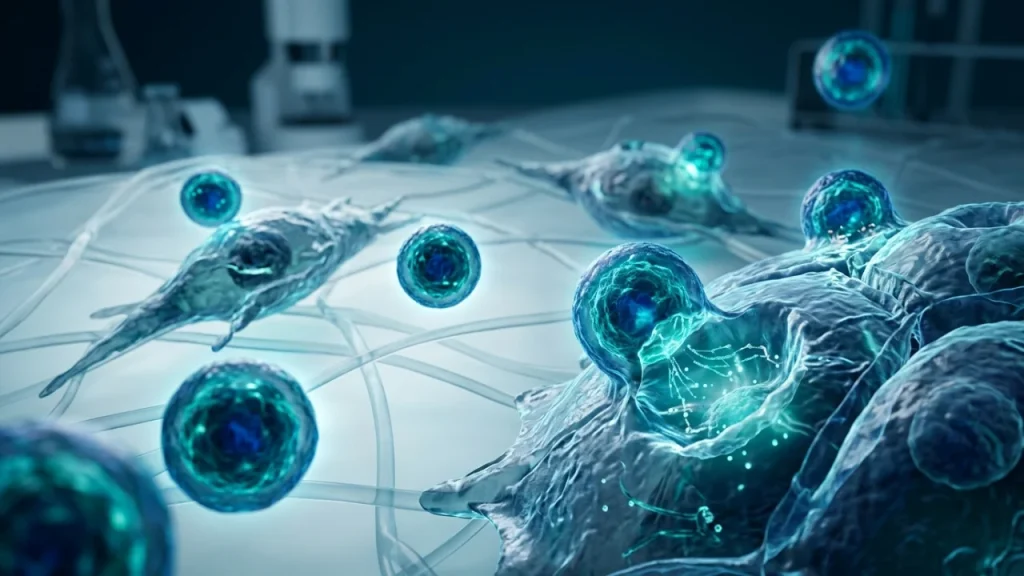
What Are Exosomes and Why Should You Care About Them?
Understanding Exosomes as Tiny Cellular Messengers
Imagine your body’s cells are like a vast city. They need to talk to each other constantly. They send messages to coordinate repairs, sound alarms, and share resources. Exosomes are their tiny, sophisticated mail system. These are incredibly small bubbles, or vesicles, released by nearly every cell type in your body. They travel through your bodily fluids. Think of blood or spinal fluid as the city’s transportation network.
Each exosome carries a precious cargo. This cargo is a snapshot of the cell that created it. The contents include proteins, lipids, and genetic instructions like RNA. This is not random junk. It is carefully selected information. A skin cell will pack different signals than a brain cell. The exosome delivers this package to a target cell. It fuses with the target cell’s membrane or gets absorbed. The message is delivered. The recipient cell then acts on these new instructions.
This system is vital for health. It allows for precise, local communication without confusion. Here is what exosomes help manage in your skin: – They trigger repair processes after an injury. – They control inflammation, telling immune cells to calm down or act. – They support the structure by signaling for new collagen. – They carry antioxidants to combat daily damage from the sun and environment.
The power lies in their natural origin and targeting ability. Unlike synthetic drugs, your body already makes these vesicles. They are biocompatible messengers. Scientists are fascinated by their role in disease too. For example, cancer cells send out many more exosomes than healthy ones. These vesicles can carry signals that help tumors grow and spread. This shows their dual nature. They can be forces for healing or tools for disease.
Understanding this messenger role is the first step. It explains why exosomes in dermatology hold such promise. If we can harness these natural signals, we could guide skin healing with incredible precision. We could tell old cells to behave like young ones. We could reduce scarring by managing the repair process better. The potential stems from working with your body’s own language.
The next question is how we collect and use these powerful tools. They are not made in a factory. They come from living cells grown in controlled labs. This process ensures safety and concentration. Scientists learn from the body’s own design to create new paths for skin renewal and health. The journey from a cellular message to a treatment starts with recognizing these tiny vesicles as essential communicators.
How Exosomes Differ from Other Skin Treatments
Exosome treatments work from the inside out. Most skin treatments you know act from the outside in. This is the core difference. Consider a common anti-aging cream. It contains active ingredients like retinoids or peptides. These molecules sink into the top layers of your skin. They interact with cells there. They can encourage collagen production. However, their effect is often a direct chemical signal. The message is simple and one-way.
Exosome therapy is fundamentally different. It does not rely on a single chemical. Instead, it delivers a complex library of natural instructions. These instructions come packaged in tiny vesicles. Your skin cells recognize these vesicles as friendly messengers. The cells absorb them. Inside, the exosome’s cargo gets to work. It can turn on multiple repair genes at once. It can adjust inflammation with nuance. This process mirrors how your own cells communicate during perfect healing.
Think about other popular procedures. Injections like fillers add physical volume beneath wrinkles. They are like placing a cushion under a rug. The result is immediate but static. The filler material does not instruct your cells to make more collagen. Laser treatments work by causing controlled damage. The heat from the laser injures skin layers. Your body then heals this damage, hopefully with newer-looking skin. These methods rely on an external force or substance.
Exosomes represent a third path. They are neither a foreign substance nor a damaging force. They are informational therapy. Their goal is to restore your skin’s own optimal communication network. As we age or face sun damage, this network gets noisy. Signals get lost or confused. Healing becomes less efficient. Exosome therapy aims to reduce this noise. It delivers a clear set of instructions to recalibrate the system.
The implications for safety and results are significant. Synthetic drugs or foreign materials can cause reactions. The body may see them as invaders. Exosomes, when properly prepared, are native guides. They speak the language your cells already understand. This biocompatibility is a major advantage in dermatology. It means the therapy works with your biology, not against it or simply beside it.
Results also follow a different pattern. You do not get an instant plumping effect like with filler. The changes are gradual and biological. Cells begin to function better. They may produce higher-quality structural proteins over weeks. Inflammation may resolve more smoothly after a procedure, potentially reducing downtime. The outcome is not just a changed appearance but potentially improved skin function.
- Conventional treatments often supply a product or create an injury.
- Exosome treatments supply a program and support intelligent repair.
This shift is why exosomes in dermatology are more than just another product. They are a tool for cellular education. They represent a move towards treatments that harness the body’s innate intelligence for regeneration. The focus changes from merely correcting a symptom to upgrading the underlying cellular processes that maintain health.
Understanding this distinction clarifies their unique promise. The next logical step is to see this principle in action for specific skin concerns, from aging wounds to pigmentation issues, where restored cellular dialogue can make a profound difference
The Key Components Inside Exosome Cargo
Think of an exosome as a tiny, intelligent delivery capsule. Its power comes entirely from what it carries inside. This cargo is not random. It is a carefully selected package of biological instructions and tools. Cells load exosomes with these molecules for a clear purpose: communication.
The cargo has three main parts. These are proteins, lipids, and genetic material. Each part has a different job. Together, they tell a skin cell how to behave.
First, proteins are the workhorses. They can be enzymes, signals, or building blocks. An exosome might carry growth factor proteins. These act like direct commands. They tell a target cell to multiply or to produce more collagen. Other proteins might act as keys. They help the exosome dock onto a specific cell type. This ensures the message gets to the right address.
Second, lipids form the exosome’s outer membrane. This is not just a simple bubble. The lipid makeup is special. It protects the precious cargo during its journey through tissue. It also helps the exosome fuse with a target cell. Think of it like the envelope of a letter. The right envelope ensures safe delivery and easy opening.
Third, and perhaps most powerful, is the genetic material. This includes microRNAs and other RNA types. These are not full genes. They are short strands of genetic code. They function like master switches or volume knobs for cell activity.
For example, a microRNA might latch onto a specific message inside a skin cell. This message could be for an inflammatory protein. The microRNA silences it. This effectively turns down inflammation. Another RNA strand might protect a message for collagen production. This turns that activity up.
This is the core of their role in dermatology. Exosomes do not just add a temporary substance to skin. They deliver a precise program.
- Proteins give direct orders and enable delivery.
- Lipids provide protection and entry.
- Genetic materials fine-tune the cell’s own machinery.
When an exosome releases this cargo into a skin cell, change begins. The cell reads the new instructions. It may start repairing damaged structures more efficiently. It might calm its inflammatory signals. It could boost its energy production.
The result is not an instant mask. It is a shift in cellular behavior. This shift leads to gradual, natural improvement in skin health. The cargo works with your biology because it is made by biology.
Understanding this cargo explains why the effects are biological and gradual. The skin cell needs time to act on these new instructions. It must produce new proteins and adjust its functions.
This targeted delivery system minimizes waste and maximizes relevance. It is why exosomes in dermatology represent such a strategic tool. They offer pinpoint intervention at the cellular level.
Now we know what exosomes carry and why it matters. The next question is practical. How are these powerful messengers prepared for safe and effective use in treatments? The process from source to skin is critical.
The Science Behind Exosome Signaling in Skin
How Exosomes Travel Between Cells to Deliver Messages
Exosomes begin their journey inside a cell. A parent cell packages its molecular message into a tiny vesicle. It then releases this exosome into the fluid surrounding all our cells. This fluid is the extracellular matrix.
Think of this matrix as a dense forest. It is filled with structural proteins and sugars. For a tiny exosome, traveling through it is a major trek. It does not simply float at random.
Exosomes use specific signals to navigate. Proteins on their outer surface act like addresses and hooks. These surface markers determine the exosome’s path. They guide it toward the right type of cell.
The journey has several key steps. First is release from the parent cell. Next is travel through the tissue environment. Finally comes recognition and entry into the target cell.
Targeting is highly selective. A skin fibroblast’s exosome will likely seek another fibroblast. An immune cell’s exosome often targets other immune cells. This specificity makes the system efficient.
How does an exosome find its target? It uses lock-and-key mechanisms. Proteins on the exosome bind to matching receptors on a cell’s surface. This binding is the first step in delivery.
Once bound, the exosome must get inside. Cells use different methods for this entry. The main methods are direct fusion and cellular engulfment.
In direct fusion, the exosome membrane merges with the cell membrane. The two become one. The exosome’s cargo spills directly into the cell’s interior. This is a fast delivery method.
The other method is endocytosis. The cell’s membrane folds inward. It wraps around the exosome and pulls it inside. This creates a new bubble inside the cell called an endosome.
The endosome then breaks down. It releases the exosome’s payload into the cell’s cytoplasm. Now the genetic instructions and proteins can get to work.
This targeting explains a key benefit for dermatology. Applied exosomes can be designed to seek certain skin cells. They might target collagen-producing fibroblasts in the dermis. They could aim for keratinocytes in the epidermis to improve barrier function.
The body’s own signals help guide this process. Inflamed or damaged skin cells send out chemical calls. Exosomes can home in on these distress signals. This brings repair cargo exactly where it is needed most.
Travel distance matters in skin treatments. Exosomes released deep in the dermis must move upward or sideways to affect other cells. Their surface markers help them push through the dense network of collagen and elastin.
Research shows some exosomes travel short distances. They affect cells nearby in a local neighborhood effect. Others enter circulation and can have effects further away.
The entire process is active, not passive. Exosomes are not like lotion molecules that diffuse randomly. They are guided messengers with a biological destination.
This precise navigation minimizes side effects. Cargo goes to relevant cells that can use it. Other cells are largely ignored. This is a core reason for the growing interest in exosomes in dermatology.
Their travel ability makes them unique tools. Scientists can potentially load exosomes with specific repair cargo. Then they rely on the exosome’s own navigation system to deliver it.
Understanding this journey completes the picture of their function. We now see what they carry and how they deliver it precisely. The final logical step is examining how these natural messengers are prepared for safe clinical use in modern skin therapy.
The Role of Exosomes in Cellular Communication for Repair
Skin cells do not work in silence. They constantly talk. When damage occurs, this chatter becomes a coordinated emergency broadcast. Exosomes are the critical messengers carrying these urgent bulletins.
Think of a small cut. The injured cells immediately send out signals. They pack these signals into exosomes and release them. Nearby cells receive these exosomes. The cargo inside tells them what to do.
This process starts the repair cascade. Key signals inside exosomes instruct cells to: – Multiply more quickly to fill gaps. – Move toward the wound site. – Produce fresh collagen and elastin fibers. – Calm inflammation once the initial threat is over.
The cargo itself is the language. It contains specific microRNAs. These are small pieces of genetic code. They do not carry instructions for building proteins. Instead, they control which genes in the recipient cell are turned on or off.
For example, one microRNA might silence a gene that slows cell division. Another might boost a gene for collagen production. The exosome delivers this regulatory package directly into the cell’s cytoplasm. Change happens rapidly.
Fibroblasts are a major target. These cells in the dermis make structural proteins. An exosome from a damaged keratinocyte can tell a fibroblast to become more active. This is called cross-talk between different cell layers.
The result is synchronized healing. Without this exosome-mediated talk, cells would act out of sync. Inflammation might linger. Scarring could be worse. The precision of the message ensures efficiency.
This signaling is not just for wounds. It is vital for daily maintenance. Sun exposure creates oxidative stress. Healthy cells release exosomes carrying antioxidant instructions. This helps neighbors repair subtle UV damage.
The science shows exosomes can shift entire cellular environments. They can change a pro-inflammatory state to a pro-healing state. This makes them powerful natural regulators in skin biology.
Their role in cellular communication is a foundation for their therapeutic potential in dermatology. If we understand the natural messages, we can learn to enhance or mimic them. This is where applied science begins.
Researchers now map these conversations. They identify which microRNAs are linked to specific repair outcomes. This knowledge opens new doors for treatment strategies based on the body’s own language.
The conversation does not stop at repair. It also includes renewal and protection. This seamless integration of signaling is why the field of exosomes in dermatology is expanding so quickly. It harnesses an innate, precise communication network that already exists within our skin.
Understanding this dialogue completes our view of exosomes as a system. We see their origin, their journey, and now their crucial conversation at the destination. The next logical question is how this natural process can be translated into consistent, controlled clinical applications for skin health and rejuvenation.
Why Exosomes Are Called Nature’s Precision Delivery System
Exosomes achieve remarkable targeting. They are not random bubbles. Their membrane holds specific address codes. These codes are proteins and sugars. They act like molecular ZIP codes.
A cell packages an exosome for a purpose. It selects certain molecules for the membrane. This selection process is precise. It determines the exosome’s destination. Think of a shipping label on a package. The label tells the delivery truck where to go.
The “label” on an exosome binds to a “lock” on a target cell. This lock is a receptor. The match must be exact. Only cells with the right receptor will accept the cargo. This ensures messages go only to intended recipients.
This system minimizes waste and side effects. A generic signal would affect many cell types. An exosome’s targeted signal affects only specific cells. This natural precision is a key reason for interest in exosomes in dermatology. Scientists aim to copy this accuracy.
How does this work in skin? Consider inflammation. Damaged skin cells send distress signals. Their exosomes carry codes for immune cells nearby. The exosomes find those immune cells directly. They deliver instructions to start controlled repair.
Now consider aging. Fibroblasts make collagen. Older fibroblasts become less active. Exosomes from young, healthy cells can target these older fibroblasts. They deliver signals to revive collagen production. The exosomes find the right factory and give it new blueprints.
The cargo inside is also packed with care. Cells load exosomes based on current needs. – For antioxidant defense, they pack enzymes like superoxide dismutase. – For tissue rebuilding, they include growth factors and collagen instructions. – For regulating genes, they select specific microRNAs.
This cargo stays protected during transit. The exosome’s lipid bilayer is a sturdy container. It shields fragile RNA from degradation. The message arrives intact and ready to use.
Precision happens at three levels. First, the originating cell decides what to send. Second, the membrane address dictates where it goes. Third, the target cell accepts and acts on the message.
This multi-step accuracy is rare in biology. Most signaling is more broadcast-like. Exosome signaling is more like a direct courier service. It is efficient and deliberate.
The therapeutic potential is clear. If we can guide these natural couriers, we can create powerful treatments. We could design exosomes to seek out sun-damaged cells specifically. We could instruct them to deliver whitening agents only to pigment-producing cells.
This eliminates the scattergun approach of many creams. Creams spread over all skin surfaces. They affect both healthy and problem cells. Exosome-based solutions could change that paradigm entirely.
The body’s own system is the ideal model. It is already optimized over millennia. Research in exosomes in dermatology seeks to learn this language of precision. The goal is not to replace the system but to skillfully direct it.
Understanding this delivery logic shifts the view from simple messengers to sophisticated medical systems. It shows why mere extraction of exosomes is not enough. The real challenge and opportunity lie in mastering their inherent targeting intelligence for consistent clinical benefit.
Exosomes in Dermatology for Anti-Aging and Photoaging
How Exosomes Boost Collagen Synthesis to Reduce Wrinkles
Collagen is the main structural protein that keeps skin firm and smooth. As we age, our skin cells produce less of it. Existing collagen fibers also break down. This dual process leads to wrinkles and sagging skin. Exosomes offer a way to directly address this decline.
They do not simply add collagen to the skin from the outside. Instead, they instruct your own skin cells to make more of it. This is a key difference from many topical treatments. Think of exosomes as delivering a set of blueprints and tools to a construction crew. The crew is your skin’s fibroblast cells. These cells are responsible for building collagen.
The exosome cargo arrives at the fibroblast. It contains specific types of RNA called microRNAs. These are not for making proteins themselves. They are regulatory messages. They can turn genes on or off. In this case, they turn on the genes responsible for collagen production. They also turn off genes that promote collagen breakdown.
The process involves several clear steps. – First, exosomes from young, active cells bind to target fibroblasts. – Second, they merge with the fibroblast membrane and release their cargo inside. – Third, the microRNAs seek out their matching messenger RNA targets. – Fourth, this interaction boosts the cell’s collagen-making machinery. – Finally, the fibroblast secretes new, high-quality collagen into the surrounding skin matrix.
This newly produced collagen integrates with the existing skin structure. It reinforces the weakened network. The result is improved skin density and elasticity. Fine lines begin to soften because the underlying support is restored. This is not a temporary plumping effect. It is a gradual restoration of a natural function.
Research in exosomes in dermatology shows this effect is potent. Studies using laboratory models of sun-damaged skin confirm it. Fibroblasts treated with certain exosomes show a significant increase in collagen gene activity. They can produce up to twice as much collagen as untreated cells within a few days. The effect is also long-lasting because the instructions change the cell’s behavior.
Photoaging from sun exposure accelerates collagen destruction. It creates enzymes that chop up collagen fibers. Exosome signaling can calm this destructive process. They can deliver messages that reduce inflammation and inhibit those damaging enzymes. This protects the existing collagen framework while new collagen is being built.
The approach is holistic. It tackles both sides of the equation—production and protection. This dual action is why exosome-based strategies are so promising for anti-aging. They work with the skin’s biology to correct the root cause of wrinkles, not just mask it.
The outcome is skin that not only looks smoother but is functionally stronger. This mechanistic understanding bridges our view from delivery to tangible rejuvenation, setting the stage for exploring other specific applications in skin repair.
Fighting Sun Damage with Exosome-Based Therapies
Sun damage does more than just break down collagen. It leaves behind visible marks. These include dark spots and a rough, uneven skin texture. Exosome-based therapies address these issues directly. They work at a cellular level to restore order.
Melanocytes are the skin’s pigment-producing cells. UV radiation can overstimulate them. This leads to clusters of excess melanin. These clusters appear as age spots or sun spots. Exosomes can deliver specific instructions to these busy cells. The messages help normalize melanin production. They do not simply bleach the skin. Instead, they guide cells back to a healthier, more balanced state. This results in a gradual fading of discoloration. The skin tone becomes more uniform.
The skin’s texture also suffers from sun exposure. UV rays thicken some parts of the epidermis. They break down the elastic tissue underneath. This creates a landscape that is rough and leathery. Exosomes promote a dual repair process for texture.
First, they encourage healthier keratinocyte turnover. Keratinocytes are the main cells of the outer skin layer. Proper turnover leads to a smoother surface.
Second, they support the repair of the dermal-epidermal junction. This is the critical basement membrane. It acts like Velcro between layers. A strong junction means better support and smoother skin.
Think of a sun-damaged face like a damaged road surface. It has potholes and uneven patches. Collagen repair fills the deep potholes. Exosome signaling for texture repair then resurfaces the road. It creates an even, smooth finish.
The anti-inflammatory power of exosomes is crucial here. Chronic, low-level inflammation drives continued pigment and texture problems. This is sometimes called “inflammaging.” Exosomes carry molecules that calm this fire.
- They can reduce signals that attract inflammatory cells.
- They increase the activity of the skin’s natural antioxidant systems.
- They help restore a balanced cellular environment.
This quiet environment is where true repair happens. Cells are not in a stressed, defensive mode. They can focus on regeneration.
The timeline for these changes is important. Collagen rebuilding takes months to show full effects. Improvements in pigmentation and texture can sometimes be seen sooner. Patients might notice their skin feeling softer within weeks. Dark spots may begin to lighten over a similar period. This is because the therapy is correcting active cellular processes. It is not just waiting for new structural proteins to form.
Combating photoaging requires a multi-target strategy. Exosomes provide this naturally. Their cargo contains various agents for different tasks.
One vesicle might carry microRNA to regulate pigment genes. Another might contain enzymes to help repair DNA damage. A third could have growth factors for better barrier function.
This coordinated approach mirrors how healthy, young skin maintains itself. It is a system restoring a system.
The end goal is comprehensive rejuvenation. It is not just fewer wrinkles or just lighter spots. It is skin that looks healthier overall. The tone is clearer. The texture is refined. The surface reflects light evenly instead of scattering it. This holistic result stems from correcting fundamental biology. It moves the skin’s cells from a state of damage response to a state of balanced renewal.
This foundational repair sets the stage for addressing even more complex challenges, such as healing persistent wounds or mitigating scar formation.
Evidence for Exosomes in Reversing Skin Aging Signs
Research now shows exosomes can directly combat the hallmarks of aged skin. Laboratory studies provide clear proof. Scientists expose aged skin cells to exosomes from younger, healthy cells. The old cells begin to act young again. They produce more collagen and elastin. These are the proteins that keep skin firm and springy. This is not just theory. It is a measurable cellular response.
The evidence comes from multiple angles. Think of it like building a legal case. Each study adds another piece of proof.
First, consider collagen. It is the skin’s main support structure. Aging and sun damage break it down. Exosomes carry specific instructions to fix this. They deliver growth factors and genetic messages called microRNAs. These signals tell the skin’s fibroblast cells to become active. The fibroblasts then make new collagen strands. Studies measuring collagen levels before and after exosome treatment show a significant increase. This is the fundamental repair for wrinkles and sagging.
Second, look at skin texture and tone. Dullness and dark spots are common complaints. Exosomes address these issues precisely. Their cargo includes regulators for melanin production. Melanin is skin pigment. By calming overactive pigment cells, exosomes help fade existing dark spots. They also prevent new ones from forming so easily. Furthermore, exosomes improve the skin’s natural renewal cycle. This helps shed old, dull surface cells faster. The result is a brighter and more even complexion.
Third, examine hydration and barrier strength. Aged skin often feels dry and thin. Exosomes reinforce the skin’s protective outer layer. They deliver lipids and proteins essential for a strong barrier. A robust barrier keeps moisture in and irritants out. Clinical observations note improved skin hydration and resilience after treatment protocols. Patients report their skin feels smoother and less sensitive.
The mechanisms are interconnected. New collagen improves firmness. A better barrier improves hydration. Better hydration plumps the skin and reduces the look of fine lines. Corrected pigmentation evens tone. These effects build on each other to create a comprehensive rejuvenation.
Clinical observations in dermatology support these lab findings. Patients undergoing treatments with exosome-based therapies show visible improvements. These are not just subjective feelings. Dermatologists use high-tech imaging to measure changes.
- Special cameras can visualize collagen density under the skin’s surface. Increases are often recorded.
- Standardized photography tracks the fading of hyperpigmentation over time.
- Instruments that measure skin elasticity show measurable gains in firmness.
The timeline for these visible changes varies. Some early effects like improved glow and hydration can appear within weeks. Structural rebuilding of collagen takes longer to become fully visible. This delay matches the natural biology of skin renewal. Lasting change cannot be rushed.
Critically, this approach treats aging as a multi-system failure within the skin. Exosomes offer a multi-system solution. They do not just fill wrinkles with a filler. They do not just bleach dark spots with a harsh acid. They instruct the skin to heal itself from within. This leads to results that look natural, not artificial.
The collective evidence points to a powerful conclusion. Exosomes are more than simple messengers. In dermatology, they act as master regulators. They shift the skin’s operating mode from a damaged state to a regenerative state. The visible reduction in aging signs is the direct outcome of this cellular reprogramming. This solid scientific foundation enables the next logical step: applying this healing power to repair damaged tissue from wounds and scars.
Healing Acne Scars with Exosome Treatments
How Exosomes Reduce Inflammation in Acne-Prone Skin
Acne begins as a blocked pore. But the red, painful bump forms because of inflammation. This is your immune system reacting. Exosomes directly calm this overreaction. They carry specific instructions to immune cells in the skin.
These instructions tell inflammatory cells to stand down. Think of a noisy alarm system. Exosomes deliver a message to turn the volume down. They do this by transferring special molecules.
- One key molecule is miRNA. This is a tiny piece of genetic code.
- This miRNA targets genes in skin cells that produce inflammatory signals.
- It effectively silences these genes.
The result is a quieter immune response. Less redness occurs. Less swelling happens. The painful feeling eases. This process is crucial for treating acne-prone skin. It addresses the root cause, not just the symptom.
Chronic inflammation also damages skin structures. It breaks down collagen. It can lead to post-inflammatory hyperpigmentation. These are the dark marks left after a pimple heals. By reducing inflammation early, exosomes help prevent these long-term issues. They protect the skin’s framework.
The science of exosomes in dermatology shows this is a natural process. Your own body uses similar vesicles for communication. Therapeutic exosomes amplify this native healing signal. They provide a concentrated dose of peacekeeping instructions.
The effect is twofold for someone with active breakouts.
First, it can help prevent new lesions from becoming severe. A minor clog may resolve with less drama. Second, it helps existing red bumps heal faster. They are less likely to progress to cysts. They are also less likely to leave scars.
This anti-inflammatory action creates a better environment for skin repair. It is like clearing away rubble before rebuilding a house. With inflammation controlled, the skin’s regenerative processes can work more efficiently. Fibroblasts, the cells that make collagen, can do their job without interference.
The application method supports this systemic effect. When applied to the entire affected area, exosomes influence the skin’s overall behavior. They do not just target one single pimple. They help recalibrate the skin’s tendency to flare up.
This represents a shift in approach. Traditional acne treatments often work by killing bacteria or drying out oil. These can irritate the skin further. Exosome therapy aims to restore balance instead. It supports the skin’s own intelligence.
Patients often notice a reduction in general redness and sensitivity. The skin feels less reactive. It may tolerate other products better. This improvement in skin barrier function is a direct benefit of lowered inflammation.
The timeline for seeing these calming effects can be relatively quick. Some studies note changes within a few weeks. The skin’s immune response can adjust rapidly to new signals. This early benefit paves the way for longer-term structural repair of old scars.
Controlling inflammation is the critical first step in healing acne scars. A calm skin environment is essential for effective collagen remodeling to begin.
Repairing Scar Tissue Through Exosome Regeneration
Once inflammation is under control, the real work of rebuilding can start. Acne scars are often depressions or pits in the skin. They form because the original injury destroyed too much collagen. The healing process could not fill the gap properly. Exosomes act as precise instructors for this repair job.
They carry direct orders to the skin’s fibroblast cells. Fibroblasts are the collagen factories in your skin. In scarred tissue, these factories are often damaged or inactive. Exosomes wake them up. They deliver specific signals that tell fibroblasts to multiply and get back to work.
The cargo inside exosomes is key. It includes growth factors and RNA molecules. Think of growth factors as blueprints for new tissue. The RNA molecules are like work orders. Together, they guide the entire repair process. This natural signaling is what makes exosomes in dermatology so powerful.
The goal is to produce new, healthy collagen. Not just any collagen, but the right kind. There are different types of collagen in skin. – Type I collagen gives skin its strength and firmness. – Type III collagen is more flexible and is common in early healing. Mature scars often have a disorganized mix. Exosome signals help fibroblasts make more organized, strong Type I collagen. This new collagen gradually fills in scar depressions from the bottom up.
The process also involves creating a new support network. Exosomes encourage the production of elastin and hyaluronic acid. Elastin allows skin to snap back. Hyaluronic acid provides cushioning and hydration. This combination improves skin texture and resilience.
Results are not instant like filler injections. This is true tissue regeneration. The timeline spans several months. The skin layers rebuild themselves slowly and sustainably. – Month 1-2: Fibroblast activity increases significantly. New collagen production begins. – Month 3-4: Early new collagen matures and remodels. Skin may start feeling thicker. – Month 5-6: Improvements in scar depth and surface texture become more visible.
This method treats various scar types. It can help with rolling scars, boxcar scars, and shallow icepick scars. The approach is the same: instruct the skin to heal itself correctly this time. The therapy does not just add volume temporarily. It restores the skin’s intrinsic structure.
Treatment protocols typically involve multiple sessions. This provides sustained signaling to fibroblasts. It mimics the body’s own ongoing repair cycle. The effect is cumulative with each session building on the last.
Safety stems from using the body’s own language. Since exosomes are natural messengers, the risk of allergic reaction is very low. The treatment uses biological signals your skin already recognizes. This minimizes adverse events compared to synthetic implants or harsh lasers.
The outcome is more than just smoother skin. It is functionally healthier skin. The regenerated area has better blood flow and cellular activity. It can respond to future injuries or aging more normally. This represents a fundamental correction of the damaged area.
Ultimately, exosome regeneration offers a path to erase scars not by destroying tissue, but by rebuilding it intelligently. This sets the stage for discussing how these treatments integrate with other procedures for maximum effect.
Clinical Benefits of Exosomes for Acne Scar Improvement
Exosome treatments deliver measurable improvements in acne scar appearance. Clinical studies and patient reports show consistent benefits. These are not vague promises. They are visible changes in skin structure and tone.
The most reported benefit is a reduction in scar depth. Rolling scars become shallower. Boxcar scars develop softer edges. This happens because exosomes directly target fibroblasts. These are the skin cells that make collagen. The exosome signals tell them to build new, healthy support structures. This fills depressed scars from below.
Skin texture improves significantly. Scarred skin often feels rough or uneven. Exosome therapy promotes smoother skin. It helps normalize how skin cells turn over. This reduces tiny bumps and pits. The skin’s surface becomes more uniform.
Many patients see better skin color around old scars. Acne scars can leave dark or red marks. This is called post-inflammatory hyperpigmentation. Exosomes carry messages that help regulate melanocytes. These are the cells that give skin its color. The treatment encourages a more even skin tone. It helps fade those stubborn discolorations.
Skin hydration and resilience often increase. Scar tissue can be dry and fragile. The lipid and protein cargo in exosomes supports the skin barrier. This means skin can hold moisture better. It also becomes more robust against daily stress.
The benefits appear in a logical sequence: – First, patients often note improved skin hydration and brightness. – Next, texture begins to soften as new collagen forms. – Finally, scar depth visibly decreases and discolorations fade.
These changes lead to a higher global aesthetic improvement score. Doctors use this scale to rate overall change. Exosome treatments frequently achieve good to excellent scores. Patient satisfaction surveys support these findings.
The therapy offers a synergistic effect when combined with other procedures. For example, using exosomes after microneedling enhances results. The microneedling creates micro-channels. This allows for deeper exosome delivery. The two methods work together for stronger regeneration.
Safety is a key part of the clinical benefit. Effective treatment should not cause new problems. The natural origin of exosomes minimizes risks. Patients avoid the downtime of aggressive lasers. They also avoid the potential side effects of synthetic fillers.
Results are durable because they are regenerative. The goal is not a temporary plumping effect. The goal is to restore the skin’s own functional architecture. This leads to lasting improvement. The skin maintains its better quality for a long time.
Exosome treatments represent a shift in dermatology. They move the focus from masking damage to truly repairing it. This approach treats the root cause of scar appearance. It uses the body’s own sophisticated communication system to heal.
The clinical outcome is comprehensive. Patients get more than just one change. They experience multi-dimensional improvement in their scarred skin. This sets a new standard for what non-invasive treatments can achieve.
Exosomes in Hair Loss and Alopecia Management
Stimulating Hair Follicle Growth with Exosomal Signals
Hair follicles are not static structures. They cycle through active growth and long resting phases. Thinning hair often results from follicles getting stuck in this dormant state. Exosomes deliver precise commands to restart the growth cycle.
These vesicles carry specific growth factors and genetic instructions. They target the stem cells within the follicle bulge. This area acts as the command center for hair regeneration. Exosomal signals essentially wake up these dormant stem cells.
The process involves several key steps. First, exosomes improve blood flow to the scalp. They promote the formation of new micro-capillaries. This delivers more oxygen and nutrients to the follicle base. Second, they reduce local inflammation. Inflammation is a common enemy of healthy hair growth.
Third, and most importantly, exosomes directly modulate the hair cycle’s signaling pathways. They carry molecules like Wnt proteins and miRNA regulators. These molecules shift the follicle from the telogen resting phase back into the anagen growth phase. Think of it as flipping a biological switch.
The cargo inside exosomes for hair growth is specially selected. It often includes: – Vascular Endothelial Growth Factor (VEGF) for better blood supply. – Fibroblast Growth Factor (FGF) for cellular proliferation. – Specific microRNAs that silence genes promoting follicle inactivity.
This multi-pronged approach addresses the root causes of thinning. It is not merely a stimulant. It is a comprehensive regenerative signal. The goal is to restore the follicle’s intrinsic ability to produce strong, healthy hair.
Clinical observations support this mechanism. Patients undergoing exosome treatments for alopecia often report a decrease in excessive daily shedding first. This indicates a stabilization of the growth cycle. Subsequently, new, finer hairs become visible in areas that were thinning.
These new hairs are often called vellus hairs. Over time and with repeated treatments, they can mature into thicker terminal hairs. The process requires patience, as it follows the natural, slow timeline of hair cycling. A single follicle’s growth phase can last years.
The application method is crucial for success in dermatology. Exosomes are typically delivered via micro-needling or injections into the scalp. This ensures direct contact with the follicle stem cell niche. Topical application alone is less effective due to the skin’s barrier.
Combining exosome therapy with other modalities can enhance outcomes. For instance, low-level laser therapy primes the scalp. It creates a receptive environment for exosomal signals. The synergy can lead to more robust follicle activation.
Safety for this use is paramount. The autologous or allogeneic nature of exosomes minimizes rejection risks. There is no major downtime. Patients may experience mild redness or pinpoint bleeding from the delivery method itself.
The promise of exosomes in hair loss lies in their biological intelligence. They provide a targeted instruction set that synthetic drugs cannot match. They work with the body’s own blueprint for hair regeneration.
This represents a significant shift in alopecia management. The focus moves from merely prolonging the growth phase of existing hairs to actively recruiting new follicles into the cycle. It is a regenerative strategy, not just a holding action.
Research continues to refine which exosome cargo profiles are most potent for hair growth. Future directions may involve personalized vesicle preparations. The ultimate aim is to treat different types of hair loss with precise biological tools.
Exosomes offer a fundamental approach to a complex problem. They leverage cell-to-cell communication to revive dormant follicles. This opens a new pathway for managing thinning hair and restoring density from within.
Why Exosomes Offer Hope for Alopecia Patients
Alopecia often involves an inflamed scalp. The immune system can mistakenly attack hair follicles. This stops hair growth. Exosomes carry specific instructions to calm this immune response. They help restore balance to the local skin environment. This is a key reason for their promise.
Think of the scalp in some types of hair loss as being in a state of constant alert. Immune cells send damaging signals. These signals disrupt the normal hair growth cycle. Follicles become dormant. They enter a prolonged resting phase. Exosomes act as intelligent messengers. They can change the conversation between cells.
These vesicles release anti-inflammatory molecules. They can tell overactive immune cells to stand down. This process is called immunomodulation. It does not suppress the immune system broadly. Instead, it retrains it locally at the follicle site. Reducing this attack allows follicles to recover. They can then re-enter the growth phase.
Exosomes also deliver direct support to stressed scalp cells. Their cargo includes antioxidants and repair proteins. This cargo helps combat oxidative stress. Oxidative stress is a form of cellular damage. It is common in thinning scalps. By reducing this damage, exosomes improve overall scalp health. A healthier scalp is a better environment for hair growth.
The hope lies in addressing the root cause, not just the symptom. Many existing treatments focus on prolonging the growth of existing hairs. They do not always fix the inflamed environment causing the loss. Exosomes aim to fix that core problem. They work on the cellular landscape itself.
Their mechanism offers advantages for different conditions: – For androgenetic alopecia, they may counter miniaturization signals. – For alopecia areata, they modulate the autoimmune attack. – For general thinning, they improve follicle stem cell function.
This multi-target action is unique. A single drug typically has one primary target. Exosome cargo contains many bioactive factors. These factors work together on several pathways at once. This mimics the body’s natural healing processes more closely.
Patients seek treatments that are both effective and gentle. The use of exosomes in dermatology aligns with this need. Because they are natural signaling vesicles, side effects are typically minimal. There is no major downtime required. The therapy uses biological signals the body already understands.
Research shows exosomes can shift the cellular environment from pro-inflammatory to pro-regenerative. This shift is crucial for long-term management. It may help patients maintain results better than with conventional options alone. The goal is sustained remission, not temporary relief.
The future of managing hair loss will likely involve these biological tools. Exosomes offer a sophisticated way to communicate with the scalp’s own systems. They provide hope by working with the body’s innate repair intelligence. This represents a true advance in dermatological science for patient care. The next steps involve refining these natural signals for consistent, reliable outcomes across all patient types.
Comparing Exosome Therapies to Traditional Hair Loss Treatments
Traditional hair loss treatments often work by blocking a single process. For example, a common oral medication inhibits a specific hormone. This can slow hair loss for many people. However, it only addresses one part of a complex problem. Hair loss involves many signals and cell types. Stopping one signal may not be enough for long-term results.
Exosomes in dermatology take a different path. They do not block or inhibit. Instead, they deliver instructions. These instructions come from stem cells. The cargo tells aging or stressed follicle cells to behave in a healthier way. This approach supports multiple systems at once. It can encourage growth, reduce inflammation, and improve cell energy. Think of it as updating the software instead of just disabling one faulty command.
The side effect profiles are very different. Drug-based treatments can cause systemic side effects. These may include sexual dysfunction or skin irritation. The effects stop if you discontinue the drug. Exosome therapies use natural biological signals. The body recognizes these signals. Local reactions like temporary redness are possible. Serious systemic side effects are rare because the vesicles act primarily at the injection site.
Results also differ in their nature and persistence. Drug results are often dependent on continuous use. Hair growth may reverse when treatment stops. Exosomes aim to change the local cellular environment. Their cargo can reset cellular functions. This may lead to a more sustained improvement. The goal is to achieve a lasting state of better follicle health, not just perpetual suppression.
Consider the practical experience for patients. – Traditional topical treatments require daily, lifelong application. – Oral medications need daily intake and can affect the whole body. – Exosome therapy involves a series of brief clinical procedures. – The treatment schedule is intermittent, not daily.
Exosomes represent a shift in strategy. Medicine often uses antagonists—molecules that block things. Exosomes act as agonists and modulators—they activate and balance things. This aligns with regenerative medicine’s core principle. The aim is to restore the body’s intrinsic capacity to maintain itself.
Cost and accessibility are part of the comparison. Established drugs are often covered by insurance and mass-produced. Exosome therapies are newer clinical procedures. They are typically not covered by insurance currently. This reflects their status as a biologic treatment administered by a professional. The value proposition lies in their different mechanism and potential for durable effects with minimal routine burden.
Research is building evidence for this comparison. Studies show exosomes can increase hair density and shaft thickness. They do this without the hormonal interference linked to drug side effects. This makes them an option for individuals who cannot tolerate traditional pharmaceuticals. They also offer a potential synergistic approach when other methods have plateaued.
In summary, exosome therapies contrast with traditional options not as a simple replacement but as a fundamental paradigm shift. They move from sustained external intervention to targeted biological communication designed to restore autonomous function. This embodies the next evolution in dermatology—treating the cellular ecosystem itself for resilient, long-term skin and hair health.
Accelerating Wound Healing with Exosome Applications
How Exosomes Speed Up Tissue Recovery in Chronic Wounds
Chronic wounds are a major clinical challenge. These are sores that fail to heal through normal stages. They often stall in a state of constant inflammation. Diabetic foot ulcers are a common example. Exosomes in dermatology offer a novel strategy to restart this stalled process.
Think of a chronic wound as a construction site where the workers are confused. Signals to rebuild are lost. Exosomes act as precise delivery trucks. They bring clear instructions and materials directly to the site.
Their cargo is key to speeding recovery. This cargo includes growth factors and instructions for skin cells.
- Growth factors are like urgent messages. They tell skin cells to multiply and move. They instruct the body to build new blood vessels. This brings vital oxygen and nutrients to the damaged area.
- MicroRNAs are genetic instructions. They can turn down excessive inflammation. This calms the wound environment. A calm environment lets rebuilding begin.
- Proteins help structure new tissue. They support the framework for new skin to grow across.
Exosomes target multiple healing phases at once. Traditional approaches might address just one issue. Exosomes work on several. They reduce inflammation. They stimulate new tissue formation. They also promote new blood vessel growth. This coordinated attack is why they can accelerate healing.
A critical role is infection control. Chronic wounds are prone to bacteria. Biofilms are bacterial communities that resist antibiotics. Exosomes carry antimicrobial peptides. These are natural substances that fight germs. Some exosomes also boost the patient’s own immune cells. This helps the body clear infection naturally.
The delivery system itself is a benefit. Exosomes are natural lipid bubbles. They fuse with target cell membranes easily. This ensures their healing cargo gets inside cells efficiently. Synthetic carriers can struggle with this step. The body recognizes exosomes as friendly, reducing rejection risks.
Clinical research shows promising evidence. Studies note faster wound closure rates in models. There is increased collagen deposition, which gives skin strength. Granulation tissue, the fresh bed for new skin, forms more robustly.
This approach treats the root cellular causes of the stall. It moves beyond just dressing a wound. It actively instructs the local cellular ecosystem to complete its natural repair job.
The potential impact is significant. For patients, it means reduced pain and lower risk of severe complications like amputation. It points toward a future where stubborn wounds meet a powerful, natural stimulant for repair. This application underscores exosomes’ role as master coordinators in restoring skin’s fundamental integrity.
The Role of Exosomes in Reducing Scar Formation
Scarring is a common but often unwanted result of wound healing. Exosomes in dermatology offer a way to guide this final phase toward a neater finish. They help the skin rebuild itself with better structure and less noticeable marks.
A scar forms when the body repairs skin quickly. It prioritizes speed over perfection. The new collagen fibers are laid down in a dense, haphazard pattern. This creates a stiff, discolored patch. The goal of advanced healing is not just to close the gap but to restore the skin’s original architecture as much as possible.
Exosomes act as intelligent instructors during this remodeling stage. They carry specific signals that target fibroblasts. These are the cells that produce collagen and other structural proteins. The signals tell fibroblasts to behave differently.
- First, exosomes can encourage fibroblasts to produce more of the right type of collagen. Type III collagen is more flexible and is found in young, healthy skin. Exosome signals can shift production toward this beneficial type.
- Second, they promote better organization. Fibroblasts under exosome guidance arrange new collagen fibers in a neat, basket-weave pattern. This mimics natural skin instead of creating a stiff, parallel scar bundle.
- Third, exosomes help regulate enzymes called matrix metalloproteinases. These enzymes break down old, disorganized collagen. This cleanup is essential for remodeling. Exosomes ensure this breakdown is balanced and controlled.
The result is a stronger and more elastic repair. The new tissue can bend and stretch more easily. It also looks better. Improved collagen organization reduces the opaque, shiny appearance of many scars. It also helps match the skin’s texture and color more closely.
Another key player is angiogenesis, or the growth of new blood vessels. Proper blood supply is vital for high-quality healing. Exosomes support the formation of a mature, organized network of tiny vessels within the healing wound. This delivers oxygen and nutrients efficiently. It supports the ongoing remodeling work and improves the final skin tone.
The inflammatory phase of healing is also crucial for scarring. Prolonged or excessive inflammation leads to worse scars. Exosomes possess natural anti-inflammatory properties. They can calm overactive immune cells at the wound site. This reduces the release of signals that push fibroblasts to make excessive, messy scar tissue.
Hyaluronic acid is a major component of healthy skin. It provides hydration and volume. Research indicates exosomes can stimulate local cells to produce more hyaluronic acid within the healing area. This helps plump the new tissue and support a smoother, more hydrated surface.
The application timing for scar reduction is important. The most significant impact likely occurs during the proliferative and remodeling phases of healing. This is when collagen is being actively made and organized. Delivering exosome signals during this window can steer the entire process toward a superior outcome.
Patients benefit through both function and appearance. Reduced scarring means less tightness and less risk of restricted movement over joints. From a cosmetic view, it means skin that looks healthier and more natural after an injury or surgery.
This approach represents a shift from passive healing to active tissue instruction. It uses the body’s own communication system to optimize the final product. The science of exosomes in dermatology thus moves beyond simple closure. It aims for true restoration of skin integrity and aesthetics.
The next frontier involves understanding how these principles apply to older scar tissue as well. The potential to improve existing scars remains an exciting area of ongoing investigation, building on this foundation of intelligent healing guidance.
Practical Uses of Exosomes in Medical Dermatology
Exosomes offer a direct way to instruct damaged skin to heal faster and better. This is not a future idea. It is being used now in medical dermatology for serious skin injuries. The core principle is messenger delivery. Clinicians can apply exosomes to a wound bed. The vesicles then merge with local skin cells. They deliver their cargo of instructions.
This process addresses major challenges in chronic wounds. These are sores that fail to heal through normal stages. Diabetic foot ulcers are a prime example. High blood sugar harms small blood vessels and nerves. This slows healing and raises infection risk. Standard care involves cleaning and dressing the wound. Yet the body’s natural repair signals are often too weak.
Exosome therapy changes this dynamic. It provides a concentrated boost of the needed signals. Research shows exosomes can stimulate several key healing actions at once. – They encourage new blood vessel growth around the ulcer. This improves oxygen and nutrient supply. – They reduce excessive inflammation that blocks progress. – They recruit the patient’s own stem cells to the site. – They tell fibroblasts to start building new collagen matrix.
For burn victims, the needs are urgent and complex. Severe burns destroy multiple skin layers. The goal is rapid coverage to prevent fluid loss and infection. Skin grafts are common. Exosomes can be used alongside grafts. They prepare the wound bed to accept the graft. They also improve graft survival by enhancing blood flow integration.
The method of application is practical. In a clinic, exosomes are often part of a topical gel or serum. This is applied directly after wound cleaning. Sometimes they are delivered via a specialized spray. For deeper tissue damage, they might be injected around the wound edges. The treatment is typically repeated over several sessions. This mirrors the body’s own phased release of signals.
Another key use is for surgical wounds. After operations, surgeons want clean, strong closure. Applying exosomes can guide the incision line to heal with less scarring and more strength. This is especially valuable in areas prone to thick scars or where movement is critical. The earlier section discussed scar reduction mechanics. This is that science in action on a fresh surgical site.
The benefits are measurable. Studies track healing rates in millimeters per week. They also assess pain levels and infection occurrences. Early data suggests exosome-assisted wounds can close significantly faster. This reduces patient discomfort and healthcare costs. It also lowers the long-term burden of chronic wound management.
Safety is a central advantage. Exosomes act as signaling catalysts. They do not remain permanently in the tissue. They trigger the patient’s own cells to do the repair work. This minimizes risks associated with foreign materials or complex drugs.
The field of exosomes in dermatology is proving its value beyond aesthetics. It provides tools for fundamental tissue repair. Medical dermatologists now have a new class of biologic response modifiers. These modifiers work with the body’s innate intelligence.
The logical next question concerns sourcing and standardization for widespread clinical use. How are these therapeutic exosomes produced? What ensures their quality and potency? This leads naturally to discussions about manufacturing and regulatory science behind the treatments.
The Future of Exosomes in Dermatology and Skincare
Emerging Trends in Exosome Research for Skin Health
Research is now moving beyond general wound healing. Scientists are investigating how exosomes can be programmed for highly specific tasks. This is the cutting edge of exosomes in dermatology. The goal is personalized skin therapy.
One major trend is targeting skin pigmentation with precision. Melanocytes are the cells that give skin its color. They release exosomes too. Studies show these vesicles carry messages about pigment production. Researchers are learning to isolate and modify these natural signals. The aim is to correct disorders like melasma or vitiligo. This approach could rebalance skin tone without harsh drugs or broad lasers.
Another focus is combating intrinsic aging at the cellular level. Skin aging involves senescent cells. These are old, damaged cells that stop dividing but refuse to die. They release harmful signals that degrade surrounding tissue. New experiments use exosomes from young, healthy cells. These vesicles appear to help clear away senescent cells. They also encourage older cells to behave more youthfully. This could lead to treatments that rejuvenate skin structure from within.
The concept of personalized exosome profiles is gaining ground. Imagine analyzing a person’s own exosomes from a small blood or skin sample. Their unique vesicle cargo reveals the current state of their skin biology. It shows imbalances in inflammation, collagen breakdown, or moisture barriers. Therapies could then be tailored to correct these exact issues. This is true precision dermatology.
Delivery methods are also evolving for better results. Current methods often involve simple topical application or injection. Next-generation systems are in development. – Bioengineered hydrogels that slowly release exosomes over weeks. – Microneedle patches coated with exosome formulations. – Carrier systems that protect exosomes until they reach deep dermal layers.
These technologies aim to increase the potency and duration of treatment effects.
Perhaps the most transformative trend is preventive skincare. Researchers are studying exosomes as diagnostic tools. Specific vesicle signatures appear in the skin long before visible damage or disease occurs. Detecting these early warning signals could allow for interventions before a problem fully develops. This shifts the model from reactive repair to proactive maintenance.
The science faces exciting challenges. Standardizing these advanced applications requires rigorous clinical trials. Manufacturing personalized exosome batches must become feasible and cost-effective. The regulatory pathway for such complex biologics is still being defined. Yet the trajectory is clear. The future points toward treatments designed for an individual’s unique cellular landscape. This research promises to make skin care not just topical but fundamentally systemic and intelligent.
The logical progression from here examines the practical path to the clinic. How does this promising science become a safe, reliable treatment available to patients? This leads to a critical discussion of quality, production, and real-world implementation.
Why Exosomes Are a Cornerstone of Regenerative Skincare
Exosomes work at the source of skin health. They communicate directly with your cells. This is different from most skincare ingredients. Many ingredients simply sit on the surface or provide temporary hydration. Exosomes deliver instructions. They tell your skin cells to act younger and healthier.
Think of a tired skin cell. It produces less collagen. Collagen gives skin its firm structure. The cell also struggles with repair. Exosomes approach this cell. They release their cargo of proteins and RNA. These molecules are like new software updates. The cell receives these signals. It then can restart its own collagen factories. It improves its repair processes. This change happens from within the cell itself. The result is genuine, cellular-level renewal.
This makes exosomes a cornerstone of regenerative skincare. Regenerative medicine aims to restore normal function. It does not just mask symptoms. Exosomes in dermatology follow this exact principle. They do not fill wrinkles from the outside. They signal your skin to rebuild its own support structure. The improvement comes from your living tissue. This leads to more natural and lasting results.
The power lies in their cargo. Each exosome carries a specific set of molecules. – Growth factors tell cells to multiply and heal. – Messenger RNA (mRNA) provides blueprints for making proteins like collagen. – Enzymes help break down damaged material and clear the way for new growth. – MicroRNAs can turn off genes that cause inflammation or aging.
This cargo is protected by the exosome’s lipid membrane. The membrane acts like a secure delivery capsule. It ensures the fragile signals survive the journey. They arrive intact at the target cell.
Why does this matter for long-term improvement? Skin aging and damage are cumulative. Cells slowly lose their ability to function well. Traditional creams often address a single issue, like dryness. Exosomes offer a multi-target approach. They can address several problems at once by resetting cellular behavior.
Consider sun damage. UV rays harm skin cells and their DNA. This leads to spots, weakness, and wrinkles. Exosomes from healthy, young cells can intervene. They can promote DNA repair mechanisms. They reduce harmful inflammation. They stimulate fresh, healthy elastin production.
The skin begins to repair the deep damage. This effect continues over weeks and months. The skin’s own biology sustains the improvement.
The regenerative cycle is key. Healthy cells release healthy exosomes. These exosomes help other cells become healthier. Those improved cells then release their own beneficial exosomes. This creates a positive feedback loop. It amplifies the regenerative signal throughout the tissue. A single treatment can kickstart this ongoing cycle of renewal.
This is why research in exosomes in dermatology is so pivotal. It shifts the goal from temporary correction to foundational restoration. The future of skincare is not about adding more layers of product. It is about improving the health and output of the skin cells you already have. By harnessing the body’s own communication system, exosomes offer a path to truly resilient skin. Their role is fundamental because they work in harmony with biology, not against it. The next logical question is how we ensure these powerful natural tools are consistent, safe, and pure for clinical use.
What to Expect from Next-Generation Exosome Therapies
The next generation of exosome therapies will move beyond simple topical application. Scientists are engineering smarter delivery systems. These systems will ensure exosomes reach their exact cellular targets. This precision maximizes their regenerative power.
One key area is advanced encapsulation. Exosomes can be housed within protective biocompatible spheres. These spheres act like guided capsules. They shield the exosomes from degradation. They can release their cargo at a specific skin depth. This allows treatment to be tailored for different concerns.
- Surface-level delivery targets the epidermis for barrier repair.
- Mid-depth delivery reaches the dermis for collagen renewal.
- Deep delivery aims at hair follicles for growth stimulation.
Another frontier is targeting. Researchers are working on “address tags” for exosomes. These are molecules attached to the exosome’s surface. The tags recognize specific cells, like aging fibroblasts or inflamed cells. The exosome delivers its cargo only to those cells. This reduces waste and increases effect.
The sources of exosomes are also expanding. Future therapies may use patient-specific exosomes. These are derived from a person’s own cells. This approach could minimize immune reactions. It personalizes regenerative treatment. Alternatively, scientists are creating highly defined “designer” exosome populations. These are produced by cells engineered to pack specific healing factors.
The applications in dermatology will grow wider. Expect exosome therapies to address conditions that are difficult to treat today.
For example, exosomes could help remodel scar tissue. They may send signals to break down thick collagen bundles. They then promote the growth of normal, organized skin. For hair loss, exosomes might reactivate dormant follicles. They provide the precise signals needed for the hair growth cycle to restart.
Alopecia and wound healing are other key targets. Chronic wounds fail to heal due to poor cellular communication. Targeted exosome therapy could restart this process. It would deliver instructions for new blood vessel formation and tissue regrowth.
The concept of combination therapy is also promising. Exosomes could be used alongside other procedures. They could be applied after laser treatments. Their job would be to calm inflammation rapidly. They would also guide the skin to heal in a more regenerative way. This synergy could improve results and reduce downtime.
Quality control will become paramount. Next-generation manufacturing will ensure every batch is identical. Advanced analytics will map the exact cargo of each vesicle. This turns exosomes from a complex natural extract into a reliable, standardized therapeutic agent.
Safety protocols will evolve in step. New methods will confirm the complete removal of any unwanted materials from the final product. Long-term studies will track the sustained effects of repeated treatments.
The future of exosomes in dermatology is one of intelligent design. It combines nature’s own communication system with human engineering precision. Therapies will become more targeted, more consistent, and more powerful. The goal remains fundamental skin restoration. The methods, however, are becoming exceptionally precise.
This progress leads to an important practical discussion for anyone considering this therapy: understanding the current treatment experience and realistic outcomes.