
Why Understanding Exosomes Matters for Your Skin Health
What Are Exosomes and Why Should You Care?
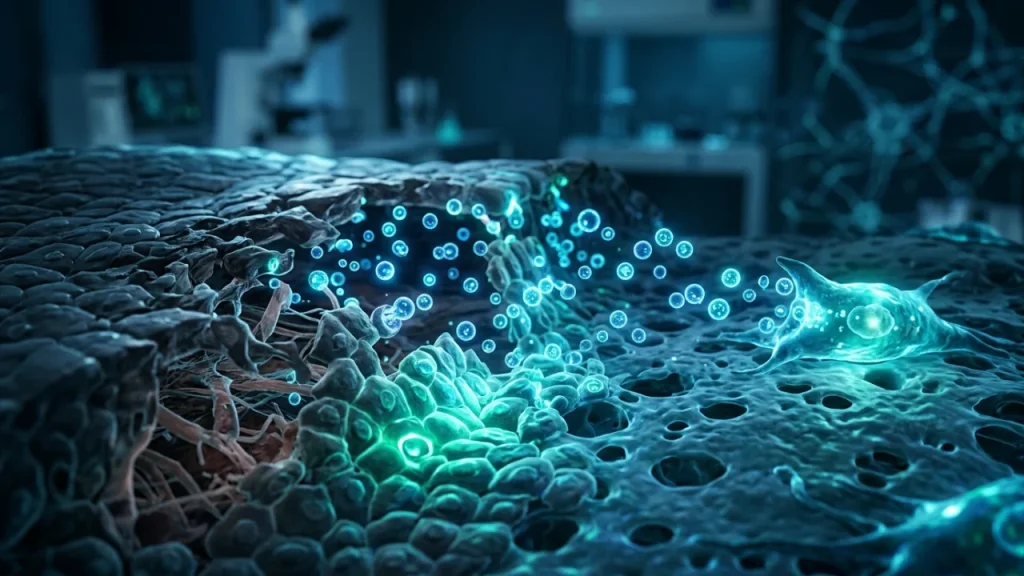
Think of your skin as a vast, living city. Its cells are the citizens. They need to talk to each other constantly. They send messages to coordinate repairs, sound alarms, and share resources. Exosomes are their sophisticated messaging system. These are tiny nano-sized bubbles released by cells. They travel between cells carrying vital biological packages.
So, what do exosomes do for skin? They deliver precise instructions. Each exosome carries a specific cargo. This cargo includes proteins, lipids, and genetic material like RNA. A stressed skin cell might send exosomes with repair signals. A healthy fibroblast might dispatch vesicles carrying collagen instructions. This communication keeps skin balanced and resilient.
Without this system, cellular coordination breaks down. Signals get lost. Repair processes slow. The skin’s ability to defend and renew itself weakens. Understanding this natural process is key. It shows us skin health relies on clear cellular dialogue. Exosomes facilitate this essential conversation.
Their cargo can instruct cells to: – Boost collagen and elastin production. – Calm inflammation and reduce reactive signals. – Accelerate the skin’s own repair mechanisms. – Enhance cellular energy and vitality.
This isn’t science fiction. It’s your skin’s native biology at work. Every day, your cells release billions of these vesicles. They maintain the harmony of your skin’s ecosystem. By grasping this, we see a new path to supporting skin health. We can aim to protect and optimize this innate messaging network. This foundational knowledge leads us to a pressing question: what happens when this system falters?
How Exosomes Differ from Other Skincare Ingredients
Most skincare ingredients work from the outside in. They sit on the skin’s surface or penetrate just a few layers. Their job is often to coat, hydrate, or provide a direct substance like an antioxidant. Think of it like applying a protective paint. It shields what’s underneath but doesn’t send new instructions to the structure itself. Exosomes operate on a completely different principle. They work from the inside out by communicating with your living cells.
So, what do exosomes do for skin that is different? They are messengers, not materials. A hyaluronic acid serum delivers moisture directly. A vitamin C serum offers antioxidant molecules. These are valuable tools. But they are passive in terms of cellular commands. An exosome’s role is active communication. It doesn’t just add a brick to a wall. It delivers the blueprint to the builder to make more and better bricks.
This distinction is crucial for long-term skin function. Surface-level ingredients often need constant reapplication. Their effects can diminish once you stop using them. Exosomes aim to influence cell behavior. They carry instructions that can encourage your skin to improve its own processes. The goal is to optimize the skin’s natural operations for lasting benefits.
Consider these key differences in action: – A retinoid may signal skin cells to renew faster. It does this by binding to receptors. – An exosome can deliver a precise set of genetic instructions (RNA) directly into a cell’s machinery. This can guide the cell’s own production of supportive proteins. – Peptides are short protein fragments that can trigger a response. Exosomes may deliver the entire factory and manual for making those proteins sustainably.
The potential lies in this targeted dialogue. It’s the difference between shouting a single command to a crowd and handing a detailed plan to the foreman. By supporting cellular communication, exosome science focuses on enhancing the skin’s innate intelligence. This shifts the approach from temporary external fixes to fostering lasting resilience from within your skin’s biology. Understanding this core mechanism helps explain why this field is generating such significant scientific interest for future skin health strategies.
The Basic Science Behind Cellular Communication
Your skin is a vast, living network. Billions of cells work together. They must coordinate constantly. To do this, they send messages. Cells release tiny bubbles called extracellular vesicles. Think of these as microscopic mail pouches. They travel in the fluid between your cells.
Among these vesicles, exosomes are the most sophisticated messengers. They are incredibly small. About one thousand exosomes could fit across the width of a single human hair. Their size is key to their function. It allows them to navigate the dense matrix between skin cells.
Cells create exosomes inside special compartments. They carefully load each vesicle with a specific cargo. This cargo can include: – Signaling proteins that act like on/off switches. – Lipids that help repair cell membranes. – Most importantly, genetic instructions like RNA.
Once released, an exosome journeys until it finds a target cell. It docks on the cell’s surface. Then, it delivers its payload directly into the recipient cell. This process is how a fibroblast cell can tell a keratinocyte to produce more collagen. It is natural, targeted communication.
So, what do exosomes do for skin in this natural context? They maintain balance. They carry the signals for daily repair and renewal. When skin is healthy, this system runs smoothly. Cells efficiently share instructions for making structural proteins and calming inflammation.
Problems arise when this communication breaks down. With age or damage, cells send fewer exosomes. The messages can become corrupted. This leads to poor coordination in skin’s repair cycles. The result is slower healing, thinner skin, and visible aging signs.
Understanding this basic science is crucial. It shows that exosome research isn’t inventing a new process. Instead, it aims to support and enhance your skin’s own innate messaging system. This foundational knowledge sets the stage for exploring their applied potential.
How Exosomes Travel Through Skin Layers
The Journey from Source Cell to Target Cell
The journey begins deep within the dermis. A fibroblast cell, a key producer of collagen, forms an exosome. It packages this tiny vesicle with specific instructions. The exosome is then released into the extracellular matrix. This matrix is a dense network of fibers and proteins. It is like a thick forest between skin cells.
The exosome must navigate this terrain. Its small size is a major advantage here. It can move through tiny pores in the gel-like matrix. The vesicle does not have its own motor. Instead, it travels by diffusion. It is carried by the natural flow of interstitial fluid. This is the fluid that surrounds all our cells.
The exosome’s membrane holds special addressing proteins. These act like GPS coordinates. They help the vesicle find its target cell. A common target could be a keratinocyte in the epidermis. The keratinocyte is the main cell type in our outer skin layer.
The trip from dermis to epidermis covers a significant cellular distance. The exosome eventually reaches the basement membrane. This is a thin, sheet-like barrier. It separates the dermis from the epidermis. The exosome uses enzymes to help cross this boundary. It continues its upward path.
Finally, it docks onto the surface of the target keratinocyte. The membranes fuse together. The exosome empties its cargo directly into the cell’s interior. The delivered RNA instructions are read by the keratinocyte’s machinery. This triggers a precise response.
So, what do exosomes do for skin during this journey? They enable long-distance signaling across different tissue layers. One cell type can directly influence another far away. This is vital for coordinated skin health.
The entire process relies on precise navigation. Any blockage in the matrix can slow messages. A change in fluid flow can misdirect vesicles. This system ensures that a repair signal from below reaches the surface cells that need it. This seamless transit supports unified skin function and repair, showcasing a remarkable biological delivery network.
How Exosomes Cross Cellular Barriers
Exosomes do not simply bump into a cell and hope for entry. They use precise biological keys. Their outer membrane is studded with specific proteins. These proteins bind to matching receptors on a target cell’s surface. This binding is the first critical step. It is like a key fitting into a lock.
This docking triggers one of several entry methods. The chosen path depends on the exosome’s origin and its cargo. One common method is direct fusion. The exosome’s membrane merges with the cell’s outer membrane. The two become one. The exosome’s inner contents spill directly into the cell’s cytoplasm. This is a fast and efficient delivery route.
Another major method is endocytosis. The cell’s membrane folds inward around the docked exosome. It forms a small pouch called a vesicle. This vesicle pinches off inside the cell. The exosome is now trapped in this bubble. Cellular machinery then works to break open this inner bubble. This releases the exosome’s payload into the cell.
So, what do exosomes do for skin at this barrier? They ensure their vital messages are received intact. The method of entry can protect delicate cargo like RNA. It prevents degradation in the harsh space between cells. This precise targeting is why exosome signaling is so powerful. One vesicle can change a cell’s behavior.
The entire process is highly selective. An exosome from a fibroblast will likely target a keratinocyte. It carries addressing proteins for that specific cell type. This ensures signals go to the right place. It avoids wasted effort or confusing instructions for other cells. This selectivity maintains order in skin’s complex environment.
Successful crossing leads to action. The delivered genetic instructions are read by the cell’s ribosomes. New proteins are built according to this new plan. These proteins can then tell the cell to collagen produce more, to heal faster, or to calm inflammation. The distant signal has now become a local command, completing the communication loop and directly influencing skin health and function from within the cell itself.
What Exosomes Carry Inside Their Tiny Packages
Exosomes carry a precise molecular toolkit. This cargo is carefully selected by the parent cell. It defines the exosome’s mission. Think of it as a tiny delivery van. The van itself is the lipid membrane. The packages inside are the active ingredients. These ingredients fall into three main classes.
First are proteins. These can be structural proteins embedded in the vesicle wall. They act like addresses for target cells. Other proteins are functional enzymes. They can directly spark chemical reactions inside the recipient cell. For example, an exosome might carry collagen-building enzymes. This directly aids skin’s support structure.
Second are lipids. These molecules form the exosome’s protective bubble. But they are more than just packaging. Specific lipids can fuse with a target cell’s membrane. This allows direct delivery. Certain lipids also act as signaling molecules themselves. They can trigger cellular responses related to repair.
The third and most powerful cargo is genetic material. This is mainly RNA. Messenger RNA (mRNA) carries blueprints for making new proteins. MicroRNA (miRNA) acts as a regulator. It can silence specific genes in the target cell. This is a profound level of control. It answers the question: what do exosomes do for skin? They can reprogram its cellular activity from within.
The exact mix of this cargo varies. A stressed skin cell sends different signals than a healthy one. An exosome from a young fibroblast carries instructions for robust collagen. One from an immune cell may carry anti-inflammatory messages. This tailored payload allows exosomes to coordinate complex tasks across different skin layers. Their content is their command.
What Do Exosomes Do for Skin Collagen Production
How Exosomes Signal Fibroblasts to Make More Collagen
Fibroblasts are the skin’s collagen factories. They reside in the dermis, the skin’s deeper layer. Exosomes deliver precise instructions to these cells. This process is not a simple broadcast. It is a targeted delivery with a clear message: build.
The signaling journey begins with recognition. An exosome travels to a fibroblast. Proteins on its surface act like keys. They find matching locks on the fibroblast’s membrane. This ensures the message goes to the right cell. The vesicle then transfers its cargo. This happens in two main ways.
First, the exosome can fuse with the cell’s membrane. It empties its contents directly into the cell’s interior. Second, the entire vesicle can be swallowed by the fibroblast. Once inside, its payload is unpacked. The genetic instructions take center stage.
The messenger RNA (mRNA) cargo is crucial. It provides fresh blueprints for building collagen proteins. The fibroblast’s machinery reads these blueprints. It then assembles new collagen strands. This is a direct boost to production.
Simultaneously, microRNA (miRNA) gets to work. It acts as a strategic manager. This RNA can block signals that normally slow collagen synthesis. It silences genes for proteins that break down collagen. This double action is powerful. – It increases new collagen production. – It decreases existing collagen destruction.
The protein cargo also plays a role. Enzymes can activate pathways inside the fibroblast. These pathways are like internal switches. They turn on the cell’s “build” mode. Growth factors signal the cell to become more active and youthful.
The result is a revitalized fibroblast. It shifts from a passive state to an active building phase. The cell produces more Type I and Type III collagen. These are the main structural types in young, firm skin. The collagen network becomes denser and more organized.
This answers what do exosomes do for skin at a fundamental level. They reboot the skin’s own repair and renewal systems at a cellular level. The next step is understanding how this translates to visible improvements on the surface.
The Molecular Pathways That Boost Collagen Synthesis
Exosomes trigger a precise sequence of events inside skin cells. They activate key molecular pathways. Think of these pathways as cellular instruction manuals. The exosome cargo provides the signal to open these manuals and start reading.
One primary pathway is called TGF-β signaling. This is a major regulator of collagen production. Exosomes carry proteins that bind to receptors on the fibroblast’s surface. This binding is like turning a key. It initiates the TGF-β signal cascade inside the cell.
The signal travels to the cell’s nucleus. The nucleus is the command center. Here, the signal activates specific genes. These genes are the blueprints for collagen. Their activation leads to a direct increase in collagen mRNA. More mRNA means more protein-building machinery is created.
Simultaneously, exosomes influence the PI3K/Akt pathway. This pathway is crucial for cell survival and growth. When activated, it sends a strong “thrive” signal to the fibroblast. The cell becomes more metabolically active. It gains the energy and resources needed for large-scale collagen synthesis. This answers what do exosomes do for skin at a signaling level—they switch on essential growth and production programs.
Another critical target is the MAPK/ERK pathway. This pathway controls cell proliferation and differentiation. Exosome signals can guide fibroblasts toward a more youthful, productive state. The cell doesn’t just survive; it optimizes its function for matrix creation.
The microRNA cargo plays a parallel regulatory role. It fine-tunes these processes. For example, specific miRNAs can suppress molecules that inhibit TGF-β signaling. This removes natural brakes on collagen production. The pathways operate with less interference.
The combined effect is a coordinated boost: – Key pathways like TGF-β are directly switched on. – Supportive pathways like PI3K/Akt provide cellular energy. – Regulatory miRNAs remove inhibitory signals.
This multi-pathway activation ensures a strong, sustained response. The fibroblast receives clear and reinforced instructions to build. The result is not a fleeting spike but a reprogrammed state of high collagen output. This molecular orchestration translates the exosome’s message into tangible structural renewal for the skin.
Why More Collagen Means Firmer, Younger-Looking Skin
Collagen is the main structural protein in your skin. Think of it as the supportive mattress inside a sofa. The cushion represents the skin’s surface. Over time, the mattress springs weaken and break. The cushion sags and develops permanent creases. In skin, collagen fibers form a strong, springy network. This network provides firmness and elasticity.
Elasticity is your skin’s ability to stretch and bounce back. When you smile, the skin stretches. With ample collagen, it snaps back smoothly. As collagen breaks down, the network weakens. The skin loses its ability to recoil fully. Fine lines become permanent wrinkles. The skin feels softer and less resilient.
More collagen directly strengthens this internal network. New collagen fibers repair and reinforce the damaged structure. This has several visible effects: – Skin feels firmer and tighter to the touch. – Fine lines may appear softened as the underlying support is restored. – The skin’s surface looks smoother and more plump.
This is why increased collagen production is so crucial. It targets the root cause of sagging and wrinkles. It is not just adding temporary surface moisture. It is actively rebuilding the foundational architecture. The molecular signals from exosomes, as described earlier, instruct fibroblasts to make this new collagen. The result is structural renewal from within.
The process takes time. Cells need weeks to synthesize and organize new protein fibers. But the outcome is a genuine improvement in skin quality. Strengthening the collagen network improves firmness and resilience. This directly addresses common signs of aging. Understanding this link clarifies what exosomes do for skin at its core. They help restart your skin’s natural building program for lasting structural support.
How Exosomes Improve Skin Elasticity and Firmness
The Role of Elastin in Skin Snap-Back Ability
Elastin is a special protein in your skin. It works alongside collagen. Think of collagen as strong steel cables. They provide firmness and structure. Elastin acts like elastic bands woven between those cables. This gives skin its bounce. Your skin stretches when you move or smile. Elastin fibers are what make it snap back to its original shape.
These fibers form a complex network. They are incredibly durable and flexible. A single elastin fiber can stretch up to one and a half times its original length. Then it returns without damage. This is your skin’s resilience. Without enough functional elastin, the skin loses this ability. It begins to sag and droop. Wrinkles do not smooth out as easily.
Elastin production is mostly an early-life activity. Your body makes the vast majority of it during fetal development and youth. After this period, production slows dramatically. Unlike collagen, your skin does not continuously make large amounts of new elastin. The existing network must last for decades. This is why protecting it is so critical.
Several factors break down the elastin network over time. – Sun exposure is the primary cause. UV radiation damages the fibers. – Enzymes in the skin called elastases can cut elastin apart. – Pollution and smoking generate free radicals that harm the fibers.
Once damaged, elastin fibers are not easily replaced. The skin tries to repair them. But it often creates disorganized, less functional clumps. This is known as solar elastosis. The skin loses its smooth snap-back ability. It can take on a leathery or crepey texture.
This is where understanding what exosomes do for skin becomes key. Their cargo can send signals to skin cells. These signals aim to protect the existing elastin network. They may help regulate those damaging enzymes. They can also boost the skin’s own antioxidant defenses. This helps shield the precious elastin from further breakdown.
Preserving elastin is about maintaining quality, not just quantity. Supporting the health of the fibroblast cells that manage this matrix is essential. By promoting a healthier cellular environment, exosomes contribute to the longevity of your skin’s natural elasticity. This directly supports firmness and resilience from within the dermal structure.
How Exosomes Stimulate Elastin Production
Exosomes carry specific instructions for skin cells. These instructions can tell fibroblasts to make more elastin. Fibroblasts are the cells that build your skin’s support structure. This is a key part of what exosomes do for skin.
The cargo inside exosomes includes growth factors and microRNAs. These are powerful signaling molecules. They act like tiny software updates for your skin cells. They deliver a clear message: start building.
One primary signal is for the TGF-β pathway. This is a natural cellular pathway. It controls the production of structural proteins. Exosome signals can gently activate this pathway in fibroblasts. The fibroblasts then increase their synthesis of tropoelastin.
Tropoelastin is the basic building block of mature elastin fibers. Think of it as raw material. The exosome signals help ensure this material is produced. The process then needs proper assembly.
Exosomes also support the cross-linking process. Enzymes called lysyl oxidases weave tropoelastin units together. They form the durable, springy network. Exosome cargo helps create a good environment for these enzymes to work.
This stimulation is targeted and natural. It uses the skin’s own biological language. The goal is to encourage the cell’s inherent functions. It is not about introducing foreign chemicals.
The result is not an instant surge of elastin. Instead, it is a gradual recalibration of cell activity. The skin receives support to produce its own structural proteins more effectively. This addresses elasticity at its source.
Key steps in this process include: – Delivery of growth factor signals to fibroblast cells. – Activation of the cellular pathways for protein synthesis. – Increased production of tropoelastin building blocks. – Support for the enzymatic cross-linking into mature fibers. – Enhanced overall function of the dermal matrix.
This represents a shift from simple protection to active support. The skin gains help in maintaining its own architectural integrity. This foundational work directly improves firmness and bounce. The next consideration is how this activity integrates with the skin’s natural renewal cycles for lasting effect.
Visible Results: From Cellular Changes to Surface Improvements
The cellular activity stimulated by exosomes leads to measurable changes in the skin’s structure. Fibroblasts become more productive. They build a stronger, more organized dermal matrix. This matrix is the support layer beneath the surface.
A reinforced dermis creates direct physical benefits. The skin’s foundation becomes more resilient. Think of a mattress getting new, sturdy springs. This is what improved elasticity means. The skin can snap back better after being stretched. It shows fewer fine lines from repeated movements, like smiling.
Firmness increases as the network of collagen and elastin fibers thickens. This provides better lift and support for the skin’s surface. Sagging, especially in delicate areas like the cheeks and jawline, can be subtly countered. The skin feels denser and more toned to the touch.
So, what do exosomes do for the skin in practical terms? They help drive the internal renewal that translates to a fresher appearance. The visible improvements are gradual and cumulative. They include:
- A reduction in the depth of fine lines, as better elasticity prevents their permanent etching.
- Improved skin tightness and contour, due to enhanced structural support.
- A smoother texture, resulting from a more even and plump dermal layer.
- A healthier overall glow, supported by improved nutrient exchange and cell communication.
These changes do not happen overnight. They mirror the natural pace of skin regeneration. The process is about restoring optimal function. The goal is lasting improvement, not a temporary surface change. This foundational approach sets the stage for discussing how these benefits integrate with long-term skin health and aging.
What Do Exosomes Do for Skin Repair and Regeneration
Accelerating Wound Healing Through Cellular Signals
When skin is injured, cells send urgent signals for help. Exosomes are key messengers in this emergency response. They carry precise instructions to coordinate the complex healing process. This communication starts immediately after damage occurs.
The cargo inside exosomes tells surrounding cells what to do. It promotes several critical steps. First, it reduces inflammation quickly. This clears debris and prevents excessive damage. Next, it signals for new blood vessel growth. This brings oxygen and nutrients to the injured site. Finally, it instructs fibroblasts to produce new collagen. This rebuilds the damaged tissue structure.
So, what do exosomes do for skin during this phase? They act as a biological director. They ensure each healing stage happens in the right order and at the right speed. Without these signals, the process can be slow or disorganized. This can lead to poor scarring.
Research shows exosomes can significantly shorten healing time. They help by optimizing every phase. The inflammatory phase is controlled and efficient. The proliferative phase, where new tissue forms, is more robust. The final remodeling phase produces stronger, more orderly collagen.
The practical benefits of this accelerated healing are clear. – It can minimize the appearance of scars. – It helps restore the skin’s barrier function faster. – It reduces the risk of complications from open wounds. – It supports better long-term texture and strength in the healed area.
This regenerative capability extends beyond visible wounds. It applies to daily micro-damage from the environment. By enhancing the skin’s innate repair systems, exosomes help maintain integrity over time. This continuous, efficient repair is a cornerstone of resilient, healthy-looking skin as we age.
How Exosomes Reduce Scar Tissue Formation
Scar tissue forms when the skin’s repair process is rushed or disorganized. The new collagen fibers are laid down in a dense, haphazard pattern. This creates a visible and often weaker scar. Exosomes help prevent this by guiding cells to build a more natural skin structure.
They send precise instructions to the cells called fibroblasts. Fibroblasts are the skin’s builders. They make collagen. Without clear directions, they produce too much of the wrong type of collagen. They pile it up in a jumble.
Exosomes carry orders for a better plan. They promote the production of Type III collagen. This is the flexible, youthful collagen found in healthy skin. They simultaneously reduce excessive Type I collagen. This is the stiff, bulky type that dominates scars.
The vesicles also manage the cleanup crew. They help regulate immune cells called macrophages. Properly directed macrophages remove damaged tissue efficiently. They also release factors that support orderly rebuilding. Uncontrolled inflammation leads to messy, overgrown scars.
So, what do exosomes do for skin to achieve this? They enforce a higher standard of repair. Their cargo includes microRNAs and proteins that directly influence gene expression in skin cells. This turns down genes for fibrosis, which is scar tissue overgrowth. It turns up genes for balanced regeneration.
The result is healed skin that more closely resembles its original architecture. – Collagen fibers align in a supportive, woven network. – The new tissue is more elastic and flexible. – The surface texture appears smoother and more even. – Pigmentation issues are less likely.
This controlled process minimizes both hypertrophic scars, which are raised and thick, and atrophic scars, which are sunken and pitted. By optimizing every cellular conversation during healing, exosomes help the skin remember its original blueprint. This leads to repair that is not just fast, but truly restorative in quality.
Repairing Sun Damage at the Cellular Level
Sunlight’s ultraviolet rays create lasting damage deep within your skin. This damage is not just a surface burn. It alters the very instructions in your skin cells. Exosomes offer a way to address this problem at its source.
Think of a sun-damaged skin cell as a factory with broken machinery. The UV radiation damages its DNA. It also creates harmful molecules called free radicals. These free radicals attack and degrade important structures. Collagen and elastin fibers break down. This leads to wrinkles and sagging.
So, what do exosomes do for skin exposed to constant sun? They deliver a comprehensive repair toolkit. Their cargo targets several key issues at once.
- They provide antioxidants and enzymes that neutralize free radicals. This stops further daily damage.
- They carry signals that boost the cell’s own DNA repair systems. This helps fix genetic errors before they cause problems.
- They instruct fibroblasts to ramp up production of fresh collagen and elastin. This rebuilds the skin’s supportive framework.
A crucial part of this process involves telomeres. Telomeres are protective caps on the ends of chromosomes. They shorten each time a cell divides. UV exposure accelerates this shortening. Very short telomeres signal the cell to stop dividing and become senescent.
Senescent cells are zombie cells. They do not function but they release harmful chemicals. These chemicals damage neighboring healthy cells. Exosomes can help reverse this. Studies show certain exosome microRNAs can help maintain telomere length. This supports longer cellular life and function.
The vesicles also help clear out those harmful senescent cells. They improve cell-to-cell communication for more efficient removal. This cleans up the cellular neighborhood.
The goal is not just adding moisture to dry skin. It is about restoring cellular health. By fixing DNA, fighting radicals, and rebuilding fibers, exosomes promote genuine renewal. This approach tackles the root causes of photoaging for more resilient skin over time.
Exosomes and Skin Barrier Function
How Exosomes Strengthen the Skin’s Protective Layer
The skin barrier is your body’s frontline shield. It keeps moisture in and keeps irritants out. A strong barrier means healthy, resilient skin. A weak one leads to dryness, sensitivity, and inflammation. Exosomes play a key role in maintaining this vital layer. They do this by delivering precise instructions to the skin’s building blocks.
Keratinocytes are the main cell type in the outer skin layer. They produce the barrier’s key materials. Exosomes tell these cells to work better. One major instruction is to produce more ceramides. Ceramides are essential lipids that act like mortar between bricks. They hold skin cells tightly together. With more ceramides, the barrier becomes less leaky. This helps skin retain its natural hydration.
Exosomes also carry signals for filaggrin. Filaggrin is a crucial protein. It helps form the protective outer sheet of skin called the stratum corneum. Proper filaggrin levels are needed for a compact, functional barrier. Many people with sensitive skin or eczema have low filaggrin. By supporting its production, exosomes help strengthen the skin’s architecture from within.
So, what do exosomes do for skin barrier health? They provide targeted support at a cellular level. Their cargo helps regulate the complex process of barrier formation and repair.
- They modulate inflammation by calming overactive immune signals in the skin. This prevents barrier damage from internal stress.
- They enhance the production of natural moisturizing factors. These factors help the top layer of skin hold onto water.
- They support the junctions that physically link adjacent skin cells. This creates a tighter, more impermeable seal.
This activity is not just surface-level. It is a fundamental restoration of the skin’s defensive capacity. A robust barrier is better at resisting environmental triggers. It is less prone to reactivity and transepidermal water loss. By fortifying this layer, exosomes contribute to overall skin resilience. This creates a stronger foundation for addressing other concerns like aging or pigmentation. The next step is to see how this internal support translates to visible skin quality and tone.
Reducing Inflammation and Irritation Responses
Chronic inflammation is a primary driver of skin barrier breakdown. Exosomes act as sophisticated communicators to calm this overactive immune response. They do this by delivering precise molecular instructions directly to skin cells.
Think of inflammation like a fire alarm. Sometimes the alarm stays on too long. This causes unnecessary damage. Exosomes help turn off this persistent alarm. They carry specific microRNAs and proteins. These molecules target key pathways in the immune system.
One major target is a signaling molecule called TNF-alpha. TNF-alpha is a potent inflammatory signal. It can make skin red, swollen, and sensitive. Exosomal cargo can reduce its production. This quiets a central trigger for irritation.
Exosomes also influence immune cells like macrophages. Macrophages can exist in two states. One state promotes inflammation. The other state promotes healing and cleanup. Exosomes help push macrophages toward the healing state. This helps resolve existing inflammation faster.
The benefits of this modulation are clear for reactive skin. – It reduces persistent redness and flushing. – It lowers the skin’s overreaction to common triggers like stress or weather. – It prevents inflammation from breaking down collagen and elastin.
This is a key part of what exosomes do for skin health. They don’t just suppress symptoms. They help reset the skin’s immune balance. A balanced immune response means a stronger, less reactive barrier. This makes the skin more resilient daily.
By managing inflammation, exosomes protect the barrier’s integrity long-term. This creates a stable foundation where repair processes can work effectively. The next logical step is to examine how this calmer, stronger environment visibly improves skin tone and texture.
Improving Moisture Retention Naturally
A healthy skin barrier acts like a smart wall. It keeps vital moisture in. It also keeps irritants out. Exosomes deliver instructions to help build and maintain this wall. Their cargo tells skin cells to produce more of the right building blocks.
One key building block is ceramides. Ceramides are lipid molecules. They are the mortar between your skin cells. Weak mortar lets water escape. Exosome signals boost ceramide production. This repairs the mortar. It seals gaps in the barrier’s structure.
Exosomes also support the proteins that hold skin cells together. These are called tight junction proteins. Think of them as sturdy bolts. They keep the barrier layer tightly locked. Exosomal messages help reinforce these bolts. A tighter barrier prevents transepidermal water loss.
This is a core part of what exosomes do for skin health. They enhance its natural hydrating systems from within. The process involves several coordinated actions.
- They promote the synthesis of hyaluronic acid. This molecule can hold vast amounts of water.
- They encourage the production of natural moisturizing factors. These compounds attract and bind water in the outer layers.
- They support the health of keratinocytes. These are the primary cells that form the barrier itself.
The result is a reservoir effect. The skin becomes better at storing its own moisture. It relies less on external creams to feel hydrated. This internal improvement leads to visible changes.
Skin that retains water well looks plump and smooth. Fine lines caused by dryness become less noticeable. The surface reflects light evenly for a natural glow. This hydration is deep and resilient because it comes from repaired cellular function.
By strengthening the barrier’s architecture, exosomes create a lasting solution for dryness. This sets the stage for the next level of improvement: rejuvenation and texture refinement.
What Do Exosomes Do for Skin Aging Concerns
Addressing Fine Lines and Wrinkles from Within
Fine lines and wrinkles start deep within your skin’s support structure. This framework is called the extracellular matrix. Think of it as a scaffold made of collagen and elastin fibers. Young skin has a dense, springy scaffold. Over time, this scaffold weakens. Enzymes break down collagen. Elastin fibers lose their snap. Fibroblasts, the cells that build this matrix, become sluggish.
Exosomes deliver direct instructions to these tired fibroblasts. The cargo inside exosomes acts like a precise toolkit. It contains growth factors and genetic blueprints. This toolkit tells fibroblasts to become active again. The cells get a clear message: produce more collagen and elastin.
This is a key part of what exosomes do for skin aging. They don’t just temporarily plump the surface. They address the root cause by restarting your skin’s own building processes. The signaling promotes several specific actions.
- It upregulates collagen type I and III synthesis. These are the main structural proteins for firmness.
- It enhances elastin production. This protein gives skin its ability to bounce back.
- It downregulates harmful enzymes. These enzymes, called MMPs, chop up collagen.
The result is a gradual restoration of the skin’s internal architecture. New collagen fibers integrate into the existing matrix. This adds density and support from below. The skin’s foundation becomes stronger. Wrinkles that were etched into a weak foundation begin to soften. The surface smooths out because the underlying structure is being repaired.
This process also helps with cellular turnover. Exosomal signals can encourage healthier keratinocyte behavior. These are the cells that make up the skin’s outermost layers. Better function leads to a more refined texture. Dull, uneven skin sheds more efficiently. Fresher, smoother skin emerges at the surface.
The improvement in fine lines comes from this combined effect. Deeper structural support reduces pronounced wrinkles. Enhanced surface renewal minimizes fine lines. The skin looks firmer and more even. This approach targets aging at its cellular source for lasting change. The next logical step is to examine how this cellular renewal impacts other visible concerns like tone and elasticity.
Restoring Volume and Plumpness to Aging Skin
Volume loss is a key sign of aging. It happens deep within the skin’s layers. The problem is not just a lack of collagen. The skin’s supportive fat pads shrink. The gel-like substance between cells also depletes. This leads to sagging and hollowed areas. Exosomes offer a targeted response to this issue. They deliver instructions that focus on volumizing components.
One primary target is the adipocyte. These are the cells that store fat. They are crucial for facial fullness. As we age, adipocytes become less active. They may even die off. Exosomal signals can help change this. The cargo encourages adipocyte health and function. It promotes their survival and metabolic activity. This can help maintain the fat pads that give our face its shape.
Another target is the extracellular matrix. This is the supportive scaffold between cells. A major part of this matrix is hyaluronic acid. It acts like a sponge that holds water. This provides natural plumpness and hydration. Aging skin makes less hyaluronic acid. What do exosomes do for skin in this case? They carry messages that tell fibroblasts to produce more of it. Fibroblasts are the skin’s builder cells. Increased hyaluronic acid synthesis helps rehydrate the deep tissue. It restores a more youthful, supple foundation.
The process also strengthens the skin’s micro-architecture. Exosomes support the networks that hold everything in place. This includes tiny blood vessels and elastic fibers. Better support means tissues are less likely to sag. Improved nutrient delivery from healthier vessels also helps.
The combined effects create a multi-layer solution for volume: – Enhanced adipocyte activity supports deeper fat compartments. – Increased hyaluronic acid production boosts intercellular hydration. – Strengthened structural networks improve tissue integrity.
This approach does not simply fill space artificially. It encourages the skin to restore its own natural plumpness systems. The result is a gradual improvement in facial contour. Hollows under the eyes or in the cheeks may appear softened. The skin looks fuller and more supported from within. This cellular-level restoration works in tandem with improved collagen for a comprehensive anti-aging effect, seamlessly influencing the skin’s overall resilience and tone.
Improving Skin Texture and Tone Through Cellular Renewal
Skin texture often feels rough or uneven as we age. This happens because the renewal of surface skin cells slows down. Exosomes help restart this vital process. They carry specific instructions to keratinocytes. These are the primary cells that make up the skin’s outer layer. The messages encourage faster, healthier cell turnover.
Old, dull cells shed more efficiently. They are replaced by fresh, plump cells from beneath. This cycle creates a smoother surface. It reduces the feel of dry patches and fine scales. The skin’s barrier function also improves. A stronger barrier locks in moisture better. It also protects against daily irritants.
What do exosomes do for skin tone? They address uneven pigmentation at its source. Exosomes can deliver signals to melanocytes. These are the cells that produce melanin, or skin pigment. The messages help modulate melanin production. They promote a more balanced and even distribution of pigment.
This does not bleach the skin. Instead, it encourages a natural recalibration. Dark spots from sun damage may gradually fade. The overall complexion appears more uniform and radiant. The effect is a reduction in blotchiness.
The combined action on texture and tone is synergistic: – Improved cell renewal reveals fresher, brighter skin. – Regulated pigment production reduces spotty discoloration. – Enhanced barrier function supports overall skin health.
This cellular renewal leads to a refined surface. Pores may appear less noticeable because surrounding skin is tighter. The light reflects off a more even plane. This creates a luminous glow. The result is not just superficial polishing. It is a fundamental upgrade in how skin cells behave and communicate. This sets the stage for enhanced resilience against future environmental damage, linking directly to the skin’s long-term defensive capabilities.
The Science Behind Exosome Skin Applications
How Researchers Study Exosome Effects on Skin
Scientists need precise tools to study tiny exosomes. They use advanced microscopes to see these vesicles. One powerful tool is called Transmission Electron Microscopy. It provides detailed images of the exosome’s spherical shape. Researchers can confirm they are looking at the right particles.
Another critical step is isolating exosomes from a cell culture soup. Scientists use a method called ultracentrifugation. This process spins samples at very high speeds. The force separates exosomes from other cellular debris. The collected exosomes are then pure enough for experiments.
To test what do exosomes do for skin, scientists design controlled lab studies. They often use human skin cells grown in dishes, called fibroblasts or keratinocytes. One group of cells receives a treatment of purified exosomes. A control group does not get any. Researchers then compare the two groups over days.
They measure specific changes in the treated cells. Common tests check for collagen production. Others measure the speed of cell migration for wound healing. Scientists also analyze genetic activity. They look to see which skin-repair genes are switched on by the exosome signals.
Animal studies provide another layer of evidence. These models allow observation in a living system. Researchers might apply exosomes to small wounds on mice. They then track how quickly the skin repairs itself compared to untreated wounds. This shows the biological activity in a complex environment.
Finally, molecular analysis reveals the cargo. Scientists can break open the harvested exosomes. They catalog the proteins and growth factors inside. This cargo list helps explain the mechanisms behind the observed effects. It connects the dots between the messenger and the cellular response.
This rigorous process moves from observation to proof. It builds the scientific foundation for understanding exosome functions. Each method adds a piece to the puzzle. The next logical question is how these research findings translate into practical, real-world applications for skin health and rejuvenation strategies.
Key Studies Showing Exosome Benefits for Skin
Research reveals exosomes carry precise instructions for skin repair. One pivotal study on human fibroblasts showed a clear result. Treatment with specific exosomes increased collagen production by over 30% in just 48 hours. Collagen is the main structural protein that keeps skin firm. This finding directly addresses a key sign of aging.
Another critical area is wound healing. Scientists tested this in lab models of damaged skin. Exosomes derived from stem cells significantly accelerated the closure rate. They did this by delivering signals that prompted two major actions. First, they encouraged skin cells to move into the wound area faster. Second, they boosted the growth of new blood vessels. This process brings vital nutrients to the repair site.
Exosomes also help regulate inflammation, which is crucial for healthy skin. Chronic, low-level inflammation can break down collagen and elastin. Studies indicate certain exosome cargo can calm overactive immune responses in skin cells. This creates a better environment for natural regeneration to proceed. It’s a balancing act performed at a microscopic level.
The benefits for skin barrier function are equally important. The outermost layer of our skin must stay intact and hydrated. Research on keratinocytes, the primary barrier cells, demonstrates exosome activity. Key findings include: – Enhanced production of proteins that form the skin’s protective shield. – Increased synthesis of natural moisturizing factors within cells. – Improved cell turnover for a fresher, more resilient surface.
These studies collectively map out a multi-targeted approach. Exosomes don’t just do one thing for skin. They coordinate several biological programs at once. They support structure, speed recovery, soothe irritation, and strengthen defense. This integrated action is why they are considered powerful communicators in skin biology. The logical next step is to examine how these proven biological signals are stabilized and prepared for safe use in applied settings.
Understanding the Evidence for Different Skin Conditions
Research provides strong clues about what exosomes do for skin facing specific challenges. The evidence is not equal for all conditions. It is strongest for wound healing and repair. For example, studies using diabetic ulcer models show exosome treatments can accelerate closure rates by over 50%. They achieve this by delivering precise instructions to resident cells. These instructions boost collagen production and guide new tissue formation.
For aging skin, the scientific support focuses on combating key hallmarks. Exosome signals target cellular senescence, a state where old cells stop dividing. They also enhance the skin’s own antioxidant defenses. This helps protect structural proteins like collagen from degradation. Clinical observations note improvements in skin texture and elasticity. These effects are linked to the reactivation of regenerative pathways in dermal fibroblasts.
Inflammatory conditions like atopic dermatitis present a different picture. Here, exosome research highlights a regulatory role. Certain vesicle cargo can suppress the overproduction of inflammatory cytokines. This calms redness and itching at a cellular level. It also supports the repair of a compromised skin barrier. The evidence, while promising, is often from preclinical models.
The data for hyperpigmentation is emerging but compelling. Exosomes can influence melanocytes, the pigment-producing cells. They carry molecules that may help normalize melanin transfer. This addresses uneven tone without directly inhibiting cells. The approach is seen as more harmonizing than disruptive.
For conditions like alopecia, early studies point to follicular activation. Exosomes appear to stimulate dermal papilla cells in hair follicles. This encourages the follicle to re-enter the growth phase. Results in clinical trials show increased hair density and thickness.
The body of evidence creates a clear hierarchy. Wound healing and scar remodeling have the most robust data. Anti-aging and barrier repair applications follow closely behind. Research for pigmentation and hair growth is developing but shows strong mechanistic rationale. This scientific gradient helps separate well-supported uses from more speculative claims, grounding potential in published results.
Current Therapeutic Uses of Exosomes in Dermatology
Clinical Applications for Skin Rejuvenation
Exosomes are now applied in clinical settings to combat specific signs of aging. Their primary function is not to simply add a temporary plumping effect. Instead, they deliver precise instructions to aged or sluggish skin cells. This process aims to restore a more youthful cellular environment. So, what do exosomes do for skin in these treatments? They fundamentally change how cells behave.
The targets are clear. Practitioners focus on three main aging concerns. First is fine lines and wrinkles caused by collagen loss. Second is dull, uneven skin texture and tone. Third is a lack of firmness and elasticity. Exosome therapies address each concern at its source.
For collagen, the mechanism is direct. Fibroblasts in the dermis slow collagen production as we age. Exosome cargo contains growth factors and RNA messages. These signals reactivate the fibroblast’s synthetic machinery. The cell starts producing new collagen and elastin fibers again. This rebuilds the skin’s structural foundation from within.
Texture improves through enhanced cellular turnover and communication. Exosomes encourage older surface skin cells to shed more efficiently. They also promote healthier renewal from the basal layer. This leads to a smoother, more radiant surface. Pigmentation issues can benefit from this normalized cell activity alongside direct signaling to melanocytes.
A typical clinical procedure involves several steps. The patient’s skin is first prepared, often with microneedling or laser. These methods create micro-channels. The exosome solution is then topically applied. It penetrates deeply through these channels to reach living cells. The treatment harnesses the body’s own repair pathways, so downtime is minimal.
Results are not instantaneous like a filler. The regenerative process takes time to unfold. Patients may see initial improvements in hydration and tone within weeks. Collagen remodeling builds over two to three months. The effects are subtler than a dramatic pull but more natural. The goal is rejuvenated skin that looks like a better version of itself.
This approach represents a shift from passive replacement to active regeneration. It relies on the skin’s innate intelligence, simply giving it the right tools. The next frontier explores combining this signaling power with other regenerative strategies for enhanced outcomes.
Exosome Approaches to Scar Revision
Scars form when the skin’s normal repair process gets disrupted. The body rushes to close a wound. It often deposits collagen fibers in a quick, haphazard way. This creates dense, disorganized tissue. The result is a visible scar that looks and feels different from healthy skin. Exosomes offer a way to revise this flawed process. They carry instructions that can help reorganize scar tissue.
So, what do exosomes do for skin in this context? They target the fibroblasts, which are the cells that make collagen. In a scar, these cells are overactive but misguided. Exosomes deliver signals that calm this overactivity. They also encourage fibroblasts to produce collagen in a more orderly, lattice-like pattern. This is similar to how healthy skin is built. The goal is not just to add volume but to improve the quality of the new tissue.
The approach works on different scar types. – For raised, hypertrophic scars, exosomes can reduce excess collagen buildup. – For sunken or atrophic scars, like those from acne, they promote filling from within. – They can also improve color by signaling to melanocytes, helping blend the scar with surrounding skin.
A typical treatment involves applying an exosome solution after creating micro-channels with microneedling. This ensures the vesicles reach the dermis where scars reside. The exosomes then start their communicative work. They shift the local environment from one of chaotic repair to organized regeneration. Patients may need a series of treatments for optimal revision. Improvements happen gradually as the tissue slowly remodels itself.
This represents a move beyond simply camouflaging a scar. The strategy aims to fundamentally improve the skin’s architecture. It leverages the body’s own messaging systems for a more natural correction. Ongoing research continues to refine these protocols for even better outcomes in scar management.
Treating Inflammatory Skin Conditions with Exosomes
Inflammatory skin conditions like eczema involve an overactive immune response. The skin’s barrier is weakened. Immune cells send out too many alarm signals. This creates redness, itching, and damage. Exosomes offer a way to calm this overreaction. They carry instructions that can modulate immune activity.
So, what do exosomes do for skin facing chronic inflammation? They deliver specific messages to immune cells. These messages can tell hyperactive cells to settle down. They can reduce the production of inflammatory proteins. This helps break the cycle of irritation and flare-ups. The goal is to restore balance to the skin’s environment.
Research shows exosomes from certain stem cells are particularly effective. Their cargo includes molecules that promote healing. – They can strengthen the skin’s protective barrier function. – They encourage the growth of healthy new skin cells. – They reduce oxidative stress, a key factor in inflammation.
The approach is fundamentally different from simply suppressing symptoms with a steroid cream. Exosomes work at a cellular level to address the root cause of the dysregulation. They use the body’s own language to promote tolerance and repair. This could mean longer periods of clear skin between flares.
Treatment application often involves topical formulations or delivery after gentle procedures. The exosomes need to reach the living layers of the skin where immune activity is high. Once there, their natural targeting takes over. They find the cells that need the calming signals most.
Current studies are exploring exosomes for conditions like psoriasis and dermatitis. Early results point to reduced severity and faster recovery. The potential extends to allergic reactions and chronic wounds. This highlights the versatility of these biological messengers.
The future of managing inflammatory skin disease may rely less on brute-force suppression. It may instead use intelligent communication. Exosomes represent a step toward that smarter, more precise therapeutic future. Their role in immunomodulation is a key pillar of their dermatological promise.
Challenges and Considerations in Exosome Therapy
Formulation and Delivery Challenges
Getting exosomes from a lab into a patient’s skin is a complex engineering task. These natural messengers are delicate. They must remain intact and active to do their job. Their cargo is easily damaged. Scientists face several key formulation challenges.
First, exosomes need protection. Outside the body’s controlled environment, they can degrade quickly. Their fragile lipid membrane can break apart. The important proteins and RNA inside can spill out or become useless. This makes storage and shipping difficult.
Second, a good carrier formula is critical. A simple cream or serum might not work. Exosomes need a special medium to stay alive and functional. This medium must also help them penetrate the skin’s outer barrier. The stratum corneum is a tough, waterproof layer of dead cells. It keeps most large molecules out.
Delivery methods are actively being researched. Scientists are testing different approaches. – Topical gels with special penetration enhancers. – Sprays for use after microneedling or laser treatments. – Hydrogel patches that release exosomes slowly over time.
Each method aims to solve the penetration problem. The goal is to guide exosomes to the living dermis where they can communicate with cells. Even if they reach the right layer, another question remains. How many exosomes are needed for a real effect? Finding the right dose is not simple. Too few may do nothing. Too many may be wasteful or could theoretically overwhelm natural pathways.
Stability over time is another major hurdle. A product must have a reasonable shelf life. Factors like temperature, light, and air exposure can ruin a batch. Researchers work on freeze-drying techniques and special stabilizers. They aim to lock in biological activity for months.
So, what do exosomes do for skin? They offer great potential. But their effectiveness depends entirely on overcoming these formulation and delivery challenges. Success requires blending advanced biology with precise engineering. The next step is ensuring these sophisticated products are consistent and safe for every user.
Safety Considerations and Potential Risks
Exosomes are powerful biological signals. Their power requires careful handling. A primary safety concern is their source. Exosomes used in therapies must come from very specific, healthy cells. These cells are grown under strict laboratory conditions. The growth medium must be free of animal products or harmful agents. This prevents contamination.
Another key point is characterization. Not all tiny vesicles in a preparation are therapeutic exosomes. Scientists must precisely identify and count the correct particles. They use advanced machines for this. Without this step, an unknown mix of materials could be applied to skin. Consistency between batches is vital for safety and predictable results.
The body’s immune response is a major consideration. Exosomes from another person’s cells could theoretically trigger a reaction. The skin might see them as foreign. Current research focuses on using exosomes from a patient’s own cells or from specially engineered universal donor cells. This aims to minimize rejection risks.
Potential risks also relate to their natural function. Remember, what do exosomes do for skin? They change cell behavior. In a healing wound, this is good. In healthy skin, the wrong signal could theoretically cause unintended effects. For example, promoting too much cell growth is not always desirable. Long-term effects are still being studied in clinical trials.
Regulatory oversight is currently evolving. In many regions, exosome products are not yet fully approved as drugs. Patients should seek treatments from reputable clinics that follow research protocols. They should ask about the exosome source, purity testing, and supporting data.
Finally, realistic expectations are a safety issue. Exosomes are not magic potions. They work best as part of a targeted treatment plan. Using them for an inappropriate condition could lead to disappointment. A qualified provider can determine if they are a suitable option.
Overall, safety hinges on rigorous science at every step: source, production, and application. Understanding these factors helps ensure that the promise of exosomes is matched by responsible practice. The future involves creating clear standards that protect patients while allowing innovation to progress.
Regulatory Landscape for Exosome Products
The rules for exosome treatments are still being written. This is a major point for anyone considering this therapy. Unlike a fully approved drug, many exosome products exist in a regulatory gray area. In the United States, the Food and Drug Administration (FDA) has issued clear warnings. They state that unapproved exosome products can be unsafe.
The core issue is how exosomes are classified. Are they a drug, a biologic, or something else? This classification dictates the testing required. For a product to be a regulated drug, it must pass strict clinical trials. These trials prove it is both safe and effective for a specific use. Most exosome skin therapies have not gone through this full process yet.
Currently, many clinics offer exosomes under different rules. They often use regulations meant for your own cells. These are called autologous therapies. Some use rules for minimally manipulated products. This regulatory patchwork creates inconsistency. A product in one clinic may be very different from another. This directly impacts what you can expect from treatment.
Key regulatory questions include: – Source: Where do the exosomes come from? – Manufacturing: How are they processed and purified? – Claims: What specific skin concern does the provider say they treat?
Understanding what do exosomes do for skin scientifically is one thing. Having a product that reliably and safely delivers that action is another. Regulatory pathways aim to bridge that gap. They ensure the exosomes in the vial match the promising science. Without strong oversight, there is no guarantee of purity or strength.
Patients must be proactive. Ask any provider about the regulatory status of their exosome product. Seek providers who use products from manufacturers with an Investigational New Drug (IND) application. This is a key FDA step toward proper clinical research. It shows a commitment to long-term safety and proof.
The landscape is evolving quickly. New guidelines are expected as research matures. This progress will help standardize quality. It will separate proven treatments from unverified claims. For now, recognizing this complexity is a crucial step in making an informed choice about skin health.
What Do Exosomes Do for Skin Compared to Traditional Treatments
Exosomes Versus Topical Retinoids and Peptides
Retinoids and peptides work by giving your skin cells direct instructions. They are like construction supervisors. They tell cells to make more collagen or to renew themselves faster. These ingredients must penetrate the skin’s barrier to reach their targets. Their effect is often local and direct.
Exosomes operate differently. They are messengers, not supervisors. They carry a complex set of signals. These signals can change a cell’s behavior in a more nuanced way. Think of it as a conversation instead of a command. An exosome can deliver hundreds of active molecules at once. This includes proteins, lipids, and genetic instructions called RNA.
This cargo allows exosomes to influence multiple pathways simultaneously. They can calm inflammation. They can encourage cells to repair damaged structures. They can also improve cellular communication for better overall function. This multi-target approach is a key difference from single-ingredient topicals.
So, what do exosomes do for skin at this level? They provide information. They help reset and optimize the skin’s own biological processes. Retinoids forcefully push cells to act. Peptides give specific orders. Exosomes, in contrast, deliver a broad program for healthier function. This makes their potential scope wider.
However, this also presents a challenge. A topical cream’s strength is easy to measure. You can count the percentage of retinol or peptide. Exosome potency is harder to define. It depends on the source cells and the cargo inside the vesicles. This brings us back to the critical need for quality manufacturing discussed earlier. The promise of exosomes lies in this sophisticated signaling. The reality depends entirely on getting a pure, potent product to your skin. Understanding this mechanism gap is vital for setting realistic expectations about results and timelines compared to familiar creams and serums.
How Exosomes Differ from Growth Factor Treatments
Growth factor treatments are another advanced skin therapy. They use specific proteins to send strong signals to skin cells. These proteins, like EGF or FGF, tell cells to grow, divide, or make collagen. It is a direct and powerful instruction.
Exosomes work differently. They do not just deliver one or two growth factors. They deliver the entire communication system needed to use them properly. Think of a single growth factor as a shouted command. An exosome delivers that command plus the instruction manual and the tools to carry it out effectively.
This difference is crucial for results and safety. A high dose of a single growth factor can sometimes overstimulate cells. It might lead to unintended effects. Exosomes provide a balanced set of signals. Their cargo naturally regulates itself.
Here is a key comparison: – A growth factor serum delivers a concentrated dose of one specific protein signal. – An exosome treatment delivers hundreds of coordinated molecules. These include growth factors, their receptors, and the RNA that controls how cells respond.
This means exosomes support the skin’s natural signaling networks. They help restore the conversation between cells. A single growth factor simply amplifies one voice in that conversation. The exosome approach aims for harmony rather than volume.
So, what do exosomes do for skin that differs from growth factors? They provide context. They supply both the message and the cellular machinery to interpret it correctly. This can lead to more balanced and sustainable improvements. The goal shifts from forcing a single action to supporting overall skin health and resilience.
This understanding helps set realistic expectations for treatment outcomes and timelines compared to other biologics.
Complementary Approaches in Modern Skincare
Exosomes do not replace all other skincare methods. Instead, they often work best alongside them. Their unique action makes them powerful partners. Think of them as cellular facilitators. They help the skin respond better to various challenges and repairs.
Consider a common procedure like a laser treatment. A laser creates controlled micro-injuries to stimulate renewal. This process can be stressful for skin cells. Applying exosomes after such a procedure provides direct support. They deliver instructions and resources to the wounded cells. This can help optimize the healing signals. The goal is a smoother recovery and a potentially better final result.
The same principle applies to many approaches: – After microneedling, exosomes may help guide the collagen production process. – Combined with high-quality peptides, they could support the skin’s communication about firmness. – Following antioxidant serums, their cargo might help cells utilize that protection more effectively.
This synergy stems from their fundamental role. Remember, what do exosomes do for skin? They restore natural cell dialogue. After an aggressive treatment, that dialogue is often disrupted or overwhelmed. Exosomes provide a balanced set of cellular commands. They help coordinate the repair work that other treatments initiate.
This makes them a complementary tool in modern skincare. They are not a standalone magic bullet for most people. Their value increases when the skin’s biological systems are actively engaged or in need of support. Using them this way aligns with their natural function as messengers.
The future of skincare lies in combining smart technologies. It is about using the right tool for each specific job in the skin’s renewal cycle. Exosomes offer a way to communicate directly with that cycle’s core machinery. The next logical question is about the evidence for these effects and what users can realistically expect from such combinations over time.
The Future of Exosome Research and Applications
Emerging Research on New Exosome Functions
Scientists are now discovering that exosomes do far more than just carry messages. They can directly change how recipient cells behave and even function. New research shows their cargo can reprogram a cell’s internal machinery. This opens doors to functions beyond simple repair.
One key area is cellular reprogramming. Studies indicate exosomes from young cells can make older cells act younger. They do this by delivering specific microRNAs. These are tiny pieces of genetic code. They instruct the older cell to reset some of its functions. This includes improving how it makes energy and cleans out waste. The effect is a more vibrant and efficient cell.
Another emerging function is immune modulation. Exosomes can calm overactive immune responses. They can also boost weak ones. For instance, some exosomes carry signals that tell immune cells to stand down. This could be vital for treating conditions like chronic inflammation or autoimmune issues in the skin. It is a natural balancing act.
Researchers are also mapping exosome “addresses.” These are surface proteins that act like zip codes. They direct vesicles to specific cell types. A liver exosome might have a different address than a skin exosome. Understanding this targeting could let scientists design treatments that deliver cargo precisely where it is needed most.
The cargo itself is becoming more defined. Beyond general signals, scientists are identifying exact molecules responsible for effects. – Certain microRNAs are linked to collagen production. – Specific proteins are tied to antioxidant defense. – Unique lipids can help repair the skin’s barrier.
This precision moves us from using general exosome mixtures toward engineered solutions. It answers the deeper question of what do exosomes do for skin at a molecular level. They provide a toolkit of natural instructions. Each tool has a specific purpose.
Future applications may look very different. Think of exosomes as a delivery platform. They could carry targeted gene therapies or specialized drugs directly into skin cells. Their natural origin makes them efficient carriers. The body recognizes them more easily than synthetic particles.
This research solidifies their role as master coordinators in skin biology. It is not just about one signal. It is about delivering a complete, balanced program for cellular health. The next step is translating these complex discoveries into safe, reliable, and accessible technologies for everyday care.
Potential Future Applications in Medical Dermatology
This section will focus on translating the fundamental science into concrete, future medical treatments. It logically follows the previous discussion of exosomes as a precise delivery platform by exploring specific dermatological conditions they could address. The tone remains expert yet accessible, using clear examples of diseases and mechanisms.
The unique communication of exosomes offers new paths for treating chronic skin diseases. Current treatments often manage symptoms. Future therapies could target root causes. For instance, in psoriasis, immune cells send faulty signals. This leads to rapid, inflamed skin growth. Exosomes from healthy cells might deliver corrective instructions. They could calm the overactive immune response directly at the site. This approach answers what do exosomes do for skin at a therapeutic level. They act as biological diplomats, negotiating peace in cellular conflicts.
Wound healing is another major area. Diabetic ulcers or severe burns heal poorly. The natural signaling network is broken. Exosome applications could restart this process. They would deliver a concentrated package of growth factors and instructions. This tells resident skin cells to rebuild tissue, form new blood vessels, and fight infection more effectively. The goal is not just to cover a wound. It is to regenerate functional skin.
Future medical uses may include targeted delivery for skin cancers. Melanoma cells release their own exosomes to spread. Researchers are designing counter-exosomes. These therapeutic vesicles could carry specific drugs or genetic material directly into cancer cells. Their natural targeting makes them precise carriers. This minimizes damage to surrounding healthy tissue.
- Correcting autoimmune signals in conditions like vitiligo or alopecia areata.
- Delivering missing proteins for genetic disorders affecting skin integrity.
- Modulating scar formation to prevent keloids or improve healing aesthetics.
The shift from cosmetic enhancement to medical intervention is key. It relies on the precise cargo mapping discussed earlier. Scientists must identify the exact exosome contents needed for each condition. Safety and consistency in manufacturing are the final hurdles. The promise lies in using the body’s own language to repair complex dysfunction. This turns exosomes from messengers into sophisticated medical treatments.
Technological Advances in Exosome Production
Producing exosomes for consistent medical use is a major engineering challenge. Natural cell cultures are unpredictable. Scientists are now creating advanced bioreactors. These systems tightly control the environment. They manage temperature, nutrients, and waste. This encourages cells to release more exosomes. It also makes the exosome cargo more uniform.
A key goal is precise cargo loading. Think of an exosome as a tiny shipping container. Researchers want to fill it with specific therapeutic goods. Several loading techniques are now in use. – Electroporation uses short electrical pulses. This temporarily opens the exosome’s membrane. It lets desired molecules slip inside. – Incubation simply mixes exosomes with a high concentration of a drug. The molecules slowly diffuse across the membrane over time. – Sonication uses sound waves to agitate the mixture. This also helps drugs enter the vesicles.
After production, exosomes must be isolated and purified. This is like finding needles in a haystack. Cell culture fluid contains many other particles. New filtration methods use extremely fine filters. These capture exosomes based on their size. Other techniques use antibodies. These antibodies latch onto specific proteins on the exosome surface. This pulls them out of the solution cleanly.
Scalability is the next frontier. Lab batches are very small. Industrial-scale production needs thousands of liters of culture. New continuous bioreactor designs run non-stop. They constantly feed cells and harvest vesicles. This is more efficient than older batch methods.
These advances directly address the final hurdles mentioned earlier: safety and consistency. Better production means purer exosomes. It means reliable cargo every time. This technological progress is what turns lab concepts into real treatments. It ensures that when we ask what do exosomes do for the skin, we can deliver a precise and trustworthy answer through actual products. The focus now shifts to rigorous testing to confirm these manufactured messengers perform as designed in the human body.
Practical Guidance for Considering Exosome Treatments
What to Look for in Exosome Products and Providers
Choosing an exosome treatment requires careful evaluation. Your safety and results depend on it. Look for providers who are transparent about their science. They should clearly explain their source of exosomes. Common sources are human mesenchymal stem cells or plant cells. Ask about the production method. Advanced, scalable bioreactors often mean better purity and consistency than simple lab dishes.
Always request verification of contents. A reputable provider will have data from a third-party lab. This testing confirms two critical things. First, it proves the particles are truly exosomes. Second, it shows what cargo they carry. This is key to understanding what do exosomes do for the skin in that specific product. Without this data, you cannot know what you are getting.
Here are essential questions to ask any clinic or company: – What is the exact exosome concentration per dose? (Measured in particles per milliliter). – How are the exosomes purified? Methods like size-exclusion chromatography are precise. – Is there proof the vesicles are intact and functional? Look for transmission electron microscope images. – What safety testing was done? Tests should screen for pathogens and endotoxins.
Be wary of claims that seem too good. Exosomes are powerful communicators, not magic cures. A trustworthy professional will discuss realistic outcomes. They will explain how exosomes may support your skin’s natural repair processes. They should also outline a sensible treatment plan.
Finally, consider the practitioner’s expertise. The best technology needs skilled application. A qualified provider will understand both the science and proper injection techniques. They will tailor the treatment to your specific skin concerns. This combination of high-quality vesicles and expert delivery offers the most promising path to potential benefits. The next logical step is understanding what happens during and after a treatment session.
Realistic Expectations for Results and Timelines
Exosome treatments are not instant fixes. They work by starting a conversation with your skin cells. Think of them as delivering a set of precise instructions. These instructions tell your cells to ramp up their natural activities. This process takes time because biology is not rushed.
You will likely see changes in stages. Initial effects can sometimes be noticed within a few weeks. These early signs often involve improved hydration and a brighter skin tone. The exosomes help your cells produce better support structures. This includes collagen and elastin.
The most significant results usually build over two to three months. This timeline matches your skin’s natural renewal cycle. New, healthier cells gradually replace older ones. The skin’s texture and firmness often improve during this phase. Deeper repair happens at a cellular level.
Results vary based on several key factors. Your individual skin condition is the primary factor. The quality and dose of the exosomes used are also critical. A provider’s technique influences how well the vesicles are delivered. Your overall health and lifestyle support the process.
Here is what you can realistically expect from a typical treatment series: – Enhanced skin hydration and radiance. – Improved texture and smoother surface. – A gradual increase in firmness and elasticity. – Support for the skin’s own repair mechanisms.
It is important to know that maintenance is often needed. The signals from exosomes are powerful but not permanent. Your skin’s environment and aging process continue. Follow-up treatments can help sustain the benefits. A good provider will discuss a long-term plan.
Do not expect a single treatment to erase decades of damage. Exosomes are sophisticated messengers, not a magic wand. They provide your skin with the tools to help itself. Patience is essential for seeing the full effect. This biological approach rewards consistent care with gradual, natural-looking improvement. Understanding this timeline helps you set proper goals and evaluate your progress objectively after treatment.
Integrating Exosome Approaches into Your Skincare Routine
Exosome treatments are not a replacement for a good daily routine. They are a powerful addition. Think of them as a strategic reset for your skin’s cellular communication. Your daily habits create the environment where this reset can succeed.
First, focus on the basics. These steps support what exosomes do for your skin. – Use a gentle cleanser. This preserves your skin’s protective barrier. – Apply a broad-spectrum sunscreen every day. UV rays damage skin cells and their signaling. – Keep your skin hydrated with a simple moisturizer. Hydrated cells function better.
These actions protect the new instructions exosomes deliver. They help maintain the benefits you gain from treatments. A damaged barrier or sunburn creates chaotic signals. This noise can overwhelm the precise messages from exosomes.
Professional treatments can also work well with exosomes. For example, microneedling creates tiny channels. These channels may help with vesicle delivery. Laser treatments can prepare the skin by stimulating a repair response. Exosomes then guide that response. Always consult an expert about combining procedures. Timing is important.
Your lifestyle directly fuels cellular health. What you eat matters. Nutrients like vitamins C and E protect cells. Omega-3 fats help build healthy cell membranes. Sleep is when your skin repairs itself. Stress management is also key. Chronic stress releases hormones that can disrupt skin balance.
Do not expect exosomes to fix poor habits. Their cargo works best in a supported system. They provide advanced instructions. Your routine provides the raw materials and safe conditions. This partnership leads to optimal results.
Ultimately, exosome approaches integrate at a strategic level. They are part of a holistic plan for skin health. This plan includes daily care, professional guidance, and healthy living. Together, they support your skin’s biology for the long term. The next consideration is finding a qualified provider to begin this journey.
Key Takeaways About What Exosomes Do for Skin
The Most Important Benefits of Exosomes for Skin Health
Exosomes act as precise cellular messengers for skin renewal. They carry specific instructions to your skin cells. These instructions trigger several key improvements.
One major benefit is enhanced collagen production. Fibroblasts are the cells that make collagen. Collagen provides skin structure and firmness. Exosomes signal fibroblasts to become more active. They encourage the creation of new, healthy collagen fibers. This helps reduce the appearance of fine lines. It also improves skin elasticity and firmness over time.
Exosomes also powerfully modulate inflammation. Skin issues like redness or sensitivity often involve an overactive inflammatory response. Exosome cargo can calm this reaction. It helps restore a balanced cellular environment. This is crucial for repairing a damaged skin barrier. A soothed barrier functions better and looks calmer.
Another critical function is supporting the skin’s natural repair cycles. Our cells constantly turn over. Exosomes optimize this process. They promote healthier cell regeneration. This leads to a more refined skin texture and tone. Dull, tired-looking skin can appear brighter and more revitalized.
So, what do exosomes do for skin? They deliver a coordinated set of biological commands. – They boost structural proteins like collagen and elastin. – They help regulate inflammation and soothe irritation. – They accelerate and improve the quality of cellular renewal.
These actions target the root causes of aging and stress signs. The results are not just superficial. They represent a functional upgrade in how your skin operates. The benefits accumulate as your cells follow these new instructions. This makes exosome science a foundational tool for long-term skin health. Understanding these core benefits helps in evaluating their role in a complete care strategy.
How Exosome Science Is Changing Skincare Approaches
Traditional skincare often works from the outside in. It relies on ingredients penetrating the skin’s surface. Their effect is often limited to the upper layers. Exosome science flips this model. It works from the inside out. The therapy delivers messages directly to your skin’s living cells. These cells then change their own behavior. This is a fundamental shift in approach.
Think of it like giving instructions to a factory’s workers. Old methods add new materials to the assembly line. The exosome approach teaches the workers to build better products themselves. The workers become more skilled and efficient. This leads to a superior and longer-lasting result. Your skin cells are the workers. Exosomes provide the training manual.
This changes what we can target. Surface-level concerns are often just symptoms. The real causes lie deeper in cellular functions. Exosome therapies aim at these root causes. They do not just temporarily plump a wrinkle. They instruct fibroblasts to make more collagen naturally. They do not just calm visible redness for a day. They help modulate the inflammatory signals at their source.
The focus moves from passive application to active cellular education. Key benefits of this shift include: – Longevity: Educated cells continue their improved functions over time. – Coordination: Messages can orchestrate multiple repair processes at once. – Precision: Cargo targets specific cellular pathways with minimal waste.
So, what do exosomes do for skin at this strategic level? They introduce a new language of care. This language is based on biological communication, not just chemical application. It represents a move toward truly regenerative skincare. The goal is no longer just to manage appearance. The new goal is to optimize how your skin fundamentally operates and renews itself. This foundational upgrade supports lasting health and resilience, setting a new standard for what effective skincare can achieve.
Next Steps for Learning More About Exosome Options
Understanding what exosomes do for skin is the first step. Your next step is to learn about your options. This requires careful research. The field is new and exciting. It is also complex. Your goal is to become an informed explorer. You are not looking for a product name. You are looking for solid science and clear explanations.
Start with the source of the exosomes. Different cell types send different messages. For skin, common sources include stem cells from bone marrow or fat tissue. Some research uses skin cells themselves. The source determines the cargo. This cargo defines the potential effect. Look for information that specifies the donor cell type. This is a key detail.
Next, investigate the processing methods. How are the exosomes collected and purified? Reputable science will discuss methods like ultracentrifugation or filtration. These techniques ensure a clean, concentrated vesicle solution. The process matters for safety and activity. Avoid sources that skip these technical details entirely.
Finally, focus on the mechanism. Good resources will not just list benefits. They will explain how exosomes achieve them. For example, they might describe how exosome cargo turns on collagen genes in fibroblasts. Or how they calm overactive immune cells. This links back to the core idea of cellular communication.
Your research checklist should include: – Peer-reviewed studies: Search for “exosomes” and “skin” on PubMed. – Scientific reviews: These summarize many studies into one paper. – University or hospital websites: Look for dermatology or regenerative medicine departments. – Details on donor cells, isolation, and specific biological pathways.
Be cautious of marketing language that sounds too good to be true. Real science discusses both potential and limitations. It uses precise terms. Your knowledge empowers you to ask better questions. It helps you understand what is possible now versus what is future promise. This learning journey ensures you can evaluate new information as this field grows. The future of skin health relies on educated consumers who understand the language of their own cells.