
Understanding Exosomes: Your Body’s Natural Messengers
What Are Exosomes and Why Should You Care?
Imagine your body’s cells are in constant conversation. They don’t use phones. They send tiny packages instead. These packages are called exosomes. They are natural messengers. Every fluid in your body contains them. Your blood, saliva, and even breast milk carry these signals.
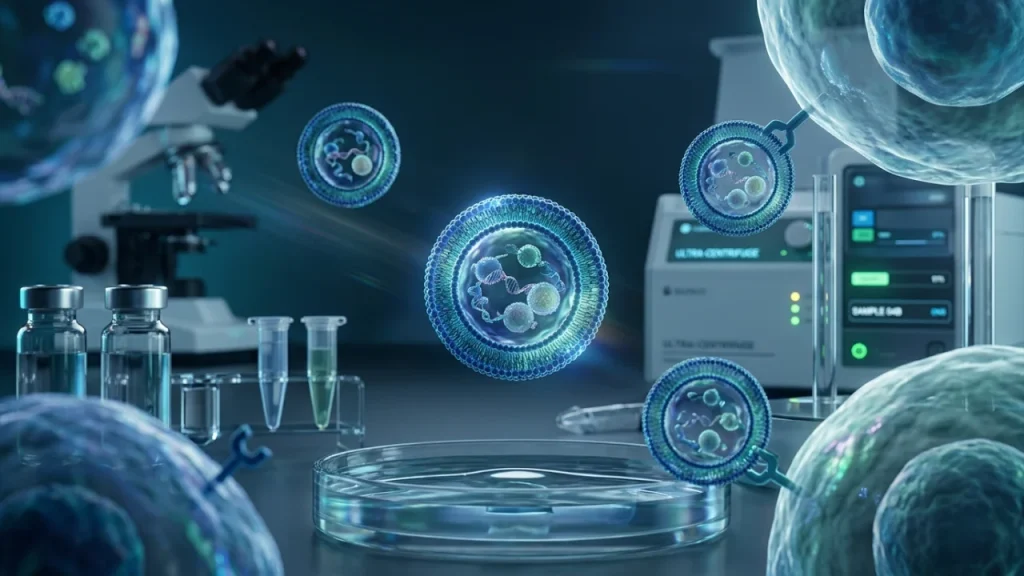
Exosomes are incredibly small. Thousands could fit across the width of a single human hair. They are not cells. They are vesicles, or tiny bubbles, released by cells. Each bubble carries a precise cargo from its parent cell. This cargo includes proteins, lipids, and genetic instructions.
This system is vital for health. Cells use exosomes to coordinate actions. An immune cell can alert others to a threat. A skin cell can send repair signals. A neuron in your brain can share information with another. This is how tissues talk to each other.
So, what are exosomes used for in medicine? Their natural role inspires new treatments. Scientists can harvest exosomes from certain cell types. They can then use them as targeted delivery vehicles. Think of them as nature’s own nanoscale mail trucks.
These messengers have several key uses. They can deliver therapy directly to diseased cells. This method reduces side effects on healthy tissue. They can calm an overactive immune system. This helps with conditions like arthritis. They also promote healing and tissue regeneration.
For example, stem cell exosomes are powerful healers. They don’t turn into new cells themselves. Instead, they instruct damaged cells to repair themselves. They tell cells to reduce inflammation. They also encourage the growth of new blood vessels.
The beauty industry is also interested. Skin cells release exosomes that maintain youth and elasticity. Topical products aim to use this signal. The goal is to tell aging skin cells to act young again. This could mean boosting collagen or accelerating repair.
Cancer cells exploit this system too. They send out more exosomes than healthy cells. These bad messages can help tumors grow and spread. Researchers are learning to intercept these signals. They also work on creating exosomes that block cancer’s plans.
The potential is vast because the system is natural. Our bodies already understand this language of vesicles. Science is learning to speak it fluently for healing. This leads us to the next big question: how are these remarkable messengers actually made and collected?
How Exosomes Carry Messages Between Cells
Exosomes carry molecular messages from one cell to another. They do not travel empty. Each tiny vesicle is packed with a specific cargo. This cargo is the actual message. It tells the receiving cell what to do.
Think of an exosome as a sealed shipping container. The container itself is the lipid bubble. The items inside are the instructions. Cells load these containers with different materials. The main types of cargo are proteins and genetic material.
Proteins act as signals or tools. An exosome from a stem cell might contain growth factor proteins. These proteins tell a damaged cell to start repairing itself. An exosome from an immune cell could carry regulatory proteins. These proteins might calm down an overactive immune response in another cell.
Genetic material provides blueprints. Exosomes often carry microRNAs. These are short strands of genetic code. They do not carry instructions for building a whole protein. Instead, they control which genes in the target cell are active or silent.
For example, a healing exosome might deliver microRNA that silences a gene for inflammation. This is one answer to what are exosomes used for. They are used for precise genetic regulation without entering the nucleus.
The delivery process is highly organized. It happens in three main steps.
First, a cell creates an exosome inside itself. It forms a small compartment called an endosome. Inside this compartment, it gathers the proteins and RNA meant for delivery. The endosome then buds inward many times. This creates many smaller vesicles inside the larger one. These smaller vesicles are the exosomes.
Second, the cell releases the exosomes. The multi-vesicular body moves to the outer membrane of the cell. It fuses with this membrane. All the contained exosomes are then released into the space outside the cell. This space is called the extracellular matrix.
Third, the exosome finds its target. It travels through bodily fluids like blood or spinal fluid. It can move relatively far from its source cell. The outside of the exosome has address labels. These are specific proteins embedded in its membrane.
A target cell has matching receptors on its surface. When the address protein meets the matching receptor, the exosome docks. It can then deliver its cargo in two ways.
It can fuse directly with the target cell’s membrane. This empties the entire contents into the cell’s interior. Alternatively, the target cell can swallow the whole exosome through a process called endocytosis. The cell then opens the package inside itself.
The specificity of this system is key. A liver cell’s exosomes will have different address labels than a brain cell’s exosomes. This helps ensure messages go to the right place. It minimizes cross-talk and errors in communication.
Cancer cells hijack this natural post office. They send out exosomes with cargo that prepares other parts of the body for tumor spread. Their exosomes might carry cargo that breaks down local tissue. This makes room for a new tumor to grow elsewhere.
Researchers study this cargo closely. By understanding the exact messages, they can create new therapies. They can load exosomes with therapeutic RNA or drugs. They can also engineer the address labels to target specific diseased cells.
This precise messaging system is why exosome science is so promising. Our bodies already use it for vital talk between cells. Scientists are now learning to write new messages for healing. The next step is to look at how we collect these natural messengers for study and use in medicine.
Where Do Exosomes Come From in the Body?
Almost every cell type in your body can make and release exosomes. This is a normal part of their daily function. Think of it like a neighborhood where every house can send out mail. Different houses send different types of letters.
Healthy cells constantly release these vesicles. They do this to talk to their neighbors and to cells far away. The amount and cargo change based on the cell’s needs. A cell under stress might send different signals than a calm, healthy cell.
Some cells are especially active messengers. Immune cells, like dendritic cells and B-cells, use exosomes heavily. They send out signals to coordinate the body’s defense system. These exosomes can present pieces of a virus to alert other immune cells.
Stem cells are another major source. Their exosomes are packed with growth factors and instructions for repair. This cargo can tell damaged tissues to heal themselves. It can reduce inflammation and spur new blood vessel growth.
Nerve cells in your brain and spine also release exosomes. They use them to pass molecules between neurons. This process supports brain plasticity, which is vital for learning and memory. It also helps clear waste products from brain tissue.
Fat cells, or adipocytes, send exosomes too. Their messages can influence how the body manages energy and sugar. This shows how exosome communication ties into whole-body metabolism.
Even everyday cells lining your blood vessels release them. These endothelial cells send exosomes that help control blood pressure and clotting. Their signals are crucial for vascular health.
The origin point inside the cell is called the endosomal network. It is a complex sorting station. Here, tiny vesicles called intraluminal vesicles form inside larger compartments. These larger compartments are multivesicular bodies.
When a multivesicular body moves to the cell’s outer membrane, it fuses. This releases the small internal vesicles into the space outside the cell. Those released vesicles are what we call exosomes.
The body’s fluids are full of these natural messengers. You can find exosomes in blood, urine, saliva, and breast milk. Their presence in such accessible liquids is very useful for doctors. It allows for potential “liquid biopsies” to check health.
So, what are exosomes used for in this natural context? Their native jobs are incredibly diverse. They help manage immune responses. They aid tissue repair and maintenance. They allow organs to coordinate their activities.
Cancer cells, however, exploit this universal system. As noted earlier, they often produce far more exosomes than normal cells. Their output can be ten times higher. This flood of abnormal messages helps the tumor survive and spread.
Researchers are deeply interested in these natural sources. By harvesting exosomes from certain cell types, they can access pre-packed therapeutic cargo. For instance, mesenchymal stem cell exosomes are studied for their strong healing potential.
Understanding where exosomes come from solves a key puzzle. It shows why they are safe and effective messengers for our own biology. Our bodies already trust them for critical communication tasks. This innate role is the foundation for their medical potential. The next question is how scientists gather these precise messengers from the complex mix of bodily fluids for study and use.
Why Scientists Study Exosomes So Intensely
Scientists study exosomes so intensely because they are tiny treasure chests of biological information. They carry molecular clues about the cells they came from. This makes them powerful tools for medicine.
One major answer to “what are exosomes used for” is disease detection. Doctors call this a liquid biopsy. Instead of cutting into tissue, they can often use a simple blood draw. They then isolate the exosomes from that blood sample. Analyzing their cargo can reveal early signs of trouble.
For example, tumor cells release exosomes with specific proteins and genetic fragments. These fragments are like unique fingerprints. Finding these fingerprints in a person’s blood could signal cancer long before a traditional scan would show it. This early warning is crucial for successful treatment.
Exosomes also show great promise as next-generation treatments. Researchers can load them with therapeutic molecules. Think of them as nature’s own delivery trucks. Their natural membrane helps them avoid immune system attacks. This means they can travel through the body unharmed.
They can deliver drugs directly to diseased cells. This targeting reduces side effects. Healthy cells are less likely to be affected. The potential uses are very broad.
- They could carry healing signals to repair a damaged heart after an attack.
- They might deliver anti-inflammatory agents to an arthritic joint.
- They could transport growth factors to help heal chronic wounds.
Another key use is in vaccine development. Exosomes from infected cells can carry pieces of a virus. This teaches the immune system to recognize the real threat. It is a clever way to train our body’s defenses.
The study of exosomes also helps us understand disease itself. By watching what messages diseased cells send, scientists learn how illnesses spread and worsen. In brain diseases like Alzheimer’s, exosomes may carry toxic proteins between neurons. Stopping this process could slow the disease.
Research is not just about serious illness. Exosomes are studied for sports medicine and anti-aging. Their role in communication is central to all body repair. Harnessing this could help heal injuries faster. It might also improve skin health and recovery.
The work is still largely in labs and clinical trials. Yet the progress is rapid. The goal is to turn these natural messengers into standard medical tools. They offer a double promise: smarter diagnosis and targeted treatment.
This intense study bridges a critical gap. It connects basic biology to real-world medical solutions. The next step is mastering how to reliably produce and purify these vesicles for consistent use. This brings us to the practical challenges of working with such small, complex messengers.
Exosomes in Modern Medicine: Healing from Within
How Exosomes Help Repair Damaged Tissues
Exosomes help repair damaged tissues by delivering precise instructions. They carry molecular messages directly to injured cells. These messages tell cells to start healing.
Think of a construction site after an accident. Exosomes act like expert foremen. They arrive with blueprints and tools. They direct the cleanup crew. They order new materials. They get the rebuilding process organized and moving fast.
The cargo inside exosomes is key to this repair work. It includes proteins and growth factors. These molecules signal cells to multiply. They also carry genetic instructions called microRNA. This RNA can turn on healing genes in target cells. It can also turn off genes that cause scarring or inflammation.
For example, consider a muscle tear. Inflamed cells at the injury site release distress signals. Nearby stem cells detect these signals. The stem cells then release exosomes packed with healing orders.
These exosomes travel to the damaged muscle cells. They deliver their cargo. This triggers several repair actions at once. – It reduces local inflammation, calming the area. – It stimulates new blood vessel growth, bringing in nutrients. – It encourages muscle cell regeneration and alignment.
The process is naturally targeted. Exosomes from specific cell types tend to find similar cells. Heart cell exosomes seek out other heart cells. Skin cell exosomes find skin cells. This homing ability makes them precise delivery vehicles.
Research shows exosomes can speed up wound closure. In studies, they help form new tissue and collagen. Collagen is the main structural protein in skin. Better collagen arrangement means stronger healing with less scarring.
Bone repair also uses these principles. Exosomes can instruct stem cells to become bone-forming cells called osteoblasts. They guide the complex process of mineral deposition. This helps fractures heal more completely.
Cartilage in joints has very limited self-repair ability. Exosome therapy offers hope here. They can slow cartilage breakdown. They also promote the synthesis of new cartilage matrix. This could delay or prevent joint replacements.
The nervous system benefits too. After nerve injury, exosomes can support neuron survival. They encourage the regrowth of nerve fibers called axons. This is crucial for recovering function after damage.
So, what are exosomes used for in tissue repair? They are used as natural biological messengers to coordinate regeneration. They do not become part of the new tissue themselves. Instead, they change the behavior of existing cells. They shift the local environment from a state of damage to a state of rebuilding.
This therapeutic strategy copies and amplifies what the body already tries to do. The goal is to boost a slow or insufficient natural response. By providing a concentrated dose of healing signals, exosomes can kickstart stalled repair processes.
Their small size is a major advantage for this work. They can easily cross biological barriers to reach injury sites. They circulate in fluids to find their targets. Their natural origin means the body generally recognizes them as safe.
The ultimate vision is an off-the-shelf repair toolkit. Doctors could use exosomes to treat tendon injuries, surgical wounds, or ulcers. The same core mechanism applies across different tissues. It is a unified approach to healing.
Mastering this requires precise control. Scientists must learn which exosome cargo works best for each injury type. The next challenge is scaling up production for reliable clinical use. This leads directly to questions of manufacturing and quality control for these potent vesicles.
What Are Exosomes Used For in Joint Health?
Joint pain and stiffness often stem from worn-down cartilage and inflammation. This is the core problem in conditions like osteoarthritis. Exosomes offer a novel strategy to address both issues at once. They work as natural biological messengers. Their job is to change the environment inside a damaged joint.
So, what are exosomes used for in this setting? Their primary roles are to calm inflammation and encourage repair. Inflamed joints are flooded with immune cells and harmful signaling molecules. These agents cause pain and further damage tissue. Exosomes from certain stem cells can interrupt this cycle.
They deliver specific instructions to immune cells. These instructions tell the cells to stop attacking. They promote a switch from a destructive inflammatory state to a healing one. Reducing this biological fire is the first critical step. It creates a calm environment where repair can begin.
The second major task is supporting cartilage. Cartilage is the smooth cushion at the end of bones. It lacks a robust blood supply and heals poorly. Exosomes target the resident cartilage cells called chondrocytes. They provide these cells with the tools and signals needed for maintenance.
Exosome cargo can stimulate chondrocytes to produce more of the essential structural components of cartilage. These components include collagen and proteoglycans. Think of these as the building blocks and shock-absorbing gel of the tissue. Exosomes help assemble and protect this matrix.
The mechanism is beautifully targeted. Exosomes do not simply flood the area with generic growth factors. Instead, they provide a sophisticated program of microRNAs and proteins. This program instructs cells to activate their own innate repair pathways. It is like giving a cell a detailed manual instead of just a single tool.
Research shows promising effects in models of joint disease. Studies report measurable reductions in inflammatory markers after exosome treatment. They also show improved cartilage thickness and surface smoothness. The goal is not just pain relief but potentially slowing disease progression.
Potential applications in joint health are broad. – Managing osteoarthritis symptoms and progression. – Aiding recovery after joint injuries or surgeries. – Possibly treating autoimmune forms of arthritis like rheumatoid arthritis by modulating the immune response.
The appeal for chronic conditions is significant. Exosomes could provide a regenerative treatment option beyond painkillers or steroids. These conventional approaches manage symptoms but often do not repair tissue. The vision is for exosomes to alter the course of the disease itself.
Challenges remain for clinical use. The joint is a complex, pressurized environment. Delivering and retaining exosomes there requires smart formulation. Scientists are exploring direct injection into the joint space. They are also testing ways to protect exosomes so they last longer and work better.
This approach exemplifies precision regenerative medicine. It uses the body’s own communication system to guide healing. The focus shifts from managing breakdown to enabling biological repair. Mastering this for joints could improve life for millions, offering a path to heal from within.
Exosomes and Brain Health: A New Hope
The brain is protected by a tight shield called the blood-brain barrier. This shield blocks most drugs and large molecules from entering. It keeps the brain safe from toxins. However, it also stops helpful medicines from reaching brain cells. This is a major problem for treating brain diseases. Exosomes offer a clever solution. They are small enough to cross this protective barrier. They can carry healing messages directly into the brain.
This natural delivery system creates new hope for neurological conditions. Researchers are actively studying what are exosomes used for in brain health. The potential is vast. Exosomes could carry therapeutic molecules to damaged areas. They might tell brain cells to repair themselves. They could also calm harmful inflammation.
Consider some specific conditions where this could help. – In Alzheimer’s disease, exosomes might help clear toxic protein clumps. – After a stroke, they could signal for new blood vessels to grow. – For Parkinson’s disease, they may protect delicate neurons from dying. – In traumatic brain injury, they might reduce swelling and promote repair.
The process is like sending a targeted repair crew into a secured area. Normal drugs cannot get past the gate. But exosomes have a special pass. They deliver their cargo right where it is needed most. This precision is key for the brain’s complex environment.
Scientists are exploring different sources for these therapeutic exosomes. Mesenchymal stem cells are a common focus. These cells release exosomes packed with helpful factors. The exosomes do not replicate or turn into tumors. They simply do their job and fade away. This makes them a safe candidate for therapy.
Current research shows encouraging results in animal studies. In models of stroke, exosome treatment improved recovery of movement. In models of Alzheimer’s, treated animals showed better memory. The effects seem to come from multiple actions. Exosomes reduce inflammation. They encourage cell survival. They also stimulate the growth of neural connections.
The path to human treatments involves careful work. Doctors must determine the right dose. They need to find the best way to administer exosomes, like through an IV. Timing is also critical for conditions like stroke, where early treatment is vital.
The impact on brain disorders could be profound. Many current treatments only manage symptoms. They do not change the disease’s course. Exosome therapy aims to modify the biology itself. It represents a shift towards true neuroregeneration.
This approach connects deeply with the theme of healing from within. The body’s own messaging system may hold the key to repairing its most complex organ. Using exosomes for brain health is not science fiction. It is a serious and active frontier in modern medicine. The next challenges are clinical trials to confirm safety and benefit in patients. Success could redefine care for millions living with neurological diseases. The journey from lab to clinic continues, guided by this powerful biological insight.
The Immune System and Exosome Communication
The immune system constantly patrols the body for threats. It must attack invaders but avoid harming healthy tissue. Exosomes are key to this balance. They carry precise instructions between cells.
Immune cells release millions of these vesicles. For example, dendritic cells are crucial sentinels. They capture pieces of a virus or bacterium. These dendritic cells then pack those pieces into exosomes. The exosomes travel to other immune cells. They deliver the antigen “blueprint.” This teaches the immune system what to target. It is a rapid alert system.
This process answers part of what exosomes are used for. They boost specific immune attacks. During a viral infection, exosomes can transfer antiviral signals. They help coordinate a focused defense. This makes the response faster and more efficient.
Exosomes also have a calming function. The immune system can sometimes overreact. This causes autoimmune diseases like rheumatoid arthritis. Here, certain exosomes deliver messages to suppress activity. They might carry molecules that tell aggressive immune cells to stand down. They promote tolerance instead of attack.
Think of exosomes as diplomatic envoys. They can declare war on pathogens. They can also negotiate peace for the body’s own tissues. Their cargo determines the message.
The cargo inside an exosome includes different types of molecules. – MicroRNAs: These are small genetic instructions. They can turn specific genes in the recipient cell on or off. – Proteins: These can be receptors or signaling molecules. They directly change the cell’s behavior. – Cytokines: These are potent immune hormones. They can trigger inflammation or resolve it.
A single exosome may contain hundreds of these elements. The combination creates a powerful directive.
Researchers are intensely studying this natural system. They want to harness it for medicine. One goal is better vaccines. Exosomes could be engineered to carry antigens from a tumor. This would train the immune system to recognize and kill cancer cells. This is a form of immunotherapy.
Another goal is treating autoimmune disorders. The aim is to use exosomes that carry calming signals. These could potentially reset an overactive immune system. This approach seeks to correct the underlying communication error.
The potential is vast because exosomes work with the body’s own language. They use pathways that already exist. This makes them a sophisticated tool for regulation.
Their role extends beyond just fighting or calming. Exosomes help clean up after battles too. After an infection, they can carry signals that start repair processes. They help switch the system from attack mode to healing mode.
This dual capacity is unique. Few therapies can both stimulate and suppress immunity so precisely. Exosomes achieve this by their precise addressing and cargo delivery.
Understanding this communication network is a major scientific effort. It reveals how complex immunity truly is. Cells do not act alone. They rely on a constant stream of vesicle-based messages.
The clinical implications are significant. Many diseases stem from immune dysfunction. Cancer evades detection. Autoimmune diseases cause friendly fire. Exosome research offers new strategies for these challenges.
It moves us toward highly targeted treatments. Instead of broadly affecting the whole immune system, we could guide specific parts. This means potentially fewer side effects and greater effectiveness.
The journey from basic biology to therapy continues. Each discovery about exosome communication adds a piece to the puzzle. The immune system’s own vesicles hold promise for smarter medical interventions. This leads us to consider their role in another critical area: tissue repair and regeneration beyond the brain and immune system.
Exosomes Versus Traditional Cell Therapies
Traditional cell therapy involves transplanting living cells into a patient. These cells aim to repair damaged tissue or fight disease. This approach has shown great promise for certain conditions. However, it also comes with significant challenges and risks. Exosome treatments offer a different path. They use the powerful messages cells produce, not the cells themselves.
Think of it like receiving a letter instead of hosting the messenger. A cell is a complex, living entity. An exosome is a tiny package it sends out. This fundamental difference leads to several key advantages for exosomes in safety and handling.
First, living cells require very specific conditions to survive. They often need special nutrients and a controlled temperature during transport and storage. Exosomes are far more stable. They can be frozen, stored, and shipped more easily. This makes them more practical for widespread medical use.
Safety is another major point. Introducing live cells into a body carries inherent risks. The patient’s immune system might attack the foreign cells. This is called rejection. Transplanted cells could also grow or act in unexpected ways. There is a small risk they could form tumors. Exosomes largely avoid these problems.
Exosomes are not alive. They cannot divide or multiply. This removes the risk of uncontrolled growth. Furthermore, they can be engineered to be less visible to the immune system. This lowers the chance of a dangerous immune reaction. For patients, this could mean treatments with fewer side effects.
The manufacturing process is also different. Growing cells for therapy is complex and expensive. It must be done under sterile conditions. Producing exosomes can be more standardized. Scientists can collect them from cell cultures grown in labs. They can then purify and concentrate the vesicles. This process is often more scalable.
So, what are exosomes used for in this context? They are being studied as a next-generation tool for many of the same goals as cell therapy. This includes healing injured muscles, repairing heart tissue after an attack, and treating degenerative joint diseases. They deliver healing signals without the complexities of live cells.
Consider a specific example in wound healing. A cell therapy might inject stem cells into a wound site. Those cells would then release signals to promote repair. An exosome therapy would inject just those purified signals directly. The effect on the tissue could be similar. The safety profile is likely better.
This does not mean cell therapies are obsolete. They remain crucial for certain applications, like bone marrow transplants. Yet for many regenerative goals, exosomes present a compelling alternative. They offer a precise, cell-free strategy.
The potential benefits are clear: – Reduced risk of immune rejection. – No risk of tumor formation from transplanted cells. – Easier storage and longer shelf life. – More consistent and scalable production.
Research is ongoing to fully understand what are exosomes used for best in medicine. Scientists are determining which conditions respond better to exosome signals versus whole cells. The goal is to match the tool to the task perfectly.
This shift from cells to vesicles represents an evolution in regenerative medicine. It focuses on the essential communication that drives healing. By harnessing this natural messaging system, medicine can aim for effective treatments with greater inherent safety. This logical progression leads us to consider how these vesicles are actually prepared for clinical use.
Current Research on Exosomes for Chronic Diseases
Scientists are now testing exosomes for many long-term health problems. These diseases often involve damaged tissue or faulty cell communication. Exosomes offer a way to correct these signals. Their research covers several major areas.
One key area is neurodegenerative diseases. In conditions like Alzheimer’s and Parkinson’s, brain cells slowly die. Connections between neurons break down. Research shows that exosomes from stem cells can cross the blood-brain barrier. This is a natural filter that protects the brain. Once inside, these vesicles may deliver protective factors. They could reduce inflammation and help clear toxic proteins. Some studies in animals show they can improve memory and motor function. The goal is to slow or stop disease progression.
Chronic heart failure is another major target. After a heart attack, scar tissue forms. This weakens the heart muscle over time. Researchers are exploring exosomes that carry instructions for repair. These signals might tell heart cells to survive better. They could also encourage the growth of new, small blood vessels. This process is called angiogenesis. Improved blood flow helps the damaged heart tissue. Early-stage clinical trials are investigating this approach for patients.
The field of autoimmune diseases is very active. In rheumatoid arthritis, the immune system attacks the joints. It causes pain and swelling. Exosomes might be used to retrain immune cells. Certain exosomes carry messages that can calm an overactive immune response. They may tell aggressive cells to stop attacking the body’s own tissues. This could lead to treatments with fewer side effects than current drugs.
Diabetes and its complications are a focus too. A big problem is diabetic wounds and ulcers. These sores heal very slowly and can lead to amputations. Exosomes from mesenchymal stem cells are being studied intensely. They appear to boost all stages of wound healing. They reduce inflammation in the sore. They spur new blood vessel growth. They also help skin cells multiply and move to close the wound. This directly addresses a huge unmet medical need.
Research into chronic lung diseases like pulmonary fibrosis is promising. Here, lung tissue becomes thick and stiff. Breathing becomes difficult. Scientists are examining exosomes that may stop or reverse scarring. These vesicles could deliver molecules that break down excess collagen. Collagen is the protein that forms scar tissue. Other molecules might protect healthy lung cells from damage.
So, what are exosomes used for in this context? They are being studied as targeted delivery systems for healing messages. Each disease requires a specific set of instructions. The source of the exosome matters greatly. Exosomes from different cell types carry different cargo.
Current clinical research involves several steps: – Isolating exosomes from specific donor cells. – Characterizing their cargo to ensure consistency. – Testing safety in animal models of the chronic disease. – Moving to human trials to measure both safety and early signs of benefit.
The common thread is communication repair. Chronic diseases often disrupt the body’s normal signaling networks. Exosomes represent a way to restore that dialogue with precision. They do not just block a symptom. They aim to instruct the body to heal itself from within.
This research is still largely in preclinical or early clinical phases. Yet the breadth of applications is vast. It underscores the fundamental role of vesicle communication in health and disease. Understanding these ongoing studies helps clarify the future medical landscape. It also highlights the next big challenge: manufacturing these complex vesicles reliably for widespread use.
Exosomes in Skincare: Science Meets Beauty
How Exosomes Deliver Youthful Signals to Skin
Skin aging happens when cells slow down their production of key proteins. Collagen provides firmness. Elastin allows skin to snap back after stretching. Over time, our skin makes less of these proteins. The result is wrinkles and sagging. Topical creams often struggle to effectively instruct cells to reverse this slowdown.
This is where exosomes show great promise. They act as natural messengers. But what are exosomes used for in a skincare formula? Their primary job is delivery and instruction. They carry precise orders directly to your skin cells.
The process starts with the source cells. Scientists often use exosomes from human stem cells. These stem cells are masters of repair and renewal. Their exosomes are packed with specific instructions. The vesicles carry these orders to older, tired skin cells.
The delivery is highly targeted. Exosomes fuse with the membranes of skin cells called fibroblasts. Fibroblasts are the collagen factories in your skin. The exosome releases its cargo directly into the cell’s interior. This cargo includes several types of molecules.
- MicroRNAs are key instruction molecules. They can turn genes on or off.
- Growth factors signal the cell to become more active and youthful.
- Enzymes help repair existing cellular damage.
The microRNAs are like a master switch. They bind to the cell’s own genetic machinery. This binding tells the fibroblast to ramp up production. The cell starts making more collagen and elastin fibers. It is not just adding a temporary layer on top. It is instructing your skin to rebuild its own support structure from within.
Think of it as resetting a cellular clock. The aged fibroblast receives a youthful signal. It begins behaving like a younger version of itself. The effects are gradual and biological. New collagen integrates into the skin’s matrix over weeks and months.
This signaling approach has distinct advantages. The exosomes themselves are not living cells. They are simply carriers of information. This makes them stable and easier to formulate into products. Their natural origin means the body recognizes them easily.
The goal is sustained improvement, not just surface masking. By teaching skin cells to function better, the benefits can be longer-lasting. The skin’s quality and texture improve because its foundational structure is reinforced.
Research in this area is advancing quickly. Studies measure the increase in collagen gene expression after exosome treatment. They also track actual protein production in 3D skin models. The data shows a clear reactivation of youthful cellular functions.
Safety is a critical part of the science. Exosomes for cosmetics are rigorously purified. They are screened to ensure they contain only the desired signaling cargo. This precision minimizes any risk of unwanted reactions.
The journey from source cell to smoother skin is a marvel of biotechnology. It leverages the body’s innate communication system for cosmetic benefit. This represents a shift from passive coverage to active cellular instruction.
The next logical question involves practical application. How are these potent biological signals formulated into a stable, effective product that consumers can use?
What Are Exosomes Used For in Anti-Aging?
Exosomes in skincare target the root causes of aged skin. They do not just temporarily plump wrinkles. They instruct your skin cells to rebuild their own support structure. This leads to natural, lasting improvements.
So, what are exosomes used for in anti-aging? Their primary mission is to reverse visible aging signs. These signs include fine lines, deep wrinkles, and loss of firmness. They also address dull tone and rough texture. The goal is a fundamental rejuvenation.
Aging skin suffers from a communication breakdown. Older cells send weaker signals. They produce less collagen and elastin. These are the vital proteins that keep skin springy and tight. Exosomes deliver a powerful new set of instructions. They tell tired cells to act young again.
Think of a wrinkle as a structural problem. The dermis beneath your skin loses its protein framework. This is like a mattress losing its springs. Topical creams often only coat the surface. Exosome signals penetrate to where the problem starts. They encourage fibroblasts, your skin’s builder cells, to make new collagen.
The process is precise and multi-faceted. Exosome cargo can trigger several key actions in aging skin.
- First, they boost collagen and elastin production. This directly thickens and strengthens the dermal layer.
- Second, they improve cell turnover. This helps shed old, dull surface cells more efficiently.
- Third, they enhance antioxidant defenses. This protects cells from daily environmental damage.
- Fourth, they support better hydration by improving the skin’s barrier function.
The result is not a superficial change. The skin’s architecture becomes more robust. Wrinkles soften because the foundation beneath them is reinforced. Firmness improves because the network of support proteins is denser. This approach tackles aging from the inside out.
Research shows measurable outcomes. Studies using 3D human skin models demonstrate clear effects. Treated samples show a significant increase in collagen types I and III. These are the most abundant types in young, healthy skin. Another key marker is hyaluronic acid. Exosome signals can increase its natural production for better hydration.
The timeline for results is biological, not instant. You will not see change after one use. Cells need time to receive the signals and start their new work. Improvements in texture and radiance may appear in weeks. Deeper structural changes, like firmness, develop over months. The effect is cumulative with continued use.
Safety comes from precision. These exosomes are purified messengers. They carry no genetic material that can replicate. They simply deliver a temporary instruction set. Once their job is done, they are broken down naturally by the body.
This makes exosome skincare a powerful tool. It is for those seeking more than surface-level correction. It is for people who want to influence their skin’s biology. The aim is to restore a more youthful functional state.
The next step is understanding how these biological tools are prepared for safe and effective use in a cosmetic formula.
Exosomes and Skin Hydration Mechanisms
Hydrated skin is more than just a surface feeling. It is a state of biological balance. Exosomes help maintain this crucial balance. They do this by sending precise instructions to skin cells. These instructions target the skin’s natural hydration systems.
One primary target is the hyaluronic acid network. Hyaluronic acid is a powerful sponge-like molecule. It can hold up to one thousand times its weight in water. Fibroblasts in the skin make this molecule. As we age, their production slows down. Exosomes carry signals that tell these fibroblasts to become more active. They encourage the cells to produce more hyaluronic acid. This creates a richer reservoir for moisture within the skin’s deeper layers.
But exosome action does not stop there. They also influence the skin’s water channels. These channels are called aquaporins. Think of them as tiny gates in cell membranes. They control water movement in and out of cells. Exosome signals can increase the number of these aquaporins. More gates mean better water traffic. This helps ensure even water distribution across all skin layers.
The barrier function is another key area. The outermost layer of skin, the stratum corneum, acts as a shield. It prevents vital water from escaping into the air. A strong barrier relies on lipids. These are special fats that fill the spaces between skin cells like mortar between bricks. Exosome messaging supports the cells that produce these lipids. A robust lipid layer means less transepidermal water loss. This keeps hydration locked in.
The process is a coordinated campaign: – First, signals boost internal water storage by increasing hyaluronic acid. – Next, they optimize water transport by regulating aquaporin channels. – Finally, they fortify the external barrier to minimize moisture escape.
This multi-level approach addresses hydration holistically. It is not about adding a temporary layer of wetness. It is about reprogramming the skin’s own capacity to manage water. The result is resilience. Skin becomes better at maintaining its moisture levels against external stressors. These include dry air, wind, and temperature changes.
Research into what are exosomes used for often highlights this systems-level impact. Their utility lies in coordinating several processes at once. For skin hydration, the outcome is a lasting plumpness and suppleness. Dehydration lines may appear less pronounced because the skin’s foundation is volumized with water.
The timing of these effects aligns with the skin’s renewal cycle. Initial improvements in smoothness come from better surface hydration. The deeper, reservoir-building effects develop over subsequent weeks. This leads to a sustained dewy glow that originates from within the skin’s architecture.
Understanding these mechanisms shows why exosomes are considered intelligent messengers. They deliver context-specific commands that restore fundamental functions. After exploring how they manage moisture, it is logical to examine their role in another critical area: calming irritation and supporting the skin’s natural defenses.
Repairing Sun Damage with Exosome Technology
Sun exposure leaves a hidden mark deep within your skin cells. Ultraviolet (UV) rays do more than cause a sunburn. They create silent damage at a cellular level. This damage accumulates over time. Exosomes offer a promising way to address this problem at its source.
So, what are exosomes used for in this context? They are used as precise messengers. They can deliver instructions that kick-start the skin’s own repair systems. Think of them as emergency responders. They arrive with a blueprint for recovery.
The harm from UV light is complex. It happens in several key ways. First, UV rays can directly damage the DNA inside skin cells. This can lead to mutations. Second, it creates an overload of unstable molecules called free radicals. These molecules attack and degrade important proteins. Third, it weakens the skin’s support structure.
Exosomes help counter each of these issues. They do not just add a temporary layer of protection. They encourage your cells to fix the underlying problems.
One major task is supporting DNA repair. Cells have natural machinery to fix minor DNA damage. UV exposure can overwhelm this system. Exosomes from healthy cells can carry signals. These signals boost the cell’s internal repair processes. This helps maintain genetic stability in skin cells.
Another critical job is fighting oxidative stress. This is the free radical damage we mentioned. Exosomes carry powerful antioxidant enzymes directly into cells. These enzymes neutralize free radicals on site. This stops the chain reaction of damage. It protects vital components like collagen fibers.
Collagen is the protein that keeps skin firm and smooth. UV radiation breaks it down. This leads to wrinkles and sagging. Exosome signals can tell fibroblast cells to become more active. Fibroblasts are the skin’s collagen factories.
- First, exosomes may help clear away damaged collagen fragments.
- Next, they instruct fibroblasts to produce new, healthy collagen.
- Finally, they promote the proper organization of this new collagen network.
This process helps restore the skin’s internal scaffolding. The result is a gradual improvement in texture and firmness. Fine lines caused by sun damage may become less visible.
Exosomes also help calm chronic inflammation. Sun-damaged skin often exists in a state of low-grade irritation. This inflammation itself causes further harm. Exosome messages can help reset the immune signals in the skin. They promote a shift from a destructive inflammatory state to a restorative one.
The timeline for seeing these repairs is measured in weeks and months. Skin cell turnover takes time. Rebuilding collagen is a slow process. Initial changes might include a more even skin tone and reduced redness. Deeper structural repair follows later.
This approach is fundamentally different from superficial treatments. It aims to restore the cell’s own healthy behavior. Research into what are exosomes used for continues to reveal their potential here. They provide the instructions your skin needs to heal from past sun exposure.
Addressing sun damage repairs one major cause of aging. The next logical step is looking at how exosomes support the skin’s daily defense system against all environmental threats.
The Safety Profile of Topical Exosome Products
The safety of any skincare ingredient depends on its source and how it is prepared. Exosomes used in topical products come from controlled laboratory settings. Scientists grow specific types of human cells in sterile conditions. These cells release exosomes into their nutrient solution. The exosomes are then carefully collected and purified. This process removes the original cells and other debris. What remains is a concentrated solution of the messenger vesicles. This controlled origin is a key safety factor.
A common question is about immune reactions. Because exosomes are natural biological carriers, the risk of irritation is typically low. They are not synthetic chemicals. Their membranes are similar to our own cell membranes. Topical application means they work on the skin’s surface and in its upper layers. They are not designed to enter the bloodstream. Their action is local and targeted. Research into what are exosomes used for often highlights this targeted, local communication as a safety advantage.
Manufacturing standards are critical for safety. Reputable producers follow strict protocols. – They screen the original donor cells for pathogens and genetic stability. – The entire growth process happens in a sterile, closed system. – Multiple filtration steps ensure a pure final product. – Testing confirms the exosomes are active and free from contaminants.
These steps mirror standards used in other advanced biotechnologies. The goal is consistency and purity in every batch.
The final product formulation also matters. Exosomes for skincare are mixed into serums or creams. These carrier formulas are designed to be gentle and stabilizing. They often include ingredients that help protect the exosomes’ integrity. This ensures the vesicles remain active until they are applied to your skin. A good formulation delivers the exosomes without causing unnecessary sensitivity.
When you apply an exosome product, it interacts with your skin’s ecosystem. The vesicles fuse with the membranes of skin cells. They deliver their cargo of instructions and nutrients. This process is a natural form of cell-to-cell signaling. It does not involve harsh chemicals that strip or aggressively exfoliate the skin. The mechanism is about communication, not corrosion.
Clinical observations support this safety profile. In studies, topical exosome applications show excellent tolerance. Most users do not experience redness, stinging, or peeling. These are common side effects with stronger acid-based or retinoid products. Exosome treatments aim to support the skin’s balance. They do not typically disrupt its protective barrier. This makes them suitable even for skin that is sensitive or recovering from other procedures.
It is important to have realistic expectations about results and safety. Natural does not automatically mean risk-free for every single person. Individual responses can vary. Performing a patch test is a wise precaution with any new product. Apply a small amount to your inner arm or behind the ear. Wait twenty-four hours to check for any reaction. This simple step adds a personal layer of safety.
Understanding these points helps you evaluate product claims. Safe exosome skincare relies on ethical sourcing, rigorous science, and gentle delivery. The future of this field depends on maintaining these high standards as research continues to evolve. This foundation of safety allows us to explore how these microscopic messengers might be harnessed for even more targeted goals in personal care.
The Science Behind Exosome Applications
How Exosomes Are Isolated and Prepared
Scientists cannot simply collect exosomes straight from cells. The tiny vesicles are mixed with many other things in their environment. They must be carefully separated and concentrated. This process is called isolation. It is a crucial first step for any application. The goal is to get a clean sample of exosomes. This sample must be free from contaminants that could cause unwanted effects.
The journey often starts with cell culture. Researchers grow specific types of cells in nutrient-rich liquid. These cells naturally release exosomes into this liquid over time. The used liquid, now called conditioned media, holds the exosomes. But it also holds many other particles. It contains proteins, cell debris, and other waste products. The exosomes must be fished out from this complex mixture.
Several methods exist for this fishing process. Each method has different strengths. Scientists often use a combination of techniques to achieve high purity.
One common first step is filtration. The liquid is passed through filters with very tiny pores. These pores are smaller than most cells and large debris. But they are larger than exosomes. This step removes the biggest contaminants. It prepares the sample for more precise methods.
Ultracentrifugation is a traditional and widely used technique. It uses extremely high spinning speeds in a special machine. This spinning creates immense centrifugal force. Different particles in the liquid settle out at different rates based on their size and density. After a long spin, exosomes form a small pellet at the bottom of the tube. The leftover liquid is poured off. This method is effective but requires expensive equipment. It can also take many hours to complete.
Newer methods often use polymers or special filters. These techniques can be faster and gentler on the exosomes. One popular approach is size-exclusion chromatography. Here, the sample flows through a column packed with porous beads. Smaller particles, like proteins, get trapped in the beads’ pores and move slowly. Larger exosomes flow around the beads and exit the column first. This neatly separates them by size.
After isolation, scientists must confirm what they have collected. They run tests to verify the vesicles are truly exosomes. They check for specific marker proteins on their surface. They measure their size using tools like nanoparticle tracking analysis. Good exosomes should be within a certain size range, typically between 30 and 150 nanometers. That is about one thousand times smaller than the width of a human hair.
Once purified and verified, the exosomes can be prepared for use. They might be suspended in a stable buffer solution. This solution keeps them intact until needed. For some applications, they are frozen at very low temperatures. This freezing, called cryopreservation, allows for long-term storage without damage.
The entire process from culture to purified vial is meticulous. It requires careful control at every stage. The quality of the final product depends entirely on this rigorous preparation. Understanding what are exosomes used for begins with knowing how they are isolated. Reliable applications in skincare or medicine need pure, well-characterized vesicles. This careful science in the lab is what makes their potential uses both safe and effective for future exploration.
What Makes Exosomes Target Specific Cells?
Exosomes do not move at random. They carry precise molecular instructions to find certain cells. This targeting is key to their natural role and their potential uses. So, what makes exosomes target specific cells? The answer lies on their surface.
Think of an exosome as a tiny envelope. Its surface is covered with various proteins and molecules. These act like stamps and address labels. A liver cell sends out exosomes with a “liver” address. A nerve cell sends out exosomes with a “nerve” address. This system ensures messages go to the right place.
The main targeting signals are proteins. These proteins can bind to matching receptors on a target cell. A receptor is like a lock. The exosome’s surface protein is the key. If the key fits the lock, the exosome can deliver its cargo. This is highly selective.
For example, exosomes from immune cells often carry a protein called ICAM-1. This protein binds to receptors on other immune cells. It helps coordinate the body’s defense response. Exosomes from tumors may carry different proteins. These can help them communicate with other tumor cells or prepare new sites for cancer spread.
The lipid membrane itself also plays a part. Its composition can fuse with certain cell membranes more easily. This makes entry faster for some cell types. The combination of signals is complex.
Scientists study these natural addresses for medicine. They want to direct therapeutic exosomes. The goal is to treat a specific organ without affecting others. This could make treatments more powerful and safe.
Researchers are learning to engineer exosomes. They can add custom addresses to the vesicle surface. One method is to insert a new protein into the exosome’s membrane. Another method is to chemically attach a targeting molecule. This turns a natural messenger into a guided delivery system.
Potential applications are broad. – Targeted drug delivery: Engineered exosomes could carry cancer drugs directly to a tumor. – Gene therapy: They could deliver genetic instructions to fix faulty cells in one organ. – Reducing side effects: Precise targeting means lower doses and less impact on healthy tissue.
Understanding this targeting solves a major puzzle. It shows what are exosomes used for in nature and in future labs. Their natural ability to find cells is being harnessed for precision medicine. This turns a biological letter carrier into a potential medical courier.
The process is not perfect yet. The body can clear some exosomes quickly. Some may still go to unintended cells. But research is improving the design every year. The focus now is on making these guided vesicles stable, accurate, and effective.
This precise targeting separates exosomes from many other drug carriers. It is their native advantage. It is why they are so promising for advanced therapies. The next step is loading them with the right therapeutic cargo for their journey.
The Role of Exosomes in Natural Healing Processes
Our bodies use exosomes for internal communication and repair every day. These tiny vesicles carry molecular messages between cells. This system is a fundamental part of our biology.
Think of a small cut on your skin. The healing process involves many cells. Exosomes help coordinate their actions. Damaged cells send out signals. Nearby healthy cells respond. Exosomes are key carriers of these signals.
They deliver specific instructions. These instructions are packaged inside the vesicle. The cargo can include proteins and nucleic acids. One crucial cargo type is microRNA. These are small pieces of genetic code. They do not carry full genes. Instead, they regulate how existing genes work.
For example, exosomes can tell a cell to reduce inflammation. They can instruct a cell to start building new tissue. They can even order a damaged cell to destroy itself for the greater good. This process is called apoptosis.
Stem cells are prolific senders of healing exosomes. This is a major area of research. Mesenchymal stem cells release exosomes that promote repair. These exosomes can travel to injured sites. They then encourage local cells to regenerate.
The effects are measurable in several key processes. – Angiogenesis: Exosomes can signal the body to grow new blood vessels. This brings oxygen and nutrients to damaged tissue. – Collagen production: They instruct cells to make more structural proteins. This helps rebuild skin and other tissues. – Immune modulation: Exosomes can calm an overactive immune response. This reduces harmful swelling and pain.
This natural system answers a core question about what are exosomes used for in our own bodies. Their primary role is maintenance and repair. Scientists observed this innate ability first. Now they aim to copy and enhance it for medicine.
The body’s own exosome production changes with health and age. Younger, healthier tissues often show more active exosome signaling. Some diseases may disrupt this communication network. Cancer hijacks the system, using exosomes to spread and hide.
Researchers collect these natural vesicles for study. They often use cell cultures in labs. The cells are grown in special fluid. They release exosomes into this fluid over time. Scientists then separate the exosomes for analysis.
Understanding this natural function is the first step. It shows why exosomes are such promising therapeutic tools. They are not foreign or synthetic. They are a native part of our healing toolkit. The next scientific challenge is scaling this natural potential.
We must learn to produce consistent therapeutic quantities. We must ensure their safety and purity. The goal is to harness a biological process we already possess. This makes exosome-based approaches uniquely aligned with the body’s own methods.
The science takes inspiration from these natural healing processes. It seeks to direct them with greater precision and power. This foundational knowledge guides all modern applications. It turns a biological curiosity into a targeted medical strategy.
Differences Between Exosomes and Other Vesicles
Cells release different types of tiny bubbles. These are called extracellular vesicles. They all carry signals. But they are not all the same. Scientists group them mainly by how they are made. Exosomes form in a special way.
The journey of an exosome starts deep inside the cell. First, the cell’s membrane folds inward. It captures proteins and RNA inside a small pouch. This pouch is called an endosome. The endosome then forms smaller bubbles inside itself. These internal bubbles are the future exosomes.
At this stage, the structure is called a multivesicular body. It is like a cargo ship holding many tiny lifeboats. The multivesicular body travels to the outer membrane of the cell. It fuses with this membrane. Finally, it releases the small vesicles into the outside space. These released vesicles are the exosomes.
This complex origin defines them. It answers part of what are exosomes used for in research. Their specific birth gives them a consistent size and cargo.
Exosomes are remarkably small. Their size range is strict. They measure between 30 and 150 nanometers in diameter. A nanometer is one billionth of a meter. For scale, about a thousand exosomes could line up across the width of a single human hair.
Other vesicles come from different places. Microvesicles are one major type. They are often called ectosomes. Their formation is more direct. They simply bud, or pinch off, directly from the cell’s outer membrane.
Think of it like this. A microvesicle is like a piece of the cell’s skin pinching outward until it breaks free. An exosome is made in a factory inside the cell and then exported. This difference matters.
Because of their origin, microvesicles tend to be larger. They range from about 100 to 1000 nanometers wide. Their size is less uniform. Their cargo also differs slightly. It often reflects the outer membrane’s composition at the moment of pinching.
Why does this distinction matter for medicine? The origin affects consistency. – Exosomes have a controlled interior environment during formation. This can lead to more predictable cargo. – Microvesicles form directly from the membrane. Their content can be more variable. – Scientists can sometimes separate them by size. But their functions can overlap in the body.
Both types are important for communication. Yet the precise exosome pathway offers advantages for therapy. Researchers can engineer the parent cells to load specific healing molecules into exosomes. The consistent size also helps with purification.
Knowing the difference is crucial for science. When a study mentions “extracellular vesicles,” it could mean a mix. Modern research aims to isolate pure exosome populations. This ensures we understand their unique effects.
The specific biogenesis of exosomes makes them ideal natural delivery vehicles. Their small, uniform size lets them travel widely in the body. Understanding this sets the stage for seeing how we use them in applications today.
Practical Insights and Future Directions
What to Expect from Exosome Treatments Today
Exosome treatments are not yet a standard part of most doctor’s visits. They are primarily available in specialized clinics and research settings. This is a cutting-edge area of medicine. Current uses focus on repair, regeneration, and reducing inflammation.
So, what are exosomes used for in these settings? Their main role is as signal carriers. They deliver instructions to patient cells. Think of them as a reset button for damaged or inflamed tissue. They tell cells to calm down, repair themselves, or create new blood vessels.
One common application is in orthopedics for joint health. Doctors may use exosome injections for knee, shoulder, or hip pain. The goal is to reduce inflammation in the joint. Exosomes also encourage cartilage cells to regenerate. This can help with osteoarthritis and sports injuries. It offers an alternative to steroid shots or surgery.
Another major area is skin rejuvenation and wound healing. In aesthetic medicine, exosomes can be applied after procedures like laser therapy. They accelerate the skin’s natural healing process. This leads to faster recovery and improved results. For chronic wounds that won’t close, exosome therapy can promote new tissue growth.
Exosomes also show promise for autoimmune and inflammatory conditions. This includes problems like rheumatoid arthritis or Crohn’s disease. The vesicles can carry molecules that dial down an overactive immune response. This helps reduce symptoms without broadly suppressing the entire immune system.
It is critical to understand the source of these exosomes. Most clinical exosomes come from donated human mesenchymal stem cells. These are adult stem cells found in bone marrow or fat tissue. The cells are grown in a lab under strict conditions. They release exosomes into the culture fluid. Scientists then collect and purify these vesicles.
The treatments themselves are often simple injections or topical applications. A doctor might inject exosomes directly into a painful knee joint. For skin treatments, they might be applied as a serum after microneedling. The process is usually quick and done in a clinic.
Patients should have realistic expectations about results. Exosome therapy is not an instant cure. Effects are often cumulative and regenerative. It may take weeks or months to see the full benefit. Multiple sessions might be needed for lasting impact.
Safety and regulation are key points. In many countries, exosome products are regulated as biologic drugs or therapies. Reputable clinics will use products processed in certified labs. They follow strict testing for purity and safety. Patients should ask about the source and regulatory status of any treatment.
Current research is actively expanding these uses. Clinical trials are testing exosomes for nerve repair, heart damage after heart attacks, and even hair growth. Each trial aims to find the right dose and best delivery method.
The field is moving from broad general use toward personalized approaches. Future treatments may use exosomes tailored to a patient’s specific genetic profile. Today’s applications provide a strong foundation for that future. They demonstrate the practical healing potential of these cellular messengers in real-world medicine. This progress naturally leads to questions about what comes next in research and treatment accessibility.
Common Questions About Exosome Safety and Efficacy
Many people wonder if exosome treatments are safe. The core answer depends on source and quality. Exosomes used in medicine come from carefully screened human cells. These are often stem cells from donated umbilical cord tissue or a patient’s own fat. The cells are grown in sterile labs. They are not taken directly from another person’s body. The exosomes are then collected and purified. This process removes other cell parts and potential contaminants. Reputable providers test each batch for purity, safety, and strength. They check for viruses, bacteria, and endotoxins. You should always ask a clinic for these test results. This is a key part of ensuring safety.
Another common question is about side effects. Reported reactions are typically mild and temporary. They may include short-term redness or swelling at an injection site. Some people feel slight fatigue for a day. Serious adverse events are rare in regulated settings. The risk is higher with poorly made products or improper injection techniques. This is why choosing a qualified medical professional is critical. They understand correct dosing and placement. Self-treatment or “at-home” exosome kits are not advised and carry unknown risks.
People also ask, “How long do the effects last?” Results vary by person and condition. For joint pain, relief might last several months to over a year. For skin rejuvenation, improved texture can persist for many months. Exosomes work by signaling your body’s own repair systems. Their effect is not permanent because aging and wear continue. Maintenance sessions are often needed. Think of it like updating software rather than installing new hardware. The treatment gives your cells new instructions to heal. But your body’s natural processes eventually need a reminder.
A major concern is regulation. In the United States, the FDA regulates exosomes as biologic drugs. This means they must be approved for specific uses. Most cosmetic exosome uses are not yet FDA-approved. Clinics operate under different rules like the “doctor’s discretion” model. In Europe, regulations are stricter under the European Medicines Agency. Countries like South Korea have approved specific exosome products for wound healing. Always research your country’s specific rules. A transparent clinic will openly discuss the regulatory status of their treatments.
People search for what are exosomes used for and want proven results. Current evidence comes from lab studies, animal research, and small human trials. Larger, definitive clinical trials are still underway. Early data for knee osteoarthritis shows reduced pain and better cartilage markers. Early data for skin shows improved collagen and elasticity. However, exosomes are not a magic cure-all. They will not reverse severe genetic diseases or late-stage cancer. Managing expectations is vital for patient satisfaction.
Finally, individuals ask about the difference between exosomes and stem cell injections. This is important. Stem cell therapy injects whole living cells into your body. Exosome therapy uses only the messaging vesicles those cells produce. Exosome treatments may have a lower risk of immune reaction. They also cannot form unwanted tissue or tumors because they are not cells. They carry information without the complexities of living cell transplantation.
Choosing a provider requires careful homework. Look for a licensed medical doctor with specific training in regenerative medicine. Ask where their exosomes are sourced and manufactured. Request documentation of third-party lab testing for purity and concentration. Be wary of claims that sound too good to be true. A trustworthy provider will discuss both potential benefits and realistic limitations. They will prioritize your safety and informed consent above all else. This due diligence is your best path to a positive experience with this promising new field of medicine.
How Exosome Research Is Evolving Rapidly
Scientists now engineer exosomes in labs to perform specific tasks. This is a major shift. Researchers can load these vesicles with custom cargo. They can direct them to precise locations in the body. This turns natural messengers into targeted delivery systems.
One key area is drug delivery. Exosomes act as tiny natural carriers. They can protect fragile drugs like RNA therapies from destruction. They help these drugs enter target cells efficiently. This approach is being tested for hard-to-treat conditions. – Brain diseases: Exosomes may cross the protective blood-brain barrier. This is a huge challenge for most drugs. – Cancers: Engineered exosomes could deliver toxic drugs directly to tumors. This might spare healthy tissue. – Genetic disorders: They might carry gene-editing tools to fix cellular errors.
Another evolution is in diagnostics. The question ‘what are exosomes used for’ now includes early disease detection. Tumors release distinct exosomes into blood and other fluids. These vesicles carry molecular signatures from their parent cells. Scientists are creating liquid biopsies. These tests analyze exosomes to find cancer signs long before symptoms appear. Similar methods are explored for Alzheimer’s disease and liver conditions.
The source of exosomes is also expanding. Initially, research focused on vesicles from stem cells. Now, scientists study exosomes from many cell types. Plant-derived exosomes are a new area. Vesicles from fruits like grapes show anti-inflammatory effects in early studies. This could lead to more accessible and stable sources for future therapies.
Manufacturing technology is racing to keep up with demand. New methods aim to produce vast quantities of pure exosomes. Scalability is crucial for widespread clinical use. Techniques like tangential flow filtration help isolate exosomes faster. Better storage solutions are also in development. The goal is to ensure consistent potency from lab to patient.
Personalized medicine is a clear future direction. Imagine a treatment made from your own cells. Doctors could collect your cells, harvest or engineer their exosomes, and return them to you. This could minimize immune risks further. It could tailor therapy to your unique biology.
Regulatory science is evolving alongside the biology. Agencies are working to define what a pure and safe exosome product looks like. Clear guidelines will help standardize treatments. This protects patients and supports legitimate research.
The pace of discovery accelerates each year. New studies reveal more about how exosomes work in our bodies. They show roles in aging, immunity, and tissue repair we never understood before. Each discovery opens new doors for application. The journey from basic science to practical tool is happening now. This rapid evolution promises a future where these microscopic messengers play larger roles in health and medicine. The next decade will likely transform today’s research into tomorrow’s standard care options.
The Cost and Accessibility of Exosome Technologies
The high cost of exosome treatments is a major barrier today. These therapies are not yet widely covered by insurance. Patients often pay out of pocket. Prices can reach tens of thousands of dollars for a single course. This puts advanced care out of reach for many people.
Several complex factors drive these steep prices. The production process itself is expensive and slow. Scientists must grow large volumes of specific cells in sterile labs. These cells then release exosomes over time. The collection and purification steps require highly specialized equipment. Each batch must be tested for purity and safety. This entire workflow demands significant expertise and time.
The source of the exosomes greatly affects cost. There are two main types used today. – Autologous exosomes come from a patient’s own cells. This process is highly personalized. It avoids immune rejection risks. But it is very slow and costly to make a unique batch for one person. – Allogeneic exosomes come from a donor’s cells. These can be made in large, standardized batches. This approach is more scalable and potentially cheaper per dose. However, it requires rigorous donor screening and testing.
Scale is another critical factor. Making a small batch for lab research is one thing. Producing enough for thousands of patients is another. Scaling up manufacturing while keeping quality consistent is a huge technical challenge. Newer filtration and concentration technologies are helping to improve yields. Success here will be key to lowering future costs.
Regulatory status directly influences availability and price. In many regions, exosome therapies are still considered investigational drugs. This means they are primarily available through clinical trials. Gaining full approval as a standard treatment is a long process. It requires large, expensive studies to prove safety and benefit. These research costs are reflected in the price of the final product.
So, what are exosomes used for that justifies this investment? Their potential is vast, but current access is limited to specific areas. Most real-world use is in early-phase clinical trials for serious conditions. These include certain cancers, rare genetic disorders, and severe inflammatory diseases. Some specialized clinics also offer them for orthopedic and cosmetic applications. However, robust scientific evidence for these uses is still developing.
The path to greater accessibility involves parallel progress. – Manufacturing advances must bring down production costs. – Successful clinical trials must provide clear evidence for specific uses. – Regulatory bodies must then approve these uses. – Finally, insurance providers must agree to cover the costs.
This process will take years for each potential application. It will likely happen condition by condition. The first widely accessible and insured exosome therapies will probably target areas with the strongest clinical data. Other uses may follow as research matures.
The current landscape is one of high potential but limited access. Costs are high due to complex production and early-stage development. The field is working to solve these problems. The goal is to translate exciting lab discoveries into affordable, routine tools for doctors and patients. The next section will explore how researchers are tackling these very challenges in the lab today.
Integrating Exosome Science into Daily Health Routines
Imagine a future check-up where your doctor analyzes tiny messengers from your cells. These messengers are exosomes. They could reveal hidden health trends long before symptoms appear. This is not today’s reality. But research points toward this possibility. The goal is to move exosomes from specialized clinics into daily health.
So, what are exosomes used for in this future vision? Their roles would expand beyond treating disease. They could become tools for maintaining wellness and preventing illness. Think of them as both signals and repair crews. Your body already uses them this way naturally. Science aims to harness and enhance this natural system.
One clear future application is advanced health monitoring. A simple blood draw could provide a rich report. Exosomes from different organs carry unique molecular signatures. Doctors could track these signatures over time. Slight changes might signal early stress in the liver or heart. This allows for earlier, more personalized lifestyle adjustments. Catching a problem early is always better than treating it late.
Personalized nutrition and supplements could also be transformed. Generic vitamin regimens might become outdated. Instead, an analysis of your exosomes could show specific cellular needs. Do your cells show signs of oxidative stress? Are certain repair mechanisms lagging? Your supplement plan could be tailored to address these exact issues. This moves health from guesswork to targeted support.
Skin care represents another accessible frontier. The skin is our largest organ. Its cells constantly communicate via exosomes. Future topical products might contain stabilized exosomes or compounds that boost your skin’s own exosome activity. These would not just sit on the surface. They could send signals deep into the skin layers to promote natural collagen production and repair. The focus shifts from covering up damage to actively supporting healthy cell communication.
For fitness and recovery, exosome science offers intriguing paths. Intense exercise causes muscle stress and inflammation. The body uses exosomes to manage this repair process. Future approaches might help optimize this natural response. This could mean faster recovery times and reduced soreness after workouts. It is about working with the body’s innate recovery system, not overriding it.
The path to integrating these tools will be careful and gradual. – First, research must confirm which exosome signals are reliable indicators of health. – Next, affordable and standardized tests need development for clinics. – Then, large studies must prove that acting on this information improves outcomes. – Finally, ethical guidelines must ensure this data is used responsibly.
This will not happen overnight. Integration will likely start in specific areas like elite sports medicine or post-operative recovery. From there, proven methods could filter into broader preventive care. The key is building a strong evidence base for each step.
The central idea is a shift from reactive medicine to proactive health support. Exosome science could provide the communication link between our cells and our health choices. It turns invisible cellular processes into actionable information.
This future depends on solving today’s research challenges. Scientists are now working to make exosome-based tools reliable, affordable, and clear in their purpose. Their progress will determine how soon these ideas become part of our daily lives.
Your Next Steps with Exosome Knowledge
How to Discuss Exosomes with Healthcare Providers
Understanding exosome science empowers you to have better conversations with your doctor. You do not need to be an expert. You simply need to know the right questions to ask. This turns complex science into a practical tool for your health.
Start by getting familiar with the core ideas. Exosomes are tiny message carriers. Your cells release them constantly. They travel through your body’s fluids like blood. These vesicles carry signals that can influence other cells. This is a natural process. Scientists are learning how to use it for medicine.
You might wonder, “what are exosomes used for” in real-world care? Currently, most applications are in rigorous clinical trials. Some areas show strong promise. These include helping wounds heal faster and reducing inflammation in joints. Researchers are also studying them for skin rejuvenation and nerve repair. Knowing these potential uses helps you frame your questions.
Before your appointment, prepare a few clear points. Write them down if it helps. First, state your health goal simply. For example, you could say, “I’m looking for ways to improve my knee recovery after surgery.” Then, you can connect it to the science. You might ask, “I’ve read about exosomes and tissue repair. Is this a relevant approach for my situation?”
Be ready for an honest discussion about evidence. Ask about the stage of research for your specific condition. Proven therapies will have strong data from large human studies. Ask your provider about the source of any exosomes discussed. Are they derived from your own cells or from donated sources? Safety and regulation are key topics.
Here are direct questions you can adapt: – Is exosome therapy considered a standard treatment for my condition yet? – If not, are there clinical trials I could learn about? – What are the known risks and benefits based on current data? – How would this approach work with my other treatments?
Listen carefully to your provider’s answers. They will explain the current medical standard. They can clarify if an option is well-established or still experimental. Your doctor can help you distinguish between robust science and premature claims. This collaborative dialogue ensures your decisions are informed and safe.
Remember, your role is to ask questions, not to suggest treatments. A good healthcare provider will appreciate your engagement. They can explain complex topics in understandable terms. This partnership is the foundation of modern care.
Your knowledge puts you ahead. You understand that this field is evolving rapidly. You know that real progress is built on careful research, not just excitement. This perspective helps you navigate conversations with clarity and realistic hope.
The next step is evaluating the information you gather from these talks. You will learn how to assess new findings and make sense of developing science for your personal health journey.
Evaluating Exosome Products and Information Sources
Now you have questions and answers from your doctor. Your next task is to evaluate other information you find. The world of exosome science is full of exciting news. It is also full of early research and big promises. Learning to tell the difference is a key skill.
Start by looking at the source of any claim. A university hospital or major research institute is a strong source. A company selling a product is a weaker source. They have a financial interest. This does not mean their science is bad. It means you should look for confirmation elsewhere.
Check for published studies. Reliable information points to scientific papers. These papers should be in known journals. Look for phrases like “peer-reviewed” or “clinical trial.” A website with only testimonials is not a good source. Testimonials are personal stories, not proof.
Be very careful with the phrase “studies show.” This phrase is often used loosely. Ask: which studies? Were they done in humans or in mice? How many people were involved? A study with five people is very small. Its results are not firm.
This leads directly to a major question: what are exosomes used for in reliable medicine? Today, their main proven use is in research. Scientists use them to understand disease. Some exosome-based diagnostic tests are moving toward clinics. For most therapies, human trials are still ongoing. If a source claims a cure for many diseases, be skeptical.
When you look at a product, demand transparency. What is actually inside the vial? The product should have a detailed analysis sheet. This sheet lists the specific markers that prove they are exosomes. It should show the quantity and size of the particles. If this data is secret or missing, it is a red flag.
Also look at how the exosomes were made. The process matters for safety and function. Were they collected from stem cells grown in a lab? What were those cells fed? The growth medium must be free of animal products. This avoids contamination risks.
Here is a simple list for evaluating any exosome claim: – Source: Is it from an unbiased research group? – Publication: Is there a peer-reviewed paper to read? – Scale: Was the study in animals, or in a small human group? – Specificity: Does the claim match the actual study results? – Transparency: Does the company provide full manufacturing data?
Watch for logical leaps. A study might show exosomes can reduce inflammation in a dish. This does not mean they will cure arthritis in a person. The jump from lab data to human effect is huge. Many potential treatments fail at this stage.
Your goal is not to become a scientist. Your goal is to spot solid evidence. You are looking for clear, careful language. You want to see numbers and admitted limits. Real science discusses uncertainties and next steps. It does not offer simple miracles.
This critical skill protects you. It helps you invest your hope and resources wisely. You learn to follow the genuine progress without falling for hype. The field is moving fast, but good science has a certain pace and pattern.
With these filters, you can better understand the news you will encounter next. You can track real advances as they move from the lab toward the clinic, step by careful step.
The Future Impact of Exosomes on Medicine and Cosmetics
So, what are exosomes used for in the near future? Their main job is delivering precise messages. This fundamental ability opens many doors. Think of them as nature’s own targeted delivery trucks. They carry specific instructions to specific cells.
In medicine, this could change how we treat diseases. One major area is healing damaged tissue. After a heart attack, muscle is scarred. Future treatments might use exosomes from stem cells. These vesicles could tell heart cells to repair themselves. They could reduce harmful inflammation. This approach is already in early human trials.
Another target is the brain. Conditions like Alzheimer’s involve lost connections between neurons. Exosomes might carry protective signals. They could help clear toxic proteins. This is complex but promising research. The goal is to slow disease progression.
Cancer detection is a very practical use. Tumors release unique exosomes into the blood. Doctors could use a simple blood test to find them. This “liquid biopsy” could spot cancer early. It would be easier than a surgical biopsy. Monitoring treatment response would also become simpler.
Now, consider the world of cosmetics and skin care. The beauty industry is deeply interested. The reason is skin regeneration. Exosomes can signal skin cells to behave younger.
They may tell fibroblasts to make more collagen. Collagen gives skin its firmness and bounce. They could instruct cells to produce more hyaluronic acid. This substance helps skin retain moisture. The result could be improved texture and fewer fine lines.
This is different from typical creams or serums. Most topicals work on the surface layers. Exosomes aim to change cellular activity deeper down. They could potentially improve wound healing and reduce scarring. This bridges cosmetic and medical uses.
The future process might look personal. Your own cells could be a source. Doctors might take a small sample of your fat or blood cells. They would harvest exosomes from them in a lab. These personalized vesicles would then be used for your treatment. This minimizes rejection risks.
Manufacturing will evolve for scale and safety. Scientists are learning to load exosomes with specific drugs or RNA messages. This turns them into programmable delivery systems. One batch could be designed for liver repair. Another batch could be designed for calming eczema.
Progress will be step-by-step. The first approved uses will likely be in tissue repair and diagnostics. Cosmetic applications will follow strong medical evidence. The key is rigorous clinical testing over the next decade.
This future impact relies on the careful science you now know how to evaluate. Real transformation comes from validated breakthroughs, not quick claims. The next era of care will blend biology with technology, using these natural messengers as precise tools for health and rejuvenation.
Taking Action Based on Exosome Science
Now you understand the exciting potential of exosomes. So what can you do with this knowledge today? Your most powerful tool is informed curiosity. This means asking smart questions. It helps you separate solid science from exaggerated claims.
First, focus on the source. In research, exosomes come from specific cell types. Scientists choose these cells for a reason. For example, mesenchymal stem cell exosomes might support repair. Skin cell exosomes might carry signals for renewal. If a product or clinic does not explain the source, that is a red flag. Ask: “What cells produced these exosomes?”
Second, consider the purpose. This gets to the core of what are exosomes used for. In medicine, clear goals exist. Researchers might use them to target inflammation or deliver a drug. In skincare, the goal might be to change cellular behavior. Be wary of vague promises like “total rejuvenation.” Look for specific, plausible claims instead.
Here is how to evaluate any exosome claim you encounter:
- Check for peer-reviewed evidence. Is there a published study? Was it done in humans or only in lab dishes?
- Look for regulatory status. In many regions, exosome therapies are not yet fully approved drugs. They may be offered under different rules.
- Understand the delivery method. How do the exosomes reach the right cells? A topical cream faces different challenges than an injection.
- Consider safety data. What tests were done to ensure purity and lack of harmful agents?
For personal health decisions, talk to your doctor. Mention you have read about exosome research. Ask if any clinical trials are relevant to your condition. Legitimate trials have clear protocols and oversight. They represent the safest way to access emerging therapies.
For skincare, adopt a cautious approach. The market currently outpaces firm proof for many topical products. Exosomes in a bottle face major stability hurdles. They must survive storage and penetrate the skin barrier. Prioritize companies that disclose their research methods. Support brands that invest in proper clinical testing.
Remember the core principle: exosomes are messengers. Their effect depends entirely on their cargo and target. A heart cell exosome will not send the same signals as a skin cell exosome. This specificity is key. It means there is no universal “exosome miracle.” There are only specific applications for specific purposes.
Your next step is to become a savvy science consumer. Use your knowledge to question how things work. Demand transparency about sources and evidence. This mindset protects you and supports ethical scientific progress. It channels investment toward real solutions rather than empty marketing.
The true power of this science will unfold through careful steps. Your informed demand helps shape that future responsibly. You now know what questions to ask. That is the first and most important action you can take.