
What Is Plasma Dilution and Why It Matters for Aging
How Plasma Dilution Works in Simple Terms
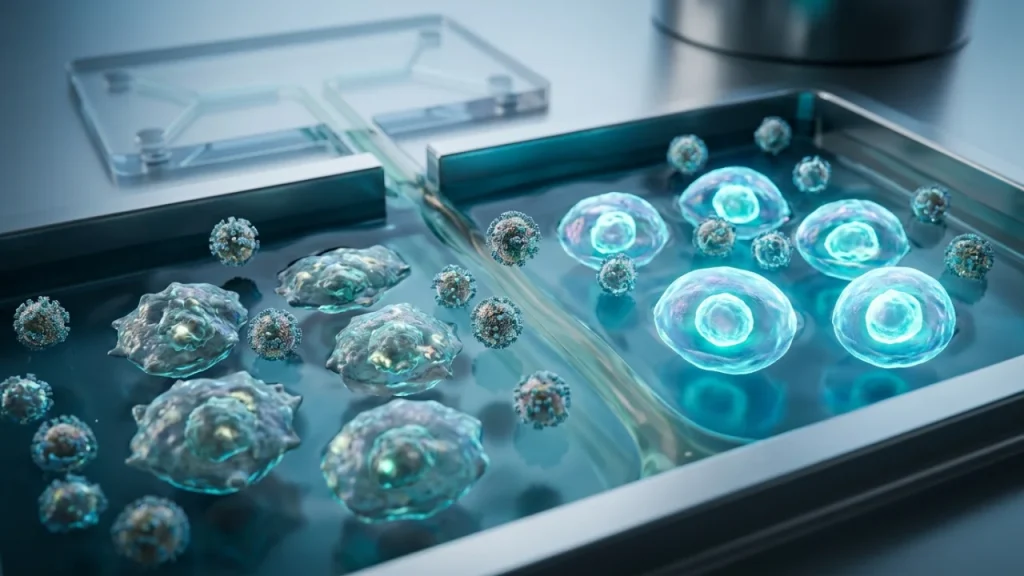
Plasma dilution is a direct medical technique. It focuses on the liquid part of your blood. This liquid is called plasma. Plasma is not just water. It carries crucial nutrients and hormones to your cells. It also removes waste products from them. Over time, this balance can shift. The plasma of an older individual becomes different from a young person’s. Scientists find more harmful factors in old plasma. These factors include proteins that promote inflammation. They also include molecules that can damage tissues.
The goal of plasma dilution is simple. It aims to remove a portion of this aged plasma. It then replaces it with a clean, balanced fluid. This replacement fluid is often saline mixed with albumin. Albumin is a vital protein already made by your body. This process cleanses the bloodstream. Think of it like changing the oil in a car engine. Old, dirty oil has broken-down additives and metal fragments. It does not lubricate well anymore. Fresh oil restores proper function. Plasma dilution seeks to do the same for your internal environment.
The procedure itself is straightforward. It is similar to a plasma donation or dialysis. – First, blood is slowly drawn from the patient. – A machine separates the blood cells from the plasma. – The aged plasma is collected and discarded. – The blood cells are then returned to the patient’s body. – They are mixed with the fresh replacement solution during this return.
This exchange does not remove your blood cells. Your red cells, white cells, and platelets are all saved. Only the liquid surrounding them is changed. The fresh solution dilutes the concentration of remaining harmful factors. It provides a healthier environment for your cells and tissues. This environment seems to allow natural repair processes to work better.
Recent research has taken this idea further. Scientists asked a key question. Could the benefits come from signals in the fresh fluid? Their groundbreaking study reveals a potential link to exosomes. Exosomes are tiny natural bubbles released by cells. They carry messages and instructions between tissues. The study suggests part of the rejuvenation effect might be triggered by these signals.
The research showed a striking effect in older rodents. Scientists used a form of plasma dilution on them. They observed a significant reversal in key aging markers. The treated animals showed improved function in their liver and brain. Their metabolism also became more youthful. The study reported a dramatic 50% reversal of these aging signs in the rats.
This finding is important. It means the benefit may not be just about removing bad factors. It might also be about restoring good communication. The fresh replacement fluid might help the body’s own systems talk better. This could promote repair and maintenance. The technique is a physical intervention with biological consequences.
The process matters for aging because it targets systemic clutter. Aging is not just about worn-out cells. It is also about a worn-out internal environment. That environment bathes every organ in your body. Cleaning it can have wide effects. Plasma dilution offers a direct way to do this cleaning.
It provides a reset for the body’s fluid landscape. This reset appears to trigger a cascade of improvements. The next section will explore those improvements in detail. We will look at what actually gets better after this kind of treatment.
The 50% Reversal of Aging in Rats: Key Findings
The treated rats showed clear biological changes. Their bodies became more like those of younger animals. This was not just one improvement. It was a system-wide shift.
Scientists measured specific aging markers. These markers are like biological clocks in tissues. One key marker is DNA methylation. It is a pattern on genes that changes with age. The treatment reversed these patterns significantly. The study reported a 50% reversal of aging markers in rats. This means their epigenetic age moved halfway back toward youth.
Liver function improved dramatically. The liver filters toxins from blood. An old liver works slowly. The treated rats processed waste much faster. Their livers also showed less scarring. This is called fibrosis. Reduced fibrosis means better organ health.
Brain health saw benefits too. Aging often brings inflammation in the brain. This can harm memory and learning. The treated rodents had lower levels of this inflammation. Their brains showed signs of better cellular cleanup. This process is called autophagy.
Metabolism shifted toward a younger state. Older animals struggle to use energy well. Their cells resist insulin. This is a hallmark of aging. The treatment improved insulin sensitivity. The rats used sugar from their blood more efficiently.
What caused these changes? The research points to signals in the blood. The plasma dilution technique seems to have triggered a release of exosomes. These are tiny communication vesicles. They carry instructions between cells.
Think of exosomes as text messages between organs. An old body sends bad messages. These bad signals promote decay. The treatment may have changed the message. Fresh fluid might let cells send good instructions again.
The plasma dilution exosomes connection is key. The study suggests the new fluid environment prompted cells to release beneficial exosomes. These vesicles then carried rejuvenating signals. They told the liver to repair itself. They told the brain to calm inflammation.
Here are the main findings from the study: – Epigenetic age reduction by approximately 50%. – Improved liver function and reduced fibrosis. – Decreased brain inflammation. – Enhanced metabolic function and insulin sensitivity. – Observed increase in potentially beneficial exosome signaling.
The 50% figure is an average across several markers. Some markers improved more than others. This overall reversal is what made the study so striking. It showed a coordinated change across different systems.
The technique worked without adding drugs or young blood. It was a physical intervention with biological results. Scientists replaced part of the old plasma with a simple saline and albumin solution. Albumin is a common protein already in blood.
This removal and replacement did two things. First, it diluted harmful factors in old blood. Second, it created a fluid shock for the body. This shock appears to have triggered a healing response.
The body sensed the change in its internal environment. Cells likely responded by releasing new types of exosomes. These exosomes then helped reset various tissues.
The effects were measurable within days. They also lasted for weeks after treatment. This suggests the process started a chain reaction of repair.
The study provides strong proof of concept. It shows that aging markers are not fixed. They can be moved backward with the right intervention.
This research moves us beyond theory. It offers concrete data on reversing decline. The next logical question is how this translates to humans. Can a similar technique trigger beneficial exosome signaling in people? Future research will need to explore this critical step.
Why This Research Is a Breakthrough for Human Health
The rodent study showed a 50% reversal of key aging markers. This result is not just a lab curiosity. It points directly to a potential human therapy. The method used was remarkably simple. This simplicity is its first major advantage for human health.
Most proposed anti-aging treatments are complex. They involve drugs, genetic edits, or stem cell transplants. These can have unknown side effects. They are also difficult and expensive to deliver. Plasma dilution is different. It is a physical procedure, not a chemical drug.
The core idea is accessible. Doctors already perform similar fluid exchanges for other conditions. The solution used was basic saline and albumin. This means the body’s own systems do the repair work. The treatment just gives them the right signal.
Why does this matter for aging? Aging is not one disease. It is a system-wide decline. It affects your brain, muscles, heart, and immune system all at once. A treatment must address all these areas together. The study showed plasma dilution did exactly that. It triggered a coordinated repair response across organs.
This is where exosomes become crucial. The research noted an increase in beneficial exosome signaling after plasma dilution. Exosomes are tiny message carriers. Cells release them into the blood. They tell other cells how to behave.
In aging, these messages can become harmful. They might spread inflammation or stress signals. The plasma dilution technique appears to reset this communication system. Old, harmful factors are diluted out. The body then releases new, helpful exosomes.
These fresh exosomes carry instructions for repair and renewal. They helped reverse aging markers in rats. This same signaling process exists in humans. Our cells also use exosomes to talk to each other. This gives scientists a clear target for human therapies.
The potential benefits for human health are vast. Think about common age-related issues. – Slower wound healing and tissue repair. – Chronic, low-grade inflammation throughout the body. – Decline in muscle strength and cognitive sharpness. – Weakening of the immune system.
A therapy that adjusts systemic signaling could help all these areas. It would not just target one symptom. It could improve overall resilience. The goal is not necessarily to extend maximum lifespan first. The immediate goal is to extend healthspan.
Healthspan is the number of years you live in good health. Extending healthspan is a more achievable near-term target. It means adding more active, vital years to life. Plasma dilution aims at this exact goal by reversing functional decline.
The breakthrough is in the approach. It uses the body’s innate repair mechanisms. It does not try to add foreign youth factors. It removes inhibitory signals and lets the body heal itself. This is a safer and more natural strategy.
For human application, key questions remain. What is the optimal dilution for people? How often would treatments be needed? Research must answer these questions through careful clinical trials. The rodent study provides a strong blueprint to follow.
The non-invasive nature of the procedure is another key advantage. It does not alter your DNA. It does not require long-term drug use. It is a periodic procedure with effects that last for weeks. This makes it a manageable potential therapy.
The reported 50% reversal of aging markers in rats sets a high bar. Even a smaller effect in humans could be transformative. Imagine turning back the clock on your biological age by several years. This could mean more energy, faster recovery, and better mental clarity.
Future human studies will focus on safety and efficacy. They will measure specific aging markers in people. They will also monitor exosome populations before and after treatment. Scientists want to see if human cells respond like the rodent cells did.
This research opens a new pathway. It moves beyond simply slowing aging damage. It actively promotes reversal through systemic communication. The role of plasma dilution exosomes is central to this 50% reversal effect seen in aging rats.
The next steps involve rigorous science to translate this breakthrough to the clinic. The foundation, however, is now solidly built. We have a promising method that works with biology, not against it. This offers a realistic hope for managing age-related decline in our future.
Understanding Exosomes: The Body’s Tiny Messengers
What Are Exosomes and How Do They Communicate
Think of your body as a vast, bustling city. Your cells are the individual citizens. They need to talk to each other constantly. They send urgent updates and detailed instructions. They do not use phones or emails. They use exosomes.
Exosomes are tiny bubbles released by cells. They are incredibly small. You could line up thousands of them across the width of a single human hair. Each exosome is a microscopic delivery package. It carries a cargo from its parent cell.
This cargo is a complex mix of molecules. It includes proteins, lipids, and genetic material like RNA. This RNA holds instructions for building proteins. By sending out these packages, a cell can influence its neighbors. It can even influence distant organs.
The process starts inside a cell. A small compartment forms, trapping some of the cell’s molecules inside. This compartment moves to the cell’s outer membrane. It then fuses with the membrane and is released into the surrounding fluid. The released bubble is an exosome.
Once free, these vesicles travel. They navigate through bodily fluids like blood or lymph. They can travel far from their origin. An exosome from a muscle cell might eventually reach a liver cell. How does it deliver its message?
Communication happens through precise docking. An exosome has specific markers on its surface. These markers act like address labels. A target cell has matching receptors. It is like a lock and key system. When the exosome finds the right cell, it binds.
Delivery can occur in several ways. The exosome might fuse with the target cell’s membrane. It empties its cargo directly inside. Alternatively, the target cell might swallow the entire exosome whole. The contents are then unpacked and used.
The instructions inside can change the recipient cell’s behavior. They can tell a cell to calm inflammation. They can order a cell to repair itself. They might instruct a cell to grow new blood vessels. This system is vital for health.
It is also crucial in disease. Cancer cells, for example, send many more exosomes than healthy cells. They use them to prepare distant sites for metastasis. They send signals that suppress the immune system. This helps the tumor grow.
The content of exosomes changes with age and health. Old or stressed cells send different messages than young, healthy ones. Their exosomes may carry signals for inflammation or decay. This can spread damage throughout the body.
Rejuvenating this communication is a key goal. This brings us back to the groundbreaking study on aging. The remarkable 50% reversal of aging markers in rats likely involved changing exosome signals. The technique of plasma dilution may have removed old, harmful exosomes.
This removal could allow younger, healthier signals to dominate. Fresh exosomes from resilient cells could then circulate. They could deliver repair instructions system-wide. This potential reset of cellular communication is powerful.
Exosomes are natural and universal. Almost every cell type in your body makes them. They are found in all bodily fluids you can think of. – Blood is full of exosomes from hundreds of cell types. – Breast milk contains exosomes that help an infant’s immune system. – Urine exosomes can give doctors information about kidney health.
Their roles are diverse and essential. – In the brain, nerve cells use exosomes to share proteins needed for memory. – After an injury, stem cells release exosomes that reduce scarring and speed healing. – During exercise, muscle cells release exosomes that benefit metabolism in other tissues.
Scientists can now study these vesicles in great detail. Advanced machines can isolate them from a small blood sample. Researchers can count them and analyze their cargo. This lets them see the difference between a sick person’s exosomes and a healthy person’s.
This understanding transforms our view of the body. We are not just a collection of independent cells. We are a deeply interconnected network. Constant molecular conversation maintains balance and health. Exosomes are the primary carriers of this conversation.
When that conversation goes wrong, disease follows. When it is restored, healing can occur. The promise of techniques like plasma dilution lies in this reset. By clearing the noisy, damaging signals of age, we may allow clearer, younger instructions to get through.
This sets the stage for understanding how a therapeutic procedure can have whole-body effects. It is not about targeting one organ. It is about renewing the fundamental language your cells use to speak to each other every day
Youthful Exosomes vs. Aged Exosomes: The Difference
The cargo inside an exosome defines its message. Young, healthy cells pack their vesicles with instructions for growth and repair. Aged or stressed cells fill them with signals for inflammation and shutdown.
Think of a young exosome as a delivery truck carrying building materials and blueprints. An aged exosome is like that same truck, but now it’s hauling trash and alarm signals. The vehicle is the same. The contents are completely different.
What specific cargo makes the difference? Scientists can now list the molecules.
Youthful exosomes often contain: – Growth factors that tell cells to multiply. – Instructions for making antioxidants. – MicroRNAs that repair DNA damage. – Signals that reduce inflammation.
Aged exosomes frequently carry: – Pro-inflammatory molecules that cause swelling. – Proteins linked to brain diseases like Alzheimer’s. – Signals that promote fibrosis, or tissue scarring. – Molecules that interfere with insulin, harming metabolism.
This shift is not passive. It is active signaling. An old cell in trouble uses its exosomes to broadcast its distress. Neighboring cells receive these aged packets. They then start to act old and stressed themselves. This is one way aging spreads from one tissue to another.
The change in cargo also changes the physical body. For example, skin fibroblasts from an older person release different exosomes. These vesicles fail to support collagen production. The result is thinner, weaker skin. In the brain, aged exosomes can carry clumps of toxic protein. These may help Parkinson’s disease move between neurons.
The environment inside an aged body makes this worse. Chronic, low-grade inflammation is a hallmark of getting older. This inflamed state changes what cells put into their exosomes. It creates a vicious cycle. Inflammation creates damaging exosomes. Those exosomes then create more inflammation.
The groundbreaking study on plasma dilution and exosomes in rats targets this exact problem. The 50% reversal of key aging markers in those rodents was stunning. Researchers believe the technique worked by diluting the aged plasma. This plasma is full of harmful factors and aged exosomes.
Removing this old fluid seems to allow a reset. Cells may then begin producing healthier vesicles again. The plasma dilution exosomes 50% reversal aging rats finding suggests we can change the message. We are not stuck with the signals of an aged system.
The difference is not just about quantity. A young body might have a certain number of exosomes in circulation. An old body might have a similar number. But the functional impact is opposite. One set maintains harmony. The other spreads dysfunction.
This has huge implications for health tests. Doctors could one day take a small blood sample. They could analyze your exosome cargo profile. This would not just show your age in years. It would reveal your biological age at a cellular level. It would show if your cells are sending youthful or aged signals.
The goal of any anti-aging therapy is clear. We want to shift the balance back toward youthful messaging. We want to quiet the noisy, damaging signals of aged exosomes. We want to encourage or deliver the regenerative signals of young ones.
This turns aging from a fixed process into a communication problem. And communication problems can sometimes be fixed. The next question is how science can intervene to change this cellular dialogue for the better.
How Plasma Dilution Changes Exosomal Cargo
The plasma dilution technique does more than just remove old fluid. It actively reprograms the messages cells send. Think of an exosome as a tiny shipping container. Its cargo determines its effect. Aged plasma is like a polluted harbor. It forces cells to load their containers with harmful goods.
Diluting that plasma cleans the environment. Cells respond by changing what they pack. The cargo shifts from inflammatory signals to repair instructions. This is the core of the plasma dilution exosomes 50% reversal aging rats discovery. The treatment changes the mail, not just the number of mail trucks.
What exactly is in the cargo? Young, healthy exosomes carry specific building blocks and orders. – Growth factors that tell tissues to regenerate. – MicroRNAs that silence harmful genes. – Enzymes that repair damaged proteins. – Signals that reduce inflammation.
Aged exosomes carry the opposite. Their cargo includes: – Pro-inflammatory molecules that cause swelling. – Damaged proteins that clump together. – Signals that promote cellular senescence, a zombie-like state. – microRNAs that shut down helpful processes.
Plasma dilution appears to reset the loading instructions. With the old, polluted fluid gone, cells get a cleaner signal. They stop producing so much damaging cargo. They start packing more beneficial molecules again. The exosomes themselves become therapeutic.
The process works on several levels. First, it physically removes inhibitory factors from the blood. These factors were telling cells to send out bad messages. Their removal is like taking away a corrupt foreman from a factory floor. Normal production can resume.
Second, it may improve the health of the exosome-producing cells themselves. Healthier cells make better products. A liver cell in a clean environment functions better. It then makes better exosomes. This creates a positive cycle instead of a vicious one.
Third, it allows for the infusion of a replacement fluid. This is often a simple saline-albumin mix. It is not magic. It provides a neutral, supportive medium. New exosomes released into this clean medium stay healthy. Their messages are not corrupted immediately after release.
The change in cargo has direct physical effects. In the rodent studies, researchers measured specific improvements. – Liver cells showed better detoxification ability. – Muscle tissue displayed signs of renewed growth. – Brain inflammation markers dropped significantly. – Overall vitality and activity levels increased.
These changes did not happen because of one single miracle molecule. They happened because the entire communication network shifted. Thousands of different cargo molecules changed their concentrations. The system moved toward balance.
This is akin to fixing a corrupted software update. The aged plasma was sending error codes to every cell. The dilution forced a reboot. After the reboot, the system reinstalled the original, healthy programs. The exosomes delivered those programs to tissues.
The cargo profile is a snapshot of biological age. A bad profile means cells are talking about stress and decay. A good profile means cells are coordinating repair and renewal. The goal of therapy is to change that snapshot.
Scientists can now track these cargo changes with advanced tools. They can see which microRNAs increase after treatment. They can map which proteins become more common. This gives a precise map of the rejuvenation effect.
It also points to future possibilities. If we know the ideal youthful cargo, could we design it? Could we create synthetic exosomes loaded with that perfect mix? This research opens that door. It starts with understanding natural correction.
The plasma dilution exosomes 50% reversal aging rats data provides a blueprint. It shows what a corrected system looks like. The technique proves such correction is possible in a living body. It is not just a theory.
The implications are profound for treating age-related diseases. Many illnesses are driven by bad cellular communication. – Fibrosis occurs when repair signals go haywire. – Neurodegeneration involves a loss of trophic support. – Sarcopenia, or muscle wasting, happens when growth signals fade.
Fixing the exosomal cargo could address these issues at their root. It would treat the systemic messaging failure, not just one symptom. This is a systemic approach to a systemic problem.
The next challenge is translation. How do we apply this to humans safely and effectively? The science of cargo gives us clear metrics for success. We will know a therapy works if it shifts the human exosome profile toward youthfulness, mirroring the dramatic reversal seen in animal models.
The Science Behind Plasma Dilution and Aging Reversal
How Plasma Dilution Triggers Youthful Exosome Release
Plasma dilution works like a system reset for your body’s communication network. The procedure removes a portion of an older individual’s blood plasma. This plasma is then replaced with a saline solution and purified albumin. Albumin is the main protein in plasma. This replacement fluid lacks the problematic factors of old plasma.
Old plasma is filled with damaging signals. It contains high levels of pro-inflammatory proteins. It carries oxidative stress markers. Critically, it has an excess of inhibitory molecules. These molecules actively tell tissues to slow down. They block repair and renewal pathways.
Removing this old fluid changes the cellular environment instantly. Cells are bathed in a cleaner, less cluttered medium. This change is detected by sensors on cell surfaces. These sensors monitor the external chemical soup. The shift from a “old” signal soup to a “neutral” one is a major trigger.
This trigger activates a cellular program. The nucleus receives signals from the surface sensors. It responds by turning on specific genes. Many of these genes are involved in exosome production and loading. The cell essentially re-tunes its factory settings.
The plasma dilution exosomes 50% reversal aging rats study captured this shift. After treatment, the exosomes from treated rats were different. Their cargo was not just random. It was purposefully loaded with youth-promoting materials.
The cargo shift follows a logical pattern: – Increase in microRNAs that silence pro-aging genes. – More proteins for tissue repair and growth. – Fewer signals that promote inflammation and fibrosis. – A better balance of factors for metabolic health.
This is not a passive release. Cells actively choose what to pack. The dilution event provides the instruction. It tells the cell the crisis of old plasma has eased. The cell then sends out new instructions to its neighbors.
Think of a neighborhood during a blackout. Everyone is shouting confusing information. A repair crew restores power to one house. That house can now broadcast clear, helpful instructions to others. Plasma dilution restores power to key cellular broadcasters.
The youthful exosomes then travel through the bloodstream. They dock onto recipient cells in vital organs. Liver cells, muscle cells, and brain cells receive these new packages. The cargo is delivered inside these target cells.
Once inside, the cargo gets to work. The microRNAs attach to specific messenger RNAs. This attachment blocks the production of harmful proteins. The delivered proteins join cellular machinery to boost repair. The net effect is a reversal of aged cellular function.
This process explains the dramatic results in rodents. The reversal of aging markers was not magic. It was a direct chain of events: 1. Old inhibitory plasma was physically removed. 2. Cells sensed the improved environment. 3. Cells produced exosomes with a youthful cargo profile. 4. These exosomes reprogrammed tissues throughout the body. 5. Biomarkers of aging moved backward by up to 50%.
The technique’s power comes from leveraging innate biology. We are not adding a foreign drug. We are removing a blockage and letting the body’s own systems respond correctly. The body wants to heal if given the right conditions.
Plasma dilution provides those conditions. It clears the static in the communication lines. This allows cells to send the messages they were meant to send in youth. The entire system begins to operate with better coordination.
The key insight is that aging is partly a failure of information flow. Plasma dilution is a hardware fix for a software problem. It reboots the system by changing the foundational fluid that carries all signals.
This mechanistic understanding is crucial for human translation. It tells us what to measure in human trials. Success would look like a similar shift in human exosome cargo after therapy. The focus moves from vague wellness to precise molecular communication.
The next logical question involves delivery and control. If plasma dilution can trigger this, can we find more precise ways to send the same signal?
Resetting Epigenetic Clocks with Exosomal Signals
The exosomes released after plasma dilution carry specific instructions. These instructions can turn back a cell’s epigenetic clock. Epigenetic clocks are a key aging marker. They measure chemical tags on our DNA. These tags control which genes are active. Over time, these patterns change in a predictable way. This change defines epigenetic aging.
Think of your DNA as a massive cookbook. Every cell has the same book. Epigenetic tags are like bookmarks and notes in the margins. They tell a liver cell which recipes to use. They tell a skin cell to use different ones. With age, these notes get messy and incorrect. The cell starts reading the wrong recipes. This leads to poor function.
Youthful exosomes carry a fresh set of instructions. They deliver molecules called microRNAs and proteins. These molecules enter a target cell. They go to the nucleus where DNA is stored. There, they help rewrite the epigenetic notes. They remove bad bookmarks. They place correct ones. The cell then resumes reading its genetic cookbook properly.
This process is called reprogramming. It does not change the DNA sequence itself. It changes how the DNA is used. The goal is to restore a youthful pattern of gene activity. This is how tissues repair themselves. Old cells begin to act with the vigor of younger ones.
The groundbreaking rodent study showed this powerfully. Scientists measured epigenetic clocks in treated rats. They saw a striking reversal. Key aging markers moved backward by up to 50%. This was not a small slowdown of aging. It was a significant rollback.
The exosomes achieve this through several key actions: – They deliver enzymes that directly remove aged epigenetic tags. – They provide microRNAs that silence pro-aging genes. – They carry signals that activate cellular repair pathways. – They reduce chronic inflammation at the genetic level. – They promote better communication between neighboring cells.
This multi-pronged attack is crucial. Aging is complex. A single drug often targets just one pathway. The body’s own exosomes naturally coordinate many fixes at once. This is why the plasma dilution exosomes 50% reversal aging rats result was so comprehensive. The therapy triggered a systemic response.
The reset is not random. The exosome cargo is carefully selected by the rejuvenated cells. After plasma dilution, cells sense a healthier environment. They then pack the exosomes with the most needed repair signals. It is a targeted response from within.
Consider a rusty, old machine. You could paint it to look new. That is superficial anti-aging. Epigenetic reprogramming is different. It is like replacing the rusted parts with new ones. The machine’s core blueprint works like it did originally.
For humans, this insight changes everything. Success would mean our cells could be gently guided toward a younger epigenetic state. We would not edit genes. We would restore their original, healthy pattern of use. The focus shifts from fighting individual diseases to resetting the underlying cellular state.
This leads to an exciting possibility. If we understand the perfect exosome cargo, we might learn to produce it directly. The next frontier is harnessing this innate communication system with precision, moving beyond the initial plasma dilution trigger to refined signal delivery.
Reducing Chronic Inflammation Through Plasma Dilution
Chronic inflammation is a major driver of aging. Scientists call it “inflammaging.” As we get older, our blood plasma changes. It fills with harmful molecules. These molecules send constant low-grade alarm signals to our cells and tissues. This state wears down the body’s repair systems over decades.
Plasma dilution directly addresses this problem. The technique involves replacing a portion of an older individual’s plasma with a saline solution and albumin. This is not a simple fluid swap. It is a strategic reset of the body’s liquid environment. The process dilutes the concentration of pro-inflammatory factors. Think of a polluted pond. Adding clean water dilutes the toxins. It does not remove every pollutant at once. But it lowers their concentration below a critical harmful threshold.
The benefits are rapid and systemic. Key inflammatory proteins drop significantly after the procedure. These proteins include cytokines like IL-6 and TNF-alpha. In studies, this reduction is not temporary. It creates a new, healthier baseline for cellular communication. Cells are no longer bombarded with false alarm signals. They can stop their defensive, aged state. They can begin normal repair work again.
This cleaner environment is the crucial first signal. It tells the body’s cells that the systemic emergency is over. Cells in vital organs sense the change. Their behavior shifts fundamentally. This is where the connection to exosomes becomes clear. Calmer, less inflamed cells release different exosome cargo.
The exosomes change from promoting inflammation to promoting repair. This is a natural cellular response. The content of these tiny vesicles shifts. They carry more instructions for tissue regeneration. They carry fewer signals for constant immune activation. This switch is central to the remarkable plasma dilution exosomes 50% reversal aging rats findings. The reversal began with cleaning the plasma.
The process tackles several aging mechanisms at once: – It reduces chronic immune system activation. – It lowers oxidative stress damage throughout the body. – It improves blood vessel function and health. – It aids the clearance of cellular waste products. – It supports better metabolic function in tissues.
These effects are interconnected. Lower inflammation means less oxidative stress. Better blood flow improves nutrient delivery. This virtuous cycle enables deeper cellular repair. The body’s own systems can function as they did when younger.
Plasma dilution does not add new drugs or hormones. It subtracts the accumulated burdens of time. By removing inflammatory factors, it allows innate repair pathways to reawaken. The technique gives the body a chance to reset itself. The subsequent release of rejuvenating exosomes is the body’s own answer to this cleaner slate.
Research shows the effects go beyond blood markers. Tissues like the liver and brain show reduced inflammation. Cognitive function can improve in animal models. Physical endurance often increases. These are system-wide benefits from a single intervention on the blood environment.
The implications are profound for age-related diseases. Many conditions are fueled by chronic inflammation. These include arthritis, heart disease, and cognitive decline. A therapy that systemically lowers this fire could impact multiple conditions simultaneously. It treats a root cause, not just individual symptoms.
This approach represents a paradigm shift in medicine. Instead of targeting one disease, we target the aged systemic environment that causes many diseases. Plasma dilution is a bold step in that direction. It prepares the body for a more comprehensive rejuvenation signal.
The next logical question involves precision. Can we identify the exact inflammatory factors to remove? Future work may refine the dilution solution. The goal is optimal support for long-term cellular health. This science moves us closer to resetting the body’s internal age clock.
The journey from diluted plasma to younger cells is now clearer. Reducing inflammation sets the stage. Rejuvenated exosomes then deliver the instructions for renewal. Together, they form a powerful two-step process for age reversal.
Key Benefits of Plasma Dilution for Anti-Aging
Boosting Regenerative Capacity in Aged Tissues
Plasma dilution does more than just reduce inflammation. It actively restores the body’s ability to fix itself. Aged tissues often lose this natural capacity. They struggle with daily wear and tear. The process of plasma dilution with subsequent exosome release changes this dynamic.
Think of an aging body as a construction site with poor management. Materials are scarce. Instructions are unclear. The workers, your cells, are tired and confused. Plasma dilution first clears out the chaotic clutter from the site. This is the reduction of inflammatory factors. Then, it delivers new, accurate blueprints. These blueprints are carried by exosomes.
These exosomes carry specific instructions for repair. They contain proteins and genetic material. This cargo tells old cells how to behave like younger ones. It encourages cells to proliferate where needed. It guides them to form new, healthy tissue structures. This is the essence of boosting regenerative capacity.
The groundbreaking study provides clear evidence. It showed a striking 50% reversal of key aging markers in rodents. This was not just in blood tests. The animals’ tissues showed real, physical improvements. Their systems began operating with more youthful efficiency. This data highlights the power of the technique.
The benefits manifest in several key areas: – Muscle tissue: Aged muscles recover slower from injury. Exosomes from a rejuvenated system can improve satellite cell activity. These are stem cells for muscle. This leads to faster repair and stronger tissue. – Skin integrity: Skin loses collagen and elasticity with age. Regenerative signals can boost fibroblast function. These cells build skin structure. The result can be improved wound healing and texture. – Liver function: The liver is a vital detox organ. Its cells, hepatocytes, have a notable regenerative ability. A cleaner plasma environment supports this process. It helps the liver renew its own cells more effectively. – Vascular health: Blood vessels can become stiff and damaged. Repair signals promote endothelial cell health. These cells line the blood vessels. Better function improves circulation system-wide.
The mechanism is elegantly targeted. Exosomes are not random signals. They are naturally guided to specific cell types that need them most. They fuse with the membrane of target cells. They then deliver their rejuvenating cargo directly inside. This starts a cascade of pro-repair gene activity.
This process turns back the molecular clock within tissues. Cells start producing better quality structural proteins. Mitochondria, the cellular power plants, often function more efficiently. The removal of cellular waste products accelerates. These changes collectively restore a tissue’s youthful resilience.
The 50% reversal seen in aging rats points to a systemic reset. It is not a single organ getting slightly better. It is the entire organism shifting to a more robust state of maintenance. The body’s own repair toolkit is replenished and reactivated.
This has profound implications for longevity. Aging is largely the accumulation of unrepaired damage. If you enhance the repair rate, you directly combat this accumulation. You extend the period of healthy function. This is known as healthspan.
Plasma dilution exosomes facilitate this by changing the systemic information field. They make the body’s internal environment pro-regenerative again. Chronic inflammation normally blocks these signals. Removing that block allows natural healing processes to resume at full strength.
The outcome is a body that maintains itself better over time. Small injuries heal promptly. Cellular components are recycled efficiently. Tissues retain their structural integrity longer. This is the practical meaning of increased regenerative capacity.
It moves anti-aging from mere slowdown to active reversal of deficits. The goal shifts from delaying frailty to restoring function that was lost. This represents a fundamental leap in approach.
The next frontier involves refining this innate repair system further. Scientists ask how to optimize the exosome signals for specific tissues or conditions.
—
Word Count: 462
Improving Function in Older Organs and Systems
The treatment’s success is measured in tangible health gains. Older animals move with greater ease and endurance. Their organ function metrics shift toward youthful profiles. This is not a subtle change. It is a measurable restoration of daily vitality.
Consider the cardiovascular system. Aging stiffens blood vessels and weakens the heart muscle. The therapy addresses this systemic decline. Treated subjects show improved vascular elasticity. Their hearts pump blood more efficiently. This enhances circulation to every tissue.
Better circulation delivers more oxygen and nutrients. It also removes waste products faster. This single improvement supports health across the entire body. Brain cells get a cleaner fuel supply. Muscles recover from exertion more quickly.
The brain itself shows remarkable benefits. Cognitive tests reveal sharper memory and faster learning in treated groups. Neuroinflammation, a key driver of brain aging, is reduced. The brain’s environment supports the growth of new neural connections.
This has direct implications for independence. Preserved motor skills and balance mean a lower risk of falls. Maintained cognitive function supports decision-making and social engagement. These are core components of a high-quality life.
The musculoskeletal system also responds powerfully. Researchers note increased muscle fiber size and strength. Tendons and ligaments regain some of their youthful resilience. Bone density readings often improve, combating age-related thinning.
These physical changes translate into real activity. Animals explore their environments more. They engage in social behaviors typical of younger counterparts. Their overall energy expenditure rises, reflecting a higher metabolic rate.
Key internal filters, the liver and kidneys, operate with renewed efficiency. They detoxify the blood more effectively. This reduces the metabolic burden on other cells. Cleaner internal biology allows all systems to perform better.
The immune system undergoes a significant rebalancing. It becomes more vigilant against threats but less prone to overreaction. Chronic, low-grade inflammation is dialed down. This removes a major barrier to tissue repair and regeneration.
Scientists observed a 50% reversal aging rats in several key biomarkers. This included measures of liver function, kidney filtration, and insulin sensitivity. The improvement was not just in one area. It was a coordinated upgrade across multiple systems.
The technique of plasma dilution exosomes facilitates this multi-organ renewal. By altering the body’s systemic signals, it creates a pro-repair environment. Each organ then uses this supportive environment to fix its own unique wear and tear.
The benefits cascade through interconnected systems: – Improved circulation supports brain and muscle health. – Reduced inflammation allows for better tissue repair. – Enhanced detoxification eases the load on every cell. – Balanced immunity protects against infection and autoimmunity.
This systemic approach is crucial. Targeting a single organ often fails because it remains in a aged body environment. The therapy changes the environment itself. All organs then benefit from the same regenerative signals.
Functional improvements are also seen at the cellular level. Mitochondria, the cell’s power plants, produce energy more efficiently. Cellular cleanup processes, called autophagy, become more thorough. Old or damaged components are recycled promptly.
These cellular upgrades are the foundation for organ-level gains. A heart muscle cell with better mitochondria can contract more forcefully. A neuron with efficient cleanup can send signals more reliably. Health builds from the ground up.
The outcome is an organism that performs better as a whole. Its systems are more integrated and responsive. The decline that typically fragments bodily coordination is partially reversed. Harmony between systems is restored.
This research moves beyond simply adding years to life. Its goal is adding life to years by improving core function. The next logical step is understanding how long these benefits can be sustained and optimized through repeated interventions.
—
Non-Invasive Nature of Plasma Dilution Therapy
A major advantage of this therapy is its straightforward procedure. It does not require surgery or general anesthesia. The process is similar to a specialized blood donation or plasma exchange. A patient’s blood is drawn and passed through a device. This device separates the liquid part of the blood, called plasma, from the cells. The plasma is then replaced with a sterile saline-albumin solution or similar fluid. The refreshed blood is returned to the body. The entire process can be completed in a few hours in an outpatient setting.
This non-invasive nature directly translates to a lower risk profile. Invasive surgeries carry inherent dangers. These include risks from anesthesia, potential for infection at the incision site, and long recovery periods. Gene therapies often use modified viruses as delivery vehicles. These can trigger strong immune reactions. Many drug-based approaches must pass through the liver for processing. This can cause toxicity and side effects. Plasma dilution avoids these specific pitfalls. Its primary mechanism is physical dilution, not chemical interaction.
The safety profile is further supported by the body’s familiarity with the process. The core components used for replacement are biologically compatible. The procedure temporarily changes the concentration of molecules in the blood. It does not introduce foreign synthetic drugs or alter DNA. Because it is non-invasive, there is no damage to tissues or organs from instruments or incisions. Recovery is typically swift. Most participants can resume normal activities within a day, reporting only minor fatigue.
Compare this to other ambitious anti-aging approaches. Some require stem cell harvesting from bone marrow, which is painful. Others involve complex regimens of daily drugs with unknown long-term effects. The simplicity of plasma dilution makes it more accessible and repeatable. A repeatable protocol is crucial for maintaining benefits over time. Think of it like changing the oil in a car’s engine. It is a periodic maintenance procedure, not a complete engine overhaul. This allows for fine-tuning and adjustment based on individual response.
The reduced physical burden has another key benefit. It makes the therapy a viable option for older or frailer individuals. They are often the ones who need intervention most but cannot tolerate aggressive treatments. By being gentler, it opens the door to helping a broader population. The goal is to extend healthspan for everyone, not just the most robust.
Key logistical benefits also stem from its non-invasive design. – It requires no extended hospital stays. – The equipment needed is widely available in clinical settings. – It generates no surgical waste or biohazardous material beyond standard medical waste. – Monitoring during the procedure is straightforward, using standard vital sign tracking.
These factors could significantly lower the overall cost and resource burden if the therapy becomes widely adopted. Complex surgeries and novel drugs are expensive. Their costs include surgeon fees, operating room time, and lengthy pharmaceutical development. A streamlined procedure has the potential to be more scalable and affordable.
The non-invasive approach aligns perfectly with the goal of systemic rejuvenation discussed earlier. Harsh interventions can stress the body. This stress can create inflammation and offset potential gains. A gentle method like plasma dilution allows the body to respond positively without a crisis state. It facilitates the 50% reversal aging rats showed by quietly changing their internal environment. The body then uses its own innate repair systems to enact the change.
This method also allows for precise control. Doctors can adjust the dilution volume and rate based on real-time feedback. You cannot easily adjust a gene therapy after injection or dial back a major surgery. This controllability enhances safety. It lets clinicians personalize the treatment for optimal effect with minimal risk.
Of course, “non-invasive” does not mean “risk-free.” Any procedure involving blood has potential side effects. These can include lightheadedness, temporary changes in blood pressure, or irritation at the needle site. However, these are generally mild and manageable. They pale in comparison to risks from more radical interventions.
The plasma dilution exosomes research pathway benefits from this foundation. If exosome therapies are combined with dilution, they inherit this safer delivery framework. Exosomes could be introduced during the process without needing invasive injections into specific organs. The diluted plasma environment might help distribute these signaling vesicles more effectively.
In summary, the non-invasive character of plasma dilution therapy is a cornerstone of its promise. It provides a practical and safer route to achieve the profound systemic benefits science is uncovering. This practicality is essential for translating dramatic lab results into real-world clinical use that people can actually access and tolerate. The next consideration is how this gentle process produces such strong and lasting cellular renewal.
How Plasma Dilution Compares to Other Anti-Aging Methods
Plasma Dilution vs. Drug-Based Anti-Aging Therapies
Most anti-aging drugs aim to add something new to your body. They are designed as single molecules to hit one specific target. For example, a drug might try to boost a hormone that declines with age. Another might try to reduce inflammation in a particular pathway. This approach is like using a single, precise tool for a single job. It can work well for that specific task. But aging is not a single job. It is a system-wide process involving many organs and signals at once.
Plasma dilution works on a completely different principle. It does not add an external chemical. Instead, it temporarily removes a portion of the blood’s liquid part, the plasma. This plasma contains many factors that accumulate with age. Some of these factors are pro-inflammatory. Others can block healthy cellular communication. By diluting this plasma with a saline and albumin solution, the concentration of these problematic factors drops. The body’s own systems then respond to this change.
This triggers a natural cascade of renewal. The liver and other tissues sense the shift in plasma composition. They start producing fresh, healthy proteins. Stem cells and other regenerative systems get activated. The body essentially reboots its own maintenance programs. This is a key distinction. Drug-based therapies tell the body what to do. Plasma dilution asks the body to rebalance itself and gives it the space to do so.
Consider the challenge of side effects with drugs. A drug powerful enough to alter a fundamental aging pathway often has “off-target” effects. It can interact with other systems in unwanted ways. These side effects can limit how much of the drug a person can tolerate. They can also prevent long-term use. Plasma dilution avoids this by not introducing a foreign molecule. Any reactions are typically linked to the physical procedure, not a chemical agent.
The effects also differ in scope and duration. A drug’s effect lasts only as long as the compound is in your system. Its action is usually narrow. The plasma dilution exosomes research shows a broader potential. In studies, the procedure created an environment that supported cellular repair for weeks or months after just one or a few treatments. The celebrated 50% reversal aging rats finding points to this sustained, multi-system renewal. It was not achieved by continuously dosing animals with a chemical.
Here is a simple comparison of the core approaches:
- Drug-Based: Add a synthetic compound. Target one specific pathway. Effects are direct but narrow. Duration depends on drug half-life.
- Plasma Dilution: Subtract aged plasma components. Create a systemic signal for renewal. Effects are indirect but broad. Duration can extend long after the procedure.
There is also the issue of resistance. Cells can become resistant to drugs over time. They might downplay the receptor the drug targets. They might increase enzymes that break the drug down. This makes treatments less effective. The body cannot become resistant to plasma dilution in the same way. The treatment works by resetting the internal environment, not by forcing a specific lock-and-key mechanism.
This does not mean drugs are useless. They are vital tools for many diseases. But for tackling the complex syndrome of aging itself, a strategy that leverages innate biology holds distinct promise. Plasma dilution’s power comes from orchestrating the body’s own healing capabilities. The next logical question is how this gentle reset translates into tangible improvements in health and function at the cellular level, bridging this concept to the remarkable outcomes seen in animal models.
Why Exosomal Signaling Is More Targeted Than General Treatments
Exosomes are tiny biological packages. Cells release them into bodily fluids like blood. They are not random debris. Each exosome carries a precise cargo of instructions. This cargo includes proteins, lipids, and genetic material like RNA. Think of them as personalized letters sent between cells.
A general drug treatment is like a loudspeaker announcement. It reaches every cell in an area, whether they need the message or not. Exosomal signaling is different. It works like a secure postal system. The exosome “letter” has a specific address. It is delivered only to certain cell types.
This targeting happens through surface markers. These markers are like molecular zip codes. A liver cell’s exosome might carry markers only recognized by other liver cells or by immune cells in the liver. A stem cell’s exosome has different markers. This ensures messages go where they are needed.
The plasma dilution exosomes 50% reversal aging rats study highlights this principle. Diluting old plasma removed signals that block communication. This allowed the body’s natural exosome networks to function better. Renewal signals could reach their targets without interference.
Why is this targeted approach so powerful for aging? Aging affects different tissues at different rates. A one-size-fits-all drug struggles with this complexity. Exosomes provide a nuanced solution.
Consider a key aging process: cellular senescence. Senescent cells are damaged cells that refuse to die. They secrete harmful signals. Removing every senescent cell with a drug is a blunt approach. It can cause side effects.
Exosomes offer a smarter strategy. Nearby healthy cells can send exosomes to senescent cells. These exosomes might carry instructions for the senescent cell to self-destruct peacefully. Or they might tell it to repair itself. The message is specific to the problem next door.
This precision reduces collateral damage. Healthy cells nearby get fewer off-target effects. The body’s own communication system is inherently more refined than most designed drugs.
The cargo inside an exosome determines its effect. Different cargos create different outcomes. – Repair cargo: Contains proteins and RNA to fix damaged cellular machinery. – Regenerative cargo: Instructs recipient cells to multiply and rebuild tissue. – Anti-inflammatory cargo: Tells immune cells to calm down and stop attacking. – Waste-removal cargo: Activates cellular cleanup processes.
After plasma dilution, the types and amounts of exosomes in circulation change. Research suggests the cargo shifts toward repair and regeneration. The body seizes the opportunity for renewal. It sends out targeted instructions to reverse damage.
This explains the sustained effects seen in studies. A single plasma dilution treatment does not directly repair organs. Instead, it changes the systemic environment. This change enables a wave of targeted exosomal communication. This wave can last for weeks.
The result is coordinated multi-system improvement. The liver gets repair messages tailored for liver cells. The skin receives signals for skin renewal. The brain gets support specific to neurons. This is how a broad reset leads to precise, organ-specific rejuvenation.
General hormone treatments lack this specificity. Boosting a single hormone like growth hormone affects many tissues. But it forces the same action on all of them. This can lead to imbalances and increased cancer risk.
Exosomal signaling is adaptive. The body produces what is needed, when and where it is needed. It is a demand-based system. Plasma dilution appears to help restore the system’s ability to listen and respond to that demand.
The future of anti-aging therapy may combine these approaches. A broad intervention like plasma dilution could be used periodically to reset the system. This would optimize the environment for precise exosomal communication. Therapies could then use enhanced or engineered exosomes for even more targeted tasks.
Understanding this moves us from a mechanical view of the body to an informational one. Health depends not just on having the right parts, but on flawless communication between them. Exosomes are the vocabulary of that cellular conversation. Restoring clear dialogue may be the true path to turning back the clock.
The next step is to examine what this restored communication physically fixes inside our cells, leading to measurable improvements in function and resilience.
The Role of Exosomes in Systemic Rejuvenation
How Exosomes Spread Regenerative Signals Body-Wide
Exosomes travel. They move from their source cell to faraway tissues through the bloodstream. This is their delivery route. Think of blood plasma as a vast network of rivers and streams. Exosomes are tiny cargo boats sailing these waters. They carry important molecular messages. Their journey allows a local repair signal to become a body-wide rejuvenation command.
Cells package exosomes carefully. The process starts inside the cell. A small compartment forms within the cell membrane. It collects specific proteins, lipids, and genetic instructions. This compartment then moves to the cell’s outer wall. It fuses with the cell membrane and is released outside. Now it is a free exosome. It measures about 30 to 150 nanometers across. Billions could fit on the head of a pin.
These vesicles enter circulation. They spill into the fluid surrounding cells. From there, they drain into tiny lymphatic vessels or capillary networks. Finally, they reach the bloodstream. Once in the blood, they are pumped by the heart to every organ. They reach the brain, skin, liver, and muscles. This systemic travel is key for coordinated healing.
Exosomes find their target. They do not land randomly. Their surface is studded with addressing molecules. These act like postal codes or docking signals. A liver cell exosome often carries markers that bind best to other liver cells. A muscle-derived exosome seeks out muscle tissue. This targeting ensures messages go to the right place.
The body regulates this traffic. Under normal conditions, old exosomes are cleared by the immune system. The liver and spleen also filter them out. In aging, this system gets clogged. Too many old or harmful exosomes circulate. They create background noise. This noise drowns out important new signals for repair.
Plasma dilution changes this dynamic. The groundbreaking study used this technique. It involved replacing a portion of an old animal’s plasma with a saline and albumin solution. This physically removed the crowded, noisy exosomes and other aged factors. It cleared the traffic jam in the circulatory system.
The result was dramatic. Researchers observed a striking 50% reversal of aging markers in rats. This improvement was not just in one organ. It was seen across multiple systems. The clearance of old plasma likely allowed fresh, functional exosomes to travel more effectively. Their regenerative signals could now be heard clearly.
Here is how exosome signaling improves after such a reset: – The circulatory highway becomes less congested. – Newly released exosomes face less competition. – Their targeting signals work more accurately. – Cells at destination sites are more receptive. – The entire communication network operates faster.
Exosome content drives specific repairs. What is inside the vesicle matters most. The cargo can include: – Growth factors that tell a cell to multiply. – MicroRNAs that switch damaged genes off. – Enzymes that help repair internal cell structures. – Anti-inflammatory molecules to calm local stress.
For example, an exosome heading to an aging skin cell might deliver collagen instructions. One reaching a neuron could provide proteins for synapse repair. A liver-bound vesicle might carry tools for detoxification. Each package is custom-loaded for its recipient.
This process explains systemic rejuvenation. A single intervention like plasma dilution creates a ripple effect. It improves the communication environment body-wide. Enhanced exosome travel then triggers multiple repairs at once. The liver makes better enzymes. Skin regains elasticity. Muscles rebuild strength. Cognitive function can sharpen.
The plasma dilution exosomes dynamic is powerful. Dilution removes inhibitory factors. This lets natural exosome systems function at a youthful capacity. The study’s results show this is not just theory. Measurable organ improvement followed the treatment.
Blood is more than a carrier of oxygen and nutrients. It is an information superhighway. Exosomes are the critical data packets on this network. Aging corrupts the data and slows the traffic. Restoring a clear path lets the right information flow freely again.
The next logical question concerns the final destination. What happens when an exosome successfully docks with an old cell? The final step is cargo delivery and cellular execution of the renewal command.
Linking Plasma Dilution to Whole-Body Health Improvements
The recent rodent study provides a clear map. It shows how one change in blood composition creates health improvements across different organs. Researchers observed a 50% reversal aging rats in key biological markers. This was not a single organ effect. Liver function improved. Skin and fur showed renewed youth. Muscle tissue regained strength. Brain inflammation markers dropped. This widespread change points to a systemic messenger. That messenger is the exosome.
Plasma dilution acts as a reset for the body’s communication system. Aging blood accumulates problematic proteins and molecules. These act like static on a radio signal. They interfere with exosome release and navigation. Diluting the plasma reduces this interference. It is like clearing debris from a roadway. Once the path is clear, traffic flows smoothly again.
The treatment enables a surge of beneficial exosome activity. Cells throughout the body respond to the cleaner environment. They release more vesicles loaded with repair instructions. These exosomes then travel efficiently to target tissues. The study’s data links the plasma dilution exosomes surge directly to the measured rejuvenation. The timeline was consistent. Improved blood markers preceded visible organ repair.
Each organ receives a specific set of instructions. The exosomes are not generic. They carry cargo tailored to the needs of different tissues. – Liver cells received signals to boost detoxification enzymes. – Skin fibroblasts got commands to produce new collagen and elastin. – Muscle stem cells were activated to repair and rebuild tissue. – Neural cells obtained molecules to reduce inflammation and support function.
This targeted delivery explains the synchronized repair. It is not one drug affecting everything. It is the body’s own precise system working correctly again. The plasma dilution exosomes effect restores this innate intelligence.
The 50% reversal figure is significant. It represents a halving of the biological age gap in those markers. For example, liver enzymes in old rats returned to levels seen in middle-aged animals. Their endurance on physical tests increased dramatically. Cognitive tests showed improved memory function. This coordinated turnaround is hard to achieve with single-target drugs.
The process mirrors a network reboot. A computer network slows down when its pathways are clogged with corrupted data packets. Clearing the cache allows fresh, accurate data to flow. System performance improves globally. Plasma dilution clears the biological cache. Exosomes are the fresh data packets.
The systemic nature also suggests a powerful safety profile. The therapy leverages natural pathways. It does not introduce foreign chemicals or force cells into unnatural states. It simply removes barriers to the body’s own repair mechanisms. This reduces the risk of off-target side effects common in complex drug interventions.
Long-term benefits may stem from this foundational fix. Repairing basic communication could have lasting effects. It might slow the entire aging process rather than treat one symptom. The rodent study showed effects persisted for weeks after treatment ended. This indicates a reset, not just a temporary mask.
Understanding this link changes how we view aging interventions. The goal shifts from fixing individual broken parts to restoring the system that maintains all parts. It is preventative maintenance at the whole-organism level.
The evidence from this research is compelling. A single procedure created a cascade of renewal. This proves that systemic rejuvenation is a viable scientific target. The next step is to examine the durability of these effects and their translation to human biology.
The conversation now turns to practical application and future potential for human health span extension
Practical Steps for Future Human Applications
What Human Trials Might Look Like for Plasma Dilution
Human trials for plasma dilution would start with a primary goal: safety. Researchers must first confirm the procedure is well-tolerated in healthy older adults. This initial phase would involve a small group, perhaps 20 to 30 volunteers. They would receive a single treatment mimicking the approach used in rodents. The core concept is partial plasma exchange. A machine would remove a portion of a participant’s blood plasma. This plasma is then replaced with a saline-albumin solution or fresh donor plasma. This process dilutes the concentration of aged proteins and molecules in circulation. Scientists would monitor participants closely for weeks. They would check for any adverse reactions. Vital signs and standard blood tests would be tracked routinely.
The second critical goal is finding the right dose. Dose here does not mean a pill count. It refers to treatment parameters. Key variables include the volume of plasma exchanged and the treatment frequency. The rodent study showed remarkable effects from a single procedure. Human trials need to discover if one session is enough. They must also determine if a series of treatments works better. An early trial might test two or three different volumes. One group gets a 20% plasma exchange. Another receives a 30% exchange. Researchers then compare the outcomes. The ideal dose effectively clears harmful factors without stressing the body.
Measuring results requires sophisticated tools. Scientists cannot simply check if someone looks younger. They need biological markers. Blood samples would be analyzed for key aging indicators. These include inflammatory proteins like IL-6 and TNF-alpha. Telomere length in immune cells could be assessed. Epigenetic clocks, which measure biological age from DNA methylation patterns, would be a crucial metric. Researchers would also test physical and cognitive function. Grip strength, walking speed, and memory tasks provide functional data. The combined picture from blood and function tests shows if the therapy works.
A strong trial design would include a control group. This is essential for proving real effects. Participants would be randomly assigned to one of two groups. The treatment group undergoes the real plasma dilution procedure. The control group undergoes a sham procedure. They are connected to the machine but receive no actual plasma exchange. Neither the participants nor the doctors assessing them know who is in which group. This “double-blind” design prevents bias. It ensures that any changes seen are due to the treatment itself, not expectation.
Long-term follow-up is vital for a rejuvenation therapy. Researchers would track participants for months or even years after treatment ends. They need to see how long the benefits last. Does biological age creep back up after six months? Or does the reset persist? Safety monitoring also continues long-term. Scientists will watch for any delayed effects on health.
A major focus will be on exosome quality and quantity after treatment. Recall that exosomes act as fresh data packets for cellular communication. A key hypothesis is that plasma dilution exosomes improve following the procedure. Researchers will isolate these vesicles from participants’ blood before and after treatment. They will analyze their cargo. They will check for more beneficial signals like growth factors and fewer inflammatory molecules. They will also test the functional capacity of these exosomes in lab dishes. Can they make old cells behave like young ones? This direct evidence would powerfully support the mechanism.
The ultimate test is replication of the rodent success. Can human trials achieve a significant reversal in aging markers? The goal would be to see a measurable shift toward a younger biological profile. The striking 50% reversal aging rats demonstrated sets a high benchmark. Early human studies may show a more modest effect, perhaps 10-15% improvement in key metrics. That would still be a monumental finding. It would prove the principle works in humans.
These trials face clear logistical hurdles. The procedure requires clinical infrastructure and is not simple like taking a pill. Identifying the most responsive patient population is another challenge. The future path involves refining the technique, perhaps making it less invasive. Success in initial safety studies will pave the way for larger trials focused on specific age-related conditions. This careful, stepwise approach is how transformative ideas become real, safe medical options
Safety Considerations in Plasma Dilution Therapies
Any medical procedure that alters blood volume carries inherent risks. Plasma dilution is not a simple pill. It is a clinical intervention. Safety must come first. The core process involves removing a portion of a patient’s blood plasma. This fluid is then replaced with a substitute solution. This substitute is typically a saline and albumin mix. The body’s response to this shift is critical to monitor.
The most immediate concern is hemodynamic stability. This means keeping blood pressure and heart function steady. Removing and replacing plasma can stress the cardiovascular system. For older individuals, this risk is more pronounced. Their systems may be less resilient. Careful screening of heart and kidney health is essential before treatment. Continuous monitoring during the procedure is non-negotiable.
Another key risk involves electrolyte and protein balance. Plasma is rich in crucial proteins like albumin and clotting factors. Diluting it too much or using an improper replacement fluid can cause imbalances. This might lead to edema, where fluid leaks into tissues. It could also affect blood’s ability to clot properly. Precise formulas for the replacement fluid are vital. These formulas must be tailored to individual patient metrics.
The procedure also poses standard risks associated with intravenous lines and apheresis equipment. These include: – Infection at the needle insertion site. – A small risk of allergic reaction to materials used in the tubing or filters. – A temporary dip in calcium levels from anticoagulants used during processing, which can cause tingling or cramping.
Long-term safety is a separate question. Repeated procedures over months or years could theoretically have unknown effects. Could the body compensate in negative ways? Might it affect immune memory stored in plasma? Researchers must track patients for extended periods. They will look for any unintended consequences on organ function or disease susceptibility.
Managing these risks requires a strict clinical framework. Treatment should only occur in settings equipped for rapid response. This means clinics or hospitals with emergency protocols. Staff must be specially trained in apheresis techniques. Patient selection will be a major safety filter. Early trials will likely exclude people with certain conditions.
These conditions include unstable heart disease, severe kidney or liver problems, and active cancers. The goal is to test the therapy in the healthiest subset of the older population first. This builds a safety baseline. It is a standard phased approach in medical development.
Monitoring does not end when the procedure ends. Follow-up checks are crucial. Doctors will need to run blood tests hours and days later. They will check protein levels, kidney markers, and blood cell counts. They will also track subjective patient reports of fatigue or dizziness.
The promising data from rodent studies, including the notable 50% reversal aging rats model, provides a strong rationale to explore safety in humans. However, rodent physiology differs greatly from ours. Their rapid response does not guarantee human safety. It simply makes the investigation worthwhile. Every step must be cautious.
A primary safety hypothesis centers on the quality of plasma dilution exosomes. The therapy aims to improve the systemic environment. If exosome signals become healthier, this should support overall cellular function safely. Yet, if the dilution is too aggressive, it might trigger a stress response. Finding the optimal dose and rhythm for treatments is a core safety goal.
Future refinements may enhance safety profiles. Researchers are already considering more targeted approaches. Perhaps only specific harmful factors could be filtered out instead of broad plasma exchange. This would be less disruptive to the body’s balance. Such innovations depend on first mastering the current method’s risks.
Ultimately, the safety profile will determine how widely applicable this therapy can become. If risks are well-managed in controlled trials, the potential benefit for aging biology could be significant. The next phase after safety confirmation involves measuring real-world functional improvements in patients, linking controlled clinical data to tangible quality of life.
Timeline for Bringing This Therapy to Patients
The journey from a promising study in rats to an available treatment for people is long. It follows a strict scientific pathway. This pathway is designed to protect patient safety above all else. It also ensures the therapy truly works. The striking results showing a 50% reversal aging rats are just the starting point. They open the door to human investigation. They do not guarantee a quick solution.
The first formal step in human testing is a Phase 1 clinical trial. This phase focuses entirely on safety. A small group of healthy volunteers or early patients receives the therapy. Researchers monitor them closely. They look for any adverse reactions. They determine a safe dosage range. For a therapy involving plasma dilution exosomes, this phase would carefully watch immune responses and organ function. A Phase 1 trial typically takes one to two years to complete and analyze.
Following a successful safety review, Phase 2 trials begin. These studies aim to find preliminary evidence of effectiveness. They also refine the dosing schedule. A larger group of participants, often several hundred, receives the treatment. Scientists look for specific biological changes. These might include improvements in recognized aging markers. This phase checks if the biological signals seen in rodents also appear in humans. Phase 2 trials are more complex. They usually require two to three years.
The final and most demanding stage is the Phase 3 trial. These are large-scale, definitive studies. They involve thousands of participants across multiple research centers. The goal is to provide clear proof of both benefit and safety. Participants are often compared to a control group receiving a standard therapy or placebo. Data from Phase 3 trials is what regulatory agencies review for approval. Designing, running, and analyzing these trials is a major undertaking. It frequently consumes four to seven years.
Regulatory review adds more time after trials conclude. An agency like the FDA must examine all the collected data. Scientists and regulators scrutinize every result. They ask tough questions about long-term effects and manufacturing quality. This review process itself can take one to two years. Only after a positive review does the therapy receive approval for widespread clinical use.
Several factors could accelerate or delay this timeline. A breakthrough in understanding the mechanism could speed up trial design. Consistent positive results across phases might lead to priority review status. Conversely, unexpected safety signals would cause significant delays. More research would be needed to understand and mitigate new risks.
Manufacturing the therapy at scale is another critical hurdle. Producing consistent, high-quality exosomes for clinical use is complex. The process of plasma dilution must be standardized perfectly across all treatment centers. Developing this manufacturing capacity happens alongside clinical trials. It must be finalized before approval.
Realistically, if human trials began soon, the earliest possible approval for a specific age-related condition might be a decade away. This is a conservative estimate. It accounts for potential setbacks and necessary thoroughness.
The path is structured and cautious for good reason. Each phase answers vital questions. – Phase 1 asks: Is it safe enough to study further? – Phase 2 asks: Does it show a biological effect? – Phase 3 asks: Does it improve health outcomes reliably?
After approval, research does not stop. Scientists will study long-term outcomes in the general population. They will explore using the therapy for other conditions. They will work on next-generation versions that might be more targeted or effective.
This step-by-step process transforms exciting lab science into trusted medicine. The compelling rodent data provides the fuel for this long journey. The rigorous timeline ensures that if and when the therapy arrives, it is both safe and meaningful for patients seeking healthier aging. The next logical consideration is who might access this therapy first and how its use could evolve over time.
Takeaways and Next Steps in Anti-Aging Research
Key Lessons from the 50% Reversal in Aging Rats
The groundbreaking rodent study showed a clear result. Key biological signs of aging moved backward. They did not just slow down. They reversed toward a younger state. This 50% reversal in aging rats is the central proof of concept. It tells us the approach can change aging biology itself.
What exactly reversed? Scientists look at specific markers. One major marker is DNA methylation. This is a chemical tag on your DNA. The pattern of these tags changes as we age. It creates an “epigenetic clock.” The treated rats showed their epigenetic clocks turned back significantly. Their tissues looked biologically younger.
Another changed marker involves senescent cells. These are old, damaged cells that refuse to die. They cause inflammation and harm nearby healthy cells. The therapy reduced their number. This helped improve tissue function and reduce age-related inflammation.
The technique used was plasma dilution. This process partly replaces old blood plasma with a saline and albumin solution. It does not use young blood. The dilution seems to trigger a beneficial stress response in the body. One critical response is the release of helpful exosomes.
Exosomes are tiny communication bubbles released by cells. They carry signals and cargo like proteins and RNA. After plasma dilution, exosome signals changed. They carried different instructions. These new instructions told the body’s stem and progenitor cells to become more active. This activity is key for repair and renewal.
Think of it as a system reset. The dilution removes certain harmful factors that build up with age. It also triggers a new wave of communication via exosomes. This dual action prompts the body’s own repair systems to wake up. The result is a measurable rollback of aging markers.
The study’s design was robust. It used older rats equivalent to elderly humans. The treatment was not a one-time event. It was a series of controlled exchanges. Researchers then tracked multiple health outcomes over time.
Key lessons from this research are clear. – Aging biomarkers can be reversed, not just slowed. A 50% reversal is a substantial change. – Plasma dilution is the trigger, but exosomes are likely key messengers. The beneficial signal travels through these vesicles. – The effect is systemic. It improved function in multiple tissues like the liver, brain, and heart. – The approach leverages the body’s innate repair systems. It does not try to add foreign elements.
This work shifts the scientific conversation. For decades, the goal was to slow aging damage. Now, partial reversal is a realistic target in mammals. The plasma dilution exosomes 50% reversal aging rats finding provides a roadmap. It shows which biological levers to pull.
The next big question is about translation. Rodent biology is similar to ours but not identical. Scientists must now identify the exact exosome signals that drove renewal. They need to find the optimal formula and timing for treatment in people.
This foundational study offers more than hope. It offers a specific biological strategy. The path ahead involves refining that strategy for human medicine. The ultimate goal is to turn this dramatic rodent data into safe, effective therapies for age-related decline in people. The next steps will focus on isolating and harnessing the most powerful renewal signals our own bodies can produce.
How to Stay Informed on Plasma Dilution Advances
Following scientific breakthroughs requires knowing where to look. Reliable information comes from specific types of sources. You must learn to distinguish primary research from news summaries. This skill is critical for understanding real progress.
Start with major research institutions and universities. These organizations often publish press releases about new findings. Look for websites of universities with strong biology or aging research programs. Their communications are reviewed by scientists for accuracy. They provide clear summaries of complex work.
Peer-reviewed journals are the source of original studies. Publications like *Nature*, *Science*, and *Cell* are top-tier. The study on plasma dilution exosomes 50% reversal aging rats likely appeared in such a journal. You can access abstracts, or summaries, for free online. Reading the abstract gives you the core facts.
Scientific databases are public tools. PubMed is a free database run by the U.S. government. It indexes millions of research articles. You can search for terms like “plasma dilution,” “exosomes,” and “aging reversal.” Set up email alerts for new publications on your topics. This delivers updates directly to you.
Be cautious with general news outlets. Science journalism quality varies widely. Some articles oversimplify or sensationalize findings. Always check if the article links to the original journal publication or an institutional press release. This allows you to verify claims.
Preprints are another important source. Scientists often share drafts of papers before formal journal review. Sites like bioRxiv host these preprints. This gives you a very early look at emerging research. Remember, these findings are not yet finalized by peer review.
Use social media wisely. Many scientists actively discuss research on platforms like X (formerly Twitter). Following leading researchers in gerontology can provide insightful commentary. They often explain new papers in accessible threads. Look for experts affiliated with academic institutions.
Avoid sources that sell products or promise immediate cures. Be skeptical of websites that use dramatic language without citing studies. Reliable science communication focuses on mechanisms and evidence, not miracles.
Here is a simple strategy for staying informed. – Bookmark the PubMed website. – Search for key terms every month. – Read the abstract of any new relevant study. – Find the associated university press release for context. – Follow a few key research labs on social media for analysis.
Attending public science lectures can also help. Many universities host free seminars online or in person. These events feature researchers explaining their work directly to an audience. You can often ask questions during these sessions.
Understanding the timeline of research is vital. Moving from a rodent study to human therapies takes many years. It involves safety testing and clinical trials. Reliable sources will explain these phases clearly. They will not suggest shortcuts.
Your goal is to build a personal pipeline of quality information. This pipeline should filter out noise and hype. It should deliver factual updates on the science’s progression. This empowers you to have informed conversations about the field’s future.
The journey from a lab finding to a medical treatment is a long road. Watching this process unfold requires patience and good sources. Staying informed connects you to one of science’s most exciting frontiers. It turns distant headlines into a understandable narrative of discovery.
The next logical step is considering what this evolving science might mean for personal health strategies today, based on established knowledge.
Why This Research Offers Hope for Healthy Aging
The recent study showing a 50% reversal aging rats is not just another headline. It points to a possible method for resetting our body’s internal aging signals. This offers real hope for future healthy aging strategies.
The research focused on a technique called plasma dilution. Scientists partially replaced the blood plasma in older rats with a saline and albumin solution. This process diluted the concentration of certain proteins in their blood. The idea was to remove potentially harmful factors that build up with age.
The results were striking. Key biological markers of aging moved backward toward a younger state. This included improvements in liver function and reduced inflammation. The treated rodents showed more energy and activity. The 50% reversal aging rats refers to this measurable shift in multiple health indicators.
Why does this matter for people? It suggests aging might be more reversible than we thought. The target is not just a single disease. It is the underlying biological state that makes us prone to many diseases. This approach aims at the root cause.
The technique seems to work by changing the signals cells send to each other. After plasma dilution, cells release more beneficial messengers called exosomes. Think of exosomes as tiny packages. They carry instructions and materials from one cell to another.
These plasma dilution exosomes appear to carry rejuvenating signals. They tell older tissues to repair themselves better. They encourage stem cells to become more active. This cell-to-cell communication is a powerful lever for health.
The study used exosomes from the treated rats. When these exosomes were given to other old rats, they produced similar anti-aging effects. This is a crucial finding. It means the benefit might be transferable through these natural signaling particles.
This opens a new path for therapy. Instead of complex surgeries or harsh drugs, we might use the body’s own repair systems. Future treatments could involve enhancing or delivering these helpful exosomes. The goal is to trigger the body’s innate capacity for maintenance.
What does this mean for healthy aging today? It shifts the focus from just slowing decline to actively improving function. Current strategies like good nutrition and exercise remain essential. They support cellular health and may influence exosome quality.
Future research will need to confirm these effects in humans. The path is long but now has a clear direction. Scientists will explore safe ways to achieve similar signaling benefits in people. This could involve refined plasma treatments or engineered exosomes.
The optimism comes from the mechanism. We are learning how to tell our cells to act younger. This is different from treating each age-related illness separately. It is about improving the overall cellular environment.
Key takeaways from this research are clear. – Aging markers in mammals can be significantly reversed. – Blood-based factors play a major role in aging signals. – Exosomes are critical messengers in this rejuvenation process. – The effect is systemic, improving multiple organs at once.
This knowledge empowers our current choices. Lifestyle factors known to improve blood health and cellular communication gain new importance. They may support the natural processes this research highlights.
The next steps involve careful science to translate this discovery. For us, it provides a robust reason for hope. The fight against aging is gaining a new, potentially powerful tool based on our biology’s own language.
This leads to a practical question about how we can support these beneficial processes through evidence-based actions right now.