
What Are Mesenchymal Stem Cell Derived Exosomes and Why Should You Care?
How Tiny Particles Can Change Medicine
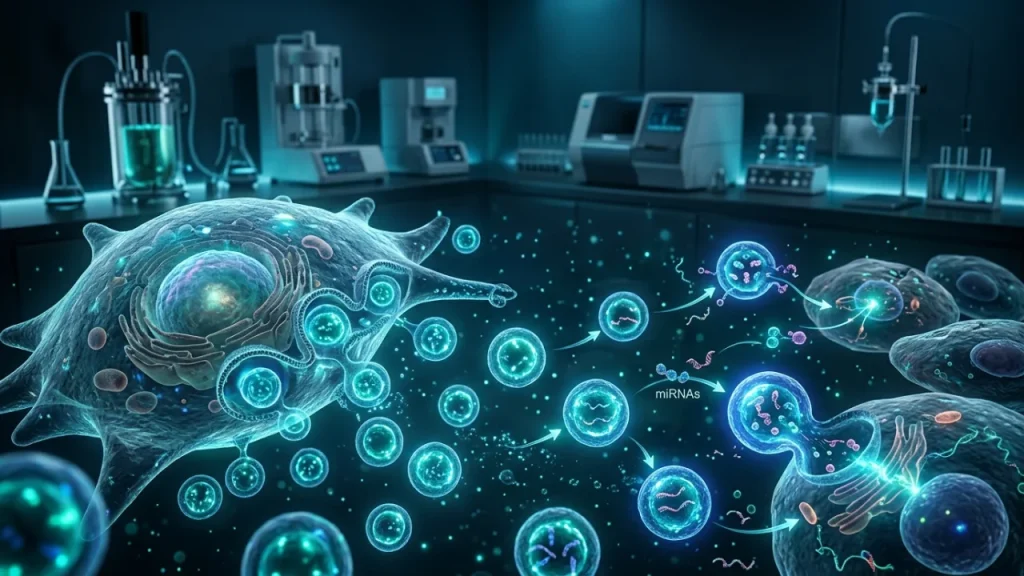
Imagine a tiny bubble, one thousand times smaller than a grain of sand. This bubble comes from a special type of cell called a mesenchymal stem cell. The bubble is called an exosome. It is not empty. It carries a precious cargo. This cargo includes proteins, fats, and genetic instructions. These mesenchymal stem cell derived exosomes are natural delivery trucks. They travel through the body’s fluids to find other cells.
Their mission is communication. When they reach a target cell, they deliver their molecular messages. Think of it like receiving a text message with specific commands. The receiving cell reads these commands. Then it acts on them. The instructions can tell a damaged cell to repair itself. They can reduce harmful inflammation. They can even encourage the growth of new blood vessels.
Why does this matter for medicine? Traditional drugs are often simple chemicals. They affect large areas of the body. This can cause side effects. Exosomes are different. They are smart and precise. They carry complex sets of natural signals. The body already uses these signals for healing. Scientists believe we can harness this natural system.
The power comes from their origin. Mesenchymal stem cells are master healers. They can become bone, cartilage, or fat cells. More importantly, they help coordinate repair. When these cells release exosomes, the exosomes carry the same healing potential. But they are safer than using the whole cells. Exosomes cannot replicate or turn into the wrong cell type. They simply deliver their message and are gone.
Here is what makes them a transformative tool: – Targeted Delivery: They naturally seek out areas of injury or inflammation. – Complex Cargo: They carry hundreds of healing molecules at once. – Natural Safety: As biological particles, the body recognizes them more easily. – Stability: They are tough little vesicles that protect their cargo during travel.
For example, in a damaged heart after a mild attack, these exosomes can arrive on the scene. They might tell heart muscle cells to survive and stay healthy. They could signal the immune system to calm down its aggressive response. This helps prevent further scarring. The same logic applies to injured joints, damaged nerves, or inflamed skin.
The key is in their biological intelligence. They perform multiple tasks at the same time. A single drug usually does one thing. A dose of mesenchymal stem cell derived exosomes can do many things in a coordinated sequence. This mirrors how the body heals itself naturally. It is a symphony, not a single note.
This is why there is so much excitement in medical research. These tiny particles offer a new strategy. They shift medicine from simply managing symptoms to encouraging true regeneration. The goal is to help the body heal itself more effectively. Understanding this basic messenger function is the first step to seeing their future potential in treating chronic diseases and serious injuries. Their small size hides a vast therapeutic promise that is now being unlocked by science.
Why Exosomes Are Safer Than Cell Therapies
One major safety concern with traditional stem cell therapies is immune rejection. When foreign living cells are introduced, the body’s defenses may attack them. This can cause inflammation. It can also destroy the therapeutic cells before they work. Mesenchymal stem cell derived exosomes avoid this problem entirely. They are not living cells. They are simply biological packages. Think of it like receiving a letter instead of a visitor. Your body is less likely to reject the mail.
Exosomes carry instructions, not a full cellular identity. They lack the complex surface markers that trigger strong immune alarms. The body recognizes them more as natural messengers. This means treatments could potentially be used from donor sources without exact matching. It opens the door to standardized, off-the-shelf products. Safety improves dramatically.
Another significant risk with cell therapies is uncontrolled growth. Living stem cells can sometimes divide in unpredictable ways. In rare cases, they might form unwanted tissue or tumors. This is a serious scientific hurdle. Exosomes eliminate this risk completely. They cannot replicate. They cannot divide. They deliver their cargo and are naturally cleared by the body. Their action is temporary and controlled.
Let’s compare the two approaches side by side: – Cell Therapy: Involves living, dividing cells. Risk of immune rejection exists. Small risk of uncontrolled growth. – Exosome Therapy: Uses non-living nanoparticles. Very low risk of immune reaction. Zero risk of tumor formation.
The safety profile is clearer and simpler. For patients and doctors, this is a critical advantage. It reduces potential complications before healing even begins. Research models show this consistently. Studies where exosomes are injected show minimal immune response. The focus stays on repair.
Consider a patient with an injured knee. Injecting donor cells might cause swelling as the immune system reacts. Using exosomes from the same donor source likely would not. The healing signals arrive without the defensive battle. This means recovery can be smoother. The treatment does not create a new problem.
This acellular approach also simplifies storage and handling. Living cells are fragile. They often require complex freezing procedures. Exosomes are far more stable. They can be stored and transported more easily. This practical benefit supports wider, safer use.
The shift from cells to their exosomes represents a maturation of regenerative medicine. Scientists are capturing the healing power of stem cells while leaving behind the risks of whole cells. It is a more precise tool. Safety is not an afterthought. It is built into the very nature of these particles.
This foundational safety enables researchers to explore stronger treatments. Doses can be studied with fewer safety worries. The path from lab to patient becomes more straightforward. With major risks reduced, the true therapeutic potential can take center stage. The next logical question is how these particles are even collected and prepared for use.
The Main Jobs of Mesenchymal Stem Cell Derived Exosomes
Mesenchymal stem cell derived exosomes are not just empty bags. They are packed with specific instructions. These instructions tell other cells how to behave. The exosomes deliver their cargo directly to target cells. This changes the cell’s activity. Think of them as a fleet of tiny repair trucks. Each truck carries a precise set of tools and blueprints for a job site.
Their first major job is to calm inflammation. Inflammation is your body’s natural alarm system. It is useful for fighting germs. But chronic inflammation is like a stuck alarm. It causes damage and pain. Exosomes from mesenchymal stem cells send “off” signals to overactive immune cells.
- They tell aggressive T-cells to stand down.
- They encourage regulatory cells that promote peace.
- They reduce the flood of inflammatory chemicals.
This creates a calmer environment. Healing can then begin properly. For conditions like arthritis, this is a key first step.
The second critical job is direct tissue repair and regeneration. After calming inflammation, exosomes activate repair programs in local cells. Their cargo includes growth factors and RNA molecules. These molecules act like software updates for damaged cells.
For example, in a muscle tear, exosomes signal resident stem cells to multiply. They tell connective tissue cells to produce more collagen. Collagen is the main structural protein in our bodies. This helps rebuild the torn framework. The process is coordinated and efficient.
The third vital function is building new blood vessels, a process called angiogenesis. Tissues need a constant blood supply for oxygen and nutrients. Damaged areas often have poor blood flow. Exosomes fix this. They carry signals that tell blood vessel cells to migrate and form new networks.
Imagine a construction site needing new roads for supplies. Exosomes provide the maps and machinery to build those roads. This restored blood flow supports all other healing. It brings in nutrients and removes waste.
These three jobs work together as a perfect system. 1. Reduce the inflammatory fire. 2. Directly repair the damaged structures. 3. Build new supply lines for long-term health.
This synergy is why mesenchymal stem cell derived exosomes are so powerful. They address the full healing cycle. You do not get just one effect. You get a coordinated recovery program.
Scientists can now design treatments around these natural functions. Researchers might enrich exosomes with specific molecules for a certain job. A treatment for a heart attack may focus heavily on blood vessel growth. A treatment for a skin wound might prioritize collagen production and anti-scarring signals.
Understanding these core jobs shows why the science is so exciting. It moves beyond just suppressing symptoms. It aims to restart the body’s own sophisticated repair processes. The next step is seeing how these natural nanoparticles are gathered and prepared for use in medicine.
How Mesenchymal Stem Cell Derived Exosomes Work Inside Your Body
What Exosomes Carry to Target Cells
Think of an exosome as a tiny, biological delivery truck. Its power comes from what it carries. These mesenchymal stem cell derived exosomes are packed with molecular cargo. This cargo tells other cells what to do.
The cargo has three main parts. These are proteins, RNA, and lipids. Each part has a specific job.
First, proteins are the workhorses. They can be enzymes that speed up chemical reactions. They can be signaling molecules that latch onto a cell’s surface. This sends a direct command. For example, one protein might tell a cell to start dividing. Another might order a cell to calm down an immune response.
Second, RNA is the instruction manual. Specifically, exosomes carry microRNA. This is not the RNA that builds proteins. Instead, microRNA controls which genes are used. It can silence genes that cause harm. Imagine a cell is producing too much of a damaging protein. MicroRNA from an exosome can block that production. It fine-tunes the cell’s behavior without changing its core DNA.
Third, lipids are not just packaging. The lipid membrane of the exosome itself can fuse with a target cell. This delivers everything inside directly. Some lipids also act as signals themselves. They can influence how a cell manages inflammation or repairs its own membrane.
This combination is powerful. An exosome does not deliver just one thing. It delivers a coordinated toolkit. A single exosome might contain dozens of different proteins and hundreds of RNA molecules. They all work together.
The beauty is in the targeting. Exosomes have addresses on their surface. These addresses guide them to specific cell types. A liver cell gets a different package than a skin cell. The mesenchymal stem cell carefully loads each exosome for its destination.
Scientists analyze this cargo to understand healing. They see patterns. Exosomes sent to repair muscle carry molecules for growth. Exosomes sent to soothe arthritis carry anti-inflammatory signals.
This explains why treatments using these nanoparticles are so precise. You are not flooding the body with a single drug. You are delivering nature’s own multi-tool. Each tool inside the exosome has a role.
Proteins execute immediate commands. RNA rewires long-term gene activity. Lipids ensure delivery and send extra signals.
Together, they change the recipient cell’s fate. A damaged cell gets the resources to repair itself. An overactive immune cell learns to stand down. A dormant stem cell is awakened to start working.
This cargo system is why research is moving so fast. By understanding the contents, we can predict the effects. We can even think about designing smarter exosomes in the future. But first, we must learn how to collect these natural packages in large numbers for medical use.
How Exosomes Find and Enter Cells
Exosomes do not wander randomly. They navigate directly to their target cells. This journey is guided by addresses on the exosome’s outer surface. These addresses are proteins and sugars.
Think of them as molecular zip codes. A liver cell displays a specific set of docks. A kidney cell has different ones. Mesenchymal stem cell derived exosomes carry matching codes. This ensures the right package reaches the right destination.
The process of entry is equally precise. An exosome does not simply bump into a cell and burst. It uses one of several refined entry paths. The chosen path depends on the cell type and the exosome’s instructions.
One common method is direct fusion. The exosome’s membrane merges perfectly with the target cell’s membrane. It is like two soap bubbles becoming one. The exosome’s cargo spills directly into the cell’s interior. This is fast and efficient.
Another major method is called endocytosis. The target cell recognizes the exosome’s surface markers. It then gently wraps its membrane around the nanoparticle. It forms a small pouch called a vesicle. This vesicle pulls the exosome inside.
The exosome is now in a cellular compartment. From here, it can release its contents safely into the cell’s cytoplasm. The cargo is then free to do its work.
Sometimes, the exosome delivers its message without full entry. Surface proteins on the exosome can bind to receptors on the target cell. This binding alone triggers a signal inside the cell. It is like ringing a doorbell instead of walking in.
The entire system relies on natural biological recognition. Your body’s own cells use similar methods to communicate. Mesenchymal stem cell derived exosomes simply harness this existing postal network. They are natural, targeted couriers.
Scientists can track this process in the lab. They tag exosomes with fluorescent markers. They then watch under microscopes as the glowing particles seek out specific cells. The exosomes cluster at the cell surface. They are then swiftly internalized.
This targeting explains their therapeutic potential. It means we can envision sending repair signals to a single damaged organ. Exosomes from mesenchymal stem cells often naturally seek inflamed or injured tissues. These tissues send out chemical distress signals.
The exosomes follow these signals home.
The precision minimizes side effects. Non-target cells largely ignore the passing exosomes. This is a key advantage over many conventional drugs. Drugs often circulate everywhere, affecting both healthy and sick tissues.
Understanding these pathways helps researchers improve treatments. They can engineer exosomes to carry even clearer addresses. This could direct them to cancers or hard-to-reach brain cells. The natural delivery system provides a powerful foundation.
In summary, finding and entering a cell is an active, orchestrated process. It involves recognition, binding, and careful uptake. This ensures the valuable cargo arrives intact at its precise workplace within the body. Next, we must explore what happens after delivery—how this cargo actually changes a cell’s behavior for healing.
Why Exosomes Are Called Natural Couriers
Think of a healthy cell as a busy factory. It constantly makes products and sends out instructions. Mesenchymal stem cell derived exosomes are like specialized delivery trucks from this factory. They do not carry random packages. Their cargo is carefully selected.
Each exosome is a tiny, sealed bubble called a vesicle. Inside, it holds a precise set of molecular instructions. This cargo is what makes these exosomes so powerful for healing. The main packages include microRNAs, proteins, and growth factors.
MicroRNAs are like short command codes. They do not build anything themselves. Instead, they tell a recipient cell which of its own genes to turn on or off. Proteins can act as tools or signals. They can kick-start repair processes directly. Growth factors are like strong encouragement messages. They urge a cell to grow, divide, or heal itself.
The beauty lies in the combination. An exosome does not deliver just one item. It delivers a coordinated toolkit. This allows it to change a cell’s behavior in a complex way.
The delivery process is efficient and protected. The exosome’s lipid membrane acts as a secure envelope. It shields the fragile cargo during transit through the body’s harsh environment. Enzymes in the blood cannot easily break it down. This ensures the instructions arrive intact.
Once inside the target cell, the exosome opens its package. It releases its molecular contents into the cell’s cytoplasm. This is the cell’s internal workspace. The delivered molecules then get to work.
The microRNAs seek out the cell’s own genetic machinery. They bind to specific messenger RNAs. This binding can silence harmful messages or promote helpful ones. The proteins interact with the cell’s existing networks. They can alter pathways that control inflammation or death.
This entire system mimics natural cell-to-cell communication. Your body’s own cells use exosomes every day to talk to each other. Mesenchymal stem cells are just particularly good at sending helpful messages.
Their exosomes often carry anti-inflammatory signals. They tell overactive immune cells to calm down. They also carry pro-regenerative signals. These encourage damaged tissues to rebuild their structure.
The result is a shift in the local environment. An inflamed, injured area receives these exosomes. The exosomes then change the conversation between cells there. They help switch the state from “attack and destroy” to “repair and rebuild.”
This courier system has key advantages over sending whole stem cells. Exosomes are much smaller and simpler. They cannot divide or form tumors. They have a lower risk of immune rejection. Their action is controlled and temporary.
They deliver their instructions and are then recycled by the cell. Their effects, however, can last much longer because they change gene activity.
In essence, these exosomes are nature’s own targeted drug delivery system. They bring a multifaceted repair program directly to sick cells. The next step is seeing this process in action for specific health conditions.
Key Benefits of Using Mesenchymal Stem Cell Derived Exosomes
How Exosomes Calm the Immune System
A raging immune system can damage the very body it tries to protect. This is called excessive inflammation. Mesenchymal stem cell derived exosomes carry precise instructions to prevent this collateral damage. They act like diplomatic envoys in a conflict zone.
Their first job is to talk directly to immune cells. They target cells like macrophages. Macrophages are major players in inflammation. They can exist in two main states. One state is pro-inflammatory, often called M1. These macrophages attack aggressively. The other state is anti-inflammatory, called M2. These macrophages promote healing and cleanup.
Mesenchymal stem cell exosomes shift the balance. They encourage macrophages to adopt the calming M2 state. They do this by delivering specific microRNAs and proteins. These molecules alter the cell’s internal signaling.
For example, exosomes can deliver microRNA-let-7. This molecule targets pathways that drive inflammation. It effectively turns down the volume on the alarm signals. Another common cargo is TGF-β, a powerful anti-inflammatory protein. It directly instructs immune cells to become regulatory.
The effect on T-cells is equally important. T-cells coordinate the immune attack. Some T-cells, called effector T-cells, lead the charge. Others, known as regulatory T-cells (T-regs), act as peacekeepers. They stop the attack when the threat is gone.
Mesenchymal stem cell exosomes help grow these peacekeepers. They promote the generation and function of regulatory T-cells. Simultaneously, they can reduce the activity of overzealous effector T-cells. This dual action helps restore immune balance.
The exosomes also calm the storm by blocking dangerous signals. They can carry molecules that bind to inflammatory messengers. Think of it as intercepting a hostile message before it reaches its target. A key target is a factor called NF-κB. This factor acts as a master switch for inflammation.
Exosome cargo can inhibit NF-κB activation. This prevents a cascade of inflammatory gene expression. The result is a quieter cellular environment where repair can begin.
The process is temporary but powerful. The exosomes deliver their instructions and are cleared. The changes they initiate, however, create a lasting shift in the local immune landscape. Cells continue to communicate in a more regulated way.
This has clear implications for autoimmune conditions and chronic inflammatory diseases. In these situations, the body’s defense system is confused. It attacks healthy tissue without stopping.
Mesenchymal stem cell derived exosomes offer a targeted strategy. They aim to retrain this misguided response without shutting down the entire immune system. They provide nuanced control that broad anti-inflammatory drugs often lack.
The benefits are multi-layered: – They target multiple cell types at once. – Their action is localized to sites of inflammation. – They use the body’s own language for communication. – They avoid the risks of whole-cell therapies.
Calming the immune system is just one part of their regenerative potential. By resolving inflammation, they remove a major barrier to healing. This sets the stage for the next critical phase: actively rebuilding damaged tissues.
Why Exosomes Reduce Inflammation Safely
Mesenchymal stem cell derived exosomes stop inflammation with precision. They do not act like a blanket drug. Instead, they deliver specific instructions to immune cells. This targeted approach is key to their safety.
Think of typical anti-inflammatory drugs as loud noise. They drown out all communication in an area. Exosomes work like a targeted whisper. They speak directly to overactive cells.
Their safety comes from their natural design. They are native components of our body’s communication system. The body already produces billions of exosomes daily. Adding more from a therapeutic source simply enhances a normal process.
The cargo inside these vesicles dictates safety. It contains molecules that naturally calm immune responses. For example, exosomes carry microRNAs like miR-146a. This molecule specifically tells immune cells to reduce their inflammatory signals. It is a built-in brake mechanism.
Exosomes also avoid systemic side effects. They tend to migrate to sites of injury or inflammation. Signals from damaged tissue attract them. This means their powerful cargo works mostly where it is needed.
Their action is temporary and self-limiting. Exosomes deliver their molecular messages and then break down. They do not integrate into a cell’s DNA. They do not permanently alter genetic code. They simply provide a temporary, corrective signal.
Compare this to some strong medications. Those drugs can suppress the entire immune system for a long time. This raises the risk of infections and other problems. Exosomes aim to retrain, not suppress.
The surface of an exosome also contributes to safety. It carries proteins that help it avoid attack by the host immune system. This makes them stealthy couriers. The body is less likely to see them as foreign threats.
Here are the core reasons for their safe profile: – They use natural biological pathways. – Their effects are localized to problem areas. – Their activity is short-lived but impactful. – They carry multiple regulators for a balanced effect.
This multi-faceted approach reduces the chance of off-target harm. A single drug often hits one target very hard. Exosomes gently influence several pathways at once. This mimics the body’s own complex control systems.
Importantly, they lack the risks of whole cell therapies. There is no risk of the cells dividing in an uncontrolled way. There is no risk of blood vessel blockage from larger cells. The exosomes are simply messengers.
Research shows this safety in models of diseases like rheumatoid arthritis. Exosome treatments reduce joint swelling and damage. Critically, they do not compromise the body’s ability to fight real infections elsewhere. The immune system remains alert but not aggressive.
This precise safety profile makes them a compelling option. It allows for targeting chronic inflammation without creating new vulnerabilities. The goal is a balanced immune state, not a weakened one.
By reducing inflammation safely, these exosomes clear the path for true repair. They create a stable environment where the next phase of healing can thrive. This leads directly to their role in stimulating growth and regeneration.
How Exosomes Stimulate Tissue Repair
How Exosomes Stimulate Tissue Repair
Mesenchymal stem cell derived exosomes do not just calm inflammation. They actively tell your body to rebuild. They carry precise instructions to damaged cells. These instructions kickstart the natural healing process.
Think of a construction site after a storm. First, you clear the debris. That is what reducing inflammation does. Next, you need blueprints and workers to rebuild. Exosomes deliver both.
They work by transferring key molecules directly into target cells. These molecules include proteins and RNA. RNA acts like a software update for your cells. It changes what the cell does.
For example, exosomes can tell skin cells to make more collagen. Collagen is the main structural protein in your skin. More collagen means stronger, faster wound healing. In studies, exosome-treated wounds close much quicker.
The process follows clear steps. First, exosomes find the damaged area. They are drawn to sites of injury. Then, they fuse with the membranes of local cells. They empty their cargo inside those cells.
This cargo then reprograms the cell’s activity. It turns on genes for growth and repair. It turns off genes that cause scarring or cell death. The result is coordinated regeneration.
Let’s look at a specific case: muscle repair. After a strain, muscle fibers tear. Inflammation occurs. Then, satellite cells must activate to make new muscle.
Exosomes from mesenchymal stem cells boost this process. They deliver microRNAs that wake up satellite cells. These cells then multiply and fuse to repair the muscle. This leads to stronger recovery and less fibrous scar tissue.
The same principle applies to bone. Exosomes can encourage bone-forming cells called osteoblasts. They signal these cells to lay down new mineral matrix. This is crucial for healing fractures.
One powerful mechanism is angiogenesis. This is the growth of new blood vessels. Damaged tissue needs new blood supply to heal. Exosomes carry factors like VEGF. VEGF tells the body to build new capillaries.
Fresh blood brings oxygen and nutrients. This fuels the repair cells. Without good blood flow, healing stalls.
Exosomes also help organize the new tissue. They guide cells on where to go and what to become. This improves the quality of the final healed tissue. The goal is functional regeneration, not just a patch.
Their effect is holistic. They do not just trigger one thing. They coordinate several repair programs at once. – They boost cell proliferation. – They guide cell specialization. – They promote new blood vessel growth. – They optimize the surrounding support structure.
This multi-signal approach is key. A single drug might only do one of these jobs. Exosomes do them all in balance. This mimics how the body heals itself when young and healthy.
Research in heart attack models shows this well. After a heart attack, scar tissue forms. This weakens the heart muscle. Injected exosomes reduce that scarring. They promote the growth of healthy heart muscle cells instead. They also spur new blood vessels in the heart.
The timeline is important. The signaling from exosomes is not permanent. It lasts long enough to jumpstart the process. Then, the body’s own systems take over. This avoids the risk of overgrowth or uncontrolled repair.
In summary, mesenchymal stem cell derived exosomes are master regulators of regeneration. They provide the necessary signals at the perfect time. They turn damaged sites into active repair zones.
This moves us beyond simply managing disease symptoms. We are now talking about restoring original function. The next logical question is about delivery: how do we get these smart particles to the right place in the body?
Why New Blood Vessel Growth Matters for Healing
New blood vessel growth is called angiogenesis. It is a vital step in healing any injury. Think of it as building new roads to a damaged town. Without these roads, repair crews and supplies cannot get in. Waste cannot get out. Healing stalls.
Every cell in your body needs oxygen and nutrients to live. These supplies come from blood. Blood flows through a vast network of tiny vessels. When tissue is injured, this network is often damaged or insufficient. The area becomes starved. It is also filled with debris from the damage.
This is where mesenchymal stem cell derived exosomes play a key role. They carry specific instructions. These instructions are given to endothelial cells. Endothelial cells line the inside of all blood vessels. The exosome signals tell these cells to multiply. They tell them to move toward the injured area. They tell them to form new, hollow tubes.
The process is precise and organized. It is not chaotic. The new vessels connect to the existing network. This creates a fresh blood supply directly to the site of damage.
The benefits of this new network are immediate and powerful. – Improved oxygen supply. Oxygen is fuel for repair cells. More fuel means faster work. – Delivery of nutrients. Building new tissue requires raw materials like proteins and sugars. Blood brings them. – Removal of waste. Inflamed tissue produces waste products. Bloodstream carries them away for processing. – Faster arrival of immune cells. The body’s clean-up crew arrives quickly via the new routes.
Consider a deep skin wound or a muscle tear. The area underneath often has poor blood flow. Traditional healing is slow. It can be incomplete. With enhanced angiogenesis, the repair zone becomes well-supplied. Skin cells regenerate quicker. Muscle fibers rebuild more robustly.
The same principle applies to internal organs. After a heart attack, part of the heart muscle dies from lack of blood. The surrounding area is at risk. Promoting new vessel growth here does two things. It salvages the struggling border zone. It also supports the new muscle cells we want to grow.
Without good blood flow, even the best regenerative signals fall short. Cells cannot act if they are starved or suffocating. Angiogenesis solves this fundamental problem first. It prepares the ground for all other repair processes.
This is why exosome signaling is so effective. It does not just tell cells to grow. It ensures the growing area has the infrastructure it needs to thrive. The new vessels also become part of the permanent tissue. They remain after healing is complete.
This leads to more durable results. Well-vascularized tissue is stronger and more resilient. It is less likely to break down again. The quality of regeneration is simply higher.
In essence, angiogenesis turns a deprived, struggling wound site into a nourished construction zone. Mesenchymal stem cell exosomes are expert foremen for this project. They orchestrate this critical first phase of rebuilding. The next phase involves how these signals also calm damaging inflammation, which we will explore next.
Current Medical Uses for Mesenchymal Stem Cell Derived Exosomes
How Exosomes Help Brain Recovery After Stroke
A stroke cuts off blood supply to part of the brain. Brain cells begin to die within minutes. This creates a complex injury zone with three big problems. Cells are dying from lack of oxygen. Harmful inflammation swells the brain. The connections between surviving cells are damaged.
Mesenchymal stem cell derived exosomes address all three issues at once. They are not a single drug. They are a sophisticated communication system. They deliver precise instructions to the damaged brain.
First, exosomes send survival signals to endangered cells. Think of the area around the stroke core as a neighborhood losing power. Exosomes act like emergency generators. They provide biochemical support to keep cells alive longer. This gives the body more time to restore some blood flow.
Second, these exosomes actively calm the immune overreaction. After a stroke, the brain’s own cleanup cells can become too aggressive. They release toxins that harm healthy tissue. This is like firefighters using too much water. They save the house but cause water damage.
Exosomes change these immune cells’ behavior. They tell them to switch from an attacking mode to a healing mode. This reduces swelling and limits further damage. It prepares the area for repair.
Third, exosomes promote neuroplasticity. This is the brain’s ability to rewire itself. Surviving neurons need to form new connections. They must take over jobs lost from the dead cells.
The cargo in exosomes encourages this growth. It stimulates the sprouting of new neural pathways. It is like giving a construction crew better blueprints and tools. The brain can rebuild its communication networks more effectively.
Research in animal models shows clear functional benefits. Treated animals often show: – Better motor control and coordination. – Improved memory and learning tasks. – Reduced size of the brain lesion.
The timing of treatment may be critical. Early intervention aims to save cells. Later intervention focuses more on repair and rewiring. This dual-phase action is a key advantage.
Using mesenchymal stem cell derived exosomes for stroke avoids major hurdles. There is no need to inject whole stem cells into the delicate brain. The tiny exosomes can cross protective barriers more easily. They naturally go to sites of injury.
They also carry far less risk than cell therapies. There is no chance the exosomes will multiply or form tumors. Their job is purely to communicate and then fade away.
The goal is not just survival but meaningful recovery. It is about regaining movement, speech, and independence. By tackling cell death, inflammation, and regrowth together, exosome therapy supports a fuller healing journey. This integrated approach mirrors how the body tries to heal itself, but with powerful guidance.
The principles of targeted communication and immune modulation apply beyond stroke. They are now being studied for other neurological challenges where inflammation and repair are key.
Why Exosomes Could Repair Heart Damage
A heart attack creates a zone of damaged, dying muscle. This damage triggers a massive inflammatory response. While some inflammation is necessary for cleanup, it often becomes too aggressive. The overactive immune cells can attack healthy heart tissue that survived the initial attack. This worsens the injury. The heart muscle, called myocardium, struggles to regenerate on its own. Scar tissue forms instead. This scar is stiff and cannot contract. It weakens the heart’s pumping power permanently.
Mesenchymal stem cell derived exosomes offer a multi-step strategy to change this outcome. They are natural biological messengers. They carry precise instructions to the chaotic environment of a damaged heart. Their cargo includes microRNAs, proteins, and growth factors. These molecules can reprogram the local cells. The goal is to shift the process from destructive scarring toward functional repair.
One primary action is calming the immune storm. After a heart attack, immune cells flood the area. Exosomes send signals that tell these cells to become less aggressive. They promote a healing type of immune activity. This reduces collateral damage to the heart muscle. It helps save more of the precious, living tissue around the attack’s core.
Simultaneously, these exosomes work to protect surviving heart cells. They deliver survival signals that help cells resist stress. They can improve energy production within these cells. This makes the cells more resilient in the hostile post-attack environment. More cells staying alive means more muscle remains to pump blood.
Perhaps the most exciting potential is stimulating new blood vessel growth. This process is called angiogenesis. The damaged heart area is starved for oxygen. Exosomes instruct the body to build new, tiny blood vessels. These vessels restore crucial blood flow to the injured region. Better blood flow delivers oxygen and nutrients. It supports all other repair efforts.
Research also points to a reduction in scar tissue. Exosomes appear to influence how fibroblasts behave. Fibroblasts are cells that build scar tissue. Exosome signals can encourage them to create a more flexible, less extensive scar. Some studies even suggest they might promote a small degree of regeneration in heart muscle cells.
The advantages over injecting whole stem cells into the heart are clear. The tiny exosomes do not block small blood vessels. They are naturally targeted to injury sites. They cannot form unwanted tissues or cause arrhythmias like some cell therapies might. Their effect is purely communicative and temporary.
Current medical uses in cardiology are still largely in clinical trials. Early-phase human studies are exploring safety and signals of benefit. Preclinical data in animals is strong. Treated animals often show: – Smaller scar size after an induced heart attack. – Better preservation of heart wall thickness. – Improved measures of pumping function.
The vision is for a future treatment given after emergency procedures for a heart attack. It would be an adjunct therapy. It aims to protect and repair the heart in the critical days and weeks following the event. The ultimate goal is to prevent the progression to chronic heart failure.
This approach mirrors the logic seen in neurological repair. It uses the body’s own communication system to guide healing. The next frontier looks at systemic conditions where inflammation and poor repair are central problems.
How Exosomes Ease Joint Pain in Osteoarthritis
Osteoarthritis causes pain through inflammation and cartilage breakdown. Mesenchymal stem cell derived exosomes offer a new way to interrupt this cycle. They deliver specific instructions to the troubled joint cells.
These tiny vesicles act as natural anti-inflammatory messengers. They carry molecules like microRNAs and proteins. These molecules directly talk to immune cells in the joint space.
The exosomes tell overactive immune cells to calm down. This reduces the flood of inflammatory signals. Key inflammatory chemicals like TNF-alpha and IL-1beta decrease. Less inflammation means less swelling and stiffness for the patient.
Exosomes also protect and support cartilage-producing cells called chondrocytes. In osteoarthritis, these cells become stressed and start to fail. They produce poor quality cartilage matrix. They may even self-destruct.
The exosome cargo helps chondrocytes survive. It encourages them to produce more of the building blocks for healthy cartilage. These building blocks are collagen and aggrecan. This can help slow the wear-and-tear process.
A major advantage is their targeted, natural action. Unlike steroid injections, exosomes aim to modify the disease environment. Steroids simply blunt inflammation broadly, often with side effects. Exosome signals promote a healthier joint balance.
Preclinical studies in animal models of arthritis show promising results. Treated animals often have: – Lower clinical pain scores, measured by limb use. – Reduced levels of inflammatory markers in joint fluid. – Better preservation of cartilage thickness seen under a microscope. – Evidence of new, protective cartilage matrix formation.
The proposed treatment involves injecting exosomes directly into the affected joint. This intra-articular delivery places the therapy exactly where it is needed. The exosomes then interact with synovial cells, immune cells, and chondrocytes.
The goal is not just short-term pain relief. Researchers hope to achieve disease modification. This means altering the course of osteoarthritis itself. The ideal outcome is slower progression and lasting symptom improvement.
Early human clinical trials are underway. These studies first test safety for intra-articular use. Early signals also look for reduced pain scores and improved joint function on questionnaires. Larger trials will be needed to confirm efficacy.
This approach is particularly appealing for knee osteoarthritis. It is a common condition with limited long-term solutions. Many patients eventually face joint replacement surgery. A regenerative injection therapy could delay or prevent that need.
The logic mirrors that of cardiac repair. The therapy uses biological communication to change the local environment. It shifts tissues from a state of breakdown into a state of repair. The signals are precise and multi-faceted.
Challenges remain for widespread use. Doctors must determine the optimal dose and source of exosomes. They need to define the best treatment schedule. The long-term durability of the effect is still being studied.
Yet, the potential is significant. It represents a move toward regenerative orthopedics. The focus changes from managing symptoms to promoting real tissue health. This science offers hope for millions living with chronic joint pain.
The principles learned here apply to other inflammatory conditions. The ability to precisely modulate the immune system has broad uses. This leads us to consider systemic autoimmune diseases next.
Why Exosomes Speed Up Wound Healing
Chronic wounds are a major healthcare challenge. These are sores that fail to heal through normal stages. Diabetic foot ulcers are a common example. They can lead to severe infections and even amputations. Standard care often involves cleaning and dressing the wound. Yet healing remains slow for many patients. This is where the science of exosomes offers a new path.
Mesenchymal stem cell derived exosomes act as a sophisticated repair toolkit. They are not cells. They are tiny vesicles filled with signaling molecules. When applied to a wound, they deliver precise instructions to local cells. They tell the body’s own repair systems to work faster and smarter.
The healing process has several phases. Exosomes help optimize each one. First, inflammation must be controlled. A chronic wound often has too much bad inflammation. Exosomes send signals to calm this overactive immune response. They help reduce destructive swelling and pain at the site.
Next, new blood vessels must form. This step is called angiogenesis. It is crucial for delivering oxygen and nutrients. Exosomes carry growth factors that directly stimulate blood vessel growth. They signal endothelial cells to multiply and migrate. This creates a fresh network of micro-vessels in the damaged tissue.
Then, new skin cells must move in and cover the area. This is the proliferation phase. Exosomes boost the activity of fibroblasts. Fibroblasts are cells that build collagen and other structural proteins. Collagen is the main scaffold of new skin. With exosome signals, fibroblasts produce more high-quality collagen matrix.
Finally, the wound must remodel and close. Exosomes guide this final organization. They help ensure the new tissue is strong and flexible, not just a weak scar. The entire sequence becomes more coordinated.
The key advantage is targeted communication without cell risks. Using whole stem cells carries potential problems. Cells might divide unpredictably or trigger immune reactions. Exosomes from mesenchymal stem cells provide the therapeutic signals without these risks. They are like receiving a set of perfect instructions instead of a foreign worker who might not follow rules.
Clinical studies show promising results. Research on diabetic ulcers has demonstrated faster closure rates with exosome therapy. Treated wounds show better granulation tissue formation. This is the healthy, pink tissue that fills a wound bed. Patient outcomes improve with reduced healing times.
The logic extends beyond diabetes. This approach applies to venous leg ulcers and pressure sores. Any wound stalled in a harmful inflammatory state might benefit. The therapy aims to restart the body’s innate healing program.
In summary, exosomes speed healing by orchestrating a complex cellular response. They modulate inflammation, spur blood vessel growth, and boost collagen production. This makes them a powerful tool for regenerative medicine’s goal: restoring original function. Their role in skin repair provides a clear model of their systemic potential for other tissues in distress.
Future Applications of Mesenchymal Stem Cell Derived Exosomes
How Exosomes Could Deliver Drugs More Precisely
Imagine a medicine that knows exactly which cell needs help. It travels directly to the sick cell and delivers its cure. This is the promise of using mesenchymal stem cell derived exosomes as drug carriers. These natural nanoparticles could change how we treat many diseases.
Today’s drugs often spread throughout the body. They can affect healthy cells and cause side effects. Exosomes offer a smarter solution. They are like tiny, intelligent mail trucks. Their natural job is to carry cargo between cells. Scientists can now load them with therapeutic cargo instead.
The process starts with loading the exosomes. Researchers have several methods to pack medicine inside. – One method is called electroporation. A brief electric pulse makes temporary holes in the exosome’s membrane. Drugs can slip inside through these holes. – Another method is simple incubation. Exosomes are mixed with drug molecules for a long time. Some drugs naturally pass through the membrane. – Scientists can also load the parent stem cell first. The cell packages the drug into exosomes as it makes them.
The real power is in targeting. Exosomes from mesenchymal stem cells have a key feature. They naturally seek out areas of injury and inflammation. Their surface carries special address proteins. These proteins act like GPS coordinates. They guide the exosome to cells in distress.
For cancer, this could be revolutionary. Chemotherapy drugs are powerful but toxic. Loading them into exosomes might direct them straight to tumors. The exosome’s membrane could also hide the drug from the immune system. This might reduce severe side effects like nausea and fatigue.
Brain diseases present a major challenge. The blood-brain barrier protects the brain. It also blocks most medicines. Exosomes might cross this barrier. Their natural composition could allow them to deliver drugs for Alzheimer’s or Parkinson’s directly to brain cells.
The advantages over synthetic nanoparticles are significant. The body’s immune system often attacks artificial carriers. Exosomes are native to the body. They are less likely to be seen as a threat. This means they could last longer in the bloodstream. Their natural membranes also fuse easily with target cells. This ensures efficient delivery of the cargo inside.
Research is already showing progress in labs. One study loaded anti-inflammatory drugs into exosomes. These engineered vesicles reduced arthritis swelling in mice much better than the drug alone. Another experiment used exosomes to carry siRNA, a tool to silence bad genes, into cancer cells.
The path forward involves careful engineering. Scientists are working to improve loading capacity. They are also experimenting with modifying the exosome surface. Adding specific targeting molecules could make them even more precise. This field combines biology with advanced engineering.
Of course, challenges remain. Manufacturing enough exosomes for widespread use is complex. We must ensure every batch is consistent and pure. Regulatory pathways for these biological devices are still being defined.
The core idea is powerful though. We can hijack a natural delivery system. Mesenchymal stem cell derived exosomes provide the ideal vehicle. They offer precision, biocompatibility, and smart targeting. This turns a natural communicator into a guided therapeutic missile. The future of drug delivery may not be about creating new drugs alone, but about delivering old ones in profoundly new ways.
Why Exosomes May Serve as Early Disease Detectors
Imagine finding a sealed message bottle washed up on shore. Its contents tell you exactly what is happening far out at sea. Mesenchymal stem cell derived exosomes and other exosomes act like these biological message bottles. They travel through our bodily fluids, carrying molecular snapshots of the cells that released them. This gives them a powerful second job beyond therapy. They can serve as early warning systems for disease.
Healthy cells send out exosomes with normal cargo. Diseased cells, however, send out different signals. A cancerous tumor, for instance, releases many more exosomes than healthy tissue. These tumor exosomes carry specific proteins and genetic fragments unique to that cancer. Scientists can collect these exosomes from a simple blood draw. This process is often called a “liquid biopsy.” It is much less invasive than cutting out a piece of tissue.
The diagnostic potential is vast. Here are key areas where exosome detection could change medicine: – Cancer: Doctors could detect tumors earlier by spotting cancer-specific markers on exosomes. They could also track how a tumor changes over time, watching for signs of drug resistance. – Neurodegenerative Diseases: Conditions like Alzheimer’s start damaging the brain long before symptoms appear. Brain cells release exosomes that cross into the bloodstream. These vesicles may carry early signs of damage, like misfolded proteins. – Heart Disease: After a heart attack, stressed heart cells release distinct exosomes. Their levels could help doctors assess the true extent of the injury and predict recovery.
The technology aims to find these needles in a haystack. Our blood contains exosomes from every cell type in the body. Researchers are designing tools to isolate only the exosomes from the organ they want to study. They use tiny magnetic beads or chips with special surfaces. These tools grab exosomes that have specific surface proteins.
Once captured, scientists open the exosomes to read their cargo. They look at microRNAs, which are tiny genetic switches. They also analyze proteins and lipids. The goal is to find a unique signature—a specific combination of molecules that acts like a fingerprint for a particular disease. This signature must appear early in the disease process.
Early detection is everything in medicine. Finding a disease at its start often means treatments are simpler and more effective. Current methods might miss early stages until organ function declines. Exosome-based diagnostics could provide a window into cellular changes long before that point. This shifts medicine toward true prevention.
The path from lab to clinic requires rigorous testing. Scientists must prove that an exosome signature is reliable for one specific disease. They must ensure tests are reproducible and affordable. Large clinical studies will compare exosome signals to traditional diagnostic methods.
This diagnostic role perfectly complements the therapeutic future discussed earlier. First, you detect a disease with precision using exosomes as scouts. Then, you could potentially treat it using engineered mesenchymal stem cell derived exosomes as targeted delivery vehicles. This creates a closed-loop system of diagnosis and treatment, both powered by nature’s own nanoparticles. The humble exosome, therefore, is emerging as a dual-purpose tool in modern medicine—a sentinel and a healer.
How Exosomes Might Improve Cosmetic Treatments
The skin is a living organ that constantly repairs itself. This natural repair slows with age. Mesenchymal stem cell derived exosomes carry instructions that can help restart this process. They do not work like traditional fillers or lasers. Instead, they act as messengers to your own skin cells.
Think of an aging skin cell as a factory that has forgotten how to make its best product: collagen. Collagen provides firmness and structure. Exosomes from stem cells can deliver molecular signals to that factory. These signals remind the cell to produce collagen proteins again. This approach targets the root cause of thinning skin, not just the surface wrinkles.
Exosomes also calm chronic, low-level inflammation. This type of inflammation is a key driver of aging. It breaks down healthy tissue and impairs renewal. The cargo inside exosomes can turn down this inflammatory fire. A calmer cellular environment allows for better natural repair.
The potential benefits for cosmetic treatments are specific. They focus on core mechanisms of skin health.
- Improving skin texture and firmness by boosting collagen and elastin production.
- Reducing the appearance of fine lines through enhanced cellular renewal.
- Promoting a more even skin tone by modulating pigment-producing cells.
- Strengthening the skin’s barrier function to improve hydration and resilience.
- Accelerating healing and reducing redness after procedures like microneedling.
Safety is a major consideration. These exosomes are not living cells. They cannot replicate or divide. This reduces risks associated with direct stem cell injections. The exosomes simply deliver their cargo and are naturally broken down. Their action is temporary and instructional, not permanent.
The goal is a natural-looking result. The aim is not to change one’s appearance drastically. Instead, it is to help the skin function more like a younger version of itself. Outcomes would develop gradually over weeks as cellular activity improves.
This application relies on topical formulas or procedures that help exosomes reach living skin layers. Research is ongoing to find the best delivery methods. Stability and formulation are active areas of scientific work.
The cosmetic use of exosomes represents a shift towards cellular-level skincare. It moves beyond surface treatment to fundamental communication between cells. This bridges the gap between advanced regenerative medicine and daily aesthetic concerns. It shows how understanding fundamental biology can lead to innovative applications in many fields of health and wellness.
Challenges and Next Steps for Mesenchymal Stem Cell Derived Exosomes
What Scientists Still Need to Learn About Exosomes
Scientists have unlocked incredible potential for mesenchymal stem cell derived exosomes. Yet many fundamental questions remain unanswered. These questions are not roadblocks. They are active areas of discovery. Answering them will make treatments safer and more effective.
A major unknown is precise dosing. How many exosomes are needed for a specific effect? The current answer is often “it depends.” Right now, researchers measure exosomes by the billion particles or by total protein amount. But not all exosomes in a batch are identical. Their cargo can vary. This makes finding the perfect dose complex.
Think of it like a recipe. You need the right ingredients in the right amounts. Scientists are still learning the exact recipe for each medical goal. Too few exosomes might have no effect. Too many could overwhelm the system or cause unintended signals. Finding the optimal dose is critical.
Long-term effects also need more study. Exosomes deliver temporary instructions to cells. But what happens after many treatments over years? Do cells “remember” these signals? Research so far shows a strong safety profile in short-term studies. Long-term tracking in humans is still new.
Scientists are watching for two main things over long periods. First, they want to ensure consistent results. Second, they monitor for any delayed immune reactions, though these seem rare. This research requires patience and careful follow-up.
Another challenge is standardization. Not all mesenchymal stem cell derived exosomes are the same. Their properties change based on many factors. – The source tissue of the original stem cells (like fat or bone marrow). – How the cells were grown and what they were fed. – The method used to collect and purify the exosomes.
Without standards, comparing studies is difficult. One lab’s results may not match another’s. The field is working to create universal measurement guidelines. This will help doctors trust what they are using.
Delivery remains a puzzle too. How do we get exosomes to the exact right place in the body? For skin, topical application or microneedling works. For a deeper organ like a kidney or heart, it is harder. Scientists are testing advanced methods. – Linking exosomes to tiny magnetic particles to guide them. – Engineering the exosome’s surface to “homes” to specific tissues. – Using inhalers to deliver exosomes directly to the lungs.
Finally, we must understand their full communication network. Exosomes talk to many cell types at once. Scientists map these conversations. They ask which signals are most important for healing. They also ask if exosomes could ever deliver a wrong message accidentally.
This research is meticulous and ongoing. Each discovery builds a clearer picture. The goal is predictable, controlled therapies. The journey involves biology, engineering, and medicine working together. The next steps will turn promising tools into precise medical instruments.
How Exosome Therapies Move From Lab to Clinic
Moving a therapy from a lab dish to a patient’s bedside is a long road. It is a careful, step-by-step process. For mesenchymal stem cell derived exosomes, this journey has begun. The first major stage is preclinical research. Scientists must prove two key things in the lab and in animals. They must show the treatment is safe. They must also show it works.
This involves many detailed tests. Researchers check for any toxic effects. They use different doses. They study how the exosomes move through the body. They confirm the healing effects seen in cells also happen in a living system. For example, a study might give exosomes to mice with damaged hearts. The team would measure heart function improvement. They would also check the liver and kidneys for safety. All this data is compiled into a large application. This application is sent to a regulatory agency. In the United States, this agency is the FDA.
If the preclinical data is strong, clinical trials can start. These are human studies. They happen in phases. Each phase answers specific questions. – Phase I trials test for safety in a small group of healthy volunteers or patients. The main goal is to find any side effects and determine a safe dose. – Phase II trials test for effectiveness. A larger group of patients receives the treatment. Researchers look for signs that it helps the condition it was designed for. – Phase III trials are large and definitive. Hundreds of patients participate. They often compare the new exosome therapy to a standard treatment or a placebo. This phase provides clear proof of benefit and monitors long-term safety.
Successful Phase III results lead to a review for approval. The regulatory agency examines all the data from every phase. They decide if the benefits outweigh any risks. Approval means doctors can legally prescribe the treatment. But the work does not stop there. Phase IV trials happen after approval. These studies watch for very rare side effects in thousands of people over many years.
Manufacturing is a huge parallel challenge. Making exosomes for research is one thing. Producing them for thousands of patients is another. The process must be perfectly consistent and scalable. It must happen in ultra-clean facilities called GMP labs. Every batch must be identical in purity, potency, and safety. This requires advanced technology and strict controls.
Cost and access are final considerations. Developing a new therapy is expensive. Companies must recoup their investment. Health systems must decide if they will pay for it. Researchers are working to make production more efficient. This could lower future costs. The ultimate goal is to make these advanced treatments available to the people who need them.
The path is structured and demanding. Each step builds trust in the science behind mesenchymal stem cell derived exosomes. It transforms them from a powerful biological concept into a reliable, regulated medicine. This rigorous process protects patients while unlocking new healing potential for medicine
Why Safety Testing Remains Crucial for New Therapies
Safety testing for new therapies does not end with initial approval. For mesenchymal stem cell derived exosomes, ongoing vigilance is especially important. Their biological activity is powerful and complex. Scientists must watch for subtle, long-term effects that early trials could miss.
One key concern is targeting. Exosomes naturally travel through the body. Researchers design them to reach specific tissues, like a damaged heart or liver. But what if they also go to other places? An exosome meant to heal a joint could theoretically interact with other cells. Unintended effects must be ruled out over time.
The source of the exosomes matters greatly. Exosomes from different donors can have varied profiles. Their cargo of signals can differ. A consistent safety profile depends on controlling the starting material. This ensures every batch acts in a predictable way.
The immune system is another focus. Mesenchymal stem cell derived exosomes are generally considered safe from immune rejection. However, scientists monitor this closely in diverse populations. Individual patient biology can vary. Ensuring no immune reaction occurs over years is a critical goal.
Long-term safety studies track patients for many years. They look for specific issues: – Any signs of abnormal cell growth. – Impacts on organ function over a decade. – Interactions with other medications a patient might take. – Effects on vulnerable groups, like elderly patients.
Real-world use is different from a controlled trial. Patients have other health conditions. They take various drugs. Safety monitoring in this complex environment is crucial. It can reveal rare side effects that only appear in one in ten thousand people.
The dose is a major area of study. What is the perfect amount? Too little might not work. Too much could cause unforeseen problems. Finding the safe and effective window for each condition requires careful, long-term data collection.
Scientists also study how the body clears exosomes. Where do they go after delivering their cargo? The breakdown products must be harmless. Understanding this full lifecycle is part of comprehensive safety science.
Manufacturing advances also influence safety. As production methods improve, tests must confirm that new processes do not change the exosomes in a risky way. Even a small change in purification could affect performance. Constant testing ensures consistency equals safety.
This continuous commitment protects patients. It builds lasting trust in these new treatments. Thorough safety testing turns promising science into reliable medicine for everyday use. It ensures that the transformative potential of exosomes is matched by an unwavering standard of care. This foundation supports the next steps in research and wider clinical application.
Practical Takeaways About Mesenchymal Stem Cell Derived Exosomes
How Exosomes Offer a Cell-Free Healing Option
Mesenchymal stem cell derived exosomes carry healing instructions without the cells themselves. Think of them as tiny message capsules. They are released by parent cells to communicate with other cells nearby and far away.
This is a major shift in regenerative medicine. Traditionally, using the whole living cell was the main idea. But whole cells are complex and can act unpredictably. Exosomes offer a more controlled option.
Why is a cell-free approach important? It solves several big challenges. First, whole cells can sometimes divide in the wrong place. They might form unwanted tissue or even block small blood vessels. Exosomes cannot replicate. They deliver their cargo and then are cleared by the body.
Second, living cells need to be carefully matched to a patient. They risk being rejected by the immune system. This is like transplant rejection but on a smaller scale. Exosomes have a much lower chance of causing this reaction. Their outer membrane helps them avoid immune detection.
So, what exactly is inside these healing packages? Exosomes from mesenchymal stem cells are packed with useful molecules. – Growth factors that tell cells to repair themselves. – RNA instructions that can change how a target cell behaves. – Proteins that reduce harmful inflammation.
These cargo molecules do the actual work. The exosome is simply the protective delivery truck. It travels through the bloodstream to find its target. It then fuses with a target cell or is absorbed by it. The healing instructions are unloaded directly where they are needed.
This targeted delivery is precise. Whole cells might release many different signals at once. Some signals could be helpful, others might not be. Exosome cargo is more specific. Scientists can even choose exosomes from cells treated in certain ways. This enriches the exosomes with particular healing factors.
The manufacturing process benefits from this too. Growing and maintaining live cells is difficult and expensive. Cells need perfect conditions to stay alive and healthy. Exosomes are more stable. They can be purified, stored, and shipped more easily than live cells. This makes consistent quality easier to achieve.
Consider a real example: repairing damaged heart muscle after a heart attack. Injecting whole cells into heart tissue can be risky. The cells might not survive or could cause irregular heartbeats. Exosomes from those same cells can be injected instead. They travel to the injured heart cells. They deliver signals that reduce scar tissue formation. They also encourage new, healthy blood vessels to grow. The result is repair without the risks of whole cells.
The cell-free nature also allows for different types of treatments. Exosomes can be given through an IV drip into a vein. They can be inhaled as a mist for lung diseases. They can even be applied topically to the skin for wounds or anti-aging. Whole cell therapies often require direct injection into the problem area.
This flexibility opens many doors for patients. It means treatments could be simpler and less invasive. The potential for off-the-shelf products becomes greater. Doctors would not need to harvest a patient’s own cells first.
In summary, mesenchymal stem cell derived exosomes separate the healing message from the messenger cell. This fundamental difference provides a safer, more controllable, and more versatile tool for medicine. It turns a complex biological process into a targeted delivery system. The next step is understanding how this system is being applied to specific health conditions in research today.
Why Exosomes Represent a New Era in Medicine
Mesenchymal stem cell derived exosomes work differently than most medicines. Traditional drugs are usually single molecules. They have one main job. Think of aspirin reducing pain or an antibiotic killing bacteria. Exosomes are not like that. They are tiny bags full of many different tools. They carry proteins, genetic instructions, and signals. This lets them perform several healing actions at once.
This multi-tasking ability is key for complex diseases. Conditions like arthritis or Alzheimer’s involve many broken processes at the same time. Inflammation happens. Cells die. Communication fails. A single drug often targets just one problem. Exosomes from mesenchymal stem cells can address several issues together. They can tell angry immune cells to calm down. They can send growth signals to repair damaged tissue. They can even help cells remove toxic waste. This coordinated approach is more powerful.
The natural origin of these particles is another major advantage. Our bodies already use exosomes every day. Cells constantly release them to talk to each other. Because they are a natural biological system, the body often recognizes them as friendly. This can mean fewer side effects compared to synthetic drugs. The exosomes deliver their cargo and then are broken down safely. There is no foreign chemical left behind.
Precision targeting is perhaps the most exciting part. Exosomes have a natural homing ability. After an injury, the damaged area sends out chemical distress signals. Mesenchymal stem cell exosomes can sense these signals. They then travel through the bloodstream directly to the site of trouble. Imagine a medicine that knows exactly where to go in the body. This targeting means less medicine is needed overall. It also means healthy tissues are left alone.
Research is showing this potential in real-world models. In studies on brain injury, these exosomes cross the protective blood-brain barrier. Few drugs can do this. Once in the brain, they help neurons survive and reconnect. In lung fibrosis, where tissue becomes stiff and scarred, they reduce scarring and improve oxygen levels. For skin wounds, especially in diabetic patients, they speed up closure by organizing new blood vessels and skin cells.
The shift here is from replacement to instruction and repair. Many current treatments try to replace what is lost. Insulin replaces a missing hormone. A transplant replaces a failed organ. Exosome therapy aims to instruct the body to repair itself. It gives local cells the tools and blueprints they need to fix the problem. This taps into the body’s own powerful healing systems.
This approach could change how we manage chronic diseases. Instead of daily pills that manage symptoms, patients might receive periodic exosome treatments. These treatments would aim to actually modify the disease process. They could help the body restore balance over time. The goal moves from management to genuine restoration of function.
The manufacturing story also supports this new era. Scientists can now grow mesenchymal stem cells in controlled labs. They collect the exosomes these cells release. The process can be standardized and scaled up. This means creating consistent, high-quality therapeutic products is possible. It paves the way for reliable, widely available treatments.
In essence, medicine is learning a new language. It is the language of cellular communication that our bodies already use. Mesenchymal stem cell derived exosomes are teaching us this language. By using these natural messengers, we are not forcing the body to accept something foreign. We are giving it clear, helpful instructions it already understands. This foundational shift points toward a future of smarter, more harmonious healing. The next questions involve how this potential is being rigorously tested and turned into real therapies for patients
What to Expect Next in Exosome Research
The future of mesenchymal stem cell derived exosomes will be decided in clinical trials. These are carefully controlled studies in human patients. They are the essential bridge from promising lab science to approved medical treatments. Without successful trials, these exosomes remain an experimental concept. They cannot become a standard therapy your doctor can prescribe.
Clinical trials answer three big questions. First, is the treatment safe for people? Second, does it actually work for a specific condition? Third, what is the best dose and way to give it? Researchers design trials to find these answers step by step. This process is slow and methodical by design. It protects patient safety above all else.
The first wave of trials is already happening. Scientists are testing mesenchymal stem cell derived exosomes for several major health problems. These include lung injury from diseases like COPD. They also include heart repair after a heart attack. Osteoarthritis and wound healing are other key areas. Early small studies show signals of promise. But larger trials are needed for proof.
A major research goal is precision targeting. Scientists want to make exosomes even smarter. They are experimenting with loading them with specific healing molecules. Think of it like programming a delivery drone with a special package. For example, an exosome could carry a precise RNA instruction to calm inflammation in an arthritic joint. This makes the natural messenger even more effective.
Another focus is large-scale manufacturing. Making clinical-grade exosomes is complex. They must be pure, consistent, and free of contaminants. Researchers are improving ways to grow cells and collect their exosomes. They are creating strict quality controls. This ensures every patient gets the same potent and safe product.
For patients, this means a need for cautious optimism. It is exciting to read about early results. However, definitive answers take years. The full path through three trial phases often lasts five to ten years or more. This timeline is normal for any new medical treatment.
Here is what to watch for as research advances: – Phase 3 trial results for specific diseases like knee osteoarthritis. – New methods for storing and shipping exosomes so they remain stable. – Clear data on how long the effects of a single treatment might last. – Comparisons showing how exosome therapy stacks up against current standard treatments.
The coming years will move from “could this work?” to “exactly how well does this work?” Rigorous data will separate true hope from hype. This evidence will shape new medical guidelines. It will inform doctors and regulators. The ultimate goal is clear: to turn these sophisticated biological nanoparticles into reliable, accessible tools for healing. The next chapter involves understanding how these future treatments might integrate into everyday healthcare practice.