
What Are IV Exosomes and Why Should You Care?
Understanding Exosomes as Cellular Messengers
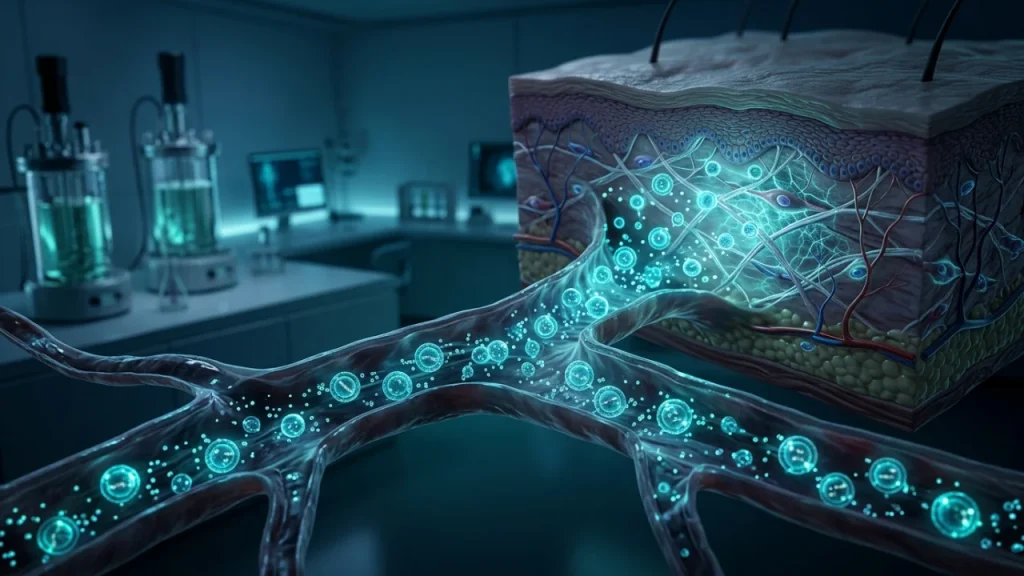
Imagine your body’s cells are in a constant, silent conversation. They don’t use words. They send tiny packages. These packages are called exosomes. They are natural nanoparticles. Think of them as microscopic mail carriers. Every cell in your body makes and releases them.
Exosomes are vesicles. That means they are tiny bubbles with a protective outer layer. Inside, they carry a crucial cargo. This cargo includes proteins, lipids, and genetic instructions like RNA. Their job is to deliver this cargo to other cells. This is how cells talk to each other. It is a delivery system for cellular messages.
The process is precise. A cell packages specific molecules into an exosome. Then it releases the exosome into bodily fluids. The exosome travels until it finds a target cell. It docks on that cell’s surface. Finally, it transfers its cargo. The receiving cell reads the instructions. Then it changes its behavior based on the message.
This messaging system controls many vital functions. It helps coordinate immune responses. It aids in tissue repair. It manages inflammation. Healthy communication means healthy tissue. Damaged or aging cells often send poor messages. They might tell other cells to become inflamed. They might tell repair processes to slow down.
Scientists can now collect exosomes from certain cell types. These are often stem cells. Stem cells are master cells known for healing. Their exosomes carry beneficial messages. When we talk about iv exosomes, we mean these collected messengers. They are prepared for intravenous infusion.
Why is this a big deal? Traditional treatments often address one symptom. They might fill a wrinkle or reduce a spot. Iv exosomes aim for systemic communication. They introduce healthy instructions into your bloodstream. The goal is to change the conversation across your body.
Think of it like updating an old computer’s software. The hardware—your cells—is still there. But the new code helps everything run better. Exosome therapy seeks to refresh your cellular software. It encourages your own body’s repair mechanisms.
The power lies in their natural role. Exosomes are not synthetic drugs. They are part of your body’s own language. Using them in therapy is about enhancing a process that already exists. It supports the body’s innate ability to heal and renew from within.
This foundational understanding is key. It shifts the view from a simple injection to a complex biological dialogue. Knowing how exosomes work as messengers helps explain why their intravenous use holds such potential for whole-body rejuvenation.
How IV Delivery Changes the Game for Aesthetics
Intravenous delivery sends exosomes directly into your bloodstream. This is the body’s central highway. From there, they can travel almost anywhere. This systemic reach is what changes everything for aesthetics.
Think about a skin cream. It works only on the area where you apply it. A filler plumps just one wrinkle. These are local fixes. They do not affect the skin on your back or your scalp. They do not change internal health.
Iv exosomes work differently. They circulate everywhere. Their goal is not a single spot. Their goal is to improve the health of your entire system. Healthy systems create healthy skin, hair, and nails from the inside.
The process relies on natural targeting. Exosomes have surface signals. These signals act like addresses. They guide the vesicles to cells that need help. An exosome might find a tired skin cell. It might find a slow hair follicle cell. It delivers its rejuvenating message precisely where it is needed.
This leads to multi-point improvements. You might see changes in several places at once. – Skin may appear more hydrated and thick. – Hair might feel stronger and look shinier. – Nail strength could improve. – Overall complexion often gains a healthier glow.
These effects happen because the source is being supported. Your body’s own repair cells get better instructions. They become more active and efficient. This is systemic rejuvenation.
The contrast with traditional methods is clear. A laser treats sun damage on your face. It does not improve the quality of new skin cells your body makes tomorrow. Exosome therapy aims to do exactly that. It seeks to upgrade the factory, not just polish the product.
Consider wound healing as a model. When you cut yourself, your body sends healing signals through your blood. These signals coordinate repair. They reduce swelling. They build new tissue. Iv exosomes mimic this natural coordination. They encourage a state of active repair and renewal even without a visible wound.
This approach addresses aging at a deeper level. Many visible signs start with cellular slowdown. Collagen production drops. Elasticin fibers weaken. Cell turnover becomes sluggish. Surface treatments often camouflage these results. Systemic messaging aims to influence the causes.
The aesthetic benefits are often gradual and holistic. Patients frequently report feeling a difference before seeing dramatic changes. They note better sleep, more energy, or improved exercise recovery. These are signs of enhanced cellular function. The visible improvements in appearance follow this internal shift.
Safety profiles benefit from this natural pathway too. Because exosomes are biological messengers, the body recognizes them. The risk of a foreign-body reaction is low. The therapy uses the body’s own language of healing.
Ultimately, intravenous delivery unlocks full potential. It allows a small amount of biological material to have a wide effect. The game changes from treating isolated symptoms to supporting overall vitality. The result is not just a changed look, but a changed biological age. This foundational shift supports lasting results that go far deeper than the skin’s surface, setting the stage for understanding what this means in a real clinical setting.
The Shift from Topical to Systemic Skin Care
Think of your skin as the outer wall of a castle. Topical creams work like paint or patching material on that wall’s surface. They can smooth, cover, or protect. But they cannot fix problems with the foundation or the bricks inside the wall itself. Systemic care is different. It focuses on strengthening the castle from the inside. It improves the quality of the bricks and the mortar. Intravenous exosome therapy represents this systemic approach in skin health.
Most traditional skin care acts locally. Ingredients sit on or penetrate the top layers. Their effects are often limited to where they are applied. Consider these common goals and how topical products try to achieve them:
- Moisture. Creams add water and oils to the surface. They create a barrier to prevent loss.
- Wrinkles. Serums may plump skin temporarily or encourage surface cell turnover.
- Sun damage. Lotions block or absorb UV rays at the point of contact.
These methods have value. But they manage symptoms in a specific area. They do not send instructions to the cells deep in your dermis to change their behavior long-term. The signals fade once you stop applying the product.
Skin aging and damage are not just surface events. They are whole-body processes. Collagen breaks down because fibroblast cells slow their production. Sunlight creates free radicals that harm cellular DNA deep within. Inflammation can simmer unseen for years. A cream cannot reach these root causes effectively. The bloodstream, however, can.
This is the core shift. Systemic care uses the body’s own delivery network – your circulatory system. When you introduce a substance intravenously, it travels everywhere blood goes. It reaches organs, muscles, bones, and yes, every layer of your skin. The goal is not to put a new compound directly on a wrinkle. The goal is to send a message to the cells responsible for skin health everywhere in your body.
Iv exosomes are one powerful type of systemic messenger. They are not a moisturizer or a filler. They are tiny packages of biological instructions given directly into the bloodstream. From there, they seek out cells that need guidance. They tell fibroblast cells to make more collagen and elastin. They signal cells to reduce chronic inflammation. They encourage better repair of daily damage.
Why should you care about this shift? Because it aims for lasting change, not temporary cover-up. Supporting your skin from within addresses the source of aging. It is like watering the roots of a plant instead of just polishing its leaves. The benefits tend to develop over weeks and months as cells improve their function.
This approach also means effects are not limited to your face. Your neck, chest, hands, and arms receive the same systemic support. The skin on your entire body shares the same underlying biology. A systemic therapy recognizes this unity.
The move from topical to systemic is a move from passive to active care. It shifts from defending the castle wall to reinforcing its entire structure. This foundational support can lead to more resilient and healthier-looking skin over time. It represents a new chapter in aesthetic medicine focused on cellular vitality. Understanding this shift helps explain why the clinical experience and results timeline for such therapies are fundamentally different from a typical facial or cream regimen.
The Science Behind IV Exosomes and Skin Health
How Exosomes Carry Signals Between Cells
Every cell in your body is a tiny factory. It makes products for survival. One key product is the exosome. Think of an exosome as a microscopic cargo ship. It is about one thousand times smaller than a single grain of salt. This ship does not carry physical goods. It carries vital information.
Cells create exosomes by pinching off small parts of their outer membrane. This forms a sealed bubble, or vesicle. Inside this bubble, the cell packs specific instructions. These instructions are meant for other cells. The exosome then leaves its home cell and enters the bloodstream or other fluids. It navigates to a target cell.
The cargo inside is the critical part. It determines the message. This cargo includes different types of molecules.
- Proteins are one type. These can be enzymes that speed up reactions. They can also be signaling molecules that turn processes on or off.
- Lipids are another type. They help with structure and energy.
- Nucleic acids are perhaps the most important. This includes RNA, specifically microRNA.
MicroRNA does not create proteins itself. Instead, it acts like a manager. It tells the target cell which of its own genes to use more and which to use less. It fine-tunes the cell’s behavior.
The delivery process is smart. An exosome does not randomly bump into cells. It finds specific ones. The outside of the exosome has address labels. These are proteins sticking out from its surface. A target cell has matching receptors. It is like a lock and key.
When the exosome docks, one of two things happens. It can fuse with the target cell’s membrane. This empties the cargo directly inside. Or, the target cell can swallow the entire exosome whole. Once inside, the cargo gets to work.
For skin health, this signaling is powerful. A fibroblast cell in your dermis might receive exosomes from stem cells. These exosomes contain microRNA instructions. Those instructions tell the fibroblast to become more active. The fibroblast then makes more collagen and elastin fibers. These are the support structures of your skin.
Other exosome signals might tell an immune cell to calm down. This reduces chronic, low-level inflammation. Inflammation is a major driver of aging skin. The signals are precise and natural.
This is why iv exosomes represent such a shift. Delivering them into the bloodstream uses this natural highway. It allows these intelligent messengers to reach a wide network of cells simultaneously. The therapy does not force cells to do something new. It encourages them to do their best work again.
The entire system relies on clear communication. Aging and stress can create cellular noise. Exosome therapy aims to improve the signal. By understanding this cargo and delivery system, we see how a systemic approach can instruct skin health from within. This foundational science sets the stage for exploring what happens during a clinical treatment session next.
Reducing Inflammation with IV Exosomes
Chronic, low-grade inflammation is a hidden driver of skin aging. Scientists call this phenomenon “inflammaging.” It is different from acute swelling after an injury. Inflammaging is a slow, quiet fire inside your body. This fire damages skin cells and their support structures over time.
Your immune system constantly patrols the body. Special cells look for threats. As we age, these cells can become overactive or confused. They may send out constant alarm signals even without a real threat. This creates a state of persistent cellular stress.
The result is a tired, damaged cellular environment. Collagen fibers break down faster. New collagen is not made properly. Skin loses its firmness and glow. This is where iv exosomes enter the story.
Exosomes act as intelligent communicators for the immune system. They carry specific instructions to immune cells. Think of them as a “stand down” order or a calibration signal.
Here is how it works in simple steps: – An exosome from a stem cell travels in the bloodstream. – It finds an overactive immune cell, like a macrophage. – The exosome delivers its molecular cargo to that cell. – This cargo includes microRNAs and proteins. – These molecules reprogram the immune cell’s behavior.
The immune cell becomes less reactive. It stops producing so many inflammatory signals. The local cellular environment becomes calmer and more balanced.
This calming effect has direct benefits for your skin. A calm environment allows skin cells to focus on repair and renewal. Fibroblasts can build collagen instead of defending against inflammation. Skin barrier function can improve.
Reducing systemic inflammation also helps with other common concerns: – Redness and sensitivity may lessen. – Healing from environmental damage can be more efficient. – The skin’s overall resilience can improve.
The intravenous delivery method is key for this effect. Topical creams cannot address body-wide inflammaging. An IV infusion allows exosomes to reach immune cells everywhere. They can calm the systemic fire at its source.
This is not about suppressing the immune system. It is about restoring its natural balance. The goal is optimal function, not weakness.
Research points to specific molecules inside exosomes that do this work. Proteins like TGF-β and IL-10 are known regulators. They tell immune cells to adopt a healing, anti-inflammatory state.
The process is gradual and natural. It supports your body’s own systems. The result is skin that looks healthier because the environment inside is truly healthier.
Understanding this link completes a major piece of the puzzle. We have seen how exosomes signal for collagen production. Now we see how they also remove a major barrier to that production: chronic inflammation. Together, these actions create a powerful two-part rejuvenation strategy from within. Next, we will examine how these systemic changes translate into visible improvements for skin texture and tone.
Stimulating Collagen Production Naturally
Collagen is the main structural protein in your skin. It gives skin its firmness and bounce. As we age, our cells produce less collagen. They also receive fewer signals telling them to make it. This is where exosomes come in.
Think of exosomes as tiny instruction packets. They carry molecules like proteins and RNA. These molecules are messages. When exosomes reach a skin cell called a fibroblast, they deliver their messages.
The messages tell the fibroblast to become active. They say, “Start building collagen.” This is a natural process. Your body uses similar signals every day for healing. IV exosomes may boost this signal.
The science focuses on specific contents inside exosomes. Growth factors are key players. They are proteins that stimulate cell growth. For example, Transforming Growth Factor-beta (TGF-β) is often found in exosomes. This factor directly encourages fibroblasts to produce collagen.
Another important molecule is microRNA. This is genetic material. It does not carry code for making proteins itself. Instead, it can turn genes on or off inside the target cell. Some microRNAs in exosomes can switch on the cell’s collagen-making machinery.
The process has several clear steps: – Exosomes travel through the bloodstream after an IV infusion. – They reach the skin’s dermis layer where fibroblasts live. – Exosomes bind to the surface of the fibroblast. – Their cargo is transferred inside the cell. – The messages activate the cell’s internal pathways. – The fibroblast then synthesizes and releases new collagen fibers.
This is not an artificial stimulation. It mimics and enhances your body’s own communication system. The goal is to restore a youthful level of activity.
The type of collagen matters most for skin. Type I collagen provides strength and structure. It makes up about 80% of the collagen in your skin. Exosome signaling appears to specifically boost Type I collagen production.
The effect is not instant. Collagen synthesis is a slow, biological process. Fibroblasts need time to receive the signal and then build the protein. New collagen must then be organized into a strong network under the skin.
This natural approach differs from other treatments. Some procedures cause controlled injury to trigger collagen. Here, the signal is direct and biochemical. It aims for efficiency without damage.
The environment around the cell is crucial. Chronic inflammation, as discussed earlier, creates a bad environment for collagen production. By reducing that inflammation first, exosomes help create the perfect conditions for their own collagen-boosting signals to work best.
Research in labs shows promising results. Studies using fibroblast cultures report increased collagen levels after exosome exposure. The cells not only make more collagen but also make better quality fibers that are well-organized.
The systemic delivery of iv exosomes is vital for this effect. It ensures a widespread signal reaches fibroblasts all over the body. This supports uniform skin improvement, not just in one treated spot.
In summary, iv exosomes may act as a biological messenger service. They deliver precise instructions to your skin’s builders. This can lead to a natural increase in your skin’s foundational support structure. The outcome is potentially firmer, more resilient skin that comes from within your body’s renewed capabilities. Next, we will look at how this renewed collagen production changes the visible surface of your skin.
Improving Skin Elasticity and Tone
Skin elasticity is your skin’s ability to stretch and snap back. Think of a new rubber band. As we age, that band becomes dry and cracked. It loses its spring. Collagen provides the structure, but elastin fibers provide the bounce. These two proteins work together.
The iv exosomes signal does more than just boost collagen. Research indicates these vesicles also carry messages for elastin production. Fibroblasts receive these instructions. They then create more of these crucial elastic fibers.
This dual support is key. A strong collagen network is like the steel frame of a building. The elastin fibers are like the flexible connectors. Together, they create skin that is both firm and supple. It can move and return to its place.
The systemic nature of iv exosomes is critical here. It allows this signal to reach skin everywhere. This includes areas often neglected by topical creams. The décolletage, neck, and backs of hands can all benefit from this widespread communication.
Improvements in skin tone involve a different process. Uneven tone often comes from sun damage or inflammation. This can trigger melanocytes. These are the skin’s pigment-producing cells. When they become overactive, they create dark spots.
Exosomes appear to help regulate this activity. They carry anti-inflammatory signals. Calming the skin’s environment is the first step. A calm skin cell is a more normally functioning cell.
Studies suggest exosomes can influence melanocyte behavior. They may help normalize pigment production. This does not bleach or erase pigment. Instead, it encourages a more balanced, natural distribution of melanin. The goal is a clearer, more uniform complexion.
The process for improving tone and elasticity involves several coordinated steps: – First, exosomes reduce background inflammation in the skin. – Next, they signal for renewed collagen and elastin production. – Simultaneously, they help modulate pigment-producing cells. – Finally, new proteins organize into a healthy dermal matrix.
This takes time. You are not filling wrinkles with a substance. You are guiding your body to rebuild its own support system. The results emerge as this new infrastructure forms.
Visible changes start with texture. Skin may feel softer and thicker. Fine lines might appear less deep because the foundation beneath them is plumping up. With improved elasticity, skin may look tighter and less crepey.
Tone improvements follow a similar gradual path. Redness may diminish due to reduced inflammation. Dark spots may slowly fade as cellular activity becomes more orderly. The overall effect is a brighter, more radiant appearance.
This rejuvenation comes from within. It relies on your body’s own biological machinery. The therapy simply provides updated instructions. The outcome is smoother, tighter skin that reflects a healthier internal cellular environment. Next, we will examine how these internal changes contribute to a lasting youthful appearance.
Enhancing Overall Vitality and Energy
The benefits of intravenous exosome therapy are not confined to the skin. This approach supports systemic wellness. The science points to enhanced overall vitality and energy.
Think of your body as a vast network. Cells constantly send signals to each other. They use exosomes as messengers. When introduced intravenously, these vesicles travel everywhere your blood flows.
They reach distant organs and tissues. This widespread distribution is key. It allows for body-wide communication and repair.
A primary target is chronic, low-grade inflammation. This type of inflammation is subtle. You may not feel it acutely. Yet it drains energy and accelerates aging.
IV exosomes can help calm this systemic inflammation. They carry instructions that tell immune cells to reduce their reactive state. A less inflamed body functions more efficiently.
This has direct effects on how you feel. Reduced inflammation often leads to: – Improved sleep quality. – Less stiffness in joints. – A general sense of physical ease.
Another vital area is cellular energy production. Your cells have tiny power plants called mitochondria. They generate the energy you need to live.
With age and stress, mitochondria become less efficient. They produce less energy and more waste. IV exosomes can help optimize mitochondrial function.
They deliver molecules that support mitochondrial health. This can boost cellular energy output. The result is often a noticeable increase in daily stamina.
Patients sometimes report feeling less fatigued. They describe having more consistent energy throughout the day. This is not a stimulant effect. It is improved fundamental cellular function.
The therapy also supports better vascular health. Your circulatory system delivers oxygen and nutrients. Exosomes can promote the health of blood vessel linings.
This improves circulation and nutrient delivery. Every organ benefits from better blood flow. Enhanced circulation contributes to a feeling of vitality.
Consider the interconnected nature of these effects: 1. Reduced systemic inflammation conserves energy. 2. Improved mitochondrial function creates more energy. 3. Better circulation delivers energy and nutrients efficiently.
Together, they create a positive feedback loop for wellness. The body’s internal environment becomes more balanced. Resources are used for renewal, not constant firefighting.
It is important to have realistic expectations. These are subtle, foundational changes. They support the body’s innate regenerative capacity.
You are not receiving a direct dose of energy in a vial. Instead, you are providing your cells with better tools and instructions. Your body then uses these tools to improve its own operations.
The timeline for noticing these internal benefits varies. Some people feel a difference in days or weeks. For others, the shift is gradual and recognized in hindsight.
Common reports include improved mental clarity and focus. This may be linked to reduced brain inflammation and better cellular energy in neural tissues. Physical recovery from exercise might also become quicker.
This systemic perspective completes the picture of IV exosome therapy. It begins with targeted skin rejuvenation and extends to foundational wellness. The next logical step is understanding how to ensure these benefits are safe and lasting, which involves looking at treatment protocols and safety standards.
How IV Exosomes Are Prepared and Administered
Sourcing Exosomes from Safe Cell Lines
The exosomes used for IV therapy do not come from another person’s blood. They are not direct donations. Instead, they are produced in highly controlled laboratory settings. This process starts with master cell banks.
Scientists select specific types of human cells for this purpose. These cells are chosen for their safety and consistency. They are often mesenchymal stem cells. These cells are known for their strong regenerative signaling. The original cells are thoroughly tested for viruses and other contaminants. They are then expanded and preserved. This creates a master cell bank. It serves as a standardized starting point for all future production.
These cells are grown in sterile containers called bioreactors. The cells are fed a special nutrient-rich solution. This solution is called growth medium. As the cells grow and multiply, they naturally release exosomes into this liquid environment. Think of it like a cellular communication hub. The cells constantly produce and release these tiny vesicles.
The goal is to collect these exosomes. First, the cell culture medium is harvested. The liquid now contains exosomes along with other components. The cells themselves are removed. They are separated out through a spinning process called centrifugation. What remains is a liquid supernatant filled with exosomes and other proteins.
This mixture then goes through several purification steps. These steps isolate the exosomes from other particles. One common method is ultrafiltration. It uses very fine filters to separate particles by size. Another method is size-exclusion chromatography. It passes the liquid through a column that sorts molecules. The exosomes come out at a specific time.
The final product is a concentrated solution of pure exosomes. It is suspended in a stable buffer solution. This solution is then tested rigorously. Quality checks confirm the identity of the exosomes. Tests count the number of particles. Scientists also verify the absence of contaminants. Every batch must meet strict standards before clinical use.
This controlled sourcing offers critical advantages: – Safety: The risk of transmitting infectious diseases is extremely low. The original cell line is screened. The entire process occurs in a sterile lab. – Consistency: Each batch contains a known quantity of exosomes. The signaling profile is reliable and reproducible. – Scalability: The method can produce large quantities from a single, tested cell source.
Using these lab-grown exosomes for IV infusion is therefore a precise science. It moves away from variable donor sources. The focus is on a standardized, pharmaceutical-grade product. This manufacturing control is fundamental to the therapy’s safety profile. It ensures that patients receive a pure and potent signal, not unknown cellular material.
Understanding this origin leads to the next practical question: how are these purified exosomes actually delivered into the bloodstream?
Purification Standards for IV Exosome Quality
The purity of an IV exosomes preparation is non-negotiable. It is the primary factor that determines safety. A pure solution contains only the intended exosomes and their carrier fluid. An impure one can contain harmful contaminants.
These contaminants fall into three main categories. First are unwanted cellular particles. During production, cells can release other vesicles alongside exosomes. Some are larger, like microvesicles. Others are smaller protein aggregates. A good purification process removes these.
Second are remnants of the growth medium. The nutrient soup that feeds the source cells contains many proteins and growth factors. These must be completely washed away. If they remain, they could cause unexpected immune reactions in a patient.
Third, and most critical, are any potential infectious agents. This includes viruses, bacteria, or mycoplasma. The sterile lab environment and filtered starting materials minimize this risk. Final testing confirms their absence.
Quality control labs use advanced machines to check for these issues. Nanoparticle tracking analysis counts and sizes the particles. It confirms that most particles are in the correct exosome size range, typically 30 to 150 nanometers. Electron microscopy takes actual pictures of the preparation. Scientists can see the classic cup-shaped vesicles.
Further tests analyze the exosome surface. Flow cytometry checks for specific protein markers. True exosomes carry markers like CD63, CD81, or CD9. The absence of certain other markers proves that larger cell debris has been removed.
The final product is also tested for endotoxin. Endotoxin is a component of bacterial cell walls. Even a tiny amount can cause fever and inflammation if injected intravenously. The acceptable limit for an IV product is extremely low, measured in Endotoxin Units per milliliter.
Why does this rigor matter for an IV infusion? The intravenous route delivers the contents directly into the bloodstream. There is no skin barrier or digestive system to filter impurities. Any contaminant circulates systemically immediately. This can trigger immune responses or other adverse events.
Therefore, purification standards act as a essential safety net. They ensure that the patient receives only the therapeutic signaling cargo of the exosomes. The body’s cells respond to these precise signals. They do not waste energy dealing with foreign debris or mounting a defense against contaminants.
A high-quality IV exosomes preparation has a known and consistent composition. Doctors can administer it with confidence in its safety profile. The therapeutic effect relies on clean communication, not a chaotic mix of biological material.
Meeting these standards is what defines a clinical-grade product. It is the cornerstone of ethical practice in this emerging field. Without proven purity, the potential benefits of exosome therapy are outweighed by unknown risks. This meticulous approach to quality directly supports the goal of systemic rejuvenation from within, setting the stage for understanding how these pure vesicles interact with the body upon infusion.
The IV Infusion Process Step by Step
The IV exosomes infusion is a straightforward medical procedure. It resembles receiving intravenous vitamins or certain medications. The goal is to deliver billions of purified signaling vesicles directly into the bloodstream.
A clinician begins by selecting a suitable vein. This is typically in the arm or hand. The site is cleaned thoroughly with an antiseptic. This step prevents skin bacteria from entering the bloodstream.
Next, a small sterile catheter is placed into the vein. This is often called starting an IV line. The exosome preparation is contained in a sealed medical bag or syringe. This product has been thawed if it was stored frozen. It is then attached to the IV line.
The infusion itself is not instant. It is administered slowly over a period of time. A common duration is 30 to 60 minutes. This controlled rate is crucial for safety and comfort.
Why the slow drip? Several reasons support this practice. – It allows the body to process the influx of new biological signals gradually. – It helps avoid any sudden physiological reactions. – It gives clinicians time to monitor the patient closely.
During the infusion, patients are seated comfortably. They can read or relax. A healthcare professional remains present. This person monitors vital signs like heart rate and blood pressure. They also watch for any signs of discomfort.
Most people report feeling nothing unusual during the process. Some feel a mild sense of warmth or energy afterward. This is not a side effect but a reported sensation. Serious reactions are rare when using a high-purity, clinical-grade product.
After the bag is empty, the IV line is flushed with a sterile saline solution. This ensures all the exosome material enters the bloodstream. The catheter is then gently removed. A small bandage is applied to the site.
The entire process happens in a controlled clinical environment. It is not something done at home or in a spa. This setting is mandatory for safety. Immediate medical support is available if ever needed.
Post-infusion, patients can usually resume normal activities. Heavy exercise might be discouraged for the rest of the day. Staying hydrated is often recommended. This supports the body’s natural circulation and response mechanisms.
The direct intravenous delivery is key to systemic effects. Unlike a localized injection, the exosomes enter central circulation immediately. They are carried by the blood to tissues throughout the body. Their signals can then reach diverse cell types.
This systemic journey starts within minutes. The signaling vesicles do not last forever in circulation. They are taken up by cells or cleared by the body over hours to days. However, the cellular instructions they carry can have longer-lasting effects.
The procedure’s simplicity belies its sophisticated purpose. It is a conduit for precise biological communication. The prior rigorous purification ensures that this communication is clear. The clean infusion allows the body to focus on rejuvenation signals, not defense.
This direct delivery method completes the journey from manufacturing to patient. It turns a vial of potent vesicles into an active treatment within the body. The next logical question explores what happens after they are infused and how they produce their rejuvenating effects.
Dosage and Frequency Considerations
Determining the right dose is a precise science. There is no universal “one size fits all” protocol for iv exosomes. The quantity administered is measured in billions of vesicles. This number is carefully calculated based on several key factors.
A patient’s primary goal is the first consideration. Different aims may require different approaches. For example, a protocol for overall skin rejuvenation might differ from one targeting post-workout recovery. The desired outcome guides the initial plan.
Individual biology plays a major role. Body weight and metabolic rate are basic metrics. A practitioner will also consider a person’s cellular health and current inflammation levels. These factors influence how the body may use and respond to the exosome signals.
The source and preparation of the exosomes matter greatly. Exosomes from different cell types carry distinct instructions. Some may be primed for tissue repair. Others might focus on modulating the immune system. The potency and purity of the preparation directly affect the effective dose.
Treatment frequency is just as important as the single dose. Plans can vary widely. Here are three common patterns:
- A single intensive session for an immediate boost.
- A short series of infusions close together, like two to three sessions over a month.
- Periodic maintenance sessions spaced months apart after an initial series.
The initial series aims to create a strong biological response. It sends a clear, repeated signal to the body’s cells. Maintenance sessions then help sustain this new level of communication. They support the ongoing rejuvenation processes.
Medical history is always reviewed. A provider needs a full health picture. Past illnesses, current medications, and lifestyle habits all provide context. This ensures the treatment plan is both safe and optimally designed for that individual.
Clinical observation informs adjustments. Responses to the first infusion can guide future sessions. A practitioner might slightly alter the dose or timing for subsequent visits. This adaptive approach tailors the therapy in real time.
Patients should have realistic expectations about timing. Noticeable systemic effects often build gradually. They are the result of cellular changes, not an instant chemical reaction. Most people do not need frequent lifelong infusions. A typical plan may involve an initial series followed by optional annual or bi-annual sessions.
The concept of a “loading dose” is sometimes used. This means the first infusion might have a higher number of exosomes. It is designed to effectively capture the attention of target cells. Follow-up doses then consolidate this signaling.
Cost is often tied to dosage and frequency. Because plans are personalized, pricing can vary. A single session has one cost. A multi-session package designed for deeper effects has another. Transparency about this from the clinic is essential.
Ultimately, the dosing strategy seeks efficiency. The goal is to use the minimum effective dose at the optimal interval. This provides maximal benefit while respecting the body’s natural rhythms. It avoids unnecessary overload or waste of the biological material.
This personalized planning stage is critical. It transforms iv exosomes from a general treatment into a targeted regimen. The careful calibration of dose and frequency helps align the therapy with your unique physiological narrative, setting the stage for the next logical question: what tangible effects can one realistically expect from this process?
Safety and Evidence for IV Exosome Therapy
Current Clinical Studies on IV Exosomes
Research into iv exosomes is building from a solid foundation of laboratory science. Scientists have spent years studying exosomes in petri dishes and animal models. This preclinical work shows how these vesicles work. It confirms they can reduce inflammation and help cells repair themselves. These studies are the essential first step. They provide the rationale for exploring therapy in people.
The jump to human clinical studies is now happening. These early trials are crucial. They aim to answer specific, practical questions. Researchers want to see if intravenous delivery is safe for humans over time. They also measure specific biological effects in the body. Current studies often focus on conditions linked to aging and system-wide inflammation.
For example, some early research looks at long COVID. Patients with persistent fatigue and brain fog are being studied. The theory is that exosomes may help reset a confused immune system. Other pilot studies examine severe skin healing. This includes wounds from diabetes or radiation therapy. The goal is to see if systemic delivery improves local tissue repair.
The design of these studies is important to understand. Many are “open-label” or “pilot” studies. This means both the doctors and patients know the treatment being given. There is no placebo group for comparison yet. These studies are not designed to prove effectiveness definitively. Their main job is to check for safety signals and see if there are any clear biological changes.
- They track vital signs before, during, and after infusion.
- They collect blood samples to look for markers of inflammation.
- They document any side effects, even minor ones.
- They may use surveys to track patient-reported changes in quality of life.
The data so far is encouraging but preliminary. Reported side effects are often mild and temporary. Some people report brief fatigue or a mild headache. Serious adverse events appear rare in these early reports. On the effects side, some studies show positive trends in blood biomarkers. These might include lower levels of inflammatory proteins like TNF-alpha or IL-6.
It is critical to note what this evidence is not. We do not yet have large-scale, Phase 3 randomized controlled trials for aesthetic or wellness uses of iv exosomes. These gold-standard trials compare the treatment against a placebo in hundreds of people. They are required for full drug approval by agencies like the FDA. The existing clinical landscape is one of emerging investigation, not settled proof.
This research phase directly influences what you can expect from a clinic today. Reputable providers should base their protocols on this published science. They should be able to discuss the current state of evidence openly. They should not claim the therapy is fully proven for cosmetic results. The responsible message is that the method is supported by strong biological rationale and early human data that looks promising.
The ongoing studies are laying the necessary groundwork. Each trial adds another piece to the puzzle. They help refine dosing, as discussed earlier, and identify the best candidates for treatment. This evolving evidence base is what will shape the future standard of care, moving from innovative concept to potentially mainstream protocol based on solid clinical data.
Potential Risks and Side Effects to Know
The most immediate concern with any intravenous therapy is the body’s reaction to the infusion itself. This is true for iv exosomes as well. Your immune system might react to the foreign particles. It does not matter if they come from a safe source. The reaction could range from mild to more serious.
Common short-term side effects are often linked to this immune response. They are similar to reactions people sometimes get from other infusions. These effects typically fade within a day or two.
- A mild fever or chills as the body reacts.
- Fatigue or a feeling of tiredness.
- Headache or muscle aches.
- Redness or tenderness at the injection site.
A more serious risk is an allergic reaction. This is rare but possible. The exosomes or substances carried in their fluid could trigger it. Signs include difficulty breathing, swelling, or a rash. This is why treatments must happen in a setting with emergency equipment. Staff must be trained to handle such events.
There is also a theoretical risk related to the exosomes’ natural job. Exosomes carry signals between cells. They can influence how cells behave. What if they send the wrong signal? Scientists are studying this carefully.
One major question involves pre-existing conditions. For example, a person might have very early-stage cancer cells they do not know about. Could certain exosomes accidentally stimulate those quiet cells? The science is not clear on this yet. The same caution applies to people with active autoimmune diseases. The therapy might potentially worsen their condition by modulating immune activity.
This leads to the biggest unknown: long-term effects. No studies have followed patients for five or ten years after iv exosomes for aesthetics. We simply do not have that data. The biological activity of exosomes is powerful. Their long-term journey in the body after a single or repeated infusion is still being mapped.
The source of the exosomes is a critical safety factor. They should come from rigorously screened and tested donor cells. The growth medium for those cells must be free of animal products. This avoids contamination. The final product must be tested for pathogens like viruses and bacteria. A reputable clinic will ask for these quality documents.
Patients must share their full medical history with their provider. This is non-negotiable. Key information includes:
- Any history of cancer, even if in remission.
- Diagnosed autoimmune disorders like lupus or rheumatoid arthritis.
- Current medications, especially immunosuppressants.
- Any history of severe allergies or anaphylaxis.
This honest discussion helps the provider assess your personal risk profile. It is a vital part of safe practice. The goal is systemic rejuvenation, not unintended consequences. Understanding these potential risks allows for informed consent. It frames the exciting promise of the therapy within the realistic context of a developing field. The next step is learning how to identify a clinic that prioritizes this safety-first approach alongside the emerging evidence.
Regulatory Status and Quality Controls
The regulatory status of iv exosomes is complex and varies globally. In the United States, they are not FDA-approved drugs for aesthetic or anti-aging purposes. The FDA categorizes them as biological products. They fall into a regulatory gray zone. This is a crucial point for patients to understand. Clinics administer them under different rules. Some operate under the “doctor’s discretion” model for patient-specific care. Others use regulations for human cells or tissues. This creates a patchwork of standards.
No single agency verifies all exosome products for purity or strength. The burden of proof shifts heavily to the clinic and supplier. This makes quality control the most important factor for safety. Reputable suppliers follow strict protocols from start to finish. They begin with qualified donor cells. These cells are thoroughly tested for diseases. The cells are never from cancerous or immortalized lines. They are typically from healthy, screened human donors.
The growth process is equally critical. The cells are cultured in a defined, serum-free medium. This means no animal products are used. Animal serum can introduce unknown contaminants or pathogens. A serum-free process ensures a cleaner, more consistent product. After the cells release exosomes, they must be collected and purified. This step removes cell debris and other particles. Only the tiny exosome vesicles should remain.
Several key tests confirm the final product’s quality and safety. A clinic should be able to provide documentation for these tests upon request. Key verifications include:
- Sterility testing. This confirms no bacterial or fungal contamination is present.
- Endotoxin testing. Endotoxins are fever-causing substances from bacteria. Their levels must be extremely low.
- Characterization analysis. This proves the particles are actually exosomes. It measures their size, concentration, and specific surface markers.
- Potency testing. This assesses biological activity in a lab setting. It might show the exosomes can reduce inflammation or support cell growth.
The absence of standardized rules means clinic practices differ widely. One clinic may use a rigorously tested product from a certified lab. Another might use a product with minimal oversight. Patients must ask direct questions about sourcing and testing. They should request certificates of analysis for the specific product batch they will receive.
This landscape is evolving rapidly. Regulatory bodies are paying closer attention as use expands. Future guidelines will likely establish clearer manufacturing and testing requirements. For now, the regulatory gap places extra responsibility on the provider and the patient. Understanding this framework is not meant to discourage but to empower. It highlights the need for thorough vetting before any infusion.
The final piece for a patient is knowing what questions to ask a clinic directly. This turns general knowledge into personal action and ensures alignment with a safety-first practice.
Who Should Avoid IV Exosome Treatments
IV exosome therapy is not a universal solution. Certain health conditions can make this treatment risky. Understanding these contraindications is a critical part of patient safety. It protects you and ensures the therapy has the best chance to work.
Your immune system is a key factor. Exosomes are naturally occurring particles. However, introducing them intravenously is a deliberate act. In some individuals, the body may see these particles as foreign. This could potentially trigger an immune response. The reaction might be mild. It could also be more serious. People with diagnosed autoimmune diseases should be extremely cautious. Their immune systems are already overactive. They attack the body’s own tissues. Adding a new biological agent could worsen this attack. It might flare up their disease. Conditions like lupus, rheumatoid arthritis, or multiple sclerosis fall into this category. A detailed discussion with a specialist is essential.
Active cancer is another major concern. Cancer cells use exosomes to communicate. They send these vesicles to other cells. This communication can help tumors grow. It can help them spread. It can even help them hide from the immune system. Introducing additional exosomes into this environment is theoretically risky. The new exosomes might unintentionally support cancer progression. They could interfere with ongoing treatments like chemotherapy. The principle here is clear: do not add fuel to a fire. Patients with any active malignancy should avoid IV exosome infusions entirely. The risk far outweighs any potential benefit.
Pregnancy and breastfeeding are also times for avoidance. Scientists simply do not have enough data. They do not know how exosomes affect a developing fetus. They do not know if exosomes pass into breast milk. The developing baby’s system is highly sensitive. Introducing a novel biological therapy is not justified without extensive research. The safe choice is to wait until after pregnancy and breastfeeding ends.
Severe organ failure presents a physical barrier. Think about the liver and kidneys. These organs filter your blood. They break down substances and remove waste. In cases of severe kidney or liver failure, these systems do not work well. They cannot process materials efficiently. An infusion of exosomes adds a new element for these organs to handle. This could place an extra burden on them. It might worsen their function. The therapy could also behave unpredictably in a body struggling with major illness.
A history of severe allergic reactions is a warning sign. This is especially true for reactions to biological products. Some people have allergies to components used in cell culture. These components might be present in trace amounts in some exosome preparations. Anaphylaxis is a life-threatening allergic response. It requires immediate medical attention. If you have such a history, you must disclose it fully. The clinic must evaluate your risk with great care.
Finally, acute infection is a temporary contraindication. If you have a fever, flu, or serious bacterial infection, your body is under stress. Your immune system is actively fighting an invader. Adding an IV exosome treatment during this time is unwise. It could confuse your immune response. It might reduce the therapy’s effectiveness. The best practice is to postpone the infusion until you have fully recovered.
This list is not exhaustive. It highlights the most common and serious considerations. Your complete medical history is the final guide. A responsible provider will review it in detail before any treatment plan. They will ask about your conditions and medications. This conversation turns general warnings into personal safety. It ensures that if you proceed with iv exosomes, you do so on the firmest ground possible. Knowing who should avoid treatment is just as important as knowing how it works for others. This leads directly to the next practical step: preparing for a consultation with the right questions in hand
Integrating IV Exosomes into Holistic Skin Care
Combining IV Exosomes with Other Aesthetic Methods
IV exosomes work from the inside. Other skin treatments often work from the outside. Combining these approaches can lead to better results. Think of it as repairing a house. You could just paint the walls. That is like using a topical cream. Or you could fix the foundation and the framing first. That is what iv exosomes do. Then the new paint looks even better and lasts longer.
The key is communication between cells. Exosomes carry messages. After a laser treatment, your skin needs to heal. It needs to rebuild collagen and elastin. This process can be slow. An iv exosome infusion provides a powerful signal. It tells your skin cells to speed up repair. It also tells them to produce more of the building blocks for healthy skin. This can reduce downtime after a laser procedure. It may also improve the final outcome.
Consider microneedling. This procedure creates tiny channels in the skin. It triggers a natural healing response. Now imagine adding a systemic signal. An iv exosome treatment before microneedling prepares your body. It primes your cells for regeneration. The micro-injuries from the needles then act like a target. Healing resources are directed right where you need them.
The timing of treatments matters greatly. A common strategy is to start with an iv exosome infusion. This establishes a foundation of cellular activity. Then, after a period of one to two weeks, you might have a laser session. Your cells are already in a heightened state of readiness. They respond more efficiently to the laser’s stimulus.
Here is how different methods can complement exosome therapy:
- Fractional Lasers: These lasers create microscopic wounds. Exosomes delivered beforehand can optimize the healing of these zones. This may lead to smoother texture and more even tone.
- Radiofrequency (RF) Treatments: RF energy heats tissue to tighten skin. The heat stress prompts collagen remodeling. Exosomes support this remodeling phase at a cellular level.
- Topical Vitamin A (Retinoids): These creams increase skin cell turnover. They work on the surface layers. Systemic exosomes support the deeper dermal layer where collagen lives. Using both addresses multiple layers of skin structure.
- Professional Peptide Serums: Peptides are short protein chains. They give instructions to skin cells. Exosomes are natural messengers that can enhance how cells respond to these peptide signals.
It is not just about doing two things at once. It is about creating a sequence. The internal therapy makes the external therapy more effective. This synergy is the core benefit. You get more value from each aesthetic method you choose.
Safety remains paramount when combining treatments. Your provider must plan the sequence carefully. Some treatments cause significant inflammation. Your body needs time to manage that process before adding another intervention. A qualified professional will map out a timeline for you.
This integrated approach represents a shift in thinking. The goal moves from isolated fixes to coordinated rejuvenation. Each method plays a specific role in a larger plan. IV exosomes act as the foundational biological catalyst in this plan.
Understanding these combinations helps you have a better conversation with your provider. You can discuss a holistic strategy for your skin health goals. The next step is to look at what you can do daily to support this advanced therapy from within your own lifestyle
Lifestyle Factors That Support Exosome Benefits
Your daily choices act as signals to your cells. These signals can either support or disrupt the rejuvenation process started by IV exosomes. Think of exosomes as a powerful software update for your body’s cellular network. Your lifestyle is the quality of the hardware and the power supply. Optimal habits ensure the update runs smoothly and delivers lasting results.
Nutrition provides the raw materials for this process. Cells need specific nutrients to produce their own healthy exosomes and to respond effectively to therapeutic ones. A poor diet creates cellular noise. This noise can drown out the beneficial instructions delivered by treatment.
Focus on anti-inflammatory foods. Chronic inflammation is a major disruptor of cellular communication. It creates a hostile environment for healing.
- Omega-3 fatty acids: Found in fatty fish, walnuts, and flaxseeds. They help build flexible cell membranes. This improves how cells send and receive messages.
- Antioxidants: Berries, dark leafy greens, and dark chocolate are rich in these. They protect exosomes and cells from damage caused by free radicals. This damage can corrupt cellular signals.
- Polyphenols: These are in green tea, turmeric, and colorful vegetables. They actively support your body’s own pathways for cellular repair and cleanup.
Hydration is critical. Water is not just for thirst. It is the medium for all transport in your body. Exosomes travel in your blood plasma. Proper hydration maintains optimal blood volume and flow. This helps distribute the exosomes more effectively to your tissues.
Sleep is when your body performs its most important repair work. It is not passive rest. During deep sleep, your brain activates the glymphatic system. This is a waste-clearing process for your brain and central nervous system. Cellular debris from the day is flushed away.
This nightly cleanup is vital for exosome therapy. It removes inflammatory waste products that can interfere with signaling. Furthermore, growth hormone release peaks during deep sleep. This hormone is essential for collagen synthesis and tissue regeneration. Poor sleep short-circuits these natural rejuvenation cycles. It can diminish the benefits of your treatment.
Stress management is another key factor. Chronic stress keeps your body in a state of high alert. It elevates cortisol, a hormone that can break down collagen and increase inflammation. Simple practices can counter this.
- Consistent moderate exercise improves circulation and reduces stress hormones.
- Mindfulness or deep breathing exercises directly calm the nervous system.
- Even brief periods of quiet each day help lower inflammatory signals.
These habits create a low-inflammation, high-support internal environment. This environment allows the IV exosomes to work with less interference. Your cells become better listeners and more efficient responders. The therapy’s foundational catalyst effect is amplified by your consistent daily actions.
Ultimately, this integration turns a advanced treatment into a sustained lifestyle result. You are not just receiving a therapy. You are cultivating a biology that is primed for rejuvenation. This holistic view empowers you to become an active partner in your skin health journey. The next logical consideration is understanding the timeline for seeing these combined benefits take shape.
Setting Realistic Expectations for Results
IV exosomes deliver instructions, not instant results. Your body needs time to act on these new signals. Think of it like planting a seed. The seed contains all the information for growth. But you must still wait for it to sprout and mature. The therapy provides a powerful catalyst. Your cellular machinery does the actual work of repair.
Results unfold in phases. The initial phase is often subtle. You may notice changes within the first few weeks. These are typically internal and cellular. Improved energy or a sense of well-being are common early signs. This reflects the systemic signaling effect. Your cells are receiving better communication.
Visible skin improvements usually come later. Collagen production is a slow process. Your fibroblasts need time to read the new instructions. They then must build new protein networks. This biological timeline cannot be rushed. Most people see initial skin changes after one month. More significant changes often appear by the second or third month.
Many factors influence your personal timeline. Your age is a key variable. Younger cells may respond more quickly. Older cellular environments take longer to reset. Your baseline health is another major factor. The condition discussed before treatment matters greatly. Sun damage or pronounced laxity requires more extensive remodeling.
Your commitment to holistic care directly shapes outcomes. The supportive habits you maintain are crucial. Good sleep and nutrition provide the raw materials. Stress management keeps inflammation low. This creates an ideal workspace for the exosomes. Without this support, progress can be slower or less pronounced.
Individual biological variation is normal and expected. No two people have identical cellular environments. Your unique genetics play a role. Your metabolism and immune system are factors too. This means results are highly personalized. Comparing your journey to someone else’s is not helpful.
Setting realistic expectations protects your experience. Understand that improvement is a curve, not a cliff. The process is gradual and cumulative. You will not wake up with completely new skin one day. Instead, you will observe progressive changes over time.
Consider these common markers of progress: – Enhanced skin hydration and a smoother texture. – A gradual reduction in the appearance of fine lines. – Improved skin tone and a more radiant complexion. – Increased skin firmness and elasticity.
These changes build upon each other. The goal is sustained rejuvenation, not a temporary fix. The therapy aims to shift your skin’s biology toward a more youthful state. This is a foundational change.
Patience is a required part of the protocol. The benefits of IV exosomes are not like a topical cream. They work from within at a systemic level. This deeper action takes more time to become visible. Trusting the biological process is important.
Documenting your journey can be valuable. Take photos in consistent lighting each month. Note how your skin feels, not just how it looks. These records help you track subtle, progressive change over time.
The absence of dramatic change in week one does not mean the therapy failed. Cellular processes operate on their own schedule. Consistent holistic support nurtures these processes. The combined approach yields the best possible outcome for your unique biology.
This understanding leads to a final, practical consideration: how to maintain and extend these results once they are achieved
The Future of IV Exosomes in Medicine
The science of exosomes is moving fast. Its future reaches far beyond skin care. Researchers see these tiny vesicles as next-generation medicine. They act as natural messengers. This gives them unique potential. IV exosomes could one day help repair damaged organs. They might help heal injuries that currently do not mend well.
Think of a heart after a major attack. The muscle becomes scarred. It loses strength. Future therapies might use targeted exosomes. These vesicles could carry specific instructions. The goal would be to reduce scar tissue. They could signal the heart to grow new, healthy muscle cells. This is not science fiction. Early animal studies show this is possible.
The same logic applies to brain health. Neurological diseases are complex. Conditions like Alzheimer’s or Parkinson’s damage brain cells. Exosomes can cross the protective blood-brain barrier. This is a major hurdle for most drugs. In the future, engineered exosomes could deliver healing signals directly to the brain. They could tell native brain cells to repair themselves. They might slow down disease progression.
Orthopedic medicine is another promising field. Chronic joint pain often comes from worn cartilage. Cartilage has very poor natural healing. Exosome therapy is already being explored for this. The concept is straightforward. Injected exosomes can reduce inflammation in a knee or shoulder. More importantly, they can stimulate the growth of new cartilage cells. This approach tackles the root cause of pain, not just the symptom.
The key to these advances is targeting. Right now, most IV exosomes circulate generally through the body. Future technology will make them smarter. Scientists are learning how to “address” exosomes like mail. They can attach special molecules to the exosome’s surface. These molecules act like ZIP codes. They direct the vesicle to a specific organ, like the liver or a tumor.
Personalization is the next big step. Today, exosome therapies use vesicles from donated stem cells. Tomorrow, they may come from your own cells. Doctors could take a small sample of your fat or blood. They would then culture your personal stem cells and collect their exosomes. This “autologous” approach minimizes any risk of immune reaction. It makes the treatment perfectly matched to you.
The road from lab to clinic is long. It requires careful science and rigorous testing. But the path is clear. The fundamental biology is powerful and real. Exosomes are a universal language between our cells. Learning to use that language for healing is the ultimate goal.
This future depends on continued research and ethical practice. It transforms the concept of IV exosomes from a cosmetic tool into a systemic regenerative treatment. The journey starts with understanding today’s applications and looking ahead to tomorrow’s possibilities.
Making Informed Choices About IV Exosome Therapy
Key Questions to Ask Before Starting Treatment
Choosing IV exosome therapy is a significant health decision. You must be an informed participant. Your safety and results depend on it. Start by having a detailed conversation with any potential provider. Do not proceed without clear answers. This checklist covers the critical topics to discuss.
First, ask about the source of the exosomes. Where do they come from? Providers should explain the donor type clearly. Common sources include mesenchymal stem cells from bone marrow or fat tissue. You need to know if the cells are from screened human donors. Ask about the testing done on the donor material. Reputable clinics test for viruses and other pathogens. They should also test for cell purity.
Next, inquire about the laboratory process. How are the exosomes made? The provider should describe basic steps. These include growing the stem cells, collecting their secretions, and isolating the exosomes. Ask about third-party verification. An independent lab should confirm the contents of the final product. This verification checks for key markers. It also confirms the concentration of particles. A certificate of analysis from this outside lab is a strong sign of quality.
Safety is your top priority. Ask for documented proof of safety testing. The exosome preparation should be tested for endotoxins and sterility. Discuss potential side effects openly. Common reactions can include mild fever or fatigue. These usually pass within a day. Understand the clinic’s protocol for monitoring you during and after the infusion.
Evidence matters greatly. Ask what scientific data supports the specific use of their product for your goal. Is it for skin rejuvenation or joint health? Request to see published studies or clinical data. Be wary of claims that sound too good to be true. Exosomes are not a magic cure-all. Realistic expectations are crucial for satisfaction.
Finally, discuss the treatment protocol itself. How many IV exosome sessions are recommended? What is the cost per session? What is the proposed interval between treatments? A clear plan shows professional forethought. Ask about the clinician’s experience. How many similar treatments have they performed? Do they have specific training in cellular therapy administration?
- Source and donor screening details.
- Laboratory isolation and third-party verification.
- Safety testing and side effect profiles.
- Evidence for your specific condition.
- Treatment protocol and clinician experience.
Gathering this information empowers you. It separates clinics following scientific standards from those making empty promises. A trustworthy provider will welcome these questions. They will have transparent answers ready. If a clinic hesitates or gives vague responses, consider it a warning sign. Your due diligence is the first and most important step in your treatment journey. It ensures you are investing in a credible approach to systemic care.
Evaluating Providers and Clinic Standards
Choosing where to receive IV exosome therapy is a critical decision. The clinic’s environment reflects its standards. Start with the physical space. It should be clean, organized, and professional. Look for a dedicated treatment room. This room should resemble a medical suite, not a simple spa area. It must have equipment for patient monitoring. This includes devices to check your vital signs.
Essential monitoring tools are non-negotiable. A clinic must have a blood pressure cuff and a pulse oximeter. They should use these before, during, and after your infusion. This monitors your body’s immediate response. The staff should be trained to use this equipment. They should also know how to respond to any changes in your readings.
Ask about emergency protocols directly. Every clinic must have a clear plan for adverse events. What is their specific response to a patient feeling faint? How do they handle a rare allergic reaction? They should have emergency medications and equipment on site. This includes items like oxygen and an epinephrine auto-injector. The staff must be trained in basic life support. Do not hesitate to inquire about their certification.
The qualification of the person administering the IV is paramount. In most regions, this must be a licensed healthcare professional. A doctor, nurse, or physician assistant should perform the procedure. Ask about their specific training in intravenous therapy. Also ask about their training in handling biological products like exosomes. Experience matters greatly. A provider with hundreds of successful infusions inspires more confidence than one with just a few.
Examine the clinic’s commitment to sterile technique. The provider should wear gloves during the entire process. They should clean the injection site on your arm thoroughly. The exosome product should come from a sealed vial. This vial should be opened only in your presence. The IV line and all connectors must be sterile and single-use. These steps prevent contamination and infection.
Consider the clinic’s focus and transparency. A reputable practice often specializes in regenerative or functional medicine. They usually integrate exosomes into a broader health plan. Be cautious of clinics that offer dozens of unrelated cosmetic services. Exosome therapy requires specific expertise. The clinic’s website and materials should educate, not just advertise. They should explain science in clear terms without making wild promises.
Finally, assess the consultation process itself. A good provider spends time with you. They discuss your full health history and goals. They set realistic expectations for what iv exosomes can achieve. They explain the science behind their specific protocol. They never pressure you to decide immediately. They provide clear, written information about the treatment. Trust your instincts during this interaction. You should feel heard, respected, and informed.
Your safety and results depend on these practical details. A high-standard clinic operates with medical rigor and patient-centered care. This foundation ensures the advanced science of exosomes is delivered responsibly. Your choice of provider is as important as the therapy itself.
Cost Considerations and Value Assessment
The price for iv exosomes is not set by a single factor. It reflects a combination of scientific and medical inputs. Understanding these components helps you see where your investment goes. It also helps you compare offers between clinics fairly.
First, the source and preparation of the exosomes matter greatly. Exosomes are not a simple chemical. They are complex biological products. Their production requires advanced technology and strict quality controls. The process involves growing specific types of cells in a lab. These cells release exosomes into their culture medium. Scientists then use precise methods to isolate and purify these tiny vesicles. This entire procedure is costly. Higher purity and more rigorous testing mean a higher base cost for the product itself.
Second, the treatment protocol changes the final price. A single session has one cost. A series of sessions designed for cumulative effects has another. The total number of exosomes in an infusion, often measured in billions of particles, is a major factor. Some clinics combine iv exosomes with nutrient support like vitamins or amino acids. This can affect the price. The medical supervision required during the IV infusion is also part of the fee.
- Clinic Expertise: A clinic with specialized doctors in regenerative medicine may charge more. Their deep knowledge guides the protocol for your specific needs.
- Geographic Location: Operating costs vary by city and region. This naturally influences pricing.
- Follow-up Care: Some plans include follow-up consultations or blood tests to monitor your response.
You will see a wide range of prices advertised. It is important to look beyond just the number. Ask what that quoted price specifically includes. Request a detailed breakdown of all fees before treatment begins. Be wary of prices that seem unusually low compared to the market average. This can sometimes indicate lower product quality or less medical oversight.
Assessing value is more complex than just checking the cost. Think about the potential benefits you seek. Are you looking for overall systemic rejuvenation? Do you want support for healthy inflammation responses or tissue repair? The value comes from the therapy’s targeted action on your body’s own repair systems. Compare this to the ongoing cost and temporary results of many superficial treatments.
Consider iv exosomes as a long-term investment in your cellular health. The effects are intended to work from within over time. This is different from a quick surface fix. When evaluating cost, balance it against the provider’s credentials, their protocol’s scientific rationale, and the transparency they offer. The safest and most effective choice often represents a significant financial commitment. Your informed choice balances this investment with the documented science and professional standards behind it. This financial perspective completes your groundwork for considering this advanced therapy responsibly.
Taking the Next Steps Toward Rejuvenation
You now understand the science and the costs. The next step is taking action. This requires a careful plan. Your journey begins with self-assessment. Ask yourself what you truly hope to achieve. Are you seeking better energy levels? Do you want your skin to have a healthier foundation? Perhaps you desire improved recovery from exercise. Be specific about your goals. Write them down. This clarity will guide your conversations with providers.
Next, research potential clinics thoroughly. Do not rush this step. Look for medical directors with relevant backgrounds. These can include regenerative medicine, sports medicine, or dermatology. Verify their licenses and credentials. A reputable clinic will prioritize education over sales. They should explain their protocols in clear language you can understand.
Prepare a list of questions for your consultation. This turns you from a passive listener into an active participant. Good questions reveal a clinic’s philosophy and standards. Here are essential questions to ask any provider offering iv exosomes.
- What is the source of your exosomes? They should detail if they use placental, bone marrow, or other donor tissues.
- How do you test for purity and safety? They must mention testing for pathogens and confirming exosome markers.
- What is your proposed dosage and treatment plan? The answer should be tailored to your specific goals.
- What clinical outcomes do you typically see? They should discuss realistic timelines and effects.
- How do you handle potential adverse reactions? They must have a clear safety protocol.
Listen carefully to the answers. Avoid clinics that make grandiose promises or claim their treatment cures diseases. Responsible providers talk about supporting wellness and rejuvenation. They discuss modulating inflammation and aiding cellular repair. They do not guarantee specific cosmetic results.
Consider starting with a single treatment session. This allows you to see how your body responds. Some people notice subtle changes quickly. Others may require a series for more pronounced effects. Your provider should monitor your progress. Follow-up is a key part of responsible care.
Remember that iv exosomes are part of a broader health strategy. Their role is to optimize your body’s internal communication. This therapy works best when combined with good nutrition, quality sleep, and stress management. Think of it as upgrading your cellular software while you maintain the hardware through healthy habits.
Finally, trust your instincts. You have done the research. You have learned the science behind the therapy. You have assessed the financial investment. Choose a provider who makes you feel confident and heard. This decision is a proactive step toward taking charge of your cellular health. It represents a modern approach to aging not as a decline to fight, but as a process to support intelligently from within. Your informed path forward balances optimism with critical thinking, leading to choices rooted in both hope and evidence.