
What Are Exosomes and Why They Matter for Your Skin
Beyond Surface Treatments: The Cellular Communication Revolution
For decades, aesthetic medicine has primarily focused on the skin’s outermost layers, a strategy with inherent limitations. Topical creams face a formidable barrier in the stratum corneum, while many injectables simply add volume or paralyze muscles. These approaches manage symptoms—fine lines, volume loss, static wrinkles—but they do not instruct your skin to regenerate itself. They are like constantly repainting a fading wall instead of repairing the underlying structure. This is where the science of exosomes marks a decisive departure. These nano-scale messengers work at the cellular source, initiating a true repair dialogue.
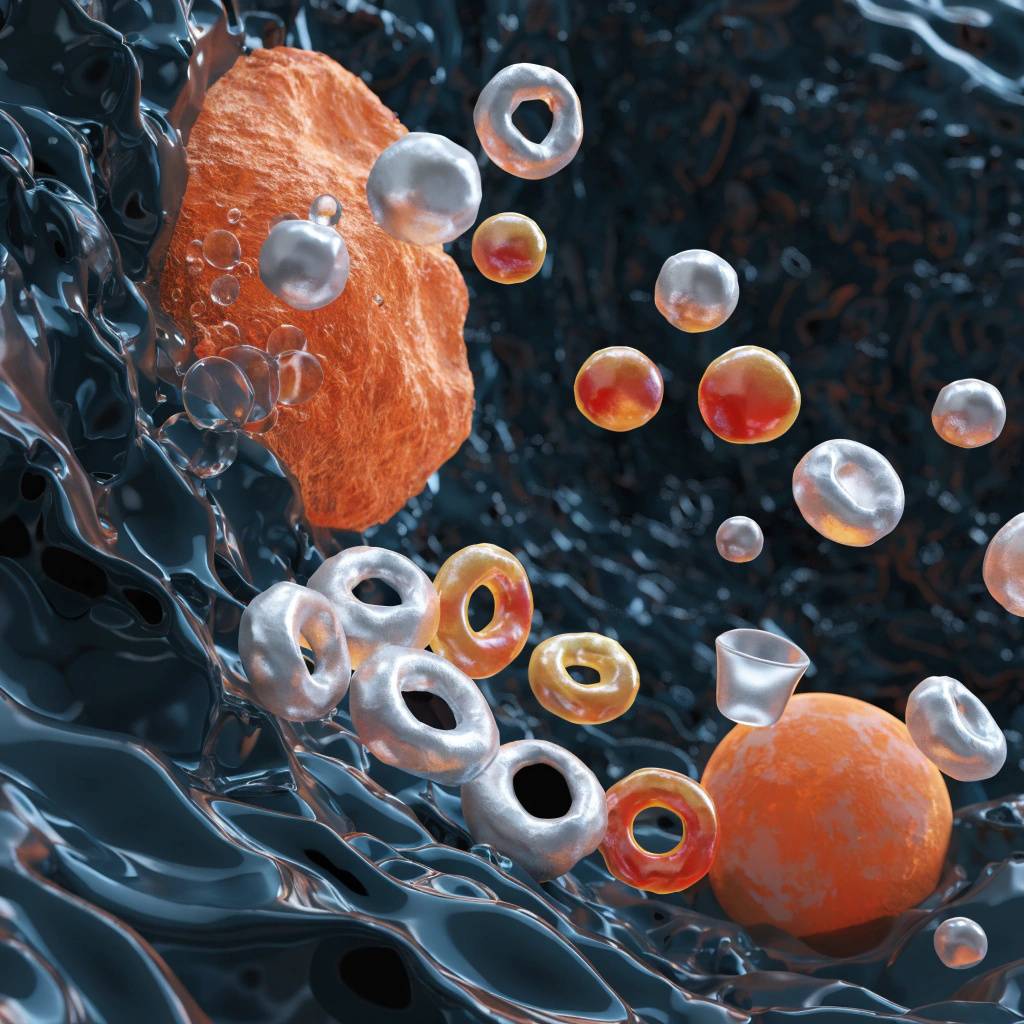
Think of a healthy, youthful skin cell as a busy factory with a sophisticated shipping department. It constantly produces tiny vesicles called exosomes, each packed with specific cargo: growth factors, signaling proteins, and strands of genetic code like mRNA. These parcels are then released into the intercellular space, the body’s biological internet. Neighboring cells receive these packages, decode their instructions, and change their behavior accordingly. They might be prompted to ramp up collagen production, accelerate their own repair processes, or modulate inflammation. This is not a passive treatment; it’s active cellular coaching.
The aging process and environmental damage disrupt this vital communication network. Skin cells become less efficient, sending fewer or corrupted messages. The result is a visible slowdown in turnover, thinning of the dermal matrix, and impaired healing. Introducing a potent, biologically compatible preparation of exosomes essentially resets this system. It floods the local cellular environment with a high concentration of correct instructions. It’s akin to providing a team with a perfect blueprint and all the necessary tools after they’ve been working from faded, incomplete copies.
This represents a paradigm shift from treating skin as a passive canvas to engaging it as a living, responsive organ. The goal is no longer just to fill or freeze, but to restore the skin’s intrinsic ability to maintain itself. By harnessing this native communication system, we move beyond temporary correction toward foundational rejuvenation. This cellular dialogue is the core mechanism enabling true regenerative outcomes.
How Your Body Naturally Uses Exosomes for Repair
Every single day, your body produces trillions of exosomes. They are not a foreign substance or a laboratory invention. They are essential biological couriers created by your own cells to maintain health and coordinate repair. Imagine a city where every building can instantly send standardized maintenance packets to its neighbors. That is the constant, silent communication happening inside you.
Consider a simple paper cut. The moment skin is breached, damaged cells at the site immediately release specific exosomes. These vesicles carry precise signals—like biochemical SOS messages—directly to nearby healthy cells and stem cells. They instruct cells to multiply rapidly for covering the wound. They order blood vessels to rebuild. They also modulate the inflammatory response, telling immune cells when to start work and, crucially, when to stand down to prevent scarring. This entire healing cascade is coordinated through this extracellular vesicle network.
This system operates throughout your entire body, not just your skin. After a strenuous workout, muscle cells release exosomes that help with tissue adaptation and recovery. A healthy immune system relies on exosomes for precise cell-to-cell instruction, enabling a targeted defense. The process is dynamic and intelligent; the cargo inside each vesicle is carefully selected for its recipient and its purpose. It’s a biological language of repair written in proteins and genetic code.
However, as we age and face cumulative environmental stress, this elegant system degrades. Cellular “factories” become less productive, sending fewer vital messages. The signals they do send can become garbled or less potent. The natural repair dialogue slows to a whisper, leading to thinner skin, slower healing, and persistent inflammation. Aesthetic treatments utilizing exosome technology are not introducing a novel concept. Instead, they are supplementing a native, but diminished, communication network with a concentrated volume of clear, correct instructions.
Therefore, the power of this approach lies in its biological mimicry—it works *with* your skin’s inherent logic, not against it.
The Science of How Exosomes Work as Cellular Messengers
The Cargo Inside an Exosome: Proteins, RNA, and Growth Factors
An exosome’s membrane is merely a protective envelope; its true function is defined by the precise cargo it carries. Think of it not as an empty bubble, but as a microscopic instruction kit, carefully packed with hundreds of distinct bioactive molecules. This cargo is not random cellular debris. It is a curated selection of signaling molecules that directly program a recipient cell’s behavior.
The primary instructional elements are proteins. These include enzymes that can kickstart metabolic processes and receptor ligands that fit into locks on a target cell’s surface, triggering specific internal commands. For instance, one protein might signal a fibroblast to begin producing new collagen. Another could instruct a blood vessel cell to migrate and form new capillaries. This protein-based signaling is direct and rapid, altering cell function almost immediately upon delivery.
Perhaps the most profound component is genetic material, specifically microRNAs and other forms of RNA. These are not blueprints for building proteins, but rather master control switches for gene expression. When delivered by an exosome, a single microRNA molecule can enter a skin cell and silence dozens of genes related to inflammation or cellular senescence. It effectively rewrites the cell’s operational software, promoting a more youthful, resilient state over the long term. This represents a fundamental shift from merely stimulating cells to reprogramming their genetic activity.
The cargo also includes growth factors, which are potent proteins that act as powerful “go” signals for cellular proliferation and specialization. In a therapeutic context, a concentrated payload delivers a clear directive for tissue regeneration. It tells dormant stem cells in the hair follicle or skin to activate and multiply. It commands collagen-producing fibroblasts to shift into high gear. The combined effect of proteins, RNA, and growth factors creates a synergistic, multi-layered instruction set that addresses repair at multiple levels simultaneously.
Ultimately, the efficacy of any exosome preparation hinges on the integrity, variety, and concentration of this native biological cargo. It is this complete package that enables cells to resume the complex, coordinated dialogue of youth, moving beyond temporary surface change to enact genuine cellular renewal.
How Exosomes Cross Cell Membranes to Deliver Instructions
The journey of an exosome from donor cell to recipient is a masterclass in biological precision. Unlike many substances that simply diffuse or require energy-intensive pumps to enter a cell, exosomes employ a more direct and elegant method. Their lipid bilayer membrane, similar to a cell’s own outer wall, is the key to this access. This structural compatibility allows for targeted fusion and efficient cargo transfer, ensuring the delicate molecular instructions arrive intact.
Think of a cell’s membrane as a highly secure border checkpoint. Most large molecules cannot simply pass through. Exosomes bypass this security through specific “handshake” protocols. Proteins on the exosome’s surface, like integrins and tetraspanins, act as unique docking codes. They bind selectively to matching receptors on the surface of a target skin cell or fibroblast. This binding is the critical first step, ensuring regenerative signals are delivered only to the appropriate cells, not randomly.
Once securely docked, the vesicle can deliver its payload through two primary mechanisms. In direct fusion, the exosome membrane merges seamlessly with the cell’s own membrane. It essentially becomes part of the cell wall, emptying its entire contents directly into the interior cytoplasm. In an alternative method called endocytosis, the cell membrane folds inward, enveloping the vesicle to form a bubble inside the cell. The exosome then dissolves within this bubble, releasing its regenerative cargo. Both pathways achieve the same vital goal: internal delivery.
This direct delivery system offers immense advantages. It protects fragile RNA and proteins from degradation by enzymes in the extracellular environment. The cargo arrives in a concentrated, functional package, ready for immediate use. This efficiency is why exosome signaling can trigger such rapid and coordinated cellular responses, from ramping up collagen production to calming inflammatory pathways. The message isn’t just sent; it’s delivered securely into the boardroom.
Understanding this mechanism highlights why exosome technology is more than a simple nutrient supplement. It replicates and utilizes the body’s own sophisticated system for intercellular communication and instruction. The next logical question examines how this precise messaging translates into tangible, visible rejuvenation for skin and tissue.
Exosomes in Aesthetics: From Lab Research to Clinical Practice
The Journey of Exosome Technology from Medicine to Skin Care
The discovery of exosomes did not begin in a cosmetic lab. Scientists first identified these tiny vesicles in the 1980s while studying how red blood cells mature. For decades, they were considered little more than cellular trash bags—a way for cells to dispose of unwanted material. This perception changed radically in the late 1990s and early 2000s. Researchers made a pivotal observation: these vesicles weren’t just waste. They were loaded with specific, functional signaling molecules. More importantly, cells actively released them to communicate.
This revelation turned exosomes into a major focus for medical research, particularly in oncology. Scientists found that tumors use exosomes to prepare distant parts of the body for cancer spread. This made them promising targets for both early diagnosis and innovative therapies. Simultaneously, another field—regenerative medicine—took keen interest. Stem cell researchers noticed that many healing benefits of stem cells came not from the cells themselves directly integrating into tissue, but from the potent signals they released via exosomes. These natural signal carriers could potentially promote healing without injecting whole cells.
The leap from this medical research to aesthetic application was a logical, science-driven progression. Researchers asked a critical question: if exosomes from stem cells can instruct damaged heart tissue or injured tendons to repair themselves, could they do the same for aged skin? The foundational biology was identical. Skin aging involves declining communication between cells, reduced collagen output, and slower turnover. Preclinical studies showed that applying certain exosomes to skin cells in culture could upregulate collagen genes, boost fibroblast activity, and enhance antioxidant defenses. The pathway from lab discovery to clinical practice was being mapped.
Translating this into safe, reproducible treatments required solving significant challenges. The first was sourcing. Medical-grade exosomes for aesthetics are derived from carefully screened and cultured human stem cells under strict laboratory conditions, never taken directly from donors. The second was purification—developing methods to isolate only the therapeutic vesicles, free of other components. Finally, application methods were refined. Instead of systemic injection, aesthetic use relies on precise local delivery via microneedling or specialized injection techniques to target the dermis where regenerative fibroblasts reside.
This journey transformed a biological curiosity into a targeted aesthetic tool. It shifted the paradigm from merely adding temporary volume or freezing muscles to providing cells with the precise instructions they need to rejuvenate their own function. The technology’s medical origins underscore its foundational role in cellular communication, now harnessed to directly address the molecular signals that decline with age in our skin.
Key Differences Between Exosome Therapy and Traditional Fillers
Traditional dermal fillers work by adding physical volume beneath the skin. They are like placing a supportive cushion under a sagging sofa. The most common materials, such as hyaluronic acid, provide immediate lift and contour by occupying space. Their primary mode of action is mechanical. While some fillers may have a mild stimulatory effect, their main job is to fill wrinkles or plump lips directly. The results are often visible right away but are fundamentally static; the material sits in place until the body gradually breaks it down over several months to a year.
In stark contrast, exosome therapy functions as a biological instruction set. It does not add permanent volume. Instead, these vesicles deliver molecular messages—proteins, lipids, and RNA—to your skin’s resident cells, particularly fibroblasts. Think of it as giving a detailed training manual and new tools to your body’s own repair crew. The goal is not to fill a line but to instruct the cells to improve their own collagen and elastin production, enhance local blood flow, and reduce damaging inflammation. The change happens from within the cell outward.
This difference in mechanism dictates the timeline and nature of the results. Filler results are immediate but fixed. Exosome results are not instant; they evolve over weeks as the cellular machinery activates. You are not seeing the product itself, but rather your skin’s improved biological output. This can lead to more natural-looking improvements in skin texture, tone, and elasticity that may develop progressively and last based on the skin’s renewed cycle of activity. It addresses the *why* behind volume loss and thinning skin, not just the *where*.
Consequently, their ideal applications diverge. Fillers excel at correcting specific, localized deficits of volume—like nasolabial folds or thin lips. Exosomes are better suited for broader, more holistic rejuvenation where the issue is overall skin quality, vitality, and aging biology. They target the diffuse fine lines, dullness, and laxity resulting from slowed cellular function. Clinically, this means exosomes are often considered for full-face rejuvenation protocols or to improve skin health before and after procedures, optimizing the tissue’s ability to heal and regenerate.
Ultimately, the choice isn’t about one being universally superior, but about understanding their distinct roles: one is a tactical solution for shape, the other a strategic investment in skin health. This biological signaling approach represents the next logical step in aesthetics—supporting the skin’s intrinsic capacity to sustain its own youthful function.
Proven Benefits of Exosomes for Skin Rejuvenation
How Exosomes Improve Skin Texture and Reduce Fine Lines
The fine lines and rough texture of aging skin are largely a product of faltering collagen and elastin production. These structural proteins, created by cells called fibroblasts, form the skin’s supportive scaffold. As we age, fibroblast activity slows, leading to a thinner, less resilient dermis. Exosomes address this decline at its source by delivering direct instructions to these dormant cells.
Inside an exosome, key signaling molecules like growth factors and microRNAs act as precise biological commands. Upon uptake by a skin fibroblast, these signals essentially “reprogram” the cell’s activity. They switch on genes responsible for synthesizing new, high-quality Type I collagen—the most abundant kind in youthful skin. This isn’t a superficial plumping effect; it’s the genuine restoration of the skin’s foundational architecture from within.
Clinical studies observing this process note measurable increases in collagen density over a period of weeks. Simultaneously, exosome signals boost the production of elastin fibers, which grant skin its snap-back elasticity. The combined effect is a dual reinforcement: collagen provides firmness and fullness to soften lines, while renewed elastin improves resilience and tightness. This leads to a tangible improvement in skin smoothness and a reduction in the appearance of fine, superficial wrinkles.
The result is a visible refinement in texture, as the skin’s surface becomes supported by a denser, more organized network below. This mechanistic approach explains why treatments utilizing exosomes can yield progressive, natural-looking improvements that are fundamentally different from temporary smoothing agents. By directly enhancing the skin’s own regenerative output, they shift the focus from merely filling lines to comprehensively renewing the skin’s structural integrity for lasting vitality.
Exosomes for Hyperpigmentation and Evening Skin Tone
Hyperpigmentation often originates from a miscommunication within your skin’s cellular network. When exposed to UV radiation or inflammation, skin cells release stress signals. These signals can overstimulate melanocytes—the pigment-producing cells—leading to an uneven overproduction and distribution of melanin. The resulting dark spots are not just a surface stain; they are a sign of underlying cellular distress and disrupted communication.
Exosomes intervene directly in this flawed signaling process. They deliver specific regulatory microRNAs and proteins to both the inflamed skin cells and the overactive melanocytes. This cargo works to calm the inflammatory response at a genetic level, reducing the primary trigger for excess pigment production. Furthermore, these biological instructions help normalize the activity of enzymes like tyrosinase, which is crucial for melanin synthesis. Think of it as sending a “cease and desist” order alongside a revised blueprint for balanced, orderly pigment production.
The effect is a gradual normalization of skin tone from the deepest layers upward. Unlike topical agents that may bleach or slough off surface pigment, exosome signaling promotes a more fundamental recalibration. Clinical observations note a progressive lightening of hyperpigmented areas and an overall evening of complexion as melanocyte activity returns to a healthier, regulated state. This process supports the skin’s natural ability to clear excess pigment over time, leading to clarity that appears unified and intrinsic rather than artificially masked.
This mechanism underscores a holistic benefit: by mitigating inflammation and oxidative stress, exosome therapy addresses a root cause of multiple aging concerns simultaneously. Calmer skin is not only less prone to discoloration but also to collagen breakdown and barrier impairment. Thus, targeting hyperpigmentation with this technology inherently contributes to a stronger, more resilient dermal foundation. The pursuit of a radiant, even complexion becomes seamlessly integrated with the broader goal of comprehensive skin revitalization.
What to Expect During an Exosome Treatment Protocol
Common Methods for Delivering Exosomes to the Skin
Professional exosome treatments require specialized delivery methods to ensure these potent biological messengers reach their target cells within the skin’s living layers. The outermost barrier, the stratum corneum, is designed to keep substances out, so clinicians use techniques to create temporary, controlled pathways for exosomes. This ensures the vesicles can interact directly with dermal fibroblasts and epidermal cells to initiate their regenerative signaling. The choice of method is tailored to the patient’s specific skin concerns and the desired depth of action.
Microneedling is a prevalent and effective technique for exosome delivery. This procedure uses a sterile device with fine needles to create micro-channels in the skin. These channels are not wounds but precise conduits that bypass the surface barrier without causing significant damage. The exosome preparation is then applied topically, allowing it to permeate deeply into the dermis. The micro-injuries also stimulate the skin’s own repair processes, creating a synergistic effect where introduced exosomes enhance and guide the natural healing response for improved collagen and elastin production.
For concerns focused more on the epidermis, such as tone and texture, clinicians may employ advanced topical delivery systems. In this protocol, exosomes are formulated into a serum or gel applied after a light professional peel or other gentle resurfacing treatment that temporarily increases skin permeability. This method relies on optimized formulations and sometimes occlusion to facilitate absorption. While penetration is more superficial than with microneedling, it effectively targets keratinocytes and melanocytes, making it suitable for addressing hyperpigmentation and enhancing barrier function.
Other modalities include fractional laser-assisted delivery or specialized pressure injection systems. A fractional laser creates microscopic treatment zones surrounded by healthy tissue, and exosomes are applied immediately after to accelerate healing and improve outcomes. Regardless of the device used, the core principle remains: creating optimal conditions for exosome uptake. The procedure is typically followed by a period where the skin is not cleansed for several hours, allowing maximum absorption and interaction with cellular receptors.
Each protocol concludes with specific post-procedure care instructions to support the biological activity of the exosomes and protect the skin. This integrated approach—combining precise delivery with supportive aftercare—ensures the therapeutic potential of these vesicles is fully realized, setting the stage for the gradual, foundational improvements discussed previously.
The Typical Timeline for Seeing Results from Exosome Therapy
The visible outcomes from an exosome procedure are not instantaneous but follow a predictable biological sequence initiated during the delivery protocol. Immediately after treatment, the primary events are subcellular. The administered exosomes begin fusing with target skin cells, releasing their cargo of growth factors and genetic instructions. This triggers a cascade of signaling pathways, essentially “waking up” dormant cellular machinery. For the first 24 to 72 hours, this activity is focused on internal processes like increased protein synthesis and energy production, not yet on creating new collagen or elastin. Patients may notice initial redness or slight swelling from the delivery method itself, which subsides quickly, but the fundamental rejuvenation work has just begun.
The first subtle changes often become perceptible between weeks two and four. This phase corresponds to enhanced cellular turnover and repair. Keratinocytes in the epidermis function more efficiently, leading to a smoother skin texture and a more refined surface. Many individuals report a distinct “glow” or improved radiance as microcirculation and barrier health optimize. Pigment-producing cells (melanocytes) also start to regulate their activity more evenly, which can begin to soften the appearance of sun spots or melasma. These early improvements are signs that the cellular instructions delivered by the exosomes are being actively translated.
The most significant structural improvements unfold from month one through month three. This period is dedicated to neocollagenesis and neoelastogenesis—the synthesis of new supportive proteins. Fibroblasts, now operating at a heightened capacity, diligently produce fresh collagen and elastin fibers. These new proteins gradually integrate into the existing dermal matrix, restoring density and resilience. Clinically, this translates to a progressive reduction in fine lines, improved firmness, and a more lifted facial contour. The effects are cumulative; each week builds upon the last, leading to a natural-looking rejuvenation that lacks the artificial “pulled” appearance of some traditional treatments.
Optimal results are typically observed around the three-month mark, with benefits continuing to mature for up to six months post-treatment. The longevity of these outcomes varies, generally lasting from 12 to 18 months before a maintenance session might be considered. This enduring effect stems from the fact that therapy with exosomes aims to restore a healthier, more youthful functional state to the skin’s own cells, rather than merely plumping from the outside. It’s a recalibration of skin biology. Therefore, managing expectations around this gradual timeline is crucial for patient satisfaction, as the reward is foundational change, not a quick fix.
Understanding this biological timeline naturally leads to questions about how to support and prolong these results through daily habits and skincare choices.
Safety, Regulation, and Choosing a Qualified Provider
Understanding the Source and Purity of Exosome Preparations
The biological activity of any exosome preparation is intrinsically tied to its cellular source and manufacturing integrity. Exosomes derived from different cell types carry distinct molecular cargoes, which dictate their therapeutic function. For aesthetic applications, exosomes are typically sourced from human mesenchymal stem cells (MSCs), prized for their regenerative signaling. The critical first question is about donor screening: reputable sources use thoroughly tested, ethically consented donor cells from accredited tissue banks to ensure safety and traceability.
The collection and purification process is equally vital. Cells are cultured in a controlled environment, and the exosomes they release into the culture medium are harvested. This medium must be free of animal-derived components (xeno-free) to eliminate contamination risk. The exosomes are then isolated using precise methods like ultracentrifugation or size-exclusion chromatography. These techniques separate the tiny vesicles from larger proteins and cellular debris, yielding a pure concentrate. A key metric of purity is the ratio of exosomal proteins to total protein; a high ratio indicates minimal contaminating material.
Once isolated, rigorous testing validates both safety and potency. Safety panels screen for pathogens, endotoxins, and mycoplasma. Potency is assessed through specific bioassays that measure biological activity, such as the ability to stimulate fibroblast proliferation or collagen production in validated lab tests. Providers should have a Certificate of Analysis (CoA) detailing these quality controls. The concentration of particles, often measured in particles per milliliter, is another standard data point, though activity matters more than raw count alone.
Ultimately, understanding these factors empowers you to evaluate a provider. Inquire about the source cell type, the manufacturing protocol’s sterility, and request to see third-party testing results for purity and activity. A qualified professional will transparently share this information, as the efficacy of your treatment hinges on the quality of the exosomes used. This due diligence ensures the biological recalibration you seek is built on a foundation of scientific rigor and safety.
Why Proper Training and Medical Supervision Are Essential
Administering exosomes is a clinical procedure, not a cosmetic application. These vesicles deliver potent signaling molecules directly into the dermis, typically via micro-injections or specialized delivery systems. An untrained hand can compromise results by damaging the exosomes through improper handling or incorrect injection depth, rendering the treatment ineffective. More critically, poor technique increases risks like bruising, infection, or uneven distribution.
The biology of the skin is complex and varies by individual. A qualified medical professional assesses factors like skin thickness, inflammation levels, and cellular health to determine the optimal protocol. They understand how exosomes interact with local cells to modulate inflammation, stimulate repair, and promote regeneration. This knowledge allows them to tailor the treatment, deciding on dosage, injection points, and potential combination therapies for synergistic effects.
Medical supervision is paramount for patient safety and managing expectations. A licensed provider conducts a thorough health screening to identify contraindications, such as active autoimmune conditions or certain cancers, where stimulating cellular communication could be problematic. They monitor for and manage any adverse reactions immediately. Furthermore, they set realistic outcomes based on individual aging physiology, distinguishing between evidence-based regeneration and marketing hype.
Ultimately, the advanced science of exosomes demands equivalent expertise in clinical practice. The practitioner’s role is to translate this complex biology into a safe, personalized treatment strategy. This ensures the technology’s potential is fully realized through precise application grounded in medical science.
Integrating Exosome Science into a Holistic Skincare Strategy
Supporting Exosome Activity with Topical Antioxidants and Peptides
The regenerative signals delivered by exosomes do not work in a vacuum; their environment matters. Your skin’s cellular “neighborhood” directly influences how effectively these messages are received and acted upon. A landscape damaged by oxidative stress and chronic inflammation can dampen the regenerative response. This is where a strategic daily skincare regimen becomes a powerful ally, not a replacement, for professional treatment.
Topical antioxidants like stabilized vitamin C, vitamin E, and ferulic acid serve as essential protectors. They neutralize free radicals—unstable molecules generated by UV exposure and pollution—that would otherwise damage skin cell membranes and DNA. By shielding the recipient cells, antioxidants help ensure these cells remain receptive and capable of responding to the regenerative instructions carried by exosomes. Think of it as clearing static from a phone line; the message comes through clearer when the connection is protected.
Peptides, short chains of amino acids, act as supportive signaling molecules. While exosomes carry complex instructions, certain peptides can send simpler, complementary signals. For example, some peptides may gently encourage collagen production or support the skin’s barrier function. This creates a more hospitable and “listening” cellular environment. It primes the skin to better utilize the sophisticated repair protocols initiated by the exosome therapy, potentially enhancing and prolonging the results.
Integrating these ingredients requires consistency and correct formulation. A morning routine focused on antioxidant protection defends against daily assault. An evening regimen with restorative peptides supports overnight repair processes. This daily practice maintains optimal skin health between professional treatments, allowing the initial cellular reprogramming to take firmer root. The goal is cumulative support for the skin’s own biology.
Ultimately, the most advanced science combines in-office innovation with intelligent at-home care. By supporting your skin’s fundamental health with targeted topicals, you actively participate in creating the ideal conditions for regeneration to flourish. This holistic approach leverages everyday skincare to protect and amplify your investment in cutting-edge cellular therapy.
Lifestyle Factors That Influence Your Skin’s Cellular Health
Your skin’s cells do not operate in a vacuum. Their health and responsiveness are deeply influenced by daily choices you make. While topical products create a supportive surface environment, factors like nutrition, sleep, and sun exposure directly program your skin’s internal cellular activity. This internal landscape is precisely what advanced regenerative treatments, including those utilizing exosomes, are designed to recalibrate and improve.
Consider your diet as cellular fuel. Chronic high sugar intake can lead to a process called glycation, where sugar molecules bind to proteins like collagen, making them stiff and brittle. This creates a degraded structural matrix that cells must navigate. Conversely, antioxidants from colorful fruits and vegetables combat reactive molecules called free radicals. Unchecked free radicals damage cellular DNA and membranes, forcing cells into a constant state of defense rather than renewal. By providing the right building blocks and reducing internal stress, you help maintain a cellular environment more receptive to regenerative signals.
Sleep is non-negotiable for cellular repair. During deep sleep stages, your body’s production of human growth hormone peaks. This hormone is crucial for protein synthesis and tissue restoration, including in the skin. Furthermore, the brain’s glymphatic system becomes highly active, clearing metabolic waste products from tissues. Poor or insufficient sleep disrupts these vital processes. Your skin cells miss their prime repair window, accumulating more damage and functioning less efficiently. This leaves them less capable of engaging with pro-regenerative communications.
Sun protection is the most critical external factor. Ultraviolet A (UVA) rays penetrate deeply into the dermis, generating free radicals and damaging the DNA of fibroblasts—the very cells that produce collagen and elastin. This is not just about preventing sunburn; it’s about preventing constant low-grade cellular injury. Each unprotected exposure creates a background noise of damage that cells must prioritize fixing, overshadowing more sophisticated regenerative programs. Consistent, broad-spectrum sunscreen use silences this noise, allowing your skin’s biology to focus on restoration and improvement.
These lifestyle pillars work synergistically. A nutrient-rich diet supports the skin’s antioxidant defenses against UV insult. Quality sleep enhances the repair of daily photodamage. Together, they create a stable, resilient foundation at the cellular level. This foundational health determines how effectively your skin can interpret and act upon the complex instructions delivered by therapeutic agents. Optimizing these factors ensures your investment in advanced science yields its fullest potential, turning daily habits into powerful allies for long-term skin vitality.
Current Limitations and Realistic Expectations for Exosome Therapy
What Exosomes Cannot Do: Managing Expectations in Aesthetics
Exosome therapy cannot replace lost structural volume in the face. These nanoscale vesicles carry instructions and signals, not physical filler material. They work by encouraging your existing cells to function more youthfully—to produce more collagen, to reduce inflammation, to improve repair. However, they cannot magically generate new fat pads or rebuild bone density that has diminished over decades. For significant volume loss, procedures that add structural support remain necessary. Think of exosomes as optimizing the software of your skin’s cells, not installing new hardware.
The technology is also not a direct substitute for surgical intervention or an instant eraser for deep, established wrinkles. Dynamic wrinkles from muscle movement and deep static folds from severe collagen loss represent complex architectural changes. While exosome signaling can improve skin quality, thickness, and elasticity around these areas—potentially making them appear softer—they do not sever the underlying facial muscles or physically lift tissue. The regenerative process they stimulate is biological and gradual, measured in weeks and months, not days. Expect improvement in skin health and texture, not the abrupt transformation of a surgical facelift.
Managing expectations means understanding that results are contingent on your biological responsiveness. The communication from exosomes must be received and correctly interpreted by your target cells. Factors like advanced age, significant sun damage history, or certain health conditions can affect cellular receptivity. This is why pre-treatment optimization of skin health is so critical; it prepares the cellular environment to listen. A robust response is more likely on a foundation of good cellular health, which is why lifestyle integration matters profoundly.
Furthermore, aesthetic outcomes from exosome applications are typically cumulative and progressive, not a single event. The goal is to shift the skin’s baseline function to a more resilient, regenerative state. This often requires a series of treatments to establish a sustained biological dialogue. A single session may yield subtle improvements in hydration or luminosity, but the more significant impact on collagen remodeling and tissue strength builds over time with consistent signaling.
Ultimately, exosomes represent a powerful leap towards treating aging at a communicative, cellular level. Their true potential is unlocked when viewed as a sophisticated component of a holistic regimen, not a standalone magic bullet. This realistic framework allows patients to appreciate the genuine science while making informed decisions about their aesthetic journey.
Ongoing Research and the Future of Bioactive Signaling
The human body produces over a trillion exosomes daily, each a potential message in a biological conversation we are just beginning to decode. This immense complexity is the core challenge and the most exciting promise of the field. Current therapies utilize general populations of these vesicles, but future applications aim to become exquisitely precise. Researchers are actively working to isolate specific subpopulations that carry instructions for a single purpose, like building elastin or calming inflammation, moving from a broadcast signal to a targeted whisper.
Engineering and enhancement of natural vesicles represent another major frontier. Scientists can load exosomes with additional therapeutic cargo, such as specific growth factors or RNA molecules, creating bio-hybrid delivery systems. Imagine a vesicle naturally targeted to a fibroblast cell also carrying a precise blueprint for type III collagen production. This approach could amplify regenerative signals for more pronounced results in tissue repair and rejuvenation, tailoring the message to the individual’s needs.
Perhaps the most transformative future direction is diagnostic and personalization. Because exosomes reflect the state of their parent cells, analyzing these vesicles from a simple blood sample could provide a real-time snapshot of systemic health and aging. This “liquid biopsy” could one day guide aesthetic therapy, identifying a patient’s specific cellular deficiencies—whether it’s poor antioxidant response or sluggish collagen synthesis—before a treatment plan is ever designed. Therapy would then be truly bespoke.
The ultimate goal is to move beyond treating symptoms to dynamically influencing the body’s own regenerative software. As mapping and manufacturing technologies advance, these bioactive signaling tools may allow us to not just support but actively redirect cellular behavior towards sustained health and vitality. This evolving science promises a future where regenerative aesthetics is deeply integrated with systemic wellness, guided by the body’s own communicative language.
Making an Informed Decision About Exosome-Based Skin Care
Is Exosome Therapy Right for Your Skin Concerns and Goals?
Exosome-based approaches are fundamentally designed to improve cellular communication and resilience, not simply add volume or freeze muscles. This distinction is crucial for setting realistic expectations. If your primary goal is the dramatic, immediate filling of a deep wrinkle or the precise lifting of an eyebrow, traditional fillers or neuromodulators remain the gold standard. Exosome therapy operates on a different level, targeting the skin’s functional health and its capacity for self-repair over time.
Consider your skin concerns through the lens of cellular function. Are you battling persistent dullness, poor texture, or a lack of radiance that topical serums can’t overcome? This may indicate sluggish cellular turnover and weak intercellular signaling. Do you experience slow healing after minor procedures or environmental damage? This suggests a depleted regenerative capacity. Exosomes are particularly suited for these scenarios, as they deliver a broad spectrum of instructions to reinvigorate native cell behavior. They aim to enhance the skin’s intrinsic quality, making it appear more vibrant, stronger, and better equipped to handle stress.
The ideal candidate often seeks gradual, cumulative improvement in overall skin health rather than a single, targeted correction. Think of it as upgrading the soil rather than just painting the fence. Clinical observations and studies suggest benefits are most pronounced for improving hydration, refining pore appearance, enhancing luminosity, and strengthening the skin barrier. For individuals with concerns rooted in inflammation or compromised barrier function, the modulating signals carried by exosomes can help recalibrate the local cellular environment towards a healthier state.
Therefore, aligning your goals with this technology requires a shift in perspective from immediate correction to long-term optimization. It is less about “fixing” one specific line and more about systematically improving the biological framework that creates all lines and textures. If your aim is foundational rejuvenation—building healthier, more communicative, and resilient skin—then your objectives are well-matched with the science of exosome signaling. This understanding is the first step before considering any treatment’s practical aspects.
A Practical Framework for Evaluating New Aesthetic Technologies
Navigating the world of advanced aesthetic treatments requires a discerning approach beyond marketing claims. A practical framework built on four pillars—scientific rationale, safety profile, provider expertise, and realistic outcomes—can empower you to make confident choices. This method applies whether you’re considering exosomes or any other novel modality.
First, investigate the foundational science. Ask: what is the proposed biological mechanism? For instance, a treatment might claim to boost collagen. A stronger claim explains *how*—does it introduce building blocks, stimulate fibroblasts, or deliver genetic instructions like certain exosomes do? Look for published research in credible journals, not just promotional materials. Understand if the evidence comes from lab studies, animal models, or human clinical trials, as this indicates the stage of validation.
Second, prioritize safety and sourcing. Inquire about the origin and preparation of any biological material. Are components rigorously screened for pathogens? What purification standards are used? A transparent provider will explain these protocols without hesitation. For any injection-based procedure, understand the potential risks, standard reactions, and the plan for managing rare complications. Safety is non-negotiable.
Third, evaluate the provider’s skill and intent. The most advanced science is only as good as its application. Seek a professional who demonstrates deep knowledge of both the treatment and skin biology. They should spend time assessing your unique physiology and goals, not simply selling a package. Their consultation should feel like an educational dialogue, aligning the technology’s capabilities with your individual needs for optimal synergy.
Finally, demand clarity on realistic outcomes. Be wary of hyperbolic promises. A credible expert will detail what improvements are typical, how many sessions may be needed, and the expected longevity of results. They will distinguish between measurable changes in skin quality and complete eradication of concerns. This honest setting of expectations is the hallmark of ethical practice.
By applying this structured evaluation, you transform from a passive consumer into an active participant in your aesthetic journey. This critical mindset naturally leads to the next essential consideration: identifying the right clinical environment and questions to ask during a consultation.