
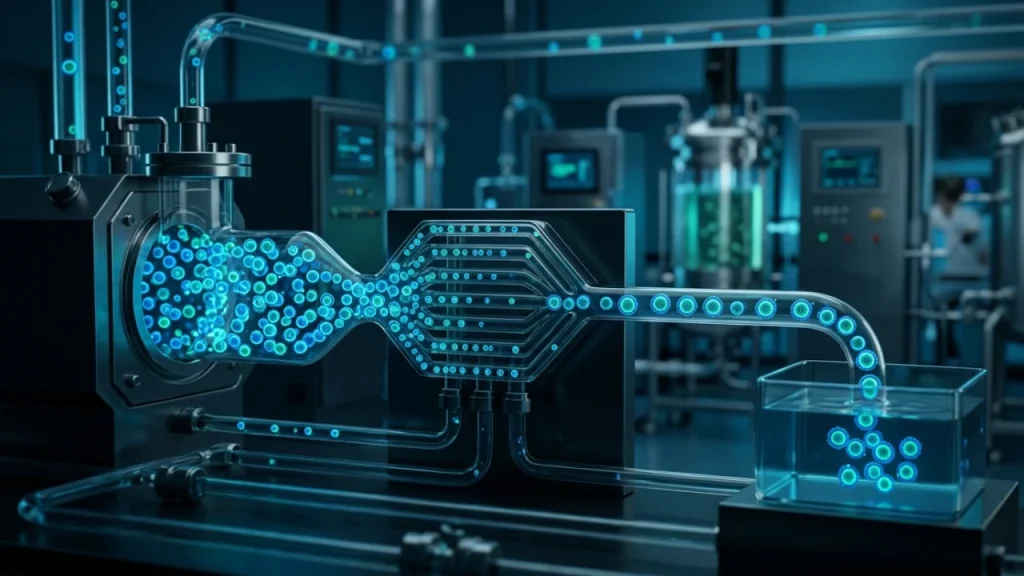
What Is Exosomes Process Development and Why It Matters
How Exosomes Move From Discovery to Treatment
Exosomes are natural messengers. Your cells make them all the time. But finding them in a lab is just the first step. Turning that discovery into a real medicine is a huge challenge. This journey is called exosome process development. It matters because without it, these tiny vesicles could never help patients.
Think of it like finding a rare mineral. First, you find a tiny sample in a rock. That is the discovery phase. But to build with it, you need much more. You must learn to mine it reliably. You must purify it from the dirt. Finally, you must shape it into useful, identical parts. Exosome process development does all this for biological nanoparticles.
The path from discovery to treatment has clear stages. Each stage solves big problems.
First, scientists must choose the right source cells. These are the factories that make the exosomes. Some cells are better factories than others. Researchers test many types. They look for cells that produce lots of exosomes with the right healing signals.
Next, they grow these cells in large numbers. This is called cell culture. Cells need perfect conditions to thrive and make exosomes. They need food, oxygen, and a clean home. Scaling this up is hard. A process that works in a small flask often fails in a large tank. Process development finds the right recipe for large-scale growth.
Then, the exosomes must be collected. The cells release them into the liquid they live in. Scientists separate the exosomes from this soup. They remove dead cells, debris, and other waste. This step is called harvesting. It must be gentle to keep the exosomes intact.
Purification comes next. This is a critical step in exosome process development. The goal is to get only exosomes, nothing else. Scientists use filters and special machines for this. They remove leftover proteins and other contaminants. Pure exosomes are safer and more predictable.
After purification, the exosomes are concentrated. They are gathered into a small volume of liquid. This makes them strong enough for a dose. Then they are tested thoroughly. Scientists check their size, number, and what they carry inside. They make sure the batch is clean and free of germs.
Finally, the exosomes are prepared for storage and use. They are put into vials and frozen. This keeps them stable until a patient needs them. The entire process must be documented perfectly. Every step must be the same every single time. This consistency is what regulators require for approval.
Why does this long process matter? It turns a scientific idea into a real product. Discovery shows that exosomes can work in a dish. Process development proves they can be made for thousands of people. It ensures quality, safety, and strength. Without this engineering bridge, promising lab results would stay in the lab forever.
This systematic approach is what allows exosome therapies to move toward clinics. It transforms a biological curiosity into a standardized medicine. The next challenge lies in optimizing each of these stages for maximum yield and potency.
Why Process Development Is the Bridge to Real Impact
Think of a brilliant laboratory discovery. It might show that exosomes can repair heart tissue after an attack. This is a powerful starting point. But it is only a starting point. The discovery used cells from a single donor. It produced a tiny amount of liquid in a dish. How do you recreate that exact effect for ten thousand patients? This is the core challenge. Exosome process development exists to solve it.
Process development builds the reliable road from the lab to the clinic. Without this road, the discovery goes nowhere. It remains a fascinating experiment. A good process does several critical things at once. It ensures every batch is identical. It makes production large enough to treat many people. It guarantees the product is pure and safe. This work turns a biological phenomenon into a standardized therapy.
Consider what happens without a defined process. Results become unpredictable. One batch might be strong. The next batch could be weak or contaminated. This variability is dangerous in medicine. Doctors and patients need certainty. They need to know that every vial has the same healing potential. Consistent exosomes process development creates this certainty.
The bridge also tackles scale. A lab method might yield one milliliter of exosome-rich fluid. A single patient’s dose could require ten times that amount. Scaling up is not just making more liquid. It is a complex engineering puzzle. Scientists must adjust every step. They need larger equipment without harming the delicate exosomes. They must keep purification effective at bigger volumes. Process development finds these solutions.
Safety is another cornerstone. The process must remove harmful elements. These include unwanted proteins, DNA fragments, or even viruses. Rigorous testing at each stage acts as a filter. It catches problems long before a vial reaches a person. This built-in safety is non-negotiable for regulatory approval.
Finally, this work controls cost and time. Efficient processes use resources wisely. They reduce waste and improve yield. This makes therapies more feasible to produce. It can eventually make them more accessible to patients.
Why does this bridge matter so much? It translates promise into practice. – It changes “exosomes showed healing in a study” to “exosomes are available for your treatment.” – It changes “potentially effective” to “proven and consistent.” – It transforms hope into a tangible, manufacturable product.
The entire field of exosome medicine depends on this translation. Exciting research papers appear weekly. Process development is the less glamorous work that makes them relevant to human health. It is the engineering discipline applied to biology. The next phase focuses on refining these processes for even greater precision and power.
The Main Steps in Exosomes Process Development
Exosomes begin their journey inside living cells. Cells create these tiny vesicles in special compartments. They then release them into their surroundings. This release is the starting point for manufacturing. Scientists first choose a source. This source is often a specific type of human cell. These cells are grown in controlled containers called bioreactors. Think of a bioreactor as a high-tech incubator. It provides perfect food, temperature, and oxygen for the cells to thrive and produce exosomes.
The next step is harvesting. The nutrient-rich fluid containing the exosomes is collected. This fluid is called conditioned media. At this stage, it is a complex mixture. It contains exosomes, but also many other components. These include leftover cell food, waste products, and large proteins. Separating the exosomes from this mix is a major challenge. This is where exosomes process development focuses intensely.
The core task is isolation and purification. Scientists use physical properties to separate exosomes. Size is a key property. Exosomes are remarkably small. They are typically between 30 and 150 nanometers in diameter. One common method is ultrafiltration. This process uses membranes with tiny pores. The pores let smaller molecules pass through. They trap the larger exosomes. Another powerful method is chromatography. Here, the mixture flows through a column packed with special beads. Exosomes stick to these beads differently than other particles. They are then washed off in a pure form.
Each purification step must be carefully designed. The goal is to keep the exosomes intact and functional. Harsh methods can damage their delicate surface or cargo. After purification, the exosomes undergo a series of tests. Scientists check for three main things: – Identity: Are these truly exosomes? They look for specific marker proteins. – Purity: What unwanted material remains? They measure contaminant levels. – Strength: How many exosome particles are in each dose? This is called concentration.
Finally, the purified exosomes are prepared for storage or use. They are often frozen in small vials. This freezing process, called cryopreservation, must also be developed carefully. It uses special protective solutions to prevent damage from ice crystals. The entire chain from cell culture to frozen vial is a complete process flow. Optimizing this flow defines successful exosomes process development. It ensures every batch meets strict standards for safety and consistency, turning a biological event into a reliable product ready for the next stage: rigorous quality control and testing.
Starting with the Right Cells for Exosome Production
How to Choose the Best Cell Source for Exosomes
The type of cell you start with decides almost everything about your exosomes. Think of cells as factories. Different factories make different products. A skin cell factory and an immune cell factory will produce exosomes with very different cargo and purposes. This initial choice is the first major control point in exosomes process development.
Why does the cell source matter so much? It comes down to two main factors: what’s inside the exosomes and how many you can get.
First, the cargo. Exosomes carry molecular messages from their parent cell. These messages include proteins, RNA, and lipids. A stem cell releases exosomes packed with signals for tissue repair. An immune cell releases exosomes that may calm or activate inflammation. Scientists choose a cell source based on the therapeutic effect they want. You would not use liver cells to try to heal a heart muscle.
Second, the yield. Some cells are naturally generous exosome producers. Others are not. Mesenchymal stem cells (MSCs) are a popular choice. They are prolific producers of exosomes. They also grow well in large-scale bioreactors. Primary cells taken directly from tissue are often harder to grow in big numbers. Their yield can be low.
Choosing the best source is a balance. Scientists evaluate several key points.
- Therapeutic potential: Does the cell’s natural function match the disease target?
- Scalability: Can we grow billions of these cells consistently and affordably?
- Safety profile: Does the cell type carry any risk of passing on diseases or causing tumors?
- Consistency: Do all cells of this type produce a similar exosome batch every time?
For example, immortalized cell lines can grow forever. They offer great scalability and consistency. But scientists must check their safety very carefully. Their exosomes might carry unknown signals from their altered state. Primary cells are closer to nature but harder to scale.
The growth conditions of the chosen cells also play a huge role. Stressed or unhealthy cells send bad messages. Their exosomes might contain harmful cargo. The culture environment must keep cells happy and productive. This ensures they release high-quality vesicles. The entire exosomes process development pathway depends on this healthy start.
Once the ideal cell source is selected, the next step is to grow them at a large scale. This move from a small flask to a large bioreactor is its own complex challenge. It requires careful control of food, oxygen, and waste for millions of living cell factories. The goal is to maximize both cell numbers and their exosome output, setting the stage for the harvest and purification steps that follow.
Why Stem Cells Are Popular for Exosome Making
Stem cells are powerful starting points for making therapeutic exosomes. Their natural job in the body is to heal and regenerate. This makes their biological messages highly valuable. When we use stem cells in exosome process development, we harness this innate potential.
These cells offer several key benefits for manufacturing. First, they can divide for a long time. This provides a nearly limitless supply of starting material. Scalability becomes much easier. Second, they are master communicators. Stem cells release exosomes packed with specific instructions. These instructions can tell other cells to reduce inflammation or repair tissue.
The cargo inside stem cell exosomes is special. It often includes growth factors and regulatory RNA. These molecules can reset diseased cells back to a healthier state. For example, mesenchymal stem cell exosomes might carry signals that calm an overactive immune system. This is directly useful for treating conditions like arthritis.
Safety is another important consideration. Many adult stem cells, like those from fat or bone marrow, have a low risk of forming tumors. They are generally considered safe for therapeutic use. Their exosomes also carry fewer risks than the cells themselves. Exosomes cannot replicate or turn into unwanted cell types.
Consistency in production is a major goal. Stem cells grown under controlled conditions tend to behave uniformly. This means each batch of exosomes they produce should have similar healing properties. Scientists work hard to standardize the cell culture environment. This ensures reliable output during the exosomes process development journey.
Using stem cells aligns well with the path from lab to clinic. Their biological function matches many disease targets. Their scalability supports large-scale production. Their safety profile is often favorable. Their output can be made consistent. This combination addresses the core challenges in manufacturing.
Of course, not all stem cells are the same. Different types have different strengths. Researchers carefully select the stem cell source based on the intended therapy. The goal is to match the exosome’s natural cargo with the patient’s specific medical need.
The choice influences every downstream step. The growth conditions must keep the stem cells in their ideal state. Stress can change the exosome cargo. A happy, healthy stem cell culture is essential for producing a potent therapeutic product. This careful upstream work lays the foundation for all later purification steps.
In summary, stem cells are popular because they are natural healers designed to scale. Their biological advantages solve many early production puzzles. They provide a strong and logical foundation for building a robust manufacturing process. The next steps focus on how to grow these chosen cells in vast quantities without losing their precious healing capabilities.
How Cell Health Impacts Exosome Output
The health of a parent cell directly controls its exosome production line. Stressed or dying cells release very different vesicles. These can send harmful signals. For a therapy, we need the good ones. This makes cell health a central pillar of exosomes process development.
Think of a cell as a factory. A well-run factory makes consistent products on schedule. A factory under siege makes panic products. Cells behave similarly. Their internal state dictates what they package into exosomes and how many they release.
Scientists monitor several key signs of cell health. These are vital metrics during production.
- Cell morphology: Healthy cells have a specific, uniform shape under a microscope. Unhealthy cells may look shriveled or irregular.
- Growth rate: Cells should divide at a predictable pace. A sudden slowdown signals a problem.
- Metabolic activity: Cells consume nutrients and produce waste. Tracking this shows if their energy systems are working.
- Viability: This is the percentage of living cells in the culture. A high number is non-negotiable.
Nutrients are the fuel for this cellular factory. The growth medium must provide everything cells need. This includes sugars, amino acids, vitamins, and growth factors. An imbalance can stress the cells. For example, low glucose forces cells to switch to inefficient energy modes. This metabolic stress alters exosome content.
Oxygen levels are also critical. Most cells used for production need steady oxygen flow. Too little oxygen suffocates them. Too much can generate toxic reactive molecules. These molecules damage cellular machinery. This damage can lead to unwanted cargo in exosomes.
Waste removal is just as important as feeding. Cells produce lactic acid and ammonia as byproducts. If these wastes build up, the environment becomes acidic and toxic. This stresses the entire culture. Regular replacement of the growth medium is essential. It keeps the environment clean and stable.
Physical forces matter too. Cells grown in flasks or bioreactors experience shear stress. This is the mechanical force from stirring or fluid flow. Too much shear can tear cells apart. It triggers emergency responses. Gentle mixing keeps nutrients evenly distributed without harming the cells.
Even the space cells have affects their health. Overcrowding is a major stressor. When cells become too dense, they compete for nutrients and space. They stop growing well. Their exosome output can drop or change. Maintaining an optimal cell density is a key process parameter.
The consequences of poor cell health are clear in the harvest. Unhealthy cultures yield fewer exosomes overall. More importantly, the exosomes they do release may carry damaging molecules. These could include signals for inflammation or cell death. Such a batch would be useless or even dangerous for therapy.
Consistent health leads to consistent output. This is the core goal of process development. Every variable aims to keep cells in their ideal state throughout production. Stable cells produce a reliable number of exosomes per batch. They also produce exosomes with a consistent therapeutic cargo.
Monitoring never stops during a production run. Scientists take small samples to check health metrics. They adjust conditions in real time if needed. This proactive care ensures the final harvest is both potent and plentiful.
Therefore, process development is largely about creating and maintaining paradise for cells. Every detail serves their well-being. A robust, scalable process is simply a system that keeps millions of cells perfectly healthy for weeks. Their natural biological response is to produce the healing vesicles we need.
Mastering this environment sets the stage for the next challenge: collecting those precious exosomes from the complex mixture without harming them
Growing Cells in Bioreactors for Exosome Scale-Up
What Bioreactors Do in Exosomes Process Development
A bioreactor is a controlled tank for growing cells at a large scale. Think of it as a high-tech cell nursery. Its main job in exosomes process development is to create the perfect, stable environment for millions of cells to thrive and produce vesicles consistently.
Traditional cell culture uses small flasks. This method is fine for research. But it cannot produce the billions of exosomes needed for therapies. Flasks also offer poor control. Conditions change quickly as cells grow. A bioreactor solves these problems through precise automation.
The system constantly monitors and adjusts key conditions. This is its core advantage. It maintains stability where flasks allow fluctuation.
- It controls temperature with exact accuracy. Cells are kept at their ideal warmth.
- It manages oxygen levels automatically. A sensor tells the system if cells need more or less.
- It carefully stirs the culture. This mixing prevents cells from clumping. It also ensures nutrients and gases are evenly spread.
- It adds fresh nutrients and removes waste products on a set schedule. This is called feeding.
This constant control mirrors the “paradise” for cells described earlier. But it does so in a volume that can be thousands of times larger than a flask. The process becomes reproducible. Batch after batch can be made under identical conditions.
Scale-up is a central challenge. Growing cells in a small flask is one thing. Growing them in a large tank is different. Physical forces change. Mixing must be gentle enough not to shear or damage the cells. Yet it must be strong enough to keep everything uniform. Bioreactor design addresses this directly.
Scientists use different types of bioreactors. Some are simple stirred tanks. Others use air bubbles to mix and oxygenate. The choice depends on the cell type. Some delicate cells need very calm conditions. The goal is always the same: support maximum cell health and exosome output at large volume.
This controlled environment delivers critical benefits for the entire exosomes process development pathway.
First, it leads to higher yield. More healthy cells in a larger volume produce far more exosomes.
Second, it ensures better quality. Stable conditions mean cells release exosomes with a consistent cargo profile. There is less batch-to-batch variation.
Third, it enables true manufacturing. Processes in bioreactors can be standardized and scaled predictably. This is essential for meeting clinical and commercial needs.
The bioreactor stage is where science meets engineering. Biology provides the blueprint—the cell that makes the therapeutic exosome. Engineering provides the tool—the bioreactor that nurtures millions of those cells in unison. One cannot succeed without the other in the journey from lab discovery to patient treatment.
Mastering this scaled-up production is only half the battle. The next step is to efficiently harvest the exosomes from this large volume of cell culture fluid, separating the precious vesicles from everything else.
How to Control Conditions for Optimal Exosome Growth
Cells inside a bioreactor are sensitive to their environment. Every detail matters for their health and productivity. Think of it like caring for a vast population of microscopic workers. You must provide perfect working conditions. The goal is to make them efficient at producing exosomes.
Temperature is the most basic control. Mammalian cells used for exosome production thrive at 37°C. This is human body temperature. Even a small shift can cause major stress. A drop to 35°C slows down cell metabolism. Everything becomes sluggish. Exosome production falls. A rise to 39°C can trigger a heat shock response. Cells start making protective proteins instead of their normal cargo. This alters the exosomes they release. Precise temperature control is non-negotiable for consistent quality in exosomes process development.
The chemical balance of the culture medium is equally critical. Cells consume nutrients and release waste. Scientists must monitor and adjust this constantly.
- Glucose is the primary fuel source. Cells convert it to energy. Low glucose levels starve the cells. High levels can create harmful byproducts.
- Amino acids are the building blocks for proteins. Cells need them to grow and to load cargo into exosomes.
- Waste products like lactate and ammonia accumulate. High levels are toxic. They acidify the environment and damage cells.
This is where pH control comes in. pH measures how acidic or basic the solution is. Cell metabolism naturally lowers pH, making things more acidic. Bioreactors automatically add a mild base to counteract this. They maintain a steady pH, usually around 7.4. Stable pH keeps cellular enzymes working properly. These enzymes assemble exosome cargo.
Oxygen is delivered constantly but carefully. Cells need oxygen for energy production. Without it, they switch to inefficient fermentation. This wastes nutrients and produces more toxic waste. Too much oxygen, however, creates reactive molecules. These can damage cell membranes and internal machinery. Bioreactors use sensors to measure dissolved oxygen. They adjust the gas flow to keep levels optimal. This balance supports high cell density without stress.
All these controls are interconnected. A change in temperature affects how fast cells use nutrients. A shift in pH can change how cells handle oxygen. The bioreactor’s computer integrates data from all sensors. It makes tiny adjustments in real time. This creates a stable homeostasis for millions of cells.
The payoff for this precise control is direct and measurable. Optimal conditions do several important things.
First, they extend the cells’ productive lifespan. Healthy, unstressed cells can continue producing exosomes for longer periods. This increases the total yield from a single batch.
Second, they ensure cargo consistency. When cells are not fighting environmental stress, they focus on their normal functions. They load exosomes with the intended therapeutic molecules predictably. This reduces unwanted variation.
Third, they support scalability with confidence. A process defined by specific numbers can be reproduced reliably. You can run ten bioreactors or a hundred with the same settings.
Mastering these conditions transforms the bioreactor from a simple container into a precision instrument. It allows the biology to perform at its best. The result is a robust, scalable harvest of high-quality exosomes.
The next challenge is collecting these exosomes from the vast liquid volume of the bioreactor. This requires sophisticated separation technologies to isolate the tiny vesicles efficiently and intact
Why Scaling Up Cell Culture Is a Big Challenge
Scaling up cell culture is not just about using a bigger tank. It is a fundamental engineering and biological puzzle. The goal is to produce vastly more exosomes without changing their quality. This is the core of reliable exosome process development. Several interconnected challenges make this difficult.
The first issue is nutrient and oxygen distribution. In a small flask, nutrients and oxygen mix easily. In a large bioreactor, they must be delivered evenly to every cell. Cells at the top might get plenty of oxygen. Cells at the bottom could be starved. This creates pockets of stressed cells. Stressed cells alter their exosome output. They may release different cargo or even harmful signals.
Mixing itself becomes a problem. You need strong agitation to distribute nutrients and gases. However, excessive stirring creates shear forces. These physical forces can damage delicate cells. They can also rupture the exosomes already released into the broth. Finding the perfect mixing speed is a constant balance.
Waste removal is another major hurdle. Cells produce metabolic waste like lactic acid and ammonia. In a small volume, this waste is diluted quickly. In a massive culture, waste products can build up to toxic levels. High waste concentrations poison the cells. This cuts the production cycle short and ruins exosome purity.
Scale changes the very signals cells send to each other. Cells communicate through molecules in their shared fluid. In a huge volume, these signals become diluted. The cells may not behave as a coordinated community anymore. Their growth and exosome production can become unpredictable.
Consistency is the ultimate test. A process must be reproducible across batches and facilities. A small lab method might work perfectly in one bioreactor. It often fails when transferred to a ten-times-larger system. The environmental gradients are not linear. A temperature shift that is minor in a small vat can create a major hot zone in a large tank.
These challenges directly threaten exosome quality and function. – Inconsistent nutrient access leads to variable exosome size. – Waste buildup can contaminate the final product with cellular debris. – Shear stress from mixing can damage surface proteins critical for targeting.
Successful scale-up requires anticipating these non-linear effects. Scientists cannot just multiply a recipe. They must redesign it for the new physical reality of a large tank. This involves sophisticated computer modeling and careful pilot studies. Each step in scale must be validated with rigorous testing.
The process must ensure that exosomes from a thousand-liter bioreactor are identical to those from a one-liter culture. This is the definitive challenge for industrial production. Overcoming it means moving from a lab curiosity to a real medicine.
The next step assumes we have managed this scale-up successfully. We now have a vast ocean of liquid containing our precious exosomes. Isolating them from this complex mixture is the next great frontier in purification technology.
Isolating Exosomes from Cell Culture
How to Separate Exosomes from Other Cell Parts
The cell culture broth is a crowded mixture. It contains the exosomes we want, but also many other components. Cells break apart during growth and harvesting. This releases internal parts and fragments. Our first job is to remove these larger contaminants.
Think of it like panning for gold. First, you remove the big rocks and gravel. Only then can you focus on the tiny flakes. For exosomes, the “big rocks” are whole dead cells and large debris. The “gravel” includes smaller fragments and organelles. Exosomes are the fine gold dust.
The primary tool for this first separation is centrifugation. This process uses rapid spinning to create force. Heavier particles settle faster than light ones. A series of spins at increasing speeds clarifies the broth.
A typical first step is a low-speed spin. This might be at 300 times the force of gravity for ten minutes. This pelletizes whole cells and the largest fragments. Scientists discard this dense pellet. They keep the liquid supernatant, which now holds smaller particles.
Next comes a medium-speed centrifugation step. This spin applies greater force, perhaps 2000 times gravity. It lasts longer, maybe twenty minutes. This step removes smaller cellular debris. This includes fragments like mitochondria and nuclei pieces.
The supernatant is now much clearer. It has been stripped of most visible contaminants. Yet, it is still not pure. It contains exosomes alongside other similar-sized particles. These co-contaminants include proteins and lipoprotein particles.
This clarification is critical for exosomes process development. It protects and prepares the sample for the next stages. The delicate final purification methods would clog or fail without this cleanup. They are designed for fine separation, not bulk waste removal.
The clarified liquid contains our target vesicles in a complex soup. The remaining contaminants are similar in size to exosomes. This makes them harder to separate. They require more advanced techniques.
- Proteins can bind to exosome surfaces non-specifically.
- Lipoproteins can have overlapping physical properties.
- Other small vesicles from cell membranes may also persist.
Removing these requires different principles. Size alone is no longer enough. Scientists must use other properties like density, surface charge, or specific biomarkers. Each method has trade-offs between purity, yield, and cost.
This initial clarification is a foundational step. It determines the success of all later purification. A poorly clarified sample leads to low purity and inconsistent results. The process must be robust and repeatable at large scale.
We have now cleared the field of obvious debris. The real challenge of isolating identical nanoscale particles begins. The next steps separate the exosome signal from the biological noise.
Why Ultracentrifugation Is a Common Isolation Method
Ultracentrifugation uses immense spinning force to separate particles by weight. Think of a simple laboratory centrifuge. It spins tubes to separate blood into red cells and plasma. An ultracentrifuge does the same thing, but much faster. It creates forces thousands of times stronger than gravity.
This force is called relative centrifugal force, or RCF. It is measured in units of g-force. A typical ultracentrifuge run for exosomes uses over 100,000 g. At this force, even tiny nanoparticles move through liquid. Heavier particles move faster and farther than light ones.
The process for exosome isolation often uses a technique called differential ultracentrifugation. This means using a series of spins at increasing speeds. Each step pellets different components based on their size and density.
First, a low-speed spin removes any remaining dead cells. This step takes minutes at a few thousand g. Next, a medium-speed spin removes larger cell debris and big vesicles. The final ultra-high-speed spin is the key step. It lasts for hours at over 100,000 g.
During this long, powerful spin, exosomes finally give in to the force. They travel through the liquid and collect at the bottom of the tube. This forms a tiny, often invisible, pellet. The leftover liquid, called the supernatant, is carefully poured off. The pellet at the bottom contains the harvested exosomes.
Why is this method so common in labs? It comes down to several practical advantages.
- It does not require special chemicals or tags. The separation is based on natural physical properties.
- It can process large volumes of cell culture fluid at once.
- The equipment, while expensive, is standard in many biology labs.
- It provides a foundation for other methods.
The method is central to exosomes process development because it is a benchmark. Newer techniques are often compared to it. Yet, ultracentrifugation has clear limitations. The intense forces can damage delicate exosomes. Some vesicles may rupture or clump together.
The process also co-pellets non-exosome particles with similar density. Proteins and other contaminants can stick to exosome surfaces during the spin. This affects purity. The yield can be variable as well. Not all exosomes in the sample may form a tight pellet.
Despite these drawbacks, the method offers a direct physical principle. It translates the abstract goal of isolation into a concrete, mechanical action. Scientists understand what the spinning force accomplishes. This clarity makes it a vital teaching tool and a starting point.
After ultracentrifugation, the exosomes are no longer floating free in solution. They are a concentrated pellet ready for analysis or further purification. However, the journey toward a pure, therapeutic-grade product is far from over. The next challenge is separating exosomes from everything else that spun down with them.
New Techniques for Faster Exosome Isolation
Ultracentrifugation is a powerful but slow tool. The entire process can take most of a day. For potential therapies, speed and gentleness are critical. Newer techniques aim to isolate exosomes faster while keeping them intact.
One major advance is size-based isolation. This method uses filters with incredibly tiny pores. The pores are carefully sized to let smaller proteins and fluids pass through. Larger exosomes are trapped on the filter’s surface.
This is much quicker than a long spin in a centrifuge. The gentle filtration does not use crushing gravitational forces. It helps preserve the exosome’s natural shape and function. This is a key goal in modern exosomes process development.
Another popular technique is precipitation. Scientists add a special polymer solution to the cell culture fluid. This solution changes the physical properties of the liquid. Exosomes become less soluble and fall out of solution.
The exosomes form a cloudy precipitate. A short, low-speed spin then collects them. The biggest advantage is simplicity. It requires minimal equipment and works quickly.
However, the polymer must be removed later for pure samples. This adds an extra cleaning step. The method is excellent for initial capture and analysis.
Immunoaffinity capture is a very precise tool. It uses antibodies that stick to specific proteins on the exosome surface. These antibodies are attached to magnetic beads or a column.
When the fluid passes through, the antibodies grab their target exosomes. Everything else washes away. This gives extremely pure samples of a specific exosome type.
The process is highly selective. It is perfect for research on exosomes from particular cells, like cancer cells. The downside is cost. The antibodies are expensive and the process can be slow for large volumes.
Microfluidic chips represent a cutting-edge approach. These are small devices with channels thinner than a human hair. The cell culture fluid flows through these tiny pathways.
Engineered forces within the chip sort the particles. Exosomes can be guided into one channel while contaminants go to another. The systems are automated and use very small sample volumes.
This technology supports scalable exosomes process development. It combines high purity with rapid processing. It is a promising path for future manufacturing.
Each method offers different benefits. – Size exclusion is fast and gentle. – Precipitation is simple and scalable. – Immunoaffinity gives high purity. – Microfluidics enables precise automation.
The choice depends on the final goal. Is the need for speed, purity, or volume? Process developers often combine techniques. They might use precipitation for an initial capture step. Later, they apply size exclusion for further refinement.
This staged approach builds a robust pipeline. It moves from raw cell culture to clean exosome samples efficiently. The field continues to innovate with these tools.
The next challenge appears after isolation. Scientists must confirm they have what they need. They must analyze the collected vesicles to ensure quality and identity.
Purifying Exosomes for Safe Use
How to Remove Contaminants from Exosome Samples
Isolated exosomes are rarely pure. The sample often contains unwanted material. These are called process-related impurities. They come from the original cells and the isolation steps used. These contaminants pose a direct safety risk. They must be removed before any therapeutic application.
Think of it like filtering water from a pond. You might remove large leaves first. But tiny dirt particles and bacteria remain. You need further cleaning to make the water safe to drink. The same is true for exosome preparations.
Common impurities fall into several categories. Cellular debris is a major one. This includes broken cell membranes and protein clumps. They are similar in size to exosomes. This makes them hard to separate.
Another category is soluble proteins. These are free-floating molecules from cell culture. Albumin and growth factors are typical examples. They do not belong in a final exosome medicine.
Nucleic acids are also a concern. DNA and RNA fragments can co-purity with vesicles. They could cause unwanted immune reactions in a patient.
Finally, there are chemicals from the process itself. Precipitation methods often use polymers like polyethylene glycol. Size exclusion columns might leave behind buffer salts. These all must be cleared from the final product.
Effective purification tackles these impurities head-on. The goal is to exchange the exosome’s surrounding liquid. This process is called buffer exchange or diafiltration. It washes away soluble contaminants.
Tangential Flow Filtration is a key technique here. It is often abbreviated as TFF. The exosome solution flows across a special membrane. The buffer solution washes through the system continuously.
Small impurities and old buffer pass through the membrane pores. The exosomes are too large to pass. They stay in the flowing stream. Fresh, clean buffer replaces the old liquid. This step can reduce impurity levels dramatically.
Chromatography methods offer another purification path. Ion exchange chromatography is one example. It separates particles based on their electrical charge.
Exosomes and impurities have different surface charges. As the mixture flows through a charged resin column, some elements stick. Others flow straight through. Changing the buffer’s salt concentration then releases the captured exosomes. This provides a second dimension of separation beyond just size.
Ultracentrifugation can also serve as a polishing step. A very high-speed spin creates immense forces. Dense contaminants, like some protein aggregates, pellet more firmly. The exosomes may remain in the supernatant or form a distinct pellet layer. This requires careful optimization.
Each purification step must be validated. Scientists test the sample before and after processing. They measure specific impurity levels. The aim is to prove removal efficiency.
Key metrics include total protein content versus particle count. A pure sample has many exosome particles with minimal extra protein. Nucleic acid concentration is also measured directly.
This rigorous cleaning is central to reliable exosomes process development. A robust process ensures batch-to-batch consistency. Safety depends on this consistency.
Purification directly impacts therapeutic potential. Impurities can trigger inflammation or an immune response. They can mask the exosome’s own healing signals. They might even carry toxic or oncogenic factors from parent cells.
Clean exosomes are therefore non-negotiable for clinical use. The process moves from mere isolation to true pharmaceutical-grade preparation. This transforms a research material into a potential drug candidate.
After purification, the product must be protected. The next focus becomes keeping these fragile vesicles stable and active until they reach the patient.
Why Filtration and Chromatography Are Key Steps
Filtration acts like a highly selective sieve. It separates particles based on their physical size. This is more precise than simple centrifugation.
Special filters called tangential flow filtration (TFF) are often used. The fluid flows across the filter’s surface, not directly through it. This gentle flow prevents the filter from clogging quickly. It allows for processing larger volumes.
The filter’s pores have a defined size cutoff. For example, a 200-nanometer filter will retain larger particles. Smaller molecules like free proteins or salts pass through. Exosomes, typically between 30 and 150 nanometers, are retained and concentrated.
This step efficiently removes cell debris and large protein aggregates. It also can exchange the solution buffer. Exosomes end up in a clean, uniform solution suitable for the next step.
Chromatography is a powerful purification tool. It separates molecules based on chemical properties, not just size. The mixture flows through a column packed with special beads.
Different molecules interact with these beads with different strength. Some stick tightly; others pass right through. This creates separation.
Several chromatography types are key in exosomes process development:
- Size-exclusion chromatography (SEC). The column beads have tiny pores. Smaller molecules get trapped in these pores and travel slowly. Larger exosomes flow around the beads and elute faster. This effectively separates exosomes from most free proteins and nucleic acids.
- Ion-exchange chromatography. The beads carry a charge. Molecules with the opposite charge bind to them. By changing the solution’s salt concentration, bound particles are released in a controlled order. This can separate exosomes from other similarly sized vesicles based on surface charge differences.
- Affinity chromatography. This method uses highly specific “lock-and-key” interactions. Beads are coated with antibodies or other capture molecules that bind only to certain markers on the exosome surface. It is the most specific method but also more expensive.
Each chromatography step polishes the sample further. It targets impurities that filtration might miss. These include non-vesicular particles of similar size or vesicles from different cellular origins.
The combination of filtration and chromatography is powerful. Filtration handles bulk separation and concentration. Chromatography provides fine molecular resolution.
This tandem approach is critical for safety. It systematically reduces specific risk factors:
- It removes harmful host cell proteins that could cause immune reactions.
- It eliminates unwanted nucleic acids, like random RNA fragments.
- It ensures the final product contains mostly the intended therapeutic vesicles.
Process development optimizes the sequence and conditions of these steps. The goal is maximum purity with minimal loss of exosome function. A well-designed process is scalable and reproducible.
Validation tests confirm success. Scientists analyze the purified sample. They check if target impurities drop below strict safety limits.
This rigorous refinement is what separates a lab protocol from a manufacturing process. It turns a complex mixture into a defined biologic product. The integrity of the exosome membrane and its cargo must be preserved throughout.
After achieving this high purity, the next challenge is immediate. These clean exosomes must be stabilized to retain their therapeutic activity during storage and transport.
How Purification Affects Exosome Potency
Purification does more than just clean exosomes. It directly determines how well they will work as a medicine. A pure exosome sample is a potent one. Contaminants left from the manufacturing process can block therapeutic action.
Think of exosomes as delivery trucks. Their job is to carry healing cargo to target cells. Impurities are like debris covering the truck’s address label or locking its doors. The cargo never gets delivered correctly.
Specific contaminants cause specific problems. Host cell proteins are a common issue. These leftover proteins can stick to the exosome surface. They can mask the targeting signals that guide exosomes to injured tissue. The exosomes then wander without direction. They fail to find their destination.
Nucleic acid debris is another major concern. Unwanted RNA fragments can create noise. They might be taken up by recipient cells alongside the therapeutic cargo. This confuses the cell’s machinery. It can trigger unintended side effects or reduce the desired healing signal.
A robust exosomes process development plan tackles these obstacles. Scientists design purification steps to remove these exact impurities. Each step aims to protect the exosome’s natural abilities.
The process must preserve two key elements. First is the lipid membrane’s integrity. This outer shell must remain intact. A broken vesicle spills its cargo prematurely. Second is the native structure of surface proteins. These proteins are the “address labels” for delivery.
Harsh purification methods can damage these features. They might use strong chemicals or high shear forces. This strips away functional proteins or cracks the vesicle membrane. The exosomes become empty shells. They look pure under a microscope but have lost their power.
Good process development finds a gentle balance. It removes contaminants while keeping exosomes fully functional. The goal is a high yield of active vesicles, not just a high count of particles.
Potency is measured in lab tests and animal studies. Scientists compare purified exosomes to crude ones. They track specific outcomes:
- How efficiently do exosomes bind to target cells?
- What percentage of recipient cells take up the exosomes?
- Do the cells show the desired change in behavior or gene expression?
Clean exosomes consistently perform better in these assays. They show stronger, more reliable effects. This proven potency is essential before human trials.
The final product must also be stable. Potency can fade over time if exosomes degrade. Purification helps here too. Removing contaminating enzymes, like proteases or nucleases, prevents slow degradation during storage. The medicine stays active longer on the shelf.
In summary, purification and potency are tightly linked. You cannot have one without the other. A safe therapeutic requires purity. An effective therapeutic requires that purity to be achieved without harming exosome function. This careful balance is the core challenge of manufacturing. The next step is ensuring this delicate product remains potent from the factory all the way to the patient’s bedside.
Testing Exosome Quality and Safety
How to Check Exosome Identity and Purity
Scientists must prove what they have purified. After cleaning exosomes, they run a series of checks. These tests confirm identity and purity. They ensure the product is both correct and clean.
First, researchers confirm the vesicles are truly exosomes. They check for specific markers. These markers are proteins found on the exosome surface or inside it. Common markers include CD9, CD63, and CD81. Detecting these proteins is a key step. It is like checking an ID card.
A technique called flow cytometry can do this. It counts individual vesicles tagged with fluorescent antibodies. The antibodies stick to the exosome markers. If the particles light up for CD63, they are likely exosomes. If they do not, they might be other vesicles or debris.
Size is another critical identity check. Exosomes have a defined range. They are typically between 30 and 150 nanometers in diameter. That is incredibly small. A human hair is about 80,000 nanometers wide.
Scientists use a method called nanoparticle tracking analysis (NTA) for this. NTA tracks the movement of particles in liquid. Smaller particles move faster. The instrument videos this motion and calculates size. A pure exosome sample will show a sharp peak in the correct size range.
Purity testing looks for unwanted material. The goal is to ensure contaminants are gone. One major test checks for protein contamination. Cells release many proteins that are not part of exosomes. These must be removed.
The total protein amount is measured and compared to the particle count. This gives a ratio. A high ratio suggests too much stray protein remains. A good exosomes process development protocol achieves a low, consistent ratio.
Another test looks for nucleic acid contamination. This checks for DNA and RNA from broken cells. Exosomes carry small RNA inside them. But long strands of genomic DNA are a contaminant. Scientists use sensitive kits to detect this leftover DNA. Its level must be very low.
A crucial purity test is for endotoxins. Endotoxins come from bacterial cell walls. They can cause dangerous fevers in patients. Even tiny amounts are a problem. Special tests can detect endotoxin levels down to a fraction of a unit. All clinical-grade exosome batches must pass this safety check.
Here is a summary of common identity and purity tests: – Marker detection (e.g., CD9, CD63) to confirm exosome identity. – Size distribution analysis to verify particles are 30-150 nm. – Protein-to-particle ratio to assess general purity. – Residual host cell DNA measurement for genetic safety. – Endotoxin testing to prevent toxic reactions.
These tests provide a fingerprint. Together, they build a package of evidence. This evidence shows the vesicles are exosomes and not something else. It also shows they are clean enough for use.
Data from these tests is compiled into a certificate of analysis. This document lists every measured value. It proves the batch meets strict specifications. Without this proof, the product cannot move forward.
Checking identity and purity is not a one-time event. It happens at every stage of exosomes process development. Scientists test during initial process design. They test again when scaling up production. This constant checking ensures consistency.
Reliable tests create trust in the final product. Doctors and patients need this assurance. They need to know the therapeutic contains what the label claims. These analytical methods provide that certainty. The next step is to see how these quality checks fit into the larger system of manufacturing rules and standards.
Why Potency Testing Is Crucial for Therapy
Knowing an exosome is pure does not guarantee it will work. Potency testing measures its biological activity. It answers a simple question. Can these vesicles perform their intended task? This testing is crucial for any therapy. A potent batch drives a strong therapeutic effect. A weak batch may fail in patients.
Potency is a direct measure of function. Different exosome sources have different functions. Therefore, potency tests are not universal. Scientists design specific assays for each intended use. These assays mimic the desired biological action in a controlled lab setting.
Consider exosomes meant to reduce inflammation. A potency test would measure their effect on immune cells. Scientists would mix the exosomes with specific immune cells. They would then measure the release of anti-inflammatory signals. A significant reduction in inflammatory markers shows high potency.
For exosomes designed to aid tissue repair, the test is different. Researchers might apply exosomes to damaged cells in a dish. They would then track how quickly those cells migrate or multiply. Faster healing in the assay indicates greater therapeutic potency.
Common types of potency assays include: – Cell proliferation tests to measure growth stimulation. – Anti-inflammatory cytokine release assays. – Angiogenesis tests to see if they promote blood vessel formation. – Uptake efficiency tests using fluorescent dyes.
These are functional readouts. They show the exosomes are biologically active. This is a key part of exosomes process development. Scientists must prove their manufacturing process preserves this delicate activity.
Process steps can easily damage potency. Harsh purification methods can strip surface proteins. Incorrect storage can make vesicles inactive. Long production times might degrade crucial cargo. Potency testing acts as a checkpoint. It confirms the entire process protects the exosome’s natural ability.
The results are often given as a unit of activity. For example, a batch may have “50,000 anti-inflammatory units per milligram.” This creates a quantitative standard. Future batches must meet or exceed this level of activity.
Without potency data, a product is just a suspension of particles. Doctors cannot predict its effect. Regulators will not approve it for clinical trials. Potency links the physical product to a clinical outcome. It turns a characterized particle into a reliable therapeutic agent.
Developing these tests is complex. It requires deep understanding of the exosome’s mechanism. What molecule inside it creates the effect? Is it a specific miRNA, a protein, or a lipid? The best potency assays correlate with that key molecule’s activity.
This stage ensures scalability does not come at the cost of function. A process must be reproducible for large-scale manufacturing. Every large batch must show the same high potency as the small lab version. Consistent potency is the ultimate goal of robust process development.
In summary, identity says “what it is.” Purity says “what it isn’t.” Potency says “what it does.” All three are mandatory for a viable therapeutic. The final part of quality assurance involves bringing these tests together under strict regulatory guidelines to ensure patient safety and product reliability.
How to Ensure Exosomes Are Safe for Patients
Patient safety is the non-negotiable rule for any medicine. For exosome therapies, safety testing goes beyond standard particle checks. It must prove the final product contains no harmful agents. These agents could come from the original cells or from the manufacturing process itself.
The first major concern is sterility. Exosome solutions must be completely free of live bacteria or fungi. Even a single microorganism can multiply rapidly in a patient. This causes serious infections. Sterility testing places samples into growth-promoting media. Technicians watch for any cloudiness. Cloudiness signals microbial growth and fails the entire batch.
Another critical test looks for endotoxin. Endotoxin is a toxic component from bacterial cell walls. It can contaminate equipment or raw materials. Endotoxin does not get removed by standard sterile filtering. Its presence triggers dangerous fevers and inflammation in patients. The test uses blood from horseshoe crabs. This blood clots in the presence of endotoxin. The level of clotting shows the amount of toxin present.
Safety also requires checking for hidden viruses. The cells that produce exosomes might carry latent viruses. These viruses could activate later. The exosomes process development must include methods to remove or inactivate them. Testing involves scanning the product for viral DNA and RNA. It also involves checking if the product can infect healthy cells in a lab dish.
Residual chemicals from manufacturing pose another risk. Processes often use reagents to purify exosomes. Tiny amounts might remain in the final vial. Safety assays measure these residuals precisely. Levels must fall below a strict safety threshold. Common residuals include polymers, detergents, and enzymes.
A vital safety step is the in vivo study. Researchers inject the exosome product into healthy animals. They then monitor the animals for signs of illness. They look for changes in body weight, temperature, and behavior. After a set period, scientists examine the animal’s organs. They check for any unexpected inflammation or damage. This test catches side effects that lab assays might miss.
All these tests create a safety profile. The profile answers key questions. – Can the product cause an infection? – Does it contain toxic fever-causing substances? – Could it transmit a virus? – Are there harmful leftover chemicals? – Does it cause adverse reactions in a living system?
Regulatory agencies demand documented proof for each question. A single failed safety test stops development immediately. No amount of potency can override a safety failure. This rigorous approach protects patients in early clinical trials. It builds the foundation for eventual market approval.
Successful exosomes process development integrates safety checks at every stage. Developers design purification steps to remove contaminants early. They choose materials that leave minimal residue. They validate that their process consistently destroys viruses. Safety is not just a final inspection. It is a core principle built into the manufacturing blueprint from day one.
This comprehensive testing bridges the gap from a characterized product to a clinical-grade therapeutic. The next logical step is stabilizing this safe and potent product for storage and transport, ensuring its quality remains intact from factory to bedside.
Scaling Exosome Production for Big Needs
How to Make More Exosomes Without Losing Quality
Making a few billion exosomes for a lab experiment is one task. Making trillions of identical, potent exosomes for thousands of patients is a far greater challenge. The core problem is simple. You must make much more of the product. But you cannot let its quality drop. This is the central goal of exosomes process development at large scale.
Think of it like baking. A small recipe for one loaf is easy to control. Baking a thousand loaves at once risks uneven mixing or heating. For exosomes, the “recipe” involves living cells. The first scaling method uses bigger containers for those cells. These are called bioreactors.
Bioreactors are not just giant dishes. They actively control the cell’s environment. They carefully manage temperature and oxygen levels. They stir the nutrient broth gently. This keeps cells healthy and productive for weeks. A single large bioreactor can replace thousands of small flasks. It provides a consistent environment. Consistency is key for uniform exosome batches.
But feeding cells to make exosomes is only the first step. The next hurdle is collection. In a large bioreactor, exosomes are suspended in liters of used cell media. This fluid also contains proteins, debris, and other contaminants. Isolating exosomes from this large volume requires robust methods.
Centrifugation works for small volumes. Spinning large volumes is slow and inefficient. Instead, large-scale processes often use filtration. Tangential flow filtration is a common choice. The fluid flows across a special membrane, not directly into it. This prevents the membrane from clogging quickly. Small molecules and water pass through. Larger exosomes are concentrated and retained.
Another method is chromatography. This technique separates particles by size or charge. It can handle large volumes from a bioreactor. It effectively removes contaminating proteins. This step polishes the exosome product to high purity.
Each scaling step introduces stress. Stirring in a bioreactor can shear or damage vesicles. Filtration membranes might capture and rupture exosomes. Developers must test the potency of exosomes after each unit operation. They ask critical questions. – Do the scaled-up exosomes still carry their target molecules? – Can they deliver their cargo to recipient cells? – Do they trigger the desired biological effect?
If the answer is no, the process must be adjusted. The scale-up is not successful until both quantity and quality goals are met. This requires extensive testing and iterative refinement. The entire workflow must be designed for expansion from the start.
Successful scale-up relies on integrated strategies. – Choose cell lines that grow well in suspension cultures. – Design media formulas that boost exosome yield without causing aggregation. – Select purification technologies that are inherently scalable. – Build in monitoring points to check quality during the run, not just at the end.
The ultimate aim is a locked-down manufacturing process. This process must produce the same therapeutic exosome product every single time. It must work at the ten-liter scale and the thousand-liter scale. Achieving this transforms a research protocol into a reliable clinical production line. It turns a promising discovery into a viable medicine ready for broad use. Once this scalable production is achieved, the focus shifts to the final practical hurdle: keeping these potent particles stable during storage and transport to clinics worldwide.
Why Consistency Is Hard in Exosomes Process Development
Producing identical exosomes every single time is a monumental task. Think of a cell as a tiny, living factory. This factory’s output changes based on its environment. Even small shifts can alter the final product. This biological variability is the core reason consistency is hard in exosomes process development.
Cells change their exosome output constantly. Their behavior depends on many factors. – The age of the cell culture matters. Young, dividing cells may send different signals than older, crowded cells. – Nutrient levels in the growth media directly influence exosome creation. A slight drop in glucose can change the cargo. – Even the amount of dissolved oxygen in the bioreactor can reprogram the cells. Stress can make them release more exosomes, but of a different type.
The cargo inside exosomes is incredibly diverse. It is not a single drug. Each vesicle carries hundreds of different molecules. These include proteins, RNA fragments, and lipids. The exact mix defines the exosome’s therapeutic effect. Controlling this precise mix across huge batches is like trying to orchestrate a symphony with millions of players. One wrong note changes the music.
The manufacturing process itself introduces variation. Each step must be perfectly controlled. – Harvesting time is critical. Collecting too early or too late yields a different population. – Temperature fluctuations during purification can degrade sensitive cargo. – Filtration pressures must be identical. A slight change can shear some vesicles and leave others intact.
Small changes in early steps create big differences later. This is called process drift. A minor shift in cell growth can change exosome size. A different size profile may affect how well they work in the body. Developers must track dozens of quality attributes. They check for size, number, surface markers, and cargo activity. All must match the target profile.
The source material itself is alive. Unlike chemical drugs made from stable compounds, exosomes come from living cells. These cells are not machines. They respond to their world. Scientists must work to minimize this natural variation. They do this by creating extremely strict protocols. Every detail is documented and controlled.
Yet the goal remains absolute consistency. A patient receiving the first batch must get the same therapy as a patient receiving the thousandth batch. Any difference could mean a failed treatment. This demand turns manufacturing into a high-precision science. It requires constant monitoring and adjustment. The process must be robust enough to handle life’s inherent unpredictability.
Achieving this level of control is the final barrier to reliable medicines. It ensures that every vial contains a trustworthy therapeutic agent. Once consistency is locked down, the product faces one last real-world test. It must remain stable and potent from the factory floor to the patient’s bedside, which introduces its own set of complex challenges.
Tools for Monitoring Scale-Up Success
Scaling up production multiplies every variable. A change that was minor in a small flask becomes major in a large bioreactor. Scientists cannot wait until the final product to check for problems. They must monitor the process in real time. This constant tracking is vital for successful exosomes process development.
Think of it like baking a huge cake. A home baker can check the small cake by sight. A factory making thousands of cakes needs sensors. These sensors track oven temperature and mix time every second. For exosomes, the “ingredients” are living cells. The “recipe” is the bioprocess. Monitoring tools are the essential sensors.
One key set of tools analyzes the cells themselves. Cells are the exosome factories. Their health directly determines output quality. – Scientists track cell density and viability daily. They use automated counters that take samples from the bioreactor. – They monitor metabolic rates. This means checking how fast cells consume nutrients like glucose and produce waste like lactate. – They also test for specific markers. These markers show if cells are in the correct growth phase for optimal exosome release.
Another group of tools analyzes the broth containing the exosomes. This fluid is called the conditioned medium. Scientists test it frequently as the process runs. They measure total particle concentration with a technique called NTA (Nanoparticle Tracking Analysis). This gives an early estimate of yield. They also check for contamination. They test for unwanted proteins or DNA from broken cells. This ensures purity early on.
The most powerful approach combines multiple data streams. This is called Process Analytical Technology (PAT). PAT uses in-line probes placed directly in the bioreactor. These probes give instant readings on conditions like oxygen levels and pH. Software collects all the data—from cell health to particle counts. It creates a digital model of the entire run.
This live model allows for control, not just observation. If the data shows a drift from the perfect profile, the system can adjust automatically. It might add more nutrients to feed hungry cells. It could change the mixing speed to better protect the vesicles. This feedback loop keeps the scale-up process stable.
The final monitoring step happens after harvesting and purification. Scientists perform rigorous quality checks on the finished exosome batch. They confirm size distribution using electron microscopy. They verify surface markers through flow cytometry. They test the biological cargo, like RNA, for activity. All this data is compared to the batches made at smaller scales.
Any significant difference flags a problem in the scale-up process. This detailed tracking links every step from the small flask to the large vat. It proves that increasing volume did not change the product’s critical qualities. Without these tools, scaling would be a guess. With them, it becomes a predictable engineering task.
This data-heavy approach builds a complete story for each batch. It provides evidence that the exosomes process development pathway is under control. Once production is reliably scaled, the next hurdle is ensuring these delicate particles survive the journey to a clinic.
Overcoming Challenges in Exosome Standardization
Why Standardizing Exosome Processes Is Difficult
Exosomes are not simple, man-made nanoparticles. They are natural biological products. This is the core reason standardization is hard. Living cells make them. Cells are not factory machines. Their output changes based on countless factors.
Think of cells as tiny chefs. Each chef follows a general recipe for exosomes. But their mood, the kitchen temperature, and ingredient quality affect the final dish. In science terms, a cell’s “state” dictates the exosomes it releases. A stressed cell sends different cargo than a happy, growing cell. Even small changes in the cell’s environment create batch-to-batch differences.
The process itself has many steps. Each step can change the final product. This is a major focus of exosomes process development. Scientists must control every single stage.
First, they must choose a source. Different cell types make different exosomes. Mesenchymal stem cells produce vesicles with healing signals. Immune cells release exosomes that can regulate inflammation. The choice here sets the stage.
Next, cells must be grown. Their culture conditions are critical. – The nutrient soup they live in must be perfect. – The density of cells in the flask matters. – How much oxygen they get changes their behavior. – Even the material of the growth container can send signals.
Harvesting adds more variables. When do you collect the exosomes? Too early, and yield is low. Too late, and cells start dying, releasing debris. The collection method itself must be gentle to keep exosomes intact.
Purification is perhaps the toughest step. The goal is to get only exosomes, nothing else. The soup from cell culture contains many things. – Dead cell fragments. – Proteins clumped together. – Other, larger vesicles. – Leftover growth serum.
Separating exosomes from this mix is tricky. Different purification methods select for slightly different groups of particles. One method might catch only the smallest exosomes. Another might let some proteins slip through. Without a single, perfect method, results vary between labs.
Finally, measurement is a challenge. How do you define a “standard” dose? Is it by particle count? That’s common, but two particles can carry very different cargo. Is it by protein amount? Or by a specific RNA molecule? The scientific community is still debating this. Without agreement on what to measure, creating a standard is impossible.
These difficulties show why exosomes process development is a deep field. It is not just about making more exosomes. It is about making the same exosomes every single time. This requires mastering biology, engineering, and analytics together. Overcoming these barriers is essential for turning promising research into reliable medicines that doctors can trust.
How New Tech Helps Set Better Standards
New technologies are tackling the core problems in exosome process development. They aim to create consistent products from start to finish. This work is crucial for making real medicines.
Better sensors now monitor cells in real time. These tools check cell health and exosome release constantly. They do not wait for the end of a batch. If conditions drift, the system can adjust automatically. This keeps the cellular factory running optimally. It leads to more predictable harvests.
Purification is seeing major leaps. Older methods could be rough or imprecise. Newer techniques separate exosomes with great care and detail. – Tangential flow filtration uses gentle flows and fine filters. It efficiently concentrates exosomes while removing contaminants. – Acoustic wave sorting uses sound waves to move particles. It can sort exosomes by size without touching them physically. – Advanced chromatography methods separate vesicles based on surface features. This is like a high-precision sorting machine at the molecular level.
These methods offer cleaner exosomes. They also cause less damage to the delicate vesicles. This preserves their natural therapeutic power.
Characterization tools are also evolving fast. Scientists need to know exactly what is in a vial. Simple particle counts are no longer enough. New devices can analyze single exosomes. They measure size, concentration, and even some surface markers all at once. This provides a detailed fingerprint of the batch. Other methods dig into the cargo. They can quickly profile hundreds of RNA molecules inside exosomes. This shows if the biological message is consistent from batch to batch.
Data and artificial intelligence bring these pieces together. Machines can analyze vast amounts of information from sensors and characterizers. They find patterns humans might miss. AI can predict how changes in cell culture will affect the final exosome product. It helps design better, more reliable processes. This turns art into a controlled science.
Together, these tools build a digital blueprint for exosomes. Each batch can be compared to this ideal profile. This is how true standards are born. It moves beyond just counting particles. It ensures each vesicle carries the correct healing instructions.
The goal is a closed, controlled system. Imagine a bioreactor with smart sensors, gentle purification built-in, and instant analysis. This integrated approach minimizes human error and variation. It makes the entire exosomes process development pipeline robust and repeatable.
These innovations are closing the gap between lab curiosity and clinical reality. They provide the concrete tools needed for standardization. The next phase involves scaling these precise methods for global medicine production.
Why Quality Control Is Key for Reliable Exosomes
Quality control starts with the source. The cells that produce exosomes must be thoroughly checked. They are screened for contaminants like viruses or bacteria. Their identity is also confirmed. This ensures the manufacturing foundation is solid and safe.
Next, scientists monitor the production environment. They track nutrients, waste products, and cell health in real time. Consistent conditions lead to consistent exosomes. Any shift in these parameters can change the final product. This monitoring is a core part of exosomes process development.
After harvest, the exosomes undergo a series of detailed tests. These checks answer three main questions.
First, are they pure? Tests must show that the sample contains mostly exosomes. It should have very few leftover proteins or cell debris from the production process. High purity means the therapeutic signal is strong and not diluted.
Second, are they intact and uniform? Scientists measure particle size and concentration. They use advanced microscopes to see the vesicle structures. A good batch has exosomes of the expected size. They should not be broken or clumped together.
Third, do they carry the correct cargo? This is the most important check. Analysts open the vesicles to examine their contents. They look for specific RNA molecules or proteins. These molecules are the healing instructions. Every batch must have the same instructional profile to work as intended.
Potency testing goes a step further. It asks if the exosomes actually perform their job. Researchers apply the exosomes to target cells in a lab dish. They then measure a biological response. For example, they might check if inflammation goes down or if tissue repair signals turn on. A potent batch creates a clear, measurable effect.
All this data is compiled into a document called a certificate of analysis. This report follows strict guidelines. It lists every test result and acceptable limits for each one. A batch is only released if every result falls within its limits. This document provides proof of quality to doctors and regulators.
Stability studies are another key step. Exosomes are stored under different conditions. Scientists check them over weeks or months. They see how long the vesicles remain potent and intact. This defines their shelf life and proper storage methods. It ensures they work when finally given to a patient.
This rigorous system builds trust. Doctors need confidence that the vial they hold contains what its label claims. Patients deserve treatments that are both safe and effective every single time. Robust quality control makes this possible. It transforms a scientific process into a dependable medical product.
Without these checks, exosomes process development remains an academic exercise. Quality control is the gatekeeper that allows exosomes to move from the lab into the clinic. It turns promising data into real therapeutic reliability for patients in need. The final challenge lies in making this thorough approach fast and cost-effective for large-scale manufacturing.
The Future of Exosomes Process Development
How Automation Could Transform Exosome Making
Imagine a factory where robots handle delicate biological cells. This is the future of exosomes process development. Today, many steps are done by hand. Scientists transfer fluids between flasks. They monitor cell growth manually. This is slow and can lead to human error. Automation uses machines to perform these tasks. It could make exosome production faster, cheaper, and more consistent.
The journey starts with the cells themselves. Automated systems can seed thousands of cell culture flasks at once. A robotic arm precisely places the same number of cells into each container. This ensures every batch starts identically. The flasks are then moved to incubators by conveyor belts. Sensors constantly check the environment inside. They adjust temperature and carbon dioxide levels automatically. This gives cells the perfect conditions to grow and release exosomes.
Collecting the exosome-rich fluid is a critical step. Right now, it takes hours of careful centrifugation. Automated centrifuges can run multiple batches non-stop. They follow exact timing and speed protocols every single time. After collection, purification is another bottleneck. Robots can manage complex filtration systems. They can also handle chromatography columns that separate exosomes from other proteins. These machines work through the night without fatigue.
The biggest impact may be in quality control testing. Automated analyzers can test samples around the clock. A machine could take a tiny sample from a production line. It would then run a dozen different tests simultaneously. – It measures particle concentration with a laser. – It checks for contaminant proteins using fluorescent dyes. – It analyzes dozens of surface markers in minutes. This data goes straight to a computer dashboard. Any out-of-range result triggers an immediate alert. This is far faster than waiting for a lab technician’s report.
Automation also enables closed systems. Human hands never touch the product. All fluids move through sealed tubes and connectors. This drastically cuts the risk of microbial contamination. It means cleaner exosomes and fewer lost batches. Such systems are essential for making clinical-grade products at scale.
However, these machines require large upfront investment. Programming them for complex biological tasks is difficult. The process must be perfectly understood before it can be automated. Scientists first need to find the best manual method. Then engineers can teach a machine to replicate it flawlessly. This partnership between biology and engineering is key.
The goal is a fully integrated, automated production line. Cells go in one end. Characterized, purified exosomes come out the other end. This would transform the entire field. It could lower costs and increase supply dramatically. More patients could access potential therapies. Reliable automation makes thorough exosomes process development scalable. It turns a meticulous lab protocol into a robust industrial process. This technological leap is the next necessary step from the lab bench to the global clinic.
Why Personalized Exosome Therapies Are Emerging
The same cancer type can look very different in two patients. Their tumors have unique genetic mutations. These mutations alter the proteins on a patient’s exosomes. A treatment made from generic donor cells might not work for everyone. This biological reality drives the move toward personalization.
Personalized exosome therapies start with a patient’s own cells. Doctors can collect a small sample of skin or blood. Scientists then grow these cells in a controlled environment. The cells are coaxed into releasing therapeutic exosomes. Because the vesicles come from the patient, the immune system sees them as friendly. This avoids dangerous rejection reactions.
The customization happens at several key points in the exosomes process development pathway. Scientists can engineer the patient’s cells before exosome collection. They can insert genes that instruct the cell to load exosomes with specific drugs. They can also modify the exosome’s surface. This steers the vesicle to a precise organ, like the liver or a brain tumor.
Consider a patient with a hard-to-treat melanoma. Their tumor has a specific marker called NY-ESO-1. A personalized approach could work like this: – Isolate immune cells from the patient’s blood. – Engineer those cells to produce exosomes packed with a tumor-fighting signal. – Design the exosomes to carry the NY-ESO-1 marker on their surface. – This design makes the exosomes target only cells displaying that same marker.
This level of targeting spares healthy tissue. It reduces side effects. It could make treatments more powerful at lower doses. The entire exosomes process development framework must adapt for this model. Small, flexible bioreactors are needed instead of giant tanks. Rapid analytics must verify each patient’s unique product. Automation becomes even more critical for handling many small batches safely.
The promise is immense for chronic and genetic diseases. A patient with a rare muscular dystrophy could receive exosomes carrying a corrected gene version. Someone with severe arthritis might get vesicles loaded with their own anti-inflammatory signals. The therapy is tailored to their individual biology and disease stage.
However, creating one batch per patient is complex and costly. It requires a new kind of manufacturing agility. Regulatory pathways for mass-produced drugs do not fit this model well. Each batch is essentially a new product, needing careful checks.
The future likely involves hybrid systems. Core parts of the process will be standardized and automated. Final customization steps will add the patient-specific elements. This balances safety, speed, and personal touch.
Personalized exosome therapies represent the ultimate goal of precision medicine. They shift the focus from making one drug for millions to making a unique therapeutic for one. This emerging field turns advanced process development into a direct tool for individual healing.
How Process Development Drives Commercial Success
A successful lab experiment does not make a medicine. For exosome therapies to help patients, they must be made consistently. They must be made safely. They must be made at a large enough scale. This is the core challenge of exosomes process development. It transforms a biological discovery into a reliable product.
Think of it like baking. A chef can create a perfect cake in a small kitchen. But what if you need ten thousand identical cakes? You need standardized recipes. You need industrial ovens that bake each cake the same way. You need quality checks for every batch. Process development for exosomes solves these same problems, but for living cell products.
The journey from lab to clinic has several major hurdles. First is yield. Cells naturally release very few exosomes. A process must coax them to produce much more. This often means optimizing the food for the cells, called culture media. It also means designing bioreactors that keep cells happy and productive for long periods.
Next is purity. The fluid from cell culture contains many things besides exosomes. It has proteins, other vesicles, and leftover cell debris. A good process must clean all this away. It must isolate only the exosomes wanted for therapy. This requires multiple separation steps, like filtration and chromatography. Each step must be gentle to keep the exosomes intact and functional.
Then comes characterization. Every batch must be tested thoroughly. Scientists must confirm the size of the vesicles. They check for the right surface markers. They ensure the exosomes carry their therapeutic cargo, like RNA or proteins. Without these strict tests, you cannot prove the product is what you claim it is.
Finally, the process must be scaled up. A method that works for a liter of fluid may fail for a hundred liters. Mixing forces can break delicate exosomes. Filtration times can become too long. Scaling is not just making things bigger. It often requires re-engineering steps entirely.
Why does this drive commercial success? The reasons are clear.
- Cost of Goods: An inefficient process makes therapy too expensive. Streamlined steps and high yields lower the cost per dose.
- Regulatory Approval: Agencies demand proof of consistent manufacturing. A well-developed process provides the data they need.
- Supply Reliability: Hospitals need a steady supply. Robust processes prevent batch failures and shortages.
- Investor Confidence: A clear, scalable path to manufacturing attracts the funding needed for clinical trials.
A therapy can be brilliant in theory. Without a solid production plan, it will never leave the lab. Process development builds the bridge. It connects scientific promise to real-world treatment.
The entire field depends on this engineering work. Better processes lead to more therapies in trials. They lead to treatments that are affordable and available. The ultimate goal of healing patients rests on these technical foundations. The next phase will involve integrating continuous monitoring and smart automation to make these processes even more reliable and efficient.
Putting Exosomes Process Development into Practice
How to Start Your Own Exosome Production Plan
Starting your own exosome production plan begins with a clear goal. You must define what the exosomes are for. Are they for basic research? Or are they for a potential therapy? This initial choice dictates every step that follows. A research plan can be simpler. A therapeutic plan must be rigorous from day one.
Your first major decision is selecting a source. Where will your exosomes come from? Common sources include mesenchymal stem cells or other cell lines. The choice impacts everything. Some cells grow quickly but make fewer exosomes. Others grow slowly but produce vesicles packed with specific molecules. You must match the source to your goal.
Next, you must design your cell culture process. Cells need the right environment to grow and release exosomes. You decide on the growth medium. You choose the type of bioreactor or flask. You also set the conditions like temperature and acidity. This stage is about feeding and growing your cellular factory.
A critical early step is planning for collection. How will you harvest the conditioned medium? This is the nutrient-rich fluid full of exosomes after cells have lived in it. You need a method that is sterile and consistent. Timing matters greatly. Harvesting too early or too late changes the exosome yield and quality.
Immediately after collection, you face the purification challenge. This is a core part of exosomes process development. You must separate the tiny exosomes from everything else in the fluid. This includes dead cells, cell debris, and leftover proteins. Common methods use filtration and centrifugation. Each method has trade-offs between purity, yield, and cost.
Concurrent planning for analysis is non-negotiable. You cannot improve what you do not measure. From your very first batch, you need tests ready. These tests confirm you have exosomes. They check the particle count and size. They look for key markers. This data guides your entire exosomes process development effort, showing what works and what fails.
Begin with small-scale experiments. Do not try to make liters at first. Use small flasks or plates. Test one variable at a time. You might test two different culture media. Or compare two harvesting time points. Small trials are fast and cheap. They let you fail quickly and learn faster.
Document every detail meticulously. Write down all materials and methods. Record every measurement and observation. This logbook becomes invaluable. It turns guesswork into a repeatable recipe. For therapies, this documentation is a future requirement for regulators.
Finally, build a simple flowchart of your entire proposed process. Map each stage from cell thawing to final exosome storage. Identify where you will take samples for quality checks. This visual plan highlights potential bottlenecks early on. It forces you to think about the entire journey, not just isolated steps.
Starting this plan requires patience. The first batches may have low yield or poor purity. This is normal and expected. The goal of initial planning is not perfection. It is to create a structured feedback loop where data informs better decisions. A solid, simple plan provides the foundation you can refine and scale later, turning a concept into a tangible, characterizable product ready for the next level of optimization
Why Collaboration Speeds Up Exosome Advances
No single scientist holds all the answers for making exosomes. The path from a lab discovery to a reliable therapy is complex. It requires many kinds of experts working together. This teamwork is the engine of real progress. Collaboration speeds up exosomes process development dramatically. It turns separate ideas into a unified system.
Think of building a car. One person knows engines. Another understands electronics. A third expert designs the frame. They must work together to build a vehicle that runs. Exosome science is similar. A cell biologist understands how cells create these vesicles. A bioengineer designs the bioreactor to grow those cells. An analytical chemist develops tests to check exosome quality. Alone, each expert hits a wall. Together, they build a road.
Here is what this collaboration looks like in practice. A team forms to tackle a common goal: producing more exosomes. – The biologist suggests a new cell type that naturally releases more vesicles. – The engineer then tests how these cells grow in a large tank, adjusting oxygen and food supply. – The chemist creates a fast test to measure exosome purity right after harvest. – A manufacturing specialist figures out how to freeze the final product without damage.
Each step informs the next. The engineer’s data helps the biologist pick better cells. The chemist’s test tells the engineer if the process is working. This loop moves the project forward faster than any one person could.
Shared tools and data are key. Teams use common databases to log every experiment. They hold regular meetings to review results. Open discussion catches problems early. A biologist might see a strange result in the data. The chemist can explain it was a testing artifact. This saves weeks of wasted effort. It prevents the team from going down a dead-end path.
Funding agencies now actively require these partnerships. They know that complex problems need combined skills. A grant might fund a joint project between a university lab and a clinical hospital. The lab works on making exosomes at scale. The hospital staff tests how stable those exosomes are in real storage conditions. This direct feedback is priceless. It grounds the science in practical needs.
The benefits are clear and measurable. Collaborative projects often reach milestones quicker. They publish more robust findings. Their processes are more reproducible because multiple experts have scrutinized them. This builds stronger science. It also builds a shared language between fields, breaking down old silos.
Ultimately, this cooperative model de-risks the entire journey from lab to patient. It ensures that the exosomes process development plan is not just good on paper, but also workable in the real world. The next logical step is scaling up the best process from this teamwork, moving from collaborative design to consistent production.
How Exosomes Process Development Changes Medicine
Better exosome processes are creating new kinds of medicine. These are not pills or injections. They are tiny natural delivery trucks made by your own cells. A reliable manufacturing process ensures these trucks are safe, consistent, and full of the right cargo. This changes how doctors treat disease.
Think of a damaged heart after a heart attack. Scar tissue forms. This weakens the muscle. Researchers can load exosomes with special healing signals. These signals tell heart cells to repair themselves. They also calm harmful inflammation. A strong exosomes process development plan makes this possible at scale. It guarantees every batch has the correct healing signals. This consistency is vital for patient safety.
In cancer care, exosomes offer a smart strategy. Tumors use exosomes to spread. But scientists can flip this script. They can engineer exosomes to carry cancer-fighting drugs directly to tumors. The process targets only sick cells. It spares healthy tissue. This means fewer side effects for patients. Developing this requires precise control over what goes inside each exosome vesicle.
The impact on chronic diseases is profound. Take arthritis as an example. It causes painful joint swelling. Exosomes from certain cells can reduce this swelling. They carry natural anti-inflammatory messages. A controlled manufacturing process produces millions of these therapeutic exosomes. Doctors could inject them into a knee. This offers long-lasting relief without strong drugs.
Neurological diseases also benefit. Conditions like Alzheimer’s damage brain cells. The blood-brain barrier protects the brain. It also blocks most medicines. Exosomes can cross this barrier naturally. Scientists can load them with protective agents. A dependable process ensures these agents survive the journey. They can then reach the brain to slow damage.
The key to all these advances is quality control. A good process must check every step. – It confirms the exosomes are the right size. – It verifies they carry the active ingredient. – It ensures no harmful contaminants remain. These checks are part of process development itself. They turn a lab idea into a real treatment.
Personalized medicine is the next frontier. Imagine using a patient’s own cells to make therapeutic exosomes. This could treat autoimmune diseases perfectly matched to that person. The process would need to be swift and adaptable. Process development work today is laying the groundwork for this future.
The ultimate change is in treatment logic. Instead of flooding the body with chemicals, medicine becomes targeted and intelligent. Exosomes act as guided messengers. But their promise depends entirely on how well we can make them. Consistent production allows for reliable clinical trials. It leads to approved therapies that doctors trust.
This shift moves medicine from broad suppression to precise communication. It uses the body’s own language to promote healing. The rigorous work of process development makes this new dialogue possible and safe for patients everywhere. The final step is bringing these processes from the pilot scale to full industrial production, meeting global demand.