
What Are Exosomes and Why Should You Care About Them for Your Face?
Understanding Exosomes as Nature’s Cellular Messengers
Imagine your skin cells as a vast, bustling city. For this city to function, its inhabitants—fibroblasts, keratinocytes, and others—must constantly communicate. They don’t use phones or emails. Instead, they send tiny, sealed biological packages loaded with precise instructions. These packages are exosomes. They are nature’s own cellular messengers, fundamental to how your tissues maintain health and respond to injury. Every single cell in your body releases these vesicles, making them a universal language of life.
Exosomes are extracellular vesicles, meaning they exist outside of cells. They are incredibly small, typically measuring between 30 and 150 nanometers in diameter. To visualize that scale, consider that a single strand of human hair is about 80,000 to 100,000 nanometers wide. Thousands of exosomes could fit across that width. They are not simple bubbles. Each exosome is a sophisticated lipid-bound sac, carefully assembled inside a parent cell. It gets loaded with a specific cargo of signaling molecules before being dispatched into the extracellular space.
The cargo inside an exosome determines its message and its effect. This payload can include growth factors, signaling proteins, lipids, and most importantly, nucleic acids like RNA. This is the critical detail. Exosomes don’t just carry generic “good stuff.” They carry genetic instructions and precise commands. A fibroblast under stress might send out exosomes containing RNA that tells neighboring cells to ramp up collagen production. An immune cell can dispatch vesicles that calm inflammation. The system is dynamic and intelligent.
This communication network is continuous and essential for skin homeostasis—the state of balanced, healthy function. Young, vibrant skin maintains a robust and accurate dialogue between its cells via exosomes. Signals for repair, renewal, and protection are efficiently sent and received. The result is a resilient barrier, a firm structure, and a clear, even tone. The skin’s ecosystem is in harmony because its cellular messaging system operates without significant error or delay.
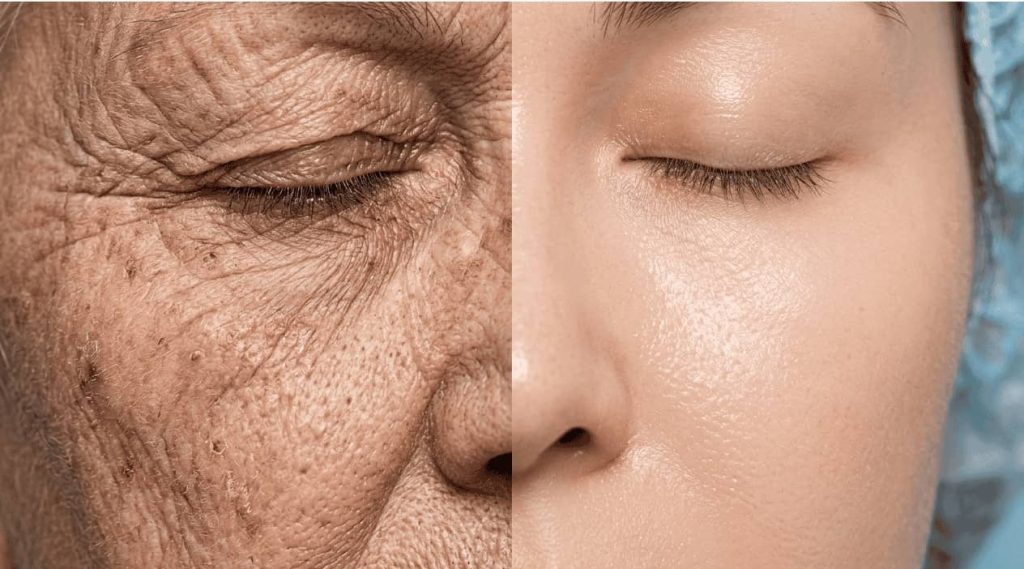
However, this cellular conversation can become disrupted with age and environmental damage. Older or photodamaged cells tend to send out fewer exosomes. The exosomes they do release may carry corrupted or diminished messages. The signal for collagen synthesis might grow faint. The instruction to regulate inflammation may get lost. This breakdown in communication contributes directly to the visible signs of aging: thinning skin, wrinkles, and slow healing. The city’s postal service becomes unreliable.
This is precisely where the science of applying exosomes for face treatments enters the picture. The concept is not to introduce a foreign chemical but to supplement the skin’s own diminished communication network. By providing a concentrated source of properly functioning exosomes derived from healthy sources, the goal is to restore clarity and volume to the cellular dialogue. It’s like giving the city a new fleet of efficient couriers carrying the correct blueprints for repair and rejuvenation.
Think of it as a reset for your skin’s native language. Unlike applying a single growth factor that shouts one command repeatedly, a complex exosome preparation delivers a symphony of coordinated signals. These messengers are naturally equipped to navigate to target cells and deliver their cargo efficiently because they are using the body’s own biological delivery system. This represents a more holistic and sophisticated approach to influencing skin behavior at its most fundamental level.
Therefore, understanding exosomes as cellular messengers reframes how we think about skin health and aging. The focus shifts from merely treating symptoms to facilitating core biological communication. When considering advanced aesthetic approaches, grasping this messenger principle is key to evaluating their potential logic and mechanism. This foundational knowledge sets the stage for exploring how these natural particles are harnessed in modern regenerative practices.
How Exosomes Differ from Traditional Growth Factors in Skincare
The fundamental difference lies in the delivery mechanism. Traditional growth factor serums work through a principle of broad diffusion. When applied topically or injected, these isolated protein molecules disperse into the tissue, affecting any cell with the right receptor that they happen to encounter. It’s a less discriminate process, akin to broadcasting a general announcement over a loudspeaker to an entire neighborhood. While this can stimulate activity, it lacks precision and can sometimes lead to unintended effects, like excessive inflammation or off-target cell growth, because the signal is not context-specific.
Exosomes, in contrast, operate as nature’s own targeted delivery system. Each tiny vesicle is a lipid-bound package containing not just one type of growth factor, but a curated cargo of hundreds of bioactive molecules. This cargo includes proteins, lipids, and genetic instructions like RNA. Crucially, exosomes possess surface markers that allow them to be recognized by specific recipient cells. This means they can deliver their complex instructions directly to the intended “address,” much like a courier placing a sealed envelope into the correct mailbox. This inherent targeting is a key reason for the growing interest in exosomes for face rejuvenation, as it promises efficiency with potentially greater safety.
The complexity of the cargo is another major distinction. A traditional growth factor product might contain a handful of synthesized proteins, all shouting similar commands like “divide” or “make collagen.” An exosome preparation delivers a full spectrum of coordinated signals. Think of it as the difference between hearing a single repeated note versus listening to an entire orchestral piece. The exosomal cargo includes not only growth factors but also molecules that regulate inflammation, guide cellular differentiation, and provide antioxidants. This multifaceted communication supports more balanced and harmonious tissue repair.
From a functional perspective, growth factors primarily tell cells *what* to do. Exosomes, however, can also provide the *how*. Through their RNA content, they can temporarily influence gene expression in the recipient cell, essentially providing updated blueprints for cellular functions. This can lead to more sustained changes in cell behavior compared to the transient signal of a single protein. The effect is less about constant external stimulation and more about empowering the skin’s own cells to function more youthfully and autonomously.
Safety and signal duration profiles differ significantly. Because growth factors are potent and act broadly, their use requires careful dosing to avoid complications like fibrosis or keloid formation in susceptible individuals. Exosomes, with their targeted delivery and balanced cargo, may offer a more refined tool with a wider therapeutic window. Their action is often described as “priming” or “educating” native cells, leading to a natural cascade of regenerative activity that unfolds over weeks rather than just days.
Ultimately, this shift represents an evolution from a pharmacological model to an informational one. Traditional approaches often rely on flooding the system with a high dose of a single drug-like substance. The emerging paradigm with exosomes focuses on restoring high-fidelity cellular communication. It’s not about replacing the body’s processes but optimizing its inherent language. This foundational understanding clarifies why this technology is viewed as a significant step forward in regenerative aesthetics for facial skin. The next logical question explores how these messengers are practically sourced and prepared for clinical use.
The Biological Cargo Inside Exosomes for Face Applications
Think of an exosome not as a simple packet, but as a sophisticated biological toolkit. Its membrane is a protective lipid bubble, but its true power lies in the carefully selected cargo it carries within. This cargo is a complex mix of signaling proteins, active genetic instructions, and supportive lipids, all working in concert to instruct and rejuvenate skin cells. For facial applications, this curated payload is what triggers collagen renewal, calms inflammation, and enhances the skin’s fundamental repair processes.
The protein content is perhaps the most direct-acting component. Exosomes carry a diverse array of growth factors and cytokines, but in balanced, physiological ratios. You’ll find proteins like TGF-β, which gently encourages fibroblasts to produce new collagen and elastin—the scaffolding of youthful skin. They also contain antioxidant enzymes such as superoxide dismutase that directly neutralize free radicals from UV exposure and pollution. Crucially, they carry matrix metalloproteinase inhibitors (MMPs), which help block the enzymes that break down existing collagen. This dual action—promoting new building while slowing breakdown—is key for structural rejuvenation.
Perhaps the most revolutionary cargo is genetic: microRNAs (miRNAs). These are short strands of genetic code that do not create proteins themselves. Instead, they function as master switches for gene expression within the recipient cell. A single miRNA can regulate hundreds of genes. In exosomes for face treatments, specific miRNAs can be delivered to dermal cells, effectively “turning down” genes associated with inflammation or cellular senescence (aging), while “turning up” genes linked to repair and vitality. This reprogramming effect at the genetic level underpins the sustained, naturalistic outcomes described earlier.
The lipid composition of the exosome membrane itself is functionally active. It’s rich in cholesterol and sphingomyelin, which not only ensure stability during transit but also facilitate fusion with the target skin cell’s membrane. This allows for efficient delivery of the precious internal cargo. Furthermore, certain lipids in the membrane can act as direct signals, helping to resolve inflammatory responses in conditions like rosacea or post-procedure redness. The membrane isn’t just packaging; it’s an integral part of the delivery and signaling system.
This combination creates a powerful, multi-channel communication. The proteins offer immediate instructions and tools. The miRNAs provide long-term regulatory guidance. The lipids ensure precise delivery and additional calming signals. Together, they address skin aging at multiple levels: structure, cellular function, genetic programming, and inflammatory balance. The holistic impact on facial skin stems from this synergy; it’s not one magic bullet but a coordinated suite of biological directives working in harmony.
Understanding this rich internal cargo clarifies why sourcing matters immensely. The specific contents of an exosome are shaped by the cell that created it. Therefore, the next critical consideration is how these potent vesicles are ethically and reliably harvested and processed to ensure their therapeutic potential for facial rejuvenation is fully preserved and standardized for safe clinical use.
Why Exosomes Are Gaining Attention in Modern Aesthetic Medicine
The human body has used exosomes for cellular communication for millions of years; modern medicine is just beginning to harness this pre-existing system for facial rejuvenation. This fundamental shift from applying external compounds to leveraging the body’s own sophisticated messengers is why exosomes are gaining such focused attention. Unlike topical creams or even injected single-growth factors, exosomes represent a holistic biological package. They offer a more nuanced and potentially safer approach because they replicate a natural process rather than forcing a single, potent reaction.
Consider the traditional model using isolated growth factors. It’s akin to shouting one loud, specific command at your skin cells—like repeatedly yelling “make collagen!” While effective to a degree, this can be imprecise and may lead to unintended effects, such as excessive tissue growth or inflammation. Exosomes, in contrast, operate like a detailed, multi-page instruction manual delivered directly into the cell. They provide a balanced set of commands for repair, renewal, and regulation simultaneously. This coordinated signaling is less likely to overwhelm the skin’s natural balance, aiming for harmonious rejuvenation rather than forced stimulation.
Scientific interest is also fueled by their targeted delivery system. The exosome membrane acts like a smart envelope with a specific cellular “address.” This allows vesicles derived from certain cell types to preferentially find and fuse with skin cells like fibroblasts or keratinocytes when introduced into facial tissue. This intrinsic targeting means more of the therapeutic cargo reaches the intended destination, increasing potential efficacy and reducing waste compared to broader-acting treatments. The mechanism is elegantly efficient, minimizing off-target effects.
Furthermore, research points to their role in modulating the skin’s microenvironment. Aging and damage aren’t just about collagen loss; they involve chronic low-grade inflammation and disrupted communication between different cell types. Exosomes carry molecules that can calm inflammatory signals and restore healthier dialogue between cells. This makes them particularly compelling for addressing complex conditions like persistent redness, poor wound healing, or the delicate skin barrier, where a single-factor approach often falls short.
The appeal for aesthetic practitioners lies in this potential for comprehensive results. The goal is moving beyond simple volume replacement towards truly improving skin quality, texture, and biological function. Early clinical observations suggest treatments with exosomes for face may support improved hydration, more even tone, and a refined surface—outcomes that stem from influencing multiple pathways at once. It’s a strategy aimed at supporting the skin’s innate health mechanisms.
Safety profile is another critical driver of attention. As natural nanoparticles produced by human cells, they are inherently biocompatible. Their membrane structure protects their cargo from degradation until delivery, reducing the need for high concentrations of active ingredients. While research is ongoing, this biological familiarity suggests a favorable risk profile compared to novel synthetic molecules, making them an attractive option for both providers and patients seeking cutting-edge yet rational interventions.
Ultimately, the growing focus on exosomes in aesthetics signals a maturation of the field towards regenerative medicine principles. It’s not merely about adding something to the skin but about providing the tools to help the skin heal and rejuvenate itself more effectively. This represents a significant evolution from corrective to truly restorative care. The next logical question then becomes how these sophisticated tools are prepared and standardized for safe clinical application in facial treatments.
The Science Behind How Exosomes Work on Facial Skin
How Exosomes Deliver Their Cargo to Skin Cells
Exosomes function as nature’s own sophisticated delivery system. They don’t just float near cells; they actively engage with them to transfer critical instructions. The process begins with targeting. Exosomes carry specific proteins and lipids on their outer membrane that act like address labels. These labels allow them to recognize and bind to particular recipient cells in the skin, such as fibroblasts that produce collagen or keratinocytes on the surface layer. This ensures the cargo goes where it is needed most.
Once docked at the cell’s surface, exosomes have two primary methods for delivery. The first and most direct method is membrane fusion. Think of it like two soap bubbles merging into one. The exosome’s lipid membrane seamlessly fuses with the cell’s own membrane. This action opens a pore and dumps the exosome’s internal cargo directly into the cell’s interior cytoplasm. It’s an efficient, immediate transfer of proteins, growth factors, and genetic material ready for use.
The second major method is endocytosis, a process where the cell actively engulfs the vesicle. Here, the bound exosome signals the skin cell’s membrane to fold inward, wrapping around the particle and pinching off to form a new internal bubble called an endosome. Inside this protective compartment, the exosome’s membrane then degrades, safely releasing its contents into the cell’s environment. This controlled uptake is a common cellular process for nutrient absorption.
The cargo itself is the key to the regenerative effects. Beyond growth factors, one of the most powerful components is messenger RNA (mRNA). When delivered into a skin cell, this mRNA can instruct the cell’s machinery to start producing specific beneficial proteins, like collagen type I or elastin. Essentially, exosomes for face treatments can provide the blueprints that help reprogram aged or damaged cells to function in a more youthful, resilient manner.
MicroRNAs are another crucial cargo type. These are small molecules that regulate gene expression. They can act like dimmer switches for cellular activity, potentially turning down genes responsible for inflammation or collagen breakdown. By modulating these pathways, exosomes help shift the skin’s overall state from a catabolic breakdown mode to an anabolic rebuilding phase, promoting a healthier environment.
The precision of this delivery system minimizes waste and off-target effects. Because the contents are protected within the vesicle until the moment of fusion or release inside an endosome, delicate molecules like RNA are shielded from degradation by enzymes in the extracellular space. This allows for a potent effect with a relatively small amount of material, contributing to the favorable safety profile noted earlier.
Ultimately, this targeted cargo transfer is what enables holistic improvements in skin quality. By delivering a coordinated set of instructions directly into skin cells, exosomes can simultaneously support hydration, stimulate structural protein synthesis, and calm inflammation through multiple parallel channels. This multi-pronged intracellular communication is far more nuanced than simply flooding tissue with a single growth factor.
Understanding this mechanism clarifies why exosome science represents such a significant advance. The next consideration is how these potent messengers are collected and processed to create a consistent and pure treatment option for clinical use.
The Role of Exosomes in Stimulating Collagen Production
Collagen is the fundamental scaffolding protein that gives youthful skin its firmness and bounce. As we age, the cells responsible for producing it, called fibroblasts, become less active and more disorganized. Exosomes address this decline not by acting as a simple collagen ingredient, but by delivering a precise set of instructions that reprogram fibroblast behavior. They carry specific microRNAs and growth factors that bind to receptors on the fibroblast’s surface, initiating a cascade of internal signals. Think of it as the exosome delivering a detailed blueprint and the tools needed to restart a stalled construction project, rather than just dumping a pile of bricks on site.
One key instruction set involves turning down the signals for collagen breakdown. Enzymes known as matrix metalloproteinases naturally degrade old collagen, but their activity can become excessive due to sun exposure or inflammation. Certain exosomal microRNAs can inhibit the production of these destructive enzymes. This is akin to a supervisor protecting the existing structural framework before commissioning new builds. By reducing unnecessary demolition, the skin’s existing collagen network is preserved, providing a more stable foundation for new fibers.
Simultaneously, exosomes actively switch on the genes and pathways responsible for synthesizing new, high-quality collagen types I and III. These are the most abundant and structurally important forms in healthy skin. The cargo prompts the fibroblast’s machinery to increase production of the precursor molecule, procollagen. This process is enhanced by other factors within exosomes that boost cellular energy production in the mitochondria. A re-energized fibroblast is simply more capable of the demanding task of manufacturing large, complex proteins over sustained periods.
The sophistication lies in the coordination of these signals. Unlike a single growth factor that might only shout one command—”make collagen!”—exosomes deliver a balanced, multi-part message. This includes instructions for proper collagen alignment and cross-linking. New collagen strands need to be woven into the existing matrix in an organized, crisscross pattern for optimal strength. Exosomal signals help guide this process, promoting the formation of a resilient, three-dimensional meshwork rather than a tangled clump of fibers. This results in improved skin texture and genuine structural support.
The ultimate effect is a gradual restoration of skin density and elasticity from within. Because the treatment with exosomes for face aims to change cellular activity, results are not immediate like a filler but develop over weeks as new collagen is steadily manufactured and integrated. This biological approach targets the root cause of laxity, not just the surface symptom. The process mirrors the body’s own natural repair systems but provides a concentrated, targeted boost to overcome age-related slowdowns.
Therefore, stimulating collagen is a core function of how these vesicles work. By resetting cellular communication to a more youthful state, they help rebuild the skin’s architectural integrity from the ground up. This sets the stage for discussing another critical aspect of rejuvenation: how exosomes influence the skin’s surface texture and barrier function for a smoother, more hydrated appearance.
How Exosomes Boost Elastin for Skin Elasticity
Elastin fibers give skin its remarkable ability to stretch and then snap back into place. Think of them as microscopic, coiled springs embedded within the skin’s support matrix. While collagen provides firmness and structure, elastin delivers resilience and flexibility. As we age, the production of new elastin slows dramatically, and existing fibers become fragmented and lose their spring-like properties. This degradation is a primary reason skin begins to sag and lose its contour. The strategic use of exosomes for facial rejuvenation directly targets this decline by reprogramming the cells responsible for elastin maintenance.
The process begins with cellular communication. Fibroblasts, the skin’s primary architect cells, receive instructions via exosomal cargo to ramp up their production of tropoelastin. Tropoelastin is the fundamental building block, the individual protein subunit that must then be assembled into a functional fiber. This is a complex biochemical construction project. Exosomes deliver not just the initial “produce more” signal but also key guidance molecules that oversee the proper cross-linking and organization of these subunits.
Without proper assembly, tropoelastin proteins cannot form durable, elastic networks. Exosomal signals help facilitate this critical assembly phase. They promote the activity of enzymes that cross-link tropoelastin molecules onto a scaffold of microfibrils. This creates a stable, interconnected web that can repeatedly stretch and recoil. It is this meticulous guidance that helps ensure new elastin is functional and long-lasting, rather than a disorganized, ineffective clump of proteins.
The result is a gradual restoration of skin’s mechanical properties from within. As new, well-structured elastin integrates with the refreshed collagen network discussed earlier, the skin gains back a degree of its youthful suppleness. This isn’t about creating surface tension but about rebuilding the foundational elastic components. Improvements in elasticity contribute significantly to a firmer facial appearance, reducing the look of laxity and helping to define contours over time.
Furthermore, exosomes help modulate the environment around these precious fibers. They can carry messages that reduce the activity of enzymes which break down elastin. By simultaneously boosting production and helping protect existing structures, exosomes offer a dual-action approach for preserving skin elasticity. This protective aspect is crucial for maintaining results and slowing the visible pace of aging.
Ultimately, supporting elastin is about restoring dynamic function. It allows skin to move, express, and live without permanently losing its shape. The treatment with exosomes for face aims to reignite this intrinsic biological function, encouraging the skin to rebuild its own resilient infrastructure. This process complements collagen stimulation perfectly, working in tandem to address both the structural firmness and the flexible bounce of youthful skin. Together, they form a comprehensive strategy for genuine, biologically-driven rejuvenation that tackles aging at its cellular roots.
Exosomes and Their Effect on Skin Repair Mechanisms
Skin repair is not a random event but a carefully coordinated sequence of biological signals. Exosomes function as the critical messengers that initiate and optimize this entire process. They carry precise sets of instructions directly to your skin’s resident cells, telling them it’s time to shift into regeneration mode. Think of them as a targeted software update for your cellular hardware, activating programs that may have become sluggish with age or environmental damage.
The journey begins when exosomes released into the treatment area are recognized and absorbed by target cells like fibroblasts and stem cells. This recognition is highly specific, akin to a key fitting a lock. Once inside, the exosome’s cargo—a mix of proteins, lipids, and most importantly, nucleic acids like RNA—is released. This cargo does not physically repair anything itself. Instead, it reprograms the cell’s behavior by influencing which genes are turned on or off.
A primary effect is the upregulation of growth factors and proteins essential for tissue remodeling. While traditional topical growth factor serums apply these proteins from the outside, exosomes instruct your own cells to produce a balanced, natural cocktail internally. This endogenous production is more sophisticated and sustainable. It prompts fibroblasts to become more active and efficient in building new collagen and elastin, directly linking to the structural improvements covered earlier.
Beyond building new structures, exosomes significantly enhance the skin’s cleanup and preparation phase. They promote cellular autophagy, the process where cells recycle damaged components and clear out debris. This creates a cleaner, healthier environment for new tissue to form. Furthermore, they modulate inflammation, a double-edged sword in healing. Acute inflammation is necessary to start repair, but chronic inflammation breaks down tissue. Exosomes help calibrate this response, ensuring it is effective but not destructive.
This signaling also supports the vital function of angiogenesis—the formation of new, tiny blood vessels. Improved microcirculation delivers more oxygen and nutrients to the repair site while removing waste products more efficiently. Enhanced blood flow is crucial for sustaining the regenerative activity and contributes to a healthier, more radiant complexion. It supports the metabolic demands of active fibroblasts working hard to rebuild the skin’s foundation.
The cumulative impact on skin repair mechanisms is profound when considering treatments like exosomes for face. By optimizing every stage—from initial signaling and cellular reprogramming to cleanup, controlled inflammation, and improved nourishment—exosomes elevate the skin’s innate healing capacity. This leads to more efficient recovery from both accumulated sun damage and the natural aging process. The skin doesn’t just get new parts; it regains a more competent ability to maintain and repair itself over time.
Ultimately, this approach represents a shift from merely supplying temporary materials to upgrading the skin’s own operational blueprint. The goal is not a one-time fix but fostering a resilient cellular environment where repair mechanisms function at a higher, more youthful level. This foundational upgrade in cellular communication ensures that improvements in firmness, texture, and tone are not fleeting but are supported by a revitalized biological process, setting the stage for discussing long-term vitality and protection in the next phase of treatment.
How Exosomes Modulate Inflammatory Responses in Skin
Inflammation is not the enemy of skin health; it is a necessary, tightly controlled alarm system. When skin is damaged by UV rays, pollution, or irritation, immune cells rush to the site. They release signaling proteins called cytokines to coordinate cleanup and repair. However, in aging or chronically stressed skin, this inflammatory response can become dysregulated—it either overreacts, causing persistent redness and sensitivity, or fails to resolve properly, creating a state of low-grade chronic inflammation that breaks down collagen and impairs healing. This imbalance is where the targeted action of exosomes becomes critical. Treatments utilizing exosomes for face aim to recalibrate this delicate system.
Exosomes function as sophisticated communicators, directly instructing immune cells. They carry specific microRNAs and proteins that can dial down overactive immune responses. For instance, exosomes can promote the activity of regulatory T-cells, which are the peacekeepers of the immune system. These cells help suppress excessive inflammation. Furthermore, exosomes can shift macrophage behavior. Macrophages are large immune cells that consume debris; they can exist in a pro-inflammatory state (M1) or an anti-inflammatory, pro-healing state (M2). Exosome signaling encourages macrophages to adopt the beneficial M2 phenotype, which focuses on tissue repair rather than perpetuating inflammation.
A key mechanism involves the suppression of NF-kB, a primary protein complex that acts as a master switch for inflammation. When activated, NF-kB travels into a cell’s nucleus and turns on genes that produce inflammatory cytokines like TNF-alpha and IL-6. Research indicates that exosomes deliver molecules that inhibit this activation pathway. By preventing NF-kB from signaling so aggressively, exosomes help reduce the production of these inflammatory agents at the molecular source. This can translate to visibly calmer skin with less background redness and a lower propensity for reactive flare-ups.
This modulation creates a more favorable microenvironment for regeneration. Excessive inflammation creates oxidative stress and releases enzymes like matrix metalloproteinases (MMPs) that degrade collagen and elastin. By tempering the inflammatory cascade, exosomes indirectly protect the skin’s structural proteins. This allows fibroblasts to build new matrix in a less hostile, more constructive setting. The process is not about blanket suppression but about restoring intelligent balance—allowing the initial, beneficial inflammatory signal to occur but ensuring it resolves efficiently to make way for pure regeneration.
The clinical implications for skin aesthetics are significant. For individuals with conditions like rosacea or general sensitivity, this immunomodulatory effect offers a promising pathway to greater skin comfort and resilience. For all skin types, reducing chronic inflammatory burden helps preserve youthful structure and function. It turns the skin’s environment from one that constantly fights invisible battles into one that prioritizes orderly repair and maintenance. This foundational calming effect synergizes perfectly with exosomes’ other roles in stimulating collagen and enhancing cellular communication.
Ultimately, by intelligently modulating inflammatory responses, exosomes help shift the skin’s baseline from a state of defensive reactivity to one of receptive renewal. This establishes a stable platform where all other regenerative processes can proceed with optimal efficiency, paving the way for exploring how this integrated activity enhances the skin’s protective barrier against future daily challenges.
Practical Applications of Exosomes in Facial Treatments
Using Exosomes to Accelerate Recovery After Laser Procedures
Laser resurfacing treatments create controlled micro-injuries in the skin to trigger its natural healing and renewal processes. This intentional wounding, however, initiates a complex and demanding recovery phase where the skin must rapidly rebuild itself. The immediate aftermath involves significant inflammation, redness, swelling, and a barrier disruption that can last for days or even weeks. The final cosmetic outcome—smoother texture, reduced wrinkles, or fewer scars—depends entirely on how efficiently and completely this repair process unfolds. Introducing exosomes for face rejuvenation post-procedure acts as a sophisticated biological support system, directly influencing every stage of this critical healing cascade.
The primary benefit lies in dramatically shortening the initial inflammatory window. As discussed, exosomes carry signals that help modulate the immune response. After laser energy hits the skin, immune cells rush to the site, releasing various factors. While necessary, prolonged or excessive inflammation can lead to prolonged redness, increased risk of hyperpigmentation, and discomfort. Exosomes applied topically or via specialized delivery methods after treatment communicate with these immune cells, encouraging a shift from a pro-inflammatory state to a pro-healing state sooner. This doesn’t stop healing; it streamlines it. Patients often experience a noticeable reduction in downtime, with redness and swelling subsiding more quickly than with traditional aftercare alone.
Beyond calming the response, exosomes actively jumpstart the regenerative phase. The heat from lasers can temporarily stun or damage fibroblasts, the skin’s collagen-producing cells. Exosomes deliver a direct payload of growth factors, messenger RNAs, and proteins that re-energize these fibroblasts. They provide precise instructions to accelerate proliferation and ramp up production of new collagen and elastin fibers. This is not a passive waiting game; it’s an active cellular intervention. The result is that the skin begins laying down its new structural framework earlier in the recovery timeline, which can lead to visible results appearing sooner and potentially improving in quality.
Barrier repair is another critical area where exosomes prove invaluable. The laser compromises the skin’s outermost protective layer, increasing trans-epidermal water loss and leaving it vulnerable to irritation and infection. Efficient barrier restoration is paramount for comfort and safety. Exosomes stimulate keratinocytes—the primary cells of the epidermis—to proliferate and differentiate more rapidly. They enhance the formation of the lipid matrix that holds skin cells together like mortar. This fortified barrier recovery helps lock in moisture, reduces tightness and itching, and protects the vulnerable new skin as it forms, creating a more optimal environment for healing.
For patients concerned about post-inflammatory hyperpigmentation—a common risk, especially in darker skin tones—the regulatory capacity of exosomes offers a preventive advantage. By promoting a more balanced inflammatory environment and supporting healthier fibroblast function, exosomes help mitigate some of the signals that can over-stimulate melanocytes, the pigment-producing cells. This contributes to a more even-toned recovery, minimizing dark spots that can sometimes follow aggressive procedures.
Ultimately, integrating exosomes into post-laser protocols represents a shift from passive recovery management to active regenerative guidance. It leverages the body’s own communication systems to optimize a biological process we intentionally start with technology. The goal is not just faster healing but better healing—ensuring the skin rebuilds itself with robust structure and integrity. This approach underscores how modern aesthetics is moving beyond simple injury-and-response toward truly intelligent tissue engineering, setting the stage for discussing how these principles apply to combating chronic signs of aging in everyday skin maintenance.
How Exosomes Enhance Results from Microneedling Treatments
Microneedling creates hundreds of microscopic channels in the skin, which is far more than a simple physical injury. These precise channels act as direct delivery pathways and a powerful signal to the skin’s repair systems. The procedure essentially tricks the skin into initiating a controlled wound healing response. This process naturally stimulates fibroblasts, the cells responsible for producing collagen and elastin. However, the quality and efficiency of this rebuilding phase can vary greatly depending on the individual’s age, health, and cellular vitality. This is where introducing exogenous exosomes becomes transformative. By applying a concentrated preparation of exosomes for face treatments immediately after microneedling, practitioners are delivering a targeted payload of regenerative instructions directly into the areas where new skin is being formed.
Think of microneedling as creating the construction site and clearing the old infrastructure. The exosomes then arrive as the expert foreman, architects, and specialized workers all in one. They don’t just add more raw building materials; they optimize the entire construction process. The exosomes are absorbed through the micro-channels and communicate with local skin cells like fibroblasts and keratinocytes. They carry specific instructions that encourage fibroblasts to not only produce more collagen but to produce the right types of collagen in a more organized manner. Research indicates that exosome signaling can upregulate genes for Type I and Type III collagen, which are crucial for skin strength and flexibility. This leads to a denser, more resilient dermal matrix rather than just a bulk quantity of poorly organized fibers.
The benefits extend deeply into improving skin texture and reducing scarring. For individuals with acne scars or uneven texture, microneedling alone can help remodel tissue. When combined with exosomes, the remodeling becomes more intelligent and efficient. The vesicles modulate the inflammatory response that follows needling, preventing it from becoming excessive or prolonged. Chronic inflammation can actually break down collagen and hinder ideal healing. By promoting a balanced, pro-regenerative environment, exosomes help ensure the healing energy is directed toward structured rebuilding rather than chaotic repair. This results in smoother scar effacement and a more uniform skin surface over fewer treatment sessions.
Hyperpigmentation and tone irregularities also see marked improvement with this combination therapy. Microneedling can sometimes pose a risk of post-inflammatory hyperpigmentation, especially in melanin-rich skin. The biological messengers within exosomes help regulate melanocyte activity. They can carry miRNAs that downregulate pathways involved in excess melanin production. By integrating this calming, regulatory signal at the moment of treatment, the skin is guided toward a more even-toned recovery. This makes the combined approach particularly valuable for achieving a clear, luminous complexion without dark spots.
Ultimately, marrying microneedling with exosome application creates a powerful synergy that elevates a mechanical procedure into a comprehensive regenerative treatment. The needles provide access and stimulus; the exosomes provide the precise biological blueprint for superior repair. Patients often observe not just incremental change but a significant improvement in overall skin quality—refined pores, diminished fine lines, and a healthy glow—that surpasses what microneedling achieves alone. This partnership exemplifies how modern aesthetics leverages biology to guide technology, setting the stage for exploring standalone topical strategies for daily rejuvenation.
Standalone Exosome Treatments for Anti-Aging Benefits
Exosomes offer a compelling path to younger-looking skin without needles or downtime. Unlike treatments that require physical injury to the skin to trigger a response, these vesicles work through biological signaling. When applied topically in professional formulations designed for deep penetration, they deliver their cargo directly to your skin cells. This cargo instructs cells to boost collagen production, enhance elasticity, and improve overall vitality. Think of it as sending a direct software update to your skin’s cellular machinery, telling it to operate like a younger version of itself.
The science hinges on communication. As we age, cellular communication breaks down; cells become less responsive and productive. Exosomes restore this dialogue. They carry specific instructions in the form of microRNAs and proteins that tell fibroblast cells—your skin’s collagen factories—to become active again. They also signal to older, slower cells to rejuvenate their functions. This process is not about adding a foreign substance but about leveraging your body’s own natural language for repair and renewal. It’s a fundamental shift from simply stimulating cells to expertly guiding them.
For addressing fine lines and wrinkles, the mechanism is direct. Exosomes promote the synthesis of both collagen type I and elastin, the key structural proteins that give skin its plumpness and snap. Over time, sun exposure and natural aging degrade these proteins. While many creams aim to support them, exosomes actively instruct cells to rebuild them. This can lead to a gradual filling in of fine lines, particularly around the eyes and mouth, and an improvement in skin texture that feels firmer and more resilient from within.
Skin hydration and barrier function also see profound benefits. A strong skin barrier is essential for retaining moisture and protecting against environmental aggressors. Exosomes can enhance the production of key barrier components like ceramides and support the health of the skin’s outermost layer. Furthermore, they carry antioxidants that help neutralize free radicals from pollution and UV exposure. This dual action fortifies the skin’s defenses while improving its innate capacity to stay hydrated, resulting in a dewier, more radiant complexion.
Many seek exosomes for face rejuvenation precisely because it is a gentle yet potent protocol. A typical treatment involves a provider thoroughly cleansing the skin before applying the exosome serum, often using methods like sonophoresis (ultrasound) or specialized tools to ensure optimal delivery without breaking the skin. There is no pain or recovery period; patients can resume normal activities immediately. The effects are cumulative and develop over weeks as cellular activity ramps up, making it an ideal option for those seeking gradual, natural-looking improvement.
Compared to traditional anti-aging approaches, standalone exosome therapy represents a different philosophy. It moves beyond temporary plumping or surface-level exfoliation to target the foundational cellular processes of aging. The goal is not just to look refreshed for a few months but to genuinely improve the long-term health and function of the skin. This makes it a powerful option for proactive aging prevention and for those with sensitive skin who may not tolerate more aggressive procedures well.
Ultimately, choosing standalone exosome treatments is an investment in cellular education. It empowers your skin with the knowledge to maintain itself better. While results vary, consistent treatments can lead to sustained improvements in tone, texture, and luminosity that reflect healthier skin biology. This foundational approach naturally complements other strategies, setting the stage for understanding how these powerful vesicles are also revolutionizing healing after more invasive cosmetic procedures.
What to Expect During a Typical Exosome Treatment Session
A typical session for exosomes for face rejuvenation is a streamlined, in-office procedure often completed within an hour. It begins with a thorough consultation and skin analysis, where a provider assesses your specific concerns—like fine lines, dullness, or uneven texture—to confirm the treatment’s suitability. This personalized plan ensures the exosome solution is applied to areas that will benefit most from the cellular signaling. Your skin is then meticulously cleansed to remove any oils, makeup, or environmental debris that could create a barrier. This preparatory step is critical; a perfectly clean canvas allows for maximum absorption and efficacy of the biological messengers contained in the exosome serum.
The core of the treatment involves carefully opening microscopic pathways in the skin’s outermost layer, the stratum corneum. This is achieved using advanced, non-invasive delivery technologies such as low-frequency ultrasound (sonophoresis) or specialized electrical devices. These tools use gentle energy to temporarily create tiny channels between skin cells without causing pain or visible damage. Think of it as opening thousands of invisible doors for the exosomes to walk through. This process feels like a mild, warm tingling or a subtle vibration on the skin. It is fundamentally different from needles or abrasion, preserving the skin’s barrier integrity while enabling deep delivery.
Following this priming, the exosome-rich serum is applied topically. The provider massages or mists the formulation onto your skin, ensuring even coverage across the treatment area. The consistency is often similar to a lightweight gel or advanced serum. Because the pathways are pre-opened, the exosomes and their cargo of growth factors and RNA can penetrate deeply into the dermal layers where fibroblast cells reside. This direct delivery system bypasses the guesswork of traditional topical products, which struggle to reach these living cellular targets. You will feel only the cool, soothing sensation of the serum itself during this pivotal phase.
There is no downtime or recovery period required after the application. You might notice an immediate hydrated glow from the serum’s base ingredients, but the real work happens invisibly beneath the surface over subsequent weeks. You are free to apply a gentle moisturizer or mineral sunscreen immediately and resume all normal activities—including returning to work or exercising—right away. This immediacy is a hallmark of the treatment’s elegance and a key advantage for busy individuals. Providers will simply advise you to avoid harsh cleansers or exfoliants for about 24 hours to let the exosomes initiate their communication undisturbed.
Aftercare is straightforward and focuses on supporting the skin’s natural processes. Consistent use of a high-quality sunscreen is paramount, as newly activated cells are optimizing repair and collagen production. Maintaining a simple, hydrating skincare routine helps create an ideal biological environment for cellular renewal. While a single session can yield noticeable results, practitioners typically recommend a series of treatments—often three to five sessions spaced several weeks apart—for cumulative, transformative effects. This protocol mirrors the body’s own gradual pace of cellular turnover and protein synthesis, leading to sustained improvements in firmness, clarity, and radiance that reflect genuine skin health.
The entire experience is designed to be as comfortable and convenient as it is scientifically advanced, making sophisticated cellular therapy an accessible part of modern aesthetic care. This seamless integration into a regular lifestyle paves the way for exploring how these same regenerative principles are applied to accelerate healing after more invasive procedures.
How Often Should You Get Exosome Treatments for Optimal Results
The ideal frequency for exosome treatments isn’t arbitrary; it’s meticulously designed to synchronize with your skin’s natural biological renewal cycle. Unlike procedures that forcibly injure skin to trigger repair, exosome therapy works by enhancing and guiding your skin’s own innate processes. These processes operate on a cellular schedule that cannot be rushed. Therefore, a standard protocol involves an initial series of treatments, typically three to five sessions, each spaced approximately four to six weeks apart. This interval is crucial because it aligns with the average time it takes for a full cycle of skin cell turnover and new collagen maturation. Think of it as providing consistent, gentle guidance to your cells over one full season, rather than a single loud command.
During this initial series, results tend to develop in a cumulative, layered manner. The first treatment introduces the exosomes’ signaling cargo, which begins to shift cellular activity toward repair and rejuvenation. Patients often report initial improvements in hydration and luminosity after just one session, as cellular communication is optimized. The second and third treatments build upon this newly established foundation. With each subsequent application, the exosomes reinforce their instructions, supporting a deeper and more sustained regenerative response. This phased approach allows for progressive improvements in texture, firmness, and the reduction of fine lines that become more apparent over several months.
For long-term maintenance after completing an initial series, the frequency shifts significantly. Many practitioners recommend a single follow-up treatment every six to twelve months. This maintenance schedule acts as a periodic “booster,” providing fresh signaling to support skin health as part of a comprehensive aesthetic wellness plan. It helps counteract the natural decline in cellular communication efficiency that occurs with age and ongoing environmental exposure. The goal transitions from achieving transformative correction to sustaining the high level of skin quality you’ve attained, making exosomes for face care a potential part of an ongoing regimen.
Individual factors will naturally influence this general timeline. A person’s age, genetic predispositions, specific skin concerns, and overall lifestyle (including sun exposure and stress levels) all play a role in determining the optimal pace. For example, someone seeking to address early signs of aging may require fewer initial sessions than someone aiming to improve skin compromised by significant photodamage. A qualified provider will assess these variables to tailor a plan that matches your skin’s unique biology and your personal aesthetic goals, ensuring the rhythm of treatment is as personalized as the therapy itself.
Understanding this timeline helps set realistic expectations. The rejuvenation from exosomes is not an instant filler effect; it is the gradual emergence of healthier, more functionally robust skin. The most significant and lasting changes—improved density, resilient firmness, and even tone—often become fully evident about three months after completing a series. This delay mirrors the time needed for fibroblasts to produce new structural proteins and for the skin’s layers to reorganize. Patience is key, as the outcome is fundamentally different from superficial plumping; it is a genuine upgrade in skin health that unfolds with time.
Ultimately, the frequency of treatment respects the elegant, methodical pace of cellular life. By aligning clinical sessions with your body’s intrinsic rhythms, exosome therapy promotes results that are not only visible but are also deeply integrated and sustainable. This thoughtful cadence ensures that your journey toward revitalized skin is as natural and coherent as the biological process it supports.
Important Considerations Before Trying Exosomes for Your Face
How Exosomes Are Sourced and Processed for Safety
The biological activity of exosomes is directly tied to their cellular origin and the methods used to isolate them. Not all exosome preparations are created equal, and understanding their journey from source to vial is crucial for safety. The process begins with selecting a healthy donor cell line. These are typically human cells, such as mesenchymal stem cells, grown under strict laboratory conditions. The choice of cell is fundamental because these cells release exosomes packed with specific signaling molecules; their health dictates the quality of the vesicles produced.
These donor cells are cultured in a nutrient-rich solution, and it is into this solution that they naturally release exosomes. The first major safety step occurs here: the complete removal of the original cells. This is critical to ensure the final product contains only the tiny vesicles, not the whole cells themselves. Scientists use a series of filtration and centrifugation steps to separate the much larger cells from the nanoscale exosomes. This physical separation is a primary safety gate, preventing any potential for unwanted cellular activity.
Once separated from cells, the exosome-containing fluid undergoes rigorous purification. This step concentrates the exosomes and removes irrelevant proteins, debris, and other contaminants. Common methods include ultracentrifugation, which spins the solution at extremely high speeds, or specialized filtration techniques that sort particles by size. The goal is to harvest a clean population of exosomes of the correct size range, typically between 30 and 150 nanometers—about one-thousandth the width of a human hair.
Following purification, the most vital safety procedure is comprehensive testing. The final preparation is screened for pathogens like viruses, bacteria, and fungi to ensure it is sterile. Furthermore, scientists characterize the exosomes to confirm their identity. They check for specific protein markers on the vesicle surface that confirm they are indeed exosomes and not other cellular fragments. They may also measure the concentration of particles to ensure consistency and potency from batch to batch.
The entire process, from cell culture to final vial, must occur in a controlled, cleanroom environment to prevent contamination. This manufacturing rigor is what transforms a natural biological process into a reliable aesthetic treatment. When considering exosomes for face treatments, inquiring about these sourcing and processing protocols is essential. A reputable provider should be able to explain their general approach to donor cell selection, purification, and sterility testing without referencing specific brands.
Ultimately, this meticulous focus on sourcing and processing is what allows exosomes for face applications to aim for both efficacy and a high safety profile. It ensures you receive a defined biological signal, not an unknown cellular mixture. This foundational science supports the treatment’s goal of triggering your own skin’s regenerative response safely and predictably. Understanding this background empowers you to have informed discussions about the quality standards behind any potential therapy you consider.
Understanding the Regulatory Status of Exosome Treatments
Currently, exosome preparations intended for human injection or application are not approved by major regulatory bodies like the U.S. Food and Drug Administration (FDA) for aesthetic purposes. This is a critical starting point for anyone researching exosomes for face treatments. The regulatory status is not a reflection on the science itself but on the specific legal pathways for approving biological products. Regulatory agencies classify products based on their intended use and how they are processed. Many exosome preparations fall into a complex category. They are often derived from human cells, which would typically classify them as a biologic drug. As drugs, they would require rigorous clinical trials to prove both safety and effectiveness for a specific condition before they could be marketed legally. This formal drug approval process has not yet been completed for any aesthetic exosome product.
Consequently, most exosome treatments available in clinics operate under different regulatory paradigms that vary by country. In the United States, a common pathway is through the FDA’s enforcement discretion for certain human cell and tissue products. If the exosomes are minimally manipulated and intended for homologous use (meaning they perform the same basic function in the recipient as they did in the donor), they might be regulated as a tissue product. However, experts frequently debate whether processing exosomes meets the “minimal manipulation” standard. This regulatory gray area means many products are supplied for “research use only” or under “patient-specific” prescriptions, which limits direct oversight of their production quality on a national scale. This situation creates a patchwork where clinic standards become paramount.
This regulatory environment places a significant burden of due diligence on the consumer. Since there is no centralized approval guaranteeing a product’s safety profile or consistency, you must investigate the clinic and the source of their exosomes deeply. Ask specific questions about how the product is regulated. A reputable provider should be transparent about the regulatory status of their specific preparation. They should explain whether it is sourced from an FDA-registered tissue establishment, even if not FDA-approved for your specific indication. They should also detail the third-party testing performed, as mentioned in the previous section on processing. This testing often serves as a primary substitute for formal regulatory review.
The lack of standardized approval also directly impacts what claims clinics can legally make about results. Be wary of any provider that guarantees specific outcomes or uses dramatic before-and-after imagery suggesting a universal effect. Without large-scale controlled clinical trials, evidence remains primarily preclinical (from lab studies) or anecdotal (from individual patient reports). Promising early evidence does not equal proven efficacy in diverse human populations. This means your personal response to a treatment using exosomes for face rejuvenation could be variable. The scientific premise is strong, but the clinical proof for consistent aesthetic outcomes is still being gathered.
Understanding this landscape is not meant to discourage but to inform and protect. It highlights why choosing a provider with deep scientific understanding and ethical transparency is non-negotiable. Your safety depends on their commitment to rigorous sourcing and testing protocols that, in a more mature market, would be mandated by law. This knowledge empowers you to distinguish between clinics offering a scientifically-grounded therapy and those simply capitalizing on a trending buzzword. The next logical step is to explore the realistic expectations and potential risks associated with these treatments, given this regulatory context.
What Scientific Research Says About Exosome Safety Profiles
Current scientific literature indicates that exosomes derived from certain sources, like mesenchymal stem cells, generally exhibit a high degree of biocompatibility and a favorable safety profile in preclinical models. This is fundamentally due to their natural origin. Unlike synthetic drugs or foreign materials, these vesicles are a native part of the body’s own communication system. Early-stage clinical studies in fields like wound healing and orthopedics have reported minimal adverse events directly attributable to exosome administration when using rigorously prepared products. The most commonly noted reactions are transient local redness, mild swelling, or tenderness at the injection site—responses typical of many injectable procedures and often resolving within hours to a couple of days.
The inherent safety potential is linked to specific biological mechanisms. Exosomes lack a nucleus and cannot replicate or divide, eliminating the risk of tumor formation from the vesicles themselves, a theoretical concern with whole-cell therapies. Furthermore, they appear to have low immunogenicity, meaning they are less likely to trigger a significant allergic or immune system attack against them. This is crucial for facial applications where excessive inflammation would be counterproductive. Research suggests their action is more about signaling and modulation than forceful commandeering of cell processes.
However, “generally safe” does not equate to “universally risk-free.” The scientific community actively investigates several nuanced safety considerations. One primary focus is the source of the exosomes. Vesicles derived from different cell types carry distinct cargoes and could theoretically induce different effects. The scientific consensus strongly favors using exosomes from non-inflammatory sources for aesthetic purposes. Another critical factor is dosage. While there is no established standard dose for facial rejuvenation, studies in other applications suggest effects can be dose-dependent, and finding the optimal therapeutic window is key to both efficacy and safety.
A paramount safety consideration, underscored by research, is the purity of the final preparation. The main risks identified in literature often stem not from the exosomes themselves but from contaminants in the solution. These could include residual production cell debris, proteins from the growth media used to culture the source cells, or preservatives. High-quality processing aims to isolate only the pure vesicle fraction. Reputable research protocols involve extensive testing for endotoxins (fever-causing bacterial components), sterility, and particle concentration to mitigate these risks before any clinical use.
It is also vital to distinguish between safety and efficacy in research findings. A treatment proving safe in a small study does not automatically confirm it works for its stated purpose. Many early safety profiles for using exosomes for face aesthetics come from small observational reports or extrapolation from other medical fields. Large-scale, randomized controlled trials specifically designed to monitor long-term safety in cosmetic applications are still needed. This gap means potential rare or delayed reactions cannot be fully ruled out by current data.
Therefore, the body of scientific evidence paints a cautiously positive picture regarding short-term safety when key conditions are met: pure exosomes from appropriate sources, prepared under strict laboratory controls, and administered by a skilled professional using proper technique. This professional expertise minimizes physical risks like incorrect injection depth or vascular injury. The existing research supports the notion that the core technology has a sound biological basis for being well-tolerated, but it simultaneously highlights the absolute necessity of stringent manufacturing and clinical practices to translate that potential into real-world patient safety. This understanding naturally leads to questioning what one should realistically expect from a treatment session in terms of results and recovery time.
Setting Realistic Expectations for Exosome Treatment Outcomes
Exosomes are not a cosmetic filler or an instant wrinkle eraser. Their primary biological function is to change cellular behavior through communication, not to physically plump skin. A realistic expectation centers on the concept of “cellular renewal” and “improved skin function.” This process is gradual. The signaling molecules within exosomes instruct your existing skin cells—like fibroblasts that produce collagen—to become more active and efficient. Think of it as upgrading the software of your skin’s workforce rather than importing a new material. The results are improvements in skin quality, not dramatic alterations of structure.
The timeline for visible changes is typically measured in weeks, not days. After a professional treatment using exosomes for face rejuvenation, the initial cellular signaling begins almost immediately. However, the tangible outcomes like enhanced hydration or a more even tone may start to become noticeable around the three to four week mark. The most significant results, particularly those related to new collagen production, follow a biological clock. Since collagen synthesis and remodeling is a slow process, peak effects on skin firmness and fine line reduction are often observed between one to three months post-treatment. This delayed gratification is a key sign of a genuine regenerative process.
You should expect a series of treatments for optimal and sustained outcomes. A single session can provide a positive stimulus, but the effects are not permanent. Your skin cells continuously face environmental stress and natural aging. Most treatment protocols suggested by clinicians involve an initial series of two to three sessions spaced several weeks apart. This approach aims to build a cumulative regenerative momentum. After this, maintenance treatments might be recommended every six to twelve months to support the ongoing improved function of the skin. This is similar to maintaining fitness with regular exercise.
The nature of the results differs from traditional injectables. Do not expect exosomes to replicate the immediate, shape-changing volume of hyaluronic acid fillers or the muscle-paralyzing action of neuromodulators. Instead, look for subtler yet comprehensive enhancements in overall skin health. Common reported improvements include increased radiance and luminosity, better hydration retention, refined pore appearance, a smoother texture, and a reduction in the visibility of fine lines. The goal is a healthier, more resilient complexion that appears naturally rejuvenated.
It is also crucial to understand what exosomes likely cannot do. Based on current evidence and their mechanism, they are not a proven solution for deep static wrinkles, significant volume loss, pronounced sagging (ptosis), or specific scar remodeling. They work within the physiological limits of your skin’s current capacity. Managing expectations means recognizing that while exosomes can significantly improve skin quality and combat early signs of aging, they are not a substitute for surgical procedures or more aggressive interventions for advanced aging concerns.
Individual responses will vary significantly. Your age, genetic factors, baseline skin health, lifestyle habits like sun exposure and smoking, and overall cellular vitality all influence the final outcome. A person with primarily early photoaging may see more dramatic improvements in tone and texture than someone with more advanced structural aging. The treatment works with your biology, so results are personalized and not universally identical.
Therefore, setting realistic expectations means viewing exosome therapy as a sophisticated investment in long-term skin health and function, not a quick cosmetic fix. The value lies in its potential to improve your skin’s intrinsic behavior and quality over time through precise biological communication. This understanding naturally leads to practical questions about how to identify a qualified provider who can deliver this advanced treatment safely and effectively.
Who Makes a Good Candidate for Exosome Facial Treatments
Determining your suitability for exosome therapy begins with understanding your primary skin concerns. The most responsive candidates typically seek improvement in specific areas of skin quality and early aging. These include dull, uneven skin tone, fine lines (especially those visible only with facial movement), mild texture irregularities, and a general lack of radiance. Individuals experiencing early signs of photoaging, such as faint sun spots or loss of luminosity, often see notable benefits. The goal is enhanced cellular communication for repair and renewal, making these surface-level quality issues prime targets. If your main desire is to improve your skin’s fundamental health and youthful glow, you align well with the treatment’s core strengths.
Your overall skin and systemic health are critical factors. Exosomes function by interacting with your native cells, so those cells need to be receptive and capable. Good candidates generally have healthy skin barriers without active, widespread inflammatory conditions like severe rosacea or eczema flare-ups. The body’s internal environment matters too; chronic high stress, poor sleep, and significant nutritional deficiencies can dampen cellular responsiveness. Think of it as preparing fertile ground for a seed. Optimizing your general wellness before treatment can potentially improve outcomes, making the therapy a component of a holistic approach rather than an isolated miracle.
Age and skin aging stage are pivotal considerations. While chronological age is less important than biological age, exosome treatments often show more pronounced effects in individuals experiencing the initial phases of aging, typically from the late twenties to fifties. At this stage, cellular communication begins to decline but remains robust enough to be effectively stimulated. The treatment aims to recalibrate and enhance existing processes. For much younger skin with minimal damage, the relative improvement may be subtle, as there is less dysfunction to correct. Conversely, for very mature skin with substantial structural loss, exosomes alone may be insufficient without combined modalities.
Lifestyle habits directly impact candidacy and results. Significant, unprotected sun exposure and smoking are two major detractors. They create a high-oxidative stress environment that continuously damages skin cells and depletes their regenerative capacity. While exosomes can help mitigate some damage, ongoing destructive habits can overwhelm their positive signaling. A good candidate is either someone with past sun damage now committed to protection, or someone seeking to proactively combat early signs of such damage. The therapy is not a shield against continued poor skincare habits; it is a sophisticated boost for a conscientious routine.
Realistic goals and commitment are non-negotiable traits. As discussed, exosomes are not a single-session solution for dramatic transformation. An ideal candidate understands this is a process-oriented treatment, often requiring an initial series followed by periodic maintenance. They view it as a long-term investment in their skin’s biological function rather than a quick fix before an event. Patience is required, as the most significant improvements in collagen and elastin remodeling unfold over weeks to months following the procedure. This person values subtle, cumulative improvement in health and quality over immediate, drastic change.
Certain conditions or situations warrant caution or disqualification. Anyone with active cancer, a history of certain autoimmune diseases, or who is pregnant or breastfeeding should avoid exosome therapy until consulting thoroughly with their physician. The scientific understanding of how these vesicles interact with complex systemic conditions is still evolving, making prudence essential. Furthermore, individuals with allergies to components used in the application process (like hyaluronic acid in some carrier solutions) must disclose this. A responsible provider will conduct a comprehensive health screening for precisely these reasons.
Ultimately, the best candidate for exosomes for the face is an informed individual with early to moderate signs of aging who prioritizes skin health. They maintain reasonable expectations, lead a generally healthy lifestyle, and seek a science-backed treatment that works in harmony with their biology. They are not looking for a surgical alternative but for a way to optimize their skin’s own performance. Identifying where you fit on this spectrum is the first concrete step toward deciding if this advanced therapy aligns with your needs and circumstances. This self-assessment naturally leads to the next critical step: finding a clinic and practitioner whose expertise matches the complexity of the treatment.
The Future of Exosomes in Facial Rejuvenation and Skin Health
Emerging Research on New Applications for Exosomes
Emerging research is rapidly uncovering how exosomes for face treatments could one day address concerns far beyond fine lines and general hydration. Scientists are now investigating their potential to manage specific, challenging skin conditions by leveraging their natural role in cellular communication and repair. This work moves past the concept of simple rejuvenation toward targeted therapeutic intervention. The future may see exosomes prescribed not just for aging, but for precise dermatological needs.
One promising area focuses on pigmentation disorders, such as melasma and post-inflammatory hyperpigmentation. Early laboratory studies suggest that certain exosomes can regulate melanin production by sending signals to skin cells called melanocytes. They appear to influence the pathways that control how much pigment is made and transferred. This offers a potential future alternative to harsh topical creams or aggressive lasers that can sometimes irritate skin. The goal would be a gentler, biologically-guided approach to achieving a more even skin tone from within.
Another frontier involves using exosomes to support healing in compromised skin barriers, like those seen in eczema or severe dryness. Research indicates these vesicles are rich in lipids and proteins that are fundamental to rebuilding the skin’s protective outer layer. They don’t just add moisture temporarily; they may instruct skin cells to synthesize the necessary components for a stronger, more resilient barrier. For individuals with sensitive or reactive skin, this represents a shift from managing symptoms to potentially correcting the underlying weakness.
Perhaps the most revolutionary applications being explored are in the realm of wound healing and scar remodeling. Studies on animal models show that exosome therapy can significantly accelerate wound closure by boosting blood vessel formation and collagen organization. More intriguingly, they seem to modulate the body’s inflammatory response, which is crucial for minimizing scar tissue formation. This research points toward a future where exosomes could be used post-surgery or after injury to promote healing that is not just faster, but also cosmetically superior with less noticeable scarring.
The source of exosomes is also a major focus for innovation. Beyond traditional stem cell sources, scientists are examining vesicles derived from skin cells themselves, like fibroblasts or keratinocytes. The hypothesis is that these “skin-specific” exosomes might carry an even more tailored set of instructions for facial skin repair. Furthermore, research into engineering or “loading” exosomes with additional beneficial molecules could create next-generation delivery systems. Imagine an exosome designed to carry a specific signal to calm inflammation or boost elastin production precisely where it’s needed.
While this research is largely in preclinical stages, it underscores a fundamental shift in aesthetic medicine: from external correction to internal reprogramming. The potential of exosomes extends far beyond a single treatment modality. As the science matures, we may see a new category of personalized, condition-specific biologic therapies for the skin. This evolving landscape makes choosing a knowledgeable practitioner who stays abreast of genuine science more critical than ever for anyone considering this path today.
How Exosome Technology Might Evolve in Coming Years
The next frontier for exosomes for face applications lies in precision engineering. Currently, most clinical preparations contain a diverse mixture of vesicles. Future methods may isolate specific subpopulations of exosomes based on their surface markers. Think of it like sorting mail. A general treatment delivers all messages. An advanced one selects only envelopes addressed to, say, fibroblast cells or blood vessels. This targeting could drastically increase efficiency, requiring lower doses and minimizing off-target effects. The goal is a purer, more defined biologic agent.
Delivery techniques are also poised for innovation. Beyond simple topical application or micro-needling, researchers are exploring timed-release systems. One concept involves embedding exosomes into a dissolvable hydrogel or bio-compatible film. Applied after a procedure like laser resurfacing, this film would release its cargo over several days. This sustained delivery could mimic the body’s natural healing rhythm more closely than a single application. It ensures signals for repair and regeneration persist exactly when the skin needs them most.
Another evolution involves “priming” or pre-conditioning the exosomes before use. The cells that produce these vesicles can be cultured under specific conditions to load them with desired cargo. For instance, stressing parent cells with low oxygen levels can enrich exosomes with proteins that boost blood vessel growth. Alternatively, bathing cells in nutrients that support collagen synthesis can yield vesicles pre-programmed for that task. This turns the manufacturing process into a tuning exercise, customizing the exosome’s payload for a specific skin concern without genetic modification.
Artificial intelligence and machine learning could revolutionize quality control and personalization. Analyzing vast datasets from patient outcomes might reveal which exosome characteristics correlate with success for wrinkles versus pigmentation. AI algorithms could then analyze a batch of exosomes, ensuring it meets the precise profile for a given condition. In the longer term, a patient’s own skin cell profile could be analyzed to predict which exosome signature would be most beneficial for their unique biology, moving toward truly personalized regimens.
The ultimate evolution may be in vivo targeting. Scientists are working on engineering exosome surfaces to act like homing devices. By attaching specific peptides or antibodies to the vesicle’s membrane, these guided exosomes could seek out and bind only to aging or damaged skin cells that display certain markers. This would be a leap from general communication to direct intervention. It’s akin to sending a repair crew with a specific street address rather than broadcasting a message to an entire neighborhood.
Scalability and cost are significant hurdles for the future. As processes become more complex—like isolating subpopulations or engineering surfaces—manufacturing costs could rise. The challenge for science will be to develop robust, reproducible methods that maintain therapeutic quality at scale. Advances in bioreactor technology for growing source cells and automated purification systems will be critical to making next-generation exosome therapies accessible.
These potential advancements underscore that exosome technology is not static. The fundamental principle—using the body’s own communication system—provides a versatile platform that can be refined. Future effectiveness will hinge not just on the vesicles themselves, but on our growing ability to prepare them with intention and deliver them with strategic timing and precision. This technological maturation promises to enhance the consistency and scope of results one might expect from these treatments.
The logical next question for anyone considering this path is how to navigate the present landscape while this future is being built. Understanding current standards for sourcing and clinical application becomes essential to making an informed decision today, even as we look toward tomorrow’s possibilities.
Integrating Exosomes with Other Advanced Aesthetic Approaches
The true power of exosomes for facial rejuvenation may lie in their ability to optimize and extend the results of other treatments. Rather than acting as a solitary solution, these biological communicators can be strategically combined with energy-based devices, injectables, and topical regimens. This integration aims to create a more holistic and sustained improvement in skin health by addressing different layers and processes simultaneously. Think of it as coordinating a skilled construction crew with advanced machinery for a complete renovation.
Consider their use with laser or radiofrequency treatments. These procedures work by creating controlled micro-injuries in the skin to stimulate collagen remodeling. However, the subsequent healing phase is critical and can be variable. Applying exosomes post-treatment delivers a concentrated signal to precisely those activated repair cells. Research suggests this can shift the healing environment toward more efficient regeneration and less inflammation. The result is potentially a faster recovery with reduced redness, alongside a more robust and structured collagen network forming beneath the surface. This synergy targets both the immediate recovery and the long-term structural goal.
The combination with neuromodulators like botulinum toxin presents another fascinating pathway. While these injectables relax dynamic muscles to smooth wrinkles, they do not directly improve skin quality. Exosomes, however, can target the fibroblasts and keratinocytes in the overlying skin. Using exosomes for face treatments in this context could mean addressing the static texture, hydration, and luminosity of the skin while the muscle activity is temporarily quieted. This two-pronged approach tackles the wrinkle from both its mechanical cause and its visible surface appearance, leading to a more comprehensive refresh.
Topical skincare offers a daily partnership opportunity. While exosomes themselves are typically administered by professionals, their mechanism supports topical actives. Procedures using exosomes can prime the skin by enhancing cellular receptivity and repair capacity. Following such a treatment with high-quality peptides, antioxidants, or growth factors may allow these topical agents to work more effectively. The exosome treatment essentially upgrades the skin’s biological “infrastructure,” making it better able to utilize the nutrients and signals provided by daily care, thus prolonging clinical benefits.
Looking ahead, the most advanced integration may involve sequential timing with biostimulatory fillers. These products, like those based on poly-L-lactic acid or calcium hydroxylapatite, work gradually by provoking the body’s own collagen production over months. A series of exosome treatments could be timed to coincide with the different phases of this neocollagenesis process. The exosomes would provide continuous guidance and support to the fibroblasts engaged in this long-term building project, potentially enhancing the quality and volume of new tissue formed for a superior aesthetic outcome.
This collaborative approach underscores a modern principle in aesthetics: combination therapy often yields superior and more natural-looking results than any single modality. Exosomes, with their foundational role in cell signaling, are uniquely suited to be a unifying element in such strategies. They help ensure that the skin’s response to various interventions is coordinated, efficient, and geared toward genuine regeneration. Therefore, evaluating their role often means considering them as part of a broader plan rather than an isolated procedure.
The logical progression from understanding these combinations is to examine what constitutes a credible and high-quality source for these potent biological tools in today’s market.
What Patients Should Look for in Quality Exosome Providers
Selecting a provider for exosome treatments is a critical step that directly influences both safety and clinical outcomes. The field is rapidly evolving, and not all offerings are equivalent. Your first priority should be the practitioner’s expertise and the clinical environment. Seek out licensed medical professionals—such as dermatologists or plastic surgeons—who have received specific, verifiable training in the use of exosomes for face and other aesthetic applications. The procedure should be performed in a clean, medical-grade setting that adheres to strict sterile protocols, not a spa or salon. A qualified provider will conduct a thorough consultation, reviewing your medical history and setting realistic expectations for what the exosomes can achieve for your specific skin concerns.
The source and preparation of the exosomes themselves are equally vital. Reputable providers should be transparent about the origin of the vesicles. Exosomes derived from human mesenchymal stem cells (MSCs) are currently the most studied for regenerative purposes. You have the right to ask about the donor screening process, which must include rigorous testing for infectious diseases to ensure safety. Furthermore, inquire about the laboratory that processes and purifies the exosomes. The gold standard method is known as size-exclusion chromatography, which isolates intact, functional vesicles while removing potentially harmful cellular debris and proteins. A provider should be able to explain their chosen method of isolation and characterization.
Characterization refers to the scientific verification of what is in the vial. A credible product will have a certificate of analysis from a third-party lab. This document confirms key quality metrics: the concentration of particles (often measured in billions per milliliter), the presence of specific regenerative proteins and growth factors carried by the exosomes, and the size distribution proving they are indeed exosomes (typically 30-150 nanometers). The exosomes should be properly stored in frozen form to preserve their biological activity until the moment of use. Be wary of any clinic that cannot or will not discuss these technical details, as this lack of transparency often indicates an inferior product.
The treatment protocol offered is another indicator of quality. Exosome therapy is not a one-size-fits-all injection. A serious practitioner will tailor the approach based on your goals, potentially combining different application methods. These may include micro-needling to create precise channels for delivery, direct injection into specific areas for deep rejuvenation, or topical application after laser treatments to enhance healing. The provider should explain why a particular technique is recommended for you. Additionally, ask about their experience with handling and reconstituting the exosomes, as improper preparation can damage these delicate vesicles, rendering them ineffective.
Finally, manage your expectations through diligent research. Be skeptical of extravagant claims or promises of permanent results. Authentic providers will present exosome therapy as a sophisticated biological treatment that works with your skin’s own processes to improve quality, texture, and tone over time. They should discuss the typical timeline for seeing results—often weeks as new collagen forms—and the potential need for a series of treatments for optimal effect. A trustworthy professional will also clearly explain all associated costs during your consultation, with no hidden fees. By prioritizing medical expertise, product transparency, and customized care, you can make an informed decision that aligns with the advanced science behind this promising field, ensuring your journey into regenerative aesthetics is built on a foundation of quality and safety. This careful selection process naturally leads to considering what realistic outcomes one can anticipate from such a meticulous approach.
Making Informed Decisions About Exosome Treatments for Your Face
Choosing to explore exosome therapy for your face is a significant step toward advanced skincare. This decision goes beyond simply selecting a procedure; it involves aligning a sophisticated biological treatment with your unique skin goals and personal philosophy on aging and wellness. The first, and most critical, question to ask yourself is: what are you truly hoping to achieve? Exosomes are not a quick fix for deep wrinkles or significant volume loss; they are communicators that aim to improve overall skin health. Realistic goals include enhancing skin texture for a smoother feel, reducing the appearance of fine lines, improving tone and luminosity, and strengthening the skin’s barrier function. If your primary goal is dramatic lifting or erasing deep folds, other modalities might be more appropriate. Understanding this fundamental action helps set a clear benchmark for success.
Next, consider your tolerance for a gradual, natural-looking process. Unlike fillers that provide immediate volume or neurotoxins that freeze movement within days, exosomes work by instructing your skin’s own cells. The visible results are the product of new collagen synthesis and cellular renewal. This biological timeline means you may not see noticeable changes for several weeks, with improvements continuing subtly over two to three months. Do you value a slow, holistic rejuvenation that builds from within, or do you prefer more immediately apparent corrections? Appreciating this timeline is essential for personal satisfaction and prevents disappointment with this nuanced technology.
Your overall health and lifestyle are also pivotal factors. Exosomes function within your body’s existing biological environment. Factors like chronic inflammation, poor nutrition, significant sun exposure, or high stress levels can hinder your skin’s regenerative capacity and potentially dampen the treatment’s efficacy. A commitment to supporting skin health from the inside—through a balanced diet rich in antioxidants, consistent sun protection, adequate sleep, and stress management—can create an optimal internal landscape for the exosomes to work effectively. Viewing the treatment not as a standalone miracle but as the pinnacle of a supportive skincare regimen maximizes its potential benefits.
Financial investment is another practical layer. Exosome treatments represent a premium category in aesthetic medicine due to the complex technology involved in their isolation and preparation. Costs can vary widely but are typically higher per session than traditional growth factor serums or standard microneedling. It is wise to evaluate this as a long-term investment in skin quality rather than a routine expense. Consider your budget and how it compares to other annual skincare expenditures. Some individuals may find value in allocating resources toward this cutting-edge approach, while others might prioritize a different combination of treatments.
Finally, reflect on your comfort level with an evolving field. The science of exosomes for face rejuvenation is robust and growing, but clinical protocols continue to be refined. Are you comfortable being an early adopter of a treatment that is based on strong biological principles but is still establishing its long-term aesthetic data? This requires a degree of trust in the science of extracellular vesicles and in the expertise of your chosen provider. Thoroughly researching the core mechanisms, as discussed earlier, builds this foundational trust and separates realistic hope from speculative hype.
By honestly answering these questions about goals, patience, lifestyle, budget, and scientific comfort, you move from passive interest to active, informed consideration. This personal framework ensures that if you proceed with exosome therapy, you do so with clarity and realistic expectations, fully prepared to partner with your skin’s innate biology for rejuvenation. This thoughtful approach naturally leads to considering how this field might continue to evolve and what future innovations could bring.