
What Are Exosome Therapies and Why Should You Care?
How Exosomes Work as Nature’s Delivery System
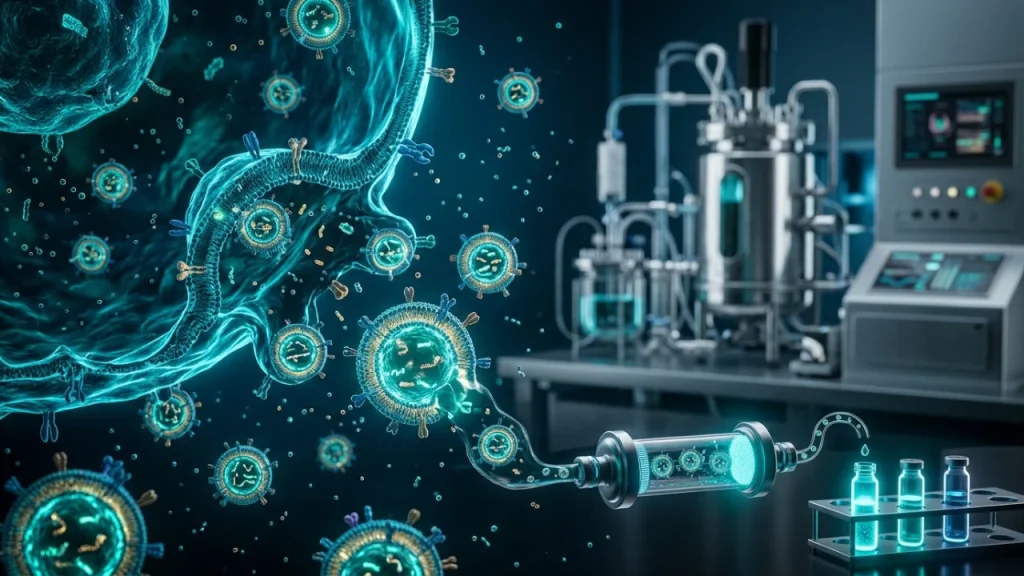
Exosomes are tiny biological messengers. They shuttle vital cargo between cells. Think of them as nature’s own fleet of sophisticated delivery trucks. Each exosome is a small bubble, or vesicle. It forms inside a cell.
Cells pack these vesicles with specific cargo. This cargo can include: – Instructions in the form of RNA. – Tools like proteins. – Even genetic material like DNA fragments.
Once packed, the cell releases the exosome into the body’s extracellular space. It is like launching a tiny capsule into the bloodstream or tissue fluid. The exosome then travels until it finds a target cell.
How does it find the right cell? The exosome’s surface has address labels. These are proteins and lipids that act like GPS coordinates. They match receptors on certain target cells. This ensures the cargo goes to the correct destination.
The delivery process is precise. The exosome can fuse with the target cell’s membrane. It empties its cargo directly into that cell. Sometimes, the target cell swallows the entire exosome. Once inside, the delivered cargo gets to work.
It can change the behavior of the receiving cell. For example, an exosome from a stem cell might send repair signals. It tells a damaged cell to fix itself. An immune cell can send exosomes to alert others about an infection.
This system is incredibly efficient. It allows for rapid, targeted communication across long distances in the body. Cells do not need to be close neighbors to talk. They use these circulating vesicles.
The natural purpose of exosomes is key for therapy. Scientists aim to harness this existing system. The goal is to create exosomes based therapeutics manufacturing. Researchers learn how to load exosomes with specific therapeutic cargo.
They might pack them with drugs or healing RNA. The exosome’s natural targeting ability helps direct treatment. This could mean fewer side effects compared to standard drugs. The therapy goes straight to sick cells.
Understanding this delivery mechanism is the first step. It shows why exosomes are such powerful tools. They work with the body’s own language and logistics. The next challenge is scaling up their production for medicine. This requires a careful and complex manufacturing pipeline.
Why Exosome Therapies Could Change Medicine
Exosome therapies aim to treat diseases by using the body’s own delivery system. They are not a single drug. Instead, they are a new method for sending healing instructions. This approach could solve big problems in modern medicine.
Many current treatments are like broadcasting a message on a loudspeaker. Chemotherapy drugs, for instance, attack all fast-dividing cells. They hit cancer cells but also damage healthy ones. This causes severe side effects. Exosome therapies promise a more targeted approach. They work like a sealed envelope with a specific address.
The potential impact is vast. Consider conditions that currently have no cure or only manage symptoms. Neurodegenerative diseases like Alzheimer’s and Parkinson’s are prime examples. Getting drugs into the brain is famously difficult. The blood-brain barrier protects the brain but blocks most medicines. Exosomes from certain cells can naturally cross this barrier. They could deliver therapeutic molecules directly to brain cells.
Chronic wounds and tissue damage present another challenge. Healing can be slow, especially for people with diabetes. Stem cell therapies have shown promise but face hurdles. Introducing whole cells into a patient is complex and risky. Exosomes from those same stem cells carry the crucial repair signals. They could stimulate healing without the risks of cell therapy.
The field of exosomes based therapeutics manufacturing is exploring these possibilities. The goal is to produce consistent, safe, and potent treatments. This is not simple lab work. It requires industrial-scale processes.
Why should you care about these tiny vesicles? The reasons are compelling. – Precision: They can be engineered to target specific organs or cell types. This minimizes damage to healthy tissue. – Natural Compatibility: Your body already makes and uses exosomes. Therapies based on them are less likely to trigger strong immune reactions. – Versatile Cargo: They can carry many types of healing material. This includes small drugs, proteins, and different kinds of RNA. – Regenerative Potential: They can instruct cells to repair themselves. This goes beyond just blocking a disease symptom.
Current treatments often focus on slowing decline or managing pain. Exosome therapies could shift the goal toward true regeneration and repair. Imagine a treatment for a damaged heart after a heart attack. It could tell heart muscle cells to rebuild rather than just forming scar tissue.
The change would also be economic. Chronic diseases are extremely costly for healthcare systems. A one-time or short-course regenerative treatment could reduce long-term care needs. It could improve quality of life on a large scale.
Of course, this future is not here yet. Turning this science into reliable medicine is the grand challenge. It requires perfecting every step of exosomes based therapeutics manufacturing. Researchers must learn to mass-produce identical exosomes. They must load them with exact cargo doses and ensure they go to the right place.
The promise, however, is real. It is built on a deep understanding of human biology. Medicine is moving from broad-acting chemicals to targeted biological messages. Exosome therapies sit at the forefront of this shift. They represent a move from fighting disease to instructing the body to heal itself. The next step is turning this sophisticated natural system into a practical medical tool for millions.
The Big Challenge: Making Exosome Medicines Reliable
The journey from a promising lab discovery to a medicine you can trust is long. For exosome therapies, it is especially tough. The main reason is nature itself. Our cells do not make exosomes like a factory makes identical pills.
First, the source matters. Different cells release different exosomes. Even the same cell type can release a mixed batch. Think of it like a factory line with no quality control. The exosomes might carry different cargo. They might have different surface signals. This natural variation is a huge problem for medicine. A treatment must be the same every single time.
This leads to the first major step in exosomes based therapeutics manufacturing: getting a pure and consistent product. Scientists must choose a good source cell. They often use stem cells for their healing signals. But growing billions of these cells is its own challenge. The cells must be kept happy and healthy. If they get stressed, they release different exosomes. This can change the therapy’s effect.
Next, scientists must collect the exosomes. Cells release them into a nutrient broth. Separating the tiny exosomes from this broth is like finding needles in a haystack. They are much smaller than cells. Special filters and high-speed centrifuges are used. This process must be gentle. Harsh methods can break the delicate exosome bubbles.
Then comes loading the cargo. Sometimes, scientists want to add extra medicine to the exosomes. They might want to pack in a specific healing RNA or a drug. Getting these molecules inside the exosome is tricky. Methods include: – Electroporation: Using short electrical pulses to open tiny holes. – Incubation: Simply mixing the cargo with exosomes and hoping some gets in. – Sonication: Using sound waves to disturb the membrane.
Each method has trade-offs. Some can damage the exosome. Others are not very efficient. Finding the best way is key.
Finally, every batch must be tested thoroughly. Scientists check for three main things: – Identity: Are these truly exosomes? They look for specific marker proteins. – Purity: Is the sample free of contaminants like cell debris or other vesicles? – Potency: Do they work as intended in a lab test?
This testing adds time and cost. It is absolutely necessary for safety. A patient needs to know the therapy is both safe and active.
The entire process is fragile and complex. A small change in temperature, cell food, or collection time can alter the final product. Scaling up from lab dishes to industrial vats magnifies these problems. Solving them is what makes exosomes based therapeutics manufacturing a frontier of bioengineering. It is not just about making exosomes. It is about learning to command a natural process with industrial precision. The goal is a reliable, scalable, and affordable medicine. That is the challenge now being tackled in labs worldwide.
Starting the Process: Growing Cells for Exosome Production
Choosing the Right Cells for Exosome Manufacturing
The entire journey of exosomes based therapeutics manufacturing begins with a single, crucial choice. Scientists must pick the right cells to act as factories. Not all cells create equal exosomes. The chosen cell type determines the exosome’s natural cargo and its potential healing power.
Think of it like sourcing ingredients for a special recipe. Different plants give different flavors and nutrients. Similarly, different cell types package different molecules into their exosomes. These molecules include proteins, RNAs, and lipids. They form the exosome’s inherent instructions.
Two main paths exist for sourcing these cellular factories. The first uses adult stem cells. Mesenchymal stem cells (MSCs) are a common example. They are found in bone marrow, fat tissue, and other places. MSC exosomes naturally carry signals that reduce inflammation and help repair tissue. They are like general peacekeepers and builders for the body.
The second path uses more specialized cells. Immune cells, like dendritic cells, can be used. Their exosomes may teach the body’s defenses to fight cancer. Even skin cells or milk can be sources. Each has a unique molecular profile.
The choice is not random. It is guided by the intended disease target. For a brain injury, scientists might choose neural stem cells. Their exosomes could carry molecules that support neuron growth. For a heart attack, cardiac cell exosomes might be more effective. They may contain instructions specific to heart muscle repair.
Some cells are also easier to grow than others. They must proliferate reliably in large bioreactors. Stability is key. The cells must remain healthy and consistent over many generations. Genetic stability is equally important. Scientists avoid cell types that might mutate or become abnormal during scale-up.
A major consideration is safety. Using a patient’s own cells is theoretically ideal. This is called an autologous approach. It avoids immune rejection. But it is slow and costly for manufacturing. Using donor cells from a master cell bank is faster. This is an allogeneic approach. It requires rigorous testing to ensure no harmful viruses or prions are transmitted.
Ultimately, selecting the source cell balances several factors. Scientists weigh the desired therapeutic effect against practical manufacturing needs. They ask key questions. Does this cell type produce exosomes with the right biological activity? Can we grow these cells in vast quantities? Can we do it safely and consistently?
This initial decision sets the stage for everything that follows. It defines the raw material’s potential. The next step is learning how to grow these chosen cells on an industrial scale.
How Cell Culture Systems Support Exosome Growth
Cells chosen for exosome production cannot just grow in a dish. They need a carefully controlled environment to thrive. This environment is called a cell culture system. Think of it as a high-tech nursery for cells. The goal is to get many healthy cells to release exosomes consistently.
The system provides everything cells require. It starts with a nutrient-rich liquid called culture medium. This medium is like a superfood smoothie for cells. It contains sugars, amino acids, vitamins, and growth factors. These elements give cells energy and building blocks. They need this to divide and function.
Temperature and gas levels are precisely managed. Most human cells grow best at 37 degrees Celsius. This is our internal body temperature. The system also controls carbon dioxide and oxygen. Stable pH is critical. Cells become stressed if their environment changes. Stressed cells may produce fewer exosomes. Their exosomes might also carry different signals.
Two main types of systems exist for large-scale growth. The first uses flasks or stacked plates. Cells attach to a plastic surface as they grow. This method is good for certain cell types. But it takes up a lot of space. Scaling up requires hundreds of identical flasks.
The second type is a suspension bioreactor. Here, cells grow freely floating in the medium. The bioreactor is a large, sterile tank. It constantly stirs the mixture. This ensures all cells get equal nutrients and oxygen. Bioreactors are the core of industrial manufacturing for exosomes based therapeutics.
Suspension systems offer major advantages for manufacturing. – They allow for much larger volumes of cells in one vessel. – Automated controls monitor conditions like pH and oxygen. – Sampling ports let scientists check cell health without stopping the process.
The choice between systems depends on the source cell. Some cells naturally grow in suspension. Blood cells often do this. Other cells must attach to a surface. Scientists can sometimes adapt these cells to suspension growth. This adaptation is a key step in process development.
Inside the system, cells follow a growth cycle. First, they adjust to their new environment. Then they enter a phase of rapid division. Finally, growth slows as space and nutrients are used. Exosome harvest usually happens during the most active phase. Timing is everything.
The culture system directly impacts exosome yield and quality. A well-run system produces billions of identical cells. These cells then release trillions of exosomes into the medium. The next challenge is separating those tiny exosomes from everything else in the tank.
Engineering Cells to Make Better Exosomes
Scientists can engineer cells to become better exosome factories. This is a key part of the manufacturing pipeline. The goal is simple. We want more exosomes from each cell. We also want those exosomes to carry specific therapeutic molecules.
Think of a cell as a production plant. Its natural job is to survive and function. Exosome release is just one small part of its routine. Scientists can reprogram this plant. They give it new instructions. These instructions tell the cell to focus on making exosomes.
One powerful method uses genetic engineering. Scientists add new genes to the cell’s DNA. These new genes act like blueprints. They guide the cell to produce special proteins.
- Some proteins go directly into the exosomes. A common target is a protein called CD63. It sits on the exosome’s surface. Overproducing CD63 can boost the number of vesicles formed inside the cell.
- Other genes make therapeutic cargo. For example, a gene can instruct the cell to make a healing microRNA. This RNA gets packaged into new exosomes.
- Another strategy targets the export machinery. Genes can enhance the processes that push finished exosomes out of the cell.
This genetic tweaking is precise work. It ensures the final product has the right components. It is a cornerstone of advanced exosomes based therapeutics manufacturing.
Cells can also be engineered without changing their genes. This involves changing their environment. Scientists call this “preconditioning.” They stress the cells in a controlled way.
The stress is not meant to harm the cells. It mimics natural challenges. This triggers the cells’ adaptive responses. A key response is to release more exosomes.
Common preconditioning methods include: – Oxygen levels. Growing cells in low-oxygen conditions simulates injury. Cells often release more exosomes under this stress. – Chemical signals. Adding certain inflammatory molecules to the culture medium sends a warning. Cells react by packaging protective factors into exosomes. – Mechanical stress. For cells grown on surfaces, gentle stretching can activate release.
The choice of method depends on the desired outcome. A heart repair therapy might use oxygen stress. An anti-inflammatory treatment might use chemical signals.
All this engineering serves two main purposes. First, it dramatically increases yield. Engineered cell lines can produce many times more exosomes than normal cells. This makes large-scale production feasible.
Second, it controls quality and function. Scientists do not just want any exosomes. They want exosomes loaded with a specific drug or signal. Engineering makes this targeting possible.
It turns a natural process into a designed system. The cell becomes a reliable, efficient producer. This step is crucial for creating consistent therapies.
After engineering, these super-producer cells are placed into bioreactors. They grow and multiply under ideal conditions. Then they start their real work. They fill the culture medium with valuable exosomes. The next step is to collect that medium and begin the complex task of isolation and purification.
Scaling Up: From Lab Dishes to Large Batches
Scaling up is a major step in exosomes based therapeutics manufacturing. It moves the work from lab benches to large tanks. Think of it like brewing beer. First, you create a perfect yeast strain. That is like engineering the cell line. Then, you need a huge vat for fermentation. For exosomes, that vat is called a bioreactor.
A bioreactor is not just a big dish. It is a controlled environment. It gives cells everything they need to grow and make exosomes. Scientists carefully manage key factors inside it.
- Temperature and acidity. Cells need their environment to be just right, like our bodies.
- Oxygen levels. Sensors constantly monitor and adjust the oxygen supply.
- Nutrient supply. Fresh food is added, and waste products are removed.
This control is vital for consistency. Every batch of therapy must be the same. A bioreactor makes this possible.
The scale of growth is massive. A lab flask might hold 200 milliliters of fluid. A production bioreactor can hold 200 liters or more. That is over a thousand times larger. This scale is necessary to produce enough exosomes for clinical trials and, eventually, for patients.
Cells grow in these bioreactors in two main ways. Some cells are suspended freely in the liquid. Others are attached to tiny beads that float in the culture. The attachment method often mimics how cells grow in the body more closely. Both methods aim for one goal: maximum healthy cell density. More cells mean more exosomes.
The process has distinct phases. First, there is a growth phase. Cells multiply until they reach a high density. Then, the conditions might shift slightly. This shift tells the cells to focus on producing exosomes rather than dividing further. It is like telling a factory to stop building new machines and start making products with the ones it has.
Harvesting happens continuously or in batches. In some systems, old culture medium is slowly taken out. New medium is added at the same time. This method keeps the cells happy and productive for weeks. It also constantly collects the exosome-rich fluid.
The harvested fluid is called conditioned medium. It contains the target exosomes, but also many other things. It has leftover cell food, waste products, and other cell debris. The exosomes are a tiny part of this mixture. Isolating them is the next big challenge.
Scaling up presents new problems. Mixing in a large tank must be gentle. Strong stirring can shear and damage the delicate exosomes. Keeping every part of the huge volume perfectly uniform is difficult. A small change in temperature or acidity in one corner can affect product quality.
Success here defines the entire pipeline. Efficient, large-scale growth is what makes therapies affordable and available. Without it, exosome treatments would remain rare lab curiosities. The next step is to sift through the giant volume of liquid from the bioreactor. Scientists must find and collect the precious exosomes it contains.
Collecting and Isolating Exosomes from Cells
Methods for Separating Exosomes from Cell Culture
After cells release exosomes into the liquid, scientists face a big task. They must separate the tiny exosomes from everything else. This liquid contains cell waste, leftover proteins, and other debris. The goal is to get a clean sample of exosomes. This step is vital for all exosomes based therapeutics manufacturing.
Several methods exist for this separation. Each method uses a different property of exosomes. Scientists often use more than one technique in a row. This gives the purest final product.
One common method is ultracentrifugation. This process uses a very fast spinning machine. The machine is called an ultracentrifuge. It can spin samples at incredible speeds. These forces are many times stronger than Earth’s gravity. Heavier particles sink to the bottom first. Lighter particles, like exosomes, form a pellet later. The scientist then removes the unwanted liquid. They keep the pellet of exosomes. This method is a classic tool. However, it requires expensive equipment. The strong forces can also damage some exosomes.
Another popular technique is size-based chromatography. Think of it as a filter with very tiny pores. The mixture flows through a column packed with special beads. These beads have microscopic holes. Large molecules and debris get trapped or move slowly. Small molecules flow through quickly. Exosomes, being just the right size, come out in the middle fraction. This method is gentle on the exosomes.
Precipitation is a simpler approach. A special solution is added to the liquid. This solution changes the solubility of the exosomes. It makes them less soluble in the water-based fluid. The exosomes clump together and fall out of solution. They become visible as a cloudy precipitate. This method is quick and does not need fancy machines. But it can co-precipitate other things that are not exosomes. Purity can be lower.
Newer methods use immunoaffinity capture. This technique uses antibodies. These antibodies are designed to stick to specific proteins on the exosome surface. The antibodies are attached to magnetic beads or a filter. When the mixture passes by, the exosomes stick to the beads. Everything else washes away. Then scientists release the captured exosomes. This gives very pure exosomes with a specific marker. Yet it is more costly and may miss exosomes without that marker.
The choice of method depends on the goal. Some methods prioritize speed and volume. Others focus on extreme purity or preserving exosome function.
Scientists often combine these techniques. They might start with precipitation to concentrate the sample. Then they use size chromatography for a cleaner separation. Finally, they might use ultracentrifugation to pellet the exosomes for storage.
Each method has pros and cons. Ultracentrifugation is powerful but harsh. Chromatography is gentle but can be slow. Precipitation is easy but less pure. Immunocapture is precise but expensive.
The isolated exosomes are not ready for use yet. They are now in a concentrated form, free from most contaminants. But scientists must still confirm what they have collected. They need to check the size, count, and purity of their exosome sample. This verification is the essential next step before any therapy can be considered.
Why Ultracentrifugation Is Common in Exosome Isolation
Ultracentrifugation uses a simple force of nature: gravity. A regular centrifuge spins samples to separate blood cells from plasma. An ultracentrifuge spins much faster. It creates forces hundreds of thousands of times stronger than Earth’s gravity.
This immense force is called g-force. Think of it as super-gravity. In the tube, everything in the liquid mixture gets pulled downward. Heavier and denser particles sink faster. They form a solid pellet at the tube’s bottom first. Lighter particles sink more slowly.
Exosomes are tiny and have a specific density. They are not the heaviest particles in cell culture soup. Cellular debris and large organelles are heavier. They pellet first at lower speeds. Scientists use a series of spinning steps at increasing speeds.
The process often follows a clear routine. First, a low-speed spin removes whole cells. Next, a medium-speed spin removes dead cell chunks and large debris. The final supernatant is then spun at ultra-high speed.
This last ultra-spin is key. The g-force is finally strong enough to pull the small exosomes out of suspension. After hours of spinning, they collect as a tiny, often invisible, pellet. The leftover liquid is poured off carefully.
Why is this method so common in exosomes based therapeutics manufacturing? It is incredibly versatile and scalable. It does not require special tags or filters that can clog. Researchers can process large volumes of starting material.
The core principle is physical separation by mass and density. It does not rely on chemical labels. This means it can isolate all exosomes from a sample, not just a specific subtype. It captures the natural diversity of vesicles.
The equipment itself is a standard in biology labs. Many labs already have an ultracentrifuge. The method is well-established with decades of published protocols. This makes it a reliable first choice for research.
However, the high g-forces create a harsh environment. The spinning generates heat and mechanical stress. This can damage delicate exosome membranes. It may also cause exosomes to clump together irreversibly.
The process is also time-consuming. A full isolation can take most of a day. It requires significant hands-on work from a skilled technician. Balancing the tubes precisely is critical for safety and success.
Despite these drawbacks, ultracentrifugation remains a gold standard. It provides a fundamental benchmark against which newer methods are compared. For many labs starting exosome work, it is the foundational technique.
Understanding this process shows why isolation is a major step in the pipeline. It turns a complex mixture into a cleaner exosome sample. The next challenge is proving those pellets contain what scientists need for therapy.
Newer Technologies for Cleaner Exosome Separation
Scientists needed better tools for exosomes based therapeutics manufacturing. Ultracentrifugation works, but it can damage exosomes. Newer technologies aim for gentler and faster separation. They also provide much cleaner results.
These methods often use specific physical traits of exosomes. Size, surface charge, and density are key properties. Advanced tools can sort exosomes based on these traits with high precision. This leads to purer samples ready for therapy development.
One popular approach is size-based chromatography. Think of it as a very fine filter. A column contains porous beads. Smaller molecules and proteins get stuck in the tiny pores. Intact exosomes are too big to enter these pores. They flow around the beads and exit the column first. This method is gentle. It avoids high g-forces entirely.
Another technology uses acoustic waves. Sound energy can gently push particles in a fluid. Exosomes experience a different acoustic force than other contaminants. Scientists can tune the sound waves to move exosomes into a separate collection channel. This process is fast and causes minimal stress to the vesicles.
Precipitation methods offer a simple alternative. They use polymers to change the solubility of exosomes in a liquid. The exosomes slowly fall out of solution, like snowflakes. This creates a pellet at the bottom of a tube. It is very easy and requires no special equipment. However, the polymer must be removed later. This adds an extra cleaning step.
Microfluidic chips represent a cutting-edge tool. These are tiny devices with channels thinner than a human hair. As fluid flows through, exosomes can be isolated in several ways. – Some chips use antibodies attached to the channel walls. These antibodies grab only exosomes with a specific marker. – Other designs use nanoscale obstacles to sort exosomes by their physical properties. – These systems work with very small sample volumes. They are ideal for detailed research.
Each new technology improves a specific part of the process. Chromatography is excellent for gentle, large-scale preparation. Acoustic sorting is clean and efficient. Precipitation is wonderfully simple for initial steps. Microfluidics allows for incredibly precise analysis.
The goal of all these methods is purity and function. A therapy requires exosomes that are not only clean but also active. Their membranes must be intact. Their cargo must be protected. Modern isolation techniques help ensure this quality.
These advances are crucial for scaling up production. Reliable, gentle separation is a major step in the manufacturing pipeline. It turns research materials into potential medicines. The next phase involves confirming the identity and strength of these isolated vesicles.
Ensuring Consistency in Exosome Collection
Think of a factory that makes cars. If the assembly line gets a different number of engines every day, making consistent cars is impossible. The same is true for exosomes based therapeutics manufacturing. The process starts with collecting the nutrient-rich fluid where cells have released their exosomes. This fluid is called conditioned media. Getting a consistent amount and quality of this media is the first major challenge.
Cells are not machines. Their behavior changes. Many factors affect how many exosomes they release. Think about what changes a cell’s state.
- Nutrient levels in their food matter. Starved cells may release different exosomes.
- How much oxygen they get changes their output.
- The density of cells in a flask is crucial. Overcrowded cells are stressed.
- Even small temperature shifts can alter their activity.
A research lab might tolerate this variation. A therapy factory cannot. For a medicine, every batch must be nearly identical. This requires controlling every part of the cell’s environment. Scientists grow cells in special bioreactors. These are not simple flasks. They are sophisticated tanks that constantly monitor conditions.
The system automatically adds fresh nutrients. It carefully controls gas levels. It keeps the temperature perfectly steady. The goal is to keep the cells in a steady, happy state for their entire growth cycle. This state is called homeostasis. When cells are stable, they release exosomes at a more predictable rate.
The timing of collection is also a science. Cells release exosomes continuously, but not at a constant speed. Collecting the fluid too early might mean too few exosomes. Waiting too long risks degradation. Exosomes can start to break down in the old fluid. Waste products from the cells can also build up.
The solution is scheduled, frequent harvests. Imagine collecting the conditioned media every 12 or 24 hours during the cells’ peak production phase. This method gives a fresher, more uniform product each time. Each harvest yields fluid with similar exosome numbers and cargo.
This consistency is measured. Scientists take small samples from each collection. They run quick tests to check key markers. They might count particles or measure specific proteins. This data confirms the process is under control. If a collection batch looks different, it can be flagged for extra review before moving to the costly isolation step.
Without this controlled collection, the next stages become unreliable. The most advanced isolation tool cannot fix a bad starting material. Inconsistent collection leads to wasted time and resources. More importantly, it risks making a therapy that does not work the same way for every patient.
Ensuring consistency here sets the foundation for everything that follows. It turns biological variability into a standardized raw material. This controlled raw material is what feeds into the isolation technologies we discussed earlier. Once we have this consistent fluid, the next question is obvious: how do we prove the exosomes inside are what we need them to be?
Loading Exosomes with Therapeutic Cargo
What Kinds of Medicines Can Exosomes Carry?
Exosomes are natural delivery vehicles. Their empty core can be filled with medicine. Scientists can load many different types of therapeutic cargo into them. This turns the exosome into a targeted treatment.
The first major category is small molecule drugs. These are classic chemical medicines. Think of cancer chemotherapy drugs. On their own, these drugs can damage healthy cells. They cause harsh side effects. An exosome can carry these drugs directly to a tumor. This shields the body from the drug during transit. The exosome releases the drug only at the disease site. This method can use less medicine for a stronger effect.
The second category is nucleic acids. These are the genetic instructions for cells. They include short RNA strands and large DNA pieces. – siRNA: These are tiny molecules that silence harmful genes. They can turn off a gene that causes a disease. – mRNA: This is a set of instructions. It tells a cell to make a specific, helpful protein it is missing. – DNA: Larger genetic blueprints can be delivered to fix a cell’s core programming.
Naked nucleic acids are fragile. The body breaks them down fast. Exosomes protect this delicate cargo. They carry it safely into the target cell.
The third category is proteins and peptides. These are the workhorse molecules in biology. Some diseases are caused by missing proteins. Exosomes can deliver replacement enzymes or growth factors. They can also carry signaling proteins that change how a cell behaves. For example, they could deliver proteins that calm an overactive immune response.
The choice of cargo depends on the disease. A genetic disorder may need corrective DNA or RNA. A cancer might need a toxic drug combined with a gene-silencing RNA. The beauty of exosomes based therapeutics manufacturing is its flexibility. The same basic vesicle can be engineered to carry different payloads.
Loading these medicines requires clever methods. Some techniques load cargo after exosomes are isolated. Scientists use electricity or chemicals to open temporary pores in the exosome membrane. The therapeutic molecules drift inside. Then the pores seal shut.
Other methods load the cargo during exosome formation. Scientists engineer the parent cells. They make the cells produce both the exosomes and the desired drug or RNA at the same time. The cell naturally packs its own product into the vesicles it releases. This is like giving the cell a factory order for a specific product.
Each cargo type has its own challenges. Small drugs must stay inside and not leak out. Large genetic material must be packed efficiently without clumping. Proteins must fold correctly to stay active. Successful manufacturing solves these puzzles.
This ability to carry diverse cargo makes exosomes a universal platform. It is a key advantage in modern medicine. But loading the cargo is only part of the story. The next critical step is making sure every batch contains exosomes with the right amount of medicine inside.
Techniques for Putting Drugs Inside Exosomes
Scientists have two main strategies for loading exosomes. They can load cargo after harvesting the vesicles. Or they can load cargo during the vesicle’s creation inside the cell. The chosen method depends on the cargo type. It also depends on the final therapeutic goal.
Post-isolation loading happens outside the cell. Researchers first collect clean exosomes from cell cultures. Then they use physical or chemical forces to open the exosome membrane temporarily. This lets the drug enter.
One common physical method is electroporation. Scientists apply a quick electric pulse to a mixture of exosomes and cargo. This pulse creates tiny, temporary holes in the lipid membrane. The therapeutic molecules, like RNA, slip inside through these holes. When the pulse stops, the membrane seals itself. The cargo is now trapped.
Chemical methods use detergents or similar agents. These chemicals gently disturb the exosome’s outer layer. They make it more permeable. Drugs can then cross into the interior. The challenge is to use just enough chemical to allow entry. Too much can damage the exosome permanently. It is a delicate balance.
Simple incubation is another passive technique. Some small molecule drugs can merge with the exosome membrane on their own. Scientists mix the drug and exosomes together. They let them sit under controlled conditions. Over time, the drug molecules diffuse inside. This method works best for fat-soluble compounds.
The other major strategy is endogenous loading. Here, scientists engineer the parent cell itself. They give the cell new instructions. These instructions tell the cell to produce both the exosome and the therapeutic cargo at the same time.
For example, researchers can insert a gene into the cell’s DNA. This gene codes for a specific healing protein or RNA fragment. The cell’s machinery reads this new gene. It produces the protein or RNA. The cell’s natural packaging system often recognizes this material. It places it into forming exosomes before they are released.
This approach is efficient for complex biological cargo. The cell handles the packing process naturally. It can be like programming a factory to build a product and its packaging together.
Each technique has pros and cons. – Electroporation is good for RNA but may cause cargo clumping. – Chemical methods risk damaging sensitive exosome surface markers. – Incubation is simple but only works for certain small drugs. – Endogenous loading is biologically elegant but gives less direct control over the final drug amount.
The choice directly impacts therapy quality and consistency. It is a core decision in exosomes based therapeutics manufacturing. A successful process loads enough active drug into each vesicle. It also keeps the exosome intact so it can deliver its payload.
After loading, scientists face a new critical task. They must verify that the cargo is truly inside and still functional. They also must separate successfully loaded exosomes from empty ones or free-floating drug molecules. This purification ensures a potent and reliable final product, ready for the next step toward clinical use.
Targeting Exosomes to Specific Cells in the Body
Loading a therapeutic drug into an exosome is only half the battle. The next critical step is ensuring it reaches the right place in the body. An exosome without a targeting system is like a letter with no address. It may get delivered somewhere useful by chance. More likely, it will be filtered out by the liver or spleen without ever finding its target.
Scientists solve this by engineering the exosome’s surface. They add special molecules that act as homing signals. These signals guide the vesicle to particular cells or organs. This targeting is a vital part of advanced exosomes based therapeutics manufacturing. It makes treatments more effective and reduces side effects.
The process often starts with the exosome’s natural “zip code.” Different parent cells produce exosomes with different surface proteins. These proteins can naturally bind to certain recipient cells. Researchers can choose a source cell whose exosomes already tend to go where they are needed. For instance, exosomes from mesenchymal stem cells often migrate to sites of inflammation or injury. This provides a basic level of targeting without any extra engineering.
For precise targeting, scientists actively modify the exosome membrane. They use several key methods.
- Genetic engineering of the parent cell is one common approach. Scientists insert a gene that makes a targeting protein. The cell then produces exosomes with that protein already embedded in their membrane.
- Direct chemical conjugation is another method. Researchers can chemically attach small targeting molecules, like peptides or antibodies, to the purified exosome’s surface.
- Click chemistry is a newer, efficient technique. It allows scientists to “click” targeting modules onto the exosome quickly and reliably.
These added molecules work like keys. They fit into specific “locks” on the surface of target cells. These locks are called receptors. A receptor for a common protein called transferrin is found in high numbers on many cancer cells. By decorating an exosome with transferrin, researchers can steer it directly to those tumors.
The body’s own systems can also help with targeting. Inflamed tissues or tumors often have leaky blood vessels. This is known as the Enhanced Permeability and Retention effect. Small exosomes can passively accumulate in these areas because they slip out of the leaky vasculature. Engineers can design exosomes to be just the right size to take advantage of this natural trap.
Successful targeting must overcome major hurdles. The immune system might recognize engineered exosomes as foreign and destroy them. The targeting signal must also stay active long enough to guide the exosome through the bloodstream. Scientists test targeting by using fluorescent dyes or tracking tags. They watch where the exosomes go in animal models. This confirms if the engineering worked.
Without accurate targeting, even a perfectly loaded exosome may fail. It could deliver its powerful drug to healthy tissue, causing harm. Or it might never reach the diseased cells at all. Engineering a reliable address system transforms exosomes from generic carriers into precision delivery vehicles. This turns them into true targeted therapies. Once exosomes are loaded and targeted, they must be rigorously tested for safety and consistency before they can become a medicine.
Making Sure Cargo Stays Stable During Manufacturing
A loaded exosome is only useful if its medicine arrives intact. The cargo inside is often fragile. Many promising drugs are large, complex molecules. They can unfold, break apart, or lose their power during manufacturing. This makes stability a central goal in exosomes based therapeutics manufacturing.
Think of the process like shipping a delicate glass sculpture. You need a strong box. You also need protective packing inside. For exosomes, the lipid membrane is the box. The internal environment is the packing. Both must protect the cargo from several threats.
The first threat is physical force. Exosomes are often processed through narrow tubes and filters. They face high pressure and shear stress. These forces can rip the vesicle open. They can also smash a delicate cargo like RNA into useless fragments.
The second threat is temperature. Some steps require warmth to help cargo get inside. Other steps need cold storage to slow degradation. Repeated warming and cooling can damage both the exosome and its payload. It can cause clumping or leaks.
The third major threat is enzymes. Cells used to produce exosomes contain natural scissors called nucleases and proteases. These enzymes cut RNA and proteins. If they are not removed, they will destroy the therapeutic cargo from within.
Scientists use several strategies to fight these threats. They design sturdier exosome membranes by adjusting lipid recipes. They add protective molecules to the cargo solution. These molecules act like bubble wrap for drugs.
For genetic cargo like siRNA, a common trick is to lock it in a double-stranded form. This single change makes it much more resistant to heat and enzymes. Another method is to rapidly freeze the finished product. This stops all degrading activity in its tracks.
The manufacturing environment itself is also controlled. Everything happens in clean, enzyme-free buffers. The pH is carefully kept at a neutral level. This prevents acidic or basic conditions from unraveling proteins.
Testing stability is a continuous process. Scientists take samples at each manufacturing step. They check if the cargo is still there. More importantly, they test if it still works. A stable cargo must retain its full biological activity.
They perform stress tests on final products. These tests mimic long-term storage or rough travel conditions. If most of the cargo survives, the process is considered robust. If not, engineers return to the loading or formulation step.
Achieving stability adds time and cost to production. But it is non-negotiable. An unstable therapeutic batch is worthless. It could even be dangerous if degraded products cause side effects.
Successful manufacturing delivers a product that is both targeted and stable. The exosome must reach the right address. The package inside must be in perfect condition upon arrival. Only then can the real treatment begin. The final step is to prove that this complete system is safe and works the same way every single time it is made.
Purifying and Concentrating Exosome Products
Removing Impurities from Exosome Preparations
After loading and stabilizing their cargo, exosomes are not ready for use. They are mixed with a complex soup of leftover materials. This biological debris must be removed. The process is called purification. Its goal is to collect only the intact, cargo-filled exosomes.
Think of it like panning for gold. You have a mixture of mud, rocks, and gold flakes. Your job is to separate the pure gold. In our case, the “gold” is the therapeutic exosome. The “mud” includes many impurities.
These impurities fall into several categories. First, there are leftover cell parts. This includes broken cell membranes and large protein clumps. Second, there are free molecules. This is cargo that never made it inside an exosome. It also includes salts and nutrients from the original cell culture.
Third, and most tricky, are similar-sized vesicles. Cells release other tiny bubbles besides exosomes. Some are slightly bigger or smaller. They have different functions and could cause side effects. A pure sample contains only exosomes.
Scientists use physical properties to separate exosomes from this mix. The main properties are size, density, and surface charge. Different techniques use these properties like filters.
The most common first step is filtration. The mixture is pushed through a membrane with tiny pores. These pores have a specific size cutoff, often around 200 nanometers. Large cell debris gets stuck. Smaller exosomes and proteins flow through. This is a quick way to remove the biggest junk.
For finer separation, scientists often use ultracentrifugation. This is a high-speed spin. The exosome mixture is placed in special tubes. A powerful centrifuge spins them at extreme speeds. These speeds can exceed 100,000 times the force of gravity.
This force pushes denser materials to the bottom faster. Lighter materials stay nearer the top. Exosomes have a specific density. They form a pellet at the bottom of the tube after a long spin. The leftover liquid, called supernatant, is poured off. This removes many free proteins and small molecules.
Another modern method is size-exclusion chromatography. Here, the mixture is passed through a column filled with porous beads. It works like a maze for particles. Small molecules get trapped in the bead pores. They take a longer path through the column.
Larger exosomes cannot enter the tiny pores. They flow around the beads. This gives them a faster, shorter path. They come out of the column first in a purified buffer solution. This method is very gentle on exosome structure.
Each method has trade-offs. Filtration is fast but not perfect for similar-sized particles. Ultracentrifugation is powerful but can damage exosomes due to high force. Chromatography is gentle and precise but can be slower and more costly.
A robust process for exosomes based therapeutics manufacturing often combines two or more techniques. For example, a team might use filtration first to remove big debris. Then they might use chromatography to get a highly pure final sample.
The success of purification is measured in two ways. First is purity. Scientists test the final product for known protein contaminants. A pure sample has very high levels of exosome marker proteins. It has very low levels of proteins from other cell structures.
Second is yield. How many exosomes did you recover from the starting soup? A harsh method might give high purity but low yield. Many therapeutic exosomes are lost in the process. A good process balances high purity with an acceptable yield.
Removing impurities is non-negotiable for safety and consistency. Impurities could trigger an immune reaction in a patient. They could also block the exosome’s therapeutic action. The next challenge is to take this pure, dilute solution and concentrate it into a potent dose.
Concentrating Exosomes for Stronger Therapies
After purification, exosomes float in a large volume of liquid. This dilute solution is not strong enough for treatment. A patient would need an impractically large injection. Concentration solves this problem. It packs the exosomes into a small, potent dose.
Think of it like making orange juice. First, you filter out the pulp and seeds. You have pure juice. But it is very watery. To make it stronger, you boil off the extra water. The flavor becomes concentrated. The process for exosomes is similar but much more careful.
The goal is to increase the number of exosomes per milliliter. Scientists measure this as particles per milliliter. A therapy might need billions of exosomes in just a few drops of fluid. Concentration makes this possible.
Several gentle methods achieve this goal. Each method removes excess liquid without harming the fragile exosomes.
Ultrafiltration is a common technique. The exosome solution is pushed through a special filter membrane. The membrane has extremely tiny pores. Water and small salts pass through easily. The larger exosomes cannot fit through the pores. They are held back. As more liquid is pushed out, the exosomes gather in a smaller volume.
Another method is tangential flow filtration. This is a gentler version of ultrafiltration. The liquid flows across the membrane, not straight through it. This flow prevents exosomes from clogging the filter surface. It is efficient for processing larger volumes. It is a key step in scalable exosomes based therapeutics manufacturing.
Precipitation is a different approach. A special polymer is added to the solution. This polymer makes the exosomes less soluble in water. The exosomes clump together and fall out of solution. Scientists then use a low-speed spin to collect the clumped exosomes. The polymer is removed later. This method is simple but requires careful cleanup.
Dialysis can also concentrate exosomes. The sample is placed in a bag with a porous membrane. This bag is then surrounded by a thick powder or a concentrated solution. Water is pulled out of the bag by osmosis. The exosomes stay inside. The liquid volume inside the bag shrinks.
Choosing a method depends on the scale and the exosome type. All methods must protect exosome integrity. Harsh processes can crush vesicles or cause them to stick together permanently.
Concentration has a direct impact on the final therapy’s strength and stability. A highly concentrated dose ensures enough exosomes reach the target cells in the body. It also allows for longer shelf life if the product is frozen or dried.
After concentration, the exosome product is almost ready. But it is not yet a finished medicine. The final critical step is ensuring what is in the vial matches strict quality standards every single time.
Quality Checks During the Purification Stage
Quality checks happen at multiple points during purification. This is not a single test at the end. Scientists monitor the process to catch issues early. This ensures a pure and safe final product.
One key test measures particle concentration. A machine called a nanoparticle tracker analyzes a tiny sample. It counts how many exosome-sized particles are present. This data is crucial after a concentration step. It tells scientists if the process worked correctly. They can compare the count to the amount of protein or RNA later.
Purity is also checked constantly. A common problem is leftover contaminants. These can include proteins, fragments of cell membranes, or even other vesicles.
Scientists use several methods to check for these impurities. – Protein analysis determines if non-exosome proteins are present. A pure exosome sample has a specific protein profile. – Tests for nucleic acids check what RNA is inside the vesicles. They also confirm that free-floating RNA from broken cells has been removed. – Lipid analysis verifies the exosome membrane is intact and has the right composition.
These checks confirm that the purification steps are working. They ensure that unwanted materials are being removed. This is vital for exosomes based therapeutics manufacturing. Consistency between batches depends on it.
Another critical check is for exosome identity. Not all tiny vesicles are exosomes. Scientists use markers to confirm their catch. They look for specific proteins on the exosome surface. These proteins act like a fingerprint. Common fingerprint proteins include CD63, CD81, and CD9. A technique called flow cytometry can detect these markers. It confirms that the collected vesicles are truly exosomes.
Size and shape are also monitored. An electron microscope can take pictures of the sample. Scientists look for the classic cup-shaped vesicles. They also check that the exosomes are a uniform size. Big clumps of stuck-together exosomes are a problem. So are broken vesicles. Visual proof is very powerful.
All this testing generates a lot of data. Scientists track the numbers at each stage. They establish acceptable ranges for each measurement. For example, a sample after ultracentrifugation must have a particle count within a certain range. Its protein-to-particle ratio must also be low.
If a test result falls outside the range, the process can be adjusted. Maybe an extra wash step is needed. Perhaps a filter is clogged. In-process checks allow for these corrections.
This rigorous approach guarantees quality long before the final vial is filled. It builds safety and effectiveness into the manufacturing pipeline step by step. Once these quality checks are passed, the purified exosomes are ready for their final formulation into a stable drug product.
Testing Exosome Therapies for Safety and Strength
Measuring Exosome Size and Number Accurately
Scientists need exact numbers. They must know precisely how many exosome particles are in a dose. They also need to know the size of those particles. This is non-negotiable for manufacturing exosome-based therapeutics. A therapy cannot be consistent or safe without this data.
Two main instruments provide this information. They are often used together. Each one gives a different piece of the puzzle.
The first tool is Nanoparticle Tracking Analysis, or NTA. This machine uses a laser beam. The laser shines through a liquid sample containing exosomes. Each exosome particle scatters the laser light. A sensitive camera records this scattered light as tiny moving dots.
Sophisticated software then tracks the movement of each dot. This movement is called Brownian motion. Smaller particles move faster and more erratically. Larger particles move slower. The software uses this speed to calculate the size of each particle. It also counts every particle it sees. The result is two key numbers.
- A size distribution profile. This shows what percentage of exosomes are, for example, 80 nanometers versus 120 nanometers.
- A particle concentration. This is given as the number of particles per milliliter of fluid.
The second key instrument is Tunable Resistive Pulse Sensing, or TRPS. It works on a different principle. The sample is pulled through a tiny nano-sized pore in a membrane. A current flows through this pore.
When a single exosome passes through, it briefly blocks the current. The amount of blockage relates to the particle’s size. The duration of the blockage relates to its shape. Each pass is counted individually. TRPS is excellent for detecting very small differences in size. It can also spot if particles are clumping together.
Why use both? They cross-validate each other. NTA gives a broad view of the whole population quickly. TRPS gives highly precise measurements on a particle-by-particle basis. If both methods agree, scientists can be very confident in their data.
Accuracy here is everything. Imagine a batch made for a clinical trial. The dose might be specified as 5 billion exosome particles per injection. If the counting is wrong, a patient could get 1 billion or 10 billion. This could make the treatment ineffective or cause unexpected side effects.
The same goes for size. Size can affect where exosomes go in the body. Smaller exosomes might reach different tissues than larger ones. A consistent size profile means consistent biological behavior.
Therefore, measuring size and number is a final gatekeeper. It happens after all purification is complete. No batch is released without passing strict limits for these parameters. The data proves that the complex manufacturing process worked as intended. It confirms that the final product matches the design.
This quantitative foundation is what turns a biological extract into a reliable medicine. Once size and count are verified, the focus shifts to what’s inside and on the surface of these vesicles.
Checking What’s Inside: Cargo Analysis Methods
The final exosome product is more than just an empty bubble. Its power comes from what it carries. Scientists must check this cargo with great care. This step is called cargo analysis. It confirms the medicine is actually there.
Think of it like checking a delivery truck. First, you confirm the truck’s size and count. That was the last step. Now, you must look inside. You need to verify the cargo matches the shipping order.
The cargo can include many types of molecules. These are the active ingredients. – Proteins: These can signal cells to grow, heal, or change behavior. – RNA (like miRNA and mRNA): These are genetic instructions. They can tell a recipient cell to make a specific protein or stop making one. – Lipids: These are fat molecules from the exosome’s own membrane. They can have biological effects.
Different methods are used to analyze each cargo type. No single test can see everything. Scientists often use a combination of tools.
For proteins, a common method is flow cytometry. This machine can detect specific proteins on the surface of single exosomes. It uses tiny beads that capture the exosomes. Then, lasers light up fluorescent tags attached to antibodies. If the target protein is present, it glows.
Another key technique is ELISA. This is a very sensitive protein test. It works like a molecular sandwich. The exosome sample is added to a plate coated with a capture antibody. If the target protein is present, it sticks. A second detection antibody then binds. This creates a color change that scientists can measure.
To analyze RNA cargo, scientists first extract it. They break open the exosomes to release all the RNA inside. Then they use a process called sequencing. Sequencing reads the exact genetic code of the RNA molecules. It shows every instruction packed into the vesicle.
This reveals the full RNA profile. Scientists can see if harmful RNAs are absent. They can confirm that the desired therapeutic RNAs are present in the correct amounts.
For lipids, mass spectrometry is a powerful tool. This machine identifies molecules by their weight. It can detail the complex lipid makeup of the exosome membrane. This is important because lipids affect stability and how exosomes fuse with target cells.
All this data is compared to a reference standard. This standard defines the ideal cargo profile for the therapy. The batch must match this profile closely.
Why is this so critical? The cargo defines the therapy’s function. An exosome meant to reduce inflammation must carry anti-inflammatory molecules. If it carries the wrong proteins or RNAs, it might do nothing. It could even cause harm.
Cargo analysis completes the picture. Physical checks confirm you have the right number of “trucks.” Cargo analysis confirms each truck is loaded with the correct “goods.” Together, these tests ensure every batch is potent and pure.
This rigorous verification is a cornerstone of reliable exosomes based therapeutics manufacturing. It transforms biological vesicles into consistent, characterized medicines. Once the cargo is verified, the final challenge remains: proving these exosomes work as intended in a living system.
Safety Tests to Ensure Exosomes Are Not Harmful
Safety testing begins with a fundamental check. Scientists must confirm the therapy is free of live viruses and bacteria. Exosomes come from cells grown in culture. That culture medium could become contaminated. Even a tiny amount of a virus could be dangerous for a patient.
A series of tests screen for these threats. The tests look for common contaminants. They also check for endotoxins. Endotoxins are toxic pieces of bacterial cell walls. They can cause high fevers and shock.
- Sterility testing places a sample in nutrient-rich gels. These gels promote microbial growth. If no colonies form after two weeks, the batch passes.
- Mycoplasma testing looks for a specific type of tiny bacteria. Mycoplasma can hide in cell cultures undetected. Special DNA-based tests are used to find them.
- Endotoxin testing uses a sensitive reaction from horseshoe crab blood. If endotoxins are present, the sample forms a gel. The amount of gel shows the toxin level.
Another major safety concern is the exosome source itself. The cells that produce the exosomes matter greatly. For example, exosomes from stem cells might carry signals for growth and repair. But what if those same cells had hidden genetic damage? Their exosomes could potentially carry harmful instructions.
Testing looks for tumor-forming potential. This is especially important for therapies using immortalized cell lines. Scientists often use a test called a soft agar assay. Normal cells cannot grow suspended in soft agar. Cancerous cells can. If the producer cells show this trait, they are not safe.
Researchers also study the exosome’s effect on the immune system. A therapy must not trigger a dangerous overreaction. This is tested both in lab dishes and in animal models. Scientists look for signs of a cytokine storm. This is a severe immune overreaction.
They inject exosomes into test animals. Then they monitor key organs like the liver, lungs, and kidneys. Blood tests check for markers of inflammation or organ stress. After a set period, the organs are examined under a microscope. This pathology review searches for any signs of damage caused by the treatment.
The goal is to prove biological safety. The exosomes must do their job without causing side effects. These tests are a non-negotiable step before human trials. They protect future patients from infection, toxicity, or unintended growth signals.
This rigorous safety profiling is a pillar of reliable exosomes based therapeutics manufacturing. It ensures that these powerful biological particles are benign delivery vehicles. Once safety is confirmed in models, the final step is testing function. The therapy must prove it can achieve its intended biological effect in a living system.
Proving Exosome Therapies Actually Work
Safety testing proves a therapy is not harmful. The next critical question is about its strength. Does the exosome treatment actually do what it is designed to do? Scientists must prove function before human trials.
They test this in controlled laboratory models. The first step often uses isolated cells in a dish. For example, imagine an exosome therapy meant to heal heart tissue after an attack. Researchers would grow heart muscle cells in a special dish. They would then damage these cells on purpose. This mimics a heart attack in a simplified system.
Next, they add the purified exosomes to the damaged cells. A control group gets a neutral solution. After a set time, scientists look for clear signs of repair. They might measure several specific things.
- Cell survival rates: How many damaged cells lived after treatment?
- Growth signals: Are the cells producing more proteins needed for repair?
- Scar tissue markers: Are harmful scarring signals going down?
- Electrical activity: Can the treated heart muscle cells beat in sync again?
Positive results here show basic biological activity. But a dish is not a body. The next proof comes from animal studies. These models have complex systems like blood flow and immune responses.
Researchers use animals with a condition that mirrors the human disease. For a cartilage repair therapy, they might study mice with knee arthritis. They inject the exosome preparation directly into the damaged joint. Then they track changes over weeks.
They use tiny imaging machines to look inside the joint. They measure levels of inflammation in the fluid. At the end of the study, they examine the cartilage under a microscope. They look for new growth of smooth, healthy tissue. They compare the treated group to an untreated control group.
The data must show a statistically significant improvement. The effect must also be dose-dependent. This means a higher dose should lead to a stronger therapeutic response. This proves the exosomes are causing the healing, not random chance.
Another key test is tracking the exosomes inside a living system. Scientists can label exosomes with a safe fluorescent dye. They then inject them into an animal and use special cameras to see where they go. Do they gather at the site of injury? How long do they stay there? This confirms targeted delivery.
For therapies aiming to slow cancer growth, tests are different. Researchers measure tumor size over time in treated animals. They also check if the exosomes help deliver drug cargo directly to cancer cells. Success means smaller tumors or stopped growth compared to controls.
All this work provides the evidence for effectiveness. It turns a concept into a credible candidate therapy. This functional validation is a core part of advanced exosomes based therapeutics manufacturing. It moves the process from making safe particles to making potent ones.
Proving function completes the preclinical picture. The final hurdle is scaling this precise, effective manufacturing for thousands of patients.
Meeting Regulatory Standards for Exosome Medicines
What Regulations Guide Exosome Based Therapeutics Manufacturing
Creating a medicine is not just about science. It is also about following strict rules. These rules exist to protect patients. For exosome therapies, the path is still being defined. No exosome drug has received full FDA approval in the United States yet. This means regulators are building the road as the first vehicles approach.
In the United States, the Food and Drug Administration (FDA) oversees this process. The FDA classifies most exosome therapies as biological products. They can also be considered cell therapy products. This classification is crucial. It determines the entire set of rules a developer must follow.
The core goal of regulation is to ensure three things. First, the product must be safe. Second, it must be consistent from batch to batch. Third, it must do what the maker claims it does. To prove this, companies must submit a massive amount of data. This data covers every step of exosomes based therapeutics manufacturing.
Regulations touch every part of the pipeline. Let’s look at key areas. – Source Material: Where do the exosomes come from? If they come from donated human cells, those cells must be screened for infectious diseases. The donor’s health history matters. – Manufacturing Process: The entire production method must be controlled and documented. This includes how cells are grown, how exosomes are collected, and how they are purified. Any change in this process must be reported and studied. – Testing: Every single batch of exosomes must pass quality control tests. These tests check for purity, strength, and identity. They confirm the batch is free from contaminants like bacteria or unwanted proteins. – Storage and Handling: Rules define how the final product must be stored and shipped. Exosomes might need to stay frozen at a specific temperature. Breaking this chain can ruin the therapy.
In Europe, the European Medicines Agency (EMA) has similar goals but different guidelines. Other countries have their own agencies. A company wanting to sell a therapy globally must meet all these standards. This is a major challenge in exosomes based therapeutics manufacturing.
The regulatory process happens in phases. After preclinical animal studies, a company files an application to begin human trials. This application details all the manufacturing and safety data from lab studies. If approved, Phase 1 trials in a small group of people test for safety. Later phases test for effectiveness and monitor side effects in larger groups.
All this documentation is reviewed before a therapy can be marketed. The entire journey can take many years and cost millions of dollars. It is a necessary system. It ensures that when a new exosome medicine reaches a patient, its benefits far outweigh its risks.
Meeting these standards is the final, non-negotiable step in translating lab science into a reliable treatment. It transforms a promising biological particle into an actual medicine you could one day receive from a doctor.
Documentation Needed for Clinical Trials
Before a single patient receives an experimental exosome therapy, scientists must compile a massive dossier. This collection of documents is called an Investigational New Drug (IND) application in the United States. Its goal is to prove the therapy is safe enough for initial human testing. Every part of the exosomes based therapeutics manufacturing process must be recorded here.
The heart of the application is the CMC section. CMC stands for Chemistry, Manufacturing, and Controls. This part describes how the exosomes are made, purified, and tested. It must prove the process is consistent. Regulators need to see that every batch will be identical. The documents include detailed protocols for growing the source cells. They list every step for collecting and purifying the exosomes.
A full list of all materials used is required. This includes the type of culture flasks and the specific chemicals in the growth medium. Any changes to these materials must be reported. The application also includes validation data for all critical equipment. This proves the machines work correctly every time.
Stability data is another key document. It shows how long the final exosome product remains active and pure under specific storage conditions. This data defines the product’s shelf life. It ensures the therapy will not degrade before it reaches a patient in a trial.
All quality control test results are included. These documents show each batch passed checks for identity, strength, and purity. They also confirm the absence of contaminants like endotoxins or viruses. Results from multiple batches prove consistency.
The application includes a full pharmacological and toxicological report. These are the preclinical study results. They detail what happened when the exosomes were given to animals. Documents show the doses tested and how the animals’ bodies absorbed the particles. They report any side effects observed.
A crucial part is the clinical protocol itself. This document outlines the planned human trial. It states how many participants will be enrolled. It specifies who is eligible to join. The protocol details the dose each group will receive and how often. It explains how doctors will monitor patients for safety.
Investigator brochures are provided for the physicians running the trial. This document gives them all known information about the exosome product. It includes data from lab and animal studies. It helps doctors understand potential risks and benefits.
Finally, the application includes commitments from the manufacturer. They commit to following all current good manufacturing practices (cGMP). They also commit to reporting any serious problems during the trial immediately.
Without this complete documentation package, regulators cannot approve human testing. Each document serves as a checkpoint. Together, they build a bridge from laboratory research to controlled clinical investigation. This careful paperwork protects future patients and ensures the trial yields clear, reliable data about the therapy’s potential.
How Manufacturing Processes Are Validated
Manufacturing exosome-based therapeutics requires a validated process. Validation proves the method works correctly every single time. It turns a laboratory protocol into a reliable factory line.
Think of it like baking. A home recipe might sometimes work. A commercial bakery needs a guaranteed recipe. Their ovens must heat evenly. Each batch must taste identical. Validation provides that guarantee for medicine production.
The goal is to link process steps directly to product quality. Scientists must show that each action creates a predictable result. They run many tests to collect proof.
A key part is process qualification. This happens in three main stages.
First, engineers install equipment correctly. They verify all machines work as designed. This is Installation Qualification, or IQ.
Next, they test the empty system. They run processes without biological materials. They confirm machines perform specified tasks under set limits. This is Operational Qualification, or OQ.
Finally, they perform Performance Qualification, or PQ. This is the crucial test. Scientists run the full process using real cells and materials. They produce multiple batches of exosomes under strict conditions.
They analyze every batch in detail. All batches must meet pre-set quality standards. These standards cover several areas.
- Exosome yield: The process must collect a consistent number of particles.
- Purity: The product must have minimal contaminants like cell debris.
- Identity: The exosomes must carry the correct marker proteins.
- Potency: The exosomes must show their intended biological effect.
Data from these runs proves consistency. It shows the process is not a lucky accident. It is a controlled, repeatable operation.
Another critical area is cleaning validation. Equipment used in production must be thoroughly cleaned between batches. Scientists must prove that cleaning removes all traces of the previous batch. They test for residual proteins or nucleic acids. This prevents cross-contamination.
Scientists also validate analytical methods. The tests used to check exosome quality must themselves be proven reliable. A measurement is useless if the test is unstable.
For example, a test measuring particle concentration must give the same result every time for the same sample. Method validation confirms accuracy, precision, and sensitivity.
The entire facility environment is also validated. Air filtration systems are tested. They must maintain clean air standards. Temperature and humidity monitors are checked for accuracy.
All this evidence forms a validation master file. This document is submitted to regulators. It contains reports from every qualification test and study.
Regulators review this file carefully. They want to see a robust, well-understood process. A validated process minimizes risks in human trials. It ensures patients receive a consistent therapeutic product.
Without successful process validation, regulators will not approve clinical testing. Proven manufacturing is the foundation for safe exosome medicines. This rigorous proof builds trust that the therapy can be scaled from the lab to the clinic reliably.
The Future of Exosome Based Therapeutics Manufacturing
Advances That Could Make Exosome Production Cheaper
The high cost of making exosomes is a major hurdle. New advances aim to slash these expenses. Cheaper production could make these therapies available to more patients.
One key area is cell culture. The nutrient broth that cells grow in is very expensive. It contains growth factors and proteins. Scientists are creating chemically defined, animal-free media. These new formulas have no animal components. Their exact recipe is known and consistent. This makes scaling up more predictable. It also cuts costs by up to half in some models.
Better bioreactors are also vital. Traditional flasks are labor-intensive. Large, automated bioreactors can grow more cells in less space. They constantly monitor conditions like oxygen and pH. Some new designs use gentle wave-like motions to mix cells and food. This is gentler than old stirring methods. It helps cells stay healthy and produce more exosomes.
Downstream processing is another cost center. Isolating pure exosomes from cell soup takes many steps. New methods are streamlining this. – Tangential flow filtration uses special membranes to quickly concentrate exosomes. It is faster than ultracentrifugation. – Acoustic wave separation uses sound waves to gently push exosomes into a separate stream. It avoids harsh forces. – These continuous processes can run non-stop. They are more efficient than batch methods.
Genetic engineering of parent cells is a powerful tool. Scientists can modify cells to become super-producers. They insert genes that make cells release more exosomes. Other modifications make exosomes easier to purify. For instance, adding a tiny tag to the exosome surface allows quick capture with a magnetic bead. This simplifies cleaning and boosts final yield.
Automation and artificial intelligence are entering the lab. Robots can handle repetitive tasks like feeding cells or sampling. AI software can analyze production data in real time. It can spot patterns humans might miss. The system can then adjust conditions automatically to optimize output. This reduces human error and labor costs.
Standardization will drive down costs significantly. Today, each research team might use its own unique process. The industry is moving toward common standards for exosomes based therapeutics manufacturing. Shared methods and quality checks will create economies of scale. Equipment and reagents will become cheaper as demand grows.
Some researchers are exploring unconventional cell sources. Certain plants or bacteria might be engineered to produce exosome-like vesicles. These organisms are cheap and easy to grow at large scale. This could bypass many costs of mammalian cell culture entirely.
The goal is a closed, automated system from start to finish. Cells go in one end. Purified, filled exosomes come out the other end with little human touch. This factory-like approach is the future of reliable and affordable exosomes based therapeutics manufacturing.
Each advance alone brings a modest saving. Combined, they could transform the economics of the entire field. Lower costs will accelerate clinical trials and eventually bring treatments to patients who need them. The next challenge lies in what we put inside these efficiently produced vesicles for targeted healing.
Personalized Exosome Therapies on the Horizon
Imagine a treatment designed just for you. It would match your unique biology. This is the promise of personalized exosome therapies. The efficient exosomes based therapeutics manufacturing pipelines now being built will make this possible. They will move beyond one-size-fits-all medicine.
Personalization can happen in two main ways. The first method changes the source of the exosomes. Doctors could use your own cells. A small sample of your blood or skin could be collected. Your cells would be grown in a lab. They would then produce exosomes that your body recognizes as self. This greatly reduces the risk of an immune reaction.
The second method changes the cargo inside the exosomes. Think of exosomes as tiny delivery trucks. Scientists can load them with specific healing instructions for your condition. For a tumor, they might pack a drug that targets your cancer’s unique mutation. For a damaged heart, they could load molecules that tell your cells to repair tissue.
Creating these treatments requires advanced technology. Here is a simplified view of the process: – A patient provides a cell or tissue sample. – Doctors analyze the patient’s specific disease profile. – Researchers select or engineer the optimal exosome source and cargo. – The custom batch is produced using automated, scalable systems. – The final product is quality-checked and delivered back to the patient.
This approach is especially powerful for complex diseases. Cancer is a prime example. No two tumors are exactly alike. A treatment using exosomes loaded with personalized cancer drugs could be far more effective. It could also have fewer side effects than standard chemotherapy.
Autoimmune diseases are another target. In conditions like rheumatoid arthritis, the body attacks itself. Personalized exosomes could carry calming signals to precisely the overactive immune cells. They could tell those cells to stop the attack.
The timeline for these therapies is still years away. Major hurdles remain. Regulatory pathways for custom biologic drugs are new and complex. Each batch made for one patient needs its own rigorous safety testing. This makes speed and cost critical. That is why the scalable manufacturing methods discussed earlier are so essential. They provide the foundation for affordable personalization.
The future factory will not make millions of identical vials. It will make one unique vial for you. Then it will reset and make a different vial for someone else. This agile, on-demand model represents the ultimate evolution of exosomes based therapeutics manufacturing. It shifts the focus from mass production to precise individual healing. The final step is ensuring these smart vesicles reach the right address in the body.
How Exosomes Might Treat Various Diseases Soon
Exosomes can naturally cross the blood-brain barrier. This is a major hurdle for most drugs. The brain is protected by a tight shield of cells. Large molecules cannot get through. But tiny exosomes from certain cells can pass this barrier. This opens new doors for treating brain diseases.
Doctors could load exosomes with healing RNA or proteins. These exosomes would then deliver their cargo directly to brain cells. This approach is being studied for conditions like: – Alzheimer’s disease: Exosomes might carry tools to clear toxic protein clumps. – Parkinson’s disease: They could deliver factors to protect dying neurons. – Brain tumors: Exosomes could target chemotherapy straight to the cancer, sparing healthy tissue.
Heart disease is another key target. After a heart attack, scar tissue forms. This weakens the heart muscle. Researchers are testing exosomes that carry signals for repair. These signals might tell heart cells to regenerate. They could also reduce harmful inflammation. The goal is to help the heart heal better after injury. This could prevent future heart failure.
The field of orthopedics is also watching closely. Arthritis breaks down cartilage in joints. Exosomes from stem cells show promise here. In lab studies, they help reduce joint inflammation. They also seem to encourage cartilage regrowth. A future therapy might involve injecting these exosomes directly into a painful knee. This could delay or even avoid the need for major surgery.
Wound healing is a very active area of research. Chronic wounds, like diabetic foot ulcers, often will not close. They get stuck in a state of constant inflammation. Exosomes can be designed to change this environment. They might carry instructions that tell the wound to switch from inflammation to repair. This would speed up the natural healing process. It could prevent infections and amputations.
The common thread in all these applications is targeting. Exosomes are not just simple bags of medicine. They are smart delivery systems. Their surface can be decorated with address labels. These labels guide them to specific organs or even specific cell types. This precision makes them powerful tools for exosomes based therapeutics manufacturing. The factory makes the vehicle. Scientists then equip it with the right map and the right cargo.
For each disease, the manufacturing challenge is similar but unique. The core steps are the same: grow cells, collect exosomes, load them, and purify them. But the details change completely. The best cell source for a brain therapy may differ from one for a heart therapy. The cargo loading method for a large RNA molecule is different than for a small drug.
This means future manufacturing platforms must be flexible. They will need to produce many different exosome products. Each product will be designed for a specific medical condition. The scalability discussed earlier becomes even more critical here. It allows for producing enough doses for clinical trials and, later, for patients.
These therapies are not science fiction. Dozens of early-stage clinical trials are already underway. They are testing exosome safety and early signs of effect in people. The results from these trials will guide the next decade of development. They will show which disease applications are most promising.
The path from lab to clinic relies on robust and repeatable processes. This is the foundation of all modern exosomes based therapeutics manufacturing. Consistent quality ensures that every patient gets a therapy that is both safe and potent. As these processes improve, more disease applications will become viable. The next logical question is how these delicate products are handled after they leave the factory.
What Patients Can Expect from Exosome Medicine Development
Patients will not see a single “exosome drug” for all diseases. Instead, they can expect a new class of targeted medicines. Each medicine will be designed for a specific condition. The development path is steady. It follows clear stages that all new therapies must pass.
The first wave of treatments will likely address areas with high unmet need. These are conditions where current options are limited. Severe inflammatory diseases are a strong candidate. Certain types of difficult-to-heal wounds are another. Early targets also include rare genetic disorders. For these patients, new options cannot come soon enough.
The timeline for availability is measured in years, not months. Current early trials (Phase 1) mainly check for safety. Later Phase 2 trials must show the treatment works. Final Phase 3 trials confirm the effect in larger groups. Only then can regulators approve a therapy. This entire process often takes a decade or more. Robust exosomes based therapeutics manufacturing is what makes moving through these stages possible.
What specific benefits can patients realistically hope for? Exosome therapies aim to be precise and gentle.
- Targeted Delivery: Medicines go directly to sick cells. This spares healthy tissue. It could mean fewer side effects.
- Natural Action: Exosomes can carry complex instructions. They might tell cells to reduce inflammation or start repairing damage.
- Potential for One-Time Treatment: For some genetic conditions, a single precise dose could have a lasting effect.
These therapies will not replace all pills or injections. They will fill gaps where other drugs fail. Cost is an important consideration. Advanced manufacturing is complex. Initial treatments may be expensive. As processes scale and improve, costs should decrease. This pattern is normal for new biomedical technologies.
Access will also grow gradually. The first approved treatments might be in major hospitals. Over time, their use will expand. Success in one disease area will speed up development for others. The knowledge gained is transferable.
Patients should engage with their doctors about clinical trials. Participating in research helps science move forward. It also provides early access to cutting-edge care. Always look for trials registered with official health authorities.
The ultimate promise is personalized medicine. Imagine a therapy made using your own cells. This could minimize rejection risks. It is a longer-term vision beyond the first generation of products.
The journey from lab to pharmacy is long but structured. Each success in manufacturing brings these future treatments closer to patients who need them. The focus now shifts to the final logistical challenge: delivering these potent biological packages safely around the world.