
What Are Exosomes and Why Should You Care About Them?
Tiny Vesicles With Big Impact on Your Skin
Imagine your body’s cells are tiny factories. They don’t just make products for themselves. They also send out packages. These microscopic packages are called exosomes.
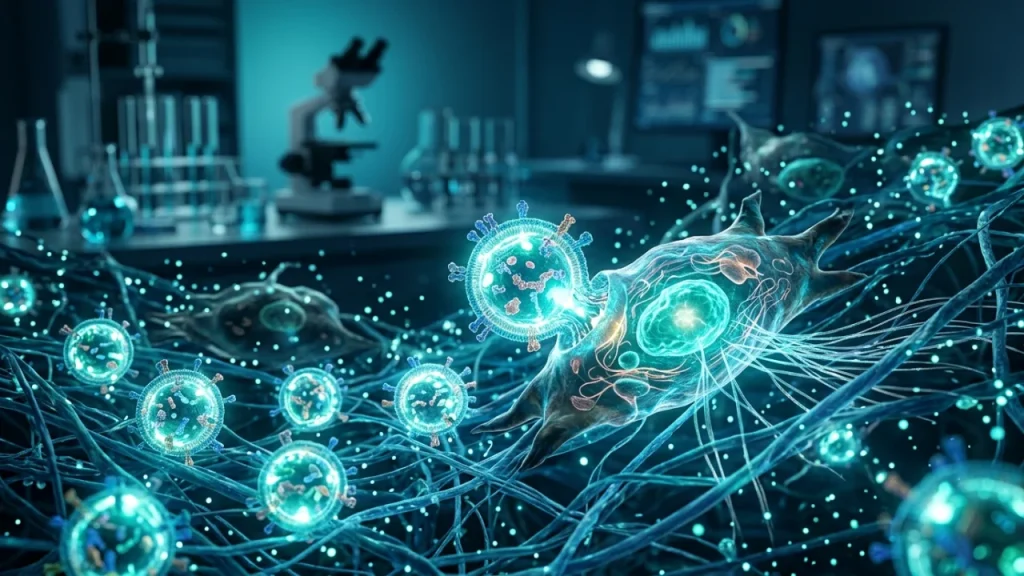
Exosomes are incredibly small vesicles. Think of a vesicle as a bubble. This bubble is made from the same material as the cell’s outer membrane. It gets pinched off and released into the spaces around cells.
These are not empty bubbles. They are cargo carriers. Each exosome is packed with a special load. This load contains vital instructions for other cells.
What’s inside? The cargo includes proteins, lipids, and nucleic acids like RNA. These are fundamental building blocks and messaging molecules. They carry signals from the sending cell.
This is a natural communication system. Cells release these exosomes to talk to their neighbors. They also send them to distant parts of the body through bodily fluids.
It’s like sending a secure letter instead of shouting a message. The vesicle protects its precious cargo during the journey. This ensures the message arrives intact.
Why does this matter for your skin? Your skin is a dynamic, living organ. It constantly repairs itself. Cells need to coordinate this complex process.
Exosomes facilitate this coordination. For example, after an injury, skin cells release exosomes. These vesicles travel to other cells.
They deliver specific instructions. These instructions can tell a cell to multiply faster. They can order it to make more collagen.
Collagen is the protein that gives skin its firmness and structure. More collagen means stronger, more youthful-looking skin. Exosomes help manage this production.
They also regulate inflammation. This is a key part of healing. Controlled inflammation cleans up damage. Uncontrolled inflammation causes more harm.
The right exosome signals can calm an overactive immune response in the skin. This helps reduce redness and swelling. It promotes cleaner, faster repair.
Think of exosomes as a master control system for skin renewal. They don’t just deliver one thing. They deliver a complete program for cellular behavior.
This makes them incredibly powerful for dermatological science. Harnessing this natural signaling could change how we support skin health. It works with the body’s own methods.
The impact of these tiny vesicles is enormous because they work at the source. They influence cell activity directly. This is different from merely coating the surface.
Understanding exosome function opens new doors. It moves us beyond traditional ingredients that simply nourish or protect. We can now think about guiding cellular processes.
The science of exocobio exosomes explores this precise potential. It focuses on these natural messengers. The goal is to apply their innate intelligence to skin care challenges.
This isn’t science fiction. It’s a deepening of our knowledge of human biology. Your cells are already using this system every day.
The next step is learning how to optimize these signals for better skin outcomes. This requires careful study of exosome cargo and targeting. The future of skin health may well be written in these tiny packages sent from cell to cell.
How Your Cells Naturally Communicate Through Exosomes
Your cells are constantly talking. They send millions of tiny messages every second. These messages travel inside exosomes.
Exosomes are like microscopic mail carriers. They are tiny bubbles, or vesicles, made by your cells. Each one is about one-thousandth the width of a human hair. Cells fill these bubbles with important cargo. This cargo includes proteins, lipids, and genetic instructions like RNA.
Then the cell sends the exosome on its journey. It travels through the fluid between your cells. This fluid is called the interstitial space. Think of it as a complex highway system. The exosome navigates this system until it finds a target cell.
The target cell receives the package. It absorbs the exosome and opens it. The cargo inside delivers its message. This tells the receiving cell what to do next. The instruction could be many things.
It might be a signal to grow or to repair itself. It could be a command to calm down inflammation. Sometimes it is a warning about a threat nearby. This system allows for precise coordination across your entire body.
Skin cells use this method constantly. A fibroblast in the dermis can send exosomes to a keratinocyte on the surface. It might send building blocks for collagen. It could send signals to speed up renewal. This keeps skin layers working in harmony.
The process is highly selective. Cells package specific cargo for specific needs. It is not random. This ensures the right message gets to the right place at the right time. The science of exocobio exosomes studies this precise packaging and delivery.
Different cell types send different exosome mail. For example: – Stem cells often send exosomes with regenerative signals. – Immune cells send exosomes that can alert others to danger. – Stressed skin cells might send calls for help.
The volume of traffic is astounding. A single milliliter of blood contains billions of these vesicles. They form a dynamic network of biological information. Your health depends on this chatter being clear and correct.
When communication fails, problems arise. Cells might not get the repair signal they need. Inflammation messages might not turn off. This can lead to visible skin issues and slower healing.
Understanding this natural system is crucial. It shows why exosomes are more than simple ingredients. They represent a fundamental language of life. Harnessing this language requires listening to its native grammar.
We are learning to translate these cellular messages for skin health. The next step is seeing how we can support and optimize this innate conversation for clearer, healthier skin.
Why Skin Health Depends on Cellular Communication
Your skin is not a static wall. It is a living, talking community. Billions of cells must work together every second. This teamwork requires constant, clear messages. Think of a busy city. Traffic lights, road signs, and radios keep everything moving. Your skin uses biological signals the same way. Without this chatter, the city grinds to a halt.
Cellular communication dictates everything you see in the mirror. It controls collagen production. It manages pigment for an even tone. It directs repair after a pimple or a scratch. When signals are strong and clear, skin functions at its best. It looks resilient and radiant. When messages get crossed or go silent, problems start.
Consider collagen, the skin’s support scaffold. Fibroblasts are the cells that build it. They do not work alone. They wait for instructions from their neighbors. Keratinocytes and immune cells send exosome signals to tell fibroblasts to make more collagen. If those calls stop, fibroblast activity slows. Less collagen is made. The existing scaffold weakens. This leads directly to fine lines and loss of firmness.
The same principle applies to skin renewal. Surface skin cells should shed regularly. Fresh cells should rise to take their place. This process needs precise timing signals. Without the correct “move up” and “shed now” messages, dead cells can pile up on the surface. The result is a dull, rough complexion that lacks glow.
Inflammation is another key example. A short, controlled inflammatory signal helps fight bacteria and heal wounds. But this signal must have an “off” switch. Poor communication can leave the alert system stuck on. Chronic, low-level inflammation then damages healthy tissue. This can worsen redness, sensitivity, and conditions like rosacea.
Why does this vital communication break down? Several factors interfere. – Aging naturally reduces the number and quality of messages cells send. – Sun exposure damages the cellular equipment needed to send and receive signals. – Pollution particles can clog the signaling pathways. – Stress hormones inside the body can scramble the biological instructions.
This is where the science of exocobio exosomes becomes so compelling. It studies this native language at its source. Researchers look at the exact cargo inside these natural messengers. They learn what a perfect “repair collagen” signal looks like. They decode the ideal “reduce inflammation” message. The goal is not to add a foreign chemical. The goal is to support and restore the body’s own optimal dialogue.
Understanding this changes how you view skin care. It shifts the focus from just covering issues to supporting core cellular functions. Healthy skin is a state of good conversation. Every cell must listen and respond correctly. The next frontier is learning how to protect and enhance this essential talk for lasting skin health.
The Problem When Cellular Messaging Goes Wrong
Think of a city where the emergency lines are down. A small fire starts. No one calls it in. The fire spreads. This is what happens inside aging or stressed skin. Cells stop talking effectively. The results are visible and measurable.
One major problem is collagen collapse. Fibroblasts are the cells that build collagen. They need clear signals to do their job. As communication fails, they receive fewer “build” messages. They also get more “break down” commands. The network weakens. A study showed that by age 40, skin produces about 1% less collagen each year. The decline accelerates. Without constant repair signals, the skin’s foundation crumbles. It becomes thin and saggy.
Hydration also suffers. Skin has a natural moisturizing factor. It holds water like a sponge. Keratinocytes, the main skin cells, manage this system. They rely on signals to produce key compounds. Poor messaging disrupts this production. The skin’s ability to retain water drops. You might apply moisturizer, but the underlying system is flawed. The skin feels dry and rough because its internal water-holding capacity is broken.
The immune system in the skin can overreact. Sentinel cells called Langerhans cells patrol for threats. They communicate with other immune cells. When signaling is chaotic, they can mistake normal things for dangers. This leads to unnecessary inflammation. You see this as persistent redness, sensitivity, or flare-ups of conditions like eczema. The skin is in a constant state of false alarm.
Even wound healing slows down. A cut triggers a precise cascade of signals. Cells rush to close the gap and rebuild tissue. With poor communication, this process is sluggish and messy. Repair cells arrive late. Instructions for neat rebuilding are unclear. This often leads to poorer scar formation or dark spots. The skin loses its resilience.
These failures create a cycle. Damaged cells send out distorted messages. These bad messages corrupt more cells. The entire network becomes noisy and inefficient. This is why topical creams often hit a limit. They address symptoms, not the corrupted communication system itself.
Understanding this breakdown is crucial. It shows why simply adding ingredients is not enough. The goal must be to fix the conversation. This is the core promise of studying natural messengers like exocobio exosomes. The next step is exploring how these perfect native signals could potentially reset the entire system, teaching cells to communicate properly once again.
The Science Behind Exosome Function in Skin Repair
What Exosomes Carry Inside Their Protective Shells
Exosomes are not empty bubbles. They carry precise molecular instructions. Think of them as tiny delivery trucks. Their cargo tells skin cells what to do.
This cargo is protected by a lipid shell. This shell is like a secure envelope. It keeps the contents safe during travel. The cargo stays intact until it reaches a target cell.
What is inside? The payload is complex and powerful. It includes three main types of molecules.
First, exosomes carry proteins. These are workhorse molecules. Some proteins are enzymes. They can speed up chemical reactions in the recipient cell. Other proteins are growth factors. They act like direct commands. They tell a cell to grow, move, or make collagen.
Second, exosomes contain RNA. RNA is a type of genetic message. Messenger RNA (mRNA) can be used by the cell to build new proteins. MicroRNA (miRNA) is different. It acts like a regulator. It can silence genes and fine-tune cell behavior.
Third, exosomes hold lipids and other signaling molecules. These can influence cell membranes and internal processes.
The mix is always specific. An exosome from a healthy fibroblast carries a different set of instructions than one from an immune cell. This specificity is key. It means the message is perfectly tailored for the job.
For example, consider wound healing. Exosomes from stem cells might carry: – Growth factors that tell skin cells to multiply. – RNA that reduces inflammation. – Enzymes that help rebuild the structural matrix.
These molecules work together. They create a coordinated program. The recipient cell reads this program and changes its actions.
This is how exocobio exosomes could function in theory. They would deliver a complete set of native commands. These commands are not a single drug. They are a symphony of biological information.
The cargo tells a confused cell to calm down. It tells a lazy cell to become active again. It provides the exact blueprint for repair that the skin has lost.
Different cargos solve different problems. Anti-inflammatory signals soothe red, angry skin. Pro-collagen instructions help rebuild firmness. Hydration-related messages support the skin’s moisture barrier.
The beauty lies in the natural language. Skin cells already know how to read these signals. There is no translation needed. The exosome delivers the message in the cell’s own dialect.
This direct delivery solves a big problem. Many skincare ingredients struggle to get inside cells. They sit on the surface. The protective shell of an exosome changes that game. It fuses with the target cell’s membrane. The entire payload is delivered inside, right where it needs to work.
Understanding this cargo transforms our view of repair. It is not about bombarding skin with foreign chemicals. It is about restoring its own perfect communication toolkit. The next question is how these loaded vesicles find their exact destination in the chaotic environment of damaged skin.
How Exosomes Travel Safely Through Your Body
Exosomes face a hostile journey. The body’s fluids are full of defenses. Enzymes and immune cells patrol these spaces. Their job is to break down foreign material. Yet exosomes travel safely. Their secret is a durable, native coating.
This coating is a lipid bilayer membrane. It is identical to the cell’s own outer wall. This makes the exosome invisible to the body’s defenses. It is seen as “self,” not a threat. Think of it as a protective envelope. This envelope shields the precious molecular cargo inside.
The cargo would degrade quickly without this shield. Digestive enzymes in the extracellular space would attack it. The lipid membrane creates a stable micro-environment. Inside, proteins and RNA stay intact. They remain functional until delivery.
But protection is only half the story. Exosomes also need direction. They are not aimless bubbles. They carry specific address labels on their surface. These labels are called targeting ligands.
These ligands work like homing signals. They bind to matching receptors. These receptors sit on the surface of target cells. For skin repair, the target might be a fibroblast in the dermis. It could be a keratinocyte in the epidermis.
The journey involves precise navigation. – First, an exosome exits its parent cell. – Then, it enters the fluid between cells. – It moves until it finds a cell with the right receptor. – Finally, it docks and delivers its cargo.
This targeting explains potential specificity. Exosomes from one cell type often seek similar cells. Mesenchymal stem cell exosomes naturally find skin cells needing repair. This built-in guidance system is key for effective therapy.
The stability of exosomes is remarkable. Studies show they can persist in circulation for extended periods. Their lipid membrane resists breakdown. This allows them to travel longer distances in the body. They can even survive harsh conditions that would destroy free-floating molecules.
This safe transit is crucial for any theoretical application. It ensures enough intact messengers reach the problem area. Without this natural engineering, signals would get lost. They would be destroyed before doing their job.
The combination of protection and targeting solves a major delivery challenge. It allows a natural nanoparticle to carry fragile instructions. These instructions move through a complex biological landscape. They arrive intact at a precise destination.
This reliable delivery mechanism sets the stage for the final act. Once an exosome docks, the real magic happens. The next step is fusion and communication, where the cargo commands cellular change.
The Delivery System: How Exosomes Enter Target Cells
The final step is entry and delivery. An exosome docks at a target cell’s membrane. It does not simply bump into it. The process is a precise, ordered fusion.
Think of it like a secure package delivery. The exosome is the package. The cell membrane is the locked door. Docking is like the courier scanning the barcode. Fusion is the door opening to accept the parcel.
This fusion happens in a few key ways. One common method is direct membrane merging. The lipid bilayer of the exosome joins with the cell’s own bilayer. The two membranes become one. The exosome’s interior space opens directly into the cell’s cytoplasm.
Another method is endocytosis. The cell membrane folds inward. It wraps around the exosome, forming a pouch. This pouch pinches off inside the cell. Now the exosome is in a small internal bubble called an endosome. Acids inside this bubble then break it down. This releases the exosome’s cargo into the cell.
The method used depends on the cell type and the exosome’s signals. Both paths achieve the same critical goal. They get the protected cargo inside the living cell.
Once inside, the cargo gets to work. This cargo is a powerful mix of molecules. It includes proteins, lipids, and genetic instructions like RNA. These are not raw materials for building new parts. They are commanding signals.
These signals can reprogram the cell’s activity. They can turn genes on or off. They can kick-start production of new proteins. For skin repair, this is where renewal begins.
For example, an exosome might deliver growth factors. These are signal proteins that tell a dormant skin cell to divide. It might deliver microRNA that silences a gene for inflammation. This calms redness and swelling in damaged tissue.
The beauty lies in specificity and efficiency. The entire system is natural and targeted. The exosome’s membrane protects its fragile signals during transit. Its surface markers ensure it finds the right address. Its fusion mechanisms deliver the payload intact.
This elegant delivery system solves a major problem in skincare science. Many beneficial molecules are too large or too fragile to penetrate skin on their own. They break down on the surface. Exosomes act as nature’s perfect nanocarriers.
They complete the journey from sender cell to receiver cell. The result is a direct line of communication. A stressed fibroblast in the dermis can send an SOS signal via exosomes. A healthy neighboring cell receives the signal and responds.
It might start producing more collagen to reinforce weakened skin. This is cellular teamwork, facilitated by exosomes. The science shows these vesicles are more than simple bubbles. They are sophisticated communication packets.
Their function in skin repair hinges on this complete process: release, travel, targeting, fusion, and signal delivery. Missing any step would break the chain. The integrity of exocobio exosomes as natural messengers relies on this full sequence.
Understanding this mechanism highlights a key scientific principle. Effective communication requires a reliable messenger, a clear message, and a secure delivery method. Exosomes provide all three for our cells. This sets the stage for exploring what these specific messages can achieve for skin health and rejuvenation.
Why Exosomes Are More Precise Than Other Treatments
Many skin treatments work like a broadcast message. They spread their effects over a wide area. This can be helpful. But it also affects cells that do not need the treatment. It lacks precision. Exosome communication is fundamentally different. It operates like a targeted text message sent to a specific recipient.
This precision starts with surface markers. Think of these as molecular addresses. An exosome carries these markers on its outer membrane. A recipient cell has matching receptors. This system ensures delivery to the right cell type. A fibroblast exosome will likely seek another fibroblast. A keratinocyte exosome targets other keratinocytes. This specificity is built into their biology.
Broad-spectrum treatments cannot achieve this. Consider common active ingredients like retinoids or certain acids. They diffuse into the skin. They affect all cells they contact, both stressed and healthy ones. This often causes irritation and side effects. The treatment is not smart enough to pick its target.
Exosomes are inherently smarter messengers. Their cargo is also specific. An exosome released from a damaged cell will contain signals for repair. One from a healthy cell might carry maintenance instructions. The message matches the need of the sender and the receiver.
Let’s look at the practical impact on skin repair processes: – Inflammation control: General anti-inflammatory ingredients calm all immune activity. Exosomes from regulatory cells can target only overactive immune cells. This quiets bad inflammation without shutting down needed healing. – Collagen production: Broad stimulants tell every fibroblast to make collagen. Exosomes can selectively signal fibroblasts in thin or aged areas. This directs resources where they are most needed. – Barrier repair: Standard moisturizers hydrate all layers. Exosomes from keratinocytes can specifically instruct skin barrier cells to produce more protective lipids.
This targeted approach increases efficiency. Less material is wasted on cells that do not require a signal. More energy goes directly to the problem area. This can lead to more effective results with a lower risk of reaction. The integrity of exocobio exosomes as precise tools relies on this biological address system.
The difference is clear in the outcome. Non-specific treatments often require the skin to adapt or tolerate them. Targeted exosome signaling works with the skin’s own language. It supports natural processes without overwhelming them. This precision mirrors how our bodies manage health internally.
It is a shift from blanket coverage to intelligent communication. This foundational advantage explains why research is so focused on these natural vesicles. Their ability to deliver specific commands to specific cells is unique in skincare science. This leads us to ask what kinds of messages these precise carriers can actually deliver for rejuvenation.
How Exosomes Reduce Inflammation and Promote Healing
Calming the Fire: Exosomes as Natural Anti-Inflammatories
Inflammation is like a fire in your skin. It is a natural alarm system. But sometimes this fire does not turn off. Chronic inflammation damages healthy tissue. It can speed up aging and delay healing. This is where exosomes show their unique skill.
These tiny vesicles act as natural firefighters. They do not smother the flame completely. A total shutdown would harm your immune defense. Instead, they carry precise orders to calm the overactive response. Think of them as expert crisis managers arriving at the scene.
Their power comes from their cargo. Exosomes carry special signaling molecules. These include proteins and microRNAs. This cargo is packed by parent cells that know how to manage inflammation. For instance, stem cells often release these calming exosomes.
The process is a direct conversation with immune cells. Here is a simplified sequence of events: – An exosome travels to an inflamed area of skin. – It binds specifically to an overactive immune cell, like a macrophage. – It delivers its molecular instructions into that cell. – These instructions change the cell’s behavior.
The immune cell then reduces its production of inflammatory signals. Molecules like TNF-alpha and IL-6 are dialed down. At the same time, the cell may start making more anti-inflammatory substances. This includes IL-10 and TGF-beta.
The result is a balanced state. The harmful fire is contained. The needed healing warmth remains. This precise modulation is key. It is why research into exocobio exosomes focuses on their natural anti-inflammatory profiles.
This targeted calm has direct benefits for skin appearance and health. Redness and swelling can decrease. Irritation from conditions like rosacea may be soothed. The skin’s energy can shift from fighting itself to repairing damage.
Healing accelerates in a calmer environment. Collagen-producing fibroblasts work better without inflammatory interference. New tissue formation becomes more organized. This leads to smoother, stronger skin after any damage.
The science shows this is not a guess. Laboratory studies measure the drop in inflammatory markers after exosome application. Clinical observations note visible reductions in redness and sensitivity. The effect is biological communication, not just surface masking.
Using exosomes for inflammation mirrors the body’s own ideal resolution process. It is a guided return to peace after the alarm. This efficient restoration prevents the collateral damage of chronic flare-ups.
Ultimately, calming inflammation is the first critical step toward true rejuvenation. A quiet, balanced cellular environment sets the stage for all other repair work. Once the fire is controlled, the rebuilding can begin in earnest. This leads directly to understanding how these vesicles then activate the skin’s own regenerative machinery for renewal.
Accelerating Wound Closure Through Cellular Instructions
The skin’s repair crew needs clear instructions to work fast. Exosomes deliver these orders directly to the cells at the wound’s edge. They tell skin cells to multiply. They also tell cells to move into the damaged area. This dual command speeds up closure significantly.
Think of a cut on your skin. The body must fill that gap with new cells. This process is called proliferation. Fibroblasts and keratinocytes are the key cell types. They normally divide at a set pace. Exosomes carry signals that push this pace into high gear. Research shows certain exosome signals can increase cell growth rates. This means more building blocks are produced quickly.
But new cells must also travel to the right spot. Exosomes guide this movement, called migration. They release chemical attractants. These act like maps for cells to follow. Cells then crawl purposefully toward the wound center. Without this guidance, repair is slower and less organized.
The instructions are precise and multi-step. They ensure repair is both quick and structured.
- First, exosomes signal stem cells and local cells to activate. They switch from a resting state to a repair mode.
- Next, they promote the synthesis of new proteins. These proteins form the temporary scaffold for new tissue.
- Finally, they help coordinate the timing of each phase. This prevents messy, uneven healing.
This orchestrated process leads to tangible results. Studies in models show treated wounds close faster. The new tissue that forms is often stronger. It has better collagen alignment. This reduces the chance of a weak scar.
The mechanism is a masterclass in biological communication. Exosomes do not force cells to do unnatural things. Instead, they enhance the body’s own ideal repair program. They make it more efficient and focused. This is a core principle of using exocobio exosomes for therapeutic goals.
The impact goes beyond simple cuts. This accelerated closure is vital for many skin concerns. It applies to surgical incisions, burns, and even the micro-damage from aging. Faster healing means less time for infection or scarring. It also means the skin’s barrier is restored sooner.
The quality of the new skin is important too. Speed without strength leads to problems. The signals within exosomes also improve tissue architecture. New collagen fibers are laid down in a more organized network. This results in skin that is both repaired and resilient.
Ultimately, this stage transforms a controlled environment into rebuilt skin. The calm from reduced inflammation allows these growth signals to be heard clearly. Cells respond without distraction. The wound edges draw together neatly.
This efficient closure is just one part of renewal. After the gap is filled, the real work of remodeling begins. The new tissue must mature and gain full strength. This final phase ensures the repair is not just fast, but also lasting and functional.
Reducing Scar Formation With Smart Cellular Messaging
Scar tissue forms when the body’s repair process is rushed or disorganized. The body prioritizes speed over perfection. This often leads to a haphazard pile of collagen fibers. This pile is a scar. It is weaker and less flexible than normal skin.
Exosomes change this priority system. They carry instructions for quality control. These instructions guide fibroblast cells at the wound site. Fibroblasts are the cells that build new collagen. Without clear guidance, they deposit collagen quickly in all directions. This creates a thick, tangled scar.
The messaging within exocobio exosomes promotes a different outcome. They signal for a more deliberate and organized construction phase. Think of it like building with bricks. A scar is like a pile of bricks thrown together. Proper skin is like a brick wall with bricks laid in neat, alternating rows. Exosomes tell the cells to build the wall.
This happens through specific molecular commands. Exosomes deliver microRNAs and proteins directly to fibroblasts. These molecules act like detailed blueprints. They suppress signals for excessive collagen production. They simultaneously promote signals for proper collagen alignment.
The result is a two-part improvement in the healing matrix. – Collagen amount is controlled. Too much collagen makes a scar raised and thick. – Collagen organization is improved. Fibers line up in a supportive network.
This organized network integrates better with surrounding healthy skin. It allows for normal movement and function. The new tissue more closely resembles the original skin architecture. This process is often called regenerative healing. The goal is to restore, not just patch.
The timing of these signals is critical. Exosomes are released and absorbed precisely when cells are ready to rebuild. This natural coordination is hard to achieve with other therapies. It ensures the guidance arrives at the exact right moment in the healing cycle.
Reducing scar formation also has a visual benefit. Flatter, smoother scars are less noticeable. They also reduce physical tightness and discomfort. This is vital for healing over joints or on the face. Functional and aesthetic outcomes improve together.
The entire strategy relies on smart cellular messaging. Exosomes do not simply add more raw materials to a wound. They upgrade the construction plan itself. They shift the process from rapid patchwork to meticulous restoration.
This intelligent guidance ensures the final stage of healing—remodeling—proceeds correctly. The initial collagen framework is refined over months into stronger tissue. A good foundation from the start leads to a better long-term result. The skin’s strength and appearance continue to improve long after the wound seems closed.
Ultimately, this approach treats the cause of poor scarring, not just its appearance. It addresses the cellular miscommunication that leads to flawed tissue. By providing clear instructions, exosomes help the body achieve its own optimal repair outcome with minimal lasting marks. This principle paves the way for exploring how these messages also combat long-term signs of aging in undamaged skin.
How Exosomes Help With Chronic Skin Conditions
Chronic skin conditions often begin with a simple miscommunication. The immune system mistakenly identifies healthy skin cells as a threat. This error triggers persistent inflammation. Redness, itching, and flaking are the visible results of this internal confusion. The body’s defense system is stuck in a harmful loop.
Exosomes offer a way to recalibrate this response. They carry specific instructions to immune cells. These instructions can dial down excessive alarm signals. Think of it as sending a “stand down” order to overactive troops. This helps break the cycle of chronic inflammation at its source.
The process involves key immune messengers. Exosomes can influence cells like T-cells and macrophages. They may increase the release of calming signals, like interleukin-10. Simultaneously, they can decrease inflammatory signals, like tumor necrosis factor-alpha. This two-way action helps restore balance.
For a condition like eczema, the skin barrier is often broken. Inflammation and itching cause damage. Scratching worsens the barrier. This lets in more irritants, fueling more inflammation. Exocobio exosomes can intervene at multiple points in this cycle. Their signals can help soothe the immune reaction. This reduces the itch-scratch damage. A calmer environment then allows the skin barrier to repair itself more effectively.
Psoriasis involves an overly rapid turnover of skin cells. Cells pile up into thick, scaly plaques. Exosome messaging can help normalize this cell growth cycle. It does not just slow down production. It promotes healthier maturation of skin cells. The goal is to guide cells toward a normal lifecycle.
The benefits of this approach are clear: – It targets the underlying cause, not just the surface symptoms. – It uses the body’s own natural communication system. – It aims for lasting change by resetting cellular behavior.
Managing chronic conditions requires consistent, smart signaling. Temporary creams might suppress symptoms for a few hours. Internal exosome communication works on a deeper, cellular timetable. It provides sustained guidance to help the immune system find a stable, balanced state. This stability is key for long-term management.
Research into exocobio exosomes highlights their role as master regulators. They do not simply block one inflammatory pathway. They deliver a broad set of instructions to restore overall harmony. This makes them a promising subject for understanding complex skin diseases.
Ultimately, this science points toward a future of targeted biological diplomacy. The goal is to negotiate peace within the skin’s ecosystem. By correcting faulty immune dialogues, exosome signaling offers a path to durable calm and resilient skin health. This foundational principle of cellular communication also opens doors to its application in preventing and reversing the visible signs of aging in healthy skin.
Exosomes and Anti-Aging: Turning Back the Cellular Clock
Why Skin Ages: The Cellular Communication Breakdown
Our skin is not a static sheet. It is a living, talking organ. Billions of cells constantly send signals to each other. They coordinate repair, produce collagen, and defend against damage. Youthful skin thrives on this clear, constant chatter.
Aging disrupts this vital conversation. Think of a busy city losing its phone lines. Messages get lost, delayed, or garbled. Cells become poor listeners and lazy talkers. This communication breakdown is a primary reason skin changes with time.
Several key signals fade as we age. One major loss is the instruction for collagen production. Fibroblasts are the skin’s collagen factories. They need precise orders to work. Young skin sends strong “make collagen” signals. Older skin sends weaker, confused ones. Factory output slows down.
The result is thin, weak skin structure. Wrinkles form more easily. Skin loses its plump, firm feel.
Another failed dialogue involves repair. Daily life causes micro-damage from sunlight and pollution. Young cells quickly share alert signals. Repair crews mobilize fast. Aged cells are slower to report problems. They also ignore repair calls more often.
Damage therefore accumulates over time. It becomes visible as uneven tone, dark spots, and rough texture.
Cellular power plants also suffer. Mitochondria provide energy for all cell activities, including communication. As mitochondria age, they produce less energy and more inflammatory signals. This is like running a city on dim, faulty power generators.
The noise from failing power plants drowns out other important messages.
Inflammation itself becomes a constant background noise. This low-grade irritation further jams clear communication channels. It tells cells to be in a constant state of alert, not renewal. The skin’s priority shifts from maintenance to mere survival.
The sum of these failures is a system-wide decline. – Signal strength for renewal fades. – Damage reports go unanswered. – Energy for communication drops. – Inflammatory noise increases.
This is the cellular clock winding down. It is not just about one broken part. It is about the entire network losing its sync. The exocobio exosomes research field studies these precise messaging failures. Scientists map which specific signals are lost. They learn how missing instructions lead to each visible sign of aging.
Understanding this breakdown is the first step to fixing it. If aging stems from poor communication, then the solution requires restoring clear dialogue. The next logical step is to explore how new science aims to resend these lost youth-preserving messages directly to aging cells.
How Exosomes Stimulate Collagen Production Naturally
Collagen is the most abundant protein in your skin. It forms a strong, springy scaffold that keeps skin firm and smooth. As we age, the cells that make collagen slow down. They also receive fewer signals telling them to build. This is a direct result of the communication breakdown.
Exosomes carry precise instructions to restart this process. They are not ingredients. They are messengers. Think of a fibroblast, the cell that makes collagen, as a factory. An exosome is a delivery truck. It pulls up and hands the factory manager a new blueprint and a work order.
The cargo inside these vesicles tells the fibroblast to do several key things. – Activate the genes responsible for collagen production. – Increase its own energy output to fuel this building project. – Reduce the emission of signals that break collagen down.
This is a natural biological instruction. The cell recognizes the exosome’s cargo as its own language. It does not see it as a foreign chemical. The response is to return to a more youthful, productive state.
The process focuses on type I collagen. This is the main structural type in skin. A single exosome can carry hundreds of different signaling molecules. These include proteins and RNA fragments. Together, they create a complete set of orders.
The effect is not just about making more collagen. It is about making better quality collagen. Younger cells organize these protein fibers into a tight, supportive network. Exosome signaling helps restore this organized structure. The new collagen integrates into the existing skin matrix.
This helps fill in wrinkles from within. The skin’s foundation becomes stronger. Results are not immediate like a filler. The process takes time because it relies on natural cell activity. The goal is lasting change, not temporary plumping.
Research into exocobio exosomes has detailed this exact pathway. Scientists can identify which specific molecules in the exosome trigger the collagen gene. This precision separates it from simpler stimulants. It is a targeted message, not a general shout.
The outcome is a dual improvement. Collagen production increases. Simultaneously, the enzymes that degrade collagen are suppressed. This protects the existing scaffold while new support is built. The net gain in skin strength is significant.
This mechanism directly turns back the cellular clock for collagen. It addresses a core deficiency in aging skin. The next question is how these messages also calm the inflammatory noise that accelerates aging.
Restoring Elasticity Through Fibroblast Activation
Elasticity gives skin its snap-back quality. Think of a rubber band. Young skin stretches and returns to place. Aging skin loses this ability. It begins to sag. The key protein for this bounce is called elastin.
Fibroblasts are the skin cells that make elastin. As we age, these cells slow down. They also produce poorer quality fibers. The elastin network becomes frayed and weak. Exosomes can restart this vital production line.
These tiny messengers deliver specific instructions to dormant fibroblasts. The instructions are precise biological codes. They tell the cell to ramp up elastin gene activity. This is a direct signal to rebuild the elastic infrastructure.
The process involves more than just one protein. A complete elastic fiber requires a scaffold. This scaffold is made of other proteins like fibrillin. Exocobio exosomes research shows exosomes coordinate this entire assembly. They ensure all necessary parts are produced in harmony.
- First, exosomes signal for increased elastin production.
- Next, they promote the creation of supportive scaffold proteins.
- Finally, they help organize these components into functional fibers.
This coordinated action is critical. Making elastin alone is not enough. The cell must properly assemble it. Exosome signaling guides this complex process. It helps restore the native architecture of young skin.
The result is a renewed network of elastic fibers. This network sits within the collagen matrix we discussed earlier. Together, they form a supportive and flexible structure. Skin gains improved resilience against sagging.
Gravity and repeated facial expressions constantly pull on skin. A robust elastic network counteracts this pull. It provides ongoing lift and support from within. Improvements in elasticity help define facial contours.
This activation is long-lasting. Fibroblasts that receive exosome signals enter a more youthful state. They maintain higher activity levels for a significant period. The change is not just a temporary boost.
The science reveals a targeted approach. Unlike general skin stimulants, exosomes address the exact genetic program for elasticity. They turn on specific promoters and pathways inside the fibroblast nucleus.
Restoring elasticity takes time. New elastic fibers must be synthesized and integrated. This happens over weeks and months. The gradual nature of the change leads to natural-looking results.
Skin feels firmer and more toned as elasticity improves. Fine lines caused by creasing may appear softened. The overall effect contributes to a rejuvenated appearance. It complements the strengthening from new collagen.
Ultimately, fibroblast activation tackles two pillars of structure. We have covered collagen and elastin. The third pillar is the skin’s barrier function and hydration. This relies on a different set of cellular signals for complete skin health.
Protecting Skin Cells From Environmental Damage
Our skin faces a daily barrage of environmental attacks. Sunlight and pollution are the most common threats. They generate unstable molecules called free radicals inside skin cells. These molecules cause significant damage over time.
Think of free radicals like tiny sparks. They bounce around inside a cell. They can burn or damage important cellular machinery. This includes DNA, proteins, and the cell’s energy factories. The cumulative effect is known as oxidative stress.
Oxidative stress accelerates the skin’s aging process. It directly breaks down collagen and elastin fibers. It also weakens the skin’s barrier function. Cells become less efficient and can enter a state of premature senescence, or zombie-like inactivity.
This is where the natural signaling power of exocobio exosomes becomes crucial. They deliver a precise set of instructions to skin cells. These instructions activate the cell’s own defense systems. The primary system is the antioxidant network.
Cells have built-in antioxidant enzymes. Common ones are superoxide dismutase and catalase. Their job is to neutralize free radicals safely. They turn the dangerous sparks into harmless water and oxygen before damage occurs.
Exosome signals can upregulate the production of these enzymes. This is a key protective mechanism. It equips the cell with a stronger internal defense team. The cell becomes more resilient against daily insults.
The process involves specific genetic pathways. One major pathway is called Nrf2. It acts like a master switch for antioxidant genes. Exosome messages can activate this Nrf2 switch. This turns on a whole suite of protective genes at once.
Protection also extends to DNA repair. UV radiation can cause errors in the genetic code. Exosomes can promote the activity of DNA repair enzymes. This helps correct errors before they lead to lasting problems or mutations.
The benefits of this defense are clear. – Skin cells survive longer and function better. – Structural proteins like collagen are shielded from breakdown. – The skin’s inflammatory response to pollution is calmed. – Barrier integrity is maintained, keeping irritants out and moisture in.
This defensive support works alongside the regenerative processes we discussed earlier. You need both repair and protection for lasting results. Strengthening collagen is good. Protecting that new collagen from damage is equally important.
The science shows a proactive approach. Instead of just fixing damage after it happens, exosomes help prevent it at the cellular level. They enhance the skin’s innate intelligence for self-preservation.
Daily exposure is inevitable. Modern life involves sunlight, smog, and blue light from screens. Providing cells with the signals to bolster their defenses is a logical strategy for long-term skin health.
This cellular shielding contributes directly to a more youthful appearance. It helps prevent wrinkles, dark spots, and laxity caused by environmental factors. The skin’s overall vitality and glow improve when cells are protected.
Ultimately, safeguarding skin cells completes a holistic picture of rejuvenation. We have explored rebuilding structure and enhancing elasticity. Now we add a vital layer of daily defense. The next logical step is to examine how these combined effects translate to visible improvements in skin tone and clarity.
Current and Future Applications of Exosome Technology
Treating Acne Scars With Targeted Cellular Repair
Acne scars form when severe inflammation damages the skin’s deeper layers. The normal healing process goes wrong. Instead of rebuilding smooth tissue, the skin often creates too little collagen. This leads to sunken, pitted scars. Traditional treatments can be harsh. They work by injuring the skin again to force a new healing response. This approach lacks precision.
Exosome technology offers a different path. It focuses on guiding the body’s own repair systems. Exosomes carry instructions to the cells in the scarred area. These instructions are precise biological signals. They tell fibroblasts, the skin’s building cells, to start working properly.
The goal is not just to make more collagen. The goal is to make the right kind of collagen and to organize it correctly. Healthy skin has a strong, woven network of collagen fibers. Acne-scarred skin has a weak, disorganized matrix. Proper regeneration requires both new material and proper architecture.
Here is how targeted cellular repair works for acne scars. – Exosomes signal fibroblasts to increase production of Type I and Type III collagen. This fills the volume of the sunken area. – They encourage the formation of elastin fibers. This improves skin flexibility within the scar. – They regulate enzymes that break down old, damaged collagen. This clears the way for new growth. – They promote better blood vessel formation around the scar. This delivers essential nutrients for sustained repair.
This process is gradual and biological. Results build over weeks and months as the skin remodels itself. The improvement comes from within the skin’s structure. The surface becomes smoother because the foundation is being rebuilt.
The approach is particularly relevant for rolling and boxcar scars. These are depressions with sloping or sharp edges. Filling them requires structured tissue support. Simply inflaming the area does not achieve this neatly. Guided regeneration aims to restore a more natural contour.
Using exosomes for this purpose represents a shift in thinking. The strategy moves away from destruction and toward intelligent communication. It leverages the body’s innate blueprints for healthy skin. The science of exocobio exosomes centers on harnessing these precise messages.
Patients often seek treatments that have minimal downtime. The cellular signaling approach is inherently non-invasive at a biological level. It does not rely on creating a major wound. This aligns with the desire for gentler, yet effective, procedures.
Long-term studies are still mapping the full potential. Early clinical observations are promising. They show improved skin texture and reduced scar depth. The quality of the regenerated tissue appears more harmonious with the surrounding skin.
This application clearly demonstrates a key principle. Advanced skincare is moving beyond surface-level correction. It is now engaging with the fundamental language of cellular repair. Treating acne scars with this method is one clear example of that shift.
The logic extends to other forms of scarring and textural damage. The core mechanism remains intelligent cellular communication for structured healing. Next, we can explore how this precise signaling influences another common concern: uneven skin pigmentation and tone.
Accelerating Recovery After Cosmetic Procedures
Recovery time often decides if someone chooses a cosmetic treatment. Procedures like laser resurfacing work by creating controlled damage. The skin must then heal from this damage. This healing process follows a strict biological sequence. First comes inflammation. Then new tissue forms. Finally, that tissue remodels itself. Each step relies on clear signals between cells. If signaling is slow or confused, recovery drags on. Redness and swelling last longer. The risk of side effects may rise.
This is where the science of exocobio exosomes offers a strategic advantage. Applied after a procedure, these vesicles deliver a concentrated set of instructions directly to stressed skin cells. Think of them as emergency responders. They arrive with precise blueprints for repair. Their cargo tells inflamed cells to calm down. It instructs fibroblasts to start building new collagen quickly. It guides blood vessels to mend efficiently. This coordinated signal rush can compress the normal healing timeline.
The mechanism is about optimizing a natural process. After laser treatment, skin cells are busy but distressed. They release their own exosomes to communicate. But this response can be overwhelmed. Adding a prepared dose of exosomes provides a direct supplement. It gives cells the exact tools they need immediately. This support helps bypass some of the initial chaotic inflammation phase.
The potential benefits for patients are clear and practical. – Reduced downtime: Skin may transition from red and swollen to calm and pink faster. – Less discomfort: By modulating inflammation, itching and burning sensations can ease sooner. – Improved outcomes: Efficient healing can lead to better collagen formation and smoother final results. – Lower complication risk: Streamlined repair may reduce chances of prolonged redness or hyperpigmentation.
Clinical observations support this approach. Studies note that skin treated with exosome preparations after laser procedures often shows faster resolution of erythema. The barrier function repairs itself more rapidly. This means less tightness and peeling for the patient. The skin appears to move from a reactive state to a regenerative state with greater speed.
It is not magic. It is cell biology applied with timing. The therapy does not change what the skin ultimately does. It helps the skin do its job better and faster. The goal is a smoother, more predictable recovery journey.
This application highlights a broader trend in aesthetic medicine. The focus is shifting from just the procedure itself to actively managing the healing aftermath. Supporting the skin’s innate intelligence after treatment is now seen as critical as the treatment technology. This logic naturally extends to maintaining skin health long-term, not just repairing it after an event.
Potential for Hair Regrowth Through Follicle Stimulation
Hair loss often starts when follicles become dormant. These tiny organs do not vanish. They simply stop producing hair. The key to regrowth may lie in waking them up. Research points to exosomes as a potential alarm clock for these sleeping follicles.
Exosomes carry specific instructions. They can deliver growth factors and signals directly to follicle cells. These signals tell the cell to become active again. They can also improve the health of the surrounding scalp tissue. Healthy tissue provides better support for hair growth.
The process targets several problems at once. – It can reduce inflammation around the follicle. Chronic inflammation can choke hair growth. – It may improve blood flow to the area. Better circulation brings more nutrients. – It can help reset the hair growth cycle. This cycle has active and resting phases.
Scientists study this in labs. They observe how follicle cells react to exosome signals. Early research shows promising changes. Treated cells often show increased activity. They start producing more of the proteins needed for strong hair.
This approach is different from common treatments. It does not just block hormones. It tries to fix the local environment. The goal is to make the scalp a better place for hair to grow. Think of it as soil preparation for a plant.
The logic is similar to skin healing after a procedure. There, exosomes help guide repair. Here, they could guide regeneration. The core principle is supporting the body’s own cellular intelligence.
The potential for hair regrowth through follicle stimulation is a major area of study. It focuses on the root cause within the cell. Success would mean addressing thinning hair at its source. This represents a shift from managing symptoms to encouraging biological renewal.
Future applications could combine this with other methods. The aim is a comprehensive strategy for hair health. The science continues to evolve as researchers decode more messages within exocobio exosomes. Their work explores how these natural carriers might one day help reverse dormancy.
The journey from a dormant follicle to new growth is complex. Science is mapping the pathways. Exosome technology offers a new tool for that map. It provides a way to send precise instructions directly to the cells that need them most.
This exploration into hair regrowth shows the wider potential of the science. The same basic principles apply across different parts of the body. Communicating with cells can guide them toward healthier functions.
Understanding this potential gives hope for new solutions. It is grounded in cell biology, not myth. The focus remains on enabling the body’s inherent capabilities for renewal and repair.
Future Possibilities: From Burns to Genetic Conditions
The same science that targets hair follicles could transform care for severe burns. Burn wounds damage multiple skin layers. Healing is slow and often leaves scars. Current treatments focus on protecting the area and preventing infection. They do not actively instruct new cells on how to rebuild healthy tissue. Exosome technology offers a different approach. It could deliver specific signals directly to the wound site. These signals would guide stem cells to regenerate skin faster. They could also reduce scarring by promoting organized collagen growth. This application moves beyond simple wound covering. It aims for true functional restoration of the skin.
Genetic skin conditions present another frontier. These are problems written into a person’s DNA. Examples include epidermolysis bullosa or severe eczema. Traditional treatments often manage symptoms. They soothe inflammation or repair the skin barrier temporarily. The root cause remains untouched. Future applications of exosome science might offer a novel strategy. Researchers are exploring how engineered exosomes could carry corrective instructions. These instructions would not change the genetic code itself. Instead, they could tell skin cells how to compensate for the genetic error. They might help cells produce a missing protein or calm an overactive immune response. This is about sending the right memo to fix a cellular miscommunication.
The potential extends to chronic inflammatory conditions like psoriasis. Psoriasis causes skin cells to multiply too fast. This leads to thick, scaly plaques. The process is driven by faulty signals between immune cells and skin cells. Exosomes derived from certain stem cells have shown anti-inflammatory properties in studies. In the future, a targeted exosome treatment could be designed. It would carry messages that tell immune cells to calm down. It could also instruct skin cells to return to a normal growth cycle. The goal is to interrupt the inflammatory conversation at its source.
Aging skin is a universal concern driven by internal biology. As we age, our skin cells produce less collagen and elastin. These proteins provide structure and bounce. Cellular repair mechanisms also slow down. Topical creams work on the surface layers only. Future applications might use exosomes to deliver youth-associated signals. Think of them as a system update for aging skin cells. They could encourage fibroblasts to produce fresh collagen again. They might also boost the cell’s own cleanup and renewal processes. This approach would support the skin’s natural functions from within.
The roadmap for these future uses involves key steps. – First, scientists must identify the exact molecular messages needed for each condition. – Next, they learn how to load those messages reliably into exosome carriers. – Then, safe delivery methods to the target skin cells must be perfected. – Finally, large clinical trials would confirm both safety and effectiveness.
This process is underway in labs around the world.
The unifying principle across all these applications is targeted cellular communication. Whether for a burn, a genetic issue, or aging, the method is similar. It uses the body’s own messaging system for precision medicine. The cargo inside exocobio exosomes determines the outcome. Changing the message changes the effect on the recipient cell. This turns a simple vesicle into a powerful tool for dermatology.
These future possibilities rely on today’s basic research. Each success in understanding exosome biology builds the foundation for tomorrow’s therapies. The path from lab to clinic is long but structured. It moves from understanding mechanisms to designing specific solutions. The broad potential is clear because skin health ultimately depends on cellular health. By learning to guide cells, we open doors to treating many conditions that were once thought difficult to manage. This scientific journey continues to map new routes for healing and repair.
What Makes Exosome Treatments Different and Effective
Natural vs. Synthetic: Why Biological Messengers Work Better
Exosome treatments work differently than many traditional skin therapies. They do not force an external change. Instead, they deliver instructions that your own cells understand. This is because they are natural biological messengers. Your body already makes and uses billions of them every day.
Think of your skin cells as a busy community. They constantly talk to each other. They send signals to coordinate repair, control inflammation, and build new collagen. Exosomes are key carriers for these signals. They are like tiny, secure mail trucks for cellular messages. Synthetic drugs or compounds are often foreign to this system. They can be like a loud shout that interrupts the natural conversation. This can cause side effects or confuse the body’s own processes.
Natural biological messengers work better for several key reasons. Their outer membrane is made from the same material as human cell membranes. This allows them to merge easily with target cells. Their cargo is also biologically familiar. It includes proteins, lipids, and RNA that human cells evolved to recognize. This ensures a precise and accepted delivery.
Here is a simple comparison. – A synthetic compound might tell a cell to “produce collagen now.” It is a single, blunt command. – A natural exosome delivers a full set of instructions. It tells the cell *how* to produce collagen safely and sustainably. It also provides some of the tools needed for the job.
This difference matters for safety and results. The body’s systems are complex and interconnected. A single blunt command can disrupt other important functions. A nuanced biological message can guide the cell without causing chaos. It works with the cell’s own intelligence.
The effectiveness comes from this harmony. Treatments using exocobio exosomes leverage intrinsic communication pathways. They do not fight the body’s biology. They enhance it. For example, an exosome from a healthy skin cell can send a corrective signal to a damaged neighbor. It tells it to calm inflammation and begin repair. The receiving cell accepts this signal as friendly and legitimate.
Synthetic molecules often lack this built-in address system. They may need high concentrations to have an effect. They can scatter their action across different cell types. Biological messengers are targeted. They carry surface markers that act like zip codes. These markers help direct the vesicle to the right cell type in the skin.
This natural targeting reduces waste and improves precision. More of the therapeutic signal reaches the intended destination. This means potentially better outcomes with lower doses. The goal is not to overwhelm the skin but to guide it gently. The technology aims to restore the skin’s own optimal messaging that may have declined with age or damage.
In short, biological messengers speak the native language of your cells. This leads to more sophisticated and harmonious outcomes. The next logical question is how this precise communication translates into visible benefits for skin appearance and health.
Precision Targeting: How Exosomes Find the Right Cells
Exosomes do not wander the skin blindly. They are guided by a sophisticated addressing system. This system is built right into their outer membrane. Think of it as a biological GPS combined with a secure key.
The surface of an exosome is studded with proteins and sugars. These molecules act as specific addresses and identification tags. For a cell to accept an exosome’s message, it must have the right matching receptors. This is like a lock needing the correct key. A skin cell’s lock is different from a liver cell’s lock. This ensures precise delivery.
The addressing process involves several clear steps. – First, a parent cell packages the exosome. It places specific marker proteins on the vesicle’s surface. – Next, the exosome is released into the space between cells. – Then, it navigates until it encounters a cell with matching receptors. – Finally, the exosome binds or fuses with the target cell. It delivers its molecular instructions directly inside.
This targeting is highly selective. An exosome from a fibroblast, the cell that makes collagen, will likely seek out other fibroblasts or related cells. It carries markers that these specific cell types recognize. This homing ability is natural. It is a fundamental part of how our tissues communicate and maintain order.
Research shows this precision in action. In studies, exosomes derived from certain cells migrate to injured tissue areas. They do not accumulate equally in all places. They are drawn to sites of damage or inflammation. The body’s own distress signals help guide them there.
The effectiveness of treatments using exocobio exosomes hinges on this inherent precision. It is not a feature added in a lab. It is a feature preserved from nature. By harnessing vesicles from healthy, functioning cells, we utilize their innate navigation systems. These systems are far more advanced than any synthetic targeting we could currently design.
This has direct practical benefits for skin health. Targeted delivery means the signal goes exactly where it is needed most. An anti-inflammatory message reaches the inflamed cell. A repair signal finds the damaged area. This focused action supports better results. It also minimizes potential interference with nearby healthy cells that do not need the signal.
The entire process is efficient and elegant. It reduces biological waste and energy use. The cell does not have to process a flood of general molecules. Instead, it gets a targeted packet of information. This mirrors how the most effective communication works in any complex system: the right message to the right recipient at the right time.
Ultimately, this precision targeting is what separates biological messengers from broad-acting topical treatments. It explains how they can prompt significant changes without overwhelming the skin. The next step is understanding what happens after delivery. How do these precise instructions actually change cellular behavior for renewal?
Minimal Side Effects: The Safety of Cellular Communication
Most drugs work by flooding your system with active molecules. These molecules travel everywhere. They affect both problem areas and healthy tissue. This broad action often causes side effects. Think of it like using a loudspeaker in a quiet library. Everyone hears the message, even those who do not need to.
Cellular communication is different. It works like a private conversation. Exocobio exosomes are natural carriers for these precise talks. Your body makes them constantly. This means your skin already knows how to handle them. It does not see them as foreign invaders. The risk of allergic reactions or irritation drops sharply.
The safety comes from three key features of natural exosomes.
- First is their biological origin. They are made by your own cells or by similar human cells. Their structure is recognized as “self” by your immune system.
- Second is their targeted delivery. As discussed earlier, they go to specific cells. They do not scatter their signals widely.
- Third is their gentle action. They carry instructions, not commands. They suggest a change in behavior to a recipient cell. They do not force a shutdown or override its normal functions.
This is a major shift from how many drugs operate. A strong anti-inflammatory drug, for example, might block a key pathway in all cells. This can stop inflammation but may also weaken needed immune responses elsewhere. An exosome carrying an anti-inflammatory signal would primarily interact with cells already showing distress. Healthy cells nearby largely ignore it.
The result is a highly focused intervention. Side effects are minimal because the impact is localized. The treatment works with your biology, not against it. There is no chemical overload for your liver to process. There is no widespread disruption of delicate skin balances.
Research shows this inherent safety. Studies using exosomes derived from stem cells report very low rates of adverse events. Most noted effects are mild and temporary, like slight redness at an application site. This contrasts with stronger procedures that damage skin to force a healing response.
The elegance lies in this simplicity. Your body’s own repair systems are guided to work better. The goal is support, not takeover. This makes such approaches suitable for long-term care strategies. They aim to maintain health, not just fight a single symptom.
Understanding this safety profile is crucial. It highlights why the science of cellular messaging is so promising for skin health. The next logical question is about the results. What visible improvements can this precise, safe communication actually create?
Long-Lasting Results Through Cellular Education
The most powerful change is one that lasts. Many skin treatments offer a temporary boost. They plump up lines for a few months or calm redness until the next flare-up. The effect fades because the underlying cellular behavior remains unchanged. The approach using natural messengers is fundamentally different. It aims for cellular education. This process creates improvements that endure.
Think of a skin cell like a student. A typical cream might give it a direct order or a temporary resource. Once the cream is gone, the lesson is over. An exosome delivers information instead. It carries instructions that the cell can internalize and use. The cell learns to perform its natural functions more effectively. This education does not vanish when the messenger is gone. The cell retains its improved knowledge.
The science behind this is precise. These messengers carry specific molecules like proteins and RNA fragments. These are not random signals. They are carefully selected codes. When a target cell receives this cargo, it can change its activity. For example, a fibroblast cell in the skin might get instructions to produce more collagen. Another signal might teach an inflamed cell to calm its reactive pathways. The key is that the cell itself executes the new program.
This leads to a cascade of self-sustaining benefits. The initial signal triggers a healthier pattern of behavior. An educated fibroblast does not just make a little collagen once. It often continues its renewed production cycle. A calmed immune cell maintains a more balanced state. The skin’s own systems begin operating at a higher, more resilient level. The treatment period provides the crucial lessons. The skin then applies these lessons long after.
The results are visible and measurable. Studies tracking these approaches note progressive improvement over weeks and months. The changes are not instant, which is a sign of biological learning, not just surface masking. Common outcomes include: – Improved skin texture and firmness from sustained collagen support. – A more even tone as melanocytes receive better regulation signals. – Enhanced hydration as barrier function cells work more efficiently. – Reduced sensitivity as the skin’s immune education reduces overreactions.
These effects are built from within. They rely on activating latent potential, not depleting an external resource. This makes the results inherently more stable. The skin is not waiting for the next application of an active ingredient to function. It has been guided to function better on its own terms.
This concept of cellular education explains the longevity reported in research. It is not about permanently altering DNA or forcing cells into an unnatural state. It is about optimizing communication to restore a healthier baseline. The goal is to shift the skin’s operational set point. Once that shift occurs, maintaining it requires far less intervention.
The promise is clear: a treatment that works with your biology can teach it to maintain its own peak performance. This creates a foundation for lasting skin health, moving beyond cyclical repair to sustained resilience.
How to Evaluate Exosome Research and Treatments
Understanding the Science Behind Exosome Studies
Good science starts with a clear source. Not all exosomes are the same. Their power depends entirely on where they come from. Researchers must detail the origin cells. Were they from young, healthy donor skin cells? Were they from stem cells? The type of cell dictates the message cargo.
The next critical point is isolation purity. Exosomes are tiny. They must be separated from other cell debris and proteins. A study should name its isolation method. Common techniques are ultracentrifugation or size-based chromatography. High purity is essential. Contaminants can cause side effects or cloud results.
Look for characterization data. This is how scientists prove they have real exosomes. Credible studies will include specific charts or images. They show the exosome size, which should be a consistent tiny sphere. They also show classic surface markers like CD63 or CD81. This fingerprint confirms the vesicles are genuine exosomes.
Pay close attention to the study model. Where was the testing done? – In vitro: This means tests in a lab dish with human cells. It shows direct biological activity. – Animal models: Tests on living skin in mice or rats. This adds complexity. – Human clinical trials: The gold standard for safety and visible results in people.
Early research often starts in vitro. Later phases should move to human trials for proof.
Dosage is a key number often hidden. How many exosome particles were applied per square centimeter of skin? Effective research defines this particle count. More is not always better. A precise, optimal dose is a sign of advanced science.
Safety reporting is non-negotiable. Any treatment must list monitored side effects. For topical use, studies should report on irritation, redness, or sensitivity. Systemic treatments require even stricter safety data. Long-term follow-up notes are a strong positive sign.
Finally, examine who conducted the work. Was it published in a journal that uses peer review? Independent experts should vet the methods and conclusions before publication. Research from universities or independent labs often carries more weight.
Understanding these pillars lets you separate bold claims from solid evidence. It empowers you to ask the right questions. The goal is to find treatments built on transparent, repeatable science. This foundation supports all credible advances in skin health technology, including work with advanced exosome preparations. The next step is applying this knowledge to compare real-world options.
What to Look for in Quality Exosome Preparations
The quality of an exosome preparation defines its potential. Not all exosome samples are equal. Their purity and integrity are critical for consistent results.
Think of exosomes as delicate messengers. Their outer membrane and cargo are easily damaged. The methods used to collect and store them matter greatly.
First, consider source material. Exosomes are harvested from cell culture fluid. The type of cells used sets the stage. Healthy, non-modified cells under controlled conditions provide a stable starting point. The growth environment must be clean and defined.
The isolation process is a major filter. It separates exosomes from other material. Common methods include ultracentrifugation and size-based filtration. Each technique has trade-offs. The goal is to capture a high yield of intact vesicles. The process must also remove contaminants.
These contaminants include proteins and debris. They are not part of the exosome structure. A pure sample has mostly exosomes. Scientists measure purity by analyzing protein content. They use ratios like total protein to particle count. A low protein ratio often suggests higher purity.
Particle concentration is a key number. It tells you how many exosome particles are in a solution. This is different from just measuring liquid volume. Advanced preparations quantify this exactly. You might see it as particles per milliliter. This allows for precise dosing in research or application.
The size profile is another vital sign. Natural exosomes fall within a specific range. Their diameter is typically between 30 and 150 nanometers. A quality preparation shows a tight, consistent size distribution. This confirms proper isolation. It shows the sample is not clumped or broken.
Viability refers to the exosomes’ functional state. Their membranes should be intact. Their biological cargo must be preserved. This includes proteins, lipids, and RNA molecules. These elements can lose activity if handled poorly.
Storage and handling are final hurdles. Exosomes are sensitive to temperature changes and repeated freezing. A robust preparation uses gentle preservation methods. Lyophilization, or freeze-drying, is one advanced technique. It removes water to create a stable powder. This powder can be stored longer without cold chains. It is reconstituted before use.
Always look for verification data. Reputable suppliers provide analysis certificates. These reports show the size, concentration, and purity metrics. They prove the material matches its description.
Understanding these factors shifts the focus from mystery to metrics. It turns an abstract concept into a tangible, measurable agent. You can now ask informed questions about any preparation.
This leads to a final, practical consideration: how these quality exosomes are formulated for actual use on skin.
Realistic Expectations: What Exosomes Can and Cannot Do
Exosomes are powerful messengers, but they are not magic. They work within the rules of human biology. Their primary function is communication. They carry instructions and signals between cells. This process supports the skin’s natural repair and renewal systems. It does not replace them.
Think of your skin as a busy community. Cells constantly talk to each other. They coordinate tasks like building collagen or calming inflammation. Exosomes facilitate this talk. High-quality exosome preparations can enhance this native dialogue. They can deliver a concentrated set of instructions to many cells at once.
So, what can these biological messengers realistically do? Their potential is rooted in specific, evidence-supported actions.
- They can modulate inflammation. Certain exosomes carry signals that tell immune cells to calm down. This can help create a better environment for healing.
- They can support fibroblast activity. Fibroblasts are the cells that make collagen and elastin. Exosomes can encourage these cells to become more active and productive.
- They can promote angiogenesis. This is the formation of new, tiny blood vessels. Improved blood flow delivers more oxygen and nutrients to skin tissue.
- They can influence cell turnover. Signals within exosomes can help regulate the life cycle of skin cells, supporting renewal.
These actions contribute to visible outcomes. You may see improved skin texture and resilience. Hydration often increases because barrier function gets better. The appearance of fine lines can diminish as collagen networks are supported. Healing from procedures like microneedling may accelerate. Results are typically gradual and cumulative. They reflect the natural pace of skin regeneration.
It is equally important to understand what exosomes cannot do. They cannot fundamentally alter your genetic blueprint. They cannot stop the biological process of aging entirely. They cannot produce drastic, surgical-like lifting or remove deep, static wrinkles on their own. They are not a permanent, one-time solution. Skin continues to be affected by sun, stress, and time. Maintenance is often needed.
Exosomes also cannot work effectively in a damaged environment. If the skin barrier is severely compromised or inflammation is rampant, results will be limited. This is why proper skincare basics are essential. A healthy foundation allows exosome signals to be received clearly.
Setting realistic expectations is key to satisfaction. The goal is improvement, not perfection. It is about enhancing your skin’s own health and function over time. Think of it as providing your skin with the best possible information to help it help itself. The quality of that information is everything. This leads to a critical question: how do you find reliable information about these treatments from independent sources?
The Future of Personalized Exosome Therapies
The future of skin care may not involve a single solution for everyone. Instead, treatments could be designed just for you. This is the promise of personalized exosome therapies. The core idea is simple but powerful. Your skin’s needs are unique. They are shaped by your age, genetics, and environment. A generic approach can only do so much. Personalized therapy aims to do much more.
It starts with a detailed analysis of your skin. This goes beyond what you see in the mirror. Doctors might analyze your skin’s cellular messages. They could look at specific proteins or growth factors on your skin cells. This profile shows what signals your skin is sending. More importantly, it reveals what signals it might be missing. This analysis creates a biological blueprint.
This blueprint would guide the next step. Not all exocobio exosomes are the same. They carry different cargo. Future labs might select or even engineer exosomes with a specific cargo mix. This mix would match your skin’s blueprint perfectly. Think of it as a precise set of instructions sent directly to your cells. The instructions address your personal imbalances.
For example, one person’s blueprint might show high inflammation markers. Their treatment could use exosomes rich in anti-inflammatory signals. Another person’s profile might reveal slow collagen repair. Their formula could be loaded with precise building blocks for support. The treatment becomes a targeted communication.
The potential sources for these personalized exosomes are also expanding. – Stem cells from your own body could be a future option. These are called autologous sources. – Donor stem cells from carefully screened banks offer another path. – Advanced bioengineering could create exosomes with designed cargo.
This level of customization requires new technology. It needs advanced profiling tools and sophisticated manufacturing. The goal is a perfect match between the exosome’s message and the skin’s need. This is how exocobio exosomes could evolve from a general tool to a precise instrument.
Personalization also changes the treatment timeline. Instead of a standard series of sessions, your schedule adapts. Your skin’s response would be monitored closely. The exosome formula might be adjusted over time. Care becomes dynamic and responsive.
Of course, this future is still emerging. Significant research and rigorous testing are needed. Safety for customized approaches must be proven first. The science, however, is moving in this direction. The shift is from repairing damage to optimizing individual health.
This leads to a final, crucial consideration for anyone interested today. How can you tell if current treatments are based on solid science? Understanding the future helps us ask better questions about the present.
Your Next Steps in Exploring Exosome Skin Solutions
How to Discuss Exosome Options With Your Dermatologist
Talking to a skin doctor about new treatments can feel overwhelming. Your goal is to have a clear and useful conversation. Preparation turns you into an active partner in your care. Start by gathering basic information about your own skin history. Note any past procedures or products you have used. Write down your primary skin concerns and goals. This creates a solid foundation for the discussion.
Bring this personal history to your appointment. Then, you can ask specific questions about the science. First, inquire about the source of the exosomes used. Ask where they come from and how they are processed. Understanding the origin is a key safety step. Second, ask about the evidence supporting the treatment. Request to see clinical studies or published data. Reliable science should be transparent and available for review.
Third, discuss the proposed mechanism for your specific concern. How exactly are the exosomes meant to help your skin? The explanation should connect the exosome’s action to your need. For instance, if you seek firmer skin, the answer should involve collagen. A vague promise is not enough. You want to hear about targeted communication and cellular response.
You should also talk about practical treatment details. Ask about the number of sessions typically required. Inquire about the expected timeline for seeing results. Discuss any potential side effects or downtime. A credible plan will have clear answers for these points. Finally, ask how your progress will be measured. Will there be before-and-after photos or other assessments? This shows a commitment to real outcomes.
This approach helps you evaluate any offer. You are looking for logic and scientific support. The best solutions will have answers rooted in biology. They will explain how exocobio exosomes or similar agents send precise signals. This conversation separates hope from documented methodology. It ensures your choices are informed and deliberate.
Your dermatologist is your guide through a complex field. A good professional will welcome these thoughtful questions. They should explain the benefits and limits of current options. This dialogue builds a realistic plan for your skin health journey. It moves you from curiosity to confident action based on understanding.
Staying Informed as Exosome Science Advances
The science of exosomes moves quickly. New studies appear every month. This progress is exciting. It also means today’s knowledge may evolve tomorrow. Staying informed helps you make smart choices over time. You become an active partner in your skin health journey.
Your first stop should be peer-reviewed journals. These publications are the gold standard. Scientists share their detailed research here. You do not need to read every complex paper. Focus on the summaries called abstracts. They give you the core findings. Look for journals in dermatology or cell biology. Key terms like exocobio exosomes often appear in these studies. This shows you the research behind the concepts.
Science news websites are another excellent resource. They translate dense research into clear stories. Reputable sites employ journalists with science degrees. They explain new discoveries and their potential meaning. Follow a few trusted sources. This habit lets you see trends over time. You will notice which areas get the most research attention.
Be careful with information sources. Social media and some blogs can spread hype. Use a simple checklist to judge any source. – Check the author’s credentials. Do they have relevant training? – Look for citations. Does the article link to published studies? – Notice the tone. Is it balanced or making unrealistic promises? – See when it was published. Is the information current?
Academic and medical institutions often publish free educational content. University websites and hospital portals are reliable. They provide articles, videos, and podcasts. These materials are reviewed by experts. They explain mechanisms without promoting a specific product. You learn about exosome signaling and skin cell response in a neutral setting.
Professional conferences are where scientists share early data. You can often find press releases or summaries online after these events. These reports highlight cutting-edge directions. They might discuss new delivery methods or novel functions of exosomes. This foresight helps you understand what may become available in the future.
Your dermatologist remains a vital resource. During consultations, ask about recent developments. A knowledgeable professional will appreciate your interest. They can recommend specific studies or reviews that match your concerns. This turns your appointment into a learning dialogue.
Staying informed requires a little effort. The reward is lasting confidence. You build a framework to evaluate new claims. You understand the difference between solid evidence and speculation. This proactive approach ensures your decisions keep pace with the science itself, grounding your path in reliable knowledge as the field advances toward new horizons.
Integrating Exosome Knowledge Into Your Skin Care Routine
Understanding exosome biology changes how you see your skin. It is not a passive surface. Your skin is a living network of constant communication. Cells send signals to coordinate repair and renewal. This knowledge shifts your routine from simple application to active support. You begin to work with your skin’s natural systems.
Think of your daily products as creating the right environment. Healthy skin cells release functional exosomes. Your goal is to support those cells. Key strategies focus on protection and nourishment. This approach helps your own cells perform their natural signaling tasks more effectively.
Start with consistent sun protection. Ultraviolet radiation is a major disruptor. It damages skin cell DNA and their internal machinery. Stressed cells may send confused signals. Using a broad-spectrum sunscreen daily shields this cellular communication network. It is the most direct step you can take.
Next, consider ingredients known to support cell health. Look for antioxidants like vitamin C or niacinamide. These compounds neutralize free radicals inside cells. Free radicals can harm the cell’s exosome production line. By reducing this damage, you help maintain clean cellular signaling.
Gentle cleansing is also crucial. Harsh scrubs or strong acids can compromise the skin’s barrier. A damaged barrier triggers inflammatory signals. This noise can overwhelm the subtle messages carried by beneficial exosomes. Choose cleansers that maintain balance without stripping.
Your lifestyle directly impacts cellular output. Inadequate sleep and high stress elevate cortisol. This hormone can alter what your cells package into vesicles. Prioritizing rest and managing stress supports healthier cellular exports. It is internal care for external results.
When evaluating new products, use your knowledge as a filter. Look beyond marketing terms like “exosome” used alone. Examine the ingredient list for supporting actives. Ask how the formula creates conditions for healthy cell function. This is applying an exosome-informed lens.
- Focus on barrier-supporting ingredients like ceramides.
- Seek out proven anti-inflammatory agents such as licorice root extract.
- Avoid routines that cause persistent redness or irritation.
Remember, the goal is not to replace your skin’s exosomes from the outside. The goal is to nurture the cells that make them. This creates a sustainable foundation for skin resilience. Your routine becomes a platform for innate biological processes.
Integrating this science is a gradual shift. You move from seeking a single miracle ingredient to building a holistic regimen. Each step protects and optimizes the skin’s own sophisticated messaging system. This informed approach leads to more consistent, long-term skin health grounded in cellular reality.
The Promising Path Forward for Skin Health Innovation
The future of skin health is shifting toward cellular communication. Scientists now see the skin as a network of constant conversation. This is a fundamental change. It moves beyond simply adding nutrients or blocking damage. The new goal is to understand and support the messages cells send.
Exosome research sits at the heart of this shift. These tiny vesicles carry precise instructions. They can tell a cell to calm inflammation. They can signal for more collagen production. They can order damaged tissue to repair itself. This natural system is incredibly efficient. The key is learning how to work with it.
Current studies are mapping these signals in detail. Researchers can now identify exosomes from different cell types. They can see what cargo each one carries. For instance, exosomes from stem cells often promote healing. Exosomes from immune cells help regulate defense responses. This cataloging is creating a new library of biological commands.
The most promising work aims to harness this knowledge. One path is using exosomes as direct messengers. Think of them as pre-written instructions delivered to skin cells. Another path is creating skincare that helps your cells send better signals themselves. This second approach supports your body’s own innate intelligence.
Innovation will likely focus on several clear areas: – Targeting specific concerns with precise exosome profiles, like those for scar remodeling or barrier repair. – Developing smarter delivery systems to protect these delicate messengers until they reach living cells. – Combining exosome science with other proven ingredients that create a receptive environment in the skin.
This represents a move toward truly personalized skincare. In the future, products may be tailored to your skin’s unique cellular activity. Diagnostics could identify which signals are weak or missing. Your regimen would then be designed to fill those exact gaps.
The science of exocobio exosomes illustrates this new era perfectly. It is not about one miracle ingredient from outside. It is about decoding and optimizing a language that already exists within us. This field respects the skin’s own complex biology.
Challenges remain, of course. Stability and standardization are active areas of work. The scientific community is committed to rigorous testing. This ensures any future applications are both safe and effective. The progress, however, is steady and grounded in solid evidence.
This journey invites us to view our skin differently. It is not just a surface to be cleaned and covered. It is a living, communicating organ. Supporting its native language may offer deeper, more resilient results.
The path forward is built on collaboration between biology and technology. It promises a future where skincare interventions are more intelligent and harmonious with our body’s natural processes. This is the exciting frontier now unfolding in labs and clinics worldwide.