
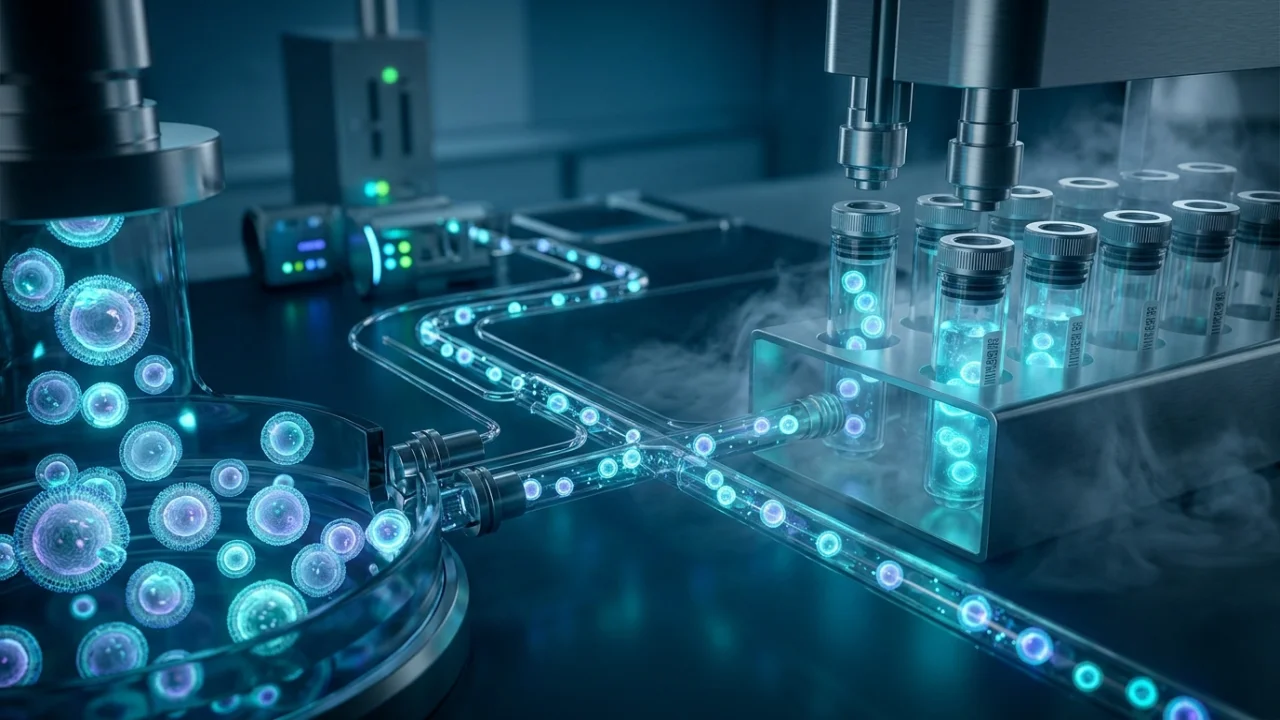
Why Banking Exosomes for Future Treatment is the Ultimate Biohack
What Are Exosomes and Why Do They Matter?
A single drop of your blood contains millions of tiny bubbles called exosomes. These bubbles are much smaller than the cells in your body. If a cell is like a large building, an exosome is like a small envelope sent from that building. These envelopes travel through your blood to deliver important mail. They are the secret way your body talks to itself. Every organ and every tissue uses these bubbles to send news. They tell other parts of your body how to stay healthy and strong.
Exosomes are not just empty bubbles. They are packed with special tools. Inside each one, you can find proteins, fats, and genetic code. These items act like a set of instructions. When one cell wants another cell to do something, it sends an exosome. The exosome floats through the body until it finds the right spot. It then sticks to the new cell and dumps its cargo inside. The receiving cell reads the instructions and starts to change how it works. This is how your body coordinates big jobs like healing a cut or fighting off a cold.
Scientists used to think these bubbles were just trash. They thought cells were just throwing away waste. Now we know that is not true. These bubbles are the most important part of your body’s repair system. They are the reason your body knows how to fix itself when things go wrong. When you are young, your cells are very good at sending clear messages. These young messages tell your body to grow fast and fix damage quickly. This is why children heal so much faster than adults. Their “cellular mail” is full of high-quality instructions.
As we get older, our cells start to change. They get tired and do not work as well. The messages they send out start to change too. Instead of sending “fix this” signals, they might send “slow down” signals. This is a big part of why we age. Our cells are simply following the instructions they receive. If the instructions are bad, the body starts to break down. This is where the idea of banking exosomes for future treatment comes in.
By saving your exosomes while you are young, you are saving your best cellular instructions. You are keeping a record of how your body works when it is at its peak. Think of it like a backup for a computer. If your computer gets a virus later, you can use the backup to make it work like new again. Banking exosomes for future treatment allows you to do this with your own biology. You are storing your “younger” signals so you can use them later in life.
These tiny bubbles matter because they control the environment inside your body. They help manage inflammation and tell stem cells where to go. They even help your brain cells talk to each other. Without them, your body would not know how to stay in balance. Here is a short list of what these bubbles do:
- They carry “blueprints” to help repair damaged skin and muscles.
- They help your immune system recognize and fight off threats.
- They stop healthy cells from acting like old or sick cells.
- They move energy and resources to the parts of the body that need them most.
Understanding these bubbles is the first step to taking control of your health. They are the language of life. If you can speak that language, you can influence how you age. By preserving these signals now, you are making sure your future self has the best tools available. You are not just saving bubbles; you are saving the wisdom of your youngest, healthiest cells. This sets the stage for how we can use technology to stay healthy for a very long time.
How Your Cells Talk to Each Other Every Day
Your body sends out billions of tiny messages every single second. These messages do not use words or sounds. Instead, they use tiny bubbles called exosomes to share data. Think of your body as a massive, busy city. In this city, the cells are like individual houses. For the city to run well, the houses must talk to each other. They need to know when to fix a road or when to put out a fire. Exosomes act as the mail trucks that carry these important letters across town.
Each exosome is a small package made of fat. Inside this package, a cell places specific tools and instructions. These tools include proteins and genetic code. When a cell is healthy and young, it sends out very clear instructions. It tells other cells to grow fast, stay strong, and fix any damage. This constant chatter is what keeps you feeling energetic and keeps your skin looking smooth.
Banking exosomes for future treatment is like saving the best sets of instructions your city ever produced. As we get older, our cells start to get tired. The messages they send become messy or confusing. Instead of clear orders to repair damage, they might send signals that cause swelling or weakness. By saving your young exosomes now, you keep a supply of perfect instructions. You can give these clear orders back to your body later when your cells have forgotten how to speak clearly.
The cargo inside these tiny bubbles is very specific. Here is what a typical exosome might carry:
- Growth factors that tell a cell to divide and make new tissue.
- Proteins that act as the building blocks for repairing muscles.
- Genetic signals that turn off “bad” genes linked to aging.
- Lipids that help strengthen the outer wall of a receiving cell.
- Enzymes that help speed up chemical reactions for energy.
The way these bubbles find their target is also amazing. They do not just float around aimlessly. Each exosome has special markers on its surface. These markers work like a GPS address or a key. They look for a specific “lock” on the surface of another cell. Once the exosome finds the right match, it sticks to the cell and gets pulled inside.
The process follows a few simple steps:
- A healthy cell identifies a need for repair in the body.
- The cell builds an exosome and fills it with the right “repair kit.”
- The exosome is released into the bloodstream to travel.
- It attaches to a cell that needs help.
- The receiving cell opens the package and follows the new instructions immediately.
This system is the reason why a cut on your finger heals in just a few days. Your cells are “talking” to each other to coordinate the fix. They send exosomes to bring in new skin cells and close the wound. Without this mail service, your body would stop functioning. By understanding this daily conversation, we can see why keeping these signals fresh is the ultimate way to protect our future health. This communication network is the foundation for all healing in the human body.
The Big Difference Between Old and Young Exosomes
Your body changes how it communicates as you get older. In your youth, your cells are like expert builders. They send out exosomes filled with clear and strong instructions. These instructions tell your body to grow, repair damage, and stay energetic. As you age, these messages begin to change. The “mail” your cells send out becomes messy and confusing. This shift in quality is the main reason why young people heal faster than older adults.
The cargo inside a young exosome is high in quality. It contains a high amount of growth factors and healthy proteins. These are the tools your body uses to fix a torn muscle or a cut on the skin. When a young exosome reaches its target, the receiving cell knows exactly what to do. It starts the repair process immediately. This is why a child can scrape their knee and see new skin in just a few days. Their exosomes are carrying the “gold standard” of repair kits.
In contrast, older cells produce exosomes that carry “aging” signals. Scientists have found that as we age, our cells start to release signals that cause inflammation. This is often called “inflammaging.” Instead of telling a cell to repair itself, an old exosome might tell a cell to stop dividing. It might even tell a healthy cell to start acting like an old one. This creates a cycle where aging spreads from cell to cell. This is why banking exosomes for future treatment is becoming a popular choice for many people. By saving your exosomes while you are young, you are keeping a copy of your best repair instructions.
There are several major differences between young and old exosomes:
- Young exosomes have more proteins that help with blood flow and heart health.
- Old exosomes often carry waste products that can trigger redness and swelling.
- Young exosomes contain “clean” genetic data that keeps your DNA stable.
- Old exosomes may carry signals that tell your skin to stop making collagen, which leads to wrinkles.
- Young exosomes are better at crossing the blood-brain barrier to protect your mind.
The number of helpful signals also drops as time goes on. Research shows that the concentration of repair signals can fall by more than half as we move from youth to middle age. If you wait until you are injured or sick to use your own exosomes, you are using a “tired” system. The signals may not be strong enough to finish the job. Banking these tiny bubbles today allows you to “freeze” your biological age. You are essentially saving a library of your most effective health data. When you use these banked assets later, you are giving your older body the clear, powerful instructions of your younger self. This allows your body to respond to disease with the strength of a much younger person.
The Science of Saving Your Youngest Cellular Signals
Why Your Cellular Signals Fade as You Get Older
Every cell in your body acts like a small radio station. It sends out signals to tell other cells how to grow, heal, and stay strong. As you get older, these radio stations start to break down. The signal becomes fuzzy and weak. This is not just a random event. It happens because of how our cells handle stress over many years. When a cell gets old, it enters a state called senescence. These cells are often called “zombie cells.” They do not die, but they stop working correctly. Instead of sending repair notes, they send out signals that cause redness and swelling. This change in the message is the main reason why we feel the effects of aging.
One big reason for this fade is the buildup of cellular trash. Inside every cell, there are parts that clean up waste. Over time, these cleaners slow down. This means the tiny bubbles, or exosomes, start to carry bits of broken proteins and damaged fat. Imagine trying to read a letter that has ink spills all over it. That is what happens to your body’s communication system. The clean data from your youth is replaced by noisy data. This makes it much harder for your organs to fix themselves after an injury. This is why banking exosomes for future treatment is a smart way to save your clearest messages before the noise takes over.
Your cells also lose their power supply as you age. The tiny engines inside your cells are called mitochondria. These engines become less efficient as the years pass. Making high-quality exosomes takes a lot of energy. When a cell is low on power, it cannot pack the right proteins or genetic codes into the bubbles. It might send out fewer bubbles, or the bubbles might be empty. It is like a delivery truck that shows up with no packages inside. Without these packages, your skin cannot make collagen and your muscles cannot repair tears. This energy drop happens slowly, but the impact on your health is huge.
There are several specific things that happen to your cellular signals as the years go by:
- The instructions for making new blood vessels get lost or scrambled.
- The signals that tell the immune system to calm down become weaker.
- Cells start sending false alarms that cause the body to attack healthy tissue.
- The protective coating on the exosomes becomes thin and breaks too easily.
- The “zip code” on the bubble fails, so the message never reaches the right cell.
Your DNA is the master blueprint for every message your body sends. Every day, your DNA takes small hits from the sun, pollution, and even the food you eat. While your body is good at fixing these hits when you are young, it gets tired later in life. These tiny errors in your DNA change the recipes for your exosomes. Instead of a recipe for strong bone, the cell might send a recipe for a stiff joint. This is a permanent change in how your body talks to itself. By the time you reach middle age, your cellular library is full of these small mistakes.
This decay is why your body heals slower at age fifty than it did at age twenty. The young signals are simply gone. They have been replaced by a system that is struggling to keep up with daily wear and tear. If you wait until you are old to look for help, you are working with a broken map. Saving your signals now keeps those perfect, error-free instructions safe. It ensures that you have a backup of your body’s best work. This sets the stage for how we can actually collect and store these signals for the long term.
How Exosome Banking Works Like a Time Machine
A young body produces billions of exosomes every hour to keep tissues fresh and healthy. These tiny bubbles carry the most accurate data your body will ever have. Think of these signals as a high-definition photo of your health. As you age, the photo gets blurry and faded. Banking captures the photo while it is still clear. This process stops the clock for those specific molecules. Scientists can pull these signals out of your blood or tissue today. They lock them in a deep freeze where time does not exist. This is the first step in banking exosomes for future treatment. It saves the best version of your cellular voice before it starts to crack.
The science behind this involves specialized tools called centrifuges. These machines spin your blood at very high speeds. The heavy parts, like red blood cells, sink to the bottom. The tiny exosomes stay near the top because they are light. Experts then collect these bubbles and check them for quality. They look for specific markers that show the cells are active and strong. Once verified, the exosomes go into cryopreservation. This means they are frozen at temperatures colder than the North Pole. At these temperatures, all biological activity stops. The exosomes do not age or break down. They stay exactly as they were the moment they left your young cells.
Why do we want these specific young signals later in life? Younger exosomes carry different cargo than older ones. – They have more proteins that help skin and bone grow fast. – They contain stop signals for inflammation that older cells forget how to make. – They carry clear instructions for building new blood vessels to feed hungry tissues. – They lack the error codes that cause the body to attack itself by mistake. – They move faster and reach their targets with better accuracy.
Imagine you are seventy years old and your knees hurt. Your current exosomes are sending signals of pain and wear. If you have a bank of your thirty-year-old exosomes, you have a solution. Doctors can take those young signals out of the freezer. When these young bubbles enter your body, they act like a software update. They tell your old cells to act young again. Your old cells read the young instructions and start to repair the joint. They do not know the instructions are forty years old. They only know the instructions are clear and correct. This is how banking exosomes for future treatment changes the way we look at aging.
This is not just about looks or skin. It is about your internal organs and your brain. The brain uses exosomes to keep connections between neurons strong. Over time, these connections can fray like an old rope. Young exosomes carry the glue needed to fix those ropes. By saving them now, you are building a biological savings account. You are not spending this asset today. You are letting it sit in a safe place until you really need it. Most people wait until they are sick to look for a cure. Banking lets you prepare the cure while you are still healthy.
The math of biology is simple: young signals produce young results. When you bank these signals, you are keeping your most valuable data safe from the passage of time. You are ensuring that your future self has the tools to fight back against decay. This technology turns the linear path of aging into a loop. You can reach back in time and grab the health you once had. This process is the bridge between the medicine of today and the long life of tomorrow. It leads us to the next step: how we actually put these tiny messengers to work in the body.
The Process of Collecting Your Own Exosomes
Doctors collect your exosomes through a simple blood draw or a small tissue sample. This is the first physical step in securing your biological future. The process is very similar to a routine checkup at a local clinic. Your blood contains millions of tiny bubbles that carry vital health data. These bubbles float in the liquid part of your blood called plasma. A nurse uses a needle to fill a few small tubes with your blood. This part is quick and usually does not cause much discomfort. It is the most common way of banking exosomes for future treatment.
Sometimes, a doctor might suggest using a different source, such as fat tissue. This is often called a biopsy. Fat is a great place to find high-quality exosomes because it acts like a storage unit for the body. The doctor numbs a small area of skin before taking a sample about the size of a grain of rice. This tissue is packed with young signals that are very strong and healthy. Whether the doctor uses blood or fat, the goal is the same. They want to capture your most active cellular messengers while you are still in good health.
Once the sample is collected, it goes to a specialized lab. Scientists there use a machine called a centrifuge to separate the parts of the sample. This machine spins the blood or tissue at very high speeds. Imagine a carnival ride that spins in a fast circle. The spinning force moves the heavy parts of the blood to the bottom of the tube. The clear plasma stays on top. The tiny exosomes are hidden inside that clear liquid. Scientists carefully pull them out using special tools. They must be very gentle to keep the messengers safe and whole.
The next step is cleaning and counting the exosomes. The lab must make sure the sample is pure and free of waste. They use a process called chromatography to sort the bubbles by size. They push the liquid through a very fine mesh. Only the tiny, healthy exosomes can pass through this filter. This removes any large proteins or bits of cell debris that are not needed. It is like sifting flour to make a smooth cake. After cleaning, scientists count how many exosomes they have. A good sample often contains billions of these tiny spheres. They check the shape of the bubbles under a microscope to ensure they are perfect.
Now the exosomes are ready for long-term storage. They cannot stay at room temperature because they would break down and lose their power. Scientists put them in special vials and add a protective liquid. This liquid acts like a shield. It prevents ice crystals from forming inside the bubbles. Then, they lower the temperature to nearly 300 degrees below zero. This is called cryopreservation. At this extreme cold, time stops for the exosomes. They do not age or change. They stay exactly as young as they were the day they left your body.
The storage bank is a very secure facility. It uses tanks of liquid nitrogen to keep the samples frozen. These tanks do not need electricity to stay cold, so your assets are safe even during a power failure. Each vial is labeled with a unique code that belongs only to you. You can keep your exosomes in this “deep sleep” for many decades. When you need them later in life, the lab warms them up slowly. They wake up with the same young energy they had years ago. This careful process ensures that your youngest signals are ready to help your body whenever you decide to use them.
Keeping Your Cells Safe in Deep Freeze Storage
Biological activity stops completely when the temperature drops below minus 130 degrees Celsius. This is the point where molecules can no longer move or react. For exosomes, this deep freeze acts like a pause button on a movie. Your cellular signals stay exactly as they are for many years. They do not get old, and they do not lose their ability to help your body. This is the core reason for banking exosomes for future treatment. You are saving the best version of your cellular communication for a time when you might need it most.
The secret to this process is keeping the exosome wall safe. Exosomes are tiny bubbles made of fats and proteins. When water freezes, it usually forms sharp crystals. These crystals act like tiny needles that can pop the bubbles. To prevent this, scientists use a special method to turn the liquid into a glass-like state. This is much smoother than ice. It protects the delicate cargo inside each exosome. The cargo includes important instructions that tell your other cells how to stay healthy.
The storage process follows several strict steps to ensure the highest quality: – Scientists mix the exosomes with a protective solution to prevent ice damage. – The temperature is lowered at a very steady and slow rate. – The vials are placed in the vapor of liquid nitrogen for maximum safety. – Computer systems monitor the tanks every minute to keep the cold steady. – Backup systems ensure the samples stay frozen even if the power goes out.
When you are banking exosomes for future treatment, you are creating a biological backup. Think of it like a time capsule for your health. A person who is thirty years old has very different cellular signals than a person who is eighty. The younger signals are better at fixing damage and reducing inflammation. By freezing them now, you keep those “thirty-year-old” instructions forever. They do not know that time is passing outside of their frozen tank.
The facility where these tanks are kept is built for long-term safety. The tanks are made of thick steel and do not need electricity to stay cold. They use the natural properties of liquid nitrogen to maintain the deep freeze. This means your biological assets are safe from common accidents or technical failures. When you decide to use them, the lab warms them up with great care. They return to a liquid state and become active again. They are just as powerful as the day they were first collected. This science allows you to send a message of health from your younger self to your future self.
How Banking Exosomes for Future Treatment Protects Your Health
Using Your Own Exosomes to Fight Aging and Disease
Younger cells produce exosomes that are much more active in repairing tissue than older cells. When you are young, your body heals fast because your exosomes carry clear instructions. As you get older, these messages become blurry or weak. Banking exosomes for future treatment allows you to save those clear instructions while they are still perfect. You are essentially saving a library of your best health data. This data stays the same even as your body changes over the years.
Think about what happens when a person gets sick later in life. A disease might damage the heart, the lungs, or the brain. The body tries to fix itself, but it might lack the tools it had decades ago. By using your banked exosomes, doctors can introduce your younger signals back into your system. These signals tell your current cells how to behave like young cells again. They can help reduce swelling and speed up the growth of new, healthy tissue. This process helps your body remember how to heal.
Scientists have found that exosomes from young donors can make old cells act younger in lab tests. This is not magic. It is biology. Your exosomes contain proteins and genetic material called RNA. This material acts like a software update for your body. When an old cell receives a young exosome, it reads the code inside. This code might say “build more collagen” or “stop the inflammation.” The cell then follows these instructions to fix the damage.
The signals inside these tiny bubbles can perform many important jobs: – They help cells talk to each other more clearly. – They stop the body from attacking its own healthy tissue. – They encourage blood vessels to grow where they are needed. – They provide the building blocks for repairing skin and bone. – They lower the stress levels within individual cells.
Imagine a scenario where a person develops a joint problem at age sixty. Their natural repair system is slow. However, if they have their own exosomes from when they were twenty-five, they have a powerful tool. A doctor could use those young exosomes to target the damaged joint. Because the exosomes come from the patient’s own body, there is no risk of the body rejecting them. This makes the treatment safe compared to using materials from a stranger.
This process is a form of personalized medicine. No two people have the same exosomes. Your signals are unique to your DNA and your life history. When you choose banking exosomes for future treatment, you are creating a custom medicine that only works for you. You are not just fighting one disease. You are preparing for many possible health challenges. This proactive step means you do not have to rely only on what your body can do in the future.
The goal of using these banked assets is to extend your healthspan. This is the number of years you live in good health, not just the number of years you are alive. By reintroducing young signals, you can potentially slow down the effects of time on your organs. This could mean a sharper mind, stronger muscles, and faster recovery from common
Why Biohackers Are Choosing Exosome Banking Now
Aging begins deep inside your cells long before you see a single wrinkle on your face. Biohackers are people who study their own bodies to find ways to live longer and perform better. They look at the human body like a complex computer system. If the software is old and full of errors, the computer runs slowly. Exosomes act like the software of your body. They carry vital instructions to every organ and tissue. When you are young and healthy, these instructions are clear and strong. As you get older, the messages inside these tiny bubbles become garbled or weak. This is why many people are banking exosomes for future treatment right now. They want to save the clean and powerful code of their youth before it changes.
Scientists have discovered that the quality of our cellular signals drops as we get older. Young exosomes tell your cells to grow, divide, and fix damage. Old exosomes often carry messages of stress or decay. They might even tell healthy cells to stop working or to cause inflammation. Biohackers want to avoid these negative signals. By saving their young exosomes today, they can use them later to override the signals of an aging body. It is a way to tell an old heart or a tired brain to act young again.
There are several reasons why people choose to act now rather than waiting: – Cellular signals can degrade by a large amount every single decade. – Chronic inflammation increases with age and makes natural repair much harder. – Stem cells become less active and produce fewer helpful exosomes over time. – Environmental toxins can damage the messages your cells send to each other. – Early banking ensures the highest concentration of “growth” signals is preserved.
Think of your body like a biological bank account. Every year, you lose a little bit of your “cellular wealth.” Biohackers see exosomes as a form of currency that buys health. If you save that currency while you are at your peak, you have more to spend when you face a health crisis later. This is a proactive move. Most people wait until they are sick to look for a doctor. Biohackers do the opposite. They prepare for the problem before it ever starts. They want to keep their strength and sharp minds for as many years as possible.
The process of banking exosomes for future treatment is straightforward. A person visits a specialized clinic while they are in good health. They provide a small sample of blood or tissue. Experts then separate the tiny exosomes from the rest of the cells. These messengers are frozen at extremely low temperatures. This freezing process stops time for the exosomes. They do not age or lose their power while they are in storage. Twenty years later, those exosomes are still young. They still have the energy and the perfect instructions of a healthy person.
People who focus on longevity do not just want to live a long time. They want to stay active and independent. They want to hike, play with their grandkids, and work on new projects at age eighty. They know that the body’s natural repair tools eventually get tired. By banking these assets, they create a biological safety net. This net catches them when their natural systems start to slow down. It is like having a backup copy of your best self. This shift in thinking changes how we view the passing of time. We no longer have to accept a slow decline as a fact of life. Instead, we can save our best biological tools to use whenever we need them most. This leads to the practical side of how we keep these tiny messengers safe for the long term.
How Young Exosomes Help Repair Damaged Tissue
Young exosomes carry thousands of proteins and genetic instructions that tell your body how to heal. As we age, our cells get tired and forget these instructions. When you use young exosomes, you are sending a clear message to your old cells. It is like giving a master builder a set of perfect blueprints. These blueprints tell the body exactly how to fix a cut or a torn muscle. Without these signals, the body might just fill the gap with scar tissue. Scar tissue is stiff and weak. Young signals help the body build healthy, functional tissue instead.
Muscle repair is a great example of how this works. Inside your muscles, you have special cells called satellite cells. Their job is to fix tears after you exercise or get hurt. In a young person, these cells work very fast. In an older person, these cells often stay asleep. Young exosomes act like an alarm clock for these sleeping cells. They provide the energy and the “go” signal to start the repair process. This is why banking exosomes for future treatment is so valuable for active people. It ensures that your muscles can bounce back even when you are much older.
Your skin also relies on these tiny messengers to stay strong. Skin cells called fibroblasts produce collagen. Collagen is the glue that keeps skin firm and smooth. Over time, fibroblasts slow down and produce less collagen. This leads to wrinkles and thin skin that bruises easily. Young exosomes can enter these fibroblasts and deliver a fresh supply of instructions. They tell the skin to start making collagen again. This is not just about looks. Strong skin is a vital barrier that protects you from germs and infections.
Young exosomes help the body in several specific ways: – They reduce inflammation that slows down healing. – They help new blood vessels grow into damaged areas. – They prevent healthy cells from dying too soon. – They clear out cellular waste that blocks repair.
Speed is another major factor in healing. When you are young, a scrape might disappear in a few days. When you are old, that same scrape might take weeks to close. This delay happens because old signals are messy and loud. They cause too much inflammation. Inflammation is like a fire that gets out of control. Young exosomes help put out that fire. They calm the immune system so it can focus on building new tissue. This makes the entire healing process much more efficient.
Imagine a person needs surgery at age seventy. If they have their young exosomes stored, they can use them during recovery. Doctors could apply these messengers to the surgical site. The body would receive the same healing signals it had at age twenty-five. This could mean less pain and a much faster return to normal life. It changes the way we think about recovery from injury. We are no longer limited by our current age. We can reach back in time to use our own best biological tools. This ability to speed up repair is just one part of how these messengers protect our future health.
The Role of Exosomes in Joint and Bone Health
Cartilage in your knees and back does not have its own blood supply to help it heal. This makes it very hard for your body to fix joint damage on its own. Your joints act like the hinges on a door. Over time, these hinges can get rusty or worn down from use. In a healthy body, a smooth material called cartilage covers the ends of your bones. It lets your joints move without any pain. When you are young, your cells send out clear signals to keep this cushion thick and strong. As you get older, those signals fade away. This is why many people feel stiff or have sore knees as they age.
Exosomes change the way your joints handle daily wear and tear. These tiny bubbles carry the exact tools needed to rebuild the cushion between your bones. They find the specific cells that make cartilage and tell them to work harder. These cells then start to produce new tissue to fill in the gaps. This process keeps the joint smooth and flexible even after years of activity. Banking exosomes for future treatment gives you a way to restart this repair process later in life. You are saving the best versions of these signals while your body is still at its peak.
Your bones are also living tissue that constantly changes. The body has two main types of bone cells that work together. One type builds new bone up to keep it strong. The other type breaks old bone down to clear it away. In a young person, these two groups work in a perfect balance. As you age, the builders often get tired and slow down. The cells that break down bone keep working at the same speed. This leads to weak bones that can break very easily. Young exosomes carry the right messages to keep the builders active. They help maintain bone density so your frame stays solid as you grow older. This is vital for protecting your hips and your spine from getting weak.
Storing these messengers offers several clear advantages for your skeletal health: – They stop the breakdown of healthy cartilage before it disappears. – They reduce the swelling in joints that causes daily pain. – They encourage the growth of new bone cells to prevent fractures. – They help the body use minerals like calcium more effectively. – They protect the small discs in your spine from getting thin and brittle.
If you wait until your joints hurt to look for help, your own signals might already be too weak. Old exosomes often carry messages of stress and decline rather than growth. By banking exosomes for future treatment now, you secure a supply of high-quality instructions. These young messengers do not know that your body has aged. When they are put into a sore joint, they act like they are still twenty-five years old. They begin the work of fixing the damage immediately. This can prevent the need for major surgeries like total knee replacements. It allows you to stay active and move without the fear of getting hurt.
Mobility is one of the most important parts of staying healthy as you age. If you can walk and move easily, your heart and lungs stay much stronger. Joint pain often stops people from exercising, which leads to other health problems. Using stored exosomes helps break this cycle of decline. It keeps your physical foundation strong so you can keep moving through life. Your bones and joints provide the structure for everything you do. Keeping them healthy is a vital part of planning for a long and active future. These tiny messengers make that plan possible by preserving your youthful strength. This structural support is just one way that stored signals protect your ability to stay independent.
The Benefits of Personalized Biological Assets
Why Your Own Exosomes Are Better Than Donor Ones
Your immune system acts like a high-tech security guard for your body. It constantly checks every cell and signal to see if it belongs to you. If the guard sees something from another person, it might think it is an intruder. This is why using your own exosomes is much safer than using ones from a donor. When you use your own cells, your body recognizes the specific ID card they carry. It knows these signals are friendly and safe. This means your body can start healing right away without wasting energy fighting the treatment.
When you get exosomes from a donor, your body has to decide if they are dangerous. Even if the donor is a very healthy person, their signals are written in a slightly different genetic language. Your immune system might get confused by these foreign messages. This confusion can cause swelling, redness, or a bad reaction. Doctors call this an immune response. It is the same reason why people need a perfect match for blood or organ transplants. With exosomes, you can avoid this risk by using your own banked signals.
Banking exosomes for future treatment ensures you have a perfect match ready at any time. You are the only person in the world who has your exact biological code. By saving your own signals today, you are creating a custom repair kit for your future self. This kit will never cause an allergic reaction because it comes from your own DNA. It is the most natural medicine your body can ever receive.
There are several reasons why your own exosomes work better than donor ones: – Your immune system accepts them instantly without any security checks. – There is no risk of catching a disease or a virus from another person’s cells. – Your body understands the specific instructions these exosomes carry. – You do not need to take extra drugs to stop your body from rejecting the treatment. – The healing process starts faster because the signals are already familiar to your tissues.
Think of your body like a house with a very special lock on the front door. If you need a spare key, you want one that was made specifically for that lock. A key from a neighbor’s house might look the same, but it will not turn the bolt. Your exosomes are the keys to your cellular locks. Donor exosomes might look similar, but they often fail to unlock the full healing power of your body. Your own stored signals fit perfectly every single time.
Scientists use the word “autologous” to describe this. It means the source of the treatment and the person getting the treatment are the same. This method is the gold standard for safety in modern medicine. When you use your own banked signals, you remove all the guesswork. You do not have to worry about how your body will react to a stranger’s biology. You already know your body likes your own cells.
Using your own stored signals also makes the treatment more efficient. Donor exosomes are often cleared out of the blood very quickly. The immune system sees them as foreign objects and tries to get rid of them. Your own exosomes can stay in your system much longer. They have more time to find the damaged areas and fix them. They can travel through your veins to reach your heart, brain, or joints without being stopped by your immune guards.
This safety makes the whole process much easier for you and your doctor. They do not have to run complex matching tests or worry about side effects. They know the medicine is made specifically for your unique needs. It is a proactive way to manage your health. By saving these signals now, you are making sure your future self has the best possible tools for recovery. Your body is a unique machine, and it works best with its own original parts. This personal connection is what makes stored signals a true biological asset for your long-term wellness. Knowing your treatment is safe allows you to focus entirely on getting better.
How Exosomes Carry Vital Instructions to Your Organs
Exosomes are tiny bubbles that act like mail trucks for your body’s cells. They carry cargo like proteins and genetic codes from one place to another. These bubbles move through your blood to find organs that need help. When you think about banking exosomes for future treatment, you are saving these mail trucks while they are still fast and full of good cargo. They carry the instructions your body needs to fix itself when things go wrong.
Your heart is a muscle that never stops working. Over time, heart cells can get tired or damaged from stress or age. Exosomes can travel to the heart to deliver repair signals. They tell the heart cells to grow stronger. They also help the heart build new blood vessels. This process brings more oxygen to the heart muscle. If a person has a heart problem later in life, these signals are vital for recovery. They act like a repair crew that knows exactly which parts of the heart wall need fixing.
The liver is another organ that benefits from these tiny signals. It is the only organ that can grow back on its own. It uses exosomes to send growth signals from one cell to another. These signals tell the liver how to clean the blood and get rid of waste. They also help the liver fix scars that might form over many years. If the liver gets sick, it needs a lot of help to stay healthy. Stored exosomes can provide a boost of young energy to this organ. They help the liver stay strong so it can keep filtering your blood.
Your lungs face many threats from the air you breathe every day. Dust, smoke, and germs can hurt the delicate tissue in your chest. Exosomes help the lungs by lowering swelling and irritation. They tell the immune system to stay calm and not overreact to dust or pollen. This helps you breathe better and keeps your airways open. They also help repair the tiny air sacs that trade oxygen for carbon dioxide. This repair work is important for staying active as you get older.
How do these tiny bubbles know where to go? They have special proteins on their surface. These proteins act like a GPS or a key. They only fit into specific locks on certain cells. This means an exosome can float past a healthy cell and stop only at a sick one. This targeting is why exosomes are so powerful. – They carry instructions to stop swelling in the lungs. – They bring tools to build new tissue in the heart. – They share energy to help liver cells work faster. – They protect all cells from dying too soon.
The instructions inside the exosomes are very complex. They contain a mix of different molecules that work together. Some tell the cell to make more energy. Others tell the cell to stop making scar tissue. In the lungs, these instructions might focus on keeping the airways clear. In the heart, the focus is often on keeping the muscle flexible. In the liver, the signals might be about breaking down fat more quickly. Every organ gets exactly what it needs because the exosomes carry a diverse toolkit. This is why banking exosomes for future treatment is a smart move for your long-term health.
These signals are a biological asset because they are active. They do not just sit there. They move and talk to your organs constantly. This communication is the secret to how the body heals itself. Your heart, liver, and lungs all speak the same language of exosomes. Keeping these signals safe ensures that your body can always hear the right instructions. When your organs can talk to each other clearly, your whole body stays in balance. This balance is the key to feeling young and staying healthy for a long time.
The Connection Between Exosomes and Your Immune System
Your immune system uses tiny bubbles called exosomes to talk to every cell in your body. These bubbles act like a high-speed internet for your internal defense team. One single drop of blood can contain millions of these messengers. They carry vital data that keeps your body safe from germs and sickness. Without these signals, your immune cells would not know how to protect you.
Your white blood cells are the soldiers of your body. They must know the difference between a friend and an enemy. Exosomes provide this information by carrying pieces of proteins from viruses or bacteria. They show these pieces to your immune cells so they can recognize a threat. This helps your cells find and destroy a virus before it can cause real damage. This fast response is the main reason you stay healthy most of the time.
Sometimes the immune system works too hard and becomes confused. It might start to attack your own joints, skin, or organs. This is called an overreaction, and it leads to long-term pain and swelling. Exosomes have a special job in these moments. They act like a peace treaty for your cells. They carry “stop” signals that tell the immune system to relax. This balance is very important for your long-term health. If your body cannot stop an immune response, you might feel tired or sick for a long time.
Banking exosomes for future treatment is a smart way to save these peace signals. When you are young, your exosomes are very good at controlling these reactions. They are clear and easy for your cells to understand. As you age, these signals can become blurry or weak. Your body might forget how to turn off the immune response correctly. By saving your young exosomes now, you keep a backup of your best health instructions.
Here is how exosomes help your immune system stay strong: – They tell white blood cells exactly where a germ is hiding. – They help cells build a memory of past sickness so you do not get sick again. – They carry tools that repair damage after a fight with a virus. – They stop the body from overreacting to small problems like dust or pollen. – They help clear out old cells to keep your blood clean and fresh.
These functions make your exosomes a valuable biological asset. Think of them as a library of health. Each exosome contains a page of instructions on how to fight and how to heal. When you use banked exosomes later in life, you give your older immune system a fresh set of rules. This helps your body act like it is young again. Your immune system will be faster and smarter. It will know when to fight and when to rest. This proactive step ensures that your internal defense team always has the right map to follow. Keeping these signals safe is the best way to prepare for the health challenges of the future.
How Exosomes Might Protect Your Brain in the Future
Brain cells must talk to each other constantly to keep your thoughts clear and your memory sharp. These cells use exosomes to send messages across the brain and to the rest of the body. These tiny bubbles carry the tools needed to fix broken parts of a nerve cell. When you are young, these messages are sent quickly and clearly. Your brain stays healthy because it can repair itself every single day. As you get older, the brain starts to lose this ability. The messages become slow or get lost. This is why some people start to lose their memory or find it hard to focus on simple tasks.
The brain has a very strong wall called the blood-brain barrier. This wall protects the brain from germs and toxins in the blood. However, this wall also blocks many helpful medicines. Exosomes are one of the few things that can pass through this wall easily. They act like a secret key that lets healing signals enter the brain. This is a major reason why banking exosomes for future treatment is so important for long-term health. You are saving a delivery system that your brain already knows and trusts.
When you bank your exosomes today, you are saving the “young” version of your brain’s repair manual. These exosomes know exactly how to keep your neurons healthy. They carry specific proteins that tell the brain to clear out waste. Over time, waste can build up in the brain and cause problems like brain fog or confusion. Young exosomes act like a cleaning crew. They remove this trash before it causes permanent damage to your mind.
Here are a few ways these banked assets help your brain stay young: – They help repair the protective layer around your nerves so signals move fast. – They stop brain cells from dying when they are under a lot of stress. – They bring fresh instructions to areas of the brain that are tired or worn out. – They help the brain create new paths for learning and remembering new things. – They reduce swelling in the brain that can make you feel slow or tired.
Using these saved signals later in life gives your brain a second chance. It is like giving an old computer a brand-new operating system. Your brain can start to function with the speed and power it had years ago. This proactive step helps you keep your independence as you grow older. It ensures that your mind stays as strong as your body. Saving these biological assets is a way to protect your most important organ for the rest of your life. This makes your future self much more resilient against the natural changes that come with age.
Practical Steps for Biological Insurance
Why Early Banking Leads to Better Medical Results
Your body is a living clock that never stops ticking. Every single day, your cells undergo small changes that you cannot see. These changes add up over many years and affect how your body heals. When you are young, your cells are at their peak performance. They send out clear and strong signals to keep you healthy. These signals tell your body how to fix injuries and fight off germs.
This is why banking exosomes for future treatment is a smart move to make today. You cannot go back in time to get younger cells later in life. The exosomes you produce right now are the best ones you will ever have. They contain the most powerful and “clean” instructions for your health. As you get older, these instructions start to change. The cells themselves become tired and worn out. They begin to make mistakes when they send out messages.
Think of an exosome like a small envelope. Inside this envelope is a letter with important directions. In a young person, the letter says “Build more muscle” or “Fix this skin tear quickly.” In an older person, the letter might be blurry or hard to read. It might even say “Slow down” or “Stop growing.” If you save the “Build” letters now, you can use them when your body only knows how to send the “Slow down” letters.
As we age, some cells stop working right but do not die. Scientists often call these senescent cells. You can think of them as zombie cells. These zombie cells do not help the body. Instead, they send out bad signals that cause trouble. They tell healthy cells to stop working well. They cause swelling and pain in your joints and organs. Young exosomes do not carry these bad “zombie” signals. By banking your exosomes now, you avoid these negative messages. You are saving a pure version of your biological data.
Every time a cell divides, it makes a copy of its DNA. Over time, these copies get worse. It is like making a photocopy of a photocopy. Eventually, the image becomes fuzzy and loses detail. Your exosomes carry the map of your DNA. Banking them today catches that map while it is still sharp and clear. This gives doctors a better tool to help you stay healthy as you age.
The Safety of Using Your Own Biological Signals
Your immune system acts like a tiny police force that patrols your entire body. Every single second, these cells check everything they find in your blood and tissues. They look for a special code on the surface of every cell and signal. If they find a code they do not recognize, they attack it to keep you safe. This is why your body might reject a organ from another person or react poorly to some medicines. Your immune system sees those things as strangers or enemies.
When you use your own exosomes, you are using your body’s own natural language. These signals carry your unique biological ID card. Because they come from your own cells, your immune system recognizes them as a friend. There is no need for your body to fight them off or cause a bad reaction. This makes the process of using your own signals one of the safest ways to support your health. Scientists call this an autologous process, which simply means it comes from you and goes back to you.
Choosing to start banking exosomes for future treatment is like making a copy of your own house key. You know the key will fit the lock because it was made for your specific door. Other treatments can be like trying to use a key that almost fits but might get stuck. By saving your own exosomes now, you ensure that any future help you give your body is a perfect match. Your body will not see these signals as a threat. Instead, it will welcome them and start following their healthy instructions right away.
There are several reasons why using your own biological signals is a smart safety choice:
- Your body already knows how to read these specific messages.
- There is no risk of your immune system attacking the treatment.
- You do not have to worry about getting a disease from a different donor.
- The signals are natural and do not contain harsh lab chemicals.
- Your cells can use these messages to start repairs faster.
The lab process also adds a layer of safety. When your exosomes are collected, they are cleaned and separated from other parts of the blood. This removes any waste or broken pieces that might cause swelling. What is left is a pure set of instructions that are ready to work. When these are stored, they stay in a frozen state where they do not change or get old. They stay exactly as they were on the day you gave them.
When you decide to use them later, you are giving your older body a gift from your younger self. The signals are fresh, clear, and familiar. Your heart, skin, and joints will recognize these signals and respond to them without confusion. This creates a smooth path for healing and staying strong. Because the signals are yours, the risk of side effects is much lower than with many common drugs. This natural harmony is what makes biological insurance so powerful for your long-term health. Knowing your body is working with its own tools helps you feel confident about your future. This safety is the foundation for the next step, which is the actual process of collecting and saving these vital signals.
How Exosomes Differ from Stem Cell Therapy
Stem cells act like tiny factories inside your body. These factories produce small bubbles called exosomes to send messages to other cells. For a long time, doctors focused only on the factories. Now, science shows that the messages are often more important than the factory itself. Understanding this difference helps you see why saving these signals is a smart move for your health.
A stem cell is a living thing. It needs food, oxygen, and a specific environment to stay alive. If you move a stem cell, it might die or change into something else. Exosomes are different because they are not alive. They are like small envelopes filled with clear instructions. Because they are not living cells, they do not need the same constant care. This makes them much easier to handle in a medical setting.
Size is another major factor in how these two things work. Stem cells are large. They can sometimes get stuck in small blood vessels if they are injected into the body. Exosomes are about 1,000 times smaller than a single cell. They can travel through the body with ease. They reach deep into tissues where a large cell cannot go. Also, stem cells have their own DNA. In some rare cases, this DNA can cause cells to grow too much. Exosomes do not have the power to grow or divide. They only deliver a message and then they disappear. This makes them a very stable tool for healing.
Banking exosomes for future treatment is simpler than banking whole cells. When you freeze a living cell, ice can break the cell wall. This often kills the cell. Exosomes are tough shells made of fats. They handle the freezing process very well. You can store millions of these messages in a very small space. When you need them later, they wake up ready to work. They do not lose their strength over time. This is why many people choose to save these signals while they are young and healthy.
There are several reasons why exosomes are becoming a preferred choice:
- Stem cells are the workers, but exosomes are the actual tools the workers use.
- Cells require complex life support, but exosomes are stable and hardy.
- Exosomes are small enough to move through any part of the body safely.
- There is no risk of exosomes turning into the wrong type of tissue or growing out of control.
- Storing exosomes is more efficient for long-term biological insurance.
If you wait until you are older to use your own stem cells, the factory might be tired. The messages they send might be weak or confusing. By banking the exosomes now, you capture the best instructions your body will ever write. You are saving the peak performance of your cellular communication. This ensures that your future self has access to the highest quality repair signals possible. This clear distinction between the cell and its message leads us to the next step of the journey. You need to know exactly how these powerful signals are collected and prepared for long-term storage.
What Happens During the Exosome Extraction Process
Collecting these tiny messengers does not require a long hospital stay. Most people find the process as easy as a yearly physical exam. It starts with a visit to a clean clinic. A medical professional takes a small sample of your tissue. This tissue often comes from blood or
The Future of Longevity and Regenerative Medicine
How Exosomes Help Your Body Recover After Stress
Stress changes how your cells talk to each other. Every time you face a challenge, your body reacts. This reaction happens at a very small level inside your tissues. When you lift heavy weights at the gym, your muscle fibers get tiny tears. When you work a long day at the office,
The Cost of Waiting to Bank Your Exosomes
A cell from a twenty-year-old body sends out repair signals that are much stronger than those from a sixty-year-old body. These signals travel inside tiny bubbles called exosomes. Your body produces billions of these bubbles every hour to keep your organs running. They act like a biological diary of your current health. If you are healthy and young today, your diary is full of positive stories about growth. If you wait until you are older, the stories in that diary change. They become stories of stress and slow repair. This is the main reason why the timing of banking matters. Banking exosomes for future treatment allows you to save your best stories while they are still being written.
Waiting too long has a hidden cost that most people do not see. As we age, our cells start to produce more “junk” signals. These signals can actually tell other cells to stop working or to age faster. If you bank these older exosomes, you are saving the wrong instructions. You want to save the signals that say “build” and “repair.” You do not want to save the ones that say “slow down.” Scientists have found that young exosomes can actually help older cells act young again. However, the opposite is also true. Old exosomes can make young cells act tired and sluggish.
When you choose to bank your exosomes now, you are securing a high-quality asset. You are capturing your cells at their peak performance. This is like saving a backup of your computer when it is brand new and fast. You would not want to wait until the computer is crashing to make a backup. The same logic applies to your biology. You want to capture the highest quality data possible.
- Younger exosomes have more proteins that trigger fast healing.
- They contain better genetic instructions for healthy cell growth.
- Older exosomes often carry markers of chronic inflammation and stress.
- Young signals are better at reducing swelling and pain in the body.
- Early banking ensures you have a large supply of strong biological data.
The science of longevity is moving forward very fast. We now know that aging is a series of small changes in how cells talk. By banking exosomes for future treatment today, you stop the clock on those specific signals. You give your future self a tool that your body can no longer make on its own. It is a gift of health from your younger self to your older self. Do not wait for the signals to turn sour before you decide to save them. The best time to act is when your cells are still speaking the language of strength. This proactive step ensures that your future medical care uses the most powerful tools available in your own body.
How Exosome Banking Fits Into a Long Life Plan
Doctors say that eighty percent of chronic diseases come from lifestyle choices. We eat vegetables and exercise to keep our cells strong today. But even the healthiest person gets older every single day. Exosome banking adds a new layer to your long-term health plan. It is not a replacement for a good diet or a gym membership. Instead, it works with your daily habits to protect your future self. Think of it like a savings account for your health. You put money in now so you can use it when you are older. Banking your exosomes works the same way. You save your best cellular signals while you are healthy and vibrant.
Most people wait until they are sick to think about medical treatments. This is a reactive way to live. Modern science teaches us to be proactive instead. Proactive health means fixing problems before they even start. When you are young, your cells produce billions of exosomes every hour. These tiny bubbles carry the instructions for repair and growth. As we age, the number of these repair signals drops by over fifty percent in some parts of the body. By banking exosomes for future treatment, you keep those high numbers ready for use. You are not just living for today. You are planning for the next thirty or forty years of your life.
A complete life plan covers many different areas. You probably have a retirement fund for your money. You likely have insurance for your home or your car. Exosome banking is insurance for your biology. It fits into a routine that includes:
- Regular physical exams to track your health markers.
- High-quality sleep to let your cells repair themselves naturally.
- Clean eating to reduce stress on your internal systems.
- Stress management to keep your cell signals clear and strong.
- Storing your most active exosomes to use when your body slows down.
Science shows that chronic inflammation is a major cause of aging. Scientists often call this “inflammaging.” Younger exosomes are very good at turning off this harmful inflammation. They tell the body to stop attacking itself and start building new tissue. If you get injured ten years from now, your body will heal slower than it does today. But if you have your younger exosomes saved, you can give your body a massive boost. You are giving your older tissues the exact instructions they need to recover fast. This makes regenerative medicine a part of your normal life cycle. It is no longer a “miracle cure” you look for in a crisis. It is a tool you already own and have ready to use.
People who plan for a long life look at the big picture. They know that technology changes very fast. In the next decade, doctors will use personalized medicine more than ever before. Having your own biological assets ready will be a huge advantage for you. You will not have to rely on generic treatments made for everyone. You will have a supply of your own “youth signals” that match your DNA perfectly. This reduces the risk of your body rejecting a treatment. It also makes the healing process much more efficient and natural.
Living a long and healthy life requires the right tools. Exosome banking is one of the most advanced tools available to us today. It bridges the gap between how you live now and how you will feel in the future. You are taking total control of your biological timeline. This choice ensures that your future self has the best possible chance to stay active and strong. You are building a bridge to a future where age is just a number on a page. Your plan for a long life is now complete with a biological backup that grows more valuable every year. This proactive step changes how we think about the aging process forever.
Why Doctors Are Excited About Exosome Research
One single cell in your body can send out thousands of tiny exosomes every day. These small bubbles are not just waste products. They are the most advanced messaging system in the human body. For a long time, doctors thought cells only talked through touch or simple chemicals. Now they know that exosomes carry complex blueprints from one part of the body to another. This discovery is changing how we look at healing. Scientists believe these tiny bubbles hold the secret to the next 50 years of medicine.
Doctors are excited because exosomes can go where most medicines cannot. For example, the brain has a special shield called the blood-brain barrier. It keeps harmful things out, but it also blocks many helpful drugs. Exosomes are small enough to pass through this shield easily. They can carry healing signals directly to brain cells. This could help treat many conditions that were once very hard to reach.
There are several main reasons why experts focus on this research: – Exosomes do not cause a strong immune reaction like many foreign drugs do. – They carry exactly what the body needs to fix damaged tissues. – They can be programmed to find specific types of sick cells. – They stay stable even when they are frozen for a long time.
When we talk about banking exosomes for future treatment, we are looking at a new era of care. In the past, doctors used whole cells to help patients heal. This was called stem cell therapy. However, stem cells can be hard to control and sometimes grow in ways doctors do not want. Exosomes are much simpler and safer. They provide the benefits of stem cells without the risks. They act like the software that runs the hardware of your body. If the software is young and healthy, the hardware works better.
Exosomes contain more than just messages. They carry proteins, fats, and genetic code. This is why they are so powerful. When a young exosome enters an old cell, it delivers a fresh set of instructions. It is like giving a new manual to a worker who is using an old, torn book. The old cell reads the new instructions and starts to work like a young cell again. This is the core of regenerative medicine.
Researchers also study how exosomes affect zombie cells. These are old cells that stop working but do not die. They stay in the body and cause inflammation. This makes you age faster. Young exosomes can
Starting Your Journey with Banking Exosomes for Future Treatment
How to Choose the Right Time to Save Your Cells
A single drop of human blood can contain over one billion exosomes that carry vital health data. These tiny bubbles act like a fast mail service for your cells. However, the quality of this mail changes as you get older. When you are young, the messages are full of clear instructions for growth and
What the Future of Exosome Therapy Looks Like
By the year 2040, a visit to the doctor might involve opening a frozen vial of your own 25-year-old cellular signals. Scientists believe that your body’s own messages are the best medicine it will ever receive. Banking exosomes for future treatment allows you to keep a perfect copy of your health on ice. These tiny bubbles are not just waste from your cells. They are the primary language of your immune system. When you are young, your immune system speaks clearly and loudly. It knows how to stop a fire before it spreads to other parts of the body. As you get older, that voice gets quiet and confused. Saving your exosomes now ensures you never lose that clear, youthful voice. It is like recording a high-quality video of your health. You can play it back whenever your body starts to fade or needs help.
Imagine a world where every person has a personal health library. This library stays in a secure, cold facility. It sits at temperatures below minus 300 degrees Fahrenheit. At this extreme cold level, time stops for your cells. The exosomes do not age and they do not lose their power. If you get sick ten years from now, you have a secret weapon ready to go. Your doctor can take these young signals and put them back into your blood. Your body recognizes them immediately. It does not see them as a foreign drug or a strange chemical. It sees them as its own lost instructions. This makes the treatment safe and fast for almost anyone to use.
This technology changes how we think about getting old. We used to think aging was a one-way street that we could not change. Now, we see it as a loss of important data. If we can put the data back, we can change the outcome of your health. Think about a car that has a manual for every possible repair. If the car breaks, you simply read the book and fix the part. Your young exosomes are that repair book. They tell your skin to make more collagen. They tell your muscles to grow back after a hard workout. They even tell your brain cells to stay connected to each other. This is the core reason for banking exosomes for future treatment. You are not just saving tiny bubbles. You are saving the “how-to” guide for your entire body.
- Young exosomes help fix a broken bone or a torn muscle much faster.
- They reduce the swelling in your knees or back that causes daily pain.
- They can help your skin look thicker and more alive.
- They help your body fight off new viruses more effectively.
- These signals help your heart and lungs stay strong as you get older.
The future of medicine is moving away from heavy chemicals. Instead, it is moving toward biology. We are learning that the body is its own best pharmacy. Most drugs try to mimic what the body does naturally. But a drug is often a blunt tool that causes side effects. An exosome is a precision tool. It goes exactly where it is needed in the body. It carries the exact message required for that specific moment. By saving these tools today, you are building a strong safety net. You are making sure that your older self has the same advantages as your younger self. This proactive step turns you from a patient into a manager of your own biology. You are in total control of your future health. This leads us to the next step of understanding how we collect these vital signals.
Why Exosomes Are the Key to Proactive Health
Cells in a young person release up to three times more healing signals than cells in an older person. These signals are the exosomes that keep your body in balance every day. As you age, your cells become tired and less efficient. They do not talk to each other as well as they used to. This loss