
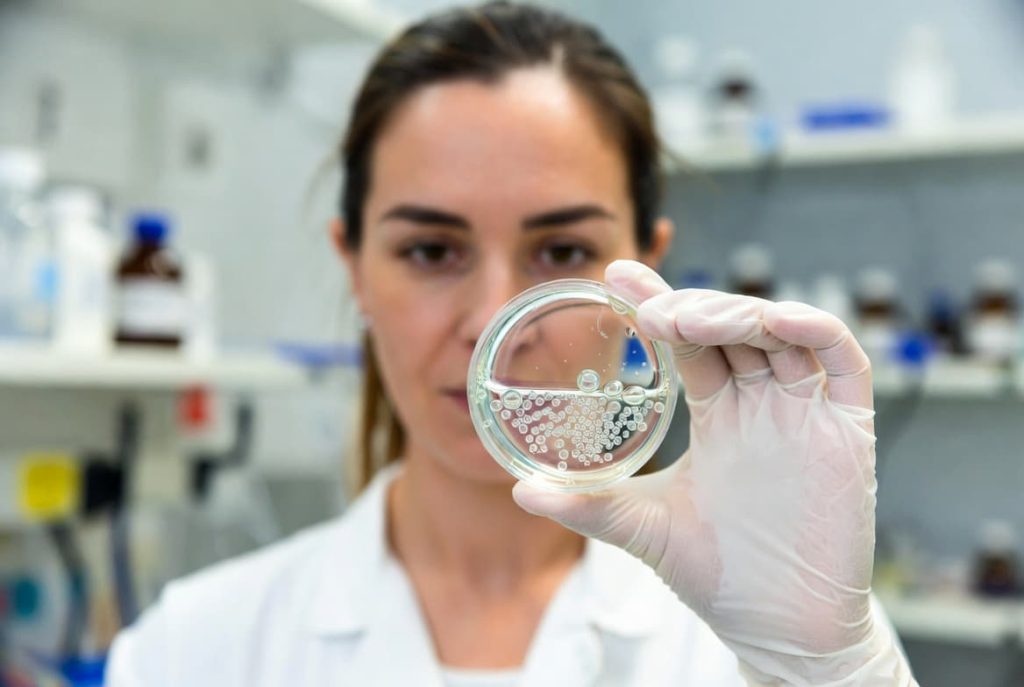
What Are iPSC Exosomes and Why Should You Care?
The Tiny Messengers That Could Change Medicine
Imagine a cell not as a static unit, but as a bustling factory with a sophisticated shipping department. Among its most crucial exports are exosomes: tiny bubbles, about one-thousandth the width of a human hair, that cells naturally release to communicate. These vesicles carry precise molecular cargo—proteins, genetic instructions, and signaling molecules—sealed within a protective lipid membrane. They function as the body’s own biological mail system, delivering messages that can instruct other cells to repair tissue, reduce inflammation, or modulate the immune response. This intrinsic communication network is fundamental to health and healing.
The ‘iPSC’ prefix marks a revolutionary upgrade to this system. Induced pluripotent stem cells are master cells, created by reprogramming ordinary adult cells back to a powerful, versatile state. They can theoretically become any cell type in the body. Crucially, the iPSC exosomes they produce inherit this exceptional regenerative potential. They carry a uniquely potent and youthful cocktail of healing factors, mirroring their parent cell’s capabilities. Think of it as receiving a package not from a standard warehouse, but from a state-of-the-art research and development center, packed with the most advanced repair kits available in nature’s catalog.
This offers a profound therapeutic leap over using the stem cells themselves. Whole-cell therapies face significant hurdles: they can potentially form tumors, may be rejected by the immune system, and are incredibly complex to manufacture and store consistently. iPSC exosomes, however, provide a streamlined alternative. They exert similar regenerative effects but are not alive and cannot replicate or differentiate. This dramatically reduces safety risks. Furthermore, their nano-scale size allows them to travel freely through the bloodstream, cross certain biological barriers, and be taken up by target cells with high efficiency—acting as precisely targeted biological delivery vehicles.
Therefore, the immense promise lies in harnessing this natural delivery mechanism for medicine. Researchers can potentially load these vesicles with specific therapeutic molecules or rely on their innate healing cargo. By leveraging iPSC exosomes, science aims to direct the body’s repair processes with unprecedented precision, offering a potent yet controllable tool that could one day treat conditions from heart disease and neurological disorders to accelerated wound healing. This shifts the paradigm from transplanting complex cellular machinery to deploying its most effective and safest communication signals.
Ultimately, these tiny messengers represent a more elegant and practical path to harnessing stem cell biology, focusing on the essence of cellular communication rather than the cells themselves.
From Skin Cell to Healing Signal: The iPSC Exosome Journey
The journey of an iPSC exosome begins not in a lab, but with you. It starts with a simple sample, like a few skin cells or a blood draw. These ordinary adult cells are then taken through a remarkable scientific transformation. Scientists introduce a specific set of genes into them, which acts like a software update. This genetic reprogramming resets the cells’ developmental clock, wiping their specialized identity and returning them to an embryonic-like state. These newly created induced pluripotent stem cells now hold the potential to become almost any cell type in the human body.
However, for exosome production, we don’t need them to become those final tissues. Instead, these master cells are cultured under controlled conditions where they grow and multiply. As they do, they naturally release billions of tiny vesicles into their surrounding fluid. Think of it like a factory humming with activity, where the main product isn’t the factory itself, but the potent messages it constantly ships out. These secreted particles are the raw iPSC exosomes, carrying molecular instructions from their pluripotent source.
The next critical phase is harvesting and purification. The nutrient-rich fluid containing the exosomes is collected. Scientists then use advanced techniques like ultracentrifugation or filtration to isolate these nano-scale messengers from other cellular debris and proteins. This step is like panning for gold, meticulously separating the precious therapeutic particles. The result is a concentrated solution of pure iPSC exosomes, ready for characterization and potential therapeutic loading.
This entire process offers a profound advantage: scalability and consistency. Once a stable iPSC line is established from a donor, it can serve as a virtually limitless source of uniform exosomes. This contrasts with harvesting exosomes from primary adult cells, which may vary from batch to batch. The reprogrammed cells provide a standardized, renewable “bioreactor” for generating consistent therapeutic vesicles.
Therefore, the path transforms a patient’s own routine cells into a personalized, powerful production line for healing signals, marrying individual biology with reproducible manufacturing science.
How iPSC Exosomes Work Inside Your Body
The Molecular Cargo Inside Every Vesicle
Each iPSC exosome is a microscopic cargo ship, packed with a precise molecular toolkit inherited from its pluripotent parent cell. This isn’t random cellular debris; it’s a curated selection of bioactive molecules designed for communication. The vesicle’s lipid membrane protects this precious cargo as it travels through the body’s fluids, ensuring the instructions arrive intact at distant or injured cells. Think of it as a sealed, addressed envelope containing critical repair manuals.
The primary instructional molecules are proteins and RNA. Key proteins include growth factors that signal “grow and heal,” along with enzymes that can remodel scar tissue. Perhaps more crucially, exosomes carry RNA—specifically microRNAs (miRNAs) and messenger RNAs (mRNAs). These are not just chemical signals; they are literal pieces of genetic code. One exosome can contain hundreds of these different RNA molecules, each a specific command for cellular machinery. This makes the vesicle a powerful reprogramming device.
When an exosome docks with a target cell—say, a damaged heart muscle cell or an inflamed skin cell—it delivers its cargo. The proteins can immediately begin signaling. The delivered RNA molecules are even more profound: they can enter the cell’s nucleus and directly influence which genes are turned on or off. They essentially provide the cell with new software, instructing it to reduce inflammation, start generating new proteins for repair, or even enter a more youthful, regenerative state. The damaged cell follows these new instructions.
This mechanism explains the therapeutic power of iPSC exosomes. They don’t merely stimulate a generic response; they provide sophisticated, multi-layered programming to restore normal function. The cargo from pluripotent cells is uniquely comprehensive, mimicking the body’s own master instructions for development and healing. This transforms the exosome from a simple messenger into a nano-scale surgeon and instructor, capable of orchestrating complex repair processes from within the cell itself. The next question is how this cargo is tailored for specific therapeutic missions.
Finding the Right Address: How Exosomes Target Specific Tissues
Exosomes are not random couriers; they navigate the body with a specific biological address system. Their outer membrane is studded with proteins and sugar molecules that act like a unique postal code. When an iPSC exosome circulates, these surface markers constantly interact with other cells. A match occurs only when a target cell displays a complementary receptor—a lock for the exosome’s key. This ensures precise delivery.
This homing ability becomes exceptionally powerful at sites of injury or disease. Inflamed or damaged tissues release distinct chemical signals and express different surface proteins. Exosomes, particularly those from stem cells, are inherently attracted to these signals. Research shows they can accumulate at injury sites at concentrations significantly higher than in healthy tissue. Think of it as emergency responders following distress flares to an accident scene.
For example, in a model of heart attack, exosomes derived from stem cells have been shown to gather in the damaged cardiac muscle. They bypass healthy organs because the inflamed heart tissue broadcasts a specific molecular ‘SOS.’ The exosomes’ surface proteins bind preferentially to adhesion molecules upregulated on the endothelial cells lining blood vessels in that distressed area. This targeting is what makes systemic administration—like an intravenous injection—a feasible therapeutic strategy.
The source cell defines the address book. Since iPSCs are the body’s master cells, their exosomes carry a broad repertoire of targeting signals. This versatility allows them to engage with multiple tissue types, from neural to dermal to musculoskeletal. Their natural tropism reduces potential side effects by minimizing action on healthy cells. Thus, the therapeutic cargo discussed earlier is delivered with remarkable precision, honing in on where it is needed most. This targeted delivery sets the stage for understanding their practical applications in medicine.
Key Advantages Over Traditional Stem Cell Therapies
Why Cell-Free Means Risk-Free
The most significant risk in traditional stem cell therapy is the potential for uncontrolled cell division. Living stem cells, especially pluripotent ones, can sometimes form tumors called teratomas if they are not fully controlled after transplantation. This is a primary reason why their clinical use faces stringent hurdles. Using iPSC exosomes completely sidesteps this danger. These vesicles carry therapeutic instructions but lack a nucleus and the cellular machinery required for replication. They are messengers, not builders; they can signal for repair and then are naturally cleared by the body, leaving no lasting genetic material that could divide.
Another major hurdle is immune rejection. When cells from a donor are introduced, the recipient’s immune system may recognize them as foreign and attack, undermining the treatment and causing inflammation. Even a patient’s own cells, once reprogrammed to an iPSC state, can express markers that trigger an immune response upon reintroduction. Exosomes present a far simpler profile. Their lipid bilayer membrane carries fewer of the complex antigens that alert the immune system. Research indicates that exosomes, particularly from certain sources, exhibit low immunogenicity, meaning they are less likely to provoke a hostile immune reaction, making “off-the-shelf” therapies more feasible.
This cell-free approach also eliminates risks associated with cell size and physical obstruction. Infused whole cells are relatively large and can sometimes get trapped in lung capillaries, causing complications. iPSC exosomes are nanoparticles, orders of magnitude smaller, allowing them to circulate freely and reach their target tissues via the bloodstream without causing mechanical blockages. Their nano-scale nature is fundamental to both their precision delivery and their enhanced safety profile.
Therefore, the strategy of using iPSC exosomes harnesses the regenerative power of stem cells while packaging it into a minimal, transient vehicle. It separates the beneficial signals from the risks inherent in transplanting living, replicating entities. This risk-reduction paradigm transforms the therapeutic equation, enabling potent intervention without the historical dangers of cell-based approaches. This foundational safety opens the door to treating chronic and delicate conditions where long-term risk is a paramount concern.
Stability and Storage: The Practical Benefits of Exosomes
A major practical hurdle for traditional stem cell therapies is their inherent fragility and demanding storage requirements. Living cells require precise conditions: specific temperatures, nutrient-rich media, and controlled atmospheres to remain viable and functional. This complexity makes long-term storage, reliable transportation, and consistent dosing extremely challenging outside specialized hospital settings. In contrast, iPSC exosomes, as stable biological nanoparticles, offer a fundamentally simpler profile. They can be lyophilized—freeze-dried into a powder—without losing their critical therapeutic activity. This process allows them to be stored at standard refrigeration temperatures or even at room temperature for extended periods, transforming them into a storable, shippable commodity.
This stability directly enables rigorous quality control and batch standardization, which are cornerstones of modern pharmaceuticals. With living cell therapies, each batch is inherently variable; cells might grow at slightly different rates or express therapeutic factors at different levels. Producing consistent, reproducible doses is difficult. However, a preparation of iPSC exosomes can be thoroughly characterized. Scientists can measure the exact concentration of particles, identify key surface markers, and profile their cargo (like miRNAs and proteins) to ensure every vial meets the same specifications. This reproducibility is crucial for obtaining regulatory approval and for doctors to trust they are administering a consistent therapeutic agent every time.
The logistical chain from lab to patient becomes dramatically more robust. A freeze-dried exosome formulation can be shipped globally using conventional cold-chain logistics, similar to many vaccines or antibodies. At the clinic or pharmacy, it can be reconstituted with sterile water immediately before use. This eliminates the need for expansive cell culture facilities at every treatment center and reduces the window for potential handling errors. The “off-the-shelf” potential hinted at by low immunogenicity becomes a tangible reality thanks to this physical and biochemical stability.
Ultimately, these practical benefits of stability and standardization translate directly into broader accessibility and more predictable therapeutic outcomes. They reduce cost barriers and infrastructure demands, moving treatment from highly specialized centers to more local healthcare providers. The transition from a living therapy to a defined biologic product encapsulates a key advantage, making the regenerative promise of stem cells finally compatible with the practical realities of global medicine distribution. This sets the stage for considering their specific therapeutic actions in the body.
Promising Applications in Brain and Nerve Repair
iPSC Exosomes and the Fight Against Neurodegenerative Disease
The brain’s environment in diseases like Alzheimer’s and Parkinson’s is one of chronic inflammation and cellular stress, where vital neurons slowly lose function and die. iPSC exosomes offer a multifaceted strategy to counter this decline. They deliver a concentrated package of signaling molecules directly to stressed brain cells. This cargo can dial down damaging inflammatory signals, boost cellular cleanup mechanisms, and provide direct nutritional support, essentially helping neurons survive in a hostile landscape.
A key mechanism involves the delivery of microRNAs, tiny genetic regulators that can reprogram how brain cells behave. For instance, certain miRNAs found in iPSC exosomes have been shown to reduce the accumulation of toxic proteins like beta-amyloid or alpha-synuclein, hallmarks of Alzheimer’s and Parkinson’s respectively. They do this by enhancing the cell’s own waste-disposal systems. Other signals promote the growth of new synapses, the critical connections between neurons, which are lost as disease progresses. This approach aims not just to protect but to potentially rebuild neural networks.
Unlike attempting to transplant whole cells into the delicate brain, using iPSC exosomes presents a lower-risk intervention. The vesicles are small enough to cross the blood-brain barrier when administered systemically, reaching their target without invasive procedures. Their signals are temporary and modulatory, guiding the patient’s own cells toward repair without permanently altering their genome. This makes them a compelling tool for long-term, repeatable management of chronic conditions.
Research in animal models provides tangible hope. Studies have shown that treatment with these exosomes can lead to measurable improvements in memory tasks for Alzheimer’s models and restore motor function in Parkinson’s models. The effects are attributed to observed reductions in brain inflammation, increased survival of neurons, and even stimulation of the brain’s native stem cells to produce new supportive cells. While not a cure, this points strongly toward a disease-modifying therapy that could slow progression significantly.
The potential of iPSC exosomes here lies in shifting the treatment paradigm from managing symptoms to actively protecting the brain itself. By leveraging the innate signaling power of stem cells in a precise, off-the-shelf format, they open a new avenue for combating neurodegeneration at its cellular roots. This foundational repair work in the central nervous system mirrors promising applications for acute injuries, where the need for rapid intervention is even more critical.
Helping the Brain Heal After Stroke or Injury
When a stroke or traumatic injury strikes the brain, the initial damage is just the beginning. A devastating secondary wave of inflammation and swelling often causes more harm than the first impact. This is where the rapid, multi-faceted action of induced pluripotent stem cell exosomes shows immense promise. Research indicates these vesicles can quickly modulate the immune response, calming the storm of inflammatory signals that worsen brain edema. By helping to stabilize the blood-brain barrier, they may limit the dangerous expansion of damaged tissue, buying critical time for recovery.
Beyond controlling swelling, these exosomes deliver a toolkit for repair directly to the injured site. They carry molecules that instruct surviving brain cells to enhance their own survival mechanisms, resisting programmed cell death. More remarkably, they promote what is called neuroplasticity—the brain’s innate ability to rewire itself. They encourage the growth of new neuronal connections, or synapses, and can guide the extension of axons, which are the long fibers neurons use to communicate. This process is fundamental for regaining lost functions like speech or movement.
The practical advantage of an iPSC exosome therapy in this scenario is its potential as an off-the-shelf, fast-acting intervention. Unlike cell transplants that may take time to engraft, these nanoparticles are ready to work upon infusion. Animal studies modeling stroke have shown that treatment leads to significantly better functional recovery, with animals demonstrating improved motor coordination and cognitive scores. Histological analysis often reveals smaller lesion sizes and more robust networks of healthy neurons in treated groups.
This approach does not aim to replace massive volumes of dead tissue but rather to powerfully augment the brain’s own repair processes in the crucial days and weeks following injury. By simultaneously addressing inflammation, cell survival, and neural rewiring, it represents a holistic strategy for neurological rescue. The lessons learned from stabilizing the acute environment after trauma directly inform their use in repairing other fragile systems, such as the intricate network of the human heart after it suffers an attack.
Revolutionizing Heart and Cardiovascular Health
Repairing Heart Muscle After a Heart Attack
A heart attack creates a zone of damaged muscle where cells are starved of oxygen and nutrients. The cargo within iPSC exosomes directly counteracts this crisis. These vesicles deliver specific microRNAs and proteins that act as powerful survival signals to the stressed heart cells, or cardiomyocytes. They inhibit pathways that lead to programmed cell death, effectively convincing the endangered cells to hold on. This protective shield helps limit the ultimate size of the scar, preserving more of the heart’s crucial pumping capacity.
Beyond saving existing tissue, these nanoparticles actively initiate repair by stimulating angiogenesis—the growth of new blood vessels. They carry growth factors like VEGF and FGF, which are master regulators of this process. Upon release, these signals bind to receptors on the endothelial cells lining existing small vessels. This triggers these cells to proliferate, migrate, and organize into new, functional capillary networks. This newly formed microcirculation is vital, as it restores oxygenated blood flow to the recovering area.
The regenerative influence extends further by modulating the local immune response post-injury. After a heart attack, inflammatory cells can cause collateral damage if their activity is not properly resolved. The molecular payload of iPSC exosomes helps shift this environment from a pro-inflammatory state to a pro-healing one. This reduces harmful fibrosis and creates a more supportive niche for repair processes to unfold, complementing the direct survival and angiogenic effects.
This multi-pronged approach—cytoprotection, angiogenesis, and immune modulation—makes iPSC exosomes a comprehensive therapeutic candidate for cardiac repair. They address the injury’s root causes rather than just managing symptoms. By salvaging muscle and rebuilding its blood supply, the strategy aims to improve cardiac output and patient outcomes after an ischemic event. This foundational principle of supporting native repair mechanisms now guides exploration into combating one of biology’s most persistent challenges: the gradual decline of tissue with age.
Accelerating Healing for Skin and Chronic Wounds
How Exosomes Turn On the Body’s Repair Programs
The skin’s remarkable ability to heal relies on precise signals telling cells when to grow, move, and rebuild. iPSC exosomes deliver a concentrated package of these exact instructions directly to the wound site. They carry microRNAs and proteins that essentially turn up the volume on the body’s natural repair programs, which can become sluggish in chronic or aged wounds.
A critical first step is re-activating the stalled cellular machinery for proliferation. In a non-healing wound, resident fibroblasts and keratinocytes often become unresponsive. The molecular cargo within iPSC exosomes targets key pathways like Wnt and Hedgehog, pushing these dormant cells back into their growth cycle. This restarts the essential process of populating the wound bed with new, healthy cells to form granulation tissue.
Simultaneously, exosomes direct cellular migration, a process crucial for wound closure. They release signals such as matrix metalloproteinases that carefully remodel the temporary scaffold at the injury site. This clears a path and provides chemical cues for skin cells to crawl across. Keratinocytes from the wound edges receive these prompts, accelerating their journey to cover the exposed area and restore the protective epidermal barrier.
Beyond individual cell behaviors, these vesicles orchestrate the entire tissue regeneration symphony. They enhance the production of structural proteins like collagen and elastin, ensuring the new tissue is strong and flexible rather than forming weak scar tissue. This coordinated action—proliferation, migration, and matrix synthesis—makes iPSC exosomes a potent conductor for turning a stagnant wound into a dynamic healing environment.
This fundamental capacity to instruct tissue regeneration positions exosome science as a key tool not just for healing wounds, but potentially for reversing other visible signs of cellular aging and damage.
A New Hope for Diabetic Ulcers and Scar Reduction
Chronic diabetic foot ulcers represent a profound clinical challenge, often resistant to standard care and tragically leading to amputations. These wounds stall in a state of chronic inflammation, with immune cells bombarding the area with damaging signals and new blood vessel formation failing. The cargo within iPSC exosomes directly counteracts this hostile environment. They deliver molecules that calm the overactive immune response and provide precise instructions to stimulate angiogenesis—the growth of new, tiny blood vessels essential for delivering oxygen and nutrients to the starving tissue. This dual action attacks the root causes of the wound’s refusal to heal.
Beyond restarting stalled processes, these vesicles actively combat the bacterial biofilms that frequently colonize chronic wounds, shielding microbes from antibiotics. Research indicates exosomes can disrupt these protective microbial communities and enhance the activity of the patient’s own immune cells against infection. This reduces the persistent bacterial burden that perpetuates inflammation, removing a major barrier to recovery. For a diabetic ulcer, this means transforming a contaminated, stagnant injury into a cleaner site ready for regeneration.
The influence of iPSC exosomes extends beyond wound closure to the quality of the repaired skin. Traditional healing often results in dense, disorganized collagen deposits—a hypertrophic scar. These exosomes promote a more organized extracellular matrix architecture. They encourage fibroblasts to produce collagen fibers aligned in a basket-weave pattern similar to healthy skin, rather than the stiff, parallel bundles characteristic of scars. This leads to tissue that is more flexible and functional, with a potential for reduced visible scarring.
This targeted approach offers a paradigm shift from managing symptoms to fundamentally correcting the dysfunctional biology of non-healing wounds. By simultaneously modulating inflammation, fighting infection, rebuilding vasculature, and guiding proper matrix formation, iPSC exosomes address the multifaceted pathology that single-target therapies miss. Their potential thus lies not merely in faster closure, but in achieving stronger, more complete skin restoration where other options have failed. This positions them as a versatile biological toolkit for some of medicine’s most stubborn conditions.
Modulating the Immune System and Fighting Inflammation
Calming the Storm: Exosomes as Natural Anti-Inflammatories
Chronic inflammation acts like a fire that refuses to go out, damaging healthy tissues and fueling conditions from arthritis to neurodegenerative diseases. iPSC exosomes carry precise molecular instructions to suppress this relentless response. They deliver regulatory molecules, such as specific microRNAs and proteins, directly to overactive immune cells like macrophages. This communication essentially tells these cells to switch from a pro-inflammatory state to a healing, anti-inflammatory mode. This shift is crucial for stopping the cycle of damage that prevents recovery in many chronic illnesses.
The power of this approach lies in its natural targeting and multifaceted action. Unlike broad anti-inflammatory drugs that can dampen the entire immune system, these nano-vesicles influence multiple pathways at once but with high specificity. For instance, they can simultaneously decrease the production of inflammatory signals like TNF-α and IL-6 while boosting levels of anti-inflammatory agents like IL-10. This coordinated effect helps reset the immune environment without causing widespread suppression, potentially reducing side effects associated with conventional therapies.
Research highlights their potential in autoimmune scenarios. In models of rheumatoid arthritis, administration of iPSC exosomes has been shown to reduce joint swelling and cartilage erosion significantly. The vesicles appear to promote immune tolerance, helping to calm the mistaken attack on the body’s own tissues. This demonstrates a move from simply managing symptoms toward addressing the underlying immune dysfunction.
Ultimately, the therapeutic promise of iPSC exosomes in immunology stems from their role as master regulators. They don’t just block a single inflammatory pathway; they deliver a holistic program to restore balance. By harnessing the body’s own communication system, they offer a sophisticated strategy to extinguish the smoldering fires of chronic disease, paving the way for genuine tissue repair and long-term remission. This foundational ability makes them relevant far beyond the skin, opening doors to treating systemic inflammatory disorders.
Potential in Autoimmune and Arthritic Conditions
The journey of an immune cell from attacker to peacekeeper is central to treating autoimmune disease. In conditions like rheumatoid arthritis, certain immune cells, called T-cells and macrophages, become overly aggressive. They mistakenly target the body’s own joint tissues. Research indicates that exosomes derived from induced pluripotent stem cells carry specific instructions that can alter this behavior. They deliver molecules like microRNAs and proteins directly to these hyperactive immune cells.
Once inside, these molecular cargoes work to reprogram the cell’s activity. For example, they can promote a shift from a pro-inflammatory “M1” macrophage state to a healing “M2” state. Simultaneously, they may encourage the development of regulatory T-cells (Tregs), which are the body’s natural peacekeepers. This process is akin to recalibrating the immune system’s software rather than forcibly shutting it down. The goal is to teach the body’s defenses to tolerate its own tissues again.
Studies in animal models of arthritis provide compelling evidence. One key finding is a significant reduction in synovial hyperplasia—the painful thickening of the joint lining. This isn’t just due to less inflammation; it’s linked to exosomes promoting a healthier cellular environment. The vesicles help modulate fibroblast activity, cells that can become destructive in arthritis. This multi-target approach addresses both the immune attack and the resulting tissue damage.
The stability and targeting capacity of these nano-vesicles are crucial for such effects. iPSC exosomes possess natural homing abilities, allowing them to accumulate in inflamed joints after systemic administration. Their lipid bilayer protects their therapeutic cargo during transit through the bloodstream. This ensures the reprogramming signals reach the precise cells that need re-education, enhancing potential efficacy and reducing off-target impacts.
This emerging science points toward a future where therapy focuses on immune education over suppression. By leveraging the body’s own communication networks, these approaches aim for durable remission. The next frontier involves understanding how to optimize this cellular dialogue for different autoimmune profiles, potentially tailoring the message for specific diseases.
The Science of Making and Purifying iPSC Exosomes
Growing Cells and Collecting Their Secretions
The journey of an iPSC exosome therapy begins not with chemicals, but with living cells in a highly controlled environment. Scientists cultivate induced pluripotent stem cells in sterile flasks or bioreactors filled with nutrient-rich fluid. These cells are not just kept alive; they are coaxed into a state where they actively communicate, releasing billions of their tiny vesicles into the surrounding liquid medium. This conditioned medium, now laden with potential therapeutic signals, becomes the raw material for harvest.
Collecting this precious cargo is a matter of careful timing and separation. The cell culture supernatant is harvested periodically, typically every 48 to 72 hours, to ensure optimal vesicle concentration and cell health. The first critical step is to remove the cells themselves through a series of gentle filters and spins. What remains is a clear liquid containing not just the desired exosomes, but also proteins, lipids, and other biological debris from the culture process. This complex mixture requires further refinement to isolate the specific nano-messengers.
The initial isolation often relies on their physical properties, particularly size and weight. Ultracentrifugation spins the liquid at tremendous speeds, forcing the denser exosomes to form a pellet at the bottom of the tube. Alternatively, size-exclusion chromatography filters the mixture through a column with microscopic pores, allowing smaller contaminants to pass through while retaining the larger vesicles. These methods provide a concentrated pool of extracellular vesicles, setting the stage for the precise purification needed to obtain a clinical-grade product.
Isolating the Gold: Methods for Purifying Exosomes
The initial isolation yields a mix of vesicles, but not all are the desired therapeutic messengers. True purification focuses on separating exosomes from similar-sized particles and confirming their identity and potency. This step is critical because impurities can trigger unwanted immune reactions or dilute the therapeutic effect.
Several advanced techniques achieve this refined separation. Tangential flow filtration uses a system of membranes and pumps to gently concentrate and wash the vesicles, filtering out smaller proteins. Polymer-based precipitation methods change the solubility of the vesicles, causing them to fall out of solution for easy collection. Each technique balances yield, purity, and preserving the fragile biological activity of the vesicles.
The most definitive purification often exploits the exosome’s unique surface markers. Antibodies designed to bind these specific proteins are used to pull exosomes from the mixture. In immunoaffinity capture, antibodies on magnetic beads or a column selectively grab only the vesicles bearing the correct signature. This method is highly precise, ensuring the final pool is enriched for genuine exosomes derived from pluripotent stem cells.
Following physical purification, rigorous analysis confirms success. Scientists use nanoparticle tracking to count and size the particles, ensuring a consistent product. They also check for key proteins to verify the vesicles are exosomes and not other cellular debris. This analytical step proves the process has isolated functional nano-messengers, ready for therapeutic application.
Thus, purification transforms a crude mixture into a characterized biological agent. The integrity of these purified ipsc exosomes directly dictates their safety and capability in potential treatments.
Major Hurdles on the Path to the Clinic
The Challenge of Scaling Up Production
Producing a single, pure batch of iPSC exosomes in a research lab is a far cry from manufacturing the billions of consistent doses needed for clinical trials. The journey from bench to bedside is dominated by the immense challenge of scaling up. Unlike chemical drugs, these biological vesicles come from living cells, introducing natural variability that must be tightly controlled.
A primary bottleneck is the source cells themselves. Induced pluripotent stem cells are powerful but require precise conditions to grow and secrete exosomes efficiently. Scaling their numbers in massive bioreactors stresses the cells. Nutrient and oxygen levels become uneven, and waste products accumulate. This cellular stress can alter the exosomes’ cargo, changing their therapeutic message unpredictably. Ensuring every batch of iPSC exosomes is identical is therefore a monumental task.
The collection process itself becomes a logistical hurdle. Cells in large cultures release exosomes into vast volumes of nutrient broth. The initial mixture is incredibly dilute. Concentrating these nanoparticles from hundreds of liters of fluid requires robust, closed-system technologies that are gentle enough not to damage the vesicles. Methods like tangential flow filtration must be meticulously optimized for large volumes, a complex and costly engineering endeavor.
Furthermore, comprehensive quality control must scale alongside production. Each expanded batch requires rigorous testing for identity, purity, potency, and safety. This means running extensive analyses on nanoparticle count, protein markers, genetic cargo, and sterility for every single production run. This testing adds significant time and expense, creating a major hurdle for making therapies widely accessible and affordable.
Ultimately, scaling is not just about making more; it’s about replicating perfect laboratory conditions on an industrial scale without fail. Solving these production puzzles is essential for moving iPSC exosome therapies beyond small experiments and into the clinic for widespread patient benefit.
Ensuring Every Batch is Identical: The Standardization Problem
A fundamental challenge is that “identity” for iPSC exosomes is not a single measurement but a complex profile. Scientists must confirm each batch contains vesicles of the correct size, carries specific protein markers on its surface, and is free from contaminants. However, even with perfect physical characteristics, the therapeutic cargo inside—the proteins and RNA molecules—can vary. Minor differences in cell culture conditions, invisible to most tests, can subtly alter this molecular payload, changing a batch’s biological effect.
Therefore, a critical hurdle is developing reliable “potency assays.” These are tests that measure not just what the exosomes *are*, but what they *do*. For example, if iPSC exosomes are intended to reduce inflammation, a potency assay would measure their ability to lower key inflammatory signals in target cells in a lab dish. Creating such functional tests that consistently predict real-world therapeutic success is exceptionally difficult yet non-negotiable for regulatory approval.
Standardization demands comparing every new batch against a meticulously characterized reference standard. This master batch serves as the gold standard for identity, purity, and potency. However, establishing this reference material is a major scientific undertaking in itself. Furthermore, these delicate biological nanoparticles can degrade over time, so protocols for their long-term storage and transportation must preserve their activity perfectly, adding another layer of complexity to consistency.
Ultimately, solving standardization means creating a complete scientific language to describe these therapies—a set of agreed-upon definitions and tests that guarantee every vial meets the same strict specifications. Without this rigorous framework, clinical trials cannot produce reliable results, as differences in patient outcomes might stem from batch variation rather than treatment efficacy. This foundational work transforms promising biological particles into dependable medicines.