
What Are Exosomes and Why Should You Care?
Understanding Exosomes: Tiny Messengers in Your Body
Imagine your body’s cells are like billions of tiny cities. They don’t have phones or emails. Instead, they send physical packages to communicate. These packages are called exosomes.
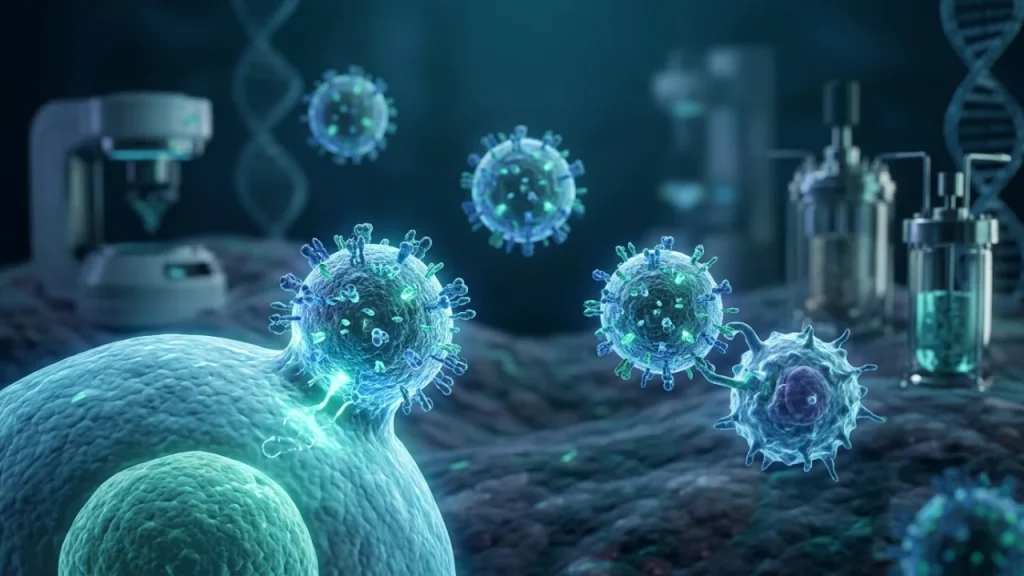
Exosomes are incredibly small bubbles. They are released by nearly every cell type in your body. Think of them as biological mail carriers. Each exosome carries a cargo of important molecules from its parent cell. This cargo can include proteins, fats, and genetic instructions like RNA.
The journey of an exosome is precise. A cell creates an exosome inside itself. It packs the vesicle with specific molecules. Then, the cell releases the exosome into the bloodstream or other fluids. The exosome travels until it finds a target cell. It docks on that cell’s surface. Finally, it delivers its molecular package. This changes the behavior of the receiving cell.
This system is constant and vital. Your cells send these signals all the time. They help coordinate healing, control immune responses, and maintain balance. For example, a skin cell can send exosomes to trigger repair after a cut. A nerve cell might dispatch them to support a neighboring cell.
The content of the cargo is key. It determines the message. An exosome from a healthy cell often carries helpful instructions. It might tell another cell to calm inflammation or to grow. A stressed or diseased cell can send different exosomes. Their cargo might contain signals for trouble.
Scientists care deeply about this process. It reveals a hidden language within our bodies. By understanding this natural system, we can explore new medical ideas. Researchers ask: can we use these natural messengers for medicine? This leads directly to the critical question: are exosomes safe for therapeutic use?
Their natural origin is a good starting point. Because your body makes them, they are not foreign invaders. But safety depends on much more than just origin. It hinges on control. Where do the exosomes come from? What is in their cargo? How many are used? The next sections will examine these precise safety factors.
This cellular post office operates every second of your life. It is a fundamental part of your biology. Understanding these tiny messengers is the first step in judging their medical potential and their risks.
Why Exosome Research Is Changing Medicine Today
Exosomes offer a new way to treat disease. They work with the body’s own communication system. This is a major shift from many current drugs. Traditional drugs often act like blunt tools. They can affect both sick and healthy cells. Exosomes can be smarter. They carry precise instructions to specific cell types.
Their natural design solves several big problems in medicine. One problem is delivering drugs into cells. Many promising drug molecules are large or fragile. They struggle to enter target cells. Exosomes are expert couriers. Cells naturally take them in. This makes them perfect delivery vehicles.
Researchers are testing exosomes for many conditions. The approach varies by disease. – For neurodegenerative diseases like Alzheimer’s, exosomes could cross the blood-brain barrier. They might deliver protective signals to brain cells. – In heart attack recovery, exosomes from stem cells may reduce scar tissue. They can instruct heart muscle cells to repair themselves. – For autoimmune disorders, exosomes might carry messages to calm an overactive immune system. This could reduce harmful inflammation.
Cancer research is a key area too. Tumors use exosomes to spread and hide from the immune system. Scientists are learning to intercept these signals. They are also designing therapeutic exosomes to attack tumors. These engineered vesicles could deliver cancer-killing drugs directly to the tumor site.
The potential for personalized medicine is significant. A patient’s own cells could be used to grow therapeutic exosomes. This might reduce risks of rejection. It tailors the treatment to the individual’s biology.
Regenerative healing is another powerful application. Exosomes from mesenchymal stem cells do not turn into new tissue themselves. Instead, they orchestrate repair. They send signals that call in healing cells, reduce cell death, and grow new blood vessels. This makes healing faster and more organized.
This research is changing medicine because it targets the root cause of disease: faulty cell communication. Instead of just managing symptoms, exosome therapies aim to restore proper biological dialogue. They represent a move towards precise, regenerative treatment.
The central safety question remains crucial amidst this excitement. Are exosomes safe when used as a deliberate treatment? Their powerful influence demands careful control. Understanding their immense potential makes the safety discussion even more urgent and necessary.
Are Exosomes Safe? The Core Question We Answer
The power of exosomes comes from their natural role. They are master communicators. This same power creates the main safety challenge. Think of a text message. A message to a friend is helpful. The same message sent to the wrong person, or sent too many times, can cause problems. Exosomes work the same way.
Their safety depends on three big factors: source, dose, and target.
First, where do the exosomes come from? This is the “source” question. Exosomes from different cells carry different instructions. Exosomes from a healthy stem cell may promote healing. Exosomes from a cancer cell can spread disease. For treatments, we must use exosomes from very controlled and safe sources. We must also purify them thoroughly. Any leftover cell debris could cause bad reactions.
Second, how much do we use? This is the “dose” question. There is no standard dose yet. A tiny amount might do nothing. A large amount might overstimulate the immune system. It could cause too much inflammation. Finding the right amount is critical for safety.
Third, where do they go in the body? This is the “target” question. We call this “biodistribution.” Injected exosomes travel through the bloodstream. We need to know exactly which tissues they reach. Do they only go to the injured knee? Or do they also collect in the liver or spleen? Unwanted delivery could lead to side effects in healthy organs.
The immune system adds another layer of complexity. The body may see therapeutic exosomes as foreign invaders. This could trigger an immune attack. It might make the treatment ineffective. It could also cause fever or allergic responses. Using a patient’s own cells to make exosomes can reduce this risk. But this process is complex and expensive.
So, are exosomes safe? The honest answer is: it depends entirely on these factors. Their natural origin does not automatically make them safe for therapy. A drug like aspirin is simple. It has one known molecule. Exosomes are complex packages with hundreds of different signals.
Researchers are tackling these safety puzzles head-on. They are developing precise manufacturing standards. They are creating tracking methods to watch exosomes move in the body. Rigorous clinical trials are testing for both benefits and risks.
The core question of safety is about controlling a natural biological system. We must guide these intelligent vesicles to do only what we intend. This requires deep understanding and precise engineering. The next step is to look at what current science says about specific risks and how they are being managed.
How Exosomes Work in the Human Body
The Simple Biology of Exosome Formation
Every cell in your body is a tiny factory. It makes products and also needs to take out the trash. More importantly, cells must send messages to each other. Exosomes are one of their main delivery vehicles. They are not random bubbles. Cells create them with great care.
The process starts inside the cell. A special area of the cell membrane folds inward. It forms a pouch called an endosome. This endosome acts like a sorting station. It gathers specific cargo that the cell wants to export. This cargo includes proteins and genetic instructions like RNA.
The endosome then forms smaller vesicles inside itself. Think of a larger bag holding many smaller, sealed packages. These internal packages are the future exosomes. The sorting station ensures the right molecules go into each package. This is a key point for safety. What gets packed determines the message the exosome will carry.
Finally, this larger structure moves back to the cell’s outer wall. It fuses with the cell membrane. The small packages are released into the space outside the cell. They are now free exosomes. They can travel in bodily fluids to find other cells.
Different cells send different messages. A stem cell might pack exosomes with signals for repair. An immune cell might pack exosomes with alerts about an infection. A cancer cell, however, can hijack this system. It might send exosomes that tell tumors to grow. This shows the system’s power and why controlling it matters.
The entire formation process has several clear steps: – Cargo selection and sorting inside the cell. – Formation of the multivesicular endosome. – Budding of exosome vesicles inside that compartment. – Transport to and fusion with the cell membrane. – Release into the extracellular environment.
This natural biology is elegant and efficient. Our bodies have used this system for millions of years. Therapeutic use tries to copy and direct this existing process. We harvest exosomes from cells grown in labs. Or we design cells to produce exosomes with a specific healing cargo.
Understanding this baseline is crucial. It shows why exosomes are more than simple drugs. They are a native communication network. The next question for safety is how these natural packages interact with a body they were not originally made for. Their design is perfect for their original cell. We must ensure it is also safe for therapeutic goals.
What Exosomes Carry Inside Their Vesicles
Exosomes carry a precise molecular cargo. This cargo is the message. Think of the vesicle as a sealed envelope. The contents inside are the actual instructions for the target cell.
The cargo includes three main types of molecules. These are proteins, nucleic acids like RNA, and lipids. Each type has a different job.
Proteins are the workhorses. Some sit on the exosome’s outer surface. These surface proteins act like address labels. They help the exosome find and bind to the correct target cell. Other proteins are packed inside the vesicle. These can be enzymes or signaling molecules. Once delivered, they can change the activity of the receiving cell.
Nucleic acids are information carriers. The most common type is microRNA. These are tiny strands of genetic code. They do not carry instructions to build proteins. Instead, they regulate genes in the target cell. They can turn specific genes on or off. This changes the cell’s behavior. For example, an exosome from a stem cell might carry microRNA that tells a damaged skin cell to start repairing itself.
Lipids form the exosome’s membrane itself. But their role is not just structural. Specific lipids in the membrane can also send signals. They can influence inflammation or help the exosome fuse with its target.
The exact mix of these molecules defines the exosome’s effect. A healthy immune cell’s exosomes will carry a very different cargo than one from a cancer cell. This is central to asking are exosomes safe for therapy. We must know precisely what is in the package.
Here is a simplified list of common cargo types and their roles: – Surface proteins (e.g., tetraspanins): Identification and targeting. – Enzymes: Catalyze chemical reactions inside the target cell. – Signaling proteins: Trigger specific pathways like growth or repair. – microRNA: Regulate gene expression in the recipient. – Lipids: Aid in membrane fusion and send secondary signals.
The cargo is not random. The parent cell carefully selects and packs it. This process ensures the message is clear. When we use exosomes for treatment, we aim to control this packing. The goal is to load exosomes with a therapeutic cargo. This could be healing microRNAs or calming proteins.
Understanding this cargo is a key safety step. It moves us from seeing exosomes as simple bubbles to seeing them as complex biological packages. The next logical question is how these packages are made for medicine and purified. Their natural contents are powerful. We must ensure manufactured ones are just as precise and clean.
How Exosomes Deliver Messages to Target Cells
Exosomes do not broadcast their messages randomly. They deliver them with precise targeting. This process has several key steps. First, the exosome must find the right cell. It does this through proteins on its surface. Think of these as address labels or keys.
These surface proteins bind to matching receptors on a target cell. This is like a key fitting into a lock. This binding is specific. An exosome from a liver cell will likely find other liver cells. An exosome from an immune cell seeks out immune cells. This targeting ensures messages go to the correct recipient.
Once docked, the exosome must deliver its cargo inside. Cells use different methods for this uptake. The main ways a cell takes in an exosome are:
- Membrane fusion: The exosome’s outer layer merges directly with the cell’s membrane. This dumps the cargo straight into the cell’s interior.
- Endocytosis: The cell’s membrane wraps around the exosome and pulls it inside. This forms a little bubble called a vesicle inside the cell.
The method used depends on the cell types and surface signals. After entering, the exosome’s package is opened. The cargo is released into the cell’s cytoplasm. This is where the real work begins.
Signaling proteins can immediately start chains of reactions. microRNA cargo needs to reach the cell’s command center. It binds to specific messenger RNAs. This binding can silence a gene or change its expression level. The result is a change in the cell’s behavior.
For example, a mesenchymal stem cell exosome can deliver growth factors and microRNAs to a damaged skin cell. These signals tell the skin cell to reduce inflammation. They also tell it to ramp up collagen production. The target cell’s activity changes because of the delivered instructions.
This precise delivery system is what makes exosomes so promising for medicine. Scientists can potentially engineer surface proteins for better targeting. They can also load exosomes with specific therapeutic cargo. The goal is to send healing instructions directly to sick cells.
The natural process is generally safe because it is a normal body function. Billions of exosomes travel inside us every day. The critical question for therapy, are exosomes safe, hinges on controlling this process outside the body. We must ensure therapeutic exosomes go only to their intended targets. We must also guarantee their cargo creates only the desired effect.
Understanding this delivery logic shows why source and purity matter so much. An impure mix could send conflicting signals. The next step is examining how these vesicles are prepared for clinical use. Their natural journey is elegant. Their manufactured journey must be just as reliable.
Different Cell Sources for Exosome Production
Not all exosomes are the same. Their cargo and surface markers come from their parent cell. The source cell imprints its identity and purpose onto the vesicles it releases. This makes the choice of starting cells fundamental for safety and effect.
Mesenchymal stem cells (MSCs) are a common source. These cells are found in bone marrow, fat tissue, and umbilical cord. MSC exosomes often carry signals for tissue repair. They can calm inflammation and encourage healing. This profile makes them a prime candidate for regenerative therapies. However, not all MSC sources are identical. Cells from young donor tissue may behave differently than cells from older adults.
Immune cells, like dendritic cells, produce exosomes with a different job. Their vesicles are key for communication in the immune system. They can train other cells to recognize threats. This makes them interesting for vaccine development or cancer immunotherapy. Their cargo is tuned for immune education, not tissue building.
The body’s context matters greatly. A cell in a healthy state releases a normal exosome profile. The same cell under stress—from disease or inflammation—can change its output. For instance, a cancer cell releases exosomes that help tumors grow and spread. Using such exosomes for therapy would be dangerous. This is why source screening is critical.
Scientists must ask key questions about any cell source: – Is the parent cell healthy and normal? – What is the cell’s natural function in the body? – Can we grow these cells in a clean, controlled lab setting? – Does the exosome cargo match our therapeutic goal?
Each source has inherent pros and cons. MSC exosomes may be good for joint repair. Immune cell exosomes might help fight infections. The wrong match could send confusing signals. A key part of answering are exosomes safe is this sourcing step. Purity is non-negotiable. The final product must contain only exosomes from the intended cell type. It must be free of whole cells, debris, or growth media leftovers.
Some research explores using a patient’s own cells. This is called an autologous source. It may lower rejection risks. Other studies use donor cells from carefully screened banks. This is an allogeneic source. It allows for large-scale production. Both paths require rigorous testing.
The takeaway is clear: the therapeutic promise of an exosome is tied to its origin. The source defines the message inside the vesicle. Next, we must look at how these vesicles are harvested and purified. Moving from cells to a clinical-grade product is a complex manufacturing leap.
Safety Concerns About Exosome Therapies
Potential Immune Reactions to Exosome Treatments
The body’s immune system is a vigilant defense network. It constantly checks for foreign invaders. Even helpful biological tools can sometimes trigger this defense. This is a core safety question for exosome therapies: are exosomes safe from an immune perspective? The answer depends heavily on their origin.
Think of exosomes like tiny envelopes covered in stamps. These “stamps” are surface proteins. The immune system scans these proteins. It decides if they are “self” or “non-self.” Exosomes from your own cells (autologous) usually carry “self” stamps. They often slip under the immune radar. Exosomes from a donor (allogeneic) carry different protein stamps. These can be flagged as “non-self.”
An immune reaction might not mean full rejection. Reactions can vary in strength. – A mild response could cause temporary inflammation at an injection site. – A stronger response might activate immune cells that quickly clear the therapeutic exosomes from the bloodstream. This would make the treatment ineffective. – In rare cases, a significant reaction could cause systemic inflammation or influence the immune system’s long-term memory.
The risk is not just theoretical. Early studies in animals and some human data show that repeated doses of allogeneic exosomes can lead to antibody formation. The body creates defenses against the donor proteins. This could limit the usefulness of future treatments from the same donor source.
Several factors influence this immune risk. The cell source is paramount. Exosomes from certain cell types, like some stem cells, may have naturally lower immunogenicity. The purification process also matters. Contaminants like cell debris can provoke stronger reactions. The patient’s own health status plays a role too. An individual with an overactive immune condition might react differently.
Therefore, understanding and managing immune risk is a pillar of safety. Researchers use specific tests to check for reactions. They look for signs of inflammation or antibody development in clinical trials. For patients, this means that reputable clinical work will include careful immune monitoring. The goal is to harness exosomes’ power without triggering an unwanted defense from the body’s own security system. Next, we must examine how the physical process of delivering these vesicles adds another layer of safety considerations.
Where Do Exosomes Go in the Body After Injection?
After an injection, exosomes do not magically go only to the damaged tissue. They enter a complex delivery network. This is your bloodstream. The scientific term for their journey is “biodistribution.” Where they end up is a major safety and effectiveness question.
Think of your circulatory system as a vast highway. The exosomes are like tiny vehicles on it. Their natural surface contains address labels. These are proteins and lipids. The body’s organs and tissues have matching receptors. This system can guide exosomes to specific sites. For example, exosomes from bone marrow cells often naturally return to bone marrow.
However, control is not perfect. Several factors determine the final destination. The injection method is the first factor. An intravenous (IV) drip sends exosomes everywhere. A local injection into a joint targets better. The size of the exosomes matters too. Very small vesicles can sometimes cross the blood-brain barrier. Larger ones may be filtered out by the liver or spleen quickly.
The source cells dictate the surface labels. This influences targeting. But it is not an absolute guarantee. Researchers track this using special dyes or markers in animal studies. They check where the exosomes gather hours or days later. Common findings show significant accumulation in certain organs.
- The liver and spleen often collect many exosomes. These organs filter blood.
- The kidneys may process and clear some vesicles.
- The lungs can also trap particles.
- A smaller percentage reaches the intended target, like injured muscle or skin.
This distribution pattern creates two main safety considerations. First, off-target effects are possible. Exosomes delivering a growth signal to a wounded knee are helpful. The same signal arriving in an unrelated organ is not needed. It might cause no issue. Yet it could theoretically stimulate unwanted cell growth there.
Second, rapid clearance reduces therapeutic effect. If the liver removes most exosomes immediately, the treatment dose at the injury site may be too low. This makes the therapy weak or useless. Scientists work on engineering solutions to improve targeting. They might attach special molecules to the exosome surface. These molecules act like homing devices to specific cell types.
So, are exosomes safe regarding where they travel? The answer depends heavily on dose, source, and delivery. Natural exosomes have inherent guidance systems but are not perfectly precise. Understanding their biodistribution helps set safe doses. It also guides how we inject them. The goal is to maximize on-target delivery and minimize off-target presence. This careful routing is key to both safety and success. Next, we must consider what happens when they arrive at their destination—or the wrong one—and release their cargo.
Risks of Contamination in Exosome Preparations
A pure exosome sample contains only the intended signaling vesicles. An impure one is a mixture. It can include other, potentially harmful, elements from the source cells or the lab process. This contamination risk is a core safety hurdle. The question “are exosomes safe” depends heavily on this purity.
Cells shed many types of particles. Exosomes are just one kind. During collection, scientists must separate them from similar-looking debris. They also must remove leftover cell fragments and free-floating proteins. If these contaminants remain, they get injected into a patient.
These unwanted components can cause problems. For example, certain proteins might trigger a strong immune reaction. The body could see them as foreign invaders. This leads to inflammation or fever. Other contaminants could carry signals that promote blood clotting. This creates a risk of dangerous clots.
The source of the exosomes matters greatly. Different cell types produce different contaminant profiles. Stem cells are a common source. Their culture medium, however, contains many growth factors and other molecules. These are essential for growing the cells. But they must be completely removed from the final exosome product. Traces of these growth factors are powerful. They could stimulate uncontrolled tissue growth where it is not wanted.
The isolation method is critical for safety. There are several common techniques. – Ultracentrifugation spins samples at very high speeds. It is traditional but can co-pellet non-exosome material. – Size-based chromatography filters particles by their dimensions. It is cleaner but may let some small contaminants through. – Precipitation kits are simple but often pull down many impurities alongside exosomes.
No single method is perfect. Each can leave behind specific contaminants. Reputable labs use multiple purification steps in sequence. This stringent process aims to catch what one method misses.
The final safety check involves rigorous testing. Scientists use advanced machines to analyze the preparation. They count particles to ensure exosomes dominate. They check for protein markers unique to exosomes. They also test for markers of common contaminants, like those from cell membranes or the endoplasmic reticulum. A preparation failing these tests is not safe for use.
Therefore, purity is not optional. It is a mandatory foundation for safety. Contaminants introduce unpredictable risks that undermine the therapy’s goal. The next logical concern is what happens even with pure exosomes when their powerful biological signals interact with a complex, living system over time.
Long-Term Effects of Exosome Use We Still Study
Even pure exosomes carry powerful instructions. Their long-term safety profile is a primary focus of ongoing research. Scientists are carefully studying several key unknowns.
One major question involves dose frequency. A single injection may be safe. But what happens with repeated treatments over months or years? The body’s response might change. Cells could become less responsive. Alternatively, they might become overly stimulated. Finding the optimal dosing schedule is critical.
Another area of study is the body’s own reaction to these external vesicles. The immune system constantly surveys for invaders. – Could it eventually recognize therapeutic exosomes as foreign and attack them? – Might it develop antibodies that neutralize the exosomes’ benefits? – Could this trigger unintended inflammation in some individuals?
Researchers are tracking immune markers in early clinical trials for answers.
The source of the exosomes also matters for long-term effects. Exosomes from young donor cells act differently than those from older donors. Their molecular cargo is not identical. Signals that promote healing in the short term might have unintended consequences later. For instance, a signal that vigorously stimulates tissue repair could, in theory, influence nearby dormant cells in undesirable ways over a long period. This is a theoretical risk under intense study.
Cancer surveillance is a carefully monitored theoretical concern. Healthy exosomes do not cause cancer. However, their core job is to promote growth and communication. Researchers must ensure that in a person with pre-existing but undetected cellular damage, exosome signals do not encourage problematic growth. Rigorous, long-term animal studies help rule this out. The question “are exosomes safe” over decades is still being answered by this data.
Finally, the journey of exosomes inside the body is not fully mapped. Where do they go after their initial target? Do they break down completely? What are the long-term effects on organs that might accumulate their components? Advanced imaging techniques are helping trace their paths.
These questions are not signs of danger. They are the normal path of thorough science. Every new therapy undergoes this scrutiny. The goal is to build a complete safety picture from months to a lifetime. This research will define who can benefit most and for how long. It will create clear guidelines for safe, effective long-term use. The next consideration is how these factors translate into real-world use and patient screening.
Making Exosomes Safe for Medical Use
Strict Protocols for Therapeutic-Grade Exosome Production
Creating exosomes for medical use is a tightly controlled process. It starts with the source. Scientists choose specific, healthy human cells. These cells are grown under strict conditions. They are not taken directly from a patient. This controlled start is key for consistency and safety.
The cells are placed in bioreactors. These are sterile containers that provide ideal growth conditions. The cells release exosomes into their nutrient fluid. After a set time, scientists collect this fluid. The complex job of separation begins. The goal is to isolate only the exosomes.
Multiple purification steps remove everything else. This includes dead cell debris, proteins, and other vesicles. Common methods use ultracentrifugation and filtration. Some newer techniques use size-based chromatography. Each step refines the product. The final output is a concentrated exosome solution.
But isolation is not enough. Rigorous testing defines the product. Scientists must answer critical questions about what they have made. This testing creates a “fingerprint” for each batch.
- Purity: Tests confirm the removal of contaminants. Scientists check for unwanted proteins or genetic material.
- Identity: They verify the vesicles are truly exosomes. This involves confirming markers like CD63 and CD81 on their surface.
- Potency: The biological activity is measured. Can they perform a defined function in a lab test?
- Quantity: The exact number of exosome particles is counted. Dosing must be precise and repeatable.
A major safety step is checking for pathogens. The entire batch is screened for viruses, bacteria, and fungi. This ensures nothing infectious is passed to the patient. Furthermore, the exosomes themselves are checked for their cargo. Scientists analyze the proteins and RNA inside. They look for signals linked to unwanted effects.
All these steps follow Good Manufacturing Practices (GMP). GMP is a global quality system. It covers every detail from clean room air quality to staff training. Every action is documented. This traceability means any issue can be investigated.
These strict protocols directly address the core question: are exosomes safe for clinical use? The answer depends on this rigorous production framework. It transforms natural vesicles into a defined therapeutic agent. Without these steps, exosome preparations would be unpredictable and potentially risky.
The final product is then frozen for storage. It awaits one last check before release. This final check involves releasing only batches that pass all specifications. This systematic approach builds the foundation for safety. It ensures patients receive a consistent, pure, and tested product. The next logical step is understanding how this quality-controlled product is matched to the right patient.
How Scientists Ensure Exosome Purity and Quality
Scientists use several key tests to check exosome purity. These tests confirm what the vesicles are. They also confirm what the vesicles are not. This verification is critical for safety.
First, researchers must be sure they have exosomes. They need to rule out other similar particles. A common contaminant is protein aggregates. These are clumps of free proteins. Another contaminant is lipoproteins from blood serum. Specialized equipment can separate these by size or density.
One fundamental test is called nanoparticle tracking analysis. It uses a laser to visualize particles in liquid. A camera records their movement. This allows scientists to count every single particle. They also measure the size distribution. True exosomes have a specific size range. They are typically between 30 and 150 nanometers. That is about one thousandth the width of a human hair. A pure sample will show a sharp peak in this range.
Next, scientists check for specific surface markers. Exosomes carry unique protein signatures on their outside. These are like identification cards. Flow cytometry or a method called western blot can detect these markers. They look for proteins like CD63, CD81, or CD9. Finding these confirms the vesicles are exosomes. Not finding them raises a red flag.
The cargo inside is also analyzed. This step answers a vital question: are exosomes safe because of what they carry? Scientists extract the RNA and proteins from the exosomes. They sequence the RNA to see all the genetic messages. They catalog the proteins. This profile shows if the exosomes contain healing signals. It also shows if they contain any harmful or inflammatory material.
Finally, functional tests prove the exosomes work as intended. Scientists apply the purified exosomes to cells in a dish. They then look for a specific biological response. For example, do skin cells start making more collagen? Do inflamed cells calm down? This proves the exosomes are biologically active and not damaged.
- Size and concentration must match strict limits.
- Surface marker profile must be correct.
- Cargo analysis must show a consistent, beneficial profile.
- The exosomes must perform a defined function in lab tests.
Passing all these checks means the preparation is pure and high-quality. It is not just a cloudy liquid with unknown particles. It is a defined therapeutic agent. This rigorous testing provides the data needed for safety. The process ensures every batch given to a patient is genuine and potent. Once purity is confirmed, the focus shifts to how these exosomes interact with the human body upon injection.
Standardizing Exosome Doses for Consistent Results
Getting the dose right is a cornerstone of safety. Think of it like a medication. Too little has no effect. Too much could cause problems. Exosome treatments are no different. The goal is to find the sweet spot. This is the dose that gives the best result with the least risk.
Dose is not just about volume. It is about the number of exosomes. Scientists measure this in particles. A typical dose might be in the billions or trillions of particles. This number must be exact and consistent for every patient in a study. It ensures that results can be compared fairly. It also proves the treatment works because of the exosomes, not by random chance.
Why does precise dosing matter so much for safety? The body’s response depends on the signal strength. Exosomes carry powerful instructions.
- A correct dose tells target cells to repair tissue gently.
- An excessively high dose might overstimulate cells. This could cause unintended growth or inflammation.
- A very high dose could overwhelm the immune system temporarily. This might cause a fever or fatigue.
Standardization prevents these issues. It means every vial has the same particle count. This consistency is hard to achieve. Exosomes are natural nanoparticles. They can clump together. Counting them requires advanced machines. Reputable labs use a method called nanoparticle tracking analysis. This machine videos particles moving under a light. Software then counts them one by one. This gives an accurate concentration.
Dose also depends on the route of delivery. A dose for a skin injection is much smaller than a dose for an intravenous infusion. The treatment area changes the math. A joint injection targets one knee. An IV sends exosomes throughout the entire bloodstream. The systemic dose needs careful calculation. Researchers test different doses in animal studies first. They look for both efficacy and any signs of toxicity.
The question are exosomes safe is tightly linked to this standardized dose. Without it, safety data means nothing. One patient might get a weak batch. Another might get a potent one. Their different outcomes would tell us nothing reliable. A standard dose creates a reliable baseline. Doctors can then observe clear, repeatable effects.
Finally, the right dose makes treatment predictable. It turns exosomes from a mysterious fluid into a calibrated tool. This precision is what separates medical-grade products from research samples. It is the final step before exosomes can be trusted in clinical trials with people. Next, we must examine how these doses behave inside the living human body after injection.
Storage and Handling to Maintain Exosome Safety
Exosomes are not stable at room temperature. They are fragile biological packages. Their lipid membrane can break down. Their precious cargo of proteins and RNA can degrade. This breakdown happens quickly without careful control. The central question, are exosomes safe, extends beyond the injection itself. It includes whether the exosomes a patient receives are still fully intact and functional.
Proper storage begins immediately after purification. The goal is to pause all biological activity. This preserves exosomes in a state of suspended animation. Scientists achieve this through deep freezing. The standard method is ultra-low temperature storage.
- Temperature: Exosomes are typically stored at -80 degrees Celsius. This is far colder than a standard kitchen freezer.
- Containers: They are kept in small, sterile vials that resist cracking at extreme cold.
- Buffer: The exosomes are suspended in a special protective solution. This solution prevents ice crystal formation. Ice crystals can pierce and destroy the exosome vesicles.
A single freeze-thaw cycle is often acceptable. Repeated freezing and thawing is a major problem. Each cycle stresses the exosome membrane. It can cause the vesicles to clump together or rupture. This alters the dose and destroys function. Clinics must plan their logistics carefully. They thaw a vial only once, just before use.
Transportation is a critical risk phase. Exosomes must stay frozen during transit. This requires specialized shipping containers with dry ice. The temperature must be constantly monitored. A thaw during shipping renders the product useless. It may even become unsafe due to potential bacterial growth.
Once thawed for use, the clock starts ticking. Liquid exosomes degrade rapidly at room temperature or even in a standard refrigerator. Clinical protocols dictate they be used within a few hours. This ensures patients get living, active vesicles.
Handling also includes preparation. Exosomes should not be shaken vigorously. Agitation can damage their structure. They are gently swirled or inverted to mix. The tools used for drawing them into a syringe are also critical. Certain plastics can bind to exosomes, pulling them out of solution.
In summary, storage is a chain of custody in the cold. A perfect dose is meaningless if the exosomes are damaged before they reach the patient. These strict protocols transform a lab substance into a reliable clinical product. They ensure that what is injected matches what was tested for safety. Next, we must look at what happens inside the body after that injection.
Current Evidence on Exosome Safety
What Preclinical Studies Say About Exosome Safety
Preclinical studies are the first major safety check. Scientists test exosomes in cells and animals long before human use. These experiments ask a core question: are exosomes safe at different doses? The general answer from many studies is promising. Exosomes from healthy cells, like stem cells, show a high safety margin in animal models.
Researchers inject exosomes into mice or rats. They then monitor for signs of toxicity. Key areas they examine include: – Inflammation at the injection site or throughout the body. – Changes in vital organ function, especially in the liver and kidneys. – Any abnormal immune system reactions. – Overall animal behavior and survival rates.
Most studies using well-defined exosomes report minimal issues. The vesicles do not typically cause strong immune rejection. This is because exosomes carry fewer markers that alert the immune system. Their natural origin is a key advantage. High doses are often needed to see any negative effect. For example, a study might find no harm at a dose of 10 billion particles. Issues may only appear at doses ten times higher.
The source of the exosomes is critical for safety. Exosomes from different cells act differently. Mesenchymal stem cell (MSC) exosomes are widely studied. They often show anti-inflammatory effects. This can actually calm an overactive immune response. In contrast, exosomes from cancer cells can promote tumor growth. This is why source selection is vital. Clinical applications only use exosomes from safe, controlled sources.
Lab studies also reveal how the body clears exosomes. The vesicles do not stay forever. They are naturally broken down and removed. The liver and spleen are primary clearance organs. This natural turnover reduces the risk of long-term buildup. It also means effects are often temporary, requiring repeated doses for chronic conditions.
However, animal results do not guarantee human safety. Species differences exist. An exosome dose safe in a mouse may not translate directly to a person. Preclinical work also uses clean, lab-controlled animals. Patients have diverse health conditions. This complexity is not fully captured in a lab.
In summary, preclinical data provide a strong safety foundation. They show low toxicity and good tolerance in controlled systems. This evidence guides the starting doses for early human trials. The next logical step is examining what those initial human studies have found.
Early Clinical Trial Results on Exosome Treatments
Early human trials for exosome therapies have primarily been small Phase I or I/II studies. Their main goal is to assess safety, not to prove effectiveness. These initial studies provide the first direct look at how patients react to purified exosome preparations. The central question they aim to answer is: are exosomes safe for human use in a clinical setting?
Researchers track several key safety parameters in these trials. They monitor patients closely for any negative reactions. Common checkpoints include: – Vital signs like blood pressure and temperature. – Standard blood tests for liver and kidney function. – Any reports of pain, fever, or fatigue at the injection site. – Immune system markers to detect unwanted inflammation.
So far, results from these early trials are encouraging. Most reported adverse events are mild and temporary. For instance, some patients experience brief redness or discomfort at the injection site. Occasional, low-grade fevers have been noted. These reactions often resolve on their own within a day or two. No widespread, serious safety signals have emerged across multiple independent studies.
The route of administration heavily influences the safety profile. Different delivery methods present different risks. – Intravenous (IV) infusion allows exosomes to travel systemically. Safety checks here focus on blood reactions and organ tolerance. – Local injection, like into a knee joint or under the skin, confines the exosomes. The main risks here are local irritation or swelling. – Topical application for skin conditions appears to have the fewest reported issues. It often shows only minor, transient redness.
Dose escalation is a critical part of early trials. Researchers start with a very low number of exosome particles. They observe a small group of patients at that dose. If no major safety issues appear, they move to a higher dose with a new group. This step-by-step process helps find the maximum tolerated dose. It identifies the point where side effects might become more frequent or severe.
It is crucial to interpret this early data correctly. The patient populations in these trials are often carefully selected. They may have a single, specific condition. They are usually free of other major health complications. This controlled environment helps see clear safety signals. It means the excellent safety seen so far might not yet apply to everyone. More diverse populations need study.
Furthermore, these trials are short-term by design. They follow patients for weeks or months after treatment. They cannot answer questions about effects that might appear years later. The natural clearance of exosomes by the body suggests long-term accumulation is unlikely. But only long-term tracking will confirm this.
In conclusion, early clinical evidence builds a positive picture. It suggests that exosome therapies, when prepared and administered under strict protocols, can have a manageable safety profile in humans. The observed risks seem low and comparable to other biologic therapies. This early human data provides the necessary green light for larger trials. The next phase will expand the focus to both safety and preliminary efficacy in more people.
Comparing Exosome Safety to Other Cell Therapies
Exosomes offer a distinct safety advantage compared to traditional stem cell therapies. The core difference lies in what is actually injected. Whole cell therapies involve living, replicating entities. Exosome therapies use only the signaling cargo those cells produce.
Living cells can behave in unpredictable ways after injection. A major safety concern with stem cells is their potential to form tumors. This is called tumorigenicity. Stem cells are designed to divide and create new tissues. If their growth is not perfectly controlled, they can multiply where they are not wanted. Exosomes cannot do this. They are simply lipid bubbles carrying molecular messages. They cannot divide or replicate. This removes the fundamental risk of uncontrolled cell growth.
Another critical difference involves the immune system. Donor stem cells can be recognized as foreign by a patient’s body. This can trigger an immune rejection. The patient’s immune system may attack the transplanted cells. This reaction can reduce treatment effectiveness. It can also cause inflammation and other complications. Exosomes are generally considered to have low immunogenicity. Their outer membrane is similar to the body’s own cell membranes. Early studies suggest they are less likely to provoke a strong immune attack. This makes “off-the-shelf” products from donor cells more feasible.
The manufacturing process also influences safety. Growing live cells requires complex procedures. Cells must be kept alive and healthy in culture. Any contamination with bacteria or viruses can be catastrophic. Exosome products undergo a purification step after collection. This step filters out the original cells and other debris. The final product contains only the nano-sized vesicles. This allows for stringent sterilization that is not possible with living cells.
Consider these key risk comparisons: – Tumor Risk: Present with living stem cells. Absent with non-living exosomes. – Immune Rejection: A significant concern for donor cells. A reduced concern for exosomes. – Product Consistency: Live cells can vary between batches. Purified exosome preparations can be more standardized. – Immediate Reactions: Both types of therapy can cause temporary reactions at the injection site, like swelling.
So, are exosomes safe in this comparison? The evidence suggests their safety profile is inherently different. They eliminate certain high-impact risks associated with whole cells. This does not make them risk-free. Their activity is potent and biological. The safety questions shift from cellular risks to dosage and purity. We must ensure the correct amount of signaling molecules is delivered. We must confirm no harmful contaminants remain.
This theoretical safety advantage is a key reason for scientific excitement. It underpins the move into human trials discussed earlier. The next logical question involves how these therapies are made. Consistent safety depends heavily on production quality.
Documented Side Effects in Exosome Research
Clinical studies and trial reports provide our clearest picture. Documented side effects are generally mild and temporary. They often resemble reactions seen with other injectable treatments. The most common reports involve local reactions at the injection site.
These local reactions include redness, swelling, and mild pain. They typically resolve within a few hours or days. This is similar to a reaction one might get from a vaccine shot. The frequency of these events varies between studies. Some trials report them in a minority of patients. Others note them more commonly.
Systemic reactions, affecting the whole body, are far less common. Reported events include temporary fever or fatigue. Some patients experience a short-term headache. These symptoms usually pass quickly without intervention. The mechanism is often linked to the immune system’s brief activation. Exosomes can signal immune cells. This is part of their natural biological function.
A critical safety focus is on unintended biological activity. Exosomes are potent signaling packages. Their messages can influence many cell types. The primary risk is an undesired effect on a non-target tissue. For example, exosomes promoting growth could theoretically affect quiet or pre-existing conditions. Rigorous preclinical research aims to map these pathways. This helps predict and avoid such outcomes.
Another documented consideration is the “dose-response” relationship. Higher doses of exosomes may increase the chance of a reaction. Finding the optimal dose is a key goal of early-phase trials. Too low a dose might have no effect. Too high could increase side effects without adding benefit. Current evidence suggests a wide therapeutic window for many applications.
It is vital to distinguish effects from the exosomes themselves from procedure-related risks. Any injection carries a small risk of infection or tissue injury. Proper clinical technique minimizes this. Furthermore, product quality is paramount. Impurities from the manufacturing process could cause adverse events. This underscores why production standards are so heavily emphasized.
To summarize the documented profile: – Most adverse events are mild and local. – Systemic reactions are infrequent and self-limiting. – The biological potency requires careful dosing. – Procedure and product quality remain key variables.
The collective evidence so far is reassuring for many applications. No major, widespread safety signals have emerged in regulated clinical work. This supports continued research. However, long-term data is still being gathered. The next section will explore the critical role of manufacturing in turning this evidence into consistent safety for patients.
Regulatory Oversight of Exosome Therapies
How Agencies Like the FDA View Exosome Products
Regulatory agencies classify exosomes for therapy as drugs. This is a critical point. They are not considered simple supplements. This classification triggers a strict review process. Agencies like the U.S. Food and Drug Administration (FDA) set the rules. Their main goal is to ensure products are safe and effective for patients.
The FDA’s view is based on product characteristics and intended use. If exosomes are meant to treat or cure a disease, they are a drug. This status applies regardless of their natural origin. The agency evaluates them through Investigational New Drug (IND) applications. This pathway requires extensive data before human trials can even begin.
Sponsors must provide detailed information in their IND. This includes the product’s manufacturing method. They must describe all components and steps. Data on the source of the exosomes is required. Are they from stem cells? Are they from a patient’s own blood? The source must be documented and consistent.
Comprehensive safety testing is mandatory. Studies must show what the exosomes do in animal models. Researchers must check for toxicity. They look for unwanted immune reactions. They study how the body processes the product. All this data answers the core question: are exosomes safe for initial human testing?
The FDA also scrutinizes quality control. Every batch must be pure and identical. The agency checks for standards like: – The number of exosome particles per dose. – The presence of specific marker proteins. – The absence of harmful contaminants. – The stability of the product during storage.
Without this control, safety cannot be guaranteed. A change in manufacturing could change the product’s effects. Consistent processes prevent this variability. This links directly to the previous section’s focus on product quality.
Enforcement actions are common for clinics offering unapproved exosome products. The FDA sends warning letters to these providers. The letters state the products are unapproved new drugs. They demand the clinics stop marketing them. This protects patients from untested and potentially risky procedures.
The regulatory landscape is still evolving. Guidelines are being refined as science advances. However, the core principles remain fixed. Robust evidence from controlled clinical trials is the only path to full approval. This careful, stepwise approach builds the long-term safety data we need.
In summary, strong regulation is not a barrier. It is a essential framework for safe development. It transforms promising lab science into reliable medicine for patients. Next, we will examine what this means for someone considering an exosome therapy today.
Global Standards for Exosome Therapy Approval
Approval standards for exosome therapies vary by country. Major agencies agree on core safety principles. Their specific pathways differ.
The European Medicines Agency (EMA) governs the European Union. Its process is centralized for novel therapies. A company submits a single marketing authorization application. The EMA’s Committee for Advanced Therapies reviews it. Exosome products are often classified as Advanced Therapy Medicinal Products (ATMPs). This is a key category. It includes gene therapies and tissue-engineered products. The classification demands comprehensive data. It requires proof of quality, safety, and benefit.
Japan’s Pharmaceutical and Medical Devices Agency (PMDA) operates differently. It has a fast-track system for regenerative medicine products. The law defines specific categories. Exosome-based treatments can fall under these rules. Conditional approval is possible after early phase trials. This approval requires a post-marketing study. The company must confirm long-term safety and efficacy. This balances early access with continued research.
Other regions are developing their frameworks. South Korea’s Ministry of Food and Drug Safety has guidelines for cell-derived vesicles. China’s National Medical Products Administration reviews products case-by-case. The global landscape is not uniform.
Several common themes emerge despite these differences. All agencies require: – Detailed manufacturing information. – Rigorous product characterization. – Data from animal studies before human trials. – Phased clinical trial results.
The central question for every regulator is: are exosomes safe and effective for this specific use? They all seek definitive evidence. The burden of proof is high everywhere.
Timelines for approval can vary significantly. A process taking years in one region may be shorter in another. This depends on regulatory design and review capacity. The scientific benchmarks, however, remain consistently strict.
This global patchwork affects therapy development. Companies may seek approval in one region first. They use that data to support applications elsewhere. This stepwise strategy is common in advanced biomedicine.
International harmonization efforts are ongoing. Groups like the International Council for Harmonisation work on guidelines. The goal is to align standards for product quality and testing. This would streamline global development.
Patients should understand this context. A therapy approved in one country may not be available in another. This is often due to ongoing review, not a judgment on safety alone. Regulatory status is location-specific.
The next logical step examines the patient’s perspective directly. Knowing these global standards helps in evaluating available options and asking informed questions about any proposed treatment’s legitimacy and oversight stage.
Why Regulation Lags Behind Exosome Science
Regulators face a unique challenge with exosomes. The science evolves almost daily. New functions and sources are discovered constantly. This makes creating fixed rules very hard. A guideline written today might be outdated in a year. The core question—are exosomes safe—does not have a single answer. Safety depends entirely on specific details.
Exosomes are not a single drug. They are diverse biological tools. Think of them as a natural messaging system. Their effects change based on their origin and cargo. This creates major hurdles for standardizing rules.
First, defining what an exosome product *is* remains debated. Is it a cell therapy? A biologic drug? A medical device? Different categories have different testing paths. This classification struggle slows everything down.
Second, manufacturing is complex and variable. Cells release exosomes under different conditions. Tiny changes in the lab process can alter the final vesicles. Regulators need proof that every batch is identical and pure. Proving consistent manufacturing is a huge task.
Third, traditional drug testing models don’t always fit. Drugs are usually simple chemicals. They break down predictably in the body. Exosomes are living cell fragments. They can interact with many systems at once. Their effects might be subtle and long-term. Standard safety tests might not catch all potential issues.
Scientists are still building the basic tools for this field. They need better ways to: – Measure exosome quantity accurately. – Map all the molecules inside a single vesicle. – Track exactly where they go in the body after injection. – Understand how long they remain active.
Without these tools, regulators lack complete data. They cannot write precise rules based on guesswork. Their primary duty is patient protection. They must move cautiously with such a dynamic technology.
The lag is not due to neglect. It stems from responsible caution. The goal is to build a framework that ensures safety without stopping progress. This requires ongoing dialogue between researchers and policy makers. The next step is to see how this uncertainty directly impacts patients seeking treatments today.
Medical Applications Where Exosomes Show Promise
Using Exosomes to Repair Damaged Tissues Safely
Exosomes help your body heal from the inside. They do this by carrying repair instructions to damaged cells. Think of them as tiny medical messengers. They are naturally made by your own stem cells.
These vesicles deliver precise signals. They do not force cells to change permanently. Instead, they encourage local repair. This makes their action temporary and controlled. The goal is to restart your body’s own healing processes.
For example, consider a damaged tendon. It is often painful and slow to heal. Exosomes from stem cells can travel to that injury. They release molecules that tell local cells to: – Reduce inflammation quickly. – Grow new blood vessels for better blood flow. – Make more collagen, the protein that builds strong tissue.
This approach is targeted. The exosomes primarily affect the injured area. They are not a drug that spreads everywhere in your body. This localized action is a key safety feature.
The vesicles also have a natural “off” switch. They deliver their cargo and then break down. They do not stay in tissues forever. Their effects are gradual and mimic natural healing timelines.
Research shows promise for heart muscle after a mild attack. In studies, exosomes help protect stressed heart cells. They signal these cells to survive and function better. This can limit the size of the scar. The process uses the heart’s own capacity for repair.
The same logic applies to skin wounds and arthritic joints. Exosomes calm the overactive immune response. Then they gently guide cells to rebuild healthy tissue. The risk of a severe reaction is low because the vesicles are biological, not foreign.
So, are exosomes safe for this use? Their natural origin and targeted function suggest a high safety potential. They avoid major risks of traditional treatments. For instance, they do not require surgery. They also do not involve genetic manipulation of a patient’s cells.
The safety comes from working with biology, not against it. The therapy aims to assist what your body already tries to do. This supportive role minimizes unexpected side effects.
However, safety still depends on correct medical use. Proper dosing and pure preparations are critical. The next question is how these natural tools are prepared for clinical use.
Exosomes as Targeted Drug Delivery Vehicles
Exosomes can be engineered to carry medicine. Scientists load them with therapeutic cargo. This cargo might be small drug molecules. It could also be larger pieces of genetic code. The exosome becomes a microscopic delivery truck. Its mission is to find a specific address in the body.
This approach solves a major problem in medicine. Many powerful drugs are toxic. They damage healthy cells while attacking diseased ones. Chemotherapy is a clear example. It kills fast-growing cancer cells. But it also harms healthy fast-growing cells in the gut and hair follicles.
Exosome delivery aims for precision. The vesicle’s natural surface holds targeting signals. These signals act like a postal code. They guide the exosome to certain cell types. An exosome can be designed to seek inflamed joint tissue. Another might find liver cells affected by fibrosis.
The process has distinct steps. First, exosomes are collected from cell cultures. Next, scientists load them with a chosen drug. This can be done using electrical pulses or simple incubation. Then, the surface might be modified. Adding a special protein can make it target a tumor.
The benefits for safety and effectiveness are direct. – Targeted delivery reduces the drug dose needed. A smaller amount goes straight to the problem. – Healthy tissues get less exposure. This means fewer side effects like nausea or organ damage. – The lipid membrane protects the cargo. It prevents degradation during transit through the bloodstream. – Natural composition helps avoid immune detection. The body is less likely to attack its own vesicles.
Research in cancer is particularly advanced. Tumors release many exosomes naturally. They use them to communicate and spread. Scientists are turning this against cancer. They create exosomes loaded with anti-cancer drugs. These vesicles home in on the tumor from which they were modeled.
Brain diseases also show promise. The blood-brain barrier blocks most drugs. It is a protective wall of cells. Exosomes from certain cells can cross this barrier. They could deliver drugs for Alzheimer’s or brain tumors directly.
So, are exosomes safe as delivery vehicles? Their innate design supports safety through precision. Misguided delivery remains a risk if targeting fails. Current science focuses on improving this homing accuracy. The goal is a system where the vehicle and its cargo work as one intelligent unit.
This transforms exosomes from simple signaling tools into programmable medical systems. Their safety profile hinges on this control. The next logical question concerns the source and purity of these remarkable vesicles for any use.
Modulating Chronic Diseases with Exosome Signals
Chronic inflammation is a common thread in many long-term illnesses. It drives conditions like arthritis and inflammatory bowel disease. Exosomes carry molecular messages that can calm this overactive immune response. They do this naturally in the body. Scientists are learning to copy and enhance this ability.
For example, exosomes from stem cells send “stop” signals to immune cells. They can reduce the production of harmful inflammatory proteins. This helps protect tissues from ongoing damage. The effect is local and temporary. This makes it a promising tool for modulation, not a permanent alteration.
In diseases like osteoarthritis, cartilage breaks down over time. Injected exosomes may help in two key ways: – They carry growth factors that encourage cartilage repair. – They reduce inflammation in the joint, easing pain and stiffness.
This dual action tackles both symptoms and underlying damage. It offers a different approach from simple painkillers or invasive surgery.
Fibrosis is another major challenge. It is scarring of tissues in lungs, liver, or heart after injury. Chronic fibrosis leads to organ failure. Certain exosomes can interrupt the signals that tell cells to lay down scar tissue. They promote a healthier healing process instead. This could slow or even reverse disease progression in some cases.
The safety question here shifts slightly. We ask: are exosomes safe for long-term signal modulation? Their natural origin is an advantage. The body already uses these vesicles for communication. Therapeutic exosomes aim to restore a healthy balance of signals. The risk lies in sending too strong a message or the wrong one entirely. Precise dosing and pure preparations are critical.
Research in diabetes shows this balance. Exosomes can help regenerate insulin-producing cells. They also improve how the body responds to insulin. Yet, uncontrolled growth signals could pose problems. Current studies focus on short, controlled exposures to guide healing without oversteering.
The potential is vast for autoimmune diseases too. In conditions like lupus, the body attacks itself. Exosomes might re-educate the immune system. They could teach it to tolerate the body’s own tissues again. This is a gentler strategy than broadly suppressing immunity with strong drugs.
Managing chronic disease often means lifelong treatment. Exosome therapies could offer periodic “reset” signals. A patient might receive a series of infusions to calm a flare-up. Then the body could maintain better function on its own for a time. This reduces constant exposure to powerful pharmaceuticals.
The key is control and understanding. Scientists must map exactly which signals an exosome carries. They must know its exact target cell and effect duration. With this map, exosome signals become a precise language for talking to our own biology. The next step is ensuring every therapeutic batch speaks this language clearly and safely, free from unclear or mixed messages that could disrupt the system it aims to heal.
Future Uses of Exosomes in Personalized Medicine
Personalized medicine asks a simple question. What if your treatment was designed just for you? Exosomes could make this real. They are natural carriers of your body’s unique molecular messages. This makes them perfect tools for custom care.
Think of your exosomes as a biological report card. They carry a precise snapshot of your health at a given time. Scientists can analyze this snapshot. They can read the signals from your cells. This reveals your personal disease fingerprint. A cancer patient’s exosomes differ from a heart disease patient’s. Even two people with the same illness have different exosome profiles.
Future therapy might start with a simple blood draw. Your own exosomes would be collected from this sample. Then, scientists could engineer them in a lab. They could load these vesicles with specific drugs or corrective signals. The goal is to create a targeted treatment blueprint. This blueprint would match your exact condition.
The process could follow clear steps. – First, doctors isolate your exosomes. – Next, they analyze their cargo to identify missing or harmful signals. – Then, they modify the exosomes to correct these signals. – Finally, they return the engineered exosomes to your body.
This approach tackles a major problem. Many drugs work well for some people but not for others. Personalized exosomes aim to fix this. They deliver therapy your body is most likely to accept. Since they originate from you, the risk of rejection is low. This directly addresses the core question: are exosomes safe? Using a patient’s own cells as the starting point is a key safety strategy. It minimizes unknown reactions.
One exciting area is cancer monitoring and treatment. Tumors release distinct exosomes. These vesicles travel through the blood. Doctors could use them as a liquid biopsy. This is a less invasive way to track the disease. In treatment, exosomes could be programmed to seek only the cancer cells. They would ignore healthy tissue. This precision reduces side effects.
Chronic inflammation is another target. Conditions like arthritis vary from person to person. Your exosomes would reveal your specific inflammatory signals. Therapy could then be calibrated to quiet those exact signals. It is a tailored reset, not a blanket suppression.
The path forward requires advanced manufacturing. Each patient’s treatment batch would be unique. Ensuring its purity and consistency is vital. Researchers are working on scalable methods to make this feasible. The vision is clear: moving from one-size-fits-all medicine to treatments built on your biology’s own communication system. This personalized approach represents the next frontier in harnessing exosomes for healing, where safety and efficacy are intrinsically linked to the individual patient.
How to Evaluate Exosome Safety Claims
Distinguishing Solid Science from Speculation
Safety in medicine depends on evidence, not just excitement. For exosomes, solid science is your best guide. You must learn to separate proven facts from hopeful guesses. This skill is crucial when you see claims about treatments or products.
Start by looking for the source of the information. Reliable data comes from published research. These studies undergo peer review. Experts check the work before it is published. Be wary of information that only exists on clinic websites or in news reports. Seek out the original science.
Pay close attention to the details of any safety study. Strong research will specify key points. Look for these specifics.
- The exact type of cells that produced the exosomes.
- The method used to isolate and purify the vesicles.
- The dosage given in tests.
- The animal model or human patient group studied.
- The timeline for monitoring side effects.
Vague language like “shown to be safe” is a red flag without these details. Good science is transparent.
Understand the difference between *in vitro* and *in vivo* findings. Studies done in a lab dish are called *in vitro*. They are a vital first step. They cannot predict everything that happens in a living body. Safety must ultimately be proven *in vivo*, meaning in animal studies or human trials. A promising dish result does not equal human safety.
Check for discussion of potential risks. Trustworthy sources do not just highlight benefits. They openly address unknowns and possible side effects. For instance, exosomes are powerful signalers. In some situations, they might stimulate an unwanted immune response or even help a tumor grow. Responsible science acknowledges these complexities. It frames safety as an ongoing investigation.
The core question, are exosomes safe, has no single answer yet. Safety depends on many factors. The source cells matter. The manufacturing process matters. The patient’s condition matters. A claim that ignores this context is likely speculation.
Finally, follow the research timeline. True medical advances move through defined stages. Lab research leads to animal studies. These lead to phased human trials. Be skeptical of any treatment advertised as safe and effective if it has skipped these rigorous steps. The path to proven safety is slow and deliberate.
Evaluating claims with a critical eye empowers you. It helps you identify credible science amidst the speculation. This discernment is essential for understanding the real-world pathway of this promising field. Next, we will examine the specific regulatory landscape governing these therapies.
Key Questions to Ask About Exosome Therapy Safety
When you encounter a claim about exosome therapy, move from a passive reader to an active investigator. Your safety depends on the answers to several key questions. Start with the source. What type of cells produced the exosomes? This is fundamental. Exosomes from young donor stem cells act differently than those from your own fat tissue. They are also different from exosomes made by cancer cells in a lab. The source dictates the exosomes’ cargo and potential effects.
You must ask about purification. How are the exosomes separated from other cell debris? A pure product is crucial. Contaminants like proteins or genetic material from broken cells could cause side effects. These side effects might include inflammation or an immune reaction. Reputable producers use validated methods like ultracentrifugation or size-based chromatography. They test the final product to confirm its contents.
Dosage is another critical point. What is the proposed dose, and how was it determined? There is no universal “safe” dose for all conditions. An amount used in a knee joint study may not be suitable for an intravenous treatment. Ask if the dose is based on particle count or total protein. Also ask about the treatment schedule. Is it a single injection or a series? The answers should reference specific preclinical or clinical data.
Consider the intended use. Is the therapy meant for a localized issue or a whole-body problem? Direct injection into a joint is different from an IV infusion. Systemic delivery means exosomes travel everywhere. Their interaction with various organs is more complex. This complexity influences the safety profile directly.
Finally, demand context on clinical evidence. What human data exists? Early “compassionate use” cases are not the same as a controlled trial. A registered clinical trial follows a strict protocol to monitor safety. It has a plan for tracking adverse events over time. The core question, are exosomes safe, must be answered for your specific situation.
- What is the exact biological source of the exosomes?
- What method guarantees their purity and how is it tested?
- What specific dose is recommended and what is it based on?
- What is the route of administration and delivery schedule?
- What published human safety data exists for this exact protocol?
Asking these questions separates science from speculation. It guides you toward transparent providers. Their willingness to answer fully is a major indicator of credibility. This inquiry leads naturally to understanding who oversees this field. Next, we examine the role of regulators like the FDA in providing patient safeguards.
Red Flags in Exosome Safety Reporting
A major red flag is the claim of “zero side effects” or “perfectly safe.” In biological science, this is unrealistic. Any active substance can cause a reaction. Exosomes carry powerful signals. Your immune system may react to them. Even a pure product can trigger a temporary inflammatory response as it works. This is a normal biological process. Providers who deny this possibility lack scientific honesty.
Watch for vague sourcing. Phrases like “proprietary source” or “donor-derived” are not enough. You need to know the exact cell type. Were they from adult stem cells? Were they from placental tissue? The source dictates the exosome’s cargo and potential effects. If a provider cannot name the specific origin, they cannot fully assess safety risks.
Be wary of dosage claims that seem too simple. “One vial fits all” is not credible. Effective dose depends on your body weight and condition severity. Proper dosing is based on particle count, not just fluid volume. A protocol should explain how the recommended dose was determined. Animal studies? Early human data? If the answer is “this is our standard dose,” consider it a warning.
Safety reporting should include specifics. The phrase “well-tolerated” is not a safety report. Ask for details. What specific adverse events were tracked? For how long? In how many people? Minor events like temporary fever or soreness at the injection site are common. Their absence in reports may mean they were not looked for, not that they did not happen.
- No independent testing: The provider only uses their own in-house lab results. There is no certificate of analysis from a third-party lab.
- Anecdotes over data: Safety is “proven” by patient testimonials, not by structured clinical data.
- Ignoring administration route: They claim an exosome product is safe for any use. But intravenous use has different risks than a knee injection.
Finally, be cautious of providers who dismiss regulation. Calling their exosomes “not drugs” or “simely supplements” to avoid FDA oversight is a significant concern. It often means they operate outside a reviewed safety framework. A legitimate entity engages with regulators to build evidence. Recognizing these red flags protects you. It directs you toward responsible science. This leads to the final guardian in the safety chain: the role of official regulatory bodies in evaluating all this evidence.
The Realistic Future of Exosome Therapies
Overcoming Manufacturing Challenges for Safe Exosomes
Making exosomes safe at scale is a major engineering puzzle. Cells naturally release these vesicles in tiny amounts. Therapeutic use requires billions of them. This scaling up is not simple. It creates several key challenges that directly impact safety and consistency.
The first hurdle is the source. Where do the exosomes come from? Most clinical-grade exosomes use mesenchymal stem cells (MSCs). But not all MSCs are the same. Cells from a young donor differ from an older donor. Cells from bone marrow are not identical to fat-derived cells. This natural variation affects the exosomes they produce. A safe, repeatable process must start with tightly controlled cells. Many labs use master cell banks. These are identical, frozen cell stocks tested for purity.
Growing these cells is the next step. They are nurtured in a nutrient-rich soup called culture medium. The exact recipe matters greatly. If the medium contains animal products like fetal bovine serum, it risks contamination. It can also transfer unknown biological factors into the exosomes. Safer, defined, chemical-only media are now the goal. This eliminates one source of unpredictable components.
After growth, cells release exosomes into the liquid medium. Isolating them is a huge technical challenge. The culture soup contains many things: dead cell debris, proteins, and other particles. Exosomes are incredibly small. They must be separated cleanly and gently. Harsh methods can damage their delicate surface proteins. These proteins are vital for their signaling function.
Common isolation methods include: – Ultracentrifugation: Spinning samples at extremely high speeds. This is a traditional research tool. It can be inconsistent for therapy and may damage exosomes. – Size-based chromatography: Filtering the liquid through columns with precise pore sizes. This is gentler and more scalable. – Tangential flow filtration: Using a system of membranes and pumps to concentrate and purify. This method works well for larger volumes.
Each method has pros and cons. The key is consistency. Every batch must have the same purity, particle count, and biological activity. Are exosomes safe for widespread use? Only if every dose is nearly identical to the last. Right now, achieving this batch-to-batch uniformity is a core focus of manufacturing science.
Finally, the finished product must be tested and stored. Exosomes are live biological nanoparticles. Freezing them without destroying their function requires specific protocols. The final vial must be tested for potency, not just counted. Does the batch actually perform its intended biological action? This functional testing is as important as checking for contaminants like bacteria or endotoxins.
Overcoming these manufacturing barriers is non-negotiable. It transforms exosomes from a research curiosity into a reliable therapeutic agent. Solving these problems builds the foundation for credible safety data and, ultimately, for regulatory approval that patients can trust.
Next Steps in Exosome Safety Research
The long-term safety profile of therapeutic exosomes is not yet fully mapped. Rigorous clinical research must answer several critical questions. These studies are the essential next step after solving manufacturing challenges.
A primary focus is dose. Scientists must determine the exact safe range. What is the minimum effective dose for a specific condition? More importantly, what is the maximum safe dose before unwanted effects appear? This is not a simple number. The safe dose likely changes based on the patient’s disease and overall health. Finding these limits requires careful, phased human trials.
Researchers also need to track exosomes inside the body with precision. Where do they go after injection or infusion? How long do they stay there? Advanced imaging techniques can help answer this. We need to know if exosomes collect in organs besides the target tissue. For example, do they gather in the liver or spleen? This biodistribution data is crucial for safety. It tells us if there is any risk of unexpected organ interaction.
Another key area is interaction with other drugs. Most patients take medications. We must know if exosome therapies interfere with these drugs. Could they make another drug stronger or weaker? Could the combination cause a bad reaction? Specific studies on drug-exosome interactions are necessary. This will guide doctors on safe use for patients on complex medication schedules.
The immune system’s response needs deeper study. Exosomes come from human cells. They should not cause a major immune attack. But subtle immune reactions are possible. Scientists must check for two things: – Does the body produce antibodies against the therapeutic exosomes over time? – Could repeated doses become less effective or cause inflammation?
Answering this tells us if these therapies are suitable for chronic, long-term use.
Finally, research must confirm purity in a new way. Current tests look for known contaminants. Future studies need advanced methods to detect unknown biological actors. These could be tiny protein fragments or genetic material co-purified with exosomes. Their presence might affect safety and consistency. Improved analytics will provide another layer of safety assurance.
Are exosomes safe for every patient group? Special population studies will provide answers. Separate research is needed for older patients, younger patients, and those with weakened immune systems. Their bodies may process exosomes differently. Safety data from healthy adults does not automatically apply to them.
This comprehensive research path moves beyond theory. It generates the concrete evidence required for broad medical acceptance. The goal is a clear and complete safety blueprint. This blueprint will allow doctors to prescribe these therapies with confidence and clarity.
When Exosome Therapies Might Become Routine
Exosome therapies are not yet a standard part of medicine. They are moving from early trials toward wider use. This shift depends on completing key safety and effectiveness studies. The journey has clear phases.
First, ongoing clinical trials must finish. These trials test exosomes for specific conditions. Examples include osteoarthritis, chronic wounds, and certain lung diseases. Current trials are small, focusing on safety and early signals of benefit. Larger Phase 3 trials will come next. They will involve hundreds of patients. These large studies provide the strong proof regulators require.
The data from these big trials will answer the core question: are exosomes safe and effective for defined medical uses? Positive results lead to the next step. Regulatory agencies like the FDA will review all the evidence. This review process is thorough and can take several years. Approval would mean a therapy meets strict standards for a specific condition.
Even after one approval, routine use grows slowly. Doctors need training and published treatment guidelines. Insurance coverage must be established. This gradual adoption phase might last two to five years after the first regulatory green light.
Initial uses will likely be for conditions with few good treatments. Think of severe tissue injury or stubborn inflammatory diseases. Use in more common ailments will come later. This is because the safety bar is even higher for treating healthier populations.
Manufacturing scale-up is another critical timeline factor. Producing identical exosome doses for thousands of patients is complex. Building certified production facilities takes significant time and investment.
So, when might you see this in your local clinic? Realistic estimates point to a staggered timeline: – For a few niche, serious conditions: potential routine availability within the next 5 to 7 years. – For more common applications like sports medicine or general anti-aging: likely beyond a 10-year horizon.
This pace ensures that safety is never sacrificed for speed. The future of exosome therapy is bright, but its path is carefully mapped. The next decade will transform these tiny vesicles from research marvels into trusted medical tools.
Balancing Hope and Caution in Exosome Medicine
The safety of any medical treatment depends on what is in it and how it is made. This is especially true for exosomes. Their natural role is a key starting point for safety. Your own cells make exosomes every day. They are a normal part of your body’s communication system. This inherent biological origin is a strong point in their favor. It suggests they could be well-tolerated.
But “natural” does not automatically mean “safe” for therapy. The critical questions are: Where do the exosomes come from? What messages do they carry? How pure is the final dose?
First, the source cells matter greatly. Exosomes used in medicine are not taken directly from people. They are made by growing source cells in a lab. These cells could be stem cells from bone marrow or fat tissue. The health and stability of these parent cells is vital. Scientists must screen them thoroughly to ensure they are normal and free of disease.
Second, exosomes carry the biological instructions of their parent cell. A stem cell’s exosomes often carry signals for repair and regulation. This is the desired effect. However, a cancer cell’s exosomes carry very different, dangerous signals. They can help tumors grow. This is why source cell selection is the first major safety gate. The answer to “are exosomes safe” begins with choosing the right starting material.
Third, the manufacturing process must remove all other components. The final therapy should contain only exosomes, not the cells that made them or other debris. Impurities could cause bad reactions or side effects. Advanced filtration and purification steps are essential. Each batch must be tested for consistency. This ensures you get a clean, predictable product.
Potential risks exist and are actively studied. Scientists watch for two main concerns: – Off-target effects: Could the exosomes act on the wrong tissue? – Overstimulation: Could they cause too much immune activity or tissue growth?
Current research in labs and animal models aims to map these risks precisely. The goal is to define safe dosage windows and precise delivery methods. For instance, injecting exosomes into a damaged knee joint targets the therapy locally. This is different from an intravenous injection that circulates everywhere.
So, are exosomes safe? The evidence so far is promising but incomplete. Early clinical trials for specific conditions report good safety profiles. Serious side effects are rare in these controlled studies. This is encouraging. Yet large-scale, long-term safety data from thousands of patients does not yet exist. That data will come only after approved therapies enter wider use.
The path forward requires respect for their biological power. Exosomes are potent signaling tools. Their safety profile is not a simple yes or no. It is a detailed checklist of source, content, purity, and dose. Ongoing research meticulously fills out this checklist. This careful work turns their natural promise into reliable medical practice.
Making Informed Decisions About Exosome Treatments
Weighing the Benefits and Risks of Exosome Use
Choosing any medical treatment involves balancing potential good against possible harm. Exosome therapies are no different. The key is to make an informed choice based on your specific situation. Start by clearly defining your goal. Are you seeking to reduce joint pain that hasn’t improved with standard care? Do you hope to speed recovery from a sports injury? A precise goal helps weigh if the potential benefits align with your needs.
Next, examine the evidence for your condition. Research is not equal for all ailments. Strong data from clinical trials might exist for knee osteoarthritis. Early studies might show promise for skin rejuvenation. For other conditions, only lab or animal data may be available. Ask what scientific studies support using exosomes for your specific health issue. Look for published results in reputable medical journals.
Understanding the source and preparation is critical. This ties directly to safety. You should ask where the exosomes come from. Were they derived from your own cells or from a donor? How were they processed and purified? A reliable provider will be transparent about their methods. They should also explain how they test each batch for consistency and safety.
Consider the administration method. How you receive the treatment affects its risk profile. A local injection into a joint is generally considered lower risk than an intravenous infusion. A targeted approach limits where the exosomes can act. This can reduce the chance of off-target effects.
Finally, manage your expectations realistically. Exosomes are signaling tools, not magic cures. They may help modulate inflammation and promote healing processes. Results can vary from person to person. Some may see significant improvement. Others might experience subtle changes. A serious provider will not guarantee a miracle outcome.
So, are exosomes safe? The answer depends heavily on these factors. The benefit-risk scale tips based on the condition being treated, the product quality, and the delivery method. For a patient with a defined problem and a high-quality, targeted therapy, the potential benefits may outweigh the known risks. For a vague wellness goal with an poorly defined product, the scale may tip the other way.
Your decision should be a partnership with a knowledgeable healthcare provider. Discuss all standard treatment options first. Then, if considering exosomes, use these questions as your guide. This structured approach helps you navigate an exciting but complex field. It empowers you to seek treatments that are not just promising, but also prudent and personally appropriate for your health journey.
How to Stay Updated on Exosome Safety Advances
The science around exosome therapies is moving quickly. New studies are published every week. Staying informed helps you ask better questions. It also helps you understand new safety data. You do not need a science degree to follow key advances. You just need to know where to look.
Start with trusted public databases. PubMed is a free online library. It is run by the U.S. government. You can search for “exosome safety” or “exosome clinical trial.” Look for recent review articles. Reviews summarize many studies at once. They give you a broad picture of current knowledge. Focus on articles from the last two years.
Clinical trial registries are another vital resource. Websites like ClinicalTrials.gov list ongoing human studies. You can see what conditions are being studied. You can also check the reported outcomes. Look for trials that have published their results. These results often include detailed safety profiles. This is where you find concrete data on side effects.
Be a critical consumer of information online. Not all sources are equal. – Prioritize websites ending in `.gov` or `.edu`. These are government or university sites. – Major medical institutions often have patient-friendly science blogs. – Be very careful with commercial clinics’ websites. Their content may be designed for marketing. – Social media posts can highlight new studies, but always check the original source.
Consider setting up simple alerts. You can create a Google Scholar alert for “exosome therapy safety.” You will get an email when new papers are published. This keeps the information flowing to you automatically. You do not have to search every day.
Understanding the language of research helps. When reading about safety, look for specific terms. – “Adverse events” means any side effects noted during a study. – “Tolerability” refers to how well patients handled the treatment. – Long-term studies are most valuable for answering are exosomes safe over time.
Talk about what you find with your doctor. Bring a printout of a relevant study to your appointment. Ask for their perspective on the new findings. A good healthcare provider will appreciate an engaged patient. This collaboration ensures your decisions are based on the latest evidence, not just hope or hype.
The field will continue to evolve. Your knowledge should evolve with it. This proactive approach turns you from a passive recipient into an active participant in your care. It is the final, crucial step in making truly informed decisions about your health.
Final Thoughts on the Safety of Exosome Therapies
The safety of any medical treatment is not a simple yes or no. It is a detailed picture built from evidence. For exosome therapies, this picture is still being painted. Current data from regulated clinical trials is cautiously optimistic. Most reported side effects are mild and temporary. These can include short-term redness or swelling at an injection site. Some patients report a brief feeling of fatigue. Serious adverse events are rare in these studies.
However, critical gaps in knowledge remain. The long-term safety profile is the biggest open question. Researchers are actively studying several key factors. – The source of the exosomes matters greatly. Exosomes from different cell types carry different signals. – The dose must be carefully defined. More is not always better in biological signaling. – The patient’s own health condition can change how exosomes act.
A crucial point is understanding what “safe” means in this context. A treatment can be safe for one purpose but risky for another. Exosomes intended to calm joint inflammation are being tested for that specific goal. Using those same exosomes for a different, unproven purpose carries unknown risks. This is why answering are exosomes safe depends entirely on the specific use case.
The body’s natural processes add another layer of complexity. Our cells make exosomes all the time. Therapeutic exosomes add a large, concentrated number of these vesicles. Scientists watch for potential unintended effects. Could they over-stimulate the immune system? Might they accidentally feed a small, unseen tumor? These are theoretical risks under intense study. No major evidence confirms them yet, but vigilance is essential.
The regulatory landscape directly impacts safety. In many regions, exosome products are not yet fully approved drugs. Clinics offering them may operate in a regulatory gray area. This can mean less oversight of purity and manufacturing. Contaminants or improper storage could introduce risks unrelated to exosomes themselves. Choosing a provider involved in formal research is often the safest current path.
Looking ahead, the field is moving toward greater precision. Next-generation exosomes might be engineered for even better safety. Scientists could design them to release their cargo only at the exact target site. They could also add molecular “off switches.” These advances aim to build more control into the therapy itself.
In conclusion, the foundation for safe exosome use is being built now. Early data from rigorous studies is reassuring for specific applications. The complete safety answer requires more time and research. For now, informed caution paired with realistic hope is the most sensible stance. Your safety depends on the quality of the science behind your treatment, not just the promise of the idea. The future of this field relies on continuing to ask tough questions and demanding clear evidence at every step.