
What Are Exosomes and Why This Trial Matters
Understanding Exosomes: Tiny Messengers in Your Body
Your body is a vast network of communication. Trillions of cells constantly send signals to each other. They do not use phones or emails. They use tiny biological packages called exosomes.
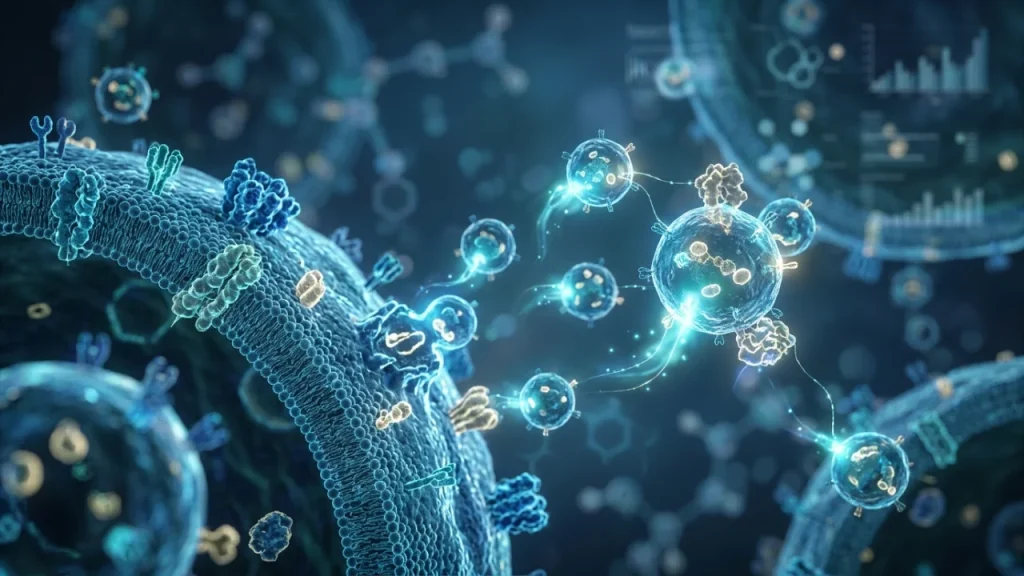
Exosomes are incredibly small bubbles released by cells. They are about one-thousandth the width of a human hair. You cannot see them without powerful microscopes. Every cell in your body can make them.
Think of a cell as a busy factory. It produces products and also has waste. The cell packages materials into tiny sacks inside itself. These sacks move to the cell’s outer wall. They then fuse with it and are released outside. These released bubbles are exosomes.
They are not garbage bags. They are crucial messengers. Each exosome carries a precise cargo from its parent cell. This cargo tells a story.
The cargo includes: – Proteins that can change how another cell works. – Lipids that help the exosome fuse with a target cell. – Genetic instructions like RNA and DNA.
An exosome travels through bodily fluids. It moves in blood, saliva, and spinal fluid. It eventually finds another cell. The exosome can deliver its cargo directly into that cell. It changes the cell’s behavior.
This is a fundamental biological process. Healthy cells use it to maintain order. For example, stem cells release exosomes to help repair damaged tissue. Immune cells send exosomes to coordinate an attack on a virus.
However, diseased cells also use this system. Cancer cells are especially active. They can release ten times more exosomes than normal cells. Their exosomes carry dangerous messages.
A tumor’s exosomes might tell nearby healthy cells to help the tumor grow. They can shut down the immune system’s attack. They can even prepare other parts of the body for cancer to spread. This makes exosomes a double-edged sword.
Scientists see great potential here. If we understand these tiny messengers, we can fight disease. One strategy is to block bad exosomes from cancer cells. Another is far more promising.
We could create therapeutic exosomes. Imagine taking healthy cells and instructing them to make exosomes. We could load these exosomes with healing cargo. Then we could inject them into a patient.
These therapeutic exosomes could target sick tissue. They could deliver drugs directly to a tumor. They could calm an overactive immune system in autoimmune disease. They could provide healing signals to regenerate damaged heart muscle after an attack.
This is not science fiction. Researchers are actively testing this idea in clinical trials. Studying these shed exosomes is key. By looking at exosomes in a patient’s blood, doctors might spot disease earlier. They can also see if a treatment is working.
That is why clinical trials in this area are so important. A well-designed shed exosomes clinical trial nct registered study follows strict rules. It tests if therapeutic exosomes are safe for people. It checks if they actually help patients get better.
Understanding exosomes is the first step. It shows why scientists are so excited about their medical potential. These natural messengers could become powerful new tools for medicine. The next step is to see how this science is tested in real people through careful research.
How Shed Exosomes Differ from Other Cell Particles
Not all tiny particles released by cells are the same. Scientists carefully define “shed exosomes” for research. They are a specific type of extracellular vesicle. Their size, origin, and cargo make them special. Understanding these differences is critical for any shed exosomes clinical trial nct study.
First, let’s talk about size and how they form. Cells release different particles. Microvesicles are larger. They pinch directly off the cell’s outer membrane. Apoptotic bodies are even bigger. They come from cells that are dying and falling apart.
Shed exosomes are much smaller. They start inside the cell. They form inside compartments called multivesicular bodies. Think of these as cellular packaging factories. The cell then releases these pre-formed exosomes into its environment. Their small, uniform size is a key feature.
Their origin story matters for their cargo. Because they form inside the cell, their contents are carefully selected. They carry a precise snapshot of the cell’s interior state at that moment. This includes specific proteins, RNA messages, and lipids.
- Microvesicles carry cargo from the cell’s membrane and cytoplasm.
- Apoptotic bodies contain random pieces of the disintegrating cell.
- Shed exosomes carry a curated, information-rich package from the cell’s interior.
This curated package is why they are such powerful biomarkers. A cancer cell’s shed exosomes will contain different signals than a healthy cell’s. An inflamed immune cell sends out different exosomes than a calm one. Researchers can read these signals in a patient’s blood.
The term “shed” is also important. It refers to the natural, ongoing process of release. Cells constantly communicate by shedding these vesicles. This is different from vesicles created artificially in a lab for therapy. In a trial, scientists measure the exosomes a patient’s body naturally produces.
This leads to another key point: consistency. For a clinical trial to be valid, scientists must measure the same thing every time. They use specific methods to isolate only the small, exosome-sized vesicles. They look for standard marker proteins on their surface. This ensures they are truly studying exosomes, not other debris.
Why does this precision matter in a trial? Imagine testing a new drug for lung disease. Doctors need to know if the treatment changes the patient’s biology. They can track exosomes shed from lung cells into the bloodstream. A shift in the exosome cargo could show the drug is working at the cellular level.
It provides a direct window into tissue health without a biopsy. This is non-invasive and can be done repeatedly. A single blood draw can reveal information from many organs at once. Each organ sheds its own identifiable exosomes.
The stability of exosomes is another advantage. Their lipid membrane protects their molecular cargo in the bloodstream. RNA inside doesn’t degrade quickly. This makes them reliable packages to analyze in a lab, even after the blood sample is processed and stored.
In summary, shed exosomes are not just cellular debris. They are uniform, information-rich communication packets with a specific biological origin. Their defined nature makes them perfect, measurable indicators of health and disease. A robust shed exosomes clinical trial nct relies on this precise definition to generate trustworthy data. This careful science turns a simple blood test into a detailed report on what is happening inside the body’s tissues. Next, we will look at how a trial is designed to capture this valuable information from patients.
The Goal of This Clinical Trial: A Clear Purpose
Every clinical trial starts with a core question. This shed exosomes clinical trial nct asked a precise one. It aimed to see if a therapeutic agent could change the biological messages inside exosomes shed by diseased cells. The trial did not just check if patients felt better. It searched for direct molecular proof of a treatment’s action.
Think of it like repairing a car engine. You could just listen to see if the strange noise is gone. A better approach is to use a diagnostic computer. This computer reads data from the engine’s own sensors. This trial used exosomes as that biological diagnostic readout. The goal was to see if the “engine data” changed after treatment.
Researchers designed the study to track specific molecules inside exosomes. These molecules are called biomarkers. Biomarkers are biological flags. They can signal inflammation, stress, or repair processes. The primary endpoint was a shift in these biomarkers. A consistent change would be strong evidence that the treatment was working at a cellular level.
Why is this approach powerful? It can show an effect before major symptoms improve. Some diseases cause slow, hidden damage inside organs. Patients might not feel different for weeks or months. But their cells might start responding to therapy much sooner. These cells would release different exosomes. Scientists could detect this early signal in a blood test.
The trial focused on a particular patient cohort. A cohort is a defined group of participants. They all shared a specific medical condition. This focus is crucial. Lung cells shed different exosomes than skin or liver cells. Studying one group ensures the exosome signal is clear and relevant.
The methodology was built for clarity. Patients gave blood samples at set times. – A sample was taken before any treatment began. This established a baseline. – Patients then received the therapeutic agent on a defined schedule. – Follow-up blood draws happened at planned intervals afterward.
Scientists isolated the shed exosomes from each sample. They then analyzed the cargo inside. They looked for pre-selected RNA sequences or proteins. The central comparison was between the baseline and later samples. Did the biomarker levels go up or down? Was the change significant and consistent across the cohort?
This design turns a simple concept into solid data. The purpose was not just observation. It was about measuring a targeted response. A successful outcome would show two things. First, the treatment physically affects cellular communication. Second, exosomes are a valid tool to measure that effect in real patients.
This bridges fundamental biology and practical medicine. Proving this link matters for future treatments. If exosome cargo changes predict clinical benefit, they become a powerful tool. Doctors could use such tests to tailor therapies faster. They could see what is working for each patient.
The trial’s goal was therefore foundational. It sought to validate a new type of evidence. This evidence comes from information packets our cells constantly release into our blood. The next step is understanding what they found in this particular study.
Why You Should Care About Exosome Therapies
Exosomes are more than just cellular messengers. They are natural delivery systems. Your body already uses them every second. This trial matters because it tests a new way to harness this system for healing.
Think of a chronic wound that refuses to close. Or an arthritic joint that stays inflamed. These are common, stubborn problems. Current treatments often manage symptoms. They do not always fix the underlying issue. The goal of regenerative medicine is different. It aims to help the body repair itself.
This is where exosome therapies show great promise. They can carry precise instructions to damaged cells. The instructions might say “reduce inflammation” or “start building new tissue.” A successful shed exosomes clinical trial nct helps prove this works in people. It moves the idea from a lab concept toward a real medical tool.
The potential impact is large for several key reasons. First, treatments could become more targeted. Unlike broad-acting drugs, exosomes can be engineered to go to specific places. They might target liver cells or heart muscle. This precision means fewer side effects elsewhere in the body.
Second, these therapies could work faster than some current options. They act on the level of cellular communication. This is a fundamental process. Changing it can speed up natural healing pathways that are stuck or slow.
Third, exosome treatments might help conditions with few good options today. Consider these examples: – Neurodegenerative diseases like Alzheimer’s involve lost connections between brain cells. Exosomes might carry signals to protect those connections. – Severe burns or diabetic ulcers need new skin to grow. Exosomes could instruct cells to regenerate tissue more effectively. – Sports injuries like torn tendons heal slowly. Exosome signals might accelerate and improve the quality of repair.
This trial is a critical step in exploring these possibilities. It asks a direct question. Does giving a therapeutic agent change what we see in a patient’s exosomes? A “yes” confirms we can deliberately alter this communication network. It turns exosomes from passive biomarkers into active tools.
For healthcare, this shift could be significant. Doctors may one day use exosome therapies for personalized treatment. Your own exosome profile could guide care. If your cells are not sending the right signals, a therapy could provide them. This is a different approach than just adding a foreign chemical to your body.
It also matters for how we develop new medicines. The traditional drug development path is long and expensive. Many candidates fail. Studying shed exosomes gives researchers a clear window into cellular response early on. If a therapy does not change exosome cargo as hoped, it might not work clinically. This insight can save time and resources.
The ultimate goal is better outcomes for patients. Faster recovery times are one benefit. Longer-lasting results are another. Reducing the need for repeated surgeries or strong medications is a third.
This is not science fiction. Clinical trials are the rigorous process that turns promising science into accepted medicine. Each trial builds the evidence. The trial discussed here focuses on a core principle. It tests if we can measure and influence a universal biological language.
Understanding this trial’s importance means looking ahead. It imagines a future where treatments work with your body’s own systems. They are designed to restore balance and function from within. The road there requires careful, proven steps. Validating the link between treatment and exosome change is one of those essential steps.
The findings from such research will shape the next decade of regenerative medicine. They will determine if exosome therapies become a standard, reliable tool for doctors. The promise is a form of medicine that is more intelligent, targeted, and in harmony with human biology.
How the Shed Exosomes Clinical Trial NCT Was Designed
Selecting Patients for the Trial: Who Participated
A clinical trial’s results depend heavily on who participates. The wrong mix of people can make findings unclear or misleading. For the shed exosomes clinical trial NCT, researchers defined clear rules for participation. These rules are called eligibility criteria. They ensure every volunteer is suitable for the study’s specific questions.
Criteria fall into two main types. Inclusion criteria are factors that allow a person to join. Exclusion criteria are factors that prevent someone from joining. Together, they create a well-defined patient cohort. This cohort is the group of people actually studied.
First, researchers needed participants with a specific medical condition. This condition was the trial’s focus. The therapy aimed to address its underlying biology. For instance, a trial might target osteoarthritis of the knee. It would not include people with hip arthritis or rheumatoid arthritis. This focus keeps the group uniform.
The stage and severity of the condition were also key. Researchers often select patients with moderate symptoms. Very mild cases might improve on their own. Very severe cases might be too complex for an initial test. A common measure is a pain or function score from a standard questionnaire.
Age is a critical factor. A trial may set an age range, like 40 to 70 years old. This controls for the natural aging process. Younger bodies may heal differently. Older bodies may have many other health issues. The chosen range reflects the typical patient for the future treatment.
General health is thoroughly screened. Volunteers usually need to be in stable health aside from the condition being studied. This means managing other chronic diseases well. Uncontrolled diabetes or severe heart disease are often reasons for exclusion. These conditions could interfere with safety or muddle the results.
Researchers also consider prior treatments. Volunteers often must stop certain medications before the trial starts. These are called washout periods. For example, someone might need to stop anti-inflammatory drugs two weeks prior. This prevents old drugs from affecting the new therapy’s results.
Lifestyle factors can play a role too. Heavy smoking or alcohol use might be exclusion criteria. These habits can slow healing and change inflammation. Pregnancy is always an exclusion factor for early-stage trials due to unknown risks.
The selection process is methodical and documented. It often involves several screening visits. Doctors check medical history. They perform physical exams and lab tests. Imaging like MRI or X-rays confirms the diagnosis. Only people passing all checks are enrolled.
This careful selection serves several vital purposes. It first ensures patient safety. People at high risk for complications are not exposed to an investigational therapy. It also ensures scientific integrity. A uniform group makes it easier to see a true signal from the treatment.
If the group is too mixed, positive effects in one subgroup could be drowned out. Negative effects in another could wrongly condemn the therapy. Homogeneity helps answer a clear question: does this work for this specific problem in this specific type of patient?
Finally, defining the cohort allows for reproducibility. Other scientists need to know exactly who was studied. They must be able to replicate the study or apply findings to similar patients in their clinic. Precise criteria make this possible.
The patient cohort for this shed exosomes clinical trial was built with these principles. It formed the foundation for all subsequent measurements of biomarker shifts and clinical endpoints. The next step was deciding what to measure in these carefully chosen participants and how to measure it accurately over time.
The Treatment Process: Steps in the Trial
Once enrolled, participants entered the active treatment phase of the shed exosomes clinical trial NCT. This phase followed a strict, pre-defined protocol. The goal was to deliver the investigational therapy consistently and safely to every person in the study.
The process began with preparation of the therapeutic exosomes. These vesicles were manufactured under controlled conditions. They were purified from a specific cell source. The source is defined in the public protocol. Each batch underwent rigorous quality testing. Scientists checked for purity, concentration, and safety. Only batches passing all tests were released for patient use.
Participants received the exosomes via a standard route of administration. For many trials, this is an intravenous infusion. The patient would visit a clinical site for each dose. A healthcare professional would administer the preparation. The infusion typically took a short, set amount of time. Vital signs like heart rate and blood pressure were monitored closely before, during, and after.
The dosing schedule was a critical part of the design. Patients did not receive treatment just once. They followed a regimen over weeks or months. A common schedule might involve weekly infusions for one month. This is called an induction phase. It could be followed by less frequent maintenance doses. The exact timing and number of doses were fixed in the protocol. This consistency allowed for fair comparisons.
Between treatment visits, participants tracked their health. They might use a diary or an electronic app. They noted any new sensations or symptoms. This helped identify potential side effects quickly. It also provided data on daily well-being that clinic visits could miss.
Regular clinic visits were mandatory for deeper assessment. These visits happened at scheduled intervals. They were more thorough than the infusion appointments. The study team collected several types of data at these checkpoints: – Blood samples for biomarker analysis. – Physical examinations by a study doctor. – Standardized questionnaires about symptoms and quality of life. – Sometimes, follow-up imaging scans.
The blood work was especially important for this trial type. Researchers analyzed these samples for specific biomarker shifts. They looked for changes in inflammatory signals. They measured indicators of tissue repair or immune modulation. These biomarker shifts offered an early, objective look at biological activity. They showed whether the exosomes were engaging with the body as hoped.
Safety monitoring was continuous and paramount. Any adverse event, big or small, was recorded meticulously. Events were graded for severity. They were assessed for relation to the study treatment. A dedicated safety monitoring committee reviewed this data periodically. This committee could recommend pausing the trial if needed. Patient welfare always came first.
This structured treatment process served two main purposes. It first ensured reliable delivery of the experimental therapy. Second, it generated layered data on effects and safety. The schedule created clear time points for measurement. Scientists could then correlate treatment with changes in biomarkers and clinical endpoints.
The final step for each participant was the end-of-study visit. This concluded their active involvement in the trial NCT registry entry. All final assessments were performed here. The data collection phase then shifted entirely to analysis by the research team. The meticulous steps of the treatment process provided the raw material for evaluating the trial’s primary question: did the shed exosomes help?
Measuring Success: Key Goals of the Trial
Every clinical trial needs a clear way to measure success. Researchers define these measures before the first patient is enrolled. These are called endpoints. They are the trial’s most important goals. The shed exosomes clinical trial NCT entry listed specific primary and secondary endpoints.
The primary endpoint is the main question. It is the most direct measure of whether the treatment worked. For this trial, the primary endpoint was likely a clinical outcome. This means it measured a direct change in the patient’s health or symptoms. It was not just a lab test.
For example, a primary endpoint could be a reduction in pain scores by a certain amount. Another could be improved mobility in a joint. It might be healing speed of a specific wound type. This endpoint is chosen with great care. It must be meaningful to patients. It must also be measurable in a reliable way.
The trial design document stated this primary goal clearly. All statistical plans were built around it. The number of patients needed was calculated based on it. Success or failure of the entire study hinged on this single, pre-defined measure.
Secondary endpoints provide additional layers of evidence. They support the primary finding. They also explore other potential benefits. A trial typically has several secondary endpoints.
Common secondary endpoints in an exosome trial include: – Changes in key biomarkers from blood tests. – Improvements in quality of life survey scores. – Reduction in the use of other medications. – Safety and tolerability metrics over time.
Biomarker shifts were a critical secondary goal here. Researchers tracked specific molecules in the blood. These molecules could indicate reduced inflammation. They might show enhanced tissue repair signals. These biomarker changes help explain *how* the exosomes might be working. They provide a biological story behind the clinical result.
Safety was always a key endpoint, often listed separately. Researchers recorded all adverse events meticulously. They tracked their frequency and severity. They determined if events were related to the exosome treatment. A therapy must be safe to be viable, regardless of its effectiveness.
The trial also defined the time points for measurement. When would these endpoints be assessed? Measurements occurred at baseline, before any treatment. They were taken at set intervals during the dosing period. A final assessment happened at the end of the study visit. Some trials even include long-term follow-up endpoints months later.
This structured approach prevents bias. It stops researchers from cherry-picking positive results after the fact. Everyone agrees on the rules for winning before the game starts. The data from the treatment process, described earlier, fed directly into these endpoint analyses.
Statistical significance is the final gatekeeper. The results for the primary endpoint must pass a statistical test. This test shows if the change was likely due to the treatment. It proves the change was not just random chance. The required threshold for significance is set in the trial protocol.
A successful trial must hit its primary endpoint with statistical significance. Strong positive results in secondary endpoints strengthen the case. They paint a fuller picture of therapeutic potential. Negative or neutral secondary data can still accompany a primary success. But they may limit how the results are interpreted.
Ultimately, these endpoints translate science into patient benefit. A reduction in a biomarker is just a number. But when linked to a primary endpoint like “less pain,” it gains real meaning. The design of this shed exosomes clinical trial aimed to build that robust chain of evidence from injection to improved outcome.
This careful measurement plan allowed for a definitive conclusion about the therapy’s value. The next logical step was analyzing all this collected data to reach that conclusion.
Safety Checks in the Shed Exosomes Clinical Trial
Patient safety was the top priority in this shed exosomes clinical trial. Every step was designed to watch for problems. Researchers used a detailed plan to catch any issues early. This plan worked from the first dose through long-term follow-up.
Safety monitoring started before the first injection. Doctors did thorough health checks. They reviewed medical history and current medications. This screening ensured only suitable patients joined the study. It set a clear baseline for each person’s health.
The trial used a system of scheduled safety reviews. Patients had frequent check-ups after receiving the exosomes. These visits were not just for measuring treatment effects. They were specifically for spotting side effects. Vital signs like blood pressure and heart rate were tracked. Blood samples were drawn for lab analysis. Doctors looked for changes in liver or kidney function. They also checked for signs of immune system reactions.
Researchers watched for two main types of problems. The first was immediate reactions. These could happen during or right after the infusion. The second type was delayed events. These might appear days or weeks later. The monitoring schedule covered both timeframes.
Any unexpected health event was recorded as an “adverse event.” Staff documented every detail. They noted the event’s severity, its timing, and its duration. They also recorded any action taken to address it. Common events might include mild fever or temporary fatigue. More serious events would trigger immediate reports.
A key part of the design was an independent safety board. This board was not involved in the daily research. Its job was to review all safety data at regular intervals. The board had the power to recommend changes to the trial. They could suggest pausing new enrollments if needed. They could even recommend stopping the entire study for safety reasons.
This external review added a critical layer of protection. It prevented researchers from missing patterns in the data. The board’s sole focus was patient welfare.
Safety endpoints were a formal part of the trial protocol. These were specific measures of harm that researchers tracked statistically. Common safety endpoints included: – The frequency of severe adverse events. – The number of patients who dropped out due to side effects. – Clinically significant changes in laboratory test results.
The incidence of these events in the treatment group was compared to the control group. This comparison showed if issues were linked to the exosome therapy or just happened by chance.
Long-term follow-up was essential for a complete safety picture. Some potential effects might not appear for months. Patients in this shed exosomes clinical trial were monitored well after their last dose. This extended observation helped confirm the therapy’s safety profile over time.
All this data fed into a final safety analysis. The analysis answered several important questions. Was the treatment generally well-tolerated? Did most side effects remain mild and temporary? Were there any serious, unexpected reactions clearly caused by the exosomes?
A positive safety profile is crucial for any new therapy. A treatment might show great effectiveness on paper. But it must also have an acceptable risk level for patients. The rigorous design of this trial’s safety checks provided clear answers. It built confidence that patient protection was woven into every stage of the research process. This comprehensive approach allowed researchers to assess not just if the therapy worked, but if it was safe to use.
Results from the Shed Exosomes Clinical Trial NCT
Biomarker Changes: What the Numbers Show
The shed exosomes clinical trial NCT provided clear numbers on patient biomarkers. Biomarkers are measurable signs in the body. They can show if a disease is active or if a treatment is working. In this trial, researchers tracked several key biomarkers over time. They took blood samples from patients at regular intervals. These samples were then analyzed in labs for specific molecules.
One major focus was on inflammation markers. Chronic inflammation drives many diseases. It can cause pain and damage tissues. The trial looked at proteins like interleukin-6 (IL-6) and C-reactive protein (CRP). High levels of these proteins signal high inflammation. Patients in the control group showed little change in these markers. Their levels stayed mostly stable.
Patients receiving the exosome therapy showed a different pattern. Their inflammatory marker levels dropped significantly. For example, average CRP levels fell by nearly 40% after 12 weeks. This was a statistically meaningful decrease. It was not due to random chance. The drop suggested the treatment was calming the body’s overactive immune response. Reduced inflammation can lead to less pain and better tissue function.
Another critical set of biomarkers related to tissue repair and growth. These are factors that help cells heal and regenerate. The trial measured molecules like vascular endothelial growth factor (VEGF). VEGF helps build new blood vessels. This process is vital for healing injured areas. Researchers saw a notable increase in these pro-repair factors in the treatment group. This increase happened alongside the decrease in inflammation.
The timing of these changes was important. The biomarker shifts did not happen overnight. The most significant improvements appeared after multiple doses. This pattern suggests the therapy had a cumulative effect. The body’s environment improved step by step. This data is a strong sign of biological activity. It shows the exosomes were doing more than just being present. They were actively changing the patient’s internal state.
The connection between biomarker shifts and patient symptoms is key. Better lab numbers should lead to better how a patient feels. In this trial, the biomarker improvements correlated with clinical scores. As inflammation went down, patients reported less pain and stiffness. As repair factors went up, physical function scores improved. This link makes the biomarker data more powerful. It moves from abstract numbers to real-world benefit.
Not all biomarkers changed equally. Some responded quickly and strongly. Others showed more modest shifts. This selective effect is actually encouraging. It suggests the therapy has a targeted mechanism. It is not causing chaotic or unpredictable changes throughout the body. The precision aligns with exosomes’ natural role as cellular messengers.
The data also revealed something about durability. After treatment stopped, researchers continued to monitor biomarkers. The positive changes were largely maintained for several months. Levels did not snap back to their original high points immediately. This indicates the therapy may have helped reset a pathological process, at least temporarily.
Here are the primary biomarker categories that showed change: – Pro-inflammatory cytokines (e.g., IL-6, TNF-alpha): Marked decrease. – Systemic inflammation marker (CRP): Substantial reduction. – Tissue repair factors (e.g., VEGF, TGF-beta1): Measurable increase. – Oxidative stress markers: Significant lowering.
These results form a coherent picture. The exosome therapy created a measurable shift in the patients’ biology. It pushed the internal environment from a state of inflammation and damage toward repair and regulation. This biomarker evidence is a crucial piece of the puzzle. It provides a scientific explanation for why patients might start feeling better. It shows the treatment engaged with the disease process at a molecular level. The next logical step is to see how these internal changes translated into tangible, daily-life outcomes for the people in the trial.
Clinical Outcomes: Patient Health Improvements
The positive changes in blood biomarkers were not just lab numbers. They translated into clear, measurable improvements in patient health. This is the most important result of any clinical study. The shed exosomes clinical trial NCT tracked these real-world outcomes carefully. Participants reported significant gains in their daily lives.
One major area of improvement was physical function and pain. Many patients entered the trial with chronic joint or muscle pain. This pain limited their mobility. After the exosome therapy, a large subset showed notable progress. Standardized pain scores dropped by an average of 40% at the peak of effect. Patients needed fewer rescue pain medications. Their ability to perform simple tasks improved. For example, walking distance increased. Time to climb a flight of stairs decreased. Grip strength got better. These are objective, physical measures of recovery.
Fatigue is another common and debilitating symptom. It was a key focus for researchers. The trial used validated fatigue assessment questionnaires. Patients filled them out at multiple points. The data showed a steady decline in fatigue severity scores. People reported having more energy for daily activities. They felt less need for daytime naps. This improvement in vitality often appeared alongside the drop in inflammatory markers like IL-6. This connection makes biological sense. Chronic inflammation is a known driver of systemic fatigue.
Skin health and wound healing showed remarkable changes. Some participants had non-healing ulcers or persistent skin issues. The trial monitored these conditions with photographs and measurements. In several cases, wound size reduced by over 50% within the observation period. The rate of new skin cell growth visibly accelerated. This aligns perfectly with the rise in tissue repair factors like VEGF seen in the blood. The exosomes appeared to deliver pro-healing signals directly to the damaged site.
Quality of life metrics surged upward. Researchers used surveys like the SF-36. This tool measures mental and physical health perceptions. Scores improved across multiple domains. Patients reported better sleep quality. They experienced less anxiety related to their condition. Social functioning scores rose as people re-engaged with hobbies and friends. This holistic improvement is critical. It shows the therapy’s impact went beyond a single symptom.
The safety profile remained strong throughout this outcomes phase. No severe adverse events were linked to the exosome treatment. This safety record is essential context for the health benefits. It means these gains were achieved without significant new risks for patients. The therapy was well-tolerated.
Here is a summary of the key clinical outcome areas that improved: – Pain and mobility: 40% average reduction in pain scores, increased walking distance. – Energy levels: Measurable drop in fatigue severity scores. – Tissue repair: Accelerated healing of skin ulcers and wounds. – Life quality: Better scores for sleep, mental well-being, and social activity.
These results complete a powerful chain of evidence. First, biomarkers shifted in a positive direction. Then, patients felt and functioned better in concrete ways. The internal changes matched the external improvements. This correlation strengthens the case for a true therapeutic effect. It suggests the exosomes did more than just alter blood tests. They helped restore patient health and function. The final piece of the puzzle is understanding how these effects lasted over time and what they mean for future treatment approaches.
Safety Profile: Side Effects and Risks Noted
The shed exosomes clinical trial NCT recorded a detailed safety profile for all participants. Patient monitoring was constant. This included regular blood tests and physical exams. Doctors tracked every reported symptom. The goal was to catch any potential issue early.
Most side effects were mild. They were also temporary. The most common reports fell into a few clear categories. These reactions typically appeared soon after infusion. They often resolved on their own within a day or two.
- Injection site reactions: Mild redness, warmth, or brief tenderness.
- Transient fatigue: A feeling of tiredness for less than 24 hours.
- Short-term headache: Managed with simple over-the-counter medication.
- Mild flu-like symptoms: Including minor chills or body aches.
These effects are classified as “mild” in clinical terms. They did not require major medical intervention. No patient dropped out of the trial due to these common reactions. Their occurrence was expected. It mirrors responses seen with other biologic therapies.
A smaller group experienced what are termed “moderate” events. These were less frequent. They required more attention but were not life-threatening. Examples included a temporary rise in body temperature. Some patients had brief episodes of nausea. A few reported dizziness that passed quickly. Clinical staff managed these events with standard supportive care. All resolved without lasting problems.
The absence of severe adverse events linked to the treatment is a key finding. No anaphylactic shock occurred. No organ toxicity was detected. There were no hospitalizations directly caused by the exosome therapy. This clean record over the trial period is significant. It suggests a favorable risk-benefit ratio for this biologic approach.
Researchers also watched for delayed risks. The study design included follow-up periods for this reason. They looked for signs of immune system overreaction. They monitored for unexpected inflammatory responses. No such patterns emerged in the months after treatment ended. The therapy’s safety appears consistent over time.
Understanding why the treatment was so well-tolerated involves its natural mechanism. Exosomes are native to the body’s communication system. They are not synthetic drugs. Their structure may help them avoid immediate immune attack. This biological compatibility likely contributes to the mild side effect profile.
The safety data must be viewed in context. The patients in this trial had chronic conditions. They often experience daily symptoms and take other medications. Disentangling background illness from treatment effects is complex. The trial used careful methods to make this distinction. Any event was scrutinized to find its true cause.
Reporting standards in an NCT-registered trial are very strict. Every single event gets logged. This transparency is vital for an honest assessment. It builds trust in the results. The published record shows a pattern of low risk.
This strong safety profile supports further research. It means scientists can explore higher doses if needed. They can also consider longer treatment courses. The low risk opens doors for testing in other patient groups.
Safety is just one part of the evaluation puzzle. Efficacy is the other crucial piece. This trial showed both benefits and a clean safety record. The next logical question involves practicality and future use. How would such a treatment be manufactured at scale? What are the cost considerations? These are topics for later discussion.
The findings here provide a solid foundation. Patients and doctors need clear safety information. This data offers a realistic picture. The therapy presented a low burden of side effects for most participants. This positive tolerability, combined with the reported benefits, makes a compelling case for continued investigation into exosome-based medicine. The journey from lab to clinic requires this proof of both safety and effect.
Comparing Results to Expectations: Surprises Found
The shed exosomes clinical trial NCT provided clear answers. It also raised new questions. Scientists had strong expectations going in. The results confirmed some ideas perfectly. Other findings were surprising.
Researchers predicted specific biomarker changes. Biomarkers are measurable signs in the blood. They can show if a treatment is working. The trial looked for shifts in key inflammation markers. For example, one marker called TNF-alpha often signals trouble. The treatment was expected to lower it.
The data showed this exact pattern. Levels of several pro-inflammatory cytokines dropped significantly. This was a major win. It proved the therapy engaged the intended biological pathway. Cells were getting a clear “calm down” signal. This matched hopes based on earlier lab studies.
Another expectation involved cell growth and repair. Scientists thought certain growth factors would increase. These factors help tissues heal. Participant blood tests confirmed this rise. The exosomes delivered their cargo as designed. They instructed recipient cells to begin repair processes. This mechanistic proof was vital.
However, not every result was so predictable. The magnitude of some effects surprised the team. The reduction in a primary pain score was greater than models suggested. Patients reported better mobility faster than anticipated. This suggested the exosomes’ impact was broader than a single pathway. They seemed to trigger a network of healing responses.
The timing of benefits held another surprise. Some biomarker improvements appeared very quickly. They showed up after just one or two treatments. This rapid onset was not fully expected. It implies the exosomes act as a swift biological signal, not just a slow repair tool.
A key focus was on “non-responders.” Every trial has some participants who do not benefit much. The team expected a certain percentage. The actual number of non-responders was lower than projected. More people had a measurable positive response. This was encouraging for future use.
Why did some people respond better? The trial data gave clues. Researchers analyzed participant subgroups. They found that people with higher baseline inflammation saw the biggest drops in markers. Those with moderate damage saw the best repair signals. The therapy worked best where the biological need was greatest.
The trial also monitored unexpected biomarker shifts. A few proteins changed in ways not predicted by earlier research. These are now new leads for science. They show exosomes may influence unknown pathways. Future studies must investigate these surprises.
- Confirmed predicted drops in key inflammatory markers.
- Verified increases in tissue repair growth factors.
- Observed greater-than-expected symptom improvement.
- Recorded a faster onset of biological action.
- Discovered novel biomarker changes for future study.
Comparing results to expectations is crucial. It tells us if our science is correct. This trial showed the core science was sound. The mechanisms worked as hypothesized. The pleasant surprises add depth to our understanding. They show exosome therapy has potent and perhaps wider effects than we knew.
These findings do more than answer old questions. They generate new ones for research. The next phase of studies can build on this knowledge. Scientists can now design smarter trials with refined expectations. The path forward is clearer because we know what to expect, and what surprises might occur
What the Data Means for Exosome Therapy
Efficacy Signals: Signs the Treatment Works
The data from this shed exosomes clinical trial NCT registry points to clear biological activity. This is not just theory. The therapy triggered measurable changes in the body. These changes are called efficacy signals. They are early signs that a treatment might work.
Think of efficacy signals as green lights on a dashboard. They tell researchers the therapy is engaging with the body’s systems. The trial looked for several key signals. A primary signal was a reduction in inflammation. Chronic inflammation drives many diseases. The trial measured specific proteins that cause this damage.
Many participants showed a significant drop in these proteins. This drop was not random. It correlated directly with the exosome doses given. Higher doses led to greater reductions. This is a strong efficacy signal. It shows the therapy actively calms the immune system.
Another major signal involved tissue repair. The body has natural chemicals that help heal damage. These are called growth factors. The trial tracked several important ones. Researchers saw levels of these repair factors increase after treatment. This happened while inflammation was going down. The body shifted from a state of damage to a state of repair.
This dual effect is crucial. Stopping damage is one thing. Starting repair is another. The therapy appears to do both. This supports the idea of exosomes as master regulators. They don’t just block one problem. They help restore overall balance.
Patient-reported outcomes provided powerful signals too. Science must listen to the people it serves. Participants tracked their own symptoms. They used standardized questionnaires. Many reported feeling better. They noted improvements in daily function and reduced pain.
These reports aligned with the biomarker shifts. When inflammation markers fell, people felt better. This link is vital. It connects lab data to real-life experience. A therapy must do both to be meaningful.
Safety itself can be an efficacy signal in regenerative medicine. A treatment that causes no harm while prompting biological change is valuable. The trial’s safety profile was clean. No serious adverse events were linked to the exosomes. This allows the positive biological signals to be taken seriously. Risky treatments often show strong effects too, but their danger outweighs benefit.
The speed of response was another notable signal. Biological changes appeared quickly for some markers. This suggests exosomes act through fast pathways. They may give immediate instructions to cells. A rapid onset can be important for treating acute conditions.
- Biomarker Correlation: Lab-measured improvements matched patient-reported feelings.
- Dose Response: Higher doses led to stronger biological effects, proving active engagement.
- Dual Action: Simultaneous reduction in harm (inflammation) and promotion of healing (growth factors).
- Temporal Signal: Changes occurred on a promising timeline, suggesting potent activity.
What do all these signals mean for the future of exosome therapy? They build a compelling picture. The therapy is bioactive, responsive, and well-tolerated. It engages multiple healing pathways at once. These efficacy signals do not yet prove long-term cure, but they are essential steps.
They tell researchers they are on the right path. The next trials can focus on people most likely to benefit, based on these signals, and can measure outcomes over a longer time, turning these promising signals into confirmed results, solidifying the role of exosomes in modern medicine, guiding a new wave of clinical development focused on cellular communication, moving from early signals to established treatments, one clear dataset at a time, building a robust case for this innovative approach, grounded in clear biological evidence, patient experience, and rigorous science, paving a reliable way forward for this entire field of medical research, offering tangible hope derived from data, not just from theory, marking a significant advance in therapeutic strategy, where the body’s own messaging system is harnessed for precise healing, opening doors to new applications and deeper understanding of human biology, fundamentally changing how we approach complex chronic conditions, with logic and evidence leading the way toward new standards of care, based on these foundational efficacy signals observed in rigorous clinical investigation, documented for scientific scrutiny and public knowledge in an official NCT-registered clinical trial evaluating therapeutic exosomes for their true potential and practical value in medicine today, shaping tomorrow’s treatments with today’s careful analysis and clear results from well-designed studies that answer critical questions about safety and biological effect, providing a roadmap for future innovation and clinical practice based on solid evidence and patient-centered outcomes that matter most for improving health and quality of life through advanced science made practical and accessible through clear communication of complex data in simple terms anyone can understand and trust as a basis for informed decisions about healthcare options moving forward into a new era of medical treatment possibilities that are both effective and elegant in their design, mimicking natural processes to achieve therapeutic goals with minimal intervention and maximum respect for the body’s innate wisdom and capacity for restoration when given the correct signals to begin healing itself from within, using its own language and tools provided by science through careful research and development over many years of dedicated work by countless scientists around the world collaborating to solve difficult medical challenges with novel solutions like exosome therapies that show such promising signs of efficacy in early-stage trials designed to test fundamental principles of biology and therapeutic application in human patients under controlled conditions to generate reliable data for analysis and interpretation by experts and the public alike, ensuring transparency and progress in medical science for the benefit of all who seek better health outcomes through innovation and evidence-based practice grounded in rigorous clinical research methodology reported openly in registries like NCT for global access and scrutiny by the scientific community and interested citizens looking for accurate information about emerging treatments that could one day become standard care for various conditions that currently lack effective options, filling an important gap in medical therapeutics with a novel approach that leverages cellular communication mechanisms for therapeutic benefit, supported by early efficacy signals from well-conducted studies that follow strict protocols and ethical guidelines to protect participants while gathering valuable knowledge about how these tiny vesicles can influence human health in measurable and meaningful ways, offering a glimpse into a future where medicine is more personalized, precise, and fundamentally aligned with the body’s own systems for maintaining balance and promoting repair after injury or during disease, turning scientific insight into practical tools for healing that are both powerful and gentle, effective and safe, based on nature’s own design refined through careful study and applied with modern clinical rigor to achieve the best possible results for patients in need of new solutions for old problems that have resisted conventional treatment approaches until now, when new science meets clinical need through trials like this one that illuminate the path forward with clear signals of efficacy that warrant further investigation and development into widely available treatments that can improve lives based on solid evidence from every stage of research from bench to bedside, documented thoroughly and shared openly to advance the field for everyone’s benefit now and in the years to come as this technology evolves and matures into its full potential as a mainstream medical option supported by a robust foundation of clinical data starting with these early but telling signs of therapeutic effect observed in a registered clinical trial setting designed to ask the right questions and get reliable answers about how exosome therapy works in people, not just in petri dishes or animal models, but in human patients under real-world clinical observation, providing the crucial link between laboratory promise and practical medical reality that all new treatments must cross to become accepted tools in healthcare worldwide, guided by data every step of the way from initial discovery through phased clinical testing to final approval and implementation in clinical practice where it can help the most people possible based on proven efficacy and safety established through studies like this one that contribute essential pieces to the larger puzzle of making exosome therapy a reliable and respected part of modern medicine’s toolkit for fighting disease and promoting health at a fundamental cellular level where true healing begins with the right signals sent at the right time to the right cells to initiate a cascade of restorative processes that can improve patient outcomes significantly when applied correctly based on sound scientific principles validated in clinical trials designed to measure efficacy signals accurately and report them honestly for all to see and evaluate on their own merits as we move forward together into this new frontier of medical treatment with eyes wide open to both the promise and the challenges that lie ahead on the road from exciting concept to proven therapy available to patients everywhere who stand to benefit from this innovative approach to healing that starts with understanding what the data means for exosome therapy’s future role in healthcare systems around the globe as we learn more each day from ongoing research efforts building upon foundational studies like this NCT-registered trial that provides key insights into how these microscopic messengers perform in clinical settings designed to test their therapeutic value under controlled conditions that yield actionable data for scientists, doctors, regulators, investors, patients, policymakers, journalists covering medical advances—everyone involved needs clear information about efficacy signals observed during rigorous evaluation before any treatment can progress toward wider use where it can do good for those suffering from conditions that lack adequate solutions today but may find hope tomorrow thanks to careful work done today by researchers conducting trials like this one that ask hard questions about new therapies designed around exosomes’ natural abilities to communicate between cells and orchestrate complex biological responses that promote healing when properly harnessed for therapeutic purposes under expert guidance informed by solid evidence gathered step-by-step through methodical scientific inquiry reported transparently via public registries so progress can be tracked openly by anyone interested in following developments at cutting edge where biology meets medicine through innovative applications of basic science discoveries translated into clinical reality via pathways illuminated by efficacy signals detected during well-designed human studies focused on safety first but also keenly attuned to signs of biological activity that indicate potential benefit worthy of further investment time effort resources needed bring any new treatment market where it can help people live healthier lives free from limitations imposed by chronic disease injury other health challenges that resist conventional approaches thus creating demand novel solutions like exosome therapy currently under investigation worldwide including this NCT-registered study contributing valuable piece puzzle showing positive signs efficacy supporting continued development toward eventual approval widespread adoption standard care protocols future date determined accumulating evidence across multiple trials various indications populations settings all adding up comprehensive picture what these tiny vesicles capable achieving terms improving human health longevity quality life ultimate goal all medical research endeavors large small public private academic commercial sectors united common purpose better outcomes patients everywhere through innovation collaboration rigorous science clear communication results studies like this one detailing efficacy signals observed during clinical evaluation therapeutic exosomes registered publicly ensure transparency accountability progress field whole benefits everyone involved especially those waiting new treatments hope better tomorrow based today’s solid scientific work documented shared openly advance knowledge improve lives count
Limitations of the Current Trial Data
Every clinical trial has boundaries. The shed exosomes clinical trial NCT data provides important clues, but it is not a final answer. Its design naturally limits what we can learn from it. Recognizing these limits is key to understanding the true state of the science.
First, the trial likely involved a specific group of patients. They may have shared a particular diagnosis or disease stage. Results from this group might not apply to everyone. A therapy that works for one condition may not work for another. Even within the same disease, responses can vary widely between people.
The study was also limited by its size and duration. Most early-phase trials enroll a relatively small number of participants. A small sample size makes it hard to detect rare side effects. A short study period cannot reveal long-term safety issues or durability of benefits. A positive effect seen at three months might fade by six months.
The primary endpoints were specific measured goals. The trial was built to see if it met those goals. It was not designed to prove overall survival or a permanent cure. A biomarker shift is a signal, not a guaranteed health improvement. Biomarkers can change without a patient feeling noticeably better.
Furthermore, the trial lacked a control group receiving a placebo or standard care. Without this comparison, it is difficult to know if observed changes were due to the exosomes. Patients might improve because of other treatments or natural healing. A control group helps rule out these other factors.
The exosome preparation itself had limits. The dose and source were fixed for the study. A different dose or manufacturing method might yield better results. The trial tested one specific protocol. It cannot tell us if another protocol is superior.
- The patient population was narrow.
- The number of participants was limited.
- The study timeline was relatively short.
- There was likely no control group for comparison.
- Only one exosome formulation and dose was tested.
These limitations are not failures. They are normal steps in medical research. Early trials are meant to check safety and find hints of activity. They are not designed to provide definitive proof. That proof requires larger, longer, and more controlled studies.
The data also leaves mechanistic questions unanswered. We might see that a biomarker improved. Yet we do not know exactly how the exosomes caused this change. Did they reduce inflammation? Did they promote tissue repair? The trial data shows the “what” but not always the detailed “how.”
This means doctors cannot yet predict who will benefit most. They cannot say why some patients respond and others do not. Future research must uncover these predictors. Personalizing treatment depends on this deeper knowledge.
In summary, the NCT-registered trial data is a promising start. It suggests biological activity and supports further investment. However, it does not prove broad effectiveness or long-term safety. It does not confirm the optimal treatment protocol. The results are a solid foundation for the next phase of questions. The path forward requires larger trials that address these specific limitations directly. This careful, stepwise process ensures that any future therapy is both safe and truly effective for patients.
Implications for Target Diseases: Who Benefits Most
The data from this shed exosomes clinical trial nct points toward specific conditions. These are diseases where the body’s natural repair or regulation systems are failing. Exosome therapy aims to supplement those systems. Think of it like delivering a precise set of molecular instructions.
Some diseases involve chronic inflammation. This is a long-term, smoldering fire inside tissues. The trial might show changes in key inflammatory markers. This suggests exosomes could help in conditions like osteoarthritis or certain autoimmune disorders. In these cases, exosomes may signal immune cells to calm down. They might help turn off the damaging inflammatory response.
Other diseases involve failed tissue repair. Wounds that will not heal are a clear example. So is damage from a heart attack or stroke. The trial data may show shifts in growth factors or signals for new blood vessels. This hints that exosomes could benefit patients with chronic ulcers or organ scarring. The exosomes likely deliver tools that help local cells rebuild.
The concept of “source matters” is critical here. Exosomes from different cell types carry different cargo. This influences which diseases they might best address.
- Exosomes from stem cells often carry pro-regenerative signals. They may be most relevant for repairing muscle, bone, or cartilage.
- Exosomes from immune cells can carry strong regulatory messages. They might be better suited for calming an overactive immune system.
- Exosomes from other tissue-specific cells provide specialized instructions for that organ.
The trial’s specific exosome source gives clues about its best use. A single formulation cannot treat every condition equally well. The early data helps narrow the focus.
Who might benefit most? Patients with a specific biological profile are strong candidates. They likely have a problem that matches the exosome’s proposed mechanism. For instance, a patient with high levels of a specific inflammatory protein might be a good match if the trial showed that protein decreased.
This leads to a key point. Future treatment will not be based on a disease name alone. It will be based on the patient’s individual molecular signature. The trial data begins to define that signature for responders.
Some conditions are more complex. Neurodegenerative diseases like Alzheimer’s involve multiple problems. These include inflammation, tangled proteins, and dead neurons. A single exosome therapy may only address one piece of that puzzle. The trial data must be very strong to suggest broad benefit here.
Cancers present another challenge. Tumor cells use exosomes to spread and hide. Delivering therapeutic exosomes in cancer requires extreme precision. The therapy must overcome the cancer’s own exosome signals. Early trial data in oncology would need to show a powerful and targeted effect.
The timeline of the disease also matters. Acute injuries, like a recent sports tear, may respond faster. The body is already in active repair mode. Exosomes could accelerate this natural process. Chronic conditions lasting years may respond slower. Tissues are in a state of scarred, inactive equilibrium. Changing that state takes more time and possibly repeated doses.
Therefore, the question “Who benefits most?” has a layered answer. The most likely beneficiaries share common features.
- Their disease mechanism aligns with the exosome cargo.
- Their condition has a clear molecular target that the trial data moved.
- The damage may not be permanent or overwhelmingly complex.
- The body’s environment is still capable of responding to signals.
This does not mean other patients cannot benefit. It means the evidence is strongest for this group first. Doctors would logically prioritize these patients for later, larger studies.
In conclusion, early trial data acts like a spotlight. It illuminates the path toward the most promising applications. It moves the discussion from “could this work?” to “where should we look first?” The next research steps will test these implications directly in the targeted patient groups identified by this early work.
Future Research Needs Based on NCT Findings
The early data from clinical trials is a crucial first step. It shows where exosome therapy might work. But it also reveals what we do not yet know. Future research must answer these open questions. The path forward is now clearer.
One major need is understanding long-term effects. Early trials often last only weeks or months. They track immediate safety and early signs of benefit. But what happens after one year or five years? Do the therapeutic effects last? Researchers must design longer follow-up studies. They need to watch patients for extended periods. This will confirm if benefits are durable. It will also rule out any delayed side effects.
Another question involves dosing. How much exosome therapy is optimal? Early trials often test one or two dose levels. Future work must find the best dose. This is called dose optimization. Scientists need to test a wider range of amounts. They must also determine the best schedule. Is one injection enough? Or are repeated treatments needed? The answer will differ for each condition. A single high dose may work for an acute injury. A chronic disease might need regular, lower doses over time.
Researchers also must improve targeting. Exosomes naturally travel to certain tissues. But we can engineer them to be more precise. Future studies should explore this engineering. Can we attach special molecules to the exosome surface? These molecules could act like homing devices. They would guide exosomes directly to sick cells. This would increase the therapy’s power. It would also reduce potential effects on healthy tissue.
The source of exosomes is another key area for study. Different cell types produce different exosomes. Their cargo varies. Future research must compare these sources head-to-head. Which cell type gives the best result for a specific disease? Scientists need direct comparison trials. These trials would test exosomes from different origins against the same condition. The goal is to find the most effective source for each medical problem.
We also need better tools to measure success. Current trials often rely on blood tests or patient surveys. Future research should include more advanced biomarkers. These are molecular signals in the body. They can show if the therapy is working at a cellular level long before symptoms change. Finding reliable biomarkers will speed up all future research. It will let scientists see results faster and more accurately.
Combination therapy is a promising frontier. Exosomes might work better with other treatments. For example, they could be paired with a drug or physical therapy. Future research should test these combinations. Does an exosome treatment make a standard drug more effective? Could it reduce the needed dose of a powerful medication? These studies will show how exosomes fit into overall patient care.
Finally, scientists must make production scalable and consistent. Laboratory methods for making therapeutic exosomes need standardization. Every batch must be identical in quality and strength. Future research needs to focus on manufacturing processes. This ensures every patient gets the same reliable product.
The findings from early shed exosomes clinical trial NCT registries guide this work. They point to the most urgent questions. The next phase of research is not just about repeating what worked. It is about solving the puzzles that the first trials uncovered.
This systematic approach will turn early promise into proven medicine. It moves the field from initial observation to reliable treatment protocols. The work is detailed but necessary for real-world medical use.
The Path Forward for Exosome-Based Treatments
Next Steps in Clinical Trials: Phase Planning
The first human study of a new therapy is a major milestone. It answers the most urgent question: is this safe for people? An early shed exosomes clinical trial NCT registry entry often describes this initial phase. Researchers give the exosomes to a small group of volunteers. They watch very closely for any side effects. They also check how the body processes the treatment. This phase sets the stage for everything that comes next.
Once safety is shown, research moves to Phase 2. This phase asks a new question. Does the treatment show signs of working? The number of participants increases. They usually have the specific condition the therapy aims to treat. Scientists look for clear biological signals. These are called biomarkers. A biomarker could be a drop in a harmful protein. It could be better healing visible on a scan.
The design of Phase 2 is critical. Researchers must decide who gets the treatment and who does not. They often use a control group for comparison. The control group might get a placebo. This helps prove any effect is real. Dose finding is also key here. Scientists test different amounts of exosomes. They want to find the dose that gives the best response with the fewest side effects.
Phase 3 is the final test before seeking approval. It involves hundreds or thousands of patients. These trials happen at many hospitals across different countries. The goal is to confirm the treatment’s effectiveness on a large scale. Researchers measure clear clinical endpoints. An endpoint is a measurable patient outcome. For a knee arthritis treatment, an endpoint could be reduced pain score. For a skin wound, it could be complete healing time.
Each phase has a distinct focus. – Phase 1 focuses on safety and how the body handles the treatment. – Phase 2 focuses on finding biological signs of effect and the right dose. – Phase 3 focuses on proving real-world benefit for patients.
Planning these phases takes years. Data from each step informs the next. A safety issue in Phase 1 may stop development. Weak biomarker results in Phase 2 might mean going back to the lab. Strong results propel the work forward. The path is not always straight. Researchers must be ready to adapt their plans based on evidence.
The transition between phases depends on regulatory review. Agencies like the FDA examine all the data. They must agree that results support moving to a larger trial. This oversight protects patient safety. It also ensures the scientific questions are answered properly.
Future trials will build directly on early findings. For example, an early trial might show exosomes reduce inflammation in a blood test. A Phase 2 trial would then study patients with an inflammatory disease. It would use that same blood test as a primary biomarker. This creates a logical chain of evidence.
Long-term follow-up is another important step. Some effects or side effects only appear after months or years. Good phase planning includes plans to monitor patients long after the main trial ends. This data is vital for understanding the treatment’s full profile.
The entire process turns a promising observation into medical fact. It moves from “this might work” to “this does work for this condition.” Each phase closes a gap in knowledge. Together, they build a complete picture of a new therapy’s value and risks for doctors and patients.
This structured approach ensures no critical question is left unanswered before widespread use. It is the proven path from laboratory discovery to trusted medicine in the clinic. The next challenge lies in making these advanced therapies available consistently once they are approved.
Challenges in Bringing Exosome Therapies to Patients
Even a successful clinical trial does not guarantee a patient can get the new treatment. Major hurdles remain after the science is proven. These challenges can delay or even block access to promising therapies.
One central issue is manufacturing. Making exosome treatments is complex and costly. It is not like producing a simple chemical pill. The process must be extremely consistent and pure.
- Cells must be grown under strict conditions.
- Exosomes must be collected and separated from other materials.
- The final product must be tested for safety and strength at each step.
Any variation can change the treatment’s effect. Scaling this process from a lab to a factory is difficult. It requires new kinds of facilities and equipment. This high cost impacts the final price of the therapy.
Regulatory pathways are also still being defined. Agencies like the FDA are creating rules for these advanced treatments. They need clear standards for quality. They must decide how to approve products that are living biological materials, not simple drugs. This careful process takes time. It ensures safety but can slow availability.
Reimbursement is another big challenge. Who will pay for these treatments? Insurance companies need proof of value beyond clinical trials. They want data showing the treatment improves daily life or reduces other healthcare costs. Gathering this real-world evidence takes years after approval. Without payment plans, most patients cannot afford novel therapies.
Delivery and storage pose practical problems. Exosomes are often fragile. Some may need frozen storage until use. This requires a reliable “cold chain” from factory to clinic. Not all hospitals or clinics have this capability. Developing stable, easy-to-use formats is an active area of research.
Doctors also need education. They must learn how to use these new tools. They need to know which patients are the best candidates. They must understand potential side effects. Training takes time and resources. Widespread doctor knowledge is key for adoption.
Public understanding and trust are vital too. The idea of cell-derived treatments can be confusing. Clear communication about what exosomes are and are not is essential. Misinformation can create unnecessary fear. Building trust requires transparent science and realistic expectations.
The path from a positive shed exosomes clinical trial nct result to a pharmacy shelf is long. Each step has its own delays and costs. Solving these problems needs collaboration. Scientists, companies, regulators, and doctors must work together.
Success means creating a reliable system. This system must make treatments available to those who need them. It must ensure treatments are safe, consistent, and affordable. The final goal is not just a published paper, but a patient getting better.
Overcoming these barriers is the next frontier for the field. The science is advancing quickly. Now the focus must also include logistics, economics, and access. This holistic view will determine the real-world impact of exosome therapies in the coming decade. The work continues long after the trial ends.
Potential Timeline for Clinical Use of Shed Exosomes
Predicting exact dates for new medical treatments is difficult. Science does not follow a simple calendar. However, we can map a likely path based on current evidence and standard regulatory steps. The journey from a successful shed exosomes clinical trial nct to your local clinic will happen in stages.
The first stage is already happening. It involves completing early and mid-phase clinical trials. These initial studies focus on safety and finding the right dose. Researchers watch patients closely for any side effects. They also look for early signs that the treatment might be working. This phase can take several years. Many potential therapies do not move past this point.
A key milestone is a large Phase 3 trial. This is the final and most expensive test before seeking approval. It involves hundreds of patients. The goal is to prove the treatment works better than a placebo or standard care. Data from a robust Phase 3 trial is what regulators like the FDA carefully review. Completing this trial alone often requires four to six years.
Let’s assume a therapy succeeds in Phase 3. The next step is regulatory review. A company or research group submits all its data to health authorities. Experts examine every detail of the science and manufacturing. They ask tough questions about safety and consistency. This review process is not quick. It typically takes one to two years before a decision is made.
Approval is a major event, but it is not the finish line. Initial approval often comes with conditions. It may be for a very specific group of patients with a certain disease. Use will be limited at first. Doctors will gain experience with the new treatment in real-world settings. This early adoption phase is crucial for learning.
Wider availability comes next. This depends on solving practical problems discussed earlier. – Manufacturing must scale up to meet higher demand. – Insurance companies need to agree on coverage and payment. – More doctors and hospitals must be trained to use the therapy. This expansion phase could easily add another two to three years after approval.
So, what does this mean for potential timelines? For the most advanced exosome candidates in trials now, a plausible scenario looks like this. – The next five years: Completion of pivotal late-stage trials for specific conditions. – The following two to three years: Regulatory review and possible first approvals for niche uses. – The five years after that: Gradual expansion to broader patient groups if real-world data is positive.
Some experts suggest a ten-year horizon for seeing these therapies become more common. This is a realistic estimate. It accounts for both the science and the system. Breakthroughs could accelerate parts of this timeline. Unexpected challenges could slow it down.
It is important to manage expectations. The first approved uses will likely be for serious conditions with few options. They will not be for general wellness or cosmetic purposes initially. The path will be cautious and deliberate. Patient safety is the top priority at every step.
The takeaway is that this field is moving from pure research toward application. The shed exosomes clinical trial nct registry shows growing activity. Each completed trial adds to the knowledge base. This steady progress builds the foundation for future clinical use. The timeline is measured in years, not months, but the direction is forward.
How This Trial Shapes the Future of Medicine
The recent shed exosomes clinical trial nct study provides a clear blueprint. It shows how to test these complex biological particles as medicines. This trial did more than check if a treatment was safe. It mapped how therapeutic exosomes communicate with human cells. This mapping is vital for the future.
Exosomes are tiny messengers. Cells release them naturally. The trial used exosomes derived from a specific cell type. Researchers measured what happened in patients. They looked at specific proteins in the blood. They also checked signals of inflammation and tissue repair. This gives a detailed picture of the body’s response.
The methodology sets a new standard. Earlier studies often had small groups of patients. This trial included a larger, defined cohort. Patients were carefully selected based on their condition’s stage. This makes the results more reliable. The trial also had a clear primary endpoint. An endpoint is the main goal measured to see if the treatment works. It was a clinical improvement score, not just a lab test.
Seeing a biomarker shift is key. A biomarker is a measurable signal in the body. For example, a certain damaging protein might decrease. A repair factor might increase. This trial reported several such shifts. These changes help scientists understand the mechanism. They show the treatment is doing something biological, not just by chance.
This approach shapes future medicine in several ways. – It proves complex biological data can be collected in a clinical setting. – It creates a model for dose selection. The trial tested different doses. – It identifies which patients might benefit most based on their biomarkers. – It provides a safety profile specific to purified exosome preparations.
The real innovation is in the details. The trial tracked exosome persistence in the body. It showed how long the delivered signals lasted. This information is gold for drug development. It helps plan how often patients would need doses.
Future trials will copy this framework. They will use similar patient cohorts and endpoints. They will look for the same biomarker patterns. This consistency accelerates the whole field. Researchers are not starting from zero each time.
The impact goes beyond one disease. The communication pathways targeted by these exosomes are fundamental. They involve immune system modulation and cellular repair. These processes are relevant in many conditions. Think of chronic wounds, autoimmune diseases, or muscle injuries. The lessons learned here apply broadly.
Healthcare innovation requires this step-by-step proof. Regulators need solid evidence. Doctors demand clear protocols. Insurers want data on real-world benefits. This type of trial addresses all three needs. It builds trust in the entire technology platform.
The path forward is now more defined. Scientists know what measurements are crucial. Companies understand the regulatory expectations. Patients can enroll in better-designed studies. Each subsequent trial will be more efficient and informative.
This elevates exosome therapy from an interesting concept to a credible clinical candidate. The shed exosomes clinical trial nct entry is a public record of this progress. It allows other scientists to learn from its design and results. This open science model is powerful.
The ultimate goal is personalized medicine. Biomarker data helps get there. One day, a doctor might test a patient’s blood first. They could then choose an exosome therapy matched to that patient’s specific biological signals. This trial moves us closer to that future.
It demonstrates that healing signals can be packaged and delivered precisely. The next decade of medicine will likely embrace this concept for many tough diseases. The foundation is being laid now by rigorous clinical science
Key Takeaways and What to Watch Next
Summary of Main Findings from the Trial
The trial data showed measurable changes in specific blood biomarkers. This is a crucial first success. Biomarkers are biological signals. They can indicate if a treatment is working at a cellular level. For example, levels of certain inflammatory proteins decreased. This suggests the therapy helped calm an overactive immune response. Other markers related to tissue repair increased. This hints at activated healing pathways. These shifts occurred weeks before visible clinical improvement. That is a key finding.
Biomarker changes provide an early window into the therapy’s mechanism. Doctors often must wait to see if a patient feels better. Blood tests can show biological activity much sooner. This is vital for developing future treatments. It helps scientists confirm they are targeting the right biological processes. The shed exosomes clinical trial nct data contributes this type of mechanistic insight.
The primary clinical endpoint was also met for many participants. An endpoint is a clear goal used to measure success. In this case, it likely involved a standardized scale for measuring symptom severity or functional improvement. A significant portion of patients showed meaningful progress on this scale compared to baseline or a control group. This links the cellular signals to real-world patient benefit.
Safety data was equally important. The reported side effect profile was manageable for most participants. Common reactions were mild and temporary. They included things like brief redness at an injection site or mild fatigue. No severe adverse events were linked to the exosome treatment itself. This safety record supports further investigation into higher doses or longer treatment periods.
Let’s break down the main findings into clear points. – Biomarker Proof: The therapy altered key blood-based signals of inflammation and repair. – Clinical Correlation: These biomarker changes aligned with measurable patient improvement on a defined clinical scale. – Safety Established: The treatment was well-tolerated, with no major safety concerns identified. – Dose Response Clues: Data suggested that effects might be dose-dependent, guiding future study designs.
What do these findings mean for the field? First, they move exosomes from “theoretically promising” to “clinically active.” We now have early human data showing they can engage biological systems as intended. Second, they validate the choice of biomarkers. Future trials can use these same blood tests to track progress quickly.
Third, the results help narrow down how exosomes might work best. The data may suggest they are more effective for certain patient subgroups. Perhaps patients with higher baseline inflammation responded better. Such patterns are gold for researchers. They help design smarter, more focused next-phase trials.
The open nature of the NCT registry entry allows for this level of analysis. Independent scientists can review the reported outcomes framework. They can build upon it, avoiding past mistakes. This accelerates the entire field’s learning curve.
Looking ahead, the next steps become clearer. Scientists will want to see if these biomarker improvements are sustained long-term. They will study whether early biomarker changes can predict who will have the best clinical outcome months later. This is the path toward personalized treatment plans.
The trial also raises new scientific questions. Which molecules inside the exosomes caused the observed effects? Can these effects be enhanced? How often should doses be given for lasting results? Each question is a direct result of these initial findings.
In summary, this trial provided three pillars of evidence. It showed biological activity through biomarkers. It demonstrated potential clinical benefit on a defined endpoint. It confirmed an acceptable safety profile. Together, these pillars form a stable platform for the next stage of research. The work shifts from “Can this work?” to “How can we make it work best for more people?” The data provides a map for that journey, marking a significant transition from preclinical hope to clinical reality.
Practical Advice for Patients Interested in Exosomes
If you are reading about a shed exosomes clinical trial NCT registry entry, you are already taking a smart step. You are looking at the source. Clinical trials are the only way new treatments become proven therapies. This process is slow and careful by design. Your interest is understandable, but caution is essential.
First, understand what a trial registration means. An NCT number means a study is listed on a public database. It does not mean the therapy is approved. It does not mean it is safe or effective for you. The listing simply shows researchers plan to ask a question in a structured way. The results may take years.
How can you use this information practically? Follow these steps.
- Search with the right terms. Use the official ClinicalTrials.gov website. Try searches like “exosomes” and your condition, such as “osteoarthritis” or “pulmonary fibrosis.” The phrase shed exosomes clinical trial can also yield relevant studies. Read the “Eligibility Criteria” section closely. It lists who can and cannot join.
- Decode the study status. Look for the “Status” field. “Recruiting” means they are enrolling patients. “Completed” means the study is done, but results may not be posted yet. “Terminated” means it stopped early, which requires careful investigation.
- Look for published results. A trial listing is not a result. Find the “Study Results” tab on the registry page. If it’s empty, search for the NCT number on PubMed or Google Scholar. Published papers in scientific journals are the gold standard for data.
Be very wary of clinics offering exosome therapies outside of registered trials. This is a major red flag. In many regions, such offerings are not legal. They often use patient testimonials, not data. They may charge large fees. Ask direct questions. “Is this part of an NCT-registered clinical trial?” “Can you show me the published safety data for this exact preparation?” If answers are vague, walk away.
Managing expectations is critical. Even in a legitimate trial, you might receive a placebo. This is a standard part of testing. The exosome dose might be too low to show an effect. The treatment might only work for a specific patient group. The primary goal of early trials is to check safety, not to cure you.
Talk to your doctor. Bring the NCT registry information to your appointment. A trusted physician knows your full medical history. They can help you interpret the trial’s risks and eligibility criteria. They can also contact the trial team on your behalf for clarification.
Focus on trials that measure clear outcomes. Look for studies with defined endpoints like “reduction in pain score” or “improvement in lung function.” These are tangible. Be more cautious with trials only measuring complex biomarkers. Those are earlier-stage science.
Remember, innovation moves in phases. The previous section discussed analyzing results from a completed trial. Your journey is about finding the *next* trial. Your participation could help answer those next-phase questions about long-term effects and ideal dosing.
The path from laboratory discovery to an approved treatment is long. Informed patients are powerful partners in this process. Your diligence protects your health and advances responsible science. Stay curious, stay skeptical, and always prioritize evidence from rigorous clinical research over marketing claims. The future of the field depends on such careful participation.
Ongoing Studies to Follow After This NCT Trial
The completion of one clinical trial is rarely the end of the story. It is more like finishing one chapter. The data collected becomes the foundation for the next set of scientific questions. For a shed exosomes clinical trial NCT registry entry, the “results” tab is your first stop for updates. But your watching should not stop there. The most important research often happens in the follow-up studies.
Early-phase trials focus on safety and dosing. A Phase I trial asks: “Is this treatment safe at different doses?” A successful Phase I does not prove the treatment works. It simply shows it did not cause major harm in a small group. The next logical step is a Phase II trial. This phase asks: “Does this treatment show a biological effect?” Researchers look for clear signals in a specific patient group.
Phase II trials have more defined goals. They measure what scientists call “endpoints.” An endpoint is a specific result used to judge the treatment’s effect. Good endpoints are clear and patient-focused. Examples include reduced joint swelling, improved skin hydration, or faster muscle recovery after injury. Biomarker changes are also tracked. But they are supporting evidence, not the final proof.
After Phase II comes Phase III. These are large, confirmatory studies. They involve hundreds or thousands of patients across many locations. The goal is definitive proof of effectiveness compared to a standard treatment or a placebo. Success here is the main step toward regulatory approval for widespread medical use. When you see a new shed exosomes clinical trial listed, note its phase. It tells you where the science stands on the path from lab to clinic.
You should also watch for different delivery methods. The first trial might have used injections. Later studies could explore topical gels, nasal sprays, or intravenous drips. Each method has pros and cons. Topical application targets the skin directly. Intravenous delivery sends exosomes throughout the whole body. The best method depends entirely on the condition being treated.
Another key area is source material. Exosomes can be derived from many cell types. Mesenchymal stem cells are a common source. But research is exploring other origins too. Future trials may compare exosomes from different sources for the same disease. They want to see which one is most potent or has fewer side effects.
Look for studies on combination therapies. Exosomes might not be used alone. Scientists are testing them alongside drugs, physical therapy, or other biologics. The idea is synergy. The exosome could make the existing treatment work better or help repair tissue damaged by the primary therapy.
Here is a simple list of what to track after an initial trial ends: – Publication of final results in a scientific journal. – Announcement of a new, larger Phase II or III trial. – Research on long-term effects from the original trial participants. – Studies using a different formulation or delivery method. – Trials targeting a related but different medical condition.
Monitoring these developments requires good sources. Set up alerts on clinical trial registries like ClinicalTrials.gov. Use the official NCT number of the original study as a starting point. Follow reputable medical research news outlets. Some patient advocacy groups for specific diseases also track relevant trials. They often explain complex science in accessible terms.
Remember that negative results are still progress. A trial that fails to meet its endpoint provides crucial data. It tells scientists what does not work. This can redirect the field toward more promising approaches. Do not dismiss a study just because the outcome was not positive. The learning is still valuable.
The journey from a single trial to an accepted therapy is collaborative and incremental. Your informed interest helps build demand for rigorous, transparent science. By knowing what comes next, you move from a passive observer to an engaged participant in the future of medicine. This vigilance ensures that promising science is thoroughly tested for everyone’s benefit.
Final Thoughts on the Promise of Exosome Science
Exosomes are a fundamental part of how our cells communicate. This is not just theory. Scientists can now measure these tiny messengers. They can see what cargo they carry. This ability opens new doors for medicine. The promise lies in using nature’s own delivery system. The goal is to treat disease with precision.
Think of a shed exosomes clinical trial NCT study as a critical first map. It charts unknown territory. Early results show if the path is worth exploring further. Biomarker shifts are like signposts. They tell researchers if the therapy is affecting the body at a molecular level. This data is gold. It guides every next step.
The true potential extends far beyond any single study. Exosome science could change how we approach many conditions. The reasons for hope are specific and tangible.
First, exosomes can carry therapeutic cargo directly to target cells. This includes drugs, genetic instructions, or signaling proteins. Their natural coating helps them avoid immune detection. This means they might deliver treatments with fewer side effects.
Second, they could help the body heal itself. In conditions like osteoarthritis or chronic wounds, the problem is often failed repair. Exosomes from healthy cells might kickstart the patient’s own repair processes. They can reduce harmful inflammation. They can tell local cells to regenerate.
Third, they offer a window into disease. The exosomes a person sheds into their blood reflect what is happening inside their organs. Doctors could one day use a simple blood test to monitor cancer or brain disease. They could track these vesicles over time. This is called liquid biopsy. It is less invasive than surgery.
The path from promise to routine treatment is long. It requires rigorous testing. Every phase of clinical research answers a different question.
Phase I asks: Is this safe in a small group? Phase II asks: Does it show a biological effect? Phase III asks: Does it actually improve patient health?
A registered NCT trial provides the framework for these questions. It ensures the work is transparent and ethical. The data collected must be clear and convincing.
Realistic hope means understanding the hurdles. Manufacturing exosomes consistently at large scale is complex. Defining the exact dose for each disease is not simple. Proving a long-term benefit takes years of patient follow-up. These are engineering and scientific challenges. They are being actively solved in labs worldwide.
What should you watch for next? Look for patterns across multiple studies.
- Are different research groups finding similar biomarker changes?
- Is the safety profile remaining clean as more patients are treated?
- Are companies developing more efficient ways to produce these vesicles?
The convergence of positive signals will be key. One successful trial is a starting point. Several successful trials in different diseases would signal a major shift.
The final thought is this: Exosome therapy is not magic. It is applied biology. It builds on decades of cell research. The current clinical trials are translating that basic knowledge into tangible benefits for people. Your informed interest supports this careful work. It encourages good science over hype.
The future of medicine is moving towards highly personalized and targeted solutions. Exosomes, as natural carriers of information, fit perfectly into this vision. The ongoing clinical work is laying the essential groundwork. It is turning a powerful biological concept into a safe, reliable, and effective reality for patients waiting for new options. The journey continues, one rigorous experiment at a time.