
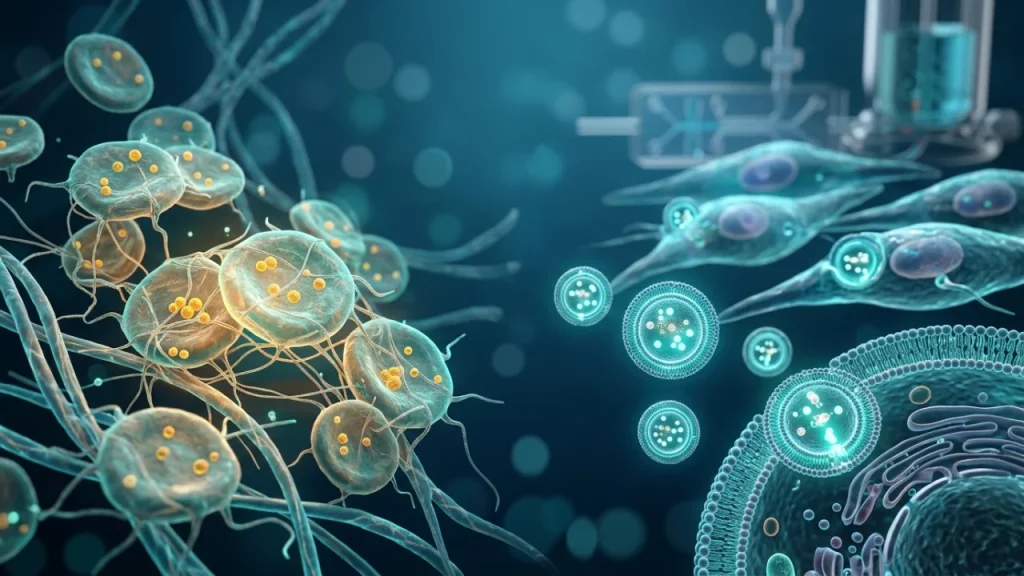
What Are Exosomes and PRP and Why Should You Care?
Understanding Regenerative Medicine Basics
Your body is a master at fixing itself. When you get a cut, your blood clots. When you break a bone, new cells grow to mend it. Regenerative medicine taps into this natural power. The goal is to boost your body’s own healing processes. This approach aims to repair damaged tissues. It can help with injuries, aging, and chronic pain.
Think of your body as a busy city. Cells are the citizens. They constantly communicate to keep everything running. They also have a built-in repair crew for daily maintenance. Sometimes, the damage is too great. The normal repair crew gets overwhelmed. This is where regenerative treatments step in. They send in advanced reinforcements. These reinforcements are made from your own biological material.
Two key types of reinforcements exist. One comes from your blood. The other comes from your cells’ messaging system. This is the core of the exosomes vs PRP discussion. Both are natural. Both aim to heal. But they work in fundamentally different ways.
Platelet-rich plasma, or PRP, is made from your blood. A doctor takes a small sample of your blood. The sample goes into a centrifuge. This machine spins the blood very fast. The spinning separates the blood into layers. One layer gets concentrated with platelets. Platelets are tiny cells that help with clotting. They also contain growth factors. These factors are like repair signals.
PRP therapy injects this concentrated plasma back into you. It delivers a high dose of those repair signals to one specific area. It tells your local cells: “Heal now. Work harder.” The process uses your blood’s natural healing agents. It gives them a boost right where you need it.
Exosomes are different. They are not cells. They are tiny messengers. Almost all your cells release them. Exosomes are like microscopic delivery trucks. They carry important cargo between cells. This cargo includes proteins and genetic instructions.
Exosomes tell cells how to behave. They can instruct a damaged cell to repair itself. They can calm down inflammation. They can even help start the growth of new tissue. Think of PRP as shouting a repair order at a construction site. Exosomes are like delivering a detailed blueprint and new tools to every worker.
Understanding this basic difference is crucial. Regenerative medicine is about harnessing these innate systems. The choice between tools depends on the job needed. It relies on precise biological communication for true restoration. Next, we will look at how each treatment is actually made and prepared for use.
How Exosomes and PRP Differ in Approach
The core difference lies in their communication style. PRP delivers a concentrated burst of instructions. Exosomes facilitate a sophisticated conversation.
PRP’s approach is local and direct. It provides a high density of growth factor proteins to a specific site. Think of these factors as urgent repair orders. They bind to receptors on nearby cells. This binding shouts a simple command: divide, migrate, make collagen. The effect is powerful but broad. It relies heavily on the existing health and responsiveness of cells in that area. The signals are generic “work harder” messages. The therapy’s success depends on your body’s local cells understanding and correctly executing those orders.
Exosomes operate with more precision. They are not just signals; they are information carriers. Their cargo can reprogram cell behavior. An exosome from a healthy stem cell, for instance, might deliver: – MicroRNAs that tell an inflamed cell to calm down. – Enzymes that help break down damaged tissue. – Proteins that activate specific regenerative pathways.
This makes exosome signaling targeted and instructional. It can change what a cell does at a genetic level. The message isn’t just “heal.” It’s “here is how to heal.” This process is called paracrine signaling. It is how cells naturally coordinate complex repair over distance.
The source of the material is another key distinction. PRP is autologous. It comes from your own blood during a single appointment. The preparation is relatively simple and quick. Exosomes for therapy are typically allogeneic. They are derived from donated stem cells grown in laboratories. This allows for careful selection and quality control of the exosome population. It also means the vesicles carry a consistent, potent cargo designed for therapeutic effect.
Why should you care about exosomes vs PRp? The choice influences the type of healing response. PRP is excellent for boosting a straightforward repair process. It is like adding more workers and tools to a known construction site. Exosomes aim to manage more complex tasks. They can potentially redirect a faulty healing process or communicate with a wider network of cells. They are like sending expert foremen with new blueprints to coordinate multiple teams.
Understanding this mechanistic gap clarifies their potential applications. One method amplifies your body’s existing signals. The other introduces new, intelligent instructions. The biological approach defines the clinical outcome. Next, we will examine the evidence for where each shows the most promise.
Why Compare Exosomes vs PRP for Skin Health
Your skin is a living organ. It constantly repairs itself. Sometimes it needs help. The choice between exosomes vs PRP is not minor. It shapes your results.
Think about common skin concerns. You might want to reduce fine lines. You may need to heal acne scars. Perhaps you want a more even tone. Each issue involves different skin cells. Fibroblasts make collagen. Keratinocytes form the barrier. Melanocytes control pigment. They must all work together.
PRP gives a general boost. It floods the area with growth factors. This tells local cells “work harder.” It is great for overall texture and mild rejuvenation. The effect relies on your cells being able to follow those basic instructions.
Some problems are more complex. Stubborn scars form when healing goes wrong. The skin builds too much or too little collagen. Hyperpigmentation happens when melanocyte signals get confused. Inflammation can persist.
This is where exosomes offer a different strategy. They carry specific instructions. An exosome can tell an overactive fibroblast to slow down. It can signal a melanocyte to normalize pigment production. It can calm chronic inflammation at a genetic level.
The treatment goals decide the best tool. – For general refreshment and hydration, PRP is often sufficient. – For targeted restructuring of scar tissue, exosomes may be superior. – For addressing multiple aging processes at once, exosomes provide broader communication.
Safety profiles also differ slightly. PRP uses your own blood. This minimizes allergy risk. Exosomes come from donor cells. They are rigorously screened. Their standardized potency means predictable dosing.
Consider the treatment process itself. PRP requires a blood draw at your appointment. Exosome therapy uses a ready-made solution. This can shorten appointment time.
The longevity of results is key. PRP effects are powerful but may fade as the growth factors are used up. Exosomes aim for longer-term change. By altering cell behavior, they may guide skin to maintain itself better.
Your skin’s condition is unique. A sun-damaged face differs from a surgical scar. Understanding the core science helps you ask better questions. You can discuss what your skin truly needs with your provider.
Is it about boosting a process? Or is it about changing a process? The answer guides the choice between these two advanced options. This foundational comparison sets the stage for looking at specific clinical outcomes next.
The Science Behind Exosome Therapy
What Exosomes Are and Where They Come From
Exosomes are tiny bubbles released by your cells. They are not cells themselves. Think of them as microscopic mail carriers. These vesicles transport vital biological messages.
Almost every cell type in your body makes exosomes. Stem cells are especially active producers. Skin cells, immune cells, and nerve cells all release them. This is a normal, constant process.
Their size is key to their function. Exosomes are incredibly small. They measure between 30 and 150 nanometers. Thousands could fit across the width of a single human hair.
Cells create exosomes inside a compartment called the endosome. This compartment matures and forms smaller vesicles. These internal vesicles are exosomes. The cell then releases this packet into its surroundings.
The cargo inside is what matters. Each exosome carries a specific set of instructions. This cargo includes: – Signaling proteins that tell cells what to do. – Growth factors that encourage repair. – RNA molecules that can change how a recipient cell works. – Lipids that help with fusion to target cells.
The membrane of an exosome acts like an address label. It has markers that help it find the right cell. This ensures messages get delivered to the correct location.
This targeted communication system is natural. Your body uses it for maintenance every day. Cells coordinate healing and balance through these signals.
Therapeutic exosomes harness this natural system. They are collected from donor cells grown in labs. These donor cells are chosen for their health and potency.
The collection process is gentle. It does not harm the source cells. Scientists then purify the exosomes. They remove other cell debris and particles.
The result is a concentrated signal. A single dose contains billions of these messengers. They are ready to deliver clear instructions to your skin cells.
Understanding this origin story is crucial. It shows why exosomes are more than simple growth factors. They are a sophisticated communication network in a bottle. This foundational knowledge helps us see how they differ from other options like PRP in their core mechanism.
How Exosomes Carry Cellular Instructions
Exosomes deliver their instructions with precision. Think of them as tiny mail trucks. Each truck has a specific address and a valuable package inside.
The package contains molecules called microRNAs. These are not the large RNA blueprints for building proteins. MicroRNAs are small regulators. They can turn specific genes in a target cell on or off.
For example, one microRNA might tell a skin cell: “Make more collagen.” Another might say: “Reduce inflammation here.” This is direct genetic programming. It changes the cell’s behavior at a fundamental level.
Proteins in the cargo work alongside the RNA. Enzymes can kickstart chemical reactions. Growth factors bind to receptors on the cell’s surface. This sends a strong repair signal directly into the cell.
The delivery process is key. The exosome’s membrane fuses with the target cell’s membrane. It is like two soap bubbles merging into one. The exosome’s cargo is then emptied directly into the cell’s interior.
This protects the instructions. The RNA molecules are fragile. Inside the exosome, they are safe from enzymes that would destroy them in the bloodstream. Delivery is efficient and targeted.
The “address label” on the exosome’s surface makes this targeting possible. These labels are proteins like tetraspanins and integrins. They match receptors on certain cell types.
An exosome meant for a fibroblast in your skin will have different labels than one meant for an immune cell. This ensures signals go exactly where needed. It minimizes side effects.
The comparison between exosomes vs PRP becomes clear here. PRP releases a general cloud of growth factors from platelets. It signals “repair here” broadly.
Exosomes are different. They carry precise commands to specific addresses. They can deliver complex genetic instructions that PRP cannot. This is their advanced mechanism.
Therapeutic exosomes use this natural targeting. Scientists can even engineer the surface labels. This could guide exosomes to particular tissues for focused treatment.
The result is a powerful cellular dialogue. Exosomes do not just stimulate cells. They can reprogram them for better function and longer-lasting repair.
This targeted instruction system is the core of their promise. It explains their potential in regenerative medicine beyond simpler approaches. Next, we will see how this contrasts with the mechanism of PRP therapy.
Why Exosomes Target Specific Cells Precisely
Exosomes do not wander randomly. They find their target cells with high precision. This targeting relies on specific proteins on the exosome’s outer membrane. Think of these proteins as unique keys.
The target cell has corresponding locks. These locks are called receptors. They sit on the cell’s surface. Only the right key fits the right lock. This is called ligand-receptor binding.
When an exosome’s key protein meets its matching receptor, the two structures click together. This binding triggers the next step. The cell membrane begins to envelop the exosome. It pulls the tiny vesicle inside.
The entire process is highly selective. A skin cell receptor will not bind an exosome meant for a liver cell. This ensures messages are delivered to the correct address. It prevents wasted signals.
Several key protein families act as these targeting keys. – Tetraspanins like CD63 and CD81 are common. They help in adhesion and signal initiation. – Integrins direct exosomes to particular tissues. For example, integrins can guide exosomes to bone or lung cells. – Immunoglobulins and proteoglycans also serve as recognition markers.
The source cell dictates the keys placed on the exosome. A mesenchymal stem cell produces exosomes with a different protein set than a neuron does. The cargo inside can even influence the surface markers. This creates a natural delivery system.
Targeting is also influenced by the local environment. Conditions like inflammation or tissue damage change receptor expression on cells. Injured cells often display more “locks.” This naturally attracts more repair-focused exosomes to that site.
This precise mechanism is a key difference in exosomes vs PRP. PRP growth factors diffuse generally. They affect any nearby cell with a basic receptor. Exosome communication is a direct, addressed letter, not a neighborhood bulletin.
Scientists study these natural keys to improve therapies. By understanding integrin patterns, they can predict which tissues an exosome batch will reach. Future work may engineer custom keys for ultra-specific delivery.
This cellular postal system explains why exosome effects can be so focused. It minimizes impact on healthy cells nearby. The result is a efficient use of biological signals for intelligent repair. Next, we examine how this entry leads to changes in the recipient cell’s behavior.
How Exosomes Boost Collagen Production
Exosomes directly instruct skin cells to build more collagen. This process starts once the exosome delivers its cargo. The cargo contains specific microRNAs and signaling proteins.
These molecules act like master switches. They flip genes on or off inside the recipient cell. For collagen, the key is turning on the fibroblast cell’s production line. Fibroblasts are the skin cells that make collagen.
The signaling follows a clear chain of command. First, exosomal microRNAs bind to the cell’s own RNA messages. This binding blocks signals that normally slow collagen production. It removes the brakes.
Simultaneously, exosomal proteins activate pathways inside the fibroblast. One major pathway is called TGF-β. This pathway is a powerful green light for collagen synthesis.
Think of a fibroblast as a factory. The exosome sends in new blueprints and managers. The blueprints (microRNAs) silence outdated plans. The managers (proteins) speed up the assembly line. The result is more high-quality collagen.
This process is highly efficient for several reasons. – The instructions are pre-packaged and protected in the exosome vesicle. – Multiple signals arrive at once, creating a strong, unified command. – The effect is sustained because it changes the cell’s gene activity.
The new collagen produced is of types I and III. These are the main structural proteins in young, firm skin. They weave together to form a supportive network.
This differs greatly from a general growth factor shower. In the exosomes vs PRP debate, this precision is key. PRP provides raw materials and broad signals to divide. Exosomes provide exact genetic commands to perform a specific task, like collagen synthesis.
The entire sequence happens naturally at the cellular level. No external chemicals are needed. The exosome simply triggers and enhances the skin’s own repair program.
Evidence shows this can increase collagen production significantly. Studies note visible changes in skin density and elasticity. The effect stems from restored cellular function, not just temporary plumping.
Ultimately, exosome therapy for collagen works by reprogramming fibroblasts. It shifts them from a passive state to an active, youthful building phase. This foundational science explains the potential for lasting skin rejuvenation. Next, we will compare how PRP attempts to achieve a similar goal through a different biological route.
Exosomes in Tissue Repair and Regeneration
Exosomes are master communicators in tissue repair. They do far more than just tell cells to make collagen. They manage the entire healing process from start to finish.
Imagine a construction site after damage. You need architects, demolition crews, builders, and inspectors. Exosomes recruit and guide all these cellular teams.
The repair process follows clear stages. Exosomes direct each one. – First, they help control inflammation. They send signals to calm overactive immune cells. This prevents excessive damage to healthy tissue. – Next, they stimulate new blood vessel growth. This is called angiogenesis. New vessels bring oxygen and nutrients to the injured area. This is crucial for rebuilding. – Then, they recruit stem cells and other repair cells to the site. Exosomes act like homing beacons. – Finally, they instruct these cells to multiply and mature into new tissue. This could be skin, muscle, or tendon.
This coordinated action is possible because exosomes carry diverse cargo. Their tiny vesicles contain different instructions for different cell types. One exosome might tell an immune cell to stand down. Another might tell an endothelial cell to form a blood vessel.
The source of the exosomes matters greatly. Mesenchymal stem cell exosomes are particularly powerful for regeneration. These exosomes carry a special mix of signals. They are naturally programmed for repair work.
In the context of exosomes vs PRP, this systems-level coordination is a key difference. PRP primarily delivers growth factors to stimulate a general repair response. Exosome therapy provides a full set of precise, timed commands. It orchestrates the complex dance of regeneration.
Research in wound healing shows this effect. Studies on diabetic ulcers demonstrate the potential. Exosome therapy can help restart stalled healing processes. It addresses the underlying cellular communication failure.
The therapeutic promise lies in this mimicry of natural biology. We are not introducing foreign drugs. We are enhancing the body’s own sophisticated messaging system. This approach aims to restore fundamental healing capacity.
Understanding this broad role is vital. It shows why exosome science extends beyond cosmetic applications. The same principles apply to repairing muscles, tendons, and even organs. The next logical question is how these tiny vesicles are prepared for clinical use.
The Science Behind PRP Therapy
What PRP Is and How It’s Made
Platelet-rich plasma, or PRP, is a concentration of a patient’s own platelets. These tiny blood cells are crucial for healing. Doctors make PRP from a simple blood draw.
The process starts with a standard blood sample. This sample is placed in a centrifuge. A centrifuge is a machine that spins very fast. The spinning separates the blood into distinct layers based on weight.
Heavy red blood cells sink to the bottom. The light, liquid plasma rises to the top. Platelets and white blood cells gather in a middle layer called the “buffy coat.” The goal is to collect this platelet-rich layer.
Medical professionals then extract this concentrated portion. They combine it with some of the plasma. This creates the final PRP solution. The entire process is done in-office.
The key is the platelet concentration. Normal blood contains about 150,000 to 450,000 platelets per microliter. PRP aims to increase this number significantly. A typical therapeutic concentration is three to five times higher than baseline.
This concentration matters because platelets are natural healing reservoirs. They do not just help with clotting. They store and release many growth factors and proteins.
These bioactive molecules include: – Platelet-derived growth factor (PDGF). It helps grow new cells. – Vascular endothelial growth factor (VEGF). It helps form new blood vessels. – Transforming growth factor-beta (TGF-β). It helps build tissue structure.
When injected into an injured area, the concentrated platelets activate. They degranulate, releasing their healing cargo. This creates a strong local signal for repair.
The logic is powerful yet straightforward. PRP therapy takes the body’s natural repair kit. It concentrates it and delivers it directly to where it’s needed most. This amplifies the initial inflammatory and healing signals.
The preparation method is critical for success. Variables like spin speed and time affect the final product. Different protocols yield PRP with different concentrations of platelets and white blood cells.
This autologous treatment is generally considered safe. It uses the patient’s own biology. This avoids risks of rejection or allergic reaction.
In the direct comparison of exosomes vs PRP, understanding this preparation is foundational. PRP is derived from whole blood through physical separation. Its power comes from concentrating a known set of the body’s own signaling proteins.
The next step is to see how these concentrated signals actually work on damaged tissue.
How PRP Delivers Growth Factors
The concentrated platelets in PRP are not active until they reach the injury site. The damaged tissue environment itself triggers the therapy. This environment is acidic and contains specific chemicals. These chemicals signal the platelets to activate.
Activated platelets change shape dramatically. They swell and develop sticky surfaces. This process is called degranulation. The platelets release hundreds of bioactive proteins stored inside them. This creates a powerful local concentration of healing signals.
Think of it as an emergency broadcast from the injury site. PRP amplifies that broadcast into a clear, strong signal. Neighboring cells receive these instructions and begin to respond.
The growth factors bind to specific receptors on target cells. These receptors are like locks on the cell’s surface. The growth factors are the keys. When the key turns the lock, it starts a chain reaction inside the cell.
This chain reaction leads to several concrete healing actions: – Fibroblast cells are stimulated to produce collagen. Collagen is the main structural protein in skin, tendons, and ligaments. – Stem cells are recruited to the area. These cells can develop into different types of tissue needed for repair. – New blood vessels begin to form. This process is called angiogenesis. It brings more oxygen and nutrients to the healing site.
The entire sequence follows a natural timeline. The initial release of factors happens within minutes of injection. The major cellular responses peak over the following days. Tissue remodeling then continues for weeks or even months.
PRP does not directly become new tissue. Instead, it orchestrates the body’s own repair crews. It tells them where to go, what to do, and when to start working. This makes it a regenerative treatment, not just a temporary fix.
The comparison of exosomes vs PRP often focuses on this signaling mechanism. PRP relies on the patient’s own platelets being present and functional. Its signal is a broad mix of many proteins released at once.
The effectiveness depends on the injury’s ability to activate the platelets. It also depends on the target tissue having enough responsive cells nearby. Not all areas of the body have equal regenerative capacity.
This controlled stimulation jump-starts a stalled healing process. It is particularly useful for chronic conditions. In these cases, the natural inflammatory phase has ended, but repair is incomplete.
The therapy creates a optimal microenvironment for recovery. It shifts the balance from ongoing breakdown toward active rebuilding. The final result is stronger, more organized tissue.
Understanding this delivery mechanism is crucial. It explains why PRP works well for some conditions but not others. The science shows it is a powerful tool for modulating the body’s innate healing pathways. Next, we will examine how exosomes employ a different, yet equally sophisticated, communication strategy.
Why PRP Uses a Broad Cocktail of Factors
Platelets in PRP do not send a single, simple instruction. They release a diverse library of signals all at once. This broad cocktail is a deliberate biological strategy. It mimics the body’s own initial response to acute injury.
Think of a construction site after a storm. You do not just call the carpenters. You need electricians, plumbers, and roofers too. Each has a specific job. They must all arrive and work together to rebuild properly. PRP operates on a similar principle. Its mixture contains different growth factors for different tasks.
For instance, platelet-derived growth factor (PDGF) is a powerful recruiter. It calls repair cells to the site of the damage. Transforming growth factor-beta (TGF-β) then tells these cells to build new collagen, a key structural protein. Vascular endothelial growth factor (VEGF) focuses on a critical need: blood supply. It signals for the creation of new tiny blood vessels. This process brings oxygen and nutrients to the healing area.
This simultaneous release creates a coordinated sequence of events. The factors work in concert, not in isolation. One signal prepares the tissue for the next. This integrated approach is useful for complex repairs. A tendon or ligament injury, for example, requires more than just one cell type to heal fully. It needs inflammation control, cell recruitment, collagen production, and new blood vessel formation.
The exosomes vs PRP comparison highlights this key difference. Exosomes often carry a more curated set of instructions. PRP delivers the full initial emergency broadcast. This broad cocktail is especially effective when the local healing environment is depleted or disorganized. It provides the complete starter kit to reboot the process.
However, this strength can also be a limitation. The mix is not tailored to a specific tissue or chronic condition. It is a general repair protocol. The response it triggers depends heavily on what the local cells can do with those signals. Some may respond strongly to VEGF but weakly to another factor.
The science shows this multifaceted signal is PRP’s core therapeutic action. It does not simply add building materials. It restarts the entire local communication network needed for regeneration. This explains why results can vary between patients and injury types. The body’s interpretation of this complex signal dictates the outcome.
Next, we will see how exosomes employ a different communication method, one based on precise molecular messaging rather than a broad broadcast.
How PRP Enhances Skin Rejuvenation
Platelet-rich plasma triggers your skin’s innate repair program. This leads to visible rejuvenation. The process starts immediately after injection. Activated platelets release their concentrated growth factors into the dermis. This is the skin’s deeper structural layer.
These factors act as urgent instructions. They are received by local skin cells like fibroblasts. Fibroblasts are the collagen factories of your body. The growth factors tell these dormant factories to restart production. Collagen is the main structural protein in skin. It provides firmness and support.
New collagen fibers begin to form. They weave a stronger, denser network within the dermis. This network acts like a supportive mattress beneath the surface. Improved collagen levels directly reduce fine lines. Skin gains resilience and a smoother texture.
The growth factor broadcast also stimulates elastin production. Elastin gives skin its snap-back quality. Enhanced elastin helps skin look more supple and tight. Furthermore, PRP signals for new capillary formation. This process is called angiogenesis.
Tiny new blood vessels grow. They improve local blood supply and nutrient delivery. Better circulation brings oxygen and vital nutrients to skin cells. This results in a healthier, more radiant complexion. Dullness and uneven tone can improve.
The combined biological effects address multiple signs of aging at once. – Increased collagen firms skin and fills wrinkles. – Enhanced elastin improves elasticity. – New capillaries boost glow and nutrient supply. – The healing response even helps refine skin surface.
This is not a simple plumping effect. It is a fundamental restructuring. The exosomes vs PRP dynamic is relevant here. PRP’s broad signal is ideal for this multi-faceted rejuvenation goal. It coordinates different cell types to work in harmony.
Results develop over weeks and months. This mirrors the natural pace of skin remodeling. The treatment essentially turns back the cellular clock. It reminds aged skin how to behave like younger, more active tissue. The outcome is not an artificial look. It is your own skin, functioning better.
The science confirms PRP enhances skin from within. The mechanism relies on jump-starting your own biological pathways. This creates natural, lasting improvements in texture and tone. Next, we will examine how exosome therapy employs a more targeted strategy for cellular communication.
PRP in Joint and Muscle Recovery
Platelet-rich plasma offers a powerful tool for healing injuries. It works on damaged joints, tendons, and muscles. The science is direct. Your platelets contain many healing proteins. These proteins are called growth factors. They are concentrated in a PRP injection. The injection delivers them right to the site of an injury.
This starts a precise repair process. The growth factors send strong signals to local cells. They tell cells to multiply and get to work. They also call in helpful stem cells from nearby tissues. These stem cells can turn into new, healthy tissue. This is key for repairing structures that heal slowly.
Tendons and ligaments have poor blood supply. They heal poorly on their own. PRP changes this situation. It creates a rich healing environment directly at the injury. The growth factors promote new collagen fiber production. These fibers are the building blocks of tendon tissue. New fibers are laid down in a more organized way. This makes the healed tendon stronger and more flexible.
The therapy also calms chronic inflammation. Inflammation is useful after a fresh injury. But long-term inflammation breaks tissue down. It causes pain and stiffness. PRP growth factors help switch this damaging process off. They promote a balanced, constructive healing state instead.
Consider a common injury like tennis elbow. It involves many tiny tears in a tendon. A PRP injection targets this area precisely. – Growth factors reduce immediate pain and swelling. – They stimulate tendon cells to make new collagen. – They guide the repair so fibers align correctly for strength. – This leads to functional healing, not just scar tissue.
The recovery timeline is biological, not instant. Initial changes begin within days. Full tissue remodeling takes weeks to months. This mirrors the body’s natural pace for rebuilding strong structures. The goal is lasting repair, not temporary pain masking.
The exosomes vs PRP comparison is interesting here. PRP provides a broad library of signals. It tackles all phases of soft tissue recovery at once. It manages inflammation, stimulates cell growth, and directs proper tissue formation. This multi-action approach is ideal for complex musculoskeletal injuries.
PRP helps with muscle strains too. After a strain, fibers are torn. Growth factors accelerate the cleanup of damaged tissue. They then speed up the regeneration of new, healthy muscle fibers. This can shorten recovery time for athletes.
The evidence shows PRP’s role in restorative medicine is solid. It uses your own biology to fix deep tissue problems. The mechanism is about giving your healing systems a focused boost. This leads to true structural recovery for joints and muscles. Next, we will see how exosome therapy uses a different communication strategy for regeneration.
Comparing Exosomes vs PRP Mechanisms
Exosomes as Messengers vs PRP as Suppliers
Exosomes and PRP work in fundamentally different ways. Think of PRP as a delivery truck. It brings a concentrated load of supplies to a construction site. These supplies are the growth factors and proteins. They are powerful tools for local repair crews.
Exosomes act more like encrypted messengers. They carry detailed instructions. These instructions can change what a cell does. An exosome is a tiny bubble made by a cell. Its cargo is complex and precise.
This cargo includes: – MicroRNAs. These are small pieces of genetic code. – Signaling proteins. – Enzymes. – Sometimes even protective fats.
The key is the microRNA. It does not create proteins itself. Instead, it directs the cell’s own machinery. It can tell a cell to make more of one protein. It can also tell a cell to make less of another. This is called regulating gene expression. It is a deep form of cellular communication.
PRP provides signals that say “start healing” and “build here.” Exosomes can deliver commands like “switch to anti-inflammatory mode” or “begin forming new blood vessels.” They can reprogram a cell’s behavior. This is why the exosomes vs PRP discussion is crucial. It is the difference between giving workers tools and giving the foreman a new blueprint.
Exosome messages are also highly targeted. Their surface has address labels. These labels help them find and fuse with specific cell types. This makes their action more precise. PRP’s factors diffuse into the general area. They affect any cell that has the right receptors.
The source matters too. PRP comes from your own blood. Its signal library is unique to you. Exosomes used in therapy are often derived from other cells. Typically, they come from young, healthy mesenchymal stem cells. These stem cells are expert healers.
Therefore, exosome therapy introduces external intelligence. It delivers optimized instructions from master regulator cells. The receiving cells then follow these new orders. This can jump-start processes that are stalled in aged or damaged tissues.
In summary, PRP supplies raw building materials and local signals. Exosomes deliver sophisticated software updates for cellular function. One fuels the repair process. The other can potentially redirect and enhance the entire healing program. This mechanistic distinction guides their best clinical uses.
Precision Targeting in Exosomes vs PRP
Precision Targeting in Exosomes vs PRP
Exosomes are not just messengers. They are smart messengers with a delivery plan. Their surface is studded with special proteins and sugars. Think of these as GPS coordinates and door keys. This allows an exosome to find a specific cell type in a crowded tissue environment. It then delivers its cargo directly into that cell’s command center.
PRP works differently. Its growth factors and proteins are released into the surrounding fluid. They spread out. They affect any nearby cell that can receive their general signals. This is like broadcasting a radio message to an entire neighborhood. It is effective but less targeted.
The targeting ability of exosomes comes from their origin. A cell packages an exosome from its own membrane. So, the exosome’s surface reflects the identity of its parent cell. A stem cell exosome, for instance, might carry surface markers that guide it to damaged cells. This is a key point in the exosomes vs PRP comparison.
Let’s look at a concrete example. Some exosomes carry a surface protein called CD47. This protein signals “don’t eat me” to immune cells called macrophages. This protects the exosome as it travels through the body. It increases its chance of reaching the target. PRP components lack this built-in protection system.
The cargo inside exosomes is also packed for precision. MicroRNAs are tiny instruction molecules. An exosome can deliver a specific set of these miRNAs to a cell. These miRNAs can then silence or activate precise genes in that cell. This changes the cell’s behavior in a programmed way.
PRP sends signals too. But these signals are more like general alerts. They tell cells to grow, divide, or make collagen. They do not typically carry detailed genetic instructions for reprogramming.
This difference matters in treatment. For broad healing in one area, like a sore tendon, PRP’s broadcast approach can be excellent. It floods the zone with healing signals. For a complex condition requiring specific cellular changes, exosome targeting may be superior. It aims the therapeutic message.
The precision of exosomes reduces potential side effects. Targeted delivery means less action on unrelated, healthy cells. PRP’s broader action is generally safe but can sometimes stimulate unintended tissue growth.
In essence, PRP is a powerful area treatment. Exosome therapy aims to be a precise cellular treatment. One uses a wide net. The other uses a guided arrow. This fundamental distinction in targeting guides their use in modern regenerative medicine. Next, we will examine what this means for their actual performance in clinical settings.
Speed of Action: Exosomes vs PRP
The speed of a treatment’s effect depends on its starting point. PRP therapy begins its work almost immediately upon injection. The concentrated platelets rupture quickly in the new environment. They instantly release their stored growth factors into the treatment area. This creates an immediate surge of healing signals. The body recognizes this as a strong call to action. Inflammation and repair processes ramp up within hours. Patients may notice this early response as increased warmth or swelling. This is part of the intended acute healing phase.
Exosome therapy operates on a different timeline. The exosomes themselves are ready for action upon injection. They do not need to rupture or be activated like platelets. Their lipid membrane allows for rapid fusion with target cells. However, their primary effect is not an instant signal flood. It is a reprogramming of existing cells. The exosomes deliver their cargo of instructions to local cells. This process can begin within minutes. Yet the real “action” starts when those recipient cells follow the new instructions.
The cells must then produce their own proteins and signals. This creates a more sustained and amplified response. Think of PRP as lighting a firework for a bright, quick burst. Exosome therapy is more like planting a seed that then grows and bears fruit. The initial cellular changes from exosomes happen within 24 to 72 hours. The downstream effects on tissue repair build over the following days and weeks.
For clinical results, this means PRP may produce noticeable changes faster in some cases. Reduced pain or improved function might be felt within a few weeks. This is due to that initial powerful inflammatory and growth factor kickstart. The comparison of exosomes vs prp often highlights this early difference.
Exosome-mediated regeneration tends to follow a slightly delayed but potentially longer-lasting curve. The repaired tissue may be more organized and functional because cells were guided to rebuild properly. Clinical improvements might become clearly evident around the four to six-week mark. The timeline can vary based on the condition treated and its severity.
Key factors influencing speed include: – The health and density of local cells that receive the signals. – The severity of the damage being treated. – The body’s own metabolic and inflammatory state.
In summary, PRP often acts like a fast-starting engine for healing. Exosome therapy works as a sophisticated cellular reprogrammer with effects that build more steadily. Understanding this helps set realistic expectations for each approach. Next, we will consider how these mechanisms influence the durability of their results.
Duration of Effects in Exosomes vs PRP
The durability of results from a treatment depends on what it asks your cells to do. PRP delivers a powerful, immediate set of instructions. These instructions are growth factors and proteins. Your cells react strongly to this sudden signal. They jump into active repair mode. This creates a potent healing response. However, the signals from PRP are not permanent. Your body naturally clears these introduced factors. This process often takes weeks. Once the signals fade, the cellular activity they sparked can slow down. The initial repair is done. For some conditions, this single, strong push is enough. The tissue heals well and maintains itself. In other cases, especially chronic issues, the effect may lessen over time. The local environment might return to its previous state. This is why some exosomes vs prp comparisons note PRP may require repeated sessions. The goal is to provide another therapeutic signal boost.
Exosome therapy works on a different principle. It does not just shout orders at your cells. It provides new information and tools. Exosomes carry genetic messages like miRNA. These messages can change how a cell behaves. They can turn certain cell functions on or off. This process can guide cells toward a healthier, more regenerative state. The key is that these changes can last beyond the exosomes themselves. The exosomes are removed by the body in days. But the cellular reprogramming they trigger may persist. A cell that has been “retrained” continues its new behavior. It may produce better quality tissue. It might also create a healthier local environment for other cells.
Think of it like teaching someone to fish versus giving them a fish. PRP provides the fish—a direct resource for immediate repair. Exosomes aim to teach the fishing skills—a longer-term change in capability.
Several factors influence how long results last for either approach: – The type of tissue being treated. Tendons heal slowly; skin may heal faster. – The patient’s overall health and age. Younger, healthier cells respond better. – The root cause of the damage. Acute injury may resolve fully. Chronic degeneration often needs more support.
In summary, PRP’s effects are often linked to the presence of its growth factors. When they are gone, the active stimulus ends. Exosome therapy seeks to create a lasting shift in cellular function that continues after the exosomes are cleared. This fundamental mechanistic difference is central to understanding their potential for long-term benefit. Next, we can examine how these profiles suit different clinical goals.
Clinical Applications for Skin Rejuvenation
Using Exosomes for Anti-Aging Benefits
Exosomes can directly target the cellular causes of aged skin. They do not just plump up wrinkles temporarily. Instead, they work to repair the skin from within.
Skin ages because its cells slow down. Fibroblasts in the dermis produce less collagen and elastin. These are the structural proteins that keep skin firm and elastic. Existing fibers also break down over time. The result is thin skin with wrinkles and sagging.
Exosome therapy addresses this slowdown. The vesicles deliver precise instructions to aging skin cells. These instructions come in the form of microRNAs and other signaling molecules.
The messages tell fibroblast cells to become more active and youthful. This process has several key effects: – It boosts the production of new, high-quality collagen. – It increases creation of elastin fibers. – It encourages cells to make more hyaluronic acid. This substance helps skin retain moisture.
The goal is cellular rejuvenation. Exosomes help reset the local cellular environment. They can reduce chronic inflammation often found in aged skin. They also promote better blood vessel formation. This improves nutrient delivery to skin tissues.
Think of a tired factory receiving a new, efficient blueprint. The exosomes provide that blueprint. The skin cells then use it to rebuild their own infrastructure.
This differs from approaches that only add filler material. The change comes from the cells’ own renewed activity. Since exosomes trigger a lasting shift in cell behavior, results may improve over time. New collagen formation can continue for months after treatment.
Patients may see improvements in several visible signs of aging: – Fine lines and deep wrinkles can soften. – Skin texture often becomes more even and smooth. – Tone and radiance may improve due to better overall health.
The key is the focus on fundamental repair. This strategy aims for natural, sustained rejuvenation rather than a single temporary fix. It represents a shift toward regenerative skincare. Next, we will contrast this with how PRP is used for similar aesthetic goals, examining the practical differences in their application and results timeline.
PRP for Improving Skin Elasticity
Platelet-rich plasma, or PRP, uses your body’s own healing signals to improve skin. It starts with a small blood draw from your arm. This blood is spun in a centrifuge. The machine separates the platelets from other blood components. The result is a concentrated serum full of growth factors.
These growth factors are natural proteins. They instruct your skin cells to rebuild support structures. This process directly targets skin elasticity. Elasticity is your skin’s ability to stretch and snap back. PRP aims to improve this fundamental property.
The treatment involves applying the prepared serum to your skin. It is typically injected with very fine needles. This places the growth factors exactly where they are needed. The procedure is often called a “vampire facial.” The entire process uses your own biological material.
Once injected, the growth factors get to work. They send strong signals to fibroblasts. Fibroblasts are your skin’s collagen-making cells. The signals tell these cells to become more active. This triggers a wound-healing response without an actual wound.
The key outcome is new collagen and elastin production. Collagen provides firmness and structure. Elastin gives skin its supple, bouncy quality. PRP stimulates both. Think of it as giving your skin’s construction crew a direct work order. The crew then builds more of the foundational support cables.
Results develop over weeks and months. The newly created proteins integrate into your skin’s matrix. Patients often notice these changes: – Skin feels thicker and more resilient. – Fine lines may appear plumped out from within. – Overall facial contour can look subtly firmer.
The improvement in elasticity means skin may better resist sagging. It can also enhance hydration indirectly. Better collagen networks help skin retain moisture more effectively. This treatment is a powerful use of autologous biology.
Comparing exosomes vs PRP highlights a core difference. PRP relies on activating your existing cells with your own growth factors. It is a potent stimulant for protein production. The effect depends heavily on your body’s current cellular health and responsiveness.
The timeline for visible change is gradual. Most patients require a series of treatments for optimal effect. Maintenance sessions are common to support continued collagen synthesis. This approach offers a natural path to firmer, more resilient skin through amplified self-repair.
Treating Acne Scars with Exosomes vs PRP
Acne scars often leave permanent dents in the skin. These depressions form when inflammation destroys collagen. The skin cannot fully rebuild its supportive structure. Both exosome therapy and PRP aim to fill these voids. Their methods differ fundamentally.
PRP tackles scars by stimulating your local fibroblasts. These are your skin’s collagen-producing cells. The concentrated platelets release a burst of growth factors. This acts as a powerful signal. It tells fibroblasts to get to work. New collagen slowly fills the scar from the bottom up.
The process requires multiple sessions. Results accumulate gradually over months. The quality of repair depends on your cells’ vitality. Older or severely damaged skin may respond less. Think of PRP as a supervisor motivating an existing construction crew.
Exosomes take a more comprehensive approach. They are not just signals. They deliver direct instructions and tools. Exosomes carry genetic material like mRNA. This mRNA can reprogram how scar tissue cells behave.
The comparison of exosomes vs PRP here is instructive. Exosomes can calm persistent inflammatory signals in old scars. They can also enhance the quality of new collagen. The new collagen may align better, resembling natural skin.
Clinical observations suggest potential differences: – PRP may improve scar texture and color first. – Exosomes may target depth and structural integrity more directly. – Combination protocols sometimes use both for synergistic effects.
A key advantage of exosomes is their off-the-shelf nature. They are ready for immediate use. PRP requires a blood draw and processing time. Exosome preparations also offer a consistent dose of regenerative factors.
For rolling or boxcar scars, the choice may hinge on severity. Mild scarring often responds well to PRP alone. More extensive damage might benefit from exosomes’ multifaceted action. Some practitioners note exosomes could reduce the required number of treatments.
Ultimately, smoothing scarred skin requires rebuilding lost tissue. PRP relies on amplifying your body’s natural healing capacity. Exosomes provide a blueprint and supplies to guide that repair more precisely. This makes the exosomes vs PRP decision a matter of biological strategy for your specific scar pattern. The next consideration is how these treatments address another common sign of aging: lost volume and sagging contours.
Enhancing Skin Hydration and Glow
Healthy, radiant skin starts with strong, hydrated cells. Both exosomes and PRP work to achieve this. They use different but complementary strategies. Think of skin hydration as a two-part system. The first part is water retention. The second is barrier integrity.
PRP tackles hydration by stimulating your skin’s own resources. Platelets release growth factors after injection. These factors signal to fibroblasts. Fibroblasts are your skin’s collagen factories. They also produce hyaluronic acid. Hyaluronic acid is a powerful humectant. It can hold up to 1000 times its weight in water. This action boosts moisture from within. The improved blood flow from PRP also delivers more nutrients. This natural refreshment can create a healthier glow.
Exosomes take a more instructional approach. They are tiny messengers filled with information. They deliver microRNAs and proteins directly to skin cells. This information can reprogram cellular behavior. For hydration, exosomes may upregulate aquaporin channels. Aquaporins are gates that let water into cells. More gates mean better hydration. Exosomes also carry instructions for better barrier lipid synthesis. A stronger lipid barrier prevents water loss. This dual action addresses both internal moisture and external sealing.
The comparison of exosomes vs PRP for glow is about source versus signal. PRP relies on activating your body’s existing machinery. The results depend on your personal platelet vitality. Exosomes provide a direct, standardized set of commands. They can guide tired or aging cells to behave like younger, more vibrant ones.
Clinical effects on glow often follow this pattern: – PRP-induced radiance builds over weeks as new tissue forms. – Exosome-enhanced luminosity may appear sooner due to rapid cellular communication. – The glow from PRP is often described as a “flush” of health. – The glow from exosomes may be noted as a more clarified, even translucency.
For lasting hydration, the structural support from both treatments is key. Better collagen and elastin create a plump foundation. This foundation holds moisture more effectively. Choosing between these therapies depends on your goal. Do you want to amplify your natural biology? Or do you want to deliver new instructions to it? Understanding this core difference helps clarify the exosomes vs PRp decision for radiant skin. Next, we examine how these technologies address volume loss and facial contours.
Treatment Protocols and Procedures
How Exosome Therapy Sessions Work
An exosome therapy session is a precise clinical procedure. It begins with a detailed consultation. Your provider will examine your skin and discuss your goals. This step ensures the treatment plan is right for you.
The treatment day involves several clear steps. First, your skin is thoroughly cleansed. A topical numbing cream is then applied. This cream sits for about 20 to 30 minutes. It makes the next steps much more comfortable.
The core of the treatment is the delivery of the exosome solution. Providers use specific tools to apply it. The goal is to get the exosomes into your skin. – Micro-needling is a common method. A device with fine needles creates tiny channels. – These channels allow exosomes to bypass the skin’s outer barrier. – Another method uses a fractional laser. It creates microscopic treatment zones. – Exosomes are applied directly to these fresh areas. – Some protocols use specialized injection techniques for deeper placement.
The choice of delivery method depends on your target concern. Surface rejuvenation often uses micro-needling. Deeper structural issues may benefit from injections. Your provider selects the best tool for your needs.
The exosome solution itself is prepared just before use. It comes in a small vial as a concentrated liquid. The provider mixes it with a sterile solution. This creates the final treatment formula. The entire process uses sterile, single-use equipment.
Application is typically quick. The actual delivery takes about 15 to 20 minutes. You may feel slight pressure or vibration. Significant pain is rare due to the numbing cream.
After application, there is a brief waiting period. The exosomes need time to absorb. You might rest for 10 to 15 minutes. A soothing serum or mask is often applied next. This helps calm the skin and supports absorption.
Post-treatment care is simple but important. Your skin may look pink or sun-kissed. This is normal and fades quickly. – Avoid sun exposure for the first few days. – Use a gentle cleanser and a recommended moisturizer. – Do not use active skincare like retinols for about one week. – You can usually resume normal activities the next day.
The biological process starts immediately after application. Exosomes begin contacting your skin cells. They deliver their signals to promote repair and renewal. You will not see instant results from this cellular communication. The visible improvements develop over the following weeks.
This in-office procedure is just one part of the story. The real work happens inside your cells in the days and weeks after you leave the clinic. Next, we will look at what you can expect during the recovery and results timeline.
What to Expect During PRP Treatments
PRP therapy uses your own blood to create a concentrated healing solution. The process starts with a standard blood draw, similar to a lab test. A clinician takes a small vial of blood from your arm.
This blood vial is then placed into a centrifuge machine. The machine spins at high speed. This spinning separates the blood into distinct layers. The red blood cells sink to the bottom. The platelet-rich plasma forms a middle layer.
The provider carefully extracts this yellow-tinged plasma layer. This is your platelet-rich plasma, or PRP. It contains a high concentration of your platelets and growth factors. The entire preparation takes about 10 to 15 minutes.
Your skin is cleansed before the treatment. A topical numbing cream is often applied for comfort. This sits for about 20 to 30 minutes. The provider may use a device with fine needles or a microneedling pen.
The activated PRP is then applied to your skin. The microneedling device creates tiny, controlled channels. These micro-injuries are superficial. They trigger your skin’s natural repair process.
The PRP is delivered into these micro-channels immediately. This technique is sometimes called a “vampire facial.” It ensures the growth factors reach deeper skin layers. The procedure typically lasts 30 to 45 minutes in total.
You may feel a mild prickling sensation during microneedling. The numbing cream minimizes significant discomfort. Some pressure or vibration is common. Your skin will look quite red afterward, similar to a sunburn.
Post-treatment care is crucial for optimal results. Your skin will be sensitive for 24 to 48 hours. – Use only gentle, hydrating skincare products. – Avoid direct sun exposure and strenuous exercise for two days. – Do not use exfoliants or retinols for at least one week. – Keep the skin moisturized with a simple, recommended ointment.
The growth factors in PRP signal your cells to jumpstart repair. Collagen and elastin production increases over time. You might see initial redness fade within a day or two. The full regenerative effects unfold over several weeks.
This autologous approach is a key difference when considering exosomes vs PRP. PRP relies on activating your body’s existing healing signals. The protocol is more involved than an exosome application due to the blood draw and processing. Understanding both procedures helps clarify their unique paths to regeneration. Next, we can examine how their biological mechanisms compare directly.
Number of Sessions Needed for Best Results
The number of sessions needed differs between these two regenerative approaches. This difference stems from their core biological mechanisms. PRP relies on activating your body’s own cells. Exosomes deliver direct instructions.
A typical PRP regimen often requires multiple sessions. Many providers recommend a series of three to six treatments. These are usually spaced about four weeks apart. This schedule builds a cumulative effect. Each treatment sends a new wave of growth factor signals. Your skin responds by producing more collagen over time. Think of it as a training program for your cells. They need repeated reminders to boost their performance.
Maintenance is also common with PRP. After the initial series, you might need a single touch-up session. This could happen every six to twelve months. It helps sustain the collagen production boost. Your natural aging process continues, so occasional reinforcement is beneficial.
Exosome therapy protocols can be different. Some treatment plans involve fewer initial sessions. A common approach is one or two carefully applied treatments. The exosomes provide a powerful, direct signal to your skin cells. They don’t just ask your cells to work harder. They can instruct them on how to repair and regenerate more effectively.
The concentration and source of exosomes matter greatly. A higher concentration of purified exosomes may support a shorter protocol. The goal is to deliver a robust, decisive regenerative command. Your cells then execute this program over the following weeks and months.
Why does this exosomes vs PRP comparison show a session difference? PRP uses your current biological signals. Their strength can vary from person to person. Multiple sessions help ensure a strong enough cumulative effect. Exosomes are standardized messengers. They can potentially create a more potent and immediate cellular response.
Your individual goals also determine session count. Treating early signs of aging might need fewer sessions. Addressing more pronounced skin laxity could require more. A qualified provider will assess your skin’s condition. They will then recommend a personalized plan.
Recovery time per session is also a factor. PRP with microneedling involves creating micro-injuries. Your skin needs a short recovery period after each visit. Exosome applications are often gentler. They may not require the same level of skin disruption. This can sometimes allow for more flexible scheduling.
The best results come from completing your full prescribed series. Do not stop after just one treatment if multiple are suggested. Consistency allows the biological processes to reach their full potential. Patience is key as collagen rebuilds slowly.
Ultimately, the number of sessions ties directly to how each treatment works inside your skin. Understanding this helps set realistic expectations for your regenerative journey. Next, we can look at the scientific evidence supporting these different protocols.
Recovery Time After Exosomes vs PRP
Recovery time is a practical concern for anyone considering a treatment. The required downtime differs between exosome therapy and platelet-rich plasma. This difference stems from their application methods and how they interact with your skin.
PRP is often paired with microneedling. This process creates controlled micro-injuries. Your skin recognizes these tiny channels as wounds. It immediately starts a natural inflammatory healing process. This is how PRP stimulates collagen. You will likely experience some expected side effects after a PRP session.
Common post-PRP effects include: – Redness that resembles a sunburn. – Mild swelling or puffiness in the treated area. – Possible pinpoint bleeding or minor bruising. These effects are typically most noticeable for 24 to 48 hours. They usually subside significantly within three to four days. Makeup can often cover residual redness after about 48 hours. Your skin may feel sensitive or tight during this initial period.
The recovery protocol is important. You should avoid sun exposure rigorously. Use a gentle cleanser and a recommended moisturizer. Strenuous exercise and excessive heat should be avoided for about two days. This allows the initial inflammatory phase to proceed without irritation.
Exosome treatments often involve a different approach. The exosome solution can be applied after very gentle microneedling. It may also be delivered through techniques like nano-infusion. These methods cause minimal barrier disruption. The goal is to deliver the exosome messengers, not to trigger injury.
Therefore, recovery from an exosome procedure is frequently shorter. Redness and swelling are usually minimal. They often fade within several hours to a single day. There is typically no social downtime required. You might resume normal activities almost immediately after your appointment.
The core reason for this contrast is simple. PRP relies on your body’s wound response to work. That response has visible signs. Exosomes act as cellular instructions. They do not require a pronounced injury signal to function. This key distinction in mechanism directly impacts your experience afterward.
Long-term recovery phases also differ slightly. After PRP, your skin continues its remodeling for weeks. You might experience minor dryness or flaking as it heals. Exosome-treated skin usually skips this more pronounced peeling phase. The focus shifts to quieter cellular communication beneath the surface.
Both treatments require ongoing skin protection. Using broad-spectrum sunscreen daily is non-negotiable. This protects your investment and supports the new collagen formation. Avoiding other harsh treatments for a few weeks is also wise.
When considering exosomes vs PRP, think about your schedule. If you cannot tolerate several days of visible redness, one option may suit you better. A qualified provider will review your recovery tolerance during consultation. They will align the protocol with your lifestyle needs.
Ultimately, understanding post-treatment expectations helps you plan effectively. The right choice balances your desired results with your available downtime. Next, we will examine the scientific studies that measure the real-world outcomes of these protocols.
Efficacy and Realistic Outcomes
Scientific Evidence Supporting Exosome Therapy
Scientific studies provide strong support for how exosome therapy works. Research shows exosomes carry specific instructions. These instructions can change cell behavior. For instance, a 2020 lab study found fibroblast cells produced more collagen after exosome exposure. Collagen is the protein that gives skin its firmness. This increase was measured directly. It was not just a theoretical idea.
The evidence comes from different types of research. Scientists use lab studies with cells in dishes. They also use animal models. Some early human trials exist now. Together, they paint a clear picture. Exosomes can reduce inflammation quickly. They can also turn on genes for repair. This is different from just adding growth factors. It is about sending a precise message.
Key findings from research include several important points. Exosomes from stem cells can protect skin cells from UV damage. They help improve the skin’s moisture barrier function. Studies note improved texture and elasticity in model systems. These effects are linked to the cargo inside exosomes. This cargo includes microRNAs and proteins.
When comparing exosomes vs prp, the scientific approach differs. PRP research often measures clinical outcomes like smoother skin. Exosome science first aims to understand the exact mechanism. Researchers identify which molecules in exosomes cause each effect. This molecular precision is a hallmark of modern regenerative science.
One compelling area is wound healing. Animal studies show exosomes can speed up tissue closure significantly. They do this by coordinating many cell types at once. Fibroblasts, immune cells, and blood vessel cells all get signals. This creates a more organized healing process. Scarring may be reduced as a result.
The data on real-world outcomes is still growing. Early patient reports align with lab findings. People see improvements in skin tone and hydration. Fine lines may appear softer. The scientific evidence suggests why this happens at a cellular level. Exosomes provide a sophisticated communication network.
This research foundation helps set realistic expectations for results. It explains the biological reason behind the minimal downtime discussed earlier. The next logical step is to examine how these treatments are actually performed in a clinical setting.
Research on PRP for Various Conditions
Research clearly shows PRP can improve joint pain from osteoarthritis. A 2021 review of multiple studies confirmed this. Patients receiving PRP injections reported less pain. They also had better knee function. These effects lasted for several months. The platelets release growth factors at the injury site. These factors calm inflammation. They also encourage cartilage cells to repair themselves.
For chronic tendon injuries, PRP offers a strong option. Consider tennis elbow or Achilles tendinopathy. These conditions involve damaged, painful tendons. Traditional rest and therapy sometimes fail. PRP injections target the root of the problem. Growth factors like PDGF and TGF-β go to work. They attract healing cells to the area. New blood vessels form to supply nutrients. Collagen production increases. This rebuilds the tendon’s structure over time.
The evidence for skin rejuvenation is also solid. Clinical trials measure specific changes after PRP treatment. Studies use tools like biopsies and imaging devices. They document real improvements in skin quality. Common measurable outcomes include: – Increased skin thickness and elasticity. – Better hydration from a stronger moisture barrier. – More collagen density in the dermal layer. – Improved texture and reduction in fine lines.
Hair restoration is another major area for PRP. Androgenetic alopecia causes hair thinning. PRP treatments aim to reverse this process. The growth factors in PRP wake up dormant hair follicles. They extend the active growth phase of hair cycles. A meta-analysis found PRP significantly increases hair density. Patients often see results after a series of treatments.
It is important to set realistic expectations from this data. PRP is not a miracle cure. Outcomes vary based on individual health and condition severity. The procedure’s success depends on precise technique. Preparation methods differ between clinics. This influences platelet concentration and final results. Consistency across multiple studies, however, confirms its biological activity.
This body of research provides a practical foundation for understanding PRP’s role. When considering exosomes vs prp, PRP has a longer track record in human clinical trials for these specific conditions. The next step is to examine how these two powerful therapies are actually administered in practice.
Patient Results in Skin Rejuvenation
Patients often see changes in their skin within weeks after a treatment series. The initial biological signals lead to visible improvements. These results are not instant. They build over time as new collagen forms.
The most common patient-reported outcomes fall into clear categories. First is improved skin texture and smoothness. Rough patches often soften. The skin feels more supple to the touch. Fine lines, especially around the eyes and mouth, may become less noticeable. They do not disappear completely. Their depth is reduced.
Second is a change in skin tone and brightness. Dull, tired-looking skin often gains a healthier glow. Some patients report a more even complexion. Fading of minor sun spots or discoloration can occur. This is due to better cell turnover and hydration.
Third is enhanced firmness and elasticity. Patients describe their skin as feeling tighter and more lifted. This is a direct result of new collagen and elastin fibers. It helps counteract sagging from natural aging.
The degree of improvement depends on several factors. A patient’s age and baseline skin health matter. The specific condition being treated is crucial. Someone with early sun damage will see different results than someone with deep wrinkles. The treatment protocol itself is key. The number of sessions influences the outcome.
For example, a typical protocol might involve three initial treatments. These are spaced about a month apart. Many patients notice the best results one to three months after the final session. Maintenance treatments are usually needed later. This helps sustain the benefits.
When comparing exosomes vs prp for skin results, the timelines can differ. PRP relies on the patient’s own growth factors to stimulate a slower, natural process. The results from PRP usually emerge gradually over two to six months. The effects are considered very natural-looking because they harness the body’s own repair cycle.
Realistic expectations are vital for patient satisfaction. These therapies are best for improvement, not perfection. They restore a more youthful version of your own skin. They do not create a completely new face. The goal is rejuvenation, not transformation.
Understanding these typical outcomes helps set the stage for evaluating each therapy’s practical use in a clinic setting.
Long-Term Benefits of Each Treatment
The long-term benefits of a treatment depend on its mechanism. This is key when comparing exosomes vs prp. PRP works by activating your body’s existing repair cells. The growth factors in PRP give a strong initial signal. This signal tells your fibroblasts to produce new collagen. However, this signal fades after a few days. The long-term result relies entirely on your body’s continued work.
Think of PRP like starting a campfire. The injection provides the initial spark and kindling. Your body must then feed the fire with its own fuel. The quality and quantity of that fuel determine how long the fire burns. For skin, this means results can last 12 to 18 months. After that, natural aging continues. Maintenance treatments are often needed to re-ignite the process.
Exosome therapy follows a different path. Exosomes deliver direct instructions to cells. They carry blueprints for repair. These instructions can change how cells behave for a longer time. Exosomes may help “reprogram” aged or tired cells. This can lead to a more sustained regenerative effect.
The potential long-term benefit is a slower decline. The goal is not just to add new collagen once. It is to improve the cellular environment that makes collagen. Patients might see results persist for 18 to 24 months or more. The treated area may continue to improve for several months after treatment.
Consider these factors for lasting effects: – Treatment area: Skin on the face may need more upkeep than joints. – Patient age: Younger systems often sustain results longer. – Lifestyle: Sun exposure and smoking can shorten benefits. – Number of initial sessions: A full series builds a stronger foundation.
Neither treatment stops the aging process permanently. Both offer a way to turn back the clock temporarily. PRP leverages your body’s current capacity. Exosomes aim to enhance that capacity itself. This fundamental difference shapes their long-term value. Choosing between them involves understanding this time horizon. The next consideration is how these scientific profiles translate into clinical practice and personalized plans.
Safety and Considerations
Potential Side Effects of Exosomes
Exosomes are powerful signaling tools. Their power requires careful use. Potential side effects exist. Understanding them is key for informed consent. Most reactions are mild and temporary. They often resemble the body’s normal healing response.
A common reaction is inflammation at the injection site. This is not always bad. Controlled inflammation is a step in repair. The area may become red, swollen, or tender. These effects typically fade within a few days. Using ice packs can help manage this discomfort.
There is also a risk of immune reaction. The body might see the exosomes as foreign. This could trigger a broader response. Symptoms might include fever, fatigue, or muscle aches. These are systemic reactions. They are less common but possible. The source of the exosomes matters greatly. Exosomes from a patient’s own cells have the lowest risk. Donor-derived exosomes carry a higher theoretical risk. Rigorous screening of donor material is essential.
Improper handling creates another concern. Exosomes are delicate vesicles. If not prepared or stored correctly, they can break down. Degraded exosomes may not work. They could also release contents that cause irritation. This underscores the need for strict laboratory standards.
Other considerations are more practical. The injection process itself carries universal risks. These include minor bleeding, bruising, or infection at the site. A skilled provider minimizes these risks. Underlying patient health plays a major role. An already overactive immune system may react differently. A full medical history review is necessary.
Comparing exosomes vs PRP on safety is instructive. PRP uses your own blood. This virtually eliminates allergy or immune rejection risks. Its primary risks are linked to the injection. Exosome therapy introduces external biological agents. Its safety profile depends heavily on their purity and source. The potential for longer-lasting effects, as discussed earlier, comes with this different risk calculus.
Current research is ongoing to map all side effects. The science is still young. Reported events are generally low in frequency. However, long-term data is still being collected. Patients should discuss these points with a qualified doctor. A clear understanding of both benefits and risks leads to better choices. This careful evaluation naturally leads to examining who is an ideal candidate for this advanced approach.
Common Issues with PRP Therapy
PRP therapy is generally safe because it uses your own blood. However, it is not free from common side effects. Most of these are linked directly to the injection process. The most frequent issues are bruising and swelling at the injection site. This happens because needles can nick small blood vessels under the skin. The platelet-rich plasma itself can also cause temporary inflammation. This is part of its intended healing signal. For most people, this bruising is mild. It typically fades within a few days.
Infection is another possible risk, though it is rare. Any time the skin’s barrier is broken, bacteria can enter. A sterile technique by the provider is crucial for prevention. Signs of infection include increased redness, warmth, or pus. Patients should watch for these signs and report them promptly.
The treatment’s effectiveness can vary significantly from person to person. This variability is a key practical consideration when comparing exosomes vs PRP. Several factors influence your individual result.
- Your overall health and age matter. Younger, healthier individuals tend to have more potent platelets and growth factors in their blood.
- The specific preparation method used changes the final product. Different centrifuge speeds and times concentrate platelets to different degrees.
- The skill of the practitioner affects outcome. Precise placement of the PRP into the target tissue is important for optimal effect.
Pain during and after the procedure is another common report. The injection itself can cause discomfort. The subsequent inflammatory response that PRP deliberately triggers can also lead to soreness. This pain is usually manageable and temporary. It often lasts only a few days.
Some patients may see little to no benefit from PRP treatments. The biological response can be insufficient for the level of damage present. This might require multiple treatment sessions. It can also lead patients to explore more potent options like exosome therapy.
Finally, the process requires a blood draw from the patient. This is a minor inconvenience for some. For others with needle anxiety or difficult veins, it presents a real hurdle. The entire process from draw to injection also takes more time in the clinic compared to using a ready-made treatment.
These common issues highlight that while PRP uses the body’s own materials, it is not a perfect or guaranteed procedure. Its risks are largely procedural and its results can be inconsistent. Understanding these practical realities helps set realistic expectations for anyone considering this regenerative approach alongside newer alternatives.
Who Is a Good Candidate for These Treatments
Choosing between exosomes and PRP often depends on your specific health picture. A good candidate for PRP therapy is typically someone with a mild to moderate orthopedic issue. They are also in generally good health. Their body’s natural healing signals just need a local boost.
Common scenarios for PRP include: – Chronic tendon injuries like tennis elbow or Achilles tendinopathy. – Early-stage osteoarthritis in a joint like the knee. – Muscle strains that are slow to heal fully. – Some types of ligament sprains.
PRP works best when the target area still has a decent blood supply. The platelets need to reach the site and release their factors. Patients should also have realistic expectations. They understand that improvement can be gradual. Multiple treatment sessions might be needed.
The ideal candidate for exosome therapy is different. Exosomes are often considered when PRP has not delivered enough results. They are also a strong option for more complex or severe conditions. Exosomes deliver precise instructions to cells. They do not rely on the patient’s own platelet quality or concentration.
Good candidates for exosomes may include: – Individuals with advanced joint degeneration. – Patients with conditions where inflammation is a major problem. – Those seeking a potentially more powerful and consistent signal to heal. – People who want to avoid the discomfort of a blood draw and processing.
Age and overall cellular health are bigger factors with exosomes. The treatment aims to revitalize older or stressed cells. A candidate should have a clear treatment goal. They should work with a provider to target a specific tissue or function.
The decision between exosomes vs PRP is not always simple. A person with a recent sports injury might start with PRP. Someone with a long-standing, stubborn knee arthritis might look to exosomes. Your overall health status is key. Active infections or certain cancers usually rule out both therapies. A detailed medical review with a qualified doctor is essential.
Ultimately, the best candidate is an informed one. They understand what each therapy can and cannot do. They choose a treatment that matches their body’s needs and their recovery goals. This careful matching is the first step toward a successful regenerative outcome.
Cost Comparison: Exosomes vs PRP
The price for regenerative treatments is a key factor for most people. Exosome therapy typically costs significantly more than PRP. A single PRP treatment might range from several hundred to over a thousand dollars. Exosome treatments often start in the thousands per session. This difference is not arbitrary. It stems directly from the science behind each option.
PRP is made from your own blood. The process involves a draw, a spin in a centrifuge, and an injection. The materials and technology are relatively straightforward. This keeps costs lower. The final product is yours, so there are no costs for acquiring biological material.
Exosome therapy is different. Exosomes are not taken from the patient. They are manufactured under strict laboratory conditions. Sourcing requires donor cells or tissues. The exosomes must be isolated, purified, and tested for safety and potency. This complex bioprocessing demands advanced technology and rigorous quality controls. These steps add to the final cost.
Think of it like this. PRP uses your body’s existing toolkit. You pay for the process of collecting and concentrating it. Exosomes provide a manufactured, precise set of new instructions. You are paying for intensive research, development, and production.
When comparing exosomes vs PRP, consider treatment frequency. PRP often requires a series of sessions for best results. The total cost of multiple PRP sessions can add up. Exosome protocols may involve fewer injections due to their potent signaling. The higher single cost might align with a shorter overall treatment plan.
Insurance coverage is rare for both options. They are usually considered elective procedures. Patients should plan for out-of-pocket expenses. Always ask providers for a clear, all-inclusive price. This should cover the consultation, the procedure, and any follow-up.
Cost should be weighed against your specific goals. For a fresh tendon injury, PRP offers a proven, more affordable starting point. For complex, chronic issues where cellular communication has failed, exosomes may offer a different value proposition. Their price reflects their potential to reset the healing environment more fundamentally.
The investment is not just in a vial of liquid. It is in the technology and biological intelligence behind it. Understanding the cost structure helps you see where your money goes. This clarity supports a confident, informed choice aligned with both health needs and budget realities.
Making an Informed Choice for Your Needs
When to Choose Exosomes Over PRP
Exosomes act as a universal repair signal. They can instruct many different cell types at once. PRP relies on your local cells being able to respond. This is the core difference for choosing one over the other.
Choose exosomes when the natural healing process is stuck. Chronic conditions often involve failed communication. Your cells are present but not talking correctly. Exosomes deliver the missing instructions to restart the conversation.
Consider these specific situations where exosomes may be preferred: – Long-term joint degeneration where inflammation is high. – Failed healing after surgery or a previous PRP treatment. – Conditions involving nerve tissue or complex organ systems. – Cases where a patient’s own platelets are not optimal.
The comparison of exosomes vs PRP is clearest in chronic tendonitis. A six-month-old elbow injury might not improve with PRP. The tissue environment could be chaotic. Exosomes can help calm this chaos and direct orderly repair.
Autoimmune or systemic inflammatory issues also point toward exosomes. PRP introduces more of your own inflammatory signals. This might not be helpful. Exosomes from certain sources can provide anti-inflammatory commands instead.
Think about the target area’s cellular health. PRP needs a good population of resident cells to work on. Severely damaged or scarred tissue has fewer cells. Exosomes can help recruit and activate new stem cells to the site.
The choice also depends on your treatment history. If multiple PRP sessions have provided only temporary relief, the underlying signaling may be flawed. Exosomes offer a different approach. They attempt to fix the root communication problem.
Your age and overall biology matter. Older individuals may have less potent platelets. Their growth factor levels can be lower. Exosome potency is consistent and not dependent on your blood’s quality on a given day.
For complex issues like osteoarthritis, the need is for cartilage regeneration. PRP may reduce pain and inflammation. Exosomes carry direct instructions for cartilage-building cells. This makes them a candidate for structural improvement.
Time is another factor. Exosome protocols often aim for a more rapid and comprehensive response with fewer injections. If your goal is to reset the biology quickly, this can be a decisive advantage.
The final decision should come from a detailed discussion with your provider. Bring your full medical history. Talk about your specific diagnosis and past treatments. A clear understanding of your body’s current state guides the best choice between these two advanced options. This leads to considering the next critical step: finding a qualified clinic and practitioner you can trust.
Situations Where PRP Might Be Preferable
Platelet-rich plasma (PRP) is often the preferred first step in regenerative care. It works best for mild to moderate tissue issues. Think of it as a local tune-up for your body’s repair crew.
PRP uses your own healing factors. This makes it a very safe choice. There is almost no risk of an allergic reaction. Your immune system will not reject the treatment. For patients who are cautious about external biologics, PRP offers a comfortable starting point.
Acute injuries are a prime example. A recent muscle strain or ligament sprain involves fresh damage. The area is already flooded with your body’s repair cells. PRP gives those cells a powerful boost. It delivers a high concentration of growth factors directly to the new injury site. This can speed up the natural healing timeline.
The cost and accessibility of treatment matter. PRP is generally more affordable than exosome therapy. The procedure is also straightforward. A blood draw and a single injection are often done in one visit. For budget-conscious patients or those without access to specialized exosome clinics, PRP is a practical option.
Consider these common situations where PRP might be the right pick: – Early-stage tendonitis, like tennis elbow or jumper’s knee. – Supporting recovery after a straightforward orthopedic surgery. – Addressing minor joint arthritis where pain control is the main goal. – Treating skin texture and hair loss in cosmetic medicine.
The “exosomes vs prp” debate often highlights PRP’s role in maintenance. Some patients use periodic PRP sessions to manage chronic conditions. It can help preserve joint function or skin quality over time. Think of it as ongoing support rather than a one-time biological reset.
PRP also has a long track record. Doctors have used it for decades in fields like dentistry and sports medicine. This extensive history means treatment protocols are well-established. Many practitioners are highly experienced with its application. You can find plenty of data on its outcomes for common problems.
Finally, PRP is excellent for diagnostic feedback. Your body’s response to a PRP injection tells a story. A strong, positive response suggests your local cells are healthy and responsive. A poor response might indicate a deeper cellular communication issue. This information can then guide future decisions, potentially toward options like exosome therapy.
In summary, PRP shines as an accessible, safe, and proven first-line regenerative tool for specific, less complex conditions.
Combining Exosomes and PRP for Enhanced Effects
Doctors are now exploring how to combine these therapies for a stronger effect. This approach uses the unique strengths of each treatment. It can lead to better results than using either one alone.
Think of it like preparing a garden. PRP acts as the fertilizer and soil preparation. It delivers growth factors that wake up local cells. This creates a more active cellular environment. Then, exosomes act as the precise instructions and seeds. They guide the awakened cells toward specific, high-quality repair. This sequence can enhance the final outcome.
A common strategy uses PRP first. The PRP injection stimulates the target area. It increases blood flow and cellular activity. This “primes” the tissue for the next step. After this initial response, an exosome treatment follows. The exosomes enter a more receptive environment. Their signals can be used more effectively by the already-activated cells.
This combination can be useful in complex cases. For example, consider a chronic knee injury with significant tissue degradation. PRP alone may only manage inflammation. Exosomes alone might lack the ideal cellular environment. Together, they address both issues. The PRP reduces inflammation and stimulates resident cells. The exosomes then direct a more robust regenerative process.
The “exosomes vs prp” discussion evolves into “exosomes and prp.” Their mechanisms are complementary, not competing. PRP provides a broad stimulatory signal. Exosomes deliver targeted communication. Using both covers more aspects of the healing cascade.
Clinical protocols for combinations are still being refined. However, potential benefits include faster recovery times and more complete tissue remodeling. The goal is to achieve a synergistic effect where the total result is greater than the sum of the parts.
Patients might consider this combined path for stubborn conditions. These are issues that have not fully responded to single therapies. Examples include advanced osteoarthritis or slow-healing soft tissue injuries. A staged plan could break through a healing plateau.
It is a more involved and typically more costly strategy. Yet, for the right candidate, it represents a powerful tier of regenerative medicine. It leverages decades of PRP experience with the new precision of exosome science.
This integrated method highlights a key point in modern care. The best tool is often a smart combination of tools. Understanding how exosomes and PRP work together provides more options for personalized healing. This leads us to consider the critical importance of professional medical guidance in navigating these choices.
Consulting with a Professional for Advice
Choosing between exosomes and PRP is not a simple decision. Your specific health condition is the most important factor. A trained professional can match the treatment to your problem. They consider the type of tissue involved. They also consider the stage of your injury. Your overall health history matters too.
A doctor performs a detailed evaluation first. This is not a one-size-fits-all process. They will likely use imaging tools. An MRI can show the exact state of a joint. Ultrasound can visualize tendon integrity. This concrete data informs the treatment plan. It helps answer the “exosomes vs prp” question for your body.
These therapies are medical procedures. Their success depends on precise technique. For PRP, the injection site must be accurate. The depth of delivery is critical. Exosome applications also require skill. Proper handling ensures the vesicles remain active. A professional has the training for this.
Consider your treatment goals. Are you seeking pain relief? Do you want functional improvement? Is your aim to slow tissue breakdown? Different goals may lean toward different tools. A professional interprets these goals medically. They set realistic expectations for what each therapy can achieve.
Safety and screening are paramount. A qualified provider will check for contraindications. Certain conditions may not mix well with PRP. These include blood disorders or active infections. The source of exosomes is another vital discussion. A doctor should explain their origin and quality controls.
- They assess your unique biology and injury.
- They use diagnostic tools to guide the choice.
- They possess the technical skill for proper delivery.
- They help define and manage realistic outcomes.
- They ensure patient safety through thorough screening.
Self-research is valuable, but it has limits. Online information can be overwhelming. It can also be conflicting or outdated. A consultation synthesizes this information. It filters it through your personal context. This turns general knowledge into a personal strategy.
The cost and commitment are also practical concerns. A professional can outline the full scope. This includes potential need for multiple sessions. It covers the timeline for expected results. This allows you to make a truly informed choice.
Ultimately, these are powerful biological tools. Their best use requires a skilled guide. Consulting an expert transforms possibility into a tailored plan. This step is the foundation for a safe and effective regenerative journey. Your next logical step is to seek a qualified practitioner for an evaluation.
Future Directions in Regenerative Treatments
Emerging Research on Exosome Advancements
Scientists are now engineering exosomes to become targeted delivery vehicles. Think of them as tiny biological packages. Researchers can load them with specific healing instructions. These instructions are often special RNA or protein molecules. The goal is to send these packages directly to injured cells. This makes treatment more powerful and efficient.
A key area is targeting. Natural exosomes go to many places in the body. New studies attach homing signals to the exosome’s surface. These signals act like GPS addresses. For example, a signal might guide an exosome only to cartilage in a damaged knee. Or it might find only inflamed liver tissue. This precise targeting could reduce side effects. It could also allow for lower, safer doses.
Another major focus is production. Scaling up exosome therapy requires reliable sources. Researchers are improving lab methods for growing cells. These cells release exosomes into their culture fluid. Scientists are optimizing the nutrients and conditions. The aim is to produce vast quantities of pure, potent exosomes consistently. This work is crucial for making therapies widely available and standardized.
The contents of exosomes are also being carefully designed. This is where the true customization happens. Scientists can load exosomes with different cargo based on the need.
- For nerve repair, they might pack growth factors for neurons.
- For skin rejuvenation, they could include collagen-building signals.
- To fight a stubborn infection, they might add natural antibiotic molecules.
This turns exosomes into versatile tools for many conditions.
Storage and shelf-life present another research challenge. Exosomes are delicate. Current freezing methods can damage them. New techniques use special preservatives. Some studies explore creating stable freeze-dried powders. This would make shipping and storage much simpler for clinics everywhere.
When comparing exosomes vs PRP, the future paths differ greatly. PRP relies on your body’s own platelets from a blood draw. Its advancement is more about better preparation and delivery devices. Exosome science is about bio-engineering. It involves designing a new generation of smart biological particles from the ground up.
This research moves us from using natural exosomes to creating enhanced therapeutic agents. The next frontier will combine these advancements into integrated treatment systems.
Innovations in PRP Technology
Platelet-rich plasma therapy is not standing still. Its evolution is driven by smarter machines and more precise medical techniques. The core goal remains the same. Experts want to get the most effective platelet concentration and activation for each patient’s specific issue. This is a key area of innovation when comparing exosomes vs PRP. PRP’s future is about precision tailoring.
New centrifuge systems are a major focus. Older methods sometimes damaged platelets or included too many unwanted red blood cells. Next-generation devices offer more control. They can separate blood into very specific layers. This allows clinicians to create different PRP formulations. For example, a formulation rich in white blood cells may help fight infection in a wound. A formulation with fewer white cells might be better for joint injections to reduce inflammation.
The moment of platelet activation is also being refined. Platelets must be “turned on” to release their healing factors. Traditionally, this was done by adding calcium or thrombin right before injection. Now, researchers are testing new activation triggers. Some use specific light wavelengths. Others use gentle sound waves. The aim is to control the timing and strength of the growth factor release perfectly.
Delivery methods are getting more sophisticated too. Simple injections are being supplemented with new tools. Ultrasound guidance is now common for placing PRP accurately into a tendon or joint space. Some clinics use specialized cannulas with multiple tiny holes. These distribute the PRP over a broader treatment area within the tissue.
Combination therapies represent a powerful frontier. Scientists are studying how PRP works alongside other treatments. For instance, PRP may be used to prepare a tissue bed, creating a fertile environment. Then, other regenerative agents could be added. This synergistic approach could amplify results beyond what either treatment does alone.
Personalization is the ultimate direction. Future protocols may analyze a patient’s own platelet profile first. The platelet count and growth factor levels vary from person to person. A pre-treatment blood analysis could guide the exact processing method needed for that individual. This moves PRP from a one-size-fits-all solution to a truly customized treatment.
These innovations ensure PRP remains a vital and evolving tool in regenerative medicine, adapting to modern demands for precision and proven results.
The Growing Role of Personalized Medicine
The future of healing is not just about advanced treatments. It is about matching the perfect treatment to the unique biology of each patient. Personalized medicine aims to do exactly this. It moves beyond standard doses. The goal is to find the right therapy for the right person at the right time.
This approach is crucial for regenerative medicine. Two people with the same knee injury may have very different internal environments. One might have high inflammation. The other could have poor blood flow. A one-size-fits-all treatment might help only one of them. Personalized strategies seek to help both.
For platelet-rich plasma, personalization starts with deep analysis. Future clinics might not just count platelets. They could measure specific growth factor levels in your PRP sample. This creates a detailed profile. Doctors could then adjust the concentration and activation method based on your profile. This ensures your body gets the precise signals it needs to repair.
Exosome therapy offers even more potential for customization. Exosomes carry specific cargo. This cargo varies based on their source cells. In the future, your treatment could involve a detailed analysis of your condition. – First, a diagnostic test could identify key proteins or RNAs in your damaged tissue. – Next, doctors could select an exosome preparation rich in those needed molecules. – This targeted approach could make the therapy far more effective.
The debate of exosomes vs PRP will likely evolve within this personalized framework. The choice may not be one or the other. Instead, a patient’s biomarker profile could guide the selection. Some profiles might strongly suggest PRP is optimal. Others might clearly indicate exosomes are better. Sometimes, a sequenced combination could be the ideal path.
Advanced diagnostics will power this shift. Imagine a simple blood test or tissue scan. It could reveal your personal inflammation signature. It could show your cellular communication status. This data would inform the treatment plan. Artificial intelligence may help analyze these complex datasets. AI could find patterns humans miss.
Personalized regenerative medicine promises fewer side effects and better results. Treatments would work with your body’s specific biology. They would not fight against it. This reduces wasted time and resources on ineffective therapies.
The ultimate goal is a truly bespoke healing journey. Your treatment plan would be as unique as your fingerprint. This represents the next major leap in restoring health and function.
What to Expect Next in Skin Regeneration
The skin is a living record of our environment and biology. Future regenerative treatments will read this record with new precision. They will then rewrite it with advanced tools. The next decade will move beyond simple injections. It will bring intelligent systems for repair.
One key area is smart biomarker detection. Imagine a tiny biosensor patch applied to aging or damaged skin. This patch could analyze local fluid. It would measure specific inflammatory signals. It would check growth factor levels in real time. This data would then guide therapy. For instance, a sensor might show high inflammation but low collagen signals. The treatment plan could first calm the inflammation with targeted exosomes. Then it could switch to a collagen-boosting regimen. This dynamic adjustment is a core goal.
Another frontier involves engineered exosomes. Scientists are learning to load these vesicles with custom cargo. Think of them as microscopic delivery trucks. They can be packed with specific instructions for skin cells. Future designs might include: – Exosomes carrying mRNA to temporarily boost elastin production. – Vesicles with silencing RNA to turn off genes that cause scarring. – Exosomes coated with molecules that help them bind only to sun-damaged cells.
This level of targeting reduces side effects. It makes treatments more powerful with smaller doses.
The debate of exosomes vs PRP will also transform in skincare. PRP releases its factors quickly after injection. Exosomes can provide a slower, more sustained signal. Future protocols may use them in a timed sequence. PRP could create an initial healing environment. Specially selected exosomes could then arrive days later to guide long-term remodeling. This mimics the body’s natural healing stages.
Combination therapies with energy devices will become standard. Fractional laser treatments create microscopic wounds in the skin. This prompts healing. Future approaches will apply tailored exosome preparations immediately after such procedures. The exosomes would enter the newly created channels. They would direct the healing process toward ideal collagen formation. This turns a passive recovery into an active regenerative event.
Finally, true skin regeneration may involve turning back cellular clocks. Research into cellular reprogramming is advancing. The goal is not just to repair old cells but to rejuvenate their function. Future topical formulas or injections might contain signals that gently reset aged skin cells to a more youthful state. This goes beyond simple stimulation. It aims for partial biological renewal.
The future of skin health is not about filling wrinkles. It is about restoring the skin’s intrinsic vitality and function. These coming tools will offer increasingly natural, long-lasting results by working with the body’s own sophisticated language of repair.
Conclusion
The journey through modern web architecture reveals a core principle: resilience is not a single feature but a system-wide philosophy. From stateless microservices and immutable infrastructure to intelligent traffic management, each component builds upon the other to create applications that withstand failure and scale seamlessly. This approach shifts the focus from preventing outages entirely to ensuring they have minimal, often imperceptible, impact on the end-user experience.
Ultimately, building for the cloud-native era means embracing dynamism and uncertainty. The tools and patterns discussed—containers, service meshes, declarative configuration—provide the control plane for this complex environment. They allow engineering teams to move quickly without sacrificing stability, turning operational constraints into a foundation for innovation and robust service delivery.
Your next step is to conduct a focused audit of a single, non-critical service in your own ecosystem. Map its dependencies, document its failure modes, and implement one concrete resilience pattern, such as a circuit breaker or a simple health check endpoint. This practical exercise will provide immediate, tangible insight into transforming architectural principles into operational reality.