
What Are Exosomes and Why Should You Care About Them?
Understanding Exosomes as Natural Messengers
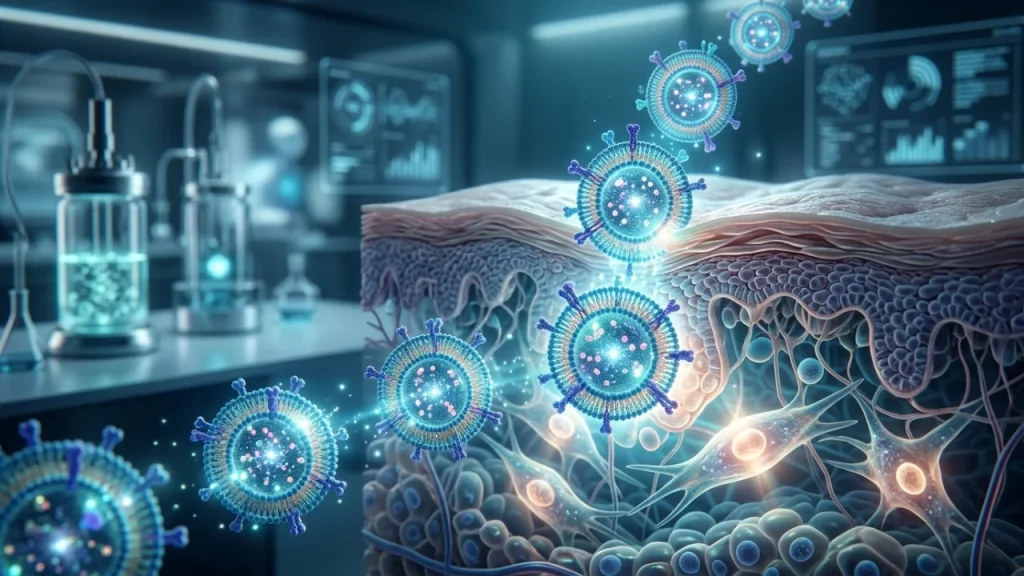
Think of your body as a vast, bustling city. Your cells are the citizens. They need to talk to each other constantly. They send messages to coordinate repairs, sound alarms, and share resources. Exosomes are their natural messengers. These are tiny delivery vehicles. They are produced inside almost every cell type in your body.
Cells create exosomes by budding off small parts of their membrane. This forms a little bubble, or vesicle. Inside this bubble, the cell packs a precise cargo. This cargo is the message. It is not a simple text. It is a complex mix of active ingredients.
The cargo can include many things. It holds proteins that can instruct other cells. It carries lipids for building materials. Most importantly, it contains genetic instructions. These are in the form of RNA. This RNA can change how a recipient cell behaves. It can tell a quiet cell to become active. It can tell a stressed cell to start repairing itself.
This system is happening in your body right now. It is a continuous process. Healthy cells use it to maintain order. For example, a stem cell can send exosomes to an older skin cell. The message might be: “Rejuvenate. Make more collagen.” The skin cell receives the package. It then follows the new instructions.
The process is highly specific. An exosome from a skin cell will likely seek another skin cell. It finds its target through surface signals, like a key finding a lock. This ensures messages get to the right place. This natural targeting is why science is so interested in exosomes for skin rejuvenation.
Researchers can collect these messengers from certain cell types. They often use stem cells. Stem cells are expert communicators for healing. Their exosomes carry powerful regenerative signals. In aesthetic medicine, applying these concentrated messengers can change the local conversation.
It shifts the focus from forcing change from the outside to encouraging change from within. Instead of just filling a line, you are sending a signal. You tell your skin cells to act younger and healthier. This is the core promise of using exosomes for skin rejuvenation.
The appeal is clear. You are using your body’s own language and tools. The goal is to support the natural processes that slow down with age. By understanding this messenger system, we can see why it represents a new path in care. It works with biology, not just against its visible signs.
This foundational knowledge leads to a key question: how does this conversation actually improve the skin’s structure and appearance?
How Exosomes Differ from Stem Cells in Aesthetics
Many people think of stem cell treatments when they hear about new regenerative therapies. Exosome treatments are different. They do not contain any whole cells. Instead, they use the powerful messages those cells produce. This is a key distinction in aesthetics.
Think of a stem cell as a factory. This factory manufactures healing products. It also sends out delivery trucks. The exosomes are those delivery trucks. They carry the factory’s instructions and materials. A stem cell therapy tries to transplant the entire factory into your skin. An exosome treatment delivers only the fleet of trucks. This is often safer and more precise.
The main reason for this shift is control. Live stem cells are complex. Once injected, their activity is hard to predict. They may multiply, change, or stop working. Exosomes offer a more controlled option. They carry specific instructions and then break down naturally. They do not divide or replicate. They deliver their cargo and are gone.
Their effects also differ. A stem cell might release many types of signals over time. Some signals are helpful for skin rejuvenation. Others might be less relevant. Exosome preparations can be refined. Scientists can enrich the vesicles carrying the most useful messages. These messages often target key skin concerns.
For example, exosomes for skin rejuvenation frequently carry signals for: – Boosting collagen and elastin production. – Calming inflammation and redness. – Accelerating the repair of skin cells. – Increasing skin hydration levels.
These actions improve skin structure from within. A traditional filler adds volume from the outside. It does not change cellular behavior. Exosomes aim to change the behavior itself. They tell your existing skin cells to perform better.
Safety profiles differ too. Introducing live cells requires careful matching and screening. There is a risk the body will reject them. Exosomes have a lower risk of immune reaction. They are naturally designed for communication between cells. Your body recognizes them as friendly messengers.
The practical experience is simpler as well. Exosome treatments are typically quick office procedures. There is no need to grow your own cells over weeks. The results come from your body’s response to the signals. This can mean gradual, natural-looking improvement.
In short, stem cell therapies provide the communicators. Exosome therapies provide the communication itself. This focus on the message, not the messenger, is what makes exosomes a distinct tool. It allows for targeting the aging process with greater precision.
This leads us to consider how these messages are collected and prepared for safe use in treatments.
The Science Behind Cellular Communication
Think of your skin as a vast, living city. Each cell is a citizen. These citizens don’t use phones. They send tiny packages instead. These packages are exosomes.
Cells create exosomes inside themselves. They pack these vesicles with vital cargo. This cargo includes proteins, lipids, and genetic instructions like RNA. It is the actual message. Then the cell releases the exosome into the space between cells. This space is like the city’s delivery network.
The exosome travels until it finds a target cell. It docks on that cell’s surface. The two membranes fuse. The exosome delivers its molecular cargo directly into the recipient cell. This process changes the recipient’s behavior. It is a direct order from one cell to another.
This system is constant and essential for health. Your cells send billions of these signals every day. They coordinate repair, control inflammation, and manage growth. When you get a cut, exosomes help cells talk to start healing immediately. They tell fibroblasts to build new collagen. They instruct blood vessels to form.
For skin rejuvenation, scientists focus on this natural postal service. They collect exosomes from specific donor cells. These donors are chosen for the quality of their messages. The goal is to harness and concentrate these beneficial signals.
The key is in the cargo list. An exosome for skin repair might carry: – Growth factors that act like blueprints for new collagen. – MicroRNAs that silence genes linked to inflammation. – Enzymes that help break down damaged proteins. – Signals that boost cellular energy production.
This is not a drug forcing one action. It is a set of instructions that guide many actions at once. Your skin cells know how to read these instructions. They follow them to restore their own function.
Why does this matter for aging? Over time, cellular communication breaks down. Cells send fewer messages. The messages they do send become noisy or incorrect. The repair signals weaken. The inflammatory signals may get louder. This leads to thin skin, wrinkles, and slow healing.
Introducing precise exosomes can reset this conversation. It is like providing a clear, strong signal over a fading radio frequency. The target cells receive the correct instructions they have been missing. This can kickstart dormant repair pathways.
The science shows this is possible because exosomes are fundamental biology. They are not a foreign invention. Your body uses them right now. Advanced treatments simply amplify a process that already exists within you. This is the core promise of using exosomes for skin rejuvenation.
Understanding this messaging system leads to a critical question: where do these potent exosomes come from, and how are they prepared for safe use?
Why Exosomes Matter for Skin Health
Think of your skin as a busy city. Cells are the citizens. They must talk constantly to keep everything working. Exosomes are the main communication system. They carry vital messages between all skin cells.
This chatter is not just social. It is essential for life. Without it, repair stops. Inflammation spreads. The city falls into disorder.
For skin, this communication manages daily upkeep and crisis response. Young skin has clear, strong signals. Aging skin suffers from bad connections and weak messages. Key processes start to fail.
Exosomes help maintain three critical skin jobs.
First, they support the collagen and elastin network. These proteins give skin its firmness and bounce. Fibroblasts are the cells that build them. As we age, fibroblasts get lazy and confused. They produce less collagen. They also make more of the enzymes that break collagen down.
Exosomes from healthy, active cells can reverse this. They deliver direct orders to fibroblasts. The orders say: “Make more collagen.” They also say: “Stop making so many collagen-destroying enzymes.” This one-two punch helps restore the skin’s supportive scaffold.
Second, exosomes regulate inflammation. A little inflammation helps heal a cut. Chronic, low-level inflammation is a major driver of aging. It silently damages tissue. It breaks down healthy cells.
Certain exosomes carry microRNAs that calm this fire. They turn off genes that promote inflammation. This creates a more peaceful environment where repair can happen.
Third, they boost the skin’s barrier. Your outer layer of skin keeps moisture in and germs out. This barrier needs lipids and healthy cells to stay strong. Exosomes help keratinocytes, the main barrier cells, mature properly and produce protective lipids.
When the barrier is strong, skin looks plump and hydrated. It is also less reactive to irritants.
The goal of using exosomes for skin rejuvenation is to restore all these conversations at once. It is not about adding one new ingredient. It is about fixing the root cause: failed cellular talk.
Topical creams work on the surface. They cannot send precise commands to living cells deep in your dermis. Exosomes can because they are part of the body’s own language.
The science shows their natural role is irreplaceable. Your body already uses them for healing. The therapeutic strategy is simple. We introduce a high volume of clear instructions that aging skin lacks.
The result is a guided self-repair. Cells get the memos they have been missing. They restart their own youthful programs for making collagen, fighting inflammation, and strengthening the barrier.
This makes exosomes fundamentally different from temporary fillers or paralyzing agents. Those methods impose an external change. Exosomes encourage an internal revival. They help your skin remember how to function at a younger biological age.
The evidence for this is growing in clinical studies. Research shows improved hydration, elasticity, and wrinkle reduction after treatment. The mechanism makes sense because it copies biology.
Understanding why exosomes matter leads to a practical issue. How do we collect these powerful messengers safely and consistently for treatment?
How Exosomes Work for Skin Rejuvenation
The Journey of Exosomes from Source to Skin
The journey begins with a source of healthy, young cells. These cells grow in a controlled lab environment. They are not taken from patients. This is important for safety and consistency.
These cells naturally release exosomes into their nutrient fluid. Scientists then collect this fluid. They use a series of precise filters and spins. This process isolates the tiny exosomes. It removes other cell debris and proteins.
The result is a concentrated solution of pure exosomes. They are suspended in a sterile saline liquid. This liquid is ready for clinical use. Each batch is tested for purity and strength.
Now the exosomes must reach your skin cells. They are typically applied after a procedure like microneedling or laser. These treatments create microscopic channels in the skin’s surface. The channels are temporary pathways.
Think of your skin’s top layer as a thick, protective wall. Creams mostly sit on top of this wall. Microneedling creates tiny doors in that wall. The doors allow the exosome solution to pass through directly.
The solution is gently applied to the skin. It flows into these micro-channels. This delivery is key for exosomes for skin rejuvenation. It bypasses the main barrier that blocks most topical products.
The exosomes now enter the dermis. This is the skin’s living layer. It contains fibroblasts, immune cells, and blood vessels. The exosomes float in the fluid between these cells.
They do not actively swim or search. Instead, they move by natural diffusion. They spread out from areas of high concentration to low concentration. It is like a drop of ink spreading in water.
Their nano-scale size is crucial here. They are small enough to travel through the extracellular matrix. This is the gel-like network that supports skin cells. Larger particles would get stuck.
Exosomes reach their target cells through two main methods: – They can fuse directly with a cell’s outer membrane. This delivers their cargo inside. – A cell can also engulf them in a small bubble. This process is called endocytosis.
Once inside, the exosome releases its molecular instructions. These include proteins, lipids, and RNA fragments. The cell’s machinery reads these signals.
This triggers specific actions. A fibroblast might start building new collagen strands. A damaged cell might begin repair processes. An inflamed cell could calm down.
The entire journey—from lab to cell interior—takes advantage of natural biology. We provide the missing messengers. The skin’s own systems handle the delivery and execution.
This explains why results are not instant like a filler. Cellular renewal needs time. The process initiates a cascade of events that continues for weeks.
Understanding this journey highlights why the source and preparation matter greatly. Not all exosome preparations are equal. The next logical question examines what makes a high-quality exosome solution for treatment.
Delivering Growth Factors to Target Cells
Exosomes carry a concentrated toolkit of growth factors. These are special proteins that act as commands. They tell skin cells to grow, repair, and renew themselves.
Think of a growth factor as a key. It fits into a specific lock on a cell’s surface. This lock is called a receptor. When the key turns, it starts a chain reaction inside the cell.
For exosomes for skin rejuvenation, several key growth factors are vital. Each one has a distinct job.
- Vascular Endothelial Growth Factor (VEGF) tells the body to build new, tiny blood vessels. This improves blood flow. Better blood flow brings more oxygen and nutrients to skin cells.
- Transforming Growth Factor-beta (TGF-β) is a master signal for making collagen. It directly instructs fibroblasts, the skin’s builder cells, to produce this structural protein.
- Fibroblast Growth Factor (FGF) helps fibroblasts multiply and stay active. It supports tissue repair and maintenance.
- Epidermal Growth Factor (EGF) speeds up the renewal of the skin’s outermost layer. It encourages old cells to shed and new, healthy ones to form.
This cargo is pre-packaged by young, healthy stem cells. The exosome protects these fragile proteins during their journey. Without this protective bubble, growth factors would break down quickly.
The delivery is also highly efficient. An exosome lands on a target cell with many copies of a growth factor. This creates a strong, clear signal. It is not a weak whisper. It is a direct order.
The result is a coordinated rejuvenation effort. Different cells get different instructions at the same time.
Collagen production ramps up. New elastin fibers are formed. The network of capillaries becomes denser. The surface layer of skin turns over faster.
This multi-target approach is why exosome therapy can address several concerns at once. It does not just plump skin with temporary filler. It rebuilds the foundation.
The process mirrors how your body naturally heals a cut. Growth factors rush to the site to coordinate repair. Exosome treatment uses this same biological language. It simply provides a more powerful, focused message to aged or damaged skin.
The quality of this message depends entirely on the cargo. The next section will explore how scientists ensure exosomes are packed with the right tools for the job.
Stimulating Collagen Production Naturally
Collagen loss is a primary reason skin thins and wrinkles with age. Traditional methods often try to force collagen back. They use lasers to create controlled injury or inject filler to push skin up. Exosomes for skin rejuvenation take a different path. They use the body’s own language to restart natural production.
Think of a fibroblast cell as a collagen factory. With age, this factory receives fewer and weaker blueprints. Production slows. The building materials also become poor. Exosomes carry fresh, clear blueprints directly to this factory. These blueprints are specific growth factors like TGF-β.
TGF-β stands for Transforming Growth Factor Beta. It is a key signal for collagen. When an exosome delivers TGF-β to a fibroblast, it binds to a receptor on the cell’s surface. This is like a key fitting into a lock. The lock turns on a chain of commands inside the cell.
The commands reach the cell’s nucleus. The nucleus is the central library of genetic plans. The TGF-β signal activates genes for making type I collagen. This is the most abundant collagen in young, firm skin. The fibroblast then gets to work.
It gathers amino acids, which are the building blocks of protein. It links them into long, strong chains. These chains twist into a triple helix structure. This is the collagen molecule. The cell then releases these molecules into the surrounding space.
Outside the cell, collagen molecules assemble into fibrils. Fibrils bundle together to form fibers. These fibers create a dense, supportive network in the dermis. This network gives skin its strength and bounce.
The process is natural and sustained. It does not rely on trauma or foreign material. The exosome simply tells your existing cells to do their job better. This leads to several clear benefits over harsh methods.
- The new collagen is your body’s own. It integrates perfectly with existing tissue.
- The results develop gradually. This leads to a natural-looking improvement.
- The support network is rebuilt from within. This provides long-term structural change.
Exosome signaling also helps organize the new collagen properly. Disorganized collagen is a sign of scar tissue. The growth factors in exosomes encourage neat, cross-linked bundles. This results in a smooth, resilient lattice under the skin’s surface.
This method addresses the root cause of collagen deficiency. It fixes the communication problem, not just the symptom. The skin’s foundation becomes stronger over weeks and months. This is the core promise of true cellular rejuvenation. The next logical question is about safety and how this gentle process fits into a modern treatment plan.
Enhancing Elastin for Better Skin Elasticity
Collagen provides strength, but elastin gives skin its snap. Think of a rubber band. Elastin is the protein that lets your skin stretch and then return to its original shape. It is a critical component of a youthful complexion.
Elastin fibers form a network alongside collagen. This network is most dense in the middle layer of your skin, the dermis. With age and sun exposure, this network breaks down. The fibers fragment. They lose their organization.
The result is skin that no longer bounces back. It begins to sag and wrinkle. Traditional treatments often cannot rebuild this precise network. They add volume but do not restore true elasticity.
This is where exosomes for skin rejuvenation show their precision. Exosomes carry specific instructions for skin cells called fibroblasts. These instructions do more than just say “make elastin.” They guide the entire process.
The process starts with a key protein called tropoelastin. Fibroblasts produce tropoelastin. Exosome signals can increase this production. The cells then release tropoelastin molecules into the dermis.
These molecules must then be assembled. This assembly requires other proteins, like fibrillin. Exosomes help here too. Their cargo includes molecules that promote the creation of these helper proteins.
Tropoelastin molecules align on a fibrillin scaffold. They are then cross-linked together. This forms a durable, elastic fiber. The entire structure is like a woven elastic band, not a brittle thread.
New elastin alone is not enough. It must be integrated correctly into the existing skin matrix. Disorganized elastin does not function well. Exosome signaling helps direct proper placement.
The growth factors in exosomes encourage structural neatness. They support the formation of a functional, interconnected lattice. This lattice works seamlessly with the new collagen network.
The benefits of enhanced elastin production are clear and measurable. – Skin gains improved recoil after being stretched. – Fine lines caused by repetitive motions may soften. – The overall contour of the face can appear firmer and more lifted. – This improvement comes from restored infrastructure, not just surface filling.
The timeline for elastin renewal is gradual. Elastin is a very stable, long-lasting protein. The body does not replace it quickly under normal conditions. Exosome signaling gently restarts this slow process.
You may see initial changes in skin texture within several weeks. The full effect on elasticity develops over months. This slow pace ensures natural and lasting results.
The combination of new collagen and new elastin is powerful. Collagen acts as the supportive framework. Elastin acts as the dynamic, moving component. Together, they recreate the dermal foundation of younger skin.
This approach treats skin as a living, dynamic organ. It does not just fill space. It rebuilds the architecture that gives skin its youthful properties. The focus is on long-term function, not just short-term correction.
Enhancing elastin completes a major part of the structural rejuvenation picture. The next consideration is how these new proteins are protected and maintained over time, which involves another cellular process.
Improving Skin Texture Through Cellular Signals
Skin texture improves when cells receive clear instructions. Exosomes deliver these instructions directly. They carry precise molecular messages. These messages tell your skin cells how to behave.
Think of a rough skin surface. It often has tiny hills and valleys. This uneven terrain comes from poor cell turnover and disorganized collagen. Old, dull cells linger on the surface. New collagen fibers may be laid down in a tangled mess. Exosome signaling addresses both issues at their source.
The process starts with keratinocytes. These are the primary cells in your skin’s outer layer. Exosomes can influence their activity. Signals encourage balanced renewal. This means old skin cells shed at a proper rate. Fresh, plump cells rise to the surface more efficiently. The result is a smoother, more refined canvas.
Exosomes also send orders to fibroblasts in the dermis. Recall that fibroblasts build collagen and elastin. But they also need guidance on how to organize these proteins. Chaotic collagen bundles create a rough, dimpled texture. Ordered, neat bundles create a smooth subsurface.
Exosome messages promote this organized construction. They help direct the alignment of new collagen fibers. Fibers are laid down in a regular, lattice-like pattern. This even foundation directly influences the surface you see and feel.
The effects on texture are multi-layered. Improvements happen at different depths. – The outermost layer becomes more polished through better cell turnover. – The middle dermal layer becomes more even through structured collagen. – Skin’s reflectivity increases because light scatters less off a smooth surface.
This is not an abrasive scrub or a superficial peel. It is a cellular recalibration. The goal is intrinsic smoothness. Your skin does not just feel smooth because a product sits on top. It is smooth because its architecture is orderly.
Hydration plays a key supporting role here. Healthy fibroblast activity increases natural hyaluronic acid production. This molecule binds water within the dermis. Well-hydrated skin plumps up slightly. This further minimizes the appearance of fine pores and tiny wrinkles.
The timeline for textural change can be relatively quick. Some people notice a difference in weeks. This early change often comes from improved surface cell turnover and hydration. The deeper smoothing from organized collagen takes a bit longer.
Consistency is important for lasting results. A single treatment can send a powerful signal. However, the cellular environment constantly changes. Follow-up treatments can reinforce these positive instructions. They help maintain the new, smoother operating state for your skin.
This approach treats texture as a function of cellular health. It does not simply grind down the surface. It teaches your skin to rebuild itself in a more refined way. The outcome is genuinely rejuvenated skin, not just superficially polished skin.
Smoother texture sets the stage for another visible sign of youth: clarity and radiance, which stem from healthy vascular function and reduced background inflammation
The Benefits of Using Exosomes for Skin Rejuvenation
Visible Improvements in Skin Tone and Clarity
An uneven skin tone often starts deep within your skin. Special cells called melanocytes produce pigment. Sometimes these cells become overactive. They send out too much pigment to the surrounding skin cells. This creates dark spots or patches. Sun exposure is a common trigger for this overactivity. So is lingering inflammation from past acne or irritation.
Exosomes address this problem at its source. They carry specific instructions to these pigment cells. These instructions help calm the overactive cells. The goal is to normalize pigment production. Exosomes do not bleach or remove skin. They encourage a more balanced, natural state.
The result is a gradual evening of the skin tone. Existing dark spots may slowly fade. New ones are less likely to form so easily. This is because the cellular environment becomes more stable. Your skin’s natural defenses work better.
Skin clarity is closely tied to tone. Dull, tired-looking skin lacks radiance. This often comes from poor microcirculation. Tiny blood vessels deliver oxygen and nutrients to skin cells. When circulation is sluggish, cells are not at their best. Waste products can also build up. This makes skin look sallow or gray.
Exosomes support the health of these micro-vessels. They promote better blood flow. Improved circulation brings a fresh supply of oxygen. It also carries away cellular debris more efficiently. Your skin cells become more vibrant and active.
Think of it like clearing fog from a window. The window is your skin’s surface. The fog is built-up waste and poor circulation. Exosomes help clear the fog. The light underneath can shine through more easily.
The combined effect on tone and clarity is significant: – A reduction in the appearance of hyperpigmentation. – Less redness from background inflammation. – A healthier, more luminous glow from within. – Skin that looks more uniform and reflective.
This process is not instant. It follows your skin’s natural renewal cycle. You might first notice a healthier glow. Dark spots may take longer to visibly lighten. Consistency with treatment helps maintain these gains.
The science behind this is precise. Exosomes for skin rejuvenation work because they carry specific molecules. These include microRNAs that can regulate gene activity in target cells. In melanocytes, they can dial down the signals for excessive pigment production. In blood vessel cells, they can promote factors that support strong, healthy capillaries.
This approach is fundamentally different from topical brighteners or peels. Those treatments work on the surface layers you already have. Exosomes work on the living cells that create new skin. They help build better skin from the inside out.
Ultimately, clear and even-toned skin is a sign of healthy communication between cells. Exosomes restore and enhance that communication. They help your skin systems function in harmony. This leads to a complexion that is not just superficially treated, but fundamentally clearer. The next logical step is ensuring this rejuvenated skin remains resilient and strong over time.
Increased Hydration and Moisture Retention
Hydrated skin acts like a plump, healthy sponge. Dehydrated skin resembles a dry, brittle one. The difference often lies in the skin’s extracellular matrix. This is the supportive gel between your cells. Exosomes for skin rejuvenation directly target this area.
They carry instructions to skin cells called fibroblasts. Fibroblasts are your skin’s builders. They produce crucial components for hydration. A key component is hyaluronic acid. This molecule can hold up to one thousand times its weight in water. It is a natural humectant in your skin.
Exosomes signal fibroblasts to make more of this substance. They also promote the production of other matrix elements. These include collagen and elastin fibers. Think of these fibers as a supportive net. The hyaluronic acid gel fills this net. Together, they create a structured, water-rich environment.
This process improves moisture retention in two main ways. First, it increases the amount of available water-holding molecules. Second, it repairs the structure that holds them in place. Surface moisturizers can add water or seal it in temporarily. Exosomes help your skin build its own superior reservoir.
The result is a measurable improvement in skin hydration. Clinical studies often use a device called a corneometer. It measures the electrical capacitance of the skin’s surface. This correlates to water content. Treatments with exosomes show significant increases in these readings.
The benefits of this internal hydration are visible and tangible: – Skin loses its tight, papery feeling. – Fine lines caused by dehydration become less noticeable. – The complexion gains a dewy, supple quality. – Skin becomes more resilient to environmental stressors.
This moisture retention is not superficial. It is built into the deeper layers of the dermis. The improved matrix supports better fluid balance throughout. Water and nutrients move more efficiently to the surface cells.
This creates a positive cycle. Well-hydrated skin cells function better. They communicate more effectively. They turn over more regularly. This leads to a stronger skin barrier.
A robust barrier is essential. It prevents transepidermal water loss. This is the technical term for moisture escaping into the air. By reinforcing the barrier from within, exosomes help lock hydration in place.
The effect evolves over weeks. As new, better-supported skin cells reach the surface, hydration stabilizes. The skin’s need for constant topical moisturizer may lessen. Its inherent ability to stay plump improves.
This foundational upgrade complements the clarity discussed earlier. Clear, even-toned skin gains a healthy volume from within. It looks luminous because it is genuinely well-nourished and hydrated. This sets the stage for the final pillar of rejuvenation: structural firmness and elasticity.
Restoring Natural Radiance and Glow
Healthy skin has a natural glow. This glow comes from within your cells. It is not just surface shine. Dull skin often lacks this internal light. Exosomes for skin rejuvenation address this core issue.
Think of your skin cells as tiny factories. They need energy to thrive. This energy is called ATP. As we age, cellular power plants slow down. Cells produce less ATP. This leads to fatigue at a microscopic level.
Tired cells cannot perform their duties well. They do not turn over quickly. They struggle to communicate. Their internal processes become sluggish. This cellular fatigue shows on your face as dullness.
Exosomes deliver precise instructions to these cells. They carry signals that boost mitochondrial function. Mitochondria are the cell’s power plants. Revitalized mitochondria produce more energy.
With renewed energy, skin cells become active again. Their metabolism increases. This heightened activity has visible effects.
- Cells renew themselves more efficiently.
- They synthesize vital proteins more readily.
- Waste removal processes improve.
- Overall cellular communication is enhanced.
This metabolic revival directly impacts your skin’s appearance. Energetic cells create a smoother surface. New, healthy cells rise to the top more regularly. This surface is more uniform.
Light reflects off a smooth surface in a consistent way. It bounces back evenly. This even reflection is what we perceive as radiance. Rough or uneven skin scatters light. This leads to a dull, flat look.
Exosomes also support critical structural proteins. Collagen and elastin provide the skin’s framework. Hyaluronic acid holds water. A robust framework with good hydration creates optimal light reflection.
The result is a multi-dimensional glow. It is not a greasy film or highlighter. It is a deep, natural luminosity. Your skin looks alive and vibrant.
This radiance comes from several combined improvements.
First, cellular energy is restored. Second, the surface texture is refined. Third, underlying structure is supported. Fourth, hydration is locked in.
These factors work together seamlessly. They create the lit-from-within effect many desire. This glow signifies truly healthy skin function.
The process takes time. As cellular activity improves week by week, the glow emerges gradually. It becomes a stable feature of your complexion.
This restored radiance completes a vital cycle of rejuvenation. Clear skin gains even tone. Hydrated skin gains plump volume. Energetic skin gains natural light. Each aspect supports the others for a comprehensive result.
The final outcome is skin that does not just look better temporarily. It performs better fundamentally. This performance manifests as a lasting, healthy glow.
Reducing Fine Lines and Wrinkles
Fine lines and wrinkles are signs of a slowing cellular conversation. Skin cells become less active with age. They send fewer repair signals. This leads to a breakdown of the skin’s support structure. Exosomes for skin rejuvenation restart this vital dialogue.
Think of a mattress. A new mattress has strong springs and thick padding. Over time, springs weaken and padding flattens. Your skin’s support works similarly. Collagen and elastin are the springs. The extracellular matrix is the padding.
Exosomes deliver precise instructions to the skin’s repair cells, called fibroblasts. These instructions tell fibroblasts to become active again. They start producing new collagen and elastin fibers. This is not a temporary plumping effect. It is a genuine rebuilding process.
The process targets different wrinkle types. – Dynamic lines come from repeated muscle movements. Smiling or squinting creates them. Exosomes help strengthen the underlying dermis. This provides better support beneath the muscle. – Static lines are visible at rest. They result from permanent collagen loss. Exosome therapy directly addresses this loss by promoting new, healthy collagen synthesis. – Crepey texture appears from thinning skin and matrix degradation. Exosomes can help restore epidermal health and dermal density.
Results develop over weeks and months. New collagen takes time to form and organize. Patients often notice softening of fine lines first. Deeper wrinkles may become less pronounced. The skin’s texture feels thicker and more resilient.
This approach differs from common treatments. Neuromodulators relax muscles to smooth lines temporarily. Fillers add volume beneath wrinkles. Exosomes work on a foundational level. They help your skin rebuild its own natural support system.
The goal is not to erase all expression lines. The goal is to restore skin health so it appears smoother and more supple. Expression remains, but fatigue or aging may seem less pronounced.
Combining exosomes with other treatments can be synergistic. Healthy, actively regenerating skin may respond better to various procedures. The focus is always on improving cellular function first.
Consistency matters for lasting effects. A series of treatments supports ongoing rejuvenation. Maintenance sessions can help sustain the renewed cellular activity over time.
Ultimately, reducing lines with exosomes is about correcting a communication failure. It supplies aging cells with the missing signals they need to perform their natural functions. This leads to a gradual, natural-looking improvement in skin smoothness and firmness. The following section will explore how this enhanced cellular activity also strengthens the skin’s defensive barriers against daily stress.
Supporting Long-Term Skin Health
Exosomes do more than prompt a one-time repair. They help reprogram the skin’s cellular environment for lasting health. This leads to benefits that extend far beyond the initial treatment period.
Think of your skin cells as a community. Aging cells are tired and send poor instructions. Exosomes deliver a clear, healthy set of commands. This helps reset the community’s overall function. The goal is a self-sustaining cycle of renewal.
A key long-term benefit is a stronger skin barrier. The outermost layer of skin is your shield. It keeps moisture in and irritants out. Exosomes help fortify this barrier. They signal for increased production of ceramides and structural proteins. A robust barrier means better hydration and less sensitivity.
This improved resilience shows up in daily life. Your skin may better tolerate weather changes or skincare products. It can defend itself more effectively against environmental stressors. This includes pollution and ultraviolet radiation. The skin’s own repair systems become more efficient.
The process also supports the skin’s extracellular matrix. This is the supportive scaffold beneath the surface. Long-term health depends on its quality. Exosomes encourage cells to maintain this matrix properly. They promote balanced collagen production and organization. The result is skin that retains its density and bounce over time.
Another lasting effect is improved cellular turnover. Older skin cells shed more slowly. This can lead to a dull complexion. Exosomes help normalize the rate at which new cells rise to the surface. This contributes to a consistent, healthy glow without constant exfoliation.
Consider these pillars of sustained skin health supported by exosome activity: – Enhanced barrier integrity for lasting hydration – Optimized matrix support to prevent future thinning – Balanced inflammatory responses to minimize chronic stress – Improved cellular communication networks for ongoing repair
The approach of using exosomes for skin rejuvenation is inherently long-term. It addresses root causes, not just surface symptoms. Treatments provide a catalyst. The cells then continue the work using their renewed capabilities.
This creates a different outcome than temporary fixes. Results accumulate and compound. Each maintenance session can build upon an already improved foundation. The skin’s biological age may gradually decrease.
Patients often report that their skin simply “behaves better” months later. It recovers faster from minor insults like blemishes or dryness. The overall texture remains more even and supple. This reflects deep, functional change.
The longevity of effects ties directly to cellular memory. Cells that receive correct signals can continue following them. They replicate and pass on healthier patterns of behavior. This epigenetic influence is central to durable outcomes.
Ultimately, supporting long-term skin health means investing in cellular literacy. Exosomes teach aging cells to read their original instructions again. This education has lasting value. The skin remembers how to function at its best, leading to resilience that endures well into the future. This foundational wellness naturally sets the stage for exploring how these rejuvenated cells can also address specific concerns like pigmentation and tone.
The Procedure: What to Expect with Exosome Therapy
How Exosomes Are Prepared for Treatment
Exosomes used in treatments do not come directly from a donor. They are produced in a controlled laboratory setting. This ensures purity and consistency. The process begins with a source of healthy, young cells. These cells are often mesenchymal stem cells. They are known for their strong healing signals.
The cells are placed in special nutrient-rich solutions. They thrive in this environment. Over time, the cells naturally release exosomes into the solution. Think of it like brewing tea. The cells are the leaves. The exosomes are the beneficial compounds that steep into the water.
The next step is crucial separation. The cell culture solution contains many components. Scientists must isolate only the exosomes. They use advanced filtration methods. One common technique is ultracentrifugation. This spins the solution at very high speeds. The tiny exosomes gather together at the bottom.
Further purification steps remove any remaining cell debris or proteins. The goal is a clean exosome preparation. This purity is vital for safety and effectiveness. Each batch is then tested rigorously. Tests check for concentration, size, and marker profiles. They also confirm the absence of contaminants.
The final product is a clear liquid suspension. It contains billions of exosome vesicles per milliliter. This concentrate is then ready for clinical use. It can be combined with other treatment methods. For example, it might be mixed with a patient’s own plasma or applied after microneedling.
The entire preparation happens under strict sterile conditions. Labs follow guidelines similar to pharmaceutical manufacturing. This level of care guarantees that what reaches the clinic is active and safe. It transforms biological science into a reliable tool for exosomes for skin rejuvenation.
Storage and handling are also key. Exosome preparations are typically frozen at very low temperatures. This preserves their biological activity until the moment of use. Thawing is done carefully right before a procedure. This maintains the potency of the signaling molecules.
Understanding this process highlights why exosome therapy is a precision treatment. It is not a simple extract. It is a standardized, tested biological product. This rigorous preparation lays the foundation for the consistent results patients experience in their journey toward rejuvenated skin. Next, we will see how this prepared solution is applied during an actual treatment session.
Application Methods for Optimal Results
Exosomes require precise delivery to reach their target: your skin’s living cells. The method chosen depends on your skin’s condition and the treatment goals. Clinicians select application techniques that create optimal pathways for these nanoscale messengers.
One common method is topical application after skin resurfacing. This often follows a procedure like microneedling. Microneedling uses fine needles to create micro-channels in the skin’s surface. These channels are not wounds. They are temporary pathways. Exosome solution is then applied directly to the skin. The vesicles travel through these micro-channels. They bypass the outer barrier of dead skin. This allows them to reach the deeper dermal layer where active repair happens.
Another effective approach is direct injection. A clinician may use very fine needles or cannulas for this. They inject the exosome preparation into specific areas of the dermis. This method allows for precise placement. It is useful for targeting deeper wrinkles or scars. The exosomes are deposited exactly where the cellular signals are needed most. The process is typically quick. Discomfort is minimal, similar to other injectable treatments.
Some protocols combine exosomes with other biologics. A frequent combination is with platelet-rich plasma, or PRP. PRP is derived from your own blood. It contains growth factors. When mixed with exosomes, they can work together. The exosomes help direct and optimize the repair signals from the PRP. This synergistic combination can enhance outcomes for overall exosomes for skin rejuvenation.
A simpler method is direct application to open skin. This is used after certain laser treatments or light chemical peels. These procedures temporarily remove the top layer of skin. The fresh, new layer underneath is exposed. Applying exosome liquid directly to this area provides immediate contact with active cells. It supports healing and reduces redness.
The choice of method is a clinical decision. Your provider will assess your skin. They consider factors like skin thickness, concern type, and your overall tolerance. Each technique shares one goal: to facilitate efficient exosome uptake.
- After microneffling: For general texture and tone improvement.
- Via injection: For deep, localized volume loss or scarring.
- With PRP: For comprehensive facial revitalization.
- On open skin: To calm and heal after resurfacing procedures.
The application process itself is usually swift. The prepared exosome solution is drawn into a syringe or applied with a dropper. The actual delivery takes only minutes. Most patients report little to no discomfort during this phase. A slight cooling or tingling sensation is possible with topical application.
Following the procedure, there is minimal downtime. You might experience mild redness or swelling. These effects normally subside within a day. Your skin will begin its internal renewal process quietly. The applied exosomes start signaling immediately upon entry. They do not sit passively. They communicate with fibroblasts and other cells to kickstart collagen production and tissue repair.
This targeted delivery ensures the prepared biological product performs its intended function. The careful application completes the journey from lab to your skin’s living architecture. Next, we will explore what happens inside your skin after the exosomes are delivered and the visible changes you can anticipate over time.
Minimal Downtime and Recovery Process
One major advantage of exosomes for skin rejuvenation is the swift return to daily life. Unlike aggressive procedures, this therapy avoids creating large-scale injury. The exosomes work through signaling, not destruction. Your skin does not need a long period to heal from trauma.
Most people can resume normal activities immediately. You might plan the session for a lunch break. Directly after, your skin may look flushed. Mild swelling is also possible. These effects are typically superficial. They resemble a mild sunburn. This reaction usually fades within a few hours. It is often gone by the next morning.
Your provider will give you simple aftercare instructions. Following them supports optimal results. The guidelines are straightforward.
- Keep the treated area clean. Use a gentle, non-exfoliating cleanser.
- Apply a recommended moisturizer. This helps maintain a supportive barrier.
- Use a high-SPF, mineral-based sunscreen daily. Protecting new cells is critical.
- Avoid strenuous exercise and excessive heat for about 24 hours. This includes hot showers and saunas.
- Do not use active skincare ingredients like retinols or acids for 5-7 days.
The recovery feels quick because the healing is cellular. The exosomes are already instructing your skin’s fibroblasts. These cells begin producing new collagen and elastin. This process happens beneath the surface. You will not see it at first. Your skin is busy rebuilding its support structure internally.
Some patients notice an initial glow within days. This is due to improved hydration and circulation. The more significant changes come later. The real structural renewal takes time to become visible. You are not waiting for wounds to close. You are waiting for new, healthy tissue to form.
There are no stitches or open wounds to manage. The risk of infection is very low. The procedure is considered non-invasive. You can apply makeup the next day if desired. It can cover any lingering redness easily.
Compare this to other rejuvenation methods. Laser resurfacing often requires a week of recovery. Surgical lifts need weeks of healing. Exosome therapy offers a different path. It focuses on efficient biological communication instead of injury.
Your body’s resources are not diverted to repair damage. They can focus on regeneration. The exosomes for skin rejuvenation provide the precise instructions. Your cells follow them using your own natural energy and materials.
Monitor your skin in the following week. It should feel calm and smooth. Any pinpoint bleeding from microneedling heals fast. Report any unusual signs like persistent pain or rash to your provider. Such reactions are exceedingly rare.
The minimal downtime aligns with the modern desire for effective treatments without major interruption. This efficiency makes the therapy accessible. You do not need to take extended time off work or social obligations. The renewal process integrates seamlessly into your life, working quietly in the background as you go about your day.
This gentle recovery phase sets the stage for the gradual, visible improvements that emerge in the weeks ahead, marking the true beginning of your skin’s rejuvenation journey
Safety Considerations and Side Effects
Exosome therapy is built on a foundation of high biological safety. The exosomes themselves are not living cells. They are natural signaling tools. Your body already produces trillions of them daily. The therapeutic process simply adds a concentrated dose of specific instructions. These instructions guide your skin’s own repair systems.
The most common experiences after treatment are mild and brief. They result from the delivery method, not the exosomes. Think of the microneedling device as creating tiny temporary channels. The exosome solution uses these channels to reach the deeper skin layers.
You might notice some expected reactions. These are signs your skin is responding. – Temporary redness. This looks like a mild sunburn. It usually fades within 12 to 24 hours. – Minor swelling or a feeling of tightness. This is common and settles quickly. – Pinpoint scabbing or slight dryness. This comes from the micro-channels closing. It resolves in a few days.
Serious adverse events are extremely uncommon. The rigorous preparation of clinical-grade exosomes is key. Donor cells are screened thoroughly. The final solution is filtered to purity. It contains only the exosome vesicles and their beneficial cargo. There are no foreign genetic materials or growth hormones that could cause unpredictable growth.
True allergic reactions to the exosomes themselves are rare. The reason is fundamental. Exosomes are a universal biological language. Your body recognizes their structure as native and friendly. The carrier solution is typically a simple saline or sterile buffer. Your provider will review your full medical history to ensure compatibility.
You should monitor your skin and contact your provider if you notice certain signs. Persistent pain that worsens after the first day is not typical. A spreading rash or hives could indicate sensitivity to a component. Signs of infection like yellow pus or increasing heat are very rare but require prompt attention. Clear communication with your clinic ensures any concern is managed early.
The long-term safety profile of properly sourced exosomes is promising. Because they work by instructing your cells, they do not remain in the skin permanently. They deliver their messages and are then naturally cleared by your body. This avoids the risk of long-term foreign material retention. The goal of exosomes for skin rejuvenation is to trigger a natural cascade of renewal that is self-sustaining.
Compare this to some traditional filler procedures. Fillers add volume by placing a substance under the skin. Exosomes do not add physical volume. They encourage your skin to improve its own quality and structure from within. This fundamental difference in mechanism contributes to a favorable safety outlook.
Your role in safety is straightforward. Follow the aftercare instructions from your provider precisely. Use gentle cleansers and recommended moisturizers. Apply broad-spectrum sunscreen diligently. Sun protection is critical as new collagen forms. Avoid harsh actives like retinols or acids for the time specified. This protects the delicate renewal process.
The overall risk-to-benefit ratio of exosome therapy is considered favorable for most people. The procedure is minimally invasive with negligible downtime. The potential side effects are generally minor and temporary. The scientific rationale supports its targeted, natural mode of action. This combination makes it a compelling option for those seeking effective exosomes for skin rejuvenation with a strong safety profile.
Understanding these parameters allows you to proceed with realistic confidence, focusing on the anticipated benefits while being an informed participant in your own care journey.
Combining Exosomes with Other Treatments
Exosome therapy is rarely a standalone event. Its power often shines when combined with other skin treatments. This creates a synergistic effect. The whole becomes greater than the sum of its parts. Think of exosomes as master communicators. They direct your skin’s repair crews to the right job sites.
These combinations work because of timing. Many procedures create controlled micro-injuries. Microneedling and laser treatments are prime examples. They create tiny channels or wounds in the skin. This is a call for help. Your body launches an immediate healing response.
Introducing exosomes at this precise moment is strategic. It supercharges the natural process. The exosomes deliver instructions directly to the repair cells. They guide them to build collagen efficiently. They reduce chaotic inflammation. This leads to better texture and faster recovery.
Consider a common pairing: microneedling with exosomes. The microneedles create microscopic pathways. These pathways allow for deeper exosome delivery. The procedure signals a need for rebuilding. The exosomes then provide the exact blueprint for high-quality reconstruction. This duo can significantly improve results for exosomes for skin rejuvenation.
Laser resurfacing is another powerful partner. Lasers remove damaged outer skin layers. They also heat the deeper dermis. This stimulates a wound healing cascade. Applying exosomes post-laser guides this renewal. It encourages uniform pigment and robust collagen. The goal is clearer, tighter skin.
The sequence is critical for safety and effect. Exosomes are typically applied after the primary procedure. They are not mixed with filler substances. A provider might follow this order: – Cleanse the treatment area thoroughly. – Perform the chosen procedure like microneedling. – Apply the prepared exosome solution topically. – Allow it to absorb into the fresh channels.
This order maximizes bioavailability. The exosomes enter through the new access points. They go straight to work where needed most.
Combinations also extend to topical skincare. After treatment, your skin is receptive. Using physician-recommended growth factor serums or peptides can be beneficial. These topicals support the ongoing cellular activity that exosomes initiated. They maintain the rejuvenation momentum between sessions.
The core principle is intelligent layering. Each treatment has a specific role. One creates an opportunity. The other optimizes the biological response. This collaborative approach targets skin aging on multiple fronts. It addresses surface concerns and underlying cellular function together.
Patients should have a clear plan. A qualified provider will map out a series. This plan sequences treatments for cumulative benefit. One session might pair exosomes with microneedling. A later session could focus on surface refinement alone. This staged strategy builds lasting improvement.
Understanding these combinations empowers your choices. It reveals how modern aesthetics leverages biology. The focus shifts from single procedures to holistic renewal programs. This integrated path often yields the most satisfying and natural-looking outcomes for comprehensive skin revitalization.
Comparing Exosomes to Traditional Skin Treatments
Exosomes vs. Chemical Peels: A Gentler Approach
Chemical peels work by removing layers of skin. They apply an acid solution to the face. This solution causes controlled damage. The skin’s outer layers peel off over the following days. This process forces the skin to regenerate itself from beneath. It is an effective method for resurfacing. It can improve texture and reduce some discoloration.
However, this approach is inherently aggressive. It creates an inflammatory wound. The skin must dedicate massive resources to basic repair first. This inflammatory phase can cause significant redness and downtime. Peeling and flaking are expected side effects. The results depend on the skin’s wound-healing capacity, which can vary with age and health.
Exosomes for skin rejuvenation operate on a completely different principle. They do not wound or remove anything. Instead, they deliver precise instructions to your living cells. Think of a peel as demolishing a wall to rebuild it. Exosomes are like sending a skilled foreman with a new blueprint to the existing crew. The goal is not demolition but intelligent renovation.
The core difference lies in targeting inflammation versus promoting communication. Chemical peels trigger a strong inflammatory response to jumpstart healing. Exosomes use natural signaling to encourage optimal cellular behavior without the initial damage. They tell fibroblast cells to produce more collagen and elastin. They instruct cells to better manage oxidative stress and recycle damaged components.
This gentler mechanism leads to a vastly different patient experience. – There is no controlled wound, so there is no peeling phase. – Redness after application is typically minimal and brief. – Most patients return to normal activities immediately. – The skin does not go through a visible, fragile repair stage.
The results also differ in nature and timeline. A peel offers a more abrupt change once healing is complete. Exosome results develop subtly over weeks as cellular activity improves. The outcome from exosomes tends to look more like naturally healthy skin, not freshly resurfaced skin. It enhances what you have rather than replacing it.
For patients with sensitive skin or rosacea, this distinction is crucial. A chemical peel can sometimes aggravate these conditions due to its inflammatory nature. The gentle signaling of exosomes poses a much lower risk of triggering flare-ups. It offers a viable path to rejuvenation for those who cannot tolerate traditional resurfacing methods.
The longevity of effects also stems from different sources. Peel results last until environmental and aging factors degrade the new surface layer. Exosome results may last longer because they improve the functional health of the dermal cells themselves. These educated cells continue their improved performance for an extended period.
Choosing between them depends on your primary goal and lifestyle. A chemical peel is a direct solution for surface-level textural issues like coarse wrinkles or obvious sun damage. Exosomes are a strategic choice for overall improvement in skin quality, resilience, and youthful function with no social downtime. They represent a shift from corrective damage to proactive cellular education for lasting skin health. This sets the stage for comparing them with another popular treatment: laser therapy.
How Exosomes Differ from Laser Treatments
Laser treatments work by applying targeted heat to the skin. This controlled thermal injury is their core mechanism. The laser light creates microscopic wounds in precise areas. The skin then heals these wounds. This healing process makes new collagen and elastin. The result is a smoother and tighter skin surface.
Exosomes take a completely different path. They use biological signals, not heat. Think of it as a cellular conversation instead of a controlled burn. This non-thermal approach has distinct benefits. It avoids the risks linked to thermal damage. There is no chance of burns or hyperpigmentation from excessive heat. The recovery process is also simpler for most people.
The goals of these treatments often differ. Laser therapy is excellent for specific, visible issues. It can remove broken blood vessels. It can vaporize sun spots. It can smooth deep wrinkles by remodeling scarred tissue. The laser provides a powerful physical correction.
Exosomes aim for broader, foundational improvement. They focus on exosomes for skin rejuvenation at a cellular level. Their goal is to improve overall skin health and function. The results are more about quality than correction. Skin becomes more hydrated and resilient. Its natural glow and tone improve uniformly.
Consider the downtime and sensation. A laser treatment often requires real recovery. The skin may be red and sensitive for days or weeks. A cooling gel is used during the procedure, but a heating sensation is common. Post-care is strict to protect the vulnerable skin.
An exosome treatment involves no heat or light application. The procedure feels like a advanced serum application, often after micro-needling. Patients typically leave with only mild redness that fades in hours. There is no “wound” to manage, only cellular instructions to follow.
Who might choose one over the other? Lasers are a strong choice for targeting a specific, stubborn flaw. If you have a visible sunspot or a noticeable scar, laser can directly address it.
Exosomes are ideal for proactive care and global rejuvenation. They are perfect for someone who wants to refresh their skin’s overall behavior without trauma. They help maintain results from other treatments by keeping cells active and healthy.
In summary, lasers remodel skin through calculated damage and repair. Exosomes educate and rejuvenate skin through biological communication. One is a precise thermal tool for correction. The other is a cold, signaling tool for enhancement and long-term health. This leads us to the final comparison: how exosomes work alongside these traditional methods, not just against them.
The Advantage Over Topical Creams and Serums
Topical creams and serums face a simple biological barrier. Your skin’s outermost layer, the stratum corneum, is designed to keep things out. This protective shield blocks pollution and germs. It also blocks most large molecules in cosmetic products. Ingredients like peptides and growth factors are too big to pass through easily. They often work only on the very surface layers. Their effect is mostly hydrating or protective.
Exosomes operate on a completely different scale. They are measured in nanometers. A nanometer is one-billionth of a meter. They are about 1000 times smaller than a typical skin cell. This tiny size is their first key advantage. They can penetrate deeper into the skin’s living layers. They reach the dermis where collagen and elastin are made. Topical products rarely achieve this.
The second difference is about communication. Creams supply ingredients. They might give the skin antioxidants or moisture. But they do not send direct commands to your cells. Exosomes do exactly that. They carry specific instructions encoded in their cargo. This cargo includes proteins, lipids, and RNA. Once inside, they transfer this information to target cells.
Think of it like two ways to help a garden. – A topical serum is like watering the plants from above. It provides general nourishment. – An exosome treatment is like delivering a precise message to each plant’s roots. The message tells it to grow stronger, bloom brighter, and use water more efficiently.
This cellular messaging enables exosomes for skin rejuvenation at a foundational level. The process addresses multiple aging factors at once. – They can signal fibroblasts to produce more collagen and elastin. – They can instruct cells to ramp up their own antioxidant defenses. – They help regulate inflammation and improve tissue repair mechanisms.
Most high-end creams contain a single growth factor or a static cocktail of ingredients. Their formula is fixed. Exosomes represent a dynamic, multi-component signaling system. They carry hundreds of bioactive molecules naturally organized by the cell. This creates a coordinated response that a single manufactured ingredient cannot match.
Results also differ in timeline and sustainability. A cream’s effects often fade quickly once you stop using it. The improvement is temporary because it doesn’t change cellular behavior long-term. Exosome treatments aim for a more lasting shift. By reprogramming cellular activity, the benefits can extend for months after the procedure. The skin maintains its improved function independently.
This does not mean topical products are useless. They are excellent for daily maintenance and surface protection. However, for deep, structural rejuvenation, they hit a ceiling. Exosomes offer a way to bypass that ceiling. They work from the inside out, not from the outside in.
The future likely lies in combination. Using effective topicals to support and maintain the rejuvenation started by exosome signaling creates a powerful synergy. This approach treats the skin as a living, responsive system rather than just a surface to be coated.
Why Exosomes Offer More Natural Results
Traditional treatments often force a change upon the skin. They can be effective. Yet the result can sometimes look artificial or strained. Think of a face pulled too tight. Exosome therapy works differently. It does not force anything. Instead, it delivers precise instructions. Your own cells then execute these instructions at their own pace. This process mirrors how healthy, young skin naturally functions.
The key is in the message, not the material. Dermal fillers add volume with foreign substances. Botulinum toxins block nerve signals completely. These are powerful actions. However, they do not teach skin cells to behave better. Exosomes for skin rejuvenation provide a library of cellular blueprints. They tell aging fibroblasts how to become productive again. They guide damaged cells toward repair. The outcome is your own tissue regenerating itself.
This leads to subtle, integrated improvement. The skin does not suddenly look perfect overnight. It improves gradually over weeks and months. The new collagen and elastin form in a natural, woven pattern. Hydration increases because barrier function is restored from within. The tone evens out as inflammation is calmly regulated. You look refreshed, not redone.
The body recognizes and welcomes these signals. Exosomes are native biological entities. Your cells have receptors ready to receive their cargo. There is no foreign substance for the body to attack or wall off. This minimizes adverse reactions. It also means the rejuvenation process works with your unique biology. The results harmonize with your facial structure and expression.
Consider these contrasts: – A laser removes damaged layers to force rebuilding. Exosomes signal for protective proteins before stress occurs. – A strong acid peel strips surface cells to reveal new ones. Exosomes encourage a healthier, faster turnover from the basal layer up. – A single-growth-factor serum gives one loud command. Exosomes deliver a balanced conversation of hundreds of directives.
The final effect is resilience, not just a change in appearance. Skin treated with exosome signaling often handles stress better. It may recover faster from sun exposure. It may retain moisture more effectively in dry climates. This happens because cellular function is improved. The skin becomes more capable, not just temporarily altered.
Ultimately, natural results come from supporting biology, not overriding it. Exosome therapy aims to restore the skin’s inherent capacity for self-maintenance. The goal is not a mask of youth, but skin that acts young again. This fundamental shift in approach is what sets this science apart. It moves aesthetics closer to true regenerative medicine, where healing and rejuvenation are the same process.
The Future of Exosomes in Aesthetic Medicine
Ongoing Research and New Discoveries
Research labs are now mapping the exact “cargo” inside exosomes for skin rejuvenation. They are identifying which specific microRNAs and proteins yield the best results. This is like finding the most important words in a complex message. Scientists want to send only the most effective signals.
A major focus is source cells. Exosomes from different cell types carry different instructions. Researchers are testing exosomes from many sources. – Stem cells from fat tissue might promote volume and healing. – Skin fibroblast exosomes could target collagen production directly. – Scientists are even exploring plant-derived vesicles as a potential future option.
The goal is to match the exosome source to the exact aesthetic concern. Personalized treatments are a key research area. Your own cells could one day provide your therapy. Doctors might take a small sample of your skin or blood. They would then culture your cells and collect their exosomes. These personalized vesicles would then be reintroduced to your skin. This approach could maximize compatibility and effectiveness.
Delivery methods are also advancing. Current techniques include micro-needling and specialized facials. Future methods may be more precise. Researchers are developing topical serums with exosomes that can penetrate deeper. They are also testing hydrogels that release exosomes slowly over time. This sustained release could extend the therapeutic window.
Another exciting discovery involves “priming” exosomes. Scientists can treat source cells with specific conditions before collection. For example, exposing cells to mild stress can change the exosome cargo. This makes the vesicles more potent. It is like training messengers before they deliver their packages.
Combination therapies are a robust field of study. Scientists are examining how exosomes work with other treatments. They pair exosome therapy with laser procedures or radiofrequency devices. The exosomes may accelerate healing after these treatments. They might also enhance the final cosmetic outcome. This synergistic effect is a major interest.
Clinical trials are ongoing to measure long-term effects. Early studies show promising results for several months. New research aims to understand how long benefits truly last. Scientists are also studying optimal treatment intervals. They want to know if periodic sessions can maintain improved skin function.
The future may include diagnostic uses for exosomes. Doctors could analyze exosomes from your skin’s surface. These tiny vesicles carry information about your skin’s internal health. They could reveal early signs of aging or damage long before it is visible. This would allow for very early intervention.
Safety and standardization remain critical research topics. The scientific community is working to establish clear quality guidelines. They are creating methods to ensure purity and potency across different preparations. This work builds trust and consistency for future applications.
This relentless investigation ensures the field evolves from a novel concept into a refined science. Each discovery brings us closer to harnessing cellular communication with precision for lasting skin health and vitality. The next logical step is understanding how this translates into real-world clinical practice and patient experience.
Potential Applications Beyond Skin Rejuvenation
Exosomes are not limited to skin cells. Almost every cell type in the body releases these messengers. This universal language opens doors for many other uses in medicine. Researchers are actively exploring these paths.
One major area is hair restoration. Hair growth depends on tiny organs called hair follicles. These follicles contain stem cells. As we age, these stem cells become less active. Exosomes from certain sources can target these follicular cells. They deliver signals that can wake up dormant stem cells. This may encourage hair to re-enter its growth phase. Early studies show exosomes might help with conditions like androgenetic alopecia. They could potentially increase hair density and thickness. This offers a cell-based alternative to traditional treatments.
Wound healing is another critical application. Chronic wounds, like diabetic ulcers, are a major health challenge. They often struggle to close due to poor circulation and cellular dysfunction. Exosomes derived from mesenchymal stem cells are packed with healing factors. These factors can: – Reduce inflammation at the wound site. – Stimulate the growth of new blood vessels. – Accelerate the regeneration of skin layers. This approach aims to fix the wound from the inside. It jump-starts the body’s own repair processes that have stalled.
The potential even extends to scar revision. Hypertrophic and keloid scars result from an overactive healing response. Exosomes might help modulate this process. They could deliver instructions that calm excessive collagen production. This may lead to softer, flatter, and less noticeable scars. The goal is not just to fill scars but to remodel them into more normal-looking skin.
Looking broader, exosomes show promise for joint and tendon health. Aesthetic medicine often addresses outward signs of aging, but mobility is key to vitality. Osteoarthritis involves cartilage breakdown and inflammation. Injected exosomes could provide a regenerative signal to joint tissues. They may help protect remaining cartilage and soothe inflammation. This application bridges aesthetic wellness and functional health.
Research into neurological conditions is also underway. This is more futuristic but scientifically compelling. Some studies suggest exosomes can cross the blood-brain barrier. They might one day deliver therapeutic molecules to brain cells. While not a direct aesthetic use, it highlights the vast potential of this delivery system for overall wellness.
For exosomes for skin rejuvenation, the principles learned there form a foundation. The knowledge of how they communicate with dermal cells informs these other uses. Each application relies on the same core idea: targeted cellular instruction.
The future of exosomes in aesthetics is holistic. It moves from treating a single surface concern to supporting the body’s overall regenerative capacity. The next phase will involve defining precise protocols for each new use. It will also require rigorous clinical validation to ensure safety and efficacy across different conditions. This expansion turns exosomes from a specialized tool into a broad platform for regenerative medicine.
How Technology Is Advancing Exosome Therapy
The tools for studying exosomes are getting more powerful every year. This drives the entire field forward. Scientists can now see exosomes in incredible detail. They can count them and sort them by type. This deep analysis is key for quality control. It ensures that therapeutic preparations contain the right messengers for the job. Better tools mean more reliable treatments.
A major focus is on engineering the exosomes themselves. Think of it as upgrading a natural delivery van. Researchers are learning to load exosomes with specific cargo. This cargo could be growth factors or even genetic material like RNA. The goal is to create targeted therapies. These enhanced exosomes would deliver their instructions to very specific cell types. This precision reduces waste and increases effect.
Manufacturing methods are also evolving. Consistency is a critical challenge. The future lies in controlled, large-scale production. One promising method uses bioreactors. These systems grow parent cells in optimized conditions. The cells release exosomes into a clean, collected medium. This process can be standardized. It aims to produce uniform batches of therapeutic exosomes every time.
Personalization is another exciting frontier. Future protocols may use a patient’s own cells. A small sample of your cells could be used to generate personalized exosomes. These autologous exosomes would carry your unique biological signals. They could minimize immune reactions. This approach tailors treatment to the individual for potentially better results.
Several key technologies are converging: – Advanced imaging to map exosome interaction with skin cells. – Microfluidic chips to sort and purify exosome populations efficiently. – AI and machine learning to analyze complex data from exosome studies. – Improved cold-chain logistics to maintain exosome viability during storage and transport.
These tech advances directly benefit exosomes for skin rejuvenation. More precise targeting could mean fewer treatments for longer results. Consistent product quality leads to predictable patient outcomes. Personalized approaches could address unique aging patterns. The science moves from a one-size-fits-all idea to a tailored regenerative strategy.
The ultimate goal is intelligent delivery systems. Imagine a topical cream or an injectable gel containing exosomes. This carrier would release its payload exactly where and when needed. It might respond to specific signals in the aging skin environment. This controlled release maximizes the regenerative message at the cellular level.
Technology turns promise into practice. It provides the methods needed for safe and effective expansion of exosome therapy. These tools will help define the next generation of aesthetic treatments focused on true cellular renewal.
Making Exosomes More Accessible to Everyone
The high cost of exosome treatments is a major barrier today. This price comes from complex production. Scientists must grow source cells in sterile labs. They then collect and purify the tiny exosomes. This process requires expensive equipment and skilled labor. Current methods also yield a small amount of product per batch. This makes each treatment session costly.
Several factors are set to change this economics. The key is scaling up manufacturing. Think of it like the history of computers. Early models were rare and expensive. Mass production made them household items. A similar shift is coming for exosomes for skin rejuvenation. New bioreactor technology is central to this change. These are large, automated systems for growing cells. They can produce much greater volumes of source material. More source material means more exosomes can be harvested. This increases the total yield from a single production run.
Standardization is another critical driver. Right now, methods can vary between labs. This lack of uniform standards makes regulation slow. It also keeps quality control costs high. Industry-wide standards are now being developed. These standards will define purity and potency measures. Consistent standards allow for streamlined production. They enable regulators to approve processes faster. Efficient approval cuts down on time and cost before a product reaches clinics.
Competition will naturally push prices lower. Currently, only a few specialized labs offer clinical-grade exosomes. As the science proves itself, more companies will enter the field. Increased competition leads to better pricing for providers and patients. It also encourages more efficient production techniques. Companies will seek ways to reduce their own costs to compete.
Accessibility also depends on treatment protocols. Today, some protocols suggest multiple initial sessions. Research may soon optimize these regimens. Scientists might find that one well-designed treatment provides lasting effects. Fewer required sessions directly lowers the total cost for the patient. Longer-lasting results mean less frequent touch-ups. This improves the overall value of the therapy.
The role of insurance is still unclear. Aesthetic procedures are rarely covered now. However, exosomes show strong promise for healing chronic wounds and scars. If they gain approval for these medical uses, insurance coverage could follow. This would open a new pathway to affordability for certain applications.
The future points toward broader access within five to ten years. Costs will likely decrease as production scales and competition grows. This will integrate exosome therapies into more standard aesthetic practice. The next step is to ensure this expansion happens with a firm commitment to safety and proven results for all patients.
Taking the Next Step with Exosomes for Your Skin
How to Choose a Qualified Provider
Choosing a clinic for exosomes for skin rejuvenation is a critical decision. Your results and safety depend on it. This is not a standard facial. You are seeking a sophisticated biological treatment. You must vet providers with care.
Start with the source of the exosomes themselves. A qualified provider will openly discuss where their exosomes come from. They should use exosomes derived from certified laboratories. These labs follow strict protocols for safety and purity. Ask if the exosomes are from human mesenchymal stem cells. Inquire about how they are processed and tested. The provider should explain this in clear terms. They should have documentation to support their claims. Be wary of any clinic that is vague or secretive about the origin of their products.
Next, examine the provider’s credentials and experience. The person performing the procedure should have advanced training. Look for a licensed medical doctor, a nurse practitioner, or a physician assistant. They should have specific education in exosome therapy applications. Ask how many exosome treatments they have performed. Experience matters greatly with these advanced techniques. A seasoned provider will understand proper dosing and injection methods. They will know how to tailor the treatment to your specific skin concerns.
The consultation process is very revealing. A trustworthy clinic will not promise miracle cures. They will offer a realistic assessment of what exosomes can do for you. They should explain the science behind how exosomes signal your skin cells to renew themselves. The consultation must include a review of your medical history. This ensures you are a good candidate for the treatment. The provider should outline a clear plan. This plan includes the number of sessions needed and the expected timeline for results.
Safety protocols are non-negotiable. The treatment should be performed in a clean, medical setting. All procedures must use sterile techniques. Ask about how the exosome product is stored and handled before use. Proper storage protects the delicate vesicles and their signaling power. The clinic should also have a plan for managing any potential reactions, though these are rare with high-quality exosomes.
Finally, look at before-and-after photos from actual patients. These images should come from the clinic’s own practice, not generic stock photos. Pay attention to patients with skin issues similar to yours. Do the results look natural and effective? Good documentation shows a provider’s consistent skill.
Taking this careful approach empowers you as a patient. It moves you from hoping for a good outcome to confidently selecting a partner in your skin health journey. This due diligence is the final, essential step before you experience the transformative potential of cellular renewal firsthand.
Questions to Ask Before Starting Treatment
Asking the right questions turns you from a passive patient into an active participant in your care. Your consultation is a two-way conversation. Prepare for it like an interview. Your goal is to gather clear facts. This ensures your treatment plan is safe, tailored, and based on solid science.
Start with the source of the exosomes. You must know where they come from. – What type of cells are they derived from? Common sources are mesenchymal stem cells or skin fibroblasts. – How are the cells screened for quality and safety before exosome collection? – Is the manufacturing process done in a certified lab that follows strict guidelines?
Next, ask about the product itself. Not all exosome solutions are equal. – What is the concentration of particles in each dose? A precise number shows quality control. – How are the exosomes stored and shipped? They must be kept very cold to stay active. – What tests are done to prove the vesicles are intact and functional?
Discuss the treatment procedure in detail. Understand exactly what will happen. – How will the exosomes be delivered? Common methods include micro-needling or direct injection. – What is the protocol for preparing my skin before the treatment? – How many sessions are truly needed for optimal results? Be wary of promises from a single treatment.
Clarify the safety and expected response. This manages your expectations. – What are the proven, common side effects I should expect? Redness and swelling are typical. – What is your plan if a rare reaction occurs? – Can you show me documented studies that support using exosomes for skin rejuvenation in cases like mine?
Finally, talk about results and support. A good provider has a follow-up plan. – When can I realistically expect to see initial changes? True cellular renewal takes weeks. – What does the timeline for full results look like over three to six months? – Do you offer any complementary skincare or guidance to support the process after treatment? – Can I see several before-and-after photos from patients with similar starting points?
These questions serve two purposes. They reveal the clinic’s expertise and commitment. They also give you vital information. This process builds a foundation of trust and clarity. You leave the consultation with confidence, not just hope. You understand not just the “what” but the “how” and “why” behind your path to rejuvenation. This knowledge is the final key to unlocking a successful experience with this advanced science.
Setting Realistic Expectations for Results
Exosomes work at the cellular level, so their results follow a biological timeline. You will not see a sudden transformation overnight. This process is about cellular renewal, not a simple surface plump. Think of it as nurturing a garden from the soil up, not just painting the fence.
The initial changes are subtle. They often start within two to four weeks. You may notice a healthier glow first. Your skin could feel more hydrated. Its texture might begin to feel smoother. These are signs your cells are responding. The exosomes have delivered their instructions.
True structural improvement takes more time. This is key for setting realistic expectations. The full benefits of exosomes for skin rejuvenation typically unfold over three to six months. Why does it take this long? Your skin’s natural renewal cycle dictates the pace. Exosomes signal your cells to perform better. Your cells then need time to produce new, healthier collagen and elastin. They must rebuild the support matrix.
Here is what you can realistically expect over months: – Improved skin firmness and elasticity. Skin may feel tighter and more resilient. – A reduction in the appearance of fine lines. Deeper wrinkles may soften. – More even skin tone and a reduction in visible redness. – Enhanced natural hydration from within.
Exosomes are not a magic eraser. They cannot remove deep scars or significant sagging on their own. They do not replace the need for surgical procedures for major laxity. Their power is in restoration and optimization. They help your skin function at a better, healthier level.
Your own lifestyle and biology influence the outcome. Sun exposure, smoking, diet, and genetics all play roles. Exosomes provide powerful support, but they work within your body’s framework. A good skincare routine protects and extends the results.
Some results are visible. Others are functional. You might see fewer breakouts or less irritation. Your skin could recover faster from minor stressors. These are signs of improved cellular health.
Patience is essential. Comparing your progress week-to-week is not helpful. Monthly comparisons are better. Documenting with photos can reveal gradual change you might otherwise miss.
The goal is sustainable improvement, not a temporary fix. Because exosomes educate your cells, the effects are designed to last. Maintenance treatments may be suggested, but the foundation is built to endure.
This understanding shifts your focus from waiting for a single result to observing a process of renewal. You are investing in your skin’s long-term health, not just its immediate appearance. This cellular journey is the core of modern rejuvenation. With realistic expectations, you can appreciate each phase of progress as your skin reveals its renewed potential. This knowledge prepares you for the final consideration: integrating this treatment into your long-term wellness vision.
Maintaining Results with Proper Skin Care
Your skin care routine after treatment is not just cosmetic. It is a protective protocol. Think of your newly educated cells as a fresh start. Your daily habits now either support or undermine their work.
Exosomes for skin rejuvenation improve your skin’s internal functions. Your job is to shield it from external damage. The most critical threat is ultraviolet radiation from the sun. UV rays create free radicals. These unstable molecules damage cellular DNA and proteins. They reverse the rejuvenation signals your cells just received.
Use a broad-spectrum sunscreen every single day. Choose SPF 30 or higher. Apply it even when you are indoors. UVA rays penetrate glass windows. They cause silent, cumulative damage. Reapply sunscreen every two hours during direct sun exposure. This one habit is non-negotiable for maintaining results.
Gentle cleansing is equally vital. Avoid harsh scrubs or alkaline soaps. They can compromise your skin barrier. A weakened barrier loses moisture. It also becomes inflamed. This inflammation wastes cellular energy on repair instead of renewal. Use a mild, pH-balanced cleanser. Pat your skin dry. Do not rub it aggressively.
Hydration operates on two levels. Internal hydration comes from drinking enough water. Your cells need fluid to communicate and eliminate waste. Topical hydration uses moisturizers with specific ingredients. Look for humectants like glycerin or hyaluronic acid. They pull water into the skin’s surface layers.
Your diet directly fuels your skin cells. Focus on antioxidant-rich foods. These compounds neutralize free radicals.
- Colorful berries provide vitamins that fight oxidative stress.
- Fatty fish offers omega-3s to calm inflammation.
- Green leafy vegetables supply minerals for enzyme functions.
- Nuts and seeds deliver vitamin E, a key skin protector.
Avoid routines that cause excessive friction or heat. Rough towel drying, hot showers, and aggressive facial massage can cause micro-tears. They trigger unnecessary repair cycles. Be mindful and treat your skin gently.
Some active skincare ingredients can complement exosome benefits. Peptides support collagen production. Niacinamide strengthens the barrier and reduces redness. Vitamin C is a potent antioxidant. However, introduce one new product at a time. Watch for any signs of irritation. Your goal is synergy, not overload.
Consistency matters more than complexity. A simple, reliable routine outperforms an elaborate but sporadic one. Your skin thrives on predictable support. Set reminders if you need to build the habit.
Monitor your skin’s response over months. Note its resilience to wind or cold air. Observe its recovery speed after a minor blemish. These are true indicators of lasting health, not just a temporary glow.
Professional guidance helps tailor this plan. A skincare expert can assess your barrier function and hydration levels. They can recommend products suited to your new cellular baseline.
This maintenance phase locks in the progress from your treatment. It transforms a one-time procedure into a lasting state of skin health. Your disciplined care allows the cellular lessons to become permanent. This integrated approach ensures your investment continues to pay dividends long into the future, seamlessly merging advanced science with daily wisdom.