
What Are Exosomes and Why Should You Care About Them?
Understanding Exosomes as Nature’s Delivery System
Imagine your body’s cells as a vast city. They need to communicate constantly. They send urgent messages. They share vital supplies. They coordinate repairs. But they don’t use phones or trucks. They use exosomes.
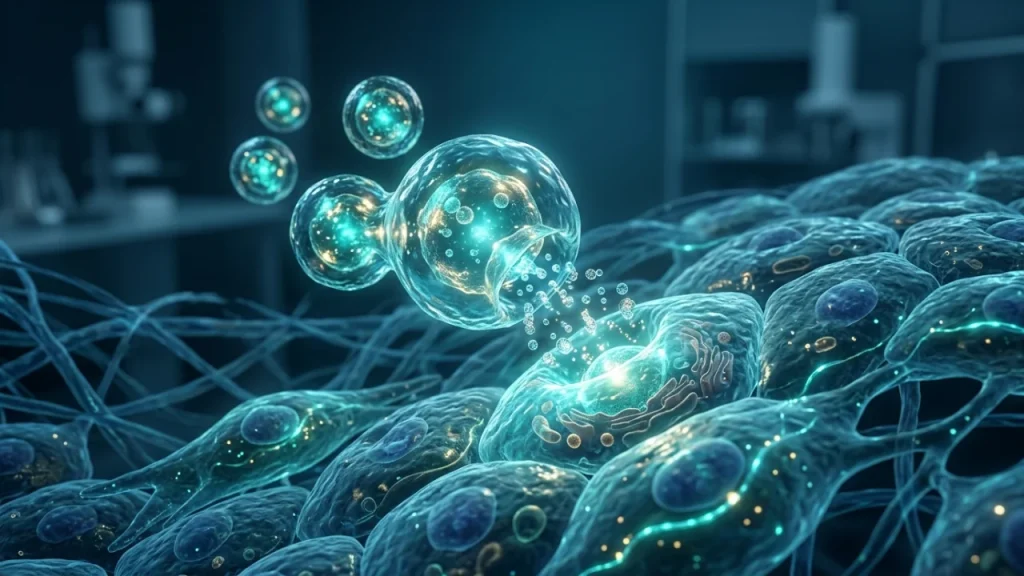
Exosomes are nature’s own delivery system. They are incredibly small bubbles released by cells. Think of them as tiny biological packages. Each exosome is filled with a specific cargo from its parent cell. This cargo can include proteins, lipids, and genetic instructions like RNA.
The process is precise. A cell creates an exosome inside itself. It carefully loads the vesicle with selected molecules. Then, the cell releases the exosome into the space between cells. This space is called the extracellular matrix. The exosome travels until it finds a target cell.
How does it know where to go? Exosomes have address labels on their surface. These labels are proteins and sugars. They match receptors on certain target cells. It is like a key fitting a lock. This ensures the package goes to the right place.
Once it arrives, the exosome delivers its cargo. It can fuse with the target cell’s membrane. It can also be swallowed whole by the cell. The contents are then released inside the recipient. This changes the target cell’s behavior.
The cargo acts as a set of commands or tools. For example, RNA molecules can tell the cell to make new proteins. Growth factors can signal the cell to divide or repair itself. Antioxidants can help the cell fight stress.
This system is crucial for health. Skin cells use exosomes every day. A fibroblast, which makes collagen, can send exosomes to a keratinocyte. This is a skin surface cell. The message might say “strengthen your barrier” or “calm inflammation.”
The science behind exosomes in skin care leverages this natural process. The goal is not to add artificial chemicals. Instead, it is to provide these natural messengers. They carry instructions that skin cells understand perfectly.
Why is this a paradigm shift? Most traditional skincare works from the outside in. Ingredients must penetrate the skin’s barrier. They then hope to influence cell behavior indirectly. Exosomes work from the inside out. They use the skin’s own language.
They offer targeted communication. An exosome can carry a focused set of signals. One type might promote collagen production specifically. Another might tell overactive immune cells to calm down. This reduces redness.
Their small size is a major advantage. Exosomes are measured in nanometers. They are much smaller than skin cells or even most cosmetic particles. This may help them navigate the skin’s layers more effectively.
Their natural origin is also key. Because they are biological, not synthetic, the body recognizes them. This means a lower risk of irritation or rejection for many people.
In summary, exosomes are not just another ingredient. They represent a fundamental biological channel. They are how your cells already talk to each other. Understanding this system is the first step to seeing its potential for skin health and renewal. This leads us to ask: what exactly can these messengers do for aging or damaged skin?
How Exosomes Differ from Traditional Skin Treatments
Traditional skin treatments rely on a simple principle. They apply active ingredients to the skin’s surface. These ingredients must then penetrate the barrier to reach living cells. This process is often inefficient. Many molecules are too large to pass deeply. Others break down before they can work.
Think of a classic vitamin C serum. The antioxidant molecules land on your skin. They must filter through the outer dead layer. They hope to reach the dermis where collagen lives. Along the way, exposure to air and light can degrade them. The concentration that finally arrives at the target cell is often a fraction of what was applied.
Exosomes use a different strategy entirely. They are not just delivering a single chemical. They are delivering a package of instructions. This is a key difference for exosomes in skin care. A cream with growth factors sends those proteins alone into the skin. An exosome from the same cell would send those proteins plus lipids and genetic instructions. It delivers a complete message.
The issue of signal specificity is major. Most topical ingredients have broad, scatter-shot effects. Retinol, for example, speeds up overall cell turnover. It can cause irritation because it acts on many cell types at once. Exosomes can be more selective. Their cargo can be tailored by the cell that made them. An exosome from a fibroblast might primarily target other fibroblasts. Its message is about building structural support.
This leads to the concept of biological recognition. Synthetic or isolated compounds are foreign to the skin. They can trigger defensive reactions like redness or peeling. Exosomes carry natural surface markers. Cells recognize these markers as friendly. This allows for smoother entry and acceptance. The risk of an inflammatory response is lower.
Consider the timeline for results. Traditional products often require weeks of consistent use. They slowly nudge cellular processes. Exosomal signals can initiate a faster cellular response. The instructions they carry are immediately understood by recipient cells. This can lead to a more efficient repair process.
Here is a simple comparison of mechanisms:
- Traditional Serum: Applies ingredient -> Ingredient penetrates barrier -> Molecule interacts with cell receptors -> Cellular change begins.
- Exosome Approach: Applies vesicles -> Vesicles penetrate barrier -> Vesicles fuse with target cells -> Multiple instructions released directly into cell -> Coordinated cellular change begins.
The difference is in directness and complexity. One is a single note. The other is a full letter with detailed commands.
Storage and stability present another contrast. Many potent skincare ingredients are fragile. They require opaque packaging and cool temperatures. Exosomes are naturally stable lipid vesicles. They protect their cargo from degradation. This inherent stability can make them more reliable performers after application.
Finally, think about the source of the signal. A bottle of peptide cream provides a synthetic version of a body’s signal. It is an imitation. Exosomes provide the genuine article. They are the actual vehicles your own cells use for talk. This shifts skincare from imitation to replication of natural biology.
This fundamental shift in delivery and communication sets the stage for specific applications. Understanding how they differ shows why their potential is unique for addressing aging concerns.
The Basic Science Behind Exosome Communication
Exosomes are tiny biological packages. They are created inside most cells in your body. Think of a cell as a busy factory. It has a sorting and packaging department called the endosomal system. This system gathers specific molecules. These molecules are instructions and materials.
The cell packs these items into small bubbles. These bubbles have a double-layered lipid membrane. This membrane acts like protective shipping material. The cell then releases these vesicles into the space around it. They are now called exosomes.
These vesicles travel through the fluid between your cells. This fluid is the extracellular matrix. Their journey is not random. Exosomes carry address labels on their surface. These labels are proteins and sugars. They help the exosome find the right cell type.
A target skin cell, like a fibroblast, has matching receptors. It is like a lock waiting for a key. When the exosome’s label connects to the cell’s receptor, one of two things happens. The vesicle can fuse directly with the target cell’s membrane. It empties its cargo straight into the cell’s interior.
Alternatively, the entire exosome can be swallowed by the cell. This process is called endocytosis. The cell membrane wraps around the vesicle and brings it inside. Once inside, the exosome opens and releases its contents.
The cargo inside is powerful and diverse. It is not a single ingredient. A single exosome can carry hundreds of different molecules working together. – Signaling proteins tell the cell to start a specific task. – Growth factors instruct cells to divide or produce new collagen. – MicroRNAs are tiny genetic switches. They can turn genes on or off. – Enzymes can speed up repair reactions.
This cargo delivery changes the recipient cell’s behavior. The instructions are immediate and native. Your skin cells already understand this biological language. There is no translation needed.
For example, a fibroblast that receives certain exosomes gets a clear command. It may start producing more collagen and elastin fibers. These fibers are the building blocks of firm, youthful skin. Another cell might be told to calm inflammation or increase its energy production.
This communication system is constant in your body. Younger, healthier cells send more beneficial signals. As we age or face stress, this natural chatter slows down. The quality of the messages can also change.
The science behind exosomes in skin care aims to support this system. It introduces a high volume of precise, youthful signals. This external support helps guide skin cells back to their optimal functions. The process leverages biology your skin already knows.
Understanding this cargo delivery shows why the approach is fundamental. It works with your skin’s own language to encourage repair from within. This sets the stage for exploring their specific role in tackling visible signs of aging.
Why Exosomes Matter for Modern Dermatology
Traditional skin care often works from the outside in. Creams and serums must penetrate the skin’s barrier. Their ingredients then hope to influence cells below. This approach has clear limits. The skin’s barrier is designed to keep things out. Many molecules are too large to pass through effectively.
Exosomes offer a different path. They work from the inside out. Your skin cells already use these vesicles to talk to each other. Modern dermatology uses this native system. It delivers instructions directly into the cell’s command center. This is a key reason for the growing interest in exosomes in skin care. The method aligns with your skin’s own biology.
Think of it like sending a text message versus shouting through a closed door. A topical cream is the shout. The exosome is the precise text. The cell receives it instantly and acts. This efficiency changes what is possible. Dermatology can now target the root causes of aging, not just the surface symptoms.
The shift matters for several reasons. First, it allows for targeted communication. An exosome’s cargo can be specific. It can tell a fibroblast to make collagen. It can tell an inflamed cell to calm down. Second, the action is natural. Cells recognize the signals immediately. There is no confusing foreign substance for the body to process.
Third, the effects can be more comprehensive. A single exosome carries many working parts. Proteins, growth factors, and genetic instructions all arrive together. They can start multiple helpful processes at once. This mirrors how young, healthy skin functions. Systems work in harmony.
For patients, this paradigm shift means new potential. Concerns like fine lines, poor texture, and slow healing are linked to failed cellular communication. Restoring clear signals can address these issues at their source. The goal is not just to add a substance to the skin. The goal is to help the skin help itself.
Research supports this direction. Studies show exosomes from certain cell types can increase collagen production significantly. Other research demonstrates their power in modulating inflammation and accelerating wound repair. These are core functions for healthy, resilient skin.
This approach also moves beyond simple supplementation. Adding one growth factor to a cream is limited. An exosome delivers that growth factor in its natural context. It arrives with co-factors and instructions for its proper use. The cell knows exactly what to do with the delivery.
Modern dermatology seeks long-term solutions. Temporary surface improvements are no longer the only goal. The focus is on restoring optimal cellular function. Exosomes provide a tool for this precise task. They are messengers that can guide skin back to a more youthful state of activity.
This technology bridges a major gap. It connects advanced cellular biology with practical clinical care. The science is complex, but the concept is straightforward. Support the skin’s own language to achieve better results. This foundational change is why exosomes matter now. They represent a new era of working with the skin’s innate intelligence.
The next logical question is how this translates to visible changes against aging signs like wrinkles and thinning skin
How Exosomes Work Inside Your Skin
The Journey of Exosomes from Source to Skin Cell
Exosomes begin their work far from your skin. They are first created and released by healthy, young cells. These source cells are often stem cells. The stem cells package precise molecular instructions into tiny vesicles. This packaging is a careful, active process.
Think of an exosome as a biological shipping container. The cell loads this container with specific cargo. This cargo includes proteins, lipids, and genetic material like RNA. The RNA acts as a set of blueprints or commands. Once loaded, the cell releases the exosome into the surrounding fluid.
The exosome now travels. Its journey is not random. The vesicle carries address markers on its outer surface. These are like shipping labels. They help guide the exosome to the correct target cell. In the context of skin care, the target is a skin cell needing help.
The exosome must first penetrate the skin’s barrier. This is a key challenge for any topical treatment. Exosomes are nano-sized. Their tiny scale is crucial. They are small enough to navigate through the skin’s outer layers. They use natural pathways to reach the living cells below.
Upon reaching a target skin cell, docking occurs. The exosome’s surface markers bind to receptors on the skin cell. This binding is like a key fitting into a lock. It signals the skin cell to welcome the vesicle. The cell membrane then engulfs the exosome.
The exosome is brought inside the skin cell through endocytosis. This is a normal cellular process for intake. Now the exosome is inside the target cell’s cytoplasm. Its final task is delivery. The exosome membrane fuses with another internal membrane or dissolves.
It releases its powerful cargo directly into the cell’s interior. The delivered molecules go to work immediately. They can influence the cell’s nucleus. They provide new instructions for protein production. For example, they can tell the fibroblast cell to make more collagen.
This entire process is a form of natural communication. It is how cells in your body already talk to each other. Using exosomes in skin care aims to add clear, beneficial messages to this conversation. The goal is to direct older or stressed skin cells.
We want them to act like younger, healthier versions of themselves. The journey is efficient and targeted. It avoids waste and maximizes effect. The exosome protects its delicate cargo during transit. Everything arrives intact and ready for use.
This direct delivery system has clear advantages over conventional creams. Many cream ingredients never reach living cells. They sit on the surface or break down. An exosome’s structure ensures its contents survive the journey. It also ensures they are delivered to the right cellular machinery.
The process can be broken into clear stages: – Production and loading by a source cell. – Release and navigation through tissue. – Targeting and docking on a skin cell. – Internalization into the skin cell. – Cargo release and instruction execution.
Each stage is vital for success. Disruption at any point would stop the signal. This precise pathway explains the growing interest in exosomes for skin renewal. It is not a superficial coating. It is a fundamental reprogramming at the cellular level.
The journey turns an external application into an internal biological event. The skin cell does not see it as a foreign chemical. It recognizes it as a natural messenger. The cell then changes its own behavior based on the new instructions received.
This leads us directly to the visible outcomes. Once the instructions are delivered, how does the skin actually change? What improvements can we see from this cellular dialogue?
What Exosomes Carry: Proteins, Lipids, and Genetic Material
Exosomes carry a precise toolkit for skin repair. This cargo is not random. It is carefully selected and packaged by the parent cell. Think of an exosome as a tiny delivery capsule. Inside are three main types of biological material.
These materials work together. They give skin cells new instructions and the tools to follow them.
First, exosomes carry proteins. These are workhorse molecules. Some proteins are enzymes. They speed up chemical reactions inside the recipient cell. For example, they can help build new collagen fibers. Collagen gives skin its firmness and structure.
Other proteins act as signals. They latch onto the skin cell’s surface. This docking tells the cell to start specific activities. It might tell the cell to divide, to move into a damaged area, or to produce more of its own supportive substances.
- Enzymes for building and repair.
- Signal proteins for cellular communication.
- Structural proteins for support.
Second, exosomes contain lipids. Lipids are fatty molecules. They are not just cargo; they are part of the exosome’s own membrane. This lipid layer protects the contents. It also helps the exosome fuse with a target skin cell.
Once fused, these lipids can become part of the skin cell’s membrane. This can make the cell’s outer layer healthier and more fluid. A healthy membrane is better at keeping moisture in and keeping irritants out.
Third, and perhaps most powerful, is genetic material. Exosomes carry different types of RNA. Messenger RNA, or mRNA, is a set of blueprints. It provides the code for making new proteins inside the skin cell.
MicroRNA, or miRNA, is different. It does not carry blueprints. Instead, it acts like a supervisor. It can turn down the production of specific proteins that are not helpful. For instance, it might reduce signals that cause inflammation.
This genetic cargo allows exosomes to change what a skin cell does at its core. The cell reads the new mRNA instructions. Then it starts producing beneficial proteins itself. This is a lasting change.
The combination is key. Proteins offer immediate tools and signals. Lipids help with delivery and membrane health. RNA provides long-term instructions for renewal. This multi-part cargo makes exosomes in skin care a comprehensive approach.
It goes beyond simply adding a single ingredient like collagen to the surface. The skin cell becomes an active participant in its own rejuvenation. It uses the delivered toolkit to restore its own functions.
Different source cells pack different cargo. Exosomes from stem cells often carry a rich mix of regenerative signals. Their cargo is designed to promote healing and calm environments.
The exact contents determine the final effect on your skin. Research shows certain cargo profiles can influence: – The speed of cell turnover. – The strength of the skin’s barrier. – The clarity and evenness of tone.
Understanding this cargo demystifies the science. It shows why these vesicles are so effective as biological messengers. They deliver a complete program, not just a single note.
This leads to a logical next question. How do these biological instructions translate into effects we can actually see and feel on our skin?
How Exosomes Stimulate Collagen Production Naturally
Collagen loss is a primary reason skin thins and wrinkles with age. Exosomes in skin care address this directly. They send a clear command to your skin cells: make more collagen.
This process starts with delivery. An exosome arrives at a target cell, like a fibroblast. Fibroblasts are your skin’s collagen factories. The vesicle fuses with the cell’s membrane. It releases its cargo directly into the cell’s interior.
The proteins and lipids act first. They provide immediate signals and tools. These signals activate key pathways inside the fibroblast. One important pathway is called TGF-β. This pathway is like a master switch for collagen production.
The RNA cargo works next for long-term change. This includes microRNAs. These are small pieces of genetic material. They do not code for proteins themselves. Instead, they regulate other genes.
Specific microRNAs from exosomes target and silence genes that block collagen synthesis. They also protect the genes that promote it. Think of them as precise editors. They remove obstacles and highlight instructions.
The combined signal reshapes the fibroblast’s entire activity. The cell’s machinery shifts into a more youthful state. It begins to read its own DNA blueprint for collagen more efficiently.
The fibroblast then gathers amino acids, the building blocks of protein. It links them into long, strong chains. These chains twist into the triple-helix structure of procollagen.
The cell exports procollagen into the surrounding space. There, enzymes trim the ends. The molecules assemble into sturdy collagen fibrils. These fibrils bundle together to form fibers.
This natural production has major advantages over topical collagen creams. – The new collagen is your own, so it integrates perfectly. – It is produced exactly where it is needed in the dermis. – The process restores the skin’s foundational support network.
The result is structural improvement from within. Skin gains density and firmness. Fine lines plump out because the support underneath them is renewed. This is not a surface filler. It is a restoration of native architecture.
Exosomes also help protect existing collagen. They can carry messages that reduce the activity of collagen-destroying enzymes. These enzymes, called MMPs, increase with sun exposure and age.
So the effect is two-fold. – Stimulate new collagen synthesis. – Help shield current collagen from breakdown.
This dual action makes the approach comprehensive. The skin’s matrix becomes more robust and resilient over time. The improvement builds gradually as your cells sustain their renewed activity.
The process mirrors how skin heals after a mild injury, but without the damage. It taps into the body’s innate regenerative pathways. Exosomes simply provide the precise instructions to start and guide this program.
Understanding this mechanism shows the depth of the strategy. It moves past temporary plumping. It aims for a genuine recalibration of your skin’s core function. The goal is a self-sustaining cycle of renewal where your cells are actively maintaining their own support structure.
This leads to visible changes in skin texture and firmness that reflect the internal rebuilding effort.
Exosomes and Cellular Repair: Fixing Damage at the Source
Your skin cells face daily damage. Sources include ultraviolet rays, pollution, and natural stress. Healthy cells have built-in repair systems. But these systems slow down or become overwhelmed over time. Exosomes in skin care aim to reactivate these native repair programs.
Think of a skin cell as a busy factory. It has machinery for making proteins. It has systems for cleaning up waste. It also has a control center, the nucleus, with its DNA blueprint. Damage can disrupt any part of this operation. Exosomes deliver specific instructions to help fix each issue.
One key area is DNA repair. UV light can cause tiny breaks in the DNA strands inside a cell’s nucleus. Unrepaired damage leads to cell malfunction or aging. Exosomes can carry molecules called microRNAs. These molecules act like alert signals. They upregulate the cell’s own DNA repair enzymes. This helps the cell fix its genetic blueprint more efficiently.
Another focus is cellular energy. Mitochondria are the power plants inside cells. They can become less efficient with age and damage. Exosomes carry signals that can improve mitochondrial function. This gives cells more energy to perform their duties, including repair and renewal.
Exosomes also enhance autophagy. This is the cell’s internal cleanup process. It removes damaged proteins and worn-out parts. Efficient autophagy is crucial for a healthy, youthful cell. Exosome signals can promote this essential recycling activity.
The process targets different skin cells. – Fibroblasts receive messages to repair their collagen-making machinery. – Keratinocytes get support to strengthen the skin’s barrier function. – Stem cells in the hair follicle or epidermis may be encouraged towards renewal.
This is fixing damage at the source. Instead of just patching a problem, you are improving the cell’s ability to fix itself. The effects are more foundational and potentially longer-lasting.
Consider sun exposure. A sunburn creates widespread cellular distress. Cells send out exosomes naturally to coordinate the healing response. Applied topical exosomes can mimic and amplify this natural signal network. They tell cells to activate their repair pathways even without severe damage.
The approach is proactive maintenance. It is like giving your cells a detailed manual and the right tools for ongoing upkeep. The goal is to shift skin from a state of passive decline to active self-maintenance.
Research shows exosomes can modulate inflammation, a key driver of damage. They help calm excessive inflammatory signals. This creates a better environment for repair to proceed smoothly.
The timeline for cellular repair differs from structural rebuilding. Initial signals work quickly, within hours or days. But the full cellular cleanup and optimization may take weeks. Results appear as improved skin resilience and clarity.
Your skin starts to handle daily challenges better. It may recover faster from irritation. Its overall function becomes more robust because the individual cells are operating more effectively.
This cellular focus complements the structural work on collagen. Stronger cells build a better matrix. A supportive matrix helps cells thrive. It is a positive cycle of reinforcement initiated by precise exosome communication.
Ultimately, this represents a shift from treating symptoms to supporting core biological health. The next logical step is understanding how this influences the skin’s most visible features: its surface texture and overall appearance.
Balancing Inflammation with Exosome Signals
Inflammation is your skin’s natural alarm system. It signals that something is wrong. But sometimes this alarm gets stuck in the ‘on’ position. Chronic, low-grade inflammation quietly damages skin over time. It can lead to persistent redness and sensitivity. Exosomes in skin care aim to recalibrate this system.
Think of an inflamed skin cell as a guard shouting warnings. It releases proteins called cytokines. These cytokines are chemical messages. They tell neighboring cells to also become alert and defensive. This chain reaction can spiral. The skin area becomes hot, red, and uncomfortable.
Exosomes act as skilled diplomats in this tense situation. They are packed with specific instructions. These instructions come from healthy, calm parent cells. When applied, exosomes deliver their cargo directly to stressed skin cells. The cargo includes microRNAs and proteins. This cargo does not just mute the alarm. It rewrites the message.
The process follows a logical sequence. First, exosomes bind to the surface of the target cell. They are recognized as friendly messengers. Next, they fuse with the cell’s membrane or are taken inside. Their payload is then released into the cell’s interior. Finally, the delivered instructions influence the cell’s gene activity.
The key outcome is a change in cytokine production. Exosome signals can reduce the output of pro-inflammatory cytokines like TNF-alpha and IL-6. Simultaneously, they may boost signals for repair and resolution. This two-way action helps stop the inflammatory cycle. It shifts the tissue environment from a state of alert to a state of recovery.
This balancing act is crucial for visible calming. Reducing excessive inflammatory signals allows blood vessels to constrict back to normal size. This directly lessens redness. It also reduces the fluid leakage that causes swelling. The skin’s sensory nerves receive fewer ‘pain’ signals, easing discomfort.
The benefits extend beyond immediate soothing. Unchecked inflammation breaks down collagen and elastin. By calming this process, exosomes help protect the skin’s structural foundation. They also support the skin’s barrier function. A healthy barrier is less reactive to external triggers.
Consider common skin concerns linked to inflammation: – Reactive redness and rosacea flare-ups involve amplified inflammatory pathways. – Post-procedure redness from lasers or peels is an inflammatory wound response. – Sensitive skin often shows elevated baseline inflammatory markers. – Even some signs of aging are fueled by chronic, low-grade inflammation.
Exosome signaling addresses these at a foundational level. It provides the cells with the biological information needed to self-regulate. This is different from merely suppressing a symptom with an anti-inflammatory drug. The goal is to restore the skin’s innate ability to maintain balance.
For results, timing matters. Cellular signaling changes can begin quickly. You might notice reduced reactivity within days or weeks. The skin may feel less prone to flushing. Long-term, consistent support can lead to a more resilient complexion. The skin becomes better at handling daily stressors without overreacting.
This creates a visible shift in skin tone and comfort. A calmer biological environment sets the stage for all other repair processes to work more efficiently. With inflammation balanced, the skin can focus its energy on renewal and strengthening. This foundational calm is what makes advanced rejuvenation possible.
Proven Uses of Exosomes in Skin Care
Exosomes for Anti-Aging: Turning Back the Clock
Exosomes directly target the cellular hallmarks of aged skin. They do not simply plump wrinkles from the outside. Instead, they instruct your skin’s own cells to behave like younger, healthier versions of themselves. This is a fundamental shift in anti-aging.
Think of your skin’s support structure. Collagen and elastin proteins form a strong, springy network. As we age, the cells that make these proteins slow down. They also produce more enzymes that break collagen down. The result is thinner, weaker skin with wrinkles and sagging.
Exosomes carry precise commands to reverse this. They deliver signals that tell fibroblast cells to ramp up collagen production. They also carry instructions to reduce the enzymes that destroy collagen. This dual action helps rebuild the skin’s foundation from within.
The process is natural and efficient. Your cells recognize the exosome signals. They know how to act on them. This leads to several key improvements in aging skin.
First, fine lines and wrinkles become less visible. New collagen fills in the grooves from underneath. The skin’s surface becomes smoother and more even. This is not a temporary filler effect. It is your skin genuinely thickening and reinforcing itself.
Second, skin regains firmness and elasticity. Elastin production gets a boost. This helps skin snap back better. You may notice improved contour and reduced sagging, especially around the jawline and cheeks.
Third, exosomes improve skin texture and tone. Aged skin often looks dull and rough. Exosome signaling enhances cellular renewal. It helps shed old, damaged surface cells more efficiently. Fresher, healthier cells rise to the top. This reveals a brighter, more radiant complexion.
The timing of these changes follows a biological timeline. Early signals work fast. You might see improved hydration and brightness within weeks. Structural repair takes longer. Significant collagen remodeling needs time. Visible firming and deep wrinkle reduction often develop over two to three months.
Consistent use supports ongoing renewal. The aging process does not stop. But regular exosome signaling can help keep your skin’s repair mechanisms active. This can help maintain results and slow the appearance of new signs of aging.
Exosomes work well with other treatments. For example, procedures like microneedling create micro-channels. These channels may help exosomes reach deeper skin layers. The exosomes then guide the healing process after the procedure. They can help maximize results and minimize downtime.
It is important to have realistic expectations. Exosomes are a powerful biological tool. They are not a magic eraser for deep, static wrinkles formed over decades. Their strength lies in comprehensive improvement. They address multiple facets of aging at once.
The goal is resilient, functionally younger skin. This means skin that not only looks better but also acts better. It can protect itself, repair minor damage, and maintain balance with less help from external products.
This approach moves beyond surface-level fixes. It respects the skin’s own intelligence. By providing the right instructions at the right time, exosomes for anti-aging help your skin remember how to be its best self. This sets a strong foundation for addressing other concerns, like pigmentation or scarring, with the same biological precision.
Treating Scars with Exosome Technology
Scars form when the skin’s normal repair process gets disrupted. The body rushes to close a wound. This often creates too much of the wrong type of collagen. The result is tissue that looks and feels different from healthy skin. Exosomes in skin care aim to correct this flawed process. They send instructions to reprogram the scar area.
Think of a fresh scar as a construction site with confused workers. They are building hastily and without good plans. Exosomes act like new project managers. They arrive with precise blueprints. These blueprints tell the cells how to rebuild properly.
The key is collagen organization. Healthy skin has collagen fibers woven in a neat, basket-like pattern. This gives strength and flexibility. Scar tissue has collagen piled in thick, stiff bundles. It is strong but not supple. Exosome signaling encourages cells called fibroblasts to break down this disorganized collagen. They then produce new, properly structured collagen.
This remodeling changes the scar’s physical properties. The tissue can become softer. Its color often evens out. Thick, raised scars may flatten over time. The goal is not to erase the scar completely. The goal is to make it blend much better with the surrounding skin.
Exosomes also calm chronic inflammation. A lingering low-grade inflammatory state can make scars look red and feel itchy. It can also prevent proper healing. Exosomes carry molecules that tell immune cells to reduce their activity. This helps settle the area down. A calmer environment is better for repair.
The type of scar matters for potential results. – Hypertrophic scars are thick and raised but stay within the wound’s original border. They often respond well because their core issue is excess collagen. – Atrophic scars are sunken, like those from acne or chickenpox. Here, exosomes can promote rebuilding of lost support structures from below. – Keloid scars grow beyond the original wound and are more challenging. They may require a combined approach with other treatments.
Application timing is important. For newer scars, exosomes can guide the ongoing healing process toward a better outcome. For older, established scars, they work to slowly remodel long-standing tissue. Results require patience as this biological remodeling is not instant.
This technology represents a shift from masking scars to truly treating their biology. It moves beyond simple hydration or surface smoothing. The approach uses the skin’s own communication system to encourage genuine architectural change.
The same principles of intelligent repair apply to other concerns like hyperpigmentation, which we will explore next.
Accelerating Wound Healing with Exosome Therapy
Exosomes can significantly shorten the time it takes for a wound to close. This is not just about growing skin faster. It is about making the entire healing process smarter and more efficient. Think of a construction site after an accident. Exosomes act like expert foremen. They coordinate all the different crews to work in perfect harmony.
The natural healing process has several overlapping phases. First, the body stops the bleeding. Then, it cleans the area to prevent infection. After that, new tissue starts to form. Finally, that tissue remodels itself over time. Problems happen when these phases get stuck or become disorganized. Exosomes help keep everything on track.
A key early job is controlling inflammation. Some inflammation is necessary. It brings immune cells to fight germs. But too much inflammation causes damage. It can destroy healthy cells nearby. Exosomes carry instructions that calm overactive immune cells. They tell these cells their job is done. This reduces harmful swelling and pain. It creates a cleaner workspace for rebuilding.
Next, exosomes send strong signals for new blood vessel growth. This process is called angiogenesis. New blood vessels are vital. They deliver oxygen and nutrients to the healing wound. They also remove waste products. Without a good blood supply, healing stalls. Exosomes carry growth factors like VEGF. These molecules act as blueprints for building new vascular networks.
Building new skin requires two main cell types. Fibroblasts create the structural framework, called collagen and elastin. Keratinocytes are the primary skin cells that form the protective outer layer. Exosomes directly activate both of these cell types.
- They instruct fibroblasts to move into the wound area and start producing new collagen in an organized way.
- They tell keratinocytes to multiply and migrate across the wound bed to form a new barrier.
This coordinated action helps wounds close faster with less chance of infection.
Perhaps their most important role is in preventing excessive scarring from the start. Scar tissue often forms because the rebuilding phase is rushed or messy. Collagen fibers get laid down in a haphazard, dense clump. Exosomes promote a more normal, lattice-like collagen pattern from the beginning. This leads to stronger, more flexible skin that looks better.
The potential applications for this accelerated healing are broad. – For surgical incisions, it could mean faster recovery and thinner scar lines. – For burn victims, it could support the critical re-epithelialization phase. – For chronic diabetic ulcers that refuse to close, it could restart a stalled biological program.
The use of exosomes in skin care science for healing moves us past passive wound coverings. It introduces an active biological therapy that communicates with the body’s own systems. This approach does not just wait for nature to take its course. It provides precise molecular instructions to optimize nature’s own plan.
By speeding up clean-up, improving construction logistics, and ensuring higher-quality materials, exosome therapy aims to transform wound repair from a slow, error-prone process into a swift and elegant one. This foundational ability to orchestrate repair directly supports their role in combating visible aging, where similar principles of cellular renewal and signal restoration come into play.
Exosomes for Skin Rejuvenation and Radiance
Exosomes directly address the cellular slowdown that dulls aging skin. Young skin cells constantly talk to each other. They send clear signals for making collagen and renewing themselves. Over time, this communication gets noisy and weak. Key signals are lost in the static. The result is thinner skin, fine lines, and a lack of that youthful glow. This is where exosomes in skin care science makes its mark. They are not ingredients for cells to consume. They are instructions for cells to follow.
Think of a tired fibroblast, the cell that makes collagen and elastin. An older fibroblast gets lazy. It produces less of these support fibers. It also makes poorer quality material. Delivering exosomes to this cell is like giving it a precise pep talk. The exosomes carry specific RNA messages and proteins. These molecules bind to receptors on the fibroblast. They switch on genes that were turned down low. The cell gets back to work.
The effects are measurable and multi-layered. – First, collagen production increases. Fibroblasts start building more of the structural proteins that give skin its plumpness and strength. – Second, the collagen organization improves. New fibers are laid down in a healthy, supportive network instead of a weak clump. – Third, elastin synthesis gets a boost. This gives skin back some of its snap and resilience.
Radiance comes from light reflection off a smooth, hydrated surface. Exosomes enhance this glow by optimizing the skin’s outermost living layers. They carry signals for keratinocytes, the primary cells of the epidermis. These signals encourage faster and more orderly turnover. Old, flat, dull cells are shed more efficiently. They are replaced by fresh, plump cells from below. This process creates a smoother surface that reflects light evenly, not in patches.
Exosomes also carry antioxidant enzymes directly into the skin’s environment. They help neutralize free radicals from sun exposure and pollution. This protective action prevents new damage at the source. It stops the cycle of inflammation that breaks down collagen. Healthier cells mean a more luminous complexion from within.
The improvement in texture is not just surface-level. It stems from this fundamental restoration of cellular function. Pores may appear smaller because the surrounding skin is firmer and tighter. Fine lines soften because the foundation underneath is being rebuilt. Hydration improves because healthier skin barriers hold moisture better.
This approach is fundamentally different from exfoliation or temporary plumping. Those methods remove or cover up the problem. Exosome signaling tries to fix the root cause: poor cellular communication. The goal is to restore the skin’s own ability to maintain itself. The result is a rejuvenation that develops over weeks as cells change their behavior.
This logic leads directly to a key modern concern: protecting and repairing sun-damaged skin, where exosomes show significant potential for addressing past photodamage.
Evidence from Studies on Exosome Effectiveness
Research shows exosomes can directly influence the key cells responsible for skin structure. In laboratory studies, scientists apply exosomes to human dermal fibroblasts. These are the cells that produce collagen and elastin. Treated fibroblasts show a marked increase in the production of these vital proteins. They also show improved cell migration. This is crucial for wound healing and tissue repair.
The evidence comes from various types of investigations. These range from controlled lab experiments to early-stage human trials. The findings consistently point to specific, measurable benefits. These are not just visual improvements noted by patients. They are changes measured at the cellular and molecular level.
Consider the process of collagen synthesis. Multiple studies report a significant boost. For example, one common finding is that certain exosome preparations can increase collagen type I production by 50% or more in cell cultures. This is not a temporary plumping effect. It is the skin’s building machinery being actively instructed to create more of its own supportive framework.
The impact on inflammation is equally documented. Exosomes carry anti-inflammatory signals. In models of irritated or damaged skin, they reduce levels of key inflammatory markers. These markers include cytokines like IL-6 and TNF-alpha. By calming this cellular distress, exosomes create a better environment for repair. This helps stop the cycle of damage that leads to premature aging.
Evidence for exosomes in skin care also covers barrier restoration and hydration. Studies on skin models with compromised barriers show clear results. Application of exosomes strengthens the barrier function. It does this by upregulating the production of proteins like filaggrin and involucrin. These proteins are essential for a healthy, resilient surface. A stronger barrier retains moisture more effectively. This leads to measured increases in skin hydration levels.
The effects on pigmentation have also been explored. Exosomes can modulate the activity of melanocytes. These are the cells that produce pigment. Research indicates exosomes can help normalize overactive melanin production. They do not bleach or destroy cells. Instead, they promote a more balanced and even distribution of pigment.
Key areas of proven effectiveness from research include: – Enhanced collagen and elastin production by skin cells. – Reduced inflammation and oxidative stress markers. – Accelerated closure in models of wound healing. – Improved barrier integrity and hydration parameters. – Modulation of melanocyte activity for more even tone.
It is important to understand what these studies mean for real-world use. Most foundational evidence is *in vitro*—conducted on cells in a dish. This is essential proof of biological activity. More recent clinical observations on humans support these lab findings. Participants in these studies often show measurable improvements in skin quality. These improvements are seen through instrumental analysis.
For instance, ultrasound imaging can show increased dermal density. Devices called corneometers measure higher hydration levels. Visia imaging can quantify reductions in spots and wrinkles. This objective data moves beyond subjective feeling. It confirms the physiological changes predicted by the lab work.
The scientific narrative is clear: exosome signaling triggers a coordinated repair response. The body’s own repair processes are amplified and guided. This makes the approach fundamentally different from applying a single isolated growth factor or ingredient. Exosomes deliver a complete program of instructions.
Therefore, the science supports their role as a powerful communicator, not just another additive. The next logical question examines how this science translates into practical application formats for daily use or professional treatments.
The Practical Side of Exosome Treatments
How Exosome Formulations Are Made and Stored
Creating a stable exosome product for skin care is a precise technical process. It starts with obtaining the exosomes themselves. Scientists typically use human cell lines grown in laboratory bioreactors. These cells are nurtured in a special nutrient-rich solution. This solution is called the cell culture medium. Over time, the cells release exosomes into this liquid environment.
The first major challenge is harvesting these tiny vesicles. The cell culture medium contains many other components. Scientists must separate the exosomes from this complex mixture. This is done through a series of filtration and centrifugation steps. Centrifugation spins the liquid at very high speeds. Heavier particles settle out first. Lighter exosomes are collected later in the process. Ultracentrifugation is a common gold-standard method. More advanced techniques like size-exclusion chromatography are also used. This step is like carefully sifting for microscopic gold.
After isolation, the exosomes must be characterized. Researchers confirm they have collected the right particles. They check for specific protein markers on the exosome surface. These markers act like a fingerprint. Techniques like nanoparticle tracking analysis measure their size and concentration. This quality control step is non-negotiable. It ensures the final product contains active, intact vesicles, not just cellular debris.
Pure exosomes in a liquid are fragile and perishable. They can degrade quickly at room temperature. Their signaling proteins and RNA cargo can break down. This makes storage and formulation critical for real-world use. Formulators must protect the exosomes’ biological activity from production to application.
The goal is to lock in their potency. Several stabilization strategies are employed: – Cryopreservation involves freezing the exosome preparation at very low temperatures, often below -70°C. This pauses all biological activity and preserves the vesicles effectively for long periods. – Lyophilization, or freeze-drying, is another key method. The liquid exosome solution is frozen. Then, the ice is removed by turning it directly into vapor under a vacuum. This leaves behind a dry powder. – The dry powder form is much more stable for shipping and storage. It can often be kept in a standard refrigerator. Right before use, it is reconstituted with a sterile solution.
The final formulation must also consider the delivery vehicle. Exosomes might be blended into serums, gels, or creams. These base formulations need to be compatible. They must not contain harsh preservatives or solvents that could damage the exosome membrane. The pH balance is also crucial. A neutral pH environment helps maintain vesicle structure and function.
This entire pipeline—from cell culture to stabilized vial—ensures that when you use an exosomes in skin care product, the biological messengers are still viable. They are ready to deliver their instructions to your skin cells as intended by the science. The complexity of this process highlights why these are advanced biological agents, not simple chemical ingredients. Their stability directly dictates their efficacy, leading us to consider how these formulations are actually applied in treatments.
Ensuring Treatment Safety and Purity
The journey from a laboratory discovery to a safe skin treatment involves rigorous checks. Exosomes are biological messengers. Their source and contents must be carefully controlled. This process is known as quality control. It ensures every batch is pure, potent, and safe.
First, scientists must select the right cell source. Not all cells are suitable. They often use human mesenchymal stem cells. These cells are known for their healing signals. The cells are grown in a clean, controlled environment. This environment is free from animal products. Using animal-free materials prevents contamination. It also avoids unwanted immune reactions.
After the cells release exosomes, the vesicles must be collected. The collection method is vital. Scientists use techniques like ultracentrifugation or filtration. These methods separate exosomes from other cell debris. The goal is to get a clean sample. This sample should contain mostly exosomes, not other particles.
Next, the exosomes are tested for identity. Researchers confirm they have the right vesicles. They look for specific protein markers on the exosome surface. These markers act like a fingerprint. CD63, CD81, and CD9 are common markers. Finding them proves the vesicles are truly exosomes.
Purity testing is equally important. Scientists check for contaminants. They test for endotoxins. Endotoxins are harmful substances from bacteria. They also test for any leftover cell DNA or growth media. Advanced machines measure the particle size and concentration. This confirms the exosomes are the correct size and there are enough of them.
Safety testing is a critical step. The exosome preparation is checked for sterility. It must be free from bacteria, viruses, and fungi. This is done through microbial culture tests. Another key test is for mycoplasma. Mycoplasma is a type of tiny bacteria that can infect cell cultures.
All these tests follow strict guidelines. They often follow Good Manufacturing Practices (GMP). GMP is a system for ensuring products are made consistently and controlled quality standards. This system tracks every step of production. It creates a detailed record for each batch.
Finally, the exosomes in skin care products undergo stability testing. This was mentioned earlier with freezing and drying. But safety also means testing the final product in its container. Scientists check if it remains pure and effective over time. They test it under different storage conditions.
These steps may seem extensive. They are necessary for any advanced biological therapy. The process ensures you receive a product that is both active and safe. It transforms raw biological material into a reliable treatment agent. This foundation of safety allows us to explore how these potent messengers are applied in real clinical settings for skin rejuvenation and repair.
Measuring the Efficacy of Exosome Applications
How do we know if exosomes in skin care and treatments are actually working? The answer lies in measuring specific changes within the skin itself. Exosomes deliver instructions to your cells. Their success is not just about feeling different. It is seen in concrete biological improvements.
Think of your skin as a complex factory. Exosomes are like new management software. Efficacy is measured by how much the factory’s output increases and improves. Scientists and doctors look for key signs of this renewed productivity.
One major sign is increased collagen production. Collagen is the main structural protein in your skin. It provides firmness and strength. As we age, collagen production slows down. Exosomes can reverse this trend. They signal fibroblast cells to become more active. These cells then build new collagen fibers. This can be measured in lab studies. Treated skin samples show a denser network of collagen.
Another clear marker is enhanced elastin synthesis. Elastin gives skin its snap-back quality. It allows skin to stretch and return to place. Exosome messages help restore elastin production. This leads to better skin elasticity. Improvements can be quantified with special devices that measure the skin’s bounce.
Exosomes also promote new blood vessel formation. This process is called angiogenesis. It is crucial for delivering oxygen and nutrients. Better blood flow creates a healthier skin environment. It gives skin a natural, radiant glow. Researchers can see this under microscopy. They observe a richer network of tiny capillaries in treated areas.
Reducing chronic inflammation is a vital effect. Many skin issues involve hidden inflammation. Exosomes carry molecules that calm overactive immune cells. This breaks the cycle of irritation and damage. Efficacy here is measured by lower levels of inflammatory markers in the skin.
We can track cellular renewal and repair. Exosomes encourage stem cells and progenitor cells to become more active. These cells help regenerate damaged tissue. The rate of skin cell turnover increases. This leads to smoother texture and faster healing.
How are these effects measured in real life? Both research tools and clinical observations are used.
In clinical studies, scientists use advanced imaging. They might use confocal microscopy to see living skin layers. Optical coherence tomography is another tool. It provides cross-section images of collagen density. These methods offer visual proof of change.
Biophysical instruments provide numerical data. A durometer measures skin firmness. A cutometer assesses elasticity by sucking skin and timing its retraction. A corneometer quantifies hydration levels by measuring electrical capacitance. These devices turn subjective feelings into hard numbers.
Patient-reported outcomes remain essential. People notice real-world improvements. These observations are tracked through validated questionnaires.
- Improved smoothness and reduced roughness.
- A decrease in the appearance of fine lines.
- More even skin tone and diminished discoloration.
- Enhanced hydration and less tightness.
- A healthier overall glow and radiance.
The timeline for seeing these effects varies. Some cellular signals change within hours or days. Visible improvements in texture and tone may take several weeks. Structural changes like collagen remodeling require more time. This process can continue for three to six months after treatment.
Understanding these metrics shifts the perspective on treatment success. It moves beyond hope to observable biology. We see how precise communication at the cellular level translates to visible renewal. This evidence-based view sets the stage for discussing realistic treatment protocols and sustained results.
Integrating Exosomes into Professional Practice
Exosome treatments begin with a detailed skin analysis. A professional examines your skin under magnification. They assess concerns like fine lines, elasticity, and pigmentation. This analysis determines the treatment goals. It guides the choice of protocol.
The skin must be prepared to receive the exosomes. This step is called pretreatment. It often involves gentle exfoliation. A light peel or microdermabrasion may be used. The goal is to create micro-channels in the skin’s outer layer. These tiny pathways allow for better absorption. Clean, clear skin ensures nothing blocks the exosomes.
The core application uses specific delivery methods. Clinicians do not simply apply exosomes like a cream. They use advanced techniques for deep placement.
- Microneedling is a common method. Fine needles create controlled micro-injuries. This triggers the skin’s natural repair process. Exosomes are applied during or immediately after. They enter through these temporary channels.
- Ultrasound-assisted delivery uses sound waves. These waves gently push exosomes into the skin. The method is non-invasive and comfortable.
- Iontophoresis employs a mild electrical current. This current helps carry charged exosome particles across the skin barrier.
The exosome solution itself is carefully handled. It is typically provided in a sterile vial. The clinician mixes it with a carrier solution if needed. This ensures even distribution. The entire face, neck, or décolletage can be treated. The procedure usually takes under an hour.
A critical phase begins right after application. This is the aftercare period. Proper aftercare maximizes the treatment’s success. Patients receive clear instructions.
They must avoid sun exposure for at least forty-eight hours. Sunscreen becomes non-negotiable. Harsh skincare products are paused for a few days. Gentle cleansers and moisturizers are recommended instead. Patients should not scrub or exfoliate the treated area. This protects the new pathways into the skin.
The initial response is often quick. Patients may notice immediate hydration and a glow. This comes from the exosomes’ signaling activity. They instruct skin cells to optimize their function. Deeper repair work starts within days.
Clinicians plan for a series of sessions. A single treatment can show benefits. However, most protocols involve multiple visits. A common plan includes three sessions spaced four weeks apart. This series supports cumulative improvement. It mirrors the natural timeline of skin cell turnover and collagen production.
Safety and sterility are paramount throughout the process. The treatment room must be clean. All equipment is either single-use or properly sterilized. The clinician wears gloves. This prevents any contamination of the exosome solution or the skin.
Integrating exosomes into professional practice requires training. Practitioners study the science behind extracellular vesicles. They learn proper handling and application techniques. This knowledge ensures treatments are both safe and effective.
The use of exosomes in skin care represents a shift in clinical thinking. It moves from passive topical application to active cellular communication. Professionals act as guides, facilitating this precise biological dialogue.
This practical integration sets the stage for considering who is an ideal candidate for this advanced approach and what realistic expectations should be.
What to Expect During an Exosome Treatment Session
An exosome treatment session typically lasts between thirty and sixty minutes. The process is precise and follows a clear sequence. Your visit begins with a consultation. The clinician reviews your skin goals. They examine your skin’s current condition. This confirms the treatment plan is right for you.
Next comes the crucial step of skin preparation. The clinician will thoroughly cleanse your face. They use a gentle, non-irritating cleanser. This removes oil, dirt, and makeup. A pre-treatment solution may then be applied. This solution often contains mild acids or enzymes. Its job is to create an optimal surface. It allows for better absorption of the exosomes.
The preparation step is vital. It ensures no barrier blocks the biological messengers. Think of it as clearing a path for important signals to get through.
The application method is key. The clinician does not simply rub a serum onto your skin. They use specialized tools for delivery. The most common tool is a microneedling device. This device has very fine, short needles. It creates microscopic channels in the skin’s outermost layer.
These channels are not wounds. They are temporary pathways. They allow the exosome solution to bypass the tough surface barrier. The solution reaches the living layers beneath.
Another method uses a nano-infusion device. This device presses the solution into the skin under high pressure. No needles puncture the skin. Instead, it uses pressure to push the vesicles through.
The application itself is usually well-tolerated. With microneedling, you may feel a mild vibration or prickling sensation. Topical numbing cream is often used beforehand. This minimizes any discomfort significantly. Most patients find the process quite manageable.
The moment of application is where the science comes alive. The clinician will carefully apply the exosome solution. They spread it over the treated area. Then, they use the chosen device to facilitate entry. The exosomes in skin care are now entering their target environment.
After application, there is a brief waiting period. The clinician lets the solution absorb for a few minutes. Then, a soothing serum or cream is applied. This final layer helps calm the skin. It also provides immediate hydration.
You will receive clear aftercare instructions before you leave. These instructions protect your skin and support the process. Common guidelines include: – Avoid sun exposure for at least 48 hours. – Use only gentle, recommended cleansers and moisturizers. – Do not use active ingredients like retinols or strong acids for three to five days. – Sleep on your back if possible on the first night.
Your skin will look slightly pink after treatment. This is normal and expected. The redness typically fades within a few hours to a day. You can usually apply makeup the next day if needed.
The immediate feeling is often one of tightness or fullness. Your skin may feel warm. These sensations subside quickly. Many people notice an initial glow within a day. This is from improved hydration and cellular activity.
The real work happens unseen over the following weeks. The delivered exosomes begin communicating with your skin cells. They send instructions for repair and renewal. You do not need to do anything special to activate this process. It is a natural biological conversation.
Understanding this experience demystifies the procedure. It shows the practical side of this advanced science. Knowing what to expect allows you to approach your session with confidence and realistic expectations, focusing on the long-term benefits of this cellular dialogue.
Looking Ahead: The Future of Exosomes in Dermatology
New Research Directions in Exosome Science
Research is now moving beyond using natural exosomes as messengers. Scientists are learning how to engineer these vesicles for specific tasks. This field is called exosome engineering. It aims to create targeted biological tools.
One major direction is drug loading. Exosomes can be designed to carry precise therapeutic cargo. Think of them as custom-made delivery trucks. Their natural ability to enter cells makes them perfect for this role. – They could carry specific growth factors to repair deep scars. – They might transport antioxidants directly to mitochondria in aged cells. – They could deliver anti-inflammatory signals to calm conditions like psoriasis.
Another key area is targeting. Natural exosomes go to many cell types. Engineered exosomes can be directed. Scientists attach special molecules, like antibodies, to the exosome’s surface. These molecules act like homing devices. They guide the vesicle to a particular cell, such as a damaged fibroblast in the dermis. This increases treatment efficiency and reduces waste.
Personalization is a huge future goal. Your own cells could be used to create therapeutic exosomes. A small skin sample would be taken. Your cells would be cultured in a lab. They would then produce exosomes tailored for you. This approach could minimize immune reactions. It might offer perfect biological compatibility.
The diagnostic potential is equally exciting. Exosomes in your blood or other fluids reflect their cell of origin. They carry molecular snapshots of cellular health. Researchers are developing “liquid biopsies” using exosomes for skin health. Analyzing these vesicles could provide early warnings. – They might reveal hidden inflammatory activity before redness appears. – They could show collagen breakdown signals long before wrinkles form. – They may identify specific markers for aggressive skin conditions.
Combination therapies are a practical research path. Future protocols may pair exosome treatments with other technologies. For example, exosomes could be applied immediately after laser procedures. Their signals would guide the healing process more precisely. This could lead to better outcomes and shorter recovery times. The synergy between devices and biological messengers is a rich area for study.
A crucial frontier is understanding long-term effects and communication networks. Current studies focus on short-term repair. Future science must map the sustained conversation. How do treated cells behave months later? Do they maintain healthier communication with their neighbors? Research will track these extended cellular dialogues.
Standardization is a less glamorous but vital need. The field requires consistent methods to measure exosome quality and dose. Future work will define international units of biological activity. This will ensure reliability and safety for all exosomes in skin care applications. It transforms the field from an art into a precise science.
These directions rely on advanced tools like single-vesicle analysis and artificial intelligence. AI can help decode the complex message codes within exosomes. It can find patterns humans would miss. This collaboration between biology and computation will accelerate discovery.
The ultimate vision is predictive and preventive dermatology. Exosome science could shift focus from fixing damage to maintaining optimal skin health. By monitoring cellular signals and intervening early, the goal is to sustain function over time. This proactive approach represents the true future potential of these remarkable vesicles, turning today’s cellular messengers into tomorrow’s guardians of skin vitality.
Expanding Applications Beyond Current Uses
The skin is a vast organ with many cell types. Each type has distinct needs. Exosomes offer a way to address these needs with new precision. Future applications will move far beyond general repair and anti-aging. They will target specific conditions with cellular messages designed for the job.
One major frontier is managing hyperpigmentation. This includes dark spots and melasma. Melanocytes are the skin’s pigment-producing cells. They can become overactive. Current treatments often bluntly inhibit these cells. Exosomes could offer a smarter approach. They might carry signals that recalibrate melanocyte activity. These signals could tell the cell to produce pigment normally. This is a dialogue, not a shutdown. It aims for an even tone without damaging sensitive cells.
Another key area is strengthening the skin’s barrier. A weak barrier leads to dryness, sensitivity, and inflammation. Research is looking at exosomes from specific cell sources. These vesicles could deliver lipids and proteins directly to keratinocytes. Keratinocytes are the building blocks of the outer skin layer. The messages would instruct them to build a more robust, cohesive shield. This approach is fundamentally different from applying moisturizers on top. It helps the skin build its own better defense from within.
The potential in wound healing is also expanding. This goes beyond faster closure of surgical cuts. Scientists are studying chronic wounds, like diabetic ulcers. These wounds stall in an inflammatory phase. They cannot move to the repair stage. Future exosomes in skin care for wounds may carry a precise cocktail of instructions. The goal is to shift the local cellular environment from inflammation to regeneration. This would restart the body’s own healing program.
Hair follicle regeneration presents a fascinating challenge. Follicles are mini-organs with their own cycle of growth and rest. Certain exosomes have shown promise in lab studies. They can stimulate the dermal papilla cells. These cells control the hair growth cycle. The vesicles might deliver growth factors and microRNAs that wake up resting follicles. This points to a future beyond current topical treatments. The therapy would work by revitalizing the follicle’s own cellular communication.
Beyond these, researchers are investigating exosomes for: – Modulating immune responses in conditions like psoriasis or eczema. – Delivering protective antioxidants directly to mitochondria in sun-damaged cells. – Assisting in the integration of engineered skin grafts by promoting vascular growth.
Each application relies on a deep understanding of the target cells. Scientists must choose the right exosome source. They must also understand the exact message needed. This is the essence of precision dermatology.
These expanding uses depend on the foundational work discussed earlier. Standardization ensures these future therapies are reliable. Advanced tools will help map which exosome works for which condition. The journey turns these natural messengers into targeted solutions for skin’s diverse challenges, paving the way for a new era of truly cellular-level care.
Challenges and Opportunities in Exosome Development
Turning exosome science into consistent treatments faces significant challenges. The first major hurdle is production. Creating pure, potent exosome batches is difficult. Cells grown in labs release vesicles with varying cargo. Scientists must develop strict processes. These processes ensure every batch is identical. This is called standardization. Without it, results from treatments could change unpredictably.
Another challenge is targeting. How do we ensure exosomes reach the right skin cells? Simply applying them topically may not work. The skin’s outer barrier, the stratum corneum, blocks large particles. Researchers are engineering solutions. They are testing new delivery methods. – Specialized serums with penetration enhancers. – Microneedling devices that create micro-channels. – Hydrogel patches that release vesicles slowly.
Each method aims to guide exosomes to their destination.
Safety and regulation form a critical frontier. Exosomes are complex biological agents, not simple chemicals. Regulatory bodies like the FDA are still defining their path to approval. Key questions must be answered. What are the long-term effects? Could they accidentally promote unwanted cell growth? Rigorous clinical trials are essential. These trials will prove both safety and real-world benefit for skin care.
Cost is a practical barrier. The technology for isolating and characterizing exosomes is expensive. High-resolution imaging and molecular analysis tools are needed. This currently makes therapies costly. As methods improve and scale, prices should become more accessible. This will open doors for broader use.
The opportunities, however, are immense. Overcoming these hurdles will unlock precision medicine. Doctors could select exosomes from specific cell types. These vesicles would carry precise instructions for repair. This approach moves past generic solutions. It offers truly personalized skin care.
A major opportunity lies in combination therapies. Exosomes could boost the effects of other treatments. For example, they might improve outcomes after laser procedures. They could help heal skin faster with less redness. They might also enhance the performance of proven active ingredients.
The field also promises smarter monitoring. Future tools might analyze a patient’s own exosomes. This analysis would give a real-time report on skin health at a cellular level. It could detect early signs of aging or damage long before they surface.
The road ahead requires collaboration. Biologists, engineers, and clinicians must work together. Their goal is to translate brilliant lab science into trustworthy, accessible tools. Solving the challenges of production, delivery, and safety will define the next decade. Success will solidify the role of exosomes in skin care as a fundamental shift. It will move us from treating surface symptoms to programming cellular health for lasting results.
How Exosomes Could Change Skin Care Forever
Imagine a future where your skin care doesn’t just temporarily soothe. It reprograms your skin’s own behavior. This is the ultimate promise of exosomes in skin care. These tiny messengers could shift the entire goal of dermatology. The goal moves from managing problems to preventing them entirely.
Think about how we treat a sunburn now. We apply creams to calm inflammation. We use moisturizers to help peeling skin. The treatment happens after the damage is done. Future exosome therapies would work differently. They could be applied immediately after sun exposure. These vesicles would carry specific instructions to your skin cells. The instructions would tell cells to quickly repair DNA damage. They would also reduce harmful inflammation at its source. This approach stops the problem before it fully develops.
The change extends to chronic conditions like eczema. Current treatments often suppress the immune response. This can bring side effects. Exosomes offer a more intelligent strategy. Doctors might use vesicles from healthy skin cells. These exosomes would teach overactive immune cells in eczema-prone skin to calm down. They would restore normal communication. This could lead to long periods of clear skin without constant medication.
Aging could be approached as a problem of declining communication. Old skin cells send fewer and poorer quality signals. This leads to thin skin and wrinkles. Future regimens might include periodic exosome applications. These applications would act like a system update for your skin. They would replenish the fading signals that maintain collagen and elasticity. The result could be maintaining healthier, more resilient skin structure over time.
Personalization will reach a new level. It won’t just be about choosing a serum for dry or oily skin. A clinic might take a tiny sample of your skin cells. They would analyze the exosomes you naturally produce. This profile shows what signals your skin is missing or sending too much of. A treatment is then crafted to correct your unique imbalance.
- First, a diagnostic panel identifies key signal deficits.
- Next, a specific blend of exosomes is prepared to fill those gaps.
- Finally, a delivery system ensures the vesicles reach the right cells.
This is true precision medicine for the skin.
The very concept of a “skin care product” may evolve. Instead of bottles of creams with broad ingredients, you might have vials of targeted biological instructions. These vials are used less often but with greater effect. Sustainability could benefit too. Production might move toward lab-grown cells in controlled environments. This reduces the need for large-scale harvesting from plants or animals.
The biggest change is a shift in perspective. Skin health will be seen as a dynamic conversation between cells. Our role changes from passive consumers to active directors of that conversation. We use tools like exosomes to guide the dialogue toward better outcomes. This turns skin care from a surface cover-up into a foundational health practice. The future of dermatology isn’t about stronger treatments. It’s about smarter communication, with exosomes as the essential language.
Making Informed Choices About Exosome Treatments
Exosome science is exciting. Yet it is a new field. You must be a careful consumer. Not all offerings are equal. The term “exosome” itself is not yet strictly regulated. This makes your own knowledge vital.
Think of exosomes as biological software. Their function depends entirely on their source and contents. The first critical question to ask is: where do the exosomes come from? Source matters immensely. Exosomes from young, healthy stem cells carry different signals than those from other cell types. Some companies use plant cells. Others use human cells grown in labs. The source should be clearly stated. It should also be ethically obtained.
The next key point is processing. How are the exosomes purified and stored? Exosomes are tiny and fragile. They must be isolated with great care. Harsh methods can damage them. This renders them useless. Look for terms like “size-exclusion chromatography” or “ultracentrifugation.” These are gentle, precise techniques. Proper storage is also crucial. Exosomes often need freezing at very low temperatures. This preserves their activity until use.
You should also ask about characterization. Reputable providers test their exosomes. They confirm the vesicles are the right size. They check for specific markers on their surface. They verify the exosomes are free of contaminants. This data is often found in a “Certificate of Analysis.” Do not hesitate to ask for it.
Consider the delivery method. How will the exosomes reach your skin cells? Topical creams face a big hurdle. The skin’s outer barrier is very tough. Most exosomes in a cream cannot penetrate it. Professional procedures are more effective. Microneedling creates tiny channels. These channels allow exosomes to reach deeper layers. Ultrasound can also help push them into the skin.
Here are key questions for any clinic or provider: – What is the exact cellular source of your exosomes? – Can you share data on vesicle purity and concentration? – What delivery method do you use, and why? – What specific skin concerns does this treatment target?
Manage your expectations. Exosome treatments are not magic. They are a sophisticated tool. Results depend on your skin’s condition. They depend on the treatment protocol. One session is often not enough. A series may be needed for a lasting effect.
The field of exosomes in skin care is growing fast. Research is ongoing. Staying informed protects you. It ensures you get a genuine, science-backed treatment. Look for clinics that focus on education. They should explain the science clearly without hype.
Your skin’s health is worth this diligence. Choosing wisely today puts you at the forefront of regenerative care. It aligns you with the future of personalized dermatology we just explored. This careful approach turns promise into real, visible results for your skin.
The journey does not end with the treatment itself. What you do afterward supports the process. Proper aftercare helps the exosomes do their work effectively.
Your Action Plan for Exploring Exosome Skin Care
Key Takeaways About Exosomes in Skin Care
Exosomes are natural messengers your own cells make. They are tiny bubbles released from cells. These bubbles carry important signals. Think of them as biological text messages. They send instructions from one cell to another.
This messaging system is key for skin repair. Cells under stress send out more exosomes. These exosomes tell neighboring cells to calm down. They tell them to repair damage. They also tell them to make more collagen. This is a normal process. But aging or sun damage can slow it down.
The goal of exosomes in skin care is to boost this system. It adds a high volume of new messages. These messages come from young, healthy donor cells. They are not living cells themselves. They are just the instructions. This makes them very safe. Your skin cells read these new instructions. Then they act younger and healthier.
These vesicles target several key processes. They reduce inflammation quickly. Inflammation causes redness and swelling. Exosomes carry molecules that turn it off. They also increase skin cell turnover. Old, dull cells are shed faster. New, fresh cells come to the surface.
Here is what exosomes tell your skin to do: – Produce more collagen and elastin fibers. These are the skin’s support structure. – Create new blood vessels. This improves nutrient delivery and color. – Protect against oxidative stress. This stress breaks down skin over time. – Strengthen the skin’s barrier function. A strong barrier holds moisture in.
The source of exosomes matters greatly. They are not all the same. Their cargo depends on the parent cell. Mesenchymal stem cells are a common source. These cells are masters of repair. Their exosomes carry a powerful mix of signals. Other sources include skin cells or immune cells.
Purity is a critical factor. A preparation must contain mostly exosomes. It should not have cell debris or other particles. Concentration is also vital. It is measured in particles per milliliter. Too few particles will have little effect. Reputable labs can provide this data.
Exosomes work differently than growth factors. Growth factors are single proteins. They do one job very well. Exosomes are complex packages. They contain hundreds of different molecules. These include proteins, lipids, and RNA. This allows them to coordinate many jobs at once.
They represent a shift from simply stimulating skin to truly reprogramming it. Topical creams often work on the surface. Exosomes aim to change cell behavior deeper down. The effects can be more holistic and longer-lasting.
Delivery remains the biggest challenge for home use. The stratum corneum is a formidable wall. Most exosomes in a bottle cannot cross it without help. This is why professional methods are often needed first.
Remember these core truths for your journey: Exosomes are natural signaling tools. Their power comes from their complex cargo. Source, purity, and delivery define their effectiveness. They support your skin’s own repair language.
Understanding these points helps you ask better questions. It helps you evaluate claims you will see online or in clinics. This knowledge turns hype into a clear framework for decision-making.
With this foundation, you can now explore your practical options confidently, knowing what to look for and what to avoid in this advanced field of skin science
Steps to Learn More and Consult Professionals
Your next step is to move from theory to action. You now understand the science behind exosomes in skin care. The real work begins with careful research and smart conversations. This process protects you from misinformation. It also helps you find legitimate options.
Start by refining your online searches. Use specific, science-based terms. Search for “exosome biogenesis and skin” or “extracellular vesicle dermatology research.” These phrases lead to academic sources. Avoid searches that only include words like “best” or “miracle.” Read recent review articles from university websites. These papers summarize current findings. They explain what is proven and what is still unknown.
Look for consistent themes across multiple sources. Reliable information will agree on core mechanisms. It will discuss challenges like stability and delivery. Be wary of sources making bold claims without citing studies. Good science acknowledges limits and ongoing questions.
Identify key institutions driving the research. Many major universities have regenerative medicine centers. Some dermatology departments publish patient guides on new technologies. These resources are written for public understanding. They are trustworthy because they have no product to sell.
Next, prepare for consultations with professionals. Your goal is to assess their knowledge and approach. A qualified provider should welcome educated questions. They should explain concepts clearly without pressure.
Begin the conversation by asking about source and purity. You can say, “Can you tell me about the origin of the exosomes you use?” Listen for details about cell type and manufacturing standards. Ask how purity and concentration are verified. Request to see any available data sheets. A transparent provider will have this information.
Discuss the delivery method in detail. Ask how the exosomes are prepared for application. Inquire about any pretreatment needed to aid absorption. Professional treatments often use methods like micro-needling or laser to create temporary channels. Understand the exact procedure and its rationale.
Ask about expected timelines and results. Exosome communication is not an instant fix. Cellular processes take time. A realistic professional will describe a gradual improvement over weeks. They will not promise dramatic overnight changes.
Finally, integrate your findings. Compare the information from your research with what professionals tell you. Look for alignment with established science. Be cautious of anyone dismissing the importance of source or delivery science.
Your action plan has clear phases. – First, conduct independent research using precise language. – Second, identify and review credible institutional resources. – Third, formulate specific questions for consultations. – Fourth, evaluate professional expertise based on their answers. – Fifth, synthesize all information to make a personal choice.
This methodical approach puts you in control. It transforms a complex topic into a manageable inquiry. You become an active participant in your skin health journey. You are no longer just a consumer of marketing.
The final part of your plan involves setting personal criteria. Decide what evidence is most important to you before any treatment. This preparation leads to confident decisions in a field filled with both hope and hype.
Embracing the Next Generation of Skin Health
Exosomes represent a fundamental shift in how we approach skin health. They move us beyond simply applying substances to the surface. This new strategy focuses on supporting your skin’s own innate repair systems.
Think of your skin cells as a community. They constantly communicate to coordinate repairs and maintain balance. Aging, sun exposure, and stress can disrupt this vital dialogue. Cells struggle to send and receive clear instructions. This leads to visible signs like fine lines, dullness, and slow healing.
Exosomes in skin care aim to restore this conversation. They are not active drugs or synthetic chemicals. Instead, they are natural biological messengers. They carry precise instructions from healthy, young cells.
The core mechanism is information transfer. An exosome delivers specific signals to a target skin cell. These signals can tell the cell to boost collagen production. They can instruct it to ramp up its antioxidant defenses. They can encourage it to repair damaged proteins.
This is a targeted approach. It works with your biology, not against it. The goal is to help your skin function better on its own.
Consider the journey of a single exosome after professional application. It enters the intercellular space between your skin cells. It finds a fibroblast, the cell responsible for making collagen. The exosome membrane fuses with the cell’s membrane. Its cargo of signaling molecules is released inside the target cell.
This cargo does not force the cell to act. It simply provides updated, constructive information. The cell then uses its own machinery to respond. The result is a natural and sustained biological activity.
The potential benefits stem from this core activity. – Enhanced cellular renewal and repair processes. – Improved support for the skin’s structural proteins. – Better modulation of inflammation and oxidative stress. – More efficient wound healing and barrier restoration.
This science is still evolving. Yet its premise is powerful. It treats skin at a cellular level. Success depends on the quality of the message and the efficiency of its delivery.
Your informed exploration positions you at the forefront of this shift. You are not just seeking a new product. You are learning to evaluate a new category of biological communication. Your action plan builds a foundation of understanding.
This knowledge allows you to navigate future developments with clarity. New research will continue to emerge. Your framework helps you assess it critically. You can separate incremental progress from genuine breakthroughs.
Embracing this next generation means adopting a long-term view. Skin health is a continuous process. Cellular communication is ongoing. The most effective strategies support this process consistently and intelligently.
Your skin’s biology is complex and dynamic. Exosome science offers a way to interact with that complexity more precisely. It moves us closer to truly personalized care. The future will likely combine these messengers with other supportive modalities.
This integrated approach could redefine results. Imagine supporting your skin’s structure while simultaneously optimizing its functional resilience. The aim is lasting health, not just temporary correction.
Your proactive research turns you into a partner in your care. You understand the language of cells and signals. This makes conversations with professionals more productive and collaborative.
You become an advocate for your own skin’s biological potential. The journey involves continuous learning and adaptation. The science will advance, and your understanding will deepen with it.
This path leads to more confident and meaningful choices. You are equipped to engage with one of dermatology’s most promising frontiers. The goal is a future where your skin care is as intelligent as the biology it aims to support.