
What Are Exosomes and Why Should You Care About Under Eye Treatment?
Understanding Exosomes: Your Body’s Natural Messengers
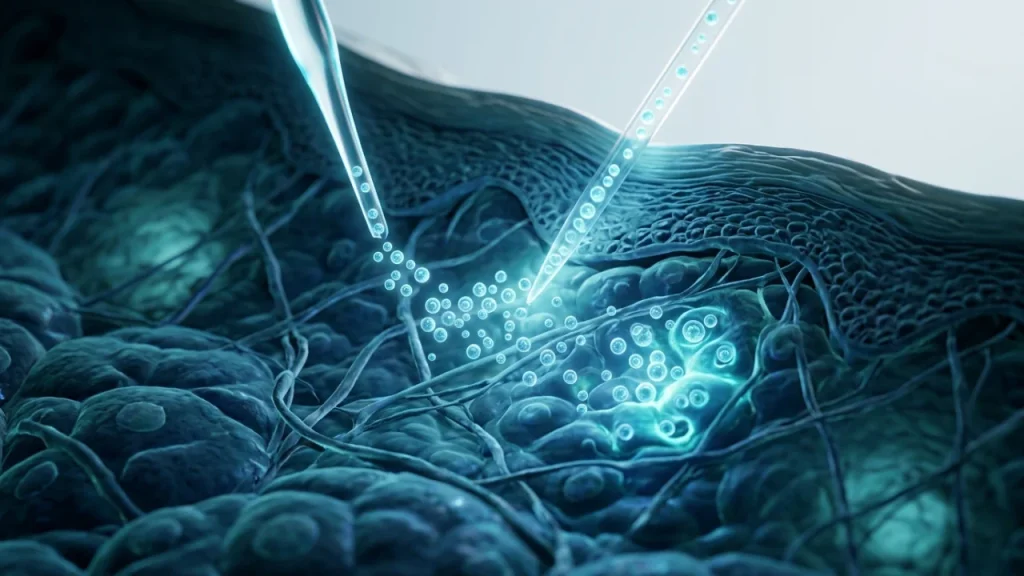
Exosomes are tiny bubbles released by your cells. Think of them as microscopic mail carriers. They travel between cells, delivering important instructions. These instructions tell other cells how to behave. This process is a fundamental part of how your body works.
Your body makes billions of exosomes every day. They are not synthetic or artificial. They are a natural product of your own biology. Almost every type of cell in your body can create and release them. This includes skin cells, stem cells, and immune cells.
Their primary job is communication. Cells do not talk with words. They communicate with chemical signals and genetic codes. Exosomes package these signals neatly for delivery. They carry proteins, lipids, and RNA. RNA is a set of molecular instructions.
This cargo is protected during transit. The exosome’s outer membrane acts like a secure envelope. It ensures the message arrives intact. Without this protection, signals could break down or get lost. This system is efficient and precise.
Why does this matter for your skin? Skin health relies on constant cell communication. Old cells need signals to repair themselves. New cells need instructions to form correctly. Collagen and elastin production requires clear orders. Exosomes deliver these essential orders directly.
The under-eye area presents a unique challenge. The skin here is very thin. It has fewer oil glands. It is also constantly moving when you smile or squint. These factors make it prone to issues like dark circles and fine lines. Cellular communication here is vital but can slow down with age.
An exosomes under eye injection introduces a high concentration of these messengers. It is not about adding foreign material. It is about boosting your body’s own messaging system. The goal is to restart and enhance natural repair processes in that specific area.
Exosomes used in treatments are carefully prepared. They are typically collected from stem cells grown in labs. These stem cells are known for their strong regenerative signals. The exosomes they release are purified and concentrated. The result is a potent solution of biological instructions.
Their mechanism is elegant. Once injected, they merge with your local skin cells. They transfer their cargo directly into the cell’s command center. This can trigger several key actions: – It can increase collagen production for firmer skin. – It can boost elastin to improve elasticity. – It can enhance cell turnover for a fresher appearance. – It can calm inflammation that contributes to dark circles.
This differs from simply adding filler volume. Fillers physically plump the skin from beneath. Exosome therapy aims to improve the skin’s quality from within. It supports the cellular machinery that makes healthy skin.
The science behind this is well-established in medical research. Doctors have studied exosomes for decades for wound healing. Researchers are exploring their role in treating heart and brain conditions. Their application in aesthetics is a newer, logical extension of this science.
Understanding this foundation is crucial. It shifts the view from a simple cosmetic procedure to a targeted biological intervention. You are not just treating a surface concern. You are leveraging your body’s innate intelligence for regeneration.
This sets the stage for seeing how this science translates into a real treatment protocol for the delicate under-eye zone.
Why the Under Eye Area Ages Faster Than Other Skin
The skin beneath your eyes is fundamentally different from the skin on your cheeks or forehead. It is the thinnest skin on your entire body. This delicate area measures about 0.5 millimeters thick. The skin on your forearm can be up to ten times thicker. This thinness makes everything underneath more visible.
Beneath this thin skin lies a complex network. You will find a dense mesh of tiny blood vessels and capillaries. These vessels deliver oxygen and nutrients. They also carry away waste products. The thin covering makes the color of blood in these vessels show through. This can create a bluish or purplish tint. This is one reason for dark circles.
This area also has very few oil glands. Oil glands are called sebaceous glands. They produce sebum. Sebum is the skin’s natural moisturizer. The cheeks and forehead have many of these glands. The under-eye zone has almost none. This leads to a chronic lack of natural moisture. Dry skin looks more crepey and wrinkled. It does not reflect light well.
Constant movement is a major factor. You blink thousands of times every single day. You squint in bright light. You express surprise or concentration. All these actions involve the orbicularis oculi muscle. This is the circular muscle that surrounds your eye. Every smile and every blink uses this muscle.
This creates dynamic wrinkles over time. These are the fine lines that appear with movement. They eventually become etched into the skin as static lines. Static lines are visible even when your face is completely at rest. The combination of thin skin and constant motion accelerates this process.
Structural support also fades with age. The under-eye area relies on a sturdy foundation. This foundation is made of collagen and elastin fibers. Think of them as a mattress’s internal springs and padding. Collagen provides firmness and structure. Elastin gives the skin its snap-back quality.
Production of these proteins slows down naturally. This process begins in your mid-to-late twenties. The existing fibers also start to degrade. Sun exposure is a primary cause of this damage. This is called photoaging. The result is a loss of that supportive scaffolding.
The fat pads in your face also change position. Small fat pockets help smooth the transition from your eye to your cheek. Over time, these pads can shift or shrink. This can lead to a hollowed appearance. It can also create a more pronounced tear trough. The tear trough is the groove that runs from your inner eye downward.
All these factors combine to create classic signs of aging. The hallmarks include dark circles, fine lines, and puffiness. Puffiness often relates to fluid buildup or weakened tissue. The skin may look crepey or papery. It loses its smooth, radiant glow faster than other zones.
This unique vulnerability is why generic skincare often fails here. Creams and serums face a significant barrier. They must penetrate that thin, dry skin to reach deeper layers. Their active ingredients may not get deep enough. Their concentration can be too low to spark real change.
This creates a clear need for a targeted approach. An effective treatment must address multiple issues at once. It needs to work at the cellular level where these problems begin. This is precisely where an exosomes under eye injection aims to intervene.
The procedure does not just fill a hollow. It seeks to improve the health of the local skin environment. It provides direct instructions to the resident cells. The goal is to thicken the dermis, reinforce the foundation, and improve resilience.
Understanding this biology explains why results can be so transformative. You are not just masking a problem temporarily. You are using science to strengthen the area’s weakest link. This sets the stage for understanding what happens during a real treatment session from start to finish
How Exosomes Under Eye Injection Differs from Traditional Methods
Traditional under-eye treatments often work from the outside in. They address the visible signs but not the root cause. An exosomes under eye injection works in the opposite direction. It starts its work from within your own cells.
Consider common methods like fillers and lasers. Their mechanisms are physically different from exosome therapy.
Dermal fillers are like architectural supports. They are gel-like substances injected to plump up hollows. They physically push skin upward to smooth a tear trough. Fillers add volume where tissue has been lost. They do not instruct your cells to make new collagen. They do not improve skin quality or thickness. Their action is mechanical and temporary. The material eventually breaks down. Results typically last from six to eighteen months.
Laser and light therapies work by controlled damage. They use heat or light energy to create micro-injuries in the skin. This process is called photothermolysis. The body responds to this injury by producing new collagen as it heals. The treatment improves surface texture and can tighten skin. However, it relies on triggering an inflammatory healing response. The delicate under-eye area can be sensitive to this approach. Recovery often involves redness and swelling. Results depend on the skin’s wound-healing capacity, which can slow with age.
Now, contrast this with an exosome treatment. Exosomes are not fillers and they are not energy devices. They are natural signaling messengers.
Your cells constantly release these tiny vesicles. They carry instructions in the form of proteins and genetic material. An exosomes under eye injection delivers a concentrated dose of these messengers directly to the target area.
The core difference is the level of action. Fillers work on a structural level in the mid-layer of skin. Lasers work on a tissue level, removing or heating cells. Exosomes work on a cellular and molecular level.
Think of it like this: – A filler adds a cushion to a worn-out sofa. It looks better but the fabric is still thin. – A laser resurfaced the sofa’s fabric. It looks smoother but the internal padding is unchanged. – Exosomes send instructions to the sofa’s factory. They tell it to weave stronger fabric and produce more resilient padding from within.
The exosome mechanism is about communication and regeneration. Once injected, exosomes are taken up by local skin cells like fibroblasts and keratinocytes. Fibroblasts are the cells that make collagen, elastin, and hyaluronic acid. These are the building blocks of firm, hydrated skin.
The exosomes deliver their cargo directly into these cells. This cargo can include growth factors and microRNAs. These molecules effectively “reprogram” the cell’s activity. They switch on genes for repair and renewal. They dial down genes linked to inflammation and degradation.
The cell then becomes more active and functional. It starts producing higher-quality structural proteins in greater amounts. This leads to true biological changes: – The dermis (the deep layer) becomes thicker and denser. – The skin’s foundation is reinforced from the inside out. – The epidermis (the surface layer) can also improve in barrier function and tone.
This process does not rely on foreign gel or creating injury. It uses the body’s own language to boost its natural functions. The goal is not just to displace tissue or wound it into healing. The goal is to make the local cellular environment younger and more robust.
Results develop over weeks and months as cells regenerate. This is not an instant plumping effect. It is a gradual improvement in skin health. Because it changes cellular behavior, the results can be more durable than a filler’s temporary volume. The effects integrate with your own biology.
This fundamental difference explains why exosome therapy is considered regenerative. It seeks to restore function, not just appearance. It addresses the cellular deficits described in the previous section—thin skin, weak collagen, poor repair.
For the under-eye area, this inside-out approach is key. You are strengthening the weakest link with information, not just material or trauma. The next logical question is how this theoretical process translates into an actual clinical procedure. What does a patient experience from consultation to recovery?
The Science Behind Cellular Communication and Repair
Exosomes are tiny messengers. Your body’s cells create and release them constantly. Think of them as biological text messages. They carry vital instructions from one cell to another.
These instructions are not simple. They are complex molecular codes. The codes can tell a receiving cell to change its behavior. For the skin under your eyes, the most important instructions are about repair and renewal.
Skin ages and thins for a clear reason. Fibroblasts are the key cells in your skin’s support layer. They make collagen and elastin. These proteins give skin its structure and bounce. Over time, fibroblasts slow down. They also get poor signals from their aging environment.
This is where an exosome under eye injection aims to help. The treatment introduces a high concentration of these potent messengers. They are sourced from young, healthy, active cells. The goal is to deliver a clear, strong signal to the local fibroblasts.
The science hinges on what’s inside an exosome. Each vesicle is a tiny cargo ship. Its payload includes: – Proteins that can activate cellular pathways. – Lipids that help with fusion and entry into target cells. – Most importantly, genetic material like RNA.
This RNA is the core instruction set. When an exosome delivers its RNA to a fibroblast, it reprograms that cell’s activity. It’s like updating the software in an old computer. The cell begins to read the new instructions.
The result is a shift in the cell’s priorities. It starts dedicating more resources to building structural proteins. Specifically, it boosts production of Type I collagen. This is the most abundant and crucial collagen in human skin.
Collagen fibers act like scaffolding. They provide tensile strength and support. More and better-quality collagen means the dermal layer becomes thicker and more organized. Thin, crepey skin under the eyes gains a denser foundation.
This process is fundamentally different from adding filler volume. Fillers place material outside the cells. Exosome therapy changes what happens inside the cells. It addresses the root cause of thinning skin—cellular inactivity.
The repair signals also promote better tissue homeostasis. This means cells improve at routine maintenance. They clear out damaged components more efficiently. They manage inflammation better. The overall health of the tissue improves.
Communication is a two-way street. Treated fibroblasts may then release their own exosomes. This can create a positive feedback loop of rejuvenating signals in the area. The therapy kick-starts a natural cycle that had slowed with age.
Why does this matter for the delicate under-eye zone? This area has unique challenges. The skin here is very thin. It undergoes constant movement from blinking and expressions. Blood vessels are close to the surface.
Traditional trauma-based methods can be harsh here. The goal of regenerative treatment is gentleness combined with effectiveness. You are giving fatigued cells the precise tools they need to rebuild themselves.
The timeline for this cellular conversation is not immediate. After an exosome under eye injection, the biological dialogue begins at once. But visible change takes weeks. Cells need time to decode signals, synthesize new proteins, and remodel the tissue.
This method leverages principles of developmental biology. In youth, your cells communicated perfectly to build strong skin. Exosome therapy seeks to restore that clarity of communication lost over time.
Understanding this science clarifies the treatment’s value proposition. It is not a temporary camouflage. It is an attempt to improve the functional biology of a specific area. The next section will explore what this looks like in a clinical setting, from consultation to aftercare.
How Exosomes Under Eye Injection Works Step by Step
Where Do Therapeutic Exosomes Come From?
Therapeutic exosomes do not come directly from a patient’s own body. Instead, they are purified from human cells grown under strict laboratory conditions. This is a key point for safety and consistency. The process begins with a carefully selected donor source.
Most clinical-grade exosomes originate from mesenchymal stem cells. These are adult stem cells with strong regenerative signaling. They can come from various tissues. Common sources include donated umbilical cord tissue or human bone marrow. These donor cells are thoroughly screened for health and safety.
These starter cells are not injected into patients. They are used as biological factories. Scientists place them in special nutrient-rich flasks. The environment is controlled and sterile. Here, the cells thrive and multiply. As they grow, they naturally release exosomes into their liquid surroundings.
This is where the critical harvesting work begins. The culture medium, now filled with exosomes and other molecules, is collected. The goal is to isolate only the exosomes. This requires advanced filtration and centrifugation techniques. Scientists separate the tiny vesicles from larger cell debris and proteins.
The isolation process must be extremely precise. Exosomes are incredibly small. They are about one-thousandth the width of a human hair. Special filters and ultra-high-speed spins concentrate them. The result is a purified solution of exosomes suspended in a neutral buffer.
This laboratory origin offers major advantages. First, it allows for massive scale. One batch can come from billions of cultured cells. This produces a standardized product with a known concentration. Second, it ensures safety. Donors are tested for infectious diseases. The entire process happens in a cleanroom, free from contaminants.
The final product is rigorously tested before release. Labs check for purity, potency, and safety. They confirm the exosome count per milliliter. They also verify the presence of important signaling molecules on their surface. This quality control is vital for a reliable treatment outcome.
Think of it like this. Scientists provide ideal conditions for healthy, young donor cells to communicate. They collect these natural messages. Then they concentrate them into a therapeutic formula. This formula becomes the agent used in an exosomes under eye injection.
Using lab-grown exosomes avoids several pitfalls. It removes the need to harvest a patient’s own cells, which can be slow and variable. It also provides a product rich in uniform, potent signals. The cells producing them are chosen for their robust regenerative profile.
The entire system is designed for biological compatibility. Since exosomes are natural carriers, the body recognizes them. But because they come from human sources and are purified, the risk of allergic reaction is very low. The focus is on signaling, not on adding foreign material.
This controlled production bridges fundamental science and clinical practice. It transforms a natural biological phenomenon into a reproducible treatment. The next logical step is understanding how these purified exosomes are prepared and administered in a clinical setting for optimal effect.
The Purification Process: Ensuring Safety and Purity
The harvested exosome solution is not ready for injection. It contains more than just exosomes. Scientists must separate the target vesicles from other cellular material. This step is called purification. It is the most critical stage for safety.
Think of it like panning for gold. You have a mixture of sand, water, and gold flakes. Your goal is to isolate only the gold. In this case, the “gold” is the population of intact, therapeutic exosomes.
The process uses physical properties to separate components. Size and density are the key factors. Everything in the mix has a different size and weight. The goal is to use these differences to pull the exosomes apart.
A common first step is filtration. The liquid mixture passes through a series of very fine filters. These filters have tiny pores. The pore size is carefully chosen. It allows smaller molecules and proteins to pass through. Larger debris and cell fragments get trapped.
This removes big contaminants. But smaller, non-exosome particles remain. The solution now contains exosomes and other similarly sized elements. Further refinement is needed.
Ultracentrifugation is a core technique. This method uses extremely high spinning speeds. The equipment is called an ultracentrifuge. It spins samples at tremendous forces.
This force causes materials to settle based on density. Heavier, denser particles sink faster. They form a pellet at the bottom of the tube. Lighter particles stay suspended.
Scientists run multiple spins at different speeds. They create a density gradient using a special liquid medium. Each spin isolates particles of a specific density range. Exosomes have a known density band.
They are carefully extracted from this band. This method effectively separates exosomes from most proteins and nucleic acids not inside vesicles.
Chromatography is another tool. Here, the solution flows through a column packed with beads. Different particles interact with the beads differently. Some stick tightly. Others pass right through.
Exosomes have certain surface properties. They interact with the beads in a predictable way. This allows for a very clean separation based on chemical affinity.
Each method has strengths. Often, labs combine two or three techniques. A sequence might be filtration, then ultracentrifugation, then chromatography. This multi-step approach ensures maximum purity.
What exactly are they removing? The list of impurities is important. – Remnants of the donor cell membranes. – Free-floating proteins and growth factors. – Genetic material like RNA not packaged inside exosomes. – Any components of the cell culture medium. – Cellular organelles or fragments from broken cells.
Removing these items is non-negotiable. It prevents unwanted immune reactions. It ensures the treatment’s effect comes only from the exosomes themselves.
After purification, scientists test the result. They use instruments to analyze the sample. One test measures particle size distribution. It confirms the vesicles are within the 30 to 150 nanometer range.
Another test checks for specific surface markers. Exosomes carry signature proteins like CD63, CD81, or CD9. Their presence confirms the vesicles are indeed exosomes, not other bubbles.
The final product is a clear or slightly opalescent liquid. It contains billions of purified exosomes per milliliter suspended in a sterile buffer. All contaminating substances are reduced to undetectable levels.
This rigorous cleaning process transforms a crude cellular product into a pharmaceutical-grade biologic. It makes the substance suitable for clinical use. The purity directly impacts safety and consistency.
A pure exosome preparation allows for precise dosing. Clinicians can calculate the number of exosomes per injection. This reproducibility is key for reliable clinical outcomes in treatments like an exosomes under eye injection.
The entire journey from cell culture to purified vial focuses on one goal: delivering a concentrated signal without noise. With purity confirmed, the focus shifts to clinical preparation and delivery into the delicate under-eye area.
Consultation and Skin Assessment Before Treatment
The journey to an exosomes under eye injection begins not with a needle, but with a conversation. Every treatment plan starts with a detailed medical consultation. This visit is essential for safety and personalization. Your provider needs a complete health picture.
They will review your full medical history. This includes past and current conditions. They will ask about all medications and supplements. Certain blood thinners or autoimmune diseases may require special consideration. Honesty here is vital for your safety.
Next comes a focused discussion of your aesthetic goals. The under-eye area is complex. Concerns can vary widely from person to person. You might want to address dark circles that seem shadowy. Others seek to improve fine lines or a crepey texture. Some wish to reduce mild puffiness or hollowing.
It is important to have realistic expectations. Exosomes are not a filler. They do not add volume like hyaluronic acid. Their role is regenerative. They work by signaling your skin cells to repair and renew themselves. This improves skin quality from within.
Following the talk, a physical skin assessment happens. The provider will examine your under-eye area closely. They look at skin thickness and elasticity. They note the severity of discoloration and wrinkles. They assess the structure of the underlying anatomy.
This exam identifies the primary causes of your concerns. Dark circles, for example, can have different origins. They may be due to thin, translucent skin showing blood vessels underneath. This creates a bluish tint. Pigmentation from sun exposure can cause a brownish tone. Shadows from natural facial anatomy can also create the illusion of darkness.
The provider classifies your skin type using systems like the Fitzpatrick scale. This scale ranges from Type I (very fair, always burns) to Type VI (deeply pigmented). Knowing your type helps predict how your skin may react. It guides discussions about potential post-treatment pigmentation changes.
Photography is a standard part of this assessment. Clinical photos are taken under consistent lighting. These images document the baseline state of your skin. They are crucial for tracking progress over time. You can compare before and after results objectively.
All this information guides a customized treatment strategy. The provider determines if you are a suitable candidate for the procedure. They decide on the potential number of exosome units needed. They plan the exact injection points and technique.
This thorough process ensures the treatment matches your unique biology and goals. It transforms a general biologic into a personalized therapy. The consultation sets the stage for everything that follows. It aligns scientific potential with individual need, creating a roadmap for the actual exosomes under eye injection procedure that comes next.
The Injection Procedure: What Happens During the Session
The actual exosomes under eye injection session is a precise clinical procedure. It typically takes about thirty minutes to complete. The goal is to deliver the exosome solution to the specific target tissues. This happens just beneath the skin’s surface.
Your provider begins by cleansing the under-eye area thoroughly. They apply a topical numbing cream. This cream sits on the skin for fifteen to twenty minutes. It significantly reduces any discomfort from the fine needles. Your skin will feel numb and slightly cool.
The exosome preparation is drawn into a small syringe. This syringe is fitted with an ultra-fine microcannula or a very thin needle. The choice depends on your provider’s technique and your anatomy. A microcannula is a blunt-tipped tube. It is often preferred for this delicate area. It can navigate tissue with less risk of bruising. It separates tissue fibers instead of piercing them.
You will be seated in a reclined position. The provider will ask you to look upward. This helps position the skin for optimal access. The injection process itself involves a series of tiny, controlled deposits. The provider uses their free hand to stabilize the skin. They insert the tip at a strategic entry point.
They then perform a series of micro-injections. The exosome solution is placed in the superficial dermis. This is the layer of skin just below the surface. The injections follow a pre-planned pattern. This pattern was determined during your consultation. Each tiny release creates a small bleb or wheal of fluid.
You may feel slight pressure during this time. Most patients report minimal pain. The sensation is often described as a mild pinching or tingling. The number of injection points varies per person. It depends on the area being treated and your individual plan.
The technique is methodical and careful. The provider administers small volumes per injection point. This approach ensures even distribution of the exosomes. It also helps to minimize swelling and potential side effects. The entire under-eye region may be addressed. This includes the tear trough and the area just below it.
After the injections, the provider may gently massage the area. This helps to disperse the solution evenly. It ensures the exosomes are in close contact with your skin cells and tissues. No bandages are usually required. You can expect to see small bumps or welts at each injection site initially. These are temporary. They typically settle within a few hours.
The procedure is outpatient and minimally invasive. You can leave the clinic shortly after it finishes. There is no downtime in the traditional sense. You can resume most normal activities immediately. However, specific aftercare instructions are crucial for optimal results.
Your provider will give you clear guidelines to follow post-treatment. These instructions are designed to support your body’s response. – Avoid touching or rubbing the treated area for several hours. – Use a clean pillowcase if possible on the first night. – Skip strenuous exercise and high heat for about twenty-four hours. – Apply cool compresses if you experience mild swelling. – Use only gentle, approved skincare products as directed.
The immediate post-procedure period is quiet for your biology. The injected exosomes begin their work at a cellular level. They do not act as simple fillers. They are signaling entities. They communicate with your local skin cells, encouraging regenerative processes.
This direct placement via injection is key. It bypasses the skin’s barrier function. It delivers a high concentration of regenerative messengers exactly where they are needed most. The session itself is just the beginning of a longer biological conversation within your skin.
The real transformation occurs in the weeks following this precise delivery, as your cells respond to the new instructions they have received
Pain Management and Comfort During Exosomes Under Eye Injection
The idea of an injection near your eye can sound daunting. Discomfort is a common and valid concern. Modern aesthetic practices prioritize patient comfort from start to finish. For an exosomes under eye injection, a topical numbing cream is the standard first step. This cream is applied to the clean skin under your eyes before the procedure begins.
It needs time to work. You will typically wait for about twenty to thirty minutes. This allows the active ingredients to penetrate the skin’s surface. They temporarily block the nerve signals in the very top layers of skin. The goal is to make the initial needle insertion nearly imperceptible.
The cream itself has a mild, cooling sensation. You will feel it on your skin but no pain. During this waiting period, you simply relax in the treatment room. The provider will ensure you are comfortable. They may use this time to review the plan for the day.
After the waiting time, the provider gently removes the cream. They then disinfect the area again. This is a crucial sterile step. The skin will feel somewhat numb to the touch. You might feel a sense of pressure or a tiny pinch when the very fine needle is introduced. Most patients describe this sensation as minimal and brief.
The needle used for delivering exosomes under the eyes is exceptionally thin. It is much finer than a needle used for a typical vaccine or blood draw. Its small gauge is chosen for precision and comfort. It allows the provider to place the exosome solution in the precise target areas. It also minimizes disruption to the delicate tissues.
The injection process is not a single shot. It involves a series of tiny, controlled micro-injections. The provider makes multiple entry points along the under-eye area. Only a small amount of fluid is released at each point. This technique, sometimes called micro-droplet placement, spreads the treatment evenly. It also helps to avoid any significant swelling or discomfort during the process itself.
You may hear a faint clicking sound from the delivery device if a specialized syringe is used. This is normal. The entire injection process for both eyes usually takes only a few minutes. Communication with your provider is key throughout. If you feel any unusual sensation, you should let them know immediately. They can adjust their technique or apply additional comfort measures.
For individuals with a lower pain threshold or higher anxiety, additional options exist. Some clinics offer cold air devices that blow chilled air on the skin. This sensation distracts the nerve pathways. It further reduces any minor feeling from the needle. In certain cases, a dental-style vibrator may be used near the site. The vibration creates a sensory confusion that masks minor discomfort.
The primary sensation during the active treatment is often not pain. Patients more commonly report a feeling of mild pressure or coolness from the solution itself. The exosome preparation is typically kept at room temperature or slightly cooler. As it enters the skin, you might notice this subtle temperature change. It is not uncomfortable.
After the injections are complete, the immediate feeling is often one of slight fullness or tightness under the eyes. This is due to the small volume of liquid now in the tissue. It is not painful. Any minor pinprick sensations fade within seconds after the needle is withdrawn. The numbing cream’s effects will gradually wear off over the next hour or so.
This comprehensive approach to comfort transforms the experience. The procedure is designed to be tolerable and straightforward from the patient’s perspective. Effective pain management allows you to remain still and relaxed. This steadiness assists the provider in executing precise placement of the exosomes. Your comfort directly supports the technical success of the treatment.
The focus on a pain-managed experience underscores a core principle of advanced aesthetics. Patient well-being is integral to the process, not an afterthought. By systematically addressing and minimizing discomfort, clinics ensure that the journey toward rejuvenation begins with ease and confidence. This careful management allows you to focus on the anticipated results, not on the momentary process of getting there.
Immediate Aftercare: What to Do Right After Treatment
Your treatment session is complete. The most important phase begins now. This immediate aftercare period is short but vital. It sets the stage for your body’s response. Think of the first 24 to 48 hours as a foundation. Your actions help guide the exosomes to their work.
First, avoid touching or rubbing the treated area. This is the most crucial rule. Your skin has just received precise micro-injections. Rubbing can displace the exosomes from their target zones. It can also introduce bacteria from your hands. Gentle patting is safe if you need to apply a product. But firm pressure is not advised.
You may feel some mild tenderness or see slight swelling. This is a normal inflammatory response. It is part of the healing signal. A cold compress can manage this effectively. Use a clean gel pack or a cloth-wrapped ice pack. Apply it gently to the under-eye area. Do not apply ice directly to the skin.
Follow this simple cold therapy plan: – Apply cold for 10 to 15 minutes at a time. – Then remove it for at least 20 minutes. – You can repeat this cycle several times in the first few hours. – The goal is soothing, not freezing the tissue.
Cold does two helpful things. It constricts superficial blood vessels. This reduces the potential for minor bruising. It also numbs nerve endings gently. This minimizes any residual sensation from the exosomes under eye injection process. Do not use excessive force with the pack. Let its weight and coolness do the work.
Keep your head elevated for the rest of the day. Try to sleep on your back tonight. Use an extra pillow. This simple act uses gravity to help limit fluid accumulation. It can prevent morning puffiness from becoming pronounced.
Your skin barrier is temporarily micro-channelled. Be mindful of what contacts it. Avoid makeup on the treated area for at least 24 hours. Makeup brushes can harbor germs. The removal process requires rubbing. Skip strenuous exercise for 48 hours. Heavy sweating can irritate the channels. Increased blood flow might also shift swelling patterns.
Hydration is key, both inside and out. Drink plenty of water. This supports cellular function and helps flush byproducts. You can use a simple, pure moisturizer as recommended by your provider. Avoid active skincare ingredients now. Do not use retinols, acids, or strong vitamin C serums on the area for about one week. These can cause irritation and inflammation. They could disrupt the calm environment the exosomes need.
What about sun exposure? Avoid it completely for the first two days if possible. After that, diligent protection is non-negotiable. Use a high-SPF mineral sunscreen daily. New skin cells are highly vulnerable to UV damage. Protecting them safeguards your results.
Some patients wonder about oral supplements. Arnica montana may help with bruising. Bromelain, an enzyme from pineapple, may assist with swelling. Always consult your provider before taking new supplements. They will advise you based on your health profile.
Listen to your body’s signals. Mild tightness or swelling is expected. Sharp pain, increasing redness, or warmth are not normal. Contact your clinic immediately if you notice these signs. They are rare but require professional attention.
The goal of aftercare is simple support. You are creating an optimal local environment. The exosomes are signaling to your skin cells. Your job is to let that conversation happen without interference. Avoid trauma, heat, and germs. Embrace gentle cooling, elevation, and cleanliness.
This careful start protects your biological investment. It allows the regenerative messaging to proceed without distraction. Proper aftercare directly supports the technical success achieved during your session. You have taken an active step toward rejuvenation. Now your body begins its subtle, powerful work of renewal.
The initial recovery period smoothly transitions into the next phase. In the coming days, you will observe subtle changes as cellular activity increases
Benefits and Results of Exosomes Under Eye Injection
Reducing Fine Lines and Wrinkles Around the Eyes
The skin around your eyes is among the first places to show fine lines. This happens largely because collagen production naturally slows down. Collagen is the main structural protein in your skin. It acts like a supportive scaffold. Exosome therapy directly addresses this slowdown.
An exosomes under eye injection delivers billions of these signaling vesicles. They are not filler. They do not physically plump the skin. Instead, they communicate with your existing skin cells. Their cargo includes specific instructions for fibroblasts. Fibroblasts are your skin’s collagen factories.
Think of an exosome as a cellular instruction manual. It lands near a fibroblast cell. The cell absorbs the exosome and reads its messages. These messages can tell the fibroblast to become more active. They essentially switch the cell from a resting state to a productive one. The key instruction is: “Make more collagen and elastin.”
This process is called upregulation. It means increasing the production of something beneficial. The exosomes upregulate your skin’s own collagen synthesis. Your body begins building new, healthy collagen fibers. This is fundamentally different from temporarily plumping the skin with a hydrating serum.
The new collagen integrates into your existing skin matrix. It reinforces the weakened support structure under fine lines. Over time, this reinforcement leads to a visible softening of those lines. The skin’s texture becomes smoother. The result is not a stretched or filled look. It is a more supported and resilient version of your own skin.
Several factors make the eye area ideal for this approach. The skin here is very thin. It endures constant movement from blinking and expressions. Traditional creams often cannot penetrate deeply enough to affect fibroblasts. Injectable exosomes are placed precisely where the signals are needed most.
The timeline for seeing results is gradual. It is tied to your skin’s natural renewal cycle. You will not see an instant change right after the procedure. In the first few weeks, cellular activity increases significantly. However, building new, mature collagen takes time.
Here is a general timeline for collagen renewal: – Initial signaling phase occurs within hours and days. – New collagen production begins within the first few weeks. – Maturation and remodeling of collagen takes one to three months. – Optimal results from a session are typically visible after this full cycle.
The effect is cumulative and natural-looking. Because you are enhancing your skin’s own function, the improvement blends seamlessly. The goal is refreshed and rejuvenated skin, not an altered appearance.
This process also improves skin quality beyond just lines. Enhanced collagen production strengthens the skin barrier. It can improve hydration retention. Skin may appear more luminous and even in tone. These are secondary benefits of having a healthier dermal layer.
The longevity of results varies by individual. It depends on your age, genetics, and lifestyle factors like sun exposure. Since exosomes kickstart a natural process, the results are not permanent. Your skin will continue its natural aging process afterward. However, the new collagen framework provides lasting improvement. Many patients maintain results for a year or more with proper care.
Combining this therapy with good skincare extends the benefits. Using sunscreen daily is non-negotiable. UV rays break down collagen rapidly. Antioxidant serums can support the fibroblast environment. A healthy diet rich in vitamin C also aids collagen formation.
It is important to have realistic expectations. Exosome therapy significantly softens fine lines and early wrinkles. It is exceptionally effective for these subtle signs of aging. Deeper, static wrinkles may become less apparent but likely will not disappear completely. A consultation with a qualified provider will determine if your concerns are a good match for this approach.
The mechanism is a powerful example of regenerative medicine. We are moving beyond simply adding volume or paralyzing muscles. Instead, we are giving the skin the tools to repair itself. This foundational improvement in skin health sets the stage for addressing another key concern: overall skin tone and pigmentation in the delicate eye area.
Improving Skin Density and Thickness Under Eyes
The thin skin under your eyes lacks strong support. This area has fewer oil glands and a thinner dermal layer than the rest of your face. A weak dermal layer leads to a hollow, translucent appearance. Exosome therapy directly addresses this structural deficit.
Think of the dermis as a mattress. Over time, the springs inside it sag and break. The mattress becomes thin and lumpy. Your dermis behaves similarly. Aging fibroblasts produce less collagen. The supportive network weakens.
An exosomes under eye injection delivers precise instructions to your skin’s cells. These vesicles are not fillers. They do not simply plump the skin by adding volume underneath. Instead, they change how your skin cells behave.
Exosomes signal to local fibroblasts. Fibroblasts are the cells that build collagen and elastin. The message is clear: activate and produce more structural proteins. This is a repair response.
The process builds new collagen fibers. These fibers are organized in a strong, mesh-like pattern. They integrate into your existing dermal framework. The skin’s foundation becomes denser and more resilient.
Increased density has several visual effects. First, it reduces translucency. Thicker skin masks the underlying blueish tint of blood vessels and muscle. The dark circle effect often softens.
Second, it improves skin strength. The under-eye area can appear firmer and more toned. Fine lines that stem from fragile skin may become less noticeable. The skin is better supported from within.
The results are gradual and biological. You will not see instant thickness after one session. The cellular process takes time to show visible change. Most patients notice improvement over several weeks as new collagen forms.
This differs from traditional fillers. Fillers add temporary volume beneath the dermis. They do not change the quality of the skin itself. Exosomes aim to improve the actual skin tissue.
Consider these key changes in the under-eye area after treatment: – Enhanced dermal collagen density – Improved skin thickness and opacity – A stronger, more supportive foundation – Reduced appearance of fine surface lines – A more robust barrier against environmental stress
The treatment’s success relies on your body’s response. A qualified provider ensures exosomes are delivered to the correct depth. This targets the fibroblasts most effectively.
Skin thickness is a measure of youth and health. Chronic sun exposure thins the dermis over decades. Exosome therapy can help reverse this specific aspect of photoaging under the eyes.
It is a regenerative approach. The goal is to restore a more youthful tissue architecture. This is why results can last for a year or more. The new collagen you build is your own.
The benefits extend beyond just looking better. Thicker skin functions better too. It retains moisture more effectively. It may be less prone to irritation and damage.
Combining this with protective skincare is wise. Use a mineral sunscreen daily. This protects the new collagen from UV damage. Gentle moisturizers maintain a healthy skin barrier.
Patients often ask about the number of sessions needed. For density improvements, a single session can initiate significant change. Some individuals benefit from a follow-up session to optimize results. Your provider will assess your progress.
The improvement in skin density also creates a smoother canvas. This allows light to reflect more evenly off the under-eye surface. The area can appear brighter and more radiant as a result.
This structural reinforcement is a core benefit of exosome therapy for the eyes. It tackles the root cause of hollow-looking eyes: a deficient dermal layer. Stronger skin means a more rested and vibrant appearance.
Building thicker skin sets the stage for further refinement. Once the foundation is strengthened, attention can turn to perfecting surface texture and overall smoothness around this delicate zone.
Diminishing Dark Circles and Pigmentation Issues
Dark circles under the eyes are rarely caused by just one thing. They are often a mix of structural shadows and actual color in the skin. Exosome therapy for the under-eye area can directly target this unwanted color. It works on two main fronts: your blood vessels and your pigment cells.
First, let’s talk about the bluish or purple tones you might see. This color often comes from blood. The skin under your eyes is very thin. Tiny blood vessels called capillaries can show through it. Sometimes these vessels become leaky or congested. This leads to a buildup of blood products that create a dark shadow.
Exosomes carry instructions that can help fix this. They send signals to the cells lining your blood vessels. These signals promote better vessel strength and tone. The goal is to improve local microcirculation. Healthier, less-leaky capillaries mean less pooled blood showing through the skin. The result can be a reduction in that vascular blue tint.
The second common issue is brownish pigmentation. This is caused by melanin. Melanin is the pigment that gives your skin its color. Sun exposure or inflammation can trigger its overproduction here. This is sometimes called post-inflammatory hyperpigmentation.
Exosomes influence the cells that make melanin. These cells are called melanocytes. The messages in exosomes can help calm overactive melanocytes. They encourage a more normal, balanced production of pigment. This process does not bleach or remove your skin’s natural color. It helps restore an even tone by reducing excess deposits.
The exosomes under eye injection delivers these regenerative signals precisely where they are needed. The procedure places the exosomes into the target area. They then begin their communication work with your local skin cells. This cellular dialogue initiates repair from within.
Think of it as a reset button for your under-eye skin. The therapy addresses the root causes of discoloration: – Improving vessel health to lessen blue shadows. – Modulating pigment production to fade brown spots. – Supporting overall skin repair to create a clearer canvas.
Results are not instant like a concealer. They develop as your skin cells respond and renew. You may start to see changes in a few weeks. The improvement typically continues over two to three months. This is because the process relies on your body’s own biological timeline for cell turnover and repair.
The effect on dark circles is often synergistic with the structural benefits. Thicker skin, built from new collagen, can also help mask underlying color. The two improvements work together for a brighter look. Light reflects more evenly off a smooth, dense, and evenly toned surface.
It is important to have realistic expectations. Exosome therapy can significantly improve the appearance of dark circles for many people. The degree of improvement depends on your primary cause. Vascular issues often respond very well. Deeper genetic pigmentation may see good but partial improvement.
Protecting your results is crucial. Daily sunscreen use is non-negotiable. UV rays are a major trigger for both pigment production and capillary damage. A good sunscreen shields the newly balanced skin. It prevents new dark spots from forming.
Gentle skincare supports this process further. Avoid harsh rubbing or abrasive products on the delicate eye area. This prevents new inflammation that could lead to more pigmentation.
For lasting correction, combining therapies is sometimes considered. Your provider might discuss safe combinations after your exosome treatment has settled. The goal is always to build on a foundation of healthier, more resilient skin.
This approach moves beyond simple camouflage. It offers a biological strategy for a clearer under-eye area. By targeting circulation and pigment at a cellular level, exosome injections provide a solution that is both sophisticated and natural-looking. The next step considers how this renewed skin can achieve an overall refined texture and glow.
Enhancing Skin Barrier Function and Hydration
The skin under your eyes is incredibly thin. This makes it prone to dryness and sensitivity. A strong, healthy skin barrier is vital here. It acts like a protective wall. This wall keeps moisture in and irritants out. When this barrier is weak, problems begin. Skin loses water quickly. It can feel tight and look crepey. External irritants can also slip through more easily. This often leads to inflammation. Exosome therapy directly addresses this core issue.
So, what is the skin barrier? Think of it as bricks and mortar. Skin cells are the bricks. Lipids are the mortar holding them together. These lipids are fats. They create a waterproof seal. For the barrier to work, cells must be healthy and produce these lipids properly. Aged or stressed skin cells do this job poorly. The mortar develops gaps. This is where exosomes under eye injection plays a key role.
Exosomes deliver precise instructions to your skin cells. They carry signals that tell cells to improve their function. One major instruction is to produce more barrier lipids. Cells receive these messages and get to work. They synthesize the necessary fats to repair the mortar between cells. The result is a tighter, more cohesive shield. This repaired barrier is better at its job.
A direct result of a stronger barrier is improved hydration. Hydration is not just about adding water from the outside. It is about retaining the water your skin already has. This is called transepidermal water loss. A weak barrier lets water evaporate into the air. A strong one holds it in. With exosome therapy, the enhanced lipid layer reduces this water loss significantly. Your skin maintains its natural moisture balance more effectively.
The benefits of this process are visible and tangible. You will likely notice these changes first. – The skin feels smoother and more supple. – Fine lines related to dryness may appear softened. – The overall texture becomes more even and plump. – Makeup may apply more evenly without catching on dry patches.
This improvement is biological, not superficial. It is not a temporary layer of cream. It is your own skin functioning better at a cellular level. The therapy supports the skin’s innate repair systems. Fibroblasts, the cells that make collagen and elastin, also function better in a well-hydrated environment. This creates a positive cycle. Better hydration supports better collagen production.
Consider how this connects to dark circles and fine lines. Well-hydrated skin reflects light differently. It has a dewy, plump quality that can diminish the shadowy appearance of hollows. Furthermore, many fine lines are accentuated by dryness. When the skin is sufficiently hydrated from within, these lines become less noticeable. The focus shifts from covering flaws to enhancing health.
Protecting this new barrier function is simple but essential. Continue using gentle, non-stripping cleansers. Harsh soaps can dissolve the precious lipids you are trying to build. Look for moisturizers with ingredients like ceramides or hyaluronic acid. These complement your skin’s renewed ability to hold water. They work with your biology, not against it.
The journey with exosomes often shows a clear progression. Initial changes in hydration and barrier strength can be felt within weeks. This sets the stage for longer-term improvements like collagen renewal. Think of it as fixing the foundation of a house before painting the walls. A stable, well-protected foundation ensures lasting results.
Ultimately, enhancing the skin barrier is a cornerstone of rejuvenation. It transforms fragile, reactive skin into resilient, calm skin. This resilience allows other treatments to work better and results to last longer. Healthy skin is fundamentally better at protecting and sustaining itself. The next logical step is understanding how this renewed foundation leads to a more radiant and youthful glow overall.
This process underscores the sophistication of exosome science. It goes beyond simple correction to active reinforcement. By empowering your skin’s own cells, you achieve a natural vitality that topical products cannot replicate. The goal is self-sufficient, healthy skin that thrives long after the treatment session ends
Long-Term Results: How Long Improvements Last
The improvements you see after an exosomes under eye injection are not temporary. They are built to last. This is because exosomes change how your skin cells behave. They do not just add a temporary filler. They instruct your cells to act younger and healthier.
Think of it like updating the software of your skin. The new instructions tell your cells to make more collagen. They tell cells to improve elasticity. These are structural changes. They are not surface-level fixes. This is why results develop over weeks and can persist for months.
So, how long do these improvements actually last? Most people see visible benefits for six to twelve months. The exact timeline depends on several key factors.
- Your biological age and skin health at the start of treatment.
- Your lifestyle habits like sun exposure and smoking.
- Your skin’s own natural rate of aging and collagen loss.
The treatment does not stop your biological clock. But it does turn it back significantly. Your skin will continue its natural aging process after treatment. Yet it does so from a much stronger starting point.
The longevity is tied to your skin’s natural renewal cycles. Skin cells regenerate every few weeks. The proteins they build, like collagen, last much longer. Collagen fibers can survive in your skin for several months to over a year. The exosome signal helps create a fresh supply of these support structures. As these new proteins slowly break down over time, the visible effect gradually fades.
This leads to an important point about maintenance. For lasting results, a follow-up or touch-up treatment is often recommended. This is standard for most regenerative procedures. A touch-up is not a sign the first treatment failed. It is a planned part of sustaining the high level of results.
Consider a touch-up like a booster for your cellular instructions. It sends a renewed signal to your skin cells. This reinforces the earlier commands to produce collagen and elastin. It helps maintain the improved texture and tone you achieved.
Many providers suggest a follow-up session around the nine-month mark. This timing is strategic. It acts before the initial results have fully diminished. It keeps your skin’s activity level high. This approach is often more effective than waiting until all improvement is gone and starting over.
Your daily routine also protects your long-term results. Consistent sun protection is the most critical step. Ultraviolet rays are the main cause of collagen breakdown. Using a daily mineral sunscreen shields the new collagen you have built. A good skincare routine with antioxidants can also help. It defends the delicate under-eye area from daily environmental damage.
The goal is to extend the treatment’s active phase for as long as possible. You want your skin cells to continue their improved function. Good habits support this cellular activity.
What can you expect over the long term? The first change is often improved hydration and smoother texture. This can happen within weeks. Thickening of the skin and reduction of fine lines comes next. This builds over two to three months. The peak effect is usually seen around the four-month mark.
After this peak, the results enter a sustained plateau. The improvements hold steady for several more months. The decline, when it comes, is typically very gradual. You do not wake up one day and see all the changes reversed.
This gradual fade is why touch-ups work well. They are timed to lift the skin back up before it settles too low. Over years, this strategy can lead to a sustained, higher baseline of skin quality.
It is different from a traditional filler. Fillers add volume that stays until the material dissolves. Exosome results are your own living tissue improving and then slowly aging. The outcome often looks more natural because it *is* natural.
The exosomes under eye injection provides a long window of rejuvenation. It shifts your skin to a better state of health for many months. With intelligent maintenance, you can preserve that revitalized appearance consistently. This makes it a powerful option for ongoing care rather than a one-time correction.
Understanding this timeline helps set correct expectations. The next consideration is how these results translate into specific visible changes in the under-eye area’s appearance.
Comparing Results to Other Under Eye Treatments
The goal of any under-eye treatment is to improve appearance. Yet different methods achieve this in fundamentally different ways. This shapes the final result you see in the mirror.
Consider a common approach: hyaluronic acid filler injections. Fillers are like adding soft pillows beneath the skin. They physically push up and smooth the area from the outside. The change is immediate. The material then slowly breaks down over many months.
An exosomes under eye injection works from the inside. It does not add lasting volume. Instead, it delivers instructions to your skin’s own cells. These instructions tell cells to produce more collagen and elastin. They also improve local blood flow and hydration. The change is your tissue rebuilding itself.
This leads to a clear visual difference. Filler results can sometimes look obvious or puffy. This happens if the product is placed incorrectly or is too thick. Exosome results typically look like exceptionally healthy skin. The area becomes smoother and firmer. It looks refreshed, not filled.
Laser treatments offer another contrast. Lasers work by creating controlled micro-injuries. The heat from the laser damages old skin layers. The body then heals this damage, making new collagen. The process is subtractive and then reparative.
Exosome therapy is purely reparative and regenerative. There is no intentional damage to remove tissue. The signaling molecules encourage repair without a significant inflammatory wounding phase. Recovery is usually faster than with laser resurfacing.
We can list the core contrasts: – Mechanism: Fillers add volume. Lasers subtract and then repair. Exosomes instruct and regenerate. – Onset: Fillers work instantly. Lasers show results after healing. Exosomes build gradually over weeks and months. – Longevity: Filler effects last until the product dissolves. Laser results can be long-lasting but are often procedure-dependent. Exosome outcomes are a sustained improvement in skin health that slowly fades. – Look: Fillers can alter contour. Lasers improve texture and tone. Exosomes enhance skin quality, thickness, and natural function.
The natural look stems from the biological process. You are not implanting a foreign substance. You are not relying on traumatic injury to stimulate healing. You are amplifying your body’s normal communication system to guide repair.
This makes exosomes particularly suited for specific concerns. They excel at improving thin, crepey skin and fine lines from within. They can enhance skin tone and reduce dark circles linked to poor microcirculation. They are less ideal for correcting deep troughs or significant volume loss that requires structural support.
Think of it as upgrading the soil versus planting a new tree. Fillers plant the tree. Exosomes improve the health of the soil so the existing plants thrive. The outcome is more integrated and harmonious with your overall appearance.
Patients often describe the result as looking well-rested and rejuvenated. People may notice you look good but cannot pinpoint why. This subtlety is a hallmark of treatments that work with your biology.
Choosing between methods depends on your primary concern. For immediate volume replacement, fillers are key. For surface texture issues like wrinkles, lasers are powerful. For overall skin health, resilience, and a natural rejuvenation, exosomes provide a distinct path.
This regenerative approach complements other treatments well. Some clinics use exosomes after laser procedures to speed healing and improve outcomes. The synergy can be powerful because exosomes support the very repair processes the laser initiates.
Understanding these comparisons allows for informed choices. It clarifies that exosomes are not a direct replacement for fillers or lasers. They are a different category of treatment focused on cellular communication and tissue quality.
The next logical step is to consider who is an ideal candidate for this type of subtle, regenerative change and what the actual treatment experience involves from consultation through recovery.
Safety, Risks, and Who Is a Good Candidate
Common Side Effects and How to Manage Them
An exosome under eye injection is a precise, minimally invasive procedure. Like any injection, it prompts a local response from your skin. This response is typically mild and short-lived. Your body is reacting to the tiny needle and activating its repair systems.
The most common reactions are redness and slight swelling at the injection sites. Think of it like a small bug bite. The redness is from increased blood flow to the area. This blood brings healing cells and nutrients. The swelling is often due to the volume of the solution itself. It is also a sign of the inflammatory process starting. This initial inflammation is a necessary step for regeneration to begin.
These effects are usually visible right after your treatment. They often peak within the first twenty-four hours. Most people see them fade significantly within two to three days. Complete resolution typically occurs within a week. The timeline can vary slightly from person to person.
You can manage these side effects easily with simple steps. – Apply a cold compress gently to the area. Do this for ten minutes at a time. You can repeat this several times on the first day. The cold helps constrict blood vessels. This reduces both redness and swelling. – Keep your head elevated, especially when sleeping. Use an extra pillow for the first night or two. This uses gravity to help limit fluid accumulation. – Avoid strenuous exercise for about forty-eight hours. Increased heart rate and blood pressure can worsen swelling. – Do not rub or massage the treated area unless your provider instructs you to do so. – Stay hydrated by drinking plenty of water. This supports your body’s natural elimination processes.
Some patients may notice minor bruising. This is less common but possible. Bruising happens if a tiny capillary is nicked by the needle. It is not a sign of a problem with the exosomes themselves. Bruises usually appear as light purple or yellow patches. They follow a normal healing course and fade over several days.
Tenderness or a feeling of tightness in the skin is another possible effect. The skin may feel slightly sensitive to touch. This sensation is temporary. It normally subsides as the initial swelling goes down.
It is very important to follow your provider’s aftercare instructions exactly. They will give you guidelines tailored to your specific situation. These guidelines are designed to support optimal results and comfort.
Serious side effects from properly administered exosome therapy are extremely rare. The exosomes themselves are not a foreign chemical. They are natural signaling vesicles. The risk of an allergic reaction is very low because they are derived from human cells.
However, you must watch for signs of infection. These signs are not normal and require immediate contact with your clinic. – Increasing redness, warmth, or pain after the first two days. – Yellow or green discharge from the injection sites. – Fever or chills.
Choosing a qualified, experienced provider is your best safeguard. A skilled injector uses precise techniques to minimize tissue trauma. They also maintain a sterile environment to prevent complications.
Understanding these common effects removes anxiety about the process. Knowing what to expect allows you to plan your recovery calmly. You can schedule your treatment when you have a few quiet days afterward.
This predictable and mild recovery profile is a key advantage of regenerative treatments. It contrasts with the longer downtimes often associated with more aggressive procedures. The manageable side effects lead us directly to consider who can benefit most from this approach and who should perhaps consider other options first.
Who Should Avoid Exosomes Under Eye Injection
Exosome therapy is not a one-size-fits-all solution. Certain health conditions make this procedure inadvisable. The core principle is safety first. We must avoid stimulating unhealthy or unstable biological processes.
A primary concern is active cancer. Cancer cells use exosomes for communication too. They send these vesicles to other cells. This signaling can help tumors grow. It can help them spread. Introducing additional exosome signaling near a fragile area like the under-eye could, in theory, pose an unknown risk. The scientific community is still researching all the roles of exosomes in disease. Therefore, caution is paramount. Anyone with a current cancer diagnosis should avoid elective regenerative injections. This includes anyone undergoing active treatment like chemotherapy.
A history of cancer is a more complex question. It requires a detailed discussion with your oncologist and your aesthetics provider. The decision depends on the cancer type. It depends on how long you have been in remission. Your overall health status is critical. Never proceed without full medical clearance from your cancer specialist.
Active autoimmune diseases present another significant caution zone. In conditions like lupus or rheumatoid arthritis, the body’s immune system mistakenly attacks its own tissues. Exosomes are potent modulators of immune response. An exosomes under eye injection could potentially influence this overactive immune activity. The effect is unpredictable. It might theoretically trigger a flare-up of symptoms. Stability of the disease is key. A person with a well-managed, quiet autoimmune condition may be considered on a case-by-case basis. This requires collaboration between your rheumatologist and your injector.
Pregnancy and breastfeeding are absolute temporary contraindications. No clinical studies have tested exosome therapy on pregnant or nursing women. The developing fetus and newborn infant are priorities. We avoid any elective procedure that lacks extensive safety data for these groups. The body also undergoes profound hormonal and immunological changes during pregnancy and lactation. These changes could alter how the body responds to treatment. It is best to wait until after you have finished breastfeeding.
Certain skin conditions at the injection site also rule out treatment. You cannot receive injections into active skin infections. This includes bacterial infections like impetigo. It includes viral outbreaks like active herpes simplex (cold sores) or shingles. It includes fungal infections. Injecting into inflamed, infected skin could spread the pathogen deeper. It could worsen the infection. The skin barrier must be fully intact and healthy before any injections proceed.
Uncontrolled systemic illnesses are a major red flag. This refers to diseases affecting the whole body that are not well-managed. Examples include severe, unstable diabetes with poor wound healing. Another example is uncontrolled high blood pressure. These conditions can compromise microcirculation and healing in the delicate under-eye area. They increase general procedural risks.
A history of severe allergic reactions, or anaphylaxis, to any component of the treatment solution is a clear barrier. While exosomes themselves are low-risk for allergy, the carrier solution (often saline or platelet-rich plasma) may contain traces of substances that could trigger a reaction. Full transparency about all allergies with your provider is essential.
Finally, unrealistic expectations are a form of poor candidacy. Exosomes are not a magic eraser for deep, structural fat loss or severe skin laxity. They work on cellular communication and the tissue environment. Someone seeking a dramatic surgical result from a non-surgical treatment will likely be disappointed. A good candidate understands the regenerative, gradual nature of the improvement.
Identifying who should avoid exosome under eye injection is a critical step in ethical practice. It protects patient health and ensures realistic outcomes. This careful screening makes the procedure safer for those who are appropriate candidates. It leads naturally to understanding the ideal profile of someone who can benefit most from this advanced regenerative approach
Ensuring Treatment Safety: What to Ask Your Provider
Your safety in any medical procedure depends on clear information. Asking specific questions is your right and responsibility. This is especially true for advanced treatments like an exosome under eye injection. The provider’s answers will reveal their standards and the product’s quality.
Start by asking about the source of the exosomes. Where do they come from? Ethical and safe exosomes are derived from controlled, laboratory settings. They should come from human cells grown under strict conditions. These are often mesenchymal stem cells from donated umbilical cord tissue or fat. The donor source must be thoroughly screened.
A reputable provider will explain this screening process. Every donor should be tested for infectious diseases. This includes HIV, hepatitis, and other viruses. The testing follows established medical guidelines. This screening ensures the starting material is clean and safe.
Next, inquire about the manufacturing process. How are the exosomes collected and purified? The cells are grown in a nutrient solution. They naturally release exosomes into this solution. Scientists then use a method to separate the exosomes. This is often done with ultracentrifugation or filtration.
The purity of the final product is critical. You want to ask about testing for purity and concentration. A good lab will test each batch. They check that the vial contains mostly exosomes, not other cell debris or proteins. They also count the number of exosome particles. This number can be in the billions per milliliter.
Ask to see a Certificate of Analysis, or COA. This is a document from the laboratory that made the exosomes. It is like a quality report card. It should list key facts about that specific batch you would receive.
- The exact exosome particle concentration.
- Confirmation of size (exosomes are very small, typically 30-150 nanometers).
- Tests showing what specific markers are present, proving they are exosomes.
- Tests showing the absence of harmful endotoxins or bacteria.
If a provider cannot or will not share this, consider it a warning sign. Transparency is a cornerstone of safety. A COA provides objective data. It moves the conversation from promises to proof.
Also discuss the carrier solution. Exosomes are delivered in a liquid. What is in that liquid? It is often sterile saline or a patient’s own platelet-rich plasma. You need to know if any other additives or preservatives are present. This relates directly to allergy risks mentioned earlier.
Finally, ask about storage and handling. Exosomes are delicate biological messengers. They must be stored at very cold temperatures, often frozen. How does the clinic ensure they are kept potent during storage and thawing? Proper handling maintains their activity from the lab to your skin.
Your questions empower you to choose wisely. They separate clinics offering science from those offering hype. A qualified provider will welcome these questions. They will have clear, confident answers prepared.
This dialogue builds a partnership for your care. It ensures the treatment you receive is as safe and effective as modern science allows. Knowing what to ask turns you from a passive patient into an informed participant. This knowledge is your best tool for a positive outcome with regenerative aesthetics.
Realistic Expectations: What Exosomes Can and Cannot Do
Exosomes are regenerative messengers, not erasers. They work by improving your skin’s cellular environment. This leads to better quality, but it does not surgically remove tissue. Understanding this difference is key to being satisfied with your results.
Think of aging under your eyes as having two main parts. The first part is skin quality. The second part is structure. An exosomes under eye injection primarily addresses the first part: skin quality.
What does “improving skin quality” mean? It refers to the health and function of your skin cells. Exosomes send signals that can lead to several concrete changes. They can encourage cells to make more collagen. Collagen is the protein that gives skin its firmness and plumpness. They can improve elastin production. Elastin helps skin snap back. They can support the growth of new, tiny blood vessels. This improves nutrient delivery and color. They can help calm low-level inflammation. This inflammation often contributes to dark circles.
You may see visible changes from these improvements. The skin under your eyes may look brighter and more radiant. Its texture often becomes smoother. Fine lines, especially those from dryness, can soften. The overall tone may become more even. These are realistic and valuable goals.
Now, consider structural issues. These are caused by anatomy and gravity over time. A deep tear trough is a groove where the cheek meets the lower eyelid. It is often due to fat pad shifting and bone loss. A heavy eyelid or significant bagginess is usually from fat protrusion or loose muscle. Exosomes cannot reposition fat pads. They cannot lift sagging muscle back into place. They cannot restore lost bone volume. For these structural concerns, different treatments exist. These include fillers for volume loss or surgery for removing excess skin and fat.
The results also depend on your starting point. Exosome therapy is fantastic for early signs of aging and maintenance. It is excellent for someone with mild thinning, slight discoloration, or early fine lines. The results can be very refreshing. For more advanced aging with major structural changes, exosomes alone may not meet all expectations. They can still improve the skin’s health over that structure, however.
The process is gradual and biological. You are not adding a filler for instant volume. Instead, you are instructing your cells to repair themselves. This means results unfold over weeks and months as your body responds. The peak effect is typically seen around three months after treatment. This is because collagen remodeling takes time.
Setting realistic expectations protects you from disappointment. It also helps your provider design the best plan for you. In some cases, a provider might suggest combining treatments. For example, a tiny amount of filler could address a deep trough. An exosomes under eye injection could then be used to improve the quality of skin over it. This combination approach tackles both structure and surface quality.
Remember, exosomes help your skin function better at a cellular level. They are a powerful tool for rejuvenation and health. They are not a magic solution for every sign of aging. Knowing what they can and cannot do allows you to appreciate their true value. This clarity leads to informed decisions and successful outcomes, building directly on the safety dialogue you started with your provider.
The Future of Exosomes in Aesthetic Medicine
Ongoing Research and New Discoveries in Exosome Science
Scientists are now mapping the exact messages inside exosomes. This is like decoding a tiny instruction manual. Each exosome carries different signals. Researchers want to learn which signals do what. This knowledge could lead to more targeted treatments.
One major area of study is wound healing. Exosomes from certain cells can speed up skin repair. They do this by reducing inflammation quickly. They also tell fibroblasts to build new collagen faster. This research goes beyond cosmetic needs. It could help patients with slow-healing scars or diabetic ulcers.
Another exciting discovery involves hair growth. Early studies show promising results. Exosomes can awaken dormant hair follicles. They improve blood flow to the scalp. This strengthens existing hair. It may also encourage new growth. This is a non-surgical approach to hair restoration.
Research is also improving how we get exosomes. The source cells matter greatly. Scientists test exosomes from many cell types. – Stem cells from fat tissue are common. – Skin fibroblast cells are also used. – Even plant-derived vesicles are being explored.
Each source may offer unique benefits for different goals.
The future may include personalized exosome profiles. A doctor could analyze your skin’s needs first. Then, they might choose a specific exosome type for you. This is more precise than a general formula. It matches the treatment to your biology.
Delivery methods are advancing too. An exosomes under eye injection is common today. But scientists are creating new gels and creams. These topical forms use special carriers. The carriers help exosomes penetrate the skin barrier. This could make treatments less invasive over time.
Combination therapies are a big focus. Researchers are testing how exosomes work with other tools. – They look at exosomes with laser treatments. – They study them alongside microneedling. – They test them with platelet-rich plasma (PRP).
The goal is to find synergies for better results.
Scientists are also tracking long-term effects. How long do the cellular instructions last? Can treatments be spaced further apart? Studies now follow patients for a year or more. This data will help optimize treatment plans.
Safety research continues as well. New methods ensure exosome purity. Scientists remove unwanted cell debris. They confirm the vesicles are intact and active. This makes modern preparations very clean and consistent.
The potential extends to pigmentation issues. Some exosomes carry signals that calm melanin production. This could help with dark spots or melasma. It offers a biological path to a more even skin tone.
Beyond skin, research looks at systemic benefits. Could skin treatments affect overall wellness? Early animal studies suggest possible anti-aging effects elsewhere in the body. This is a young area of science but an intriguing one.
The key is rigorous clinical validation. Not all lab discoveries become real treatments. Robust trials separate hope from proven fact. The scientific community is committed to this careful process.
What does this mean for you? Future aesthetic care will likely be more intelligent. It will use your body’s language more precisely. Treatments may become more effective and convenient. The science is building a strong foundation for that future.
This ongoing work ensures that exosome therapy will keep evolving. It transforms from a novel tool into a refined science. The next logical step is understanding how to integrate this into a complete care plan, considering timing and lifestyle factors for sustained results.
How Exosomes Under Eye Injection Might Evolve
Future exosome treatments for the under-eye area will likely become far more precise. Scientists are learning to engineer these natural vesicles. They can load them with specific instructions for skin cells. This is called engineering or programming.
Think of current exosomes as general messengers. They deliver a broad set of repair signals. Future versions could be targeted couriers. They would carry exact commands for specific problems.
For example, one formula might primarily trigger collagen type I production. Another could focus on strengthening the capillary walls under the skin. This reduces dark circles caused by visible blood vessels. A different preparation might target lymphatic drainage to lessen puffiness.
This precision makes the exosomes under eye injection process more intelligent. The same injection technique would deliver a smarter payload. Results could become more predictable and pronounced.
The treatment experience itself may also change. Researchers are studying new delivery methods. Microneedling with exosome serums is already known. Future systems could use advanced fractional laser channels. These create microscopic openings in the skin.
Exosomes would then enter through these precise channels. This method might allow for better absorption in the delicate under-eye skin. It could reduce reliance on traditional needle injections for some patients.
Another evolution involves timing and personalization. Your own cells might provide the starting material. A small skin sample could be taken. Your fibroblasts would be cultured in a lab.
These cells would release exosomes tailored to your biology. An exosomes under eye injection using these personal vesicles would be highly compatible. It minimizes any risk of reaction. It amplifies your unique healing signals.
We may also see combination approaches become standard. Exosomes could be paired with specific growth factors or peptides. Each component would have a distinct role. Exosomes would act as the master regulators and delivery vehicles.
They would help ensure the other ingredients work correctly. They guide them to the right cells and improve overall communication. This synergy could boost final results beyond what any single agent does.
The frequency of treatments might decrease over time. As formulations improve, their effects may last longer. Initial therapy might involve two or three sessions. After that, a single annual treatment could be enough for maintenance.
This moves care from a regular chore to a periodic tune-up. It aligns with the goal of sustained, natural-looking rejuvenation. Convenience for the patient increases significantly.
Diagnostics will play a bigger role too. Before treatment, a detailed analysis of your under-eye skin could be performed. This might use advanced imaging devices.
The scan would assess skin thickness, pigment depth, and capillary density. The results would dictate the exact exosome formula chosen for you. Treatment becomes truly data-driven.
Safety monitoring will advance alongside these innovations. We might have simple home-test kits. You could check for specific biomarkers after your procedure.
This confirms your body is responding as intended. It provides peace of mind and objective data to your provider. The entire process becomes more transparent and collaborative.
The ultimate goal is a holistic solution. Future exosome therapy won’t just fill or plump skin temporarily. It aims to restore the functional health of the entire under-eye area.
This means supporting the skin’s structure, its microcirculation, and its natural repair cycles simultaneously. The outcome is not just a younger look, but healthier, more resilient skin tissue.
These advances hinge on continued clinical research. Each new idea must be tested in careful studies. The path from lab concept to clinic is deliberate and necessary.
The trajectory is clear, however. The future points toward highly personalized, intelligent biologic treatments. The core science of exosomes provides a versatile platform for this evolution.
This leads us to consider how patients can prepare for and evaluate these coming advancements, ensuring they make informed choices in a rapidly evolving field.
Integrating Exosomes with Other Non-Surgical Options
Exosomes rarely work alone in a modern aesthetic plan. Their true power often emerges when combined with other non-surgical treatments. This integrated approach can address multiple aging factors at once. Think of exosomes as skilled repair crews. Other procedures create a need or an opportunity for this repair work.
Consider a common procedure like laser resurfacing. Lasers work by creating controlled micro-injuries in the skin. This process removes damaged surface layers. It also stimulates the skin’s natural healing response. However, that healing response can be slow or incomplete. The skin’s own signaling may be weakened by age.
This is where an exosomes under eye injection protocol can integrate perfectly. Exosomes can be applied after laser treatment. They deliver a concentrated burst of repair instructions directly to the injured area. These signals can accelerate the regeneration of healthy collagen. They can also calm inflammation more efficiently. The result is often faster recovery times. Patients may also see improved final results compared to laser alone.
Microneedling presents another prime combination opportunity. This procedure uses fine needles to create tiny channels in the skin. These channels are pathways for topical products. They also trigger a minor wound healing process.
Using exosomes with microneedling takes advantage of both actions. The microneedling channels allow exosomes to penetrate deeper into the skin. They bypass the surface barrier. Simultaneously, the micro-injuries signal for repair. The applied exosomes immediately supply the blueprint for optimal healing. This synergy can enhance skin texture and firmness more effectively than either treatment separately.
The logic for combinations extends to injectable fillers as well. Hyaluronic acid fillers are excellent for restoring lost volume. They physically lift folds and hollows. Yet they do not fundamentally improve the quality of the surrounding skin tissue.
A combined strategy addresses both structure and health. A provider might use a small amount of filler to support a deep tear trough. An exosomes under eye injection could then be administered in the same area. The exosomes would work on the overlying skin quality. Their signals can improve thin, crepey skin from within. This leads to a more natural and holistic rejuvenation. The eye area looks fuller and also healthier.
The sequencing of treatments is key for success. Providers follow a logical order: – First, a procedure like laser or microneedling creates a biological “need”. – Then, exosomes are introduced to meet that need with precise instructions. – Finally, the body executes these instructions during the natural recovery period.
This order leverages the body’s own processes. It makes the exosome therapy more effective. The combination approach is highly customizable. A provider can tailor it to a patient’s specific concerns. For one person, the priority might be pigmentation and texture. A laser-exosome plan would be ideal. For another, the main issue is volume loss and poor skin resilience. A filler-exosome combination may be the best path.
These combinations represent a shift in aesthetic thinking. The goal moves from simple correction to functional restoration. Each modality plays a specific role. Exosomes serve as the master regulators of healing and regeneration in these plans. They help ensure other treatments achieve their fullest potential.
This integrated model is becoming a standard of care in progressive clinics. It offers patients more comprehensive solutions. Understanding these synergies allows for smarter treatment planning and more informed conversations with your provider.
Taking the Next Step: Is This Treatment Right for You?
Deciding if a treatment is right for you starts with understanding your own goals. Exosome therapy for the under-eye area addresses specific concerns. It is not a one-size-fits-all solution. Your individual needs determine its potential value.
First, consider your primary concerns. Are they related to skin quality, volume, or both? Exosome under eye injection is particularly effective for certain issues. It excels at improving skin texture and resilience. Think of thin, crepey skin that lacks bounce. Exosomes can help strengthen it. They also target poor skin tone and dullness. The signals in exosomes can promote a more even, radiant complexion.
This treatment also addresses the lingering effects of past damage. This includes damage from sun exposure or natural aging. The exosomes instruct local cells to repair and regenerate. The result is healthier skin from within.
However, exosomes are not a direct replacement for volume. They do not act like traditional fillers. Fillers physically plump and lift. Exosomes work on cellular communication. They can improve the quality of the skin that sits over filler. They can also enhance the skin’s own support structure. For significant hollowing, a combined approach may be discussed with your provider.
Your overall health and skin status are key factors. Exosome therapy leverages your body’s natural healing processes. Therefore, you need a good foundation for healing. Certain conditions or lifestyle factors can affect outcomes. A detailed consultation with a qualified provider is essential. They will review your medical history.
Realistic expectations form the cornerstone of satisfaction. Exosomes are regenerative messengers, not magic erasers. Results are progressive and natural-looking. You will not see instant, dramatic filler-like plumping after an exosome under eye injection. Instead, expect gradual improvements over weeks and months. The skin should look healthier, fresher, and more vital.
The treatment process itself is straightforward. It is typically an in-office procedure. After careful cleansing, the exosome solution is injected with fine needles. The appointment often takes less than an hour. Discomfort is usually minimal. Most people return to normal activities immediately.
Downtime is typically very short. You might have minor redness or pinpoint swelling. These effects usually fade within hours to a day. This makes it a convenient option for busy individuals.
Choosing the right provider is perhaps the most critical step. Look for a licensed medical professional with specific training in regenerative aesthetics. Experience matters greatly. Do not hesitate to ask questions during a consultation.
Prepare a list of questions for your provider visit. This helps you gather the information you need. – What specific concerns do you think exosomes can address for me? – How many treatments do you recommend for my goals? – What is the expected timeline for seeing results? – How do you source and prepare the exosomes used here? – Can this be combined with other treatments I am considering?
A trustworthy provider will welcome these questions. They will give clear, educational answers. They should explain the science in understandable terms. They will also outline a personalized plan based on your anatomy and aims.
Cost is another practical consideration. Exosome therapy is an advanced treatment. It is an investment in cellular health. Prices vary based on geographic location, provider expertise, and the treatment scope. Understand all costs during your consultation.
Finally, listen to your own instincts. The best aesthetic decisions are informed, deliberate, and feel right for you. If your goal is subtle, holistic rejuvenation and improved skin health, this path warrants serious exploration. If you seek instant, drastic change, other options may be more suitable.
This decision-making process empowers you to move forward with confidence or to explore alternatives wisely. It ensures your aesthetic journey is aligned with both science and your personal vision for well-being.
Conclusion
The journey through modern data architecture reveals a clear trajectory: from monolithic silos to agile, intelligent ecosystems. The core principles of scalability, real-time processing, and democratized access are no longer optional but fundamental to competitive resilience. By integrating modular components like data lakes, stream processors, and robust governance layers, organizations transform raw information into a strategic asset.
This evolution is ultimately about enabling smarter, faster decisions. A well-architected system does not merely store data; it fuels innovation, personalizes customer experiences, and uncovers operational efficiencies. The technology serves a singular purpose: to create a seamless flow of insight that aligns directly with business objectives.
Your next step is to conduct a focused audit of one critical data pipeline. Map its current flow, identify a single bottleneck or point of latency, and evaluate one modular solution—be it a stream-processing tool or an new API endpoint—to address it. Begin with a small, high-impact pilot. This practical iteration moves the theory of architecture into tangible value, building momentum for broader transformation.