
What Is Exosome Therapy and Why It Matters for Hair Loss
Understanding Exosomes as Natural Messengers
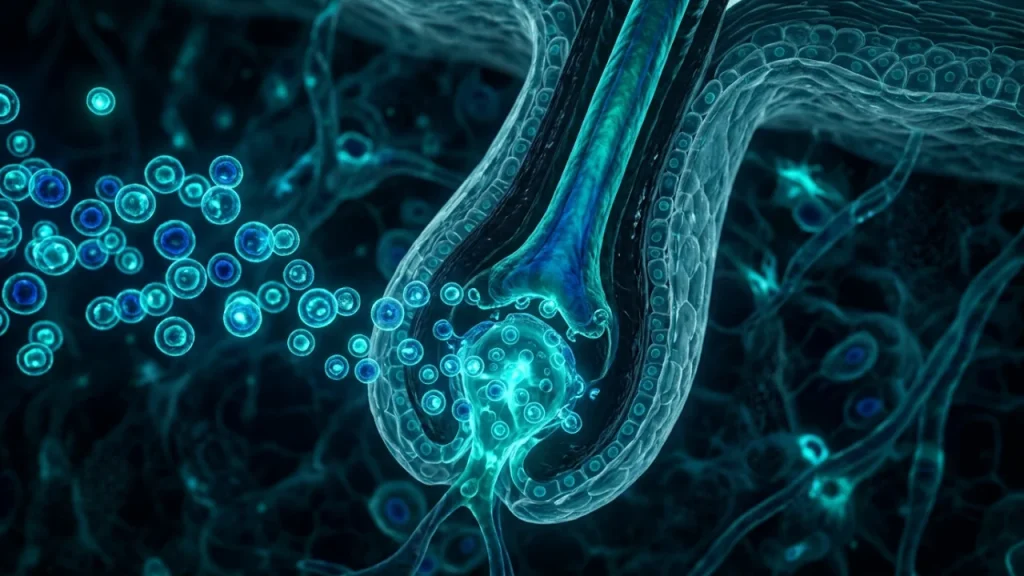
Imagine your body’s cells have a tiny postal system. They send messages to each other constantly. These messages are not letters or emails. They are exosomes. Exosomes are incredibly small bubbles released by cells. Think of them as natural biological packages.
They are far smaller than a single cell. In fact, you could line up hundreds of exosomes across the width of a human hair. Each tiny vesicle carries a crucial cargo. This cargo includes proteins, lipids, and genetic instructions like RNA.
Cells produce exosomes all the time. It is a normal process. Healthy cells use them to chat with neighbors. For example, a stem cell in your skin might send an exosome to an older cell. The message could be a repair signal. The receiving cell gets the package. It then opens it and follows the new instructions.
This system is vital for tissue health and balance. The cargo inside determines the message. Different cargos send different commands. One package might tell a cell to calm inflammation. Another might instruct it to create more collagen.
Scientists now harness this natural process for healing. In hair restoration, the goal is clear. We want to send specific messages to hair follicles. Follicles are the tiny organs in your skin that make hair.
Dormant or damaged follicles need the right signals to wake up. They need instructions to grow again. This is where therapeutic exosomes enter the story. Researchers can collect exosomes from certain stem cells.
These stem cells are often young and very active. Their exosomes carry powerful regenerative messages. The collected vesicles are then prepared for clinical use. The therapy involves delivering these concentrated messengers to the scalp.
The process aims to copy and boost your body’s own communication. It gives your follicles a clear, strong directive to regenerate. This approach is cell-free. That means we use only the messages, not the cells themselves.
This method avoids several complexities of cell-based treatments. It focuses on the essential signaling mechanism. The science shows that these vesicles can affect multiple growth pathways at once.
They can improve blood flow around follicles. They can reduce damaging inflammation in the scalp. They also provide the building blocks and blueprints for new, healthy tissue growth.
Understanding exosomes as natural messengers is the first step. It shows why this science holds such promise for hair loss. We are not introducing foreign chemicals or drugs. We are enhancing the body’s own language of repair.
The next logical question is how this translates into a real treatment protocol. How do we ensure these messages reach the right address and are read correctly? The answer lies in precise delivery and formulation, which builds directly on this foundation of cellular communication.
How Exosomes Differ from Stem Cell Treatments
Exosome therapy is a cell-free procedure. This is its most important distinction. Traditional stem cell treatments for hair loss involve transplanting living cells into your scalp. Exosome therapy uses only the powerful messages those cells produce.
Think of it like receiving an email versus hosting the entire computer server. Stem cell therapy brings in the whole “server” – the living cell. Exosome therapy delivers just the critical “email” – the instructions for repair. This difference changes everything about the treatment.
The harvested stem cells never leave the lab. Scientists culture them in a controlled environment. These cells release exosomes into their growth solution. Technicians then carefully remove the cells themselves. What remains is a purified concentrate of exosomes in solution.
This process eliminates several risks and complexities. Live stem cells are fragile and require strict handling. They must stay alive and functional after injection. Their behavior in a new environment can be unpredictable. Some cells might not survive the transfer.
Exosome solutions are far more stable. The vesicles are not alive, so they do not need food or oxygen. They are less likely to trigger an immune rejection. Your body recognizes them as natural signaling particles. This makes the procedure very safe.
The therapeutic focus also shifts dramatically. Stem cell transplants hope the cells will “do their job” locally. The goal for exosomes hair restoration is more precise. It directly floods the scalp with concentrated growth commands.
These commands are standardized. Each batch contains a known concentration of signal molecules. This leads to more consistent and reproducible results. Doctors can measure what they are applying.
Here are the core practical differences:
- No cell survival concerns. Exosomes work by transferring their cargo immediately upon delivery.
- Reduced immune risk. There are no foreign cell membranes to alert your immune system.
- Precise dosing. The concentration of active factors can be quantified before treatment.
- Direct action. The vesicles target existing dormant follicle cells with clear instructions.
The cell-free nature simplifies storage and transport. It also streamulates the regulatory pathway in many regions. The product is classified as a biologic, not a live drug.
This approach leverages the best part of stem cell science – the communication – without the logistical hurdles of the cells themselves. It is a more refined tool. The therapy aims for efficiency and safety.
Why does this matter for hair loss? The scalp environment in balding areas is often compromised. Blood flow may be poor. Inflammation might be present. Sending in fragile live cells into this harsh setting is a challenge.
Sending in robust molecular messages is a smarter strategy. The exosomes can improve the local environment first. They signal for better blood vessel formation. They calm inflammation. Then they instruct follicle cells to regenerate.
This creates a fertile ground for regrowth. The process works with your body’s own repair systems. It does not rely on transplanted cells taking root and functioning perfectly.
The result is a targeted, low-risk intervention with a high potential for activating dormant follicles. It represents an evolution in regenerative thinking. The focus moves from replacing parts to reprogramming existing systems.
This fundamental difference explains why exosome therapy is generating significant clinical interest. It offers a new pathway to achieve hair restoration goals. The next step is understanding how these messages are packaged and delivered for maximum effect.
The Science Behind Exosomes Hair Restoration
Exosomes are tiny delivery vehicles. They carry a precise cargo of molecules. This cargo includes proteins, lipids, and genetic instructions like RNA. Think of them as biological mail trucks. They deliver vital messages directly to your hair follicle cells.
The journey starts with signaling. Exosomes bind to the surface of target cells in the scalp. They then release their cargo inside the cell. This cargo does not force the cell to do something unnatural. Instead, it activates the cell’s own repair and growth programs.
For hair restoration, this process targets several key problems at once. Exosomes send specific orders to different cell types. The goal is to reverse the conditions that cause hair thinning.
First, they improve blood supply. Hair follicles need oxygen and nutrients to grow. Exosomes carry signals called growth factors. These signals tell the body to build new, tiny blood vessels around the follicles. Better blood flow revitalizes dormant follicles.
Second, they reduce inflammation. Scalp inflammation can damage follicles and stunt growth. Exosomes deliver anti-inflammatory messages. They calm the immune system activity in the area. This creates a healthier environment for hair regeneration.
Third, they extend the growth phase. Each hair follicle has a life cycle. It grows, rests, and then sheds. In pattern hair loss, the growth phase becomes too short. Exosomes can instruct follicles to stay in the active growth phase longer. This leads to thicker, more stable hair.
Fourth, they stimulate stem cells. Your scalp contains its own reservoir of stem cells. These cells can become new follicle cells. Exosomes activate these local stem cells. They encourage them to multiply and contribute to follicle repair.
The entire mechanism is about resetting the local system. Exosome therapy for hair loss does not add foreign cells. It uses natural signaling to correct the scalp’s internal environment. The follicles then respond by functioning normally again.
This multi-pathway approach is why research is promising. Scientists observe several changes in treated tissue: – Increased density of hair follicles – Thickening of individual hair shafts – Faster transition from resting to growing phase
The science shows a coordinated repair effort. Exosomes do not just issue one command. They deliver a full set of instructions for comprehensive renewal. This makes them a powerful tool for exosomes hair restoration.
The process leverages the body’s innate intelligence for healing. The therapy provides the right signals at the right time. Your own cells then do the work of rebuilding. This elegant biological strategy marks a significant advance beyond simply blocking hormones or transplanting hair.
Understanding this mechanism clarifies the treatment’s potential. The next logical question is how these scientific principles translate into an actual clinical procedure for patients.
Why People Choose Exosomes Over Conventional Options
People often seek exosome therapy after other treatments disappoint them. Conventional options have clear limits. Exosomes offer a different path. This choice is about targeting the problem’s source, not just managing its symptoms.
Consider two common conventional treatments. First, topical solutions like minoxidil. They require daily, lifelong application. They work by improving blood flow. But they do not instruct follicles to regenerate. Second, oral medications like finasteride. They block a hormone linked to hair loss. This can cause systemic side effects. These drugs affect your entire body, not just your scalp.
Exosome therapy works differently. It is a local, precise procedure. The exosomes are injected directly into the scalp. Their signals stay focused on the target area. This localized action is a major advantage. It means the therapy does not circulate through your whole system. The risk of body-wide side effects drops significantly.
The treatment goal is also distinct. Conventional methods often aim to slow loss or block hormones. Exosome therapy aims for active regeneration. It seeks to improve follicle health and function. Think of it as repairing the engine instead of just adding oil. This regenerative approach can lead to more durable results.
The procedure itself is minimally invasive. It is typically a single session or a short series. There is no daily regimen to remember. There is no permanent medication in your bloodstream. For many, this simplicity is appealing. It fits a modern lifestyle focused on efficient, lasting solutions.
Let’s look at key reasons people choose this path. – It targets multiple causes at once. Exosomes carry many signaling molecules. They can address inflammation, poor blood flow, and weak cell activity simultaneously. – It uses the body’s own language. The vesicles are natural messengers. Your cells recognize and respond to their instructions easily. – It focuses on the scalp environment. The therapy tries to fix the local conditions that caused follicles to weaken. – It has a strong safety profile in clinical use. As a cell-free product, risks like rejection or unwanted growth are very low.
Recovery is straightforward. Most people resume normal activity immediately. Some experience minor redness or swelling at the injection sites. This resolves quickly. There is no surgical wound or lengthy downtime.
This makes exosomes hair restoration a practical option for active individuals. It does not require hiding away for weeks. You can return to work and exercise almost at once.
Cost is a consideration too. The initial investment may be higher than a bottle of topical solution. But view it differently. You are paying for a regenerative procedure, not a lifetime supply of a maintenance product. The value lies in its potential for lasting improvement from a limited number of treatments.
Ultimately, the choice reflects a shift in thinking. People are moving from symptom management to root-cause biology. They want treatments that align with the body’s innate repair systems. Exosome therapy represents this shift for hair loss.
It offers a middle ground between daily pharmaceuticals and surgical transplants. It provides a biological intervention without major surgery or permanent drugs. This balance of efficacy, safety, and convenience defines its growing appeal in modern regenerative medicine.
The next step is understanding what happens during a typical treatment session from start to finish.
How Exosomes Actually Stimulate Hair Growth
Exosomes Deliver Bioactive Cargo to Follicles
Exosomes are tiny delivery vehicles. They carry specific instructions and supplies. These instructions tell hair follicle cells to change their behavior.
Think of a dormant hair follicle as a factory on standby. The machinery is there. But the lights are off and the workers are idle. Exosomes arrive with a blueprint to restart production. They also bring the tools and materials needed for the job.
Their cargo is complex and powerful. It is not a single magic bullet. It is a coordinated set of biological tools.
First, exosomes carry growth factors. These are protein signals. They act like urgent commands. One key factor is Vascular Endothelial Growth Factor, or VEGF. It tells the body to build new blood vessels around the follicle. Better blood flow means more oxygen and nutrients. This fuels growth.
Second, they contain messenger RNAs, or mRNAs. These are genetic blueprints. Follicle cells use these blueprints to make their own proteins. These new proteins can repair cell damage or boost collagen production in the scalp.
Third, exosomes deliver microRNAs. These are genetic regulators. They can turn specific genes on or off inside the target cell. For example, they can switch off genes that promote inflammation. They can switch on genes that support the hair growth cycle.
Fourth, they pack enzymes and other proteins. These directly aid cellular metabolism and energy production.
How do these vesicles find their target? The process is precise. After injection into the scalp, exosomes move through the tissue fluid. They are drawn to areas of stress or damage. Dormant and miniaturized follicles send out chemical distress signals. Exosomes follow these signals.
They dock onto the surface of follicle cells. Their membrane fuses with the cell’s membrane. Then they release their cargo directly into the cell’s interior. This direct delivery is efficient. It protects the fragile cargo from being broken down in the bloodstream.
The effect is a multi-pronged rejuvenation signal. Growth factors wake up the follicle stem cells. Genetic instructions help rebuild the follicle’s structure. Regulatory molecules create a healthier environment.
This is why exosomes hair restoration works at a foundational level. It does not just stimulate one pathway. It provides a full toolkit for cellular repair. The follicle gets what it needs to exit its resting phase. It can then re-enter the active growth phase, known as anagen.
The cargo also calms inflammation. Inflammation is a common enemy of hair follicles. MicroRNAs from exosomes can reduce immune signals that attack follicles.
The result is a stronger, healthier follicle unit. It can produce thicker, more robust hair strands. The process taps into the body’s own communication system. We are simply enhancing it with a concentrated dose of natural signals.
Understanding this cargo delivery demystifies the therapy. It shows why this approach is considered regenerative. It goes beyond simple stimulation to actual cellular reprogramming and support.
Next, we will look at what this means for the hair growth cycle itself and how long results take to become visible.
Waking Up Dormant Hair Follicles Naturally
A hair follicle spends most of its life in a resting state. This dormant phase is called telogen. During telogen, the follicle’s stem cells are quiet. They are not dividing or building a new hair shaft. For hair loss to be reversed, these cells must be woken up. They must re-enter the active growth phase, known as anagen.
Exosomes carry the precise commands to start this wake-up call. Their cargo does not just nudge the follicle. It delivers a complete set of instructions. Think of it like a master switch being flipped. The exosome signals tell the dormant stem cells it is time to get back to work.
The key signals are specific growth factors and microRNAs. These molecules bind to receptors on the follicle cells. This binding starts a chain reaction inside the cell.
- Growth factors like VEGF and FGF tell cells to divide and multiply. They also promote new blood vessel formation. This brings more oxygen and nutrients to the follicle.
- microRNAs are tiny genetic regulators. They can turn specific genes on or off. In this case, they turn off genes that keep the follicle dormant. They turn on genes that promote cell growth and cycle progression.
- Other proteins help rebuild the extracellular matrix. This is the structural scaffold that supports the follicle.
This multi-signal approach is what makes exosomes hair restoration fundamentally different. Older treatments might provide one type of stimulus. Exosomes provide a coordinated symphony of signals. They address the problem from multiple angles at once.
The process mimics what happens in a healthy young follicle. A young scalp naturally releases these signals. As we age or experience stress, this signal network weakens. The follicles do not get a strong enough “go” signal. They stay asleep.
Exosome therapy replenishes these diminished signals. It gives a concentrated, pure dose of the natural commands. The dormant stem cells recognize these commands immediately. They respond because it is their native language.
The shift from telogen to anagen is not instant. But it is direct. Once the exosome cargo is delivered, cellular machinery kicks into gear. The follicle begins to enlarge. The stem cells start producing progenitor cells. These cells will differentiate into all the parts of a new hair.
This biological reactivation leads to tangible changes. The first sign is often a decrease in daily hair shedding. This happens because fewer follicles are entering the resting phase. More are being held in growth phase. Then, new hair begins to emerge.
These new hairs start as fine, vellus hairs. With continued support, they often mature into thicker, terminal hairs. The result is increased hair density and coverage. This is the direct outcome of follicles being woken up naturally and supported through their full growth cycle.
The entire mechanism relies on enabling the body’s own repair processes. It is not forcing an unnatural reaction. This foundational support helps explain why results can be sustained over time with proper treatment protocols. Next, we will examine the realistic timeline for seeing these changes and what factors influence individual outcomes.
Rejuvenating the Hair Follicle Microenvironment
A healthy hair follicle needs a supportive neighborhood. This cellular environment is called the microenvironment. It includes blood vessels, immune cells, and structural proteins. An aging or damaged microenvironment stifles growth.
Exosomes directly rejuvenate this critical area. They do not just target the stem cell inside the follicle. They also communicate with all the surrounding cells. This creates a holistic revival.
One key action is modulating inflammation. Chronic, low-grade inflammation is a major enemy of hair growth. It creates a hostile zone. Exosomes carry specific instructions to calm overactive immune signals. They help shift the environment from inflammatory to reparative.
This allows follicles to focus energy on growth. They are no longer busy fighting a silent battle.
Another vital function is promoting angiogenesis. This is the formation of new blood vessels. More capillaries around a follicle mean better delivery of oxygen and nutrients. It also means more efficient removal of waste products.
Think of it as upgrading a follicle’s supply lines. Exosomes encourage endothelial cells to form these new micro-vessels. Improved blood flow revitalizes the entire unit.
Exosomes also help restore the extracellular matrix. This is the scaffold of proteins that gives structure to tissue. A stiff, fibrotic matrix can strangle a follicle. Exosome signals can encourage cells to produce healthier collagen and elastin. This improves tissue flexibility and health.
The combined effect is a physical expansion of space for the follicle to grow.
The process follows a logical sequence: – First, exosomes signal for reduced inflammation. – This clears the way for improved blood vessel formation. – Enhanced nutrient delivery then supports matrix remodeling. – Finally, the follicle gains the space and resources to thicken.
This environmental renewal is crucial for long-term results in exosomes hair restoration. Waking up a stem cell is one thing. Giving it a healthy home in which to grow is another. The therapy addresses both.
Furthermore, exosomes help protect existing follicles. They carry antioxidants and molecules that shield cells from oxidative stress. Daily metabolic activity creates this stress. Over time, it damages cellular machinery.
By bolstering natural defenses, exosomes help follicles become more resilient. This can contribute to maintaining results after treatment.
The rejuvenation is not superficial. It happens at the cellular level. The microenvironment becomes younger and more functional. This sets the stage for not just new hair, but stronger hair.
The follicle’s growth phase becomes more robust in this renewed setting. The hair shaft produced is often thicker and more pigmented. The entire cycle operates with greater efficiency.
Ultimately, successful exosomes hair restoration depends on this dual approach. Stem cell activation provides the “go” command. Microenvironment rejuvenation provides the smooth, well-supplied road for the journey. One cannot succeed fully without the other.
This foundational repair explains why changes continue to develop months after treatment. The improved environment supports ongoing biological processes. Next, we will look at what this means for your treatment journey and realistic expectations.
Promoting Dermal Papilla Cell Proliferation
At the very base of every hair follicle sits a critical group of cells called the dermal papilla. Think of it as the follicle’s command center. This tiny structure sends the essential signals that determine if a hair grows, what type it is, and how long it lasts.
The dermal papilla does not actually make the hair shaft itself. Instead, it instructs the keratinocyte stem cells above it to start building. Without clear instructions from a healthy dermal papilla, hair growth stalls or stops entirely. In pattern hair loss, these cells often shrink and become less active.
This is where exosomes hair restoration strategies deliver a direct hit. Exosomes from stem cells are packed with specific growth factors and genetic instructions. They travel directly to these dormant dermal papilla cells. The exosomes then deliver their cargo.
The delivered signals act like a precise wake-up call. They tell the dermal papilla cells to re-enter an active state. This process is called proliferation. Proliferation simply means the cells start to multiply and increase in number.
A larger, more active dermal papilla has a stronger voice. It can send more potent growth signals to the stem cell reservoir. This is a fundamental step for reversing miniaturization. Miniaturization is the process where follicles shrink and produce thinner hairs.
Exosomes promote proliferation through several key actions: – They provide growth factors like FGF and VEGF. These factors are direct fuel for cell division. – They deliver microRNAs. These are small pieces of genetic code that can turn on pro-growth genes inside the dermal papilla cell. – They enhance cellular communication. This helps the newly active dermal papilla better coordinate with surrounding cells.
The result is a restored signaling hub. A robust dermal papilla can then properly manage the hair growth cycle. It can extend the growth phase, known as anagen. It can also help produce a thicker, more normal hair shaft.
This targeted stimulation is different from simply improving the follicle’s surroundings. It is a direct reactivation of the chief engineer. The renewed microenvironment from earlier sections supports this now-active engineer.
Think of it like restarting a stalled construction project. First, you clear the site and bring in supplies (microenvironment rejuvenation). Then, you reactivate the foreman and crew (dermal papilla proliferation). Both steps are needed to build again.
The timing of this effect is crucial. Cellular proliferation and signal restoration take time. This is one reason visible improvements in hair density often appear gradually over months. The cells need time to multiply and re-establish their command functions.
Promoting dermal papilla cell proliferation addresses a root cause of hair thinning. It is not just about adding moisture or reducing inflammation. It is about resetting the core biological machinery responsible for the “grow” command.
This precise targeting explains the regenerative potential of exosome therapy. By focusing on the follicle’s command center, the treatment aims to restore natural, self-sustaining hair growth from the source. The next logical question is how this reactivated growth manifests in real, visible changes on the scalp.
The Complete Exosome Therapy Process Explained
Sources and Harvesting of Therapeutic Exosomes
Therapeutic exosomes do not come from a chemical lab. They are harvested from living human cells grown in a lab. These cells act as biological factories. They naturally produce and release exosomes. Scientists call this process “secretion.”
The most common source cells are mesenchymal stem cells. These are adult stem cells with strong regenerative signals. They can come from several tissues. Bone marrow is one classic source. Adipose tissue, or body fat, is another common source. Umbilical cord tissue is also used. Each source has its own profile of growth factors and signals.
The cells are placed in special containers called bioreactors. These provide ideal living conditions. The environment has perfect temperature and nutrients. The cells are not stressed. They are allowed to grow and multiply in a controlled, clean setting. This process is called “cell culture.”
As the cells thrive, they release exosomes into their liquid nutrient bath. This bath is called “conditioned media.” The exosomes are floating in this solution. They are incredibly tiny. Millions would fit on the head of a pin. The next challenge is to collect them.
Harvesting means separating the exosomes from everything else in the liquid. The conditioned media contains many things. It has leftover nutrients, waste products, and other cell debris. Scientists must isolate only the exosomes. They use precise physical methods for this purification.
One common method is ultracentrifugation. This uses very high-speed spinning. Different particles separate by weight and size. Heavier parts sink first. Lighter parts sink later. Exosomes form a pellet at the bottom of the tube after prolonged spinning.
Another method is size-exclusion chromatography. The liquid is filtered through a column with tiny pores. Larger molecules get trapped or move slowly. Smaller exosomes pass through at a specific speed. This method is very gentle. It helps keep the exosomes intact.
More advanced techniques use tangential flow filtration. This uses specialized membranes to concentrate and purify the exosomes efficiently. The goal of all these methods is the same. They aim to get a pure, concentrated sample of exosomes.
After isolation, the exosomes undergo rigorous testing. Scientists confirm their identity. They check for specific protein markers on the surface. These markers prove they are true exosomes, not other vesicles.
They also test for purity and safety. Tests ensure no harmful bacteria or viruses are present. The final product is a sterile, concentrated liquid suspension. It is ready for clinical use in treatments like exosomes hair restoration.
This careful sourcing and harvesting is critical. It ensures the therapy uses active, natural signaling vesicles. The process guarantees consistency and safety from the start. The next step is understanding how these collected exosomes are prepared and delivered to the scalp to begin their work.
Purification and Quality Standards for Safety
After isolation, the exosome preparation is not yet ready for use. It must undergo a strict purification process. This step removes any remaining impurities. These impurities could include protein fragments or other tiny cellular debris. A pure sample is crucial for both safety and predictable results.
Purification often involves additional filtration steps. Scientists use filters with extremely small pores. These pores are measured in nanometers. The goal is to allow only exosomes of a specific size to pass through. Everything else gets left behind. This creates a uniform population of vesicles.
Another key step is buffer exchange. The exosomes are transferred into a neutral, sterile solution. This solution is often a simple saline. It is compatible with human tissue. The original growth medium from the stem cells is completely removed. This eliminates any unknown factors.
Quality control is the next critical phase. The exosomes are tested for several key characteristics. Each test confirms the preparation is safe, potent, and pure.
- Identity Testing: Scientists confirm the vesicles are truly exosomes. They check for signature marker proteins on their surface. These proteins act like a fingerprint. Common markers include CD63, CD81, and CD9. Their presence proves the vesicles are exosomes, not other particles.
- Potency Testing: This measures biological activity. A sample of the exosomes is applied to target cells in a lab dish. Scientists then observe if the cells show a desired response. For hair restoration, this could mean testing if the exosomes stimulate dermal papilla cell growth. A potent batch will show a clear, measurable effect.
- Safety Testing: This is non-negotiable. Tests screen for endotoxins, which are fever-causing substances from bacteria. Tests also confirm the absence of any live viruses or mycoplasma. Sterility testing ensures no microbial contamination exists. Every batch must pass these tests before release.
- Concentration and Size Analysis: Scientists count the number of exosomes per milliliter. They also measure their size distribution. This ensures consistency from batch to batch. A treatment should deliver a reliable number of particles.
The entire process follows strict protocols. These are often based on Good Manufacturing Practices (GMP). GMP is a quality assurance system for medicines. It means every step is documented and controlled. This traceability is vital for patient safety.
Why are these standards so important for exosomes hair restoration? Impure or poorly characterized preparations are risky. They could cause inflammation or an immune reaction on the scalp. This would work against the goal of healing and regeneration. Inactive preparations would simply have no effect at all.
Proper purification and testing guarantee the product contains what it claims. It ensures the exosomes are biologically active messengers. They are ready to deliver their precise signals to dormant hair follicles. This rigorous backend work transforms a raw biological extract into a reliable therapeutic agent. The final step is delivering these qualified exosomes effectively into the scalp environment where they can work.
The Minimally Invasive Injection Procedure
The qualified exosomes are now ready for their therapeutic mission. A typical treatment session for exosomes hair restoration is an in-office procedure. It is often completed within an hour. The goal is precise delivery to the scalp’s target zone.
The process begins with preparation. The clinician will first clean and disinfect your scalp. This removes surface oils and bacteria. A topical numbing cream is then applied. This cream sits for about twenty to thirty minutes. It makes the entire procedure comfortable. Most patients report only a mild sensation of pressure.
The exosome solution is drawn into a very fine syringe. A specialized injection technique is used. It is called micro-droplet injection or mesotherapy. The needle is extremely thin. It creates multiple tiny punctures across the thinning areas. The clinician injects small droplets of the solution. These droplets are placed at a specific depth in the skin.
This depth is critical. It targets the dermal layer where hair follicles reside. The injections do not reach deep muscle or bone. The exosomes are deposited close to the follicle bulge and papilla. These are the hair’s regenerative command centers.
Why use injections? The scalp’s skin is a formidable barrier. Topical creams cannot deliver large molecules effectively. Injections bypass this barrier entirely. They place the exosome messengers directly into the tissue environment. This ensures a high local concentration exactly where it is needed.
The injection pattern is strategic. It covers the treatment area evenly. Common patterns include: – Multiple small injections across a diffuse thinning zone. – A concentrated series along a receding hairline. – Focused treatment on a specific bald patch.
The number of injections varies. It depends on the size of the area being treated. A session may involve dozens of precise micro-injections. Each delivers its payload of signaling vesicles.
Patients are awake and alert during the session. You can listen to music or simply relax. There is minimal bleeding. Any tiny spots that form are minor. They are wiped away immediately with gauze.
After the injections, the clinician may gently massage the scalp. This helps disperse the solution slightly. It encourages contact with more follicular cells. You can then resume most normal activities right away. The clinic will provide simple aftercare instructions.
These usually include: – Avoid washing your hair for several hours. – Use only gentle, non-chemical shampoos for a day or two. – Refrain from vigorous exercise or sweating for about 24 hours. – Do not scratch or aggressively rub the treated area.
Temporary redness or slight swelling is possible. This is a normal local response to the micro-injections. It typically fades within a few hours to a day. Tiny scabs may form at injection sites. They will flake off naturally within days.
The procedure itself does not regenerate hair. It creates the optimal starting condition. The injected exosomes now begin their biological work. They communicate with dormant follicle cells. They can reduce local inflammation. They can stimulate blood vessel formation. They encourage cells to shift into active growth phases.
This direct delivery method maximizes efficiency. Very little of the therapeutic signal is wasted. The entire process is designed for minimal disruption and maximal targeted effect. The real change happens silently in the weeks and months that follow as follicles receive new instructions to function healthily again.
What to Expect During Recovery Period
The recovery period is a quiet but active biological phase. Your scalp begins healing the micro-channels from the injections. This happens quickly. Meanwhile, the delivered exosomes start their core mission. They signal to your hair follicles.
You will not see new hair growth in the first few weeks. This is normal and expected. The initial changes are microscopic. The exosomes work at a cellular level. They deliver proteins and genetic instructions to dormant follicular cells. This process is called cell signaling. It tells old or sluggish cells to behave like younger, healthier ones.
The first week is simple. Follow the basic aftercare rules from your clinic. Avoid intense heat on your scalp. This means no saunas or very hot showers for a few days. Protect the treated area from direct sun exposure. Wear a clean, loose hat if you go outside.
Some people notice tiny scabs at injection points. Do not pick at them. Let them fall off naturally. This usually happens within three to five days. Washing your hair gently helps. Use a mild, sulfate-free shampoo.
Temporary shedding can occur around weeks two to four. This might seem worrying. It is actually a positive sign for many patients. The therapy can push old, weak hairs out of their resting phase. This makes room for new, stronger hairs to grow later. Not everyone experiences this shedding. It depends on your individual follicle condition.
The real work happens beneath the skin. Exosomes help reduce chronic inflammation around follicles. Inflammation is a common enemy of hair growth. They also encourage the formation of new tiny blood vessels. This improved blood flow brings more oxygen and nutrients to the hair root.
You may start to notice early changes around month two or three. These are subtle signs. Your scalp might feel healthier. Existing hair may seem thicker or stronger. Some people report less oiliness or itching. The hair shaft quality often improves first.
Visible new growth typically begins between months three and six. This growth starts as fine, vellus hairs. They may look like peach fuzz initially. These hairs often thicken and darken over subsequent cycles. The full results of exosomes hair restoration take time to develop. Most clinics evaluate progress at six months and again at twelve months.
The therapy’s effect is cumulative. Follicles go through natural growth cycles. Each cycle can build on the improvements from the last. The goal is not an overnight transformation. It is a gradual shift toward a more robust growth environment.
Be patient with your body’s timeline. Factors like your age and genetics play a role. Your overall health matters too. Support your recovery with good nutrition. Stay hydrated. Manage stress levels when possible.
Keep your follow-up appointments with your provider. They can track progress with clinical photos. They can answer any questions you have during the waiting period.
This recovery is a partnership between biology and time. The exosomes provide the precise instructions. Your follicles use them to rebuild their function slowly. This cell-free approach focuses on fixing the root cause of thinning, not just masking it. The next phase involves maintaining these new gains for long-term health
Comparing Exosomes to Other Hair Restoration Methods
Exosomes Versus Medications Like Minoxidil
Medications like minoxidil work differently from exosomes hair restoration. Minoxidil is a vasodilator. It widens blood vessels. This action brings more blood and nutrients to hair follicles. The drug can extend the growth phase of the hair cycle. It does not, however, fix the underlying cellular dysfunction that causes thinning. Think of it as providing better fertilizer to a struggling plant. The plant may grow better for a while. But the root problem in the soil remains.
Exosome therapy takes a different approach. It addresses the soil itself—the scalp’s cellular environment. Exosomes carry instructions to cells. They can reduce inflammation around follicles. They can signal dormant stem cells to become active again. This process aims to restore the follicle’s natural, healthy function. The goal is to help the body repair its own growth system.
The application methods are also distinct. Minoxidil is a topical liquid or foam. You apply it to your scalp once or twice daily. This requires a lifelong commitment. If you stop using it, the benefits usually reverse quickly. Your hair loss will likely continue from where it left off.
Exosome treatment is a clinical procedure. A provider applies the exosome solution to your scalp after creating micro-channels. This is often done just once or in a small series of sessions. The exosomes then work inside your skin over many months. They do not require daily application. Their effect is meant to be more foundational and lasting.
Consider the scope of action. Minoxidil mainly affects blood flow. It does not directly communicate with your hair follicle cells to change their behavior. Exosomes deliver a complex set of signals. These signals can influence many cellular processes at once: – They can promote new blood vessel formation. – They can modulate immune responses. – They can increase collagen production for a healthier scalp. – They can directly upregulate genes involved in hair growth.
Results timelines differ greatly. Minoxidil may show some initial results in four to six months. These results often plateau after about a year. Exosome results develop more slowly but progressively. Improvements build over six to twelve months as follicles regenerate.
Side effect profiles are not the same. Minoxidil can cause scalp irritation for some users. It may lead to unwanted facial hair growth if it drips onto the face. Systemic side effects are rare but possible. Exosome therapy uses your body’s own signaling molecules. The risk of allergic reaction or systemic side effects is considered very low because it is cell-free and derived from human sources.
The core philosophical difference is key. Medications manage a symptom—the lack of growth. Exosome therapy targets the root biological cause—the faulty signaling that halted growth. One offers ongoing maintenance. The other seeks to initiate a restorative process.
This makes exosomes a complementary possibility for those who did not get desired results from drugs. It is also an option for people who wish to avoid lifelong daily treatments. Neither approach guarantees success for everyone. However, their mechanisms are fundamentally separate.
Understanding this distinction helps set realistic expectations. Drugs and exosomes are tools with different purposes in hair restoration. The next logical comparison is with surgical methods, which offer another type of solution altogether.
How Exosomes Differ from Hair Transplant Surgery
Hair transplant surgery moves hair follicles from one part of your scalp to another. It is a redistribution procedure. Exosome therapy for hair restoration aims to revive dormant follicles in place. This is a regenerative biological treatment. The core difference is between moving versus reactivating.
A transplant does not create new hair follicles. Surgeons take follicles from a donor area, usually the back of the head. These follicles are genetically resistant to balding. They are then implanted into thinning areas. The total number of follicles on your scalp does not increase. The procedure simply rearranges them for better coverage.
Exosome therapy works through cellular communication. The vesicles deliver signals to your existing scalp cells. These signals can “wake up” miniaturized follicles that have stopped producing strong hair. The goal is to improve the health and output of follicles already in the balding zone. This process can increase hair density without any surgical removal or implantation.
The timelines for results are very different. Transplant results are visible quickly. Newly transplanted hairs fall out initially, but growth from the moved follicles often begins within three to five months. You see the full effect in about a year. Exosome results unfold more gradually. Changes occur at the cellular level first. Visible improvements in thickness and coverage typically build over six to twelve months as follicles regenerate.
Each approach addresses a different problem. Transplants are ideal for areas with complete follicle loss, where the skin is smooth and bare. Exosomes may be more suitable for areas with thinning hair, where follicles are still present but weak and miniaturized. They target the faulty signaling that caused the thinning.
The experience for the patient contrasts sharply. Surgery involves local anesthesia, incisions, and a recovery period. There can be postoperative swelling, numbness, or scarring. Exosome therapy is a non-surgical injection process. It feels like a series of quick pinpricks. There is no significant downtime afterward.
Long-term implications also differ. Transplanted hairs are generally permanent because they came from a resistant donor zone. However, natural hair loss can continue around the transplanted hairs. This might require future procedures for a unified look. Exosome therapy seeks to stabilize the environment and slow further loss by improving scalp health. It is not just about adding hair today, but supporting follicles for the future.
Cost structures are not the same either. A transplant is a large, one-time financial investment. Exosome therapy may be structured as a series of treatments over time. Some patients view transplants as a definitive fix, while they see exosomes as an ongoing regenerative investment.
Risks vary by category. Surgical risks include infection, bleeding, or unnatural-looking hairlines. There is also a finite donor supply that limits how much can be moved. Exosome therapy risks are related to injection safety and product quality. The cell-free nature minimizes risk of rejection.
Choosing between them depends on your goals and situation. If you want rapid, dramatic coverage in a specific bald spot, surgery is a direct solution. If your goal is to enhance overall density, improve hair quality, and treat thinning early, a regenerative path with exosomes may be preferable. Some patients even combine both approaches later, using exosomes to protect native hair around transplants.
Ultimately, it is a choice between two different principles: mechanical redistribution versus biological restoration. One rearranges your existing resources. The other attempts to renew and strengthen those resources where they stand. This fundamental distinction helps clarify why regenerative medicine is carving its own niche in hair restoration beyond the surgical suite.
Exosomes and PRP Therapy: Key Distinctions
Platelet-rich plasma (PRP) therapy and exosome therapy are both popular non-surgical treatments. They are both injected into the scalp. Yet their biological actions are fundamentally different. The core distinction lies in what each treatment delivers to your hair follicles. PRP uses components from your own blood. Exosomes use pre-packaged signaling molecules from stem cells.
PRP begins with a sample of your blood. This blood is spun in a centrifuge to concentrate the platelets. Platelets are tiny cell fragments in blood. They are best known for helping clots form. Platelets also contain growth factors. These are proteins that signal healing. The concentrated platelet solution is then injected into the scalp. The goal is to release these growth factors around dormant hair follicles. The growth factors may encourage follicles to enter a new growth phase.
However, PRP relies on your body’s current biological state. The quality and concentration of growth factors in your platelets can vary. Factors like your age, health, and genetics influence this. The treatment essentially gives your follicles a general signal to “wake up and grow.” It depends on your follicles still being able to respond properly to that signal.
Exosome therapy for hair restoration takes a more direct and sophisticated approach. Exosomes are not simple growth factor proteins. They are complex nanoscale vesicles. Think of them as tiny biological delivery trucks. Stem cells create and release these exosomes naturally. Each exosome carries a precise cargo.
This cargo includes: – Growth factors (similar to PRP but in a protected form). – Signaling lipids. – Regulatory RNA molecules. These components work together as a unified communication system.
When injected, exosomes deliver this pre-packaged instructional cargo directly to target cells in the scalp. This includes cells in the hair follicle and the surrounding skin. The RNA molecules can directly influence cell behavior at a genetic level. They can “turn on” pro-growth pathways and “turn off” inflammatory ones. This makes the signal from exosomes more precise and potent than the general growth factor release from PRP.
Another key difference is consistency. Your own PRP is a biologic product unique to you at that moment. Its potency is not standardized. Exosome preparations, when sourced and processed correctly, aim for a consistent, measurable dose of active components. This can lead to more predictable regenerative effects.
Think of it like sending a message. PRP therapy is like shouting an instruction to your follicles across a noisy room. The message might get through, but it can be unclear and depends on the room’s conditions. Exosome therapy is like handing your follicle cells a detailed, written manual. The instructions are specific, protected, and can be followed exactly.
Both treatments aim to improve hair density and health without surgery. PRP uses your body’s own healing toolkit, amplified. Exosome therapy introduces an advanced, cell-free toolkit engineered by stem cells. This represents the next step in regenerative precision for hair restoration. Understanding this biological distinction helps clarify why exosome treatments are emerging as a powerful, cell-free frontier in the field. This leads us to consider what patients can realistically expect from this new technology in terms of results and timing.
Addressing Different Types of Hair Loss Conditions
Exosome therapy does not treat every type of hair loss the same way. Its success depends heavily on the root cause of the thinning. The treatment works by sending regenerative signals to your existing hair follicle cells. For this to work, those cells must still be alive and able to respond.
One of the most promising applications is for androgenetic alopecia, commonly called male or female pattern hair loss. This condition causes follicles to shrink over time. They produce thinner, shorter hairs in a predictable pattern. The follicles are not dead; they are miniaturized. Exosome signaling can target these dormant follicles. The goal is to reverse the miniaturization process. It encourages follicles to re-enter a healthy growth phase. This makes exosomes hair restoration a compelling option for early and mid-stage pattern loss.
The therapy also shows strong potential for hair loss triggered by inflammation. Conditions like alopecia areata involve an immune system attack on follicles. Exosomes carry molecules that can help calm this overactive immune response. They can modulate the local cellular environment. This reduces the inflammation that is choking the follicle. It may help halt sudden patchy hair loss and support regrowth.
However, exosomes have significant limits. They cannot create new follicles where none exist. This means they are not a solution for completely bald scalps with extensive scarring. Scarring alopecias destroy the follicle entirely. The architecture is replaced with scar tissue. No biological signal, no matter how precise, can regenerate a follicle from scratch there. The treatment also has limited benefit for hair loss from severe nutritional deficits or systemic illness. The primary cause must be addressed first.
In summary, ideal candidates for exosome treatment often share these traits: – A diagnosis of active pattern hair loss or inflammatory alopecia. – Follicles that are miniaturized but not permanently scarred. – A healthy scalp without active, severe infection or widespread scarring.
Realistic expectations are key. Exosome therapy aims to rejuvenate and strengthen your existing biological potential. It is not a hair transplant. It does not implant new follicles. Think of it as a sophisticated maintenance and revitalization program for the hair you still have. The best results typically come from treating conditions where the follicle’s machinery is still present, just functioning poorly. This targeted approach defines its modern role in regenerative medicine. Understanding this fit helps set the stage for knowing what the treatment process itself involves.
What Research Says About Exosomes Hair Restoration
Current Clinical Evidence and Studies
Scientific studies show exosomes can change the activity of hair follicle cells. They do this by delivering specific instructions. These instructions come in the form of molecules like proteins and RNA. Think of them as tiny software updates for your cells.
Research often uses exosomes derived from stem cells. These stem cells might come from human fat tissue or bone marrow. The exosomes they release are packed with growth factors. These factors are natural signaling proteins.
A key study published in a dermatology journal demonstrated this effect. Researchers applied stem cell exosomes to human hair follicles in a lab. The treated follicles entered the active growth phase faster. They also stayed in that phase longer. This growth phase is called anagen.
The study reported a measurable increase in certain markers. These markers indicate hair matrix cell proliferation. Simply put, the cells that build the hair shaft multiplied more. Another critical marker for hair elongation also rose. The hair strands grew longer in the lab setting.
Human clinical trials are now building on this lab data. Several pilot studies have involved people with pattern hair loss. Participants typically receive scalp injections containing exosomes. The injections are often combined with a standard procedure like microneedling. Microneedling creates tiny channels. These channels may help the exosomes reach deeper into the skin.
One trial followed participants for over six months. Researchers tracked changes using standardized photography and hair counts. The results showed a statistically significant increase in hair density. Hair density refers to the number of hairs per square centimeter. Some participants also saw improved hair shaft thickness.
The proposed mechanism involves multiple actions: – Reducing inflammation around the follicle bulge. – Increasing blood supply to the papilla. – Shifting cellular energy towards growth and repair.
It is important to note the scale of this evidence. Most current human studies are small and lack placebo groups. Larger, more rigorous trials are still needed. This is common for new medical treatments. The existing data is promising but preliminary.
Animal studies have provided further insight. Mice treated with exosomes showed earlier entry into the growth phase. Their follicles also appeared healthier under the microscope. These studies help scientists understand the timing and dosage.
No major safety issues have been reported in these early trials. The therapy uses natural signaling particles. The body typically does not see them as a foreign threat. This suggests a good safety profile, though long-term data is still being collected.
The collective research points to a specific biological effect. Exosomes seem to reset the cellular environment of a struggling follicle. They help move it from a resting or shrinking state back to a growing state. This aligns perfectly with treating early pattern loss and inflammatory conditions.
Current clinical evidence supports the use of exosomes for hair restoration in defined cases. The science indicates it is a biological response modifier, not a magic cure. Future research will refine protocols and identify the best responders. This evolving evidence base guides its responsible use today.
Ongoing Research for Better Outcomes
Scientists are now working to turn promising early results into reliable, predictable treatments. Their research focuses on several key questions. The goal is to make exosomes hair restoration more effective for more people.
One major area is source optimization. Not all exosomes are the same. Vesicles from different cell types carry different instructions. Researchers are comparing exosomes from various stem cell sources. They want to find which ones send the strongest pro-growth signals to hair follicles. The age and health of the donor cells also matter. Scientists are testing if younger cells produce more potent vesicles.
Another critical focus is dosage and delivery. Finding the right amount is crucial. Too little may have no effect. Too much may be wasteful or could theoretically overwhelm the system. Current studies are testing specific concentration ranges. They measure how follicle cells respond to each dose. The method of delivery is also under study. Scientists are comparing injection techniques and depths. They want to ensure exosomes reach the precise target cells in the follicle bulge and papilla.
Treatment timing and intervals represent another puzzle. Is one treatment enough? Or do patients need several sessions over time? Research is looking at the longevity of the cellular signals exosomes deliver. Scientists track how long treated follicles stay active. This will help create optimal treatment schedules. It moves therapy from a single event to a potential maintenance plan.
A significant effort aims to identify the best candidates for treatment. Not every type of hair loss may respond equally. Research is focusing on early pattern hair loss and inflammatory conditions like alopecia areata. Scientists look for biomarkers in patients who respond well. These could be signs in the scalp or blood. Finding these markers would allow for personalized treatment plans.
Large-scale human trials are the next essential step. Earlier studies were small. Future trials need hundreds of participants. They must include placebo control groups. These rigorous studies will provide definitive proof of efficacy. They will also confirm long-term safety over several years. This data is required for broader medical acceptance.
Finally, scientists are digging into the exact molecular mechanisms. They know exosomes work, but they want every detail. Which specific microRNAs or proteins inside the vesicle are most important? Teams are cataloging these cargo molecules. They then test each one in lab-grown follicle cells. This could lead to even more refined future therapies.
The ongoing research aims to build a complete playbook for exosomes hair restoration. It moves from general promise to precise application. Each answered question brings the field closer to standardized, evidence-based protocols. This work ensures the therapy can reach its full potential safely and effectively for patients worldwide.
Safety Profile and Reported Side Effects
The safety of any medical treatment is a primary concern. For exosomes hair restoration, the current profile appears favorable based on available clinical reports. Exosome therapies are considered minimally invasive. They typically involve simple scalp injections. The exosomes themselves are not living cells. This avoids risks linked to whole stem cell treatments, like unwanted tissue growth.
Most reported side effects are mild and temporary. They are usually limited to the injection site. Common reactions resemble those of other minor skin procedures. Patients might experience brief redness or slight swelling. Some report minor tenderness or itching. These local effects normally fade within a few hours to a couple of days.
Serious adverse events are notably rare in published studies. No major systemic complications have been widely reported. This strong safety record is linked to the nature of exosomes. As natural signaling vesicles, they do not replicate or divide. They cannot form tumors. Their action is communicative, not structural. The body typically clears them within a short period.
However, important safety considerations exist beyond immediate side effects. The source of the exosomes is critical for safety. Exosomes must come from rigorously screened and tested donor cells. Laboratories use advanced methods to ensure purity. They remove any cell debris or potential contaminants. The final product should contain only the therapeutic vesicles.
- Donor health screening is mandatory.
- Sterile manufacturing processes are essential.
- Testing for pathogens is a non-negotiable step.
- Characterization of the vesicle cargo confirms consistency.
Another consideration is the activation state of the donor cells. Cells under stress can release exosomes with different cargo. Reputable producers use controlled conditions to ensure consistent, therapeutic exosome profiles. This standardization is a key part of modern safety protocols.
The local immune response is generally minimal. Exosomes have low immunogenicity. This means they are unlikely to trigger a significant immune system attack. Their membrane resembles the body’s own cell membranes. This helps them avoid detection as foreign invaders. This property supports their good tolerability.
Long-term safety data is still being collected. The field is relatively new for cosmetic applications. Ongoing registries and follow-up studies aim to monitor patients over years. Current evidence suggests no delayed negative effects. The therapy’s mechanism supports this. Exosomes instruct native cells and then degrade naturally.
Clinician skill also influences the safety outcome. Proper injection technique minimizes trauma. Correct depth of delivery is important. It ensures the exosomes reach the target area in the dermal papilla. A trained provider will follow best practices for patient comfort and results.
Patients should discuss their full medical history with their provider. While exosome therapy is broadly compatible, individual factors matter. A history of certain autoimmune conditions or active skin infections may require special consideration. An ethical provider will conduct a thorough consultation first.
In summary, the safety profile for exosomes hair restoration is promising and complications are uncommon. The risks are largely confined to minor, transient injection-site reactions. Rigorous sourcing and manufacturing standards form the foundation of this safety record. As research continues, this data will become even more robust, further solidifying the therapy’s risk-benefit balance for appropriate candidates.
Realistic Expectations for Hair Regrowth
Exosomes send precise instructions to your existing hair follicles. They do not create new follicles from nothing. Their primary role is to revitalize and strengthen the dormant or weakened follicles you already have. This is a crucial starting point for setting expectations.
Think of a hair follicle as a tiny organ with a growth cycle. It has an active growing phase. It also has a resting and shedding phase. Over time, in conditions like pattern hair loss, follicles can miniaturize. They produce thinner, shorter hairs. Their growth phase shortens. The resting phase lengthens. The goal of exosomes hair restoration is to reverse this miniaturization process.
The therapy aims to shift follicles back into a healthier, more productive state. Exosomes deliver signals that reduce inflammation. They improve blood flow to the scalp. They stimulate the dermal papilla cells. These are the command centers at the base of each follicle. By resetting these cells, exosomes encourage follicles to re-enter a robust growth phase.
What does this mean in practical terms? You should not expect overnight results or a completely full head of teenage hair. Regrowth is a biological process that follows the natural hair cycle. Most patients and studies report changes in this sequence.
- First, many notice a reduction in excessive daily shedding within weeks to a few months. This is often the earliest positive sign.
- Next, existing hairs may feel thicker and stronger. The caliber or diameter of individual hairs improves.
- Then, new growth begins. This typically appears as fine, vellus hairs initially. These often mature into thicker, terminal hairs over subsequent cycles.
The timeline for visible improvement is usually measured in months. Significant changes often become apparent around the three to six-month mark. Optimal results may take nine to twelve months to fully manifest as hair cycles complete.
The degree of improvement varies per individual. Key factors influence outcomes. The extent and pattern of your existing hair loss matters. Your age and overall scalp health are factors. Your genetic predisposition plays a role. The quality and source of the exosomes used is critical. Generally, individuals with recent, diffuse thinning or early-stage pattern loss tend to see more pronounced responses than those with long-established, completely bald areas.
Exosome therapy is often most effective as part of a comprehensive approach. Combining it with other supportive treatments can enhance results. These might include topical minoxidil, low-level laser therapy, or nutritional support. This combination addresses hair loss from multiple angles.
It is also not typically a one-time cure. Hair loss is often a progressive condition. While exosomes can provide lasting improvement for years, some individuals may benefit from periodic maintenance sessions. Your provider can discuss a potential long-term plan.
In summary, realistic expectations center on revitalization, not magic. The goal is meaningful improvement in hair density, thickness, and coverage by empowering your biology. Success looks like stronger follicles, less shedding, and sustainable regrowth that fits your natural pattern. This sets the stage for understanding how to find a qualified provider to achieve these results.
Your Practical Guide to Considering Exosome Therapy
Who Might Benefit from Exosomes Hair Restoration
Exosome therapy is not a universal solution for every type of hair loss. Its success depends heavily on the biological environment of your scalp. Think of exosomes as messengers that need an active communication network to work. This treatment aims to revitalize, not replace.
Who tends to see the most significant benefits? Individuals in the early to middle stages of pattern hair loss are often strong candidates. This includes men and women with diffuse thinning or a receding hairline that still has fine, miniaturized hairs present. These dormant follicles retain their structure but function poorly. Exosome signaling can reactivate them.
The presence of these miniaturized hairs is a key indicator. They show the follicle is alive but struggling. Exosomes deliver instructions that can reverse this shrinking process. The goal is to transform thin, wispy hairs back into thick, terminal hairs. Completely smooth, bald skin where follicles have been inactive for many years presents a greater challenge. The cellular machinery there may be too diminished to respond fully.
Another group that may benefit includes people experiencing hair loss from inflammatory conditions or after cosmetic procedures. Examples are thinning related to chronic scalp tension or after a hair transplant. The anti-inflammatory signals from exosomes can help calm this environment. This creates better conditions for healing and growth.
Your overall health is a major factor. Exosomes work by optimizing your body’s own processes. They need good foundational support. Key elements influence this: – Adequate blood flow to the scalp delivers nutrients and the exosomes themselves. – Sufficient levels of essential vitamins and minerals, like iron and vitamin D, provide the raw materials for growth. – Managed stress and good sleep support healthy hormone balance, which affects follicles.
People with recent, active shedding may also find value. This includes cases of sudden increase in hair fall from stress or hormonal shifts. Exosomes can help shift follicles back into a growth phase more quickly. They provide stabilizing signals to confused cells.
Age plays a role, but it is not a strict barrier. Younger patients often have more robust cellular activity and healing capacity. Their follicles may respond faster. However, older individuals with good scalp health and active miniaturized hairs can still achieve excellent improvement. The biological age of your follicles matters more than your chronological age.
Realistic candidates understand this is a proactive treatment. It is about preserving and enhancing what you have now. The best results come from acting before hair loss is severe. If you wait until large areas are fully bald, options become more limited.
Exosome therapy integrates well with other approaches. Ideal candidates are often those willing to use it as part of a comprehensive plan. This might include improving diet, using topical treatments, or managing underlying health issues. Combining strategies supports the exosomes’ work.
You are likely considering exosomes hair restoration if you want a cell-free, natural process-based treatment. You may prefer it to more invasive surgical options. You might also seek an alternative if other treatments have failed or caused side effects. The therapy’s appeal lies in harnessing your body’s innate repair systems.
In summary, the prime candidate has early-stage thinning, existing miniaturized hairs, good general health, and realistic goals focused on revitalization. They view treatment as a long-term investment in their scalp’s biology, not a quick fix. Identifying where you fit this profile is the first step toward a informed decision about pursuing exosomes hair restoration. This leads naturally to questions about finding a qualified provider who can assess your specific situation.
Questions to Ask Your Healthcare Provider
Choosing to explore exosomes hair restoration is a significant step. The next critical move is having a productive talk with a medical provider. This conversation ensures the treatment is right for you. It also helps you find a qualified professional. You should come prepared with clear questions. These questions protect your safety and set realistic expectations.
First, inquire about the provider’s specific experience. Ask how many exosome procedures for hair they have performed. Request to see before-and-after photos from their own practice. Photos should show results for cases similar to yours. Ask about their medical background. A dermatologist or a doctor specialized in hair loss often has relevant training. Understand their protocol. How do they assess if you are a good candidate? What diagnostic tools do they use?
The source and preparation of the exosomes are vital topics. You must ask where the exosomes come from. They should originate from certified laboratories that use strict quality controls. Ask about the donor cells. Are they from mesenchymal stem cells? What safety screenings are done on the donor material? Inquire about the processing method. How are the exosomes purified and concentrated? The provider should explain this clearly.
Discuss the treatment procedure itself. Ask what the appointment involves. How is the scalp prepared? Is a local anesthetic used? How are the exosomes delivered? Most often, they are injected into the scalp with tiny needles. Ask about the session’s duration. Also ask about the number of sessions typically needed for initial results. Some protocols suggest one session, others may recommend two.
Understand the aftercare and what to expect. What are the immediate restrictions after treatment? Can you wash your hair? When can you exercise? Discuss the expected timeline for seeing changes. Early signaling might start in weeks. Visible thickening often takes three to six months. Ask about potential side effects. Redness or mild swelling at injection sites is common. More serious reactions are rare but possible.
Finally, talk about costs and long-term planning. Exosome therapy is an out-of-pocket expense. Get a clear total cost for the proposed protocol. Ask what that fee includes. Does it cover all follow-up consultations? Inquire about maintenance. Is one treatment often enough, or might touch-ups be needed later? How does this therapy fit into your overall hair management plan?
These questions create a foundation for trust and clarity. A confident provider will welcome them. They demonstrate your engagement in the process. This dialogue turns interest in exosomes hair restoration into a safe, informed medical decision. Your next focus should be on preparing for the treatment day itself.
Understanding Treatment Costs and Sessions
Exosome therapy for hair requires a clear plan. Most patients receive one or two initial treatment sessions. These sessions are spaced several weeks apart. This spacing allows the scalp to respond fully. Some protocols may suggest a third session later. This depends on your individual hair loss pattern. It also depends on your body’s unique response.
The procedure itself is straightforward. It usually happens in a doctor’s office. A local anesthetic numbs your scalp first. This minimizes discomfort. The exosome solution is then delivered via micro-injections. These tiny needles target the areas of thinning. A typical session lasts under an hour. You can go home right afterward.
The cost of exosomes hair restoration is a key factor. It is an elective, out-of-pocket expense. Prices vary widely across the country. They depend on the clinic’s location and the doctor’s expertise. The concentration of exosomes used also affects price. A single session can cost several thousand dollars. A full protocol with multiple sessions costs more.
Your total fee should cover specific items. Always ask for a detailed breakdown. The cost typically includes the exosome preparation itself. It also covers the procedure and clinical time. Some clinics include follow-up check-ups in their package. Others charge for consultations separately. Understand exactly what you are paying for.
Think of this as an investment in a process, not a product. The exosomes are a biological signal. Your own hair follicles must act on that signal. This biological process cannot be rushed. You are paying for the medical expertise to deliver the therapy correctly. You are also paying for the scientific technology behind it.
Financial planning is practical. Some clinics offer payment plans. These plans can make the cost more manageable over time. Medical financing companies are another option. Always review the terms carefully. Check for interest rates and fees.
Consider the timeline for value. Initial changes begin subtly. You might notice less shedding in a few weeks. Early new hair growth can appear in about three months. More visible thickening often takes four to six months. The full result may develop over a year. The cost correlates with this entire biological journey.
Maintenance is another consideration. One series of treatments might be sufficient for years. Some patients choose a minor touch-up session annually. This is not always required. Discuss your long-term outlook with your provider. A good plan looks at both immediate and future needs.
Compare costs thoughtfully, but not in isolation. The lowest price may not offer the best value. Provider skill and experience matter greatly. The source and quality of the exosomes are critical too. Research and consultation are your best tools for a wise decision.
This financial and logistical understanding prepares you for real commitment. It turns hope into a structured plan. With clear expectations on sessions and cost, you can focus on preparing for treatment day and optimizing your results through proper aftercare.
The Future of Regenerative Hair Treatments
Exosome therapy represents a major shift in how we approach hair loss. Traditional methods often transplant existing hair or use drugs to slow loss. Regenerative medicine aims to repair the scalp’s own ability to grow hair. This is the true frontier. Exosomes are key players in this new approach.
Think of your scalp as a garden. Hair follicles are the plants. For healthy growth, the soil needs good nutrients and signals. Aging or genetics can disrupt these signals. The garden’s communication system breaks down. Stem cell therapies tried to fix this by adding new “gardeners” directly. This had challenges. Exosome therapy takes a smarter path. It delivers the instructions, not the cells themselves.
These tiny vesicles carry precise orders. They tell dormant follicle cells to wake up. They instruct blood vessels to bring more nutrients. They calm inflammation that damages growth cycles. This targeted signaling is the core mechanism. It addresses the root causes of thinning, not just the symptoms.
The future of hair restoration is increasingly cell-free. Scientists are learning to engineer exosomes for even better results. Future versions might carry specific growth factors for different hair loss types. Research is also optimizing delivery methods for deeper follicle access. The goal is maximum efficiency with minimal intervention.
Compare the emerging options: – Drug-based therapies: Often require daily, lifelong use. They mainly prevent further loss. – Surgical transplants: Redistribute hair from one area to another. They do not create new follicular units. – PRP (Platelet-Rich Plasma): Uses a concentration of your own platelets. It releases growth factors, but the signal mix is less precise than purified exosomes. – Exosome therapy: Provides a concentrated, targeted signal cocktail. It aims to regenerate and thicken existing follicles.
The landscape is moving towards personalized treatments. A doctor might one day analyze your scalp’s specific signal deficits. Then, a tailored exosome formula could be prepared. This precision makes treatments more effective and reduces waste.
Exosomes hair restoration is more than a single procedure. It is a proof of concept for regenerative principles. Success here paves the way for other applications. The same signaling logic could help with skin rejuvenation or wound healing. The knowledge gained from hair studies benefits broader medicine.
This scientific progress relies on rigorous clinical validation. Current studies measure increases in hair density and shaft thickness. Long-term research will track how long results last. Safety data continues to be collected from thousands of treatments worldwide. This evidence base will define the next generation of protocols.
The ultimate goal is a durable solution. Ideal future treatments would require only occasional maintenance. They would work in harmony with your body’s biology. They would be predictable and reliable for most patients.
Understanding this future context helps you evaluate today’s options. It shows why exosomes hair restoration is considered transformative. You are not just considering a treatment. You are looking at a new category of medical science applied to hair growth. This foundation in regenerative principles prepares you for informed conversations with any provider you meet.