
What Are Facial Exosomes and Why Should You Care?
Understanding Exosomes as Natural Messengers
Think of your body’s cells as a vast, bustling city. They need to talk to each other. They send messages constantly. These messages coordinate everything from healing a cut to fighting a germ. But how do they communicate? They use tiny messengers. These messengers are called exosomes.
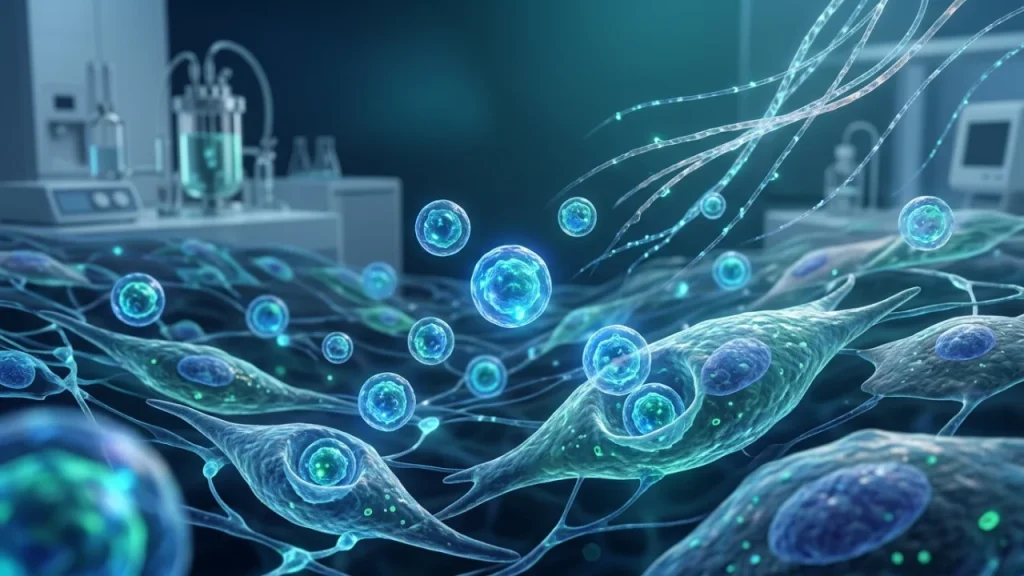
Exosomes are incredibly small bubbles. They are secreted by nearly all cell types. Imagine a cell packaging a tiny parcel. This parcel is an exosome. It carries a special cargo. This cargo includes proteins, lipids, and genetic instructions. The cell releases this parcel into the fluid around it. Then, it travels.
These vesicles act like a biological postal system. They drift through your bodily fluids. They can travel far from their source cell. An exosome finds a target cell. It delivers its molecular package. This transfer changes the target cell’s behavior. It can tell a cell to calm inflammation. It can instruct a cell to repair itself. It can even order a cell to create more collagen.
The process is precise and natural. It is a core part of your body’s intelligence. Healthy cells send signals for maintenance. Stressed cells send signals for help. Damaged cells send out distress calls. The system works around the clock.
Let’s break down their key features: – Size: They are nanoscale. Thousands could fit across the width of a single human hair. – Origin: They form inside special compartments within a cell. – Cargo: Their load is not random. It is carefully selected by the parent cell for a purpose. – Targeting: They have surface markers. These act like addresses, guiding them to the right cells.
Why does this matter for your skin? Your skin cells use this same system. As we age or face damage, this communication can break down. Signals get weaker or lost. The repair instructions become unclear. This leads to visible signs of aging.
Facial exosomes leverage this native language. They are not foreign substances. They are reinforcements of your skin’s own messaging network. By introducing a concentrated dose of these messengers, we aim to restart clear conversations between cells.
The science is about supporting what your body already does. It just does it less effectively over time. Understanding this natural messenger system is the first step. It shows why this approach is fundamentally different from simply filling or paralyzing. It works with your biology, not against it.
This cellular dialogue is the foundation for true renewal. When cells communicate well, they function better. The next logical question is how this science translates into a tangible treatment for the face.
How Facial Exosomes Differ from Other Skin Treatments
Most skin treatments work from the outside in. They address what you can already see. A cream moisturizes the top layer. A peel removes dead cells. A filler adds volume beneath a wrinkle. These are physical changes. Facial exosomes work from the inside out. They aim to change how your skin cells behave. This is a functional change.
Think of your skin as a garden. Surface treatments are like watering the plants or pulling weeds. Exosome therapy is like improving the soil’s health. Better soil helps plants grow stronger on their own. The effect is more sustainable.
Let’s compare specific methods. Topical creams have large molecules. They cannot penetrate the living layers of skin. Their action is mostly on the surface. Injectable fillers replace lost volume. They do not instruct cells to make more collagen. Neurotoxins relax muscles. They do not repair sun damage or improve skin quality.
Exosomes operate at a cellular level. They are messengers, not materials. Their job is communication. They deliver instructions to your skin’s cells. The goal is to shift cell activity. This is a key difference.
- Target: Creams target the stratum corneum. Fillers target facial volume. Exosomes target fibroblast cells.
- Action: Creams hydrate or exfoliate. Fillers displace tissue. Exosomes signal for protein production.
- Duration: Cream effects wash away. Fillers last months or years. Exosome signals may trigger lasting cellular changes.
The timeline of results also differs. A filler gives an immediate change. You see it right after the injection. An exosome treatment does not provide instant volume. The process is gradual. Your cells need time to receive the messages and act on them. Results emerge over weeks as your own cells become more active.
Safety profiles are distinct too. Fillers and toxins are foreign substances. Your body may react to them. Exosomes are not synthetic. They are natural biological carriers. Your body recognizes their native language. This minimizes rejection risks.
The investment differs in nature. With a surface treatment, you pay for a temporary physical result. With exosome therapy, you invest in a cellular process. You are supporting your skin’s intrinsic ability to maintain itself.
This approach targets the root causes of aging signs. Loss of firmness comes from less collagen. Dullness comes from slower cell turnover. Weak repair comes from poor communication. Exosomes address these core issues directly.
They do not just temporarily mask a problem. They encourage your skin to fix it itself. This is regenerative medicine. It is a shift from correction to restoration.
Consider the maintenance cycle. Surface treatments often require repeated sessions to keep results. The exosome strategy aims to create a healthier cellular environment. This may lead to longer intervals between needed touch-ups.
No single treatment is perfect for everyone. Understanding these differences helps set realistic goals. It clarifies why someone would choose this path over more familiar options.
The next logical step is understanding the treatment experience itself. How are these messengers prepared and delivered into the skin?
The Role of Exosomes in Skin Health and Aging
Your skin is a living organ. It constantly repairs itself. This process relies on clear communication between its cells. Facial exosomes are key messengers in this system.
Think of a healthy young skin cell. It is busy and productive. It makes collagen and elastin. These proteins give skin its firmness and bounce. The cell also regularly renews itself. Old surface cells shed away. New cells rise to take their place.
This activity requires perfect coordination. Cells do not work in isolation. They work as a team. A cell needing help sends out a signal. A cell with resources responds. Facial exosomes carry these critical signals.
They are tiny biological packages. Cells create them naturally. Each exosome is filled with specific instructions. These instructions are not simple notes. They are complex biological blueprints.
The cargo can include: – Growth factors that tell a cell to make more collagen. – RNA molecules that can change how a cell behaves. – Proteins that calm inflammation or start repair.
An exosome travels from the sending cell to a target cell. It delivers its cargo with precision. The receiving cell reads the instructions. Then it acts on them. This is how your skin maintains its health every day.
Aging slowly disrupts this system. Older skin cells become less active. They also become poor communicators. They send fewer exosomes. The exosomes they do send may carry weaker or confused messages.
The results are the signs we see in the mirror. Collagen production drops year after year. Skin loses its supportive framework. It begins to sag and form lines. Cell renewal slows down. Dead cells linger on the surface longer. Skin looks dull and rough. Repair mechanisms become inefficient. Damage from the sun or stress accumulates faster than it is fixed.
The problem is not just that cells are tired. The problem is that they have stopped talking to each other effectively. The cellular network grows quiet. Skin cannot organize its own renewal.
This is where therapeutic exosomes aim to intervene. They are not intended to replace your cells’ work. They are designed to restart the conversation.
Introducing fresh, potent exosomes provides clear instructions to aging skin cells. It is like giving a skilled team a renewed project plan. The cells receive the robust signals they have been missing.
They are prompted to resume activities they had slowed. They may ramp up collagen production again. They can accelerate the rate of cellular turnover. They improve their own repair responses.
The goal is to restore the skin’s intrinsic operational rhythm. This approach focuses on system-wide health. It supports the natural processes that keep skin resilient.
Understanding this role changes how you view aging skin. Signs like wrinkles are not just surface flaws. They are outward symptoms of failed internal communication.
Targeting these messages offers a different solution. It works with your skin’s own biology. The strategy is to enhance what your body already knows how to do.
This leads to a logical next question. How can these powerful messengers be collected and prepared for safe use in a clinical setting?
How Do Facial Exosomes Work Inside Your Skin?
The Journey of Exosomes from Harvest to Delivery
Therapeutic exosomes begin their journey inside specialized, young, and healthy human cells. These donor cells are carefully selected for their robust activity. They are grown under strict laboratory conditions. This environment is clean and controlled. It mimics the ideal setting for cellular communication.
These vibrant cells naturally produce exosomes as part of their regular function. Scientists have developed methods to encourage this production. The cells are placed in a nutrient-rich solution. Over time, they release billions of exosomes into this liquid medium. The cells themselves are never used in the final treatment. Only the messages they release are collected.
The next step is critical purification. The liquid medium contains more than just exosomes. It holds growth factors, proteins, and other molecules. Scientists must isolate the exosomes from this mixture. They use advanced filtration techniques. One common method is ultracentrifugation. This process spins the solution at extremely high speeds. The tiny exosomes separate out due to their specific size and weight.
The harvested exosomes are then analyzed for quality and safety. Technicians confirm their identity using specific markers. They also test for purity and concentration. This ensures a consistent and potent preparation. The final product is a clear liquid suspension. It is stored at precise temperatures to preserve stability and function.
For facial application, this exosome solution is prepared for delivery. It is typically combined with a sterile saline or gel carrier. The goal is to create a formulation that can be effectively applied to the skin. The most common clinical method is non-invasive. It involves a specialized device for topical delivery.
Micro-needling is a frequently used technique for facial exosomes. A device with fine, sterile needles creates microscopic channels in the skin’s outermost layer. These channels are incredibly small. They do not cause significant pain or bleeding. Their primary purpose is to create temporary pathways.
The prepared exosome solution is then applied directly to the treated skin surface. The micro-channels allow the vesicles to bypass the most formidable barrier: the stratum corneum. This lets them reach the living layers of the epidermis and dermis more effectively. An alternative method is direct application after a gentle laser treatment. The laser creates a similar temporary access point.
Once delivered, the exosomes begin their communicative work immediately. They do not dissolve or get digested like a cream. Their lipid membrane fuses with target skin cells. They release their molecular cargo directly into the cell’s interior. This cargo includes instructions in the form of RNA and proteins.
These instructions prompt a coordinated response. Dormant fibroblast cells may reactivate to produce new collagen and elastin fibers. Keratinocyte stem cells might receive signals for healthier turnover. The local cellular environment shifts from a state of maintenance to one of active renewal.
The entire process, from harvest to delivery, is designed for safety and biological compatibility. Using human-derived signaling molecules reduces the risk of allergic reaction. The non-invasive nature of the application means minimal downtime. Patients can often resume normal activities shortly after a treatment session.
This precise journey ensures that the intelligent messages reach their intended destination. It transforms a natural biological process into a reproducible clinical treatment. The focus remains on enabling the skin’s own systems, not replacing them. Understanding this pathway clarifies how science safely bridges the gap between cellular biology and visible aesthetic results.
What Exosomes Carry: Growth Factors and Proteins
Facial exosomes carry a precise toolkit for skin repair. This cargo is not random. It is a selected package of signaling molecules. These molecules act as instructions and raw materials. They tell your skin cells what to do. They also provide the tools to do it.
Think of an exosome as a tiny delivery truck. The previous section explained how the truck arrives and unloads. Now, let’s look at what’s inside the packages. The most important items are growth factors and proteins.
Growth factors are special proteins. They act like master switches for cell behavior. They bind to receptors on a cell’s surface. This binding sends a strong signal directly into the cell’s nucleus. The signal tells the cell to wake up and get to work.
One key growth factor is TGF-β. This name stands for Transforming Growth Factor Beta. It is a primary signal for collagen production. When an exosome delivers TGF-β to a fibroblast, the message is clear. The fibroblast starts building new collagen strands immediately.
Collagen is the main structural protein in your skin. It provides strength and firmness. Elastin is another crucial protein. It gives skin its snap-back ability, or elasticity. Exosomes carry signals for both.
Another vital component is VEGF. This is Vascular Endothelial Growth Factor. Its job is to improve blood flow. VEGF encourages the formation of new, tiny blood vessels. This brings more oxygen and nutrients to the treatment area. Better nourishment supports all other repair processes.
The cargo also includes direct building blocks. These are structural proteins and enzymes. For example, exosomes carry matrix proteins. These proteins help organize new collagen fibers into a strong, healthy network. They ensure the new support structure is built correctly.
The instructions are highly coordinated. It is not just one signal at a time. An exosome releases multiple growth factors together. This creates a synergistic effect. The combined signal is stronger and more effective than any single molecule alone.
Here is a simplified list of core cargo items and their main jobs: – TGF-β: The primary “make collagen” command for fibroblasts. – VEGF: Improves local circulation and nutrient delivery. – Fibronectin: Helps cells attach and migrate; organizes new tissue. – Enzymes like MMP inhibitors: These protect existing collagen from breakdown.
This intelligent packaging is what makes exosomes unique. A simple cream might contain one growth factor. Facial exosomes deliver a complete communication network. They replicate the natural language your cells use to talk to each other.
The result is a targeted renewal process. Cells do not just get a general “activate” signal. They receive specific, timed instructions for structured repair. This leads to true tissue regeneration, not just superficial plumping.
The next logical question is about results. How does this cellular activity translate to visible changes in your skin? The process builds new infrastructure from within, leading to improved texture, tone, and resilience over time.
How Exosomes Communicate with Skin Cells
Exosomes do not simply bump into a cell and spill their contents. They deliver messages with purpose. The process is a precise form of biological communication.
First, exosomes travel. They move through the fluid between your skin cells. This area is called the extracellular matrix. Think of it as the skin’s messaging highway.
Exosomes have targeting signals on their surface. These signals act like mailing addresses. They guide the vesicle to the right type of cell. A facial exosome often seeks out a fibroblast or a stem cell.
The exosome then docks. It attaches firmly to the outer membrane of the target cell. This connection is specific. It is like a key fitting into a lock.
There are two main ways the message gets delivered after docking. The method depends on the instruction.
The first method is direct fusion. The exosome membrane merges with the cell’s membrane. It opens up and empties its cargo directly into the cell’s interior. The growth factors and proteins are now inside. They can go straight to work.
The second method is signal activation. The exosome does not enter. It binds to a receptor on the cell’s surface. This binding is like pressing a button.
It triggers a cascade of events inside the cell. The receptor activates pathways in the cytoplasm. These pathways carry the instruction to the nucleus, the cell’s command center.
The nucleus then responds. It turns on specific genes. The cell begins producing new proteins based on the exosome’s signal.
This communication reduces inflammation quickly. Exosomes carry anti-inflammatory molecules. One key molecule is interleukin-10.
When an exosome delivers this to an immune cell, it sends a “calm down” signal. The immune cell stops releasing irritants. Redness and swelling can decrease.
The process also directs repair with accuracy. A fibroblast getting these signals does not act randomly. It receives coordinated commands.
It might be told to make more collagen type I for strength. At the same time, it gets instructions to make elastin for snap-back. The enzymes for building these proteins are also activated.
Here is a simplified sequence for wound healing or damage repair: – An exosome targets an inflamed cell. – It delivers anti-inflammatory codes. – Simultaneously, it targets nearby stem cells. – It instructs them to become new, healthy skin cells. – Other exosomes guide fibroblasts to rebuild structural fibers.
This multitasking is possible because many exosomes work together. They release different signals in a timed sequence. Inflammation is lowered first. Then regeneration begins.
The entire system is efficient. Your own cells send these signals naturally after injury. Facial exosomes amplify this natural process. They provide a concentrated dose of the body’s own repair language.
The result is a clear directive to the skin’s ecosystem. Cells are not just stimulated. They are reprogrammed to behave in a younger, healthier state. They resume their optimal functions.
This cellular conversation translates directly to visible changes. Less inflammation means calmer, more even-toned skin. Accurate repair means smoother texture and stronger support. The skin’s own intelligence handles the details.
Understanding this leads to the next point. How does this internal activity create effects we can see and feel over time? The renewal process rebuilds the skin’s foundation layer by layer.
Benefits of Using Facial Exosomes for Skin Rejuvenation
Reducing Wrinkles with Exosome Therapy
Wrinkles begin deep within your skin’s support structure. They are not just surface folds. Fine lines form when the dermis loses its firm, springy scaffold. This scaffold is made of collagen and elastin fibers. Facial exosomes address this loss at its source. They send precise commands to rebuild the foundational layer.
Think of a wrinkle as a small valley in the skin’s landscape. The ground beneath it has collapsed. Simply filling the valley from the top is a temporary fix. Exosome therapy works differently. It instructs your skin’s cells to rebuild the ground itself. This leads to lasting change from the inside out.
The process focuses on specialized cells called fibroblasts. Fibroblasts are your skin’s construction crew. They produce new collagen and elastin. As skin ages, fibroblasts become slow and less accurate. They produce less material. The quality of the fibers they make can also decline.
Exosomes reverse this slowdown. They deliver specific genetic instructions and activating signals directly to these dormant fibroblasts. The message is clear: resume optimal production. The effect is a multi-step renewal sequence.
First, exosomes reduce chronic, low-level inflammation. This inflammation silently breaks down collagen. Calming this environment stops the ongoing damage. It prepares the site for new construction.
Next, exosomes directly upregulate collagen synthesis. They tell the fibroblast cell nucleus to read the blueprints for Type I collagen. This is the main structural protein for strength. Production machinery inside the cell gets activated.
Simultaneously, exosomes promote elastin production. Elastin gives skin its snap-back quality. Together, new collagen and elastin weave a fresh, dense network. This network pushes upward from below.
The new fibers are also organized correctly. They are laid down in a healthy, crisscross pattern. This provides uniform support. Older, damaged fibers are gradually cleared away by the skin’s natural renewal cycle. The skin replaces old scaffolding with new.
The timeline for visible smoothing is biological, not instant. You are growing new structural tissue. This takes weeks to months. The process follows a natural order: – Cellular activation occurs within days. – New protein production ramps up significantly within two to four weeks. – Fibers mature and integrate into the existing dermis over one to three months. – Gradual improvement in skin tightness and line reduction continues.
The outcome is not an inflated or filled look. It is restored skin resilience. Fine lines soften because the skin beneath them becomes tauter and thicker. Deeper wrinkles may improve as the support structure is reinforced.
This method contrasts with approaches that only paralyze muscles or add filler volume. Exosome therapy aims to restore genuine skin health and function. The result is a more natural, rejuvenated appearance. The skin behaves like a younger version of itself.
The benefits extend beyond just wrinkles. Stronger foundational support also improves skin texture, firmness, and overall radiance. This cellular-level renewal sets the stage for enhanced hydration and resilience against future damage. The next section will explore how this renewed foundation better protects and maintains itself over time.
Improving Skin Firmness and Elasticity
Facial exosomes send precise instructions to your skin’s fibroblasts. These are the cells that build your skin’s support structure. The instructions tell fibroblasts to become more active. They also guide them to produce the right types of structural proteins.
This process is not a general stimulation. It is a targeted rejuvenation program. The exosomes carry specific blueprints for renewal. They help restore the skin’s natural factory settings for youth.
The key to firmness is collagen. Collagen is the main structural protein in your skin. It acts like the steel cables within a suspension bridge. These cables provide strength and support. Elastin is another crucial protein. It acts like a rubber band, allowing skin to snap back after being stretched.
Aging disrupts this system. Fibroblasts become slower and less accurate. They produce less collagen. The collagen they do make is often fragmented and disorganized. Elastin fibers also degrade. This leads to visible loss of firmness and elasticity.
Facial exosomes address this problem at its source. They deliver molecular signals directly to aging fibroblasts. These signals effectively “wake up” the cells. The fibroblasts resume a more youthful pattern of activity.
The result is a significant increase in collagen production. Studies show exosome signaling can boost collagen output substantially. More importantly, the new collagen is high-quality and properly organized. It is laid down in a strong, woven pattern.
This renewed collagen network directly improves skin firmness. The skin becomes tighter and more resistant to sagging. It gains better structural integrity from within. You do not add foreign filler. You build new, natural support.
Elasticity improves through a parallel process. Exosome signals encourage the production of fresh elastin and other supportive proteins like fibrillin. These proteins form a resilient network around the collagen.
This network allows skin to stretch and recoil efficiently. Think of a new elastic waistband versus an old, stretched-out one. The skin gains back its ability to bounce back after expressions.
The improvement follows a logical biological timeline. Initial cellular activation happens quickly. Increased protein synthesis builds over several weeks. The new fibers then need time to mature and integrate.
You can expect a gradual tightening effect. The skin feels more substantial and lifted. This is not an instant pull from a procedure. It is a gradual restoration of your skin’s innate architecture.
The benefits for firmness and elasticity are clear: – Enhanced production of Type I collagen, the skin’s primary structural component. – Improved organization of new collagen fibers for greater tensile strength. – Stimulation of elastin and other matrix proteins for better recoil. – Reduction in the enzymes that break down healthy collagen. – Support for the dermal-epidermal junction, improving overall skin cohesion.
This cellular activity translates to visible changes. Skin appears smoother and more toned. Jawlines and facial contours can become more defined. The skin resists deformation from gravity and movement better.
The environment for these new proteins is also improved. Exosomes promote better hydration and nutrient delivery in the dermis. A well-hydrated matrix allows collagen and elastin to function optimally. They remain supple and resilient.
This approach creates lasting change. You are not merely plumping the surface. You are actively rebuilding the layers that define firmness and elasticity. The skin’s mechanical properties improve.
The outcome is a complexion that behaves like younger skin. It is more robust and responsive. This foundational upgrade sets the stage for enhanced long-term health. The skin is better equipped to maintain its renewed structure over time.
This internal renewal naturally influences the skin’s surface appearance and health, leading to improvements in texture, tone, and overall vitality.
Restoring Radiance and Even Skin Tone
A dull complexion often stems from a slowdown in your skin’s natural renewal cycle. Skin cells turn over more slowly as we age. This causes a buildup of old, tired cells on the surface. These cells have a rough texture. They also scatter light poorly. The result is skin that looks lackluster and grayish.
Facial exosomes deliver precise instructions to reverse this slowdown. They signal basal cells in the epidermis to rejuvenate. This promotes a healthier, more regular cell turnover rate. Fresh, new cells rise to the surface more efficiently. These young cells are flatter and more uniform. They create a smoother surface that reflects light evenly. This immediate effect is a brighter, more radiant glow.
Uneven skin tone and dark spots are a different challenge. They are primarily caused by melanin overproduction. Melanin is your skin’s pigment. It is made by cells called melanocytes. Sun exposure or inflammation can trigger these cells into overdrive. They produce too much pigment and distribute it unevenly.
Exosomes communicate directly with these pigment cells. They help restore balanced function. The signals carried by exosomes can downregulate tyrosinase. This is the key enzyme needed for melanin production. By moderating this enzyme, exosomes help reduce excessive pigment synthesis.
The communication goes further. Exosomes also improve the transfer of melanin to surrounding skin cells. In healthy skin, pigment is distributed evenly. In photodamaged skin, it clumps together. This creates visible dark spots. Exosome signaling encourages a more orderly distribution process. Pigment granules are spread out more uniformly.
The anti-inflammatory power of exosomes is crucial here. Inflammation is a major trigger for pigment problems. Even minor, unseen irritation can stimulate melanocytes. Exosomes carry molecules that calm this inflammatory response. They soothe the skin at a cellular level. This removes a key stimulus for unwanted pigmentation.
The benefits for radiance are multi-layered: – Accelerated shedding of dull, surface cells. – Support for healthier new cell formation. – Regulation of the melanin production pathway. – Improved, even distribution of existing pigment. – A reduction in underlying inflammatory triggers.
This approach treats both the cause and the appearance. You are not just bleaching existing spots with topical agents. You are recalibrating the entire biological system responsible for skin color. The goal is a harmonious and luminous complexion.
The results develop over weeks. As cellular activity optimizes, skin clarity improves. Dullness gives way to a natural brightness. Dark spots may gradually fade and become less distinct. The overall tone appears more even and unified.
This radiance comes from within. It is not a superficial shine from oils or highlighters. It is the light reflection of truly healthy skin. A smooth, well-organized surface reflects light consistently. A clear, even pigment layer allows light to penetrate and bounce back without obstruction.
Combined with improved firmness, this creates a powerful visual effect. Skin looks plump, smooth, and bright. The complexion appears revitalized and alive. This restoration of light and clarity naturally draws attention to youthful features.
Achieving this radiant, even tone fundamentally enhances skin health and appearance, setting the stage for addressing other visible signs of aging like lines and wrinkles
The Science Behind Facial Exosomes and Cellular Repair
How Exosomes Accelerate Tissue Healing
Facial exosomes act as urgent messengers for skin repair. They carry precise instructions directly to your cells. These instructions tell damaged or aging cells to start healing faster.
Think of a small cut on your skin. Your body must close that gap quickly. It needs to build new tissue and calm inflammation. This natural process can be slow, especially as we age. Exosomes deliver the exact signals to speed it up.
They do this by carrying a powerful cargo. This cargo includes proteins and genetic material like RNA. When an exosome reaches a target cell, it delivers this cargo. The cell then reads the new instructions and changes its behavior.
The healing process accelerates in several key ways: – Cells are prompted to move into damaged areas more quickly. – New blood vessel formation is stimulated to improve nutrient delivery. – The production of fresh collagen and elastin is upregulated. – Unnecessary inflammation is reduced to prevent collateral damage.
This is not a superficial patch. It is a fundamental reboot of the repair cycle. Your skin begins to behave as it did when it was younger and more resilient. The focus shifts from managing damage to efficiently reversing it.
One crucial mechanism is signal replication. A single exosome can affect multiple cells. Those cells may then release their own beneficial signals. This creates a positive cascade of healing communication throughout the tissue.
The result is a significantly shortened recovery timeline. Procedures that typically require weeks for full healing may see that window reduced. Daily environmental damage from sun and pollution is also addressed more efficiently. Your skin stays ahead of the accumulation of micro-damage.
For example, consider collagen synthesis. Aging skin produces collagen slowly and in disorganized fragments. Exosome signals encourage fibroblasts, the collagen-making cells, to become more active. They also guide them to build strong, structured collagen networks. This repairs the skin’s foundation.
The same principle applies after intentional treatments like microneedling or laser therapy. These treatments work by creating controlled micro-injuries to stimulate healing. Exosomes supercharge this response. They turn the body’s natural reaction into a highly efficient, targeted renewal project.
This accelerated healing directly impacts visible aging. Fine lines often form where skin has struggled to repair repeated stress. By enhancing the repair capacity, those lines can soften as the underlying support is restored. Wound healing studies provide a clear model for this effect. Research shows exosomes can cut healing time dramatically while improving scar quality. In aesthetic science, we apply this same biological principle to the subtle, ongoing repair needs of aging facial skin.
The ultimate goal is a resilient skin ecosystem. When repair processes are swift and effective, the skin maintains its integrity better. It bounces back from daily challenges with ease. This resilience is the bedrock of lasting youthfulness and health. By mastering cellular communication, we move closer to truly restorative care that works in harmony with the body’s own intelligence.
The Impact of Exosomes on Inflammation and Redness
Inflammation is your skin’s alarm system. It activates to protect you from harm. However, chronic, low-grade inflammation silently damages skin over time. This process is a major contributor to persistent redness and sensitivity. Facial exosomes directly address this problem at its source.
They communicate with immune cells. Exosomes carry specific instructions to these cells. The message is often to calm down. They can reduce the production of inflammatory signals. Key signals include cytokines like TNF-alpha and IL-6. Lowering these signals quiets the overall inflammatory state.
Think of it as turning down the volume on a loud alarm. The threat is gone, but the alarm keeps blaring. Exosomes help switch it off. This allows the skin to exit a stressed, reactive mode. It can then focus its energy on rebuilding and repair.
The impact on visible redness can be significant. Redness often comes from dilated blood vessels and irritation. By modulating the immune response, exosomes help normalize these vessels. Skin tone becomes more even and calm. This is crucial for conditions like rosacea or general sensitivity.
The process involves several precise steps: – Exosomes are absorbed by skin cells, including immune sentinels. – They deliver regulatory microRNAs and proteins inside those cells. – These molecules alter gene expression, dialing down pro-inflammatory pathways. – Cells then release fewer inflammatory cytokines into their environment. – A positive feedback loop of calm is established across the tissue.
This is not merely masking redness. It is a fundamental reset of the skin’s immune behavior. The goal is a less reactive, more tolerant skin barrier. Resilient skin faces triggers like sun or stress without flaring up intensely.
Healing and inflammation are closely linked. The previous section discussed how exosomes speed repair. Inflammation must be controlled for optimal healing to occur. Unchecked inflammation can disrupt collagen formation and lead to poor scar quality. Exosomes coordinate both processes simultaneously. They quiet the damaging inflammation while actively promoting reconstruction.
The benefits extend beyond visible redness. Chronic inflammation breaks down collagen and elastin. It accelerates every sign of aging. By managing this inflammation, exosomes protect the skin’s structural integrity. They help preserve youthfulness from within.
Consider a sunburn as a clear example. The skin is red, hot, and painful due to intense inflammatory signals. Research indicates exosome therapy can shorten this recovery phase. It does so by rapidly regulating the immune overreaction. The same principle applies to subtle, daily inflammatory triggers from pollution or stress.
Ultimately, facial exosomes promote a state of balance, or homeostasis. Skin maintains a poised, ready defense without being constantly on alert. This balanced state is the foundation of truly healthy, clear, and calm skin. It represents a shift from suppressing symptoms to reprogramming the skin’s innate responses for long-term peace and strength.
Long-Term Effects of Exosome Therapy on Skin Health
The benefits of facial exosomes are not a temporary mask. They stem from lasting changes in your skin’s cellular environment. Think of it as upgrading the software that runs your skin’s daily operations. The therapy provides a precise set of instructions to your cells. These instructions promote healthier, more efficient long-term behavior.
One key to lasting effects is enhanced cellular communication. Skin cells constantly talk to each other. They send signals to coordinate repair, renewal, and defense. As we age, this communication network becomes noisy and less clear. Messages get lost or distorted. Facial exosomes deliver a clear, corrective signal. They help restore the quality of this cellular dialogue.
This improved dialogue leads to several concrete, long-term optimizations.
- Sustained collagen production: Fibroblasts are the cells that make collagen and elastin. Exosomes instruct fibroblasts to maintain a more youthful production rate. This is not a one-time boost. It is a recalibration of the cell’s core function.
- Improved cell turnover: The process of shedding old cells and generating new ones slows with age. Exosomes help regulate the cycle. This leads to consistently fresher, more radiant skin over time.
- Optimized antioxidant defense: Cells have internal systems to fight damage from free radicals. Exosomes can upregulate the genes for these protective enzymes. This means your skin is better equipped to handle daily environmental stress on its own.
The goal is a self-sufficient system. After the initial treatment, the educated cells continue their improved functions. They replicate and pass on these healthier behaviors. This creates a lasting legacy effect within the skin tissue. The result is a prolonged period of stability and slower aging.
Research points to mechanisms at the genetic level. Exosomes can influence gene expression in recipient cells. They do not change your DNA code. Instead, they help turn on beneficial genes that may have become less active. For example, genes for robust barrier proteins or efficient damage repair. This epigenetic influence helps explain the enduring impact.
Consider the analogy of training for fitness. A single workout offers minor, fleeting benefits. A consistent training program changes your body’s metabolism and muscle memory. The effects last long after you finish the program. Exosome therapy acts like a concentrated training program for your skin cells. It teaches them to perform better for the long run.
The long-term outcome is cumulative resilience. Each day, your skin faces countless minor insults. UV exposure, pollution, and psychological stress all leave a mark. Skin treated with exosome therapy is fundamentally better at absorbing these hits without significant damage. It recovers more efficiently from small events. This prevents the gradual decline we see as aging.
Patient studies show these effects can persist for many months. The duration depends on individual factors like age and lifestyle. However, the central principle remains. The therapy changes the skin’s operational baseline. It is not merely adding a substance that gets used up. It is improving the factory that makes the substances.
Ultimately, this approach shifts the focus from constant correction to sustained optimization. The skin’s own biological processes become the primary engine for health. This provides a more natural and durable result than repeated surface-level treatments. The next logical consideration is how this cellular education integrates with a comprehensive skincare philosophy.
Comparing Facial Exosomes to Other Aesthetic Treatments
Exosomes vs. Traditional Creams and Serums
Traditional creams and serums work on the skin’s surface layers. They are designed to be absorbed. Their active ingredients must penetrate the skin’s barrier. This barrier is very good at keeping things out. Most product molecules are simply too large to pass deeply. They sit in the top layers of the skin. Their effects are often temporary. You must apply them daily to see any continued benefit.
Think of your skin as a wall. Creams paint over the surface. This can look good for a while. The paint can chip or fade. It does not change the bricks underneath. Facial exosomes work differently. They are not a surface paint. They are messengers that deliver instructions to the bricks themselves.
The key difference is depth of action. Serums with vitamins or peptides provide raw materials. They give skin cells something to use. But they cannot tell an aging cell how to behave better. Exosomes carry specific commands. These commands are encoded in proteins and RNA. They signal directly to the skin’s living cells in the dermis. This is the deeper layer where collagen lives.
Here is a simple comparison of their primary actions:
- Traditional Topicals: Moisturize, exfoliate, deliver antioxidants to the surface, temporarily plump skin.
- Facial exosomes: Signal fibroblasts to make new collagen, calm inflammation, instruct cells to repair themselves, improve cellular communication.
Results from creams are often limited by concentration and penetration. A vitamin C serum fights free radicals. But its power diminishes as it is used up or exposed to air. Exosome therapy creates a cascade effect. The signals they send cause cells to produce their own beneficial substances over time. The treatment jump-starts a natural process.
Consider hydration. A hyaluronic acid serum draws water into the skin. This gives a smooth, hydrated look. When you wash your face, much of that effect is gone. Exosomes can instruct cells to produce more of their own hyaluronic acid. The skin becomes better at hydrating itself from within.
The longevity of effect is another major point. You stop using a cream, and its benefits fade within days. The cellular changes prompted by exosome signals persist for months. This is because they alter cell behavior, not just cell environment.
Cost perception is important too. A high-quality serum requires ongoing purchase. Its effects are maintenance-only. Exosome therapy is an investment in changing skin function. It is a procedural treatment with long-term dividends.
Safety profiles also differ. Topicals can cause surface irritation or allergic reactions. Exosomes, being derived from human cells, are generally recognized as biocompatible. They work with your body’s native language.
In summary, creams and serums are excellent for daily upkeep. They protect and maintain the skin’s barrier. Facial exosomes are a regenerative treatment. They aim to upgrade the skin’s fundamental biological software. One manages the symptoms of aging at the surface. The other addresses the cellular causes of aging beneath it. This leads us to compare them with more invasive procedural options.
How Exosomes Complement Procedures Like Microneedling
Microneedling creates controlled micro-injuries in the skin. This process triggers the body’s natural wound healing response. That response is what leads to new collagen and elastin production. However, the quality and speed of this repair depend on your cells’ current health and age. Older or stressed skin cells may not respond as vigorously. This is where facial exosomes provide a critical advantage.
Think of microneedling as sending a construction crew to a worksite. The crew is ready to build. Exosomes act as the delivery of upgraded blueprints and high-quality tools. The micro-channels created by the needles become direct pathways. These pathways allow the exosome signals to reach deeper skin layers. The goal is not just to cause injury and hope for the best repair. The goal is to actively guide and optimize the healing that follows.
The synergy happens on a cellular level. The micro-injuries send out distress signals. These signals attract your body’s repair cells to the area. When facial exosomes are applied, they communicate with these repair cells. The exosomes carry instructions that can enhance several key phases of recovery.
- They can help reduce initial inflammation more efficiently. This means less redness and swelling after the procedure.
- They directly encourage fibroblasts, which are collagen-producing cells, to work harder and smarter.
- They support the formation of new, healthy blood vessels. This improves nutrient delivery to the healing skin.
The result is a dual benefit. First, the downtime after microneedling can be shorter. Skin may look calmer and recover faster. Second, and more importantly, the final results are often better. The skin doesn’t just heal; it regenerates to a higher standard. Studies suggest that combining the two leads to significantly more collagen density compared to microneedling alone. The collagen fibers are also better organized. This translates to smoother texture and stronger resilience.
This complementary role extends beyond just microneedling. The same principle applies to laser treatments or chemical peels. These procedures also work by creating a controlled injury to stimulate renewal. They all rely on the body’s subsequent healing cascade. Exosomes are designed to make that cascade more effective. They turn a standard procedure into a regenerative treatment.
Patients often seek treatments that offer noticeable change without surgery. Combining a procedure with exosome therapy bridges that gap. It amplifies the benefits of a minimally invasive technique. You are not simply wounding the skin and waiting. You are actively programming the recovery for a superior outcome. This approach represents a shift from passive healing to active, intelligent tissue engineering.
The financial consideration is also different than using topicals alone. Adding exosomes increases the upfront cost of a single procedure session. Yet it may reduce the total number of sessions needed to achieve a desired result. It invests in the quality of each treatment rather than just the quantity. This makes it a strategic enhancement for those seeking significant, lasting improvement.
Ultimately, exosomes do not make the mechanical action of microneedling obsolete. Instead, they upgrade the biological software that executes the repair, much like they do for topical regimens. This partnership between physical intervention and cellular messaging is the future of aesthetic science. It moves the focus from what we do to the skin, to how we can empower the skin to respond better. Next, we must examine how this technology stands apart from more permanent surgical options.
Safety and Non-Invasive Nature of Exosome Therapy
A primary advantage of facial exosome therapy is its exceptional safety profile. This safety stems from the biological nature of the treatment. Exosomes are natural signaling vehicles, not synthetic drugs. Your own body produces billions of them daily for cellular communication. The therapeutic process simply concentrates and redirects this innate biological activity. There is no foreign chemical introduced. There is no genetic material altered. The goal is to support and guide your skin’s own repair systems.
The non-invasive nature of this approach cannot be overstated. Unlike surgical facelifts, exosome applications do not require scalpels or general anesthesia. Most protocols involve a simple topical application after a gentle skin preparation method like microneedling. This preparation creates microscopic channels. These channels allow the exosomes to reach the deeper dermal layers. The process itself is typically quick. Patients often describe it as a mild sensation with minimal discomfort.
Consider the typical recovery timeline. After a surgical procedure, downtime can span weeks. There is often significant bruising, swelling, and restricted activity. In contrast, the downtime after an exosome-enhanced treatment is usually measured in hours or a few days. Common post-treatment effects are mild and temporary. They include slight redness or a feeling of tightness. These effects resemble a mild sunburn. They typically resolve within twenty-four to forty-eight hours. Most people return to normal social activities the next day.
This minimal downtime is directly linked to the mechanism of action. Exosomes work by signaling, not by causing traumatic injury. They do not force the skin into a dramatic inflammatory state. Instead, they promote a coordinated regenerative response. This means healing is efficient and organized. The body is not overwhelmed by repair demands. The risk of complications like infection or scarring is drastically lower than with surgical intervention.
Let’s compare safety parameters across common treatments. – Injectable fillers: Carry risks like vascular occlusion, asymmetry, or lump formation. These are immediate mechanical risks. – Laser resurfacing: Can cause burns, pigment changes, or prolonged redness if settings are aggressive. – Surgical lifts: Involve risks of anesthesia, hematoma, nerve injury, and visible scars. – Facial exosome therapy: Its main risks are associated with the delivery method, like microneedling. These are minor irritation or rare infection at the site if post-care is poor. The exosomes themselves are not typically the source of adverse reactions.
The safety extends to repeat treatments as well. Because the agents are biocompatible, the body does not build up a resistance or allergy to them over time. This allows for safe periodic treatments to maintain results. There is no “toxin” that the body needs to metabolize or excrete. The vesicles deliver their messages and are naturally recycled by cellular processes.
It is crucial to source exosomes from reputable labs that follow strict testing protocols. While the therapy itself is safe, quality control is paramount. All therapeutic exosome preparations should be screened for pathogens and contaminants. They should have their contents verified for consistency. Patients should seek providers who are transparent about their sourcing and scientific protocols.
Ultimately, choosing facial exosomes represents a choice for a gentler approach to anti-aging. It prioritizes cellular communication over physical alteration or trauma. The treatment works with your biology, not against it. This fundamental respect for the body’s systems is what underpins both its safety and its efficacy. The next logical consideration is how these subtle, cumulative biological improvements stack up against the more dramatic, immediate results of surgery over the long term.
What to Expect from a Facial Exosome Treatment
The Typical Process of an Exosome Session
A facial exosome treatment session is a precise clinical procedure. It typically takes about 60 to 90 minutes from start to finish. The goal is to deliver the vesicles to your skin’s living cells. This requires creating tiny, temporary pathways.
Your visit begins with a consultation. Your provider will examine your skin and discuss your goals. They will review your medical history. This ensures the treatment is right for you. Your face will then be thoroughly cleansed. All makeup and oils must be removed. This prepares the skin for what comes next.
A topical numbing cream is applied next. This cream sits on your skin for 20 to 30 minutes. It makes the procedure very comfortable. Most patients feel only slight pressure or vibration. You will not feel sharp pain. After the numbing period, the cream is wiped away. The skin is cleaned again with a medical-grade antiseptic. This step is critical for safety.
The delivery process then begins. The most common method is using a microneedling device. This device has very fine, sterile needles. It creates microscopic channels in the top layers of your skin. These channels are not wounds. They are temporary openings. They allow the exosomes to bypass the skin’s tough outer barrier. The needles do not reach deep into the dermis.
The facial exosomes are applied during or immediately after this micro-channel creation. The timing depends on the specific protocol. Sometimes the exosome solution is spread over the skin and worked in with the microneedling device. Other times, the solution is applied after microneedling is complete. The liquid is gently patted or rolled onto the treated area.
The vesicles quickly enter the micro-channels. They travel to reach the target cells in your dermis. The entire active part of the treatment often takes only 15 to 20 minutes. The provider uses gentle, methodical motions. They cover the entire treatment area evenly.
After application, there is a brief waiting period. The solution needs a few minutes to absorb. A soothing serum or calming mask might then be applied. This helps reduce any immediate redness. It also adds hydration.
You will receive clear aftercare instructions before you leave. These rules are simple but important for the best results. – Avoid sun exposure for at least 48 hours. – Use only gentle, recommended cleansers and moisturizers. – Do not use active skincare products like retinols or acids for 3-5 days. – Avoid strenuous sweat-inducing exercise for 24 hours. – Sleep on your back if possible on the first night.
Your skin may look pink or flushed after the session. This is normal. It resembles a mild sunburn. This redness usually fades within a few hours to a day. You can return to most normal activities immediately. Makeup can often be applied the next day if your skin is not irritated.
The treatment itself is complete at this point. But the biological work is just beginning. The delivered facial exosomes start signaling your skin cells right away. You will not see dramatic changes that day. The process is cellular and gradual. The real results unfold in the weeks that follow as your cells respond to the new instructions. This sets the stage for understanding the realistic timeline for visible improvements.
Timeline for Seeing Results with Exosomes
The real changes after a treatment begin at a level you cannot see. Your skin cells receive new instructions from the delivered facial exosomes. Think of these exosomes as tiny messengers. They carry vital signals directly to your skin’s living cells.
The initial response is cellular and quiet. You will not see a dramatic difference in the mirror on day one. This is a key point. The process is not like a filler that adds volume instantly. It is more like reprogramming your skin’s own repair system.
The first visible signs often appear within days to a week. Many people notice an improvement in skin tone and texture first. Your complexion may look more even. It might feel smoother to the touch. This early phase is about subtle revitalization.
Hydration and radiance are common early wins. Your skin may look more plump and luminous. This happens because exosome signaling can boost fundamental cell functions. Cells become better at holding moisture. They also work more efficiently.
The most significant changes typically unfold over the following three to six weeks. This timeline matches your skin’s natural renewal cycle. It takes time for older cells to shed and for newly supported cells to rise to the surface. Patience is essential here.
You may observe improvements in several key areas: – Fine lines may appear softened. – Skin elasticity and firmness can improve. – Overall clarity and brightness often increase. – The skin’s barrier function strengthens.
These changes happen gradually. You might not notice them day-to-day. Comparing a photo from before treatment to one taken a month later is often revealing. The difference then becomes clear.
The longevity of results varies per person. It depends on your age, skin condition, and lifestyle. Results are not permanent because your skin cells age and face daily stress. However, the cellular reset provided by exosomes can last.
Many people enjoy visible benefits for several months. The average range is often four to six months. The treatment does not stop your skin from aging. But it gives it a powerful, sustained boost in function.
You can support and extend your results with good skincare habits. – Consistent sun protection is the most important step. – Using quality moisturizers helps maintain hydration. – Avoiding harsh products preserves your skin barrier. – Healthy lifestyle choices support cellular health.
Think of an exosome treatment as a major upgrade to your skin’s software. The effects are systemic and intelligent. Your cells use the new instructions for their natural life cycle. This leads to sustained, natural-looking improvement.
The goal is healthier, more resilient skin from within. This sets the stage for considering how this approach fits into a long-term skincare philosophy.
Who Can Benefit Most from Exosome Therapy
Exosome therapy is not a one-size-fits-all solution. It offers the greatest benefit for specific skin concerns rooted in cellular communication breakdowns. Think of your skin cells as a community. Over time, environmental stress and aging can disrupt their ability to talk to each other effectively. This leads to visible problems. Facial exosomes act as a universal language. They deliver precise instructions to reset and optimize cell behavior.
Who sees the most dramatic improvements? Individuals with early to moderate signs of aging often respond exceptionally well. This includes people experiencing: – Persistent fine lines that creams no longer soften. – A loss of firmness and skin elasticity. – Dull, tired-looking skin that lacks radiance.
The treatment directly targets these issues at their source. It tells fibroblast cells to produce more collagen and elastin. It instructs cells to improve their own repair processes. The result is not just surface-level filling. It is a structural reinforcement from within.
People with damaged or compromised skin barriers also benefit significantly. A weak barrier leads to dryness, redness, and sensitivity. It makes skin reactive to products and the environment. Exosomes carry signals that help calm inflammation. They support the cells that build a strong, protective outer layer. This makes skin more resilient and less prone to irritation.
Another key group includes those with uneven skin tone and texture. This can stem from past sun damage or acne scarring. Exosomes do not bleach or exfoliate. Instead, they promote healthier, more uniform cell turnover. They encourage a more balanced production of pigment. The goal is a clearer, more even complexion over time.
The treatment is also valuable for proactive skin optimization. Some seek it not to fix a major problem, but to enhance their skin’s baseline health. They want to maintain a youthful appearance longer. The cellular instructions from facial exosomes can help fortify skin against future damage. Think of it as preventive maintenance for your cells.
There are factors that influence how well someone responds. Younger skin typically has more active, receptive cells. These cells can use the new instructions very efficiently. More mature skin still benefits greatly. However, the starting point is different. The goal shifts to robust rejuvenation rather than simple maintenance.
Skin type is generally not a limiting factor. The therapy works with your biology. It is not introducing a foreign substance. This makes it suitable for many people who cannot tolerate harsher procedures.
Lifestyle and overall health play a role too. Individuals who protect their skin from the sun will preserve results longer. Those who smoke or have high stress levels may see a faster return of aging signs. The therapy gives your skin a powerful tool. But you must also support its work.
Who might not be the best candidate? Anyone with an active skin infection or uncontrolled inflammatory condition should wait. The skin needs to be in a stable state to focus on regeneration. A consultation with a qualified provider is essential for safety.
Ultimately, the best candidates share a common goal. They seek a natural, long-term improvement in skin health. They understand this is not an instant filler or a quick fix. It is an investment in their skin’s intrinsic intelligence and regenerative capacity.
This leads to a practical question about the treatment process itself. Understanding what happens during a session demystifies the procedure and sets realistic expectations for comfort and timing.
Future Directions and Practical Takeaways for Skin Care
Emerging Research on Exosomes in Aesthetics
Research is now looking at how facial exosomes can do more than general rejuvenation. Scientists are targeting specific skin concerns with precision. This means creating treatments designed for distinct problems. The goal is to move beyond a one-size-fits-all approach.
One exciting area is pigmentation. Early studies show certain exosomes can influence melanocytes. These are the cells that produce skin pigment. Exosomes may carry signals to calm overactive pigment production. This could lead to new ways to address sun spots and melasma. The approach would work from within the skin’s own communication network.
Hair restoration is another major field of study. Researchers are testing exosomes derived from stem cells. These exosomes appear to awaken dormant hair follicles. They may improve blood flow to the scalp. They also seem to reduce inflammation around follicles. This combination could promote thicker, healthier hair growth. Clinical trials are ongoing to confirm these effects.
Wound healing and scar revision is a key focus. Exosomes are being studied for their ability to improve how skin repairs itself. They can guide cells to rebuild tissue with better structure. This leads to less scarring. The research is particularly relevant for acne scars and surgical scars. The potential is for smoother, more even skin texture after injury.
Scientists are also engineering exosomes for enhanced delivery. Think of this as adding a special address label to the natural vesicle. An engineered exosome could be designed to seek out only certain cell types. For example, it might target only collagen-producing fibroblasts. This makes the therapy even more efficient and powerful.
Another frontier is combination therapies. Researchers are testing exosomes alongside other technologies. This includes laser treatments and microneedling. The idea is synergistic. The procedure creates a controlled micro-injury. Then, applied exosomes guide the repair process precisely. Early data suggests this can improve and lengthen results.
Personalized exosome profiles are a distant but intriguing possibility. Your own skin’s exosomes carry a unique snapshot of its health. Future diagnostics might analyze this snapshot. A treatment could then be tailored to correct specific imbalances found in your profile.
The source of exosomes is also expanding in research. Scientists are exploring exosomes from different cell types beyond mesenchymal stem cells. This includes skin cells themselves and immune cells. Each source may offer a slightly different set of instructions for healing.
Safety and long-term effects remain under careful study. The natural origin of exosomes suggests a good safety profile. Ongoing research continues to monitor this over longer periods. This research is crucial for establishing full treatment protocols.
This wave of emerging science solidifies the paradigm shift. Facial exosomes are not a static tool. They represent a dynamic platform for innovation in aesthetics. The core principle remains harnessing the body’s language for repair. Future research will simply teach us how to speak that language with greater nuance and purpose.
The practical takeaway is that this field is evolving rapidly. Today’s applications are likely just the beginning. For skin care, it means future options may be highly targeted and individualized. This progress hinges on continued rigorous scientific investigation and clinical validation.
Integrating Exosome Insights into Daily Skin Routines
The science of facial exosomes reveals a key truth: your daily habits directly influence your skin’s cellular communication. Your lifestyle choices send signals to your cells. These signals affect what goes into the exosomes they release. You can support this natural system with simple, consistent actions. Think of it as creating a healthy environment for your skin’s messengers.
Start with foundational health. Your skin’s regenerative capacity depends on overall wellness. Chronic stress floods the body with cortisol. This hormone can disrupt normal cellular signaling. It may alter the beneficial messages exosomes carry. Managing stress is not just for mental health. It is a direct investment in your skin’s communication network.
Prioritize quality sleep for seven to nine hours nightly. This is when crucial repair and renewal processes peak. During deep sleep, cellular cleanup and regeneration are most active. This maintenance supports healthier exosome function. Poor sleep disrupts these cycles. It can lead to the release of inflammatory signals instead.
Your diet provides the raw materials for cellular health. Focus on anti-inflammatory foods rich in antioxidants.
- Colorful fruits and vegetables provide vitamins C and E. These nutrients help protect cells from oxidative damage.
- Fatty fish like salmon offer omega-3 fatty acids. These fats help maintain healthy cell membranes.
- Lean proteins supply amino acids. These are the building blocks for all cellular machinery, including exosomes.
A balanced diet helps ensure your cells have the tools they need. They can then package helpful instructions into their vesicles.
Hydration is equally critical. Water is essential for all metabolic processes. Well-hydrated cells function more efficiently. They can also release and transport exosomes more effectively. Aim to drink water consistently throughout your day. Dehydrated skin cells struggle with basic communication.
Protect your skin barrier diligently. A compromised barrier triggers constant alarm signals. This inflammatory state can skew exosome cargo toward damage control instead of renewal. Use a gentle cleanser. Apply a moisturizer to maintain barrier integrity. Most importantly, use broad-spectrum sunscreen every single day. UV radiation is a major disruptor of healthy cellular function. It can corrupt the messages cells send.
Avoid known skin stressors when possible. Pollution and cigarette smoke expose skin to toxic particles. These particles generate oxidative stress. This forces cells to dedicate resources to survival, not optimal communication. Shielding your skin from these aggressors supports a healthier cellular dialogue.
Finally, be patient and consistent with your routine. The benefits of supporting your skin’s biology accumulate over time. You are not applying a quick fix. You are cultivating an internal environment where regenerative processes can thrive. This holistic approach works in harmony with advanced treatments like facial exosome therapy.
Healthy daily habits lay the groundwork for cellular intelligence to operate at its best. This practical integration makes the science of exosomes personally relevant every day.
Making Informed Choices About Skin Rejuvenation
Choosing a skin rejuvenation treatment now involves understanding cellular communication. Facial exosomes represent a significant shift from traditional approaches. They are not an abrasive peel or a filler. Instead, they are messengers. Their goal is to instruct your skin cells to behave in a more youthful, coordinated way. This fundamental difference should guide your discussions with professionals.
Start by evaluating a provider’s knowledge base. A qualified professional should explain the source of the exosomes. They should describe how the vesicles are processed and tested. You can ask direct questions. Where do the exosomes originate? What measures ensure purity and safety? The answers should be clear and science-focused. Avoid vague marketing language about “miracle” results.
Understand the treatment protocol itself. Exosome therapy is typically a two-part process. First, a method creates micro-channels in the skin. This might be a laser or microneedling device. This step is crucial. It opens temporary pathways for the exosomes to enter. The second step is the application of the exosome solution. The solution is gently massaged into the treated area. The entire process supports natural healing.
Consider these key points when researching options: – Treatment goals: Exosomes are best for improving skin texture, tone, and overall vitality. They are not for removing deep wrinkles or adding volume like fillers. – Realistic timeline: Results are not instant. Initial hydration may appear quickly. True regenerative changes unfold over weeks as cells respond to new instructions. – Combination potential: This therapy often works well with other gentle modalities. Your provider might suggest pairing it with specific growth factors or antioxidants. – Safety profile: A major advantage is low downtime and minimal risk of allergic reaction. The exosomes are not living cells from a donor.
Be wary of clinics making extreme promises. The science is promising but precise. Claims of a single treatment erasing decades of damage are unrealistic. Sustainable improvement requires a thoughtful plan. It may involve a series of sessions spaced appropriately.
Cost is a practical factor. This is an advanced biologic treatment. It is generally more expensive than superficial chemical peels. However, it can be less costly than aggressive laser procedures requiring long recovery. Ask what the quoted fee includes. Follow-up appointments and supportive skincare should be part of the conversation.
Your consultation is a two-way dialogue. Share your skin history and daily routine openly. A good provider will listen to your concerns. They will connect your personal goals to the cellular mechanisms at work. They should explain how exosome signals might improve your specific issues like dullness or fine lines.
Finally, view this as a partnership in skin health. You maintain the cellular environment with daily habits. A professional applies a targeted regenerative stimulus. This combined strategy represents modern aesthetic science. It respects your skin’s innate intelligence while offering advanced guidance.
Making an informed choice empowers you as a patient. You move from a passive recipient to an active participant in your skin’s future. This knowledge turns complex science into confident personal decisions.