
What Are Exosomes and Why Should You Care?
Understanding Exosomes as Cellular Messengers
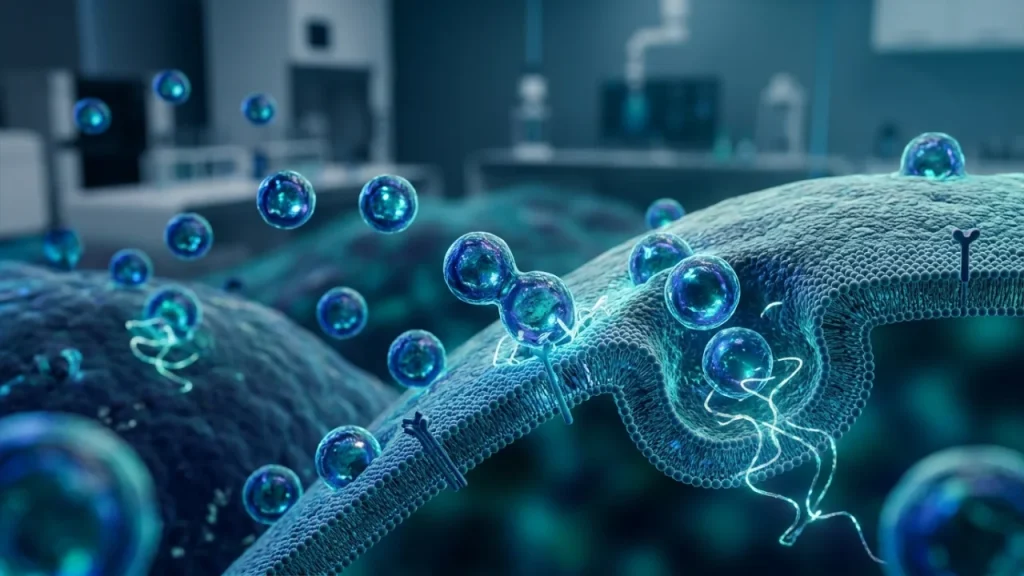
Imagine your body’s cells are like a vast city. They need to talk to each other constantly. They send urgent updates and detailed instructions. Exosomes are their sophisticated messaging system. These are tiny bubbles released by cells. They are incredibly small. Billions could fit on the head of a pin.
Cells create exosomes naturally. They package them with vital cargo. This cargo includes proteins, lipids, and genetic material like RNA. Think of this as a set of blueprints and tools. The exosome then travels through bodily fluids. It delivers its cargo to a target cell. This process changes the recipient cell’s behavior. It is a precise form of communication.
This messaging is crucial for health. It helps coordinate repair, control inflammation, and maintain balance. For example, a damaged skin cell can send exosomes. These signals alert nearby stem cells. The stem cells then activate to help with healing. It is a rapid, efficient response system.
The content of an exosome determines its message. Different cargo sends different signals. Here is what they can carry:
- Growth factors that tell cells to multiply.
- Enzymes that can remodel damaged tissue.
- MicroRNAs that can switch genes on or off.
- Anti-inflammatory signals to calm irritation.
This is why scientists are so interested. By understanding these messages, we can harness their power. An exosomes face treatment aims to use these natural signals. The goal is to guide skin cells toward a younger, healthier state. It is not about adding a foreign chemical. It is about delivering the body’s own instructions for repair.
Exosome communication happens all the time. But its efficiency can decline with age or damage. Cells might send weaker signals. They might also send harmful messages, like promoting scarring. The key is to provide a fresh supply of precise, beneficial exosomes. This can restart optimal cellular dialogue.
Research shows their potential is vast. Studies indicate they can influence collagen production. They can improve skin texture and resilience. They may also help modulate the skin’s immune response. This reduces chronic redness and sensitivity.
This foundational knowledge changes how we view skincare. It moves beyond surface-level treatments. The focus shifts to cellular communication and support. The next logical step is to explore how this science translates into a practical treatment. We will examine the process from source to application in the following section, building on this concept of targeted biological messaging.
How Exosomes Differ from Traditional Skin Treatments
Traditional skin treatments work from the outside in. Creams and serums apply ingredients to the skin’s surface. Their molecules must then penetrate the protective outer barrier. This barrier is designed to keep things out. Only a small fraction of any topical product actually gets through. The process is indirect and inefficient.
Think of it like sending a letter. A topical treatment is like dropping a stack of letters at the city gates. You hope some get delivered to the right addresses inside the city. Many are lost or degraded along the way. The message might not arrive intact. An exosomes face treatment operates differently. It is like giving a trained messenger direct access to the city’s communication network. The messenger delivers instructions straight to the citizens, the skin cells.
The difference lies in targeting and communication. Most topicals contain broad-acting compounds. Retinol, for example, speeds up overall skin cell turnover. Peptides may signal for general collagen production. These are helpful but imprecise broadcasts. They affect many cell types at once. Exosomes offer targeted messaging. They carry specific instructions for specific problems.
Their natural origin is key. Because exosomes are native to the body, cells recognize them. This recognition allows for precise delivery. An exosome carrying a growth factor can find the exact cell that needs it. It then triggers a defined biological response. This is cellular-level communication, not a chemical blanket effect.
Consider the goal of reducing inflammation. A topical steroid calms redness by broadly suppressing local immune activity. It does not teach the skin anything. Exosomes can carry anti-inflammatory signals that instruct immune cells to modulate their response. They help restore balance rather than imposing a shutdown.
The scale of action is also fundamentally different. Topical molecules are measured in micrometers or larger. Exosomes are nanoscale vesicles, thousands of times smaller. Their tiny size allows them to move through the extracellular matrix with ease. They reach deeper layers that creams cannot access effectively.
Results from traditional treatments are often limited by skin barrier health. Damaged or aged skin absorbs less. Exosome activity is less dependent on perfect barrier function. They work by engaging with cells directly, regardless of surface condition.
Long-term effects differ too. Topicals require constant reapplication. Their influence stops when you stop using them. Exosome treatments aim to create a lasting shift. By resetting cellular dialogue, they encourage the skin to maintain its own improved functions. The treatment provides a catalyst, not a permanent crutch.
Safety profiles stem from this biological approach. Harsh topicals can cause irritation, peeling, or sensitivity by disrupting the skin barrier. Exosomes, as natural messengers, typically promote healing and tolerance. They are unlikely to cause the reactive side effects seen with strong acids or retinoids.
Here is a simple comparison:
- Topical Treatment: Acts on the surface barrier and upper layers.
- Exosome Treatment: Acts on cellular communication networks throughout the skin.
- Topical Treatment: Delivers a chemical compound.
- Exosome Treatment: Delivers a package of biological instructions.
- Topical Treatment: Effects are often temporary and maintenance-dependent.
- Exosome Treatment: Effects aim to be regenerative and self-sustaining.
This shift represents a new paradigm in skincare science. It moves from chemistry to biology, from passive application to active cellular engagement. Understanding this distinction clarifies why exosomes are not merely another ingredient in a bottle. They are a tool for precise biological intervention. The next logical question is how these potent messengers are prepared and administered in a safe, clinical setting.
The Role of Exosomes in Natural Skin Repair
Your skin is a living organ. It constantly repairs itself. Every small scratch, sun exposure, or daily stress creates damage. Your body fixes this damage naturally. Exosomes are key players in this repair process. They are the body’s own communication system for healing.
Think of a minor cut. Your cells quickly work to close the wound. They grow new tissue and rebuild the barrier. This complex process requires perfect coordination. Cells cannot shout across your skin. They send precise molecular messages instead. Exosomes are those messages. They are tiny delivery vehicles. Each exosome carries a specific cargo of instructions.
This cargo includes proteins and genetic material. It tells recipient cells what to do. The instructions are clear and direct. They might say “reduce inflammation now” or “make more collagen here.” This is how your skin heals from within every single day. An exosomes face treatment aims to boost this natural system. It adds more of these skilled messengers to guide the skin.
Let’s break down their specific roles in repair:
- They Calm Inflammation. Redness and swelling are signs of inflammation. It is a normal first step in healing. But it must be controlled quickly. Exosomes send signals that help turn off this inflammatory response at the right time. This prevents chronic irritation that can break down collagen.
- They Recruit Repair Cells. Exosomes call other cells to the site of damage. They attract fibroblasts, which are your skin’s collagen factories. More fibroblasts in the area means more resources for rebuilding strong support structures.
- They Boost Collagen and Elastin Production. Collagen gives skin its firmness. Elastin provides snap-back elasticity. As we age, our cells produce less of these proteins. Exosomes can carry the blueprints to reactivate their production. They encourage cells to build a stronger dermal matrix.
- They Support New Blood Vessels. Tiny new blood vessels, or capillaries, bring oxygen and nutrients to healing tissue. This process is called angiogenesis. Exosomes help form these vital supply lines. Better blood flow means healthier, more radiant-looking skin.
- They Enhance Cellular Renewal. Skin cells have a life cycle. Old cells shed from the surface. New cells rise from deeper layers. Exosomes can help regulate this turnover. They promote the health and vitality of the progenitor cells that create new skin.
This system is brilliant and efficient. However, it slows down with age. Environmental stress like UV radiation can overwhelm it. The natural supply of these helpful messengers may dwindle. The skin’s internal communication becomes less frequent and less clear. Repair processes become sluggish and incomplete.
This is where clinical intervention makes sense. A therapeutic application of exosomes is like sending a powerful, targeted update to your skin’s cellular network. It delivers a high concentration of precisely programmed instructions. These instructions mimic and amplify your body’s best natural healing responses.
The goal is not to introduce a foreign substance. The goal is to replenish a native communication tool your skin is already using. It works with your biology, not against it. This fundamental role in natural repair is why exosomes hold such promise. They leverage the skin’s own intelligent design for regeneration.
Understanding this leads to the next practical point: how are these natural messengers collected and prepared for safe use in a clinical setting?
The Science Behind Exosomes Face Treatment
What Makes Exosomes Effective for Skin Health
Exosomes are effective because of their precise cargo. Think of them as tiny delivery trucks. Their value is not in the vehicle itself. It is in the specialized packages they carry. These packages contain hundreds of different bioactive molecules. Each molecule has a specific job for skin health.
The cargo includes key signaling proteins. These proteins act as direct instructions for skin cells. One major group is growth factors. They tell cells to grow, multiply, and repair themselves. For example, some growth factors in exosomes encourage fibroblast cells to produce more collagen. Collagen is the main structural protein that keeps skin firm and smooth. Other proteins help reduce inflammation. They calm irritated skin and create a better environment for healing.
Another critical component is lipids. Lipids are fat molecules. They form the exosome’s outer membrane. This lipid layer does more than just hold the package together. It fuses easily with the membranes of target skin cells. This allows the exosome to deliver its cargo directly into the cell’s interior. The lipids also protect the precious cargo during transit. They ensure the molecular messages arrive intact and ready to work.
Exosomes also carry genetic instructions. They contain microRNAs. These are small pieces of genetic code. MicroRNAs do not create proteins themselves. Instead, they regulate gene activity inside the receiving cell. They can turn certain genes on or off. This is a powerful level of control. An exosome face treatment can deliver microRNAs that silence genes linked to inflammation. It can activate genes responsible for antioxidant defense and repair.
The combined effect of this cargo creates a powerful response: – Proteins give direct commands for repair and renewal. – Lipids ensure safe and efficient delivery. – Genetic materials reprogram cell behavior for long-term benefits.
This multi-component approach is what sets exosomes apart. A single topical cream might contain one or two active ingredients. An exosome delivers a coordinated suite of hundreds. It replicates the complex language your own cells use to communicate. The treatment works because it provides a complete set of tools, not just a single tool.
The science shows that effectiveness depends on cargo quality and quantity. Not all exosomes are identical. Their contents vary based on the source cells and how they are prepared. Therapeutic exosomes are collected from cells chosen for their optimal output. These cells are grown under controlled conditions. This process ensures a potent and consistent mix of beneficial molecules.
Understanding this cargo explains the reported benefits of an exosome face treatment. Reduced wrinkles come from boosted collagen signals. Improved tone and texture stem from enhanced cellular renewal instructions. Calmer, more resilient skin results from anti-inflammatory proteins and genetic regulators. The exosome does not force an unnatural change. It simply provides a rich, concentrated update to your skin’s own operating system.
This leads to a practical question about application: how does this potent cargo actually reach the living layers of your skin during a treatment?
How Exosomes Are Sourced and Purified
Therapeutic exosomes do not come from a natural extract or a chemical synthesis. They are produced by living cells grown under precise laboratory conditions. Scientists typically use stem cells for this purpose. Stem cells are master cells known for their strong regenerative signals. Their exosomes carry powerful instructions for healing and renewal.
These stem cells are placed in special nutrient-rich solutions. This environment is called a culture medium. The cells thrive and multiply in this controlled setting. As they live, they naturally release exosomes into the surrounding liquid. Think of it like a cell factory. The cells are the workers, and the culture medium becomes filled with their tiny communication packages.
Collecting these exosomes is a major technical challenge. The culture medium is a complex soup. It contains many things besides exosomes. It has leftover nutrients, waste products from the cells, and other particles. Isolating just the exosomes requires sophisticated purification. This step is crucial for safety and strength.
The most common method for purification is ultracentrifugation. This process uses extremely high spinning speeds. The culture fluid is placed in tubes and spun in a specialized machine. Different components separate based on their weight and size. Heavier particles sink to the bottom first. Exosomes, being very small and light, form a pellet only after hours of very fast spinning.
Another modern technique is size-exclusion chromatography. Here, the fluid is passed through a column filled with porous beads. Smaller molecules get trapped in the bead pores and move slowly. Larger particles flow around the beads quickly. Exosomes, with their specific nanoscale size, exit the column at a predictable time. This method can be gentler on the exosome structure.
After isolation, scientists must confirm what they have. They run tests to verify the harvest. These tests check three key things: – Size: They ensure the vesicles are truly exosome-sized, typically 30 to 150 nanometers. – Markers: They test for known protein signatures found on exosome surfaces. – Purity: They check for contamination from other cellular debris.
Only batches that pass these strict checks move forward. The final product is then prepared in a stable solution. It is often frozen to preserve its activity until use. This entire sourcing and purification protocol ensures reliability. It guarantees that an exosome face treatment contains a concentrated dose of intact, functional vesicles.
The goal is always consistency and potency. Every preparation aims to deliver the same high level of bioactive cargo. This lab-based origin is fundamental. It transforms exosomes from a natural biological phenomenon into a reproducible treatment agent. The process bridges cellular biology with clinical application. With a pure and potent product secured, the next logical focus is on how these nanoscale messengers are delivered into the skin during a procedure.
The Process of Exosome Delivery to Skin Cells
Exosomes do not work like typical creams that sit on the skin’s surface. Their entire purpose is to deliver a message inside your cells. To do this, they must first find the right cell and then get inside it. This journey happens at a scale far smaller than the width of a human hair.
Think of an exosome as a tiny, addressed package. The outside of this package has specific “address labels.” These are protein markers on the exosome’s membrane. Skin cells have matching “docks” or receptors. When the labels and docks connect, the exosome is locked in place at the cell’s surface. This targeting ensures signals go to the correct cells.
The delivery itself is elegant and efficient. Cells do not simply “eat” the exosome whole. Scientists have identified several key methods for entry. – Membrane Fusion: The exosome’s outer layer merges directly with the cell’s membrane. It is like two soap bubbles becoming one. This fusion dumps the exosome’s cargo directly into the cell’s interior fluid. – Endocytosis: The cell’s membrane pinches inward. It wraps around the exosome to form a little bubble inside the cell. This internal bubble then breaks open to release the cargo.
Once inside, the exosome’s precious cargo gets to work. This cargo is a concentrated mix of active molecules. The payload includes growth factors, signaling proteins, and genetic instructions in the form of RNA. These molecules act as master switches. They turn on crucial cellular programs that had slowed down due to age or damage.
For example, a growth factor molecule might bind to a specific target inside the fibroblast cell. Fibroblasts are the skin’s collagen factories. This binding triggers a cascade of internal signals. The cell responds by ramping up its production of new collagen and elastin fibers. These are the proteins that give skin its firmness and bounce.
The RNA cargo works differently. These microRNA molecules can regulate gene expression. They can effectively “turn down the volume” on genes that cause inflammation. They can also “turn up” genes involved in repair and renewal. This reprogramming effect is deep and fundamental.
The result of this targeted delivery is a coordinated rejuvenation signal. It is not just one action but many happening together. Cells receive clear instructions to: – Boost structural protein synthesis. – Accelerate their own repair mechanisms. – Reduce inflammatory signals. – Improve overall cellular energy and function.
This process explains why an exosome face treatment can produce such comprehensive effects. The exosomes do not force cells to act. Instead, they restore the natural, youthful communication that has faded. They deliver the precise blueprints and tools cells need to repair themselves.
The entire sequence—from docking to entry to cargo release—takes time. Clinical effects are not instantaneous because biology is not instant. Cells need time to decode the messages and rebuild tissues. This cellular dialogue is the core science that turns a laboratory preparation into a visible clinical outcome. Understanding this leads to the next practical question: how are these potent messengers actually applied in a clinical setting for optimal results?
Benefits of Exosomes Face Treatment for Aging Skin
Reducing Fine Lines and Wrinkles with Exosomes
Fine lines and wrinkles form because your skin’s support system weakens over time. Think of young skin like a new mattress. It is springy and firm. Aging skin is like an old mattress. It sags and develops creases. Exosome face treatment aims to repair that internal structure.
The primary cause of wrinkles is collagen loss. Collagen is the main structural protein in skin. Your body makes less of it as you age. Existing collagen fibers also get damaged. This damage comes from sun exposure and normal daily stress. The result is thin, fragile skin that folds easily.
Exosomes address this problem directly. They carry specific instructions for skin cells called fibroblasts. Fibroblasts are the cells that make collagen and elastin. The microRNA inside exosomes tells these cells to become more active. It is like switching a factory from low power to full production.
The signals do more than just increase quantity. They also improve quality. Exosomes encourage cells to produce well-organized, strong collagen Type I. This is the robust collagen found in youthful skin. It forms a dense, supportive network under the surface. This network acts like a scaffold. It pushes up against the skin from below. This lifting effect smooths out shallow lines from within.
Another key mechanism involves inflammation. Low-grade, chronic inflammation speeds up skin aging. It breaks down collagen faster than your body can replace it. Exosomes deliver messages that calm this inflammation. They “turn down” genes that produce inflammatory signals. With less inflammation, the existing collagen matrix survives longer. New collagen has time to integrate and build up.
The process also enhances skin hydration and thickness. Exosomes promote the production of hyaluronic acid. This molecule holds vast amounts of water. Plumper skin cells fill out the space under the surface. This makes finer lines less visible. Improved cellular energy helps too. Better hydration and energy make skin more resilient. It bounces back instead of holding a crease.
The effects are cumulative and multi-layered. An exosome treatment does not just fill a wrinkle. It rebuilds the tissue that prevents the wrinkle. The timeline for visible smoothing varies. Many patients report a improved texture within several weeks. Deeper structural renewal continues for months.
Key changes you may observe include: – A softening of etched-in lines around the eyes and mouth. – Improved smoothness across the forehead and cheeks. – A more supple, hydrated feel to the skin. – A reduction in the depth of nasolabial folds.
This approach differs from topical creams or fillers. Creams often work only on the very top layer. Fillers physically push skin upward from one spot. Exosome therapy educates your own cells to regenerate broadly. The goal is authentic, natural-looking rejuvenation. The skin does not look filled or stretched. It looks refreshed and stronger.
Understanding this leads to another vital benefit. Smoother skin is also healthier skin. The same processes that reduce wrinkles enhance the skin’s barrier and defense functions. This creates a positive cycle of ongoing improvement and protection.
Improving Skin Firmness and Elasticity
Skin loses its firmness when its support system weakens. This system is built from proteins. Collagen gives skin its strength. Elastin allows it to snap back. As we age, our cells produce less of these proteins. Existing fibers also break down. The result is skin that feels loose. It may sag or droop.
An exosomes face treatment addresses this problem at its source. Exosomes carry precise instructions to the cells that build skin. These cells are called fibroblasts. Fibroblasts live in the dermis, the skin’s deeper layer. They are the factories for collagen and elastin. Over time, these factories slow down. They also get poor signals from their environment.
Exosomes change this dynamic. They deliver a clear message to fibroblasts. This message says: “Make more structural proteins.” The exosomes do not become part of the skin. Instead, they change the behavior of your own cells. Think of them as a new manager for an old factory. The manager provides updated blueprints and better tools. The factory then starts producing high-quality goods again.
The process focuses on type I collagen. This is the most abundant collagen in human skin. It forms strong, thick fibers. These fibers create a dense support network. A robust network makes skin feel firm and solid to the touch. Exosome signaling increases the production of this specific collagen.
Elastin renewal is equally important. Elastin fibers are like tiny springs. They let your skin stretch when you smile. Then they pull it back to its original position. Damaged elastin leads to permanent stretching. Skin loses its ability to recoil. Exosomes help restore this elastic function. They encourage fibroblasts to make new, healthy elastin fibers.
This is not an instant filling effect. It is a process of gradual rebuilding. New collagen and elastin must be synthesized, assembled, and integrated. This takes time and cellular energy. The timeline for improved firmness often follows that for smoothing. Many people notice a tighter feeling within a month. Significant improvements in elasticity may take two to three months.
You can assess changes in firmness and elasticity in simple ways. – Gently pinch the skin on your cheek. Notice how quickly it returns to place. – Observe the definition of your jawline over several weeks. – See if fine lines from pillow creases fade faster in the morning.
The benefits go beyond a simple lift. Improved protein infrastructure changes skin quality. – Skin becomes more resistant to gravity’s pull. – It responds better to facial movements without permanent creasing. – The overall architecture becomes more resilient and youthful.
This structural renewal works alongside the hydration benefits. Plump, hydrated cells sit on a firm, elastic foundation. One supports the other. Good hydration helps the new collagen matrix form correctly. A strong matrix helps retain moisture better. This creates a synergistic effect for overall skin health.
The result is skin that does not just look smoother. It behaves differently. It feels denser and more substantial. It has a livelier, bouncier quality. This is the hallmark of truly rejuvenated tissue, not just superficially treated skin.
Ultimately, targeting firmness and elasticity tackles a core sign of aging. It moves past surface-level correction into genuine structural reinforcement. This sets the stage for discussing how these robust internal changes enhance the skin’s protective outer layer and overall vitality next.
Enhancing Skin Tone and Radiance
Dull, uneven skin tone often comes from tired cells and pigment problems. Exosomes directly target these issues. They carry specific instructions to skin cells. These instructions help restore a bright and radiant appearance.
One major cause of dullness is poor cell turnover. As we age, skin cells renew more slowly. Old, dead cells linger on the surface. This creates a flat and lackluster look. Exosomes change this. They signal basal cells in the deepest layer to divide more efficiently. This promotes faster renewal of the epidermis.
Fresh new cells constantly rise to the surface. This process alone brings a natural glow. The skin’s surface becomes smoother. It reflects light better instead of scattering it. Think of it like polishing a dusty surface. The inherent brightness shines through.
Hyperpigmentation is another key concern. Dark spots form from sun damage or inflammation. Melanocytes produce too much melanin pigment. This pigment clusters in patches. An exosomes face treatment intervenes here. It does not bleach or destroy. It helps normalize the process.
Exosomes carry messages that calm overactive melanocytes. They can downregulate the enzyme tyrosinase. This enzyme is crucial for melanin production. The signals also improve communication between skin cells. Melanin gets distributed more evenly. Existing dark spots may fade over time. New ones are less likely to form.
The result is a more uniform complexion. The contrast between dark spots and pale skin decreases. Skin color looks harmonious and clear.
Cellular energy is vital for radiance. Tired cells cannot perform their duties well. Exosomes boost mitochondrial function. Mitochondria are the power plants inside cells. With more energy, cells detoxify better. They repair daily damage more effectively. Vibrant cells simply look and behave younger.
This internal renewal manifests externally in several ways. – Skin exhibits a translucent quality, not just surface shine. – Redness and blotchiness can diminish due to better inflammation control. – The overall complexion appears healthier and more alive.
The benefits of an exosomes face treatment for tone are cumulative and biological. It is not a topical cover-up. The treatment works from within the cellular network. Improvements develop steadily over weeks.
You may first notice a healthier glow. Dark spots often take longer to fade. Consistency with professional treatments supports this process. Protecting skin from sun exposure is also critical. It preserves the results and prevents new damage.
This approach complements the structural gains in firmness. A strong collagen framework provides a smooth canvas. An even, luminous tone enhances that canvas visually. Together, they create a comprehensive rejuvenation effect.
The next logical step is to consider how these refreshed, resilient cells strengthen the skin’s daily defense systems against environmental stress.
How Exosomes Face Treatment Works in Practice
Step-by-Step Guide to an Exosome Procedure
An exosomes face treatment begins with careful preparation of your skin. The goal is to create optimal conditions for the exosomes to work. Your provider will start by thoroughly cleansing the area. They will remove all makeup, oil, and surface debris. This step ensures nothing blocks the exosomes from entering the skin.
Next, a topical numbing cream is usually applied. This cream sits on the skin for about twenty to thirty minutes. It makes the procedure that follows very comfortable. Most patients report only a mild sensation of pressure. They do not feel significant pain. Once the skin is numb, the provider removes the cream completely.
The key step is creating micro-channels in the skin. This is often done with a microneedling device. The device has very fine, sterile needles. These needles create tiny, controlled punctures. The punctures are incredibly small. They are not deep cuts or incisions. This process serves two critical purposes.
First, it stimulates the skin’s natural wound-healing response. This calls your own cells to action. Second, and more importantly, it creates direct pathways. The exosomes now have a clear route to reach the living layers of your skin. Without this step, the exosomes would struggle to penetrate the tough outer barrier.
Now comes the application of the exosome solution itself. The liquid is carefully applied onto the treated skin. The provider will gently massage or roll it into the micro-channels. They use a sterile technique throughout this process. The exosomes enter the skin through these temporary pathways. They travel to reach fibroblasts and other target cells.
The entire active treatment phase is relatively quick. The microneedling and application often take less than thirty minutes. Afterward, your provider will apply a soothing serum or cream. This post-care product calms the skin immediately. It often contains hydrating and anti-inflammatory ingredients.
You will see visible effects right after the session. The skin typically appears pink and flushed. This is a normal, temporary reaction. It shows the skin’s regenerative processes have been activated. The redness usually fades significantly within twenty-four hours. Mild swelling can sometimes occur but resolves quickly.
Post-treatment care at home is simple but essential. Your provider will give you clear instructions. – Use only gentle, non-active cleansers for the first few days. – Apply a recommended moisturizer frequently to support the skin barrier. – Absolutely avoid sun exposure and do not use sunscreen for the first 24 hours as directed. – After that initial period, diligent daily sunscreen use becomes mandatory. – Avoid strenuous exercise, excessive heat, and swimming for about 48 hours.
Healing happens rapidly at the surface level. The micro-channels close within hours. Your skin will feel slightly dry or tight for a couple of days. This is normal. You can typically resume wearing makeup after about seventy-two hours. Always follow your specific provider’s guidance on timing.
The real work happens beneath the surface where you cannot see it. The delivered exosomes are now interacting with your skin cells. They are signaling them to boost collagen production and regulate inflammation. This cellular activity does not cause discomfort. You will go about your normal life while this biological upgrade occurs.
A single session provides a meaningful signal to your skin. However, most providers recommend a series for cumulative results. A common protocol involves three treatments spaced about four weeks apart. This series allows for repeated, powerful messaging to your cellular network. It builds upon the progress from each previous session.
The procedure is notably efficient with minimal downtime. It fits into a lunch break, with most social downtime ending within a day. This practicality makes it a compelling option for sustained skincare. The treatment combines advanced science with a straightforward clinical experience. It translates complex cellular communication into a tangible step toward rejuvenation.
This practical approach sets the stage for understanding how these strengthened cells then perform in daily life, facing constant environmental challenges head-on
What to Expect During and After Treatment
An exosome face treatment begins with clean, prepared skin. Your provider will ensure your face is free of makeup and oils. The goal is to allow optimal access for the exosome solution.
The next step is creating micro-channels in your skin. This is often done with a microneedling device. The device uses very fine, sterile needles. It makes tiny, controlled openings in the top layer of skin. These channels are incredibly small. You will likely feel a sensation during this part. Most people describe it as mild prickling or vibration. It is generally well-tolerated. A topical numbing cream is applied beforehand for comfort. This cream sits on your skin for about twenty to thirty minutes.
The microneedling process itself is quick. Treating the full face usually takes only ten to fifteen minutes. The device moves systematically across your skin. It ensures even coverage. Your provider will adjust settings based on your skin’s needs. This step is crucial. It creates the pathways for the exosomes.
Immediately after microneedling, the exosome solution is applied. The liquid is spread evenly over your face. It is gently massaged into the skin. The exosomes use the micro-channels to enter deeper layers. They do not need to be injected with needles. The entire application process feels simple and calm.
Right after the treatment, your skin will look pink and flushed. It may feel warm, similar to a mild sunburn. This reaction is normal and temporary. It shows your skin’s natural response has started. The redness typically fades significantly within a few hours. Most people see it diminish by the next morning.
You will receive clear aftercare instructions. Following them supports the best results. Key steps are simple and important.
- Avoid sun exposure for at least forty-eight hours. Your skin will be more sensitive.
- Use only gentle, recommended cleansers and moisturizers for the first few days.
- Do not use active skincare products like retinols or acids for about one week.
- Avoid strenuous exercise and excessive heat for twenty-four hours.
- Apply a high-SPF sunscreen every day without fail.
Your skin may feel slightly dry or tight as it heals. This is common. It is part of the natural recovery process. You can use a hydrating serum or moisturizer to ease this feeling. Makeup can usually be resumed after about three days. Always check with your provider for their specific timeline.
There is no real downtime in the traditional sense. You can return to most normal activities right away. However, you should plan for that initial redness. Social events might be best scheduled for the following day.
The true process is happening beneath the surface. You will not feel the exosomes working. They are busy signaling your skin cells. This communication encourages collagen building and skin repair. You go about your life while this cellular activity continues.
A single session provides a noticeable signal to your skin’s repair systems. Many people see improvements in hydration and texture soon after. Deeper changes, like firmness and fine line reduction, develop over the following weeks. This is why a series of treatments is often suggested. Multiple sessions build upon each other for a cumulative effect.
The entire experience is designed for efficiency and comfort. It combines advanced science with a straightforward clinical visit. Understanding what to expect demystifies the process and allows you to prepare properly. This knowledge helps you focus on the results while your skin undertakes its sophisticated renewal.
Safety and Side Effects of Exosome Therapies
Exosomes are natural messengers your body already makes. This is a key safety point. They are not synthetic chemicals. In an exosomes face treatment, these messengers are applied topically after a procedure like microneedling. The goal is to guide your skin’s own healing. This process uses signals your cells understand.
The most common reactions are mild and temporary. They relate to the delivery method, not the exosomes themselves. For example, microneedling creates tiny channels. This causes short-lived redness. It looks like a sunburn. This redness typically fades within a few hours. It is rarely severe. Some people see minor swelling. This usually resolves within a day.
Skin sensitivity is another possible effect. Your skin may feel warm or tight. This feeling is normal. It comes from the initial micro-injuries that start the healing process. The exosomes then work to manage this response. They help calm inflammation and direct repair. You are unlikely to feel the exosomes acting.
Serious side effects are extremely uncommon with topical use. The risk of allergic reaction is very low. Exosomes are derived from human or plant cells. They do not typically contain foreign proteins that trigger allergies. However, you must ensure your provider uses a reputable source. Always ask about the origin and testing of the exosome solution.
Safety depends heavily on clinical standards. The practitioner’s skill is vital. A sterile technique prevents infection. Proper storage of the exosome product is also critical. Exosomes are fragile. They must be handled correctly to remain active and safe.
Consider these key factors for a safe experience: – Provider qualification: Choose a licensed dermatologist or trained medical professional. – Product sourcing: Ask where the exosomes come from and about third-party testing for purity. – Medical history: Disclose all skin conditions and allergies to your provider before treatment. – Post-care: Follow the aftercare instructions precisely to support healing and protect your skin.
The long-term safety profile appears promising. Current science shows no evidence of systemic disruption from topical application. The exosomes act locally in the skin. They are not designed to enter the bloodstream in significant amounts. Their job is to communicate with nearby skin cells. Once their messages are delivered, they are naturally broken down.
Research into exosome therapies is ongoing. Scientists continue to study their interactions. The existing data supports a favorable safety outlook for aesthetic use. This is especially true when compared to more invasive procedures.
Realistic expectations are part of safety. An exosomes face treatment is not a magic cure. It is a sophisticated tool that works with your biology. Understanding the minimal side effects helps you make an informed choice. It allows you to separate normal healing from cause for concern.
You can feel confident approaching this treatment with knowledge. The safety framework relies on natural biology and professional practice. Your skin’s response will generally be mild and brief. The focus then shifts to the gradual improvements that follow over the coming weeks as your skin renews itself from within.
Comparing Exosomes to Other Skin Rejuvenation Methods
Exosomes vs. Topical Creams and Serums
Topical creams and serums work primarily on the skin’s surface layers. Their active ingredients must penetrate the skin barrier to reach living cells. This barrier is designed to keep things out. It limits how much product gets through. Most ingredients sit in the topmost dead skin cells. They provide hydration and temporary smoothing. Only a small fraction of molecules reach deeper layers.
Exosomes function on a completely different level. They are not absorbed like a cream ingredient. An exosomes face treatment delivers billions of these nanoscale messengers directly into the dermis. This is done using precise micro-channeling or specialized delivery systems. The exosomes bypass the surface barrier entirely. They arrive intact at the site of living skin cells. Their goal is not to be absorbed but to communicate.
Think of your skin as a busy city. Topical products are like repainting the buildings. It improves the look from the outside. The structure underneath remains the same. Exosomes are like sending new blueprints and tools to the construction crews inside the buildings. They change how the cells rebuild from within.
The action of creams is often passive. Ingredients like antioxidants fight free radicals they contact. Peptides may signal cells to produce more collagen. But their effect depends on constant reapplication and penetration. Their influence fades quickly once you stop using the product. Results are often maintenance of current state, not fundamental change.
Exosomes create an active, self-sustaining process. They deliver instructions and resources directly to skin cells called fibroblasts. Fibroblasts make collagen and elastin. The exosome signals tell these cells to rejuvenate. They shift cells from a dormant state to an active repair state. This kickstarts your skin’s own natural renewal cycle. The effects continue for weeks after the treatment session ends.
Here is a simple comparison of their core differences:
- Depth of Action: Serums act on the epidermis and upper dermis. Exosomes act within the deep dermal matrix where collagen lives.
- Primary Mechanism: Serums rely on chemical absorption and saturation. Exosomes rely on biological signaling and cellular instruction.
- Result Timeline: Serum results are often seen in days to weeks but plateau quickly. Exosome results begin in weeks and build over months as new tissue forms.
- Nature of Effect: Serums often manage symptoms like dryness or dullness. Exosomes target the underlying causes of aging, like slowed cellular communication.
A common serum ingredient is hyaluronic acid. It draws water into the skin for plumpness. This is a physical effect. When the product washes off or degrades, the plumpness diminishes. Exosomes may signal cells to produce more of their own hyaluronic acid naturally. This addresses the capacity of the skin, not just its temporary condition.
Retinol is another powerful topical agent. It speeds up skin cell turnover. It can cause irritation and peeling because it disrupts surface layers. Exosomes work without this disruptive exfoliation. They encourage turnover by sending healthy “renew now” signals from within, not by forcing cells to shed from the outside.
This does not mean topical products are obsolete. They are excellent for daily maintenance and protection. A good sunscreen is irreplaceable for preventing damage. The key is understanding their roles. Topicals are best for defense and surface care. An exosome treatment is a regenerative procedure that changes skin function.
The choice is not necessarily one over the other. They can be complementary parts of a complete skincare strategy. Think of topical creams as your daily skincare routine. Think of an exosome treatment as a periodic cellular tune-up. One maintains the landscape; the other revitalizes the soil.
This fundamental difference in depth and mechanism explains why results can be more transformative. The next logical comparison is with more invasive procedures that also reach deep layers but through different means.
Exosomes vs. Invasive Procedures Like Surgery
Surgical facelifts physically cut and reposition skin and muscle. They remove excess tissue. This approach delivers dramatic, immediate change. However, it is a major intervention. The process involves significant trauma to the body’s structures. Recovery can take weeks or months. Patients often deal with bruising, swelling, and pain. There is also a risk of scarring and nerve damage. The results, while striking, are primarily mechanical. They do not improve the fundamental health of the skin cells.
Exosomes take a completely different path. They are not about cutting or removing anything. An exosome face treatment is a regenerative procedure. It uses biological signals to change how skin cells behave. Think of surgery as rearranging the furniture in a room. An exosome treatment is like upgrading the room’s wiring and lighting system. One changes the layout. The other improves the function and quality of the space itself.
The core difference lies in mechanism and risk profile. Let’s compare them directly.
- Mechanism of Action: Surgery works through physical force and removal. Exosomes work through cellular communication and encouragement.
- Downtime: Surgical procedures require extensive downtime, often measured in weeks. An exosome face treatment typically involves minimal downtime, sometimes just a day or two of redness.
- Risks: Surgical risks include infection, anesthesia complications, visible scarring, and asymmetry. The primary risks with exosomes are temporary redness or swelling at the injection sites.
- Nature of Results: Surgical results are immediate but static. The outcome is largely set after healing. Exosome results develop over weeks as cells respond. The improvements are dynamic and biological.
Surgery addresses severe sagging and excess skin that non-invasive methods cannot fix. It is a powerful tool for specific structural issues. Exosomes address quality, not quantity. They target skin texture, tone, elasticity, and hydration. They cannot lift a drooping jawline. But they can profoundly improve that skin’s radiance and thickness.
Another key point is the concept of wounding versus signaling. Many laser treatments and peels work by creating controlled injury. The body then heals this damage, often producing new collagen. This is an indirect path to rejuvenation. Exosomes bypass the wounding step. They deliver instructions for repair and renewal directly. This avoids the inflammatory phase that leads to prolonged recovery and potential complications.
The long-term trajectory also differs. Surgical results last for years but eventually fade as aging continues. The skin itself continues to age around the surgical changes. Exosome treatments aim to improve the skin’s own functional capacity. This may lead to more sustained improvements in health. Many patients choose periodic exosome sessions to maintain this cellular vitality.
This does not make one approach universally better. They serve different needs. A person with significant gravitational aging may still benefit from surgery. Someone seeking global skin rejuvenation without surgery may find an ideal solution in exosomes. The procedures can even be complementary. Some surgeons use exosome therapies post-operatively to enhance healing and improve skin quality around the surgical site.
Choosing between them depends on your goals. Do you need major structural change? Or do you seek a holistic refresh of your skin’s biology? Understanding this distinction is crucial. It moves the conversation from simply looking younger to fostering healthier skin function from within. This biological approach represents the next frontier in aesthetic science, where treatments support the body’s innate intelligence rather than overriding it through force.
The comparison reveals exosomes as a low-risk, high-precision biological tool. They offer a compelling alternative for those seeking deep rejuvenation without surgical intervention or extended recovery periods.
Cost and Effectiveness of Different Treatments
Cost is a major factor in any skincare decision. Exosome treatments represent a significant investment. A single session can cost several times more than a high-end laser treatment. This upfront price requires understanding what you are paying for. You are not paying for a simple surface procedure. You are investing in a complex biological process.
Think of it like this. A topical serum works on the surface. Its ingredients must penetrate the skin barrier. Only a small fraction reaches living cells. An injectable filler adds volume in one specific area. It does not change cellular behavior. An exosome face treatment delivers precise instructions directly to your skin cells. The cost reflects this advanced science and the intricate production process.
Effectiveness is measured differently for each method. Let’s compare common goals.
- Wrinkle Reduction: Fillers give immediate, dramatic results for deep lines. Results last 6 to 18 months. Exosomes work gradually to improve skin texture and elasticity. This can soften fine lines over time. The effect is more natural and integrated.
- Skin Tone and Texture: Lasers target pigment and resurface skin. They are highly effective for sun spots and scars. Results appear after healing. Exosomes calm inflammation and promote even pigment production. They improve overall clarity without damaging the surface.
- Hydration and Glow: Topical moisturizers temporarily hydrate the top layer. Exosomes signal cells to produce more of their own supportive materials. This includes collagen and hyaluronic acid. This leads to deeper, self-sustaining hydration.
The timeline is crucial. Many conventional treatments offer fast visual payoff. Their effects peak and then fade, requiring repeat sessions. Exosome results develop over weeks as cells respond. The improvements may continue for months. This is because the treatment changes skin function.
Consider the value over time. A series of three laser sessions might have a total cost. A single exosome treatment may have a similar total cost. The laser addresses one issue, like redness or spots. The exosome approach supports multiple functions at once. It can improve hydration, tone, texture, and healing simultaneously.
There is also a hidden cost to consider: downtime. Aggressive lasers or peels require days of recovery. Skin is red and sensitive. Exosome procedures are minimally invasive. There is typically no downtime. You can resume normal life immediately. This has value for busy people.
Effectiveness also depends on your skin’s starting point. Mature skin with sun damage may need lasers first. Exosomes can then be used for maintenance and health. Younger skin preventing aging may benefit greatly from exosomes early on. It can enhance natural function before major issues appear.
No single treatment is perfect for every person or goal. The best plan often combines methods strategically. A laser might correct past damage. Follow-up exosome sessions can then optimize skin health and prolong results. This layered approach maximizes long-term value.
Ultimately, judging cost and effectiveness means looking beyond the first week. It requires thinking about long-term skin biology. The question shifts from “How much does it cost?” to “What is the cost of truly healthier skin?” The value of an exosome face treatment lies in its foundational support for your skin’s own repair systems, offering a cumulative benefit that grows with each session. This leads us to consider who is the ideal candidate for this innovative approach and what they can realistically expect from their journey
The Future of Exosomes in Aesthetic Dermatology
Emerging Research on Exosomes for Skin Health
Research is now unlocking how exosomes work at the most detailed level. Scientists can identify exact molecules inside these vesicles. They are mapping which ones signal for collagen growth or calm inflammation. This precision is key for future treatments. It moves beyond using general exosome mixtures. The goal is to design targeted solutions for specific skin concerns.
One major area is wound healing and scar revision. Studies show certain exosomes can dramatically improve tissue repair. They do this by coordinating many cell types at once. Fibroblasts are guided to build better collagen architecture. Immune cells are directed to reduce scarring inflammation. New blood vessels form efficiently to fuel healing. This leads to stronger skin with less visible scarring. The potential extends to surgical recovery and acne scar remodeling.
Another exciting frontier is hair restoration. Early research indicates exosomes may reactivate dormant hair follicles. They appear to send signals that shift follicles from a resting phase back into a growth phase. This approach would treat hair loss by improving the health of the follicle itself. It represents a shift from simply blocking hormones to actively rejuvenating the scalp’s cellular environment.
Perhaps the most personalized future involves “autologous” exosome therapies. This means using a person’s own cells. A small sample of your cells would be collected and cultured. These cells would then produce exosomes tailored to your biology. These personalized vesicles would be purified and reintroduced into your skin. This method could minimize any risk of reaction. It maximizes natural compatibility for a truly bespoke exosome face treatment.
Researchers are also engineering exosomes to enhance their power. They can load vesicles with extra therapeutic molecules. Think of it as packing a nanoscale delivery vehicle with a precise cargo. This cargo could be growth factors, antioxidants, or even genetic material. The exosome’s natural shell protects the cargo and delivers it directly into target skin cells. This combines natural delivery with advanced pharmaceutical design.
The timeline for these advances is becoming clearer. While some applications are in early trials, others are closer to clinical reality. The consistent trend across all research is a move toward smarter, more logical interventions. Future treatments will likely address the root causes of aging and damage with cellular precision. This scientific progress ensures that the field will keep evolving. It promises more effective and individualized strategies for long-term skin health and rejuvenation.
This leads to important practical considerations for anyone interested in this therapy today. Understanding the current treatment process sets realistic expectations for what is possible now.
How Exosomes Could Transform Skin Care Routines
Imagine a serum that doesn’t just sit on your skin. It communicates with it. This is the core promise of future exosome-enhanced skincare. The current exosome face treatment is a professional procedure. Future innovations aim to bring a version of that power into daily routines.
The key lies in stabilization technology. Exosomes in nature are fragile. Scientists are developing methods to preserve their function in a bottle. These methods might involve special lipid coatings or cryoprotectants. The goal is to keep the vesicles intact until they meet your skin.
What would these products actually do? Their action would be fundamentally different from conventional creams. Most products work on the surface layers. They hydrate or deliver simple ingredients. Exosome-based care would aim to send precise instructions to your living skin cells.
Think of it as upgrading your skin’s internal software. Here is how a routine might change.
- Cleansing: A gentle cleanser could contain exosomes that signal calm. It would start reducing inflammation from the moment you wash.
- Treatment: An exosome serum becomes the central step. It delivers a programmed cocktail of messages. These messages could tell fibroblasts to make more collagen. They could instruct melanocytes to regulate pigment evenly.
- Protection: A daytime moisturizer with exosomes might reinforce skin’s defense systems. It could help cells better resist UV stress and pollution particles.
The effects would be more adaptive and preventive. Your skin would not just be fed ingredients. It would be guided toward a healthier state. For example, after sun exposure, an exosome product might quickly trigger DNA repair pathways inside cells. It would help fix damage before it becomes a visible wrinkle or a spot.
This approach could simplify routines. You might not need ten different serums for ten different concerns. A single, well-designed exosome formulation could address multiple issues at their source. It works by coordinating your skin’s natural repair processes.
Safety and regulation will be paramount for such products. The exosomes used would likely come from controlled laboratory cell lines, not human donors. They would be thoroughly purified and tested. The dose in a daily product would be far lower than in a clinical treatment. The effect would be subtle and cumulative, not dramatic and immediate.
Accessibility will increase over time. Initially, such advanced products may be professional-grade. Eventually, they could become available for home use with proper guidance. This democratizes a level of cellular care that is today only found in clinics.
The line between treatment and maintenance will blur. Your daily skincare will become a continuous, supportive therapy. It will help sustain the results from an in-office exosome face treatment. This creates a powerful cycle of professional intervention and daily home care.
This future is not science fiction. Labs are already publishing studies on topical exosome formulations for skin. The challenge is scaling this science into stable, effective, and safe consumer goods. When this happens, our very idea of skincare will transform from superficial coverage to foundational cellular communication.
This leads to an essential question about the nature of these products themselves: where will the exosomes come from?
Ethical Considerations in Exosome Therapy
The power of exosomes brings serious ethical questions. These are not simple chemicals. They are bioactive messengers that can instruct cellular behavior. Their use requires careful thought and strong rules.
A primary concern is source material. Where do the exosomes come from? The cells that produce them matter greatly. Some sources are more predictable than others. Using exosomes from certain cell types requires deep understanding. The goal is to ensure purity and consistency. Every batch must be identical and free from contaminants. This is a major manufacturing challenge. It is also an ethical imperative.
Patient safety is the highest priority. Exosomes are potent. Using them is not like applying a standard cream. Their effects can be multi-faceted and systemic. We must understand their full range of action. Comprehensive testing is non-negotiable. This includes long-term studies. We need to know they are safe over years of use, not just weeks.
Another key issue is marketing claims. The science is exciting. This can lead to exaggerated promises. Providers must avoid hype. They should base all claims on solid evidence. An exosome face treatment should be described accurately. Patients deserve to know what it can and cannot do. Realistic expectations prevent disappointment and build trust.
The ethical framework rests on several pillars. – Informed consent: Patients must understand this is an advanced biologic therapy, not a traditional cosmetic. – Transparency: Clinics should disclose the exosome source, processing methods, and quality controls. – Equity: As technology advances, efforts should be made to prevent it from becoming a luxury available only to a few. – Practitioner training: Those offering treatments require specialized education beyond standard aesthetic practice.
Finally, we must consider the natural versus enhanced debate. Exosomes are natural particles. Yet they are being used in concentrated, purified forms for enhancement. This blurs a line. It prompts us to define therapeutic intervention. The purpose should be restoration and health, not arbitrary alteration.
Responsible development will determine the true future of this field. Ethics must guide science every step of the way. This ensures that progress benefits patients without compromising safety or integrity. The next logical step is to examine how these principles translate into practical clinical use and patient outcomes.
Making an Informed Decision About Exosomes Face Treatment
Who Is a Good Candidate for Exosome Therapy
Exosome therapy is not a one-size-fits-all solution. It targets specific skin concerns at a cellular level. Understanding who benefits most helps set realistic goals. A good candidate typically has skin issues rooted in poor cellular communication, slow repair, or weakened defense.
The ideal candidate often seeks improvement in these areas: – Fine lines and early wrinkles from diminished collagen. – Dull, uneven skin tone with slow cell turnover. – Skin that heals poorly or scars easily after minor damage. – Persistent redness or sensitivity linked to a dysregulated inflammatory response. – Texture issues from sun damage or aging that creams cannot fix.
Age is a factor, but not the only one. Younger patients in their 30s may use it for prevention and early damage reversal. Older patients in their 50s and beyond might seek more significant restoration. The treatment works best when skin cells are still viable but underperforming. Extremely sun-damaged or scarred skin may see improvement, but results can be more gradual.
Certain medical histories make someone a stronger candidate. People with slow-healing skin or past acne scarring often respond well. Those with inflammatory conditions like rosacea may find balance. However, active skin infections, open wounds, or uncontrolled autoimmune diseases are usually reasons to wait. A qualified provider must review your full health history first.
Your current skincare routine matters too. Good candidates are already committed to basics. They use daily sunscreen and gentle cleansing. They understand that an exosome face treatment is a powerful boost, not a replacement for daily care. The therapy enhances your skin’s innate biology. It works from within.
Expectations must align with science. A good candidate wants healthier, more resilient skin—not just a single wrinkle erased. They seek improved texture, tone, and function over time. They do not expect instant, dramatic changes like those from filler. The process is gradual, unfolding over weeks as cells respond to new signals.
Skin type influences outcomes. The treatment is generally suitable for all ethnicities and types. Yet, those with highly reactive or allergic skin need careful screening. A patch test might be advised to ensure tolerance before a full facial application.
Lifestyle plays a supporting role. Non-smokers with moderate sun exposure see optimal results. Heavy smoking and chronic sun damage impair the very cellular functions exosomes aim to support. Committing to a healthier lifestyle after treatment helps sustain the benefits longer.
Finally, a good candidate values the biological approach. They are interested in the science of cellular renewal. They appreciate that this therapy uses natural signaling mechanisms. This patient is making an informed choice based on evidence, not just trend. They view the exosome face treatment as an investment in their skin’s long-term health infrastructure.
Choosing this path requires matching your specific needs with the treatment’s proven capabilities. An honest consultation with a knowledgeable provider is the essential next step to evaluate your unique profile and potential for success. This leads logically to understanding what that clinical consultation should entail and how treatments are properly administered.
Questions to Ask Your Dermatologist
A productive consultation is a two-way conversation. Your questions are as important as the provider’s assessment. Preparing specific queries ensures you understand the proposed exosome face treatment fully. This protects your safety and aligns expectations with reality.
Start by inquiring about the exosome source. Ask where the exosomes come from. Are they derived from human mesenchymal stem cells? Understanding the origin is fundamental. Also ask about third-party testing for purity. The preparation should be screened for pathogens. It should also be checked for concentration and particle count.
Next, focus on the clinician’s experience and protocol. How many of these treatments have you performed? What specific training did you complete for this procedure? Experience directly impacts technique and outcome. Then, ask to see the treatment protocol. How are the exosomes prepared just before application? Is microneedling or a fractional laser used for delivery? What depth is targeted? Each step influences results.
Safety is a non-negotiable topic. What are the immediate and delayed potential side effects? Redness and swelling are common short-term effects. Discuss any risks of immune reaction, though rare with proper sourcing. Also ask about contraindications. Are there any active skin infections or conditions that would rule out treatment? Disclose your full medical history for an accurate answer.
Clarify the realistic outcomes and timeline. Based on my skin goals, what can I expect in the first month? What changes are typical by month three? Request to see before-and-after photos from their own practice, not stock images. Manage expectations by asking about the percentage of patients who see significant improvement. Remember, this is a gradual process, not an instant fix.
Logistics and aftercare are practical concerns. What is the total cost of a single session? Is a series recommended, and what is that package price? Then, detail the post-treatment instructions. How should I care for my skin in the first 48 hours? What products should I avoid? When can I resume my normal skincare routine? Proper aftercare supports optimal absorption and healing.
Finally, discuss the big picture. How does this treatment integrate with my long-term skin health plan? Is it a standalone procedure or part of a combined approach? Ask how often maintenance sessions might be needed to sustain benefits. This shows you view the treatment as an investment, not a one-time event.
Bringing these questions creates a dialogue based on transparency. It shifts the dynamic from passive recipient to active partner in your care. A confident provider will welcome such detailed discussion. Their answers will help you finalize your informed decision about moving forward with this advanced therapy. This knowledge naturally leads to understanding what happens during the treatment session itself.
Next Steps to Explore Exosome Options
Your research into an exosomes face treatment should start with credible sources. Begin by looking for scientific reviews on trusted medical websites. These sites often explain complex biology in clear terms. Focus on understanding the basic science. Exosomes are tiny messengers. They carry signals between cells. In skin, these signals can tell cells to make more collagen. They can also reduce inflammation. This process is key to their potential.
Next, investigate the providers in your area. Do not just search for clinics offering the service. Look deeper into their professional backgrounds. A qualified medical doctor should oversee the procedure. This is often a dermatologist or a plastic surgeon. Check their credentials and training. See if they specialize in regenerative medicine. Their expertise is crucial for both safety and results.
The treatment process itself involves specific steps. First, your provider will prepare your skin. This might include a gentle cleansing or a light peel. The goal is to remove surface barriers. Then, the exosome solution is applied. It is typically delivered using micro-needling or a similar technique. This creates tiny channels in the skin. These channels help the exosomes reach deeper layers where they work.
After application, the exosomes begin their task. They do not work like a filler that adds volume instantly. Instead, they communicate with your skin cells. They encourage your own cells to repair and renew themselves. Think of them as instructions, not as new building materials. This is why results develop gradually over weeks and months.
When evaluating clinics, ask about their source for exosomes. Reputable providers use exosomes derived from stem cells. These are processed under strict laboratory conditions. The final product should be sterile and tested for purity. Avoid any source that cannot explain this process clearly. Safety must be the top priority.
Consider setting up initial consultations with a few providers. Use the questions you prepared earlier as your guide. Pay close attention to how they answer. A good provider will educate you without pressure. They will explain the realistic outcomes for your specific skin concerns. They should also discuss any potential risks openly.
Finally, manage your own expectations during this exploration phase. An exosomes face treatment represents advanced science. It is not a magic solution for every skin issue. Its best use is for improving skin texture, tone, and overall health. It works from within your biology. By taking these structured steps, you build a foundation of knowledge. This foundation will lead you to a confident choice about whether this innovative therapy aligns with your goals for skin rejuvenation and long-term care.