
What Are Exosomes and Why Should You Care?
Understanding Exosomes: Tiny Messengers with Big Impact
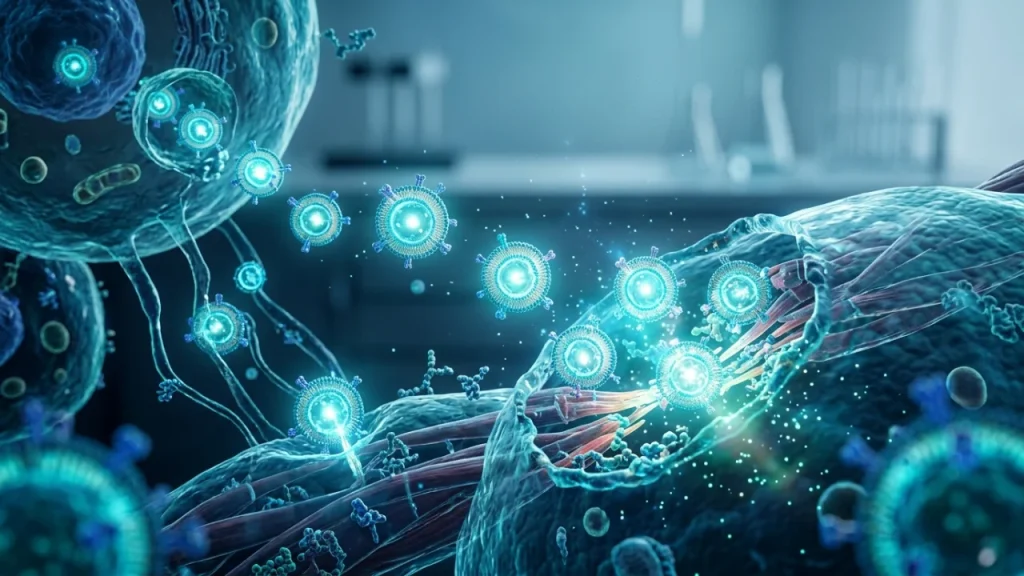
Imagine your body’s cells are in constant conversation. They don’t use phones. They send tiny packages. These packages are called exosomes. They are incredibly small vesicles. Think of them as microscopic bubbles. Cells release them into the fluids around them.
Exosomes carry important cargo. This cargo includes proteins, lipids, and genetic material like RNA. It is not random junk. It is precise biological mail. A sending cell packs specific instructions into an exosome. Then it releases this vesicle into the space between cells.
The exosome travels until it finds another cell. It delivers its cargo directly to that cell. This changes the receiving cell’s behavior. The message might say “repair yourself” or “reduce inflammation.” This system is nature’s own delivery network. It is fast and efficient.
Why does this matter for healing? Traditional regenerative medicine often focused on injecting whole cells. The idea was that new cells would repair damaged tissue. But that approach has challenges. Introducing whole cells can be complex and risky.
Exosomes offer a smarter path. They provide the signals without the cells. Think of it like receiving a detailed instruction manual instead of a whole new worker. The manual tells your existing workers how to fix the problem. Your body’s own cells then do the repair work.
This is the core promise of exosomes regenerative medicine. It uses these natural messengers to guide healing. The field is moving beyond cell-based therapies. Scientists are learning to harness these tiny vesicles.
What makes exosomes so special? First, they are targeted. Their surface has address labels. These labels help them find the right cell type. Second, they are protected. Their lipid membrane shields their cargo during travel. The message arrives intact.
Third, they are natural. Your body produces them all the time. They are part of normal communication. In disease, this communication can break down. Cancer cells, for example, send harmful exosomes. They might tell blood vessels to grow toward a tumor.
The goal in therapy is different. Researchers aim to use beneficial exosomes. These could come from healthy donor cells or be engineered in a lab. The key is loading them with the right healing instructions.
Here is a simple list of what exosomes can carry: – Growth factors that tell cells to multiply. – MicroRNAs that switch genes on or off. – Enzymes that help break down damaged tissue. – Anti-inflammatory signals to calm swelling.
This cargo directly influences tissue repair. It can help with muscle injuries, joint problems, and skin wounds. The impact is big because the message is powerful. A small signal can start a large healing process.
You should care because this represents a shift in medical thinking. It is about working with your body’s own language. Instead of adding foreign cells, we add precise instructions. This approach could lead to safer and more effective treatments.
The science is still advancing quickly. New studies show potential for many conditions. The next section will explore where this exciting science is being applied today. We will look at the real-world possibilities of this tiny messenger system.
How Exosomes Differ from Stem Cell Therapies
Stem cell therapy and exosome therapy aim for similar goals. They both seek to heal damaged tissue. Yet their methods are fundamentally different. Understanding this difference is key to seeing the shift in regenerative medicine.
Traditional stem cell treatments rely on living cells. Doctors inject stem cells into an injured area. The idea is that these cells will integrate into the tissue. They might become new muscle, cartilage, or skin cells. The living cells are supposed to do the work directly.
Exosome treatments take a different path. They do not use living cells at all. Instead, they use the tiny messages those cells produce. Think of it as receiving a letter instead of the entire person. The letter contains precise instructions. Your own local cells then follow these instructions to heal.
This leads to several practical differences. The first is about action. Stem cells need to survive, settle, and function in a new environment. This is a big ask for a transplanted cell. Many factors can limit their survival. Exosomes face no such challenge. They are not alive. They deliver their cargo and are done. Their job is swift and specific.
Safety profiles differ significantly. Living stem cells can sometimes act unpredictably. They might multiply too much or differentiate into the wrong cell type. There is a small risk of immune reaction to foreign cells. Exosomes, especially from certain sources, have a lower risk of such events. Their lipid membrane makes them less visible to the immune system. This is a major advantage.
The manufacturing and storage process also contrasts sharply. Stem cells are fragile living products. They often require strict temperature control and quick use. Exosomes are far more stable. They can be filtered, characterized, and stored for longer periods. This allows for more consistent quality control between batches.
Consider the mechanism of healing for a joint injury. – A stem cell injection might provide new cells that could become cartilage. – An exosome injection would send signals to your existing cartilage cells. These signals would tell them to reduce inflammation, repair themselves, and multiply.
The exosome approach leverages your body’s innate repair systems. It gives your cells the right information at the right time. You are not adding new workers to the site. You are giving the foreman a better blueprint.
This distinction marks a true evolution in the field of regenerative medicine. It moves from a cellular replacement model to an informational one. The focus shifts from what we transplant to what we communicate. This is not just a minor tweak to an old method. It is a new strategy based on biological communication.
Research is now focused on optimizing this strategy. Scientists work on loading exosomes with ideal cargoes. They study which source cells produce the most beneficial vesicles. The goal is to create targeted treatments for specific conditions. The potential is vast because the system is so natural.
Exosome science builds on decades of stem cell research. It applies those lessons in a novel way. The next logical step is seeing where these precise messengers are being tested today. Their unique profile opens doors to applications that were once challenging for cell-based therapies.
The Natural Delivery System Inside Your Body
Your body has a microscopic postal service. It operates inside your blood and other fluids. The couriers are called exosomes. These tiny vesicles carry vital biological packages from one cell to another. This system is active right now in your body. It is essential for health.
Exosomes are not random bubbles. They are carefully made inside cells. A cell creates them by folding a piece of its own membrane inward. This forms a little pouch inside the cell. The cell then fills this pouch with specific molecules. Think of it like packing a shipping container.
The cargo is what makes exosomes powerful. Each vesicle can carry many types of instructions. – They carry proteins that can turn processes on or off. – They carry lipids for building and repairing cell membranes. – Most importantly, they carry genetic instructions like RNA.
This RNA cargo is like a software update. It does not change a cell’s core DNA. Instead, it delivers temporary new code. A receiving cell reads this RNA. It then starts making new proteins based on the instructions. This changes the cell’s behavior.
But how does an exosome find the right address? It uses a targeting system. The outer surface of each exosome is studded with molecules. These act like zip codes or keys. Cells throughout the body have matching locks on their surfaces.
When an exosome floats by, its surface keys “check” the locks on cells. If the key fits the lock, the exosome docks. It then delivers its cargo directly into that cell. A liver cell exosome will likely find another liver cell. A nerve cell exosome targets other nerves.
This precision prevents chaos. Inflammatory signals go only to immune cells. Repair commands for skin go to skin cells. This natural targeting is a major focus of exosome regenerative medicine. Scientists aim to copy and direct this innate system.
The body uses this system constantly. During an infection, immune cells send exosomes to sound the alarm. After exercise, muscle cells release vesicles that help with growth and repair. Even brain cells use them to maintain connections.
Problems occur when this system breaks down. Cancer cells send out corrupt exosomes. These bad vesicles tell healthy cells to help the tumor grow. They can also block immune attacks. Some diseases might happen because this communication slows or carries wrong messages.
Understanding this changes how we view healing. The goal is not always to add new cells. Sometimes, we just need to fix the mail. We need to ensure the right messages get to the right places at the right time. Your body’s own cells already know how to repair damage. They often just lack the correct instructions or signals to begin.
This natural delivery network is elegant and efficient. It shows that our bodies are built with advanced communication technology. The next step for medicine is learning to use this technology ourselves. We can harness these natural processes to guide healing more effectively than ever before.
The Science Behind Exosome Communication
How Exosomes Carry Healing Messages Between Cells
Exosomes form inside a cell in compartments called multivesicular bodies. Think of these as the cell’s internal packaging warehouses. Here, the cell gathers specific molecules to send out as messages. It carefully selects the cargo. This cargo can include many different things.
The contents are not random. A cell under stress will pack different signals than a healthy one. The cargo typically includes: – Proteins that can turn processes on or off in the recipient cell. – Lipids that help with structure or send their own signals. – RNA molecules, like miRNA, which are key instruction codes. These RNAs can silence specific genes in the target cell.
Once packed, the vesicle is released into the space outside the cell. It now must find its destination. This is where targeting happens. The outside surface of the exosome is covered with addressing molecules.
These surface molecules act like a zip code and street address. They match with receptors on certain target cells. An exosome from a stem cell might have addresses for injured tissue. This precise matching is a core goal of exosome regenerative medicine. Scientists study these natural addresses to design better therapies.
Delivery is the final step. The exosome docks onto the target cell. It can deliver its cargo in several ways. Sometimes it fuses directly with the target cell’s membrane. It empties its contents inside. Other times, the whole vesicle is swallowed by the target cell.
Once inside, the cargo gets to work. The delivered miRNA can halt harmful processes. The proteins can kickstart repair pathways. The message has been delivered. The recipient cell’s behavior changes based on these new instructions.
This process is incredibly fast and efficient. Cells communicate over microscopic distances. Thousands of these events happen constantly throughout your body. It is a fundamental language of biology.
For example, after a muscle tear, local cells release exosomes loaded with growth factors. These vesicles find nearby repair cells. They deliver blueprints for new tissue construction. The result is coordinated healing.
The system’s beauty is in its specificity and economy. The cell sends a tiny, information-rich packet. It does not waste energy moving itself. It just sends a directive. This makes exosome signaling a powerful lever for medical science.
Understanding this cargo and delivery chain allows researchers to think about engineering exosomes. They could potentially load them with therapeutic RNA. They could tweak their surface addresses to reach precise organs. This turns a natural process into a potential treatment platform.
The next logical question is how this native system compares to current medical approaches. It also raises the issue of what happens when the messages go wrong, as in disease. The science of communication naturally leads to the science of intervention and correction.
What’s Inside an Exosome: Proteins, Lipids and Nucleic Acids
An exosome’s power comes from its molecular payload. Think of it as a tiny toolbox. Each tool has a specific job for cell repair and communication. The main tools are proteins, lipids, and nucleic acids.
Proteins are the workhorses. Some sit on the exosome’s outer shell. These surface proteins act like GPS coordinates. They guide the vesicle to the correct target cell. Other proteins are packed inside the cargo hold. These are often signaling molecules or enzymes.
For instance, an exosome might carry growth factors. These proteins tell a target cell to grow and multiply. Another might carry enzymes that break down damaged tissue. This clears the way for new, healthy tissue to form. The protein mix defines the exosome’s mission.
Lipids form the vesicle’s protective bubble. This lipid bilayer membrane is not just a simple bag. It is a sophisticated shield. It protects the delicate cargo during its journey through the body’s harsh environment. The membrane also helps the exosome fuse with its target cell. This fusion is how it delivers its tools directly into the cell’s interior.
The most exciting cargo might be nucleic acids. These are molecules of genetic instruction. Exosomes carry different types. Messenger RNA (mRNA) can be a blueprint. A target cell receives this mRNA and uses it to build a new protein. This is like delivering a new recipe to a kitchen.
Exosomes also carry microRNA (miRNA). This is a powerful regulator. miRNA does not carry a recipe itself. Instead, it can block other recipes already in the cell. It can silence genes that cause inflammation or scarring. This makes miRNA a master control switch for healing.
The combination is key. A single exosome’s cargo works as a team. Proteins might start one repair pathway. miRNAs might simultaneously shut down a damaging process. This coordinated action makes exosomes so effective for communication. Their natural cargo is designed for precise biological effects.
Researchers study this cargo to understand healing. They see what healthy cells send to each other during repair. This knowledge is crucial for exosomes regenerative medicine. Scientists can then mimic or enhance these natural packages.
The cargo list inside a healing exosome can include: – Growth factor proteins (like VEGF or FGF) that promote new blood vessel formation. – Anti-inflammatory miRNAs that calm an overactive immune response. – Collagen proteins that provide building blocks for new skin or cartilage. – Enzymes that recycle cellular waste and damaged components.
Different cells send different exosomes. A stem cell’s exosome contains a rich mix of regenerative tools. A skin cell’s exosome might have a more focused set for local repair. The source cell determines the package contents.
Understanding this internal composition is the next step. It shows why exosomes are more than simple signals. They are complex information systems. This leads directly to how we can use this knowledge. The next focus is on harnessing this natural system for medical applications.
Targeting Specific Cells: Nature’s Precision Medicine
Exosomes do not broadcast their signals to every cell. They deliver their cargo with precise targeting. This targeting is what makes them nature’s own precision medicine system. Think of it like a letter with a specific zip code. It only reaches the correct neighborhood.
The surface of an exosome is covered with molecules. These molecules act as addresses and keys. The most important are proteins and sugars. They stick out from the exosome’s lipid membrane. A cell needing repair often displays matching “locks” on its own surface.
The process follows clear steps. First, an exosome circulates until it finds a cell with the right lock. Second, its surface keys bind tightly to the cell’s receptors. This binding is highly specific. Finally, the exosome is pulled inside the cell. Its precious cargo is then unpacked and put to work.
This targeting explains therapeutic effects. An exosome from a mesenchymal stem cell often seeks out injured tissue. Inflammation or damage creates unique signals. Cells in that area express specific surface markers. The exosome’s address proteins recognize these markers. This direct delivery minimizes side effects on healthy cells.
Different surface molecules guide exosomes to different locations. For example: – Integrins can direct exosomes to specific organs like the liver or lungs. – Tetraspanins help the vesicle dock with certain immune cells. – Glycans (sugar chains) interact with proteins on blood vessel walls.
Cancer cells exploit this system poorly. They send out many exosomes. These vesicles can help the tumor spread. But in exosomes regenerative medicine, scientists use clean versions from healthy cells. Researchers can even engineer the surface. They can add special addresses to guide therapeutic exosomes to the heart, brain, or joints.
The source of the exosome determines its natural address book. A neuron-derived exosome will carry codes for brain cells. A fibroblast exosome might target skin. This inherent intelligence is a major advantage over drugs. Drugs often flood the entire body.
Targeting is not just about location. It is also about timing. A damaged cell sends out SOS signals. It changes its surface profile. Exosomes responding to this call are more likely to bind there. The system is dynamic and responsive to need.
Engineering takes this further. Scientists can attach antibodies or fragments to the exosome surface. These act as custom homing devices. This field is called “exosome display.” It allows for even finer control over delivery.
The result is efficient communication with minimal waste. The signaling molecules do not get diluted in the bloodstream. They are protected inside the vesicle until arrival. This protects the cargo and ensures a strong effect at the target site.
This precise mechanism is central to their promise. It moves therapy from a scattergun approach to a sniper’s aim. Understanding how exosomes find their target allows us to design better treatments. The next logical question is how these targeted messages actually change a cell’s behavior for repair.
How Exosomes Revolutionize Healing Processes
Reducing Inflammation: Calming the Body’s Overreaction
Inflammation is a normal first step in healing. Your body sends immune cells to an injury. These cells clear debris and fight germs. But sometimes this process does not stop. The alarm keeps ringing long after the threat is gone. This chronic inflammation damages healthy tissue. It actually slows down true repair.
Exosomes offer a smart solution to this problem. They carry precise instructions to calm an overactive immune response. Think of them as mediators in a heated debate. They do not shut down the entire immune system. Instead, they promote balance and resolution.
Their cargo includes key molecules that directly influence immune cells. One major group is microRNAs. These are tiny pieces of genetic code. They can turn specific genes in target cells on or off.
For example, an exosome might deliver miR-146a to an angry macrophage. A macrophage is a type of immune cell. This microRNA tells the cell to reduce its production of inflammatory signals. It dials down the alarm. Another molecule, TGF-β, can tell aggressive T-cells to become regulatory T-cells. These regulatory cells work to suppress inflammation.
The effects are powerful and multi-faceted: – They can reduce the release of proteins like TNF-α and IL-1β. These proteins drive pain and swelling. – They promote the release of anti-inflammatory molecules like IL-10. – They can help clear away dead cells faster. This removes a constant source of inflammatory signals. – They support the shift from a pro-inflammatory phase to a pro-repair phase.
This makes exosomes regenerative medicine a promising approach for conditions defined by runaway inflammation. Osteoarthritis is a key example. In a stiff knee joint, immune cells release chemicals that break down cartilage. Studies show that exosomes can alter this environment. They help protect the remaining cartilage and may ease pain.
The same principle applies to injured muscles or tendons. After a strain, prolonged inflammation prevents stem cells from building new tissue. By calming this response, exosomes create a better local environment for regeneration. Healing can proceed more efficiently.
The beauty lies in the localized effect. Because exosomes target the site of trouble, their calming instructions work right where needed. This avoids the broad side effects of steroid pills or strong anti-inflammatory drugs. Those systemic treatments can weaken your overall immune system or upset your stomach.
The process is natural and dynamic. The exosomes do not just issue one command and leave. They can change the conversation between cells over time. They help restore the body’s own ability to start and stop inflammation properly.
Controlling inflammation is only one part of the healing puzzle. Once the damaging fire is out, the real reconstruction work can begin. This leads directly to how exosomes actively instruct cells to rebuild lost or damaged structures.
Promoting Tissue Regeneration: Building New Healthy Cells
Once inflammation is controlled, the real work of repair begins. Exosomes deliver precise blueprints for this construction. They carry a cargo of molecules that tell local cells how to rebuild. This cargo includes growth factors, proteins, and genetic instructions.
Think of a damaged tendon. The collagen fibers are torn and disorganized. Local cells are confused about what to do. Exosomes from stem cells arrive with clear orders. They instruct cells called fibroblasts to produce new, strong collagen. They guide the alignment of these new fibers. This restores the tissue’s strength and flexibility.
The process is highly specific. Exosomes for bone repair carry different signals than those for skin or nerve healing. Their membranes have address labels. These labels help them find the exact cells that need instructions. A key mechanism involves microRNAs. These are small pieces of genetic code.
Exosomes release these microRNAs into target cells. The microRNAs then silence genes that hinder repair. They also activate genes that promote growth. This reprogramming shifts the cell from a passive state to an active building state. The cell starts producing the right materials for its tissue type.
For example, in heart muscle after a mild injury, exosomes can promote several changes. – They encourage the survival of stressed heart muscle cells. – They stimulate the growth of new, small blood vessels to improve blood flow. – They reduce scar tissue formation by modulating fibroblast activity. – They may even prompt limited renewal of muscle cells themselves.
This multi-pronged approach leads to better functional recovery. The tissue does not just patch itself with weak scar material. It regenerates with more organized, functional architecture. Skin wound healing shows this beautifully. Studies show exosomes accelerate closure.
They do this by boosting keratinocyte movement and proliferation. These are the main skin cells. Exosomes also enhance the production of new dermal matrix. This is the supportive layer under the surface. The result is faster healing with less noticeable scarring.
The regenerative effect extends to nerves. Damaged nerves often heal poorly or very slowly. Exosomes can support regrowth. They provide nutrients and growth signals to the damaged nerve ends. They help create a supportive pathway for new nerve fibers to grow along. This can potentially restore sensation and function.
Central to this is the concept of exosomes regenerative medicine. It leverages these natural communication systems. The goal is not to inject foreign cells that might get rejected. Instead, it uses the vesicles those cells produce. These vesicles are like universal translators. They speak the body’s own language.
Their instructions are temporary and natural. They do not permanently alter a cell’s DNA. They provide a temporary nudge in the right direction. After delivering their cargo, exosomes are broken down by the body. The cells then continue the repair work on their own.
This represents a fundamental shift from simply managing symptoms to enabling true biological repair. The body’s innate healing capacity is supported and amplified. The focus moves from replacement to regeneration. This approach holds promise for chronic degenerative conditions.
Osteoarthritis is a prime example again. Beyond calming joint inflammation, exosomes may help cartilage-producing cells synthesize new matrix. This could potentially slow disease progression. It addresses the root cause of tissue breakdown.
The potential is vast because the mechanism is universal. Every tissue in the body uses cellular communication for maintenance and repair. Exosomes are a core part of this system. By harnessing them, medicine taps into a fundamental biological pathway for healing. The next frontier is understanding how to source and prepare these vesicles to maximize their inherent therapeutic power for specific medical needs.
Accelerating Recovery: Faster Healing for Injuries
Healing from an injury is often a race against time. Prolonged recovery means pain, lost mobility, and frustration. Traditional approaches rely on the body’s innate pace. Exosomes regenerative medicine aims to change that pace fundamentally. Think of a severe muscle strain. The body must quickly coordinate a complex response. Damaged cells send out distress signals. Inflammatory cells rush to the site. Then, rebuilding must begin.
This process can be slow and imperfect. Scar tissue may form instead of functional muscle. Exosome therapy proposes a powerful intervention at this critical window. These vesicles deliver precise instructions to the injured area. They do not just passively support healing. They actively optimize and accelerate each phase.
The first target is uncontrolled inflammation. Acute inflammation is necessary. But excessive or prolonged inflammation damages healthy tissue. It delays the start of repair. Exosomes from certain sources can modulate this response. They carry molecules that calm overactive immune cells. This helps switch the process from a destructive phase to a constructive one sooner.
Next comes regeneration. Exosomes directly instruct local stem and progenitor cells. They tell them to multiply and transform into the needed cell types. For a tendon injury, this means activating cells that produce strong collagen fibers. The vesicles also enhance blood vessel growth. New blood vessels are crucial. They deliver oxygen and nutrients to fuel the repair work.
The result is a faster, more organized healing timeline. Key stages are compressed. – Inflammation is resolved more efficiently. – The proliferation of repair cells begins earlier. – Tissue remodeling is guided with greater precision.
Consider surgical recovery. A patient undergoes orthopedic surgery. The surgeon repairs the tissue, but the body must do the biological healing. This internal healing dictates return to function. Exosome therapy applied during surgery could provide a head start. The therapeutic cargo is already on site as the body initiates its response. Preclinical studies in animal models show this effect. Treated subjects often show stronger tissue and better mobility at earlier time points compared to untreated controls.
The mechanism is holistic. Exosomes do not force one single action. They provide a coordinated set of signals. These signals replicate the body’s own master plan for repair. The difference is the signal strength and timing are optimized. It is like receiving a clear, amplified set of blueprints immediately after a disaster instead of waiting for fragmented instructions.
This acceleration has profound implications. For athletes, it could mean returning to sport weeks sooner with lower re-injury risk. For anyone recovering from an accident or operation, it means regaining independence faster. The potential extends beyond muscles and bones to skin wounds, ligament tears, and even nerve damage.
The promise lies in working with the body’s schedule but making it more efficient. This approach minimizes the downtime that injuries impose on lives. It turns a biological process we wait through into one we can actively guide. The next challenge is refining delivery methods and dosages to make this accelerated healing consistent and reliable for every patient.
Exosome Applications in Modern Medicine
Healing Orthopedic Injuries: Bones, Joints and Muscles
Orthopedic injuries create a complex repair site. Broken bones, torn ligaments, and worn cartilage all need different signals to heal well. Exosomes deliver these precise instructions. They carry molecules that tell local cells what to do. This turns the injury site into an active repair zone.
Consider a torn knee ligament. The body’s initial response is inflammation. This is necessary but can become excessive. It can lead to scar tissue instead of strong, flexible new ligament. Exosomes from stem cells can change this process. They carry anti-inflammatory messages. These signals calm the overactive immune response. At the same time, they promote the growth of functional ligament cells. The result is better quality healing.
Osteoarthritis is a major target for exosome regenerative medicine. This disease breaks down the cushioning cartilage in joints. Cartilage has very poor natural healing ability. Exosomes offer a new strategy. They can instruct resident stem cells to become new chondrocytes. These are the cells that make cartilage. Studies show exosomes can help rebuild this vital tissue. They also reduce the chronic pain signals in the joint.
For bone fractures, especially difficult non-union breaks, exosomes act as master coordinators. They do several key things at once. – They stimulate blood vessel growth around the fracture. New blood flow brings oxygen and nutrients. – They recruit the patient’s own stem cells to the site. – They guide these stem cells to become bone-forming cells called osteoblasts. – They help balance bone formation and breakdown.
This coordinated approach can speed up bone union. It improves the strength of the new bone compared to natural healing.
Muscle strains and tears are common in sports. Recovery often means rebuilding muscle fibers. Exosomes aid this directly. Their cargo includes microRNAs that activate satellite cells. These are the muscle’s dedicated repair cells. Activated satellite cells multiply and fuse to repair damaged fibers. Exosome therapy could reduce muscle fibrosis. That is the stiff scar tissue that can form after a bad tear.
The beauty of this approach is its natural mimicry. The body already uses exosomes for communication during repair. Therapeutic exosomes simply enhance and optimize this existing system. They provide a higher volume of the right signals at the perfect time. This is not introducing a foreign drug. It is amplifying the body’s own language.
Delivery methods are crucial for orthopedic use. Doctors can inject exosomes directly into a joint like the knee or shoulder. They can also apply them during surgical repair of a tendon or ligament. This places the therapeutic cargo exactly where it is needed most.
The future of healing broken bones and damaged joints looks promising with exosome science. It moves treatment from merely managing symptoms to actively encouraging true biological regeneration. Next, we must explore how these same principles apply to another critical system: skin repair and anti-aging.
Addressing Neurodegenerative Diseases: Brain and Nerve Health
The brain is a network of billions of delicate cells. Keeping them healthy is a complex task. Neurodegenerative diseases like Alzheimer’s and Parkinson’s slowly damage these cells. Current treatments often manage symptoms but do not halt the damage. Exosomes offer a new strategy. They can carry protective messages across the brain’s protective barrier.
Exosomes are natural carriers. Cells in the nervous system constantly release them. They ferry proteins and genetic material between neurons. This is how brain cells support each other. In disease, this communication breaks down. Harmful proteins clump together. Inflammation spreads. The idea of exosomes regenerative medicine is to restore healthy dialogue. Therapeutic exosomes could deliver specific orders to diseased cells.
These orders might tell cells to: – Clear out toxic protein clumps. – Reduce damaging inflammation. – Activate internal repair processes. – Promote the growth of new neural connections.
The blood-brain barrier is a major challenge. It shields the brain from toxins in the blood. Unfortunately, it also blocks most drugs. Exosomes have a key advantage here. They are naturally equipped to cross this barrier. Some exosomes can even target specific cell types. This makes them precise delivery vehicles for the brain.
Research shows promising mechanisms. In lab studies, exosomes derived from stem cells have been shown to protect neurons. They can deliver enzymes that break down amyloid plaques linked to Alzheimer’s. They can also carry microRNAs that silence genes causing inflammation. This targeted approach could slow disease progression. It works with the brain’s own biology.
Potential applications extend beyond neurodegeneration. For example, after a stroke, brain tissue dies from lack of oxygen. Exosomes might help in recovery. They could signal surviving cells to form new blood vessels. They might also encourage neuroplasticity. This is the brain’s ability to rewire itself after injury.
Spinal cord injuries are another area of study. Damaged nerves in the spinal cord often fail to regenerate. Exosome therapy aims to change the local environment. It could tell support cells to create a better path for nerve regrowth. It might also block signals that normally inhibit repair.
The safety profile is a critical consideration. Using the body’s own signaling system reduces risks. These vesicles are not live cells. They cannot divide or form tumors. Their action is temporary and controlled. This makes them a potentially safer option for delicate nervous tissue.
Clinical translation is still in early stages. Yet the scientific rationale is strong. The goal is not just to treat symptoms. It is to modify the disease process itself. This represents a fundamental shift in neurology.
The principle of targeted communication applies here too. Just as exosomes can guide bone repair, they can instruct neural repair. The next frontier for this technology lies in perhaps our most visible organ: the skin, where regeneration meets aesthetics and wound healing.
Treating Chronic Wounds: When Healing Stalls
A chronic wound is a healing process that has stalled. It remains inflamed and open for weeks or months. Common examples are diabetic foot ulcers and venous leg ulcers. These wounds cause significant suffering. They also pose a high risk for serious infection.
Normal healing follows an orderly sequence. The body controls bleeding, fights germs, and rebuilds tissue. In chronic wounds, this sequence breaks down. The process gets stuck in a prolonged inflammatory phase. Key regenerative signals get lost.
This is where exosomes regenerative medicine offers a new strategy. Exosomes can deliver precise instructions to the wound site. They aim to restart the body’s own repair program. Their natural composition makes them ideal messengers for this task.
Exosomes address several core problems in a stalled wound simultaneously.
- First, they can modulate the immune response. They signal to overactive immune cells to reduce destructive inflammation. This calms the wound environment.
- Second, they directly stimulate angiogenesis. This is the formation of new, tiny blood vessels. Improved blood flow brings oxygen and nutrients back to the damaged area.
- Third, they recruit local stem cells and skin cells (fibroblasts and keratinocytes). They tell these cells to move into the wound, multiply, and begin rebuilding.
The cargo inside exosomes drives these effects. It includes growth factors, signaling proteins, and genetic material like miRNA. This cargo reprograms the cells at the wound edge. It shifts them from a passive, inflammatory state to an active, regenerative state.
A major advantage is targeting. Cells at the wound site naturally take up exosomes. The vesicles deliver their instructions directly into those cells. This is more efficient than flooding the area with a single dissolved growth factor. Exosomes provide a coordinated set of signals.
Preclinical studies show compelling results. In models of diabetic wounds, exosome treatment accelerated closure. It enhanced the quality of the new tissue, including better collagen organization and stronger skin. The new skin also had more blood vessels.
Safety considerations remain favorable for this application. Topical application or injections around the wound are possible routes. Since exosomes are not cells, risks like uncontrolled growth are minimal. Their effect is temporary but can be potent enough to jump-start healing.
The ultimate goal is to move the wound out of its inflammatory stall. The aim is to push it into the next phases: proliferation and remodeling. Success means not just closing the wound but restoring a functional barrier.
This approach exemplifies the paradigm shift in regenerative medicine. It moves beyond simply applying a bandage or a generic growth factor. Instead, it uses nature’s own communication system to guide a complex biological process. The therapy instructs rather than just supplies.
The logic of using precise cellular messages extends from bone to brain to skin. Each organ presents unique challenges. Yet the fundamental principle holds: exosomes can reset the local cellular conversation to favor repair. This makes them a versatile tool in the medical arsenal for conditions where healing has failed. Their potential now expands into another realm where regeneration is crucial: combating the visible signs of aging and sun damage in skin.
Safety and Advantages of Exosome Therapies
Why Exosomes May Be Safer Than Cell-Based Treatments
Exosomes offer a distinct safety profile compared to treatments using whole cells. The main reason is simple. Exosomes are not living cells. They are tiny cargo carriers. They cannot divide or multiply on their own. This is a fundamental difference.
Living cells have a nucleus full of DNA. This DNA instructs the cell to grow and divide. In regenerative medicine, this growth potential is powerful. Yet it also carries a known, though small, theoretical risk. The concern is that introduced cells might start dividing in an uncontrolled way. Exosomes completely avoid this issue.
Think of it like receiving a letter instead of a visitor. A living cell is like the visitor. It can interact, stay, and potentially change its behavior. An exosome is like the letter. It delivers a precise message and instructions. Then it gets broken down by the body’s natural processes. The letter cannot decide to write more letters itself.
This makes exosome therapies potentially safer in several key ways. – No risk of uncontrolled cell growth or tumor formation. – Lower chance of triggering a severe immune response. Exosomes have fewer surface markers that the immune system sees as foreign. – They are naturally cleared from the body within days. Their effects come from the signals they deliver, not from their lasting presence.
The production process also adds a safety layer. Exosomes collected for therapy can be thoroughly filtered and cleaned. Scientists can remove other components from the cell culture. This creates a pure product. It contains only the vesicles and their healing messages. You do not get leftover cell debris or growth media.
Whole cell therapies are more complex. They require keeping the cells alive and functional during storage and delivery. Cells are fragile. If they die after injection, they can cause inflammation. Exosomes are far more stable. They can be frozen, stored, and shipped without losing their function.
This stability leads to another advantage: precise dosing. A vial of exosomes contains a known number of particles. Doctors can measure the exact dose a patient receives. With living cells, counting and ensuring consistent potency is much harder. Cell behavior can vary from batch to batch.
The safety extends to how exosomes work. They influence local cells already in the tissue. They tell your body’s own cells to repair themselves. This is more natural than introducing foreign cells that must integrate and work. It is a subtle but important distinction for long-term safety.
Research in regenerative medicine strongly supports this safety view. Early human trials for conditions like osteoarthritis and chronic wounds report minimal side effects. Most issues are mild irritation at the injection site. Serious adverse events directly linked to exosomes are rare in these studies.
Of course, “safer” does not mean “risk-free.” The field is still young. Scientists continue to study how different exosome sources and doses affect people. The current evidence, however, is promising. It suggests a high therapeutic index—good benefits with low risk.
This strong safety foundation allows doctors to explore uses where traditional cell therapy might be too risky. It opens doors for treating delicate areas like the eyes or brain. The future of regenerative medicine may rely on these smart messengers precisely because they are powerful yet controllable. Their non-living nature is their greatest safety feature, enabling a focused and temporary nudge to heal without overstepping. This controlled action seamlessly leads to another critical question: how are these potent vesicles prepared for clinical use?
Targeted Delivery: Fewer Side Effects, Better Results
Exosomes deliver their cargo directly to specific cells. This targeting is not random. It is a key reason why exosome therapies in regenerative medicine can be so effective with minimal side effects.
Think of a traditional drug as a broadcast message. It goes everywhere in your body. It affects both sick and healthy tissues. This often causes unwanted effects. Exosomes work like a targeted text message. They have addressing labels on their surface. These labels are proteins and sugars.
They bind only to cells with the right receivers. A heart cell has different receivers than a skin cell. An exosome designed for heart repair will mostly find heart cells. This precise delivery has two major benefits.
First, it drastically reduces side effects. Healthy tissues are largely left alone. The therapeutic signal goes only where it is needed. For example, in studies on knee osteoarthritis, exosomes can be injected into the joint. Their addressing labels help them stay and work on damaged cartilage cells. They do not circulate widely to disturb other organs. This limits systemic reactions.
Second, targeted delivery means better results. More of the healing signal reaches the intended target. Less is wasted. The effect is stronger and more efficient at a lower dose.
How does this targeting work? The process involves three main steps.
- Recognition. Surface markers on the exosome match receptors on the target cell.
- Docking. The exosome attaches firmly to that specific cell.
- Delivery. The exosome merges with the cell’s membrane or is taken inside. It then releases its cargo of proteins and RNA instructions.
Scientists can even engineer this natural system. They can modify exosomes to carry extra addressing labels. This can guide them to very specific cell types, like neurons or insulin-producing cells. This is a major advance over older methods.
The result is a high therapeutic index. This term means a big difference between a helpful dose and a harmful one. Exosomes naturally have a favorable index because of their targeting. Their power is focused.
This precision opens doors for treating complex conditions. Brain diseases are a prime example. The blood-brain barrier blocks most drugs. But certain exosomes can cross this barrier. They could deliver healing messages directly to brain cells without invasive surgery.
The same logic applies to heart repair after an attack or to delicate eye tissues. You get a strong therapeutic punch exactly where you want it. The rest of the body barely notices.
This targeted approach completes the safety and advantage picture. Exosomes are not just safe because they are not living cells. They are safe and effective because they are precise messengers. Their natural homing ability minimizes collateral damage. It maximizes the healing impact right at the site of injury.
This leads to the next practical question. How do we collect and prepare these smart messengers for patient use? The manufacturing process must protect their delicate targeting signals.
Natural Compatibility: Working with Your Body’s Systems
Exosomes are not foreign invaders. Your own cells make them constantly. Billions of these tiny vesicles travel through your bloodstream every day. They are a fundamental part of how your cells talk to each other. This is a key reason for their natural compatibility.
Think of it like receiving a letter from a family member. You recognize the handwriting. You trust the sender. Your body treats native exosomes in a similar way. Their outer membrane is made from the same material as your own cell walls. Your immune system sees them as familiar, not foreign.
This leads to a major advantage: low immunogenicity. This term means something is unlikely to cause an immune reaction. Your body is less likely to attack its own biological packages. This is a big difference from some cell-based therapies. Donor cells can sometimes trigger a strong immune response. Exosomes largely avoid this problem.
Their compatibility also comes from how they work. They use existing biological pathways. Cells have natural docking stations for these vesicles. It is like a mailbox built into the cell’s surface. An exosome delivers its cargo directly into this system. The cell knows how to process the information.
This process is gentle and precise. Exosomes do not force their way into cells. They do not puncture membranes or cause damage. Instead, they fuse with the cell membrane or are invited inside. The transfer of healing signals happens smoothly.
The benefits of this natural design are clear: – Reduced risk of inflammation from the therapy itself. – Lower chance of the body rejecting the treatment. – Ability to administer multiple doses over time if needed. – Potential for using exosomes from different sources safely.
Exosomes also break down naturally. They are biodegradable. After delivering their molecular instructions, their components get recycled by the body. There is no permanent synthetic material left behind. This further supports their safety profile.
This inherent compatibility is central to the promise of exosomes in regenerative medicine. It means the therapy works with your biology, not against it. The goal is to support and guide your body’s own repair systems. Exosomes act as precise reinforcements, not as a foreign army.
Consider a common issue like joint inflammation. Introducing a foreign substance can sometimes worsen swelling. But compatible exosomes may calm the immune cells in that area. They can deliver signals that say “reduce inflammation and start repair.” The body understands this native language.
The same principle applies to skin health or hair growth. Therapies using compatible messengers can encourage local cells. They tell fibroblasts to make more collagen. They instruct follicle cells to activate growth cycles. The body accepts these instructions because they come in a familiar format.
This seamless integration completes a powerful picture for healing. We have a targeted delivery system that is also inherently friendly to the body. It combines precision with safety at a fundamental level. The therapy aligns with natural processes already happening within you.
The next logical step is to look at the conditions this approach may help most. Their natural compatibility makes them suited for delicate and hard-to-reach areas of the body.
Current Research and Clinical Applications
Exosomes in Cosmetic Dermatology: Skin Rejuvenation
Exosomes show direct promise for improving aging skin. Research focuses on their natural role in cell communication. Your skin cells constantly send signals to each other. Exosomes are key carriers of these signals. In cosmetic dermatology, the goal is to use these signals to support skin health.
The primary target is the dermis. This is the skin’s deeper, structural layer. It contains fibroblasts. These cells produce collagen and elastin. These proteins keep skin firm and elastic. As we age, fibroblast activity slows down. Collagen networks break down. Exosomes can carry instructions to reverse this trend.
They deliver specific types of genetic information and proteins. This cargo can tell fibroblasts to become more active. Think of it as a precise wake-up call. The result is increased production of new collagen. Studies show this can improve skin thickness and reduce fine lines. The effect comes from restoring a natural process.
Another key area is antioxidant defense. Skin faces daily stress from UV rays and pollution. This stress generates harmful molecules called free radicals. Exosomes from certain cells are packed with antioxidant enzymes. They can transfer this protective shield to skin cells. This helps neutralize damage before it harms collagen or DNA.
Exosomes also modulate inflammation. Even low-level, unseen inflammation accelerates skin aging. These vesicles can calm overactive immune responses in the skin. They promote a balanced environment that is better for repair. This is crucial for maintaining a healthy skin barrier.
The potential applications in rejuvenation are clear: – Improving skin hydration and barrier function by supporting keratinocytes. – Reducing the appearance of wrinkles through enhanced collagen synthesis. – Fading hyperpigmentation by regulating melanin production in melanocytes. – Accelerating healing after procedures like laser treatments by reducing downtime.
This approach differs from traditional methods. Many creams work on the surface or supply static ingredients. Exosome-based strategies aim to change skin cell behavior. They provide dynamic instructions. The cells then use their own machinery to create lasting change.
Safety is a major consideration for cosmetic use. The body’s innate compatibility with exosomes is an advantage here too. The risk of allergic reaction or long-term foreign body response is low. The therapy leverages the skin’s own language of repair.
Current research is moving from lab models to clinical trials. Early results are measuring objective changes. Scientists use tools like collagen density scans and precise hydration meters. The data helps confirm the biological activity behind visible improvements.
The future of this field is not about a single miracle treatment. It is about understanding and guiding complex cellular conversations. Exosomes in regenerative medicine offer a tool for this precise guidance. For skin, it means moving beyond superficial fixes toward truly restorative care.
This logic extends to other areas where delicate cellular signaling is key. The next frontier includes challenging conditions like chronic wounds or scar remodeling. The principle remains supporting the body’s inherent wisdom with precise information.
New Hope for Osteoarthritis: Joint Repair Possibilities
Osteoarthritis affects millions of people worldwide. It involves the slow breakdown of cartilage in joints. Cartilage is the smooth tissue that cushions bones. Current treatments often manage pain but do not repair the damage. This is where exosome research offers a new direction.
Exosomes show promise for joint repair. They carry specific instructions to cartilage cells. These instructions can tell cells to reduce inflammation. They can also encourage cells to produce more collagen. Collagen is a key building block of healthy cartilage. The goal is to change the joint environment from destructive to restorative.
Research focuses on the signals inside exosomes. Scientists study exosomes from different cell sources. Mesenchymal stem cells are a common source. Their exosomes contain growth factors and microRNAs. These molecules can help modulate the immune response in a joint. They also promote tissue regeneration.
The mechanism is precise. In osteoarthritis, cells send stressed and inflammatory signals. Therapeutic exosomes deliver different commands. They can tell resident joint cells to calm down. They instruct cells to repair the matrix around them. This approach tackles the root cause, not just the symptom of pain.
Clinical applications are now being tested. Early-stage human trials are underway. Researchers inject purified exosomes directly into affected joints like the knee. The procedure is minimally invasive. It often uses ultrasound guidance for accuracy. Patients are then monitored for safety and improvements.
Measurable outcomes are key in these studies. Scientists track several factors: – Reductions in patient-reported pain scores. – Improvements in joint mobility and function. – MRI scans showing changes in cartilage structure. – Levels of inflammatory markers in joint fluid.
Preliminary results are encouraging. Some trials report significant pain relief lasting for months. Imaging studies sometimes show evidence of cartilage thickening. The anti-inflammatory effects appear robust. This supports the idea of exosomes as nature’s precision delivery system for regenerative medicine.
Safety data is also being collected. The risk profile seems favorable so far. Exosomes are not living cells. This avoids risks linked to whole-cell therapies, like unwanted growth. The body generally recognizes the signals as natural. Severe adverse events are rare in reported studies.
The potential extends beyond cartilage alone. Exosomes may help repair other parts of the joint. This includes the synovial lining and underlying bone. A holistic approach could improve overall joint health. It could potentially slow disease progression significantly.
Challenges remain for widespread use. Producing consistent, high-quality exosome batches is complex. Determining the optimal dose and frequency needs more work. Long-term effects require further study. Regulatory pathways are still being defined globally.
Yet, the scientific rationale is strong. Exosome-based therapies represent a paradigm shift in regenerative medicine for joints. They move past temporary lubrication or masking pain. Instead, they aim to instruct the joint to heal itself. This aligns with a broader trend toward targeted biological interventions.
The future of this application looks promising. Next steps involve larger controlled trials. Researchers will compare exosome therapy to standard treatments like steroid injections. They will also explore combinations with physical therapy or other supports.
This journey from lab to clinic illustrates a powerful concept. The body has innate repair tools. Exosome science seeks to harness and direct those tools intelligently. For osteoarthritis, this could mean moving from managing decline to enabling genuine repair, offering new hope where options were once limited.
Heart Health: Potential for Myocardial Infarction Recovery
Heart muscle cells, called cardiomyocytes, are especially vulnerable. After a heart attack, blood flow stops. This causes a massive wave of cell death. The damaged area becomes scar tissue. Scar tissue does not beat or pump blood. This weakens the heart permanently. Traditional treatments focus on restoring blood flow quickly. However, they do not replace the lost muscle. This is where exosome research offers a new direction.
Exosomes from stem cells show remarkable potential here. They act as a sophisticated communication network. These tiny vesicles carry instructions to the injury site. Their cargo includes growth factors and microRNAs. These are molecules that can control gene activity. The goal is not to grow entirely new cells from scratch. Instead, exosomes guide the existing environment to heal.
The process involves several key steps. First, exosomes reduce immediate inflammation. Right after a heart attack, the body’s inflammatory response is severe. It can cause more damage. Exosomes help calm this storm. Second, they promote the growth of new blood vessels. This process is called angiogenesis. New vessels bring oxygen and nutrients back to the struggling tissue.
Third, exosomes may help protect surviving heart muscle cells. They send signals that prevent further programmed cell death. Fourth, they appear to influence scar tissue itself. Some studies suggest they can make the scar more flexible and functional. Finally, they might even encourage limited regeneration of muscle cells.
This multi-pronged approach is a core strength of exosome therapy for the heart. It tackles the problem from many angles at once. Laboratory and animal studies have shown promising results. Treated hearts often show better function. The scar size is smaller. The survival rate of affected animals improves.
Clinical applications are now beginning to emerge in this field too. Early-phase human trials are exploring safety. Researchers are testing exosomes delivered after a heart attack. The delivery methods are critical. Scientists are studying intravenous injection or direct cardiac infusion.
The shift toward using exosomes for heart repair is significant. It moves beyond the idea of injecting stem cells directly into the heart. Direct cell injection has faced hurdles. Cells may not survive long or integrate well. Exosomes offer a cell-free alternative. They carry the therapeutic signals without the risks of whole cells.
This represents a broader trend in exosomes regenerative medicine. The focus is on harnessing the body’s natural messaging system for repair. For patients recovering from myocardial infarction, the implications are profound. The aim shifts from just managing heart failure symptoms to potentially fixing the underlying damage.
Challenges for heart applications mirror those in other areas. Determining the right source of exosomes is vital. Dosing and timing after the injury are crucial questions that need answers through rigorous trials.
The progress in cardiac research strengthens the overall case for exosomes as powerful tools. It shows their utility is not limited to one type of tissue. From joints to the heart, the principle holds: these vesicles instruct healing at a fundamental biological level, offering hope for true tissue restoration where it was once thought impossible.
Challenges and Future Directions
Standardization Issues: Ensuring Consistent Quality
Creating a consistent exosome medicine is not simple. Think of it like baking. If you change the flour or oven temperature, the cake turns out different. Exosome production faces a similar problem. The cells that make exosomes are the “ingredients” and “factory.” Even small changes in their environment alter the final product.
Cells release exosomes under different conditions. Scientists grow these cells in nutrient baths. A slight shift in temperature or nutrients changes the exosomes. The cells’ age and passage number matter too. Older cells might send different messages than young ones. This natural variation is a big hurdle for medicine. Every batch must be the same for safety and effect.
Measuring what you have made is another challenge. Exosomes are incredibly small. You cannot count them like pills. Researchers use several methods to check their work. – They might measure protein amount to estimate particle number. – They use machines to analyze the exosome size. – They check for specific markers on the surface.
But no single test gives the full picture. Different labs might use different methods. This makes comparing studies hard. A standard measurement toolkit is urgently needed.
The exosomes themselves are complex packages. Their cargo is not uniform. One batch might have more of one healing signal than another. This cargo variation affects therapeutic power. Ensuring each vial has the same healing instructions is a major goal. The field of exosomes regenerative medicine must solve this to advance.
Purification adds another layer. Exosomes must be separated from other cell debris. Common methods include ultracentrifugation and filtration. These processes can be harsh. They might damage delicate exosomes or leave behind contaminants. Gentler, scalable methods are under development but are not yet universal.
Finally, storage and delivery pose problems. Exosomes are biological entities. How do you keep them stable on a shelf? Freezing can damage their structure. Scientists are testing special freeze-drying techniques and protective solutions. The goal is a product that remains potent for months.
Without solving these standardization issues, progress will stall. Doctors cannot use a treatment that changes with every batch. Patients need reliable and predictable therapies. Solving these quality puzzles is the critical next step for turning brilliant science into trusted medicine. This leads directly to the next big question: how do we prove these treatments truly work in people through rigorous clinical trials?
Delivery Methods: Getting Exosomes Where They Need to Go
Even the most potent exosome therapy is useless if it cannot reach its target. Delivery is a major hurdle. The human body has defenses. It quickly filters out foreign particles from the bloodstream. Exosomes face this same fate. Researchers are engineering clever methods to guide these vesicles to the right place.
The simplest approach is local injection. Doctors inject exosomes directly into a problem area. This works for joints, skin, or muscles. The exosomes act right where they are placed. This method bypasses the bloodstream entirely. Yet it is not perfect. It is invasive and only treats areas we can easily reach. Many diseases affect internal organs or whole systems.
For systemic delivery, the intravenous (IV) drip is common. Exosomes enter the bloodstream directly. But blood is a hostile highway. Immune cells may attack the vesicles. The liver and spleen often clear them within minutes. This gives exosomes little time to find their target. Scientists are working to extend their journey.
One strategy is stealth coating. Researchers disguise exosomes with polymers like polyethylene glycol (PEG). This coating creates a “cloak”. It makes the vesicle invisible to the body’s immune patrols. Cloaked exosomes can circulate longer. They have more time to exit blood vessels and reach damaged tissue.
Targeting is the next step. Natural exosomes already have some homing ability. They seek out areas of inflammation or injury. We can enhance this. Scientists can engineer the exosome’s surface. They add tiny protein “address tags”. These tags bind only to specific cells. For instance, a tag could bind only to heart muscle cells after a heart attack.
Physical methods also show promise. Focused ultrasound can help. Sound waves are aimed at a target organ, like the brain. These waves temporarily make blood vessels there more leaky. This creates an opening. Injected exosomes can then slip out of the bloodstream precisely at that spot.
Some routes avoid the blood entirely. – Intranasal delivery sends exosomes up the nose. They can travel along nerves directly into the brain. This is promising for neurological conditions. – Oral delivery is being tested with tough, engineered exosomes that survive stomach acid. – Topical creams allow exosomes to work on skin layers for repair and anti-aging.
Each method has trade-offs between precision, invasiveness, and cost. The future likely involves combination strategies. Imagine an engineered exosome with a stealth coat and a targeting tag, delivered via a method that opens a temporary door for it. This multi-step engineering is key to unlocking the full potential of exosomes regenerative medicine. Solving delivery transforms exosomes from a hopeful idea into a practical treatment that can reliably hit its mark, setting the stage for the final proof needed in human trials.
Regulatory Pathways: Moving Toward Mainstream Medicine
For any new therapy to reach patients, it must pass strict safety tests. Exosome treatments face a unique regulatory puzzle. Are they a drug, a biologic, or something else entirely? Regulatory agencies like the FDA are creating new paths for these advanced therapies.
A major challenge is manufacturing consistency. Exosomes are not simple chemicals. They are complex biological nanoparticles. Their contents can change based on how the parent cells are grown. – The source cells must be identical and stable over countless generations. – The process to collect and purify exosomes must be the same every single time. – Each batch must be tested to confirm purity, safety, and strength.
Even tiny changes in the lab can alter the exosomes. This makes proving consistent quality difficult. Without this proof, large clinical trials cannot begin.
The next step is rigorous human testing. This happens in phased clinical trials. – Phase 1 trials test safety in a small group of healthy volunteers or patients. – Phase 2 trials look for signs of effectiveness and refine the dose in a larger patient group. – Phase 3 trials are large studies comparing the new therapy to existing treatments or a placebo.
These trials are slow and expensive. For exosomes regenerative medicine, they must answer critical questions. What is the right dose? How often should treatments be given? Are there any long-term side effects we cannot see yet?
Another hurdle is intellectual property. Many groups are researching exosomes. Defining what can be patented is complex. Is it the specific exosome? The method of making it? Or its use for a certain disease? Clear patents help companies invest in the needed research.
Public understanding and ethical standards also matter. Patients need clear facts. They must know these are still largely experimental treatments. Ethical sourcing of starting materials is non-negotiable. All steps must be transparent.
The future path involves collaboration. Scientists, doctors, companies, and regulators must work together. They need shared standards for naming, measuring, and testing exosomes. Global agreement will speed up development.
Success will not happen overnight. The first approved exosome therapies will likely be for clear, specific uses. They might treat conditions with few other options. Each success will build a stronger framework for the next one. This careful progress is how exosomes regenerative medicine will evolve from promising science into trusted, mainstream treatments that help people everywhere. The goal is safe, reliable therapies that regulators approve and doctors can confidently prescribe.
The Practical Future of Exosome Medicine
When Might Exosome Therapies Become Widely Available?
Predicting exact dates is impossible. Yet, we can map a likely path. Exosome therapies will arrive in stages. They will not become available everywhere at once.
The first stage has already begun. It involves “compassionate use” or expanded access programs. These are for patients with serious conditions. They have no other treatment options. A doctor can request an experimental therapy. Regulatory agencies may approve these requests on a case-by-case basis. This is not widespread availability. It is a critical testing step.
Next will come approval for specific, narrow conditions. Think of a disease with a clear biological target. For example, a rare skin disorder causing poor wound healing. Or a specific type of inflammatory arthritis. The first approved exosome treatments will likely address such focused problems. They may get regulatory approval in the next five to eight years. This is a realistic estimate for exosomes regenerative medicine in its simplest form.
Wider use depends on success in these first cases. Each approval teaches regulators and doctors more. It builds trust in the technology. The second stage could target more common issues. Examples include certain types of osteoarthritis or chronic ulcers from diabetes. This stage might unfold over the next decade.
For truly widespread use in major diseases, we must look further ahead. Using exosomes for complex conditions like heart failure or Alzheimer’s is a bigger challenge. These diseases involve many systems in the body. Proving an exosome therapy works here takes longer, larger trials. This stage could be ten to fifteen years away or more.
Several factors will speed up or slow down this timeline. – Trial results: Positive data from current studies will accelerate everything. – Manufacturing scale: Companies must learn to produce identical exosomes in large amounts. – Delivery methods: Simple applications (like skin creams or injections into a joint) will come first. Treatments needing precise delivery to the brain or heart will take longer. – Cost and insurance: Even after approval, therapies must be affordable. Insurance coverage decisions will affect how quickly patients can access them.
Do not expect a single “exosome therapy.” There will be many different ones. Each will be designed for a particular problem. Some will be used alone. Others might boost the effects of existing drugs.
The journey from lab to pharmacy is long. It is measured in years of careful work. The goal is not just availability, but reliability. Doctors need treatments they understand and trust. Patients need safe, proven options.
This phased approach ensures safety builds upon success. It turns the promise of exosomes regenerative medicine into practical, routine care one step at a time. The future is not a distant event. It is a series of approaching milestones, each bringing new hope for healing.
What Patients Should Know About Emerging Options
The first exosome treatments are already being tested in people. This is exciting news. But it also requires careful understanding. For patients, this new field is full of both promise and unknowns. Knowing how to approach it is key.
Exosomes are not a magic cure. They are a sophisticated tool. Think of them as tiny instruction packets. Their job is to change how your own cells behave. This is the core of exosomes regenerative medicine. The goal is to trigger your body’s innate repair systems.
So, what should you keep in mind? First, context is everything. An exosome treatment for a knee joint is very different from one meant for a lung disease. The source of the exosomes matters too. Exosomes from stem cells are studied most often. Their natural job is to promote healing and reduce inflammation.
Currently, most legitimate options are within clinical trials. These are controlled research studies. They have strict rules to protect patients. Joining a trial can give access to new therapies. It also contributes to vital science.
If you look outside of trials, be very cautious. Here are important questions to ask: – What is the exact source of the exosomes? (For example, mesenchymal stem cells from donated umbilical cord tissue?) – What specific markers prove they are exosomes and not other particles? – How were they purified and stored? – Is there any published data, even in animals, for this exact preparation and its intended use?
Avoid clinics that make broad claims. Be wary of those treating many different conditions with the same vial. A reputable provider will explain the limits of current knowledge. They will not guarantee results.
Safety monitoring is crucial. Because exosomes are signaling entities, their effects can be powerful. Scientists watch for two main things. The first is an unwanted immune reaction. The second is the possibility of stimulating unseen problems, like quiet precancerous cells. This is why rigorous long-term studies are essential.
Cost is another major factor. These therapies are complex to make. They may be expensive, and insurance rarely covers them outside of trials. Be skeptical of extremely high prices without clear justification or evidence.
Your most important step is to talk with your doctor. Discuss the potential benefits and risks for your specific health situation. Compare emerging exosome options with existing standard treatments. Sometimes, a conventional therapy may still be the best and most proven choice.
The landscape will change quickly in the coming years. More data will become available. Approved treatments will emerge for specific conditions. Your informed caution today helps build a safer future for everyone. It ensures that real progress in exosomes regenerative medicine is measured by patient outcomes, not just by hope.
This informed approach turns hope into practical action. It prepares you to make wise decisions as this new chapter in medicine unfolds step by step.
The Next Decade in Regenerative Medicine
The next ten years will see exosome science move from broad promises to precise tools. Researchers are now mapping exactly what each exosome carries. This detailed knowledge is the key to the future. It will allow doctors to match specific exosome signals to specific patient needs.
Think of it like upgrading from a general broadcast to a targeted text message. Today, many exosome preparations are mixed signals. Tomorrow, they could be designed for a single task. This is the true potential of exosomes regenerative medicine. It shifts the focus from simply injecting vesicles to programming them.
Several clear paths are emerging for clinical use. One major area is diagnostics. Exosomes from blood or other fluids can act as early warning systems. They carry molecular messages from their parent cells. A tumor exosome differs from a heart cell exosome. Doctors could one day use a simple blood test to detect these differences long before symptoms appear.
Another path is using exosomes as natural drug delivery vehicles. Their lipid membrane protects their cargo. Scientists are learning to load them with therapeutic molecules. These could be specific RNAs, proteins, or even traditional drugs. The exosome delivers its payload directly to the target cell. This method could reduce side effects and increase treatment power.
The repair of chronic tissue damage is a third major goal. Conditions like osteoarthritis or certain nerve injuries lack good repair options. Exosomes from stem cells can instruct local cells to regenerate. They can reduce inflammation and stimulate new blood vessel growth. Future therapies may involve a series of exosome injections to guide this healing process over months.
Research will also improve how we produce exosomes. Current methods are often small-scale. Future bioprocessing will need to be consistent and large-scale. This is crucial for making therapies widely available and affordable. Standardization will ensure every batch has the same healing properties.
- More targeted exosomes for specific organs.
- Combination therapies with existing drugs.
- Personalized exosome profiles based on a patient’s own cells.
- Non-invasive monitoring of treatment response via exosome analysis.
The regulatory landscape will evolve alongside the science. The first approved exosome-based drugs will likely be for very clear, narrow conditions. This careful approval process builds a solid foundation. It ensures safety and efficacy before broader applications are considered.
Patients will become active partners in this journey. Wearable devices might one day track exosome-related biomarkers in real time. Treatment plans could be adjusted dynamically based on this feedback. This creates a loop of continuous care and precise adjustment.
The ultimate goal is a fundamental change in medical strategy. Instead of only managing disease symptoms, medicine could actively promote the body’s innate repair systems. Exosomes offer a language to speak directly to our cells. The next decade is about learning this language fluently and applying it with care. This progress will redefine what is possible in healing and health maintenance for millions.