
What Are Exosomes and Why Should You Care About Them for Your Skin?
What Are Exosomes for Skin? The Basics Explained Simply
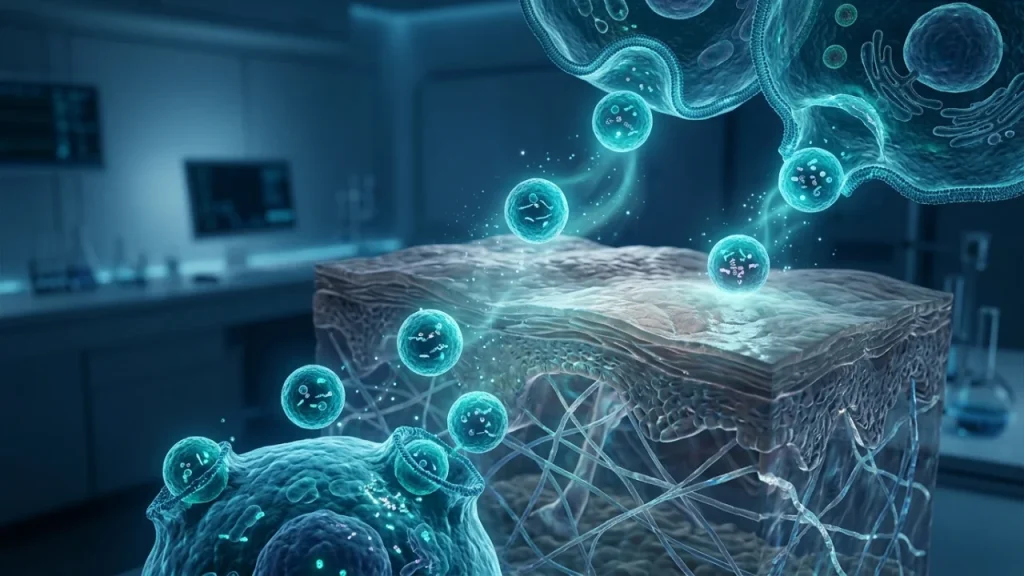
Think of your skin as a vast, living city. Millions of cells work there. They do not have phones or emails. They communicate with tiny packages. These packages are called exosomes.
Exosomes are natural messengers. Your own cells make them constantly. They are incredibly small. You could line up thousands across a single pinhead. Each exosome is a microscopic bubble, or vesicle. It carries a precious cargo of signals.
This cargo tells other cells what to do. It is like a set of instructions or a supply delivery. The contents can include: – Proteins that build structures. – Lipids for energy and repair. – Genetic material like RNA, which carries blueprints.
So, what are exosomes for skin? They are the main communication network for your skin cells. This system keeps your skin healthy, resilient, and able to heal.
Young, healthy skin cells are great at this. They send out helpful exosomes. These messages promote collagen production. They support strong elastin fibers. They tell old or damaged cells how to repair themselves. This constant chatter maintains firmness and a smooth tone.
But communication breaks down with age and damage. Stressed cells send different messages. Sun exposure changes the signals. Pollution does too. The helpful instructions get fewer. Sometimes, confusing or harmful signals get sent instead.
The skin’s repair systems slow down. Collagen production drops. The skin barrier can weaken. This leads to visible signs we recognize as aging. We see fine lines and less elasticity. The skin’s natural glow may fade.
The science aims to use this natural system. Researchers study how to support it. The goal is to provide beneficial signals directly to the skin. Think of it as resetting the cellular conversation to a younger, healthier state.
This is not about adding foreign chemicals. It is about leveraging the body’s own language. The logic is elegant. Your skin cells already know how to use these signals. We are just helping them get better messages.
Exosomes work on a fundamental level. They do not just sit on the surface. They deliver their instructions deep within the skin’s layers. They engage with the living cells that actually rebuild tissue.
The process is specific and intelligent. An exosome released from a fibroblast cell, for example, will often seek another fibroblast. It carries the exact tools that cell needs to make collagen. This targeted delivery makes the system efficient.
Understanding this changes how we view skin care. It shifts the focus from just treating symptoms to supporting cellular health. The core idea is to enhance the skin’s innate ability to take care of itself.
This biological messaging affects all key skin functions: – Barrier strength and protection. – Hydration and moisture retention. – Inflammatory response and calming. – The pace of cellular turnover and renewal.
When the messaging is optimal, the skin functions as a coordinated whole. It can defend itself better from daily stress. It can recover more quickly from minor damage. The result is skin that looks and acts in a more vital way.
In short, exosomes represent the native language of your skin’s cells. Learning how to use this language is the next frontier in advanced skin health. It moves us beyond mere supplementation to true cellular communication.
The next logical question is how this science translates from theory into practical benefit for your skin’s appearance and resilience over time.
How Exosomes Differ from Stem Cells in Skincare Treatments
You often hear about stem cells in skincare. You might think exosomes are the same thing. They are not. They are fundamentally different. This difference matters for your skin’s health.
Think of a stem cell as a factory. It is a living, breathing cell. It can divide and create new cells. It can also become different types of cells. A skin stem cell might become a new fibroblast. A fibroblast makes collagen.
An exosome is not a factory. It is a tiny package sent *from* the factory. It is a messenger. A stem cell, or any other cell, creates exosomes and releases them. The exosome then travels away to deliver its cargo.
This is a key point. Exosomes are tools for communication. Stem cells are one source of those tools. Other mature cells, like fibroblasts, also release exosomes constantly.
Why does this distinction matter for treatments? It comes down to mechanism and safety.
Stem cell therapies involve introducing living cells. The goal is for those cells to engraft and work. This is a complex biological process. It requires the cells to survive and function correctly in their new environment.
Exosome treatments take a different path. They use the messages, not the messengers. Scientists collect the beneficial exosomes that cells produce. They isolate these vesicles. The treatment delivers the communication packets alone.
This approach has distinct advantages for skin care. Let’s look at the practical differences.
First, consider action. A stem cell must settle in and *then* start working. It may release helpful signals over time. An exosome treatment delivers a concentrated dose of signals immediately. It is like receiving an urgent, detailed instruction manual all at once.
Second, think about precision. A living cell can react to its environment in unpredictable ways. An exosome’s cargo is set when it is collected. Its instructions are specific and targeted. We can select exosomes from cells known for their regenerative signals.
Third, there is the issue of compatibility. Introducing foreign living cells can trigger an immune response. The body may attack them. Exosomes have a much lower risk of rejection. Their structure is naturally designed for cross-talk between cells, even from different sources.
Here is a simple analogy from daily life. – A stem cell therapy is like planting a new apple tree in your garden. You hope it grows, takes root, and eventually produces fruit. – An exosome treatment is like receiving a basket of ripe apples today. You get the beneficial nutrients immediately, without waiting for the tree to grow.
For your skin, this means exosome treatments focus on education. They teach your existing skin cells how to perform better. They do not try to add new, foreign cells to your skin’s ecosystem.
Your skin already has stem cells and working cells like fibroblasts. Sometimes these cells become sluggish or confused. Their communication breaks down. Exosome treatments aim to reboot this system.
They provide clear instructions to your skin’s own workforce. This tells fibroblasts to make more collagen. It guides keratinocytes to build a stronger barrier. It helps calm overactive immune cells that cause redness.
The goal is to optimize what you already have. This makes exosome science a powerful partner to your skin’s natural biology. It supports from within using the body’s own language.
Understanding this difference clears up confusion. It shows why “what are exosomes for skin” is a separate question from stem cell therapies. One deals with cellular messages. The other deals with the message senders themselves.
This leads us to the next logical step. We know what exosomes are and how they differ from cells. Now we must explore where these potent messengers come from and how they are prepared for safe, effective use in skincare science.
Why Your Skin Needs These Tiny Messengers to Stay Healthy
Your skin is a living organ that constantly talks to itself. It must repair daily damage from sunlight, pollution, and minor injuries. Healthy communication between its cells is not a luxury. It is a requirement for survival. Exosomes are the primary language for this critical conversation.
Think of your skin’s structure like a brick wall. Skin cells called keratinocytes are the bricks. Lipids and proteins act as the mortar holding them together. This wall is your skin barrier. It keeps moisture in and irritants out. For this wall to stay strong, cells must coordinate repairs constantly. They send exosomes packed with blueprints for making more mortar. They send signals to speed up brick production when needed. Without these tiny messengers, repair instructions get lost. The wall weakens.
Collagen and elastin form the supportive layer under this wall. Fibroblast cells make these proteins. As we age, fibroblast activity slows down. They also get noisy, confusing signals from their environment. Exosomes from younger, healthier cells can cut through this noise. They deliver direct orders to restart collagen production. They do not just tell the fibroblast to work. They provide the exact tools and plans.
Inflammation is a key example of lost communication. Your immune cells patrol your skin. They react to threats like bacteria. Sometimes, they overreact to harmless triggers. This causes redness and sensitivity. Calming this response needs a clear “stand down” signal. Specific exosomes carry this exact message. They help restore balance and prevent chronic irritation.
So, why should you care about exosomes for your skin? Because they manage the core processes that define skin health. Their decline is a root cause of visible aging and dysfunction.
- They maintain barrier integrity by instructing keratinocytes.
- They preserve firmness by directing fibroblast collagen synthesis.
- They modulate immune responses to prevent unnecessary inflammation.
- They facilitate antioxidant defense against environmental stress.
- They promote efficient turnover and renewal of old skin cells.
Every day, your skin faces millions of small challenges. A robust exosome network allows it to adapt and heal. When this network weakens, problems accumulate. The skin cannot fix small issues quickly. Minor UV damage becomes a permanent wrinkle. A slight barrier crack leads to chronic dryness. Temporary redness turns into persistent sensitivity.
This is the central point. Exosomes are not just a potential treatment ingredient. They are a fundamental part of your skin’s operating system. Learning what are exosomes for skin means understanding this internal maintenance protocol. It explains how your skin stays resilient when it is healthy. It also shows why supporting this messaging system can be transformative.
The goal is sustained balance, or homeostasis. Your skin constantly strives for this stable state. Exosomes are the couriers carrying the memos that make homeostasis possible. They ensure all departments work from the same playbook.
Therefore, caring for your skin’s health means caring about the clarity of its cellular communication. Supporting this native messaging system addresses causes, not just symptoms. It helps your skin help itself more effectively every single day. This understanding naturally leads to a practical question: where do these vital messengers come from for use in modern skincare science?
How Exosomes Work Inside Your Skin at the Cellular Level
The Journey of an Exosome: From Creation to Delivery
Imagine a skin cell as a busy factory. It has a central command center called the nucleus. This nucleus holds the DNA instructions. The factory constantly makes proteins and other molecules the skin needs. It also produces waste and sends messages. This is where exosomes begin.
Their creation starts inside the cell. A small area of the cell’s internal membrane begins to curve inward. It forms a little pouch. This pouch captures specific cargo from inside the cell. The cargo is not random. It is carefully selected.
What goes inside? The cell packs these tiny pouches with vital instructions. – It includes microRNAs, which are short strands of genetic code. – It adds proteins that can trigger growth or repair. – It places enzymes that fight oxidative stress. – It loads signaling molecules for communication.
This pouch then pinches off completely. It is now a free-floating bubble inside the cell. Scientists call this an endosome. But it is not yet an exosome. The next step is crucial. The endosome’s membrane buds inward again. It creates many even smaller vesicles inside itself.
Think of a hollow ball filled with many tiny marbles. Each marble is a future exosome. The larger ball is now called a multivesicular body. It holds dozens of these pre-exosomes. The multivesicular body then travels through the cell’s interior. It moves along tracks like a train on a rail.
Its destination is the outer wall of the cell, the plasma membrane. The multivesicular body docks at this membrane. The two membranes fuse together. This fusion opens a gateway to the outside world. All the tiny exosome marbles are released into the space between cells.
This space is the extracellular matrix. It is a gel-like network of fibers and water. The exosomes now begin their delivery journey. They do not float aimlessly. They navigate with purpose.
Exosomes have address labels on their surface. These labels are proteins and sugars. A target cell has matching receptors on its own surface. It is like a lock and key system. When an exosome finds its target cell, it can deliver its cargo in three main ways.
First, it can dock and fuse with the target cell’s membrane. It empties its contents directly into that cell’s interior. Second, the target cell can swallow the entire exosome whole. This process is called endocytosis. Third, the exosome’s surface signals can bind to the target’s receptors. This binding sends a signal without full entry.
The entire process is fast and efficient. From creation to release can take just minutes. A single skin cell can release thousands of exosomes. They travel short distances to neighboring cells. They also enter capillaries and travel in blood or lymph fluid.
This systemic travel is key for what are exosomes for skin really about. They coordinate activity across different layers and cell types. A fibroblast in the dermis can send exosomes to a keratinocyte in the epidermis. The message might be to produce more collagen or to speed up barrier repair.
The journey is continuous and dynamic. Your skin cells are constantly packaging, sending, and receiving these vesicles. It is a fundamental biological process for maintenance and response. Understanding this journey shows why supporting this natural system is logical. The next question is how science harnesses this process for therapeutic benefit without disrupting its elegant natural balance.
What’s Inside an Exosome: The Cargo That Changes Skin
An exosome’s power comes from its molecular payload. This cargo is not random. It is a carefully selected package of instructions and tools. Think of it as a tiny delivery truck. The truck itself is the lipid bubble. The cargo inside is what changes the skin cell’s activity.
The cargo has three main types. These are proteins, lipids, and genetic material. Each type has a distinct job.
First, let’s look at proteins. These are the workhorse molecules of cells. An exosome can carry dozens of different proteins. Some are enzymes. Enzymes speed up chemical reactions inside the target cell. For example, an exosome might deliver enzymes that help break down damaged collagen. This clears the way for new collagen to form.
Other proteins are growth factors. These are powerful signaling molecules. They tell a skin cell to divide or to produce more of a specific substance. A key growth factor for skin is TGF-β. It instructs fibroblasts to make collagen and elastin. These are the fibers that keep skin firm and elastic.
Exosomes also carry receptor proteins on their surface. These act as keys to unlock the target cell. This is part of the docking process described earlier.
The second major cargo type is lipids. Lipids are fat molecules. They are not just for the exosome’s own membrane. Some lipids inside the vesicle are active signals themselves. Certain lipids can calm inflammation. They tell an immune cell in the skin to stop sending out alarm signals. This helps reduce redness and swelling.
Other lipids are building blocks. They can be used by the target cell to repair its own membrane. A healthy cell membrane is vital. It keeps nutrients in and irritants out.
The third and most fascinating cargo is genetic material. This includes RNA molecules. RNA is a set of instructions. The most common type in exosomes is microRNA.
MicroRNA does not carry code to build a protein. Instead, it acts like a manager. It regulates which genes in the target cell are turned on or off. One microRNA might silence a gene that causes inflammation. Another might boost a gene responsible for antioxidant defense.
This is a precise form of communication. It allows one cell to fine-tune the very identity of another cell. A fibroblast can send exosomes with microRNA to a keratinocyte. This microRNA can tell the keratinocyte to strengthen the skin’s barrier.
The exact mix of cargo defines the exosome’s message. A cargo from a stressed skin cell will differ from a healthy one. A stressed cell might pack more inflammatory signals. A healthy, youthful cell might pack more collagen-boosting growth factors.
Scientists can analyze this cargo. They study what exosomes for skin health typically carry. They look for ideal profiles rich in certain factors.
- Collagen-stimulating growth factors (like TGF-β).
- Anti-inflammatory microRNAs.
- Antioxidant enzymes (like superoxide dismutase).
- Lipids that promote membrane repair.
This cargo profile is the blueprint for skin regeneration. When these molecules enter a target cell, they change its behavior. The cell might start producing more structural proteins. It might slow down its breakdown of existing support fibers. It might activate its internal repair systems.
The result is not just one change. It is a coordinated shift in cellular activity. This shift moves the skin toward a state of better repair and resilience. The cargo turns biological signals into tangible improvements.
Understanding this cargo explains the core mechanism behind the therapy’s promise. The next logical step is to see how this natural process is applied in a clinical setting to address specific skin concerns
How Exosomes Cross Cell Membranes to Deliver Their Messages
Exosomes do not simply bump into a cell and hope for the best. They use precise biological methods to deliver their cargo. Think of a skin cell as a secure building. The exosome must get past the outer wall. This wall is the cell membrane. The exosome has several strategies for entry.
One common method is direct fusion. The exosome’s own membrane merges with the target cell’s membrane. This is like two soap bubbles becoming one. When they fuse, the exosome’s interior space opens directly into the cell’s interior. All its cargo is released at once. This method is fast and efficient for certain signals.
Another major method is endocytosis. Here, the cell actively engulfs the exosome. The cell membrane folds inward. It forms a small pouch around the vesicle. This pouch then pinches off inside the cell. Now the exosome is trapped in a new bubble inside the cell. This bubble is called an endosome.
The journey is not over yet. The endosome must break open to release the exosome’s payload. Special proteins and changes in acidity help dissolve this inner bubble. Only then can the growth factors and microRNAs get to work.
Specific keys unlock these processes. Proteins on the exosome’s surface act as these keys. They bind to matching receptor proteins on the skin cell’s surface. This binding is the first critical step. It signals to the cell that this vesicle is a message, not trash.
For skin health, certain surface markers are vital. Tetraspanins like CD63 are common exosome markers. Integrins help target specific cell types. These molecules guide exosomes to the right address. A fibroblast’s exosome may carry surface keys that prefer other fibroblasts or keratinocytes.
The choice of entry method affects the message. Direct fusion delivers everything immediately. Endocytosis can offer more control. The cell can route the endosome to different compartments. Some cargo might be processed for immune signaling. Other cargo might be sent directly to the cellular machinery.
This targeting is why exosomes for skin therapies hold such interest. Scientists can potentially engineer or select exosomes with optimal surface keys. These keys would guide vesicles precisely to aged or damaged skin cells. The right key ensures the regenerative message reaches the correct inbox.
The environment matters too. Inflamed or sun-damaged skin has a different landscape. Cell membranes can become more or less receptive. Inflammation might upregulate certain receptors. This could make cells more eager to accept exosomal messages, for good or ill.
Once inside, the cargo disperses. Growth factors activate pathways on internal membranes. MicroRNAs travel to the nucleus and ribosomes. They influence which genes are read and which proteins are made. The delivery method ensures these molecules are protected until they are deep inside their target.
This precise delivery system is nature’s solution to a complex problem. Cells need to share large, fragile toolkits without dilution or damage in the extracellular space. Exosomes are the protected couriers, and membrane fusion or engulfment are the signed delivery receipts.
Understanding this cellular logistics explains how a signal applied topically or injected can lead to deep changes. The exosome’s journey from the outside to the inner workings of a cell is a feat of biological engineering. This sets the stage for asking how we can harness this natural system to address specific skin concerns with clinical precision.
The Science Behind Exosomes for Skin Rejuvenation and Repair
How Exosomes Signal Your Skin to Make More Collagen
Collagen loss is a primary reason skin becomes thin and saggy. Your skin cells always have the genetic blueprint to make this vital protein. But as we age, the signals telling them to build it fade. Exosomes can restore these instructions.
Think of a fibroblast, your skin’s collagen factory. An exosome arrives and delivers its cargo. Key molecules inside include specific microRNAs and growth factors. These are not new materials. They are powerful messages.
The growth factors bind to receptors on the fibroblast’s internal structures. This acts like a master switch. It turns on major production pathways. One crucial pathway is called TGF-β signaling. This pathway is essential for tissue repair.
Simultaneously, microRNAs get to work. They travel to the cell’s control center. Their job is to regulate gene expression. They do not change genes. They influence how often certain genes are read.
Some microRNAs silence genes that produce collagen-breaking enzymes. These enzymes are called matrix metalloproteinases (MMPs). Sun exposure and aging ramp up MMP activity. They chop up collagen networks.
- One exosomal microRNA might block the message for MMP-1.
- Another could inhibit MMP-3 production.
This is a double action. Exosomes tell cells to build more collagen. They also tell them to destroy less of it. The net result is a positive shift in balance.
The process boosts production of Type I and Type III collagen. These types give skin its tensile strength and elasticity. Signals also increase elastin and fibronectin synthesis. These are other parts of the skin’s support matrix.
This signaling is not a one-time event. It can change the cell’s behavior for a period. A treated fibroblast enters a more active, youthful state. It secretes more supportive proteins into its surroundings.
The newly made collagen then organizes into strong fibrils. This adds density to the dermal layer. Skin becomes thicker and more resilient. Fine lines may soften because the foundation is plumped.
This explains the core science behind using exosomes for skin rejuvenation. The effect is fundamentally different from just filling wrinkles. It addresses the root cause of thinning skin.
Research shows this is not theoretical. Studies using exosomes derived from stem cells observe clear changes. Treated skin samples show higher collagen density on biopsy. Measured collagen protein levels rise significantly.
The beauty of this system is its biological intelligence. The exosome delivers a coordinated set of instructions. It adjusts multiple levers at once. This creates a harmonious repair response.
Understanding this mechanism clarifies how regenerative effects are achieved. The skin is not being forced by harsh chemicals. It is being reminded how to perform its natural, healthy functions. This cellular communication guides your own repair processes for firmer, stronger skin.
Exosomes and Inflammation: Calming Your Skin Naturally
Healthy skin requires a balanced immune response. Inflammation is a natural defense. It helps fight infection and heal wounds. But this state should be temporary. Problems arise when inflammation becomes chronic. This low-grade, persistent irritation silently damages skin.
Chronic inflammation breaks down collagen and elastin. It weakens the skin’s barrier function. This leads to redness, sensitivity, and accelerated aging. Many common skin concerns share this root. Rosacea and certain types of acne involve flawed inflammatory pathways. Even sun exposure triggers an inflammatory cascade.
This is where exosomes show their dual role. They are not just builders. They are also skilled diplomats for your skin. Their cargo includes specific molecules that calm overactive immune cells. These molecules help reset the skin’s inflammatory balance.
Exosomes carry instructions for immune modulation. They deliver microRNAs and proteins directly to skin cells. These include immune cells like macrophages. A key signal promotes a shift from a pro-inflammatory state to a pro-healing state.
Think of macrophages as cellular cleanup crews. They have different modes. In their “M1” mode, they promote inflammation. They release signals that cause redness and swelling. In their “M2” mode, they suppress inflammation and encourage repair.
Exosome signals can help push macrophages toward the calming M2 state. This change reduces the output of inflammatory molecules. Molecules like TNF-alpha and IL-6 are dialed down. The fire is starved of fuel.
The vesicles also carry antioxidant enzymes directly. These enzymes neutralize free radicals. Free radicals are unstable molecules that drive inflammation and damage cells. By quenching them, exosomes tackle a direct cause of irritation.
This anti-inflammatory action supports the structural repair described earlier. Chronic inflammation actively hinders collagen production. It tells fibroblasts to stop building and start defending. By calming this environment, exosomes remove a major block to regeneration.
A soothed skin barrier functions better. It retains more moisture and keeps out irritants. This reduces reactivity and visible redness. The skin looks calmer and feels more comfortable.
The use of exosomes for skin health leverages this innate calming ability. It is a biological approach to managing sensitivity. The goal is not to suppress the immune system entirely. That would be dangerous. The goal is to restore its natural, balanced function.
Research models demonstrate this effect clearly. Studies on skin cells show exosomes reduce markers of inflammation after UV exposure or chemical insult. In models of dermatitis, they lessen swelling and immune cell infiltration.
The process is precise and self-limiting. The exosomes deliver their instructions and are cleared. They do not permanently alter the immune system. They provide a temporary, guiding signal toward equilibrium.
This has profound implications for skin aesthetics and health. Plumping collagen is one thing. But creating a less inflamed cellular environment is another. It addresses the underlying terrain that allows aging and damage to progress.
Calmer skin is stronger skin. It is more resilient to daily stressors like pollution or weather changes. It recovers more quickly from procedures or minor injuries. Its natural glow returns when constant redness subsides.
The combined effect is powerful. Exosomes support the dermal structure by boosting collagen. Simultaneously, they protect that new structure by cooling inflammation. This two-part action tackles aging from complementary angles.
Understanding this mechanism answers a common question about regenerative aesthetics. How can one treatment address both wrinkles and redness? The answer lies in the sophisticated cargo of these vesicles. They carry a full toolkit for holistic skin repair.
The next logical question concerns safety and natural compatibility. Because exosomes utilize the body’s own communication language, their signals are recognized precisely. This minimizes the risk of adverse reactions seen with harsh anti-inflammatory drugs.
In essence, your skin already knows how to calm itself down. Sometimes it just forgets the right signals to send. Exosomes serve as a timely reminder of that innate program for peace and repair. —
Accelerating Wound Healing with Exosomal Communication
When skin is cut, burned, or injured, the body launches a precise repair sequence. Exosomes are critical directors of this complex process. They help coordinate each phase for faster, cleaner recovery.
The standard healing timeline has three main stages. First comes inflammation to clean the wound. Next is proliferation to rebuild tissue. Finally, remodeling matures the new skin. Exosomes optimize every single step.
Right after injury, cells release a flood of exosomes. These vesicles carry immediate instructions. They signal nearby blood vessels to constrict and reduce bleeding. They also recruit immune cells to the site. These immune cells fight infection and remove debris.
This inflammatory phase is necessary. But it must be tightly controlled. Prolonged inflammation actually harms new tissue. This is where exosome guidance is vital. They help switch the signal from “attack” to “rebuild” at the right time.
The proliferative phase is where rebuilding happens. Here, exosomes directly answer what are exosomes for skin in a practical sense. They instruct fibroblasts to multiply and move into the wound bed. Fibroblasts are the skin’s construction cells.
These cells then start producing new collagen and elastin. This forms the provisional matrix, or scaffolding, for new skin. Exosomes also promote angiogenesis. This is the growth of new, tiny blood vessels.
These new vessels supply essential oxygen and nutrients to the healing tissue. Without this supply chain, repair stalls. The process is like rebuilding a house after a fire. You need construction crews, building materials, and open roads for delivery.
Exosomes ensure all these elements arrive on schedule. They significantly speed up this proliferative stage. Studies show exosome-treated wounds can close days faster than untreated ones.
The final remodeling phase can last for months or even years. New collagen fibers are initially laid down in a haphazard, weak pattern. Exosomes guide fibroblasts to reorganize these fibers.
They are woven into a stronger, more organized network. This improves the tensile strength and appearance of the healed scar. The goal is to restore function and aesthetics as much as possible.
Think of it like training a climbing vine. Early growth is wild and directionless. With careful guidance, it can be trained along a trellis for better structure and strength.
The clinical implications are significant. Accelerated healing reduces the window for infection. It also minimizes scar formation and discomfort. This applies to many situations.
- Surgical incisions can close more neatly.
- Burn wounds may re-epithelialize faster.
- Chronic ulcers, like diabetic wounds, can find a path to closure.
- Skin recovering from laser treatments or microneedling regains its barrier quickly.
The mechanism hinges on communication. Damaged keratinocytes and fibroblasts send out SOS signals via exosomes. Neighboring healthy cells receive these molecular messages.
They then respond by dividing, migrating, or producing proteins. This creates a coordinated local effort. The body’s own repair crew works with perfect situational awareness.
This natural signaling is why exosome approaches show high biocompatibility. The language is innate. The instructions are precise. The result is an efficient return to skin integrity.
Ultimately, this demonstrates a core regenerative principle. Healing is not just about patching a hole. It is about restoring original architecture and function. Exosomes facilitate this by orchestrating cellular behavior across the entire wound timeline.
They provide the correct signals at the exact right moments. This moves the process from inflammation to rebuilding to maturation without delay. The next consideration is how this precise communication translates into long-term skin strength and resilience against future damage.
Practical Applications: How Exosomes Are Used in Modern Skincare
Topical Exosome Formulations: What They Can Do for Your Skin
Topical exosome formulations deliver messages directly to your skin’s surface cells. These are not live cells. They are stable vesicles carrying molecular instructions. Think of them as pre-written letters sent to your skin.
Your skin barrier must allow them entry. Modern formulas use advanced carriers. These carriers protect exosomes and help them penetrate. Once inside, exosomes merge with target cells.
They release their cargo of proteins and RNA. This cargo does not change your DNA. It changes cell behavior. It tells cells to act younger and more vigorous.
So, what are exosomes for skin in a daily routine? They are signal boosters. They help reset cellular activity to a more youthful state. This addresses aging at its source.
The effects are multi-layered. One key benefit is enhanced collagen production. Fibroblasts are the cells that make collagen. As we age, they slow down and produce poorer quality fibers.
Exosome signals revive these fibroblasts. They instruct them to synthesize new, robust collagen and elastin. This improves skin density and elasticity from within.
- Skin feels firmer and more supple.
- Fine lines may appear softened.
- The skin’s foundation becomes stronger.
Another major application is barrier repair and hydration. A compromised barrier leads to dryness and sensitivity. Exosomes communicate with keratinocytes.
They promote the production of natural moisturizing factors and ceramides. This strengthens the skin’s brick-and-mortar structure. Resilience against irritants improves.
Redness and reactivity can diminish. The skin holds onto water more effectively. It looks plump and feels comfortable.
Exosomes also modulate inflammation. They carry anti-inflammatory signals. This calms low-grade, chronic inflammation known as inflammaging.
Inflammaging silently breaks down collagen and harms skin cells. By reducing it, exosomes create a better environment for longevity. Skin tone becomes more even and calm.
Hyperpigmentation can also be addressed. Exosomes can carry messages that regulate melanocytes. These are the pigment-producing cells.
Signals can encourage a more balanced melanin output. This leads to a gradual brightening effect. Dark spots may fade over time with consistent use.
The beauty of this approach lies in its precision. Topical exosomes provide targeted instructions. They tell specific cells to perform specific, beneficial tasks.
This is different from merely applying a nutrient or antioxidant. You are applying information. The skin uses this information to optimize its own functions.
Results are typically cumulative and progressive. Changes happen at a cellular level first. Visible improvements follow as cells renew and produce new matrix.
Consistency is important for topical use. Regular application maintains the flow of beneficial signals. It supports the skin’s daily renewal processes.
Safety is a common consideration. Topical exosomes are generally well-tolerated. They use the body’s innate language of communication.
Allergic reactions are rare because they are not foreign substances. However, quality and sourcing of the exosomes are critical. The carrier formula must also be high-quality.
This leads to an important point for consumers. Not all topical products labeled with exosomes are equal. The processing method determines exosome integrity and activity.
The goal is to preserve their signaling capability. Effective products ensure exosomes remain intact and functional until they reach your skin cells. This technology is continually evolving.
In summary, topical formulations offer a sophisticated way to influence skin health. They work by enhancing natural communication networks. The outcome is improved resilience, structure, and appearance.
This foundational support prepares the skin to better handle external stressors and internal aging processes. The next logical question explores how these principles apply to more intensive professional treatments for rejuvenation.
Injectable Exosome Therapies: Deeper Skin Rejuvenation
Injectable exosome therapies represent a significant advancement in professional skincare. They deliver concentrated messengers directly into the skin’s deeper layers. This method bypasses the surface barrier. It allows for precise, targeted communication with aging or damaged cells.
The process often begins with a consultation. A qualified professional assesses your skin’s specific needs. They determine the optimal treatment plan. This plan may combine exosomes with other procedures.
A common approach involves microneedling. Tiny needles create controlled micro-channels in the skin. This is not just for physical penetration. The micro-injuries trigger the skin’s natural wound-healing cascade.
Exosomes are then applied topically over this treated area. They enter through the micro-channels. This delivers them to the living dermal layer where collagen and elastin are made.
Another method uses fine-line injections or mesotherapy. A solution containing exosomes is injected into the mid-to-deep dermis. This places the vesicles exactly where they are needed most. The procedure is typically quick. Discomfort is minimal and brief.
So, what are exosomes for skin doing at this deeper level? Their job becomes more complex and powerful. They don’t just send general maintenance signals. They can actively modulate and direct cellular repair.
Think of a construction site after a storm. Topical exosomes might provide daily supplies to the workers. Injectable exosomes act like expert foremen arriving on site. They assess the damage directly. They give specific instructions to rebuild stronger structures.
The key mechanisms are direct and influential. Injected exosomes carry nucleic acids like miRNA. These are tiny instruction manuals for cell behavior. Dermal fibroblasts receive these instructions.
The result is a shift in cellular activity. Fibroblasts are encouraged to produce more high-quality collagen. They also make more elastin fibers and hyaluronic acid. This rebuilds the skin’s foundational support matrix.
Simultaneously, exosomes help calm inflammation. Chronic, low-level inflammation accelerates skin aging. Exosomes promote a balanced, regenerative environment. This supports cleaner, more efficient repair.
The effects are often more pronounced than with topical care alone. Improvements can be seen in several key areas: – Skin texture becomes noticeably smoother. – Fine lines and wrinkles appear softened. – Elasticity and firmness improve. – Overall tone and radiance are enhanced.
These changes occur because the treatment works at the source. It influences the cells responsible for skin structure. The renewal process is guided from within.
Safety remains paramount with any injectable treatment. Reputable clinics use exosomes derived from safe, controlled sources. The products are processed to ensure purity and activity. They contain no live cells or genetic material that can replicate.
Patients typically experience little downtime. Some temporary redness or mild swelling may occur. This usually resolves within hours or a day. The skin then begins its regenerative process.
Results are not instantaneous like filler. The rejuvenation unfolds over weeks as cells respond to new instructions. Collagen production takes time. Most patients see initial improvements in a few weeks. Optimal results develop over one to three months.
The longevity of results varies. It depends on individual aging processes and lifestyle factors. Many professionals recommend a series of treatments initially. Periodic maintenance sessions can help sustain the benefits.
This approach is particularly relevant for addressing specific concerns. It can help with acne scarring, stretch marks, or sun damage. It also supports skin recovery after aggressive laser procedures.
Injectable exosome therapy is a tool, not a magic cure. It works best as part of a comprehensive skincare philosophy. This includes daily sun protection and a healthy lifestyle.
The science continues to evolve rapidly. Research is exploring even more precise applications. The goal is ever-more personalized regenerative medicine.
In essence, these injections leverage the body’s innate intelligence for repair. They provide a powerful boost to the skin’s own communication systems at a critical depth. This represents a shift from merely treating symptoms to actively guiding cellular regeneration for lasting rejuvenation.
Addressing Fine Lines and Wrinkles with Exosome Technology
Fine lines and wrinkles are not just surface flaws. They are the visible result of slowed cellular activity and broken-down support structures. Exosome technology directly addresses these underlying causes. It provides aging skin cells with updated instructions for repair.
Think of a wrinkle as a sign of poor communication. Old skin cells send weaker signals. They produce less collagen and elastin. These are the vital proteins that keep skin firm and springy. Fibroblasts are the cells that make these proteins. As we age, fibroblasts become less active and fewer in number.
This is where what are exosomes for skin becomes a key question. Exosomes deliver precise molecular messages to these dormant fibroblasts. The messages tell them to wake up and get back to work. The exosomes do not simply shout “work harder.” They provide detailed blueprints and tools.
The cargo inside exosomes includes specific growth factors and genetic material. This cargo can instruct a fibroblast to ramp up its collagen production. It can also encourage the cell to divide, creating more healthy fibroblasts. This two-part action is crucial. It boosts both the workforce and its output.
The process is gradual and biological. You are not filling the wrinkle from the outside. You are rebuilding the skin’s foundation from within. New collagen fibers form over weeks. This strengthens the dermis, which is the skin’s supportive middle layer. As the dermis becomes denser and thicker, it pushes upward against the epidermis.
The result is a natural smoothing effect. Fine lines caused by thin, crepey skin begin to soften. Deeper wrinkles may become less pronounced. The skin’s texture improves because its structure is genuinely renewed. This is different from temporarily plumping the skin with a hydrator.
Exosome applications for wrinkles often focus on specific high-movement areas. These are places where expression lines form first. – The periorbital area around the eyes has thin skin prone to crow’s feet. – The forehead can develop horizontal lines from expression. – Glabellar lines between the eyebrows result from repeated frowning.
Treatment in these zones aims to reinforce fragile skin. The goal is to increase its resilience against repeated folding. Stronger, more abundant collagen helps the skin bounce back better after smiling or squinting.
The timing of results follows a logical biological sequence. Initial changes might involve improved hydration and surface texture. This can happen within the first few weeks. True structural rebuilding becomes visible later. Most people see noticeable smoothing after one full collagen cycle. This typically takes about three months.
Maintenance is part of the strategy. Skin aging does not stop after one treatment. Environmental stress and natural aging continue. Periodic exosome sessions can help sustain the higher level of cellular activity. This helps maintain the new collagen network you have built.
Combining this approach with good daily care maximizes benefits. Using sunscreen protects the newly stimulated fibroblasts from UV damage. Antioxidant serums can support the healthier cellular environment. Exosome therapy works in concert with these practices.
Ultimately, addressing wrinkles with exosomes is about information therapy. It corrects a cellular communication breakdown that comes with age. By sending clear, corrective signals, exosomes help shift skin from a degenerative state back toward a regenerative one. This sets the stage for exploring how this same principle applies to other complex skin concerns like scarring or pigmentation.
Fading Hyperpigmentation Through Exosome Signaling
Hyperpigmentation occurs when skin cells produce too much melanin. Melanin is our natural skin pigment. It usually gives us an even tan or freckles. Sometimes this process goes wrong. Cells can make too much pigment in one spot. This creates a dark patch or mark.
These marks have many causes. Sun exposure is a major trigger. Hormonal changes can also cause them. So can inflammation from acne or injury. The result is the same. Certain skin cells called melanocytes become overactive. They send out packets of pigment non-stop.
This is where exosome therapy offers a new approach. Traditional treatments often try to destroy or strip pigment. Exosomes work differently. They aim to calm and retrain the overactive cells. They carry instructions for normal, balanced behavior.
Think of a melanocyte as a factory. In hyperpigmentation, the factory’s “on” switch is stuck. It keeps producing pigment without a stop signal. Exosomes deliver messages to fix that switch. They help restore the natural production rhythm.
The process targets communication breakdowns. Healthy skin has constant chatter between cells. Keratinocytes are the main skin cells. They tell melanocytes when to make pigment and when to stop. With age or damage, this chat system fails. Instructions get loud and confusing.
Exosomes step in as expert messengers. They carry specific types of information. – Some signals tell the melanocyte to slow its pigment-making machinery. – Other signals support the health of the surrounding skin. – They also promote a calmer, less inflamed environment.
Inflammation is a key driver of pigmentation problems. Even after a pimple heals, it can leave a dark mark. This is called post-inflammatory hyperpigmentation. Exosomes help quiet this lingering inflammatory response. This removes a major signal that tells melanocytes to overproduce.
The goal is not to erase all pigment. That would be unnatural and unsafe. The goal is an even, harmonious tone. Exosomes support a return to balanced function. This is a core answer to what are exosomes for skin aiming to correct.
Results follow a gradual, biological timeline. You will not see spots vanish overnight. The first change is often a subtle lightening. The dark area may become less intense. Its edges might start to blend with the surrounding skin.
Full results require patience. It takes time for skin to absorb new instructions. It takes more time for cells to act on them. The existing dark pigment must also rise to the surface and shed. This natural skin renewal cycle lasts about 28 days.
Multiple treatment sessions are typical. One signal might not be enough to reset a long-standing problem. A series of sessions reinforces the corrective messaging. It helps establish a new, stable pattern for the cells.
This method pairs well with sun protection. Sunscreen is non-negotiable during treatment. UV rays are the strongest trigger for melanin production. Using exosomes without sunscreen is like trying to fill a leaky bucket.
The approach is fundamentally regenerative. It does not laser or peel the spot away. It encourages the skin to heal its own communication error. This leads to a more durable result. The skin is better equipped to stay even-toned.
Potential side effects are generally minimal. Because exosomes are natural signaling vehicles, severe reactions are rare. Some temporary redness might occur after the procedure. This usually fades within hours.
Not all types of hyperpigmentation respond equally. Conditions like melasma are complex and hormonal. Exosomes can improve it but may not erase it completely. They work best as part of a comprehensive care plan.
The takeaway is clear. Exosomes offer a smart strategy for uneven tone. They use the skin’s own language to correct excess pigment production. This moves care beyond surface bleaching to cellular retraining.
This logic of sending corrective signals extends further still. It also applies to repairing damaged skin structure, such as scars from injury or surgery
Benefits and Advantages of Exosome-Based Skin Treatments
Why Exosomes Work with Your Body Instead of Against It
Exosome-based skin care works with your body’s own systems. This is its core advantage. Think of your skin as a busy city. Cells are the citizens. They constantly talk to each other. They send messages about repair, growth, and defense. Sometimes this communication breaks down. The city’s functions slow or go wrong.
Traditional treatments often act like external commands. They tell the skin what to do by force. A chemical peel commands the top layers to dissolve. An injectable filler commands space to be taken up. These are direct orders. They can work well. But they do not fix the underlying cellular chatter. They can even disrupt it further.
Exosomes are different. They are not foreign commanders. They are more like expert translators or coaches. They carry the original language of your cells. A treatment delivers billions of these natural messengers. They join the existing conversation. They provide clear instructions that your own cells can instantly understand.
This is why exosomes work with your body instead of against it. They enhance processes that already exist. Your skin knows how to make collagen. It knows how to calm inflammation. It knows how to renew itself. With age or damage, these signals get faint or confused. Exosomes amplify the correct signals. They turn the volume back up on your skin’s own repair programs.
The benefits of this cooperative approach are clear. – It is inherently biocompatible. Your body recognizes these vesicles as its own. This drastically lowers the risk of rejection or severe reaction. – It promotes holistic healing. Instead of targeting one symptom, supportive messaging can improve multiple functions at once. – It aims for lasting change. By retraining cellular behavior, results can evolve and persist after the treatment period ends.
Consider the example of wound healing. After an injury, your cells release exosomes naturally. These vesicles coordinate the entire repair process. They tell blood vessels to grow. They instruct fibroblasts to build new collagen. A therapeutic application simply boosts this innate response. It gives the natural process more of the tools it is already trying to use.
This contrasts with approaches that bypass biology. Ablative lasers remove tissue to trigger a wound response from zero. Exosome therapy seeks to optimize and guide the response that is already struggling to happen. The goal is not to create controlled damage. The goal is to make the repair process smarter and more efficient.
The mechanism is about information transfer. Each tiny vesicle carries a cargo of proteins, lipids, and RNA. This cargo acts like a software update for your skin cells. It does not force a strange new program to run. It patches and improves the existing operating system.
This principle applies directly to common concerns like aging or scarring. Aging skin often suffers from noisy, inefficient signals. Collagen production slows. Inflammation may simmer. Exosome messages can help clarify this noise. They can shift the cellular priority back to structured rebuilding.
For scars, the body’s healing program originally made errors. It laid down collagen in a disorganized way. Exosomes can deliver instructions for organized, healthy matrix formation. They help the skin re-do the repair job correctly, using its own tools.
The result is skin that functions better as a living organ. Improvements in tone, texture, and resilience come from within. The treatment facilitates; it does not impose. This fundamental respect for biological processes is what makes what are exosomes for skin such a pivotal question in modern care. It represents a shift from passive correction to active cellular education.
The next logical question is about safety and how this gentle approach translates into a practical treatment experience for individuals seeking these advantages
The Non-Invasive Nature of Exosome Skin Rejuvenation
The core mechanism of exosome treatments makes cutting or wounding the skin unnecessary. Traditional methods often rely on controlled injury to start healing. Exosome therapy works differently. It delivers instructions, not damage. This is the foundation of its non-invasive nature.
Think of older rejuvenation methods. Laser resurfacing creates microscopic wounds. Microneedling makes tiny channels. These methods trigger inflammation to force a repair cycle. The process can be effective. However, it also involves downtime, redness, and discomfort. The skin must first heal the induced damage before showing improvement.
Exosome treatments skip the damage step entirely. A topical serum containing exosomes is applied after gentle skin preparation. The goal is absorption, not injury. The vesicles are small enough to enter through the skin’s natural pathways. They do not need created wounds to deliver their message.
This approach aligns with how skin naturally communicates. Your cells constantly send and receive tiny packets of information. The treatment simply adds more of these natural messengers to the conversation. It is an enhancement of an existing biological dialogue. There is no foreign substance or physical trauma to react against.
The practical benefits for anyone considering treatment are significant. – No procedural pain: The application feels like applying a serum, not undergoing a procedure. – Zero to minimal downtime: You can typically resume normal activities immediately. – Reduced risk of complications: Without open channels or wounds, risks of infection, scarring, or hyperpigmentation are vastly lower. – Predictable recovery: Results develop from biological signaling, not from navigating an inflammatory healing phase.
This method is particularly valuable for sensitive skin types. Skin prone to redness or reactive responses often struggles with traditional methods. The inflammation they cause can be excessive or prolonged. Exosome signals can calm and guide without first provoking a storm.
The non-invasive nature also allows for more frequent or combined treatments. Since the skin barrier remains largely intact, therapies can be repeated at shorter intervals if needed. They can also be safely paired with other gentle modalities for a layered effect.
From a cellular perspective, this is a more efficient use of energy. Skin cells spend their resources on building new collagen and elastin. They do not waste energy on repairing unnecessary procedural damage first. The cellular workforce focuses on renovation from day one.
This efficiency translates to visible results that appear gradually and naturally. Improvements in texture and tone develop over weeks as cellular activity shifts. The outcome lacks the artificial or “worked-on” look that sometimes follows aggressive procedures. The skin simply looks healthier and more refreshed.
Understanding what are exosomes for skin means recognizing this paradigm shift. It moves the focus from what we do *to* the skin to what we enable the skin *to do for itself*. The tool is information applied topically. The agent of change remains the body’s own intelligent cellular network.
The absence of physical invasion makes this a sustainable long-term strategy for skin health. It supports the skin’s function over time without cumulative trauma or barrier compromise. This positions exosome-based care not as a one-time fix but as part of a coherent maintenance philosophy.
Ultimately, the non-invasive character is not just a convenience. It is a direct result of the science. When the treatment is messaging, you do not need to break the door down to deliver the mail. You simply ensure it reaches the right mailbox. This elegant logic underpins both the safety profile and the growing appeal of these advanced treatments for modern skincare goals.
The next consideration is how these biological messages translate into tangible improvements for specific common concerns people hope to address with their skin care regimen.
Long-Term Skin Vitality Through Cellular Communication
Healthy skin is not a static object. It is a living, active organ. Its cells constantly talk to each other. This conversation decides everything. It controls repair, renewal, and defense. Over time, this cellular communication can become slow or confused. External stress and aging are common causes. The signals for vital functions grow weaker.
Exosomes restore the clarity and strength of this natural dialogue. They are not temporary fillers or blockers. They are messengers that deliver precise instructions. Think of a fading radio signal getting a powerful boost. The message becomes clear again. For skin, these messages tell cells how to behave optimally.
The core benefit is sustained cellular activity. This is the answer to what are exosomes for skin aiming for long-term results. The treatment provides a library of blueprints. Skin cells use these blueprints to perform their jobs better. The effect continues well after the initial application. Cells have been retrained to function at a higher level.
Several key processes get this long-term support.
- Collagen and elastin production sees ongoing encouragement. Fibroblasts are the skin cells that make these structural proteins. Exosomes carry direct orders to these fibroblasts. The orders say: “Maintain robust production.” This leads to gradual improvement in firmness and elasticity.
- The skin’s natural repair cycle stays efficient. Every day, skin faces minor damage from the environment. A healthy system fixes this damage quickly. Exosomes help optimize this repair workflow. They ensure damaged cells are replaced promptly with healthy new ones.
- Barrier function remains strong and resilient. The outermost layer of skin is your shield. Exosomes support the cells that build this shield. They promote the creation of tight junctions and lipids. This means better hydration and less sensitivity over months.
- Inflammatory responses become more balanced and measured. Chronic, low-level inflammation silently damages skin. It breaks down collagen and slows renewal. Exosome signals can help calm this unnecessary alarm. This creates a better internal environment for longevity.
The outcome is cumulative vitality. Improvements build on each other slowly. You see a reduction in fine lines because collagen networks are actively maintained. Skin tone appears more even because cell turnover is steady. Hydration improves because the barrier is intact. These changes happen because cellular behavior has shifted.
This approach fundamentally differs from short-term fixes. Many treatments force a single, dramatic change. The effect then fades as the substance breaks down. Exosome-based care educates the skin’s own biology. The skin learns to sustain its own improved state. The original messengers may be gone, but the new behavior continues.
Long-term vitality means adapting to new challenges. As you age, your skin’s needs change. A system with clear communication adapts better. It can mobilize resources where they are needed most. It is about building a smarter, more responsive organ.
The ultimate advantage is resilience. Skin treated for long-term vitality can handle stress better. It recovers faster from sun exposure or dryness. It maintains its balance more easily. This turns skincare into a true investment in health, not just appearance.
The logic is consistent from start to finish. First, you deliver messages without invasion. Then, those messages reprogram cellular activity. Finally, that new activity becomes a self-sustaining standard. The skin’s own intelligence does the lasting work.
This leads to a practical question. How do these broad benefits apply to specific common concerns people want to solve?
What to Expect from Exosome Treatments and Future Possibilities
Current Research Directions in Exosome Dermatology
Scientists are now asking new questions about exosomes for skin. Their work explores far beyond common anti-aging. Research labs focus on solving specific, complex problems. The goal is to unlock new therapeutic potential.
One major direction targets chronic inflammatory conditions. Psoriasis and eczema involve confused immune signals. Researchers are loading exosomes with anti-inflammatory instructions. These vesicles can travel directly to overactive immune cells in the skin. The message tells them to calm down. Early animal studies show reduced redness and scaling. The approach aims to correct communication at the source.
Hair loss represents another active field. The focus is on awakening dormant hair follicles. Scientists extract exosomes from stem cells known to promote growth. These exosomes carry factors that shift the follicle’s phase. They move it from a resting state back into a growth state. Clinical observations note improved hair density and follicle activation. This offers a cell-based alternative to traditional drugs.
Wound healing is a critical application area. Diabetic ulcers often fail to close. They suffer from poor circulation and cellular dysfunction. Research uses exosomes from mesenchymal stem cells. These vesicles deliver a full toolkit for repair. They encourage new blood vessel formation. They reduce bacterial infection risk. They instruct skin cells to migrate across the wound bed. Trials measure faster closure rates and better tissue quality.
Research also delves into pigment disorders. Vitiligo causes patches of skin to lose color. Melasma causes patches of skin to gain too much color. Exosome studies aim to regulate the melanocytes. These are the cells that produce pigment. For vitiligo, messages might encourage melanocyte activity and migration. For melasma, messages might normalize their overproduction. The therapy seeks to restore the skin’s natural balance.
A fascinating frontier is targeted drug delivery. Exosomes are natural delivery vehicles. Scientists can engineer them to carry specific payloads. They can load them with antioxidants, growth factors, or even genetic material. The vesicle’s membrane protects the cargo. It ensures delivery to the intended cell type. This turns exosomes into precision-guided tools.
The concept of “smart” exosomes is in early stages. Researchers work on designing vesicles that respond to triggers. For example, an exosome could release its cargo only in a high-inflammatory environment. This would make its action highly specific. It would minimize off-target effects.
Another direction explores personalized exosome profiles. Your own cells release unique vesicles. Scientists analyze these signatures for clues. The data can reveal your skin’s current biological state. It might show stress, aging, or imbalance patterns. This profiling could guide highly customized treatment plans.
Barrier repair for extremely sensitive skin is under investigation. Conditions like rosacea involve a severely compromised barrier. Studies apply exosomes rich in lipid synthesis signals. These messages help skin cells produce a stronger, more cohesive protective layer. A robust barrier keeps irritants out and moisture in.
Research also examines protection against environmental damage. Studies test exosome applications before UV exposure. The vesicles appear to prime skin cells’ defense systems. They enhance the natural antioxidant response. This can lead to less DNA damage and inflammation post-sun.
The collective goal of this research is expansion. Scientists want to provide solutions for more skin concerns. Each study adds a piece to the puzzle of cellular communication.
The future will likely combine these approaches. A treatment could address inflammation, barrier function, and pigmentation at once. It would use a cocktail of precisely engineered vesicles.
Current work is laying the necessary foundation. It proves mechanisms in lab models and small trials. The path from bench to bedside requires careful steps.
This ongoing exploration shows the field’s vitality. The understanding of what exosomes can do for skin is continually evolving.
Next, we must consider how these future possibilities translate into realistic expectations for anyone considering this pathway today
The Safety Profile of Exosomes for Skin Applications
Exosomes are natural parts of your body’s communication system. This inherent origin is a key starting point for safety. Your cells make and use these vesicles every day. Treatments aim to add more of these natural messengers.
The source of exosomes is critical for safety. In research, they most often come from human mesenchymal stem cells. These stem cells are known for their healing signals. The cells are grown under strict laboratory conditions. They are not taken directly from donors. The cells release exosomes into a clean culture medium. Scientists then isolate and purify the vesicles.
Purification removes other cell debris. This step is vital. It ensures the final preparation contains mostly exosomes. Contaminants could cause unwanted reactions. Advanced filtration and centrifugation techniques achieve this purity. The process is similar to methods used for other biologics.
Your immune system is designed to tolerate your own biological material. Exosomes from human stem cells carry compatible surface markers. This makes them inherently low-risk for immune rejection. They are not like a foreign organ transplant. Your body recognizes them as friendly signals.
However, safety depends on correct application. The skin’s barrier must be temporarily opened for exosomes to enter. This is often done with micro-needling or laser treatments. These procedures create tiny channels. The exosome solution is applied topically. It then travels through these micro-channels.
The safety profile hinges on several factors: – The purity and concentration of the exosome preparation. – The sterility of the entire process from lab to clinic. – The skill used in the application method. – The overall health and skin condition of the person.
Clinical studies report a strong safety record so far. Most documented side effects are mild and temporary. They are typically linked to the delivery method, not the exosomes themselves. Common reactions can include redness or slight swelling. These effects usually fade within a day or two. Serious adverse events are extremely rare in published research.
Long-term safety data is still being collected. Exosome science for skin is relatively new. Ongoing studies monitor patients over months and years. No significant long-term risks have been identified yet. The biological pathway supports this. Exosomes deliver messages and then are broken down by the body. They do not permanently alter your genetic code.
Regulatory oversight is an important layer. In many regions, exosomes are regulated as biologic products. This means manufacturing facilities must follow strict rules. These are known as Good Manufacturing Practices (GMP). GMP standards ensure consistency, purity, and safety in every batch.
You should have realistic expectations about results and safety. Not all exosome preparations are equal. The field lacks universal standardization currently. Reputable providers will use products from certified labs. They will follow precise application protocols.
Consultation with a knowledgeable professional is essential. A qualified provider will review your medical history. They will discuss your specific skin goals. This helps determine if an exosome treatment is a suitable option for you.
Understanding what are exosomes for skin includes knowing their safety foundation. Their natural role, high compatibility, and rigorous production contribute to a favorable profile. Current evidence suggests they are well-tolerated when sourced and applied correctly. The next consideration is how this science translates into a real-world treatment experience.
Integrating Exosome Knowledge into Your Skincare Routine
Understanding what are exosomes for skin gives you a new lens for your skincare. This knowledge helps you evaluate products and professional treatments. It moves you beyond surface-level claims. You can now look for science that supports real cellular communication.
Your daily routine plays a supporting role. It creates the right environment for your skin’s natural processes. Think of it as preparing the soil. Healthy skin cells are better at sending and receiving vital messages. They are also more receptive to the benefits of professional treatments.
Focus on foundational skincare steps. These steps support your skin’s own exosome network. – Consistent sun protection is crucial. UV radiation damages skin cells and disrupts their signaling. – Effective hydration maintains cell health. Plump, hydrated cells function better. – Gentle cleansing removes barriers to absorption. It does not strip the skin’s natural lipids. – Antioxidants help protect cellular messengers from free radical damage.
These steps optimize your skin’s baseline biology. They do not directly provide exosomes. Instead, they help your body’s own system work at its best. This is a key distinction in modern skincare philosophy.
Professional treatments offer a more direct approach. Here, your new knowledge is vital. Not all procedures work well with exosome science. You should ask informed questions during consultations. This ensures your treatments are complementary.
Some professional treatments create a controlled stimulus. Procedures like microneedling or certain lasers create micro-channels. They also trigger the skin’s natural repair response. This process can make the skin more receptive to topical exosome formulations. The treatment prepares the area. Then, applied exosomes can deliver targeted messages to the activated cells.
The timing of application matters greatly. Applying exosomes after such a procedure is strategic. The goal is to guide the healing process towards optimal regeneration. The messages might encourage collagen production or calm inflammation.
Your personal skin goals determine the strategy. Are you aiming for improved texture, reduced redness, or enhanced firmness? Different exosome preparations may carry different molecular instructions. A qualified provider can select a formulation aligned with your objectives. Your understanding of the mechanism leads to better dialogue.
Consider your skincare as a layered system. Daily maintenance forms the base layer. Periodic professional treatments act as strategic interventions. Exosome applications can be part of those interventions. They are not a standalone magic solution. They are a sophisticated tool within a broader plan.
Future possibilities are expanding this integrated view. Research is exploring sustained-release systems. Imagine a serum that supports your skin’s messaging over weeks. Scientists are also studying how specific exosome signals can be selected for precise concerns, like hyperpigmentation or scarring.
The core principle is synergy. Your routine, professional care, and advanced biologics should work together. Knowledge of exosome function helps you see these connections. It allows you to build a coherent regimen where each step has a clear biological purpose.
Making informed decisions is the ultimate goal. You now know exosomes are natural messengers. You understand their safety relies on quality and proper use. You see how they fit into a larger skincare framework. This empowers you to discuss options confidently and set realistic expectations for your skin’s journey toward health.