
What Is an Exosomes Facial and Why Should You Care?
Understanding Exosomes: Tiny Messengers in Your Body
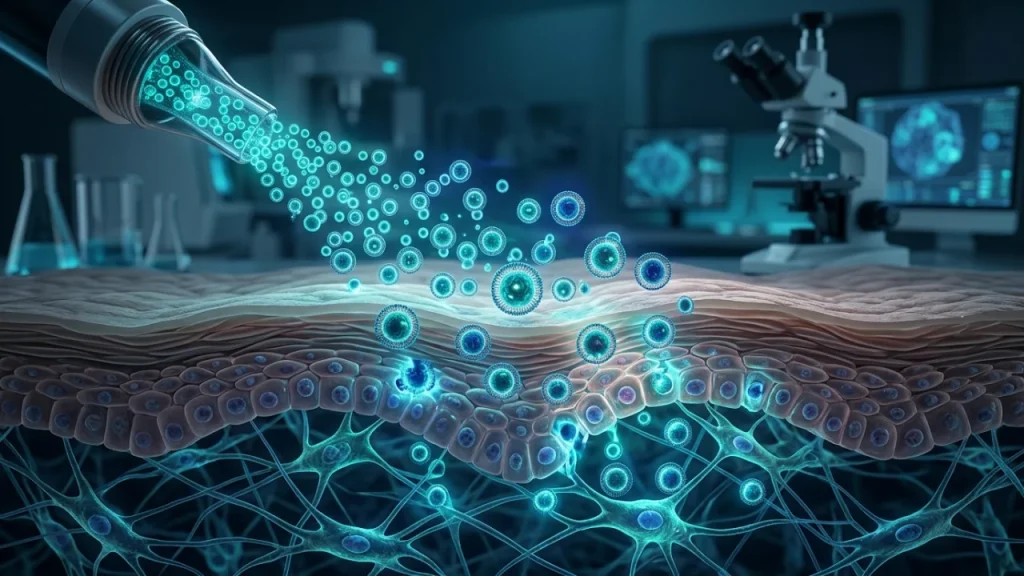
Your body is a vast network of cells. They must talk to each other to work properly. Exosomes are how they have this conversation. Think of them as tiny message capsules. They are released by nearly every cell type in your body.
These capsules are incredibly small. Billions could fit on the head of a pin. They are not cells themselves. Instead, they are vesicles, which are like microscopic bubbles made from cell membrane. Inside, they carry a powerful cargo. This cargo includes proteins, lipids, and genetic instructions like RNA.
Cells release exosomes into the spaces around them. Other cells then pick up these vesicles. The receiving cell opens the capsule. It reads the instructions inside. This process tells the cell what to do next. The message might say “repair damage here” or “reduce inflammation now.”
This system is vital for health. It helps coordinate your body’s response to injury and stress. For example, stem cells use exosomes heavily. Their exosomes send signals that promote healing. This natural messaging is the science behind an exosomes facial. The treatment uses these purified signaling vesicles.
The goal is to give your skin cells clear, beneficial instructions. It is like updating the software of your skin without changing the hardware. The exosomes in a facial treatment are not synthetic. They are harvested and purified from stem cells grown in labs.
Their key messages for skin are straightforward: – Encourage collagen and elastin production. – Calm inflammation and redness. – Accelerate cellular repair and turnover. – Improve overall skin cell function and communication.
This is why you should care about this science. It taps into your body’s own language. The approach is fundamentally different from simply adding a substance to your skin. Instead, it aims to guide your existing cells to behave in a younger, healthier way. Understanding this core biological role sets the stage for seeing how it translates into a real treatment.
How Exosomes Work in Skin Health and Repair
Your skin is a busy community of cells. They constantly talk to each other. Exosomes deliver the most important messages for keeping this community healthy and young.
Think of a skin cell that has been damaged by the sun. It sends out stress signals. Nearby healthy cells or applied treatment exosomes respond. They release their own exosomes loaded with specific repair instructions. These vesicles travel to the damaged cell.
The exosome attaches to the target cell. It delivers its cargo directly inside. This cargo contains microRNAs and proteins. These are the precise commands. They do not just sit there. They actively change what the cell does.
One major command is to boost collagen. Collagen is the main support protein in your skin. With age, cells make less of it. Exosome signals can turn the production machinery back on. They tell the fibroblast cells to build new collagen fibers. This strengthens the skin’s foundation.
Another key instruction is to speed up turnover. Your skin naturally sheds old cells and makes new ones. This process slows down over time. Exosome messages can help reset the pace. They encourage fresh, vibrant cells to come to the surface more quickly.
Exosomes also calm trouble spots. Inflammation is a root cause of many skin issues. It can lead to redness and breakdown. The signals in exosomes tell immune cells in the skin to relax. They reduce the fire of inflammation. This allows calm repair to happen.
The process is natural and intelligent. It uses the body’s own language. An exosomes facial aims to flood the skin with these precise commands. The goal is not to add a temporary layer of moisture. The goal is to change cell behavior from within.
The effects are cumulative and foundational. Cells that function better create better quality skin tissue. This leads to visible improvements that come from true health, not just surface masking.
Here is a simple breakdown of the chain reaction: – Exosomes deliver genetic instructions (microRNA) to skin cells. – The cell’s machinery reads these new instructions. – This changes which proteins the cell produces. – Increased production of structural proteins like collagen and elastin begins. – Cellular repair pathways switch on. – Inflammatory signals are told to turn down.
This entire process enhances your skin’s natural ability to heal itself. It addresses aging at a cellular level. The result is not just about looking better temporarily. It is about having skin that behaves in a more resilient, youthful way. Understanding this repair logic shows why this approach represents a shift in aesthetic science. It moves beyond passive supplementation to active cellular communication. Next, we will explore what this looks like in an actual treatment experience.
The Rise of Exosome Therapy in Aesthetic Medicine
The field of aesthetic medicine is constantly evolving. New approaches emerge from scientific discovery. Exosome therapy represents one of the most significant recent shifts. It moves beyond simply filling or paralyzing. Instead, it focuses on cellular communication for regeneration.
Why is this happening now? The science has reached a critical point. Researchers now better understand extracellular vesicles. They have developed reliable methods to collect and purify exosomes. These advances make clinical application possible. The appeal for both practitioners and patients is clear. It offers a new logic for skin rejuvenation.
Traditional treatments often address single issues. Botox relaxes muscles. Fillers restore volume. Lasers resurface the top layer. An exosomes facial operates differently. It aims to improve overall skin health and function. This foundational change can influence multiple concerns at once. Think of it as upgrading the skin’s operating system rather than just fixing one bug.
The rise is fueled by several key factors. First, there is a strong desire for natural, long-lasting results. People want treatments that work with their biology. Second, the non-invasive nature is highly attractive. There are no significant cuts or long downtimes. Third, the potential for personalized care is immense. Exosome profiles could one day be tailored to individual needs.
Consider these common patient goals that align with this therapy: – Reducing fine lines by boosting collagen naturally. – Improving skin texture and tone through better cell turnover. – Enhancing hydration from within by strengthening the skin barrier. – Calming sensitive or inflamed skin conditions. – Accelerating healing after other cosmetic procedures.
This approach fits a modern view of aesthetics. Beauty is increasingly linked to holistic health and vitality. Skin that is truly healthy simply looks better. Exosome therapy targets that core principle. It uses the body’s own signaling tools to guide the process.
The growth of this modality is not a passing trend. It is a direct application of rigorous cell biology. Clinical studies continue to explore its full potential. Early results are promising for various skin challenges. This scientific backbone gives it substantial credibility in medical aesthetics.
Patients are becoming more informed and curious. They seek cutting-edge, evidence-based options. An exosomes facial meets that demand. It offers a sophisticated path to rejuvenation. This treatment reflects where aesthetic medicine is headed. The focus is shifting toward regenerative science and intelligent cellular dialogue. Next, we will look at what you can realistically expect from the treatment experience itself.
The Science Behind Exosomes and Skin Regeneration
What Are Exosomes Made Of? Key Components Explained
Think of an exosome as a tiny delivery truck. Its cargo is what makes it powerful. This cargo is a precise mix of molecules. These molecules are the actual instructions for your skin cells.
The protective shell of the exosome is a lipid bilayer. This is like a bubble made from the same material as your cell membranes. It keeps the valuable cargo safe. It also helps the exosome find and merge with the right target cell.
Inside, the key components fall into two main groups. These are functional proteins and genetic messages.
First, let’s look at the proteins. These are the workhorses. – Signaling Proteins: These act like shouts or taps on the shoulder. They tell a cell to start a specific job. For example, a growth factor protein can signal a fibroblast cell to make new collagen. – Enzymes: These are tools that build or repair things. They can help create new structural proteins in the skin. – Receptor Proteins: These sit on the exosome’s surface. They act like keys looking for the right lock on a target cell.
Second, we have nucleic acids. These are mainly different types of RNA. – microRNA (miRNA): This is perhaps the most crucial cargo for regulation. These are short strands of genetic code. They do not make proteins themselves. Instead, they fine-tune a cell’s behavior. They can turn certain genes on or off in the target cell. – Messenger RNA (mRNA): These are blueprints. If delivered into a cell, they can provide a template for building a specific helpful protein.
The exact mix of these components varies. It depends on which parent cell released the exosome. A stem cell exosome carries a different set of instructions than one from an immune cell. This is why source matters in an exosomes facial. The goal is to use exosomes rich in cargo that promotes healing and renewal.
When applied to skin, these vesicles deliver their payload. The proteins give immediate signals. The RNA provides longer-term programming. Together, they tell older or damaged skin cells to behave more like youthful, healthy cells. They encourage repair work from within.
This cargo system is nature’s own method of cell-to-cell communication. It is far more sophisticated than simply adding one single ingredient to the skin. It delivers a coordinated program. This program guides regeneration at a fundamental level. Understanding this cargo explains why the therapy is seen as regenerative rather than just superficial. Next, we examine how this science translates into a real-world treatment experience.
How Exosomes Deliver Signals to Skin Cells
Exosomes do not simply bump into skin cells. They deliver their messages with purpose. The process is a precise, multi-step operation. Think of it as a targeted delivery service at a microscopic level.
First, exosomes travel through the fluid between your cells. They navigate this space until they find their target. An exosome recognizes a specific skin cell, like a fibroblast. Fibroblasts are the cells that make collagen and elastin. These are the fibers that keep skin firm and smooth.
The exosome docks onto the surface of the fibroblast. It does this using proteins on its own membrane. These proteins lock onto matching receptors on the cell. This lock-and-key system ensures the message goes to the right place.
Next, the exosome can deliver its cargo in two main ways. It can fuse directly with the cell’s outer membrane. This is like two soap bubbles merging into one. The exosome’s contents spill directly into the cell’s interior. Alternatively, the entire vesicle can be swallowed by the cell. The cell membrane wraps around the exosome and pulls it inside.
Once inside, the exosome’s payload is released. The signaling proteins get to work immediately. They activate pathways inside the cell. These pathways are like switches being flipped. One of the main switches turns on collagen production.
The RNA cargo provides longer-term instructions. The microRNA molecules seek out specific genetic messages within the cell. They can silence messages that lead to inflammation or aging. They can promote messages for repair and renewal. This reprograms the cell’s behavior from within.
For an exosomes facial, this targeted delivery is key. The goal is to get these vesicles to your skin’s fibroblasts and other cells. The signals then instruct those cells to:
- Ramp up collagen and elastin synthesis.
- Slow down the breakdown of existing collagen.
- Increase cellular energy and metabolism.
- Reduce inflammatory signals that cause redness and damage.
This process is not instant. It mimics natural, biological communication. The cells need time to receive the instructions, activate their machinery, and produce new structural proteins. This is why results from an exosomes facial develop over weeks. The therapy kickstarts your skin’s own regenerative engine.
The beauty of this system is its efficiency and intelligence. Exosomes carry a coordinated set of tools. They find the right cells, enter them, and deploy different tools for immediate and long-term effects. This direct cellular signaling is why exosome therapy can address aging at a foundational level. It goes beyond surface-level hydration to instruct genuine renewal. Next, we will look at what this means for clinical results and how it compares to traditional approaches.
Exosomes and Collagen: Boosting Your Skin’s Framework
Collagen is the main structural protein in your skin. It acts like a scaffold, providing firmness and support. As we age, our cells produce less collagen. Existing collagen fibers also break down. This leads to thinning skin and wrinkles. Exosome therapy directly addresses this problem.
An exosomes facial delivers key signals to your skin’s fibroblasts. Fibroblasts are the cells that make collagen. The exosomes merge with these cells. They release their growth factors and genetic instructions inside. This starts a precise chain of events.
First, growth factors like TGF-β activate the fibroblast. They switch the cell from a resting state to an active one. The cell prepares its protein-making machinery. Next, microRNA molecules get to work. They silence genetic messages for enzymes that degrade collagen. These enzymes are called MMPs. By reducing MMPs, exosomes help protect your existing collagen network.
Simultaneously, other signals promote messages for new collagen production. The fibroblast starts reading the blueprints for Type I and Type III collagen. These are the most abundant types in young, healthy skin. The cell gathers amino acids, which are the building blocks of proteins. It then links them together into long, strong collagen chains.
This process is not a simple on/off switch. It is a sustained boost. The signals from exosomes can keep fibroblasts active for weeks. This leads to a gradual increase in new collagen fibers. Think of it as teaching your cells to be more productive again.
The new collagen integrates into your skin’s dermis. It adds density and thickness to the tissue. This integration has visible effects:
- Skin gains firmness and resilience. It bounces back better.
- Fine lines soften as the underlying support structure is filled.
- Skin texture becomes smoother and more even.
This is a natural process, just accelerated. The therapy does not inject foreign collagen. It instructs your own cells to make more of their own. The result is authentic and sustainable improvement. The framework of your skin becomes stronger.
The entire journey from signal to result takes time. You will not see new collagen overnight. Fibroblasts need days to synthesize the protein. The collagen then needs to organize into functional fibers. Clinical studies often measure significant collagen increases one to three months after treatment. This matches the biological timeline.
Understanding this science shows why exosomes are transformative. They go deeper than surface plumping. They rebuild the skin from within by targeting its core framework. This foundational approach leads to lasting changes in your skin’s quality and youthfulness. Next, we can explore how this compares to other methods that claim to boost collagen.
The Role of Exosomes in Reducing Inflammation
Inflammation is your skin’s alarm system. It turns on when there is damage or irritation. This process is vital for fighting germs. But chronic, low-level inflammation harms skin health. It can break down collagen and elastin. This inflammation often shows as persistent redness or sensitivity.
Exosomes carry specific instructions to calm this response. They do not just mask redness. They address the root cellular signals. Think of them as messengers that tell overactive immune cells to stand down. This helps reset the skin to a balanced, calm state.
The key signals inside exosomes include special proteins and RNA. These molecules target pathways like NF-κB. This is a major switch for inflammation. By modulating this pathway, exosome signals can reduce the production of inflammatory chemicals. These chemicals are called cytokines.
Reducing this biochemical noise has direct benefits for your complexion:
- Visible redness and flushing can decrease.
- Swelling and puffiness are reduced.
- Skin feels less reactive and sensitive.
- The overall tone becomes more even.
Calm skin is not just about looks. It is essential for proper healing. Inflammation creates a chaotic environment. Fibroblasts, the collagen-making cells, cannot work well in this chaos. By quieting inflammation, exosomes prepare the ground for regeneration. This allows the collagen-building process, described earlier, to proceed more efficiently.
A practical application of this is in post-procedure recovery. Many aesthetic treatments cause controlled injury. This triggers inflammation. Clinical observations note that using exosomes after procedures like laser therapy can speed healing. Patients often report less downtime and reduced redness. The science supports this. Exosomes help coordinate the repair process from the very first inflammatory phase.
This anti-inflammatory action is also preventive. By calming the skin’s environment, exosomes may help protect your existing collagen framework. This supports long-term skin stability. The goal of an exosomes facial is not only to build new support but to safeguard what you already have. It is a two-part strategy: calm first, then rebuild.
Ultimately, managing inflammation is a core pillar of skin health. Exosomes offer a sophisticated way to achieve this balance at the cellular level. This creates the ideal conditions for lasting renewal and a resilient, clear complexion. Next, we will examine how these vesicles contribute to another critical factor: hydration and barrier strength.
What Happens During an Exosomes Facial Procedure
Step-by-Step: A Typical Exosomes Facial Session
An exosomes facial begins with a consultation and skin preparation. Your provider will cleanse your skin thoroughly. This removes surface oils and debris. The goal is to create a clean canvas. This allows for optimal contact between the exosome solution and your skin.
Next comes a crucial preparation step. Many practitioners use a method to create micro-channels in the skin. This is often done with a very fine needle device or a fractional laser. The process is quick. It causes minimal discomfort. The purpose is not to injure but to assist. These tiny, temporary pathways help the exosomes penetrate deeper into the skin’s layers. They bypass the tough outer barrier of the epidermis. This delivers the signaling vesicles directly to where living cells, like fibroblasts, reside.
The exosome solution itself is then applied. It is a clear, sterile liquid. The solution is either gently massaged into the skin or applied with a spray technique. The application is meticulous to ensure even coverage. There is no heat or strong sensation during this part. The skin may feel slightly cool or damp.
Following application, the exosomes need time to interact with your cells. Providers often use a delivery aid to encourage absorption. This could be: – A specific type of LED light therapy – Microcurrent pulses – Simple occlusion with a hydrogel mask This step lasts about 10 to 15 minutes. It is quiet and relaxing. The technology helps guide the exosomes into the prepared micro-channels.
The session concludes with protective aftercare. A soothing serum or moisturizer is applied. Sunscreen is always recommended. The entire process typically takes under an hour. There is no required downtime. You can resume normal activities immediately after your exosomes facial. Your skin might look slightly flushed from the preparation step. This usually fades within hours.
You will not see an instant dramatic change. The treatment works at a cellular level. The real process begins after you leave the clinic. The applied exosomes start communicating with your skin cells. They signal for reduced inflammation and increased collagen production as described earlier. This step-by-step procedure is designed for efficiency and comfort, setting the biological stage for the renewal processes already explained. The following section will outline what you can realistically expect in the days and weeks after this session.
How Exosomes Are Applied to Your Skin
The goal of any application method is to bypass the skin’s tough outer barrier. This barrier, the stratum corneum, is excellent at keeping things out. Exosomes are too large to simply soak in from a cream. They need a direct pathway to reach the living cells below. Clinicians use precise techniques to create these temporary pathways. This ensures the signaling vesicles reach their target.
Two primary methods are standard for an exosomes facial. The first is microneedling. A sterile device with tiny needles creates micro-channels in the skin. These channels are incredibly small. They are not deep wounds. The process is quick and well-tolerated with topical numbing cream. The exosome solution is then applied topically. It flows into these micro-channels. This delivers the vesicles directly to the dermis, where collagen lives.
The second common method is nano-infusion. This uses a pressurized, needle-free device. It propels exosomes in a fine spray. The spray penetrates the skin’s surface through microscopic pores. This technique is also non-invasive. It feels like a gentle mist on the skin. Both methods aim for the same result: placing exosomes where cells can receive their signals.
Sometimes, providers combine these with delivery aids. These aids are not application methods themselves. They are tools used after the exosomes are placed. For example, LED light therapy may be used. Specific light wavelengths can encourage cellular uptake. Microcurrent devices use low-level electrical pulses. These pulses may help guide the vesicles deeper.
The choice of method depends on your skin’s needs and condition. Microneedling may be chosen for concerns like scars or deep wrinkles. Nano-infusion might be preferred for overall rejuvenation or sensitive skin. Your provider will decide the best approach. The application itself is typically brief. The entire active delivery phase often takes just 10 to 15 minutes.
This focused delivery is what separates an exosomes facial from using ordinary serums. It transforms the skin from a barrier into a gateway. The exosomes are deposited precisely where they can communicate with fibroblasts and other cells. This direct placement triggers the biological cascade of repair and renewal. The immediate next step is the cellular conversation that leads to visible results over time.
What to Expect: Sensations and Duration
The actual experience of an exosomes facial is straightforward. Most people report minimal discomfort. The sensations you feel depend entirely on the delivery method your provider selects.
If microneedling is used, you will receive a topical numbing cream first. This cream sits on your skin for about 20 to 30 minutes. It makes the surface area feel thick and numb. During the microneedling itself, you may feel a light scratching or vibration. It is not typically painful. Some describe it as a gritty sensation. The exosome solution is then applied. This liquid often feels cool and soothing on the skin.
The nano-infusion method involves even less sensation. There are no needles. You will feel a gentle, pressurized mist spraying against your face. It may feel like a cool, fine wind or a light tingling. There is no numbing cream required for this approach. Your skin might feel slightly damp during the process.
The active delivery phase is remarkably quick. From the moment the device touches your skin, the procedure often takes only 10 to 15 minutes. This is when the exosomes are being physically placed into your skin. The entire appointment, however, will be longer.
A complete session includes essential preparation and aftercare steps. Here is a typical timeline for your visit: – Consultation and skin cleansing: 5–10 minutes. – Application of numbing cream (if needed): 20–30 minutes. – The core exosomes facial procedure (microneedling or nano-infusion): 10–15 minutes. – Application of a calming serum or mask: 5–10 minutes.
You can expect to be in the treatment room for about 45 to 60 minutes total. The environment is clinical but designed for relaxation. You will be lying down. Your provider will guide you through each step.
After the procedure, your skin may look pink or flushed. This is a normal, temporary response. It usually fades within a few hours. Some slight redness may persist until the next day. Your skin might feel warm, similar to a mild sunburn. It can also feel tighter or drier than usual.
There is no significant downtime. You can return to most normal activities immediately. Providers will give you specific aftercare instructions to follow. These rules protect your skin and help the exosomes work effectively. This immediate post-procedure period sets the stage for the cellular activity that leads to results.
Benefits of Exosomes Facial for Your Skin
Improving Skin Texture and Tone with Exosomes
One of the clearest benefits of an exosomes facial is smoother skin. Your skin’s texture depends on healthy cell activity. Sun damage and aging slow this down. Old cells do not shed as they should. New collagen is not made quickly. This makes skin feel rough or uneven. Exosomes deliver precise instructions to your skin cells. They tell cells to renew themselves better.
Think of exosomes as software updates for your skin. They carry coding molecules called microRNAs. These molecules enter your target cells. They then reprogram how those cells behave. The cells get a clear message. The message is to repair and regenerate. This directly improves texture.
The process targets several key areas: – Cell turnover: Exosomes signal for faster shedding of old, dull surface cells. Fresher, plumper cells come to the surface. – Collagen production: They instruct fibroblasts, your skin’s support cells, to make new collagen and elastin fibers. – Hydration: They improve the skin’s ability to produce and retain moisture at a deep level.
The result is skin that feels softer to the touch. It feels more supple. Fine lines from dryness often become less visible. This is because the skin is better hydrated and supported.
Exosomes are also powerful tools for creating a more even skin tone. Discolorations like sun spots or redness come from uneven pigment or inflamed blood vessels. Exosomes help calm this unevenness. They carry anti-inflammatory signals. These signals soothe irritated skin cells. They can also help regulate melanocytes. These are the cells that produce pigment.
The effect is a gradual brightening and evening of your complexion. Redness may diminish. Brown spots can fade over time. Your skin looks more uniform in color. It gains a healthy glow. This happens without harsh chemicals that strip the skin.
Improvements are not instant but progressive. You may first notice a better glow a week after treatment. Texture often feels smoother within two to three weeks. Collagen rebuilding takes longer. These benefits build over one to three months. The new cellular instructions keep working during this time.
This makes an exosomes facial a foundational treatment. It does not just cover up problems. It helps your skin function in a healthier, younger way. The outcome is resilient skin with a refined surface and clear tone. This sets the stage for addressing more specific concerns like volume loss or deep wrinkles.
Reducing Fine Lines and Wrinkles Naturally
Fine lines and wrinkles are signs of your skin’s support structure breaking down. This structure is mostly made of collagen and elastin. Think of them as the springs and mattress of your skin. Over time, these proteins get damaged. They are produced less. The skin starts to sag and crease.
An exosomes facial targets this problem at its source. It does not just fill wrinkles from the outside. It sends new instructions to your skin cells. The key cells are called fibroblasts. Fibroblasts live in the deeper layer of your skin. Their job is to make new collagen and elastin.
As we age, fibroblasts become slow and lazy. They get poor signals from their environment. Exosomes deliver a powerful package of instructions directly to these fibroblasts. This package tells them to wake up and get back to work.
The process involves several clear steps: – Exosomes attach to the surface of the fibroblast cell. – They deliver their cargo of growth factors and RNA messages. – These messages switch on the cell’s collagen-making machinery. – The fibroblast starts producing fresh, new collagen fibers. – It also makes more elastin for better skin snap.
This is a natural process. You are simply boosting your skin’s own repair system. The new collagen is your own. It integrates into your existing skin framework. This strengthens the skin from within.
The results are gradual but fundamental. Early fine lines may smooth out completely. Deeper wrinkles often become softer and less visible. The skin gains back its firmness. This is not a temporary plumping effect. It is true structural reinforcement.
You support this process by protecting your skin after treatment. Sunscreen is essential. New collagen can be damaged by UV rays just like old collagen. A good moisturizer also helps. It keeps the surface hydrated so the deeper work can continue.
Combining an exosomes facial with healthy habits gives the best outcome. The treatment provides the instructions. Your lifestyle provides the building blocks. Think of it as giving your skin both the blueprint and the materials for a renovation.
This approach leads to lasting change. The skin remodels itself over months. The goal is a smoother, tighter complexion that comes from within your own biology. This sets a strong foundation for considering how exosomes can also aid in healing and repair after other procedures.
Enhancing Hydration and Skin Barrier Function
Your skin’s outer layer is its shield. This shield is called the skin barrier. A strong barrier does two main jobs. It keeps vital moisture locked inside your body. It also keeps pollutants and irritants outside. Many common skin issues start with a weak barrier. Dryness, redness, and sensitivity are often signs of this.
An exosomes facial directly targets this problem. The treatment delivers key instructions to your skin cells. These instructions tell cells to produce more of the barrier’s core components. Think of these components as the bricks and mortar of a wall.
- Cells make more ceramides. Ceramides are fatty molecules. They hold skin cells together tightly.
- They also increase natural moisturizing factors. These factors attract and bind water from the air.
- Production of filaggrin is supported. This protein is crucial for a compact, resilient surface.
This process enhances your skin’s hydration from within. It is different from applying a cream. A cream adds a temporary layer of moisture on top. Exosomes help your skin create its own lasting supply. The result is a deeper, self-sustaining reservoir of water in your tissues.
The science involves precise cellular signals. Skin cells called keratinocytes form the barrier. Exosomes from stem cells carry specific microRNAs to these keratinocytes. These microRNAs act like master switches. They turn on genes for barrier repair and hydration. The cells then become better at their job. They build a more robust and intelligent defense system.
You will notice practical changes in your skin’s behavior. It may feel softer and more supple all day long. You might need less moisturizer over time. Your complexion can look more plump and radiant. This is the visual effect of well-hydrated skin cells. The skin also becomes less reactive. It can better handle environmental stress like wind or low humidity.
Strengthening the barrier has a ripple effect. A healthy, hydrated environment allows fibroblasts to work better too. This connects back to collagen production. Good hydration supports all cellular repair processes. It creates an optimal internal condition for renewal.
The benefit is foundational protection. A strong barrier means your skin is more resilient every day. It holds onto the gains from your treatment longer. This sets the stage for addressing another key concern: calming inflammation and reducing visible redness.
Speeding Up Healing After Other Treatments
An exosomes facial can significantly shorten recovery time after cosmetic procedures. Many popular treatments work by creating controlled damage. This process stimulates the skin to repair itself. Think of treatments like laser resurfacing or microneedling. They are designed to trigger renewal. However, this also means temporary inflammation, redness, and swelling. The recovery period can be inconvenient. Exosomes offer a way to support this natural healing process. They help your skin recover faster and more completely.
The key is in the communication. After a procedure, your skin cells are in distress. They send out stress signals. This can sometimes lead to prolonged redness or slow healing. Exosomes from stem cells carry different instructions. They deliver calming messages directly to the injured cells. These messages tell the cells to reduce inflammation. They also encourage cells to move into repair mode more quickly. It is like switching the skin’s status from “alert” to “rebuild.”
This leads to several practical benefits after a treatment. Your visible downtime can be reduced. Redness and swelling may fade faster. The skin often feels less sensitive and irritated during recovery. The risk of post-inflammatory hyperpigmentation may also be lower. This is the dark marks that can sometimes appear after inflammation. By calming the response swiftly, exosomes help avoid this secondary issue.
The mechanism involves specific healing pathways. Exosomes carry growth factors and proteins. These molecules are like tools for construction crews. They signal fibroblasts to produce new collagen and elastin more efficiently. They also direct blood vessels to repair themselves. This improves nutrient delivery to the treated area. The result is not just faster surface healing. It is also better quality repair beneath the skin.
Consider a typical recovery timeline without support. Redness might last for seven days. With exosome therapy, it may visibly improve in three or four days. The skin’s barrier, which we discussed earlier, recovers its integrity sooner. This means less water loss from the wounded area. A hydrated wound heals better than a dry one. The entire process becomes more streamlined and effective.
Using an exosomes facial after a procedure is a strategic support step. It does not replace the primary treatment. Instead, it optimizes the results you were seeking in the first place. For example, a laser aims to build collagen. Exosomes can enhance that collagen production phase directly. They also ensure the healing environment is ideal for that new collagen to form properly.
This approach is about working with your skin’s biology. You are giving your cells the exact instructions they need at a critical time. The goal is smoother recovery and more pronounced results from your initial treatment. This seamless integration of repair sets the foundation for the next benefit: tackling persistent redness and conditions like rosacea at their source.
Comparing Exosomes Facial to Other Skin Treatments
Exosomes vs. Microneedling: Key Differences
Microneedling and an exosomes facial both aim to rejuvenate skin. Their methods, however, are fundamentally different. One creates a physical injury. The other delivers biological instructions. Understanding this distinction is key.
Microneedling uses fine needles to puncture the skin’s top layers. This action creates hundreds of tiny, controlled wounds. Your body reacts to this micro-trauma. It launches a natural wound-healing process. This process includes making new collagen and elastin. The result is firmer, smoother skin over time. The needles also create temporary micro-channels. These channels can help topical products absorb better.
An exosomes facial takes a different path. It does not create injury. Instead, it applies concentrated signaling vesicles to the skin’s surface. These exosomes contain messages for your skin cells. They communicate directly with your fibroblasts and other cells. They tell them to boost collagen production, reduce inflammation, and repair tissue. The approach is about communication, not damage.
The core difference lies in the primary trigger. Microneedling works by causing damage and relying on your body’s standard repair response. The quality of this response can vary with age and health. An exosomes facial provides specific instructions to guide and enhance your skin’s natural behaviors. It seeks to optimize cell function without needing injury first.
Consider the treatment experience and focus. A typical microneedling session involves creating micro-wounds. This often leads to redness and pinpoint bleeding. Recovery usually takes a few days. The treatment’s effectiveness is closely tied to this inflammatory response.
An exosomes facial is typically gentle and non-invasive. There are no needles piercing the skin. The goal is to deliver signals that change cellular activity. This makes it suitable for use on sensitive or inflamed skin. It can even be used right after microneedling to guide the healing it started.
Think of it like building a house. Microneedling is like knocking down a wall to force a renovation. The crew comes and rebuilds. An exosomes facial is like giving the construction crew a new, better blueprint and more efficient tools. They work smarter, not because they must fix damage, but because they have better information.
These treatments can also be combined strategically. Microneedling creates micro-channels. These channels may improve the delivery of exosome signals into the skin. In this case, microneedling acts as a delivery system. The exosomes then manage the healing and regenerative response from within. This combination leverages the strength of both methods.
Your choice depends on your goal and skin’s condition. Microneedling is a proven method for textural issues like scars or deep wrinkles. It requires a robust healing response. An exosomes facial targets cellular communication for overall health, reduction of inflammation, and subtle rejuvenation. It supports skin function at a foundational level.
One is not universally better than the other. They are different tools. One tool creates a controlled injury to stimulate repair. The other tool uses sophisticated biological signals to direct cellular activity. This direct signaling approach paves the way for understanding how exosomes address specific vascular concerns like persistent redness.
Exosomes vs. PRP: Which Is Better for You?
Platelet-rich plasma (PRP) and an exosomes facial both aim to rejuvenate skin using the body’s own biology. Their methods, however, are completely different. PRP uses components from your own blood. A clinician draws a small amount of your blood. They spin it in a centrifuge to concentrate the platelets. These platelets contain growth factors. The plasma with these concentrated platelets is then reapplied to your skin, often after microneedling. The idea is to flood the area with these growth factors. This stimulates a general healing response.
Exosomes work differently. They are not growth factors themselves. Exosomes are tiny communication vehicles. They carry precise instructions and tools directly to your skin cells. Think of PRP as delivering a truckload of construction materials to a site. The materials are useful, but the workers must figure out what to build. An exosomes facial delivers a detailed blueprint along with specialized tools. It tells the cells exactly what to do and how to do it.
This leads to key practical differences. PRP relies on your body’s current platelet quality and growth factor levels. These can vary with age, health, and lifestyle. The signal from PRP is a broad “heal here” command. Exosomes offer a more consistent, targeted set of instructions. They can be engineered to carry specific signals for collagen production or reducing inflammation.
So, which is better for you? The answer depends on your goal. – PRP may be a good choice if you want a general boost in healing after an invasive procedure like microneedling. It leverages your own biology in a simple way. – An exosomes facial may be preferable for targeting specific concerns like chronic redness or fine lines without major downtime. It focuses on cellular communication for smarter regeneration.
One is not a direct replacement for the other. PRP is a broader stimulant. Exosomes are precise messengers. This precision allows exosomes to influence complex processes like pigment control, which we will explore next.
Why Choose Exosomes Over Traditional Facials
A traditional facial cleans and hydrates the top layer of your skin. An exosomes facial works on a completely different level. It targets your living skin cells beneath the surface. This is the key difference. One offers a temporary fix. The other aims for lasting change.
Think of your skin’s structure. The outer layer you see is the epidermis. It is made of dead cells. Beneath it lies the dermis. This is where living cells create collagen and elastin. These proteins keep skin firm and smooth. Traditional facials cannot reach this active layer. Their ingredients sit on the dead surface. They provide short-term moisture and polish.
An exosomes facial delivers its message directly to the dermis. The tiny vesicles communicate with fibroblasts. These are your skin’s factory cells. They make structural proteins. As we age, these factories slow down. They also get noisy signals from sun damage and inflammation. Exosomes carry clear instructions. They tell fibroblasts to ramp up collagen production correctly. They also help calm inflammation at its source.
The results reflect this deep approach. After a traditional facial, your skin may look plump for a day or two. This is due to surface hydration. The effect fades quickly. Benefits from an exosomes treatment unfold over weeks. This is because it takes time for cells to build new proteins. You are not just adding moisture. You are helping your skin rebuild its own support structure.
Consider the goals of each treatment. – A traditional facial is excellent for immediate cleansing and relaxation. – A chemical peel removes damaged surface cells to reveal newer ones underneath. – Microdermabrasion polishes the very top layer of skin. – An exosomes facial is designed for regenerative results. It seeks to improve skin strength, texture, and tone from within.
This does not mean traditional care is unimportant. Daily cleansing and sunscreen are vital. Yet, they are primarily defensive. They protect from new damage. An exosomes facial can be part of an offensive strategy. It helps repair existing damage that daily products cannot reach.
Choosing an exosomes facial is about investing in long-term skin health. It is a shift from treating symptoms to supporting cellular function. The process is still non-invasive, like a classic facial. But its target is the living engine of your skin, not just its outer shell. This foundational repair sets the stage for addressing specific concerns like uneven pigment, which stems from deep cellular miscommunication.
Safety, Risks, and What Research Says
Are Exosomes Facials Safe? Current Evidence
A key question for any new treatment is its safety profile. For exosomes facials, current clinical evidence points to a favorable safety record. Early studies report minimal side effects. Most observed reactions are mild and temporary. These can include slight redness or minor swelling at the application site. Such effects typically fade within a day. This safety is rooted in the biological nature of exosomes. They are natural signaling particles, not synthetic chemicals.
The non-invasive delivery method also adds to the safety. In a typical exosomes facial, the vesicles are applied topically. They are often combined with micro-needling or other gentle techniques. These methods create tiny channels in the skin’s outer layer. This allows the exosomes to reach deeper tissues. The process does not involve injections deep into the skin. This avoids risks associated with needle-based procedures. It also means there is no risk of allergic reaction to foreign filler materials.
Research into cosmetic use is still in early stages. However, scientists draw knowledge from years of study in medical fields. Research shows that exosomes from certain cell sources have strong anti-inflammatory properties. This is crucial for safety. Inflammation is often linked to adverse reactions. By calming the skin’s immune response, exosomes may help avoid complications. Their role is to instruct, not to overwhelm, local cells.
Clinical observations and pilot studies note several consistent points: – No serious adverse events have been linked to properly prepared topical exosome applications. – The treatment appears well-tolerated even on sensitive skin types. – Benefits develop without the downtime required by more aggressive procedures like lasers.
It is vital to understand what “safety” means here. Safety refers to the body’s tolerance of the treatment itself. The long-term stability of results is a separate question from immediate safety. More data is needed on how often treatments might be repeated for sustained effect. The source and preparation of the exosomes are the most critical factors for safety. Exosomes must be processed and purified under strict laboratory conditions. This ensures they are free from contaminants or unwanted cellular material.
In summary, existing evidence suggests an exosomes facial is a low-risk procedure when performed correctly. Its safety profile compares favorably to other cosmetic treatments. The natural mechanism and topical application contribute to this. Ongoing research will continue to solidify these early findings. This allows individuals to consider this regenerative option with a clear view of the potential benefits and minimal risks.
Potential Side Effects and How to Avoid Them
Most people experience no significant issues after an exosome treatment. When side effects occur, they are typically mild and temporary. The most common reaction is temporary redness at the application site. This resembles a mild sunburn. It usually fades within a few hours. Some individuals may notice slight swelling or warmth. These effects are signs of initial biological activity. The exosomes are signaling to your skin cells. This process can cause a brief inflammatory response.
Skin sensitivity is a key factor. Individuals with pre-existing conditions like rosacea or eczema might have more pronounced redness. This does not mean the treatment is unsafe. It simply means their skin is more reactive. A patch test can help predict this reaction. A provider applies a small amount to a discreet area. They then monitor the skin for 24 hours.
The method of application greatly influences risk. Proper technique minimizes potential problems. Here are the main factors that ensure safety:
- Sterile Procedure. The provider’s skin and all tools must be perfectly clean. This prevents bacterial introduction.
- Controlled Damage. Micro-needling or laser creates tiny channels. These should be superficial. Overly aggressive creation can cause irritation and longer healing.
- Exosome Solution Quality. The liquid must be pure and correctly stored. It should contain only the intended exosomes in a sterile solution.
- Post-Treatment Care. Patients must follow aftercare instructions closely. This includes avoiding sun exposure and using gentle skincare.
Improper handling can lead to avoidable problems. Contamination is a theoretical risk with any substance applied to open skin. Using exosomes from a non-reputable source is dangerous. They might contain impurities or unstable ingredients. This underscores the importance of choosing a qualified clinic.
Allergic reactions to the exosomes themselves are extremely rare. Exosomes are not foreign synthetic chemicals. They are natural biological messengers. However, some solutions use a carrier fluid or preservative. Allergies to these additional components are possible. Discuss all known allergies with your provider before treatment.
Long-term side effects are not reported in current studies for cosmetic use. The exosomes do not permanently alter your DNA. They do not integrate into your cells. They deliver messages and are then cleared by the body. Their effect is based on triggering your skin’s own repair processes.
To avoid side effects, research your provider. Ask about the source of their exosomes. Inquire about their preparation and safety protocols. A trustworthy practitioner will welcome these questions. They will explain their procedures clearly. A proper exosomes facial focuses on gentle stimulation and precise delivery.
Understanding these potential effects allows for realistic expectations. The goal is a calm, effective treatment with minimal interruption to your daily life. This knowledge leads to the final practical consideration: who is an ideal candidate for this therapy and who should perhaps avoid it.
Regulatory Status of Exosome Treatments
The U.S. Food and Drug Administration (FDA) has not approved exosomes for cosmetic skin treatments. This is a crucial fact for any patient to know. Exosomes are classified as biologic products. Biologics are complex substances made from living cells. Their regulation is strict and evolving.
Approval for a new biologic drug requires extensive clinical trials. These trials prove safety and effectiveness for a specific disease. No exosome product has passed this process for anti-aging or skin rejuvenation. So how are clinics offering exosomes facial treatments? They operate under different rules.
Most clinics use exosomes in an “off-label” manner. Off-label use means a doctor uses an FDA-approved product for an unapproved purpose. The approved product is often the sterile solution that carries the exosomes. The exosomes themselves are not the approved ingredient. This is a legal gray area. The FDA has issued warnings to many clinics about this practice.
The agency’s main concerns are patient safety and product integrity. They worry about how the exosomes are made and processed. Key risks include: – Lack of sterility leading to infections. – Inconsistent potency between batches. – False claims about what the treatment can do.
Some exosome sources fall under “minimal manipulation” rules. These are rules for human cells and tissues. If cells are only slightly processed, they have different standards. However, if the exosomes are purified or altered significantly, they become a drug in the FDA’s view. This requires formal approval.
For you, the patient, this regulatory situation means you must be proactive. A clinic’s compliance reflects its standards. Ask direct questions about their regulatory stance. A reputable provider will explain their position honestly. They will not claim their exosome product is “FDA-approved.” They will detail their safety testing instead.
Research is ongoing to change this status. Scientific studies aim to provide the data the FDA needs. Future approvals could establish clear quality benchmarks. Until then, the market remains a mix of careful science and potential risk. Your understanding of this framework helps you navigate that mix wisely. It turns a complex legal topic into a practical tool for choosing care. This leads to considering who can benefit most from this promising yet unregulated field.
Realistic Expectations and Results Timeline
When Will You See Results from an Exosomes Facial?
You will not see instant changes after an exosomes facial. The process is biological, not a simple filler. Think of it as sending instructions to your skin cells. The exosomes must be absorbed. Then they deliver their messages. Your cells need time to act on these new instructions.
Visible improvements typically begin in two to three weeks. This is the earliest phase. You might notice a subtle change in texture. Your skin could feel smoother. Some people report a healthier glow. These early signs mean the cellular signals are working. Your cells are starting to respond.
More defined results often appear after four to six weeks. This is when collagen and elastin production increases. These are the skin’s support fibers. You may see improved firmness. Fine lines might start to soften. Skin hydration often gets better from within. The tone can become more even.
The most significant changes usually occur between eight and twelve weeks. The regenerative processes reach their peak activity. You may observe a clearer improvement in elasticity. Deeper wrinkles may appear reduced. The overall structure of your skin can look more youthful. This timeline matches your skin’s natural renewal cycle.
Several factors influence your personal results timeline. Your age plays a role. Younger skin may respond faster. Your skin’s starting condition is important. Sun damage and lifestyle habits matter. The treatment protocol itself is key. The number of sessions affects the outcome.
A single treatment can provide good results. However, most providers recommend a series. A common plan is three sessions. These are spaced about a month apart. This approach builds on the cellular activity. It leads to more cumulative and lasting effects.
Do not expect a one-day miracle. Comparing it to a hydrating facial is wrong. That treatment plumps skin with surface moisture. Results fade in days. An exosome treatment works at a cellular level. The goal is to change your skin’s own behavior.
The results are also not permanent. Your skin continues to age. Environmental stress continues. The benefits typically last for several months. Many people choose maintenance treatments. A follow-up session every six to twelve months can help sustain the improvement.
Manage your expectations with science. The timeline reflects biological truth. It is a journey of cellular renewal. Patience leads to more authentic and satisfying outcomes. This understanding prepares you for the next logical step: knowing who can benefit most from this approach.
How Long Do Exosomes Facial Benefits Last?
The visible improvements from an exosomes facial are not a fleeting change. They typically last for several months. This period aligns with your skin’s natural cellular turnover and repair cycles. Think of it as resetting your skin’s internal clock. The exosomes deliver instructions that promote healthier cell behavior. This activity continues for a long time after the treatment itself.
Why don’t the results last forever? Your skin’s environment is dynamic. New challenges appear every day. Internal aging processes continue. External factors constantly apply stress. Sun exposure creates new damage. Pollution generates free radicals. Daily expressions form new lines. The original signal from the exosomes gradually fades. Your cells need periodic reminders to sustain their renewed activity.
The exact duration varies from person to person. Most people experience core benefits for four to six months. Some may see effects persist for eight months or longer. Several key factors influence this timeframe.
- Your biological age influences cellular responsiveness.
- The degree of existing sun damage and collagen loss matters.
- Your daily skincare routine plays a major supporting role.
- Lifestyle habits like smoking, diet, and sleep are critical.
- Environmental exposure to sun and pollution has a big impact.
This is where maintenance sessions become a practical consideration. A single series of treatments provides excellent renewal. To prolong the elevated state of skin function, a follow-up plan helps. Many providers suggest a single maintenance treatment. This is often done every six to twelve months. The goal is not to start over but to reinforce the cellular messaging.
A maintenance session acts like a booster for your skin cells. It delivers a fresh set of instructions. It helps cells continue their improved collagen production. It supports ongoing tissue repair. Think of it as a tune-up for your skin’s engine. This approach helps you hold on to gains in firmness and clarity. It can make the overall improvement more stable over years.
This process differs sharply from traditional facials. Those treatments offer surface-level hydration. Their results vanish within days or weeks. An exosomes facial aims for a deeper, functional shift. The lasting benefits come from changed cell performance. You are investing in your skin’s long-term health capacity.
Setting realistic expectations is key to satisfaction. Understanding this timeline empowers you to plan. You can think about both initial treatments and possible maintenance. This knowledge leads to a final important question. How do you ensure you are a good candidate for this advanced treatment? The next step is identifying who benefits most from this science.
Factors That Affect Your Treatment Outcome
Several key factors in your own biology shape your results from an exosomes facial. Your age is a primary factor. Younger skin typically has more responsive, active cells. These cells can readily use the new signals from exosomes. Older skin may have more cellular damage or slower metabolism. This means the regenerative process might take a bit longer to show. The foundational repair work is still happening. But the visible turnaround in firmness could be more gradual.
Your specific skin type and condition also matter greatly. Consider these common starting points: – Sun-damaged skin with fine lines often shows a faster improvement in texture. – Skin lacking elasticity may need more time for new collagen to build structure. – Inflammatory conditions like rosacea can calm down quickly due to exosomes’ regulatory messages. – Simply dull, tired skin often gains a radiant glow in the earliest phases.
Your overall skin health plays a crucial role. Exosomes support your skin’s natural processes. They do not replace them. Think of your cells as construction workers. Exosomes deliver updated blueprints and better tools. But they still need quality materials to build with. Your daily habits supply these materials. A nutrient-poor diet or chronic dehydration limits the raw resources available. This can slow down the optimal rebuilding of collagen and elastin.
Lifestyle choices directly affect the treatment’s outcome. Consistent sun protection is non-negotiable. UV radiation creates new damage faster than exosomes can instruct repair. This undermines the entire process. Smoking constricts blood vessels. It reduces oxygen and nutrient delivery to your skin cells. This starves the very cells trying to regenerate. High stress elevates cortisol. This hormone can break down collagen and slow healing.
The state of your skin’s microenvironment is another factor. Chronic inflammation from poor barrier function or sensitivity creates noise. Exosome signals must work harder to be heard over this noise. A prior series of treatments like microneedling can prepare the ground. It creates temporary micro-channels that may improve initial delivery.
Understanding these factors puts you in control. You cannot change your age or past damage. But you can optimize every other condition for the best possible outcome. This leads to a practical focus on preparation. The right actions before your treatment can significantly enhance its success.
The Future of Exosomes in Cosmetic Science
New Advances in Exosome Research for Skin
Research is moving beyond basic exosome therapy. Scientists now engineer these vesicles for better results. They can load exosomes with specific instructions. Think of it as programming a messenger. This creates targeted treatments for different skin concerns.
One major advance is in production methods. Researchers grow skin cells under controlled stress. This includes mild oxygen deprivation or exposure to certain nutrients. The cells then release exosomes packed with helpful signals. These signals are tailored for repair and regeneration. The process is more consistent than collecting exosomes from standard cell cultures.
Another focus is on the source material. Not all exosomes are the same. Their cargo depends on the parent cell’s type and condition. Studies compare exosomes from young cells versus older cells. They also compare those from fat-derived cells versus bone marrow cells. The goal is to find the most effective source for skin rejuvenation. This could lead to personalized formulas.
Delivery is a key area of innovation. An exosomes facial today often uses microneedling or ultrasound. Future methods may be more precise. Researchers are testing topical creams with special carriers. These carriers help exosomes penetrate the skin’s barrier. They protect the vesicles until they reach living cells.
Scientists are also designing “smart” exosomes. These vesicles could release their cargo only under certain conditions. For example, they might activate in areas of high inflammation. This makes the therapy more efficient. It directs help exactly where it is needed most.
Combination therapies are being explored. Exosomes might be used alongside growth factors or antioxidants. The synergy could boost overall outcomes. Early studies look at timing and sequences. The right combination could shorten recovery time and improve longevity of results.
Safety and purity standards are evolving. New techniques filter out unwanted particles. This ensures only therapeutic exosomes are present. Advanced tracking methods let scientists follow exosomes in the skin. They confirm where the vesicles go and how long they work.
The future points towards highly customized treatments. Your skin’s unique profile could guide the exosome formula you receive. This moves aesthetics from a general approach to a truly precision medicine model. The next horizon is integrating this science into comprehensive care protocols.
How Exosomes Could Change Anti-Aging Treatments
Aging skin shows clear biological signals. Cells communicate less. Collagen production slows. Repair mechanisms become sluggish. Future anti-aging treatments with exosomes aim to read these signals. They would then deliver precise instructions to change them.
One major target is cellular senescence. These are “zombie” cells. They stop dividing but do not die. They linger and release harmful chemicals. These chemicals damage nearby healthy tissue. Future exosome therapies could carry specific instructions. The goal is to clear these senescent cells away. This would reduce chronic inflammation in skin. It could restore a healthier local environment for new cell growth.
Another focus is the epigenetic clock. This is the software that controls your genes. Over time, this software tells cells to act old. Exosomes from young, healthy cells might reset this clock. They could deliver molecules that reprogram aged skin cells. The cells might start behaving in a more youthful way. This goes beyond just adding collagen. It attempts to change the fundamental aging program of the skin itself.
Personalization will be key. An exosomes facial in the future may begin with a detailed skin analysis. This test would map your unique aging pattern. The results would guide the exosome formula used for your treatment.
- For someone with deep wrinkles, the formula might be rich in instructions for collagen and elastin.
- For another person with dull skin, the focus could be on exosomes that boost cell turnover and brightness.
- For skin with poor healing, the vesicles might carry high levels of repair signals.
This moves far beyond a one-size-fits-all serum.
The ultimate goal is longevity of skin health, not just a temporary fix. Researchers are studying how exosome treatments might extend the “healthspan” of skin cells. This means keeping skin functionally younger for longer periods between treatments. The effects could potentially compound over time. Each treatment might build on the last, teaching skin to maintain its own rejuvenation.
This science also opens doors to preventative care. Treatments could start before deep lines even form. The approach would support skin’s natural defenses against environmental damage. Think of it as regular maintenance for your cellular machinery. The future of anti-aging is not just about repair. It is about proactive preservation and intelligent cellular communication. This shift could redefine our entire aesthetic timeline, making early intervention powerfully effective.
Integrating Exosomes into Your Skin Care Routine
Imagine a future where your skin care cabinet holds a vial of signaling vesicles, not just creams. Exosome science aims to make this a reality. The goal is to move beyond occasional clinic visits. The future includes integrating these tools into regular skin care routines.
This integration would likely happen on two levels. First, professional treatments would provide a powerful, periodic reset. Think of this like a detailed software update for your skin. An exosomes facial performed by a specialist could deliver a high concentration of targeted messages. This might be done seasonally or a few times a year.
Second, maintenance would happen at home. Scientists are working on stable formulas for daily use. These would contain lower concentrations of exosomes or their key signals. Their job would be different. Home care would support and extend the results of professional treatments. It would give your skin a daily nudge in the right direction.
The routine could look simple. You might apply an exosome serum after cleansing. It would deliver instructions directly to your skin cells. These instructions would tell cells to stay active and healthy. This daily communication could help skin defend itself against daily stress. Stressors include pollution, blue light, and natural aging signals.
The long-term effect is the key point. Consistent use could help change your skin’s baseline health. It is like training for fitness. A single workout has some benefit. A regular weekly schedule builds lasting strength and endurance. For skin, this means better resilience over years, not just weeks.
Here is how a combined approach might work: – A professional treatment provides a major regenerative signal every six months. – A daily home serum reinforces those signals every morning and night. – This cycle keeps cellular communication strong and consistent. – The skin receives constant guidance to repair, protect, and renew itself.
This model turns anti-aging into a continuous process. It stops the cycle of decline and temporary fix. Your skin would constantly receive the support it needs to function optimally. The focus shifts from fixing visible damage to preventing it from accumulating in the first place. This proactive stance is the core promise of making exosomes a routine part of care. Ultimately, this integration promises not just better-looking skin, but skin that is fundamentally healthier for life.
Making an Informed Decision About Exosomes Facial
Who Is a Good Candidate for This Treatment?
An exosome facial aims to restore your skin’s own communication network. This makes it suitable for specific types of skin concerns. It is not a one-size-fits-all solution. The best candidates share common goals and conditions.
Good candidates often seek improvement in skin quality and resilience. They are typically bothered by issues that topical creams cannot fully address. Their concerns are frequently linked to slowed cellular activity or damaged communication between cells.
Common reasons people consider this treatment include fine lines and early wrinkles. These signs show that skin renewal has slowed down. Dull, tired-looking complexion is another key indicator. It suggests that skin cells are not communicating effectively for vibrant health. Loss of firmness and elasticity is a major concern. This happens when collagen production drops and skin structure weakens. Persistent dryness or dehydration that does not respond well to moisturizers can be a sign. It may indicate that the skin’s barrier repair signals are weak. Fading hyperpigmentation or sun spots slowly is another common reason. The skin’s natural renewal and pigment-balancing processes need a boost.
The treatment is also considered for recovery support. It can help skin heal after procedures like laser treatments or microneedling. The exosomes may provide clear instructions to reduce downtime. They can guide cells toward orderly repair, not inflammation.
This approach may not be the first step for everyone. Individuals with active, severe skin infections or inflammatory conditions should wait. A stable skin baseline is important. People expecting dramatic, immediate changes like surgical results might be disappointed. The results are about improving function and health over time.
Realistic expectations are crucial for a good experience. An exosome facial is a regenerative treatment, not a filler or toxin. It works from within your skin’s biology. The goal is healthier, more functional skin that ages better. Visible improvements in texture, tone, and glow are the common outcomes.
Your overall health and skin goals are the best guides. A qualified provider can assess your skin’s needs during a consultation. They can determine if your concerns match what exosome signaling can improve. This ensures the treatment aligns with your body’s natural processes for a true benefit.
The next step is understanding how to find a trustworthy provider and what a safe treatment entails.
Questions to Ask Before Getting an Exosomes Facial
Choosing an exosome treatment is a significant decision for your skin’s health. You need clear information from your provider. Prepare a list of questions before your consultation. This ensures you understand the process fully. It also helps you gauge the clinic’s expertise and safety standards.
Start by asking about the exosome source. Where do the exosomes come from? The answer should be precise. Ethical, laboratory-grown stem cells from registered banks are a common standard. The provider should explain the donor screening process. They should also detail how the exosomes are collected and purified. This matters for product safety and consistency.
Next, focus on storage and handling. Exosomes are delicate signaling vesicles. Ask how the clinic stores the preparation. Proper storage is often at very cold temperatures. Ask how the product is thawed and prepared just before your treatment. This protects the biological activity of the exosomes. Inactive exosomes offer little benefit.
You must ask about third-party testing. A reputable supplier provides verification documents. These tests confirm what is in the vial. They check for purity, concentration, and the presence of specific markers. Ask if you can see these test results for the specific batch used for your treatment. This is a key safety step.
Discuss the application process in detail. How will the exosomes be delivered into your skin? Common methods include precise topical application after microneedling or using a specialized device. The provider should explain why their chosen method is effective. It should create pathways for the exosomes to reach deeper skin layers where cells can receive their signals.
Set clear expectations for results and timing. Ask what realistic improvements you might see first. How long after the treatment might you notice changes? A typical timeline for initial effects is several weeks. Ask how many sessions are generally suggested for your specific concern. An exosomes facial aims for cumulative, functional improvement.
Finally, inquire about the provider’s training and experience. How many of these treatments have they performed? Did they receive specific instruction on this protocol? A skilled provider understands both the science and the technique. Their answers should inspire confidence and be free from vague promises.
These questions prepare you for a productive conversation. They shift the dynamic from a passive patient to an informed participant. Your skin deserves this level of care and attention to detail. The right provider will welcome these questions and provide transparent, thorough answers, ensuring your treatment is grounded in science and safety.
Next Steps: How to Proceed Safely and Effectively
Your consultation is complete. You have asked the right questions. Now you must decide on your path forward. This decision requires careful thought. Do not feel pressured to book immediately. A reputable clinic will give you time. Use this time wisely.
First, review the information you gathered. Compare the provider’s answers to what you now know about exosome science. Did their explanations make sense? Were they clear and evidence-based? Did they avoid wild promises? Trust your instincts here. Your comfort with the provider is as important as their credentials.
Next, consider your personal health context. Be honest about your goals. An exosomes facial is not a magic wand. It supports your skin’s natural repair processes. Think about your lifestyle and skin care routine. Are you prepared to support the treatment? Good daily habits protect and extend your results. This includes sun protection and gentle products.
Plan your treatment schedule realistically. If multiple sessions are advised, space them as recommended. Your skin needs time between treatments to respond and rebuild. Do not rush the process. Budget for the full suggested course, not just one session. Single treatments often provide only partial effects.
Here is a simple checklist for your final decision: – The provider explained the exosome source and testing clearly. – The application method matched my comfort level and goals. – The expected timeline for results seems realistic. – The clinic environment was professional and clean. – I feel confident in the provider’s knowledge and experience.
After you decide to proceed, prepare your skin. Follow any pre-treatment instructions from your provider. This might mean avoiding certain skin treatments or products for a short time. Arrive for your appointment with clean, makeup-free skin. This allows for the best possible application.
During the treatment itself, you should feel minimal discomfort. The process is generally quick. Afterwards, you may have some temporary redness. Your provider will give you aftercare instructions. Follow them closely. Proper aftercare helps the exosomes work effectively.
Finally, manage your expectations patiently. The biological signaling from exosomes takes weeks to show visible changes. Do not expect overnight transformation. Take progress photos if it helps you track subtle improvements over time. Communicate with your provider about your progress. This collaborative approach ensures you move forward safely and effectively, turning scientific potential into a tangible result for your skin.