
What Are Exosomes and Why Should You Care About Them?
Understanding Exosomes: Your Body’s Tiny Messengers
Imagine your body’s cells are like a vast city. They need to communicate constantly. They don’t use phones or emails. Instead, they send tiny packages. These packages are called exosomes.
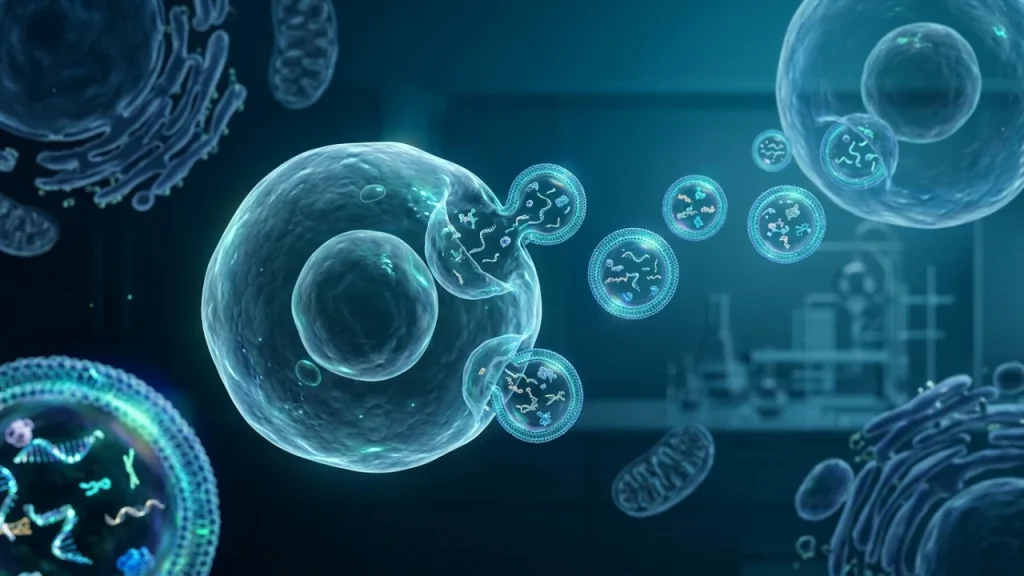
Exosomes are incredibly small bubbles. They are released by nearly every cell type in your body. Think of them as biological mail carriers. Each exosome carries a specific cargo from its parent cell. This cargo can include proteins, fats, and genetic instructions.
The contents of this cargo are not random. They are carefully selected. A healthy skin cell will send out different messages than a stressed heart cell. A cancer cell sends very different signals than a normal one. In fact, some cancer cells send ten times more exosomes than healthy cells do.
This communication system is vital for health. It helps coordinate repairs. It manages inflammation. It tells distant cells how to behave. When this system works well, your body maintains balance. When it breaks down, disease can follow.
So, what is inside these tiny messengers? Their cargo is the key to their power. – Proteins: These can act as signals or tools for the receiving cell. – Lipids: These are fats that help the exosome merge with its target. – Nucleic Acids: This includes RNA, which carries genetic instructions.
The RNA is particularly important. It can literally reprogram a cell that receives it. For example, a stem cell might send exosomes with RNA that tells a damaged cell to start repairing itself. This is a core idea behind advanced exosomes treatment.
Exosomes travel through your bodily fluids. They move in blood, saliva, and spinal fluid. They find their target cells with remarkable precision. An exosome from a liver cell will likely seek out another liver cell. It docks on the surface, delivers its cargo, and changes that cell’s activity.
Why should you care about these tiny messengers? Because understanding them unlocks new ways to heal. Doctors and scientists are learning to read these messages. They can see what goes wrong in disease. More importantly, they are learning to use exosomes as natural treatments.
This is not science fiction. It is based on your body’s own repair system. The goal of exosomes treatment is to boost this system. It aims to provide your body with a surge of helpful instructions. These instructions can guide tissues to heal faster and better.
Think of it like receiving a critical update for your computer’s software. Your cells are the hardware. Exosomes deliver the software patch. This patch tells cells to reduce inflammation, grow new blood vessels, or regenerate collagen.
The source of these therapeutic exosomes matters greatly. Many researchers focus on exosomes from stem cells. Stem cells are master regulators. Their exosomes carry a powerful mix of regenerative signals. This makes them ideal candidates for guiding repair in damaged tissues.
In essence, exosomes are the language of your cellular community. Learning this language allows us to intervene in disease with incredible subtlety. We are moving from blunt tools like major surgery to precise cellular messaging. This shift represents a new frontier in medicine.
The next step is understanding how we collect and prepare these messengers for therapeutic use.
How Exosomes Work in Your Body Every Day
Your body is a vast network of trillions of cells. They must work together perfectly. Constant communication makes this possible. Cells do not use phones or emails. They use chemical signals and tiny packages. Exosomes are among the most important packages.
Imagine a bustling city. Each cell is like a single building. Exosomes are the couriers racing between them. They carry vital memos and instructions. This system operates every second of your life. It happens without you ever thinking about it.
Cells create exosomes inside themselves. They form in little sacs called endosomes. These sacs gather specific molecules from the cell. The cargo can include many different things. – Instructions in the form of RNA. – Proteins that act like tools or switches. – Simple signaling molecules.
The sac then moves to the cell’s outer wall. It fuses with the cell membrane. The vesicle is released into the space between cells. This is exosome secretion. The released exosome now floats in your bodily fluids.
It travels until it meets another cell. The exosome does not just bump into it randomly. Target cells often have “docking stations.” These are specific proteins on their surface. The exosome binds to one of these stations.
Delivery happens in a few ways. Sometimes the exosome merges with the target cell’s membrane. It empties its cargo directly inside. Other times, the whole vesicle is swallowed by the cell. The cargo is then unpacked and used.
The delivered instructions change the recipient cell’s behavior. This is how cells coordinate their actions across large distances. Let’s look at real examples happening inside you now.
Your immune system relies heavily on exosomes. When a immune cell finds an invader, it can send out exosomes. These vesicles alert other immune cells nearby. They help organize a focused defense. This makes the response faster and more efficient.
Healing a cut on your skin involves exosome messaging. Damaged cells and platelets release special exosomes. These vesicles signal nearby healthy cells. They tell them to multiply and move to cover the wound. They also instruct cells to build new collagen fibers. This is the scaffold for new skin.
Even your brain uses this system. Neurons release exosomes to neighboring cells. They can transfer molecules that help with learning and memory. This process might help maintain brain health over time.
A fascinating fact underscores their power. Cancer cells send out far more exosomes than healthy ones. They average about ten times more. These hijacked messengers spread signals that help tumors grow. They can tell the body to build new blood vessels to feed the cancer. They can also suppress the immune system’s attack.
This shows exosome communication is a neutral tool. It is essential for health but can be corrupted by disease. Understanding this daily traffic is the first step toward exosomes treatment. Therapies aim to correct corrupted messages or add helpful new ones.
The body’s natural use of exosomes is precise and efficient. It is a targeted delivery service honed by evolution. Therapeutic strategies seek to mimic this natural precision. They aim to provide a concentrated dose of beneficial signals exactly where needed.
This constant, invisible conversation maintains your health. It repairs minor damage you never notice. It balances your systems every day. Appreciating this hidden logistics network helps you see why scientists are so excited. They are learning to speak the language your cells already use perfectly.
The next question is practical. How do we gather these natural messengers for medical use?
Why Scientists Study Exosomes for Medicine
Scientists study exosomes because they offer a new way to treat disease. This approach is fundamentally different from many current drugs. Traditional medicines often flood the entire body with chemicals. Exosome therapy aims to be smarter. It seeks to deliver precise instructions directly to target cells. This mimics the body’s own natural communication system.
The potential benefits are significant. Researchers focus on several key advantages. First, exosomes are naturally targeted. They carry address labels that guide them to specific cell types. A liver cell’s exosome will likely find another liver cell. This built-in targeting could mean fewer side effects. Medicine would go exactly where it is needed.
Second, exosomes can carry complex cargo. A single vesicle holds many different molecules. It can contain proteins, RNA, and growth factors all at once. This is a complete package of instructions. A traditional drug usually delivers just one compound. Exosomes could orchestrate an entire repair process with one delivery.
Third, they are biocompatible. Your body already makes trillions of exosomes daily. Therapies using your own or donor stem cell exosomes are less likely to be rejected. The immune system may recognize them as friendly messengers. This reduces the risk of dangerous immune reactions.
Let’s look at concrete medical problems this could solve. Chronic wounds are a major challenge. Diabetic ulcers sometimes never heal. They lack the proper signals to rebuild tissue. Stem cell exosomes can deliver those missing signals directly to the wound site. They can tell cells to grow, move, and form new blood vessels. This jump-starts the stalled healing process.
Neurodegenerative diseases are another target. Conditions like Alzheimer’s damage brain connections. Delivering medicine to the brain is very hard. The blood-brain barrier blocks most drugs. Early research shows exosomes might cross this barrier. They could deliver protective molecules to neurons. This might slow disease progression or help repair damage.
The appeal for exosomes treatment also lies in logistics. Exosomes are more stable than live cells for storage and transport. They can be frozen and thawed. They do not divide, so there is no risk of uncontrolled growth after injection. This makes them a potentially safer and more practical product.
Here is a summary of why the medical field is investing in this research: – Targeted Delivery: Natural homing ability reduces side effects. – Complex Cargo: Can deliver multi-part instructions for repair. – Biocompatibility: Lower risk of immune rejection. – Access to Tough Areas: Potential to reach protected tissues like the brain. – Practical Stability: Easier to store and use than live cell therapies.
The evidence comes from thousands of laboratory studies. Scientists see exosomes reduce inflammation in models of arthritis. They observe exosomes helping heart muscle recover after a simulated heart attack in animals. They note improved function in injured spinal cords treated with exosomal signals. These consistent results across different organs build a strong case.
This research is not about creating an artificial drug. It is about learning the body’s own repair language and then amplifying it. When you have a cut, your cells release exosomes to fix it. Chronic disease represents a situation where those signals are too weak or corrupted. Therapeutic exosomes aim to boost the signal volume. They provide a clear, strong instruction that the body is failing to send on its own.
The goal is precision medicine. Imagine treating a damaged knee joint without affecting your stomach or liver. Envision healing a scar on the lung without major surgery. Think about sending repair kits to brain cells through a simple injection. Exosome science makes these ideas plausible.
Of course, excitement must be balanced with rigor. Not all exosomes are the same. Their cargo changes based on the parent cell’s condition and type. A key part of research is learning to control and standardize this cargo. Scientists must ensure each batch delivers a consistent, therapeutic message.
Understanding why scientists study exosomes reveals a shift in medical thinking. The focus moves from attacking disease symptoms to supporting the body’s innate repair intelligence. It leverages a system that evolution has perfected over millions of years. The next logical step is examining where these therapeutic exosomes come from and how they are prepared for clinical use.
The Science Behind Exosomes and How They Form
Where Do Exosomes Come From Inside Cells?
Every cell in your body is a bustling factory. It doesn’t just make proteins and energy. It also builds and sends out tiny packages. These packages are exosomes. Their journey starts deep inside the cell’s complex shipping department.
The process begins in a compartment called the endosome. Think of the endosome as a sorting room. It gathers material from within the cell. This material includes proteins, lipids, and genetic instructions like RNA. The endosome membrane then folds inward on itself. It captures some of the cell’s fluid and cargo inside small bubbles.
This inward folding creates many little vesicles inside the larger endosome. The structure now looks like a bubble with smaller bubbles inside it. Scientists call this a multivesicular body, or MVB. It is a crucial holding chamber. The small bubbles inside it are the immature exosomes.
What goes into these exosomes is not random. Cells carefully select the cargo. Special protein complexes act like sorting machines. They tag molecules for delivery into the forming exosomes. This ensures the message is precise. A stem cell’s exosomes will carry different instructions than a skin cell’s exosomes.
Next, the multivesicular body must travel. It moves through the cell’s interior on tiny tracks. Its destination is the outer membrane, the cell’s border wall. The MVB then docks at this wall. The membranes of the MVB and the cell wall fuse together.
This fusion is like two soap bubbles merging into one. The MVB opens to the outside world. All the small vesicles it carried inside are now released. They are released into the space surrounding the cell. These released vesicles are now mature exosomes, ready for delivery.
The entire process is continuous and dynamic. A single cell can release thousands of exosomes. Different cell types produce different amounts. An active immune cell, for instance, is a prolific sender. Its exosomes help coordinate an immune response.
This natural production system is what scientists aim to mimic and harness. Understanding “what is exosomes treatment” starts here. It begins with knowing how cells make their own healing messengers. Researchers learn to collect exosomes from helpful donor cells, like stem cells.
They then purify these natural vesicles for therapeutic use. The goal is to replicate this precise cellular packaging at a larger scale. This foundational knowledge of exosome origins shows why they are safe and logical messengers. They are not foreign invaders but native communication tools.
The cell’s own machinery ensures each exosome has a protective lipid layer. This layer acts like a sturdy envelope. It shields the delicate molecular cargo during its journey through the body. This stability is key for their therapeutic potential.
In summary, exosomes are not simply broken-off cell fragments. They are purpose-built, loaded, and shipped with intention. Their formation is a testament to cellular intelligence. Having seen where they come from, we can next explore how scientists harvest and prepare them for medical use.
What’s Inside an Exosome: Proteins, RNA, and More
An exosome’s power comes from what it carries. Think of it as a tiny delivery truck. Its lipid membrane is the truck’s exterior. The cargo inside determines its final destination and purpose.
This cargo is not random junk. It is a carefully selected mix of molecules. These molecules are instructions and tools for other cells. The main types of cargo are proteins, RNA, and lipids.
Proteins are the workhorses. They cover both the inside and outside of the vesicle. Some proteins act as address labels. They guide the exosome to a specific target cell.
Other proteins are enzymes or signals. They can directly change a cell’s behavior upon delivery. For example, an exosome might carry growth factors. These proteins tell a recipient cell to grow or repair itself.
The RNA cargo is perhaps the most fascinating. RNA is a set of genetic instructions. Exosomes carry several types. – Messenger RNA (mRNA): This can be used by a recipient cell to build new proteins. – MicroRNA (miRNA): These are tiny regulators. They can silence specific genes in the target cell. – Other non-coding RNAs: These perform various control functions.
This means an exosome can reprogram a cell’s activity. It can send new blueprints for proteins. It can also turn existing genes off. This is a core mechanism behind “what is exosomes treatment”. The treatment delivers these natural instructions to sick or damaged tissues.
Lipids are another key component. They are not just structural. Some lipids in the membrane itself are active signaling molecules. They can bind to receptors on target cells. This binding can trigger anti-inflammatory responses.
The exact mix of cargo defines the exosome’s job. An exosome from a stem cell carries a different load than one from an immune cell. A stem cell exosome might be packed with molecules for regeneration. An immune cell’s exosome often carries signals for inflammation or defense.
Scientists can analyze this cargo. They use machines to list all the proteins and RNAs inside. This analysis is called characterization. It ensures the exosomes for a treatment have the right tools for the intended task.
The cargo is protected during transit. The lipid bilayer membrane seals it in. This protection is vital. Without it, delicate molecules like RNA would break down in the bloodstream.
The contents also explain why exosomes are specific. Their surface proteins match receptors on certain cell types. It is like a key fitting a lock. This targeting makes their message delivery precise.
Understanding this internal complexity answers a big question. It shows why synthetic drug carriers often fall short. They are simple containers. Natural exosomes are sophisticated communication systems.
Their cargo allows them to perform multiple actions at once. One exosome can deliver proteins for signaling and RNA for gene regulation simultaneously. This multi-pronged approach is hard to replicate with man-made drugs.
In summary, an exosome is more than a bubble. It is a concentrated package of biological software and hardware. Its proteins, RNAs, and lipids work together to send clear commands to other cells. This intricate payload is what makes them such promising therapeutic agents. Next, we will see how these loaded messengers actually reach and affect their target cells in the body.
How Exosomes Travel Between Cells Safely
Exosomes do not travel alone. They move within the body’s vast network of fluids. This includes the bloodstream and the fluid between cells. Their journey is risky. Enzymes and immune cells patrol these areas. They break down foreign material. So how do these delicate vesicles survive?
Their protective shield is the lipid bilayer. This is the same membrane that surrounds our cells. It is a double layer of fatty molecules. Think of it as a durable, flexible bubble. This bubble seals the exosome’s precious cargo inside. The cargo stays dry and safe. It is isolated from the destructive enzymes in the blood.
The membrane itself is not just a simple bag. It is studded with special proteins and sugars. These molecules act like a passport. They signal “friend, not foe” to the immune system. This helps exosomes avoid attack. The surface markings tell the body’s defenses to let them pass.
Targeting is another safety feature. Exosomes do not float aimlessly. They navigate with purpose. Their surface contains address labels. These are adhesion proteins and receptors. They bind only to matching receptors on specific target cells. This direct docking minimizes travel time. It reduces the chance of getting lost or captured.
The body also uses natural highways. Exosomes often hitch a ride in protective niches. They can be carried inside larger protein complexes. They may travel along structural fibers in the interstitial fluid. Some evidence suggests they use lymphatic vessels. These vessels are less hostile than main blood arteries.
Their small size is a major advantage. Exosomes are nanometers in diameter. That is thousands of times thinner than a human hair. This tiny scale lets them slip through capillary walls. They can exit the bloodstream easily. This process is called extravasation. It is a key step for reaching tissues.
Once near a target cell, delivery must be precise. Exosomes use several secure methods to transfer their cargo. – Membrane fusion: The exosome’s membrane merges directly with the target cell’s membrane. The cargo empties directly into the cell’s interior. – Endocytosis: The target cell reaches out and engulfs the entire exosome. It pulls the vesicle inside in a protective pouch. – Receptor signaling: Surface proteins on the exosome trigger a signal in the target cell’s receptor. This changes the cell’s behavior without full entry.
The lipid membrane remains stable during transit. Its composition includes cholesterol and special lipids called sphingomyelins. These components make it rigid and resilient. They prevent the vesicle from bursting open prematurely. Stability ensures the message arrives intact.
Temperature and pH also matter. The body’s internal environment is generally ideal for exosome stability. Laboratory studies show they are stable at body temperature for hours. Their structure protects the RNA inside from degradation. This makes them reliable messengers.
In summary, exosomes are built for safe transit. Their durable membrane, protective surface signals, and precise targeting work together. This system ensures their biological instructions survive the journey. This reliable delivery is a core reason behind their therapeutic potential. It answers part of the question of what is exosomes treatment—it is about leveraging this natural, protected delivery system.
Understanding this journey leads to the next logical point. We must see what happens after delivery. How does the released cargo actually instruct a cell to repair itself or reduce inflammation? The next step is examining the final impact on the recipient cell’s machinery.
How Exosomes Treatment Works in Regenerative Medicine
What Is Exosomes Treatment for Tissue Repair?
Exosomes deliver a precise repair toolkit to damaged cells. This process is central to regenerative medicine. The cargo inside these vesicles acts like a set of instructions. These instructions tell a struggling cell how to heal itself. This is a key part of what is exosomes treatment for tissue repair. It uses the body’s own communication system to restart healing.
The cargo includes different types of molecules. Each molecule has a specific job. MicroRNAs are small pieces of genetic code. They do not create proteins themselves. Instead, they regulate which genes in the target cell are turned on or off. Proteins can include growth factors and enzymes. These directly participate in cellular repair work. Lipids help maintain healthy cell membranes.
Once delivered, this cargo gets to work. The effects are powerful and multi-faceted. They address the core problems in damaged tissue. The first major effect is reducing inflammation. Chronic inflammation often blocks natural healing. Exosomes can calm overactive immune cells. They send signals that switch these cells from an attacking mode to a repair mode. This reduces swelling and pain. It also stops further damage to the area.
The second effect is stimulating new growth. Specific growth factors from exosomes tell local cells to multiply. They encourage the creation of new blood vessels, a process called angiogenesis. New blood vessels bring crucial oxygen and nutrients to the injury site. This fresh supply of resources fuels the entire repair process.
The third critical effect is modulating the immune system. Exosomes do not just suppress all immune activity. They guide it intelligently. They can enhance the body’s ability to clear away dead cells and debris. This cleanup is essential before new tissue can be built. They also help coordinate different immune cell types to work together efficiently.
Finally, exosomes provide direct structural support. They carry collagen and other matrix proteins. These proteins form the scaffold for new tissue. Think of it as delivering both the blueprint and the building materials for repair.
Consider a tendon injury as an example. The tissue is inflamed and weak. Healing has stalled. Exosomes derived from stem cells would target cells in that area. – Their miRNAs might turn down genes causing excessive inflammation. – Their proteins would signal local tendon cells to produce more collagen. – Other factors would attract cells to form new capillaries around the tendon. – The combined effect breaks the cycle of damage. It actively promotes structured, functional repair.
This approach differs greatly from traditional methods. A painkiller only masks the symptom of inflammation. A steroid injection may reduce swelling but can weaken tissue over time. Exosome treatment aims to resolve the underlying biological problem. It instructs the body to complete its natural healing process correctly.
The potential applications are broad due to this fundamental mechanism. – In orthopedic injuries, it can aid ligament, tendon, and cartilage repair. – For chronic wounds or ulcers, it can accelerate skin regeneration and closure. – In degenerative joint conditions, it may help modulate the environment to protect remaining cartilage.
The timing of treatment is also important. Research suggests exosomes are most effective when the acute inflammatory phase is settling. This is when the body is ready to build rather than just respond. Introducing the repair signals at this window can optimize outcomes.
In essence, exosome treatment for tissue repair is about intelligent biological communication. It is not a single drug with one action. It is a targeted delivery system carrying a coordinated program. This program tells cells to reduce harm, clean up, and rebuild. The goal is restoring function, not just providing temporary relief.
Understanding these mechanisms shows why this field is so promising. The next logical question involves practical application: how are these potent exosomes prepared and administered in a clinical setting?
Using Stem Cell Exosomes to Heal Injuries
Stem cells are master communicators within the body. They constantly release exosomes packed with instructions. These instructions guide other cells during growth and repair. In regenerative medicine, we harness this natural power. The goal is to concentrate and deliver these healing signals directly to damaged tissue.
Think of a stem cell exosome as a tiny instruction manual and a toolbox combined. It does not become part of your body permanently. Instead, it delivers its cargo and is recycled. Its contents include proteins, lipids, and genetic material like miRNA. This miRNA is especially important. It acts like a software update for injured or aging cells.
The process begins when exosomes arrive at the site of an injury, like a torn tendon or arthritic joint. They bind to target cells through specific signals. This is like a key finding a lock. Once attached, the exosome can transfer its cargo inside the recipient cell. The cell then reads the new instructions.
These instructions trigger several key healing actions simultaneously. This multi-target approach is what makes exosomes treatment so unique.
- First, they calm excessive inflammation. Acute inflammation is a normal first response to injury. Sometimes this inflammation does not switch off. It becomes chronic and destructive. Exosomes carry molecules that tell immune cells to reduce their attack. This protects healthy tissue from further damage.
- Second, they summon the body’s own repair cells. Exosomes release chemical signals called chemokines. These signals act like a homing beacon. They attract your body’s native stem cells and progenitor cells to the injury zone. This increases the local workforce for regeneration.
- Third, they stimulate angiogenesis. This is the formation of new blood vessels. Damaged tissue often has poor blood supply. Without fresh blood, healing stalls. Exosomes instruct endothelial cells to build new, tiny capillaries. This improved circulation delivers more oxygen and nutrients to the area.
- Fourth, they directly encourage tissue rebuilding. The miRNA inside exosomes can turn on genes for collagen production. Collagen is the main structural protein in skin, tendon, and bone. It also can instruct cells to proliferate, or multiply, in a controlled way to replace what was lost.
- Finally, they reduce scar tissue formation. Scar tissue is weak and inflexible. It often causes pain and limits movement. Exosomes promote the creation of healthy, functional tissue instead of fibrous scar material. This leads to better long-term outcomes.
The source of the stem cells matters greatly for consistency. Mesenchymal stem cells (MSCs) are commonly used. They can come from donated umbilical cord tissue or fat tissue. These MSCs are not embryonic. They are adult stromal cells with potent signaling abilities. Scientists culture these cells in bioreactors. The cells release exosomes into the nutrient solution during growth.
These exosomes are then collected and purified through advanced filtration methods. The final product is a concentrated solution containing billions of these nanoparticles. This concentrate carries the therapeutic instructions without the original stem cells. This eliminates risks associated with whole cell transplantation.
In practice, a physician administers this exosome solution via precise injection. The target is the specific area needing repair—a knee joint, a rotator cuff tendon, or a non-healing wound bed. Once delivered, the exosomes immediately begin their communication work. Their effects are not instantaneous like a steroid shot. They initiate a biological program that unfolds over weeks and months.
Patients often report reduced pain and swelling within several weeks as inflammation modulates. Improved function and tissue regeneration follow as the rebuilding phase progresses. The treatment essentially jump-starts a stalled healing process. It provides the correct signals at the right time and place.
This explains the core mechanism of what is exosomes treatment in practice: it is the targeted delivery of biological instructions to complete sophisticated repair. The next consideration is how these treatments are standardized for safety and matched to different medical conditions
Exosomes and Reducing Inflammation in the Body
Chronic inflammation is a major barrier to healing. It is like a fire that never goes out. This constant state of alert damages healthy tissue. It prevents the body from moving into the repair phase. Exosome treatment directly addresses this problem.
Exosomes carry specific instructions to immune cells. These instructions tell overactive cells to calm down. Think of it as a reset signal. The exosomes do not attack the body’s own cells. Instead, they communicate.
The process starts when exosomes reach the inflamed site. Local immune cells, like macrophages, take up these tiny vesicles. Macrophages are key players in inflammation. They can exist in two main states. One state promotes inflammation. The other state reduces it and encourages repair.
Exosomes shift macrophages toward the healing state. They do this by delivering microRNAs and proteins. These molecules change the cell’s behavior. The angry macrophage becomes a peacekeeper. It stops sending out signals that call for more inflammation.
This modulation happens on a molecular level. Specific microRNAs inside exosomes can silence pro-inflammatory genes. It is a precise off switch for damaging pathways. The result is a rapid decrease in inflammatory chemicals. Compounds like TNF-alpha and IL-6 are reduced.
The clinical effects of this are tangible. Patients with arthritic joints have less swelling and pain. The heat and redness subside. This creates a new local environment. The tissue is no longer under constant attack. Now, the building crews can come in to work.
This explains a core part of what is exosomes treatment for many conditions. It is not just about adding new cells. It is about changing the conversation between existing cells. The treatment quiets the noise so the body’s own repair signals can be heard.
The anti-inflammatory action is broad and well-documented. Research shows benefits in many scenarios: – Osteoarthritis and rheumatoid arthritis – Inflammatory bowel disease – Chronic tendonitis – Autoimmune-related skin conditions – Lung inflammation from injury or disease
In each case, the mechanism is similar. Exosomes reprogram the local immune response. They turn down the volume on a harmful process. This allows natural healing to begin.
The timing of this effect is important. Reducing inflammation is often the first step in a longer journey. It removes the primary obstacle to regeneration. Once the fire is out, rebuilding can start. This sets the stage for the next phase of treatment.
Exosomes also help prevent scar tissue formation. Excessive inflammation leads to fibrous scarring. By calming the response, exosomes promote cleaner, more functional tissue repair. This is crucial for injuries in muscles, tendons, and ligaments.
The beauty of this system is its intelligence. Exosomes act where they are needed most. They have a natural tropism for sites of injury and inflammation. Their cargo is released only upon reaching the target cells. This minimizes off-target effects.
Understanding this immune dialogue is key. It shows why exosome therapy is not a simple anti-inflammatory drug. Drugs often block a single pathway broadly throughout the body. Exosomes provide a nuanced set of instructions locally. They guide the immune system back to balance.
This biological reset is foundational. It makes subsequent regenerative steps possible. With inflammation controlled, the focus can shift to active reconstruction and growth. The environment is now ready for renewal.
Exosomes in Drug Delivery and Targeted Therapy
How Exosomes Carry Medicine to Specific Cells
Exosomes are nature’s perfect delivery vehicles. They already carry molecular messages between cells. Scientists are now learning to load them with medicine. This creates a powerful new treatment strategy. It is often called exosomes treatment in advanced therapy.
Think of an exosome as a tiny, smart package. Your body’s cells make millions of them. They have a protective outer membrane. This membrane is like a biological address label. It helps the exosome find the right cell type. Once it arrives, it delivers its cargo directly inside.
This natural design solves a major problem in medicine. Many potent drugs struggle to reach their target. They can get broken down in the bloodstream. They might harm healthy tissues along the way. Exosomes offer a precise solution. They protect their cargo and go straight to the source.
The process of creating therapeutic exosomes has key steps. First, scientists harvest exosomes from stem cells. These are chosen for their safety and signaling power. Next, they load the exosomes with a specific drug. This cargo could be small molecules, proteins, or even genetic material like RNA.
Loading methods are clever and varied. Some techniques use electrical pulses to open temporary pores. Others incubate exosomes with the drug under special conditions. The goal is to pack the medicine inside without damaging the vesicle. The exosome’s own membrane seals everything safely inside.
The true magic lies in targeting. Exosomes have surface proteins. These proteins act like homing signals. A liver cell’s exosome will likely find another liver cell. Scientists can also engineer these signals. They can add special markers to direct exosomes to a tumor, for instance.
This leads to incredible accuracy. Imagine a drug for brain cancer. The blood-brain barrier often blocks treatments. Exosomes from certain cells can cross this barrier. They could carry chemotherapy directly to the tumor site. This spares healthy brain tissue from damage.
The advantages of this system are clear. – Precision: Medicine goes only where needed. – Protection: The fragile cargo survives the journey. – Efficiency: A smaller drug dose can have a bigger effect. – Compatibility: The body recognizes its own vesicles, reducing rejection.
Consider an example with genetic disease. Some illnesses are caused by a faulty gene. Scientists can load exosomes with corrective RNA. The exosome delivers this RNA into the patient’s cells. The cell then uses the instructions to make the right protein. This is a form of precise gene therapy.
The potential extends to chronic conditions. For arthritis, exosomes could carry anti-inflammatory drugs straight to the joint. For heart damage, they might deliver growth factors to scarred tissue. The applications are vast because the delivery platform is so versatile.
Current research is pushing boundaries. One area is “click chemistry” for exosome surfaces. This allows scientists to attach very specific targeting molecules. Another area is loading efficiency, maximizing how much medicine each vesicle can carry. Each improvement increases therapeutic potential.
This technology is not science fiction. It is being tested in clinical trials today. These trials are for cancers, neurodegenerative diseases, and more. The early results show promise for safer, more effective treatments.
The shift from broad-acting drugs to targeted delivery is fundamental. It moves medicine from a scattergun approach to a sniper’s precision. Exosomes provide the tool for this shift. They use the body’s own language to deliver healing.
This represents the next logical step in regenerative medicine. First, we used exosomes to calm inflammation and reset the environment. Now, we can engineer them to actively rebuild and correct. We are moving from general signals to specific commands.
The future of exosomes treatment lies in this customization. Each patient’s condition may one day get a tailored exosome carrier. This carrier would deliver the exact drug needed to the exact cells causing disease. It turns a systemic treatment into a local mission.
This approach minimizes side effects dramatically. Patients experience less toxicity because healthy cells are left alone. It also makes powerful new medicines possible. Some drugs were too dangerous to inject into the bloodstream alone. With an exosome guide, they become viable options.
The journey of a therapeutic exosome is a marvel of bioengineering. It starts in a lab with careful design. It ends inside a human cell, releasing its curative payload. This bridges cutting-edge science with natural biological wisdom.
Our understanding of cellular communication has given us a new tool. That tool is transforming how we think about delivering medicine. It promises a future where treatments are as precise as the diseases they aim to cure
Why Exosomes Are Better Than Some Drug Methods
Traditional drug delivery faces several big hurdles. Exosomes offer smart solutions. They are natural, targeted, and efficient. This makes them better than many standard methods.
First, think about a typical pill or injection. The medicine spreads throughout your entire body. Only a tiny fraction reaches the actual sick cells. The rest can cause unwanted side effects. Exosomes change this dynamic completely. They are designed to go straight to the target.
Their natural origin is a key advantage. Your body already makes billions of exosomes daily. This means your immune system is less likely to attack them. Synthetic carriers, like plastic nanoparticles, can trigger inflammation. The body sees them as foreign invaders. Exosomes avoid this problem. They are made from your body’s own biological blueprint.
Targeting is another major benefit. Cells place specific address proteins on an exosome’s surface. Scientists can engineer these addresses. They can direct exosomes to liver cells, brain cells, or cancer cells. A conventional drug cannot do this on its own. It relies on chance encounters.
Exosomes also protect their cargo beautifully. Many potential drugs are fragile. They are broken down quickly in the bloodstream. RNA and certain proteins are good examples. An exosome acts like a protective shuttle. It shields its contents during transit. This ensures the payload arrives intact and functional.
Crossing biological barriers is a huge challenge. The blood-brain barrier protects the brain from toxins. It also blocks most medicines. Exosomes have a unique ability to cross this barrier. Their natural composition lets them deliver drugs directly to brain tissue. This opens doors for treating neurological diseases.
Let’s compare methods directly. – Standard Chemotherapy: Attacks all fast-dividing cells. This harms healthy gut and hair cells. – Exosome-Delivered Chemo: Could be guided only to the tumor. Healthy tissues see less damage. – Gene Therapy Viruses: Can cause dangerous immune reactions. Their integration is unpredictable. – Exosome Gene Delivery: Much lower immune risk. They do not integrate into DNA randomly.
Capacity is important too. One exosome can carry many different molecules at once. It could deliver a drug, a tracking marker, and an immune signal simultaneously. This creates combination therapy in a single, tiny package.
Stability and shelf life are practical concerns. Engineered exosomes can be frozen and stored. They remain stable for long periods. This makes distribution easier for clinics and hospitals.
The process of exosomes treatment leverages these innate strengths. It is not about inventing a wholly new system. It is about optimizing a natural one for medicine.
Consider dosage efficiency. Because exosomes target better, a lower drug dose might work. You need less of a powerful drug to achieve the same effect. This further reduces potential side effects.
Some drugs are toxic when they circulate freely. Attaching them to an exosome can neutralize this toxicity. The drug only becomes active inside the target cell.
The timeline from delivery to action is also swift. Exosomes are accepted quickly by recipient cells. Their lipid membrane fuses easily with the cell membrane. This allows for rapid release of the therapeutic cargo.
In summary, exosomes outperform other methods in several concrete ways. They are biocompatible and evade immune detection. They enable precise targeting to specific tissues. They protect delicate drug molecules during transit. They cross formidable barriers like the blood-brain shield. They allow for lower, safer doses of powerful medicines.
This combination of benefits is unique. No synthetic nanoparticle currently matches all these abilities at once. Exosomes work with the body’s systems, not against them.
This inherent efficiency is why research is accelerating globally. The advantages are too significant to ignore. Scientists are now refining these natural carriers to be even more precise and powerful.
The next step is understanding how these advantages translate into real-world applications for specific health conditions.
Treating Diseases with Exosome-Based Therapies
The promise of exosome therapy is moving from the lab toward the clinic. Researchers are actively testing these natural carriers against some of our most challenging health conditions. The core idea is to use exosomes as smart delivery vehicles or as treatments themselves.
One major focus is cancer. Tumors are tricky. They can hide from the body’s immune system. They also create environments that help them grow.
Exosome-based strategies are being designed to fight back. Scientists can load exosomes with anti-cancer drugs. The exosomes then seek out the tumor. They deliver their cargo directly to the cancer cells.
Another approach uses exosomes to train the immune system. Exosomes from cancer cells carry tumor markers. These markers can be used to create a personalized vaccine. This teaches immune cells to recognize and attack the cancer.
This targeted method aims to kill tumors while sparing healthy tissue. It answers part of the question, “what is exosomes treatment?” It is a precise strike against disease.
Neurodegenerative diseases present a different challenge. The brain is protected by the blood-brain barrier. This shield blocks most drugs from entering. It protects the brain but also prevents treatment.
Exosomes have a unique ability to cross this barrier. This makes them ideal messengers for brain therapy. They could deliver healing factors directly to damaged neurons.
Research is exploring this for conditions like Alzheimer’s and Parkinson’s. Stem cell exosomes may carry molecules that reduce inflammation. They might also help clear toxic protein clumps. This could slow or even repair damage in the brain.
The goal is to halt progression and restore function. Exosomes offer a path where few others exist.
Heart disease is another critical target. A heart attack damages heart muscle. Scar tissue forms, and the heart weakens. The goal of therapy is to promote repair and regeneration.
Exosomes derived from cardiac stem cells show great potential. They carry instructions that encourage new blood vessel growth. They also send signals that reduce cell death after injury.
These exosomes help the heart heal itself. They modulate the inflammatory response after a heart attack. This creates a better environment for recovery.
The therapy aims to improve heart function and prevent future failure.
Autoimmune and inflammatory diseases involve a confused immune system. The body attacks its own healthy tissues. Conditions like rheumatoid arthritis fall into this category.
Exosomes can be engineered to carry anti-inflammatory messages. They deliver these signals directly to overactive immune cells. This tells them to calm down and stop attacking.
The exosomes act as a natural peacekeeper. They help restore balance without broadly suppressing immunity. This targeted approach could reduce painful symptoms and joint damage.
The field of regenerative medicine also relies on exosome signals. Healing chronic wounds or repairing damaged ligaments requires new tissue growth. Exosomes from mesenchymal stem cells are packed with growth factors.
These factors stimulate local cells to divide and migrate. They encourage the formation of new blood vessels. This brings oxygen and nutrients to the injured site.
The result is accelerated healing with less scar formation. It is like giving the body a detailed blueprint for repair.
Research continues to expand into other areas: – Lung diseases like pulmonary fibrosis, where exosomes may help remodel scarred tissue. – Liver conditions, where they could deliver factors to promote regeneration of liver cells. – Skin rejuvenation and wound healing, leveraging their natural signaling to repair and renew.
Each application shares a common principle. Exosome treatments work with the body’s own communication systems. They enhance natural processes to fight disease or spur repair.
The specific condition dictates the strategy. Sometimes exosomes are drug carriers. Other times, their natural cargo is the therapy itself. The source of the exosomes, like stem cells, is also carefully chosen for its inherent properties.
This versatility is a key strength. It allows scientists to tailor the approach for each unique medical challenge. The future of this field lies in further refining these targeting mechanisms. The next phase involves ensuring these potent therapies are manufactured consistently and safely for widespread use.
Current Research and Benefits of Exosomes Treatment
What Studies Show About Exosomes for Degenerative Diseases
Degenerative diseases slowly break down the body’s tissues. These conditions are often chronic and lack cures. Current treatments usually just manage symptoms. Exosomes treatment is being studied as a new approach. It aims at the root causes of damage.
Consider osteoarthritis, the wear-and-tear of joint cartilage. Cartilage has a poor natural ability to heal itself. Studies show stem cell exosomes can change this. They deliver specific instructions to the remaining cartilage cells.
These instructions tell cells to produce more collagen. Collagen is a key building block of cartilage. Exosomes also reduce inflammation in the joint. Chronic inflammation accelerates cartilage breakdown.
The effect is a dual action. Exosomes help rebuild tissue while calming the destructive environment. Animal studies demonstrate this clearly. In models of knee arthritis, exosome injections reduce pain and swelling. They also show measurable regeneration of cartilage layers.
The brain is another major target for research. Diseases like Alzheimer’s and Parkinson’s involve the loss of neurons. Once lost, these brain cells do not easily come back. The communication between surviving cells also falters.
Research reveals exosomes can cross the protective blood-brain barrier. This is a major hurdle for most drugs. Once inside, they exert multiple protective effects.
They deliver nutrients and growth factors to struggling neurons. This can help keep cells alive longer. Exosomes also help clear toxic protein clumps. These clumps are a hallmark of Alzheimer’s disease.
Perhaps most intriguing is their role in brain plasticity. This is the brain’s ability to form new connections. Exosomes from stem cells appear to enhance this process. They may help the brain rewire itself around damaged areas.
The benefits seen in studies extend beyond joints and the brain. Research into heart disease after a heart attack shows promise. A damaged heart muscle forms scar tissue. This scar does not beat, weakening the heart’s pump.
Animal studies indicate exosome therapy can modify this scarring process. The treatment encourages the heart muscle to repair itself more effectively. It also promotes the growth of new, small blood vessels. This improves blood flow to the injured area.
The consistent benefits observed across these different diseases share common themes: – Modulating the immune system to reduce chronic inflammation. – Directly stimulating tissue-specific cells to repair themselves. – Enhancing blood vessel growth to improve nutrient delivery. – Facilitating the removal of cellular debris and toxic proteins.
This research moves beyond theory into measurable outcomes. Scientists track results using biomarkers in blood, detailed imaging scans, and functional tests. For example, MRI scans can show cartilage thickness in a knee. Gait analysis can measure improvement in walking for Parkinson’s models.
The data points toward a paradigm shift. Instead of just managing pain or slowing decline, the goal becomes active regeneration. The body’s own messaging system, amplified by exosomes, guides this repair.
Safety is a primary focus of current clinical research. Early-phase human trials are monitoring for adverse effects. The innate nature of exosomes gives them a potential safety advantage. They are natural biological particles, not synthetic drugs.
However, dose and purity are critical factors under investigation. Researchers are determining the optimal amount needed for effect. They are also perfecting methods to isolate pure exosomes without other cell fragments.
The collective evidence paints an optimistic picture for degenerative conditions. It suggests a future where treatment could restore function, not just delay symptoms. The next challenge is translating these consistent laboratory benefits into reliable, standardized human therapies.
Real Benefits of Exosomes Treatment for Patients
Exosomes deliver precise instructions to damaged cells. This direct communication creates measurable health improvements. Patients experience benefits in several key areas. Reduced inflammation is a primary and rapid effect. Chronic inflammation drives pain and tissue destruction in conditions like arthritis. Exosomes from stem cells can calm overactive immune cells. They send signals that lower levels of inflammatory proteins. This can lead to less swelling and decreased pain. Patients often report improved joint mobility as a result.
Enhanced tissue repair is another major benefit. Exosomes carry the blueprints for regeneration. For example, in osteoarthritis, they may instruct cartilage cells to produce more collagen. Collagen is the essential building block of joint cushioning. In tendon injuries, exosomes can guide cells to align new fibers properly. This improves tensile strength and function. The goal is structural restoration, not just symptom masking.
Many patients seek exosomes treatment for its potential to accelerate healing. This is clear in wound care and post-surgical recovery. Exosomes promote the growth of new blood vessels. This process is called angiogenesis. Better blood flow delivers more oxygen and nutrients to the injury site. It also removes waste products faster. The result can be quicker closure of wounds and reduced scar tissue formation. Athletes with sports injuries may see shorter recovery timelines.
Neurological conditions show promising responses in early research. Exosomes can cross the protective blood-brain barrier. Once in the brain, they may support neuron health and connectivity. For patients with neurodegenerative diseases, benefits might include slower progression of symptoms. Some studies note improvements in cognitive function or motor control. The exosomes help create a healthier environment for brain cells to survive and communicate.
The benefits extend to skin health and anti-aging applications. Exosomes can stimulate skin cells to boost production of elastin and hyaluronic acid. These compounds are vital for skin elasticity and hydration. Patients may observe improved skin texture, firmness, and a reduction in fine lines. This occurs because exosomes help revitalize the skin’s own repair mechanisms from within.
Here is a summary of core patient benefits: – Decreased chronic pain and inflammation. – Improved mobility and physical function in joints. – Faster recovery from injuries and surgical procedures. – Potential slowing of degenerative disease progression. – Enhanced skin quality and vitality.
It is important to understand these are biological responses. The exosomes act as a catalyst. They empower the body’s own cells to perform better repair work. This is why the effects of a treatment can be lasting. The therapy aims to change the local cellular environment permanently.
Durability of results is a key research focus. Unlike some treatments that require frequent injections, exosome therapies may offer sustained benefits from a single or few sessions. Studies are tracking how long the regenerative signals remain active. Early data suggests effects can persist for many months. This makes the treatment efficient for patients.
Patient selection influences outcomes significantly. Not every condition or individual responds the same way. Factors like age, disease severity, and overall health play a role. The best results often appear in early-stage degeneration where more viable cells remain to receive the exosome signals. This highlights the importance of timely intervention.
Real-world evidence is growing alongside clinical trials. Physicians report cases of patients regaining activities they thought were lost. Examples include walking without aid, returning to exercise, or reducing reliance on pain medication. These quality-of-life improvements are the ultimate measure of success for any exosomes treatment.
The collective evidence points toward a new therapeutic model. It is a shift from managing disease to promoting active biological repair. The next step for medicine is to standardize these protocols to ensure consistent patient benefits worldwide.
How Exosomes Help with Aging and Recovery
Aging is not just about wrinkles. It is a cellular slowdown. Our cells communicate less effectively over time. They repair damage more slowly. This decline leads to common issues. These include joint pain, slower healing, and thinner skin. Exosome therapy directly targets this communication breakdown.
Think of a young, healthy body as a busy city with perfect phone service. Instructions for repair and renewal get through instantly. In an aging body, the cellular phones have weak signals. Messages are dropped. Exosomes act as powerful signal boosters. They deliver clear instructions to tired cells.
The benefits for aging are multi-faceted. They work on several key areas at once.
- Skin rejuvenation: Exosomes carry growth factors to skin cells called fibroblasts. This tells them to make more collagen and elastin. These are the proteins that keep skin firm and elastic. The result is not just surface-level hydration. It is improved skin structure from within.
- Joint and tissue repair: Cartilage in joints wears down with age and use. Exosomes from stem cells can reduce inflammation in arthritic joints. More importantly, they signal local cells to regenerate cartilage tissue. This can ease pain and improve mobility.
- Energy and metabolism: Inside our cells, tiny power plants called mitochondria produce energy. Mitochondrial function declines with age. Certain exosomes carry molecules that help rejuvenate these power plants. This can lead to improved cellular energy levels.
Recovery from injury uses similar pathways. Whether from surgery, a sports tear, or an accident, healing follows specific steps. Exosomes optimize every phase of this natural process.
The first phase is inflammation. This is the body’s initial cleanup response. But inflammation must be controlled and then turned off. Excessive inflammation causes more damage and scarring. Exosomes help regulate this. They send anti-inflammatory signals to calm the overactive immune response.
Next comes the regeneration phase. New tissue must be built. Exosomes instruct stem cells at the injury site to multiply. They guide them to become the specific cells needed—like muscle, tendon, or ligament cells. They also promote the growth of new blood vessels. This brings oxygen and nutrients for repair.
The final phase is remodeling. The new, fragile tissue must become strong and organized. Exosomes guide cells to lay down collagen fibers in a neat, strong pattern. This results in better quality scar tissue or even regenerative healing with less scar tissue.
This is why understanding what is exosomes treatment is key for aging and recovery. It is not about adding foreign chemicals. It is about enhancing the body’s innate repair software with updated instructions.
Research shows specific results. In studies on skin aging, exosome treatments increased collagen density by significant percentages within weeks. In models of tendon injury, exosome-treated subjects showed faster return to strength and more organized tissue structure.
The systemic effect is crucial. Unlike a cream that works only where applied, exosomes work through the bloodstream. A treatment targeting joint pain may also improve skin quality and energy levels. This is because the signal-boosting effect influences many cell types throughout the body.
Safety for these uses is promising precisely due to their natural role. The body already produces exosomes constantly. The therapy amplifies a biological process that already exists.
The future of anti-aging medicine may shift from replacement to rejuvenation. Instead of just filling a wrinkle, the goal becomes repairing the skin’s foundation. Instead of just managing joint pain with pills, the goal becomes restoring the joint’s cushioning cartilage.
This approach aligns with a broader vision for healthcare: proactive regeneration over reactive management. The next frontier is personalizing these exosome signals for an individual’s unique aging or injury profile.
The Future of Exosomes Treatment in Modern Medicine
What’s Next for Exosomes in Clinical Use
The next phase for exosome treatments is moving beyond general rejuvenation. Scientists are now designing exosomes for specific diseases. This is a shift from using natural exosomes as boosters to engineering them as targeted delivery vehicles. Think of it as upgrading a general messenger into a specialized courier with a precise map.
One major focus is cancer. Cancer cells send out many more exosomes than healthy cells. Researchers are learning to intercept these signals. Future therapies could use engineered exosomes to block these bad messages. Another approach is loading exosomes with anti-cancer drugs. The exosome’s natural homing ability could then deliver the drug straight to the tumor. This targets the cancer while sparing healthy tissue.
Cardiovascular repair is another key area. After a heart attack, scar tissue forms. This weakens the heart muscle. Studies show certain exosomes can instruct heart cells to survive better. They can also tell stem cells to start building new blood vessels. The goal is to use exosomes after a heart attack. They would help the heart heal with more muscle and less scar.
The brain presents a unique challenge. The blood-brain barrier protects it but blocks most medicines. Exosomes from certain stem cells can cross this barrier. This opens a door for treating brain conditions. Research is exploring exosomes for stroke recovery and neurodegenerative diseases like Alzheimer’s. The idea is to send repair signals directly to inflamed or damaged brain cells.
For these ideas to become common clinical use, manufacturing must scale up. Producing pure, consistent exosomes in large amounts is difficult. Current methods are often slow and yield small volumes. New technologies are in development. – Microfluidic chips can sort exosomes quickly and precisely. – Tangential flow filtration systems help concentrate them without damage. – Novel cell culture techniques aim to make parent cells produce more exosomes.
Standardization is the next critical step. Every batch of therapeutic exosomes must be identical in quality. Doctors need to know exactly what they are giving a patient. This means strict measurements for dose, purity, and biological activity. Regulatory agencies are now working to define these standards globally.
Personalization will follow standardization. A person’s own cells could be used to generate custom exosomes. This might reduce any immune reaction. It could also tailor the treatment to their specific biology. For example, a patient’s skin cells could be reprogrammed into stem cells. These stem cells would then produce exosomes for their own healing.
Clinical trials are expanding rapidly. Early trials for conditions like COPD and osteoarthritis show promise. The next wave of trials will be larger and more controlled. They will measure long-term safety and clear effectiveness. Success in these trials is the gate to widespread medical adoption.
Cost is a significant hurdle. The complex production process makes treatments expensive today. As technology improves and scales, costs should decrease. The goal is to make these powerful therapies accessible, not just exclusive.
The ultimate vision is an exosome platform medicine. A single, well-understood production system could yield different exosomes for different needs. A clinic might have targeted vesicles for nerve repair, skin rejuvenation, and joint inflammation. All would come from the same safe, standardized process.
Understanding what is exosomes treatment today means seeing this trajectory. It evolves from a general booster to a precise medical tool. The core principle remains: using the body’s own communication system for healing. The future lies in directing that communication with ever-greater intention and skill.
This engineering journey turns a natural phenomenon into reliable medicine. It ensures these cellular messengers fulfill their potential across all fields of healthcare.
How Exosomes Could Change Medical Practice
Imagine a doctor treating a chronic knee injury. Today, options might be limited. Tomorrow, that doctor could order a precise exosome formula. This formula would target joint inflammation and cartilage repair directly. This is the future of medical practice. Exosome treatments could change healthcare in several key ways.
First, they could make treatments more targeted. Many current drugs affect the whole body. Exosomes can be designed to go to specific tissues. Think of them as smart messengers with a clear address. They would deliver healing signals only where needed. This reduces side effects. It also makes treatments more powerful.
Second, these therapies could be truly regenerative. They wouldn’t just manage symptoms. They would instruct the body to fix damaged structures. For example, in a heart after a mild attack, exosomes could guide muscle repair. In a damaged nerve, they could promote regrowth. This shifts medicine from maintenance to restoration.
So, what is exosomes treatment in practice? It starts with diagnosis. Doctors might use blood tests to check a patient’s own exosome levels. This could reveal early signs of disease. Low levels of certain exosomes might signal a problem. Then, treatment could involve replenishing those specific messengers.
The delivery of medicine would also change. Instead of large drug doses, patients might receive small, precise exosome infusions. These infusions could be given in a clinic visit. The process might be quicker than traditional therapies. Recovery times could be shorter because the treatment works with the body’s natural systems.
Here are three areas where change could be rapid: – Wound Healing: Chronic wounds, like diabetic ulcers, are a major challenge. Exosomes from stem cells could be applied as a gel or spray. They would accelerate skin closure and reduce infection risk. – Neurodegenerative Diseases: Conditions like Alzheimer’s involve lost brain connections. Exosomes might carry signals to protect remaining neurons. They could even encourage new neural pathways. – Autoimmune Disorders: In diseases like rheumatoid arthritis, the immune system attacks the body. Exosomes could be engineered to calm this overactive response. They would teach immune cells to stop causing inflammation.
Preventive care could also be transformed. Regular “exosome boosters” might help maintain tissue health as we age. This is not science fiction. Early research points in this direction. The goal is to keep organs functioning better for longer.
Costs will remain a concern initially. But efficient production could eventually lower prices. The vision is a platform technology. One standardized lab process could create treatments for many conditions. This is similar to how we make different vaccines using similar methods.
For medical professionals, this means new tools. Training would focus on selecting the right exosome profile for each patient. Monitoring treatment would involve tracking specific biological signals, not just symptoms. The doctor-patient relationship would become more collaborative in managing health.
The hospital itself might change. Centralized “bioreactor” labs could produce exosomes on-site for various departments. The orthopedic ward and the burn unit would use different vesicles from the same safe source. This ensures quality and supply.
The ultimate change is philosophical. Medicine moves from being reactive to being communicative. What is exosomes treatment at its core? It is the strategic use of the body’s own language for healing. This approach respects our biological complexity. It offers a path to more elegant and effective care for millions.
This potential relies on continued research and robust clinical trials. The next step is to examine the current evidence and address the important questions surrounding safety and regulation in this exciting field.
Steps to Access Exosomes Treatment Safely
The path to considering exosome therapy requires careful navigation. This field is still emerging. Patients must become informed advocates for their own safety. The first step is understanding the current legal landscape. In many countries, exosome treatments are not yet fully approved drugs. They are often available through clinical trials or specific regulatory pathways. These pathways vary greatly between regions.
You must consult with your primary physician first. Discuss your medical condition and all standard treatments. Exosome therapy should not replace proven conventional care. It is currently explored as an experimental option. Your doctor can review your full health history. This helps identify potential risks or conflicts.
Next, seek information from reliable sources. Look for research published in recognized scientific journals. Be wary of clinics making bold claims without evidence. A legitimate provider will clearly discuss the experimental nature of the treatment. They should not guarantee cures. Ask about the source of the exosomes used. Are they derived from stem cells? What type of stem cells? How are they characterized and tested?
A key question is about manufacturing standards. Reputable facilities follow strict protocols called Good Manufacturing Practices (GMP). These ensure product purity and consistency. Ask if the exosomes are tested for purity, potency, and safety. They should be screened for contaminants. The clinic should provide documentation of this testing.
Understanding what is exosomes treatment involves knowing what it is not. It is not a simple injection of “stem cell soup.” It is a precise biological product. The dose and composition matter greatly. A serious clinic will have a specific treatment protocol. They will explain how they determine the dose for your condition.
Consider these critical steps before proceeding:
- Verify the credentials of the treating physician and the clinic’s affiliations.
- Request to see published data or trial results related to their specific methods.
- Inquire about patient monitoring and long-term follow-up plans.
- Clarify all costs, as these therapies are typically not covered by insurance.
- Discuss how the treatment will be integrated with your ongoing care.
Patient registries and formal clinical trials offer the safest access point. These studies collect vital data on outcomes and side effects. Participation contributes to the science that may help future patients. You can find trials through official government databases like ClinicalTrials.gov. These studies have rigorous oversight from ethics boards.
Be prepared for a detailed consultation. The provider should assess your specific biomarkers or diagnostic results. This assessment helps determine if you are a suitable candidate. Not every condition or every person is a good fit for current exosome applications. A responsible provider will sometimes advise against treatment.
Transparency about risks is essential. Potential short-term side effects might include reactions at the injection site. There could be fever or fatigue. The long-term effects are still being studied. The theoretical risks involve unwanted immune responses or unclear biological activity. A trustworthy clinic will explain these unknowns openly.
Your decision should be based on evidence, not desperation. The promise of regenerative medicine is powerful. It must be approached with realistic expectations and thorough due diligence. This careful approach protects your health. It also supports the responsible development of the entire field.
Ultimately, accessing exosome therapy safely is about partnership. It partners your personal health goals with scientific rigor and ethical medical practice. This foundation is crucial for any new medical advance to succeed and earn public trust. The next logical consideration is how these therapies are measured for effectiveness in real-world settings.