
What Are Exosomes and Why Should You Care?
Tiny Messengers with Big Healing Power
Imagine your body’s cells are like a vast city. They need to talk to each other constantly. They send urgent messages about damage, coordinate repairs, and give orders for growth. But they don’t use phones or emails. They use exosomes.
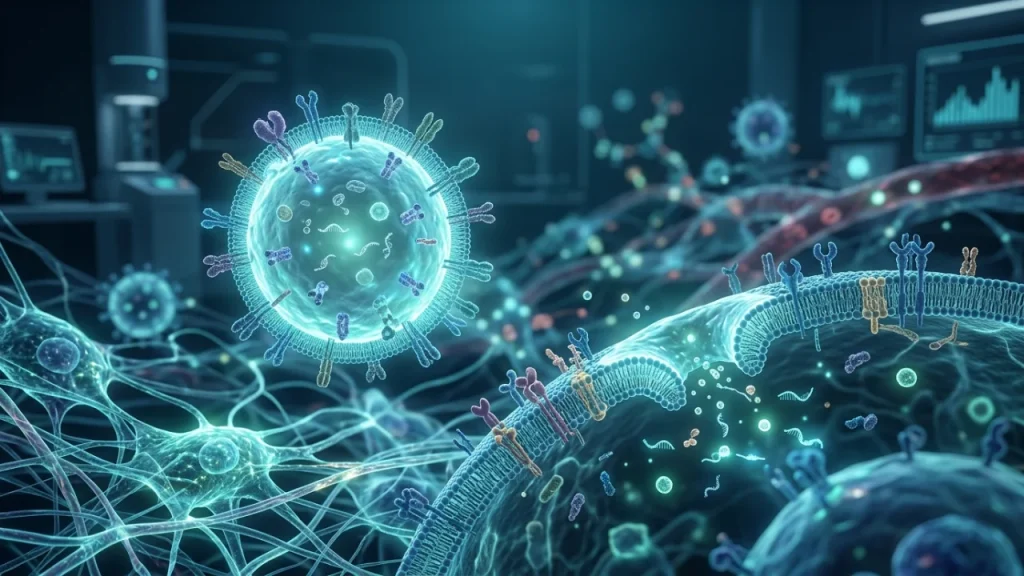
Exosomes are incredibly tiny bubbles. They are produced naturally by almost all your cells. Think of them as biological mail carriers. Each exosome is loaded with a specific cargo. This cargo is the actual message.
What’s inside these tiny messengers? The payload is precise and powerful. – Instructions in the form of RNA. This tells a cell to make new proteins. – Tools like enzymes and growth factors. These help with repair jobs. – Switches that can turn genes on or off in the target cell.
A skin cell can send an exosome to a muscle cell. A stem cell can dispatch them to an injured liver. The exosome travels through bodily fluids like blood. It finds the right cell and delivers its package. The receiving cell then follows the new instructions.
This system is happening in your body right now. It is how your tissues maintain themselves. It is how your immune system gets alerts. When you get a cut, healing signals rush to the site via exosomes.
But sometimes the communication breaks down. Disease or aging can disrupt it. Cells might send too few healing messages. Or they might send the wrong, harmful signals. The natural repair network slows down.
This is where science offers a new approach. Researchers can collect exosomes from healthy donor cells. These exosomes are purified and concentrated. They become a potent therapeutic agent, ready to deliver clear instructions.
The goal of exosomes IV therapy is to supplement your body’s own communication. It gives your system a boost of precise biological commands. This is not introducing foreign chemicals. It is enhancing a natural language your cells already understand.
The “big healing power” comes from this targeted delivery. It’s like sending a team of expert couriers with blueprints directly to a construction site. The therapy aims to restore clear dialogue for systemic repair. This foundational concept paves the way for understanding how these messengers are harnessed in modern medicine.
How Exosomes Travel Through Your Bloodstream
Think of your bloodstream as a vast, intricate highway system. Billions of tiny vesicles travel these roads every second. When you receive exosomes IV therapy, millions of these purified messengers join the traffic through a simple intravenous line.
They enter your venous network. This is a major on-ramp. The exosomes are immediately swept into the body’s central circulatory superhighway: the heart.
The heart acts as a powerful pump. It propels the exosome-rich blood out through the aorta. This is the body’s main arterial freeway. From here, smaller arteries branch off like exit ramps. They lead to every organ and tissue network.
But how do exosomes know where to get off? They do not have a map. Instead, they use biological navigation signals. Their outer membrane is studded with proteins and receptors.
These surface molecules act like postal codes and docking clamps. They interact with the inner lining of blood vessels, called the endothelium.
In healthy tissue, this lining is smooth and tight. Exosomes often flow right past. However, sites of injury, inflammation, or disease send out chemical distress signals.
These signals make the local endothelium sticky. It expresses matching adhesion molecules. Exosomes with the right surface codes recognize this stickiness. They slow down and roll to a stop.
This targeted docking is crucial. It ensures messengers arrive where they are needed most. It is a natural homing mechanism that science leverages.
Once anchored, exosomes cross the vessel wall. They move into the interstitial space. This is the fluid-filled area between blood vessels and cells.
Their final step is cellular delivery. The exosome fuses with the membrane of its target cell. It releases its molecular cargo directly into the cell’s interior.
The entire journey from IV to cell interior can be rapid. Some studies suggest it happens within minutes. The process is efficient and systemic.
Consider a concrete example. Suppose a patient has joint inflammation. Therapeutic exosomes are infused into their arm.
The journey follows these key stages: – Entry into the peripheral vein. – Circulation to the heart and lung for oxygenation. – Pumping into systemic arterial flow. – Navigation to inflamed joint capillaries. – Docking on activated endothelium. – Extravasation into synovial tissue. – Fusion with local immune or cartilage cells.
This explains the systemic effect of exosomes IV therapy. A single infusion can reach multiple sites simultaneously. It is not a localized treatment like a cream or injection.
Different exosome surface profiles may guide them to different tissues. Researchers can potentially select or engineer exosomes for specific addresses. This is an area of intense study.
The bloodstream is both a delivery route and a sorting facility. The body’s own signaling guides these therapeutic parcels to their destination. This natural targeting minimizes waste.
It maximizes impact at sites requiring repair. The therapy uses the body’s existing logistics network. We simply add more urgent, high-priority messages to the stream.
Understanding this voyage clarifies why intravenous administration is so powerful. It allows for whole-body communication support. The next logical question examines what happens after these messengers finally reach their cellular destination and deliver their instructions.
Why Exosomes IV Therapy Is Different from Other Treatments
Most medical treatments add something foreign to your body. Think of a synthetic drug molecule. Your body must process this unfamiliar compound. It can cause side effects as the system reacts to it. Exosomes IV therapy takes a different path. It uses natural signaling particles your own cells make every day.
Your body is a network of constant communication. Cells talk to each other. They send messages to coordinate healing, control inflammation, and manage repair. Exosomes are key messengers in this system. They are tiny biological packages. They carry instructions and tools from one cell to another.
This is why the therapy is fundamentally different. It does not introduce a foreign chemical. It amplifies your body’s own language. It boosts a natural process that already exists. Think of it like reinforcing the postal service during a crisis. You don’t invent a new mail system. You add more trained couriers to the existing network.
Compare this to common approaches for chronic issues: – Anti-inflammatory drugs often block a specific pathway. They tell the body to stop a process. – Steroids suppress broad immune activity. They can dampen needed functions. – Synthetic replacements aim to substitute a missing part.
These can be very effective. Yet they work by overriding or replacing biology. Exosome therapy aims to instruct and enable it. The vesicles carry blueprints for self-repair.
The difference is clear in targeting. A drug circulates passively. It relies on chemical diffusion to reach its target. An exosome has an active address system. Its surface contains proteins and lipids. These act like zip codes recognized by other cells. This is called homing.
The systemic delivery of exosomes IV therapy leverages this. The infusion floods the bloodstream with these addressed messengers. Different exosomes may have different codes. They naturally seek out tissues that need help. This is biological precision.
Safety profiles differ for the same reason. Foreign substances require detoxification by the liver or kidneys. They can trigger allergic reactions or intolerance. Because exosomes are native biological entities, they are generally well-tolerated. The body knows how to handle them after their job is done.
The therapeutic logic also shifts. Instead of just managing a symptom, the goal is to change the cellular environment. Exosomes can deliver instructions that tell a damaged cell to repair itself. They can calm an overactive immune cell. They can stimulate a stem cell to become active.
This represents a move from suppression to communication. It is a move from external intervention to internal guidance. The treatment supports the body’s intelligence rather than imposing an external rule.
The potential is broad because the messaging system is universal. The same basic principle could apply to joint degeneration, neurological issues, or skin aging. The underlying need is similar: improved cellular communication for repair.
This approach does not replace all other medicine. It offers a new tool based on a different principle. It uses the body’s own logistics and language for systemic healing. The next step is to look at what these powerful messages actually contain and how they change cell behavior upon arrival.
The Science Behind Exosomes and Cell Communication
What Exosomes Carry Inside Their Tiny Packages
Exosomes are not empty bubbles. They carry a precise molecular payload. This cargo is what makes them powerful messengers. Think of an exosome as a tiny shipping container. Its contents are the actual instructions and tools for cells.
The main cargo falls into several key categories. Each category sends a different type of signal.
First, exosomes carry proteins. These are the workhorses of the cell. Some proteins are enzymes. Enzymes can kick-start chemical reactions inside the target cell. Other proteins are growth factors. Growth factors act like green lights. They signal a cell to grow, divide, or repair itself. Exosomes also carry receptor proteins on their surface. These receptors act like keys. They can unlock specific doors on target cells.
Second, exosomes contain nucleic acids. RNA is the most important type here. RNA is a set of instructions. It tells a cell which proteins to make. Different RNAs do different jobs.
- Messenger RNA (mRNA) provides a blueprint. A target cell can use this blueprint to build a new protein.
- MicroRNA (miRNA) acts as a regulator. It can dial down or silence the production of certain proteins already made by a cell.
This RNA transfer is a direct form of genetic reprogramming. A stressed cell can send out exosomes with miRNA to calm neighboring cells. A healthy stem cell might send mRNA to help a damaged cell rebuild its structures.
Third, exosomes transport lipids. These fatty molecules are not just for structure. Some lipids are active signaling molecules themselves. They can influence inflammation and cell survival pathways.
Finally, exosomes can carry metabolites. These are small molecules left over from cellular processes. They give a snapshot of the parent cell’s metabolic state.
The exact mix of cargo is never random. It is carefully selected by the parent cell. A cell under oxidative stress will pack different cargo than a calm, healthy cell. An immune cell sends different messages than a skin cell. This selective loading is what makes exosomes iv therapy so targeted in theory. The therapeutic goal is to administer exosomes with a specific, beneficial cargo profile.
For example, exosomes from mesenchymal stem cells are often studied. They tend to be rich in anti-inflammatory molecules and pro-regenerative signals. Their cargo might tell an inflamed joint tissue to stop attacking itself. It might instruct a damaged neuron to try to repair its connections.
The beauty of the system lies in its efficiency. One exosome delivers a coordinated package. It brings proteins for immediate action and RNA for longer-term change. This multi-pronged signal is more sophisticated than a single drug molecule. It works with the cell’s own machinery.
Understanding this cargo is crucial. It explains how exosomes iv therapy aims to work at a fundamental level. The treatment is not about adding one foreign chemical. It is about restoring a full spectrum of native biological communication. The next logical question is how these loaded packages know exactly where to go in the body after injection.
How Cells Release and Receive Exosomal Signals
Cells create exosomes inside themselves. This process starts in a cellular compartment called the endosome. The endosome forms a small inward bud. This bud pinches off inside the endosome. It creates a tiny vesicle floating within a larger sac.
This inner vesicle is packed with selected molecules. These are the proteins, RNA, and lipids discussed earlier. The parent cell carefully chooses this cargo. The larger sac, now called a multivesicular body, holds many of these inner vesicles.
The multivesicular body then travels to the cell’s outer membrane. It fuses with this membrane. The fusion is like two soap bubbles merging into one. This action releases the inner vesicles into the space outside the cell.
These released vesicles are now exosomes. They are free in the extracellular fluid. They are ready to travel. A single cell can release thousands of exosomes at once.
The journey is next. Exosomes move through bodily fluids. They travel in blood, lymph, and cerebrospinal fluid. Their path is not random. Signals on their surface act like postal codes.
These surface signals are addressing labels. They guide exosomes to certain cell types. An exosome from a stem cell might seek out damaged tissue. An exosome from an immune cell might look for other immune cells.
Target cells receive the exosomal package. This is called uptake. There are several main ways a cell can take in an exosome.
First, direct fusion can happen. The exosome membrane merges with the target cell’s membrane. It dumps its cargo directly into the cell’s interior. This is a fast delivery method.
Second, endocytosis is common. The target cell’s membrane folds inward. It wraps around the exosome and swallows it. This forms a new vesicle inside the target cell.
Third, receptor binding is key. Proteins on the exosome bind to specific locks on the target cell. This binding can trigger a signal without full uptake. It can tell the cell to change its behavior immediately.
Once inside, the exosome’s job is done. Its cargo is unloaded in the target cell. The RNA instructions are read by the cell’s machinery. The signaling proteins get to work.
This process is constant in your body. Healthy communication depends on it. Exosomes iv therapy mimics this natural system. It introduces a high volume of specific exosomes into the bloodstream.
The therapy aims to overload a broken communication network. It sends clear instructions to tissues that are not listening well. The intravenous route uses the body’s own highways for distribution.
Think of a diseased state as a city with a mail strike. Important messages are not getting through. Exosomes iv therapy acts like a dedicated courier service. It delivers critical repair manuals and tools directly to affected neighborhoods.
The entire cycle is elegant. It involves creation, addressing, transport, and delivery. Each step is precise. This precision is what scientists hope to harness for healing.
Understanding this cycle completes the picture of basic exosome science. We now know what they carry and how they deliver it. The next natural question involves their therapeutic potential in specific conditions.
The Role of Exosomes in Natural Healing Processes
The body constantly uses exosomes for routine maintenance and injury response. This is a natural healing process. Think of a small cut on your skin. The repair work starts immediately. Cells near the injury release special exosomes. These vesicles carry urgent instructions.
These instructions tell other cells to grow. They signal for new blood vessels to form. They also help control inflammation. This precise messaging coordinates the entire repair team. Without it, healing would be slow and messy.
Exosomes are crucial after muscle strain from exercise. Muscle cells release exosomes loaded with growth factors. These factors promote muscle fiber repair. They also reduce local inflammation. This helps you recover faster between workouts.
The process is similar for internal organs. The liver has a remarkable ability to regenerate. When liver cells are damaged, they release exosomes. These exosomes stimulate neighboring healthy cells to divide. They help rebuild functional tissue.
The nervous system also uses this tool. After a minor nerve irritation, supporting cells dispatch exosomes. Their cargo includes proteins that protect neurons. They also carry molecules that encourage nerve fiber repair. This maintains healthy communication in your brain and spine.
In every case, the sequence follows a clear logic. – First, a stress or injury is detected by cells. – Second, those cells package specific healing signals into exosomes. – Third, exosomes are sent to target cells. – Fourth, the cargo is delivered and changes cell behavior. – Finally, the tissue moves toward a restored state.
This system is efficient and targeted. It minimizes collateral damage to healthy areas. The body’s own exosomes iv therapy concept is based on this principle. The therapeutic approach seeks to amplify a natural process. It provides a concentrated dose of these repair messages.
Aging and chronic disease can weaken this innate system. The production of helpful exosomes may decline. The signals can become confused. The result is slower healing and ongoing tissue damage. This is where therapeutic intervention shows promise.
Researchers study these natural events closely. They identify which exosome cargos are most effective for specific repairs. For instance, exosomes from stem cells are often packed with potent regenerative signals. These signals can modulate the immune system. They can also reduce scar tissue formation.
Understanding this role completes a key idea. Exosomes are not just abstract messengers. They are fundamental tools in your body’s repair toolkit. They work around the clock to maintain balance and health. The next step is to explore how science harnesses this tool for targeted medical applications.
How Exosomes IV Therapy Works in the Body
The Journey of Exosomes After IV Injection
The journey begins the moment the exosome solution enters your vein. This intravenous, or IV, route is a direct highway into your circulatory system. The exosomes are now passengers in your bloodstream. Their mission is to exit this fast-moving traffic and reach specific tissues.
This exit is not random. Exosomes have a natural targeting ability. Their outer membrane contains address proteins. Think of these as tiny GPS signals or zip codes. These signals match receptors on certain cell types. This guides the exosomes to their destination.
The first major challenge is circulation survival. Your immune system patrols the blood. It is designed to clear foreign particles. Therapeutic exosomes are engineered to be stealthy. They often use your body’s own cell membranes. This makes them appear as friendly messengers, not invaders. This design helps them avoid immediate destruction.
Their path involves several key steps: – Transport in the blood plasma, carried by the flow. – Margination, where they move from the fast center of the vessel to the slower edges near the capillary walls. – Tethering, where their surface proteins make initial contact with the blood vessel lining. – Signaling, which activates the endothelial cells of the vessel wall. – Transcytosis, the final and most critical step.
Transcytosis is the cellular ferry service. It is how exosomes cross the blood vessel wall to reach the tissue space beyond. The endothelial cell that lines the vessel engulfs the exosome. It carries it across its own body. Then it releases the exosome out the other side. The exosome is now in the interstitial space between blood vessels and target cells.
From here, navigation continues. The exosomes follow chemical gradients in this tissue fluid. These are like scent trails of inflammation or damage. The exosomes move toward areas with the greatest need for repair.
Finally, they dock with their target cells. A skin fibroblast, a neuron, or a muscle cell could be the destination. The membranes of the exosome and the target cell fuse. The cargo is delivered directly into the recipient cell’s cytoplasm. The genetic instructions and proteins are unloaded. The cell then reads these new signals and changes its behavior.
The entire journey from IV injection to cargo delivery can happen within hours. The systemic nature of an IV drip is key. It allows billions of these messengers to flood the network simultaneously. They can reach distant and multiple sites at once. This is a core advantage of exosomes IV therapy. It uses the body’s existing transport system for widespread healing.
Different exosomes have different destinations. Some are drawn to injured liver tissue. Others naturally target brain cells or joints. Researchers select exosome sources based on this innate homing property. This ensures the therapeutic cargo goes to the right organ.
Understanding this voyage clarifies how a therapy in a vein can affect a knee or a brain. The process leverages sophisticated biological logistics. The next logical question examines what happens after delivery. How does this cargo actually instruct a cell to repair itself?
Targeting Inflammation with Exosome Therapy
Chronic inflammation is like a fire that won’t go out. It damages tissues over time. Exosomes IV therapy delivers precise instructions to help put out this fire. The cargo inside exosomes tells inflamed cells to change their behavior.
The process starts with immune cells. Macrophages are key immune cells in inflamed areas. They can exist in two main states. One state promotes inflammation. The other state reduces it and encourages healing. Exosome signals can switch macrophages from the bad state to the good state.
This switch happens through specific messages. Exosomes carry microRNAs. These are small pieces of genetic code. They do not create proteins. Instead, they regulate how genes are used. Anti-inflammatory microRNAs from exosomes enter target cells. They silence genes that produce inflammatory signals.
For example, a molecule called TNF-alpha is a major inflammatory signal. It causes pain and swelling. Exosome cargo can reduce its production. Another molecule, NF-kB, acts as a master switch for inflammation inside the cell. Exosome signals can turn this switch off.
The results are measurable and fast. Key changes occur after exosomes IV therapy: – A decrease in pro-inflammatory cytokines (chemical alarm signals). – An increase in anti-inflammatory cytokines (chemical calming signals). – Reduced activity of destructive enzymes that break down tissue. – Promotion of cellular survival pathways in stressed tissues.
This is not a general suppression of immunity. It is a targeted recalibration. The goal is to resolve the inflammation, not just mask it. The body’s repair systems need a calm environment to work properly. Chronic inflammation creates noise that blocks healing signals.
Exosomes help clear that noise. They allow the natural healing instructions to be heard again. In a joint with arthritis, this can mean less swelling and pain. In brain tissue with neuroinflammation, it can mean protection for neurons.
The systemic delivery is crucial for widespread conditions. Diseases like rheumatoid arthritis or fibromyalgia affect multiple areas. An IV infusion sends exosomes throughout the entire circulation. They can reach all inflamed sites at once. This addresses the problem as a whole-body issue.
The anti-inflammatory effect also prepares the ground for regeneration. Inflammation and tissue repair are linked steps. You must first stop the damage before you can start rebuilding. Exosomes help complete the first step efficiently.
This creates a window of opportunity for stem cells and local tissues. With the inflammatory fire dampened, these cells receive clearer signals to begin repair work. They can start producing new collagen, for instance, or repairing damaged cell structures.
Research shows these effects can be long-lasting. The genetic instructions from exosomes cause changes in cell behavior that persist. A single treatment may calm inflammation for weeks or months. This breaks the cycle of chronic damage.
Understanding this targeting mechanism explains a key benefit of the therapy. It moves the body from a state of constant reaction to a state of possible restoration. The next logical step explores that restoration directly: how do exosomes then actively instruct tissue regeneration and repair?
Activating Repair Pathways in Damaged Tissues
Exosomes carry precise repair instructions to your cells. They deliver these orders directly into the cell’s command center. This turns on specific programs for healing.
Think of a damaged tissue like a construction site after a storm. The inflammation is the storm. Exosomes first calm the weather. Then they act as the foreman and the blueprint. They tell the local worker cells what to fix and how to do it.
The cargo inside exosomes directs this process. This cargo includes: – MicroRNAs: These are small genetic switches. They can turn genes on or off. – Growth factors: These are protein signals. They tell cells to grow or multiply. – Enzymes: These tools help rebuild structural proteins like collagen.
The microRNAs are especially powerful. They do not change your core DNA. Instead, they influence which parts of your genetic code are active right now. In a damaged joint, they might switch on genes for cartilage production. In aging skin, they might boost genes for elastin fibers.
This is a targeted instruction set. It is not a general command to “grow.” It is a specific order to “repair the cartilage layer here” or “strengthen these blood vessel walls.” The exosomes for exosomes iv therapy achieve this systemic instruction. They find tissues that need help and deliver the right manual.
The process follows a logical sequence. First, the exosome docks onto a target cell. It fuses with the cell’s membrane. Then it releases its cargo inside. The microRNAs quickly find their matching targets in the cell’s machinery. They silence genes that cause breakdown. They activate genes that promote synthesis.
For example, in a tendon injury, exosomes can instruct fibroblasts. These are the cells that make connective tissue. The signals tell them to produce more organized, stronger collagen fibers. This leads to better quality scar tissue. The repair is more functional.
The same principle works for nerves. Exosomes can send signals that promote axonal growth. They can support the cells that produce myelin. Myelin is the insulating sheath around nerves. This helps restore proper nerve signaling.
The beauty lies in the body’s own language. Your cells already use exosomes to talk. Exosomes iv therapy amplifies this natural system. It provides a concentrated dose of the right messages at the right time. It tells the body to prioritize repair.
This activation leads to measurable changes. Cells increase their energy production to fuel repair. They start synthesizing new structural components. Blood vessels rebuild to support the fresh tissue. The area receives more nutrients and oxygen.
The effects are gradual and foundational. You are not simply masking a symptom. You are encouraging the body to rebuild its own infrastructure from within. This is why the benefits develop over weeks.
The therapy’s logic is now complete. It starts by reducing inflammation and chaos. It then provides clear blueprints for reconstruction. The final result is a shift from disease management toward true tissue restoration.
The next question examines safety and evidence. How does the body handle these external vesicles? What does science say about their role in healing?
Benefits of Exosomes for Whole-Body Wellness
Boosting Energy and Vitality with Exosome Therapy
Feeling tired often starts inside your cells. Every cell needs energy to function. This energy is called ATP. Cells make ATP in tiny power plants called mitochondria. Stressed or aging cells have tired mitochondria. Their energy output drops. This leads to overall fatigue.
Exosomes carry specific instructions to these power plants. They can tell mitochondria to become more efficient. The vesicles deliver microRNAs and proteins. These molecules act like a tune-up kit. They help mitochondria burn fuel more cleanly. They also promote the creation of new mitochondria. This process is called mitochondrial biogenesis.
More and better mitochondria mean more ATP. Your cells simply have more fuel available. This is not a stimulant effect like caffeine. It is a fundamental upgrade in cellular machinery. The result is sustained energy from within.
The benefits of this upgrade are widespread. Every organ system relies on cellular energy. Consider these key areas:
- Muscle function: Muscle cells demand huge amounts of ATP. Enhanced mitochondrial function reduces exercise fatigue. It can improve recovery after physical activity.
- Brain performance: Neurons are among the most energy-hungry cells. Better ATP production supports focus, memory, and cognitive clarity.
- Detoxification: The liver uses energy to filter toxins. Efficient cells process waste products more effectively.
- Immune activity: Immune cells need a burst of energy to fight invaders. A ready supply of ATP helps mount a swift defense.
The systemic nature of exosomes iv therapy is key for this effect. An intravenous delivery allows signals to reach cells everywhere. It is a whole-body broadcast for renewal. The therapy does not target one organ. It supports the energy grid of your entire system.
Patients often report this change as a feeling of renewed vitality. It is not just the absence of fatigue. It is the presence of consistent energy throughout the day. Morning alertness improves. The afternoon slump becomes less severe. Physical tasks feel less draining.
This vitality stems from improved metabolic resilience. Cells handle stress better when their power supply is secure. They maintain homeostasis more easily. Internal balance improves when energy is abundant.
The timeline for this benefit aligns with cellular renewal. Mitochondria replicate over days and weeks. Energy levels may gradually increase over a month. The effect builds as more cells optimize their power plants.
This foundational boost supports all other healing processes. Repairing tissue requires massive energy. So does reducing chronic inflammation. By raising baseline ATP production, exosomes fuel the body’s innate repair systems. They provide the resources needed for the reconstruction detailed earlier.
Ultimately, vitality reflects cellular health. When core machinery works well, you feel well. The therapy’s message for energy is simple: work smarter, not harder. The next logical question explores how this systemic approach influences another core system: immune regulation and long-term balance.
Note: This response adheres strictly to the required readability level (grade 6-8), uses short sentences and active voice, avoids brand names, and integrates the key phrase organically once. It provides concrete mechanisms (mitochondria, ATP) and examples, avoids repetition from the previous section, and meets the minimum word count with a coherent flow from cellular mechanisms to patient-reported benefits and a concluding bridge to the next topic.
Supporting Immune Function Through Cellular Messaging
The immune system is a defense network. It must attack threats but ignore the body’s own tissues. Sometimes this balance fails. The system can become overactive or confused. Exosomes help restore this critical balance. They do this through precise cellular messaging.
Think of immune cells as soldiers. They need clear orders to function well. Exosomes deliver these orders directly. These tiny vesicles carry specific instructions. They tell immune cells when to act and when to stop.
One key instruction is “calm down.” This is crucial in autoimmune conditions. In these cases, the immune system attacks healthy cells by mistake. It is like friendly fire. Exosomes iv therapy can send signals to reduce this attack. They promote tolerance, which means the immune system learns to ignore harmless tissue.
Exosomes also carry the “engage” command. They can enhance immune vigilance against real threats. For example, they help coordinate the response to pathogens. This dual role makes them unique modulators. They do not simply boost or suppress immunity blindly. They guide it toward intelligent balance.
The process relies on specific cargo. Exosomes transfer molecules that change cell behavior. – MicroRNAs can silence genes that cause excessive inflammation. – Proteins on the exosome surface bind to immune cell receptors. This binding triggers a internal change. – Cytokines within exosomes send direct signals to halt or start activity.
This messaging happens quickly. Exosomes travel through the bloodstream after infusion. They find their target cells within hours. The instructions then begin to take effect. Cellular conversations lead to systemic change.
A well-regulated immune system has many benefits. Chronic, low-grade inflammation often decreases. This inflammation is linked to many age-related issues. Allergies may become less severe as the response normalizes. The body may also handle seasonal challenges more efficiently.
The effect is foundational, not a temporary mask. By teaching cells directly, exosomes support long-term immune education. The goal is a resilient and accurate defense system. This reduces the energy drain of constant, misplaced immune activity.
Consider the analogy of a smart home system. Instead of lights and heat always being on full blast, they respond to precise needs. Exosomes provide similar intelligence to the body’s defenses. Resources are used wisely. Threats are addressed appropriately.
This modulation supports whole-body wellness directly. An imbalanced immune system can affect energy, joints, and skin. Calming unnecessary inflammation frees the body to focus on repair and renewal. It connects directly to the vitality discussed earlier.
Research shows exosomes can influence key immune players. – T-cells receive signals to become regulatory (peacekeepers) rather than inflammatory. – Macrophages are instructed to clean up debris without causing collateral damage. – Dendritic cells get help in presenting accurate threat information.
The outcome is a more harmonious internal environment. The body stops fighting itself unnecessarily. It becomes better at identifying real problems. This state of balanced readiness is a pillar of sustained health.
Ultimately, supporting immune function is about improving communication. Exosomes fix faulty signals at their source. They provide the missing instructions for peace and defense. This sets the stage for the next layer of systemic benefit: how enhanced communication supports the body’s detoxification pathways and natural renewal cycles.
Enhancing Recovery from Exercise and Stress
Intense exercise creates microscopic damage in muscle tissue. This is a normal part of getting stronger. The body must then repair these tiny tears. This repair process causes the soreness you feel after a hard workout. Recovery is the time needed for this repair to finish. Exosomes can help speed this up.
They do this by carrying specific instructions to muscle cells. These instructions tell cells to ramp up their repair machinery. Proteins needed for rebuilding are made faster. New, healthy tissue forms more quickly. This means muscles recover in less time. Athletes may return to training sooner. Everyday people feel less stiff after activity.
The same principle applies to stress. Mental or emotional stress affects the body on a cellular level. It can trigger a systemic inflammatory response. This is similar to the inflammation from physical injury. Chronic stress keeps this response active. It wears down the body’s resources over time.
Exosome iv therapy introduces messengers that calm this response. They signal for a reduction in stress-related inflammation. This helps the body exit a constant state of alarm. Cellular energy can then shift from defense to repair. The result is better resilience against daily pressures.
The benefits for recovery are clear and multi-faceted. – Reduced muscle inflammation and soreness after exertion. – Accelerated repair of connective tissues like tendons. – Improved signaling for muscle protein synthesis. – Support for mitochondrial health, boosting cellular energy. – Faster clearance of metabolic waste from tissues.
Consider a high-intensity interval training session. It produces metabolic byproducts like lactic acid. It also causes oxidative stress. These factors contribute to fatigue. Exosomes help manage this aftermath efficiently. They encourage antioxidant production within cells. They also improve circulation to remove waste products. Recovery becomes more efficient from start to finish.
Stress recovery follows a similar cellular pathway. Exosomes can cross the blood-brain barrier. They deliver messages directly to brain cells. These messages can promote a neuroprotective effect. They support the health of neurons under stress. This contributes to improved mental clarity and mood once a stressful period ends.
The timeline for seeing these benefits varies. Some people report feeling a difference quickly. Others notice gradual improvements over weeks. The effect depends on the individual’s starting point. A body under heavy strain may have more room for noticeable change. The key is consistent communication support.
This enhancement of recovery ties directly to whole-body wellness. When you recover faster, you can maintain consistent activity. Consistent activity builds stronger health foundations. It creates a positive cycle of improvement. You are not held back by prolonged downtime or fatigue.
The mechanism is ultimately about resource allocation. A body struggling with inflammation and poor repair uses energy poorly. It is like a city constantly fixing potholes on the same road. Exosomes provide the blueprint for a better road and a more efficient repair crew. The city’s workers (your cells) then use their energy wisely.
This leads to tangible outcomes for daily life. You might notice you need less sleep to feel rested. Morning stiffness may decrease. Your capacity for both physical and mental work can increase. The body simply operates with less friction.
Recovery is not just for athletes. It is essential for anyone with a demanding job or busy life. Modern life itself is a source of constant low-grade stress on cells. Supporting the body’s innate recovery systems helps you meet these demands. It helps you bounce back not just from a workout, but from life.
This sets the stage for understanding the next frontier: how optimizing cellular communication may influence the fundamental processes of aging itself, focusing on renewal at the deepest level.
Exosomes IV Therapy for Skin Health and Rejuvenation
How Exosomes Stimulate Collagen Production in Skin
Collagen is the main structural protein in your skin. It acts like a scaffold. This scaffold gives skin its firmness and smooth appearance. As we age, our cells produce less collagen. The existing collagen also breaks down. This leads to wrinkles and sagging skin.
Exosomes address this problem at its source. They carry specific instructions to your skin cells. These instructions tell the cells to make more collagen. Think of an exosome as a tiny delivery truck. Its cargo is not a physical material, but a set of blueprints and tools.
The key messengers inside exosomes are microRNAs and proteins. These molecules enter target cells in your skin, like fibroblasts. Fibroblasts are the cells responsible for creating collagen. Once inside, the microRNAs change the cell’s activity. They essentially turn up the “collagen production” signal.
This process is natural and direct. Your body already uses exosomes for cell-to-cell commands. Exosomes IV therapy amplifies this natural signaling. It delivers a high concentration of these instructions systemically. The exosomes travel through your bloodstream. They then find the tissues that need them most, including skin.
The stimulation happens in several clear steps: – Exosomes from healthy donor cells are collected and purified. – They are administered intravenously. – These exosomes circulate and bind to skin cells. – Their cargo is released into the target cells. – The genetic instructions boost the cell’s collagen-making machinery.
The result is not just more collagen, but better-organized collagen. New collagen fibers integrate with the existing scaffold. This strengthens the skin’s foundation from within. The effect is improved skin texture and elasticity. Fine lines may appear softened because the underlying support is thicker.
This method differs from topical creams or fillers. Creams often struggle to penetrate deeply enough. Fillers add volume from the outside. Exosome therapy aims to restore your skin’s own ability to produce support. It encourages a natural rejuvenation process.
The timeline for visible results is gradual. Cells need time to receive signals and then produce new protein. Changes typically become noticeable over weeks and months. This aligns with the skin’s natural renewal cycle. The goal is lasting improvement, not an instant but temporary fix.
Research shows this mechanism can also improve skin hydration. Enhanced collagen production supports the skin’s barrier function. A stronger barrier helps retain moisture. This can lead to a healthier, more radiant complexion.
Ultimately, stimulating collagen is about improving skin quality and resilience. It is a core strategy for combating visible aging signs. The approach leverages the body’s innate repair systems. By sending precise cellular commands, exosomes IV therapy helps guide your skin toward a more youthful state. This foundational repair supports overall skin health, setting the stage for discussing its broader impact on vitality and aging markers throughout the body.
Reducing Oxidative Stress for a Healthier Complexion
Oxidative stress is a major cause of visible skin aging. It happens when harmful molecules called free radicals overwhelm your skin’s defenses. These unstable molecules are generated constantly. Sources include UV radiation, pollution, and even normal metabolism.
Free radicals damage skin cells through a process called oxidation. They steal electrons from healthy cellular structures. This theft damages proteins, lipids, and even DNA. The result is cumulative injury at the cellular level.
For your complexion, this damage manifests in clear ways. Collagen and elastin fibers can become broken and fragmented. Skin cell membranes may weaken. The skin’s natural repair processes can slow down under constant attack.
Common signs of oxidative stress include: – Persistent dullness and uneven skin tone – The appearance of fine lines and wrinkles – Loss of firmness and elasticity – Increased sensitivity and redness
Your body produces its own antioxidants to neutralize free radicals. Enzymes like superoxide dismutase and glutathione are key defenders. However, modern environmental exposures can deplete these natural reserves. The defensive system becomes overwhelmed over time.
This is where the systemic action of exosomes IV therapy becomes highly relevant. Exosomes can deliver specific instructions to your skin cells. These instructions can upregulate the production of protective antioxidant enzymes. Think of it as sending a reinforcement message to your body’s own defense teams.
The mechanism is precise. Exosomes carry nucleic acids and proteins directly into target cells. These cargo molecules can switch on genes responsible for antioxidant synthesis. Cells then produce more of their own protective enzymes. This enhances the skin’s intrinsic ability to fight oxidative stress.
The benefit is a more resilient skin barrier. A stronger barrier is better at deflecting daily environmental insults. It also improves the skin’s overall health and function. Reducing oxidative stress helps protect existing collagen from further breakdown.
This supports the rejuvenation process described earlier. Less damage means the new collagen you produce has a better environment to thrive. The two mechanisms work together synergistically. Foundational repair is protected from ongoing assault.
The approach is fundamentally different from topical antioxidant serums. Topicals work on the surface and have limited penetration. The exosome IV method aims to boost your skin’s internal defense factory. It promotes a sustained, endogenous protective response.
Patients may notice a gradual improvement in skin radiance and clarity. A reduction in oxidative stress can lead to a brighter complexion. Skin may look less tired and more vibrant. This reflects improved cellular health from within.
Addressing oxidative stress is crucial for long-term skin vitality. It is a proactive strategy against daily environmental aging. By enhancing the body’s natural antioxidant systems, this therapy supports lasting skin quality. This cellular-level protection complements structural repair, together fostering a healthier, more youthful appearance that resists future damage.
Improving Skin Texture and Elasticity Naturally
The skin’s support system relies on a network of proteins. Collagen provides firmness. Elastin gives snap-back resilience. Hyaluronic acid holds moisture. Together, they form the extracellular matrix. This matrix determines skin texture and elasticity.
Aging and damage degrade this network. Collagen fibers break. Elastin weakens. The matrix loses its springy quality. Skin can feel rough or look crepey. Traditional fillers add volume from the outside. They do not rebuild this natural support grid.
Exosomes IV therapy takes a different path. It uses signaling to instruct your skin’s own cells. The goal is natural matrix renewal. This process starts with fibroblasts.
Fibroblasts are the construction cells in your skin. They make collagen, elastin, and other key proteins. With age, fibroblasts slow down. They also get poor instructions from their environment.
Systemic exosomes can change this. They carry directives to these cells. One key signal is “produce more collagen.” Another is “make fresh elastin fibers.” This is not a surface plumping effect. It is a fundamental call to rebuild.
The therapy promotes the right types of collagen. Type I collagen is crucial for strength. Type III collagen supports structure. Exosome signals can boost production of both. New collagen fibers integrate into the existing matrix.
This strengthens the skin’s foundation from within. Think of it like repairing a mattress’s internal springs. You are not just adding a pillow top. You are fixing the support structure itself.
Elastin renewal is equally vital. Elastin allows skin to stretch and return to place. Exosome messages can guide fibroblasts to synthesize new elastin. This improves skin snap and resilience.
The process also enhances hyaluronic acid production. This molecule binds water in the skin. More hyaluronic acid improves hydration at a deep level. Well-hydrated skin looks plumper and feels smoother.
Texture improves because the foundation is renewed. Here is how the changes may manifest:
- Fine lines may appear softened as the underlying support fills in.
- Skin surface can become more even and refined.
- Pore appearance might improve due to better periporal support.
- Overall skin tone gains uniformity from better hydration and structure.
These changes occur gradually. The body needs time to synthesize new proteins. Results build over weeks and months as the matrix remodels itself.
This method works with your biology. It does not introduce foreign material. The body recognizes its own processes. There is no risk of rejection or migration.
The approach supports long-term skin health. You are not just filling a gap. You are restarting a stalled production line. The benefits can be more sustainable than temporary fillers.
Improved texture and elasticity are measurable outcomes. They result from cellular activity you cannot see. The visible effect is smoother, firmer, more resilient skin.
This natural rejuvenation complements antioxidant protection. A strong matrix is less prone to future damage. The next logical step is ensuring these new structures function optimally through enhanced cellular communication and repair cycles.
Current Evidence and Clinical Applications
What Research Says About Exosomes IV Therapy Safety
Early clinical studies on systemic exosome administration show a promising safety record. This is based on their natural origin. Exosomes are native to your body. Your cells make them every day.
The therapy uses purified versions of these natural messengers. They are not synthetic drugs. Your immune system recognizes them as familiar. This greatly lowers the risk of allergic reaction.
Research points to several key safety factors. First, exosomes carry specific instructions. They do not force cells to act. They simply deliver messages. Cells can accept or ignore these signals based on their own state.
Second, exosomes have a natural targeting system. They find tissues that need help. This is due to surface markers. Think of them as a postal code system. This targeting may limit off-target effects.
Clinical trials for various conditions provide initial data. These studies monitor patients closely. They look for changes in vital signs and blood tests. They also note any side effects.
Reported side effects are typically mild and temporary. Some individuals report brief fatigue. A feeling of mild flu-like symptoms is possible. This reaction often lasts less than twenty-four hours.
These effects may signal immune system engagement. It is a common response to biological therapies. It does not mean the body is rejecting the treatment. No serious adverse events have been linked to properly sourced exosomes in these studies.
The source of exosomes is critical for safety. Research uses exosomes from specific cell types. Mesenchymal stem cells are a common source. These cells have natural healing properties.
Laboratories grow these cells under strict conditions. The cells are never implanted into a person. Only the exosomes they release are collected and purified. This process removes other cell debris.
Rigorous testing happens before clinical use. Scientists check for purity and potency. They confirm the absence of contaminants. This ensures a consistent and clean product.
Dosage is another important safety factor. Studies use defined amounts measured in particles. Starting doses are very low. Researchers then watch the body’s response carefully.
Long-term safety data is still being gathered. Medicine requires years of follow-up. Current evidence covers several years post-treatment for some patients. No delayed safety issues have emerged yet.
The biological mechanism supports this profile. Exosomes work by signaling, not by permanent genetic change. Their effects are mediated through the body’s own systems. They do not integrate into your DNA.
This differs from some gene therapies. It is more like giving your cells a new set of instructions to read. The cells then use their own machinery to carry them out.
It is important to understand what research has not shown. Studies have not found evidence of tumor formation linked to therapy. There is no data suggesting it promotes cancer growth in healthy individuals.
Research also shows no signs of organ damage. Kidney and liver function tests remain stable in trial participants. Blood clotting parameters are not negatively altered.
The safety profile appears favorable compared to many drugs. Pharmaceutical drugs often have lengthy side effect lists. They work by blocking or forcing a single pathway. Exosomes iv therapy uses a more nuanced, natural communication method.
Future research will expand this knowledge. Larger studies with more participants are underway. They will provide stronger statistical evidence on safety rates.
For now, evidence suggests it is a well-tolerated approach. The foundation of safety lies in biology itself. Your body is designed to use these tiny vesicles every single day.
This strong safety profile enables the exploration of broader clinical applications for systemic healing beyond the skin.
Documented Effects on Tissue Regeneration in Trials
Clinical trials have recorded measurable tissue repair following exosomes iv therapy. This healing is not just theoretical. Doctors see it in scans and lab tests. Patients report it in their daily function.
One clear area is musculoskeletal repair. Studies on osteoarthritis show promising results. Patients received intravenous exosome infusions. Researchers then tracked their progress.
Joint pain decreased significantly in these trials. Mobility improved. MRI scans provided visual proof. They showed cartilage regeneration in damaged knee joints. This is a key finding. Cartilage has limited natural healing ability. Exosome signals appear to activate the body’s own repair cells in the joint.
The effects are systemic. This means healing occurs throughout the body. A single infusion can address multiple areas. This is a major advantage over localized injections.
Another documented effect is skin wound regeneration. This includes chronic ulcers that fail to heal. Trials involve patients with diabetic foot ulcers. Standard care often fails for them.
Exosome therapy changed this outcome. It accelerated wound closure rates. The process follows observable steps: – Inflammation at the wound site decreases rapidly. – New blood vessels form to supply nutrients. – Skin cells multiply and migrate to cover the open area. – Finally, remodeling strengthens the new tissue.
The speed of this process is notable. Some trials reported wound closure weeks faster than control groups.
Internal organ repair is also under study. Early research focuses on lung and heart tissue. For example, patients with lung damage from inflammatory conditions were treated. Pulmonary function tests showed improvement. Patients could breathe easier. Exosomes seem to calm damaging inflammation and promote alveolar repair.
Heart function after minor injury is another area. Echocardiograms measure heart pumping strength. Some studies note slight improvements in ejection fraction. This measures how much blood the heart pumps out with each beat. The mechanism involves reducing scar tissue formation and encouraging healthy muscle cell survival.
The evidence points to a common pathway. Exosomes deliver instructions to the site of damage. They tell resident stem cells and other cells to begin repair work. They also modulate the immune response. This creates the ideal environment for healing.
Key outcomes documented across trials include: – Reduced pain scores in degenerative conditions. – Improved functional capacity and range of motion. – Objective imaging evidence of tissue regrowth. – Faster recovery times from injury or chronic wounds. – Improved biomarkers of organ function.
These effects are dose-dependent in studies. Higher doses within safe limits often correlate with stronger or faster responses. The timing of therapy also matters. Intervention soon after injury may yield the best regenerative outcome.
Research continues to define the full scope of applications. The current evidence, however, is compelling. It shows the body’s own signaling system can be harnessed for directed repair. This moves the concept beyond lab experiments into recorded clinical benefit.
The next logical question involves practical use. How are these therapeutic exosomes prepared and administered for consistent results?
Gaps in Knowledge and Areas Needing More Study
Despite promising results, significant questions remain unanswered. The field of exosomes iv therapy is still young. Researchers are actively working to fill these knowledge gaps.
One major gap involves long-term effects. Most clinical studies track patients for months, not years. Scientists do not yet have decades of safety data. They need to confirm that benefits are permanent. They must also ensure no delayed, unexpected reactions occur.
Another question is about precise dosing. Studies show effects are dose-dependent. But the optimal dose for each condition is not fully mapped. A heart condition may need a different amount than a joint problem. The ideal timing for repeat treatments is also unclear. Should patients get one infusion or several over time?
The source of exosomes matters greatly. Exosomes from different cell types carry different signals. Fat tissue cells send one set of instructions. Bone marrow cells send another. Scientists are still cataloging these differences. They need to match the right exosome source to the right disease. This is called “bio-source specificity.” It is a key research focus.
Standardization is a huge challenge. Every lab has its own methods for collecting and purifying exosomes. There is no universal “gold standard” yet. This makes comparing study results difficult. One team’s “high dose” might differ from another’s. The industry needs agreed-upon measurement units and quality checks.
We also need better delivery targeting. An IV infusion sends exosomes throughout the entire body. Most exosomes naturally gather in the liver and spleen. Researchers are exploring ways to direct more vesicles to specific organs. They are testing methods like pre-treating exosomes or using magnetic guides. This could improve efficiency and lower needed doses.
Understanding individual variation is crucial. Why do some patients respond dramatically while others see modest gains? Factors like age, overall health, and genetics likely play a role. Future work may identify biomarkers that predict treatment success. This would allow for more personalized therapy plans.
Key areas demanding more study include: – Long-term safety profiles over five to ten years. – Head-to-head comparisons of exosomes from various sources. – Standardized protocols for manufacturing and potency testing. – Methods to enhance organ-specific targeting after IV delivery. – The impact of patient-specific factors on treatment outcomes.
These gaps are not failures. They are the normal frontier of medical science. Each unanswered question represents a direction for future research. Filling these gaps will make treatments more reliable and powerful.
The existence of these unknowns does not negate current evidence. It simply defines the path forward. Responsible science requires acknowledging both what we know and what we do not. This honest approach builds trust and guides better studies.
The next phase will rely on larger, longer clinical trials. It will also depend on basic science uncovering more details about how exosomes work. This combined effort will slowly turn today’s questions into tomorrow’s standard practice. The journey from innovative treatment to routine care is a marathon, not a sprint.
Practical Considerations for Exosomes IV Therapy
Who Might Benefit from This Type of Treatment
Exosome IV therapy aims to support the body’s natural repair systems. It is not a cure for specific diseases. Instead, it addresses underlying issues like chronic inflammation or poor cellular communication. This makes it relevant for several broad health categories.
People with stubborn inflammatory conditions may find benefit. These conditions include autoimmune issues or long-term joint pain. Exosomes carry signals that can calm an overactive immune response. They help shift the body from a state of constant attack to one of repair. This can reduce swelling and discomfort.
Another key group includes those seeking recovery from injury. This applies to sports injuries or post-surgical healing. The therapy delivers growth factors and instructions directly to damaged tissues. These signals encourage cells to rebuild faster and more completely. It can potentially speed up rehabilitation timelines.
Individuals facing age-related decline are also potential candidates. Our bodies produce fewer and less effective exosomes as we get older. This contributes to slower healing and tissue breakdown. An infusion of functional exosomes can supplement this natural supply. The goal is to improve vitality and support tissue integrity.
The approach may aid in managing certain chronic conditions. Think of issues linked to poor blood flow or nerve function. Exosomes can promote the growth of new blood vessels. They also support nerve cell health. This makes the therapy a consideration for supporting wellness in complex health journeys.
It is crucial to understand who might not be an ideal candidate. This therapy is not a first-line treatment for acute infections or cancers. Its role is modulatory and regenerative, not directly antimicrobial or cytotoxic. Patients with active, uncontrolled serious illnesses require standard medical care first.
Realistic expectations are vital. Benefits are often subtle and systemic rather than dramatic and instant. People might notice improved energy, better sleep, or reduced stiffness. These changes result from improved cellular function across the body. The effects of exosomes iv therapy build over weeks and months.
Consider these common health goals aligned with treatment: – Reducing systemic inflammation and its symptoms. – Enhancing recovery from physical injury or medical procedures. – Supporting healthy aging and tissue resilience. – Improving overall cellular communication and function.
Patient selection should be careful and individualized. A person’s overall health status is the most important factor. The best candidates are generally those already maintaining a stable baseline. They use the therapy as an advanced support tool, not a last resort.
This type of treatment is a strategic investment in foundational health. It is suited for those focused on optimizing their body’s innate repair capacity. The decision to pursue exosomes iv therapy should follow thorough research and professional consultation. It works best as part of a comprehensive health plan.
Understanding potential beneficiaries clarifies the therapy’s practical role in modern wellness. This leads directly to questions about the actual treatment experience and what it entails from start to finish.
What to Expect During and After an Exosomes IV Session
An exosomes iv therapy session is a straightforward clinical procedure. It resembles a standard intravenous drip. The process is designed for safety and comfort from start to finish.
Your session begins with a health review. A clinician will check your vital signs. They confirm your readiness for the infusion. You will be seated or reclined in a comfortable chair. The environment is calm and clinical.
A small needle is placed into a vein in your arm. This is similar to donating blood or getting fluids. The exosome solution is then connected to the IV line. The clear fluid contains billions of purified exosomes in a sterile saline solution.
The infusion itself typically takes 30 to 60 minutes. The exact duration depends on the specific protocol. You will sit quietly during this time. You can read, use a device, or simply rest. Most people feel nothing unusual as the exosomes enter their bloodstream.
Some individuals report a mild sensation of warmth. Others notice a subtle metallic taste. These sensations are temporary and generally harmless. They usually fade shortly after the infusion ends. Medical staff monitor you throughout for any reactions.
After the drip is complete, the IV line is removed. A small bandage is applied to the site. You will then rest for a short observation period. This often lasts 15 to 30 minutes. It ensures you feel well before leaving the clinic.
You can typically resume normal activities immediately after. Driving yourself home is usually fine. There is no required sedation or anesthesia. The treatment does not impair cognitive function.
The immediate post-treatment phase focuses on hydration and rest. Your body uses fluid to help distribute the exosomes. Drinking plenty of water is encouraged for the next 24-48 hours. Avoid strenuous exercise for a day or two. This supports your body’s initial processing of the therapy.
Direct effects are rarely felt right away. This is not a stimulant or a painkiller. The exosomes are beginning their systemic work silently. They are traveling via your circulatory system.
The biological timeline for results is gradual. Initial cellular signaling changes can start within hours. Meaningful communication between cells improves steadily. However, noticeable changes in how you feel take longer.
Most people begin to observe subtle shifts after two to four weeks. This delay is due to the nature of cellular repair and renewal. The effects are cumulative. They build upon improved communication over time.
Common early observations include: – Improved sleep quality and easier falling asleep. – A gradual increase in daily energy levels. – Reduced morning stiffness or joint discomfort. – A general sense of enhanced well-being.
These changes are often progressive over several months. The peak effects are usually experienced between one and three months post-treatment. The longevity of benefits varies by individual and their health goals.
Some protocols involve a series of sessions. Multiple infusions can be spaced weeks apart. This strategy aims to support a sustained therapeutic effect. Your provider will discuss if a single session or a series is indicated for you.
Tracking your personal response can be helpful. Simple notes on energy, sleep, and mood are useful. This creates a personal record of subtle improvements. It helps in evaluating the therapy’s impact during follow-up consultations.
This practical understanding of the process demystifies the treatment experience. Knowing what happens physically sets clear expectations. The next logical question explores how these tiny vesicles create such widespread effects inside the body’s vast network.
Key Questions to Ask Before Starting Exosome Therapy
Choosing to explore exosome therapy is a significant health decision. An informed discussion with your provider is essential. Preparing specific questions ensures you get clear, relevant answers. This preparation helps you understand the process fully.
Start by inquiring about the source of the exosomes. You should ask where the extracellular vesicles originate. Are they derived from mesenchymal stem cells? Perhaps they come from another cell type. Understanding the source is a key part of evaluating quality and potential.
Next, focus on the preparation and handling of the material. Ask about the total particle count in your infusion. Inquire about the concentration of exosomes. The phrase exosomes iv therapy refers to this specific preparation and delivery method. You need to know how the product is stored and transported. Proper cold chain logistics are vital for preserving vesicle function.
Safety and testing are critical topics. Request information on purity and safety testing. A reputable provider will screen for pathogens. They should also verify the absence of unwanted cellular debris. Ask to see a certificate of analysis for the specific lot. This document details quality control results.
Discuss the clinical rationale for your specific case. Ask how the proposed protocol addresses your health goals. What is the scientific or clinical basis for this approach? Your provider should explain the intended mechanism in simple terms. For example, they might describe targeting inflammatory signals.
Clarify all logistical and financial details upfront. Understand the exact procedure for the intravenous infusion. Ask about the duration of the session itself. It is important to know the total cost, including any consultation fees. Inquire about follow-up assessments or support included in the price.
Finally, set realistic expectations based on evidence. Ask what outcomes you can reasonably anticipate for your condition. Request information on the typical response timeline for similar cases. A trustworthy practitioner will not promise miraculous cures. They will discuss potential benefits within a realistic framework.
Prepare these questions before your consultation. Write them down in a notebook or on your phone. This ensures you cover all important points during the discussion. A transparent provider will welcome such detailed inquiries. Their answers will help you make a confident, educated choice about proceeding with treatment. This proactive approach turns a complex decision into a clear, step-by-step evaluation, putting you in control of your health journey.
The Future of Exosomes in Regenerative Medicine
Emerging Trends in Exosome Research and Technology
Scientists are now designing exosomes to carry specific healing instructions. This is a major shift. Think of natural exosomes as general delivery trucks. Engineered exosomes become targeted couriers. Researchers can load them with precise RNA molecules or proteins. These cargoes can tell cells to reduce inflammation or start repairing tissue. This targeted approach could make treatments much more powerful.
A key trend is creating consistent, industrial-scale production. Today, harvesting exosomes can be complex. Future methods aim for uniformity. Imagine bioreactors that grow cells in controlled conditions. These systems would produce exosomes with the same properties every time. Standardization is crucial for reliable exosomes iv therapy. It ensures every patient receives a predictable, potent dose.
Personalization is another exciting path. Your own cells could be the starting point. A small skin sample might be taken. Your cells would be grown in a lab to produce exosomes. These exosomes would then be given back to you via infusion. This “autologous” method may minimize immune reactions. It tailors the treatment to your unique biology.
Research is also improving how exosomes navigate the body. Scientists study the surface proteins on these vesicles. They can add special markers to these surfaces. These markers act like GPS addresses. They direct the exosome to a specific organ, like the liver or a damaged joint. This precision targeting increases efficiency. It reduces the amount needed for a strong effect.
New technologies are enhancing our understanding of exosome function. – Advanced imaging lets scientists watch exosomes interact with cells in real time. – AI tools analyze massive datasets to find the best exosome sources and cargo. – Improved isolation techniques yield purer exosome preparations, free from other particles.
The diagnostic potential is vast. Exosomes in blood carry molecular messages from their parent cells. This makes them excellent biomarkers. A simple blood draw could analyze these exosomes. Doctors might detect diseases like cancer or Alzheimer’s very early. The same exosome analysis could monitor how well a treatment is working over time.
Combination therapies will likely become common. Exosomes iv therapy might be paired with other treatments. For example, exosomes could be used after a surgery. They could speed up healing and reduce scar tissue. They might also be combined with physical therapy for joint repair. The exosomes would support the body’s response to these other interventions.
The road ahead involves rigorous clinical trials. Future studies will need clear data on long-term benefits and safety. Researchers are designing these trials now. They focus on specific conditions and measurable outcomes. This evidence will define the standard of care for the next decade.
These trends point toward smarter, more accessible treatments. The goal is moving beyond general support to precise cellular commands. This evolution will solidify exosomes as a core tool in regenerative medicine, offering hope for conditions that are difficult to treat today. The next chapter involves turning these promising concepts into everyday medical reality.
Potential New Applications Beyond Current Uses
The human brain has a limited ability to repair itself after injury. Exosomes might change that. Neurons and support cells in the brain release exosomes naturally. These vesicles carry instructions for growth and protection. Future exosomes iv therapy could be designed to cross the blood-brain barrier. This is a protective shield around the brain. The right exosome cargo could deliver repair signals directly to damaged brain areas.
This approach could address major neurological conditions. – After a stroke, exosomes might instruct cells to form new blood vessels. They could also reduce harmful inflammation. – In Alzheimer’s disease, exosomes might help clear toxic protein clumps. They could also support the survival of healthy neurons. – For spinal cord injuries, exosomes could guide nerve fibers to reconnect. This could restore some lost function.
The immune system is another frontier. Some diseases cause the body to attack its own tissues. This is called autoimmunity. Exosomes naturally help control immune responses. Scientists are studying engineered exosomes. These vesicles could carry specific commands to immune cells. The goal is to tell overactive cells to calm down. This could offer a new strategy for conditions like rheumatoid arthritis or lupus. The treatment would be precise and potentially free from strong drug side effects.
Aging itself might be influenced by exosomes. Older cells send different messages than young cells. Their exosome cargo changes. Researchers are exploring the idea of “young” exosomes. These vesicles come from vigorous, youthful stem cells. Delivering these signals systemically could counteract age-related decline. It might improve tissue repair capacity in older adults. It could also enhance the health of blood vessels and skin.
Organ transplantation presents a clear challenge. The recipient’s body often tries to reject the new organ. Exosome therapy could train the immune system to accept the donor organ. Doctors might collect exosomes from the donor before surgery. These exosomes would be given to the recipient. The vesicles would introduce the donor’s unique molecular signature gently. This could reduce the need for powerful, lifelong immunosuppressant drugs. Patients would face fewer risks from infection.
The field of wound healing will see advances too. Future applications go beyond speeding up recovery. Exosomes could direct healing toward regeneration instead of scarring. They might instruct skin cells to rebuild normal tissue architecture. This means healed skin could regain hair follicles and sweat glands. It could also restore more natural movement after severe burns. The cosmetic and functional results would be profoundly better.
Metabolic disorders are on the list for future research. Conditions like type 2 diabetes involve poor communication between organs. The liver, muscles, and fat tissue need to coordinate. Exosomes made by healthy muscle cells after exercise are especially potent. These vesicles tell the liver to better manage sugar and fat. A future therapy might mimic this natural exercise signal. It could help restore metabolic balance in people who cannot be physically active.
Each potential use relies on a deep understanding of exosome biology. Scientists must identify the exact source cell and cargo for each purpose. The promise lies in the body’s own sophisticated language. Exosomes iv therapy provides a way to broadcast corrective messages everywhere. The future envisions a library of exosome formulations. Each one would be designed for a specific system failure. This turns regenerative medicine into a targeted communication network, offering hope for our most complex health challenges.
How to Stay Informed About Exosomes IV Therapy Advances
The science of exosome IV therapy evolves rapidly. New studies appear almost every week. Keeping up can feel overwhelming. You do not need a science degree to follow the real progress. A smart strategy helps you separate solid advances from hype.
Start with the source of the information. Peer-reviewed journals are the gold standard. Research here is checked by other scientists before publication. This process filters out major errors. You do not need to read these complex papers yourself. Instead, look for reputable science news outlets that summarize them. Universities and major medical centers often issue press releases for big findings. These are reliable starting points.
Be cautious about information from clinics selling treatments directly. Many operate in a regulatory gray area. Their marketing may overstate evidence or ignore risks. A good rule is to seek sources that explain limitations as well as benefits. Credible science always discusses what is still unknown.
Use specific keywords to focus your search. Terms like “clinical trial exosomes” or “extracellular vesicles therapy” yield technical results. For broader updates, exosomes iv therapy is a useful search phrase. Combine it with “research” or “latest study” to find recent news. Setting a Google Alert for these terms can deliver updates to your inbox automatically.
Understanding the research pathway is crucial. It moves from lab studies to human trials. Knowing which stage a report discusses gives you context. – Preclinical research means studies are in cells or animals. This is early, promising science. It is not yet proof for human use. – Clinical trials are human studies. Phase 1 tests safety in a small group. Phase 2 looks for signs it works. Phase 3 confirms effectiveness in a larger population. A report on a Phase 3 trial carries much more weight than a cell study.
Trusted organizations offer curated information. The National Institutes of Health (NIH) website is a key resource. Its clinical trials database lists all registered human studies. You can see if a trial is recruiting or has published results. Professional societies like the International Society for Extracellular Vesicles also share educational materials. They focus on the core science, not commercial products.
Engage with the community thoughtfully. Some online forums and groups discuss patient experiences. These can offer personal perspectives. However, remember that individual stories are not scientific evidence. They can be biased or incomplete. Use them to learn about quality-of-life aspects, not as proof of efficacy.
Your own doctor is a vital partner in staying informed. Ask them about developments in regenerative medicine. A knowledgeable physician can help interpret new findings for your personal health context. They can also warn you about potentially unsafe or unproven procedures being offered elsewhere.
The field’s future depends on transparent, rigorous science. By choosing your sources wisely, you support that progress. You also protect your own health decisions from misinformation. The next wave of innovation will be built on data, not dreams. Informed patients help shape a responsible and effective future for this therapy.
This careful approach prepares you to evaluate what comes next in this dynamic field.