
What Are Microneedling Exosomes and Why Should You Care?
Understanding the Basics of Microneedling Exosomes
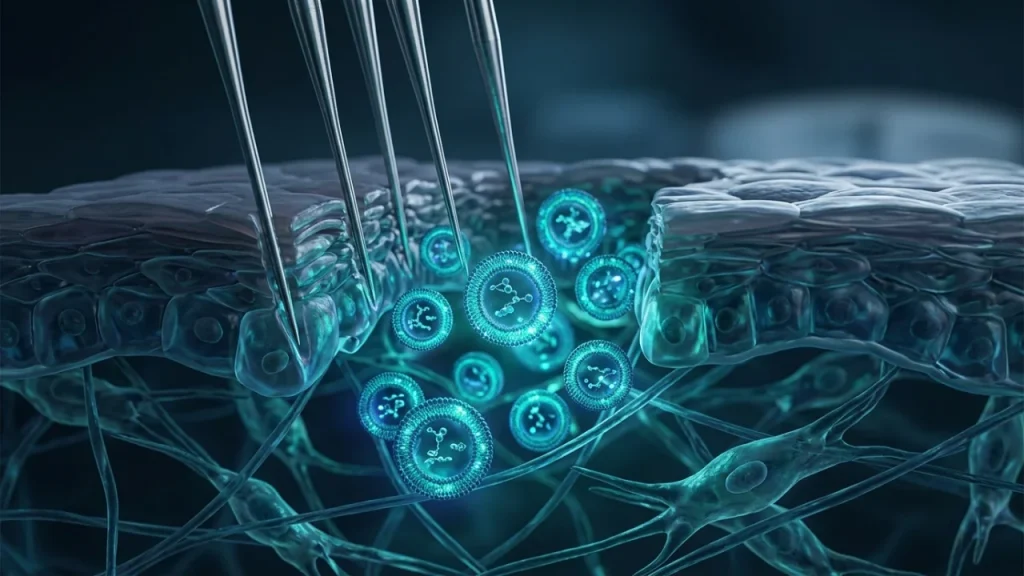
Microneedling exosomes combine two powerful ideas. The first is microneedling. The second is exosome science. Together, they aim to improve skin health. This section explains the basics of each part.
Let’s start with microneedling. This is a skin treatment. It uses very tiny needles. These needles create microscopic channels in the skin’s surface. These channels are not deep wounds. They are controlled, minor openings.
The process serves two main jobs. First, it triggers the skin’s natural healing response. Your body notices the tiny channels. It sends repair cells and materials to fix them. This can help build new collagen. Collagen is a protein that keeps skin firm.
Second, these micro-channels act like delivery roads. They create temporary pathways through the skin’s outer barrier. This barrier is called the stratum corneum. It normally blocks large molecules. Microneedling helps treatments get deeper into the skin.
Now, what are exosomes? Think of them as tiny message carriers. Our cells make these small vesicles naturally. Cells release exosomes to talk to other cells. They are like biological text messages.
Exosomes carry important cargo. This cargo includes proteins, lipids, and genetic material. Different cells send different messages. The cargo tells recipient cells what to do. For example, a signal might say “reduce inflammation” or “make more collagen.”
In skincare, scientists use exosomes from specific cells. Often, they come from stem cells. Stem cells have a strong ability to heal and renew. Their exosomes carry helpful instructions.
So, what happens when we combine them? This is the key idea behind microneedling exosomes. The microneedling device creates those micro-channels first. Then, a solution containing exosomes is applied to the skin.
The exosomes use the channels as entry points. They travel deeper than they could on their own. They reach the living layers of skin where cells are active. There, they deliver their regenerative messages directly to skin cells.
This teamwork has a clear logic. Microneedling provides physical access and stimulation. Exosomes provide smart biological instructions. One method opens the door and calls for help. The other method delivers precise repair plans.
The goal is a better healing process. It’s not just about causing minor injury for collagen production anymore. Now, we can also guide how the skin repairs itself. We add intelligent signals to the process.
Why should you care about this combination? It represents a shift in approach. Traditional treatments often rely on brute force irritation. This new method aims for smarter communication. It tries to work with your skin’s own biology.
The potential benefits are significant. This approach may improve skin texture and tone. It could reduce fine lines and wrinkles. It might help with scarring or pigmentation issues. The science is promising because it uses the body’s own language.
Understanding this basic partnership is the first step. Next, we will look at what the science says about its effects. We will explore the specific actions these exosome messages might trigger in your skin cells
How Microneedling Exosomes Differ from Other Treatments
Traditional skin treatments often work through a simple principle. They cause controlled damage. Your skin then heals this damage. This healing process can make new collagen. Many methods use this idea. Examples include basic microneedling alone, chemical peels, and some lasers. They rely on your skin’s general repair response. It is a one-way signal: “fix this.”
Microneedling with exosomes changes this conversation. It is a two-way dialogue. The microneedling creates the micro-channels. It also sends that initial repair signal. But the added exosomes change what happens next. They provide specific instructions to your cells. Think of the difference between telling a construction crew “rebuild this wall” versus giving them a detailed architectural blueprint. The first gets a wall. The second can get a stronger, better-designed structure.
The key difference lies in communication. Other treatments mostly shout orders. The microneedling exosomes approach adds a library of information. Exosomes carry molecules like proteins and RNA. These are natural biological messages. Your skin cells already understand this language. This is why the combination aims for smarter rejuvenation.
Let’s look at precision. A traditional peel removes layers of skin. It affects everything in its path. The microneedling device targets depth more carefully. It creates tiny columns of injury. Much of the skin surface stays untouched. Exosomes use these precise columns to travel. They deliver their cargo right to the living cells that need it. This is targeted delivery, not a broad sweep.
The goal of the healing process also differs. Standard methods focus on making more collagen. That is a good goal. But skin health needs more than just collagen volume. It needs balanced hydration, even tone, and strong barrier function. Exosome messages can address multiple needs at once. They might tell a cell to make more collagen of a certain type. Another message might calm inflammation. A different signal could boost hydration.
- Traditional approach: Cause damage -> Trigger general repair -> Hope for good collagen.
- Microneedling exosomes approach: Create micro-access -> Add specific instructions -> Guide multi-faceted repair.
This affects the potential for side effects. Harsh treatments can sometimes lead to prolonged redness or pigmentation changes. They push the skin hard. The exosome method tries to work with gentler guidance. It seeks to support the skin’s natural rhythms rather than overriding them completely.
Consider the source of the active ingredient. Many serums use vitamins or synthetic compounds. Your skin must figure out how to use them. Exosomes are native biological tools. They are not foreign chemicals. Your cells evolved to receive these signals.
Why should you care about these differences? It means the treatment logic is fundamentally upgraded. It moves from a mechanics-focused model to a biology-focused one. You are not just wounding skin to force a response. You are giving your skin the tools to optimize its own renewal.
This combination represents a shift in cosmetic science. It integrates physical and biological technologies. The future of non-invasive care likely follows this path. Understanding these distinctions helps you see its unique value.
The next question is practical: what does this look like in action? We will examine the actual procedure and what patients might expect from a session
The Science Behind Exosomes and Skin Repair
Exosomes are tiny messengers. Your own cells make them naturally. Think of them as biological text messages. They carry instructions and materials from one cell to another.
Skin cells constantly talk to each other. They need to coordinate repair and renewal. Aging or damaged skin cells often send poor signals. This leads to slow healing and thin collagen. The process becomes less efficient over time.
Here is how exosomes change the conversation. They are packed with active cargo. This cargo includes proteins and RNA. RNA is a set of genetic instructions. It tells a cell what to build.
A key mechanism is receptor binding. An exosome finds a target skin cell. It docks onto the cell’s surface. This docking is like a key fitting into a lock. It triggers a specific action inside the receiving cell.
The delivered instructions are precise. They do not just yell “repair”. They can send detailed orders. One order might be “produce more Type I collagen”. Another could be “increase hyaluronic acid synthesis”. A third may say “reduce inflammatory signals”.
This targeted approach addresses multiple aging factors at once. It works on a cellular level. The effects are more coordinated than a simple wound response.
Consider the journey during a microneedling exosomes treatment. Microneedles create temporary micro-channels. These channels allow exosomes to bypass the tough outer skin layer. They deliver the messengers directly to the living cells that need them.
The exosomes do not live forever in your skin. They complete their delivery task. Their cargo is unloaded into target cells. Then they are naturally broken down. Their job is to start a new cellular program.
This program has several clear phases. First, cells receive the new instructions. Next, they begin translating those instructions into action. Then, they start producing better structural proteins. Finally, the skin’s foundation becomes stronger.
The result is not just added collagen. It is smarter collagen. The skin’s support network improves in quality and organization. Hydration increases from within because cells make more moisture-binding molecules.
Why does this matter for rejuvenation? Traditional methods rely on trauma to stimulate a generic repair cycle. The exosome method provides specific information to guide a superior repair cycle. It upgrades the skin’s own communication network.
This scientific shift is significant. It moves from forcing a reaction to enabling a smarter response. The focus is on cellular education rather than simple injury.
Understanding this mechanism helps explain the potential benefits. These include improved texture, enhanced firmness, and more balanced tone. The skin functions better as a living organ.
The next logical step is to see this science applied. We will look at what happens during an actual treatment session from start to finish.
Key Benefits of Combining Microneedling with Exosomes
Combining microneedling with exosomes creates a powerful synergy. This partnership offers distinct advantages over using either method alone. The micro-channels act as precise delivery routes. Exosomes use these routes to reach deep skin layers. This direct access is the key to the benefits.
One major benefit is targeted repair. The skin receives specific instructions for healing. This leads to more efficient collagen production. New collagen fibers are better organized. They form a stronger, more resilient support network. This directly improves skin firmness.
The treatment also enhances skin texture visibly. Fine lines and shallow wrinkles often appear softer. This happens because the skin’s foundation is rebuilt. Pore appearance can improve as surrounding structure tightens. The surface becomes smoother to the touch.
Another key advantage is improved hydration from within. Exosome signaling can boost natural hyaluronic acid production. Skin cells also make more moisture-binding proteins. This means skin retains water more effectively. The result is a healthier, plumper appearance.
The process also supports more even skin tone. Exosomes carry messages that can help calm inflammation. They may guide cells toward a more balanced pigment production. This can reduce the look of post-inflammatory dark spots. Overall redness may diminish over time.
Recovery time is often favorable with this approach. Traditional microneedling relies on significant controlled injury. The addition of exosomes changes this dynamic. Cellular instructions guide a smarter, faster healing process. This can lead to less downtime and redness.
The benefits are cumulative and progressive. Improvements typically develop over weeks following a session. This mirrors the natural skin renewal cycle. The treatment essentially upgrades that cycle’s instructions. Results are often described as looking natural and revitalized.
- Enhanced structural support for firmer skin.
- Smoother surface texture and refined pores.
- Sustained hydration from increased moisture factors.
- A more balanced, even complexion and tone.
- Efficient healing supported by cellular communication.
This combination addresses aging signs at their source. It focuses on cellular function rather than just surface-level change. The outcome is skin that not only looks better but also functions in a healthier way.
The advantages make a strong case for this advanced approach. It represents a shift toward information-based skincare. Understanding these benefits helps set realistic expectations. The next logical question involves the practical experience of the treatment itself.
How Microneedling Exosomes Work Step by Step
The Role of Microneedling in Creating Micro-Channels
Microneedling creates tiny, temporary openings in your skin. These are called micro-channels. They are not like cuts or scrapes. Think of them more as precise vertical pathways. The tool used is a pen-like device with fine needles. These needles move up and down very quickly.
The needles create hundreds of micro-channels per second. This process is controlled and medical-grade. The depth can be adjusted by a professional. Different depths target different skin concerns. The goal is not to cause major injury. The goal is to create an access route.
Your skin sees these micro-channels as a signal. It is a call to start the natural repair process. This triggers a cascade of events immediately. Your body sends healing factors to the area. Collagen production is stimulated. New skin cells begin to form.
This is where microneedling exosomes treatments become clever. The micro-channels do two important jobs at once. First, they kickstart your skin’s own renewal cycle. Second, they act as direct delivery routes for exosomes.
Without these channels, exosomes sit on the tough outer skin layer. This layer is called the stratum corneum. It is designed to keep things out. Applying exosomes on unbroken skin has limited effect. The molecules are often too large to penetrate deeply.
Micro-channels elegantly solve this problem. They bypass the main skin barrier. The exosome solution is applied right after needling. It goes directly into these fresh pathways. This method ensures much deeper delivery.
The exosomes reach the living layers of the skin. They arrive exactly where new cells are being made. This timing is critical for optimal results. The cellular messages meet an active, ready environment.
Think of it like planting seeds in prepared soil. Microneedling tills the earth. It makes the ground receptive and active. The exosomes are the seeds with specific instructions. They are planted directly into fertile ground for growth.
The creation of micro-channels is a physical event. It is the crucial first phase of the treatment. This step transforms the skin from a barrier into a gateway. It prepares the tissue to receive and use biological information effectively.
This preparation sets the stage for the next critical action. The exosomes now have a clear path to their target cells.
Delivering Exosomes Through the Skin’s Barrier
Exosomes are tiny natural messengers. They are produced by your own cells. Their job is to carry information. This information tells other cells what to do.
Think of an exosome as a sealed envelope. Inside are important instructions. These instructions are made of proteins and genetic material. The envelope protects the contents on their journey.
The skin’s living layer is called the dermis. This is where collagen and elastin live. Fibroblast cells make these structural proteins. They are the key targets for rejuvenation.
Microneedling exosomes treatments deliver these envelopes directly to the dermis. The fresh micro-channels provide a clear path. The exosome solution flows into these temporary openings.
This process is not passive absorption. It is active biological delivery. The exosomes move into the interstitial fluid. This is the fluid that surrounds all your skin cells.
Their small size is critical for this movement. Exosomes measure between 30 and 150 nanometers. They are far smaller than a single skin cell. This lets them navigate the cellular landscape easily.
They travel until they find a target cell. A fibroblast is a common target. The exosome does not enter the cell directly. Instead, it docks on the cell’s outer membrane.
This docking is like a key finding a lock. Specific proteins on the exosome’s surface bind to receptors on the fibroblast. This binding signals the cell to pay attention.
The communication happens in three main ways. First, the exosome can fuse with the cell membrane. It releases its molecular instructions directly inside.
Second, the fibroblast can swallow the entire exosome. This process is called endocytosis. The cell brings the envelope inside to open it.
Third, the surface proteins themselves can send signals. They trigger pathways within the target cell without full fusion.
The delivered instructions are very specific. They often tell the fibroblast to become more active. The cell gets a clear message to ramp up production.
It starts making more collagen and elastin fibers. It also makes more hyaluronic acid. This substance helps skin stay hydrated and plump.
The instructions also help calm inflammation. They can guide damaged cells toward repair. They support the formation of new, healthy blood vessels.
This cellular talk leads to visible changes. Skin texture improves because of new collagen. Firmness increases due to better structural support.
Hydration improves from within. Redness and post-inflammatory marks may fade. The skin’s overall resilience gets stronger.
The entire process uses the body’s own language. Exosomes are not foreign chemicals. They are natural signaling tools repurposed for treatment.
The success hinges on precise delivery depth. Superficial placement would waste the signal. Deep dermal placement ensures fibroblasts listen.
This targeted talk creates a cascade of renewal. One signal can affect many cells over time. The results build gradually and naturally.
The treatment’s elegance is in its simplicity. It removes a physical barrier and adds a biological signal. The skin then does the complex work itself.
Understanding this step clarifies why timing matters so much. The micro-channels must be fresh for the exosomes to enter deeply. This synergy defines the modern approach to microneedling exosomes. It transforms a simple physical technique into a sophisticated bio-communication event, setting the stage for lasting structural renewal from within
Exosomes and Growth Factors: The Cellular Messengers
Exosomes carry a powerful package of instructions for skin cells. Think of them as tiny delivery trucks. Their cargo tells your skin how to heal and renew itself.
This cargo includes many types of growth factors. Growth factors are special proteins. They act like master switches for cellular activity.
One key protein is TGF-beta. It directly orders fibroblasts to make collagen. Collagen is the main structural protein in your skin. It provides strength and firmness.
Another is VEGF. This factor tells the body to build new, tiny blood vessels. Better blood flow brings more oxygen and nutrients to the area. This supports the entire repair process.
Exosomes also carry nucleic acids like miRNA. These are not blueprints but fine-tuning tools. They can dial up or down specific cell functions with great precision.
The lipid membrane of the exosome protects this precious cargo. It ensures the signals arrive intact. The membrane also helps the exosome fuse with a target cell.
This fusion is like docking a ship. The exosome delivers its instructions directly into the cell’s command center. The cell then follows these new orders.
The process is highly efficient and natural. Your body uses exosomes for internal communication every day. This treatment simply concentrates and directs that innate ability.
The combined signal has several clear effects. It reduces inflammation quickly. It accelerates the proliferation of new, healthy skin cells.
It guides cells away from making scar tissue. Instead, it promotes the formation of normal, organized collagen networks. This leads to smoother skin texture.
The results are more than surface-level. The signals work on a deep, cellular timeline. Changes continue for weeks after the initial microneedling exosomes treatment.
This explains why results appear gradually. You cannot rush cellular processes. The skin rebuilds itself layer by layer, following the delivered plan.
Different exosome preparations may have varied cargo profiles. Some might be richer in certain growth factors. The source cells determine the final message.
The core principle remains constant. Exosomes are nature’s solution for complex communication between cells. Harnessing this system is a leap forward in skincare science.
It moves beyond simply adding a single substance. Instead, it delivers a complete set of biological instructions. The skin’s cells know exactly what to do with this information.
This step is crucial for lasting change. Temporary plumping from fillers is one thing. Inducing true cellular renewal is another.
The messengers do their job and then are gone. They leave behind cells that are better informed and more active. This creates a sustained rejuvenation effect.
Understanding this cargo transforms how we see the procedure. The needles create temporary openings. The exosomes provide the lasting, intelligent command for repair.
This synergy is what defines modern regenerative aesthetics. It combines physical access with biological intelligence. The outcome is skin that heals itself in a more youthful, organized way.
The next logical question is about sourcing these powerful tools. Where do these exosomes come from? How are they prepared for safe and effective use?
The Synergy Between Physical and Biological Stimulation
The combination is more powerful than either part alone. This is due to a precise biological sequence. Each step prepares the skin for the next.
Think of microneedling as creating a temporary network of access roads. These are the micro-channels. They bypass the skin’s tough outer barrier, the stratum corneum.
This does two critical things. First, it causes a controlled, minor injury. This triggers the skin’s natural wound-healing signals immediately.
Cells release their own initial inflammatory messages. Blood flow increases slightly. Repair cells become active and move to the area.
Second, and more importantly, the channels provide direct delivery routes. They allow applied substances to reach deeper living layers. Without these channels, most topical products sit on the surface.
This is where exosomes enter the process. They are applied topically after microneedling. The micro-channels guide them down to where living cells work.
The synergy is now clear. Microneedling creates both a biological need and a physical pathway. Exosomes then arrive to meet that need with precise instructions.
The process unfolds in a defined order: – The needles create micro-injuries and channels. – The skin activates its first-stage repair response. – Exosomes travel down the channels into the dermis. – Skin cells absorb these exosomes. – The exosome cargo instructs cells to modulate inflammation and enhance repair.
This order is crucial. The wound signal gets the cells’ attention. They are now listening for instructions. The exosomes then provide a superior blueprint.
They don’t just let the standard repair happen. They guide it toward a better outcome. They can calm excessive inflammation early on.
They also tell fibroblasts to produce more collagen and elastin. These are the skin’s support structures. The instructions are for high-quality, well-organized fibers.
This leads to a fundamental shift in results. Microneedling alone stimulates repair. But that repair can be somewhat chaotic or incomplete.
Adding exosomes refines and optimizes that repair. It turns a generic construction project into a master-planned renewal. The communication is targeted and efficient.
The physical stimulation opens the door. The biological stimulation directs the activity inside. This two-part system ensures resources are used correctly.
You get a compounded effect. The initial trigger from the needles is amplified by the exosome messages. Cellular activity is both increased and smarter.
This synergy explains the clinical improvements seen with microneedling exosomes. Skin texture improves because collagen is laid down neatly. Hydration increases because barrier function is restored properly.
The results are not just additive; they are multiplicative. The whole becomes greater than the sum of its parts. This is the core of regenerative science.
It moves past simple damage and recovery. It aims for guided restoration. The skin is encouraged to rebuild itself as it did when younger.
Understanding this step-by-step synergy clarifies the treatment’s value. It is a coordinated procedure, not two separate acts. The timing and sequence are key to its success.
This leads to practical considerations about the procedure itself. How is this combination actually performed in a clinical setting?
Targeted Solutions with Microneedling Exosomes
Treating Acne Scars with Microneedling Exosomes
Acne scars represent a complex repair failure. The skin’s natural healing process after severe inflammation can be flawed. It often deposits too little collagen or forms it in disorganized bundles. This creates textured pits or raised marks. Traditional treatments try to re-injure the area to restart healing. The outcome can still be unpredictable.
Microneedling with exosomes addresses each part of this flawed process directly. The micro-channels signal a need for repair. They also create temporary pathways for exosome delivery. These vesicles carry precise instructions to the local skin cells.
The strategy tackles three main scar types effectively. It works on atrophic scars, which are sunken or pitted. It also improves hypertrophic scars, which are raised and thick. The approach even helps with post-inflammatory discoloration.
Exosomes guide fibroblasts to produce new, high-quality collagen. Fibroblasts are the skin’s building cells. They often act poorly in scarred tissue. Exosome signals correct their behavior. The new collagen is structured like a healthy network, not a tangled clump.
This remodeling fills depressions from within. The skin rebuilds its own foundation. The result is natural elevation of pitted areas over time. Surface texture smooths significantly.
The treatment also calms residual inflammation. Old acne scars can have low-grade ongoing irritation. Exosomes carry anti-inflammatory messages. This reduces redness and prevents further damage to the collagen.
Skin tone and pigment improve through targeted communication. Exosomes can help regulate melanocyte activity. These are the cells that produce pigment. Messages encourage them to function evenly, reducing dark spots.
The procedure for acne scars may use slightly deeper needle penetration. This ensures exosomes reach the dermis where scars reside. The depth is still controlled and minimal. Comfort remains high for most patients.
A typical treatment plan involves multiple sessions. Collagen remodeling is a gradual biological process. Most protocols suggest three to five initial treatments. These are spaced about one month apart.
Results accumulate with each session. Initial changes often include better skin hydration and brightness. Texture improvement becomes clearer after several weeks as new collagen forms. Full remodeling takes several months to show.
This method offers advantages over standalone options. Compared to microneedling alone, the guidance from exosomes leads to more predictable collagen formation. Compared to laser treatments, it involves less thermal damage and downtime. The process works with the skin’s biology.
Safety for scar treatment is generally excellent. Using the body’s own signaling molecules minimizes rejection risk. There is no foreign material implanted. The focus is on restoring natural function.
Ideal candidates have stable, mature acne scarring. Active cystic acne should be controlled first. The technique suits various skin tones and types well. A professional consultation determines specific suitability.
Combining this with other care enhances outcomes. Daily sunscreen use is non-negotiable for protection. Gentle skincare supports the healing environment between sessions. A holistic approach yields the best long-term result.
The true power lies in changing the scar’s memory. Exosomes help reprogram the local cellular environment. Cells begin to behave as if they are in healthy skin, not damaged tissue. This shifts the long-term trajectory of the scar.
Ultimately, this turns a correction process into a true regeneration. The goal is not just to fill a hole but to restore functional, living tissue. The skin’s architecture and appearance move closer to its pre-scar state.
This logical progression from general synergy to a specific application shows the treatment’s versatility. The same principles of guided communication apply to other concerns like aging or pigmentation, each with its own cellular targets
Reducing Hyperpigmentation and Dark Spots
Hyperpigmentation happens when skin cells produce too much melanin. Melanin is your skin’s natural pigment. It gives skin its color. Sometimes, cells make an excess amount. This creates dark spots or patches. These spots can come from sun damage or past inflammation. They can also come from hormonal changes.
Microneedling creates tiny channels in the skin’s surface. This does more than just help exosomes get inside. The micro-injuries themselves send a clear signal. They tell the skin it’s time to repair and renew. This process helps break up old, pigmented cells. It encourages fresh, new cells to come to the surface.
Exosomes add a powerful layer of instruction to this process. They carry specific messages to the cells involved. One key target is the melanocyte. This is the cell that produces melanin. Exosomes can tell overactive melanocytes to calm down. They signal for a more normal, balanced production of pigment.
The communication also targets keratinocytes. These are the most common skin cells. They take up the melanin pigment from melanocytes. Exosomes help normalize this transfer process. They promote a more even distribution of color. This prevents clumping that leads to visible dark spots.
The combined approach addresses hyperpigmentation at multiple levels. – First, microneedling physically disrupts areas of concentrated pigment. – Second, it triggers a natural renewal cycle for clearer skin. – Third, exosomes deliver precise commands to regulate pigment production. – Finally, they support healthier communication between different cell types.
This method is particularly useful for post-inflammatory hyperpigmentation. This type of dark spot forms after acne or other injury heals. Traditional treatments often just bleach the surface. The microneedling exosomes strategy aims to correct the root cause. It resets the faulty cellular signals that caused the excess color.
Results develop over several weeks. The skin’s renewal cycle takes time. As old, pigmented cells shed, newer and lighter cells replace them. The exosome messages continue working during this period. They help ensure the new cells behave correctly. This supports a more lasting result compared to superficial treatments.
Sun protection remains absolutely critical during treatment. UV exposure is a major trigger for melanin production. Using sunscreen daily protects the fresh skin. It prevents new dark spots from forming while old ones fade.
The beauty of this approach is its intelligence. It doesn’t just attack a symptom like darkness. Instead, it uses microneedling exosomes to restore order. It guides the skin’s own systems back to balanced function. This leads to a more even and radiant complexion naturally.
This same principle of targeted communication can also address fine lines and texture, showing how one precise technology adapts to different concerns by sending different biological instructions.
Anti-Aging Effects on Wrinkles and Firmness
Fine lines and a loss of firmness signal a slowdown in your skin’s natural repair shop. This shop is run by cells called fibroblasts. Their main job is to produce structural proteins. Collagen gives skin its strength. Elastin provides snap-back elasticity. Over time, fibroblast activity declines. They produce fewer and poorer-quality proteins. External factors like sun exposure speed this decline. The result is thinner, looser skin with visible wrinkles.
Microneedling creates a controlled, minor injury. This physical stimulus wakes up dormant fibroblasts. It puts them into an active repair state. However, traditional microneedling relies on this injury alone to trigger a general healing response. The addition of exosomes changes this process fundamentally. It provides specific instructions.
Think of the microneedling channels as delivery routes. The exosomes are precisely coded messengers. They carry orders directly to the awakened fibroblasts. These orders do not just tell the cell to work harder. They tell it how to work smarter. The messages can instruct the fibroblast to prioritize producing new, well-structured Type I collagen. This is the most abundant and robust collagen in young skin.
The microneedling exosomes strategy thus merges a physical call to action with intelligent blueprints for repair. The micro-injuries signal “we need to rebuild here.” The exosomes then deliver the architectural plans for that rebuilding project. This leads to a more efficient and high-quality construction phase.
The effects on wrinkles and firmness are progressive and layered. Initial improvements often involve skin texture and fine lines. This is due to increased production of compounds like hyaluronic acid and better surface cell turnover. Deeper structural change follows. As new collagen fibers form and organize, they begin to plump the skin from within. This gradually softens deeper wrinkles.
Improved firmness comes from this new collagen network. It acts like a refreshed support structure under the skin. Elastin production also gets a boost from the exosome signals. This helps skin better retain its shape after expressions like smiling. The combined effect is a tightening and reinforcement of the skin’s architecture.
The process is not an instant filler. It is a gradual restoration of function. Results build over months as the collagen matures and remodels. A typical series of treatments supports this cycle. Each session adds another layer of cellular instruction and stimulus.
Key benefits of this approach for aging skin include targeted action, natural-looking results, and addressing the cause. The treatment focuses energy exactly where it is needed. New collagen is your own, leading to subtle, natural reinforcement. It aims to fix the underlying cellular slowdown, not just mask its surface effects.
For optimal anti-aging outcomes, consistent protection is key. New collagen is sensitive to UV damage in its early stages. Daily sunscreen use safeguards the investment in your skin’s new foundation. A healthy diet rich in protein and vitamin C also supports the body’s innate ability to produce collagen.
This method showcases how advanced cellular science can guide fundamental processes. By combining microneedling with exosomes, we move beyond simple stimulation to directed rejuvenation. The skin receives both the signal to repair and the specific tools to do it well. This sets the stage for discussing how these same principles can be applied to other concerns, such as scarring and overall skin resilience, completing a full picture of restorative potential.
Calming Inflammation and Soothing Sensitive Skin
Inflammation is your skin’s alarm system. It turns on to fight threats. Sometimes this system gets stuck. It stays on too long. This leads to constant redness and irritation. Sensitive skin often suffers from this chronic state.
Microneedling with exosomes offers a targeted reset. The micro-channels are key. They create temporary pathways into the skin. This allows direct delivery of exosome signals to the precise area of distress.
Exosomes carry specific instructions for immune cells. They can tell these cells to calm down. They promote a shift from a reactive state to a repair state. This process reduces the visible signs of inflammation. Redness can diminish. Heat and discomfort may soothe.
The mechanism involves several coordinated actions. – Exosomes can decrease the production of inflammatory signals called cytokines. – They support the function of the skin’s barrier. A stronger barrier keeps irritants out. – They promote cellular repair to heal the damage that triggered the alarm.
This is not like applying a cream that simply constricts surface blood vessels. That is a temporary mask. The microneedling exosomes approach aims for a longer-term solution. It addresses the cellular communication errors that perpetuate sensitivity.
Consider conditions like rosacea or general reactivity. These are often fueled by inflammatory cycles. The treatment interrupts these cycles. It provides the skin cells with the correct information to restore balance.
Results are typically progressive. After a session, initial redness from the microneedling itself fades quickly. The deeper calming effect builds over subsequent weeks. The skin’s tolerance to stressors can improve. It may become less reactive to common triggers like weather or products.
This method is particularly logical for sensitive skin. It combines precision with intelligent messaging. The physical micro-channels enable targeted delivery without harsh chemicals. The exosomes then work biologically to correct the root issue.
For best outcomes, a series of treatments is advised. Each session reinforces the new, calmer baseline. Consistent aftercare is also vital. Using gentle, restorative skincare products protects the progress.
The beauty of this approach lies in its dual function. The same microneedling exosomes session that builds collagen for aging can also soothe inflammation for sensitivity. It tackles multiple concerns through fundamental cellular guidance.
This demonstrates the treatment’s restorative scope. By calming inflammation, it does more than improve comfort. It sets the stage for healthier, more resilient skin overall. This foundational improvement naturally leads to another key benefit: the treatment’s remarkable ability to heal and smooth damaged skin from scars.
The Treatment Process for Microneedling Exosomes
What to Expect During a Microneedling Exosomes Session
A microneedling exosomes session is a precise clinical procedure. It follows a clear sequence of steps. Each step prepares your skin for optimal results. The goal is both safety and effectiveness.
Your appointment begins with a thorough consultation. Your provider reviews your skin history and goals. They check for any conditions that might need caution. This conversation ensures the treatment plan is right for you.
Next comes the cleansing phase. Your skin is gently cleaned with a medical-grade solution. This removes any surface oil, makeup, or debris. A clean surface prevents any bacteria from entering the micro-channels.
A topical numbing cream is then applied. This cream sits on your skin for about twenty to thirty minutes. It makes the treatment process much more comfortable. You will feel pressure but minimal sharp sensation.
After the numbing period, the provider removes the cream. They sanitize the skin once more. The actual microneedling device is prepared. It uses sterile, single-use needle tips for your safety.
The microneedling part then starts. The device glides across your skin. It creates hundreds of microscopic channels instantly. These channels are incredibly tiny. They are not visible to the naked eye.
This process triggers your skin’s natural repair response. Your body sends signals to heal these micro-injuries. This creates an ideal environment for the next step. The channels act as direct pathways into your skin.
Now the exosome solution is applied. The provider gently spreads it over the treated area. The liquid contains billions of tiny exosome vesicles. These vesicles carry vital instructions for your skin cells.
The exosomes use the fresh micro-channels. They travel into the deeper layers of your skin. They do not need to be forced or injected. The channels allow passive, deep absorption.
You may feel a slight cooling sensation during this part. The solution is often kept refrigerated for stability. The provider may let it sit on your skin for several minutes. This allows maximum uptake.
A soothing serum or mask is usually applied last. This helps calm the skin immediately after treatment. It provides hydration and supports the initial healing phase.
The entire active treatment time is often under thirty minutes. The length depends on the size of the area being treated. A full face takes longer than a small section.
You can expect visible redness post-treatment. Your skin will look like you have a mild sunburn. This is a normal and temporary response to microneedling. It typically fades significantly within twenty-four to forty-eight hours.
There is minimal downtime involved. You can resume most normal activities right away. However, you must follow specific aftercare instructions carefully. Protecting your skin is crucial in the first few days.
Avoid sun exposure rigorously after your session. Use a high-quality mineral sunscreen daily. Do not use active skincare products like retinols or acids for about five to seven days. Stick to gentle, hydrating products instead.
This process combines advanced biology with careful technique. The session itself is straightforward and well-tolerated. Understanding these steps helps you approach your appointment with confidence and realistic expectations for the healing journey ahead.
Pre-Treatment Preparation and Skin Care Tips
Proper preparation begins weeks before your appointment. Your skin’s condition directly impacts the treatment results. Think of it as preparing a canvas before painting. Healthy, well-cared-for skin responds better and heals faster. This proactive approach supports the work of the microneedling exosomes procedure.
Start by consulting with your provider about your current skincare routine. You must disclose every product you use. This includes prescription creams and over-the-counter serums. Certain ingredients can increase skin sensitivity. They may also interfere with the healing process after creating micro-channels.
Your provider will likely ask you to stop using specific products. These often include retinoids and strong acids. Harsh scrubs or exfoliants should also be paused. This pause typically starts one to two weeks before your session. The goal is to calm your skin barrier and reduce potential irritation.
Sun protection becomes non-negotiable during this pre-treatment phase. You should avoid direct sun exposure and tanning beds completely. Always apply a broad-spectrum sunscreen every morning. Sunburned or tanned skin cannot be treated safely. A sunburn compromises your skin’s integrity and increases complication risks.
Hydration is another key factor. Drink plenty of water in the days leading up to your appointment. Well-hydrated skin shows improved elasticity and recovery. Consider using a simple, gentle moisturizer to maintain your skin’s balance. Avoid trying any new or unfamiliar products during this time.
Discuss any supplements or medications with your provider. Some substances can thin your blood or affect clotting. Common examples are aspirin, ibuprofen, and certain herbal supplements like fish oil or ginkgo biloba. Your provider will give you clear instructions on when to temporarily stop these.
Prepare your body internally as well. Good nutrition supports cellular repair. Eat a balanced diet rich in vitamins and antioxidants in the week before treatment. Prioritize sleep and manage stress levels. Your body’s overall health influences your skin’s regenerative capacity.
On the day of your treatment, arrive with a clean face. Do not apply makeup, moisturizer, or sunscreen to the treatment area. Wear comfortable, loose-fitting clothing. Plan for a calm schedule afterward so you can focus on initial aftercare without rushing.
If you have a history of cold sores, inform your provider immediately. Microneedling can sometimes trigger an outbreak around the mouth or nose. A preventive antiviral medication may be prescribed for you. This is a simple and effective precautionary step.
These preparation steps are not just bureaucratic rules. They are foundational to the treatment’s science. Each step minimizes risk and creates the ideal biological environment for the exosomes to work. Your skin becomes a receptive, stable platform for renewal.
Following these guidelines demonstrates active participation in your skin health journey. It aligns your daily habits with advanced cellular therapy principles. This careful preparation sets the stage for a smoother procedure and optimal outcomes from the start. It ensures you begin the process from a position of strength and readiness for healing.
Post-Treatment Care and Recovery Timeline
Your skin begins healing the moment the procedure ends. The treated area will appear pink or red. This resembles a mild sunburn. This reaction is normal and expected. It shows your skin’s natural inflammatory response has started. This initial phase is crucial for repair. Gentle care is essential now.
Follow these steps in the first 24 hours: – Use only the gentle cleanser or saline solution recommended by your provider. – Apply any provided topical serums or healing ointments as directed. – Do not touch, rub, or scratch your face. – Avoid strenuous exercise and excessive heat. – Sleep on your back if possible to avoid pillow friction.
The micro-channels created during treatment remain open for a short period. This temporary state allows deeper absorption of any topical products. It also means your skin barrier is temporarily compromised. Protecting it from environmental aggressors is your top priority. Avoid sun exposure completely for at least 48 hours. Wear a wide-brimmed hat if you must go outside.
Your skin may feel tight, warm, or slightly swollen. A sensation of dryness or peeling is common around days two or three. This is part of the cellular turnover process. Do not pick at any flaking skin. Let it shed naturally. Moisturize frequently with a simple, fragrance-free formula. This supports the skin barrier.
The exosomes delivered during your microneedling exosomes session are now actively working. They communicate with your skin cells at the molecular level. They send signals that reduce unnecessary inflammation. They encourage fibroblasts to produce new collagen and elastin. This cellular activity happens beneath the surface. You will not see it yet.
Most visible redness fades within two to four days. The slight sandpaper-like texture from peeling typically resolves within a week. You can usually resume wearing mineral makeup after five to seven days if your skin feels settled. Always check with your provider for your personal timeline.
The true regenerative work continues unseen for weeks. Collagen remodeling is a slow process. Initial results may be subtle after one month. Skin often looks brighter and more even. Fine lines may appear softer. The most noticeable improvements in firmness and texture usually emerge after six to eight weeks. This timeline matches your skin’s natural biological renewal cycle.
Protect your new collagen investment with daily sunscreen. UV radiation is the primary cause of collagen breakdown. A broad-spectrum SPF 30 or higher is non-negotiable every morning. This single habit significantly protects and extends your treatment results.
Avoid other active skincare ingredients for at least two weeks unless directed otherwise. This includes retinoids, alpha-hydroxy acids, and vitamin C serums. Let the exosome signaling proceed without chemical interference. Your skin needs a calm environment to focus on rebuilding.
Schedule any follow-up treatments as advised by your professional. Most protocols involve a series of sessions spaced about a month apart. This repeated stimulation supports cumulative collagen production. Each session builds upon the last for progressive improvement.
Healing is not just passive waiting. It is an active partnership between advanced science and mindful aftercare. Your actions directly support the cellular communication initiated by the treatment. Proper recovery safeguards your skin’s health and maximizes the aesthetic benefits of this sophisticated approach to rejuvenation.
How Many Sessions Are Needed for Best Results
Most people need more than one session for the best outcome. A single treatment is a powerful start. It sends a clear signal to your skin cells. However, lasting change requires repeated reinforcement. Think of it like learning a new skill. One lesson introduces the concept. Practice over time builds mastery.
A typical protocol involves three to four sessions. These are usually spaced four to six weeks apart. This timing is deliberate. It aligns with your skin’s natural renewal cycle. The micro-channels from the first treatment heal completely within days. The cellular signaling from the exosomes works for several weeks. Scheduling the next session as this activity winds down creates a new wave of communication. Each session builds on the progress of the last.
This cumulative approach is key for collagen remodeling. Your skin does not produce its full potential of new collagen from one event. The process needs consistent encouragement. Multiple microneedling exosomes sessions provide this sustained encouragement. The result is a gradual and significant improvement in skin structure.
Several factors influence the exact number of sessions needed. Your primary skin concern is a major factor. Fine lines may respond well to a shorter series. Deeper wrinkles or pronounced texture issues often benefit from additional treatments. Your age and skin’s baseline condition also matter. Younger skin may achieve goals faster. More mature skin might need a longer plan for optimal correction.
Your individual biological response is another variable. Everyone’s cells communicate at their own pace. Some people see dramatic results after two sessions. Others may need four to reach their desired endpoint. A skilled professional will assess your progress after each appointment. They can then tailor the total number to your unique response.
The goal is to achieve a lasting result, not a temporary fix. A complete series helps train your skin to maintain itself better. The repeated signaling encourages long-term improvements in cell behavior. After finishing your initial series, you may not need another treatment for many months. Some people choose a single annual session for maintenance. This helps preserve the rejuvenated appearance.
- For mild concerns: 2–3 sessions may be sufficient.
- For moderate concerns: 3–4 sessions are commonly recommended.
- For more significant concerns: 4 or more sessions might be part of the plan.
Patience is essential throughout this process. You will not see the final result after your first visit. Noticeable changes often appear after the second session. The most dramatic improvements usually follow the third and fourth treatments. This staggered timeline ensures deep, structural change. It is not just surface-level smoothing.
Investing in a full series maximizes the science behind the method. It allows the microneedling exosomes technology to work as intended. You give your skin the repeated instruction it needs to rebuild effectively. This strategic approach leads to more satisfying and durable outcomes for your skin’s health and appearance. The next logical step is understanding what to expect during each appointment itself.
Safety and Considerations for Microneedling Exosomes
Evaluating the Safety Profile of Exosome Treatments
The exosomes used in skin treatments are not synthetic chemicals. They are natural signaling vesicles made by your own body’s cells. This biological origin is a key starting point for safety. These particles carry instructions, not foreign drugs. They work by reminding your skin cells how to function in a healthier, more youthful way.
However, not all exosome preparations are equal. The highest safety standards depend on two main factors. First is the source of the cells that produced the exosomes. Second is the rigorous process used to collect and purify them. Reputable labs use only non-controversial, ethically sourced cell lines. These are often derived from donated human tissue like umbilical cord or fat, obtained with full consent.
The manufacturing process is designed to remove risks. It eliminates the original donor cells, leaving only the tiny exosome messengers. Advanced filtration techniques are used. These steps remove potential contaminants, including other cell debris. The final product is tested thoroughly for purity and safety before release.
- The source material is screened for pathogens.
- The growth environment is strictly controlled and sterile.
- The final product is tested to confirm it contains only exosomes.
When combined with microneedling exosomes, safety also depends on clinical skill. The microneedling device creates temporary micro-channels. A trained professional ensures these channels are the correct depth. This minimizes any discomfort and protects the skin’s barrier. The exosome solution is then applied topically. It travels through these tiny pathways directly to the living layers of skin where it is needed.
This method avoids systemic exposure. The exosomes are applied locally and act locally. They are not injected deep into the bloodstream. Their effect is concentrated precisely in the treatment area. This targeted approach greatly limits the potential for widespread side effects.
Common reactions are typically mild and localized. You might experience temporary redness after the procedure. Some slight swelling or a sensation of warmth is also possible. These effects are normal. They are similar to a mild sunburn and usually fade within a day or two. Serious adverse events are extremely rare when protocols are followed.
Choosing a qualified provider is your most important safety step. A knowledgeable clinician will use products from trusted, transparent laboratories. They will follow strict hygiene and application guidelines. They can also explain the exact origin and processing of the exosomes they use. Do not hesitate to ask these questions before your treatment.
Ultimately, the safety profile of this combined therapy is strong. It leverages the body’s innate communication system for a precise effect. The risks are managed through ethical sourcing, scientific purification, and expert application. Understanding these layers of safety allows you to proceed with greater confidence in your treatment plan. This leads naturally to considering who is an ideal candidate for this innovative approach and who might need to exercise caution
Who Is a Good Candidate for Microneedling Exosomes
Microneedling with exosomes offers a powerful tool for specific skin goals. It is not a one-size-fits-all solution. Understanding who benefits most helps set realistic expectations. The ideal candidate has skin concerns rooted in cellular communication breakdown or deficient repair.
This person often seeks improvement in texture and tone. They may have fine lines from sun exposure. They might see early wrinkles that deepen with expression. Dull, fatigued skin that lacks radiance is another common sign. The treatment works well for diffuse pigmentation or uneven skin color. It also suits those with mild acne scarring or enlarged pores. The goal is rejuvenation, not drastic alteration.
Good skin health is a key foundation. Candidates should not have active infections in the treatment area. This includes cold sores, fungal issues, or bacterial acne flares. The skin barrier should be generally intact. Severe eczema or psoriasis in the target zone may require caution. A consultation with a provider will review your full history.
Certain medical conditions require careful evaluation. Autoimmune disorders that affect skin healing need special consideration. A history of keloid or hypertrophic scarring is important to discuss. Anyone taking blood-thinning medications must inform their clinician. Pregnancy and breastfeeding are typically times to postpone elective procedures. Always share your complete health picture.
The treatment is excellent for proactive aging care. Individuals in their late 20s to 40s often see strong results. Their skin retains good collagen potential but needs a corrective signal. It can help combat early environmental damage. For more mature skin, it can complement other regimens. It improves overall canvas quality before other procedures.
Realistic expectations are part of being a good candidate. Results are progressive and biological. You will not see a transformed face after one session. Most plans involve a series of treatments. Typical protocols suggest three to four initial sessions. These are spaced about four to six weeks apart. This allows cellular activity to build over time.
Maintenance is part of the long-term plan. The effects are not permanent, as skin aging continues. Periodic follow-up sessions help sustain improvements. A candidate should understand this ongoing commitment. A healthy lifestyle supports the results from within.
Here are common profiles that align well with this therapy: – Someone seeking refreshed, glowing skin without downtime from lasers. – A person with early sun damage wanting to improve skin strength. – Individuals looking to enhance results from quality home skincare. – Those preparing for a special event with a plan several months out. – Patients seeking a gentle yet effective option for sensitive skin types.
The process is less suitable for certain goals. It is not a primary treatment for deep, pitted scars. It does not remove significant sagging or excess skin. It cannot eliminate deep-set dynamic wrinkles from muscle movement. Melasma or stubborn pigmentation may need additional strategies. A provider can outline a combined approach if needed.
Your personal commitment matters. Candidates should be prepared for aftercare. This includes using gentle cleansers and intense moisturizers. Sun protection becomes non-negotiable daily practice. Avoiding active ingredients like retinols for a short period post-treatment is standard. Following these steps protects the skin’s recovery.
Choosing microneedling exosomes is about partnering with your biology. It uses your skin’s innate systems for change. The best candidate has clear, achievable goals and good baseline health. They value a science-backed, gradual approach to rejuvenation. They also choose an expert provider for safe application. This thoughtful match between patient and procedure leads to the highest satisfaction and visible success over time
Potential Side Effects and How to Manage Them
Microneedling exosomes is a controlled process. It prompts a natural healing response. This means some skin reactions are expected. They are typically mild and short-lived. Understanding them removes worry. It also helps you care for your skin properly.
The most common reaction is redness. Your skin may look flushed or sunburned. This is a direct result of the micro-channels. It shows increased blood flow has started. This redness usually fades within 24 to 48 hours. Gentle cooling can help soothe this feeling.
Mild swelling or puffiness can also occur. This is often seen around delicate areas like the eyes. It is a sign of temporary inflammation. Your body is sending fluid and cells to the treatment zone. This swelling typically goes down in one to three days. Sleeping with your head slightly elevated helps.
Some people experience minor dryness or flaking. The skin’s outer barrier is temporarily altered. This can lead to moisture loss. It is a normal part of the skin renewal cycle. Intensive moisturizing is key here. Avoid picking at any flaking skin.
Tenderness is another possible effect. Your skin may feel sensitive to touch. This sensation is similar to a mild windburn. It directly relates to the microscopic channels created during the procedure. This tenderness usually lasts only a day or two.
A rare but possible reaction is minor bruising. Tiny blood vessels near the skin’s surface can be nicked. This leads to small, pinpoint bruises. They are not dangerous. They fade on their own like any bruise. Your provider’s technique minimizes this risk.
Managing these effects is straightforward. Good aftercare makes a big difference.
- Use a gentle, non-foaming cleanser for the first few days.
- Apply the provided moisturizer or healing ointment frequently.
- Drink plenty of water to support hydration from within.
- Strictly avoid sun exposure and wear a broad-spectrum hat outdoors.
- Do not use scrubs, acids, or retinols until your skin is fully healed.
Itching can sometimes develop as the skin heals. This is often a sign of repair, not allergy. Resist the urge to scratch. Scratching can cause damage and lead to marks. A cool compress or extra moisturizer can relieve the itch.
True complications are very uncommon with a skilled provider. Signs of infection are rare but important to know. Watch for increasing redness, warmth, or yellow pus. Unusual pain that gets worse is also a signal. Contact your provider immediately if you see these signs.
The timeline for healing is predictable. Most visible reactions clear within three days. Deeper healing continues unseen for weeks. This is when new collagen forms and exosomes do their work. Your skin may appear completely normal by day four or five.
Your skin type influences your reaction. People with sensitive skin may have more pronounced redness. Those with oilier skin might notice tiny bumps as pores adjust. Your provider can give you personalized tips based on your skin.
The goal is not to avoid all reactions. The goal is to manage them well. These temporary effects are part of the process. They signal that your skin’s repair systems are active. Proper care supports this activity without interruption.
Knowing what to expect leads to confidence. You can plan your first few days after treatment. You will recognize normal healing versus a problem. This knowledge turns you into an active partner in your skin’s recovery journey.
The next consideration is how to choose a qualified professional for this advanced treatment
Comparing Costs and Value of Microneedling Exosomes
The cost for a microneedling exosomes session is higher than traditional microneedling. This reflects the advanced science involved. You are paying for two key components. First, you pay for the provider’s skill and sterile technique. Second, you pay for the exosome solution itself.
Exosomes are not simple ingredients. They are complex biological messengers. Their production requires sophisticated lab technology. Scientists grow specific cells in controlled conditions. These cells release exosomes into their growth medium. The exosomes must then be carefully collected and purified. This process ensures potency and safety. It is a precise and costly endeavor.
Consider what this investment delivers. Standard microneedling creates micro-injuries. This triggers your skin’s natural repair. Adding exosomes changes the process fundamentally. Exosomes deliver direct instructions to your skin cells. They tell fibroblasts to build more collagen. They signal cells to reduce inflammation. They guide the repair process for better results.
Think of it as upgrading a construction project. Microneedling alone is like starting a renovation. Adding exosomes is like bringing in expert architects and master builders. The project finishes faster. The final quality is superior. The results are more predictable.
The value extends beyond the initial treatment. The cellular communication from exosomes can have lasting effects. Your skin’s behavior may improve for months. This can mean fewer maintenance treatments over time. You might achieve in one session what could take several basic sessions.
Prices vary by geographic location and clinic. A single session can range significantly. A full treatment plan often includes multiple sessions. Providers typically recommend three to four sessions for optimal impact. Ask for a complete cost breakdown during your consultation.
Understand what is included in the quoted price. – The medical-grade exosome preparation. – The sterile microneedling procedure. – Any follow-up care products. – A post-treatment check-in.
Do not choose a provider based on low cost alone. A surprisingly low price may indicate an inferior product. The exosome solution might be diluted or not genuine. The provider’s training might be insufficient. Your safety and results are paramount.
Compare the value to other common skin treatments. Fractional laser treatments often have similar or higher costs. Their downtime is usually longer. Surgical options are far more expensive and invasive. Microneedling with exosomes offers a strong middle path. It provides significant rejuvenation without surgery.
This is an investment in cellular technology. You are funding precise biological communication. The goal is not just smoother skin today. The goal is to encourage healthier skin function for the long term. This creates value that lasts well after the treatment itself.
Your next step is to ask informed questions during consultations. You now know what justifies the cost. This knowledge helps you find true quality and avoid compromises for your skin’s health
Making an Informed Decision About Microneedling Exosomes
Key Questions to Ask Before Starting Treatment
Choosing a provider for microneedling exosomes requires careful vetting. Your questions reveal their expertise. They also protect your safety. Start with the source of the exosomes themselves. This is the most critical factor.
Ask where the exosomes come from. They should originate from human mesenchymal stem cells. These are adult stem cells. They are not embryonic. The cells must be grown in a certified laboratory. The lab should follow strict quality controls.
Inquire about third-party testing. A reputable provider will have documentation. This paperwork verifies the exosome count and purity. It confirms the solution is free of pathogens. Do not accept vague promises. Ask to see the certificate of analysis for the specific vial.
Understand the preparation process. How are the exosomes stored before your treatment? They are typically freeze-dried or kept in liquid nitrogen. They must be reconstituted properly right before use. Ask how long before your appointment this is done. Freshness impacts potency.
Discuss the microneedling device next. What type of pen or roller will be used? Medical-grade, sterile needles are non-negotiable. Needle length matters for your skin concerns. Deeper is not always better. The provider should explain their choice.
- What is the exact needle depth planned for my skin?
- Is the device disposable or sterilized between patients?
- How many needles are on the cartridge or head?
Clarify the application method. The exosome solution can be applied in different ways. Some providers apply it after creating micro-channels. Others use a “meso” technique during needling. The best method ensures deep delivery. Ask which technique they use and why.
Talk about their experience and training. How many of these combined treatments have they performed? Request to see before-and-after photos of actual patients. These photos should show similar skin types and concerns. Do not rely on stock images from a supplier.
Ask about their medical background. A doctor, nurse, or trained aesthetician can perform the procedure. Their core training matters. A dermatologist has deep skin knowledge. An aesthetician must work under proper supervision.
Discuss the expected protocol for you. How many sessions do they recommend for my specific goals? What is the ideal time between sessions? Four to six weeks is a common interval. This allows skin to heal and respond fully.
- What specific results can I realistically expect after one session?
- What is the full aftercare routine you recommend?
- What products should I avoid after treatment?
Know the risks and side effects. Any medical procedure has potential reactions. Temporary redness and swelling are normal. Pinpoint bleeding might occur. Ask about signs of infection or adverse reaction. A good provider outlines this clearly.
Finally, ask about follow-up. Is a check-in included in the price? When should I expect to see initial improvements? When would we decide if more sessions are needed? This shows their commitment to your outcome.
Your consultation should feel like a collaborative discussion. A confident expert welcomes these questions. They provide clear, detailed answers without hesitation. This dialogue ensures you are both aligned on the process and goals for your skin rejuvenation journey.
Realistic Expectations and Visible Outcomes
Setting realistic goals starts with understanding the skin’s timeline. Your skin does not change overnight. It follows a biological schedule. Microneedling exosomes works with this natural schedule. The micro-channels are just the first step. They create temporary pathways.
Exosomes use these pathways. They deliver instructions to your skin cells. Think of it as sending a repair manual directly to a construction site. The cells then read these instructions. They begin their own renewal work. This cellular communication is not instant. It takes time to produce new collagen and elastin.
You will likely see changes in phases. The initial phase is about healing. This happens in the first week after a session. Redness and swelling calm down. Your skin may feel smoother already. This is often due to better hydration and surface healing. True structural change is still building beneath.
The second phase involves remodeling. This occurs over the following weeks and months. Your skin’s fibroblasts are actively building new support fibers. You might not see this work directly. You will see the results. Gradual improvements in texture and firmness appear. Fine lines may start to soften.
A single session can provide a noticeable glow. It improves skin tone and refines pores. For deeper concerns, a series is key. Most protocols recommend three to six sessions. This is not because one treatment fails. It is because skin regeneration is a cumulative process.
Each session adds to the foundation of the last. Collagen production keeps building. Imagine training for a marathon. You do not run 26 miles on the first day. You build endurance with consistent, repeated effort. Your skin builds strength the same way.
Here is what you can realistically expect over a full series: – Improved skin texture and smoothness – A more even skin tone and reduced dullness – Gradual firming and tightening effects – Subtle softening of fine lines – Enhanced hydration and radiance
Do not expect dramatic, surgical-like lifting. Do not expect deep wrinkles to vanish completely. This treatment rejuvenates your natural skin. It helps it function at a better level. Results are often described as a healthier, more vibrant version of your own skin.
The final outcome depends on your starting point. Younger skin may seek prevention and glow. More mature skin aims for improvement in elasticity and lines. Your provider’s plan should match your personal timeline.
Visible outcomes are the reward for patience. The process relies on your body’s own intelligent systems. Microneedling exosomes simply guides them more effectively. This partnership leads to lasting, natural-looking rejuvenation. Your informed decision includes trusting this biological timeline for real results.
The next step is maintaining those results long-term through proper aftercare and daily habits.
Integrating Microneedling Exosomes into Your Skin Care Routine
Your daily skincare routine is not separate from your microneedling exosomes treatment. It is its essential partner. Think of the procedure as a major renovation project. Your daily habits are the ongoing maintenance that keeps everything in perfect shape. This integration protects your investment. It also helps your skin build on its new foundation.
The goal is simple. You must support your skin’s barrier and its natural renewal processes. A compromised barrier loses water and lets in irritants. This can undo progress. A strong, healthy barrier locks in hydration. It also creates a stable environment for your cells to communicate and repair.
Start with a gentle, consistent cleanser. Use it morning and night. Harsh soaps can strip vital lipids. This weakens your skin’s protective shield. Choose a formula that cleans without leaving skin tight or squeaky. Lukewarm water is best. Very hot water can cause inflammation.
Hydration is your next critical step. A quality moisturizer should be applied to damp skin. This seals in water. Look for ingredients that mimic your skin’s natural components. Ceramides, fatty acids, and cholesterol are excellent choices. They repair the lipid layer between your skin cells. A robust lipid layer is crucial for long-term results.
Sun protection is non-negotiable. Ultraviolet radiation is the primary cause of skin aging. It breaks down collagen and damages cellular DNA. Use a broad-spectrum sunscreen every single day. Reapply it every two hours if you are outdoors. This habit preserves your new collagen. It also prevents new damage from starting.
You may wonder about active ingredients like retinols or vitamin C. Always follow your provider’s specific guidance here. Generally, you should avoid strong actives for at least one week after a session. When you reintroduce them, do so slowly. Your skin’s tolerance can change after treatment. Listen to its signals.
Consider adding a nourishing serum to your regimen. Peptide serums can support ongoing collagen production. Hydrating serums with hyaluronic acid plump the skin’s surface. These products work in harmony with your skin’s renewed activity. They do not replace the cellular signals from exosomes. They provide the raw materials for your cells to use.
Your lifestyle directly impacts your skin’s health. Drink plenty of water throughout the day. Dehydrated skin can look dull and feel rough. Aim for seven to nine hours of sleep each night. Your body repairs itself during deep sleep. Manage stress through healthy outlets. Chronic stress elevates cortisol, which can break down collagen.
Avoid harsh physical scrubs or abrasive cleansing tools. These can cause micro-tears in the stratum corneum. This is your outermost protective layer. Treat it with care after investing in deeper rejuvenation.
Establish a simple, reliable pattern. Cleanse, treat, moisturize, and protect. Consistency matters more than a complex, changing routine. A stable routine allows your skin to thrive in its improved state.
Monitor your skin’s response over time. You may find you need less product as your skin function improves. Healthy skin is more efficient at self-regulation. It retains moisture better and sheds dead cells more evenly.
The synergy between professional treatment and home care is powerful. One gives a targeted boost to your skin’s biology. The other defends and nurtures that progress every day. This combined approach leads to sustained vitality and resilience for your complexion.
Your informed decision extends beyond the treatment room into your daily life, where lasting skin health is truly built and maintained through mindful, consistent habits
The Future of Skin Rejuvenation with Advanced Therapies
The field of skin rejuvenation is moving beyond surface-level fixes. Scientists now target the cellular communication networks that control skin health. This shift is fundamental. Microneedling exosomes perfectly represents this new direction. It combines a physical tool with biological signaling.
Think of your skin as a vast, living city. Traditional treatments often just clean or paint the buildings. Advanced therapies aim to upgrade the city’s infrastructure and its communication lines. They send instructions directly to the construction crews—your fibroblasts and keratinocytes. This approach leads to more natural, lasting results.
The future will likely see even more precise targeting. Researchers are learning to “program” exosomes for specific tasks. One type of signal might tell cells to build collagen in a sagging cheek. A different signal could calm inflammation in a red, sensitive area. The same delivery method, microneedling, could carry these tailored messages.
Personalization is another key trend. Your own skin’s needs are unique. Future protocols may analyze your skin’s current biological state first. This analysis could guide the choice of exosome signals used in your treatment. The goal is a truly custom plan, not a one-size-fits-all solution.
Combination therapies will become standard. Microneedling exosomes provides an excellent foundation. It prepares the skin to receive other advanced signals. Future sessions might layer different biological agents in a specific sequence. Each step would guide the skin’s repair process in a deliberate way.
The focus is shifting from simple volume replacement to restoring function. Young skin heals quickly and communicates efficiently. Advanced therapies aim to restore that efficient cellular dialogue. They don’t just fill wrinkles. They encourage your skin to behave like a younger version of itself.
Safety and natural outcomes are driving innovation. Using the body’s own communication system, like exosomes, minimizes rejection risks. The results tend to look like improved health, not an obvious “procedure.” This aligns with the growing demand for subtle, authentic rejuvenation.
Technology will also improve delivery. Next-generation microneedling devices may create channels of exact depth and timing. This precision ensures exosomes reach the ideal layer of skin every time. Smarter devices mean better consistency and potentially shorter recovery.
The ultimate goal is proactive care, not just reactive repair. These advanced therapies could help maintain optimal skin function over decades. Regular, gentle biological “updates” might slow visible aging significantly. The approach becomes part of a long-term health strategy.
This evolution makes your current decision more informed. Choosing a therapy grounded in cellular science positions you at the forefront of this shift. You are not just addressing today’s concerns. You are engaging with a treatment modality that will define the next era of aesthetic medicine. The principles behind it—targeted delivery and cellular communication—are the foundation for tomorrow’s innovations. Understanding this context empowers you to see your treatment as part of a larger, exciting journey in skin health science.