
What Is Exosomes Microneedling and Why It Matters
Understanding the Basics of Exosomes Microneedling
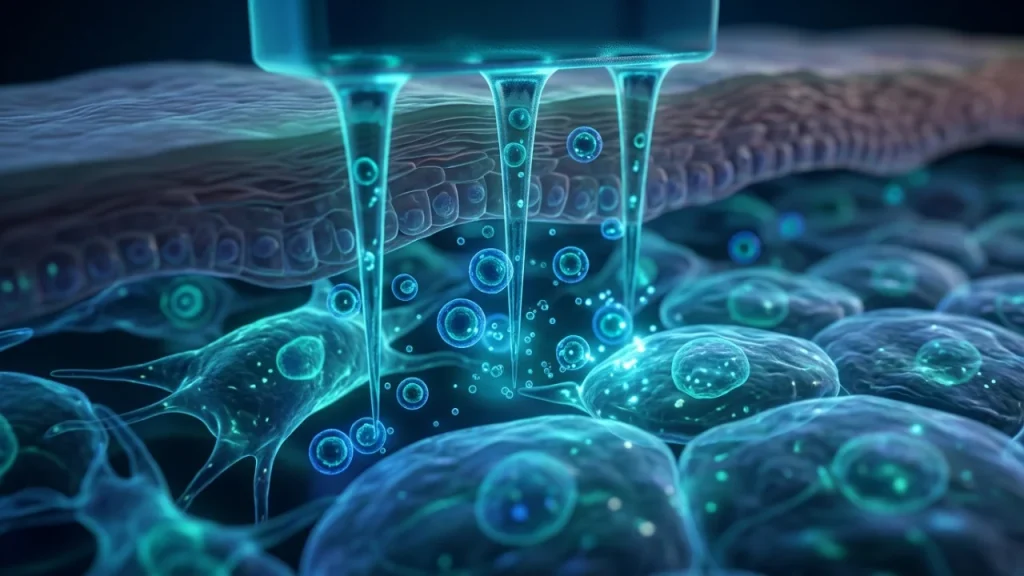
Exosomes microneedling is a two-step skin treatment. It combines a precise physical tool with advanced biological signaling. First, tiny needles create micro-channels in the skin. Then, a solution containing exosomes is applied. These exosomes enter through the fresh channels. They deliver instructions to your skin cells. This process aims to improve skin repair and rejuvenation.
Think of your skin as a busy city. Microneedling creates new roads and pathways. Exosomes are like skilled messengers sent along these new roads. They carry vital blueprints and tools directly to the construction sites, which are your skin cells. Old methods might just create the roads. Or they might send less specific messages. This new approach does both with better precision.
What exactly are exosomes? They are natural nanoscale vesicles. Your own cells make them constantly. Exosomes are like tiny communication packets. Cells release them to send signals to other cells. These packets contain proteins, lipids, and RNA. This cargo tells recipient cells what to do. For example, they can signal “reduce inflammation” or “make more collagen.”
Traditional microneedling works by causing controlled micro-injuries. The skin reacts by starting its natural repair process. This process boosts collagen and elastin production. The results can be firmer, smoother skin. But the outcome depends entirely on your body’s innate healing response. That response can vary with age, health, and genetics.
Adding exosomes changes this equation fundamentally. It provides direct biological instructions to guide the healing. The micro-channels from the needles allow for much better delivery. Topical creams often cannot penetrate deep into the skin. The micro-channels let the exosomes reach the living layers where cells work.
Why does this combination matter so much? It makes the treatment smarter and more predictable. – It enhances precision. The signaling targets specific repair pathways. – It can improve efficiency. The skin may heal better and faster with clear instructions. – It aims for better results. The goal is not just injury and hope, but guided regeneration.
The key difference from old methods is the addition of active signaling. It is not just about stimulating the skin. It is about telling the skin exactly how to respond to that stimulation. This is a shift from a passive to an active treatment model. The exosomes provide the missing information your aging skin cells might need.
Consider collagen, the protein that gives skin its structure. Microneedling tells the skin to make more of it. Exosomes can tell the skin which type of collagen to make and how to organize it properly. This leads to a stronger, more natural support network. The potential result is longer-lasting and higher-quality skin improvement.
This approach also targets inflammation. Healing always involves some inflammation. Too much can slow recovery and cause damage. Some exosomes carry signals that calm excessive inflammation. This can mean less redness and swelling after a treatment. It can also mean a more comfortable healing period for the patient.
The science focuses on using these natural messengers. Researchers isolate exosomes from certain cell types known for healing. These are not synthetic drugs or foreign chemicals. They are versions of the same packets your cells use every day. The treatment amplifies a process that already occurs in your body.
Understanding this basic mechanism shows why exosomes microneedling is significant. It merges mechanical and biological science for a common goal: healthier skin. This sets the stage for exploring how the procedure works in detail and what realistic outcomes one can expect from this advanced synergy.
How Exosomes Microneedling Works for Skin Repair
Exosomes microneedling is a two-step process. First comes the physical preparation. Then comes the biological instruction. Each step is simple on its own. Together, they create a powerful effect.
The procedure begins with very fine needles. These needles create microscopic channels in the skin’s outer layer. Think of these as tiny temporary doors. They are not deep wounds. They are precise openings. This controlled micro-injury does two important things. It triggers the skin’s natural first response to repair itself. It also creates direct pathways for delivery.
This is where exosomes enter the treatment. The exosome solution is applied topically. It goes directly onto the skin after microneedling. The micro-channels allow these natural messengers to bypass the skin’s tough barrier. They can reach deeper, living layers of skin that creams cannot touch. This delivery is efficient and targeted.
Now the real work starts inside your skin. The exosomes travel to your skin cells, like fibroblasts. Fibroblasts are the cells that make collagen and elastin. The exosomes gently attach to these cells. They deliver their cargo of signaling molecules and genetic instructions.
This cargo tells your cells what to do next. It is a clear set of directions. The signals can guide several key repair actions. – They can instruct fibroblasts to ramp up production of new, high-quality collagen. – They can promote the creation of new blood vessels for better nutrient delivery. – They can direct cells to tidy up damaged proteins and old collagen fragments. – They can modulate the local immune response to support calm, efficient healing.
The microneedling alone sends a basic alarm signal to the skin. It says, “We have damage here, please respond.” The addition of exosomes changes that message. It provides a detailed blueprint. The new message says, “Repair this area with strong collagen here, reduce inflammation there, and organize everything neatly.” This leads to more organized tissue regeneration.
Think of building a house. Microneedling is like clearing the old lot and bringing in raw materials. Exosomes are like providing the architect’s plans and the foreman to guide the crew. The result is a better-built structure.
The repair process continues for weeks after your single treatment session. The exosomes’ signals are used up quickly, but their instructions alter cell behavior for a longer period. Your cells continue their improved activity. New collagen forms and slowly matures. This gradual improvement is why results are not instant. They develop over time.
This method leverages your body’s own language and tools. It does not introduce foreign chemicals or synthetic drugs. It simply enhances a conversation that is already happening between your cells. The goal is to make that conversation more effective and clear.
The synergy is clear. Microneedling opens the door and starts the process. Exosomes provide the expert guidance to ensure the process is done right. This combination addresses repair at both the physical and informational levels. It leads to more predictable and higher-quality outcomes for skin rejuvenation. Understanding this step-by-step mechanism shows why the procedure is more than just an advanced version of traditional needling. It is a fundamentally different strategy for guiding skin health.
Key Benefits of Combining Exosomes with Microneedling
Combining exosomes with microneedling creates a more complete treatment. It targets multiple steps of skin repair at once. This leads to stronger and more consistent results. The benefits are clear when you look at each part of the process.
First, this method improves healing precision. Microneedling alone creates a general repair signal. Your body responds, but the instructions are broad. Adding exosomes changes this. They deliver specific commands to the cells in the treated area. These commands tell cells exactly what to do. The goal is to reduce random scarring or uneven texture. The skin rebuilds itself in a more organized way.
Second, the combination reduces unwanted inflammation. Any skin injury causes some inflammation. This is a normal first step. However, too much inflammation can harm good tissue. It can also slow down healing. Exosomes carry signals that help manage this response. They can calm overactive immune cells. This creates a better environment for repair. The skin can focus its energy on building new collagen instead of fighting inflammation.
Third, you get enhanced collagen production and quality. Microneedling tells your skin to make more collagen. Exosomes guide how that collagen is made. They promote the formation of strong, structured Type I collagen. This is the main collagen found in youthful skin. It provides firmness and support. Without clear guidance, the skin may produce more of the weaker Type III collagen. The right mix leads to a stronger foundation under the surface.
The treatment also supports the skin’s living layers more effectively. Microneedling reaches the dermis. This is where collagen lives. But the health of the upper layer, the epidermis, matters too. Exosomes help here. They carry signals for skin cell renewal and barrier repair. This can improve hydration and smoothness on the surface. You address deep structure and surface health in one session.
Another key benefit is treatment predictability. Results from standard microneedling can vary a lot. A person’s age, health, and genetics change how their cells respond. The exosomes add a layer of control. They provide a consistent set of instructions to every patient’s cells. This helps steer different bodies toward a similar, positive repair path. It makes outcomes more reliable.
Think about the timeline of results as well. Microneedling starts a process that may last months. Exosomes help optimize that entire timeline. They help synchronize cell activities early on. This can lead to a more efficient repair phase. Patients may see improvements sooner. The final result is often more robust.
Here is a simple list of the core benefits: – More precise and organized skin remodeling. – Better control over inflammation after treatment. – Higher production of strong, youthful collagen types. – Improved health of both deep and surface skin layers. – More consistent and predictable results from person to person. – A potentially more efficient path to final results.
These benefits show why exosomes microneedling is a significant step forward. It is not just adding one thing to another. It is about creating a smarter system for skin renewal. The physical channels from the needles allow access. The biologic signals from the exosomes provide expert direction. Together, they tackle the limits of each method used alone.
This leads to a logical next question. How do these benefits translate into real-world uses? The following applications show the treatment’s range and potential for different skin concerns.
The Science Behind Exosomes Microneedling Treatments
What Are Exosomes and Their Role in Skin Health
Exosomes are tiny natural messengers. Your body’s own cells create them constantly. Think of each cell as a busy factory. Exosomes are like small delivery trucks leaving that factory. They carry important cargo to other cells.
These messengers are incredibly small. Thousands could fit across the width of a single human hair. They are not cells themselves. Instead, they are vesicles, which means small fluid-filled sacs. Their membrane is a protective lipid bubble.
What makes exosomes special is their cargo. Each one carries a precise set of instructions. This cargo includes proteins, lipids, and nucleic acids like RNA. RNA acts as a code or a blueprint. It tells a cell which proteins to make or which functions to start.
Skin cells use this messaging system every day. It is how they coordinate repair and maintenance. A fibroblast in the dermis can send exosomes to a neighboring cell. The message might say “make more collagen now.” This is a normal part of skin health.
The role of exosomes in skin is about communication and control. They help manage several key processes. One vital process is collagen production. Collagen is the main structural protein that keeps skin firm.
Exosomes signal fibroblasts to build new collagen fibers. They also help organize these fibers into a strong, supportive network. Another process is cellular turnover. This is the cycle where old skin cells shed and new ones form.
Exosomes carry signals that regulate this renewal pace. They also manage inflammation after an injury like a cut. Proper inflammation is necessary for cleaning a wound. But it must switch off at the right time to allow healing.
Exosomes help send the “calm down” signals to immune cells. Furthermore, they support the skin’s barrier function. They help cells produce the lipids that seal moisture in and keep irritants out.
Here is a summary of their core roles in skin: – Directing collagen and elastin protein synthesis. – Regulating the speed of skin cell renewal. – Modulating inflammatory responses after damage. – Supporting the formation of a strong moisture barrier. – Carrying antioxidant enzymes to protect from stress.
As we age, this communication network can break down. Cells send fewer exosomes. The messages they do send may become less clear. This leads to slower repair, thinner skin, and visible wrinkles.
This is where exosomes microneedling introduces a new concept. The treatment adds a concentrated dose of clear, youthful signals. It bypasses the aged and confused cellular chatter. The goal is to restore high-quality communication.
The exosomes used are typically derived from other human cells. These donor cells are grown under controlled conditions. The cells release exosomes into their culture medium. Scientists then collect and purify these exosomes.
The final product contains billions of these signaling vesicles. They are not alive and cannot replicate. They simply deliver their instructional cargo and are absorbed. Their power lies in the information they carry, not in being living organisms.
When applied to skin during microneedling, they enter through micro-channels. They then interact with local skin cells like fibroblasts and keratinocytes. The cells absorb the exosomes and read their instructions.
This triggers a targeted biological response. It is like giving a detailed repair manual to a construction crew. The crew already has the tools and materials. They just need the right plans to work efficiently.
Understanding this messenger role is crucial. It shows why simply wounding the skin with needles is not enough for optimal rejuvenation. The exosomes provide the specific commands that guide the repair toward a youthful outcome. This biologic direction transforms the process from simple injury into intelligent regeneration, setting the stage for discussing specific clinical applications next.
How Microneedling Creates Pathways for Exosomes
Microneedling creates temporary pathways directly into the skin’s living layers. This is its primary role in exosomes microneedling. The procedure uses a sterile device tipped with fine needles. These needles are incredibly small. They move rapidly to create microscopic channels in the skin.
These are not large wounds. Think of them as tiny, vertical tunnels. Each channel is about the width of a hair. Their depth can be carefully adjusted. This adjustment targets specific skin layers.
The outer layer of skin is called the stratum corneum. It is made of dead, tightly packed cells. This layer acts as a strong shield. It keeps most things out, including topical creams and serums. Microneedling needles pass right through this barrier. They create controlled openings in this shield.
The channels reach into the dermis. This is the skin’s middle layer. The dermis contains vital structures. It houses collagen, elastin, blood vessels, and the target cells like fibroblasts. Creating a path to this area is the key goal.
The process is precise and controlled. It causes minimal damage. The body recognizes these micro-channels as minor injuries. This triggers a natural, initial healing signal. Blood flow increases slightly to the area. Cells become more active and receptive.
This receptive state is crucial for treatment success. The skin is now primed for absorption. It is not just broken; it is biologically alert. The micro-channels are open for a short window. This window lasts from a few hours to a couple of days.
Exosome solutions are applied topically right after needling. The liquid formulation contains billions of signaling vesicles. It flows directly into these fresh micro-channels. The exosomes do not need to fight the outer barrier. They have a clear road inward.
The channels guide the exosomes to their targets. They deliver the vesicles deep where living cells reside. Without these pathways, most exosomes would sit on the surface. They would never reach the fibroblasts and other cells that need their instructions.
Think of it like a city after an earthquake. The main roads are blocked by rubble. Rescue crews with vital supplies cannot get in. Microneedling acts like clearing those roads. It removes the debris blocking the way.
The procedure provides direct access to the disaster site. Then, the exosome crews can rush in with their repair plans. This direct delivery makes the treatment highly efficient. Almost all of the applied biologic product is used.
The depth of the channels matters for different goals. – Superficial depths may target pigment cells or surface texture. – Deeper depths aim squarely at the collagen-producing fibroblasts in the dermis. For anti-aging and scar revision, deeper penetration is standard. It places the exosomes right next to the collagen machinery.
This method bypasses the digestive system and bloodstream. It is a local, targeted delivery system. The exosomes go straight to work where they are needed most. There is no systemic waste or dilution.
The combination is powerful physics meeting smart biology. Microneedling solves the access problem. Exosomes then solve the communication problem inside. One enables the other to function at its full potential.
This synergy defines modern exosomes microneedling. It transforms a simple physical technique into a advanced biologic procedure. The pathways are not just wounds; they are express lanes for cellular instructions. With these channels open, the skin’s repair systems can receive clear directions for regeneration, leading us directly to the observable results this process creates.
Cellular Communication in Exosomes Microneedling
Exosomes are tiny message carriers. They are released by healthy, young cells. Their job is to talk to other cells. Think of them as cellular text messages. Each exosome is filled with instructions.
These instructions are not words. They are active molecules. The cargo includes proteins, lipids, and RNA. RNA is a type of genetic code. It tells a cell how to behave. This cargo is protected inside the exosome’s lipid bubble. The bubble travels safely through the skin’s environment.
Microneedling creates temporary openings. Exosomes are applied topically. They enter through these micro-channels. They do not act as drugs themselves. Instead, they act as signalers. They reprogram the local skin cells.
The process starts with targeting. An exosome finds a specific skin cell, like a fibroblast. Fibroblasts make collagen and elastin. These are the support structures of your skin. The exosome fuses with the target cell’s membrane. It delivers its cargo directly into the cell’s interior.
This delivery triggers several key actions inside the receiving cell. – It can turn on repair genes that were inactive. – It can reduce signals for inflammation. – It can boost cellular energy production. – It can instruct the cell to divide and create new, healthy cells.
The RNA inside exosomes is especially powerful. This RNA is called microRNA. It works like a master switch. It can silence bad genes. It can also activate good ones. For example, it can tell a tired fibroblast to start producing high-quality collagen again. This is not a temporary plumping effect. It is a fundamental change in cell behavior.
The communication is also directional. Cells in a damaged area send out distress signals. The applied exosomes respond to these signals. They migrate toward the cells that need help most. This makes the treatment very smart and efficient.
The result is a coordinated healing response. Multiple cells get the same instructions at once. They begin to work together as a team. This teamwork accelerates regeneration. Old, damaged proteins are cleared away. New, strong structural proteins are laid down.
This process explains the clinical benefits of exosomes microneedling. Improved texture comes from new collagen filling micro-scars. Better tone happens because exosomes can help regulate pigment cells. Enhanced firmness results from a rebuilt support network.
The communication does not last forever. The biological signals have a defined lifespan. But the cellular changes they initiate can be long-lasting. A cell that has been reprogrammed to a younger, healthier state continues to function better. It may also release its own beneficial exosomes. This creates a positive cycle of renewal.
Understanding this dialogue is key. The needles create the entrance doors. The exosomes deliver the precise renovation plans to the skin’s workforce. Without this communication, microneedling only stimulates a general repair response. With exosomes, the repair is guided by expert intelligence.
The outcome is skin that heals itself more effectively. The body’s own natural processes are enhanced and directed. This leads us to consider the tangible changes patients can see and feel after this sophisticated cellular conversation takes place.
Applications of Exosomes Microneedling in Aesthetic Care
Using Exosomes Microneedling for Anti-Aging Effects
Fine lines and wrinkles form as our skin’s support system weakens. This is a natural process. Collagen and elastin fibers break down over time. These proteins give skin its structure and snap. Sun exposure and other factors speed up this loss. The skin becomes thinner and less resilient. It starts to fold and crease.
Exosomes microneedling directly targets this structural decline. The treatment does not just plump skin temporarily. It instructs cells to rebuild their own foundation. Think of it as a cellular renovation project. The microneedles create tiny construction sites. The exosomes deliver blueprints for new building materials.
The key action happens within fibroblasts. These are the skin’s collagen-producing cells. As we age, fibroblasts become slower and less active. They also produce poorer quality collagen. Exosomes carry specific instructions to these dormant cells. The signals tell fibroblasts to wake up and get to work.
The results are measurable at a cellular level. Treated fibroblasts show increased activity. They start producing more Type I collagen. This is the main structural protein in young, healthy skin. They also make more elastin. This protein allows skin to bounce back after stretching.
The rebuilding process follows a logical order. First, inflammatory signals from the micro-injuries are quickly managed. Exosomes help calm this initial response. Then the regenerative phase begins strongly. New collagen strands are woven into the existing network. This reinforces the skin’s deeper layers, called the dermis.
A thicker, denser dermis has direct visual effects. It pushes upward against the epidermis, which is the outer skin layer. This reduces the depth of wrinkles from below. It is like adding a firmer mattress under a sheet. The surface becomes smoother.
The treatment also improves skin quality and texture. Fine lines often appear because the skin’s surface is dry and thin. Exosomes can enhance barrier function and hydration. They support the health of keratinocytes, which are the primary cells in the epidermis. A healthier epidermis looks plumper and more radiant.
Here are the main anti-aging benefits patients may notice:
- A reduction in the appearance of deep static lines, like nasolabial folds.
- Smoothing of fine lines around the eyes and mouth.
- Improved overall skin firmness and tightness.
- A more hydrated, supple surface texture.
The effects develop over weeks and months. Collagen production is a slow process. Patients often see initial hydration benefits quickly. The major structural improvements become clearer after one to three months. The new collagen that forms can last for years with proper care.
This treatment is different from fillers or toxins. Those options work by adding volume or freezing muscles. Exosomes microneedling works by restoring the skin’s own biology. The goal is to create naturally younger-functioning tissue.
Maintenance is an important consideration. The aging process does not stop after one treatment. Some patients choose follow-up sessions every six to twelve months. This helps maintain the higher level of cellular activity. It supports ongoing collagen production.
Combining this with good skincare is essential. Daily sunscreen use is critical. Sun exposure is a major cause of collagen breakdown. Protecting new collagen is key for lasting results. Antioxidant serums can also help protect the skin’s cells.
The anti-aging impact is profound because it addresses the root cause. It goes beyond surface-level change. By guiding fibroblasts to rebuild the dermal matrix, exosomes microneedling helps turn back the biological clock for skin structure. This foundational restoration paves the way for addressing other concerns, like uneven pigmentation or scarring, through similar targeted communication.
Scar Revision with Exosomes Microneedling Techniques
Scars are areas where the skin’s natural repair process went off course. The body rushed to close a wound. It often used quick, disorganized collagen fibers. This creates a texture and color different from healthy skin. Exosomes microneedling offers a way to guide a second, more organized repair.
The treatment works on two main scar types. It helps with atrophic scars, which are sunken or pitted. It also improves hypertrophic scars, which are raised and thick. The goal is not complete removal. The goal is significant improvement in texture, flexibility, and color.
The micro-channels from the needles do more than just deliver exosomes. They create a controlled, minor injury in the scar tissue itself. This tells the body to start a fresh healing cycle in that exact spot. It is a reset button for flawed skin.
Then, the applied exosomes enter through these channels. They carry specific instructions to the local cells. These instructions change how the scar rebuilds itself. The signals encourage three key actions.
First, they help break down the old, disorganized collagen matrix. Special cells called fibroblasts receive these signals. They start to carefully remove the jumbled scar fibers.
Second, they guide the production of new, organized collagen. This new collagen aligns in a neat, lattice-like pattern. This pattern mimics the structure of natural, healthy skin. The new fibers integrate with the surrounding tissue.
Third, they regulate inflammation and pigment production. This can help reduce redness in newer scars. It can also help fade dark or light discoloration over time. The skin tone becomes more even.
The process for a pitted acne scar illustrates this well. The pit has steep walls and poor blood flow. Microneedling creates tiny pathways through those walls. Exosomes then signal to cells at the base and sides of the pit.
These cells get to work. They build new, structured collagen to gently lift the base of the scar. They also improve local blood supply. The result is a shallower, smoother indentation that blends with the surrounding skin.
For raised scars, the approach is different but uses the same tools. The signals focus more on remodeling the excess collagen. They encourage the body to soften and flatten the raised tissue. The scar becomes more supple and less noticeable.
Clinical results develop in stages. Initial softening and color change may appear within weeks. True structural remodeling takes months as new collagen forms. Most patients need a series of sessions for optimal improvement. Typically, three to five treatments are spaced one month apart.
This staged approach allows for cumulative correction. Each session builds on the progress of the last. The skin has time to respond and regenerate between treatments.
Combining this with other modalities can enhance outcomes. For example, very superficial lasers may be used first to address surface pigment. The exosomes microneedling then follows to remodel the deeper structure. This combination tackles the scar from multiple angles.
Patient selection is important. Older, stable scars respond differently than newer ones. A consultation determines the realistic potential for improvement. Expectations must be managed around improvement, not perfection.
The science behind this is powerful because it hijacks a faulty process. It uses the body’s own communication system to fix a prior healing mistake. This represents a shift from simply camouflaging scars to actively reprogramming them.
Safety is a major advantage. Using purely signaling exosomes avoids introducing foreign filler materials or harsh chemicals into the scar. The treatment works with native biology to promote change from within.
Aftercare is simple but vital. Keeping the area clean and moisturized supports healing. Strict sun protection is non-negotiable. New skin cells and collagen are very sensitive to UV damage.
The final outcome is skin that not only looks better but functions better. A revised scar is more elastic and resilient. It can handle movement and stress more like normal skin. This functional restoration is as important as the visual change.
This targeted approach to scar revision shows the precision of regenerative aesthetics. By directing cellular activity exactly where it is needed, exosomes microneedling turns damaged zones into sites of active repair. This logical extension of its anti-aging use demonstrates its versatility in addressing a wide range of skin concerns rooted in structural flaws
Improving Skin Texture and Elasticity Through Exosomes
Skin texture and elasticity depend on a healthy, active dermis. This deeper layer is a living scaffold. It is made of collagen, elastin, and other support structures. Over time, this scaffold weakens. Production of new collagen slows. Existing fibers break down. The result is skin that feels rough and loses its snap.
Exosomes microneedling addresses this decline directly. The microneedles create temporary micro-channels. These are not just wounds. They are precise entry points. They allow exosomes to bypass the tough outer barrier. The exosomes deliver their signals straight to the dermal cells that need them most.
Think of exosomes as instruction packets. They carry specific orders. These orders tell skin cells to change their behavior. The key orders for texture and elasticity are clear. – Boost collagen production. – Increase elastin synthesis. – Enhance hyaluronic acid output.
This is not a one-time signal. Exosomes trigger a sustained campaign of renewal. Dormant fibroblasts wake up. These are the cells that build collagen and elastin. They start working like younger, more active versions of themselves.
The process improves texture from the inside out. New collagen fibers weave through the existing scaffold. They add density and support. This fills in minor pits and grooves. It smooths out rough areas. The surface becomes more even.
Elasticity comes from elastin fibers. These fibers act like tiny springs in your skin. They allow it to stretch and bounce back. Exosome signaling helps repair damaged elastin. It also guides the creation of new, functional elastic tissue.
The combined effect is firmer, more resilient skin. It does not just look plumper temporarily. It actually gains structural integrity. This leads to a tangible change in how skin feels to the touch. It becomes smoother and more supple.
The treatment works on multiple common texture concerns. – It can minimize enlarged pores by strengthening the surrounding collagen. – It can soften fine lines caused by dermal thinning. – It can improve the rough feel of sun-damaged skin.
The improvement happens gradually. You do not see instant results. The biological process needs time. New collagen takes weeks to form and mature. Most people notice a change in texture within a few weeks. Optimal results build over two to three months.
This method is efficient because it combines two actions. Microneedling provides a physical stimulus. It tells the skin, “Repair is needed here.” Then exosomes provide the exact blueprint for that repair. They tell the skin, “Build strong collagen and elastic fibers.”
The outcome is skin that functions better. It is more robust. It can handle environmental stress more effectively. This functional upgrade is the foundation of lasting aesthetic improvement. It moves beyond surface-level correction.
The approach of exosomes microneedling is fundamentally regenerative. It does not fill or freeze. Instead, it teaches your skin to rebuild its own foundation. This leads to natural-looking improvement in texture and firmness.
The logic extends to overall skin health. Better texture and elasticity mean a stronger barrier. Healthier skin retains moisture more effectively. It has a better glow. This creates a positive cycle of maintenance and protection.
Ultimately, this application shows the power of targeted cellular communication. By sending precise instructions deep into the skin, we can guide its own renewal processes. The goal is not just to look younger but to have skin that acts younger. This sets the stage for exploring how these same principles can combat visible signs of aging like wrinkles and volume loss
What to Expect from Exosomes Microneedling Procedures
Typical Steps in an Exosomes Microneedling Session
A session of exosomes microneedling follows a clear sequence. Each step has a specific purpose. The goal is to prepare the skin, create pathways, and deliver the biologic signal effectively. The entire process typically takes about 60 to 90 minutes.
It begins with a thorough cleansing of the treatment area. A medical professional will cleanse your skin. They use a gentle but effective solution. This removes oil, dirt, and bacteria from the surface. Clean skin is essential for safety and results.
Next comes the application of a topical numbing cream. This cream is spread evenly over the skin. It needs time to work. You will wait for about 20 to 30 minutes. This step ensures you remain comfortable during the microneedling itself. The sensation is often described as a light vibration or scratching.
Once the skin is numb, the clinician removes the cream. They then select the appropriate microneedling device. This device has a sterile tip covered in tiny needles. The needle length is chosen based on your skin’s needs. Shorter lengths target surface texture. Deeper lengths aim for collagen stimulation.
The microneedling pass begins. The device moves in systematic patterns across your skin. It creates thousands of microscopic channels. These channels are incredibly small. They are not visible to the naked eye. This process is the physical stimulus. It triggers your skin’s natural wound healing response.
Immediately after microneedling, the skin is primed for absorption. This is when the exosome solution is applied. The clinician will gently apply the liquid across the treated area. They may use a brush or their gloved fingertips. The solution contains billions of exosomes.
These exosomes flow directly into the fresh micro-channels. The channels act like tiny highways into the dermis. This delivers the signaling molecules right where they are needed most. The exosomes do not just sit on the surface. They go to work at a cellular level.
Some protocols include a second step here. They may use a tool to help with penetration. This could be a low-level electrical current or ultrasound. The goal is to guide more exosomes deeper into the skin. Not every clinic uses this step. It depends on their specific technology.
After application, there is a short waiting period. The exosome solution is left on the skin to absorb. This takes about 5 to 10 minutes. Your skin may feel cool and hydrated during this time.
The final step is applying a soothing serum or cream. Often this is a calming hyaluronic acid or peptide formula. It helps to lock in moisture. It also supports the initial healing phase. A physical sunscreen is usually applied if the treatment is during daytime.
You can leave the clinic right after the session. There is no downtime in the traditional sense. Your skin will look pink and feel warm. This looks similar to a mild sunburn. The redness typically fades within 24 to 48 hours.
You will receive clear aftercare instructions. These are simple but important rules to follow. – Avoid direct sun exposure for at least 48 hours. – Use only gentle, non-active skincare products for three to five days. – Do not scrub or exfoliate the treated area for one week. – Apply a high-SPF mineral sunscreen every single day.
The micro-channels close very quickly. They seal usually within an hour after treatment. This minimizes any risk of infection. Your skin barrier remains intact overall.
The immediate feeling is often one of tightness or dryness. This is normal. It happens because water loss increases temporarily through the new channels. Intensive moisturizing helps counter this effect.
Some people see an instant glow from increased hydration. The real cellular communication starts right away though you cannot see it. Signaling proteins from the exosomes begin interacting with your skin cells within hours.
This precise process combines physical and biologic action seamlessly. One action sets the stage. The other directs the repair work. Understanding these steps shows why the treatment is both efficient and targeted.
Knowing what happens can ease any anxiety about the procedure. The next logical question concerns the results timeline and how your skin changes in the weeks after this session.
Recovery Time and Aftercare for Exosomes Microneedling
Proper aftercare is not just about comfort. It is a critical part of the treatment’s success. Your skin is in a unique state after exosomes microneedling. The micro-channels have closed. However, your skin cells are actively receiving signals. They are beginning their repair and renewal work. Your job is to support this natural process. You must avoid anything that could disrupt it.
Think of your skin as a construction site. The microneedling created the access roads. The exosomes delivered the blueprints and instructions. Now the workers, your skin cells, need a safe environment to build. Good aftercare provides that safety. It lets the biologic instructions work without interference.
Your provider will give you specific instructions. Always follow them first. General guidelines are helpful to understand the reasons behind the rules.
Cleansing your skin needs gentle care for the first few days. Use only a mild, non-foaming cleanser. Lukewarm water is best. Do not use hot water. Pat your skin dry with a clean towel. Do not rub or scrub. Avoid any cleansers with active ingredients. This means no salicylic acid, no glycolic acid, and no retinols. These strong ingredients can irritate the freshly treated skin. They can also interfere with the exosome signaling.
Moisturizing is your most important step. Your skin loses more water right after treatment. A good moisturizer helps seal that water in. It supports your skin barrier. Look for simple formulas. Ingredients like hyaluronic acid, ceramides, and panthenol are excellent choices. They hydrate and soothe. Apply your moisturizer liberally. Do this at least twice a day for the first week.
Sun protection is absolutely non-negotiable. Your skin is more sensitive to ultraviolet light after the procedure. Sun exposure can cause inflammation. It can also lead to hyperpigmentation, or dark spots. This can undermine your results.
Use a mineral-based sunscreen every day. Zinc oxide or titanium dioxide are the key ingredients. These sit on top of your skin. They block rays immediately. Apply sunscreen every morning, even if you stay indoors. Reapply every two hours if you go outside. Wear a wide-brimmed hat for extra protection. Avoid direct sun for at least one full week.
You should also avoid certain activities and products for a short time. – Do not swim in pools or the ocean for 48 hours. Chlorine and salt can sting and irritate. – Skip intense exercise for 24 to 48 hours. Sweat can irritate the skin. – Do not use makeup for at least 24 hours. Let your skin breathe and heal. – Avoid saunas, steam rooms, and hot yoga for one week. Heat can increase redness.
What about other skincare products? Hold off on your regular actives for about five to seven days. This includes vitamin C serums, retinoids, and strong exfoliants. After one week, you can slowly reintroduce them. Start with every other day at first. Listen to your skin.
Some people wonder about touch or pressure. It is fine to gently touch your face. You should avoid massages or facial treatments for two weeks. Let the skin settle on its own timeline.
Healing happens in phases. The initial redness fades quickly. You might see tiny micro-crusts or dryness around day two or three. This is normal. It is part of the skin’s natural shedding process as it heals. Do not pick at these areas. Picking can cause scars or dark spots.
Your skin may feel slightly rough or sandpapery for a few days. Continued moisturizing will resolve this. The deep cellular work continues unseen for weeks.
The goal of aftercare is simple: protect and nourish. You are creating the ideal conditions for the exosomes to do their job well. This careful support directly impacts your final results.
Following these steps minimizes risks and maximizes benefits from your exosomes microneedling session. Your skin has been given precise instructions for renewal. Good aftercare ensures those instructions are followed without interruption.
The next natural question is about the visible timeline of change and when you can expect to see improvements in your skin’s appearance
Realistic Results and Timeline for Skin Improvement
The visible improvements from exosomes microneedling follow your skin’s natural renewal cycle. This is not an instant fix. It is a process of cellular communication and repair. The timeline is tied to how quickly your skin cells turn over.
You can think of results in phases. The first phase is early healing and initial changes. The second phase involves deeper rebuilding. The final phase is about sustained improvement.
Most people notice the first subtle changes within one to two weeks. Your skin often looks more hydrated and radiant. This early glow comes from improved skin barrier function. The exosomes help your skin cells retain moisture better. Fine lines may appear softer due to this added plumpness.
The more significant changes begin around the four to six week mark. This is when your skin completes a full cellular turnover cycle. New, healthier cells have had time to reach the surface.
You may see clearer improvements in texture and tone. Skin can feel smoother. Pore appearance might be refined. Some post-inflammatory marks from past acne could start to fade. This happens because exosomes help regulate pigment production and support collagen remodeling.
The peak results for collagen stimulation are typically visible after three months. Your body needs time to build new structural proteins. This deeper work leads to firmer, more elastic skin.
You can expect several key improvements from a proper exosomes microneedling session:
- Enhanced hydration and a healthier glow
- Smoother skin texture with refined pores
- Improved resilience of the skin barrier
- A more even skin tone with reduced dullness
- Gradual softening of fine lines over months
It is important to have realistic goals. Exosomes microneedling rejuvenates your existing skin. It does not create dramatic, surgical-like lifting. It will not remove deep scars or severe wrinkles completely. The procedure works best for overall quality improvement.
The longevity of results depends on your age and skincare habits. Results generally last for several months up to a year. Your skin continues to age and faces daily environmental stress. Many people choose a maintenance session every six to twelve months. This helps sustain the regenerative benefits.
Your personal results depend on several factors. Your age and skin condition at the start matter. Your genetics play a role in how your skin responds. Your commitment to aftercare and sun protection is critical. A healthy lifestyle supports the process from within.
You can support your long-term results with good daily habits. Always use a broad-spectrum sunscreen. This protects new collagen and prevents new damage. Keep your skincare routine simple and nourishing. Stay hydrated and manage stress levels.
How do you know if the procedure worked? Look for the signs of healthier skin. Your complexion should look more vibrant overall. Your skin may feel stronger and less reactive. Makeup might apply more evenly. These are signs of improved skin health, not just a surface change.
Patience is key with biologic treatments like this one. The exosomes are sending signals for long-term repair. This work happens at a cellular pace. Comparing your skin at the one-month and three-month marks will show the true progress.
This treatment focuses on improving health and function first. Visible beauty results follow from that foundation. Understanding this timeline helps you appreciate each stage of your skin’s journey. The next consideration is how to choose a qualified provider for this advanced treatment, ensuring your safety and optimal outcomes
Safety and Considerations for Exosomes Microneedling
Is Exosomes Microneedling Safe for Most Skin Types
Exosomes microneedling is generally considered safe for a wide range of skin types and tones. This is a key advantage. The procedure itself uses natural biologic signals. It does not rely on harsh chemicals or foreign substances that can irritate sensitive skin. The exosomes are derived from human cells. Your body recognizes them as friendly messengers.
The microneedling device creates tiny, controlled channels. These channels are superficial. They target the upper to mid layers of the skin called the dermis. This process avoids deeper structures. It minimizes significant injury. Most people experience only mild redness afterward. This redness typically fades within a day or two.
However, not every person is an ideal candidate. Certain active skin conditions can create risks. A qualified provider must screen for these conditions before treatment.
You should not undergo this procedure if you have any active infection in the treatment area. This includes cold sores, fungal infections, or open wounds. The micro-channels could allow the infection to spread. You must also avoid treatment if you have active inflammatory conditions like severe rosacea or eczema. The needle stimulation could worsen the flare-up.
Some medical histories require special consideration. A history of poor wound healing is a concern. So is a history of raised or thick scarring, known as keloids. Patients with blood clotting disorders or those on strong blood-thinning medications need careful evaluation. The provider must assess the bleeding risk.
The source and preparation of the exosomes are critical for safety. Reputable clinics use exosomes processed under strict laboratory conditions. These processes remove all cellular debris and potential contaminants. Only pure signaling vesicles should remain. This purity minimizes the chance of an adverse reaction.
Allergic reactions to the exosomes themselves are extremely rare. Remember, exosomes are not a foreign substance. They are native to your body’s own communication system. The risk of allergy is far lower than with many synthetic skincare ingredients.
Realistic expectations are part of safety. This treatment aims to improve skin health and function. It is not a magic cure for deep wrinkles or severe volume loss. People with very thin, fragile skin may see excellent improvements in strength and texture. But they may not achieve the same level of lifting as someone with thicker, more resilient skin.
Your skin tone matters for the microneedling part of the procedure. Traditional ablative lasers can sometimes pigment darker skin tones unevenly. Microneedling does not use heat or light energy in this way. It is a mechanical process. This makes it a safer option for people with melanin-rich skin who seek collagen induction without pigment risk.
The most common side effects are temporary and minor. They include redness, slight swelling, and pinpoint bleeding. These effects are normal. They show the micro-channels have been created properly. These signs usually resolve within 24 to 48 hours.
More serious complications are very uncommon when performed correctly. They can include prolonged redness, infection, or scarring. These risks are heavily tied to the provider’s skill and the clinic’s cleanliness. An unsterile technique is a major hazard.
Here is how you can ensure your own safety:
- Choose a licensed medical professional experienced in advanced microneedling.
- Have a full consultation to review your medical history and skin goals.
- Ensure the clinic uses FDA-cleared microneedling devices and reputable biologic materials.
- Follow all pre-care and aftercare instructions without shortcuts.
The synergy in exosomes microneedling lies in its targeted approach. The needles create a temporary need for repair. The exosomes then deliver precise instructions to guide that repair optimally. This combination is often well-tolerated because it works with your skin’s biology, not against it.
Ultimately, safety hinges on proper patient selection and expert application. For most people with general signs of aging, sun damage, or dull texture, this procedure offers a low-risk regenerative option. The next logical step is understanding what makes a provider qualified to perform this sophisticated treatment combination safely and effectively
How to Choose a Provider for Exosomes Microneedling
Choosing the right provider is the most important step for your safety and results. This decision directly impacts your outcome. Think of it like hiring a specialist for a complex task. You want proven skill and proper tools.
Start by verifying medical credentials. The provider must be a licensed medical doctor, nurse practitioner, or physician assistant. These professionals have deep training in skin anatomy and sterile procedure. Their license allows them to diagnose skin conditions properly. It also lets them manage any rare complications.
Do not accept treatments from aestheticians or technicians for this combined procedure. Their scope of practice is often limited by law. They may not have the medical training needed for advanced biologic treatments.
Next, investigate their specific experience with exosomes microneedling. Do not just ask if they offer it. Ask how long they have been performing this specific combination. Ask how many treatments they have completed. A provider with a year of experience and hundreds of treatments is more reliable.
They should be able to explain the science simply. They should describe how microneedling creates channels. They should explain what exosomes are and their general function. A good provider educates you without using confusing jargon.
Ask about the source and handling of the exosomes. Reputable providers use materials from regulated laboratories. They should explain how the exosomes are stored and prepared. The vials should be opened fresh for your treatment. There should be no sharing of vials between patients.
The clinic environment matters greatly. Visit the clinic before your consultation if possible. The treatment room should be clean and organized. It should resemble a medical office, not a casual spa. All equipment should be sterilized or single-use.
The microneedling device itself is critical. It should be a medical-grade, FDA-cleared device. Pen-style devices allow for precise depth control. The provider should choose needle depth based on your skin areas and concerns.
Your consultation should be thorough and unhurried. The provider must review your full medical history. They should ask about allergies, medications, and past skin procedures. They will discuss your specific goals for treatment.
They should also set realistic expectations. Exosomes microneedling improves skin quality and texture. It can reduce fine lines and improve tone. It is not a substitute for a surgical facelift. A good provider will tell you what the treatment can and cannot do.
They will create a personalized plan for you. This plan includes the needle depth settings and the exosome application method. It also covers the number of sessions you might need for optimal results.
- Check online reviews from multiple sources.
- Look for before-and-after photos of actual patients.
- Ask if you can speak to a past patient about their experience.
Trust your instincts during the consultation. You should feel heard and respected. Your questions should be answered clearly and patiently. Pressure to book immediately is a warning sign.
The cost of the procedure is another consideration. High quality exosomes and skilled application have a fair price. Extremely low prices may indicate inferior materials or inexperience. However, the most expensive option is not always the best.
Choose a provider who prioritizes safety over sales. They should have a clear protocol for complications. They should provide detailed aftercare instructions in writing. You should know exactly who to contact if you have questions later.
This careful selection process ensures you get the full benefit of exosomes microneedling. It pairs advanced science with expert skill for your skin’s renewal. Your investment is protected by choosing a true professional in the field. This foundation leads to the best possible experience and outcome from your treatment journey.
Cost and Value of Exosomes Microneedling Treatments
The price for exosomes microneedling is not set by one single thing. It reflects the total value of the science and service you receive. Think of it as an investment in high-grade biological materials and precise skill.
Several core factors determine the final cost. The source and purity of the exosomes themselves are major components. Exosomes derived from specific cell types and processed to a high concentration are more complex to produce. This advanced processing ensures you get active signaling vesicles.
The expertise of your provider is another key factor. A clinician with deep training in both microneedling technique and biologic application commands a fair fee. Their experience directly impacts your safety and your results. You are paying for their educated hands and their judgment.
Clinic overhead contributes to the price as well. A sterile clinical environment with proper equipment has real costs. High-quality microneedling devices and secure storage for biological products are part of this. These operational standards protect you.
Treatment customization also affects cost. A personalized plan takes more time to create. Your provider must assess your unique skin concerns and goals. The number of sessions needed for optimal renewal will shape the total investment. A single session is often not enough.
Geographic location plays a role too. Practices in major metropolitan areas often have higher operating expenses. These costs are typically reflected in their pricing. However, excellent providers exist in many regions.
You should view cost through the lens of value, not just expense. The goal is meaningful skin improvement, not just a procedure. High-quality exosomes microneedling aims to change your skin’s behavior at a cellular level. This biological shift is the true product.
Consider what is included in the quoted price. A comprehensive treatment fee should cover more than just the vial and the device. It should include your full consultation and assessment. It must include the clinical procedure itself.
Good aftercare support is also part of the value. Detailed instructions and follow-up access matter. Knowing who to contact post-treatment provides peace of mind. This support system is part of your investment’s protection.
Be cautious of prices that seem unusually low. They may indicate diluted or inactive exosome solutions. They could signal a provider using inferior microneedling techniques. Extremely low cost often compromises biological activity and safety.
The most expensive option is not automatically the best either. Research the provider’s credentials and patient results. Look at their before-and-after photos carefully. Their proven experience justifies the price they set.
Ask specific questions during your consultation. Inquire about the exosome source and concentration details. Ask how many treatments they typically recommend for your goals. Request a clear breakdown of what the total fee includes.
Understand that this is generally not covered by insurance. It is considered an elective aesthetic treatment. You should plan for the full financial commitment before starting. Some practices offer payment plans for patient convenience.
The value extends beyond the immediate treatment period. The goal is to trigger a lasting renewal process in your skin. You are investing in improved skin texture, tone, and resilience over time. This long-term benefit defines the return on your investment.
Comparing providers on price alone is a mistake. Compare them on their total package of science, skill, and service. The right provider uses premium materials with expert technique. This combination delivers the results you seek.
Your skin’s health is the ultimate metric for value. A successful treatment can reduce the need for constant topical product use. It can improve confidence in your skin’s appearance. These outcomes contribute to the treatment’s worth.
The cost represents an advanced intersection of technology and biology. Microneedling creates controlled pathways for healing. Exosomes deliver precise instructions to your skin cells. Together, they form a powerful regenerative tool.
This investment supports ongoing scientific research in regenerative aesthetics. As methods improve, protocols become more refined. Your choice supports clinics committed to evidence-based progress.
View the financial aspect as part of your due diligence process. A transparent provider will explain their pricing structure clearly. They will help you understand what makes their protocol effective. This openness builds trust in the treatment’s value.
The decision ultimately balances cost with anticipated benefit for you personally. It is about investing in a professional, science-backed approach to skin rejuvenation. Choosing quality ensures you harness the full potential of this advanced therapy for lasting skin health
Future Directions in Exosomes Microneedling Research
Emerging Studies on Exosomes Microneedling Efficacy
Research is now pinpointing how exosomes microneedling works at a cellular level. Scientists can track what happens after treatment. They see the micro-channels act as direct delivery routes. Exosomes enter these tiny pathways. They travel to deeper layers of skin.
Once inside, these vesicles communicate with your cells. They carry specific instructions. These instructions are in the form of proteins and genetic material. The signals tell older cells to act younger. They encourage damaged cells to repair themselves.
Recent studies measure real changes in skin biology. One key finding involves collagen production. Collagen is the main structural protein in your skin. It provides firmness and strength. Research shows a significant boost in collagen types I and III after combined treatment. This boost is greater than microneedling alone.
Another study focused on skin elasticity and hydration. Researchers used objective devices to measure these factors. They found improvements in skin barrier function. The skin could retain moisture better. Fine lines and texture showed visible reduction.
The timing of results is also a subject of new work. Early cellular signals appear within hours. Visible changes in skin tone can emerge in days. Structural rebuilding of collagen networks takes weeks. This phased effect matches the natural skin renewal cycle.
Scientists are also optimizing the exosomes themselves. Not all exosomes are identical. Their contents change based on their source cells. Research compares exosomes from different cell types. – Some are better at reducing inflammation. – Others excel at stimulating new blood vessels. – A third group may be potent for scar remodeling.
This leads to the idea of “designer” exosomes. Future treatments could be tailored. A person with sun damage might get a different formula than someone with acne scars. The goal is precise matching of exosome content to the skin condition.
Delivery method is another major research area. It asks how to get more exosomes to the right place. Microneedling creates temporary channels. Studies are testing how needle depth, pattern, and density affect exosome absorption. The aim is a perfect map for delivery.
Long-term safety data is still being collected. Current evidence shows a strong safety profile. The body recognizes its own signaling vesicles. This minimizes risk of allergic reaction or rejection. Ongoing registries track patient outcomes over years.
A promising new direction involves personalization. Researchers are exploring autologous exosomes. These would come from a person’s own cells. The process is more complex but could offer a perfect match. It is a focus for next-stage clinical trials.
Combination therapies are also under investigation. Scientists are studying sequences of care. For example, they look at using exosomes microneedling before or after laser treatments. The right order may improve results and shorten healing time.
The mechanism for reducing hyperpigmentation is being decoded. Exosomes carry messages that regulate melanin production. Melanin is the pigment that causes dark spots. Early studies show they can help normalize this process, leading to a more even tone.
Global research collaborations are accelerating progress. Data from studies in Asia, Europe, and North America is being shared. This pooled information helps scientists see broader trends. It confirms which benefits are consistent across different populations.
The ultimate goal is evidence-based protocols. Every step, from exosome preparation to aftercare, will be guided by solid data. This research foundation ensures that treatments are both effective and reliable for patients seeking skin rejuvenation.
This growing body of science solidifies the treatment’s standing, paving the way for its next evolution in clinical practice.
Potential Advances in Exosomes Microneedling Technology
The tools for exosomes microneedling are poised for significant change. Current microneedling devices create channels of varying depth. Future systems may become far more intelligent. They could use sensors to analyze skin condition in real time. This analysis would happen right before treatment. The device would then adjust needle depth and exosome delivery automatically. This ensures each skin area gets a perfect dose.
Precision in delivery is a major focus. Scientists are engineering new types of microneedles. Some are made from dissolving materials. These needles encapsulate exosomes within their structure. The needles pierce the skin and then dissolve. This releases the exosomes directly into the micro-channels. It allows for a slower, more controlled release of signals. This method could improve efficiency and reduce waste.
Another advance involves needle coating. Exosomes are dried onto the surface of solid microneedles. This is like a very thin biological film. The coating dissolves quickly upon insertion. This delivers the payload immediately at the intended site. Research is comparing coated versus dissolving needles. The goal is to find which method supports better exosome activity.
The formulation of the exosome solution itself will see innovation. Researchers are looking at protective carriers. These carriers shield exosomes from damage before they reach skin cells. Think of them as microscopic protective capsules. Some carriers are made from natural sugars or lipids. This technology could extend the shelf life of treatments. It also helps exosomes survive the mechanical process of delivery.
Combination solutions represent another path. Exosomes might be mixed with other supportive agents. These agents are not drugs. They could be stable peptides or antioxidants. The mix would create a synergistic cocktail. Each component would support a different part of skin repair. This approach makes the exosomes microneedling process more comprehensive.
Device portability is also a target for innovation. Simpler, pen-like devices for professional use are in development. These tools would maintain clinical precision. Yet they would be more accessible for smaller clinics. Ease of use reduces potential for error. It also helps standardize treatments across different settings.
Real-time feedback mechanisms are a fascinating prospect. Imagine a device with built-in imaging. It might use simple optical sensors. These sensors could monitor early signs of inflammation or collagen production. The data would help practitioners tailor follow-up sessions. This moves care from a standard schedule to a personalized response plan.
We will also see smarter exosome selection. Not all exosomes in a preparation are identical. Future technology may allow for sorting. Machines could select exosomes carrying specific healing messages. For instance, some exosomes are better at triggering collagen growth. Others are skilled at calming inflammation. A targeted blend could be created for each patient’s primary concern.
The integration process will become more seamless. The steps of creating micro-channels and applying exosomes might merge into one. A single device could perform both actions in a single pass. This improves patient comfort and saves time. It also ensures the exosomes enter the skin when the channels are freshest.
These technological leaps rely on ongoing basic science. Engineers must work closely with cell biologists. They need to understand how much physical force exosomes can tolerate. They must know the ideal environment for exosome function after delivery. Each technical improvement aims to preserve the delicate biological activity of the vesicles.
The future of exosomes microneedling technology is not just about stronger devices. It is about smarter, gentler, and more precise systems. The focus shifts from simple mechanical creation of channels to intelligent biologic delivery. These advances will work to maximize the potential of every single exosome applied, translating complex science into reliable, consistent results for skin rejuvenation
Making an Informed Decision About Exosomes Microneedling
Weighing Pros and Cons of Exosomes Microneedling
Exosomes microneedling offers a distinct approach to skin rejuvenation. It combines two powerful methods. The first is controlled physical stimulation. The second is targeted biological signaling. This combination creates unique benefits. It also has specific considerations to understand.
The potential benefits are compelling. They stem from the synergy of the two techniques.
One major advantage is targeted delivery. Microneedling creates temporary micro-channels in the skin’s outer layer. These channels act as direct pathways. They allow exosomes to bypass the skin’s tough barrier. The exosomes reach deeper living layers more effectively than topical creams. This makes the biologic treatment much more efficient.
Another key benefit is the dual-action mechanism. The microneedling process itself triggers the skin’s natural repair response. It jumpstarts collagen production and healing. The applied exosomes then deliver precise instructions to those activated cells. They can guide the repair process toward better quality tissue regeneration. The two actions work together for a stronger result.
Patients often see improvements in several common concerns. The procedure can address fine lines and skin texture. It can improve overall skin tone and elasticity. It may also help reduce the appearance of superficial scars. The healing messages in exosomes can support skin hydration and calm redness.
The treatment is generally considered minimally invasive. There is no significant downtime for most people. The recovery period is typically short. Patients might experience mild redness for a day or two. This makes it easier to fit into a busy schedule compared to more aggressive procedures.
However, realistic expectations are crucial. The procedure has limitations that any informed person should weigh.
A primary consideration is scientific maturity. The basic science behind exosome signaling is solid and exciting. Yet, large-scale clinical studies in aesthetic medicine are still growing. Most evidence comes from smaller studies and clinical experience. Long-term data on aesthetic results is still being collected.
Results are progressive, not instant. Exosomes work by changing cell behavior over time. You will not see dramatic changes immediately after one session. The process of new collagen formation takes weeks to months. A series of treatments is usually needed for optimal effects. This requires patience and a commitment to the process.
The treatment is not a one-time solution for deep structural aging. It excels at improving skin quality, texture, and early signs of aging. It is not a replacement for surgical facelifts or procedures that remove significant loose skin. It works with your skin’s biology, not against gravity.
Cost is a significant factor for many people. Exosomes microneedling is a premium procedure. It is more expensive than traditional microneedling alone. The advanced biologic component adds to the cost. You must consider your budget and skincare priorities.
Not every provider offers the same standard of care. The field is rapidly evolving. You must choose a licensed medical professional with specific training in both techniques. They should understand the science and use high-quality, reputable sources for exosome preparations. The skill of the practitioner performing the microneedling greatly affects safety and results.
- Key potential benefits include targeted delivery, dual-action stimulation, multi-concern improvement, and minimal downtime.
- Important considerations involve evolving clinical data, progressive results, limitations for severe aging, cost, and provider selection.
Weighing these pros and cons is a personal process. Consider your specific skin goals, your budget, and your tolerance for emerging treatments. For those seeking a science-backed, minimally invasive option to enhance skin health and appearance, exosomes microneedling presents a fascinating choice. For others, waiting for more data or starting with traditional methods may feel more comfortable. An honest discussion with a qualified professional is the essential next step to translate this information into a personal plan. This conversation should focus on your unique anatomy and desired outcomes, setting the stage for a tailored approach if you decide to proceed
Next Steps to Explore Exosomes Microneedling Options
Your interest is piqued. You have weighed the potential of exosomes microneedling against its considerations. Now, how do you move from curiosity to a potential treatment plan? The path forward is built on research and smart questions. Your first step is not booking an appointment. Your first step is becoming an educated consumer.
Start by researching qualified providers in your area. Look for licensed medical professionals. Dermatologists and plastic surgeons often offer these treatments. Their core medical training is vital. Search their websites for specific mentions of exosome therapy. Look for before-and-after photos of their actual patients. Read patient reviews with a critical eye. Focus on comments about the provider’s knowledge and communication style.
Once you identify a few potential providers, contact their offices. Prepare a short list of initial questions. This phone screening can save you time. Ask if they offer exosomes microneedling as a combined procedure. Inquire about the practitioner’s specific training with exosome applications. Ask what source they use for their exosome preparations. A reputable office will answer these basic questions willingly.
Schedule a consultation with your top choice. This meeting is your most important tool. Come prepared. Bring notes about your skin history and goals. Be ready to discuss any medical conditions or medications. A good consultation feels like a collaborative discussion, not a sales pitch. The provider should examine your skin thoroughly under good light. They should explain their assessment in clear terms.
During the consultation, ask detailed questions about the procedure itself. This is where your research pays off. Your questions show you are informed and serious.
- Ask about the microneedling device they use. Is it a motorized pen? What needle depth do they typically recommend for your concerns?
- Discuss the exosome solution. How is it applied? Is it applied during the needling or after? How is it stored to ensure potency?
- Inquire about their protocol for your specific goals. Would they recommend a single session or a series? What is the typical interval between sessions?
- Request to see clinical studies or data that support their treatment approach for cases like yours.
- Clarify all costs upfront. Ask what the fee includes. Are follow-up visits or touch-ups included?
Listen carefully to the provider’s answers. They should explain the science without overpromising. They should clearly outline realistic outcomes for you. They should discuss potential risks and their management plans. They should not guarantee miraculous results. Beware of any provider who dismisses your questions or pressures you to book immediately.
After the consultation, take time to reflect. Compare the information you received with your initial research. Trust your instincts about the provider’s expertise and demeanor. Consider if their treatment plan aligns with your goals and budget.
If you decide to proceed, ensure you receive clear pre- and post-care instructions. Following these directions is key for safety and optimal results. You may need to adjust your skincare routine before treatment. You will need to protect your skin from the sun diligently afterward.
Exploring exosomes microneedling options requires careful effort. This process ensures you find a skilled partner for your skin health journey. It transforms an emerging treatment into a personalized, informed choice. Your next step is to begin that research with confidence, equipped with the right questions to ask