
What Are Cica Exosomes and Why Should You Care?
Understanding Exosomes: Nature’s Tiny Messengers
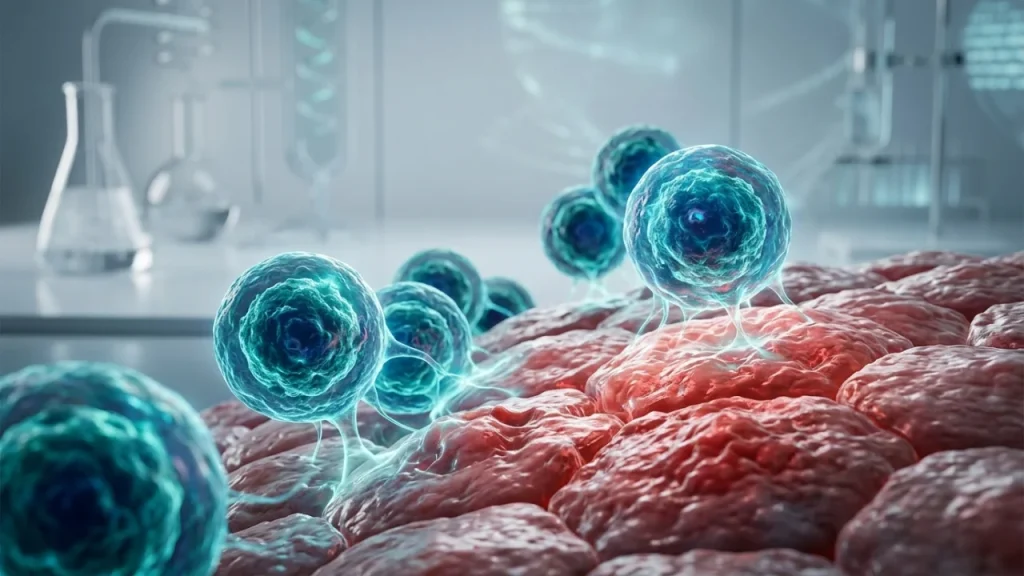
Imagine your body’s cells have a sophisticated postal system. They send tiny packages to each other. These packages are called exosomes. They are natural nanoparticles. All our cells make them. Exosomes carry vital cargo. This cargo includes proteins, lipids, and genetic instructions. Think of them as tiny messages in a bottle.
These messengers travel through bodily fluids. They deliver their cargo to other cells. This process tells cells how to behave. It can signal for repair. It can calm inflammation. It can promote renewal. Healthy communication means healthy skin. When communication breaks down, problems can start.
Scientists made a key discovery about twenty years ago. They found these vesicles were not just cellular trash bags. They were active signalers. This changed biology. Now we know exosomes are central to healing. The skin uses them constantly.
For example, after a minor cut, skin cells release specific exosomes. These exosomes carry orders. They tell neighboring cells to multiply. They instruct collagen-producing cells to get to work. This is the body’s own repair kit operating at a nano-scale.
So, what makes exosomes so powerful for skincare? Their natural intelligence is key. They are biocompatible, meaning your body recognizes them. They can cross barriers that larger molecules cannot. They deliver their instructions with high precision.
Let’s break down their core functions: – They carry molecular messages from cell to cell. – They can modulate the immune response in skin. – They trigger regenerative pathways like collagen production. – They help maintain cellular homeostasis, or balance.
This is where Cica exosomes enter the story. They take this powerful natural system and combine it with a proven botanical healer. But first, understanding the messenger is essential. The technology harnesses a fundamental biological process.
In summary, exosomes are nature’s own delivery network for healing commands. Their role in cellular communication is a cornerstone of modern regenerative science. This sets the stage for the next leap: applying this system with a specific, potent plant extract for targeted skin benefits.
The Power of Centella Asiatica in Skincare
Centella Asiatica is a small, green plant that thrives in wetlands across Asia. For over two thousand years, people have used it to treat wounds. They applied poultices made from its leaves directly to cuts and burns. This traditional use was not just folklore. Modern science has identified the active compounds responsible for its power. These compounds are why Cica is now a superstar in modern skincare.
The plant’s key strength lies in four main molecules. They work together to calm and rebuild skin.
- Asiatic acid and madecassic acid are triterpenoids. These are potent anti-inflammatory agents.
- Asiaticoside and madecassoside are glycosides. They help form new skin and strengthen blood vessels.
Think of a minor skin injury. The area becomes red, swollen, and sensitive. This is inflammation. The triterpenoids in Cica act as direct signals to skin cells. They tell the cells to reduce the production of inflammatory chemicals. This quickly soothes redness and discomfort. It is like turning down a volume knob on skin irritation.
At the same time, the glycosides get to work on repair. They stimulate fibroblasts. These are the skin’s construction cells. Fibroblasts produce collagen and elastin. These proteins form the structural scaffold of healthy skin. By encouraging this activity, Cica helps mend the skin’s barrier. It makes skin more resilient.
Clinical studies provide clear numbers. Formulas with concentrated Centella Asiatica extracts can reduce redness by over twenty percent in weeks. They improve skin hydration and elasticity significantly. The plant does more than just soothe surface problems. It actively supports the skin’s own healing machinery from within.
This deep action is why Cica is perfect for addressing chronic skin concerns. It helps with conditions like rosacea and sensitive skin flares. It also aids recovery from procedures like laser treatments. The plant’s compounds promote a balanced, calm cellular environment. This is the state where skin functions at its best.
So, Centella Asiatica is not a simple moisturizer. It is a sophisticated biological regulator. Its centuries of use point to a fundamental truth. It effectively communicates with human skin cells to guide them toward health. This makes its bioactive components an ideal source of instructions for a next-generation delivery system.
This leads us directly to the innovation of Cica exosomes. The goal is clear. Scientists asked a compelling question. How can we deliver the precise healing commands of Cica’s compounds with the efficiency of nature’s own cellular messengers? The answer merges botanical wisdom with biotechnological precision. It captures the essence of this powerful plant in a targeted, intelligent package designed for modern regenerative skincare.
How Biotechnology Creates Cica Exosomes
Creating Cica exosomes is a precise biotechnological process. It starts not with the whole plant, but with its living cells. Scientists cultivate Centella Asiatica plant cells under controlled laboratory conditions. This environment is perfectly clean and nutrient-rich. The cells thrive and multiply just as they would in nature. But here, scientists can guide their activity.
The goal is to stimulate these plant cells. Researchers expose them to specific, gentle stresses. This mimics natural challenges a plant might face. The cells respond by activating their innate defense and repair programs. This is a crucial step. The cells begin producing a high concentration of their most valuable bioactive compounds.
These compounds include madecassoside, asiaticoside, and amino acids. They are the plant’s healing language. Under this stimulated state, the cells do something remarkable. They package these potent compounds into tiny, natural vesicles. These are the exosomes.
Think of exosomes as microscopic communication bubbles. All cells, including plant cells, release them naturally. They are lipid-bound carriers of molecular information. The plant cell fills these Cica exosomes with its concentrated healing signals.
Next, scientists harvest these intelligent messengers. They collect the nutrient-rich liquid medium surrounding the cultured cells. This broth contains the released Cica exosomes along with other substances. The separation process then begins. It requires advanced techniques like ultracentrifugation or filtration.
These methods gently isolate the exosomes based on their size and density. The process removes larger cell debris and other components. What remains is a purified concentrate of nano-scale Cica exosomes. Each one is a lipid bubble measuring about 30 to 150 nanometers in diameter. That is thousands of times smaller than a single human skin cell.
The final product is a stable suspension of these biological nanoparticles. They are not simple plant extracts. They are sophisticated, nature-inspired delivery systems created through biotechnology.
Why is this method superior to traditional extraction? – It captures compounds in their native state, as the plant cell intended. – The lipid membrane protects the contents from degradation. – Exosomes are inherently compatible with biological communication.
This process ensures the healing legacy of Centella Asiatica is not just extracted, but intelligently packaged. The biotechnology amplifies and preserves the plant’s core regenerative commands. It creates a targeted payload for skin repair.
Therefore, Cica exosomes represent a fusion of botany and nano-biotechnology. They are not merely ingredients. They are designed messengers carrying precise instructions from the plant world directly to human skin cells. This sets the stage for understanding their unique mechanism of action in skincare.
Why Cica Exosomes Work Better Than Old Extracts
Traditional plant extracts work by flooding the skin with compounds. These compounds must then diffuse and hope to be absorbed. Their journey is inefficient. Many beneficial molecules break down before reaching their target. Others are too large to penetrate deeply.
Cica exosomes operate on a different principle. They are not a random mix of compounds. They are structured communication devices. Their natural lipid membrane acts as a protective capsule. This capsule shields precious cargo during application and penetration.
Think of an old extract as a letter thrown into the wind. The message might get torn or lost. A Cica exosome is like that same letter placed in a protective envelope with a clear address. It is designed for delivery.
The key advantage is targeted delivery. Skin cells have receptors on their surface. These receptors recognize signals from other cells. Cica exosomes can interact with these receptors directly. Their membrane contains proteins that facilitate this docking process.
Once docked, the exosome can transfer its contents into the target cell. This process is called signal transduction. The cell receives direct instructions from the plant-derived messengers. This triggers a specific biological response.
For example, an old Centella Asiatica extract contains madecassoside. This compound must navigate to a fibroblast cell on its own. A Cica exosome can deliver madecassoside directly into that fibroblast. It also delivers supporting enzymes and genetic instructions for how to use it.
The effect is more potent and precise. The cell’s repair mechanisms are activated efficiently. The signal is stronger and less diluted.
Here is a direct comparison of mechanisms:
- Delivery Method: Extracts rely on passive diffusion. Exosomes use active, targeted communication.
- Cargo Protection: Extract compounds are exposed and degrade faster. Exosome cargo is shielded inside a lipid bilayer.
- Cargo Complexity: Extracts primarily contain soluble chemical compounds. Cica exosomes contain those plus proteins, lipids, and nucleic acids like RNA.
- Cellular Instruction: Extracts provide raw materials. Exosomes provide both materials and the instructions on how to use them.
This explains the clinical observations. Formulations with Cica exosomes often show faster visible results. They improve barrier repair more comprehensively. They calm irritation more swiftly at a cellular level.
The reason is signal fidelity. The biotechnology preserves the natural communication package from the plant cell. Your skin cells understand this package perfectly. It is a biological language they are built to interpret.
Old extracts speak in single words. Cica exosomes deliver complete, eloquent sentences. This fundamental difference in communication is why they represent a true leap in regenerative skincare science. Their advanced mechanism ensures the legendary healing power of Cica is not just applied, but understood and acted upon by your skin’s own biology. This leads us to consider their tangible effects on specific skin concerns.
The Main Benefits of Using Cica Exosomes
Cica exosomes offer specific, measurable advantages for skin health. Their benefits stem from their unique mode of action. They do not just sit on the surface. They deliver instructions directly into your skin cells.
The primary benefit is rapid calming. Skin irritation involves a complex cascade of signals. These signals tell cells to become inflamed. Cica exosomes carry natural calming instructions from the Centella plant. They can intercept those pro-inflammatory signals. This tells your skin cells to reduce the redness and heat response. The effect is often faster than with traditional extracts. It addresses the root cause, not just the surface feeling.
They excel at barrier repair. Your skin barrier is like a brick wall. The skin cells are the bricks. Lipids act as the mortar holding them together. Sun, pollution, and stress damage this structure. Cica exosomes provide the raw materials for repair. More importantly, they deliver blueprints. These blueprints tell your skin how to produce its own strengthening lipids and proteins. This rebuilds a resilient, functioning barrier. A strong barrier keeps moisture in and irritants out.
Another key benefit is enhanced regeneration. Skin constantly renews itself. This process slows with age or damage. The nucleic acids inside Cica exosomes, like RNA, can encourage healthy cell turnover. They support the skin’s natural ability to repair minor damage. This leads to a smoother, more even texture over time.
Think of it this way. A standard cream might give your skin the tools for repair. Cica exosomes give the tools *and* the instruction manual. They also send a foreman to oversee the work. This coordinated effort yields comprehensive results.
The main benefits can be summarized clearly:
- Deep Calming: They target cellular pathways to quiet irritation swiftly.
- Barrier Fortification: They instruct skin to rebuild its own protective shield.
- Supported Renewal: They encourage healthy cell turnover for smoother texture.
- Efficient Communication: Their natural format ensures skin understands and acts fast.
These benefits are interconnected. A calmed skin barrier can repair itself better. A repaired barrier is less prone to future irritation and sensitivity. This creates a positive cycle of resilience. The intelligence of the exosome system allows it to address multiple concerns at once. It works with your skin’s biology, not against it.
This makes Cica exosomes particularly valuable for reactive or compromised skin types. They are also powerful for maintaining optimal skin function proactively. The goal is not a temporary fix but long-term skin health. The technology leverages a plant’s ancient healing wisdom in a modern, precise package. Understanding these direct benefits shows why this science is a pivotal shift from merely nourishing skin to actively guiding its recovery and strength. This leads to practical considerations for their use in daily skincare routines.
How Cica Exosomes Work Inside Your Skin
The Journey of Exosomes to Your Cells
The journey begins the moment a formula containing Cica exosomes touches your skin. These particles are incredibly small. They are measured in nanometers. A nanometer is one billionth of a meter. This tiny size is their first key advantage. It allows them to navigate where larger molecules simply cannot go.
Your skin’s outermost layer is the stratum corneum. It is a protective barrier of flat, dead cells. Think of it like a brick wall. Most skincare ingredients sit on top of this wall. They slowly diffuse through tiny cracks. Exosomes are different. Their nano-scale lets them move more directly through this protective layer. They take an efficient path to the living skin beneath.
Once past this outer shield, exosomes enter the epidermis. This is the skin’s active cellular layer. Here, they encounter a watery environment between cells. This is called the extracellular matrix. The exosomes travel through this fluid. They are stable and protected by their own lipid membrane. This natural bubble shields their precious cargo during transit.
Their movement is not random. Exosomes carry specific surface signals. These signals act like addresses or identification tags. Skin cells have receptors that can read these tags. It is a form of biological recognition. A cell recognizes the exosome as a friendly messenger, not an invader. This targeting ensures exosomes find the right cells to help.
The final step is delivery. An exosome docks with a target cell, like a fibroblast or keratinocyte. The two membranes can fuse together. The exosome’s internal cargo is then released directly into the cell’s interior. This cargo includes growth factors, proteins, and RNA instructions.
This direct delivery system is crucial for several reasons.
- It bypasses common breakdown problems. Many active ingredients degrade in the space between cells before they ever reach their target.
- It ensures a high percentage of the signal survives the journey intact.
- It allows for coordinated multi-component delivery. The cell receives a complete set of instructions at once.
The entire journey—from application to cellular delivery—can happen with notable speed. The nano-scale transit and targeted fusion mean biological signals are received quickly. This explains the rapid calming effects users often report. The skin’s repair mechanisms get a clear, immediate message to begin work.
This precise journey from the surface to the cellular core is what makes the technology so transformative. It turns passive application into active, intelligent communication. The exosomes do not just hope to influence skin biology. They are designed to successfully complete a mission deep within it. Understanding this voyage clarifies why their action is fundamentally different from conventional actives. It sets the stage for examining what happens inside the cell once these intelligent messengers arrive.
Cellular Communication: How Exosomes Send Signals
Once inside a skin cell, the exosome’s cargo gets to work. This cargo is a precise set of instructions. Think of it as a delivery of both tools and blueprints. The cell reads these instructions and changes its behavior. This is the core of cellular communication.
The cargo includes different types of molecules. Each type sends a specific signal.
- Proteins and Growth Factors act as immediate commands. They can switch on existing cellular pathways. For example, a growth factor might bind to a receptor inside the cell. This directly tells the cell to start making more collagen. It is like pressing a button for production.
- Messenger RNA (mRNA) molecules are different. They are not commands themselves. Instead, they are templates for new tools. The cell’s machinery reads these mRNA templates. It then uses them to build new proteins. These are proteins the cell might not normally make in large amounts. This process is called gene expression.
- MicroRNAs are regulatory molecules. They often work by silencing specific messages. A microRNA can block a particular mRNA from being read. This stops the production of a certain protein. It is like removing a roadblock on a healing pathway.
Cica exosomes are special because their cargo comes from Centella Asiatica stem cells. These plant cells are master healers. Their exosomes carry instructions honed for repair. The messages tell your skin cells to mimic that regenerative state.
The result is a coordinated shift in cell activity. Multiple signals arrive at once. The cell does not get just one instruction. It receives a full program. This program focuses on three key areas.
First is reducing inflammation. Signals can calm overactive immune responses in the skin. They tell pro-inflammatory proteins to quiet down. This soothes redness and irritation at a cellular level.
Second is boosting repair. Instructions increase the production of structural proteins. Collagen and elastin synthesis ramps up. Fibroblasts, the cells that make these proteins, become more active. The skin’s support structure gets reinforced.
Third is enhancing protection. Signals can activate the cell’s own antioxidant systems. This helps the cell defend itself against daily stress from the environment. Healthier cells are better at maintaining their function.
This process is not instant like a drug. It is more like resetting a system. The signals guide the cell back to its optimal, healthy function. The effects build over time as cells follow these new instructions.
The true power lies in the synergy of the cargo. A single protein alone can do little. But a combined package of growth factors, mRNAs, and microRNAs creates a powerful network effect. Each component supports the others. They guide the cell toward a clear outcome: renewal.
This internal communication explains lasting changes in skin health. Surface-level improvements happen first. Then, deeper structural changes follow because cells are reprogrammed at a functional level. The intelligence of cica exosomes is not just in their delivery. It is in the sophisticated message they carry and the holistic cellular response they trigger.
The next logical question is what this means for visible skin concerns over time.
Targeting Inflammation at Its Source
Inflammation is not just surface redness. It is a deep cellular alarm signal. Skin cells send out chemical distress calls when stressed. Cica exosomes are engineered to listen for these specific calls.
Think of inflamed skin as a neighborhood with flashing lights and sirens. Exosomes navigate like smart delivery drones. They read the biological “address” displayed on stressed cells. This address is a pattern of special molecules on the cell’s surface. The exosome’s own membrane carries matching “GPS” proteins. This guides them directly to the cells that need help most.
The journey starts after application. Exosomes are small enough to penetrate the skin’s barrier. They travel through the layers until they detect inflammation signals. These signals include proteins like cytokines. Upon arrival, exosomes dock onto the target cell. They fuse with the cell membrane or are absorbed whole. Their healing cargo is then released directly into the cell’s cytoplasm.
This cargo acts like a set of precise repair instructions. It works to shut down the inflammatory cycle in several key ways. – First, microRNAs can silence genes that produce pro-inflammatory proteins. This turns down the volume of the cellular alarm. – Second, enzymes and proteins directly neutralize existing inflammatory molecules. They calm the immediate chemical storm. – Third, growth factors signal the cell to begin repair processes. This shifts the cell’s focus from defense to rebuilding.
The result is a quieting of inflammation at its origin. Unlike topical steroids that suppress the immune response broadly, exosomes aim to resolve it intelligently. They help restore balance, or homeostasis. The cell stops overreacting to stress. Redness and swelling diminish because the root cause is addressed.
This targeting explains why effects can be long-lasting. The signals do not just mask a problem. They help reprogram how the cell responds to future triggers. A calmer cell is less likely to flare up easily. This builds greater resilience over time.
The process is gradual and cumulative. Each exosome delivery reinforces the message of calm. With repeated use, more cells receive these instructions. The overall inflammatory environment of the skin improves.
Targeting is what separates this technology from simple ingredient application. Active ingredients from creams spread generally. Cica exosomes deliver their payload with precision. This makes their action more efficient and potentially more powerful at lower concentrations.
The ultimate goal is to reset the skin’s baseline state. By targeting inflammation at its source, these messengers help break cycles of chronic irritation. This creates the stable foundation necessary for true renewal. With inflammation under control, skin can focus its energy on regeneration and strengthening its natural defenses. This sets the stage for visible improvements in tone, texture, and overall clarity that arise from a healthier cellular environment.
Repairing Skin Barrier Damage Step by Step
A damaged skin barrier is like a wall with missing bricks. It lets moisture escape and irritants enter. Cica exosomes deliver specific instructions to help rebuild this wall from the inside out. Their work begins after they calm the inflamed cells we discussed earlier.
The first step is signaling for repair. Skin cells called keratinocytes form the barrier’s structure. When compromised, these cells need to produce more of certain proteins. Exosomes from Centella Asiatica carry molecular messages that tell the keratinocytes to increase production of key building blocks.
These building blocks include filaggrin and ceramides. Filaggrin is essential for creating the natural moisturizing factor in your skin. Ceramides are the mortar that holds skin cells together tightly. Exosome signals boost the cell’s own ability to make these components.
The process is not instant. Think of it as a construction project that needs a steady supply of materials. Each application of exosomes provides another batch of blueprints to your skin’s cells. Over days and weeks, cells gradually synthesize more barrier lipids and proteins.
The repair follows a logical sequence: – Cells first receive the signal to prioritize barrier proteins. – The cellular machinery activates to produce these components. – New lipids and proteins are assembled within the cell. – They are then transported to the outer layers of the skin. – There, they integrate into the existing structure, filling gaps.
This step-by-step approach ensures the repair is durable. It is not just a temporary surface patch. The new barrier components become part of your skin’s architecture. This leads to measurable improvements in hydration levels and reduced sensitivity.
Research shows a strengthened barrier performs better. It reduces transepidermal water loss by up to twenty-five percent in some studies. This means your skin retains its natural moisture more effectively. It also becomes less reactive to common triggers like weather or skincare products.
The role of cica exosomes is fundamentally catalytic. They do not act as an external layer of ceramides. Instead, they guide your skin to make and use its own support materials more efficiently. This promotes self-sufficiency and long-term health.
Repairing the barrier also protects the calming work done earlier. A strong physical shield prevents new irritants from causing fresh inflammation. This breaks the cycle of damage and reaction. It allows the skin to maintain its new, balanced state.
The final result is skin that feels more resilient and looks smoother. Fine lines from dehydration may appear less noticeable. The complexion holds hydration better throughout the day. This robust foundation is critical for all other skin functions to thrive.
Ultimately, barrier repair completes the regenerative cycle started by calming inflammation. With a calm cellular environment and a strong physical defense, skin is truly prepared for renewal. This sets the stage for the next phase: active rejuvenation and improved collagen support.
Boosting Your Skin’s Natural Healing Cycles
Your skin has a built-in repair system. It activates after any damage, like a cut or sunburn. This natural cycle can sometimes be slow or incomplete. Cica exosomes are designed to optimize this entire process. They work by delivering precise instructions to your skin cells.
Think of a healing skin cell as a construction site. It needs materials, workers, and a plan. Exosomes provide the critical plans and signals. They carry bioactive molecules directly into target cells. This cargo includes growth factors and microRNAs.
Growth factors are like urgent commands. They tell cells to multiply and move to the area needing repair. MicroRNAs are different. They are like master control switches for genes. They can turn specific cellular functions on or off.
This combination creates a powerful effect. The growth factors kickstart immediate repair activity. The microRNAs help ensure this activity is efficient and correct. They guide the cell to produce the right proteins at the right time.
The result is a synchronized healing response. Key processes get a significant boost. – Cell proliferation increases. New, healthy cells are generated faster to replace damaged ones. – Cell migration improves. These new cells move more efficiently to fill in gaps. – Angiogenesis is supported. This is the formation of new tiny blood vessels for better nutrient delivery.
This leads to faster wound closure and tissue remodeling. The quality of the new tissue is also improved. Collagen deposition becomes more organized. The collagen fibers align in a stronger, more natural network.
This is different from just stimulating cells randomly. Exosome communication is targeted and intelligent. It respects the skin’s own biological rhythms. The signals promote completion of the full healing cycle.
Without this guidance, skin can get stuck in a prolonged inflammatory phase. Or it may transition to repair too slowly. Exosomes help pivot the cellular activity from reactive to regenerative seamlessly.
The legacy of Centella Asiatica is key here. Its traditional healing power is now encoded in these nano-messengers. The plant’s compounds guide the production of the exosome cargo. This makes the messages particularly suited for skin repair.
Your skin’s healing cycles become not just faster, but also more thorough. The repair reaches a proper conclusion. This prevents lingering weakness or vulnerability in the skin structure.
The process is fundamentally collaborative. Exosomes do not force cells to do unnatural things. They enhance the cell’s own capabilities. They provide the information needed for cells to perform at their best.
Ultimately, this boosts your skin’s functional resilience. After repeated use, your skin may recover from daily stress more quickly. It maintains its integrity better against minor abrasions or environmental hits.
This sets a foundation for lasting improvement. Efficient healing cycles prevent the accumulation of minor damage over time. Your skin’s ability to renew itself becomes a core part of its health.
The next logical step is to examine the visible outcomes of this renewed cellular activity. These internal processes translate directly to surface-level improvements in firmness, texture, and youthful appearance.
Skin Problems That Cica Exosomes Can Help
Calming Persistent Redness and Rosacea
Persistent redness often stems from a stuck inflammatory response. Blood vessels near the skin’s surface stay dilated. Immune cells remain overly active. This creates a visible flush and discomfort. The skin’s natural “off-switch” for this reaction is missing or weak.
Cica exosomes deliver precise instructions to help reset this process. They carry molecules that directly talk to the cells lining these blood vessels. The message is simple: calm down and return to a normal size. This targeted communication is more nuanced than simply constricting vessels with a drug.
The cargo within these exosomes is key. It includes microRNAs and proteins derived from Centella Asiatica. These are natural calming signals. They do not mask redness. They help correct the cellular miscommunication that causes it.
For conditions like rosacea, the immune system is often involved. Skin sensors can overreact to normal triggers like heat or mild stress. This triggers a flare-up. Cica exosomes intervene at this signaling level. They can help modulate the immune cells’ response, making them less likely to overreact.
Think of it as retraining your skin’s first responders. The goal is to raise their reaction threshold. A warm room or a mild cleanser should not cause a major alarm. Exosomes provide the biological data needed for this retraining.
The process involves several coordinated actions: – Reducing the production of inflammatory signals like TNF-alpha and IL-6. – Promoting the release of soothing, resolving molecules from skin cells. – Supporting the integrity of the skin barrier to prevent external triggers from penetrating easily.
A stronger barrier is a crucial part of managing redness. When the barrier is compromised, irritants enter more easily. This leads to more inflammation and more redness. It becomes a frustrating cycle. By enhancing repair, exosomes help fortify this outer shield, reducing one major trigger.
Results are not instantaneous like a topical steroid. This is a gradual recalibration of skin biology. With consistent use, the intensity and frequency of flare-ups may diminish. The skin’s baseline appearance can become less red and more even-toned.
This approach is fundamentally different from covering or suppressing symptoms. It uses the plant’s legacy of healing, packaged in a modern nano-messenger system, to encourage the skin’s own return to balance. The cica exosomes act as intelligent guides for a complex biological process.
Ultimately, calming persistent redness is about restoring order to chaotic cellular signals. When cells receive clear, corrective instructions, they can transition from a state of constant alert to one of stable function. This leads to visible calm on the surface.
The next step is seeing how this newfound calm and efficient repair translates into structural improvements for aging or damaged skin.
Healing Reactive and Sensitive Skin
Reactive skin often acts like a faulty alarm system. It sounds loud alerts for minor triggers. Common triggers include wind, certain skincare products, or even water. This hypersensitivity stems from confused cellular signals. Cica exosomes carry instructions to help recalibrate this response.
They work by communicating directly with skin cells. Think of them as tiny teachers. They show cells how to react appropriately. This process reduces unnecessary inflammation. The skin learns not to overreact.
One key mechanism involves specific receptors. These receptors on skin cells act like antennas. They pick up signals from the environment. In sensitive skin, these antennas are too sensitive. Exosomes can help adjust their sensitivity. This makes the cell less likely to fire off an inflammatory response to a mild trigger.
The result is a higher tolerance level. The skin becomes more resilient. It might better tolerate a new moisturizer. It may react less to sudden temperature changes. This is not just surface masking. It is a functional change at the cellular level.
The benefits extend beyond just calming. They build a more robust defense.
- Strengthening the skin barrier physically blocks irritants. A strong wall keeps trouble out.
- Regulating immune signals prevents false alarms. The security system gets smarter.
- Promoting healthy cell turnover ensures a fresh, capable surface layer. New cells respond better.
This approach takes time. You are essentially retraining your skin’s behavior. Consistent use is crucial. The goal is to break the cycle of constant reaction. Each application reinforces the new, calmer instructions.
Sensitive skin is often depleted skin. It has used its energy on constant defense. Exosomes deliver resources for repair. They provide lipids and proteins. These materials help rebuild a competent barrier. A well-built barrier is less permeable to irritants.
The science focuses on key inflammatory pathways. Exosomes can influence molecules like NF-kB. This molecule is a master switch for inflammation. By gently modulating this switch, exosomes help keep the peace. The skin’s overall state becomes less agitated.
Consider daily life with reactive skin. Applying anything can feel risky. This limits skincare options. By increasing tolerance, exosomes open new possibilities. You might reintroduce beneficial ingredients like vitamin C or gentle retinoids. Your skin can handle more without protest.
The process is fundamentally educational for your cells. It uses nature’s own communication system. The legacy of Centella Asiatica is one of profound healing. Its exosomes encapsulate this wisdom. They deliver it precisely where needed.
Healing reactive skin means addressing both cause and symptom. The cause is often dysfunctional signaling. The symptom is visible redness and discomfort. Cica exosomes target the root cause. They guide cells toward a state of normal function.
This leads to a tangible outcome: fewer bad days. Your skin feels more predictable. It feels stronger against daily challenges. The focus shifts from managing flares to maintaining calm.
The next logical question involves damage from past reactions. Repeated inflammation can leave marks and weaken structure. The journey from reactive to resilient also sets the stage for visible repair of this accumulated damage.
Strengthening Weak or Damaged Skin Barriers
A weak skin barrier is like a wall with crumbling bricks and loose mortar. It cannot hold moisture in or keep irritants out. This damage often comes from past inflammation, harsh products, or environmental stress. The result is skin that feels tight, looks dull, and reacts to almost everything.
Cica exosomes deliver precise instructions to fix this. They are tiny messengers filled with building plans. These plans tell your skin cells how to repair themselves. The goal is to restore the barrier’s original, strong design.
The barrier is made of two key parts. First, there are the skin cells themselves, called corneocytes. Think of them as bricks. Second, there is the lipid matrix. This is the mortar that seals everything together. Both parts need to be in perfect shape.
Exosomes work on both fronts. They send signals to keratinocytes, the living cells beneath the surface. These signals tell the cells to make more of the right proteins. These proteins become the strong, flat “bricks” of the outer layer.
More importantly, exosomes target the lipid mortar. A healthy lipid layer is rich in ceramides, cholesterol, and fatty acids. These lipids form a waterproof seal. A damaged barrier lacks these crucial lipids.
Here is how exosomes help: – They encourage cells to produce more essential ceramides. – They support the enzymes that organize these lipids properly. – They promote the formation of tight junctions. These are like staples holding cells together.
This process is not just adding moisture. It is rebuilding the structure that holds moisture. Imagine fixing a leaky boat’s hull instead of just bailing water. The repair is deeper and lasts longer.
Scientific studies show exosomes can boost key barrier proteins. For example, they increase filaggrin and involucrin. These proteins are vital for a resilient surface. Stronger proteins mean tougher, more cohesive skin cells.
The legacy of Centella Asiatica is key here. This plant has evolved to heal wounds rapidly. Its exosomes carry this specific regenerative signal. They tell skin cells to prioritize barrier repair above all else.
The effects become visible over time. Skin loses its dry, flaky patches. It feels smoother and more supple. This improved texture is a direct sign of a healing barrier. The skin can better protect its own moisture.
This also reduces trans-epidermal water loss. This is the technical term for moisture escaping. A strong barrier locks hydration in. Your skin needs less external moisturizer to feel comfortable.
Strengthening this outer wall has a cascade effect. With a solid barrier, active ingredients from other products work better. They penetrate as intended instead of causing irritation. Your entire skincare routine becomes more effective.
The final outcome is autonomous resilience. Your skin relies less on constant external help. It can defend itself against daily challenges like wind, pollution, or low humidity. This self-sufficiency is the ultimate goal of barrier repair.
This foundational repair sets the stage for correcting deeper issues. A secure barrier allows the skin to focus its energy on other tasks. The next logical step involves addressing lingering discoloration and uneven tone from past damage.
Reducing Signs of Aging and Environmental Damage
Skin aging is not just about time. It is about accumulated damage. Sun exposure, pollution, and daily stress leave a mark on your skin cells. This damage slowly changes how your cells behave. They produce less of what keeps skin firm. They also struggle to repair themselves properly.
Cica exosomes act as precise messengers to reverse this decline. They deliver specific instructions directly to aged or stressed skin cells. These instructions tell the cells to restart their youthful functions. Think of it as a software update for your skin’s cellular machinery.
One major sign of aging is the loss of firmness and wrinkles. This happens because skin makes less collagen and elastin over time. These are the structural proteins that create a plump, tight network. Cica exosomes carry signals that tell fibroblast cells to produce more of these proteins.
The process is direct and efficient. – Fibroblasts receive the exosome’s message. – They activate the genes for collagen and elastin production. – New, healthy proteins are woven into the skin’s foundation. – This gradually restores density and smooths fine lines.
Environmental damage often shows as dullness and uneven tone. Pollutants and UV rays create unstable molecules called free radicals. These radicals attack healthy skin cells. They damage cellular DNA and proteins. This leads to a tired, sallow complexion.
Cica exosomes help combat this damage on two fronts. First, they can transfer antioxidant enzymes directly into cells. These enzymes neutralize free radicals on the spot. Second, they instruct cells to boost their own antioxidant defenses. This double action helps shield skin from future daily assaults.
Sun damage presents a particular challenge. UV radiation can alter the skin’s melanocytes. These are the cells that control pigment. When damaged, they may produce pigment unevenly. This results in dark spots and patches.
The regenerative signals in cica exosomes help normalize this process. They promote healthier cell communication around melanocytes. This encourages a more even distribution of pigment. The goal is not bleaching but restoring balanced, natural function.
Repairing this deep damage takes consistency. Results are not instant like a surface layer of makeup. The change happens from within as cells gradually improve their performance. Over weeks, skin can look more radiant from within. Its tone appears more uniform.
Texture also improves as old, damaged cells are replaced. Newer cells have a healthier, more reflective surface. This reduces the look of fine lines and roughness. Skin feels softer and looks more luminous.
The beauty of this approach is its natural intelligence. Cica exosomes do not force cells to act unnaturally. They remind cells of their original, healthy programming. This supports the skin’s innate ability to heal and renew itself.
This leads to a more resilient complexion overall. Skin better withstands daily environmental exposure. It recovers more quickly from minor stress. The cumulative effect is a slower, more graceful visible aging process.
Addressing past damage clears the path for lasting skin health. Once deep repair is underway, the focus can shift to maintaining these results and protecting future vitality. The journey moves from correction to sustained preservation and prevention.
The mechanism is a testament to targeted cellular communication. By leveraging the specific healing legacy of Centella Asiatica, these exosomes offer a sophisticated tool. They help undo the visible marks of time and environment at their source.
This sets a new foundation for long-term skin quality. It is an investment in your skin’s future functionality, not just its current appearance. The next steps involve locking in these gains and ensuring the skin’s defenses remain robust for years to come.
Supporting Skin After Procedures or Injury
Skin is often vulnerable after a clinical procedure or an accidental injury. Treatments like laser resurfacing or chemical peels work by creating controlled damage to stimulate renewal. Cuts and burns disrupt the skin’s barrier. The immediate goal is to heal quickly, cleanly, and with minimal scarring. This is where the targeted action of cica exosomes becomes particularly valuable.
The recovery process follows a natural sequence. First, inflammation occurs. This is the body’s initial response. Next, new skin cells must proliferate to cover the wound. Finally, tissue remodels and matures. Each phase requires precise cellular communication. Stress or poor signaling can delay healing. It can also lead to unwanted side effects like persistent redness or uneven texture.
Exosomes act as biological facilitators during this sensitive time. They are not foreign substances. They are natural messengers. After a procedure, skin cells are stressed and busy. Cica exosomes deliver specific instructions directly to those cells. These instructions are derived from the resilient Centella Asiatica plant. They essentially tell the skin to prioritize efficient repair.
Think of them as a optimized repair manual delivered to a construction site. The manual focuses on key recovery tasks.
- It can help modulate inflammation. This signals the body to reduce unnecessary swelling and redness sooner.
- It encourages faster cell migration and proliferation. This helps the wound close more rapidly.
- It supports the proper organization of collagen fibers. This is crucial for minimizing scar formation and restoring smooth texture.
The benefit is a more guided and efficient healing trajectory. Recovery time may be reduced. The skin’s repair mechanisms are supported by intelligent information. This helps ensure the new skin that forms is strong and healthy. It is not just about speed. It is about the quality of the healing outcome.
For example, after a laser treatment, the skin is actively rebuilding its surface. Cica exosomes can provide cues that enhance this rebuilding process. They support the growth of well-structured tissue. This can lead to better final results from the procedure itself. The desired improvement in tone or texture becomes more apparent as healing progresses optimally.
The same principles apply to accidental wounds. A burn or deep cut requires robust regeneration. The messaging in cica exosomes promotes stronger barrier restoration. It aids in calming the injured area. This creates a better environment for the body’s own stem cells and repair cells to function.
This application highlights the dual nature of this technology. It is both regenerative and protective. It aids active repair while also safeguarding the delicate new tissue as it forms. The skin emerges from its recovery phase not just healed, but potentially more resilient than before the incident.
Using exosomes in this context represents a shift from passive aftercare to active biological support. It moves beyond simply soothing the skin to actually influencing its cellular behavior during a critical window. This proactive approach helps lock in the benefits of a procedure or navigate an injury with better outcomes. The ultimate goal is seamless restoration, allowing skin to return to its healthy state with strength and clarity.
The Science Behind Cica Exosome Effectiveness
Bioavailability: Why Exosomes Get Absorbed Better
The key to any skincare ingredient is reaching the right layer of skin. Many powerful compounds fail because they cannot penetrate deeply enough. Cica exosomes solve this problem with their incredibly small size. They are natural nanoparticles.
Think of skin as a protective wall. The outermost layer, the stratum corneum, is made of tough, flat cells. It acts as a shield. Large molecules simply sit on top of this shield. They cannot get through the tight gaps between the skin cells. Exosomes are different. Their size is measured in nanometers. One nanometer is one-billionth of a meter. They are thousands of times smaller than a single skin cell.
This tiny scale gives them a unique ability. They can navigate the pathways between skin cells. Some scientists compare them to ultrafine messengers slipping through a porous barrier. This process is called transdermal delivery. It means moving through the skin. For an ingredient to influence living cells, it must reach them. Most living skin activity happens in the deeper dermis layer.
Exosomes are designed for this journey. Their structure is a lipid bilayer vesicle. This is a double-layered bubble made from the same material as cell membranes. This familiar structure helps them merge with skin cells. It is like two droplets of oil combining in water. This fusion allows them to deliver their cargo directly inside a target cell.
Consider the typical path of a topical serum. It contains active ingredients like growth factors or vitamins. These molecules are often too large. They may be broken down on the skin’s surface by enzymes or light. Even if they start to penetrate, they get stuck in the upper layers. Their effective dose never arrives at the intended destination.
Cica exosomes have a dual advantage here. First, their nano-size grants physical access. Second, their lipid membrane protects the precious cargo inside. This cargo includes proteins, RNA, and lipids from Centella Asiatica cells. The membrane shields these molecules from degradation during their journey. The contents stay potent and stable until delivery.
This high bioavailability translates to efficiency. A smaller amount of active substance can produce a more significant effect. This is because more of it arrives where it is needed. It is not wasted on the surface. This deep delivery system is why cica exosomes can support dermal fibroblasts so effectively. Fibroblasts are the cells that produce collagen and elastin. They reside deep in the dermis.
The process is not passive diffusion like water soaking into a sponge. It is an active, intelligent interaction. Exosomes can carry targeting signals on their surface. These signals may help them find specific cell types involved in repair. Once they fuse with a cell, they release their instructions directly into its internal environment.
This direct delivery method has several practical benefits for skincare outcomes. – It allows for a faster cellular response, as messengers do not need to be decoded from the surface. – It reduces potential irritation, as the skin’s surface is not overloaded with large, foreign molecules. – It enables precise support to the skin’s own repair mechanisms at their source.
In essence, bioavailability is about access and precision. Superior absorption ensures that the celebrated healing legacy of Cica is not just applied to skin, but delivered into its living architecture. This foundational capability is what allows the regenerative signals discussed earlier to function at all. The next logical question is how these precise messages then instruct skin cells to rebuild and fortify tissue from within.
Precision Delivery: How Exosomes Find Problem Areas
Exosomes do not wander the skin blindly. They are guided by precise molecular signals. Think of a cell in distress. It sends out a chemical SOS. This signal alters the local cellular environment. Exosomes can detect these changes.
Their surface is studded with proteins and receptors. These act like navigation tools. Some receptors bind to adhesion molecules on target cells. Others recognize specific chemical patterns released by damaged tissue. This system allows exosomes to hone in on areas needing repair.
The targeting process follows a logical sequence. – First, a skin cell becomes stressed. This can be from UV exposure, pollution, or inflammation. – The stressed cell changes its surface profile. It expresses different marker proteins. – Exosomes circulating nearby have matching ligands. These are like keys fitting into locks. – This binding initiates the fusion process. The exosome’s cargo is delivered directly into that specific cell.
This explains their selective action. Healthy, unstressed cells lack the right “locks.” Exosomes largely ignore them. This focus on problem areas makes the process efficient. It also enhances safety. Resources are not wasted on cells that are functioning normally.
Research shows this targeting is active and dynamic. For instance, exosomes from mesenchymal stem cells migrate toward sites of inflammation. They follow concentration gradients of signaling molecules. This is called chemotaxis. It is similar to how immune cells find an infection.
The lipid membrane of an exosome is key. It protects the cargo during transit. More importantly, it carries the addressing information. Different types of exosomes have different surface signatures. Cica exosomes carry signatures derived from Centella Asiatica cells. These may be primed to seek out skin cells involved in wound healing and barrier repair.
Precision delivery minimizes side effects. Conventional ingredients often affect all surface cells. Exosomes act more like a targeted therapy. They intervene where the biological need is greatest. This results in a more focused and potent regenerative response.
The outcome is smarter skincare support. The skin’s own distress signals guide the repair effort. Cica exosomes deliver their instructions precisely to the cells that can act on them. This turns the skin into an active participant in its own recovery.
This targeted mechanism ensures that the powerful legacy of Cica is applied with modern accuracy. The next step is understanding what happens after delivery. How do these instructions actually change cellular behavior to rebuild skin strength?
The Role of Growth Factors and Signaling Molecules
The cargo inside cica exosomes acts like a precise repair toolkit. It contains specific instructions for skin cells. These instructions tell cells to heal, renew, and strengthen themselves. The most important tools are growth factors and signaling molecules.
Growth factors are special proteins. They act like master switches. They bind to receptors on the surface of a target cell. This binding turns on key processes inside that cell.
Think of a growth factor as a key. The cell’s receptor is the lock. When the key turns the lock, a cascade of events begins inside the cell. This directs the cell to perform a specific task.
Cica exosomes are rich in several critical growth factors. These factors have documented roles in skin repair.
- Transforming Growth Factor-beta (TGF-β): This factor is crucial for building new collagen. It signals fibroblasts, the skin’s support cells, to produce this structural protein. More collagen means firmer, more resilient skin.
- Vascular Endothelial Growth Factor (VEGF): This molecule promotes angiogenesis. That is the formation of new, tiny blood vessels. Improved blood flow delivers more oxygen and nutrients to damaged areas. This accelerates the healing process.
- Fibroblast Growth Factor (FGF): This factor helps fibroblasts multiply and migrate. It supports tissue reconstruction at a fundamental level.
These are not simple moisturizers. They are direct commands for cellular action. By delivering them via exosomes, they are protected and targeted perfectly.
Another vital part of the cargo is nucleic acids. This includes microRNAs. These are tiny snippets of genetic material. They do not carry blueprints for proteins like DNA does. Instead, they function as regulatory managers.
MicroRNAs control gene expression. They can effectively “turn down” or silence specific genes within a recipient cell. In skin repair, this is powerful.
For example, some microRNAs in cica exosomes may target genes that promote inflammation. By quieting these genes, the exosome helps switch the skin from a state of stress to a state of repair. Other microRNAs might boost genes involved in building the skin’s barrier.
This is epigenetic regulation. The exosome’s cargo does not change the cell’s core DNA. It temporarily influences which parts of the DNA instruction manual are read most actively. It fine-tunes cellular behavior.
The combination is potent. Growth factors provide the “on” signals for regeneration. MicroRNAs provide the precise tuning, adjusting the cellular environment for optimal healing. Together, they create a coordinated program.
The lipid membrane of the exosome does more than just deliver this cargo. It also fuses with the target cell’s membrane. This allows for efficient transfer of contents directly into the cell’s cytoplasm. The instructions go straight to the cellular machinery that executes them.
The result is a change in cell behavior. A fibroblast starts producing more collagen and elastin. A keratinocyte in the epidermis strengthens its connections to neighboring cells. Inflammation calms as signaling pathways are modulated.
This explains the transformative potential of cica exosomes in skincare. They are not merely supplying external ingredients. They are supplying intelligent biological software. This software upgrades the skin’s own operational code to run repair programs more effectively.
The legacy of Centella Asiatica is encoded in this molecular cargo. Modern biotechnology packages it into nature’s own delivery system. The next logical question is about the visible outcome. How do these cellular changes translate to tangible improvements in skin appearance and health?
Comparing Exosome Technology to Traditional Methods
Traditional skincare ingredients must overcome significant barriers. They face the skin’s formidable outer layer, the stratum corneum. This layer is designed to keep things out. Most molecules are too large to pass through it easily. Effective delivery has always been a core challenge.
Consider a standard serum with botanical extracts or synthesized growth factors. Its active components are free-floating in a formulation. They must penetrate the skin’s barrier largely through passive diffusion. This process is inefficient and unpredictable. A large percentage of the applied product may never reach the living cells that need it.
Even if some molecules penetrate, they face another issue. Cells are selective about what they take in. External signals must bind to specific receptors on the cell’s surface. This triggers a cascade of internal events. It is an indirect form of communication. The signal’s strength can weaken along this chain.
Exosome technology addresses these fundamental limits. Cica exosomes are not just another ingredient in a bottle. They are nature’s own delivery vehicles. Their lipid membrane is biocompatible. It resembles the membranes of our own cells. This allows for far more efficient fusion and cargo delivery.
The difference is like two methods of sending a command. A traditional ingredient is like shouting an order through a closed door. The message may be garbled or ignored. An exosome is like handing a sealed, prioritized instruction packet directly to the person inside. The instruction is clear, protected, and acted upon immediately.
We can break down the key contrasts:
- Delivery Mechanism: Traditional actives rely on diffusion. Exosomes use targeted, membrane-fusion delivery.
- Cargo Protection: Vitamins and peptides in creams can degrade with light or air. The exosome’s lipid bilayer shields its molecular cargo until it reaches the cell’s interior.
- Cellular Uptake: Free molecules depend on chance receptor binding. Exosomes are actively taken up by cells, a natural process for intercellular mail.
- Scope of Instruction: A single ingredient often influences one pathway. An exosome delivers a coordinated program of signals (growth factors, miRNAs) for a multi-faceted response.
Think about hydration. A hyaluronic acid serum draws water to the skin’s surface. This provides temporary plumping. In contrast, exosome signaling can instruct fibroblasts to produce more of their own structural components. This includes collagen and the skin’s natural hyaluronic acid. The result is improved hydration from within, not just on top.
Repair processes show a similar gap. Antioxidants like vitamin C neutralize free radicals one by one. This is a defensive, scavenging action. The microRNAs in cica exosomes can upregulate the skin’s own antioxidant defense systems. They help the skin become more resilient over time.
This does not render traditional ingredients obsolete. They still play valuable roles. However, it frames them as working from the outside in. Exosome technology works from the inside out by leveraging cellular biology itself. It provides the tools and instructions for skin cells to optimize their own function.
The shift is from supplementation to communication. It is the difference between giving a fish and teaching how to fish. One addresses a temporary need. The other enhances inherent capability. This foundational difference explains why exosome-based approaches can yield more profound and lasting results where traditional methods plateau.
Understanding this comparison leads to the next practical consideration: how is this advanced biological material sourced and produced for safe use in skincare?
Safety and Natural Compatibility with Skin
The human body already uses exosomes. Your own cells produce billions daily. They are a native communication system. This is the first reason for their safety profile. Cica exosomes are not foreign chemicals. They are biological messengers in a form your skin understands.
Think of them like letters in a language your cells already speak. Synthetic ingredients can be like loud shouts or static noise. Exosomes provide a clear, gentle instruction. The skin’s barrier and immune cells are designed to handle such natural vesicles. They do not typically see them as a threat.
The production process further ensures purity. Source plant material is grown under controlled conditions. The exosomes are then collected from the culture medium. They are not chemically synthesized. A series of precise filtration and purification steps follow.
- These steps remove plant debris and other larger particles.
- They concentrate the exosome population.
- The final result is a solution containing primarily the nano-scale vesicles.
This process yields a compatible product. It contains the signaling cargo without unnecessary contaminants. The exosome’s own lipid bilayer membrane plays a key role. This membrane fuses easily with cell membranes in human skin. Delivery is efficient and natural.
Immune rejection is a common concern with foreign substances. Exosomes largely avoid this issue. Their surface carries markers that identify them as friendly. Research shows mesenchymal stem cell exosomes have low immunogenicity. Plant-derived exosomes share this advantage.
They do not force cells to act. They suggest. A cell receives the microRNA instructions from an exosome. It then decides how to respond based on its own state. This respects cellular intelligence. It prevents overstimulation or unnatural reactions.
Consider traditional acids or retinoids. They work by causing controlled irritation or accelerated cell turnover. Exosome signaling works differently. It supports normal function and repair pathways. The goal is restoration, not provocation.
Safety also comes from dosage. Exosome formulations use low concentrations. A small number of precise messengers can create a large biological effect. This is due to signal amplification within cellular pathways. High concentrations are not needed.
Clinical observations support this. Studies on topical exosome applications report minimal adverse events. Irritation rates are notably low. This includes use on sensitive or compromised skin types. The compatibility appears robust.
The natural origin matters. Centella Asiatica has a long history of safe topical use. Its healing compounds are well-documented. Cica exosomes deliver these compounds’ core instructions directly to cells. This leverages a known botanical’s benefits through a smarter delivery method.
It is a targeted approach. The signals go where they are needed most. They support skin that is stressed, aged, or damaged. Healthy cells may simply ignore them or use them for maintenance. This creates an intelligent, self-regulating system.
Potential risks are tied to production quality, not the mechanism itself. Impure preparations could cause problems. Reputable sourcing and sterile manufacturing are critical. The science itself points to a fundamentally compatible technology.
The body’s own systems validate this safety. We constantly exchange exosomes with our environment and each other. Plant exosomes are part of this natural cross-kingdom communication. Your skin is equipped to engage with them.
This inherent compatibility answers a major question about advanced skincare. Effective ingredients must also be safe for long-term use. Exosome science meets both criteria by working with biology, not against it. Understanding this paves the way to see their real-world effects on specific skin concerns beyond theory
Practical Guide to Using Cica Exosomes in Your Routine
How to Identify Quality Exosome Products
Choosing a quality exosome product requires careful attention. The market is new and complex. You must become an informed reader of labels and claims. Not all products labeled with “exosomes” contain viable, effective vesicles. The production process is delicate and defines the result.
First, look for clarity on source and content. The ingredient list should specify “Centella Asiatica exosomes” or “plant exosomes.” Avoid vague terms like “exosome technology” or “stem cell factors.” These can mask a lack of actual exosomes. The concentration should be listed, often as a number of vesicles per milliliter. Reputable suppliers provide this data.
The manufacturing method is crucial. High-quality cica exosomes are produced through a specific sequence. It starts with cultivating Centella Asiatica plant cells. These cells are gently stressed to encourage exosome release. The exosomes are then collected and purified. Advanced filtration removes plant cell debris. This yields a clean exosome solution.
Look for evidence of purity and testing. Third-party lab reports are a strong sign. These reports verify the exosome count. They also confirm the absence of contaminants like bacteria or endotoxins. Ask if the company uses Nanoparticle Tracking Analysis (NTA). This is a common method for counting and sizing exosomes. It shows scientific rigor.
The formulation stability matters deeply. Exosomes are fragile. They can break down in unsuitable creams or serums. The product should describe a stabilizing system. Look for phrases like “lipid-protected” or “in a buffered solution.” Avoid products stored in clear jars or exposed to heat and light. These conditions degrade exosomes quickly.
Consider the product’s intended use in your routine. Pure exosome serums are often applied to clean, dry skin. This allows direct contact with your cells. They should be used before thicker moisturizers. Some products mix exosomes with other active ingredients. This can be effective but may reduce exosome stability. Simpler formulas are often better.
- Source: Clearly stated as plant-derived (Centella Asiatica).
- Concentration: Quantified number of vesicles per dose.
- Purity: Supported by third-party certificates of analysis.
- Stability: Packaged in opaque, airless containers to protect potency.
- Claims: Focused on cellular communication, not miracle cures.
Be skeptical of extreme marketing claims. Exosomes are not instant magic. They support skin repair over time. Promises of overnight transformation are unrealistic. Trust products that explain the science simply. They should focus on barrier support, calming, and renewal.
The price point can be an indicator but not a guarantee. Advanced biotechnology has real costs. Extremely cheap products likely cut corners in production or concentration. Investing in a well-documented formula from a transparent company is wise. You are paying for precision and proof.
Your final check is transparency. A trustworthy company will answer detailed questions about its process. They explain how they ensure exosome viability from lab to bottle. This practical knowledge empowers your choice. It connects the profound science to a tangible step in your skincare ritual, ensuring you receive the true regenerative potential you seek.
Best Practices for Applying Exosome Treatments
Applying your exosome treatment correctly is key to its success. Think of it as preparing a clean canvas for a precise message. Your skin must be ready to receive these signals. Start with a gentle cleanser. Rinse thoroughly with lukewarm water. Pat your face dry with a clean towel. Do not rub. Your skin should be slightly damp, not completely dry. This residual moisture helps with absorption.
Next, use a balancing toner or essence if it is part of your routine. Avoid any products with strong acids or harsh actives at this time. Ingredients like high-percentage glycolic acid or retinoids can disrupt cellular communication. They create too much background noise. You want a calm skin environment. The goal is to let the cica exosomes deliver their instructions without interference.
Now, apply the exosome serum or treatment directly. Dispense the recommended amount onto your fingertips. For most formulas, this is three to four drops. Gently press and pat the product onto your skin. Do not rub vigorously. Patting encourages absorption without damaging the delicate vesicles. Focus on areas that need the most support. These might be dry patches, fine lines, or areas of redness.
Allow the product a full minute to absorb. This waiting period is important. It lets the exosomes interact with your skin cells. Follow with a simple moisturizer to seal everything in. Choose a moisturizer free of aggressive actives for this step. Its job is hydration and barrier support. It locks in the exosome treatment and creates an ideal environment for overnight repair.
Timing matters in your routine. The best time to apply exosomes is in the evening. Your body enters its natural repair cycle at night. Skin cell renewal peaks during sleep. Applying the treatment then aligns with your biology. It supports your skin’s own regenerative processes. Morning use is possible but less ideal due to sun exposure.
Consistency beats intensity. Using a moderate amount regularly is better than a large dose occasionally. Follow the product’s suggested frequency. This might be every night or every other night initially. Regular application trains your skin cells to sustain healthier communication patterns. You are building a long-term habit, not seeking a quick fix.
Store your product with care after each use. Always replace the cap tightly. Keep it in its original container, away from direct sunlight and heat. A cool, dark bathroom cabinet is a good spot. Proper storage maintains the potency of each dose from the first use to the last.
Be patient with visible results. Skin renewal takes time on a cellular level. You may notice subtle changes first, like improved hydration or less irritation. More significant improvements in texture and resilience follow over weeks. This gradual progress confirms the treatment is working as intended, supporting your skin’s innate healing intelligence from within.
Finally, listen to your skin’s feedback. A slight tingling sensation upon application can be normal for some individuals, especially if their barrier is compromised initially. However, any persistent stinging, burning, or increased redness is a sign to pause. Discontinue use and consult a professional if this occurs. Integrating cica exosomes successfully means pairing advanced science with mindful, consistent practice for cumulative benefits that truly renew the skin’s foundation
Combining Exosomes with Other Skincare Steps
Think of your skincare routine as a layered journey for your skin. Each product has a specific job. The order you apply them matters for best results. Cica exosomes are potent messengers. They work best when they can reach your skin cells directly.
Start with a thoroughly cleansed face. Clean skin has no barriers like oil or dirt. This allows immediate contact with the exosome formula. Pat your skin dry gently. Do not rub it. Your skin should be slightly damp but not wet.
Next, apply any liquid-based treatment products. This includes toners or essences. These are often water-thin. They prepare the skin by adding a base layer of hydration. After this step, it is time for the exosomes.
Apply your cica exosomes product directly now. Use the amount suggested by the instructions. Gently press the serum into your skin. Use your fingertips. Do not vigorously rub. Allow a minute for it to absorb. This lets the nano-scale vesicles begin their work without interference.
What comes next is important. You should follow with a moisturizer. A good moisturizer acts like a sealing layer. It locks the exosomes and hydration into the skin. It creates an ideal environment for cellular communication. Choose a simple, supportive moisturizer without harsh actives for this step.
Finally, always apply sunscreen in the morning. Sun protection is non-negotiable. UV radiation can disrupt skin repair processes. It can cause inflammation. Sunscreen safeguards the regenerative work of the exosomes.
You may wonder about other active ingredients. Exosomes generally play well with others. But some timing tips help.
- Vitamin C: This antioxidant is a good partner. You can apply a vitamin C serum in the morning. Use your cica exosomes at night. This separates their functions neatly.
- Retinol or retinoids: These are powerful cell-communicating ingredients too. Use them on alternate nights from your exosome treatment. This prevents potential overload. It lets each ingredient work effectively.
- Exfoliating acids (AHA/BHA): Use these acids only a few times a week. Apply exosomes on nights when you do not exfoliate. Exfoliated skin may absorb more deeply, but gentle care is best.
The key is to avoid mixing too many strong actives at once. Your goal is support, not stress. Cica exosomes are healing messengers. Pair them with calming, hydrating products for a synergistic effect.
Do not apply thick oils or heavy creams before the exosomes. These can create a film on the skin. This film might block the exosomes from proper contact. Always follow the rule: apply products from thinnest to thickest consistency.
Observe how your skin responds over two weeks. Perfect routine balance leads to cumulative benefits. Your skin should look calm and feel resilient. The next logical step considers long-term integration into your lifestyle for sustained skin health.
Expected Timeline for Seeing Results
Patience is key with any regenerative skincare. Cica exosomes work at a foundational level. This means results are not instant. They are cumulative and build over time.
Your skin has a natural renewal cycle. This cycle takes about 28 days on average. For mature or stressed skin, it can take longer. Exosomes support this cellular process. They do not override it. Think of them as sending instructions to your skin’s cells. The cells must then act on those instructions. This takes time.
You can expect changes in distinct phases.
The first two weeks focus on initial calibration. You may notice subtle shifts in skin comfort. This is the early signaling phase. – Hydration often improves first. Skin may feel smoother and look more plump. This is because exosomes can help optimize barrier function. – Redness and sensitivity might begin to calm. The soothing messages from the cica exosomes start to take effect. – Do not expect dramatic visual changes yet. The work is happening beneath the surface.
Between weeks three and six, more visible changes often appear. This aligns with your skin completing a full renewal cycle. – Texture typically refines. Skin may look more even and feel softer. – The clarity of your complexion can improve. Post-inflammatory marks from past breakouts may start to fade faster. – Resilience builds. Your skin might handle environmental stress better.
The most significant improvements are seen after consistent use for two to three months. This is the true regenerative window. – Fine lines may appear softened. This is due to improved skin quality and support for collagen-producing cells. – Elasticity and firmness can enhance. The cumulative effect of cellular communication shows. – Overall radiance often increases. Skin looks healthier from within.
Several factors affect your personal timeline. Your age plays a role. Younger skin may respond more quickly. Older skin has a slower turnover rate but still benefits greatly.
Your specific skin concerns matter too. Addressing dehydration shows results fast. Improving the appearance of deep wrinkles requires more time and consistent support.
Your routine consistency is critical. Using cica exosomes sporadically will not deliver optimal results. Daily application as directed provides a steady stream of supportive signals.
Do not mistake initial tightening or tingling for results. Some serums create an immediate film or sensation. The work of exosomes is silent and biological.
If you have significant barrier damage, your path may be longer. The exosomes must first help restore balance before more visible repair can happen. Stick with it.
Monitor your progress with monthly photos in consistent lighting. This helps you see gradual changes you might otherwise miss.
Remember, this is not a superficial fix. It is a method of supporting your skin’s own intelligence. The goal is lasting health, not a temporary glow.
Once you see steady results, you can adjust usage. Some people use cica exosomes daily for three months then switch to a maintenance schedule. This might mean applying them every other day or a few times a week.
This approach helps sustain the benefits long-term. It is more about giving your skin ongoing support than constant intervention.
The journey with cica exosomes is a commitment to cellular health. Realistic expectations lead to greater satisfaction. Your skin’s transformation is a process, not an event. This understanding naturally leads to considering how this technology fits into a holistic view of long-term skin wellness and prevention
Maintaining Results with Consistent Use
Think of your skin as a living community that needs regular communication. Cica exosomes deliver these messages. Stopping their use is like silencing an important conversation. Your skin’s renewal processes slow down without this support.
Consistent use does more than maintain past gains. It provides ongoing defense. Daily environmental stress constantly challenges your skin cells. Regular application helps fortify them against this pressure.
The mechanism is proactive. These messengers encourage cells to produce their own protective proteins. This builds a more resilient cellular environment over time. Think of it as training your skin to better care for itself.
Your routine should be as regular as brushing your teeth. This consistency creates a stable biological foundation. Fluctuating signals confuse your skin’s repair systems. Steady support yields the best long-term outcome.
Consider these key maintenance practices:
- Integrate cica exosomes into your morning or evening ritual. Choose a time you will rarely skip. Habit is the foundation of consistency.
- Pair them with a stable core routine. Use a gentle cleanser and a reliable moisturizer. Constant change in other products can undermine results.
- Monitor your skin’s needs with the seasons. You may need slight adjustments. Dry winter air or summer sun exposure are factors to consider.
- Set calendar reminders for your three-month review. Assess if your skin feels strong and balanced. This data informs your maintenance schedule.
Long-term benefits are cumulative. Each application adds a layer of cellular support. This builds a reservoir of resilience. Your skin becomes better at handling unexpected stress.
The goal shifts from repair to prevention. Well-supported cells are less likely to enter a state of chronic irritation. They also manage oxidative damage more efficiently. This prevents many visible signs of aging before they start.
Some people worry about their skin becoming “dependent.” This is a misunderstanding. You are not creating dependency. You are providing optimal resources for optimal function.
The analogy is fitness. You do not stop exercising after reaching a weight goal. You maintain a routine to keep the benefits. The same principle applies to cellular skin health.
Your maintenance schedule is personal. A common pattern is application three to four times weekly after an initial intensive period. This keeps signaling pathways active without overwhelming them.
Listen to your skin’s feedback. A sustained feeling of comfort and strength is a key indicator. Persistent tightness or redness may suggest a need to pause and reassess.
The inclusion of cica exosomes in a long-term plan is a strategic choice. It invests in the skin’s inherent capacity for balance. This approach prioritizes lasting function over temporary fixes.
Ultimately, consistency protects your initial investment of time and effort. It transforms a treatment into a sustainable pillar of wellness. Your skin’s health tomorrow depends on the support you provide today. This foundational care seamlessly integrates with targeted treatments for specific concerns
Future Directions and What Comes Next
Ongoing Research in Exosome Skincare
Research on exosomes is moving at a rapid pace. Scientists are looking far beyond basic repair. Their work explores how these tiny messengers could tackle more complex skin challenges. The focus is on precision and new applications.
One major area is targeted delivery. Think of exosomes as natural delivery trucks. Researchers are learning how to load them with specific active ingredients. The exosome’s membrane protects the cargo. It guides it directly to certain cell types. This method could make treatments like antioxidants much more effective. The right substance gets to the right place at the perfect time.
Another exciting direction involves personalization. The idea is simple but powerful. Exosomes could one day be sourced from a person’s own cells. These exosomes would carry signals unique to that individual. This approach may minimize any risk of reaction. It could also provide perfectly matched instructions for healing. This is still largely in the lab stage, but progress is steady.
Scientists are also decoding exosome “messages” in detail. They study what different exosomes carry inside. This includes proteins, lipids, and various types of genetic code. By understanding these cargo lists, they can identify exosomes with specific jobs. For instance, some cica exosomes might be exceptionally good at calming inflammation. Others might excel at instructing cells to build collagen. Future products may use these refined populations for distinct results.
The potential extends to supporting skin under extreme stress. Clinical studies are examining protocols for post-procedure recovery. This includes healing after laser treatments or chemical peels. The goal is to reduce downtime and improve outcomes. Early data shows exosome signals can help reset inflamed skin quickly.
Research into cica exosomes specifically digs into their unique profile. Centella Asiatica has a long history in traditional medicine. Modern science now asks what makes its exosomes special. Initial findings point to a rich mix of calming and antioxidant signals. These seem to work in harmony with the skin’s own systems.
Here are three other frontiers currently being explored: – Wound healing and scar modulation, aiming to improve tissue quality. – Interactions with the skin’s microbiome, potentially promoting a healthier balance. – Use as diagnostic tools, where exosomes from skin surface reveal internal health states.
The path from lab discovery to a safe, effective skincare ingredient is long. It requires rigorous testing and validation. Each study adds a piece to the puzzle. The collective evidence builds a clearer picture of true potential.
This ongoing work ensures the field is grounded in science. It moves from general concepts to precise mechanisms. The future points toward smarter, more tailored solutions for skin health. This research foundation supports the next logical step: understanding how this technology integrates into the wider world of skincare science and regulation.
Potential Developments in Delivery Methods
The way skincare ingredients reach skin cells is just as important as the ingredients themselves. Current serums and creams rely on passive absorption. Future delivery methods for exosomes aim to be smarter and more targeted. This could dramatically increase their effectiveness.
One major focus is on improving stability and precision. Exosomes are delicate biological messengers. Scientists are working on new ways to protect them until they reach their target. Imagine tiny protective capsules or gels that shield exosomes from breaking down. These carriers would only release their cargo when they reach the living layers of the skin.
Another path involves active delivery systems. These methods would use gentle physical forces to help exosomes get deeper into the skin. Researchers are studying several promising techniques.
- Low-level electrical pulses could temporarily create tiny pathways in the skin’s outer barrier. This process is called electroporation. It might allow exosomes to pass through more easily.
- Specialized ultrasound devices could use sound waves to guide exosomes into tissue. This method is already used for some drug deliveries.
- Microneedling could evolve beyond creating channels. Future patches might contain dissolvable micro-needles packed with exosomes. They would deliver their payload directly as they melt.
Combination approaches also show great promise. Cica exosomes might one day be paired with other supportive molecules. These partners could act like navigation systems. They could guide the exosomes to specific cell types that need repair. For instance, a formula could target only inflamed cells or sun-damaged fibroblasts.
Personalization is a key future direction. Not all skin has the same needs. Delivery systems could become adaptable. A device might first scan an area of skin to assess its condition. Then it would adjust the dose or depth of exosome delivery accordingly. This ensures the right signal gets to the right place at the right time.
The ultimate goal is creating a seamless experience. Future applications may not look like traditional skincare at all. They could involve brief sessions with a handheld device at home. Or they might use a smart hydrogel patch that communicates with an app. The technology would manage everything from storage to timed release.
These advancements hinge on ongoing material science and engineering. Developing safe, effective carriers requires rigorous testing. Each new delivery method must prove it protects the exosome’s natural function. It must also show it does not harm the skin’s delicate balance.
The evolution of delivery will unlock the full potential of regenerative signals. It transforms the concept from a topical ingredient into a targeted treatment system. This progress bridges the gap between laboratory promise and real-world results for skin health.
Expanding Applications Beyond Basic Repair
The core signals within cica exosomes do not just tell a cell to heal a wound. These messages can be reinterpreted by different types of skin cells. This opens doors for new uses. Scientists are looking at chronic skin conditions that lack good solutions. The goal is to recalibrate how skin cells behave over the long term.
One major area is strengthening the skin’s barrier from within. A weak barrier lets in irritants and loses moisture. Exosomes could instruct skin cells to produce more of the right lipids. These lipids are the cement between skin cells. More cement means a tighter, more resilient shield. This approach would be different from just applying a moisturizer on top. It would help the skin build its own defense system.
Another direction is pigment correction. Uneven skin tone often comes from overactive melanocytes. These are the cells that make pigment. Current treatments can be harsh. They might simply destroy cells or block pigment production entirely. Exosome therapy could offer a smarter signal. It might guide melanocytes to act in a more balanced way. The aim is normalization, not complete suppression. This could lead to more gradual and natural-looking results.
The potential also extends to supporting skin’s structure as we age. Aging skin loses firm proteins like collagen. Some exosome signals are known to encourage fibroblast activity. Fibroblasts are the cells that build collagen. A targeted delivery of cica exosomes could provide a precise boost to these builders. It would not just add volume temporarily. It would remind the skin’s own machinery to work more effectively.
Research is also looking at the scalp and hair follicle environment. A follicle is a mini-organ with its own lifecycle and needs. Inflammation or poor signaling can lead to thinning hair. The calming and regenerative messages from exosomes could be applied here. The idea is to create a healthier microenvironment for hair growth. This moves the technology beyond facial skin to overall dermatological wellness.
The future involves mapping specific exosome contents to specific skin cell problems. Think of it like a library of messages. Each book in the library contains instructions for a different task. – One set of signals calms inflammation. – Another set boosts collagen production. – A third set helps regulate pigment creation.
Advanced biotechnology could one day select and enrich for exact message sets. This would allow for highly customized formulations. A person’s treatment could be based on their unique skin profile. The same core technology adapts to different challenges.
This expansion relies on deep knowledge of skin biology. Researchers must first understand exactly how a skin cell reads an exosome’s signal. Then they can predict the outcome for different concerns. Every new application starts with this basic science. It moves step-by-step from lab studies to real-world proof.
The journey from basic repair to broad applications is a natural progression. It takes a powerful biological tool and finds more ways to use it wisely. The principle remains using the skin’s own language to guide its function. The next frontier is translating that language for an ever-wider range of needs, creating a new toolkit for long-term skin health and resilience.
The Growing Role of Biotechnology in Beauty
Biotechnology provides the tools to unlock exosomes’ full potential. It moves from simple extraction to intelligent design. Think of it as upgrading from finding a message in a bottle to writing the exact letter you need.
The process starts with cell culture. Scientists grow specific types of cells in controlled environments. These cells are the factories that produce exosomes. The conditions of the factory change what the exosomes contain. By altering the cell’s environment, scientists can change the message.
This is where cica exosomes show the principle. Cells from the Centella Asiatica plant are cultured. They are given specific nutrients and signals. This encourages them to produce exosomes rich in calming and regenerative instructions. The biotechnology guides the natural process.
The next step is harvesting and purification. The exosomes must be separated from the cell culture mixture. This requires precise filtration and centrifugation techniques. The goal is to get a clean, concentrated sample of exosomes. Any leftover cell debris could cause unwanted reactions.
Advanced analysis comes next. Scientists use machines to catalog the contents of these purified exosomes. They identify proteins, lipids, and RNA fragments. This creates a detailed profile of the exosome’s cargo. It tells us exactly what messages are inside.
With this profile, scientists can link content to function. They can see which set of signals leads to collagen production. They can identify the group that soothes irritation. This knowledge turns exosomes from a mystery into a predictable tool.
Future biotech will add even more control. One method is called “priming.” Cells are exposed to a precise stressor or compound before exosome collection. This tailors the exosome cargo for a specific purpose. It is like training the message-writer before they start.
Another frontier is engineering. Scientists may learn to directly load exosomes with chosen active compounds. This could create hybrid delivery systems. The natural exosome membrane protects the compound. Its own signals add an extra layer of benefit.
Quality control is critical throughout. Every batch must be tested for safety and consistency. Tests confirm the exosomes are intact and active. They also ensure no harmful agents are present. This rigorous process makes sure the technology is reliable.
The role of AI and data analysis is growing. Computers can help find patterns in vast amounts of exosome data. They might predict new combinations of signals for new skin concerns. This accelerates discovery beyond manual experiments.
The final challenge is formulation. Pure exosomes must be put into a stable skincare product. Formulators work to protect them in creams or serums. The product must keep the exosomes active until they reach your skin.
This entire chain represents a new era in beauty science. It is not about adding a single ingredient. It is about adding a complete communication system. Biotechnology builds, refines, and directs that system.
The impact is more personalized and effective skincare. As these tools improve, treatments can become more targeted. Your skincare could be designed around your skin’s unique biological language. This moves beauty from a general approach to a precise dialogue.
The journey relies on constant research and ethical innovation. Each step from cell culture to bottle requires deep expertise. The promise is a future where skincare works in harmony with your skin’s own intelligence, guided by the precise hands of biotechnology.
Making Informed Choices About Advanced Skincare
Choosing advanced skincare requires a shift in thinking. You are not just picking a scent or texture. You are selecting a biological tool. This means you need to look for different information on the label.
First, learn to read the ingredient list for clues. Look for terms that indicate the presence of exosomes or similar actives. These might include “exosomes,” “extracellular vesicles,” or “cell-conditioned media.” The source is also key. Ingredients derived from Centella Asiatica, often called cica, are a strong signal. The phrase cica exosomes points directly to this advanced technology. It tells you the product uses nano-messengers from this specific healing plant.
The concentration of these actives matters greatly. A product should state how many particles or what concentration it contains. A vague mention like “contains exosomes” is not enough. Reputable science will provide a measurable amount, such as a number of particles per milliliter.
You should also look for proof of stability. Exosomes are delicate. The formula must protect them. Look for information on the packaging or brand’s website. It should explain how the exosomes are kept intact and active until you apply them.
Clinical evidence is your most important guide. Look for studies done on the final product, not just its parts. These studies should be performed on human skin. Be cautious of claims based only on lab experiments with cells in a dish. Real skin is more complex.
Here are key questions to ask when researching any advanced skincare product: – What specific testing has been done on this exact formula? – How many people were in the clinical study? – What were the measured results? Look for data on hydration, wrinkles, or redness. – Is the data published where experts can review it?
Understanding the mechanism helps too. A product with cica exosomes should explain their role. They are not simple moisturizers. They are messengers that instruct your skin cells to calm and repair themselves. This is a fundamental difference from traditional ingredients.
Price often reflects the complex technology inside. Producing pure, stable exosomes is expensive. If a product seems cheap for such a claim, it may not contain effective levels. Invest in products that transparently explain their science and proof.
Finally, manage your expectations. These are sophisticated tools, not instant magic. Your skin needs time to respond to these cellular signals. Consistent use over weeks is typically needed to see significant changes. Pair this technology with good skincare habits like daily sun protection.
Your skin deserves informed care. By focusing on source, proof, and mechanism, you move beyond marketing. You become an expert in choosing what truly communicates with your skin’s biology for lasting health and resilience. This knowledge prepares you for the next wave of personal skin innovation.