
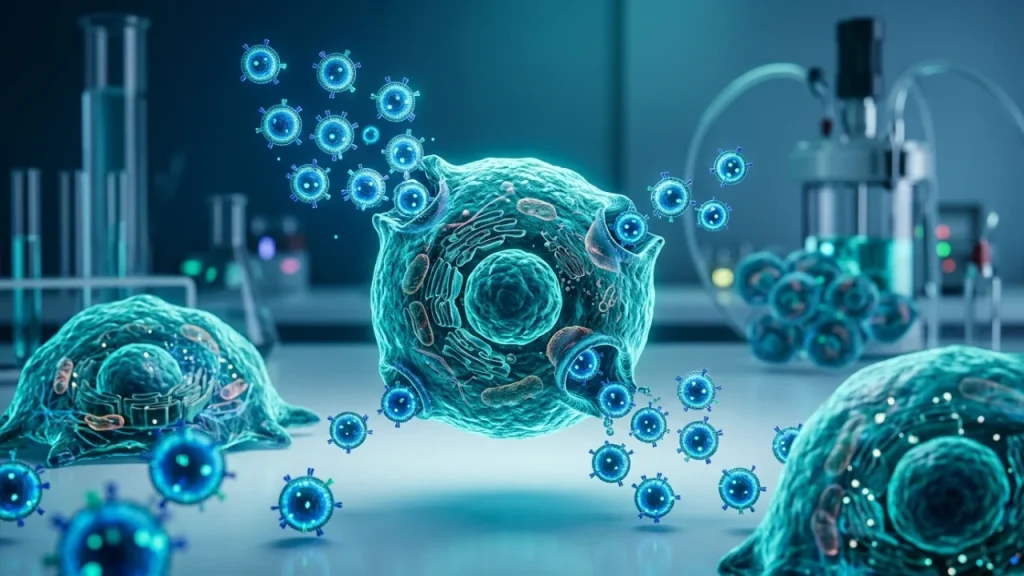
What Are Exosomes and Stem Cells and Why Should You Care?
Understanding Stem Cells and Their Role in Healing
Your body is a living repair machine. Stem cells are the master tools it uses for this job. They are unique and powerful cells found throughout your body.
Think of a stem cell as a blank slate. It has not yet decided what it will become. This blank state gives it special abilities. A stem cell can divide and make copies of itself. More importantly, it can change into other cell types. This process is called differentiation.
For example, one stem cell could become a muscle cell. Another could become a bone cell or a nerve cell. This ability is crucial for healing. When you damage your skin, stem cells help create new skin cells to close the wound. If you break a bone, stem cells rush to the site. They then transform into new bone cells to mend the fracture.
Stem cells work by following signals. Your damaged tissue sends out chemical distress calls. These signals guide the stem cells to the exact location that needs help. Once they arrive, the local environment tells them what to become. The signals essentially provide the instructions for repair.
There are different types of stem cells in your body. Adult stem cells live in specific tissues like your bone marrow or fat. They are maintenance crews for their home organs. They mainly repair the tissue they reside in. Embryonic stem cells exist only in early development. They can become any cell type in the entire body. Scientists also create induced pluripotent stem cells in labs. These are normal adult cells reprogrammed to act like embryonic stem cells.
The direct role of stem cells in healing involves several steps. First, they multiply to create more worker cells. Next, they migrate to the site of injury. Then, they differentiate into the needed cell types. Finally, they release factors that calm inflammation and encourage growth.
However, using live stem cells as therapies can be challenging. Delivering whole cells to a patient is complex. The cells must survive, engraft, and function correctly. This is where the connection between exosomes and stem cells becomes vital. Researchers discovered that much of the healing power of stem cells comes from the messages they send.
Stem cells do not work alone. They communicate with other cells constantly. They release tiny bubbles filled with instructions. These bubbles are called exosomes. The exosomes carry proteins and genetic material. They deliver these cargoes to injured or aging cells. This delivery tells the recipient cells how to repair themselves.
This communication is a key part of regenerative medicine. It means the healing signal can be transferred without needing the original stem cell to stay. The exosome acts as a messenger. It does the work without the risks of using whole living cells. Understanding this link between exosomes and stem cells reshapes how we think about healing.
In summary, stem cells are your body’s innate repair system. They are versatile builders that respond to damage. Their true power often lies in the instructions they send out. This leads us directly to their messengers: exosomes.
Exosomes Explained: Tiny Messengers with Big Jobs
Exosomes are incredibly small. They are about one-thousandth the width of a human hair. You could fit tens of thousands of them on the period at the end of this sentence. Their tiny size is key to their function. They travel easily through bodily fluids.
These particles are not simple bubbles. They have a precise structure. Think of them like tiny biological mail trucks. Each exosome has a protective outer membrane. This membrane is similar to your cell’s own surface. Inside, it carries a valuable cargo.
This cargo includes different types of molecules. – Proteins that can trigger repair processes. – Lipids that help build new cell membranes. – Genetic instructions like RNA.
The RNA is especially important. It can tell a recipient cell which proteins to make. This changes the cell’s behavior without changing its core DNA.
Where do exosomes come from? Almost all cells in your body make them. It is a normal part of cellular activity. Cells create exosomes inside special compartments. These compartments are called multivesicular bodies. The cell then releases the exosomes into the space around it.
Think of it as cellular communication. Cells are constantly talking. They send these tiny packages to their neighbors. The messages can say many things. One message might be “start healing.” Another could be “reduce inflammation.” Sometimes, a message might even say “this area is damaged, come help.”
The relationship between exosomes and stem cells is particularly powerful. Stem cells are expert communicators. They release exosomes packed with potent instructions. These stem cell exosomes are like master blueprints for repair. They guide older or injured cells to act younger and healthier.
This process happens naturally in your body every day. But scientists can also harness it. Researchers can collect exosomes from stem cells grown in labs. They can then study these exosomes or prepare them for potential therapeutic use.
Why should you care about these tiny messengers? Because they represent a new way to think about treatment. Instead of delivering whole cells, we might deliver their precise instructions. This approach could be simpler and safer.
Exosomes are stable and durable. They can be stored without the complex needs of living cells. Their membrane protects their cargo until it reaches the right target.
Their jobs are indeed big for such small particles. – They help coordinate your immune system’s response. – They aid in tissue regeneration after a cut or bruise. – They help remove cellular waste products. – They are involved in how your brain cells form memories.
Problems can occur when this system breaks down. Diseased cells can send bad messages. For example, cancer cells release many exosomes. These exosomes can tell healthy areas to create new blood vessels to feed the tumor.
Understanding exosomes gives us a new tool. We learn how cells talk to each other. We see how balance is maintained in health. We also see how communication fails in disease. This knowledge opens doors for innovation.
The next step is understanding how we can use this natural system purposefully for healing and repair.
How Exosomes and Stem Cells Work Together
Think of a stem cell as a master factory. Its main job is to repair and renew tissues. But it doesn’t always send out whole new cells to do the work. Instead, it often sends precise instructions. These instructions are packaged inside exosomes.
The factory makes these tiny packages inside a special compartment. It fills each exosome with a specific cargo. This cargo includes proteins, lipids, and genetic material like RNA. The exosome is then released from the cell. It travels through bodily fluids like blood or spinal fluid.
This system is incredibly efficient. One stem cell can release thousands of exosomes. These vesicles act like a fleet of delivery drones. They carry orders from the stem cell factory to target cells in damaged or aging tissue.
The target cell receives the exosome. It absorbs the package and opens it. The instructions inside tell the cell what to do next. Common orders include: – Reduce inflammation in this area. – Start building new collagen fibers here. – Form new blood vessels to improve blood flow. – Protect yourself from stress and apoptosis.
This is how exosomes and stem cells work as a team. The stem cell provides the source and the intelligence. The exosomes execute the mission. They extend the healing reach of a single stem cell far beyond its immediate location.
Why is this partnership better than using stem cells alone? It offers several key advantages. First, exosomes cannot replicate. A living stem cell can sometimes divide in unpredictable ways. An exosome is just a message carrier. It delivers its cargo and is done.
Second, exosomes are much smaller than cells. Their tiny size lets them cross biological barriers more easily. They can reach areas where whole cells might get stuck. For example, they can cross into brain tissue more readily.
Third, storing and using exosomes is simpler. Living stem cells need careful handling. They require specific nutrients and temperatures to stay alive. Exosomes are more stable. They can be frozen, stored, and transported without losing their function.
Scientists see great potential in this natural system. By studying the cargo of exosomes, they learn what a healthy repair message looks like. They can then try to copy or enhance this process.
Researchers can also collect exosomes from specific types of stem cells. Mesenchymal stem cells from bone marrow are a common source. These cells are expert healers. Their exosomes carry powerful regenerative signals.
The goal is to use these purified exosome signals as a targeted treatment. Imagine applying them to a wounded area. The exosomes would contact the local cells. They would instruct those cells to begin repair work immediately.
This approach leverages the body’s own communication language. It uses the natural system that already exists. The focus shifts from replacing cells to reprogramming them. We tell older cells how to behave like younger, healthier versions of themselves.
This partnership between exosomes and stem cells is reshaping regenerative medicine. It moves us toward precise, cell-free therapies. The future may involve specific exosome formulas for different conditions. These could help with joint injuries, skin wounds, or even nerve damage.
The next question is how this science moves from the lab into real-world applications for patient care.
Why This Matters for Modern Medicine
The traditional model of medicine often focuses on managing symptoms. A new approach aims to repair the root cause of damage. This is the core promise of regenerative medicine. The partnership between exosomes and stem cells is central to this shift. It offers a more precise tool for healing.
Consider a chronic condition like osteoarthritis. The cartilage in a joint slowly breaks down. Inflammation creates a hostile environment. Simply injecting new cells into this area is difficult. The inflamed tissue may reject them or fail to support them. Exosomes from stem cells present a smarter strategy.
These nanoscale vesicles carry instructions directly to the existing joint cells. They can tell those cells to reduce inflammation. They can encourage cartilage-producing cells to become more active. They help restore a healthier cellular environment. This targets the disease process itself.
This method solves several key problems in modern treatment. First, it minimizes risk. Using purified exosomes removes the risks of whole cell therapies. There is no chance the cells will multiply uncontrollably. There is no risk of blood vessel blockage from larger cells.
Second, it allows for precise targeting. Exosomes naturally seek out areas of injury or inflammation. Scientists can also engineer them to carry specific therapeutic cargo. This could be growth factors for skin repair or RNA molecules to silence a harmful gene.
Third, it offers consistency and scale. Producing a standardized exosome therapy is more reliable than growing live stem cells for each patient. Batches can be rigorously tested for purity and potency. This is crucial for widespread clinical use.
The potential applications are broad and impactful. – For heart attack patients, exosomes could be delivered to the damaged heart muscle. They might instruct surviving cells to repair themselves and form new blood vessels. – In neurodegenerative diseases like Alzheimer’s, the challenge is getting treatments past the blood-brain barrier. Exosomes have a natural ability to cross this barrier. They could deliver protective signals to struggling brain cells. – For difficult-to-heal diabetic wounds, exosomes could reprogram cells at the wound edge. They could jumpstart stalled healing processes and prevent infections.
This matters because it moves us from broad treatments to targeted communication. Current drugs often affect the entire body to help one area. Exosome therapies aim to deliver a local instruction manual. They tell specific cells in a specific place how to heal.
The economic impact is also significant. Chronic diseases create enormous healthcare costs. A therapy that truly modifies disease progression could reduce long-term expenses. It could improve quality of life for millions.
The science leverages the body’s innate intelligence. We are not introducing foreign chemicals or complicated machinery. We are amplifying a natural communication system that already exists within us. This elegant approach could lead to treatments with fewer side effects.
It represents a fundamental change in perspective. The goal is no longer just to replace what is broken. The new goal is to instruct and empower the body’s own resources to fix themselves. This is a powerful shift.
The journey from lab to clinic still requires careful steps. Rigorous clinical trials are essential to prove safety and benefit for each condition. The scientific foundation, however, is firmly established. The logical next step is understanding how these therapies are developed and tested for real-world use.
How Exosomes Carry Healing Signals from Stem Cells
The Structure of Exosomes: What’s Inside These Vesicles
An exosome is a tiny bubble with a protective outer shell. This shell is called a lipid bilayer. Think of it like a durable plastic envelope. It safely carries precious contents from one place to another. This structure is key to its job. The tough membrane shields its cargo during travel through the bloodstream. It ensures the messages arrive intact at their destination.
Inside this protective vesicle is the real treasure. Exosomes carry a complex mix of biological molecules. These molecules are the actual healing signals. They are carefully packed by the parent cell. The cargo is not random trash. It is a selected library of instructions and tools.
The cargo includes several key components: – Proteins: These are worker molecules. Some sit on the exosome’s surface like address labels. They help find the right target cell. Other proteins inside can kickstart repair processes directly. – RNA: This is genetic instruction material. Messenger RNA (mRNA) can tell a cell to make new, helpful proteins. MicroRNA (miRNA) acts like a supervisor. It can dial down harmful or unnecessary cell activities. – Lipids: These are fat molecules. They are part of the shell but also carry signals. They can influence how cells grow and respond to stress.
This combination is what makes exosomes and stem cells such a powerful partnership. Stem cells are expert healers. They pack their exosomes with a specific, beneficial set of these molecules. It is like a master craftsman preparing a perfect toolkit for an apprentice. The exosome delivers this toolkit to a damaged or aging cell.
The RNA cargo is especially clever. It does not change the cell’s core DNA blueprint. Instead, it sends temporary work orders. For example, an exosome from a stem cell might deliver RNA to a skin cell. This RNA instructs the skin cell to make more collagen. Collagen gives skin its strength and youthfulness. The effect is temporary but can be renewed.
Proteins on the surface determine which cells listen. A surface protein acts like a key. It looks for a specific lock on a target cell’s membrane. This ensures liver cells get liver repair messages. Heart cells get heart repair signals. This targeting reduces side effects.
The lipid membrane itself can fuse with a target cell. It merges like two soap bubbles becoming one. This delivers the cargo directly into the cell’s interior. No doorbell needs ringing. The instruction manual is dropped right on the desk.
Understanding this structure explains their safety profile. Because they are natural carriers, the body recognizes them. They are not seen as foreign invaders. Their effects are also controlled and local. The cargo gets used up and degrades over time.
In essence, an exosome is a nano-scale delivery system. Its structure is perfectly designed for communication. The shell protects. The surface proteins navigate. The internal cargo instructs. This elegant natural technology is why scientists are so excited. The next step is to see how we harness this system to create specific therapies for disease.
—
How Exosomes Travel Between Cells
Exosomes begin their journey inside the cell that creates them. A parent cell, like a stem cell, packages its molecular messages into tiny vesicles. These vesicles then travel to the cell’s outer membrane. They fuse with this membrane. This process is like a mail truck leaving a warehouse. The exosome is released into the surrounding fluid.
This fluid is called the extracellular space. It is the environment between cells. From here, exosomes enter larger bodily highways. These are our biological transportation networks. The main networks are the bloodstream and the lymphatic system. Exosomes can travel long distances using these systems.
The bloodstream acts as a high-speed expressway. Exosomes ride along in the plasma. This is the liquid part of blood. This allows signals from bone marrow stem cells to reach a damaged knee joint. Signals from fat tissue can travel to the skin. The range is vast.
The lymphatic system is a secondary drainage and immune network. It moves more slowly than blood. Exosomes use these vessels too. This path is important for immune communication and waste removal.
Exosomes face challenges on their trip. The body’s environment can be harsh. Enzymes might try to break them down. Immune cells could clear them away. The exosome’s own structure protects it. Its durable lipid bilayer acts like a sturdy delivery truck. It shields the precious cargo inside from damage.
Navigation is key. Exosomes do not move aimlessly. Their surface proteins guide them. Think of these proteins as GPS coordinates and a homing beacon. They help the exosome exit the bloodstream at the right location. This is called extravasation.
The exosome then moves through tissue toward its target. It follows chemical gradients. These are like scent trails for cells. The concentration of certain signals gets stronger closer to an injury site. Exosomes from stem cells are drawn to these areas of damage or inflammation.
Finally, the exosome arrives at its destination cell. The surface proteins engage with the recipient cell’s membrane. This is the lock-and-key step described earlier. Once docked, the exosome delivers its cargo. It can fuse directly with the cell membrane. It can also be swallowed whole by the cell in a process called endocytosis.
The entire journey highlights a natural efficiency. – Release from source cell – Transit via bodily fluids – Navigation using surface signals – Targeted delivery to specific cells
This system allows exosomes and stem cells to communicate throughout the body without the stem cells ever moving. The stem cell stays safely in its niche, like a central command post. It sends out these nano-scale messengers to do the work. This remote signaling is a major advance over older therapies that required injecting whole cells.
Scientists can track this movement in research. They label exosomes with fluorescent markers. They then watch their path through tissues in animal models. Studies show exosomes can cross tough barriers. They can even enter the brain by passing through the blood-brain barrier. This makes them promising for neurological conditions.
In summary, exosomes are dynamic couriers. They travel purposefully through our internal roadways. They carry healing instructions from source to target. Understanding this journey shows how exosomes and stem cells work as a distributed repair system. Next, we must explore what specific messages these vesicles carry to promote healing and regeneration.
What Happens When Exosomes Reach Their Destination
The exosome has arrived at its target cell. Its journey is complete. Now its real work begins. The cargo inside the vesicle is unloaded. This cargo contains the precise instructions sent by the stem cell.
Think of the exosome as a tiny delivery truck. The truck itself docks at the cell. Then it unloads its packages. These packages are bioactive molecules. They directly influence the cell’s internal machinery.
The cargo is diverse and powerful. It includes: – MicroRNAs. These are small pieces of genetic code. They do not create proteins. Instead, they regulate genes. They can turn specific genes in the target cell on or off. – Messenger RNAs (mRNAs). These are blueprints. They provide instructions for the cell to build new proteins. – Proteins and enzymes. These are functional tools. They can immediately start or stop chemical reactions inside the cell. – Growth factors. These are signaling molecules. They encourage cells to grow, multiply, or specialize.
This delivery changes the recipient cell’s behavior. The change is not random. It is a coordinated program directed by the source stem cell. The goal is always to restore balance and promote healing.
For example, an exosome might deliver microRNAs that silence genes causing inflammation. The target cell then produces fewer inflammatory signals. The local tissue environment becomes calmer. Healing can proceed faster.
In another case, exosomes might bring growth factors and blueprints for collagen. The target cell uses these instructions. It starts producing more of the structural proteins needed to repair damaged skin or muscle.
The process is remarkably efficient. The exosome protects its fragile cargo during transit. Everything arrives intact and ready to work. The effect is also localized and temporary. This makes it a precise form of communication.
Scientists observe several key outcomes when exosomes deliver their signals: – Increased cell proliferation. Target cells may divide more actively to replace lost or damaged tissue. – Enhanced cell survival. Signals can block programs for cell death, keeping more cells alive in a stressful environment. – Reduced inflammation. This is a common and critical effect. Calming an overactive immune response removes a major barrier to regeneration. – New blood vessel formation. Exosomes can carry instructions for angiogenesis. This improves blood flow to injured areas. – Stimulation of the cell’s own repair pathways. The cargo can activate the cell’s internal maintenance systems.
This is how exosomes and stem cells achieve therapeutic effects without using whole cells. The stem cell’s wisdom is packaged into vesicles. These vesicles transfer that wisdom to other cells.
The target cell does not become a stem cell. It remains a skin cell, a muscle cell, or a nerve cell. However, it becomes a more active, resilient, and repair-oriented version of itself. It is reprogrammed on the fly for a healing mission.
The entire system is a natural form of nanotechnology. Our bodies have used it for millions of years. Researchers are now learning to harness it. They study how to collect exosomes from specific stem cell types. They also learn how to load them with particular cargos for targeted treatments.
The final result is altered cellular function. A damaged area receives new instructions. It shifts from a state of breakdown and inflammation to a state of repair and rebuilding. This signal delivery is the core therapeutic action.
Understanding this cargo transfer explains the promise of this new frontier. Next, we will see how this science moves from theory into practical medical applications for specific conditions.
The Benefits of Using Exosomes Instead of Whole Cells
Using exosomes instead of whole stem cells offers distinct benefits. These benefits address key safety and practical concerns. The main advantage is a greatly reduced risk. Transplanted living cells can sometimes act in unpredictable ways. They might multiply too much. They could form unwanted tissues. They might trigger immune rejection. Exosomes avoid these problems entirely.
Exosomes are not alive. They are simply biological delivery vehicles. They cannot divide or grow. They cannot turn into the wrong cell type. This eliminates the risk of tumor formation. This is a major safety improvement over some cell therapies.
The immune system presents another hurdle. Your body may see transplanted stem cells as foreign invaders. It might attack them. This can cause inflammation. It can also destroy the therapy before it works. Exosomes have a much lower profile. They are naturally stealthy. Their membrane helps them avoid immune detection. This means they can work without triggering a major defense response.
Storage and handling become much simpler with exosomes. Living stem cells are fragile. They require strict temperature control. They often need complex nutrient solutions. Their shelf life can be very short. Exosomes are far more stable. They can be frozen and stored for longer periods. They can be transported more easily. This makes them accessible to more clinics and patients.
Doctors can also control the dose with high precision. With exosomes, you administer a known quantity of signal molecules. With living cells, the number of active cells that survive and function can vary. This variability makes outcomes less predictable.
Let’s look at the mechanism again. Whole stem cells work by releasing exosomes and other factors at the injury site. Using purified exosomes skips the middleman. You deliver the healing signals directly. You do not need to wait for the cells to settle in and start working.
The production process is also different and potentially safer. Growing stem cells for therapy is complex. There is a risk of contamination with bacteria or viruses. Isolating exosomes allows for rigorous purification and testing of the final product. This ensures a consistent and clean therapeutic agent.
Think of it like receiving a letter instead of hosting the entire post office. The letter contains all the necessary instructions. It does not require the infrastructure of the building itself. The letter is easier to deliver, store, and manage.
This does not mean stem cells are obsolete. Research on exosomes and stem cells continues together. Stem cells remain the essential factory for these powerful vesicles. Scientists study which stem cells produce the most therapeutic exosomes.
The shift toward exosome-based therapies represents an evolution in thinking. It moves from cell replacement to cell instruction. The goal is not to seed new cells but to empower existing ones.
This approach harnesses the body’s innate intelligence for repair. It uses a refined, targeted signal instead of a complex living transplant. The result is a therapy that aims to be safer, more consistent, and more controllable for patients in need of regeneration.
The next step is understanding how these purified signals are being applied to real medical challenges, from joint pain to chronic wounds, demonstrating their practical impact beyond theory
Current Research on Exosomes and Stem Cells in Medicine
Healing Chronic Wounds with Exosome Therapy
Chronic wounds are a major medical challenge. These are sores that fail to heal through the normal stages. Diabetic foot ulcers are a common example. They can lead to severe pain, infection, and even amputation. The body’s natural repair signals get lost or too weak. This is where exosomes and stem cells offer a new strategy.
Exosomes act as a concentrated repair toolkit. They are derived from stem cells cultured in labs. These nanoscale vesicles deliver precise instructions to the stalled wound site. They do not become new skin cells themselves. Instead, they tell the patient’s own cells how to heal better and faster.
The therapy works through several key actions at the wound bed. Think of a construction site that has stalled. The exosomes arrive and restart the project managers.
First, they reduce inflammation. A chronic wound is often stuck in a bad inflammatory phase. Exosomes carry molecules that calm this overactive immune response. This shifts the environment from destructive to constructive.
Second, they spur new blood vessel growth. This process is called angiogenesis. Fresh blood vessels are crucial. They deliver oxygen and nutrients needed for repair. Exosomes carry growth factors that signal blood vessel cells to multiply and form new networks.
Third, they recruit the patient’s own repair cells. Exosomes attract local stem cells and other healing agents to the wound site. This increases the workforce available for regeneration.
Fourth, they boost collagen production and organization. Collagen is the main structural protein in skin. In chronic wounds, collagen is often laid down poorly. This leads to weak scars. Exosomes guide cells to produce stronger, more organized collagen fibers. This improves scar quality and strength.
Finally, they fight infection indirectly. By enhancing the immune response and improving blood flow, exosomes help the body clear bacteria more effectively.
The practical application is straightforward from a patient’s view. A clinician prepares a purified exosome solution. This liquid comes from stem cells but contains no whole cells. It is applied directly to the cleaned wound. Methods include injection around the wound edges or saturation of a special dressing.
The exosomes begin their signaling work immediately. They integrate into the local tissue environment. They transfer their molecular instructions to skin cells, immune cells, and blood vessel cells.
Results from preclinical and early clinical studies show promise. Treated wounds often show faster closure rates. They show better regrowth of healthy skin layers. The new tissue often has better color and flexibility. This means less noticeable scarring over time.
The advantages over some traditional treatments are clear. Exosome therapy is targeted and uses natural signaling. It avoids the risks of using whole stem cells directly in wounds. It also offers a stable, off-the-shelf product unlike personalized cell treatments.
Research continues to optimize this approach. Scientists are studying which types of stem cells produce the best exosomes for skin repair. They are also learning the ideal timing and dosage for applications.
Healing chronic wounds demonstrates a core principle of regenerative medicine today. The goal is not to build new tissue from scratch outside the body. The goal is to give the body’s own repair systems the right tools and clear instructions to finish the job itself. This logic of targeted cellular communication now extends to other stubborn conditions, particularly those involving damaged cartilage and arthritic joints.
Repairing Heart Tissue After Damage
A heart attack damages heart muscle. This damage is often permanent. The scar tissue that forms cannot beat. This weakens the heart’s ability to pump blood. For decades, doctors sought ways to regenerate this lost muscle. Whole stem cell trials showed limited success. Many injected cells did not survive or integrate properly. The real benefit seemed to come from the signals they sent. This discovery shifted focus to exosomes and stem cells.
Exosomes offer a smarter strategy. They are the natural signaling packages stem cells release. After a heart attack, these nanoscale vesicles can be delivered directly to the injured heart. They do not try to become new heart cells themselves. Instead, they instruct the damaged environment to heal itself. They carry precise molecular commands.
These commands trigger several key repair processes. First, exosomes reduce harmful inflammation. They signal overactive immune cells to calm down. This prevents further collateral damage to surviving heart tissue. Second, they promote the growth of new blood vessels. This process is called angiogenesis. New vessels restore crucial oxygen and nutrients to the struggling area.
Third, exosomes encourage survival of existing heart muscle cells near the injury zone. They deliver proteins and RNA that help these stressed cells stay alive. Fourth, they may gently nudge the heart’s own dormant repair cells into action. Finally, they help modify the forming scar tissue, making it healthier and less stiff.
The cargo inside exosomes makes this possible. Key contents include: – microRNAs: These small molecules switch genes on or off in target cells. – Growth factors: Proteins that stimulate cell growth and blood vessel formation. – Enzymes: These can break down some barriers to repair.
Research in animal models is compelling. Studies in mice and pigs show clear benefits. Treated animals typically have better heart function after an induced heart attack. Their hearts pump more blood with each beat. The area of scar tissue is often smaller. The border zone between healthy and dead tissue shows more signs of recovery.
The proposed method of delivery for future human treatments is often intravenous injection. The exosomes travel through the bloodstream. Their surface molecules help guide them to sites of injury, including the heart. This is a non-invasive approach compared to direct heart injection.
The advantages mirror those seen in wound healing. Using exosomes eliminates risks linked to whole cell injections. There is no risk of cells multiplying improperly. There is no risk of immune rejection with certain exosome types. They are also easier to manufacture and store as a standard product.
Current clinical research is building on this science. Early-phase human trials are underway. Scientists are determining the safest and most effective doses. They are identifying which stem cell sources yield the most potent exosomes for heart repair. The ultimate goal is a treatment that can be given soon after a heart attack. This treatment would aim to preserve heart muscle and prevent long-term failure.
This approach represents a new frontier in cardiology. It moves beyond simply managing symptoms of heart failure. It targets the root cause: lost regenerative capacity. By harnessing the signaling power of exosomes and stem cells, medicine aims to shift the heart’s response to injury from scarring toward repair. The next logical step explores this signaling power in another fragile system: the brain after injury or degeneration.
New Hope for Brain Diseases Like Alzheimer’s
The brain was long considered a static organ. Scientists believed it could not repair itself after damage. This view is now changing. Research into exosomes and stem cells is leading this shift. These tiny vesicles carry powerful messages. They can potentially slow the progression of diseases like Alzheimer’s.
Alzheimer’s disease involves a toxic buildup of proteins in the brain. These proteins are called amyloid-beta and tau. They clump together and disrupt communication between neurons. Brain cells eventually die. This leads to memory loss and cognitive decline. Current treatments only manage symptoms temporarily. They do not stop the underlying disease process.
Exosomes offer a different strategy. They do not attack the toxic proteins directly. Instead, they modify the brain’s environment. Stem cell-derived exosomes deliver signals to the resident brain cells. These signals can have multiple beneficial effects.
- They may reduce inflammation. Chronic inflammation worsens damage in Alzheimer’s brain.
- They can promote the clearance of toxic protein clumps. This is done by boosting the brain’s own cleanup systems.
- They support neuron health and survival. Exosomes deliver nutrients and protective instructions.
- They might even encourage the birth of new neural connections. This is crucial for maintaining cognitive function.
One key advantage is the blood-brain barrier. This is a protective shield around the brain. It blocks most drugs and large molecules from entering. Exosomes are small and smart. Their natural structure helps them cross this barrier. An intravenous injection can deliver them to the brain. This makes systemic treatment possible.
Laboratory studies show promising results. In models of Alzheimer’s disease, treatment with stem cell exosomes improved memory. Treated animals performed better in maze tests. Their brains showed fewer toxic protein clumps. There was also less inflammation and more healthy synapses.
The exact cargo inside exosomes makes them work. They are packed with molecules like microRNAs and proteins. These molecules regulate gene activity in target cells. In Alzheimer’s, exosome cargo can turn down genes that cause inflammation. It can turn up genes that help cells survive stress.
Clinical research is in early stages but moving forward. Initial safety studies in humans are being planned or are underway. The focus is on patients with mild cognitive impairment or early Alzheimer’s. Researchers are determining critical details.
They need to find the best source of exosomes for brain repair. Different stem cells produce vesicles with different cargo. Scientists must define the optimal dose and treatment schedule. They are developing methods to track exosomes in the living human brain.
This approach represents a paradigm shift. It moves beyond just targeting one toxic protein. Instead, it uses the body’s own communication system for holistic repair. The goal is to change the brain’s internal response to disease. The aim is to shift it from degeneration toward maintenance and resilience.
The potential extends beyond Alzheimer’s disease. Similar mechanisms could apply to Parkinson’s disease and ALS. Even recovery from stroke or traumatic brain injury might benefit. The fundamental principle remains the same. Exosomes and stem cells provide a natural delivery system for healing signals.
This research offers cautious hope for a field needing new directions. It leverages biology’s own design to confront a complex challenge. The next steps will rely on rigorous clinical trials to translate these concepts into real therapies for patients.
Fighting Arthritis with Exosome Treatments
Joint pain and stiffness in arthritis come from chronic inflammation. This inflammation slowly destroys the protective cartilage in joints. Cartilage allows bones to glide smoothly against each other. Once damaged, it does not heal well on its own. Traditional treatments often focus on managing symptoms. They do not address the root causes of tissue breakdown. This is where new science offers a different path. Exosomes and stem cells are being studied as a potential regenerative treatment.
Exosomes act as biological messengers in this process. They are released by stem cells into the fluid around joints. These tiny vesicles carry specific instructions to local cells. Their cargo includes proteins and RNA molecules. These molecules can reprogram how joint cells behave. The goal is to change the diseased environment inside an arthritic joint.
The therapy aims to achieve several key effects simultaneously. It is not just a single action. Think of it as a coordinated repair program sent in a nanoscale package.
- First, exosomes signal immune cells to calm down. They reduce the production of inflammatory chemicals. These chemicals cause swelling and pain.
- Second, they instruct cartilage-making cells to become more active. These cells, called chondrocytes, start producing more collagen and other support structures.
- Third, they can slow down the enzymes that break down cartilage matrix. This helps protect existing tissue from further erosion.
- Fourth, they may encourage the formation of new blood vessels for better nutrient supply. This supports overall joint health.
Research shows these effects in laboratory models. For example, studies using animal models of rheumatoid arthritis show measurable changes. Treated joints show less swelling within days. Analysis of joint tissue reveals lower levels of key inflammatory markers. There is also evidence of thicker, healthier cartilage layers after treatment cycles. The effects appear to last longer than simple anti-inflammatory drug injections.
Human clinical trials are now exploring this potential. Early-phase studies are testing safety in patients with osteoarthritis of the knee. Researchers inject purified exosomes directly into the affected joint space. Preliminary reports suggest the procedure is well-tolerated. Patients have reported reductions in pain scores and improvements in mobility. These studies are small so far but provide a foundation for larger trials.
The proposed advantage over current steroid injections is significant. Steroids reduce inflammation but can also weaken cartilage over time. Exosome therapy aims to reduce inflammation while actively promoting repair. This dual action could provide more lasting benefit. It represents a shift from managing decline to encouraging restoration.
Scientists are working to optimize this approach. They are identifying which stem cell sources produce the most potent exosomes for joint repair. The exact dose and frequency of treatments are still being defined. Researchers are also developing methods to track exosomes after injection. They want to confirm where the vesicles go and how long they remain active.
The vision is for a precise, minimally invasive treatment. A patient might receive a series of injections over several months. The goal would be to reset the joint’s cellular environment. This could delay or even avoid the need for major joint replacement surgery. It offers hope for restoring quality of life through biological signaling.
This application highlights the versatility of exosome science. The same core principle applies across different medical fields. Whether for brain or joint, the concept uses natural communication for healing. The next frontier will be proving its consistent effectiveness in large-scale human studies.
How Exosomes Help the Immune System
The immune system sometimes attacks the body’s own tissues. This mistake causes autoimmune diseases. Conditions like rheumatoid arthritis and lupus are examples. They involve chronic, damaging inflammation. Current treatments often suppress the entire immune response. This can leave patients vulnerable to infections.
Exosomes from stem cells offer a more targeted strategy. These tiny vesicles carry specific instructions to immune cells. Their core message is often “calm down.” They do not simply shut down immunity. Instead, they help restore balance.
The process involves direct communication with key immune cells. Exosomes interact with T-cells and macrophages. T-cells can become overactive and attack the body. Macrophages can exist in states that either fuel or resolve inflammation.
Exosomes from mesenchymal stem cells are particularly studied. They carry molecules that can reprogram these cells. – They may tell aggressive T-cells to become regulatory T-cells. Regulatory T-cells work to stop attacks. – They can shift macrophages from a pro-inflammatory mode to a healing mode. – They also reduce the production of inflammatory signaling proteins called cytokines.
This creates a local environment that favors resolution over attack. It is like sending a diplomatic envoy to a conflict zone. The envoy delivers orders for a ceasefire and reconstruction.
Research in animal models shows promising results. In mice with a condition similar to multiple sclerosis, exosome treatment reduced nerve damage. In models of rheumatoid arthritis, it decreased joint swelling and bone erosion. The effects come from changing cell behavior, not just masking symptoms.
The potential advantages for patients are significant. A therapy using exosomes and stem cell signals could be precise. It might avoid the broad immunosuppression of current drugs. This could mean fewer side effects like severe infections. The goal is long-term modulation, not just temporary relief.
Scientists are now identifying the most active components within exosomes. Not all exosomes are equal. Researchers look for specific microRNAs or proteins responsible for the calming effect. Isolating these could lead to highly refined treatments.
Clinical translation for autoimmune conditions is in early stages. Small pilot studies in humans are beginning. The primary focus is on safety and finding the right dose. The scientific foundation, however, is robust and growing.
This application underscores a powerful theme in regenerative medicine. The body’s own communication system holds keys for repair. Harnessing exosomes represents a move towards intelligent, biological recalibration. It aims to fix the underlying miscommunication that causes disease.
The next challenge is proving this approach works consistently in people. Large, controlled trials will be essential. If successful, it could change how we manage many chronic inflammatory conditions. The future lies in guiding the immune system back to its protective role, using its own language.
The Science Behind Exosome and Stem Cell Therapies
How Exosomes Modulate Immune Responses
Exosomes carry specific instructions to immune cells. These instructions are not random. They are carefully packaged molecular messages. Think of an exosome as a tiny mail pouch. Inside are key molecules like microRNAs and proteins. These molecules can reprogram a cell’s behavior.
Immune cells often become overactive in autoimmune diseases. They attack the body’s own tissues. Exosomes from stem cells can calm this attack. They do this by talking directly to several types of immune cells.
One major target is the macrophage. Macrophages are large clean-up cells. In inflammation, they can become aggressive. They release harmful chemicals. Exosomes can switch them to a calming state. This state promotes healing and reduces damage.
T-cells are another target. These cells coordinate the immune attack. Exosomes can influence helper T-cells. The message tells them to slow down. They can also boost regulatory T-cells. These cells are the peacekeepers of the immune system.
The communication happens through surface contact and delivery. An exosome docks onto an immune cell. It then transfers its cargo inside. The microRNAs enter the cell’s command center. They can turn certain genes off or on. This changes what the cell does.
For example, a microRNA might block a signal for inflammation. It stops the production of a problematic protein. The cell then stops sending “attack” messages to its neighbors. The cascade of damage slows.
This process is highly targeted. It is not a general shutdown of immunity. The goal is balance. The immune system should remain vigilant against real threats, like viruses. But it should ignore the body’s own joints or skin.
The source of the exosomes matters greatly. Mesenchymal stem cells (MSCs) are often used. These cells naturally help with tissue repair and immune balance. Their exosomes inherit these calming properties.
Scientists study which cargo is most important. They look for specific microRNAs linked to anti-inflammatory effects. – One might inhibit a pathway called NF-κB, a major driver of inflammation. – Another could promote a molecule called IL-10, which soothes immune responses. – Proteins on the exosome’s surface might direct it exactly to the right cell type.
This precision is a key advantage over many drugs. Traditional drugs often flood the entire body. Exosomes offer a more intelligent approach. They deliver their instructions directly to the cells causing trouble.
Research shows this is not just theory. In lab studies, exosome-treated immune cells change their behavior. They produce fewer inflammatory molecules like TNF-alpha and IL-6. They start producing more healing factors.
The effect is a re-education of the immune system at its source. It is like resetting a misbehaving circuit. The exosomes provide the correct blueprint for peace. This modulation can have long-lasting effects because it changes cell function.
Understanding this dialogue between exosomes and stem cell signals is crucial. It explains why therapies using these vesicles are so promising for chronic inflammation. They work with the body’s own language to restore order.
The next step is learning to control this conversation perfectly for medicine. Researchers aim to design exosomes with optimized cargo for specific diseases. This represents the future of intelligent therapeutic design, moving beyond simple suppression to sophisticated retraining of our defenses.
Stimulating Tissue Regeneration with Exosomes
Exosomes carry direct orders for cells to grow and repair. They do not just calm inflammation. They actively tell resident cells to start rebuilding damaged tissue. This is a core function of exosomes and stem cells in healing.
Think of a construction site after a storm. First, you must clear the debris. That is like reducing inflammation. Then, you need to rebuild the structures. Exosomes provide the blueprints and tools for this second phase.
These vesicles are packed with specific instructions. Their cargo includes growth factors and RNA messages. These molecules bind to target cells. They switch on genes that were silent. This activates programs for repair.
The process often starts with angiogenesis. This is the growth of new blood vessels. Damaged tissue needs fresh oxygen and nutrients to heal. Exosomes from stem cells promote this.
- They deliver molecules like VEGF. This is a vascular endothelial growth factor.
- These signals tell existing blood vessels to sprout new branches.
- A new network forms, supplying the injured area.
Next, exosomes stimulate cell proliferation. They encourage local cells to divide. This replaces those that were lost. For example, in skin wounds, they tell fibroblast cells to multiply. Fibroblasts are crucial for making new tissue.
These vesicles also guide cell differentiation. This means they help cells become the right type for the job. A generic cell might become a specialized tissue-forming cell. Exosomes provide the signals for this change.
A key mechanism involves the extracellular matrix. This is the scaffold that holds cells together. Exosomes instruct cells to produce more of this scaffold. They also help organize its structure. This creates a strong foundation for new tissue.
Research in heart muscle shows this well. After a heart attack, muscle cells die. They do not regrow well on their own. Studies inject exosomes into damaged hearts.
The results are promising. Treated hearts show better recovery. Exosomes reduce scar tissue formation. They encourage surviving heart muscle cells to work harder. They also promote the growth of new blood vessels in the heart.
Similar effects are seen in tendons and ligaments. These tissues heal slowly. Exosome therapy can accelerate their repair. The vesicles tell tendon cells to produce more collagen. Collagen is the main protein that gives tendons strength.
Bone regeneration also uses these principles. Exosomes can guide stem cells to become bone-forming cells called osteoblasts. They help in forming new mineral deposits. This is vital for healing fractures.
The beauty lies in coordination. Exosomes do not just trigger one action. They manage a whole sequence of events. They turn on growth, guide specialization, and support infrastructure building all at once.
This makes them powerful natural engineers. They replicate the body’s own repair system but amplify it. The goal is to give the local cells everything they need to fix themselves efficiently.
The potential extends to chronic wounds. These are wounds that will not close, often in diabetic patients. Standard treatments often fail. Exosome therapy aims to restart the stalled healing process there.
It provides the missing signals. It tells skin cells at the wound edge to migrate and cover the gap. It instructs them to build new layers of skin. This approach addresses the root cause of the stall.
All this happens without using whole stem cells. The exosomes are the communicators. They carry the essential therapeutic instructions from their parent exosomes and stem cells. This minimizes risks while maximizing the regenerative signal.
The future involves optimizing these natural packages. Scientists can load them with specific regenerative factors for specific tissues. A tendon exosome therapy might have a different cargo mix than one for bone or heart muscle.
This represents true precision medicine for healing. The body knows how to repair itself. Exosome therapy simply gives it a clear, strong, and targeted set of instructions to do so faster and more completely. The next challenge is delivering these instructions reliably to the right place in every patient
Coordinating Cellular Repair Processes
Healing is a team effort. Many different cell types must work together. They must act in the right order and at the right time. Exosomes from exosomes and stem cells are the master coordinators of this process.
Think of a construction site. You need architects, bricklayers, electricians, and plumbers. They cannot all work at once. A project manager gives each crew their instructions and schedule. Exosomes act as that project manager for tissue repair.
They deliver specific messages to different cells. These messages tell each cell what to do and when to do it. This creates a synchronized healing response.
For example, consider a deep cut in the skin. The repair process involves several phases. Exosomes help manage each one.
First, the body must stop the bleeding and clean the wound. Immune cells rush to the site. Exosomes guide them. They tell certain immune cells to attack bacteria. They tell other cells to remove dead tissue. This clears the area for new growth.
Next, new blood vessels must form. This step is called angiogenesis. Cells cannot rebuild tissue without a fresh blood supply. Exosomes send signals to endothelial cells. These cells line blood vessels. The signals tell them to multiply and form new capillary networks. This brings oxygen and nutrients to the healing wound.
Then, building begins. Fibroblasts are the body’s builders. They produce collagen and other structural proteins. Exosomes activate these fibroblasts. They instruct them to move into the wound area and start manufacturing new matrix. This matrix is the scaffold for new tissue.
Finally, the surface must be covered. Epithelial cells from the wound edges need to migrate across the new scaffold. Exosomes send the “move” and “divide” signals to these skin cells. They complete the seal over the healed area.
All these steps happen in a cascade. One action triggers the next. Exosomes ensure the timing is precise.
- They dampen inflammation when it is no longer needed.
- They turn on growth factors for building.
- They later signal for the cleanup of excess builder cells.
This coordination prevents problems. Without it, healing can be messy. Too much inflammation can damage healthy tissue. Uncontrolled growth can lead to thick scars. Poor blood supply can stall the entire process.
The cargo inside exosomes is key to this control. A single exosome can carry many types of instructions.
It might contain: – MicroRNAs that silence specific genes in target cells. – Growth factor proteins that stimulate cell division. – Enzymes that help remodel the local environment.
Different cell types receive different instructions from the same batch of exosomes. A fibroblast might get a message to make collagen. An immune cell nearby might get a message to calm down. This targeted communication is efficient.
It is like a radio broadcast with multiple channels. Each cell type is tuned to receive its specific frequency from the exosomal signal.
This natural system is what scientists aim to harness. By using exosomes derived from exosomes and stem cells, we can deliver this coordinated instruction set directly to an injury site. It jump-starts the body’s own project management team.
The result is faster and more organized tissue repair. The cells already know how to heal. Exosomes simply ensure they all work in harmony, following the same plan. This orchestration is what turns a chaotic injury site into neatly repaired tissue. The next step is understanding how to direct this orchestra for specific chronic diseases where communication has broken down entirely.
Avoiding Risks Like Immune Rejection
One major hurdle for traditional stem cell transplants is the patient’s own immune system. It is designed to attack foreign invaders. Cells from a donor are seen as foreign. This can lead to immune rejection. The body attacks the transplanted cells. This reaction can cause the therapy to fail. It can also make the patient very sick.
Exosomes offer a different path. They are not whole cells. Think of them as tiny cargo trucks without a driver’s seat. They lack many of the complex markers that identify a cell as “self” or “foreign.” These markers are like flags on a ship. Immune cells patrol the body, checking these flags.
A donor stem cell flies many flags. Its major histocompatibility complex (MHC) proteins are unique flags. These flags alert the immune system. Exosomes carry far fewer of these identifying flags. They are more like neutral packages. This makes them much less visible to immune patrols.
The process of creating therapeutic exosomes also helps. Scientists collect exosomes from stem cells grown in a lab. These exosomes and stem cells are often not injected directly. First, the exosomes are separated and purified. This purification removes other cellular debris. It leaves a concentrated dose of the signaling vesicles alone.
This is a key point. The therapy uses the messengers, not the messenger factories. You get the instructions without the foreign instructor. The recipient’s own cells then carry out the repair work. They follow the new plans delivered by the exosomes.
The structure of an exosome itself contributes to this stealth. Its outer membrane is derived from its parent cell. But this membrane is not static. It can fuse with the membranes of recipient cells easily. This allows it to deliver its cargo quickly. It spends less time exposed in the bloodstream where immune cells could spot it.
Research in animal models supports this idea. Studies show minimal immune reaction after exosome injection. This is true even when exosomes come from a different species. The focus remains on their healing signals, not on their origin.
Consider a real-world example. A patient with an injured knee might get a donor cartilage cell transplant. Their body could reject those cells. Alternatively, they could receive exosomes from mesenchymal stem cells. These exosomes would travel to the knee. They would signal the patient’s own cells to reduce inflammation and start repair. The immune system likely stays quiet.
This does not mean exosomes are completely invisible. Their surface still has some proteins. The body’s response can depend on the dose and route of injection. Yet, their risk profile is fundamentally different from whole-cell therapies.
The advantages are clear: – No risk of donor cells growing in the wrong way. – No risk of immune rejection attacking the therapy. – No need for harsh drugs to suppress the patient’s immunity.
This stealth characteristic unlocks practical benefits. It means exosome therapies could be stored more easily. They could be used “off-the-shelf” without needing to match a specific donor to a patient. This makes treatment faster and more available.
By avoiding immune rejection, exosomes and stem cell research shifts focus. Scientists can concentrate on perfecting the message inside the exosome, not on fighting the body’s defenses. The next scientific challenge is directing these stealth messengers to exactly the right address in the body.
Preventing Uncontrolled Cell Growth
One major fear with traditional stem cell therapies is uncontrolled growth. Stem cells can divide. If they divide in the wrong place or in the wrong way, they could form a tumor. This is a rare but serious risk. Exosomes offer a fundamentally different approach. They carry instructions but cannot replicate themselves. An exosome is a messenger, not a seed.
Think of it like receiving a letter versus a living gardener. A stem cell is like a gardener planted in your garden. The gardener can grow and might sometimes spread weeds. An exosome is like a detailed instruction letter sent to your existing gardeners. The letter tells them what to do. It cannot grow or multiply. Once the message is delivered, the letter is recycled.
The science behind this is clear. Cancer cells themselves send out many exosomes. These exosomes can carry signals that help tumors grow. But exosomes from healthy, controlled stem cells are different. They are programmed with normal, healing messages. Researchers carefully check these exosomes before therapeutic use. They ensure the vesicles promote healthy regulation, not chaos.
How do scientists minimize any risk? They use strict production methods. – Stem cells are grown in safe, monitored conditions. – The exosomes they release are collected and purified. – These exosomes are then tested for their contents. Scientists look for specific healing proteins and RNAs. – They also test to ensure no whole cells or dangerous DNA fragments remain.
This process creates a clean product. It contains only the communication cargo. There are no nuclei with genetic blueprints for endless division. There are no cellular engines that could start multiplying. The therapy delivers a signal and then is gone.
Research in animals supports this safety profile. Studies injecting high doses of mesenchymal stem cell exosomes into mice show no tumor formation. The same studies using the actual stem cells sometimes show small growths. This evidence highlights the critical difference. The power of exosomes and stem cells is being separated from the risks of the cells themselves.
The body also has natural checks. Our cells receive countless signals every day. They have systems to ignore or balance faulty instructions. A temporary flood of healing signals from exosomes is typically processed correctly. The signals tell cells to reduce inflammation or repair tissue. Then they stop. The process is designed to be self-limiting.
This does not mean the field ignores all caution. Scientists are studying long-term effects. They track how exosome signals are switched off in the body. The goal is to mimic the body’s perfect, temporary repair cycle. Current data is very encouraging. The risk profile for tumor formation appears extremely low compared to whole-cell therapies.
This advantage makes exosome and stem cell research even more promising. It removes another big barrier to clinical use. Doctors and patients can consider the benefits with greater confidence about safety. The next step in the science is ensuring these precise messages reach their exact target every single time.
Clinical Advances in Exosome-Based Treatments
Recent Trials for Skin Regeneration
The skin is an active testing ground for new regenerative therapies. Clinical trials are now using exosomes to help patients heal. These trials focus on chronic wounds and aging skin. They show how the signals from exosomes and stem cells can be applied directly.
One major area is chronic wound care. Diabetic foot ulcers are a serious problem. They often resist standard treatments. In recent studies, doctors applied exosome gels to these wounds. The results were significant. Treated wounds showed faster closure rates. Some trials reported a 40% greater reduction in wound size after four weeks. The exosomes did not just cover the wound. They instructed the patient’s own skin cells to rebuild tissue.
The mechanism behind this is precise. Exosomes carry specific instructions to the wound site. – They tell local cells to create new blood vessels. This improves blood flow. – They signal immune cells to reduce harmful inflammation. – They direct skin cells to move and multiply over the damaged area.
This coordinated action speeds up natural healing. It is like giving the body a clear set of blueprints it had lost.
Another promising application is in aesthetic medicine. Trials for skin rejuvenation are underway. Scientists use exosomes derived from stem cells to improve skin quality. Participants in these studies receive topical formulas or injections. The goal is to improve signs of aging.
Objective measurements show real changes. Researchers use tools to measure skin density and thickness. After treatment, they often see increases in collagen production. Collagen is the protein that gives skin its firmness. Some studies report a 30% boost in collagen after a series of treatments. Elasticity and hydration scores also improve.
The process works on a cellular level. Aging skin cells receive new signals from the exosomes. These signals activate dormant repair pathways. Fibroblasts, the cells that make collagen, become more active. The result is not just surface-level change. It is a structural improvement of the skin barrier.
Safety data from these trials remains strong. The most common side effects are mild redness or warmth at the application site. These effects fade quickly. No trials have reported serious adverse events linked to the exosomes themselves. This supports the earlier point about a favorable risk profile.
The evidence is moving beyond small pilot studies. Larger randomized controlled trials are now being published. These compare exosome treatments against standard care or placebo gels. The consistency of positive results builds scientific confidence.
This clinical progress marks a key transition. Laboratory science is becoming patient-ready medicine. The next challenge is scaling production while maintaining quality and precision. Researchers must ensure every batch delivers the same powerful messages as the exosomes and stem cells studied in these successful trials.
Progress in Cardiac Repair Applications
Heart muscle cells die during a heart attack. They do not grow back easily. This damage weakens the heart permanently. The goal of cardiac repair is to replace this lost tissue or help the surviving cells work better. Exosomes and stem cells offer a novel strategy for this immense challenge.
Doctors once hoped stem cells injected into the heart would become new muscle. Many early trials showed only modest benefits. Researchers then discovered a key fact. The healing power came largely from the signals the stem cells sent, not from the cells themselves. These signals are carried by exosomes.
Exosomes from stem cells act like a sophisticated repair toolkit. They are packed with instructions. After a heart attack, they target the injured area. They perform several critical jobs at once. This multi-target approach is their major advantage.
First, they calm destructive inflammation. Right after a heart attack, the body’s aggressive immune response can harm surviving tissue. Exosomes send messages to immune cells. These messages tell them to switch from an attacking mode to a healing mode.
Second, they spur the growth of new blood vessels. This process is called angiogenesis. New capillaries form to bring oxygen and nutrients to the struggling heart muscle. Exosomes deliver growth factors that kick-start this construction project.
Third, they protect stressed heart cells from dying. They activate survival pathways inside these cells. This helps more muscle cells endure the stressful post-attack environment.
Finally, they may encourage existing heart cells to divide. This is a very limited ability in adults. Exosomes seem to mildly boost this natural capacity for self-renewal.
Animal studies provided the first solid proof. In mice and pigs with induced heart attacks, injections of stem cell exosomes led to clear improvements. Treated animals had stronger heart pumps. Their scar tissue was smaller and more organized. The area of dead muscle was significantly reduced.
Human trials are now building on this foundation. Early-phase clinical studies are testing exosome therapies in patients who have suffered heart attacks. These are primarily safety studies, but researchers also measure functional changes.
They use imaging tests like echocardiograms and MRI scans. These tests measure the heart’s ejection fraction. This is the percentage of blood the heart pumps out with each beat. A higher number means a stronger pump.
Initial reports are encouraging. Some patient groups show a meaningful improvement in their ejection fraction after treatment. For example, an increase from 40% to 45% can greatly impact a person’s energy and stamina.
The treatment approach is often minimally invasive. Doctors can deliver exosomes through a catheter directly into the heart’s blood vessels. This targets the therapy precisely where it is needed most.
The safety profile mirrors findings in dermatology. No major safety concerns have emerged in these cardiac trials so far. This reinforces the inherent safety of using these natural nanoscale messengers.
Cardiac repair represents one of the most ambitious goals for this technology. The early data suggests exosomes can modify the biology of heart healing. They do not simply treat symptoms. They address the underlying cellular damage.
This progress in major organs like the heart and skin validates the broader platform. The next frontier is applying these principles to neurological conditions, where repair is even more complex.
Advances in Neurological Disease Research
The brain presents a unique challenge for medicine. It is protected by a tight barrier. This blood-brain barrier shields it from toxins. It also blocks most drugs and large molecules. Exosomes have a natural advantage here. Their small size and biological makeup let them cross this barrier. They can deliver signals directly to brain cells.
Research now targets neurodegenerative diseases. Alzheimer’s disease is a key focus. In Alzheimer’s, toxic proteins build up in the brain. These proteins cause inflammation and kill neurons. Stem cell exosomes carry specific cargo to counter this. – They may help clear the toxic protein clumps. – They can reduce harmful inflammation in brain tissue. – They might promote the survival of existing neurons.
Early laboratory studies show promising results. In models, exosome treatment improved memory function. It also slowed the progression of brain cell damage. This work is still preclinical. Yet it provides a strong rationale for human studies.
The field of stroke recovery is moving faster. Stroke occurs when blood flow to the brain stops. This causes immediate cell death. A larger area of cells is at risk in the following hours and days. Exosomes from stem cells are being tested as an emergency intervention. The goal is to salvage this at-risk tissue.
A key mechanism here is promoting angiogenesis. This is the growth of new, tiny blood vessels. After a stroke, the brain needs new routes for blood and oxygen. Exosomes instruct the body to build these vessels. They also calm the overactive immune response that causes secondary damage.
Clinical trials for stroke are already underway. One approach uses exosomes delivered intravenously soon after the stroke event. Early-phase results are being analyzed. Researchers look for signs of reduced brain lesion size on scans. They also measure improvements in motor skills and speech.
Multiple sclerosis is another active area. This disease involves the immune system attacking the brain’s insulating nerves. Exosomes might help retrain the immune system. They could promote repair of the damaged nerve insulation. This is called remyelination.
The potential for treating traumatic brain injury is also significant. This injury often affects young people in accidents. The damage is both physical and inflammatory. Exosome therapy aims to create a better environment for healing. It supports the brain’s own limited repair processes.
The common thread across all these conditions is communication. Exosomes act as a sophisticated messaging system. They carry instructions for repair from stem cells to damaged brain areas. This is a shift from just managing symptoms.
Safety data from neurological trials remains cautiously positive. The innate biocompatibility of exosomes is a major asset. Their natural origin means the body rarely sees them as a threat.
Challenges remain for brain treatments. Timing is critical, especially for stroke. The exact dose and source of exosomes need more study. Scientists are also working to engineer exosomes for even better targeting.
The progress in neurological research builds directly on lessons from cardiology and dermatology. It applies the same platform to a more complex organ. The next phase will involve larger trials with clearer endpoints. These trials will measure tangible improvements in patients’ daily lives and cognitive function.
This work underscores the versatility of exosomes and stem cells as a foundational technology. It moves regenerative medicine into the most delicate human system. The goal is not just to pause disease but to actively encourage the brain to heal itself.
How Exosomes Are Made and Purified
The journey of a therapeutic exosome begins with stem cells. These cells are the factories. They are grown in special nutrient solutions in sterile containers called bioreactors. This environment is carefully controlled. Temperature, oxygen, and food for the cells are all monitored. The goal is to keep the stem cells healthy and productive. Healthy cells release the best exosomes.
These stem cells do not just sit idle. They actively communicate. They release exosomes into the liquid culture medium. Think of this medium as a soup. It is now full of exosomes and many other things. It contains leftover cell food, waste products, and other large molecules. Isolating the tiny exosomes from this mix is the next big challenge. This is where purification becomes critical.
Scientists cannot use just any method. They need techniques that get clean, intact exosomes. The process must also be scalable for future medicine production. Several key methods are commonly used in tandem.
- Ultracentrifugation is a traditional workhorse. The cell culture soup is spun at incredibly high speeds. These speeds can exceed 100,000 times the force of gravity. Heavier particles crash to the bottom first. The tiny exosomes gather in a specific layer. They are then carefully extracted.
- Size-based chromatography is another precise tool. The mixture is passed through columns filled with tiny beads. These beads have precise pores. Larger molecules get trapped or move slowly. Smaller molecules zip through quickly. Exosomes, with their specific size range, are separated out.
- Filtration uses membranes with very small holes. These holes are measured in nanometers. The liquid is pushed through these filters step by step. Each filter has smaller holes than the last. This process removes particles that are too big or too small.
No single method is perfect alone. Ultracentrifugation can be harsh. It might damage some exosomes through sheer force. Filtration can get clogged. The best practice is to combine them. A typical pipeline might start with filtration to remove big debris. Next, ultracentrifugation concentrates the vesicles. Finally, chromatography polishes the sample to high purity.
Purity is not just about removing big contaminants. It also means ensuring what *is* there are true exosomes. Scientists verify this by checking for specific marker proteins on the vesicle surface. CD63, CD81, and CD9 are common markers. They act like a molecular ID card. The exosomes are also measured. Their size should cluster between 30 and 150 nanometers. That is about one thousandth the width of a human hair.
After purification, the exosomes are tested rigorously. This batch testing ensures safety and consistency. Tests check for sterility, ensuring no bacteria or fungi are present. Other tests confirm the exosomes are free from their parent stem cells. This is a crucial safety step. The final product should contain only the vesicles, not the cells that made them.
The entire process highlights the sophisticated platform nature of exosomes and stem cells. The stem cell is the consistent, controlled source. The exosome is the purified, standardized product. This manufacturing logic is what moves the field from lab curiosity to clinical reality. It ensures that a dose given to a patient in one city is identical to a dose given in another.
Mastering production was a key advance for the entire field of regenerative medicine. With reliable methods for making and purifying exosomes, researchers could finally design repeatable human trials. The next logical step was to see what happened when these purified messengers were introduced into the complex environment of the human body in larger studies.
Challenges in Scaling Up Exosome Production
Scaling up exosome production is a major hurdle for the field. Making enough for widespread clinical use is difficult. It is not simply about growing more stem cells. The entire process must be controlled and consistent on a much larger scale.
One core challenge is yield. Stem cells naturally release only a small number of exosomes. Scientists need billions or trillions of purified vesicles for a single patient dose. Producing enough for thousands of patients requires massive resources.
Current methods are often slow and costly. They were designed for research, not for medicine. Scaling them presents several key problems.
- Cell culture becomes complex. Growing the vast numbers of stem cells needed is expensive. These cells require careful feeding and monitoring. Large bioreactors are used, but keeping cells healthy in big tanks is hard.
- The purification bottleneck grows. Filtering and separating exosomes from huge volumes of cell culture fluid takes time. It requires very expensive equipment. The risk of losing the delicate exosomes during big-batch processing is real.
- Quality control gets harder. Checking every batch for purity and safety is essential. Doing this for many large batches increases cost and time. Consistency is the goal, but it is harder to achieve at scale.
Cost is a defining barrier. The materials and technology needed are expensive. This makes clinical trials costly. It also means future therapies could be very pricey. The goal is to bring costs down through better engineering.
Scientists are working on clever solutions. Some are engineering stem cells to release more exosomes. Others are developing new materials to capture exosomes more efficiently. Better bioreactor designs aim to keep cells happier and more productive.
The source cells themselves matter greatly. This is where the deep link between exosomes and stem cells is critical. Not all stem cell sources are equal for large-scale work. Some cell types are easier to grow in big numbers. Others might release more potent exosomes. Choosing the right cell source is a balance of science and practicality.
Another issue is storage and transport. Exosomes are fragile. They can break down if not handled correctly. Creating stable, frozen formats for distribution is an active area of study. A therapy cannot help patients if it degrades before use.
These scaling challenges are not unique to exosomes. Most new biotechnologies face them. Solving these problems is a focus for many researchers and engineers today. Success will determine if exosome therapies can move from specialized clinics to common hospitals.
The path forward requires innovation in bioprocessing. It demands collaboration between biologists and engineers. The promise of exosomes and stem cells in regenerative medicine is clear. Making that promise a reality for millions hinges on solving these scale-up puzzles. Overcoming these hurdles will pave the way for the next phase: rigorous clinical trials that prove their true value in patients.
What the Future Holds for Exosomes and Stem Cells
Next-Generation Treatments on the Horizon
The future of healing may involve sending precise repair instructions, not just transplanting cells. Researchers are designing next-generation treatments that combine exosomes and stem cells in powerful new ways. These approaches aim to be smarter, safer, and more effective than using either component alone.
One promising idea is using exosomes to prepare the body for stem cells. Think of a damaged organ as a hostile environment. It might be inflamed or scarred. Transplanted stem cells can struggle to survive there. Scientists are testing exosomes as a pre-treatment. These exosomes could calm inflammation and make the tissue more welcoming. Then, the delivered stem cells have a better chance to engraft and work.
Another strategy is engineering exosomes to carry specific cargo. Natural exosomes contain a mix of signals. Scientists can now load them with extra healing molecules. For example, they might pack an exosome with a growth factor that stimulates blood vessel repair. These supercharged exosomes could be used alongside stem cell therapy. The stem cells provide structural support. The engineered exosomes deliver a targeted boost to the healing process.
The combination is also being explored for complex diseases like osteoarthritis. A future treatment might involve a single injection containing both mesenchymal stem cells and their exosomes. The cells could help regenerate cartilage tissue. The exosomes would simultaneously reduce joint inflammation and pain. This dual attack addresses multiple parts of the disease at once.
Cancer treatment is another frontier. Here, the goal is different. Scientists are studying how to use exosomes to stop cancer stem cells. These are a small group of cells that can drive tumor growth and recurrence. Treatments might use exosomes from healthy stem cells to deliver anti-cancer drugs directly to these dangerous cells. This approach could make chemotherapy more precise and less toxic to healthy tissues.
Looking further ahead, personalized therapies are possible. A patient’s own stem cells could be collected and grown. Exosomes would then be harvested from those specific cells. These personalized exosomes could be used to treat that same patient’s chronic wound or heart condition. This method would minimize any risk of immune rejection. It represents a truly tailored form of regenerative medicine.
Key areas for next-generation treatments include: – Neurological repair after stroke or spinal cord injury. – Reversing fibrosis in organs like the liver and lungs. – Enhancing skin graft survival and wound healing. – Protecting heart muscle after a major heart attack.
These future therapies rely on a deep understanding of the natural partnership between exosomes and stem cells. They are not about replacing one with the other. Instead, they focus on harnessing their combined strengths for superior outcomes. The vision is synergistic medicine where each component makes the other work better.
The path to these treatments requires robust clinical validation. Promising lab results must translate into consistent patient benefits. Researchers will need to determine optimal dosing, timing, and delivery methods for these combination approaches. Success in these coming trials will define the new standard of care in regeneration. It will move the field from simple replacement to intelligent communication-based healing.
Making Treatments More Targeted and Effective
Scientists are now designing exosomes to act like guided missiles. The goal is to direct these vesicles straight to damaged organs. This makes treatments far more effective. It also reduces potential side effects. Natural exosomes often get absorbed by the liver or spleen. Engineered exosomes can avoid this. They can carry their healing cargo exactly where it is needed.
One key method involves changing the exosome’s surface. Scientists can add special molecules to the outer membrane. These molecules act like homing signals. They recognize and bind to specific cells. For instance, a peptide that binds to inflamed blood vessels could target arthritic joints. An antibody fragment could guide exosomes to heart muscle cells after an attack.
Targeting unlocks powerful new strategies. Here are a few being tested: – Directing anti-inflammatory exosomes to the brain to calm diseases like Alzheimer’s. – Sending pro-regenerative signals to a precise location in a damaged spinal cord. – Concentating exosomes carrying tumor-fighting drugs inside cancers.
The source of the exosomes remains critical. This is where exosomes and stem cells work together. Stem cells from different tissues produce distinct exosomes. Mesenchymal stem cell exosomes naturally seek out injured areas. Scientists can then further engineer these vesicles for even sharper precision. The stem cell provides a potent base product. Engineering then turns it into a targeted tool.
Delivery methods are also evolving. Simply injecting exosomes into the bloodstream is not always best. Researchers are testing localized delivery for clear problems. This includes injections into knee joints for osteoarthritis. It also includes using sprays or gels for skin wounds and lung conditions. For the brain, a nasal spray might allow exosomes to bypass the blood-brain barrier.
The combination of smart sourcing and smart engineering is key. The right stem cell type provides a powerful cargo of proteins and RNA. Engineering then ensures that cargo is not wasted. It goes directly to the sick cells. This dual approach maximizes the therapeutic impact. Every vesicle has a better chance of doing its job.
Future clinical success depends on this targeting. It transforms exosomes from a general broadcast signal into a private conversation. The dialogue happens only between the therapeutic vesicle and the diseased tissue. This specificity is the next major leap. It moves the field from promising science to reliable medicine.
The final challenge is manufacturing these designed exosomes consistently at scale. Researchers must ensure engineered versions remain safe and stable. This work is ongoing in labs worldwide. It solidifies the path toward truly targeted regenerative therapies that are both safe and powerful.
Potential for Personalized Medicine
The future of medicine is moving toward treatments made just for you. This is called personalized medicine. Exosomes and stem cells are perfect tools for this approach. Your own body provides unique biological information. This data can guide therapy.
Think about a common condition like osteoarthritis. Today, many patients receive similar treatments. In a personalized model, doctors would first analyze your joint fluid. They would study the specific inflammatory signals there. Your own mesenchymal stem cells could then be harvested from fat tissue. These cells would be used to produce exosomes. Those exosomes would carry a cargo tailored to calm your specific inflammation.
This goes beyond just using your own cells. It involves programming them. For instance, your genetic profile might show a weakness in certain tissue repair pathways. Scientists could engineer your stem cells to overexpress key healing molecules. The exosomes they release would then be supercharged for your needs. This creates a custom repair kit.
The process for a personalized therapy might follow key steps: – A patient sample is collected (like blood, fat, or skin). – Stem cells are isolated and expanded in the lab. – These cells are analyzed or gently engineered based on the patient’s disease profile. – Exosomes are collected from these custom-tailored cells. – The final product is delivered back to the patient’s specific injury site.
Cancer treatment is another clear example. A tumor’s exosomes carry its unique fingerprint. Doctors could analyze these vesicles from a biopsy. They could identify the exact markers on the cancer cell surface. Therapists could then design stem cell-derived exosomes to target those markers precisely. These exosomes could deliver drugs directly to the tumor. They would ignore healthy cells.
Personalized medicine also helps with safety. Using a patient’s own stem cells as the source minimizes rejection risk. The body is less likely to see these exosomes as foreign invaders. This reduces potential side effects. It allows for repeated doses if needed.
Challenges remain in making this routine. Creating a one-of-a-kind therapy takes time and advanced technology. Not every clinic can do this yet. Researchers are working to streamline the processes. They aim to make analysis and production faster and more affordable.
The core idea is powerful. Medicine shifts from a one-size-fits-all model to a tailored fit. Your biology becomes the blueprint for your healing. Exosomes and stem cells provide the versatile materials to build that blueprint into reality.
This leads to a final, crucial question for the future: how will we ensure these advanced therapies are available to everyone who needs them?
How to Stay Informed About New Developments
The science of exosomes and stem cells evolves rapidly. New discoveries happen weekly. Staying informed can feel overwhelming. Yet, knowing where to look makes it manageable. You can follow credible updates without a medical degree.
Start with the source: scientific journals. You do not need to read full, complex papers. Focus on the summaries. These are called abstracts. Many top journals offer plain-language summaries too. They explain the key findings. Look for journals like *Nature* or *Cell*. They often publish major advances in regenerative medicine.
University and hospital websites are excellent resources. Their news sections report on research from their own scientists. These articles are written for the public. They highlight the real-world meaning of new studies. Look for phrases like “research news” or “science brief.” These are reliable because the institutions vet the information.
Be very careful with general news sites and social media. Some reports exaggerate early findings. Others promote unproven treatments. Always check the original source. Ask a few key questions. Does the article cite a specific study or journal? Does it quote independent experts? Is it describing a lab result or an approved therapy? This critical eye is your best tool.
You can also use trusted aggregator websites. These sites collect science news from many journals. They filter for quality and importance. Sites like ScienceDaily or EurekAlert are good examples. They present information clearly. They link directly to the original research institution.
Consider these steps for building a simple watch system: – Bookmark two or three reputable news aggregators in your browser. – Subscribe to a monthly newsletter from a major research hospital. – Set a calendar reminder to check these sources every few weeks.
Understanding common research phases helps you interpret news. A study in mice is early-stage. It shows potential but is not a human cure. A Phase I clinical trial tests primarily for safety in a small group. A Phase III trial compares the new therapy to current standard care. Approval comes only after successful Phase III results. This timeline often takes many years.
Podcasts and video lectures offer another learning path. Many scientists give public talks. They explain their work in accessible terms. Universities often post these online. Search for terms like “regenerative medicine lecture” or “exosome research talk.” Listening to experts builds your knowledge framework.
The goal is not to become a scientist. The goal is to become a savvy follower of science. You will learn to separate solid progress from hype. This empowers your conversations with doctors. It helps you understand future treatment options.
Reliable information shapes realistic expectations. It fuels hope based on evidence, not just promise. As the field advances, your informed perspective will be its own valuable asset. This knowledge prepares you for the next chapter of medicine, where patient awareness is a key part of the healing process.