
What Are Exosomes and Why Should You Care?
How Tiny Vesicles Carry Big Messages in Your Body
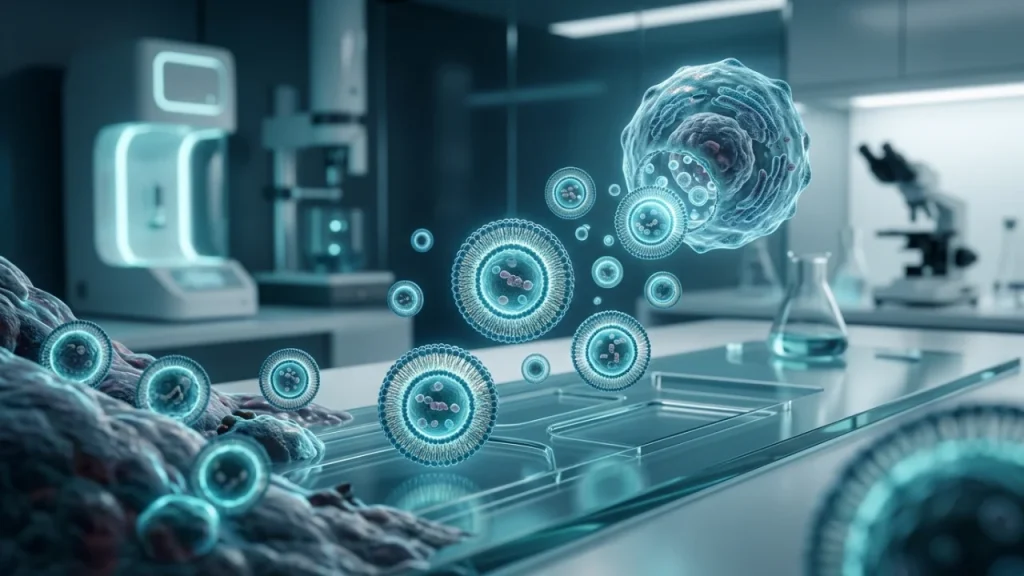
Imagine your body’s cells are like a vast city. They need to talk to each other. They do not use phones or emails. They use tiny packages. These packages are called exosomes. They are natural nanoscale vesicles. Think of them as microscopic mail trucks.
Cells make exosomes all the time. They bud off from the cell’s membrane into the space around it. This happens in every tissue. Each exosome is a tiny bubble filled with cargo. This cargo is the message.
What is inside these vesicles? The load is complex and specific. It contains proteins. It holds lipids. It carries RNA. RNA is a type of genetic instruction. This mix is not random. A skin cell sends a different cargo than a liver cell. A healthy cell sends different signals than a stressed one.
The process is deliberate. A cell packages what it needs to say. Then it sends the exosome out. The vesicle travels through bodily fluids. It moves in blood or spinal fluid. It navigates the spaces between cells.
The message gets delivered. The exosome finds another cell. It docks on the target cell’s surface. It can fuse with the membrane. It empties its cargo inside. Now the receiving cell gets new instructions.
This changes the second cell’s behavior. The new proteins might tell it to grow. The RNA might tell it to repair itself. The signals might calm an overactive immune response. This is how organs coordinate. It is how your body maintains balance.
Why should you care about this system? Because this talk is vital for health. When communication works, your body heals. When it fails, disease can start.
For example, consider wound healing. Damaged cells send exosomes. These vesicles tell nearby cells to multiply. They signal for new blood vessels to form. This closes the wound faster.
Cancer shows the dark side of this talk. Tumors use exosomes too. A cancer cell can send harmful messages. Its exosomes might tell the tumor to grow. They might hide the cancer from your immune system. They can even prepare other parts of the body for cancer to spread.
This natural system is powerful. Scientists are learning to listen in on these conversations. They can collect exosomes from a simple blood draw. By reading their cargo, doctors might spot disease early.
Researchers also want to send new messages. They are exploring how to load exosomes with therapeutic cargo. The goal is to create targeted treatments. This could mean directing healing exactly where it is needed.
The key point is this: exosomes are not just waste bags. They are a sophisticated biological postal service. They carry big messages in a tiny package. Understanding this code is a next frontier in medicine.
This leads to a crucial question. How can we use this natural system for good? The next step is looking at the science of harnessing these vesicles for therapy.
Why Exosomes Matter for Modern Medicine
Exosomes offer a new way to find disease. Doctors can find them in blood, urine, and saliva. They are easier to get than a tissue biopsy. Their cargo acts as a molecular snapshot of the cells that sent them. This snapshot can show what is happening deep inside your body.
For instance, a tumor releases distinct exosomes. These vesicles carry specific proteins and bits of genetic code called microRNA. By analyzing this cargo from a blood sample, doctors might detect cancer earlier than with current scans. Early detection often means simpler, more successful treatment.
This approach is not just for cancer. Researchers are studying exosome signatures for many conditions. – Neurodegenerative diseases like Alzheimer’s. – Autoimmune disorders such as rheumatoid arthritis. – Heart disease after a heart attack.
The goal is a simple liquid biopsy. This test could monitor health with a routine blood draw.
Exosomes also matter for creating new treatments. They are natural delivery vehicles. Our bodies do not usually attack them as foreign invaders. This makes them promising carriers for medicines.
Think of an exosome as a tiny, smart envelope. Scientists can load it with therapeutic cargo. This cargo could be healing proteins or corrective RNA molecules. The exosome’s natural surface helps it find the right address in the body.
This targeted delivery solves a big problem in medicine. Many powerful drugs affect the whole body. They cause side effects. An exosome could be engineered to deliver its payload primarily to diseased cells. This means more medicine goes to the sick tissue. Less goes to healthy areas.
A key area of study is regenerative medicine. The goal is to repair damaged organs. Mesenchymal stem cells are known for their healing signals. Many of these signals are sent via exosomes.
Researchers believe these exosomes can reduce harmful inflammation. They can encourage cells to regenerate. They may help form new blood vessels. Using the exosomes alone might be safer than using whole stem cells.
Another frontier is vaccination. Some companies are exploring exosomes to train the immune system. An exosome could present a tumor marker to immune cells. This teaches the body to recognize and fight cancer.
The work of a biotech company in Belgium highlights this global research focus. Scientists there and worldwide are decoding exosome biology. They are developing methods to produce them consistently at scale. They are designing ways to load them with precise cargo.
The path from lab to clinic has challenges. Scientists must ensure purity and safety. They must control the exact dose of therapy delivered. But the potential is vast.
Exosomes matter because they work with the body’s own systems. They use a natural communication network we all have. This approach could lead to treatments that are more precise and personal.
Medicine is moving beyond simply attacking disease. The future lies in sending clear instructions for repair. Exosomes are becoming a central tool in this new era of intelligent therapy. The next questions involve turning this science into reliable, accessible medicines for patients.
The Belgian Biotech Company Leading This Science
Belgium has a long history of pioneering medical science. This small European nation is now a central player in exosome research. Its unique environment helps turn lab discoveries into real therapies. A key reason is its dense network of world-class universities and hospitals. These institutions collaborate closely with biotech firms. This partnership speeds up the translation of basic science.
The country’s geographic position in Europe is a major asset. It sits at the crossroads of several leading research nations. This facilitates easy exchange of ideas and talent. Scientists often move between labs in Belgium, France, Germany, and the Netherlands. This cross-pollination fosters innovation in complex fields like vesicle biology.
Belgium also has a strong regulatory framework. Its health authorities are experienced with advanced therapy medicines. They provide clear pathways for developing new biologic drugs. This clarity is crucial for companies navigating the long road to clinical trials. It reduces uncertainty for investors and researchers alike.
Several technical strengths make Belgium ideal for this work. The country excels in precise manufacturing and quality control. Producing therapeutic exosomes requires these skills. Companies must isolate billions of identical vesicles. They must ensure each batch is pure and potent. Belgian expertise in nanotechnology and analytics meets this demand.
- Expertise in complex logistics and cold chain systems.
- A multilingual, highly skilled workforce for clinical operations.
- Strong intellectual property laws to protect inventions.
Funding mechanisms in Belgium support high-risk science. Public grants often target early-stage biotechnology. Venture capital firms in the region understand life sciences. This financial support allows researchers to explore bold ideas. It helps them solve the tough problems of scaling up production.
The collaborative culture cannot be overstated. University labs frequently work with hospital clinicians. They share samples and data openly. This direct link is vital for exosome research. Scientists can study vesicles from actual patient fluids. Clinicians can immediately test new findings at the bedside.
Belgium’s focus extends beyond human medicine. Its veterinary research institutes are also leaders. They study exosomes in animals. This work provides valuable models for human diseases. It can lead to therapies for pets and livestock too. This broad approach accelerates learning across species.
The national infrastructure supports large biobanks. These are collections of biological samples. Researchers use them to find new exosome biomarkers. They can search for signals of early disease. This resource is a treasure trove for diagnostic development.
A notable Belgian contribution is in standardization efforts. Scientists here help define how to measure exosomes. They create protocols that labs worldwide can follow. This work ensures research data is comparable and reliable. It builds a solid foundation for the entire field.
Patient advocacy groups in Belgium are also engaged. They help communicate the promise of new science like exosome therapy. Their involvement ensures research remains focused on real patient needs. This alignment keeps the work grounded and directed.
The legacy of previous scientific success plays a role too. Belgian researchers have won Nobel Prizes in medicine. This history creates a culture that expects excellence. It attracts top students and senior scientists from across the globe. They come to contribute to a winning tradition.
All these factors combine to create a powerful innovation engine. The country provides the tools, talent, and environment for breakthroughs. It is more than just a location for a single company. It is an integrated ecosystem designed for discovery.
This supportive landscape allows scientists to focus on their core mission. They can decode the intricate language of exosomes. They can engineer these natural messengers into precise tools. The goal is to create a new class of medicines that are both powerful and gentle.
The progress in Belgium reflects a global race to harness exosome potential. The work done here helps advance the entire field. It moves all researchers closer to reliable treatments for patients everywhere. The next step involves tackling the final hurdles of manufacturing and delivery at scale.
How Exosomes Differ from Stem Cells
Stem cell therapy has captured public imagination for years. It often involves transplanting living cells into a patient. These cells aim to repair or replace damaged tissue. Exosome therapy represents a different, more targeted strategy. It uses the powerful messages cells send, not the cells themselves.
Think of a stem cell as a complete factory. It can divide and become different cell types. An exosome is more like a specialized delivery truck. It leaves the factory carrying crucial instructions. The truck does the work without building a new factory at the destination.
This difference leads to major practical benefits. Safety is a primary concern. Living stem cells can sometimes divide in unpredictable ways. They might form unwanted tissues or trigger immune reactions. Exosomes are not alive. They cannot replicate or grow. They simply deliver their cargo and are cleared by the body. This offers a safer profile.
The mode of action is also distinct. Stem cells often work through a “bystander effect.” They secrete helpful factors that influence nearby cells. Exosomes are nature’s version of this secretion, refined over millions of years. They are the key messengers in that process. Scientists can now harvest and refine these messengers.
Exosomes provide precise engineering control. Researchers can load them with specific therapeutic molecules. These can be microRNAs, proteins, or growth factors. It is like programming a delivery truck with an exact address and package. Stem cells are harder to control with that level of precision after administration.
Consider the issue of scale and manufacturing. Growing live stem cells is complex and costly. They need strict conditions to stay alive and consistent. Producing exosomes can be more scalable. Once the process is mastered, generating large amounts is more straightforward. This matters for making treatments widely available.
Storage and transport are easier too. Live cells often need deep freezing or special solutions. Exosomes are far more stable. They can be stored as a freeze-dried powder. This simplifies logistics from the lab to the clinic.
The therapeutic targets differ as well. Stem cells are often used for structural repair. Think of rebuilding cartilage in a knee or heart muscle after an attack. Exosomes excel at modulating processes. They can calm an overactive immune system in autoimmune disease. They can reduce inflammation in an arthritic joint. They send signals to change cell behavior.
Here is a simple comparison of key points:
- Mechanism: Stem cells are living, acting units. Exosomes are signal carriers.
- Safety Profile: Living cells carry division risks. Exosomes are non-living and cannot replicate.
- Precision: Stem cells act broadly. Exosomes can be engineered for targeted delivery.
- Manufacturing: Growing cells is biologically complex. Isolating exosomes offers scaling potential.
- Primary Use: Stem cells often aim for tissue regeneration. Exosomes often aim for immune modulation and signaling.
It is not that one approach is universally better. They are different tools for different jobs. For some conditions, replacing whole cells is necessary. For many others, sending the right instructions is enough and safer.
This understanding highlights why a biotech company in Belgium might focus on exosomes. The field leverages precise biological communication. It aligns with modern medicine’s move towards targeted, minimal-intervention therapies. The promise lies in harnessing the body’s own sophisticated messaging system.
This leads to the next logical question: how are these remarkable messengers prepared for medical use?
Real-World Problems Exosomes Could Solve
Exosomes are not just lab curiosities. They offer new paths to tackle tough medical problems. One major area is chronic inflammation. This is a slow-burning fire inside the body. It drives diseases like rheumatoid arthritis and inflammatory bowel disease. Current drugs can suppress the whole immune system. This leads to side effects. Exosomes from certain cells carry natural anti-inflammatory signals. They could target only the inflamed tissue. The goal is to douse the fire without harming healthy defenses.
Neurodegenerative diseases present another huge challenge. In conditions like Alzheimer’s, brain cells lose connections and die. Delivering drugs across the protective blood-brain barrier is difficult. Exosomes have a natural ability to cross this barrier. Researchers are exploring them as delivery vehicles. They could carry therapeutic molecules directly to brain cells. This approach might slow disease progression. It represents a targeted strategy where few exist.
The fight against cancer also sees potential. Tumors use exosomes to spread and hide from the immune system. But scientists are learning to fight fire with fire. They are engineering therapeutic exosomes in the lab. These exosomes could be loaded with anti-cancer drugs. They might also carry markers that train immune cells to find and attack tumors. This turns a cancer tool into a weapon against it.
Consider tissue repair after injury. Healing a severe muscle tear or a diabetic skin ulcer is slow. The body’s natural healing signals can get weak or lost. Exosomes from stem cells are packed with instructions for repair. They can tell local cells to rebuild blood vessels. They can reduce scar tissue formation. Applying such exosomes directly to a wound could accelerate clean, functional healing.
Organ transplantation faces the problem of rejection. A patient’s immune system may attack the new organ. Lifelong immunosuppressive drugs have serious risks. Exosomes might offer a more refined solution. Tolerant immune cells release exosomes that can teach the body to accept the transplant. This concept, called tolerance induction, aims for acceptance without broad suppression.
These examples share a common thread. They address issues where current treatments are invasive, broad, or limited. The work of a conveyxo biotech company belgium exosomes research aligns here. It focuses on precise biological solutions for complex conditions. The real-world promise lies in smarter intervention.
The problems are clear. The scientific rationale is strong. So what stands between this potential and actual treatments? The next step involves rigorous manufacturing and testing.
How Exosomes Work Inside the Human Body
The Journey of an Exosome from Cell to Cell
Exosomes begin their journey inside a cell’s sorting station. This area is called an endosome. It collects various cellular materials. These materials include proteins and genetic instructions. The endosome membrane then pinches inward many times. This action forms many tiny vesicles inside a larger sac. Think of a bubble within a bubble. The inner bubbles are the future exosomes. The larger sac is called a multivesicular body.
This multivesicular body now holds its cargo. It travels through the cell’s interior. Its destination is the outer cell membrane. The sac fuses perfectly with this membrane. The fusion is like two soap bubbles merging into one. The process opens the sac to the outside world. It releases the inner vesicles into the space around the cell. These released vesicles are now exosomes. A single cell can release thousands at a time.
The exosome is now adrift in extracellular fluid. This fluid surrounds all cells in tissues. The exosome’s membrane protects its precious cargo. The cargo stays safe from enzymes that could break it down. The exosome does not move on its own. It travels by drifting in this fluid. It can also enter blood or lymph flow for longer trips.
Delivery depends on a precise lock-and-key system. The exosome’s surface is studded with proteins. These proteins act as keys. Target cells have specific locks on their surface. These locks are called receptors. When an exosome finds a cell with the right receptor, it docks. The docking can happen in two main ways.
First, the exosome can fuse directly with the target cell’s membrane. This fusion is similar to how it was released. It merges its membrane with the cell’s membrane. This action empties the exosome’s cargo directly into the cell’s interior. The cargo is now inside the target cell.
Second, the entire exosome can be swallowed by the cell. This process is called endocytosis. The cell’s membrane wraps around the exosome. It forms a new bubble around it inside the cell. This bubble then breaks open to release the cargo.
The delivered cargo then goes to work. It contains active molecules that change the target cell’s behavior. – MicroRNA molecules can silence specific genes. They turn off production of certain proteins. – Messenger RNA can provide new blueprints. It tells the cell to make new proteins. – Proteins and enzymes can kick-start chemical reactions immediately.
This signal changes what the target cell does. For instance, a stem cell exosome might reach a damaged skin cell. Its cargo could tell that skin cell to divide faster. It could instruct it to make more collagen for repair. The signal is precise and potent.
The entire journey is a natural biological messaging system. It is fast and efficient over short distances. Research into applications aims to copy and guide this system. The work of a conveyxo biotech company belgium exosomes field explores this deeply. Scientists learn how to load custom cargo onto exosomes. They also study how to steer them to specific cell types.
This precise journey from cell to cell is fundamental. It explains why exosomes hold such therapeutic potential. They are nature’s own targeted delivery vehicles. Understanding this path allows us to harness it for medicine. The next challenge is scaling this natural process for consistent treatments.
What Exosomes Carry: Proteins, RNA, and More
Exosomes carry a complex molecular toolkit. This cargo is not random. Cells carefully select and pack these items for delivery. Think of an exosome as a tiny shipping container. Its contents are the actual instructions and tools for repair.
The main cargo types are proteins, RNA, and lipids. Each type has a different job. Together, they create a powerful signal.
Proteins are the workhorses. They can be structural or functional. Some proteins sit on the exosome’s surface. They act like address labels. These labels help the exosome find the right cell. Other proteins are packed inside. These are active enzymes and signaling molecules.
For example, an exosome might carry growth factors. These proteins tell a target cell to grow and divide. Another exosome could carry enzymes that break down scar tissue. The protein mix defines the exosome’s mission.
RNA is the information molecule. It carries genetic instructions. Messenger RNA, or mRNA, is a common cargo. mRNA provides a blueprint. A target cell reads this blueprint. Then it builds a new protein.
MicroRNA, or miRNA, is even more common. It does the opposite job. miRNA blocks specific messages inside a target cell. It can silence genes. This turns off the production of certain proteins.
This is a precise control system. An exosome can deliver mRNA to start a process. It can also deliver miRNA to stop another process. The balance is key.
Lipids are the building blocks of membranes. Exosomes carry special lipids on their surface. These lipids help with fusion. They allow the exosome to merge smoothly with a target cell’s membrane.
Lipids also send signals themselves. Certain lipid types can reduce inflammation. Others can promote cell survival. The lipid layer is active, not just packaging.
The exact cargo depends on the parent cell’s state. A healthy stem cell sends helpful signals. A stressed or cancerous cell sends different signals. Its exosomes might tell other cells to grow uncontrollably.
Researchers analyze this cargo to understand diseases. They look for specific proteins or RNA strands. These molecules can serve as early warning signs. This is a major focus in the conveyxo biotech company belgium exosomes research landscape.
Cargo is also dynamic. It changes based on the cell’s environment. A cell exposed to inflammation will pack different miRNAs. It adapts its messages for the situation.
Here is a simple list of common cargo purposes: – Growth promotion: Proteins like VEGF tell cells to form new blood vessels. – Immune regulation: Proteins like TGF-β can calm an overactive immune response. – Gene silencing: miRNAs can turn off harmful or excessive genes in target cells. – Metabolic support: Enzymes can help a struggling cell produce more energy.
Loading therapeutic cargo is a central challenge. Scientists want to put specific drugs or genes inside exosomes. They aim to create custom delivery packages. This requires mimicking nature’s precise packing system.
Understanding this molecular freight is crucial. It shows why exosomes are more than simple bubbles. They are sophisticated communication packets. Their power lies in this curated mix of molecules.
The next step is learning to control this cargo for consistent medical effects.
How Exosomes Cross Tough Biological Barriers
Exosomes face a major delivery challenge. The human body has strong defenses. These barriers protect vital areas like the brain. They also block most drugs. Exosomes have a natural talent for crossing these walls.
Their small size is the first key. Exosomes measure between 30 and 150 nanometers. A nanometer is one billionth of a meter. They are far smaller than a human cell. This tiny scale lets them move through tiny spaces in tissues.
Their membrane is the second key. It is made of a lipid bilayer. This is the same material as our own cell walls. The body recognizes this as “self.” It does not attack it quickly. This helps exosomes avoid immune destruction.
One major barrier is the blood-brain barrier. This is a tight wall of cells. It shields the brain from toxins in the blood. Almost all large molecules and drugs cannot pass. Exosomes can cross it.
They use several clever methods. Some exosomes display special proteins on their surface. These proteins bind to receptors on the barrier’s cells. This signals the cell to let the vesicle through. Other exosomes are simply taken up by the cells. They pass through the cell and exit on the other side.
This ability is vital for treating brain diseases. It offers a path for medicines to reach the brain. The conveyxo biotech company belgium exosomes field studies this deeply. The goal is to harness this natural delivery system.
Exosomes also penetrate solid tumors. Tumors create a dense, chaotic environment. Blood flow is poor. Large drug molecules cannot seep in deeply. Exosomes navigate this maze well.
Their journey involves specific steps: – Margination: They move from blood flow to the vessel wall near the target. – Adhesion: Surface proteins stick to markers on the tumor’s blood vessels. – Transmigration: They cross the vessel wall into the tumor tissue. – Deep penetration: Their small size lets them spread through the tumor mass.
They can even enter cells easily. Their membrane fuses with the target cell’s membrane. This delivers the cargo directly inside. It is like a tiny ferry docking and unloading.
Crossing barriers is not random. Exosomes have targeting signals. These signals come from their parent cell. A stem cell’s exosome often seeks damaged tissue. A cancer exosome might seek liver or bone.
Scientists are learning to control this targeting. They can add special molecules to the exosome surface. These molecules act like GPS addresses. They guide the vesicle to a liver cell or a heart muscle cell.
This precision reduces side effects. Medicine goes only where it is needed. It does not flood healthy organs. This makes treatments safer and more effective.
Research shows real-world evidence. In studies, labeled exosomes injected into mice reach specific organs. They are found in the brain, lungs, and liver within hours. Their cargo remains active upon arrival.
Overcoming biological barriers is a core strength of exosomes. It sets them apart from synthetic drug carriers. Their natural design is optimized by evolution. It makes them perfect for delivering delicate therapeutic cargo to protected sites.
Mastering this delivery is the next frontier for reliable therapies.
Why Your Body Makes Exosomes Naturally
Your body is not just a collection of cells. It is a vast network. These cells constantly talk to each other. They send billions of tiny messages every second. Exosomes are one of their main communication tools.
Think of them as biological text messages. Cells package small bits of information into these vesicles. Then they send them out into the bloodstream or other fluids. Nearby or distant cells receive these messages. This system is vital for health.
Why does your body invest energy in making these vesicles? The reasons are practical and essential. Exosomes handle jobs that are too risky or complex for other systems.
First, they manage cellular waste and recycling. Cells always generate extra material. This includes damaged proteins and outdated RNA molecules. Instead of dumping this debris inside the cell, they pack it into exosomes. The cell then releases these packets outside. This is a safe disposal method. It keeps the internal cell environment clean and functional.
Second, exosomes are master signalers. They help coordinate activities across different organs. For example, after you eat a meal, fat cells can release exosomes. These vesicles travel to your muscles and liver. They carry signals that help manage energy storage and use. This ensures your body responds as a unified system.
They also play a key role in your immune defense. When a cell detects a virus, it can send out exosomes. These exosomes carry alarm signals. They alert neighboring cells to boost their defenses. Some exosomes even carry pieces of the virus itself. This acts like a wanted poster. It helps train immune cells to recognize and attack the invader.
The process is not just for emergencies. It is part of daily maintenance. Stem cells in your bone marrow release exosomes regularly. These vesicles travel to tissues needing repair. They deliver instructions and building materials. This helps maintain healthy skin, bones, and organs over time.
Research shows the scale is immense. A single milliliter of your blood contains billions of these natural nanoparticles. Their cargo changes based on your body’s state. During exercise, exosomes carry different signals than during sleep. During stress, their content shifts again.
This natural system is precise and efficient. It uses the body’s own language. There is no risk of rejection or harsh immune reaction. The belgian biotech company Conveyxo studies this innate power closely. Their work focuses on how these natural processes can guide new therapies.
The body’s use of exosomes highlights their safety and versatility. Evolution has refined this delivery method over millions of years. Scientists are now learning to speak this cellular language. They aim to copy its precision for medicine.
Understanding this background changes how we view therapy. We are not introducing a foreign tool. Instead, we are amplifying a native, trusted system already at work inside us every day. This foundational knowledge bridges our understanding to how science can enhance these natural processes for healing.
Signals That Trigger Exosome Release
Cells do not release exosomes at random. They send these vesicles out for specific reasons. A key trigger is cellular stress. When a cell faces a threat, it often responds by releasing more exosomes. This is a form of communication. The cell is signaling for help.
For example, consider oxygen deprivation. This is called hypoxia. When tissue does not get enough oxygen, cells become stressed. They release exosomes loaded with special signals. These signals can tell nearby blood vessels to grow. New vessels can then bring more oxygen to the area.
Inflammation is another powerful trigger. Damaged or infected cells release chemical alarms. These alarms, called cytokines, tell other cells to act. Many of those cells then release exosomes. The exosomes carry orders to ramp up the immune response or to start repairing tissue.
The state of a cell’s environment matters too. Changes in acidity, temperature, or nutrient levels can all act as triggers. Cancer cells exploit this system. They live in a harsh, crowded tumor environment. In response, they release huge numbers of exosomes. These vesicles help the tumor grow and spread.
Healthy daily processes also trigger release. Exercise is a good example. Physical activity stresses muscles in a good way. Muscle cells respond by sending out exosomes. These vesicles travel through the bloodstream. They may help other organs, like the liver or brain, adapt to the exercise.
The triggers are not just external. Internal cellular programs activate exosome release. When a stem cell decides to mature into a specific cell type, it releases exosomes. These vesicles carry instructions that guide the development of neighboring cells.
Here are three common cellular triggers: – Physical damage to the cell membrane. – A buildup of unwanted or toxic materials inside the cell. – Direct signals from other cells received at the surface.
The process of creating and releasing an exosome is also tightly controlled. It starts inside the cell, in compartments called endosomes. These endosomes collect specific cargo. The cargo includes proteins and RNA messages. The endosome then pinches off small vesicles inside itself. These internal vesicles are the future exosomes.
The endosome, now full of these vesicles, is called a multivesicular body. It moves to the outer membrane of the cell. It fuses with this membrane. Finally, it releases the exosomes into the space outside the cell. This whole sequence is a deliberate export operation.
Different triggers lead to different cargo. A cell fighting a virus will pack its exosomes with antiviral signals. A cell repairing a wound will pack growth factors. This ensures the message matches the need.
Understanding these triggers is crucial for science. It allows researchers to mimic natural signals in the lab. They can coax cells to produce therapeutic exosomes. This research into natural triggers is a core focus for experts studying these processes.
The belgian biotech company Conveyxo examines these precise release mechanisms. Their work on conveyxo biotech company belgium exosomes involves decoding which signals yield the most beneficial vesicles for healing.
In essence, exosome release is a finely tuned response system. Cells use it to report their status and coordinate actions across the body. This turns every tissue into a network of constant, intelligent communication. Knowing what starts the conversation is the first step toward guiding it for better health.
The Science Behind Exosome Therapies
How Scientists Engineer Exosomes for Precision
Scientists can now engineer exosomes for specific medical tasks. This process is often called “loading” and “targeting.” It turns natural messengers into precise delivery tools. Think of a natural exosome as a blank envelope. It can carry a message. But scientists want to control both the message inside and the address on the outside.
The first step is loading the therapeutic cargo. This means putting a specific drug or instruction into the exosome. Researchers have developed several clever methods to do this. Each method has its own strengths for different types of cargo.
One common approach is post-loading. Here, scientists first collect empty exosomes from cells. Then they open them temporarily. They use electrical pulses or gentle detergents to create tiny holes in the vesicle’s membrane. The desired drug molecules can slip inside through these holes. After loading, the membrane seals itself again. This method works well for small drug compounds.
Another strategy is pre-loading. In this case, scientists engineer the parent cells themselves. They insert new genes into the cells. These genes instruct the cell to produce a specific therapeutic protein or RNA. The cell then naturally packages this material into the exosomes as they form. The exosomes are born already loaded with the correct cargo. This is very effective for large biological molecules.
A third technique uses simple incubation. Some small molecules can cross the exosome membrane on their own. Scientists mix the exosomes with these drugs for several hours. The cargo slowly diffuses inside. This is a passive but gentle loading method.
The second major step is targeting. A loaded exosome must find the right cells. Natural exosomes often lack precise direction. Scientists solve this by adding “homing signals” to the exosome surface. These signals are usually special proteins or peptides.
Researchers can attach these targeting molecules directly to the membrane. They use chemical linkers to connect the homing signal to lipids on the exosome’s surface. It is like attaching a postal code tag to the envelope.
A more advanced method again uses genetic engineering. Scientists give parent cells the gene for a special fusion protein. This protein sits on the exosome surface. One part anchors it to the membrane. The other part sticks out as the targeting signal. The cell produces exosomes that are already correctly addressed.
For example, an exosome might be engineered to target liver cells. Scientists would use a homing signal that binds only to receptors on liver cells. An exosome for brain repair might have a signal that helps it cross the protective blood-brain barrier.
These engineering steps are being refined by biotech research globally. Work on conveyxo biotech company belgium exosomes explores how to optimize these processes for stability and effect. The goal is to create consistent, potent therapeutic vesicles.
Quality control is vital after engineering. Scientists must check several things. They measure how much cargo is inside each exosome batch. They test if the targeting signals are present and active. They also ensure the exosomes are still intact and functional.
This engineering turns a natural system into a targeted technology. It allows for precise medical strategies. One engineered exosome could deliver anti-inflammatory drugs directly to an arthritic joint. Another could carry tumor-suppressing RNA straight to cancer cells.
The final challenge is scaling up production. Making millions of identical, engineered exosomes in a lab is complex. It requires strict control over cell conditions and purification steps. This manufacturing science is as important as the initial design.
In summary, exosome engineering involves deliberate design choices. Scientists control the cargo and the destination. This precision moves us from observing natural communication to directing it for healing. The next logical question is how these designed vesicles perform in real therapeutic applications, moving from concept to clinical potential.
Why Exosomes Are Ideal Delivery Vehicles
Exosomes have a unique set of natural properties. These properties make them ideal for delivering therapies. They are not a synthetic invention. Our own cells make them every day.
First, exosomes are inherently safe. The human body already produces billions of them. This means they are biocompatible. Your immune system is less likely to attack them. Synthetic nanoparticles can sometimes cause inflammation or side effects. Natural exosomes avoid many of these problems. They are made from the same materials as our cell membranes.
Their small size is a major advantage. Exosomes are measured in nanometers. They are about one hundred times smaller than a typical human cell. This tiny scale lets them travel through the bloodstream easily. It also allows them to reach tissues that larger particles cannot access.
The membrane of an exosome is key to its function. This outer layer is not just a simple bubble. It is rich in proteins and lipids. These molecules act like addresses. They help the exosome find and enter specific target cells. This is natural targeting. Scientists can then enhance this ability through engineering, as noted in work on conveyxo biotech company belgium exosomes.
Exosomes also protect their cargo. The inside of an exosome is a shielded space. It protects delicate molecules like RNA and proteins. These molecules would quickly break down if injected alone into the blood. The exosome’s membrane keeps them safe from destructive enzymes. This ensures the cargo arrives intact at its destination.
Delivery efficiency is high. Because they are natural, exosomes fuse easily with cell membranes. They can directly transfer their cargo into a target cell’s cytoplasm. This process is more efficient than other methods that require the cell to actively take up the particle.
Let’s compare exosomes to two common delivery methods. – Liposomes are artificial fat bubbles. They can be useful but are less complex. Their surfaces lack the natural targeting signals of exosomes. – Viral vectors use modified viruses. They can be very efficient at gene delivery. However, they risk triggering strong immune reactions. Some patients may already have antibodies against them.
Exosomes face fewer of these hurdles. Their natural origin provides a strong foundation for medicine. Research into conveyxo biotech company belgium exosomes focuses on harnessing these innate traits.
The stability of exosomes is another benefit. They are robust vesicles. They can be frozen and stored without losing function. This is critical for creating a practical medicine that can be shipped and used in clinics worldwide.
Finally, exosomes are versatile carriers. They can hold many different types of therapeutic cargo. – They can carry small drug molecules. – They can transport silencing RNA to turn off harmful genes. – They can deliver growth factors to help tissues heal.
This versatility, combined with their safety profile, sets them apart. It makes them a powerful platform for many diseases.
In essence, exosomes are nature’s own precision delivery system. Their biocompatibility, targeting ability, and protective capacity make them superior to many human-made alternatives. This strong biological foundation is what scientists build upon when they engineer therapies. The next step is to see how these inherent advantages translate into actual treatment strategies for patients.
Steps to Create a Therapeutic Exosome Product
Creating a therapeutic exosome product is a precise multi-step journey. It starts with selecting the right cell source. Not all cells are equal for this purpose. Scientists often choose mesenchymal stem cells. These cells are known for their healing signals. Other sources include immune cells or even plant cells. The choice depends on the intended disease target. The selected cells are then grown under strict conditions. They are nurtured in special nutrient-rich fluids. This environment is called a bioreactor. It allows cells to thrive and naturally release exosomes into their surroundings.
The next phase is harvesting and isolation. The nutrient fluid, now containing exosomes, is collected. The tiny exosomes must be separated from other cell debris and proteins. This is a critical technical step. Several methods exist for this purification. – Ultracentrifugation spins the fluid at extremely high speeds. This forces the denser exosomes to form a pellet. – Size-exclusion chromatography filters the mixture. It lets smaller particles pass through while capturing larger ones. – Precipitation techniques use special solutions to gently pull exosomes out of liquid.
Each method has pros and cons. The goal is always purity and yield. Isolated exosomes are then analyzed. Scientists check their size, shape, and surface markers. This confirms they have the right vesicles. This quality control is vital.
Often, the natural exosomes are then engineered. This step enhances their innate abilities. Scientists might load them with a specific drug. They could also modify their surface proteins. These changes improve targeting to a diseased organ, like the heart or brain. Research into conveyxo biotech company belgium exosomes explores such advanced engineering techniques. The aim is to create smarter, more effective vesicles.
After engineering, the product undergoes rigorous testing. Scientists first study exosomes in lab dishes with human cells. They confirm the vesicles are not toxic. They also verify that the therapeutic cargo is delivered correctly. The next stage involves animal models. These studies show how exosomes behave in a living system. They check if the treatment reduces inflammation or helps heal damaged tissue.
If results are strong, the process moves to manufacturing scale-up. Producing exosomes for a few lab mice is one thing. Making enough for human clinical trials is another challenge entirely. Scientists must replicate the entire process on a much larger scale. They use bigger bioreactors and purification systems. Every step must remain consistent and controlled.
Finally, the product is formulated and stored. The pure exosomes are prepared in a stable solution. They are often frozen at very low temperatures. This preserves their function during transport and storage. Extensive documentation tracks every single step of production. This ensures each batch is identical, safe, and potent.
This entire pipeline from cell selection to vial takes great care. It transforms a natural biological process into a reliable therapeutic candidate. Each step builds upon the inherent strengths of exosomes while aiming for clinical precision and safety. The final outcome is a potential medicine ready for evaluation in people.
Testing Exosomes for Safety and Effectiveness
Testing is a non-negotiable step in developing any new therapy. For exosome-based treatments, scientists run a battery of specific checks. These tests confirm safety and biological activity. They ensure the vesicles do exactly what researchers design them to do.
First, scientists must verify the product’s identity. They check if the vials contain genuine exosomes. This involves looking for specific protein markers on the vesicle surface. These markers act like a molecular fingerprint. Tests also confirm the absence of contaminants from the original cells. This step proves the preparation is pure.
Next, teams measure physical characteristics. They use machines to determine the exosomes’ size and concentration. A proper therapeutic batch has vesicles within a tight size range, typically 30 to 150 nanometers. Scientists also check the electrical charge on the exosome surface. This charge can influence how well the vesicles interact with target cells.
Safety testing begins with cells in a dish. Researchers expose different human cell types to the exosomes. They watch for any signs of toxicity or unexpected cell death. A key goal is to confirm the exosomes do not trigger harmful inflammation. This initial screen provides early safety data.
The next phase involves functional assays. These tests ask: do the engineered exosomes work? Scientists design experiments to measure specific outcomes. For example, they might treat damaged skin cells with exosomes carrying healing signals. They then monitor how quickly the cells move to close a simulated wound.
Another common test measures anti-inflammatory power. Researchers first provoke an immune response in cells. Then they add the therapeutic exosomes. They measure levels of inflammatory molecules afterward. A successful candidate will show a significant reduction.
Testing then moves to more complex models. Researchers often use 3D tissue cultures. These systems better mimic real human tissue. Scientists can test if exosomes help regenerate cartilage or repair a layer of neurons. These models bridge the gap between simple cells and whole animals.
Animal studies provide crucial in vivo data. Researchers select models that mimic a human disease. For instance, they might study mice with injured tendons or inflamed joints. The exosome therapy is administered in a controlled manner. Scientists then collect multiple data points over time.
They track several key metrics in these animals: – Changes in biomarkers from blood tests. – Visual improvement via imaging technologies. – Physical recovery of function, like walking ability. – Detailed tissue analysis after the study ends.
All this data builds a profile of effectiveness and dosage. It shows how much therapy is needed for a benefit. It also reveals the optimal way to deliver it, such as through injection or intravenous infusion.
A major focus is on biodistribution. Scientists need to know where the exosomes go in the body. They use special labels or dyes to track the vesicles. This research confirms exosomes reach the intended damaged tissue. It also ensures they do not accumulate in healthy organs where they are not needed.
Long-term safety is also assessed in animals. Studies last for several weeks or months. Researchers look for any delayed immune reactions or organ stress. They conduct thorough examinations of major organs like the liver and kidneys. This step is vital for predicting human safety profiles.
Finally, all results are compiled and analyzed against strict criteria. The data must show a clear positive effect without serious side effects. The entire testing cascade is designed to be predictive and rigorous. It transforms a promising lab concept into a credible candidate for human trials. This meticulous process underpins the transition from basic science to potential medicine, ensuring that only the most validated therapies move forward to help patients.
Challenges in Exosome Production and Scale
Creating exosome therapies is a complex engineering task. It is not just about science. Scientists must produce vast quantities of pure and potent exosomes. This process faces several major challenges.
The first hurdle is the source. Exosomes come from living cells. These cells must be grown in controlled environments called bioreactors. Not all cell types produce exosomes equally. Some produce very few vesicles. Others may produce exosomes with inconsistent properties. Finding a reliable and scalable cell source is critical.
Growing cells at a large scale is difficult. Cells need precise conditions to thrive. They require specific nutrients and temperatures. Any change can stress the cells. Stressed cells might release different exosomes. They could even release harmful substances. Maintaining perfect conditions for thousands of liters of cell culture is a massive technical challenge.
After growth, the exosomes must be collected. They are mixed with many other cell products. Separating them is like finding needles in a haystack. The exosomes are incredibly small. They are one hundred times thinner than a human hair. Isolation must be very gentle. Harsh methods can damage the delicate vesicles and destroy their therapeutic power.
Several isolation methods exist. Each has pros and cons. – Ultracentrifugation spins samples at extreme speeds. It is a common research tool but hard to scale up for medicine. – Filtration uses tiny pores to sort by size. It can be faster but may clog or shear exosomes. – Chemical precipitation uses polymers to pull exosomes out of solution. It is simpler but can co-precipitate contaminants.
Purity is a constant concern. The final product must contain only exosomes. It must be free of other tiny particles from cells. Even small amounts of impurities could cause immune reactions in patients. Ensuring this level of purity for millions of doses requires flawless processes.
Another challenge is characterization. Every batch of exosomes must be identical. Scientists must check their size, number, and surface markers. They also need to confirm biological activity. This quality control is slow and expensive. Without it, treatments would be unpredictable.
Storage and transportation add more complexity. Exosomes are fragile biological structures. They can degrade if frozen or thawed incorrectly. Finding a way to keep them stable for long periods is key for global distribution. A therapy cannot help patients if it spoils on the way to the clinic.
Finally, cost is a significant barrier. All these steps require specialized equipment and clean rooms. The current methods are often designed for lab research, not mass production. Making therapies affordable means inventing new, efficient manufacturing systems.
These challenges define the current frontier in the field. Solving them is what transforms a lab discovery into a real medicine. It requires close collaboration between biologists and engineers. The goal is to build robust pipelines that deliver safe, consistent, and potent exosome therapies to patients worldwide. This work ensures that promising science can eventually reach the people who need it most.
Medical Conditions Targeted by Exosome Research
How Exosomes Could Repair Damaged Tissues
Exosomes act as natural repair messengers in the body. They carry specific instructions to cells. Damaged or diseased tissues often lose the ability to heal themselves. Exosomes can restore this capacity. They deliver signals that tell resident cells to start rebuilding.
One key area is wound healing. Chronic wounds, like diabetic ulcers, often stall in the inflammatory phase. Exosomes from certain cells can change this. They carry molecules that reduce inflammation. They also encourage new blood vessel growth. This process is called angiogenesis. Better blood flow brings oxygen and nutrients to the area. This helps skin cells multiply and close the wound.
Orthopedic injuries also show promise. Cartilage in joints has very poor healing ability. Once damaged, it often leads to arthritis. Research indicates exosomes can help here. They may instruct cartilage cells to produce more matrix. This matrix is the structural support of the tissue. Exosomes might also calm joint inflammation. This two-pronged approach could delay or prevent joint replacement surgery.
Heart muscle damage after a heart attack is another major target. Dead cardiac cells do not regrow. This weakens the heart. Studies show exosomes can promote repair in several ways: – They reduce scar tissue formation. – They stimulate growth of new, small blood vessels in the heart. – They encourage survival of existing heart muscle cells.
The brain and nervous system represent a frontier. Neurons have limited regeneration capacity. Exosomes can cross the blood-brain barrier. This makes them unique messengers. In stroke recovery, they might help rewire circuits. They could dampen harmful inflammation after the injury. For neurodegenerative diseases, they may help clear toxic proteins or support struggling nerve cells.
The lung is an organ constantly exposed to injury. In conditions like pulmonary fibrosis, lung tissue becomes scarred and stiff. Exosome research explores how to reverse this scarring. The vesicles might tell fibroblast cells to stop overproducing scar material. They could also promote regeneration of the delicate alveolar walls where gas exchange occurs.
The common thread in all these examples is communication. Exosomes provide precise biological commands. They tell cells to: – Reduce destructive inflammation. – Start dividing and migrating. – Produce new structural proteins. – Form new blood vessels.
This is different from many current drugs. Drugs often block a single pathway. Exosomes deliver a whole toolkit of coordinated signals. This mimics the body’s own natural healing process more closely.
The source of the exosomes matters greatly. Exosomes from stem cells are studied widely. These vesicles seem to carry pro-regenerative signals. However, exosomes from other cell types might have specialized functions. The field is mapping which exosome sources work best for each condition.
Delivery methods are also part of the research. Scientists are testing how to get exosomes to the exact site of injury. Direct injection into a joint or wound is one method. Systemic intravenous delivery is another for conditions like heart or brain injury. The goal is to ensure the vesicles reach their target in sufficient numbers.
The potential impact is broad because tissue damage is central to many diseases. Successful repair could change lives. It could turn chronic, progressive conditions into manageable ones. This promise drives the intense research effort worldwide.
Overcoming the manufacturing hurdles described earlier is essential. Only with pure, consistent, and potent exosomes can these healing mechanisms be safely tested and used in medicine. The next step is to examine how these therapies move from research into clinical trials with patients.
Exosomes in Fighting Complex Diseases Like Cancer
Cancer cells are not just growing out of control. They are active communicators. They send out many more exosomes than healthy cells do. These tumor-derived vesicles act as messengers. They can travel far in the body. Their cargo can prepare distant sites for cancer spread. This process is called metastasis.
Exosomes from tumors carry specific signals. These signals can do several harmful things. – They can suppress the local immune system. This lets the tumor hide from the body’s defenses. – They can instruct normal cells to build new blood vessels. These vessels feed the growing tumor. – They can break down surrounding tissue. This creates a path for cancer cells to move. – They can make organs like the liver or bones more welcoming for cancer cells to settle.
This dark side of exosome biology is a major research focus. Yet scientists see a unique opportunity here. The very properties that make exosomes dangerous could be turned against cancer. This is a key area of study for modern biotechnology firms.
One strategy is to intercept and block bad exosomes. Researchers are designing molecules that act like sponges. These molecules would capture harmful vesicles in the bloodstream. This could stop them from sending their dangerous messages. Another idea is to empty tumor exosomes of their bad cargo. Scientists could then refill them with good drugs.
A more direct approach uses engineered exosomes as treatment vehicles. Remember, exosomes are natural delivery systems. Our cells make them to carry molecular messages. Scientists can load them with anti-cancer drugs instead. These engineered vesicles have a big advantage. They can often cross barriers that block other drugs.
For example, the brain has a protective shield called the blood-brain barrier. It keeps most medicines out. Exosomes might be able to cross this barrier. They could deliver chemotherapy directly to brain tumors. This would reduce damage to healthy parts of the body.
Exosome research also aims to train the immune system to fight cancer. This is part of immunotherapy. Scientists take exosomes from immune cells. They load these vesicles with markers from cancer cells. When injected back into the patient, they act like a wanted poster. They show the immune system exactly what to look for and attack.
The fight against cancer requires precise tools. Traditional chemotherapy affects all fast-dividing cells. This causes severe side effects. Exosome-based approaches aim for more accuracy. The goal is to target only the cancer cells and their support network.
Clinical trials are exploring these ideas. Early-phase studies test safety in patients with advanced cancers. Some trials use exosomes to deliver standard drugs better. Others use them as standalone immune therapies. The results so far are cautious but promising. They show that these nanoscale vesicles can be given safely.
The path is long and complex. Cancer is a clever and adaptable disease. A single treatment is rarely enough. Future therapies will likely combine exosome technology with other methods. This multi-pronged attack could outsmart the tumor’s defenses.
Understanding exosome communication is vital. It helps us see how cancer survives and spreads. This knowledge opens new doors for intervention. The same tiny messengers that spread disease could one day carry the cure.
This research moves us from simply killing cells to intelligently controlling their environment. It represents a shift in how we think about treating complex diseases. The next logical step is to see how these concepts apply to other widespread chronic conditions, like those affecting the heart and brain
Neurological Disorders and Exosome Potential
The brain is a protected fortress. A special barrier shields it from most blood-borne threats. This same shield often blocks helpful medicines. Large drug molecules simply cannot get inside. This is a major hurdle for treating brain diseases. Exosomes offer a clever solution. Our own cells make these tiny carriers. The body’s defenses see them as friendly. Evidence shows they can cross the protective brain barrier. They deliver their cargo directly to neural cells.
Neurological disorders often involve slow, cumulative damage. Cells in the brain stop talking correctly. They may misfold proteins or fail to clear waste. Inflammation can run unchecked. Traditional pills may not reach the right spot. They might cause side effects elsewhere. Exosomes work differently. They are part of the brain’s natural communication system. Neurons and support cells constantly release them. They carry instructions and supplies through cerebrospinal fluid.
Research targets several key conditions. Alzheimer’s disease involves toxic protein buildup. Amyloid-beta and tau proteins clump together. This harms synapses, the connections between neurons. Studies explore exosomes loaded with enzymes. These enzymes could help break down the harmful clumps. Other exosomes might carry molecules to reduce brain inflammation.
Parkinson’s disease affects dopamine-producing cells. Their loss causes movement problems. One approach uses exosomes to deliver protective factors. These factors could support surviving cells. Another strategy aims to deliver siRNA, a genetic tool. This tool could silence genes that contribute to cell death.
Stroke recovery is another active area. A stroke cuts off blood flow. Brain tissue dies from lack of oxygen. The goal here is repair and regeneration. Mesenchymal stem cell exosomes show particular promise. In animal models, they help modulate the immune response after a stroke. They appear to promote new blood vessel growth. They may also encourage synaptic plasticity, helping the brain rewire itself.
Multiple sclerosis involves the immune system attacking myelin. Myelin is the insulating sheath around nerve fibers. Damaged myelin disrupts electrical signals. Exosomes might be engineered to carry anti-inflammatory messages. They could tell immune cells to stand down. They might also deliver materials to help rebuild damaged myelin.
The potential mechanisms are fascinating. – Native targeting: Some exosomes naturally seek out specific brain cell types. – Cargo engineering: Scientists can load them with drugs, nucleic acids, or proteins. – Signal modulation: They can change the behavior of recipient cells, telling them to repair or calm down.
Clinical translation faces distinct challenges. The brain is complex and hard to monitor. Treatments must be incredibly precise. Dosing and delivery routes are critical questions. How do you get enough exosomes to the exact damaged area? Intranasal delivery is one pathway being tested. This route may allow direct access along olfactory nerves.
Safety is paramount in the central nervous system. Any unwanted immune reaction could be dangerous. The good news comes from early studies. Naturally occurring exosomes exhibit low immunogenicity. The body tolerates them well. This makes them attractive biological carriers.
The timeline for therapies is long but progressing. Preclinical data in models of Alzheimer’s and Parkinson’s is encouraging. It shows reduced pathology and improved function. First-in-human trials for neurological conditions have begun cautiously. They primarily assess safety in small patient groups.
This work shifts the treatment paradigm fundamentally. Instead of just managing symptoms, the goal becomes cellular repair and communication restoration. It leverages the body’s own mailing system to heal its most complex organ.
Understanding this potential logically leads to considering another vital system: the cardiovascular network, where similar principles of targeted delivery and repair are being applied with equal urgency
Cardiovascular Health and Exosome Innovations
The heart is a muscle that never rests. Damage to it can be lasting. A heart attack cuts off blood flow. This kills heart muscle cells. The body repairs the area with stiff scar tissue. This scar does not beat. It weakens the heart’s pumping power. Exosome research offers a new repair strategy. It aims to heal the damage properly.
Exosomes from stem cells are key here. After a heart attack, these tiny vesicles can be delivered. They do not become new heart cells themselves. Instead, they instruct the local environment. They send signals to start healing. This process has several clear goals.
First, exosomes can reduce harmful inflammation. Right after injury, the body’s immune response is too strong. It can cause more cell death. Exosomes help calm this reaction. They promote a more balanced repair state.
Second, they fight the formation of permanent scar tissue. They encourage the growth of healthier, more functional tissue. The goal is to improve the heart’s structure and strength.
Third, exosomes promote angiogenesis. This is the growth of new, tiny blood vessels. Better blood flow brings more oxygen to surviving heart muscle. This helps the muscle work better.
Research shows these effects in lab models. Treated hearts often show smaller scars. Their pumping function improves significantly. Scientists are testing different delivery methods. Direct injection into heart muscle is one way. Intravenous infusion is another path being studied.
The source of exosomes matters greatly. Mesenchymal stem cells are a common source. These cells are found in bone marrow and fat tissue. Their exosomes carry a potent mix of healing signals. The exact cargo defines their therapeutic effect.
Cardiovascular health challenges are not just about heart attacks. Heart failure is a major target too. In this condition, the heart is weak and cannot pump well. Exosome signals may help strengthen the remaining heart muscle cells. They might improve the heart’s energy use.
Another area is repairing damage from surgeries. Some procedures can temporarily hurt the heart muscle. Exosome therapies could protect cells during these events.
The timeline for these treatments is advancing. Early-stage clinical trials are underway. They focus on safety in patients who have had heart attacks. Larger studies will need to confirm the benefits.
The potential is profound. This approach moves beyond just managing symptoms of heart disease. It aims to fix the damaged tissue itself. It uses the body’s own communication system to guide repair.
This mirrors the work in neurology discussed earlier. Both fields use exosomes as natural messengers. The core principle is identical: targeted biological communication for healing.
Key challenges remain for cardiovascular use. Doctors must determine the best dose. They need the optimal timing after injury. The long-term effects must be carefully monitored.
Yet the science is compelling. A biotech company in Belgium exploring exosomes, among other global researchers, sees this potential. The focus is on harnessing these nanoparticles for cardiac repair.
The logic extends further. If exosomes can aid the brain and heart, what about our joints and muscles? The principles of targeted delivery and cellular instruction apply there too, opening another frontier in regenerative medicine.
Autoimmune Diseases and Exosome Approaches
The immune system sometimes attacks the body’s own tissues. This mistake causes autoimmune diseases. Conditions like rheumatoid arthritis or lupus are examples. The body’s defense forces become confused. They cause inflammation and damage to joints, skin, or organs.
Exosomes offer a new way to fix this confusion. They carry natural instructions. Researchers think these vesicles could calm the overactive immune response. The goal is not to suppress immunity entirely. Instead, it aims to retrain it.
The approach uses the exosomes’ role as messengers. Certain cells can produce exosomes with “tolerogenic” signals. This means they promote immune tolerance. They tell aggressive immune cells to stand down.
One strategy involves dendritic cells. These are the immune system’s instructors. Scientists can culture these cells in lab conditions that make them peaceful. The cells then release exosomes carrying peaceful messages.
These collected exosomes could be given to a patient. The nanoparticles would travel through the body. They would find other immune cells. They would deliver their calming instructions directly.
The potential effects are multi-layered. Exosome signals might do several key things. – They could reduce the production of harmful inflammatory proteins. – They might increase the number of regulatory T-cells. These cells act as peacekeepers. – They may block signals that call more attacking cells to a site of damage.
This is different from many current treatments. Some drugs broadly weaken the immune system. This can leave a patient open to infections. Exosome therapy seeks to be more precise. It aims to correct the specific miscommunication.
Research is exploring several specific conditions. In type 1 diabetes, the immune system destroys insulin-producing cells. Exosomes might protect these cells. They could tell the immune attack to stop.
In multiple sclerosis, immune cells attack nerve coatings. Exosomes from stem cells have shown promise in animal studies. They seem to reduce brain inflammation and promote repair.
For rheumatoid arthritis, the target is the inflamed joint lining. Exosomes could be engineered to go there. They might deliver anti-inflammatory messages right to the site of pain and swelling.
The technical challenges are significant. Scientists must ensure the exosomes carry the exact right message. They need to produce them in large, pure quantities. The dose must be carefully calculated.
Safety is a primary concern. In autoimmune disease, you are trying to quiet an overreaction. The therapy must not accidentally shut down needed immunity. A delicate balance is required.
Early laboratory work is promising. Studies in cell cultures and animal models show positive effects. The exosomes can change how immune cells behave. They shift them from an attacking mode to a regulatory one.
The future may see personalized approaches. A patient’s own cells could be used to generate therapeutic exosomes. This might reduce any risk of rejection. It makes the treatment highly specific.
The logic connects back to heart and brain research. In all cases, exosomes act as a biological instruction set. For nerves, they say “repair.” For heart muscle, they say “regenerate.” For immune cells, they say “tolerate.”
This highlights a unifying theme in regenerative science. The body’s own communication system holds immense therapeutic power. Harnessing it requires deep understanding and precise technology.
The path from lab to clinic is long but active. Preclinical data continues to accumulate. It supports the concept of using natural vesicles for immune education.
Autoimmune diseases affect millions of people globally. Current treatments often manage symptoms but do not cure. The exosome approach aims at the root cause: faulty cellular communication.
This represents a paradigm shift in thinking. It moves from broad suppression to targeted retraining. It uses the body’s inherent language for peace.
Overcoming autoimmune dysfunction is a major medical goal. Exosome research brings a novel tool to this effort. It leverages nanoscale biology for systemic healing.
The next frontier looks at even broader applications. If exosomes can instruct immune cells, what about aging or widespread tissue decline? The principles of targeted delivery offer wide possibilities for future medicine.
The Future and Impact of Exosome Medicine
Why Exosomes Represent a Paradigm Shift in Treatment
Traditional medicine often relies on a single molecule. A drug is designed to hit one target. Think of a key fitting into a lock. This works for many conditions. But complex diseases involve many locks and keys at once. Exosomes change this model completely. They are not a single key. They carry a full toolkit of natural instructions.
This is the core of the paradigm shift. We move from a single-action drug to a multi-action biological message. An exosome can deliver proteins, lipids, and genetic code all at once. It speaks the cell’s own language. This allows for a coordinated response that a simple chemical cannot match.
Consider how traditional anti-inflammatory drugs work. They often block a specific signal in the body. This can reduce swelling and pain. But it may also block useful signals. Exosomes take a different path. They can instruct cells to calm inflammation themselves. They teach rather than block.
The impact is profound for chronic illness. Diseases like arthritis or Crohn’s disease involve faulty communication. Cells send the wrong signals constantly. Constant drug suppression can have side effects. Exosome therapy aims to reset the conversation. It sends correct instructions to restore balance.
This shift also changes delivery. Many drugs struggle to reach the right place. They circulate everywhere in the body. Exosomes have a natural homing ability. They can find specific tissues. This means lower doses might be needed. It also means fewer effects on healthy organs.
Safety profiles could look very different. A man-made drug is foreign to the body. The immune system may react to it. Exosomes are native particles. Our cells make them every day. Using the body’s own system reduces the chance of rejection.
The manufacturing mindset must also evolve. Making a chemical drug is about purity and consistency. Producing therapeutic exosomes is about guiding a biological process. It is more like farming than factory chemistry. We harvest what cells naturally produce and optimize it.
- Traditional: One molecule, one target.
- Exosome-based: Many molecules, many targets.
- Traditional: Often suppresses a process.
- Exosome-based: Often instructs and regulates.
- Traditional: Can be seen as foreign.
- Exosome-based: Derived from natural biology.
This is not just an incremental step. It is a fundamental change in strategy. For decades, medicine tried to override biology with powerful compounds. Now, the goal is to cooperate with biology using its own tools.
The Belgian biotech company Conveyxo focuses on this precise shift. Their work exemplifies the move from broad suppression to targeted communication. The conveyxo biotech company belgium exosomes research pipeline highlights this new direction.
Cost and access will be future questions. Complex biological therapies are often expensive initially. But their potential for long-term disease modification could reduce lifetime healthcare costs. Effective retraining of the immune system might lessen the need for daily drugs.
This approach also opens doors to personalized care. A patient’s unique exosome profile could guide therapy. Treatments might be tailored to an individual’s cellular language. This level of precision was hard to imagine with standard pills.
The paradigm shift is clear. We are moving from interruption to education in medicine. Exosomes represent the teachers in this new model. They carry information, not just force. The future of treatment lies in understanding these subtle messages. The next step is scaling this biological wisdom for clinical use.
Global Trends in Exosome Biotechnology
Research into exosomes is now a worldwide scientific effort. Laboratories across many countries are exploring their potential. This global activity signals a major trend in biomedicine. The field is moving fast from basic science to applied technology.
One clear trend is the hunt for reliable sources of exosomes. Scientists are testing different types of cells. They want to find the best producers of therapeutic vesicles. Some teams use stem cells from bone marrow or fat tissue. Others are testing immune cells or even plant cells. Each source may carry different instructions for the body.
The scale of production is a key challenge. Growing enough cells and collecting their exosomes is complex. It is not like brewing beer or making chemicals. This process must be very clean and controlled. New methods are being developed to make it more efficient. These advances are crucial for future medicines to be available and affordable.
Another major focus is engineering exosomes for specific jobs. Think of a natural exosome as a blank letter. Scientists can now write new messages on it. They can load exosomes with special drugs or genetic instructions. They can also change the outside address labels. This helps the vesicle find the right cell in a patient’s body.
- Targeting cancer cells with precision drug delivery.
- Carrying repair signals to damaged heart tissue after an attack.
- Delivering anti-inflammatory commands to arthritic joints.
Investment in this area has grown significantly. Both public grants and private funding are flowing into research hubs. Important work happens in Europe, North America, and Asia. Each region contributes unique expertise. This collective effort speeds up discovery. The shared goal is turning biological insight into real treatments.
Regulatory agencies are also paying close attention. They are creating pathways to evaluate these new therapies. Safety is the top priority. Researchers must prove their exosome products are pure and consistent. They must show clear benefits in clinical trials. This careful process builds trust for future applications.
The conveyxo biotech company belgium exosomes landscape is part of this vibrant international scene. Belgian innovation contributes to the global knowledge base. Collaboration between academia and industry is common. Scientists publish findings and share techniques. This open exchange helps the entire field progress faster.
Diagnostics is another growing area. Exosomes are not just for treatment. They can be powerful tools for detection. Doctors can take a simple blood sample from a patient. They can then analyze the exosomes in that blood. These tiny vesicles may carry early warning signs of disease long before symptoms appear.
The business side is evolving too. Some companies focus on manufacturing platforms. Others develop specific therapies for certain diseases. Partnerships are forming between different experts. This ecosystem is essential for bringing complex science to the clinic.
The impact of these global trends is practical. They are solving the hard problems of making exosome medicine a reality. Work on manufacturing, engineering, and testing is laying a solid foundation. This groundwork ensures that when therapies are approved, they can reach patients who need them.
This worldwide momentum confirms a simple fact. The scientific community believes in the power of cellular communication. The next phase will turn these global trends into local treatments in hospitals everywhere.
Ethical Considerations in Exosome Use
Every new medical tool brings important questions. Exosome medicine is no different. Its power requires careful thought. We must consider ethics from the start. This ensures progress helps everyone safely.
One major area is consent. Where do exosomes come from? They are often collected from donated cells. These could be stem cells or immune cells. Donors must fully understand how their donations will be used. They need to know if their biological material might become a commercial product. Clear and honest communication is essential. This builds trust in the entire system.
Another point is fairness. Advanced therapies can be very expensive to make. Who will get access to them? This is a critical question. We must avoid a future where only wealthy people can afford these treatments. Researchers and policymakers are already discussing this challenge. They are looking at pricing models and insurance plans. The goal is broad access for patients in need.
Safety testing has ethical layers too. Scientists must choose the right animal models for early research. Later, human clinical trials must be designed with great care. Participants in these trials take on risk for the benefit of others. Their rights and well-being are the top priority. Every trial must have strong oversight boards.
There is also the issue of enhancement versus treatment. Exosomes might one day help repair injured muscles in athletes faster. They could potentially improve cognitive function. This moves beyond healing sickness. It enters the realm of improving healthy people. Society needs to discuss where to draw the line. What is a medical need? What is a desire for better performance? These are not simple questions.
The source of exosomes can create dilemmas. – Using animal-derived exosomes might raise concerns about immune reactions or viruses. – Using exosomes from human stem cells requires strict rules to ensure cells were obtained ethically. – Synthetic exosomes, made in a lab, could avoid some issues but bring new ones about control and design.
Patients and doctors will need clear information. They must understand what a treatment contains. They should know its potential benefits and its known risks. Marketing claims must be accurate and based on solid evidence. Hype can create false hope. It can also lead to unsafe use outside proper medical channels.
Finally, we must think about the long-term effects on our bodies. Exosomes change how cells talk to each other. Their messages are powerful. A treatment given today might have effects years later. Continuous monitoring of patients will be crucial. This long-term responsibility falls on companies and health systems.
These ethical considerations are not roadblocks. They are guideposts. They help science advance in a responsible way. Addressing consent, access, and safety openly makes the technology stronger. It builds public confidence. Thoughtful discussion today shapes a better future for medicine tomorrow. The path forward combines scientific ambition with moral care.
How Patients Might Access Exosome Therapies Soon
Exosome therapies are moving from labs into clinics. This process follows a clear path. Patients will likely access them through specific channels. Understanding these pathways shows what is coming.
First, most new treatments start with clinical trials. These are controlled studies to test safety and effect. Early trials involve a small number of volunteers. They check if the treatment is safe for people. Later trials have more participants. They measure how well the therapy works for a specific condition.
Patients may join these trials. They are often looking for new options. Finding a trial requires information. Doctors and patient groups can help. Specialized websites list ongoing studies. Eligibility rules are strict. They ensure patients fit the study’s goals.
After successful trials, a therapy seeks approval. Health agencies like the FDA or EMA review all data. They decide if benefits outweigh risks. Approval means doctors can prescribe it. This stage takes time. It ensures treatments are reliable.
Initially, approved exosome therapies will likely target clear medical needs. Research points to specific areas. – Repairing damaged tissues after heart attacks. – Reducing inflammation in arthritic joints. – Helping skin heal from severe burns or wounds. – Slowing the progression of neurodegenerative diseases.
These uses address serious health problems. They have strong scientific support. Treatments for cosmetic or peak performance goals may come later.
Access will also depend on the care setting. At first, treatments might be available only at major hospitals. These centers have the needed expertise. Over time, specialized clinics could offer them. The therapy’s complexity decides this. Some exosomes may need direct injection into a joint. Others might be given through an intravenous drip.
Cost and insurance coverage are key factors. New advanced therapies can be expensive. Insurance companies will need proof of value. They will ask for data showing the therapy works better than current options. This affects how quickly patients can get it. Some early access might be through special programs.
The role of doctors will change. They will need training on these new tools. Medical education will include exosome science. Doctors will learn which patients are good candidates. They will understand how to administer treatments safely.
Regulators are creating new frameworks for these products. Exosomes are not simple drugs. They are not traditional biologics either. New guidelines are being written. These rules will define quality and production standards. A leading conveyxo biotech company in Belgium is contributing to this important work with exosomes research.
Patients can prepare now. Staying informed is the first step. Learning about the science helps in discussions with doctors. Knowing about clinical trial phases sets realistic expectations. Patient advocacy groups are a valuable resource.
The path to access is a multi-step journey. It goes from research trials to approved medicine. Each step prioritizes patient safety and treatment proof. This careful process builds trust in the new technology.
The timeline for wide availability is still uncertain. Progress in some areas is faster than in others. The final step will be seeing these therapies in everyday medical practice. This marks the true beginning of a new treatment era. It turns today’s promising science into tomorrow’s standard care, offering hope for many conditions
Your Role in the Future of Healing with Exosomes
Exosomes are natural messengers your own cells use every day. They carry vital signals for repair and regulation. This fundamental biology is the key to their future medical use. Your understanding of this simple fact is a powerful first step. You become part of a more informed public dialogue about health innovation.
Your role begins with curiosity. Seek information from trusted scientific sources. Many universities and medical centers publish clear explainers online. Look for content that describes the basic science without making premature claims. This helps you separate solid research from overblown hype. Knowledge builds a foundation for meaningful conversations with healthcare professionals.
You can also influence the direction of research. Patient advocacy groups have a strong voice. They help shape which diseases are studied first. Sharing your experiences can highlight unmet medical needs. This guides scientists toward the most impactful applications. Your story matters in setting research priorities.
Consider the future of personal health monitoring. Exosome profiles in your blood might one day serve as early warning signals. They could reveal changes long before symptoms appear. This concept is called liquid biopsy. It represents a shift from treating sickness to maintaining wellness. Your engagement with preventive care supports this entire model.
The ethical landscape of this technology will need public input. Questions about access and cost are important. Society must decide how to implement these advances fairly. Being aware of these discussions is part of your civic role in science. Informed citizens help steer progress toward the broadest benefit.
Supporting robust science funding is another key action. Breakthroughs in exosome research depend on sustained investment. This includes work by a leading conveyxo biotech company in Belgium and other global teams. You can advocate for policies that fund basic and applied research. This accelerates the timeline from discovery to patient care.
Here are practical ways to stay engaged: – Subscribe to newsletters from reputable research institutes. – Discuss emerging therapies with your doctor during regular visits. – Participate in patient registries if you have a relevant condition. – Support organizations funding regenerative medicine research.
The impact of exosome medicine will extend beyond treating disease. It could change how we think about aging and recovery. Athletic injuries might heal faster. Chronic inflammation could be managed more precisely. The goal is enhancing the body’s innate healing systems throughout life.
Your active participation creates demand for responsible development. It encourages rigorous clinical trials and clear communication from companies. This public engagement ensures that safety and proof remain central pillars. The relationship between science and society becomes a collaborative partnership.
This journey reshapes expectations for what medicine can achieve. The future is not just about new drugs. It is about smarter, more targeted biological communication. You are witnessing the early stages of a fundamental shift in therapeutic strategy.
The final step is integrating this knowledge into a hopeful outlook for personal and community health. Progress in science is a shared human endeavor. Your informed perspective and choices contribute to its trajectory, helping to guide these powerful tools toward their best and most equitable uses for healing.