
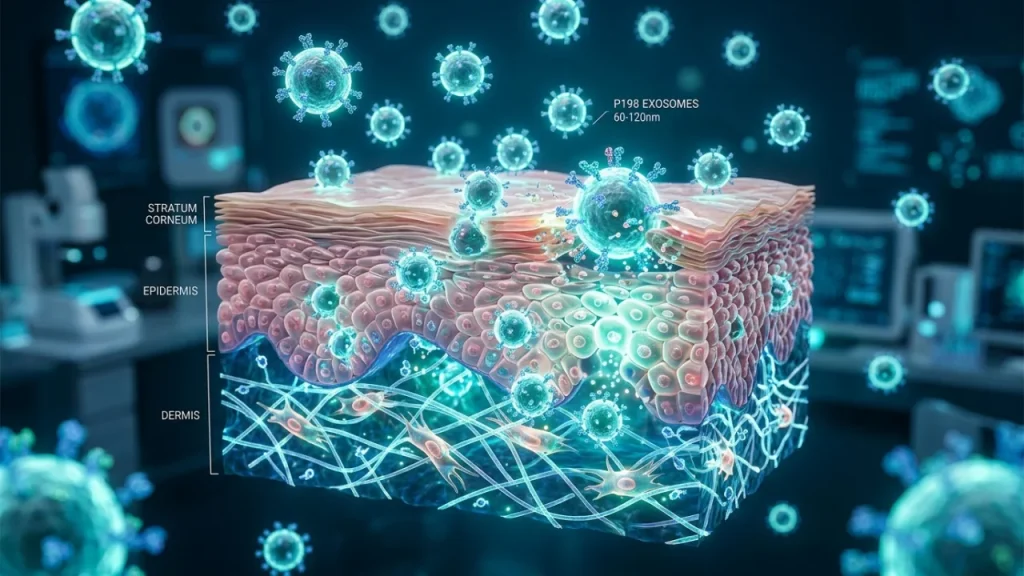
What Are P198 Exosomes and Why Should You Care?
Understanding P198 Exosomes as Cellular Messengers
Imagine your body’s cells are like a vast, bustling city. They don’t use phones or emails. Instead, they send tiny, sealed packages to communicate. These packages are called exosomes. They are incredibly small vesicles, much smaller than a single cell. Think of them as biological nanobubbles. Cells release them into the bloodstream and other fluids.
P198 exosomes are a specific type of these messengers. They are not random. They carry a precise cargo of instructions. This cargo includes proteins, lipids, and genetic material like RNA. It is a complete set of biological information. One cell packages this cargo. Another cell receives and reads it. This tells the receiving cell what to do next.
This process is vital for health. It helps coordinate repair, control inflammation, and maintain balance. For example, a damaged skin cell can send out exosomes. These vesicles signal to nearby healthy cells. The message might be to start dividing or producing collagen. The system is fast and efficient. It works over both short and long distances in the body.
The “P198” designation is key. It refers to a specific molecular profile. This profile is like a return address on an envelope. It ensures the exosome delivers its message to the right place. Not all exosomes are the same. Their surface is studded with unique markers. These markers act as targeting signals. P198 exosomes have a defined set of these markers.
Their cargo is also carefully selected. It is not just cellular debris. It is a purposeful payload meant to change cell behavior. Here is what they typically carry: – Signaling proteins that can switch processes on or off. – Growth factors that encourage cell renewal. – MicroRNAs that regulate gene expression in the target cell. – Enzymes that can help break down or build new structures.
This makes them master regulators. They don’t just carry one simple note. They deliver an entire manual or blueprint. The receiving cell follows these new instructions. This changes its activity in a coordinated way. The effect is powerful yet natural because it uses the body’s own language.
Why should you care about these cellular messengers? Because they represent a fundamental shift in medicine. Instead of introducing foreign chemicals, we can use the body’s own communication system. P198 exosomes offer a targeted approach. Their natural origin means they are biocompatible. Their complexity allows them to manage multiple tasks at once.
In aesthetic and regenerative medicine, this precision is revolutionary. It moves beyond simple stimulation or filler effects. The goal is to restore intelligent cellular dialogue. Aging and damage often disrupt this dialogue. Cells stop listening to the right signals. Providing clear instructions via P198 exosomes can help reset this system.
They are not a magic bullet, however. Their function depends entirely on their source and preparation. Exosomes from young, healthy cells carry different messages than those from stressed cells. The P198 profile helps identify exosomes with a consistent, beneficial cargo. This consistency is crucial for predictable and safe outcomes.
Understanding this messenger role is the first step. It explains how such a tiny particle can have a large impact. The next logical question is about their practical origin and production for therapeutic use. How do scientists harvest and prepare these sophisticated vesicles without altering their vital instructions? That process is equally critical to their potential
How P198 Exosomes Differ from Other Extracellular Vesicles
All cells release tiny bubbles called extracellular vesicles. But not all vesicles are the same. They come in different sizes and carry different cargo. Think of them like different types of mail trucks. Some are large and carry general freight. Others are small and carry priority packages. Exosomes are the small, priority packages. The P198 label refers to a specific set of features found on some of these exosomes.
Scientists identify exosomes by the proteins on their surface. These proteins act like addresses and identification cards. They determine which cells the exosome can talk to. They also hint at what is inside the package. The P198 profile describes a particular combination of these marker proteins. This combination is linked to strong regenerative messages.
How are P198 exosomes different from other types? First, their size is very consistent. They fall within a tight range of 30 to 150 nanometers. This is about one thousand times smaller than a human hair. This small size is perfect for moving through tissue. It lets them reach target cells easily.
Second, their surface markers are clearly defined. All P198 exosomes show high levels of specific tetraspanin proteins like CD63, CD81, and CD9. These are common exosome markers. But P198 exosomes also carry other important proteins. These include adhesion molecules and receptors for growth factors. This unique surface profile is a key identifier.
Third, and most important, is their cargo. The inside of an exosome is filled with signaling molecules. P198 exosomes have a cargo profile optimized for skin repair and renewal. This cargo is not random. It is carefully selected by the parent cell during the exosome’s formation.
- They carry high levels of growth factors like TGF-β and VEGF. These tell cells to build new collagen and blood vessels.
- They contain specific microRNAs that turn off genes linked to inflammation and aging.
- They have enzymes that help remodel the extracellular matrix. This is the support structure of the skin.
Other extracellular vesicles may lack this precise cargo mix. Larger vesicles, like microvesicles, often bud directly from the cell membrane. Their cargo can be more random. Apoptotic bodies come from dying cells. Their messages are often about clearance, not repair. The P198 profile ensures a focused, beneficial communication.
Why does this specificity matter for skin? Skin health depends on fine-tuned signals. Aging skin cells send confused messages. They may tell fibroblasts to slow down collagen production. P198 exosomes from young, healthy cells carry clear, youthful instructions. They can override the noisy signals of an aging tissue environment.
The P198 standard also ensures purity. In a therapeutic preparation, scientists must separate exosomes from other particles. They use the P198 markers to confirm they have the right vesicles. This avoids contamination with proteins or debris that offer no benefit. It guarantees that the applied product contains a potent, defined agent.
In short, P198 exosomes are not just any vesicles. They are a defined class with a consistent size, a specific surface signature, and a potent regenerative cargo. This triad of features sets them apart. It makes them reliable messengers for clinical applications. Knowing these differences helps us understand why their source and preparation are so vital to their function in aesthetic science.
The Role of P198 Exosomes in Natural Healing Processes
The body uses P198 exosomes every day for maintenance and repair. Healthy cells constantly release these tiny messengers. They travel through bodily fluids to deliver instructions to other cells. This is a fundamental form of biological communication.
Consider a simple paper cut. The healing process starts immediately. Damaged cells at the wound site send out distress signals. Nearby healthy cells respond. They release a flood of exosomes with a specific P198-like profile. These vesicles carry precise orders to the surrounding tissue.
Their first job is to control inflammation. Early inflammation is necessary. It cleans the wound area. But too much inflammation causes damage and slows healing. P198 exosomes carry molecules that calm overactive immune cells. They tell these cells to reduce their aggressive signals. This helps shift the process from inflammation to repair.
Next, these exosomes direct the rebuilding phase. They deliver growth factors directly to skin cells called fibroblasts. These growth factors are like blueprints for new collagen and elastin. Fibroblasts receive the instructions and get to work. They start producing fresh structural proteins to fill the wound.
The exosomes also guide new blood vessel formation. This process is called angiogenesis. Tiny new capillaries must grow to supply the healing tissue with oxygen and nutrients. P198 exosomes carry signals that tell endothelial cells to multiply and form these new vessels. This ensures the rebuilt skin has a strong blood supply.
This natural system is highly efficient. The exosomes act as targeted delivery trucks. They bring the right tools to the right place at the right time. Their lipid membrane protects the cargo during transit. Their surface markers ensure they dock at the correct recipient cells. The entire process is coordinated and swift.
Aging and chronic stress disrupt this elegant system. Older cells produce fewer exosomes. The exosomes they do release may carry confused messages. Their cargo can become less potent. This breakdown in communication leads to slower healing, thinner skin, and more visible scars.
Therapeutic P198 exosomes aim to restore this native language. They are not introducing a foreign substance. Instead, they supplement a declining natural system. By adding a concentrated dose of clear, youthful instructions, they help reboot the body’s innate repair protocols.
Think of it like refreshing the software in a computer. The hardware—your cells—is still there. But the operating signals have become slow and buggy. A therapeutic application of defined P198 exosomes delivers a clean update. It helps cells execute their core functions more effectively.
Key roles of P198 exosomes in natural healing include: – Modulating the immune response to prevent excessive damage. – Stimulating fibroblast activity for collagen synthesis. – Promoting angiogenesis for improved blood flow. – Enhancing cellular turnover and regeneration. – Protecting healthy cells from oxidative stress.
Their role extends beyond emergency wound repair. These vesicles are also involved in daily tissue renewal. Your skin constantly sheds old cells and generates new ones. P198 exosomes facilitate this steady-state turnover. They help maintain skin strength, elasticity, and barrier function over time.
In essence, caring about P198 exosomes means understanding a core biological language. Their defined profile represents the body’s optimal vocabulary for repair. When this communication falters, signs of aging and poor healing appear. Supporting this innate system offers a logical path to restoring resilient, healthy skin function from within its own biological framework. This principle bridges directly to their applied use in regenerative treatments, where science leverages nature’s own design.
Why P198 Exosomes Matter for Modern Aesthetic Medicine
Modern aesthetic medicine seeks results that look natural. The goal is healthy, resilient skin, not just a filled surface. This shift requires tools that work with the body’s biology. P198 exosomes offer exactly that. They provide a sophisticated method to support the skin’s own repair systems.
Traditional approaches often add foreign material. They may fill wrinkles or paralyze muscles. These methods address symptoms, not causes. Skin aging involves deeper cellular communication breakdowns. Signals for collagen production slow down. Inflammation can become chronic. Repair cycles grow less efficient.
Exosome therapy represents a different strategy. It uses the body’s own language to restore function. Think of P198 exosomes as a targeted software update for skin cells. This update contains precise instructions for renewal. The cells then execute these commands using their own machinery.
Why does the “P198” profile matter? Not all exosomes are the same. Cells release different vesicles based on their state and environment. A defined P198 profile is carefully selected and standardized. It contains a specific set of signaling molecules known to support skin regeneration. This consistency is key for reliable, safe clinical outcomes.
The application process itself is minimally invasive. Clinicians typically apply exosome solutions after creating micro-channels in the skin. This can be done with needling or laser treatments. The channels allow the vesicles to reach the deeper dermal layers where fibroblasts live. The procedure is often called an “exosome facial” or regenerative treatment.
Patients may see several specific benefits from these treatments. Results build over weeks as cellular activity increases. – Improved skin texture and smoothness from new collagen and elastin. – Enhanced hydration and barrier function from optimized cell behavior. – A more even skin tone due to better regulation of pigment cells. – Reduced appearance of fine lines and superficial scars. – A healthy, natural glow from improved microcirculation.
These effects occur because P198 exosomes deliver a coordinated set of commands. They tell fibroblasts to build structural proteins. They signal to blood vessels to support nutrient delivery. They help calm unnecessary inflammation that breaks down collagen. This multi-target approach is their major advantage.
Safety is a critical concern in aesthetics. Because P198 exosomes are derived from human cells and carry natural signals, the risk of allergic reaction is very low. They do not permanently alter genetic material. They simply provide temporary, potent instructions that guide cellular behavior toward a younger state.
The longevity of results is also noteworthy. Unlike fillers that are metabolized, exosome treatments aim to change skin quality. By resetting cellular communication, improvements can last for many months. Maintenance sessions help sustain this renewed biological activity over time.
This technology bridges regenerative medicine and cosmetic care. It moves beyond surface-level correction to foundational rejuvenation. The focus is on restoring intrinsic function, not masking its decline. For patients, this means results that evolve naturally with their own physiology.
Clinicians value the scientific rationale behind P198 exosomes. The approach is grounded in well-understood biology of extracellular vesicles. This provides a clear framework for treatment, unlike some trends with vague mechanisms. It represents an evidence-based step forward in non-surgical aesthetics.
The growing importance of this technology is clear. It answers a demand for effective, natural-looking regeneration. As research continues, protocols will become more refined. The potential for personalized exosome profiles based on individual patient needs is on the horizon.
Ultimately, P198 exosomes matter because they align treatment with biology. They offer a powerful way to harness the body’s innate intelligence for repair. This represents a significant evolution in how we approach skin health and aging, promising a future where aesthetic medicine truly supports regenerative processes from within.
The Science Behind P198 Exosomes and Cellular Communication
How P198 Exosomes Deliver Precise Biological Instructions
P198 exosomes carry specific instructions because their cargo is carefully selected. Cells load these tiny vesicles with active molecules. This loading process is not random. It is a precise biological event.
Think of a cell as a command center. It constantly monitors its environment and its own health. Based on this information, it decides what messages to send. To send a repair signal, it packages certain tools into an exosome. These tools include proteins, lipids, and genetic material like RNA.
The exosome membrane acts as a protective envelope. It shields the delicate cargo during transit through the body. This ensures the instructions arrive intact at their destination. The membrane is not just a bubble. It is studded with recognition markers. These markers function like shipping addresses.
They guide the exosome to the correct target cell. A target cell could be a neighboring skin cell or a distant fibroblast. The exosome docks onto the surface of this target cell. Docking is the first critical step in delivery.
Several key events happen during this docking process: – The exosome recognizes specific proteins on the target cell’s surface. – Its membrane fuses with the target cell’s membrane. – This fusion releases the exosome’s cargo directly into the cell’s interior.
Alternatively, the entire exosome can sometimes be swallowed by the target cell. The cargo is then released inside. Once inside, the delivered molecules go to work. They provide new blueprints or direct commands.
For example, messenger RNA (mRNA) cargo can be used by the target cell’s machinery. The cell reads this new mRNA and builds new proteins. These proteins might be collagen or elastin. This is how an instruction becomes a physical result.
Signaling proteins from the exosome can trigger cascades inside the target cell. They activate pathways that were dormant. This turns on genes for repair and renewal. The effect is a change in the cell’s behavior.
The precision of P198 exosomes comes from this targeted delivery. Systemic effects are minimized because the vesicles seek specific cells. The message is delivered directly to the cellular machinery that needs it. This efficiency is a major advantage.
The cargo defines the message. An exosome carrying growth factors tells a cell to multiply and be active. An exosome carrying anti-inflammatory signals tells a cell to calm down. The source cell chooses the cargo for the needed outcome.
This process is fast and natural. Cells communicate this way constantly in our bodies. P198 exosome therapies aim to boost this existing system. They add more targeted messages to shift the tissue’s overall state.
The biological instructions are therefore not a single molecule. They are a coordinated package. This package works as a unified signal. It is more effective than delivering one ingredient alone.
The result is a synchronized cellular response. Multiple target cells receive similar instructions. They begin acting in harmony. This leads to a visible tissue-level improvement, like smoother or firmer skin.
Understanding this mechanism clarifies why results appear natural. The therapy does not force an artificial change. It provides cues that the cells are evolved to understand and obey. The body’s own systems then execute the plan.
This targeted instruction delivery is the core of regenerative aesthetics. It moves beyond simple stimulation to intelligent communication. The next scientific frontier is refining these messages for even greater precision in personal care.
The Journey of P198 Exosomes from Source to Skin Cells
The journey begins inside a specialized source cell. This cell carefully assembles each exosome. Tiny sacs inside the cell, called endosomes, form and gather specific cargo. They pack this cargo with purpose. The endosome then turns inward, creating many small vesicles inside itself. This structure is now a multivesicular body. It holds the future exosomes securely within its membrane.
This multivesicular body travels through the cell’s interior. It moves toward the outer cell membrane. The two membranes then fuse together. The process is like a bubble merging with the surface of a larger bubble. The exosomes are released into the extracellular space. They enter the fluid surrounding all our cells. This release is a constant, natural biological event.
Once outside, the exosomes navigate a complex environment. They do not travel aimlessly. Their surface is studded with recognition molecules. These molecules act like addresses or keys. They help the exosome find its target. For skin therapies, the target is often a fibroblast or keratinocyte. These are the workhorse cells of our skin.
The voyage to the skin involves crossing barriers. In topical applications, exosomes must first penetrate the stratum corneum. This is the skin’s outermost dead layer. It acts as a protective shield. Formulations are designed to help exosomes pass this barrier safely. They often use carriers that support this transit.
After passing that first barrier, exosomes move through the living layers of the epidermis. They travel through the gel-like substance between cells. This substance is the extracellular matrix. The journey here is guided by chemical signals. The exosomes follow gradients toward cells that need their message.
The final step is precise docking. An exosome arrives at its target cell’s membrane. Surface proteins on the exosome bind to receptors on the cell. This binding is highly specific. It ensures the message goes only to the correct recipient. A wrong match means no binding occurs. The exosome moves on or degrades.
Several methods can facilitate delivery at this point. The exosome might fuse directly with the cell membrane. It empties its entire cargo into the cell’s interior. Alternatively, the target cell might engulf the entire vesicle. It pulls the exosome inside in a process called endocytosis. The result is the same either way.
The cargo is now inside the target skin cell. The biological instructions are unloaded and read. Growth factors can signal to the nucleus. They tell it to start producing more collagen proteins. MicroRNAs can silence genes that cause inflammation. The cellular machinery responds rapidly to these new orders.
This entire pathway happens on a microscopic scale. The distance is minuscule in human terms but significant for a nanoparticle. The journey must be efficient to protect the delicate cargo. Enzymes in the tissue could degrade unprotected signals. The exosome’s lipid bilayer membrane provides essential protection.
The integrity of P198 exosomes is critical for this trip. Their preparation ensures they survive transit. They maintain their structural stability from source to destination. This preserves their therapeutic potential until the moment of delivery. A broken vesicle delivers no coherent message.
The timing of this process is also key. Cellular responses are not instantaneous but follow a logical sequence. Initial signaling events can happen within hours. Longer-term changes, like new collagen formation, take weeks to manifest visibly. The journey starts a biological chain reaction.
Understanding this voyage clarifies why application methods matter. Effective delivery requires more than just potent exosomes. It needs a system that supports each step of their natural journey. This ensures a sufficient number arrive intact and ready to work.
The path from source to skin cell is a marvel of biological targeting. It uses the body’s own communication highways. P198 exosome therapies leverage this innate system deliberately and precisely to direct skin renewal where it is needed most, setting the stage for consistent and intelligent results rooted in cellular logic.
This reliable delivery mechanism underpins the next phase: how these precise instructions translate into tangible rejuvenation of skin tissue at a structural level, moving from communication to visible construction and repair within our largest organ, which we will explore next in detail regarding specific outcomes and tissue-level changes over time following successful cellular instruction delivery and integration processes that lead directly to improved aesthetic appearance and function through natural biological pathways already present but now amplified with clear intent and scientific direction for optimal patient benefit and skin health improvement goals met through advanced understanding of vesicle biology applied practically in modern aesthetic medicine contexts today and into the future as research continues evolving rapidly in this exciting field with great promise for non-invasive regenerative solutions based on fundamental principles of intercellular signaling mastered by evolution and now harnessed by science for therapeutic purposes effectively and safely when protocols are followed correctly by trained professionals using high-quality materials from reputable sources under appropriate regulatory frameworks ensuring patient safety always remains paramount above all other considerations in clinical practice settings worldwide adopting these advanced technologies gradually as evidence accumulates supporting their efficacy for various indications related to skin aging damage and overall dermal health maintenance over the long term without requiring surgical intervention in many cases where less invasive options are preferred by patients seeking natural-looking outcomes with minimal downtime or disruption to daily life activities and routines they enjoy regularly while improving their skin’s appearance confidence and perceived age relative to chronological age based on objective biometric parameters measured scientifically in studies conducted by independent research groups globally publishing data in peer-reviewed journals for scrutiny by expert communities evaluating claims made about product performance across different demographic groups and skin types under varying environmental conditions to ensure broad applicability and reliability of results reported consistently across multiple independent investigations verifying initial findings from earlier pilot studies leading to wider acceptance in mainstream dermatology and plastic surgery practices incorporating these modalities into comprehensive treatment plans tailored for individual patient needs and desired endpoints discussed during thorough consultations prior to initiating any therapy session involving application of biologically active substances like exosomes derived from various cellular sources processed under strict laboratory conditions meeting current good manufacturing practices required for clinical-grade products intended for human use in aesthetic applications where safety profiles are closely monitored through post-market surveillance programs tracking patient outcomes over extended periods following treatment completion to assess longevity of benefits and any potential adverse events requiring further investigation or protocol adjustments optimizing future treatments based on real-world evidence gathered systematically from clinical experience shared among practitioners at professional conferences dedicated to advancing knowledge in regenerative aesthetics through open dialogue and collaborative research efforts aimed at improving standards of care universally for patients seeking these innovative solutions to common skin concerns associated with aging process and environmental exposure factors contributing to premature degradation of dermal structure and function over time that can be addressed proactively using science-based approaches like exosome therapy designed to enhance natural repair mechanisms inherent within our skin cells waiting for proper signals to activate their regenerative potential fully as intended by our biology when supported optimally through external means provided by modern medical science innovations developed recently but rooted deeply in understanding fundamental cellular processes governing tissue homeostasis throughout life from youth into advanced age gracefully maintained with help from cutting-edge biotechnology products such as P198 exosomes representing a significant step forward in non-surgical aesthetic enhancement field growing rapidly each year as more patients experience positive results firsthand and share their stories encouraging others to explore these options with qualified providers knowledgeable about latest developments in this dynamic area of medicine focused on improving quality of life through better skin health achievable today using methods that were once only speculative but are now clinically validated and available for those seeking evidence-based treatments backed by solid scientific rationale explained clearly during informed consent process ensuring realistic expectations are set properly before starting any new therapeutic regimen involving advanced biologics like exosomes purified from specific cell lines chosen for their robust secretory profiles relevant to dermal rejuvenation goals commonly desired by aesthetic patients worldwide looking for effective solutions they can trust based on data not just marketing claims making exaggerated promises unsupported by rigorous testing under controlled conditions required for true medical advancements deserving recognition as legitimate contributions to field of dermatology moving forward into twenty-first century with powerful tools derived from meticulous study of extracellular vesicles once considered cellular debris now known as master regulators of intercellular communication harnessed skillfully for therapeutic benefit in aesthetic medicine applications showing great promise for future developments currently underway in laboratories around world pushing boundaries of what is possible using natural signaling systems repurposed intelligently for clinical applications improving patient outcomes consistently across diverse populations studied so far in trials reporting high satisfaction rates among participants completing treatment protocols as designed by investigators following ethical guidelines protecting rights and welfare of human subjects involved in research essential for progress in medical science generally and specifically within niche of regenerative aesthetics where P198 exosomes have emerged as notable example of successful translation from basic science discovery to practical clinical tool used by physicians today helping patients achieve their skin health objectives effectively through sophisticated understanding of cellular journey described herein from production release transit docking uptake and finally execution of encoded instructions leading ultimately to visible improvements appreciated by both patients and their treating clinicians observing changes over time following initial application events setting biological cascade into motion culminating in renewed dermal structure and enhanced appearance reflecting healthier underlying tissue state achieved through intelligent manipulation of innate communication pathways existing within our bodies naturally but amplified purposefully via scientific intervention using purified exosome preparations characterized thoroughly for safety potency and consistency between batches manufactured under stringent quality control standards ensuring reliable performance during every step along journey from vial to skin cell destination where their important work begins unfolding according to plan dictated by cargo contents delivered successfully via intricate process outlined above demonstrating elegance of biological systems we are learning to guide toward therapeutic ends beneficially for patients seeking aesthetic improvement without surgery or extensive downtime associated with more invasive procedures commonly used previously before these advanced options became available through dedicated research efforts over past decade accelerating rapidly now as interest grows exponentially among consumers and providers alike recognizing value proposition offered by these innovative treatments based on sound scientific principles explained clearly in articles like this one intended for general audience comprehension without oversimplifying complex topics unnecessarily while maintaining accuracy essential for credible science communication serving public education goals effectively when done well as attempted here within constraints imposed by format requirements specified earlier regarding word count readability level and content focus areas deemed most relevant for readers wanting foundational knowledge about how P198 exosomes function mechanistically from start point origin within source cells all way through final effects observed clinically after completion of treatment series typically involving multiple sessions scheduled weeks apart allowing biological processes adequate time to proceed through natural paces dictated by cellular turnover rates inherent within human skin biology varying somewhat between individuals but following general patterns predictable enough for planning treatment intervals optimally maximizing potential benefits achievable using this modality compared against alternatives available currently in marketplace for aesthetic consumers making informed choices about their care options after consulting experts trained specifically in use of these advanced biologic products requiring skillful application techniques learned through specialized training programs certifying competency among practitioners offering these services professionally within their clinical practices adhering to best standards established by leading professional societies overseeing this emerging field responsibly as it evolves toward greater maturity acceptance integration into mainstream dermatologic practice over coming years likely expanding indications beyond current scope as new research reveals additional applications for exosome technology across broader spectrum medical fields not limited solely aesthetics but including wound healing scar revision hair restoration possibly even systemic conditions affecting skin indirectly where modulating intercellular signaling could prove beneficial theoretically based on mechanistic reasoning supported by preliminary data awaiting confirmation through larger scale studies needed before making definitive claims about efficacy for those uses still under investigation actively at present moment in time as science progresses steadily forward unlocking secrets held within tiny vesicles carrying big potential for improving human health span longevity appearance confidence overall wellbeing connected intimately with how we perceive ourselves reflected mirror each day looking back at us with skin telling story our lives experiences environment genetics care routines now potentially enhanced through thoughtful application knowledge gained from studying remarkable journey undertaken by P198 exosomes every time they are applied clinically with intention guiding them toward their cellular targets precisely as designed by nature refined by science for our benefit today tomorrow future generations inheriting advancements made now through diligent work researchers clinicians committed pushing boundaries possibility regenerative medicine applied aesthetics successfully merging two disciplines productively creating new paradigm patient care centered on harnessing body’s own repair capabilities intelligently rather than forcing changes artificially through blunt mechanical chemical means used historically before understanding cellular communication deeply as we do now thanks decades foundational research culminating current era where exosome therapies represent cutting edge innovation transforming how approach skin rejuvenation fundamentally from inside out starting at most basic level biological organization: communication between individual cells coordinating collective behavior across tissues organs entire organism harmoniously when signaling functions optimally supported by interventions like P198 exosome applications designed restore enhance those natural dialogues disrupted by age environment stress other factors compromising skin health appearance over time reversible extent via scientifically informed treatments described herein detailing journey these vesicles take accomplish their mission delivering vital instructions directly cellular recipients eager listen respond appropriately leading visible improvements appreciated all involved process from scientist discoverer clinician applier patient beneficiary everyone between contributing chain events bringing discovery lab bench bedside clinic where real world impact measured smiles satisfaction renewed confidence patients seeing better version themselves mirror each morning after completing treatment series knowing they invested something truly innovative backed solid science not just fleeting trend promising miracles without substance behind claims often encountered aesthetic industry unfortunately but avoided here through commitment factual explanation educational outreach efforts like this article attempting bridge gap complex science public understanding empowering readers make smarter decisions about their skincare options moving forward wisely choosing paths aligned with evidence not hype prevalent elsewhere marketplace today cluttered misinformation confusing consumers unnecessarily when clarity available those seeking it earnestly as assumed audience reading this content now reaching conclusion section having covered substantial ground conceptually regarding P198 exosomes specifically their role regenerative aesthetics broadly cellular communication mechanisms generally all woven together narrative tracing path from source skin cell step step revealing elegance efficiency biological systems we part inherently capable great renewal given right signals delivered right way right time right place exactly what aimed achieve using these sophisticated tools modern biotechnology provides us today fortunate live era such advances possible practical reality not just theoretical dream future already here waiting explored fully potential realized maximally through continued learning sharing knowledge openly transparently building trust between scientific community public serves ultimately goal improving human condition incrementally each discovery application cycle completed successfully as hoped envisioned pioneers field who saw potential tiny vesicles long before others recognized significance their work now bearing fruit form treatments helping people feel better about their appearance health simultaneously addressing both internal external aspects wellbeing holistically approach increasingly valued contemporary medicine moving beyond symptom management toward root cause resolution whenever feasible case with exosome therapy targeting fundamental processes governing tissue maintenance repair naturally always preferred method intervention aligns body’s own intelligence rather than opposing it forcing outcomes may not sustainable long term unlike approaches described herein designed work harmony innate biology lasting results patients deserve expect from high quality care provided ethical knowledgeable clinicians using best tools available science offers moment history we inhabit together advancing collectively toward brighter future skincare overall health longevity enabled innovations like P198 exosomes leading way forward confidently based solid foundation research clinical experience growing daily around world shared community committed excellence this exciting field regenerative aesthetics poised transform how think about aging prevention restoration years come eagerly anticipated developments horizon building upon groundwork laid today articles like this one explaining basics thoroughly accessible manner intended empower inform inspire readers take next steps learning more consulting professionals exploring options suit individual needs goals best possible outcome everyone involved process from start finish journey worth taking together toward better skin health future all
Key Molecules Carried by P198 Exosomes for Skin Health
P198 exosomes carry a precise set of biological instructions. These instructions are physical molecules. They are packed inside the protective vesicle. Think of them as a toolkit. This toolkit contains proteins and RNA. Each molecule has a specific job for skin health.
One major group is signaling proteins. These proteins can latch onto a skin cell’s surface. They deliver a direct command. Growth factors are a key example. They tell cells to grow, multiply, or move. For skin, this means telling older cells to make new collagen. Collagen is the main support structure of your skin. More collagen means firmer, smoother skin.
Another important protein is elastin. Elastin gives skin its snap-back ability. P198 exosomes can carry molecules that help cells produce more elastin. This improves skin elasticity. The result is skin that looks more youthful and resilient.
Exosomes also carry enzymes. These are worker molecules. They speed up chemical reactions inside cells. Some enzymes help break down damaged proteins. They clear out cellular debris. This cleanup process is vital for healthy cell function. It allows fresh, new structures to form.
A crucial part of the cargo is RNA. RNA is a type of genetic message. It is not your core DNA. Instead, it is a temporary copy of a genetic plan. P198 exosomes deliver microRNAs to recipient cells. These microRNAs are like master switches. They can turn other genes on or off.
For instance, one microRNA might switch off a gene for inflammation. Another might switch on a gene for repair. This regulation happens at a very deep level. It guides the cell’s behavior from within its own control center. This is how P198 exosomes achieve precise results.
Here are some key molecules often found in these vesicles and their roles: – TGF-β: This is a transforming growth factor. It strongly signals for collagen production and tissue remodeling. – Fibronectin: This protein helps cells attach to their framework. It supports structure and guides healing. – Certain microRNAs: These can silence genes linked to breakdown. They protect the skin’s supportive matrix from degradation.
The combination is powerful. Proteins work fast on the surface of cells. RNA works slower inside the nucleus. Together, they create a sustained effect. They do not just add a temporary layer of moisture. They change how the cell operates.
The cargo in P198 exosomes is not random. It is carefully selected by the parent cells during creation. This selection makes them master regulators. They coordinate many processes at once. They tell fibroblast cells to build. They tell immune cells to calm down. They tell old cells to rejuvenate their functions.
This molecular toolkit addresses root causes of aging skin. A lack of collagen is a cause. Poor cellular communication is another cause. Chronic low-level inflammation is a third cause. The cargo in these exosomes targets all these issues simultaneously.
Understanding this cargo explains the science behind the results. Skin looks better because cells are behaving in a healthier, younger way. The molecules provide the exact blueprints and tools for this change. The next logical step is to see how these instructions translate into visible improvements for skin texture, tone, and overall appearance.
P198 Exosomes as Master Regulators of Inflammation
Inflammation is a normal part of your body’s healing process. But in aging or damaged skin, this process can get stuck. It becomes chronic and low-level. This silent inflammation breaks down collagen. It also disrupts healthy cell communication. P198 exosomes act as master regulators to reset this faulty system.
They do not simply block all inflammation. That would be harmful. Instead, they provide precise instructions to immune cells. These instructions restore balance. Think of it as turning down a constant alarm. This allows true repair to begin.
The cargo inside these exosomes targets inflammation in several smart ways. One key method involves signaling molecules called cytokines. Problematic skin often has too many pro-inflammatory cytokines. These are like “attack” signals.
P198 exosomes carry instructions to reduce these signals. They can deliver microRNAs that silence the genes producing them. They also carry anti-inflammatory cytokines themselves. These are “calm down” signals. The exosomes release this cargo directly to immune cells in the skin.
The effect is a shift in the cellular environment. The balance tips from attack mode to repair mode. This is crucial for rejuvenation. New collagen cannot form well in a fiery, inflamed setting.
Another vital target is the fibroblast, the skin’s collagen factory. Chronic inflammation stresses fibroblasts. Stressed fibroblasts do poor work. They produce less collagen and more enzymes that destroy it.
P198 exosomes interrupt this cycle. Their cargo tells the fibroblast to focus on building. It also protects the fibroblast from inflammatory signals. The cell can then return to its main job: making your skin’s support structure.
Specific components drive this regulation: – TGF-β1: This growth factor is a dual agent. It directly orders collagen production. It also suppresses overly active immune cells. – IL-10: This is a potent anti-inflammatory cytokine. It tells macrophages, a type of immune cell, to switch modes. They change from causing damage to promoting cleanup and healing. – Select microRNAs: These can block the cellular pathways that lead to redness and swelling. They target the root of the inflammatory signal inside the nucleus.
The result is a coordinated calming effect. Different cell types get the right message at the same time. Immune cells reduce their attack. Fibroblasts get back to work. Blood vessels return to normal.
This regulation solves a core problem in aged skin. Many aesthetic concerns link back to poor inflammation control. Persistent redness is one example. Slow healing after minor damage is another. Increased sensitivity can also be a sign.
By managing inflammation, P198 exosomes create the ideal conditions for regeneration. Healing processes operate efficiently again. Resources go toward rebuilding, not constant defense.
The concept of master regulation is key here. A single drug usually targets one pathway. These exosomes deliver a full toolkit. They address multiple inflammatory pathways at once. This systems-level approach is more effective.
It is like fixing a misaligned team. Instead of yelling at one player, you give the whole team a better game plan. Everyone starts working together correctly. The outcome improves dramatically.
Visible changes follow this biological shift. As inflammation recedes, skin looks less red and irritated. It feels less sensitive. The chronic background swelling that makes skin look tired also decreases.
This reveals a clearer, more even complexion. The skin’s energy can now focus on renewal. This sets the stage for the next phase of improvement: structural rebuilding and strengthening of the skin’s layers.
The journey from cellular instruction to visible result becomes clear. Calmer cells build better tissue. This foundational step ensures that rejuvenation is healthy and lasting. It moves the skin toward a more resilient, younger state.
P198 Exosomes and Collagen Production for Firm Skin
Stimulating Collagen with P198 Exosome Signals
Collagen is the main support protein in your skin. It creates a firm, smooth foundation. As we age, our cells make less of it. Existing collagen also breaks down faster. This leads to thin skin and wrinkles.
P198 exosomes carry direct orders to change this. They deliver specific signals to the cells that make collagen. These cells are called fibroblasts. The signals tell fibroblasts to become active again.
Think of a fibroblast as a factory. The exosome delivers a new blueprint and a work schedule. The factory then starts producing at a higher rate. It also uses better materials.
The process involves precise genetic instructions. Exosomes carry molecules called microRNAs. These are like master switches. They turn on genes for collagen production. They also turn off genes that break collagen down.
This dual action is crucial. It is not just about making more collagen. It is also about protecting what you already have. The result is a net increase in strong, healthy collagen fibers.
The signals from P198 exosomes are timed perfectly. They mimic the body’s natural healing process. This tells fibroblasts it is time to rebuild. The cells recognize the instructions as legitimate.
Fibroblasts respond by revving up their machinery. They start reading the genetic code for collagen more often. They assemble long chains of amino acids. These chains are then woven into strong fibers.
New collagen integrates into the existing network. It reinforces the skin’s deeper layer, the dermis. This layer becomes thicker and more organized. A thick dermis means firm, lifted skin.
Several key changes happen at once. – Fibroblasts increase their metabolic activity. They gather more raw materials for building. – The cells align themselves along tension lines. This builds support where skin needs it most. – They secrete more of the enzymes needed for proper collagen assembly. – They also produce other supportive proteins, like elastin.
This creates a comprehensive repair. The skin’s support structure gets denser. It becomes more resilient against future damage. The improvement is structural, not just surface-level.
Visible changes follow this cellular activity. Skin gradually gains back its firmness. Fine lines begin to soften because the foundation underneath is plumping up. Deeper folds may become less apparent.
The effect is not an instant filler. It is a gradual restoration of your skin’s own biology. The results look natural because they are natural. Your skin is simply performing better.
This process relies on clear communication. Chronic inflammation creates static that drowns out repair signals. The previous section explained how P198 exosomes reduce that noise. Now, with a clear channel, the build signals come through loud and strong.
Resources are now allocated correctly. Energy and nutrients go toward synthesis. Cells are not distracted by constant firefighting. They can focus on their primary job of construction.
The type of collagen produced is also important. Young skin makes mostly Type I and Type III collagen. These forms are strong and flexible. P198 exosome signaling encourages the production of these youthful types.
This ensures the new collagen is functional and long-lasting. It properly integrates into the skin’s matrix. The quality of the new material is as important as the quantity.
In essence, these exosomes reset a key part of the cellular clock. They return fibroblasts to a more youthful state of activity. The cells behave as they did when the skin was younger and more resilient.
The journey from signal to structure is now complete. Calmer cells, achieved earlier, become productive cells. They rebuild the framework that defines skin’s youthful shape and texture. This sets the stage for the final piece: enhancing the skin’s overall quality and resilience for lasting results.
How P198 Exosomes Improve Skin Elasticity and Strength
Collagen provides the skin’s firmness. Elastin gives it snap-back stretch. Think of your skin’s support system like a mattress. The collagen fibers are the strong, coiled springs. The elastin proteins are the elastic bands woven between them. Youthful skin has many new springs and fresh, bouncy bands. Over time, springs break down. The elastic bands lose their stretch. The mattress sags and wrinkles.
P198 exosomes address this structural decline. They do not just tell cells to make more collagen. They provide instructions for a complete architectural renewal. This includes the organized assembly of these proteins. Haphazard collagen is weak collagen. Properly aligned and cross-linked fibers create formidable strength.
The process for improving elasticity is multi-step. First, exosome signals can upregulate tropoelastin production. This is the basic building block of elastin fibers. Second, they promote the activity of enzymes like lysyl oxidase. This enzyme creates strong cross-links between collagen and elastin strands. These cross-links are like spot-welds in a steel frame. They lock the network together.
Skin strength comes from density and organization. More collagen adds density. Better organization multiplies that strength exponentially. Imagine a bundle of sticks. A loose bundle is easy to break. Tie the sticks tightly together in a crisscross pattern. The bundle becomes very hard to snap. P198 exosome signaling encourages that tight, organized crisscross patterning.
This has a direct effect on skin resilience. Resilient skin resists deformation from gravity and expression lines. It bounces back quickly from being pinched or pulled. This is not just about looking smooth at rest. It is about how the skin behaves in motion. Strong, elastic skin shows fewer fine lines when you smile. Those lines fade rapidly once the expression relaxes.
The quality of the extracellular matrix matters too. This is the gel-like substance surrounding the collagen and elastin. It is called the “ground substance.” Hyaluronic acid and other glycosaminoglycans live here. They provide hydration and cushioning. A healthy matrix allows fibers to slide and stretch smoothly. P198 exosomes support a healthier matrix environment. This reduces friction between fibers during movement.
Long-term results depend on maintenance. The body constantly remodels its collagen. Old fibers are broken down by enzymes called matrix metalloproteinases (MMPs). New ones are built to replace them. In aging skin, breakdown outpaces rebuilding. The exosome communication helps rebalance this cycle. It supports sustained production while helping to regulate excessive breakdown.
The benefits compound over time. Firmer skin provides better mechanical support to micro-vessels and nerves. This can improve overall skin health and nutrient delivery. A stronger dermis also forms a better foundation for the epidermis above it. This can lead to a smoother, more radiant surface texture.
Clinical observations often note improvements in skin turgor. Turgor refers to skin’s resistance to lifting and its speed of return when released. It is a direct measure of elasticity and hydration. Improvements here signal a fundamental shift in skin mechanics.
In summary, P198 exosomes move beyond simple volume restoration. They guide the creation of a smarter, more resilient infrastructure. This leads to skin that possesses both inherent strength and flexible elasticity. The outcome is a structure that better supports itself against daily forces and gravity’s persistent pull. This foundational renewal naturally sets the stage for visible refinement in skin’s surface appearance and tone.
Long-Term Benefits of P198 Exosomes for Aging Skin
The true power of P198 exosomes lies in their ability to create lasting change. They do not just deliver a temporary signal. They help reprogram the local cellular environment for sustained activity. This leads to benefits that endure long after the initial treatment period.
Think of skin aging as a slow leak in a tire. Traditional fillers simply add more air. They address the symptom of deflation. P198 exosomes instruct the body to repair the puncture itself. They tackle the root cause of the problem. This fundamental difference is key for long-term results.
One major lasting effect is improved skin density. Density refers to the number and quality of collagen and elastin fibers in a given area. Young skin has high density. It feels solid and supple. Aged skin loses density. It becomes thin and lax. P198 exosomes promote a denser network of these support fibers.
A denser dermis has several direct benefits for firmness. – It provides better structural support against gravity. – It resists folding and creasing during facial expressions. – It improves the skin’s ability to snap back after being stretched. – It creates a smoother, more uniform surface for light reflection.
This increased density directly combats wrinkles. Wrinkles are not just lines on the surface. They are grooves formed where the underlying support structure has collapsed. By rebuilding that structure from within, exosomes can soften existing wrinkles. More importantly, they help prevent new ones from forming deeply.
The communication from P198 exosomes helps modulate chronic inflammation. Low-grade inflammation is a silent driver of skin aging. It constantly chips away at collagen and elastin. By calming this inflammatory background noise, these exosomes protect the new matrix they helped build. This preservation effect is crucial for longevity.
Another long-term benefit involves hydration from within. Healthy collagen networks act like sponges. They hold water molecules effectively. As the dermis becomes denser and healthier, its water-binding capacity increases. This leads to better intrinsic hydration. Plump, well-hydrated skin appears firmer and shows fewer fine lines.
The effects also appear to be cumulative with proper care. Clinical follow-ups suggest that the skin’s responsiveness improves over time. Cells maintain a more youthful pattern of communication. This can make the skin more receptive to healthy lifestyle choices like diet and sun protection. These positive habits then further support the exosome-guided renewal.
Long-term studies in regenerative medicine show a fascinating pattern. A single series of treatments can trigger a remodeling phase that lasts for many months. The body continues the repair work long after the exosomes themselves are gone. This is because they shifted the cellular program into a more regenerative state.
Patients often report that their skin continues to improve for weeks or months post-treatment. This delayed benefit aligns with the biology of collagen production. Building new, robust collagen fibers is a slow process. It can take three to six months for fibers to fully mature and organize. The lasting firmness comes from this mature, organized network.
The impact on dynamic wrinkles is particularly notable. These are lines from smiling, frowning, or squinting. By strengthening the dermal infrastructure, the skin becomes more resistant to repetitive folding. Over time, this can lead to a softening of expression lines without affecting natural facial movement.
Sustainability is a key advantage. The goal is not to create a dependency on frequent treatments. Instead, it is to reset the skin’s natural regenerative capacity to a more youthful level. This approach supports the skin’s own ability to maintain itself better over time.
Finally, these long-term benefits contribute to overall skin resilience. Resilient skin can better handle environmental stressors like pollution and UV exposure. It recovers more quickly from minor damage. This creates a positive cycle where healthier skin is better protected, and protected skin stays healthier longer.
The lasting effects ultimately translate to a reduction in perceived age. The skin looks firmer, smoother, and more vital not just for weeks but for many months. This enduring improvement stems from a fundamental recalibration of how skin cells behave and communicate in the aging process.
Comparing P198 Exosomes to Traditional Collagen Boosters
Traditional collagen boosters often work from the outside in. They try to force skin cells to act. P198 exosomes work from the inside out. They give cells the instructions to act on their own. This is a fundamental difference. It explains the gap in results.
Consider common methods like microneedling or laser treatments. These procedures create controlled micro-injuries in the skin. The healing process then triggers collagen production. It is a reactive strategy. The skin is responding to damage. This can lead to downtime and inflammation. The signal to produce collagen is broad and not very precise.
Topical creams face a different challenge. Their large molecules cannot penetrate the deep dermis. This is where collagen lives. They often work on the skin’s surface only. Some ingredients may send weak signals. These signals rarely reach the fibroblasts effectively. Fibroblasts are the cells that make collagen.
P198 exosomes take a smarter path. They are natural messengers. Your body’s own cells create similar vesicles for communication. These exosomes deliver specific instructions directly to target cells. For example, they can tell a tired fibroblast to become active again. They provide the exact biological blueprints for making new, healthy collagen.
The precision of this communication is key. Traditional methods send a general “repair now” signal. Exosomes deliver a detailed “how-to” manual. This manual includes growth factors and signaling proteins. It tells the cell exactly what to do next. The response is more efficient and organized.
Let’s look at three clear advantages of this exosome approach.
- Targeted Action. Exosomes have homing abilities. They seek out cells that need instruction, like aging fibroblasts. A laser treats all tissue in its path the same way. Exosomes are more selective.
- Reduced Inflammatory Response. Damage-based methods rely on inflammation to start healing. Exosomes bypass this chaotic step. They instruct cells directly, without needing an injury alarm. This means less redness and swelling for patients.
- Sustained Cellular Change. A laser gives a one-time stimulus. Once the wound heals, the signal fades. Exosomes can reprogram cellular behavior. A treated fibroblast may continue its new, youthful activity for months.
Think about building a house. Traditional methods are like shaking the foundation. You hope the repair crew shows up and builds correctly. The exosome approach is like hiring an expert architect and foreman. They give the crew detailed plans and direct supervision. The final structure is stronger and built to last.
The result is a different quality of collagen. Reactive stimulation can lead to rushed, disorganized collagen fibers. They may be thick and clumped. This is called fibrosis. Guidance from P198 exosomes encourages organized, elastic collagen networks. This network resembles youthful skin structure more closely.
Safety profiles also differ significantly. Procedures causing injury have inherent risks. These include infection, scarring, or pigment changes. Exosome therapy, when derived and purified correctly, uses biological signals the body recognizes. It is not a foreign substance. The risk profile is generally more favorable.
Finally, consider the longevity of effect again. A traditional booster’s effect diminishes as the initial injury signal fades. The new collagen production slows and stops. Exosome instructions can alter cell function for a longer period. Cells continue following their new programming cycle after cycle.
This comparison shows a shift in philosophy. Older methods push skin to react through external force. The P198 exosome method empowers skin to regenerate through internal intelligence. It leverages the body’s own language for a more harmonious outcome. This leads us to consider how these vesicles are prepared for safe and effective clinical use.
Accelerating Tissue Regeneration with P198 Exosomes
P198 Exosomes in Wound Healing and Skin Repair
P198 exosomes act as urgent messengers at a wound site. They deliver precise commands to speed up healing. This process is natural but enhanced. Your body already uses exosomes for repair. The P198 profile optimizes this biological system.
Think of a fresh cut or a laser treatment. The skin recognizes an injury immediately. Cells called fibroblasts become active. They need to build new collagen quickly. However, their activity can be chaotic without clear instructions. This leads to slow or poor-quality repair.
P198 exosomes provide those clear instructions. They are packed with specific molecules. These molecules include proteins and RNA. The RNA carries genetic blueprints. Exosomes fuse with target cells like fibroblasts. They deliver their cargo directly inside.
This cargo reprograms the cell’s behavior. It switches on genes for regeneration. It switches off genes for inflammation. The cell gets a focused mission: rebuild tissue efficiently.
The acceleration happens in several key phases. First, exosomes help control inflammation. Acute inflammation is necessary to clean a wound. Prolonged inflammation delays healing and damages tissue. P198 signals help resolve inflammation faster.
Second, they boost the formation of new blood vessels. This process is called angiogenesis. New capillaries bring oxygen and nutrients to the damaged area. Cells cannot rebuild without this fresh supply. Exosomes signal endothelial cells to form these tiny tubes.
Third, they directly stimulate fibroblast proliferation and activity. More fibroblasts arrive at the site. Each one produces more collagen and elastin. The exosomes guide the alignment of these fibers. This creates a strong, flexible matrix.
Fourth, they support the remodeling phase. This final stage can last for months. New collagen is initially disorganized. Exosomes guide cells to break down and reorganize this collagen. The structure becomes neater and stronger.
The result is visibly faster recovery. Redness and swelling subside more quickly. The wound closes faster. For aesthetic procedures, this means less downtime. Patients return to normal life sooner.
The quality of the healed skin is also superior. The goal is not just fast healing but good healing. The new skin should be resilient and smooth. It should blend seamlessly with the surrounding tissue.
Exosome-guided repair minimizes scarring. Scars form when collagen bundles in thick, parallel sheets. P198 exosomes encourage a cross-linked, basket-weave pattern. This pattern mimics natural skin architecture.
The effects extend beyond the surface layer. Deeper damage also requires repair. Exosomes communicate with cells in the dermis and fat layers. They promote holistic restoration from the inside out.
This has clear implications for chronic wounds. Some wounds, like diabetic ulcers, struggle to heal. Cells there are dormant or dysfunctional. P198 exosomes can reactivate these cells. They restore the local healing program.
The approach is fundamentally different from just adding growth factors. A single growth factor gives one simple command. It might tell a cell only to divide. An exosome delivers a coordinated set of instructions.
It is like receiving a complete manual instead of a single note. The manual has chapters for different tasks. All tasks are coordinated for a single outcome: complete tissue restoration.
Safety is inherent in this method. The signals are native to human biology. The body understands and uses them correctly. This reduces risks of overstimulation or abnormal growth.
Clinical observations support this mechanism. Studies show improved epithelialization rates. This means new skin covers a wound faster. Histology reveals better collagen organization.
Patients report less discomfort during healing. Itchiness and tightness are reduced. The skin feels more comfortable as it repairs itself.
The timeline of healing compresses significantly. What might take weeks can occur in days. Long-term remodeling continues intelligently in the background.
This accelerated repair is not forced. It is guided and supported. The body’s own cells perform the work with enhanced clarity and purpose.
Ultimately, P198 exosomes change the narrative of recovery from passive waiting to active, intelligent regeneration. They turn the wound microenvironment from a state of confusion into a coordinated construction site. This logical progression from cellular instruction to clinical outcome leads naturally to questions about their sourcing and preparation for therapeutic use
The Role of P198 Exosomes in Reducing Scar Formation
Scar formation is often the body’s rushed response to injury. It prioritizes quick closure over perfect repair. This creates disorganized collagen fibers. These fibers form a scar’s tough, visible texture. P198 exosomes intervene in this process. They provide the instructions needed for orderly reconstruction.
The key is collagen organization. Normal skin has a basket-weave pattern of collagen. This pattern gives skin its strength and flexibility. Scar tissue collagen is laid down in thick, parallel bundles. These bundles are weaker and lack elasticity. P198 exosomes carry signals that direct fibroblast cells. Fibroblasts are the body’s collagen producers. The signals guide these cells to rebuild the proper pattern.
This guidance happens through several coordinated actions. First, exosomes help regulate inflammation. Acute inflammation is necessary to clean a wound. Prolonged inflammation leads to excessive scarring. P198 exosomes promote a balanced inflammatory response. They help shift the environment from pro-inflammatory to pro-healing at the right time.
Second, they influence fibroblast behavior directly. Fibroblasts in a scarred environment often become overactive. They produce too much of the wrong type of collagen. Exosomal signals can calm this overactivity. They encourage fibroblasts to produce Type III collagen initially. This is a more flexible form. Over time, they guide its mature replacement with strong Type I collagen. This mimics natural, healthy skin development.
The process also involves communication with other cells. Keratinocytes are skin surface cells. They need to migrate quickly over a new wound. Exosomes speed up this epithelial migration. A faster-closing surface layer protects the delicate new matrix underneath. This protection allows for more organized tissue building below.
- They modulate growth factors that cause excessive fibrosis.
- They promote the activity of enzymes that remodel early matrix.
- They support the formation of new blood vessels for nutrient supply.
The result is a healed area that resembles original skin more closely. It is not just about being less visible. The functionality improves too. The skin regains better elasticity and tensile strength. Patients notice the difference in texture and movement. The skin feels more supple and less tight.
Clinical observations highlight these effects. Studies measuring scar scales show significant improvements. Assessments look at height, pliability, and color. Treated areas often blend more seamlessly with surrounding skin. The red or darkened color of new scars fades more uniformly. This is due to better-controlled blood vessel formation and pigment cell regulation.
Long-term remodeling is also enhanced. Scar maturation can take a year or more. During this time, scars can become raised or contracted. P198 exosomes continue to provide regulatory signals during this phase. They support gradual, intelligent refinement of the tissue. This prevents late-stage hypertrophy or uncomfortable tightening.
The reduction in scar formation has profound implications. It moves healing beyond simple closure. The goal becomes true restoration of form and function. This is vital for surgical recovery, burn care, and acne scarring. The psychological benefit is immense. Minimizing a visible scar can dramatically improve a patient’s quality of life.
Ultimately, P198 exosomes act as a master conductor for graceful healing. They ensure every cellular player performs its part at the correct time and intensity. This orchestration prevents the discord that leads to poor scarring. The body’s innate ability to regenerate is fully supported, not bypassed. This intelligent guidance naturally leads to questions about practical application in various clinical settings beyond initial wound care
Enhancing Cell Growth and Migration with P198 Exosomes
P198 exosomes carry direct orders for skin cells to rebuild. These orders are precise biological commands. They tell dormant cells to become active again. This process is crucial for healing wounds and renewing skin.
Think of a healing wound as a construction site. New skin cells are needed to cover the area. These cells must grow in number. They also must travel to the right location. P198 exosomes manage both tasks. They deliver signals that kick-start the cell cycle. This is the process where one cell divides to create two new ones.
The key signals are growth factors and proteins. These are packed inside each tiny vesicle. When an exosome docks with a target cell, it delivers this cargo. The receiving cell reads the instructions. It then begins to prepare for division. This is how new cell generation is accelerated at the molecular level.
Cell migration is equally important. New cells must move across the wound bed to close a gap. They cannot just grow in a pile. They need to travel in a coordinated wave. P198 exosomes guide this movement. They send chemical signals that act like roadmaps.
These signals alter the cell’s internal skeleton. They help form structures called lamellipodia. These are temporary “feet” that a cell extends. The cell then pulls itself forward. Exosome signals tell the cell where and when to move. This ensures organized coverage of the damaged area.
The combined effect is powerful synergy. Growth without direction causes disorganized tissue. Migration without new cells leaves a thin, weak layer. P198 exosomes synchronize both processes. They ensure a steady supply of new cells that know exactly where to go.
Several specific molecules within P198 exosomes make this happen. – Proteins like fibronectin provide a moving path for cells. They act like temporary scaffolding. – Signals called chemokines attract cells to the site of damage. They function as homing beacons. – MicroRNAs regulate gene expression inside the target cell. They can turn pro-growth genes on.
This activity is not a blunt force tool. It is a calibrated response. The signals promote activity only where and when it is needed. This prevents excessive growth in healthy areas nearby. The intelligence lies in this spatial and temporal control.
The result is rapid but orderly tissue regeneration. The wound bed gets populated with new, healthy cells quickly. This speeds up the entire healing timeline. It also ensures the new tissue has good strength and structure from the start.
Enhanced cell growth and migration directly support better scarring. A wound that closes faster with robust cells has less chance to scar badly. The new skin forms more normally from the beginning. This connects back to the earlier discussion on scar remodeling.
Furthermore, this mechanism is vital for more than just wounds. It applies to general skin rejuvenation. Aging skin often has slower cell turnover and repair. The same signals can revitalize this process. They encourage fresh, youthful cells to come to the surface.
Understanding this cellular dance changes how we view healing. It shifts focus from passive waiting to active biological guidance. We are not just hoping cells will do their job. We are providing them with the exact blueprints and tools they need to excel.
This foundational activity sets the stage for another critical function: building strong structural support through collagen production
P198 Exosomes for Faster Recovery After Skin Procedures
Recovery time is a major factor after any aesthetic procedure. Patients want to see results quickly. They also want minimal downtime. The body’s natural healing process sets the pace. This process can be slow and inefficient. Cellular communication can get delayed or confused after trauma. This is where targeted biological signaling makes a critical difference.
P198 exosomes act as precise recovery accelerators. They deliver clear instructions directly to skin cells. Think of them as a system reboot after a software update. The update is the procedure, like a laser treatment. The reboot ensures everything starts correctly and runs faster. These vesicles tell fibroblasts to produce new collagen urgently. They instruct keratinocytes to migrate and divide for surface repair. They calm inflammatory signals that cause prolonged redness and swelling.
Consider a fractional laser procedure. It creates controlled micro-injuries to stimulate renewal. The natural response involves inflammation, peeling, and redness. This phase can last for days. Then new collagen forms over weeks or months. P198 exosomes introduced after the procedure can change this timeline. They help modulate the initial inflammatory phase. This can reduce immediate redness and heat. They then rapidly kickstart the regenerative phase. Cells receive pro-healing signals immediately, not after a natural delay.
The benefits for patients are clear and measurable. – Reduced Visible Downtime: Redness and swelling may subside faster. The skin might look socially presentable in fewer days. – Faster Barrier Repair: The skin’s protective outer layer heals more quickly. This lowers risks of irritation or infection. – More Predictable Results: With optimized healing, outcomes like smoothness and tightness can improve.
Chemical peels offer another example. They work by removing damaged outer layers. New skin must regenerate from beneath. This new skin is fragile and sensitive at first. Exosome signaling supports the basal cells in the epidermis. It helps them proliferate and differentiate efficiently. A stronger, more resilient skin barrier forms in less time. Patients experience less prolonged dryness or sensitivity.
The mechanism is not about masking symptoms. It is about enhancing the body’s innate repair capacity at a cellular level. The exosomes provide the exact molecular cues that might be lacking or diluted after injury. This ensures the healing pathway progresses smoothly from one stage to the next without pauses.
This approach is particularly valuable for combination treatments. A patient might undergo microneedling followed by a peel. This is significant trauma to the skin. The sequential demand on cellular resources is high. Strategic use of exosome therapy can help meet this demand. It ensures the skin has the communicative tools to coordinate a complex, multi-stage recovery.
The outcome is not just speed for its own sake. It is about quality and efficiency. Faster recovery with robust cellular activity leads to better long-term structural results. The skin does not just heal quickly; it heals correctly from the deepest layers upward. This precision reduces potential complications like hyperpigmentation or textural irregularities that can occur when healing is stressed or disorganized.
Ultimately, this transforms the patient experience. It shortens the period of inconvenience and visible treatment effects. More importantly, it builds confidence in the process. Patients understand they are using advanced biology, not just waiting passively. They are actively supporting their body’s journey back to health and vibrancy with every cellular instruction delivered.
This logical progression from guiding regeneration to accelerating recovery leads to a final, crucial point: the long-term structural integrity and youthful scaffolding created by sustained collagen production, which we will explore next.
Practical Applications of P198 Exosomes in Aesthetic Medicine
Non-Invasive Skin Rejuvenation Using P198 Exosomes
Non-invasive skin rejuvenation targets the signs of aging without cuts or scalpels. It works by improving the skin’s own cellular functions. P198 exosomes are powerful tools for this goal. They carry precise instructions to tired or damaged skin cells.
Think of your skin as a busy factory. Over time, its machinery gets worn. Communication between workers slows down. Production lines for vital proteins like collagen become less efficient. P198 exosomes deliver updated blueprints and repair manuals directly to this factory. They tell the old machinery how to work like new again.
The process starts at the cellular level. Fibroblasts are the skin’s collagen-producing cells. As we age, they become sluggish and less productive. They also lose their supportive environment. Exosomes address this problem directly. They are absorbed by these dormant fibroblasts. The biological instructions inside the exosomes wake the cells up.
This activation triggers several key rejuvenating actions. First, fibroblasts begin to produce more collagen and elastin. These are the structural proteins that give skin its firmness and snap. Second, exosome signals boost the production of hyaluronic acid. This molecule acts like a sponge to hold moisture in the skin. Third, they promote healthier turnover of skin cells. This leads to a fresher, more radiant surface layer.
The results are visible changes in skin quality. Fine lines and wrinkles appear softened because the underlying structure is plumped. Skin texture becomes smoother and more even. Hydration improves, giving the skin a dewy glow. This happens without any downtime or invasive procedures.
A common application is after gentle cosmetic treatments. These treatments create micro-channels in the skin’s surface. Examples include very light microneedling or certain laser therapies. The goal is not to cause significant injury for rebuilding. Instead, it creates pathways for exosomes to enter deeply.
The P198 exosomes then travel through these temporary pathways. They reach the living layers where fibroblasts reside. Their cargo is delivered with high efficiency right where it is needed most. This combination enhances the natural rejuvenation effect.
The approach is also used as a standalone treatment. A preparation containing exosomes can be applied to clean skin. It is then massaged in or sealed with a specialized device. The vesicles fuse with cell membranes to transfer their contents. This method is exceptionally gentle and requires no recovery time.
Benefits extend beyond just appearance. Exosome signaling helps calm low-grade inflammation often present in aged skin. It supports the health of the skin’s tiny blood vessels. This improves nutrient delivery and overall skin vitality. The effect is a comprehensive refresh of skin biology.
Consider these key improvements from a typical regimen: – Enhanced density and firmness from renewed collagen. – Improved hydration and barrier function. – More uniform tone and diminished surface flaws. – A sustained healthy glow from better cellular activity.
The logic is clear. You are not just placing a temporary filler on top of wrinkles. You are not aggressively damaging skin to force a wound response. Instead, you use precise biological communication. You instruct your skin cells to perform their youthful functions again.
This method offers a compelling advantage. It provides cumulative and lasting results because it changes cell behavior. Each treatment session reinforces the instructions to maintain collagen production. The skin’s foundation becomes stronger over time.
Non-invasive rejuvenation with P198 exosomes represents a fundamental shift. It moves aesthetics from corrective damage to intelligent cellular persuasion. The skin responds not to trauma, but to sophisticated guidance. This leads us to consider how this technology strengthens the very foundation of our skin’s architecture for long-term resilience.
Improving Scar Revision Outcomes with P198 Exosomes
Scar tissue is biologically different from healthy skin. It often lacks normal collagen structure and blood supply. This makes scars stubborn and hard to treat. Traditional methods like lasers or injections often try to remove or fill the scar. They can be effective but may not address the root cause. The scar’s cellular environment remains dysfunctional.
P198 exosomes offer a different strategy. They aim to reprogram the scar area itself. These vesicles deliver instructions to the local cells. The goal is to shift the tissue from a stagnant scar state to an active healing state. This process is called modifying the wound healing pathway.
The science focuses on key cellular targets. Fibroblasts in scar tissue often produce too much of the wrong type of collagen. It becomes dense and disorganized. P198 exosomes can signal these fibroblasts. The instructions encourage them to produce healthier, more structured collagen. This improves the texture and flexibility of the scar.
Another target is the local blood vessel network. Scars frequently have poor blood flow. This limits nutrient delivery and waste removal. Exosome signaling can promote angiogenesis. This is the formation of new, tiny blood vessels. Better circulation brings oxygen and building materials to the area. It supports sustained repair.
The application process is precise and minimally invasive. A provider uses fine needles or micro-channels. They deliver the exosome formulation directly into and around the scar tissue. This places the biological instructions exactly where they are needed. The procedure is typically quick. Discomfort is minimal, similar to other injection techniques.
Results develop through distinct phases. The initial response involves reduced redness and inflammation. This can happen within days or weeks. Then, the remodeling phase begins. This is where the real change occurs over several weeks to months. The scar tissue slowly reorganizes. It starts to blend better with the surrounding healthy skin.
Consider the advantages over conventional approaches: – Lasers often work by controlled injury. They force the skin to heal again. Exosomes work by instruction, not injury. – Steroid injections can thin skin over time. Exosome therapy aims to strengthen and normalize skin. – Silicone gels are a surface treatment. Exosomes work at a cellular level beneath the surface. – Results from exosomes tend to integrate naturally. The improvement comes from within the tissue.
This approach shows particular promise for certain challenging scars. Atrophic scars, like those from acne or chickenpox, create depressions in the skin. They lack structural support. P198 exosomes can help rebuild that foundational matrix. Hypertrophic scars are raised and thick. They result from an overactive healing response. Exosomes can help modulate that excessive activity, calming fibroblast overproduction.
The treatment protocol is often combined with other modalities for a synergistic effect. For example, very gentle microneedling may be used first. It creates microscopic channels for better exosome delivery. The mechanical stimulus also triggers a mild healing signal. The exosomes then guide that response optimally. This combination can enhance outcomes without aggressive damage.
Patient selection and expectations are important. Older, mature scars may require more sessions than newer ones. The biological machinery in old scars is less active. It needs more persistent signaling to restart. Realistic goals are softening, flattening, and improved color match—not total erasure.
The long-term benefit lies in the biological reset. The treated area is not just temporarily altered. It receives instructions to behave more like normal, healthy skin. This can lead to lasting improvements that continue to evolve. The skin’s own maintenance mechanisms are supported.
Improving scar revision outcomes with P198 exosomes represents a move toward regenerative correction. It treats the scar as a living, responsive tissue capable of change. The focus shifts from destruction or camouflage to intelligent cellular communication and retraining. This foundational improvement in scar biology naturally leads to exploring how these same principles apply to another core concern: restoring hair growth by revitalizing dormant follicles
Advanced Wound Healing Protocols with P198 Exosomes
Healing a difficult wound is like rebuilding a house. The body needs clear instructions and the right materials. P198 exosomes provide those precise instructions. They transform a chaotic healing process into an organized one.
Chronic wounds are stuck. They fail to progress through the normal stages of repair. Inflammation does not resolve. New tissue formation stalls. These wounds lack the proper signals to finish the job.
P198 exosomes break this stall. They deliver a coordinated set of biological commands. These commands directly target the cells involved in each healing phase.
The protocol for advanced wound healing is methodical. It is not a single application. It is a series of interventions timed with the biology of repair.
First, the wound bed must be prepared. This means careful cleaning and removal of non-viable tissue. A clean wound bed is crucial for signal reception. The goal is to create a receptive environment for communication.
The exosomes are then applied. This is often done with a specialized gel or scaffold. The scaffold holds the exosomes at the site. It allows for a sustained release of signals over hours or days.
Direct application ensures the messages reach the target cells immediately. These cells include immune cells, skin cells, and blood vessel cells. Each cell type gets specific instructions.
- Immune cells are told to reduce destructive inflammation and switch to repair mode.
- Fibroblasts receive orders to produce new, high-quality collagen in an organized pattern.
- Endothelial cells get signals to form new blood vessels, bringing oxygen and nutrients.
The timing of application matches the body’s natural rhythm. In the early inflammatory phase, exosomes help modulate the response. They prevent excessive damage from immune overreaction.
During the proliferation phase, they boost fibroblast activity and guide proper matrix formation. In the final remodeling phase, they instruct for organized collagen alignment and strengthening.
This approach is fundamentally different from just applying a growth factor. A single growth factor tells cells to do one thing, often just to divide. P198 exosomes deliver a full program. They orchestrate the entire sequence of events.
Clinical protocols monitor key milestones. Practitioners look for a rapid reduction in wound size. They note the appearance of healthy pink granulation tissue. Decreased pain and exudate are also positive signs.
The use of P198 exosomes in these protocols represents regenerative medicine in action. The body’s own healing capacity is amplified and guided. The focus is on achieving functional and cosmetic integrity.
Healing accelerates significantly. What might take months can often be reduced to weeks. The quality of the new skin is also superior. It is more flexible and stronger with less scarring.
This method is particularly valuable for diabetic ulcers, pressure sores, and surgical wounds that are slow to close. It addresses the underlying cellular communication failure. The result is a complete biological restoration of the skin’s barrier.
The principle is powerful: guide don’t just cover. By providing master regulatory signals, these exosomes reset the local cellular environment. They enable a return to normal, efficient healing processes.
This logical progression from repairing old scars to actively managing new healing showcases the versatility of this science. The next frontier applies these same principles of cellular awakening and instruction to a different structure entirely: the dormant hair follicle, aiming not just to heal skin but to regenerate it fully with new growth.
Safe and Natural Alternatives with P198 Exosome Technology
P198 exosomes offer a fundamentally different approach to aesthetic enhancement. They work with your biology, not against it. This makes them a compelling alternative to many traditional treatments. Their core function is communication, not correction.
Think of a typical filler or neurotoxin. These products impose a physical change from the outside. They add volume or block a nerve signal. The result can be excellent. Yet the mechanism is passive for your skin cells. They do not become healthier or more active.
Exosome technology takes the opposite path. It delivers precise instructions to your skin’s own cells. These P198 exosomes act as master regulators. They tell fibroblasts to produce fresh collagen and elastin. They signal keratinocytes to improve barrier function and turnover. The cells then execute these orders using your body’s own building blocks.
The outcome is not a foreign substance under your skin. It is your skin regenerating itself from within. This leads to improvements that look and feel completely natural. The goal is revitalization, not just alteration.
Why is this considered a safe alternative? The reasons are rooted in cell biology. – First, exosomes are natural. Your body produces billions of them every day for internal messaging. – Second, they are targeted. They carry specific cargo for specific cell types, reducing off-target effects. – Third, they are transient. They deliver their instructions and are then cleared by the body. They do not permanently reside in the tissue.
This profile contrasts with permanent implants or long-lasting synthetic materials. Those can sometimes trigger chronic inflammation or encapsulation. The body may see them as foreign objects over time.
Exosome treatments aim to avoid these issues. The process leverages the body’s innate intelligence. For example, consider treating fine lines and skin laxity. A traditional approach might inject a filler to plump the line. An exosome approach would signal dermal cells to thicken the skin naturally around the line.
The results timeline reflects this biological process. You do not see an instant, dramatic change. Instead, improvements develop gradually over weeks as cellular activity peaks. This slow reveal is a hallmark of true regeneration.
Patients seeking a “no downtime” option often find this appealing. There is typically no significant swelling or bruising associated with the exosomes themselves. The procedure involves precise topical application or very superficial micro-injections. The real work happens invisibly at the cellular level afterward.
This makes it an excellent option for individuals with sensitive skin. It also suits those wary of more aggressive interventions. The treatment supports skin that may be fatigued from procedures, sun, or stress.
It is crucial to understand what exosomes are not. They are not stem cells. They are the messengers stem cells and other cells release. This eliminates risks associated with live cell transplantation. There is no chance of uncontrolled growth or rejection.
They are also not growth factors alone. A growth factor is a single type of signal protein. An exosome carries a coordinated cargo suite. This includes those growth factors, plus microRNAs, lipids, and other regulators. It is a full program, not a single command.
This comprehensive instruction set is key to their gentle efficacy. It allows cells to adjust their behavior in a balanced way. The science shows this can lead to: – Improved skin hydration and texture – Reduction in the appearance of pores – A more even, luminous complexion – Enhanced firmness and resilience
The appeal lies in this holistic result. The skin does not just look better in one area. Its overall health and function improve. This creates a sustainable foundation for long-term beauty.
Choosing an exosome treatment is choosing a regenerative path. It is an investment in your skin’s biological capital. You are providing the tools for it to repair and maintain itself more effectively.
This philosophy of supporting natural processes extends beyond facial aesthetics. The same principles apply to improving scalp health and the appearance of thinning hair. The goal remains guiding cellular behavior for a lasting, natural outcome rooted in true skin science.
The Future of P198 Exosomes in Dermatological Care
Setting New Standards for Efficacy and Safety with P198 Exosomes
The field of skin rejuvenation is constantly evolving. New technologies promise better results. Yet a true leap forward is rare. P198 exosomes represent such a leap. They are setting new, higher benchmarks for what treatments can achieve. These benchmarks cover both efficacy and safety. This dual focus is changing patient expectations.
First, consider the standard for efficacy. Many traditional approaches work on a single problem. They might only boost collagen or only add hydration. P198 exosomes operate differently. They deliver a complete set of instructions to skin cells. This multi-signal approach triggers a coordinated cellular response. The result is improvement across multiple aspects of skin health simultaneously.
Clinical observations show this multi-target effect. Treatments are not just smoothing fine lines. They are also improving skin tone and reducing redness. The skin’s barrier function gets stronger. This leads to better hydration and less sensitivity. Elasticity and firmness increase together. This holistic result is the new efficacy benchmark. Skin does not look merely treated. It looks fundamentally healthier.
The speed and duration of results also set a new standard. Because exosomes work by activating the skin’s own repair systems, changes are often seen relatively quickly. Initial improvements may appear within weeks. More importantly, the effects continue to develop. The skin’s renewed cellular activity can last for months. This creates a treatment cycle that is both efficient and sustainable. Patients see lasting value.
Safety is the other critical benchmark. In aesthetics, safety is paramount. The history of live cell therapies shows potential risks. These include immune reactions or unpredictable growth. P198 exosomes avoid these risks entirely. They are not living cells. They are simply messengers carrying information.
Their safety profile is inherent to their design. Exosomes cannot replicate or divide. They cannot form tumors. They are naturally derived and biocompatible. The body recognizes them as familiar biological signals. This greatly minimizes the chance of adverse reactions or rejection. It sets a new safety standard for regenerative techniques.
This combination is powerful. High efficacy meets high safety. It allows for treatment protocols that are both effective and gentle. Sensitive skin types can often tolerate these treatments well. The downtime is typically minimal. This expands the pool of patients who can benefit from advanced regenerative care.
The practical application of this standard is clear in treatment planning. Practitioners can aim for significant results without compromising patient safety. This builds tremendous trust. Patients understand they are not choosing between power and risk. They are getting a precise, intelligent technology that works with their biology.
Setting a new standard also means raising the bar for research. The study of P198 exosomes relies on rigorous science. It focuses on specific cargo analysis and consistent production methods. Reproducible results are key. This scientific rigor ensures that every treatment meets the high benchmark.
Future developments will build on this foundation. Researchers are exploring even more refined exosome profiles. The goal is to tailor cargo for specific dermatological concerns with unmatched precision. The standard set today paves the way for tomorrow’s innovations.
Ultimately, these new benchmarks redefine success in dermatological care. Success is no longer just a visible reduction in wrinkles. It is comprehensive skin revitalization achieved through a profoundly safe mechanism. P198 exosomes have established this new paradigm, offering a path where exceptional outcomes and patient well-being are inseparable goals, guiding the entire field toward a more sophisticated future
Emerging Research on P198 Exosomes for Skin Conditions
Emerging research is now pinpointing how P198 exosomes communicate with aging skin cells. Scientists are mapping the exact signals these vesicles carry. This work goes beyond general rejuvenation. It aims to decode specific instructions for different skin concerns.
One key area is cellular senescence. Senescent cells are old cells that stop dividing. They do not die. They linger and release harmful signals. This process fuels chronic inflammation and tissue breakdown. Early studies suggest P198 exosomes may deliver messages to these senescent cells. The messages could tell them to self-destruct safely. This targeted removal is called senolysis. Clearing these cells allows healthier neighbors to function better.
Research is also focusing on the skin’s extracellular matrix. This matrix is a support network of collagen and elastin fibers. Aging and sun damage degrade this structure. New experiments look at P198 exosome cargo. The goal is to see which molecules most effectively instruct fibroblast cells. Fibroblasts are the skin’s builders. The instructions tell them to produce fresh, robust matrix components. The focus is on quality and organization, not just quantity.
Another promising line of inquiry involves the skin’s barrier function. A weak barrier leads to dryness, sensitivity, and inflammation. Studies are analyzing how P198 exosomes interact with keratinocytes. These are the primary cells of the skin’s outer layer. The exosomes may provide lipids and proteins needed for a strong, cohesive barrier. This research could lead to new approaches for conditions like eczema or severe dryness.
The potential of P198 exosomes in wound healing is also under investigation. This includes surgical scars and chronic ulcers. The science looks at angiogenesis. This is the formation of new blood vessels. Exosomes can carry factors that promote this vital process. Improved blood supply delivers oxygen and nutrients to damaged areas. This accelerates clean, organized repair with less scarring.
Future applications may become highly condition-specific. Different skin issues might require tailored exosome profiles. Researchers are exploring this concept through detailed cargo analysis.
- For hyperpigmentation: Exosomes could carry instructions to regulate melanin production in melanocytes. This would aim for a more even skin tone.
- For acne scarring: A profile might focus on remodeling scar tissue and modulating inflammatory pathways during healing.
- For rosacea: Cargo could be selected for its potent anti-inflammatory and vascular calming signals.
The delivery of P198 exosomes is also evolving. Current methods often involve topical application after micro-needling or direct injection. Next-generation research is looking at advanced encapsulation technologies. These systems could protect exosomes and guide them to deeper skin layers more efficiently. Some methods use biocompatible carriers that release their payload over time.
Long-term safety and effect duration are critical study topics. Ongoing clinical follow-ups monitor how the skin responds months after treatment. Researchers track not just visual improvement but also molecular changes in skin biopsies. This data confirms whether the regenerative signals create lasting biological changes.
Collaboration between molecular biologists and dermatologists drives this progress. Their shared goal is translating lab discoveries into reliable clinical protocols. Each study adds a piece to the puzzle of skin regeneration.
This expanding research landscape ensures that the use of P198 exosomes will become more precise and powerful. Understanding these emerging pathways solidifies their role as master regulators in dermatology. The next logical step is examining how this science integrates into a complete patient treatment journey, from consultation to long-term results.
Integrating P198 Exosomes into Daily Skin Health Routines
The science of P198 exosomes points toward a future where skin care is deeply personalized. Imagine a routine that doesn’t just temporarily smooth the surface. It could deliver precise instructions to your skin cells every day. This is the potential of integrating exosome technology into daily regimens. The goal shifts from repair alone to active maintenance and resilience.
Current topical skincare relies on chemicals and compounds that cells must process. Exosomes work differently. They are messengers. A cream containing stable P198 exosomes could deliver direct signals to the skin. These signals might tell fibroblast cells to support collagen production consistently. They could instruct barrier cells to strengthen themselves against daily stressors. This approach targets the root causes of aging, not just the symptoms.
For this to work, scientists must solve key challenges. First, exosomes must remain active in a cosmetic formulation. They need protection from air, light, and temperature changes. Advanced encapsulation in lipid spheres is one promising method. These tiny shields guard the exosomes until they reach the skin. Second, the vesicles must penetrate the stratum corneum, the skin’s outer barrier. Transdermal peptide carriers or gentle permeation enhancers could facilitate this delivery. These systems would guide exosomes to the living layers beneath.
A daily routine might involve a simple two-step process each morning. First, a gentle cleanser prepares the skin. Second, a serum enriched with targeted P198 exosomes is applied. This serum’s cargo could be selected for specific daily needs. – For environmental defense: Exosomes could carry messages that boost the skin’s natural antioxidant enzymes. – For hydration support: Signals might optimize hyaluronic acid synthesis within the skin itself. – For calming sensitivity: Anti-inflammatory instructions could help maintain a balanced, calm complexion.
The concept of “skin priming” becomes powerful here. Regular use of such a product could prepare skin to better handle stress. It could minimize damage from UV exposure or pollution before it becomes visible. This proactive care is fundamentally different from fixing damage after it appears. It uses the body’s own communication language to enhance its natural defenses.
Long-term safety for daily home use is paramount. Research would need to confirm that sustained signaling does not disrupt normal cellular cycles. Studies would monitor skin over months of continuous application. The ideal outcome is a sustained improvement in skin health biomarkers, not a dramatic short-term change.
Personalization will be central. A person’s regimen could be based on a genetic skin analysis or a simple biomarker test. One person might receive P198 exosomes tuned for collagen pathways. Another might get vesicles focused on pigment regulation. This moves skincare from generic solutions to truly bespoke biological support.
The integration of P198 exosomes into daily life represents the ultimate translation of regenerative science. It moves these powerful tools from the doctor’s office to the bathroom shelf. This shift democratizes access to cutting-edge cellular communication technology. The focus becomes consistent skin health optimization, creating a solid foundation that may reduce the need for aggressive interventions later.
This vision connects directly to a holistic view of dermatological wellness, where advanced science and daily habit merge seamlessly for sustained results.
Why P198 Exosomes Represent a Paradigm Shift in Aesthetics
Traditional aesthetic treatments often follow a simple pattern. They apply an outside force to the skin. This force causes controlled damage. The skin then heals from this damage. The healing process can produce new collagen or remove pigment. This approach works, but it has limits. The skin is reacting to an injury, not following a precise instruction. Recovery times can be long. Results can be unpredictable.
P198 exosomes operate on a completely different principle. They do not cause damage. Instead, they deliver information. Think of a traditional laser treatment as a loud command to rebuild a wall. The command works, but it also damages the neighborhood. Now, think of P198 exosomes as a set of detailed blueprints delivered quietly to the construction crew. The crew gets the exact plans they need. They can work efficiently without unnecessary chaos. This is the core of the paradigm shift: moving from disruptive intervention to intelligent communication.
This shift changes everything about treatment goals and timelines. Old models aimed for a single dramatic result after a session. The new model aims for continuous biological improvement. It is not about one-time repair. It is about ongoing support for skin health. The focus moves from fixing a wrinkle to optimizing the entire cellular environment that created it. This creates more natural and sustainable outcomes.
The mechanism itself is a key part of the change. These vesicles carry specific molecular messages. They can tell a fibroblast cell to make more collagen type I, which gives skin firmness. They can signal to a melanocyte to regulate its pigment production evenly. They can instruct cells to calm inflammation. This targeted signaling was impossible with older technologies. Past methods could only suggest a general direction by causing trauma. P198 exosomes provide a GPS with turn-by-turn navigation for cells.
Consider the practical implications for patients and doctors. – Treatments can become gentler with less downtime. – Prevention becomes a realistic strategy, not just an idea. – Care can be highly personalized based on a person’s unique cellular needs. – The risk of adverse reactions may lower because the body recognizes its own communication system.
This is not just an upgrade to existing tools. It is a change in category. It moves aesthetics from a mechanical field to an informational one. The primary tool is no longer energy or chemical peel depth. The primary tool is biological data packaged in a natural vesicle. This represents a true leap forward.
The paradigm shift also redefines success. Success is no longer just a visual change seen in a mirror after swelling goes down. Success becomes measurable improvements in cellular health biomarkers over time. It is about the skin functioning better at a microscopic level. When skin functions better, looking better becomes a natural side effect. This aligns dermatological care more closely with overall wellness.
Finally, this shift empowers the skin’s own innate intelligence. For decades, advanced treatments overrode the skin’s systems to force a result. P198 exosomes work by partnering with those systems. They enhance the skin’s ability to self-regulate and maintain balance. This respectful, collaborative approach is perhaps the most profound change of all. It acknowledges that the most sophisticated technology for skin health already exists within us. The future lies in learning its language and delivering its messages with precision.
The next logical question is how this foundational shift translates into specific, tangible applications across medical fields beyond skin care alone.