
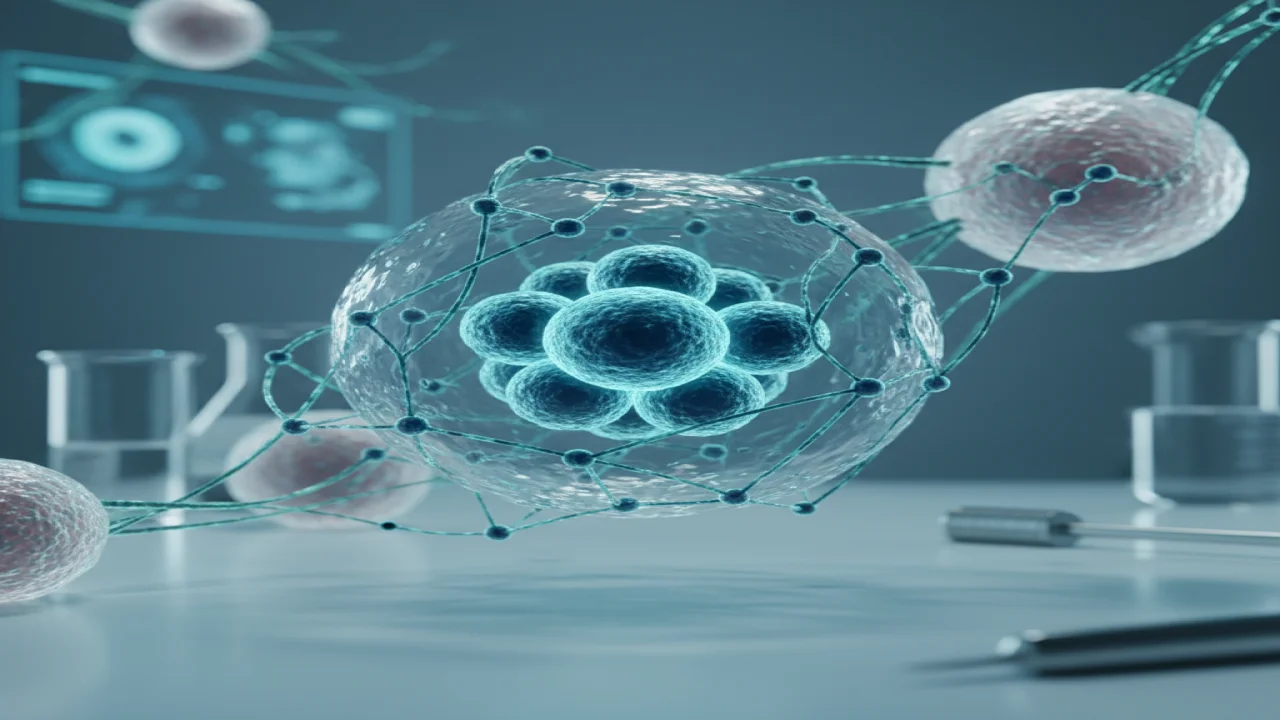
What Are Exosomes and Why Should You Care?
What Do Exosomes Do in Simple Terms?
Think of your skin as a bustling city. Millions of cells live and work there. They need to talk to each other constantly. They need to coordinate repairs, sound alarms, and share supplies. But cells don’t have phones or emails. So how do they communicate? They send exosomes.
Exosomes are nature’s tiny mail trucks. They carry vital messages from one cell to another. Their cargo is the message. This cargo can include proteins, lipids, and genetic instructions. Each exosome delivers its package directly to a target cell. This tells the receiving cell what to do next.
So, what do exosomes do? They manage critical conversations between skin cells. These conversations control your skin’s health. Here are some key jobs they perform.
- They trigger repair. If skin is damaged, cells send exosomes packed with growth signals. These signals tell neighboring cells to multiply and heal the wound.
- They reduce inflammation. Calming messages can be sent via exosomes to quiet an overactive immune response. This helps soothe irritated skin.
- They recycle waste. Exosomes can carry away cellular debris and damaged components. This cleanup keeps the skin environment healthy.
- They support structure. Messages can instruct cells to produce more collagen and elastin. These are the fibers that keep skin firm and springy.
The process is precise. A cell creates an exosome and loads it with specific molecules. The exosome then travels through the fluid between cells. It finds its target cell by matching a kind of molecular address label. It fuses with the target cell or is swallowed up. The cargo is delivered, and the message is received. The cell then acts on its new instructions.
This system is happening in your skin right now. It is a continuous, silent dialogue. When this communication flows well, skin maintains its balance. It can repair itself and defend against stress. Problems can arise when the messages get confused or corrupted.
For example, unhealthy cells might send bad signals. They could tell other cells to stop making collagen. Or they might spread inflammatory messages too widely. This can lead to visible skin issues. Understanding this messaging system helps us see skin health in a new way. It is not just about what we put on our skin. It is also about supporting the natural conversation happening beneath the surface.
The next question is how we can influence this conversation for better skin health.
Why Exosome Research Matters for Your Skin
Exosome research matters because it reveals the master control system for your skin’s health. Think of your skin as a busy city. Cells are the citizens and buildings. Exosomes are the postal service, news broadcast, and waste management trucks all in one. They keep everything running smoothly. When this system works well, your skin looks and feels healthy. When it breaks down, problems appear.
So, what do exosomes do for your skin every day? Their main job is to manage repair and renewal. This is a constant process. Your skin faces daily wear and tear from the sun, pollution, and simple movement. Exosomes coordinate the fix.
For example, a minor cut triggers an immediate response. Nearby cells send out exosomes with specific instructions. These messages tell other cells to: – Rush to the site and start building new tissue. – Create more collagen to strengthen the repair. – Calm inflammation once the initial danger is gone.
This precise control prevents too much or too little healing. It is why a small scrape disappears without a scar. The same process happens at a microscopic level every day, fixing tiny bits of damage you never see.
Exosomes also manage your skin’s natural renewal cycle. Your skin constantly makes new cells at its deepest layer. Older cells move to the surface, flatten, and eventually shed. This cycle takes about a month in young, healthy skin. Exosomes help regulate this entire timeline. They carry signals that tell cells when to divide, when to move up, and when to let go.
As we age, this communication can slow down or get noisy. The renewal cycle stretches longer. Old cells linger on the surface. This makes skin look dull and rough. Fresh, plump cells are not revealed as quickly. Understanding exosomes helps scientists see why this slowdown happens. The messages for renewal are not being sent or received as efficiently.
Another key area is pigment control. Dark spots and uneven tone often come from confused messaging. Melanocytes are the cells that make pigment. They can be triggered by sun exposure or inflammation. Exosomes carry the signals that either turn this pigment production on or off. When exosome traffic is balanced, your skin tone remains even. Faulty signals can lead to too much pigment in one spot, creating a dark patch.
The goal of modern skincare science is to support this natural system. We now know that simply bombarding skin with strong ingredients is not always best. It can drown out the skin’s own precise messages. A smarter approach is to encourage clear cellular conversation. This helps your skin help itself.
Research shows that healthy, young cells send helpful exosomes. These vesicles carry a full, correct set of instructions. They can guide older or stressed cells to act in a more youthful way. This is a fundamental shift in thinking about skin health. The focus moves from just treating symptoms to improving core communication.
In short, exosome research matters because it targets the source of skin function, not just the surface appearance. By learning how these messengers control repair, renewal, and protection, we can develop better ways to support them. The next step is exploring how science can safely harness this knowledge for real-world benefits.
How Exosomes Differ from Other Skin Treatments
Most skin treatments tell your skin what to do. Exosomes show it how. This is the core difference. Traditional approaches often rely on a single, strong ingredient. They push skin cells in one direction. Think of it like shouting a command. Exosomes work differently. They deliver a complex set of natural instructions. This is more like having a quiet, expert conversation.
Consider a common goal: reducing wrinkles. Many creams use acids or retinoids. These ingredients work by causing controlled irritation. They force the top skin layers to shed faster. They also push deeper cells to make more collagen. This approach gets results. But it can also overwhelm your skin’s own messaging system. It does not teach your skin how to sustain itself.
Exosomes take another path. They do not force or irritate. Instead, they carry the original blueprints for healthy skin function. So, what do exosomes do? They restore the clarity of cellular conversation. An aging cell might have forgotten how to make strong collagen fibers. It receives exosomes from a healthy donor cell. These vesicles carry the precise signals and tools needed. The aging cell then remembers its job. It starts producing better collagen on its own.
The contrast is clear in how each method handles repair. – A traditional serum might flood the area with a growth factor. This tells every cell to divide. – An exosome delivers a coordinated program. It carries specific instructions for repair, along with tools for cleanup and signals to stop when the job is done.
One method is a blunt tool. The other is a precision instrument.
This principle applies to inflammation too. Many products try to block inflammatory signals completely. This can sometimes backfire. It might disrupt your skin’s natural healing process. Exosomes can modulate inflammation. They carry messages that help calm overactive immune cells. But they also allow needed inflammatory signals for proper repair. They guide the system back to balance.
Think about long-term results. A treatment that forces change often needs constant use. If you stop the product, the effect may fade. Your skin has not learned a new way to function. An approach that educates cells aims for lasting change. The goal is to improve the skin’s innate ability to care for itself.
This does not mean exosomes replace all other treatments. They represent a different category of action. It is the difference between giving a fish and teaching how to fish. One solves an immediate need. The other builds lasting capability.
The shift is fundamental. We move from a model of correction to a model of communication. The focus is on enabling your skin’s own intelligence. This is why the science of these tiny messengers matters so much. It offers a way to support health from within the cellular network itself. Understanding this leads us to a key question: how can this knowledge be applied safely and effectively in modern skincare?
The Basic Building Blocks of an Exosome
An exosome is a tiny bubble with a job. It is incredibly small. Billions could fit on the head of a pin. Its design is not random. Every part has a purpose for safe delivery.
Think of it like a biological shipping container. This container has two main parts. The outer shell is called a lipid bilayer. This is a protective wall. It is made of fats, similar to the membrane that surrounds every cell in your body. This familiar structure is key. It lets the exosome merge with a target cell. It is like two soap bubbles joining into one.
This shell is not just a plain bag. It is studded with special markers. These are like address labels and security badges. They help the exosome find the right cell. They also signal to that cell that the package is friendly and should be accepted.
Inside this protective shell is the precious cargo. This is what exosomes do. They carry instructions and supplies. The cargo is a mix of different molecules.
- Proteins are one type of cargo. These can be enzymes to start reactions. They can be signals to turn processes on or off.
- Lipids are another. These are special fats. They can become part of the target cell’s own membrane. They can also act as signals themselves.
- Perhaps the most important cargo is genetic material. This includes RNA, which is a set of molecular blueprints.
This RNA does not change your core DNA. Instead, it delivers temporary instructions. It tells the recipient cell which proteins to make right now. It can tell a skin cell to make more collagen. It can tell a stressed cell to activate its repair programs.
The cargo is carefully selected when the exosome forms. A parent cell packs it with specific tools and messages for a specific task. This selective packing makes exosomes precise. They are not random debris. They are intentional communications.
The combination of a protective shell and targeted cargo is brilliant. The shell ensures safe travel through the body’s environment. It guarantees delivery to the interior of the target cell. The cargo then gets to work immediately once released inside.
This elegant design solves a major problem in biology. How does one cell send complex instructions to another? It cannot shout across the tissue. Instead, it packs a smart parcel and sends it on its way. The building blocks of an exosome make this possible.
Understanding this structure helps us see why exosomes are so effective as messengers. Their natural design is optimized for communication and influence at the cellular level, which directly informs how they can be harnessed for skin health.
Where Do Exosomes Come From in Your Body?
Exosomes come from you. Your own cells create them constantly. This is not a rare event. It is a fundamental part of how your body operates.
Almost every cell type in your body can release exosomes. Think of your body as a vast, bustling city. Cells are the citizens. Exosomes are the messages they send to each other. These messages travel through your bodily fluids. They move in blood, saliva, and even the fluid between cells.
Different cell types send different messages. Their exosomes carry cargo tailored to their function. This is key to understanding what do exosomes do in a living system. Their job depends entirely on who sent them and why.
Consider your immune system. White blood cells called T-cells release exosomes. These vesicles can alert other immune cells to a threat. They help coordinate your body’s defense. It is a rapid communication network.
Stem cells are also prolific producers. Their exosomes often carry instructions for repair and renewal. This is a major area of scientific interest. The messages from stem cells can encourage healing in damaged tissues.
Even cells that are stressed or damaged send exosomes. This might seem strange. But these signals can serve as alarms. They tell neighboring cells to prepare for trouble. They can also trigger repair processes.
The process of creation is active and deliberate. A cell forms a small pouch inside itself called an endosome. Inside this pouch, it gathers specific proteins, lipids, and RNA molecules. The pouch then moves to the cell’s outer membrane. It fuses with this membrane and releases its contents outside. The released vesicle is now an exosome, ready for delivery.
Here are some key sources of exosomes in your body: – Immune cells: They send signals for defense. – Stem cells: They dispatch instructions for repair. – Skin cells (fibroblasts and keratinocytes): They share messages about structure and barrier health. – Nerve cells: They communicate across the nervous system. – Fat cells: They influence metabolism and inflammation.
The number of exosomes changes with your condition. During an infection, their numbers rise. During chronic inflammation, their messages can become harmful. Healthy cells send balanced signals. Diseased cells may send confusing or damaging ones.
This constant background chatter is vital for health. It allows systems to stay in sync without central control. Your liver can talk to your muscles. Your skin can respond to signals from deep within.
The takeaway is simple yet profound. Exosomes are not foreign or synthetic. They are native biological tools. Your body has used them for your entire life. This natural origin is why scientists are so fascinated by their potential. Understanding where they come from helps us see how we might guide this existing system for better health.
The next logical question is about their journey. How do these precise messengers find their target cell in the complex environment of the body? Their origin story is only the beginning.
How Exosomes Work as Cellular Messengers
The Journey of an Exosome from Cell to Cell
An exosome’s journey begins the moment it leaves its parent cell. It enters a crowded, fluid environment. This space is the extracellular matrix. Think of it as a dense network of fibers and proteins. The exosome must navigate this terrain. It does not travel aimlessly. Its membrane holds specific addressing signals. These signals are like molecular GPS coordinates.
The exosome’s surface is studded with proteins and sugars. These molecules act as keys. They look for matching locks on the surface of other cells. This is called ligand-receptor binding. A ligand on the exosome finds its receptor on a target cell. This connection is highly selective. It ensures messages go to the right place.
Several factors guide an exosome to its destination. First, chemical gradients can attract it. Cells in distress often release chemical signals. Exosomes can follow these trails. Second, physical proximity matters. Cells that are close together exchange more vesicles. This is local signaling. Third, the bloodstream offers a highway for long-distance travel. Exosomes from a distant organ can reach another.
So, what do exosomes do when they arrive? They deliver their cargo. This is the core of their messenger function. Delivery happens through one of three main methods. The first is direct fusion. The exosome membrane merges with the target cell’s membrane. The cargo empties directly into the cell’s interior.
The second method is endocytosis. The target cell engulfs the entire exosome. It forms a little pouch around it and pulls it inside. Once inside, the vesicle breaks down. This releases the cargo. The third method is signal triggering. The exosome docks on the surface but does not enter. Its surface proteins activate receptors on the target cell. This sends a signal without cargo transfer.
The delivered cargo then gets to work. Proteins can alter the cell’s immediate functions. Lipids can become part of the cell’s own membrane. Genetic material like RNA is perhaps the most powerful cargo. This RNA can instruct the target cell to make new proteins. It can change the cell’s behavior fundamentally.
For example, a stem cell exosome might deliver RNA to a skin cell. This RNA tells the skin cell to produce more collagen. The skin cell then follows these new instructions. The result is improved skin structure. This shows how a message can rewrite local cellular activity.
The entire process is fast and efficient. It happens constantly throughout your body. Billions of these interactions occur every day. They maintain balance and enable rapid responses. This system allows skin cells to react to internal immune signals. It lets muscle cells adjust based on messages from fat tissue.
The journey is not always perfect. Sometimes exosomes get cleared by immune cells. Other times they might break down before delivery. But the system’s design ensures enough messages get through. This robust biological network keeps tissues communicating.
Understanding this journey answers a critical question. It shows how a natural process achieves targeted delivery without external help. The body’s own targeting system is precise and complex. This inherent precision is key for potential future applications. The next step is to explore what specific messages these vesicles carry and how those instructions manifest as visible biological changes.
The cargo defines the ultimate effect, turning communication into tangible action within tissues
What’s Inside an Exosome’s Cargo?
An exosome’s cargo is a packed suitcase of molecular instructions. This cargo is not random. Cells carefully select and load these tiny vesicles. The contents define the message. They determine what do exosomes do at their destination. The main cargo types are proteins, lipids, and genetic material.
Proteins are the workhorses. They can act as signals, keys, or tools. Some proteins sit on the exosome’s surface. These surface proteins act like address labels. They help the vesicle find the right target cell. Other proteins are packed inside. These internal proteins can be enzymes. Enzymes speed up chemical reactions in the recipient cell. They can also be growth factors. Growth factors tell a cell to grow or repair itself.
For instance, an exosome from a healthy fibroblast might carry collagen proteins. It delivers these directly to a neighboring cell. This supports the skin’s structural network. Another exosome could carry antioxidant enzymes. These help a stressed cell neutralize damage.
Lipids form the exosome’s membrane shell. But they are more than just packaging. Specific lipids in the membrane have active roles. Some lipids help the exosome fuse with its target cell. This fusion is like two soap bubbles merging. It allows the cargo to spill directly into the cell’s interior. Other lipids can act as signals themselves. They can bind to receptors on a target cell. This binding can trigger a survival response or reduce inflammation.
The genetic material inside is perhaps the most powerful cargo. This mainly includes RNA molecules. RNA is a set of instructions for making proteins. There are different types of RNA in exosomes. – Messenger RNA (mRNA) provides blueprints. A target cell can use this blueprint to build a new protein. – MicroRNA (miRNA) acts as a regulator. It can silence specific genes in the target cell. It effectively turns certain commands off. – Other non-coding RNAs manage various cellular processes.
This genetic transfer is a direct software update. A stem cell exosome can deliver RNA that tells a skin cell to boost its collagen production. The skin cell reads the new code. Then it starts manufacturing more collagen protein. The cell’s behavior changes without altering its core DNA.
The combination of these elements creates a coordinated message. Proteins may give an immediate signal. Lipids facilitate delivery and send secondary signals. Genetic material provides long-term instructions. Together, they allow for complex communication. A single exosome can deliver both a quick order and a lasting program.
This precise packaging explains how exosomes achieve such specific effects. Their cargo is the language of cellular conversation. Understanding this language is key to grasping their full potential. The next logical question is how these microscopic messages translate into visible, tissue-wide results.
How Exosomes Know Which Cells to Talk To
Exosomes do not broadcast their messages to every cell. They deliver their cargo with remarkable precision. This targeting is what makes them such effective messengers. How do they know which cells to talk to? The answer lies on their surface.
Every exosome has an outer membrane. This membrane is studded with specific molecules. Think of these molecules as addresses or keys. A target cell has matching locks on its own surface. When the exosome’s key finds the correct lock, the two structures bind. This binding is the first step in delivery.
The main addressing molecules are proteins and sugars. Proteins called tetraspanins are common. They form platforms for other targeting signals. Integrins are another crucial protein family. They guide exosomes to cells in specific tissues. Sugars form a coating called a glycocalyx. This sugar code adds another layer of targeting information.
Different parent cells create exosomes with different surface codes. A stem cell’s exosome will have a different set of keys than a cancer cell’s exosome. This ensures messages go to the intended recipients. For example, an exosome from a fibroblast might look for other skin cells. Its surface markers match receptors on those skin cells.
The body’s environment also guides delivery. This process is called directional trafficking. Cells can deposit exosomes onto the structural scaffold between cells. This scaffold is the extracellular matrix. Exosomes can then travel along these fibers to a target. Some exosomes follow chemical concentration gradients. They move toward areas of damage or inflammation.
Once an exosome finds its target cell, several things can happen. The main methods are: – Fusion: The exosome membrane merges with the cell’s membrane. The cargo empties directly into the cell’s interior. – Endocytosis: The cell membrane folds inward. It wraps around the exosome and brings it inside in a bubble. – Receptor Binding: The exosome docks but does not enter. Its surface signals activate the cell’s receptors, sending a signal without cargo release.
The method affects the speed and type of response. Fusion delivers cargo fast. Receptor binding triggers immediate signaling changes. Endocytosis is a common middle path.
So, what do exosomes do with this system? They ensure their powerful instructions reach only the correct departments. A collagen-building message goes to a skin fibroblast. An anti-inflammatory signal finds an immune cell. This prevents confusion and side effects. It is a natural, targeted delivery network.
The precision explains their therapeutic potential. Scientists study these natural addressing systems. The goal is to understand the codes. This knowledge could one day help design even smarter deliveries. The next step is seeing these coordinated messages lead to real change in tissues and skin.
The Role of Exosomes in Cell Communication
Cells in your skin are not isolated. They work as a team. Exosomes are their main communication tool. This constant messaging keeps skin balanced and able to repair itself.
Think of a minor paper cut on your finger. The injury creates an immediate problem. Cells at the site release specific exosomes. These vesicles carry urgent signals. One signal tells blood vessels to become leaky. This allows immune cells to enter the tissue and fight germs. Another signal tells skin cells called fibroblasts to start preparing new collagen. This is the framework for new skin. All these steps are coordinated by exosomal messages.
So, what do exosomes do for daily skin maintenance? Their role is crucial even without injury. They manage three key ongoing tasks.
First, they regulate inflammation. Skin is exposed to sunlight and pollution every day. This exposure can trigger low-grade inflammation. Healthy cells send exosomes with anti-inflammatory signals. These messages calm overactive immune cells. This prevents chronic damage that leads to premature aging.
Second, they synchronize cell renewal. Your outer skin layer constantly sheds old cells. New cells must replace them at the same rate. Exosomes carry the timing signals for this process. They tell stem cells in the deeper layer when to divide and become new skin cells. This keeps the skin barrier strong and intact.
Third, they support the structural matrix. The collagen and elastin network gives skin its firmness and bounce. Fibroblasts are the cells that build this network. They rely on exosomes from other cells for instructions. These messages tell fibroblasts when to produce new collagen and when to clean up old, damaged fibers.
This system is highly responsive. When skin is dehydrated, cells send out different exosomes. These vesicles can prompt other cells to produce more hyaluronic acid. This molecule binds water like a sponge. When UV exposure occurs, exosomal signals can activate the skin’s antioxidant defenses. They help neutralize harmful free radicals before they cause significant damage.
The precision of this messaging prevents chaos. A signal meant for an immune cell does not accidentally trigger a fat cell. This targeted delivery ensures that resources are used efficiently. Energy goes exactly where it is needed most.
Research shows that aged or damaged skin has a different exosome profile. The messages can become confused or weaker. The call for collagen production may diminish. Anti-inflammatory signals might be less frequent. This breakdown in communication contributes to visible aging signs like wrinkles and thinning skin.
Scientists are now mapping these natural conversations. They identify which exosome cargo leads to which skin benefit. Understanding this language is key. It reveals how skin naturally heals and maintains itself. The goal is to support this intrinsic messaging system when it starts to fade.
In essence, exosomes form a dynamic information network. They allow skin cells to act as a unified, intelligent organ. They coordinate defense, repair, and daily renewal seamlessly. This constant cellular dialogue is fundamental for resilient, healthy-looking skin. The next logical question is how external factors or interventions can influence this sophisticated conversation.
What Happens When Exosomes Deliver Their Message?
The journey of an exosome ends with a precise delivery. It docks onto the surface of a target cell. This is not a random collision. Specific proteins on the exosome’s membrane act like keys. They fit into matching locks on the recipient cell. This ensures the message goes only to the correct address.
Once attached, the exosome can deliver its cargo in several ways. It might fuse directly with the cell’s outer membrane. This releases the contents directly into the cell’s interior. Alternatively, the entire vesicle can be swallowed by the cell. The cell membrane wraps around it and pulls it inside. The exosome is then unpacked in a controlled compartment.
So, what do exosomes do at this critical moment? They transfer functional instructions. The delivered molecules can immediately change the cell’s behavior. Think of it as handing a worker a new blueprint or a new tool. The cell reads the instructions and acts.
The cargo inside dictates the exact response. Different signals cause different actions. Here are key examples of cellular changes:
- A growth factor protein can switch on the cell’s division machinery. This tells a quiet cell to start multiplying. It is a direct signal for repair and renewal.
- Regulatory RNA molecules can silence harmful genes. They can also boost the production of beneficial proteins like collagen or elastin. This reprograms the cell’s activity from within.
- Enzymes can kick-start specific metabolic pathways. They help a cell produce more energy or build critical structural components.
This delivery alters the cell’s very state. A stressed skin cell receiving antioxidant signals becomes calm. It neutralizes damaging free radicals more effectively. A fibroblast receiving pro-collagen instructions becomes a factory for youth-supporting proteins. It begins weaving fresh structural fibers into the skin’s foundation.
The change is often rapid and powerful. Studies show cells can respond within hours of receiving exosomal cues. The effects are also localized and efficient. Because the message is targeted, there is minimal waste or side effect on neighboring cells doing other jobs.
This process is fundamental to tissue coordination. Imagine many cells in a damaged area. They all need to act together to close a wound. Exosomes carry the “repair now” order simultaneously to many cells. This synchronizes their efforts for a unified, effective response.
The system’s elegance lies in its specificity and power. A simple vesicle triggers complex internal cascades. The recipient cell does not just get a vague alert. It receives a detailed set of commands and the tools to execute them.
Ultimately, exosome delivery translates communication into action. A signal becomes a tangible change in cellular function. This is how microscopic messages manifest as visible skin health. The next question explores how we can learn from and potentially support this precise delivery system when natural communication slows.
Exosomes and Skin Structure: Building Strong Foundations
How Exosomes Support Collagen Production
Collagen is the most abundant protein in your skin. It forms a strong, fibrous network. This network gives skin its firmness and smooth appearance. Fibroblasts are the skin cells that make collagen. But they need clear instructions to do their job well. This is where exosomes come in.
So, what do exosomes do for collagen? They deliver direct orders and supplies to fibroblasts. Think of a fibroblast as a construction factory. An exosome arrives at its door. The vesicle carries a precise blueprint for making new collagen. It also delivers the tools needed to start production.
The process begins with a signal. Skin cells sense damage or aging. This could be from UV rays or natural time. In response, healthy cells release exosomes loaded with specific instructions. These instructions are often genetic messages called microRNAs.
These microRNAs are key. They enter the target fibroblast. Once inside, they act like master switches. They turn on genes related to collagen production. At the same time, they can turn off genes that break collagen down. This dual action is crucial for net gain.
The exosome cargo does more than switch genes. It can also provide raw materials. The cargo includes enzymes and signaling proteins. These molecules kickstart the fibroblast’s internal machinery. The cell then begins assembling collagen proteins at a higher rate.
The newly made collagen fibers are secreted into the surrounding matrix. They integrate with the existing network. This reinforces the skin’s foundational layer, the dermis. A stronger dermis means fewer wrinkles and better elasticity.
Several factors can disrupt this natural messaging system. Aging is a primary one. Older cells send fewer and less effective exosomes. Environmental stress like pollution also clouds the signals. Fibroblasts then become less active and produce less collagen.
Supporting this natural exchange is a key goal in skin science. The aim is not to replace fibroblasts. Instead, it is to improve communication. Clear messages help fibroblasts return to their optimal state. They can then sustain robust collagen production on their own.
The result is structural improvement from within. Enhanced collagen fortifies the skin’s architecture. This leads to visible changes over time. – Skin becomes more resilient. – Fine lines may appear softened. – The overall surface looks plumper and more toned.
This process highlights a core principle. Lasting skin strength relies on cellular teamwork. Exosomes facilitate this teamwork with precision. They ensure the right cell gets the right command at the right time. This coordinated effort maintains the skin’s structural integrity against daily challenges.
Ultimately, understanding this mechanism answers a fundamental question. It shows how microscopic communication translates to macroscopic firmness. The health of the collagen network depends on the quality of cellular messages. The next logical step is to explore what happens when this supportive communication falters and how science addresses that gap.
Exosomes and the Skin Barrier: Your First Defense
The skin barrier is your body’s frontline shield. It is a thin, outermost layer called the stratum corneum. This shield keeps good things in and bad things out. It locks in essential moisture. It also blocks out pollutants, allergens, and microbes. A strong barrier means resilient, comfortable skin. A weak one leads to dryness, sensitivity, and irritation.
Exosomes are vital for maintaining this defensive wall. They deliver precise instructions to the cells that build the barrier. Keratinocytes are the primary builders. They undergo a complex process to form the protective shield. This process is called differentiation. Exosomes guide keratinocytes through each step.
So, what do exosomes do for this process? They carry specific orders. These orders tell keratinocytes to produce key structural proteins. One crucial protein is filaggrin. Filaggrin binds keratin fibers together. It is essential for creating tight, flat, protective skin cells. Exosomes also signal for lipid production. These lipids act as the mortar between the skin cells. They create a waterproof seal.
This cellular communication ensures the barrier assembles correctly. Without clear signals, construction falters. Keratinocytes may not differentiate properly. Lipid synthesis can slow down. The result is a barrier with gaps. Moisture escapes easily. Irritants penetrate more freely.
Several threats can disrupt this exosome-guided maintenance. External aggressors are a major factor. – UV radiation damages skin cells and alters their messages. – Harsh weather, like cold wind, stresses the cellular network. – Pollution particles generate oxidative stress that clouds communication.
Internal factors also play a role. Inflammatory conditions send confusing signals. Natural aging reduces both the number and quality of exosomes sent. The repair signals become less frequent and less accurate.
Supporting exosome function helps reinforce the barrier from within. The goal is to optimize the natural messaging system. Clear commands help keratinocytes perform their duties effectively. They can then produce the right proteins and lipids in the right amounts. This leads to a cohesive, resilient barrier.
The benefits of a well-maintained barrier are direct and noticeable. – Skin retains hydration more effectively, reducing tightness and flaking. – It becomes less reactive to common triggers like skincare products or climate changes. – The overall complexion appears smoother and more even.
This process highlights a key point. Barrier health is not static. It is a dynamic state maintained by constant cellular dialogue. Exosomes facilitate this dialogue with remarkable precision. They ensure repair crews receive correct blueprints after daily damage.
Ultimately, a robust barrier depends on quality control at the cellular level. Exosomes provide this critical oversight. They help coordinate the continuous repair and renewal of your skin’s first defense. This sets the stage for exploring how these messengers also manage the skin’s response to injury and its healing pathways.
The Link Between Exosomes and Elasticity
Skin’s bounce and snap come from its support structure. This structure is a dense network of proteins. Two proteins are most important. Collagen provides firm strength. Elastin gives stretchy recoil. Think of a mattress. Collagen is the sturdy springs. Elastin is the flexible padding. Together, they let skin spring back after a smile or a pinch.
Exosomes are vital for maintaining this protein network. They carry instructions for its care and repair. So, what do exosomes do for elasticity? They deliver precise messages that manage the cells responsible for these proteins. These cells are called fibroblasts. Fibroblasts live deep in the skin’s dermal layer. They are the factories that build collagen and elastin.
Exosomes tell fibroblasts when to build new proteins. They also signal when to remove old, damaged ones. This balance is crucial. Without it, the support network weakens. Damaged proteins accumulate. New production slows down. The skin gradually loses its firmness and snap.
Several factors disrupt this delicate process. Sun exposure is a major one. UV rays damage fibroblast cells. Stressed fibroblasts send out fewer exosomes. The exosomes they do send may carry faulty instructions. This leads to poor-quality collagen formation. The new fibers are disorganized and weak.
Aging has a similar effect. Over time, fibroblast activity naturally declines. Cellular communication becomes less efficient. The exosome supply chain slows down. Repair signals arrive less often. The protein network is not maintained properly. Collagen bundles break down. Elastin fibers fray and fragment.
The result is visible on the skin’s surface. – Skin may begin to sag or look thin. – Fine lines can turn into deeper wrinkles. – The complexion loses its plump, youthful contour.
Exosome signaling helps counteract these changes. Their cargo can instruct fibroblasts to boost collagen production. They can also carry enzymes that clean up damaged protein debris. This clears the way for new, healthy fibers to form. Some exosomes even carry growth factors. These growth factors directly stimulate fibroblast activity.
This process is continuous. It happens every day beneath the surface. Effective exosome communication ensures a dynamic repair cycle. Old structures are removed. New, robust ones are built in their place. This maintains the skin’s structural integrity from within.
The link between exosomes and elasticity is direct and mechanical. Clear cellular commands lead to optimal protein production. A well-maintained dermal matrix provides lasting support. It resists the forces of gravity and motion that cause sagging.
Ultimately, skin’s youthful bounce relies on more than just creams. It depends on high-fidelity cellular dialogue. Exosomes facilitate this critical conversation about structure and support. They help ensure the foundational layers of skin remain strong and resilient over time. This sets the stage for understanding how these messengers also coordinate the complex process of wound healing and regeneration.
Exosomes in Wound Healing and Repair
When skin is cut or damaged, cells send out a rapid distress signal. Exosomes are among the first messengers to respond. They carry urgent instructions to coordinate the complex repair process. This process happens in clear, overlapping stages. Exosomes help manage each one.
The first goal is to stop bleeding and prevent infection. This is the inflammatory phase. Exosomes released at the wound site carry specific signals. These signals call immune cells to the area. They help control the cleanup of bacteria and dead tissue. This controlled inflammation is vital. It prepares a clean wound bed for new growth.
Next, the rebuilding phase begins. This is called proliferation. Fibroblasts move into the wound area. They need to build new tissue. Exosomes deliver precise blueprints to these cells. The cargo tells fibroblasts to multiply quickly. It also instructs them to start producing new collagen and elastin fibers. This forms a temporary but vital scaffold called granulation tissue.
Exosomes also play a key role in forming new blood vessels. This process is called angiogenesis. Cells lining blood vessels release exosomes. These vesicles carry growth factors. The growth factors act like construction guides. They tell new capillaries to grow into the healing wound. This new network delivers oxygen and nutrients. It fuels the entire repair operation.
- They recruit and guide immune cells for cleanup.
- They stimulate fibroblast growth and collagen production.
- They promote the growth of new blood vessels for nourishment.
The final stage is remodeling. This is when the temporary scaffold matures into stronger skin. Exosome signaling helps here too. Their messages can tell cells to break down disorganized collagen fibers. They then guide the production of new, neatly aligned fibers. This strengthens the healed area over time.
So, what do exosomes do in wound healing? They act as master coordinators. They ensure different cell types work together at the right time. Without clear exosome communication, healing can be slow or messy. It might lead to poor scarring or weak skin.
The speed and quality of skin repair depend heavily on this cellular dialogue. Effective exosome signaling minimizes scar formation. It helps restore the skin’s barrier function faster. This keeps moisture in and pathogens out.
This repair logic applies beyond accidental cuts. The same principles work for other skin challenges. Sun damage creates micro-injuries that need fixing. So do inflammatory conditions and signs of aging. The skin constantly uses these repair pathways for daily maintenance.
Exosomes provide the targeted instructions that make efficient healing possible. They turn a chaotic injury site into an organized construction zone. Then they guide the long-term strengthening of the new tissue. This seamless process highlights their role as essential managers of skin resilience. Their function ensures our largest organ can recover from damage and maintain its protective duty every day.
How Exosomes Help Skin Stay Hydrated
Healthy skin acts as a barrier that holds essential water inside your body. Exosomes are key players in maintaining this moisture balance. They deliver precise instructions to skin cells about hydration management.
What do exosomes do for hydration? They carry molecular messages that regulate two main things. First, they influence the production of natural moisturizing factors inside skin cells. Second, they help manage the lipids that form the protective outer layer.
This outer layer is called the stratum corneum. Think of it like a brick wall. Skin cells are the bricks. Lipids are the mortar that holds them together tightly. If the mortar is weak, water escapes easily.
Exosomes help ensure the lipid mortar is strong and complete. They carry signals that tell cells to produce the right types and amounts of lipids. These include ceramides, cholesterol, and fatty acids. A robust lipid layer prevents something called transepidermal water loss.
Transepidermal water loss is the scientific term for moisture escaping through the skin. When this loss is high, skin feels dry, tight, and can become flaky. Effective exosome signaling helps keep this loss low.
Inside skin cells, exosome cargo helps with another process. It supports the function of proteins like aquaporins. Aquaporins are tiny channels in cell membranes. They allow water to move in and out of cells efficiently.
Proper water movement is crucial for plump, hydrated skin cells. Without it, cells can become shriveled and dysfunctional. Exosome signals help maintain these vital water channels.
The dermis layer below also contributes to hydration. This is where collagen and hyaluronic acid reside. Hyaluronic acid is a molecule that can hold vast amounts of water.
Exosomes from dermal cells support the environment for hyaluronic acid. Their messages encourage cells to produce and protect this hydrating substance. This creates a deep reservoir of moisture that supports upper layers.
Environmental stress can disrupt hydration. Sun exposure, pollution, and dry air challenge the skin’s barrier. Cells under stress send out different exosome signals.
These stress-response exosomes carry adaptive instructions. They can tell neighboring cells to boost their defense and repair activities. This helps the skin barrier recover from daily assaults that threaten its moisture seal.
The process is dynamic and continuous. Skin cells constantly communicate about hydration status. Exosomes facilitate this ongoing conversation.
Key signals they carry include: – Instructions for lipid synthesis enzymes. – MicroRNAs that regulate aquaporin gene expression. – Proteins that support structural proteins in the barrier.
When this communication network functions well, the skin maintains optimal hydration autonomously. It effectively draws moisture from the body and retains it. External moisturizers then supplement this innate system rather than replacing it.
Problems arise when exosome signaling becomes impaired. Aging or chronically damaged skin may show less coordinated communication. This can lead to a breakdown in the barrier’s integrity.
The result is a cycle of dryness and weakness. Compromised skin loses more water. This makes it harder for cells to function normally, which further weakens barrier signals.
Supporting the body’s natural exosome dialogue is therefore fundamental for hydrated skin. It addresses the root cause of moisture loss rather than just the surface symptom. This cellular management ensures the skin’s foundation remains solid and watertight.
Ultimately, exosomes help skin stay hydrated by orchestrating the complex biology of the moisture barrier. They coordinate the production of sealing lipids and the management of internal water transport. This keeps the protective wall strong so your body’s essential fluids stay where they belong, maintaining the plump, resilient foundation of healthy skin structure.
Exosomes in Action: Fighting Skin Aging and Damage
What Do Exosomes Do to Combat Photoaging?
Sunlight is a major cause of premature skin aging. This process is called photoaging. It goes beyond a simple sunburn. UV rays create deep damage within skin cells. They harm the DNA and the cell’s energy factories. Exosomes act as critical emergency responders to this damage.
So, what do exosomes do in this fight? They deliver precise repair kits to injured cells. After UV exposure, stressed skin cells release more exosomes. These vesicles carry specific instructions for survival and cleanup. Their cargo helps cells manage the crisis and recover function.
One key task is protecting the cell’s DNA. UV light can cause errors in the genetic code. Unrepaired, these errors can lead to lasting problems. Exosomes deliver molecules that help activate the cell’s own DNA repair systems. This helps fix mistakes before they become permanent.
Exosomes also tackle harmful molecules called free radicals. UV exposure generates these unstable particles. They bounce around and damage collagen fibers and cell membranes. This is known as oxidative stress. Exosomes carry antioxidant enzymes directly to the site. These enzymes neutralize free radicals on contact.
Collagen breakdown is a hallmark of photoaged skin. UV light signals skin cells to produce too much of certain collagen-chewing enzymes. This degrades the skin’s supportive framework. Exosomes can counter this signal. They deliver messages that tell cells to slow down this destructive process. Simultaneously, they encourage the production of fresh, new collagen.
The inflammatory response is another target. Sunburn is essentially inflammation. Chronic low-level inflammation from repeated sun exposure silently damages skin over time. Exosomes help modulate this response. They carry anti-inflammatory signals that calm overactive immune cells in the skin. This reduces redness and swelling at a cellular level.
Here is a summary of their anti-photoaging actions: – Enhance DNA repair mechanisms within cells. – Deliver antioxidants to neutralize free radical damage. – Downregulate enzymes that destroy collagen and elastin. – Promote the synthesis of new structural proteins. – Calm damaging inflammatory pathways after UV exposure.
This multi-pronged approach makes exosomes powerful natural defenders. They do not just treat one symptom. They coordinate several repair processes at once. This addresses the root causes of wrinkles, thinning skin, and uneven tone caused by the sun.
Ultimately, exosomes help restore order after solar chaos. They shift skin biology from a state of damage back toward balance and repair. This cellular-level intervention supports the skin’s long-term resilience against environmental stress. By managing these fundamental processes, exosomes provide a strategic defense against visible aging.
Exosomes and Inflammation Control in Skin
Inflammation is your skin’s alarm system. It is a vital, healthy response to injury or infection. Cells send out emergency signals. Immune cells rush to the site to heal and defend. But sometimes, this alarm gets stuck in the “on” position. Chronic, low-grade inflammation then becomes a source of damage itself. This silent fire degrades healthy tissue over time. Exosomes act as expert mediators in this scenario. They help reset the overactive alarm.
So, what do exosomes do to control this process? They carry precise instructions to immune cells. Think of a chaotic emergency scene. Exosomes are like calm dispatchers with clear directives. They tell overreacting immune cells to stand down. They deliver specific molecular messages. These messages can block signals that fuel inflammation.
One key way they work is by delivering microRNAs. These are tiny pieces of genetic code. They do not create proteins. Instead, they silence specific genes. In inflammation, certain genes tell cells to produce more inflammatory proteins. Exosome cargo can target those genes. It switches them off at the source. This stops the production cycle of inflammatory molecules.
Exosomes also promote a shift in immune cell behavior. Some immune cells are pro-inflammatory. They start fires. Others are anti-inflammatory and resolve fires. Exosome communication encourages the calming, resolving type. It supports the skin’s own healing processes. This brings the tissue back to a balanced state faster.
The sources of chronic skin inflammation are numerous. – UV radiation from the sun is a major trigger. – Environmental pollutants can constantly irritate the skin. – Internal stress hormones can also fan the flames. – Even subtle skin barrier damage lets in irritants.
Exosomes address inflammation from these varied sources. They do not just mask redness or swelling. They intervene in the cellular conversation causing it. Their effect is modulating, not suppressing. A healthy immune response is still possible when truly needed. Exosomes help restore appropriate volume to the signals.
Consider a common issue like redness and sensitivity. Often, this stems from inflamed nerve endings and capillaries. Exosome signals can soothe these structures at a cellular level. They help normalize blood flow. They reduce the hypersensitivity of sensory nerves. This leads to a visible reduction in redness. It also improves the skin’s comfort and tolerance.
The timeline for this effect is important. Exosomes facilitate change, but they are not an instant switch. Cells need time to receive the new instructions. They need time to alter their protein production. Changes in visible inflammation may follow a logical sequence. – Initial cellular calming happens within hours or days. – Reduction in underlying inflammatory markers follows. – Visible improvements in skin tone and calmness become apparent later.
This layered approach ensures lasting results. It contrasts with topical ingredients that merely constrict surface blood vessels. Those offer temporary relief. Exosome-mediated control aims for a fundamental recalibration. It helps build skin that is less reactive over time.
Ultimately, controlling inflammation is about protection. Unchecked inflammation breaks down collagen and elastin fibers. It hampers the skin’s ability to repair itself. It can even disrupt healthy pigment production. By managing this response, exosomes protect the skin’s structural integrity. They safeguard its future health. This direct action on a core aging mechanism makes them powerful natural regulators for resilient, balanced skin.
How Exosomes Improve Scar Remodeling
Scars form when the skin’s repair process gets rushed. After a cut or burn, the body quickly patches the area. It often uses dense, disorganized collagen fibers. This creates a raised or sunken scar that looks and feels different. So, what do exosomes do here? They carry instructions to slow down and improve this repair work.
Think of a scar like a hastily built brick wall. The bricks (collagen) are stacked in a messy pile. It holds together, but it is not smooth or strong. Normal skin is like a neat, woven fabric. Exosomes help rebuild that messy wall into orderly fabric. They do this by talking directly to the cells that make collagen, called fibroblasts.
Fibroblasts in a scar are often too active. They pump out too much of the wrong type of collagen. Exosomes deliver signals that calm these overactive cells. The signals tell fibroblasts to switch their production. They start making more mature, flexible Type III collagen instead of stiff, dense Type I collagen. This change in the building material is crucial for better scars.
The process is not just about the material. It is also about the arrangement. Exosomes guide fibroblasts to lay down new collagen in a neat, crisscross pattern. This pattern mimics healthy skin structure. The old, lumpy collagen bundles get broken down. This is called remodeling. The key steps in exosome-led scar remodeling are: – Signaling fibroblasts to reduce chaotic collagen production. – Promoting the breakdown of existing disorganized scar tissue. – Encouraging the synthesis of new, properly aligned collagen fibers. – Modulating growth factors to prevent excessive or raised scarring.
This activity makes scars softer, flatter, and less red over time. The color improves because exosomes also help normalize pigment cells in the scar area. They improve blood flow and reduce lingering inflammation. The result is a scar that blends more naturally with the surrounding skin.
The timeline for scar remodeling is measured in weeks and months. Collagen turnover is a slow process. Early changes might include increased softness and reduced itching or tightness. Visual fading often comes later as the new collagen network forms beneath the surface. Patience is key because exosomes facilitate biological repair, not superficial masking.
This approach targets scars at their root cause: flawed communication during healing. Traditional treatments like silicone sheets or lasers work on the existing structure. Exosome signaling aims to change how the skin rebuilds itself from within. It offers a fundamental strategy for improving scars from surgeries, injuries, or acne.
Ultimately, improving scar remodeling protects skin function and appearance. A well-healed scar is more resilient and flexible. By directing a more organized repair, exosomes help restore the skin’s integrity. This showcases their role as master coordinators of long-term skin quality and repair.
Exosomes in Managing Skin Redness and Sensitivity
Skin redness and sensitivity often stem from a confused immune response. Exosomes deliver precise instructions to calm this reaction. They carry molecules that tell immune cells to settle down. This reduces the release of inflammatory signals. The result is less visible redness and a decrease in that stinging or burning feeling.
So, what do exosomes do for a weakened skin barrier? They help repair it. A sensitive skin barrier is like a wall with cracks. Exosomes send building plans to skin cells. These plans tell cells to produce more of the right lipids. These lipids are the mortar that holds skin cells together. A stronger barrier keeps irritants out and moisture in.
The process involves several key steps: – Exosomes target keratinocytes, the main cells in the skin’s outer layer. – They promote the synthesis of proteins essential for tight cell connections. – They encourage the production of natural moisturizing factors. – They modulate signals that would otherwise lead to chronic irritation.
This is not a surface-level fix. It is a fundamental retraining of the skin’s behavior. Over time, this can change how skin reacts to common triggers. Triggers might include weather changes, skincare products, or environmental stressors. The goal is to build skin resilience from within.
Research shows exosomes from certain sources are rich in antioxidants. These antioxidants neutralize free radicals. Free radicals are unstable molecules that drive inflammation and damage. By quenching these molecules, exosomes provide a secondary defense. This protects sensitive skin from further daily assault.
The timeline for seeing calmness varies. Initial soothing effects may be relatively quick. Lasting changes to the barrier function require more time. It depends on the severity and cause of the sensitivity. Consistent signaling from exosomes guides skin toward a new, stable normal.
This approach complements traditional soothing ingredients. Many ingredients work by temporarily suppressing a symptom. Exosome signaling aims to resolve the miscommunication causing the symptom. It addresses the root cause, not just the visible flare-up.
Ultimately, managing redness showcases exosomes as master regulators of skin balance. They do not just suppress inflammation. They actively promote a return to healthy function. This highlights their potential for conditions like rosacea or general reactivity. Their action provides a science-backed path to calmer, more comfortable skin.
The Role of Exosomes in Cellular Regeneration
Skin ages because its cells slow down. They produce less of the vital materials that keep skin firm and smooth. Think of collagen and elastin. These are the skin’s support fibers. Young skin makes a lot of them. Older skin makes less. This leads to wrinkles and sagging.
So, what do exosomes do here? They act as cellular messengers with a clear instruction: renew. They deliver signals directly to older, tired skin cells. These signals tell the cells to become more active and youthful in their behavior.
One primary target is the fibroblast. Fibroblasts are the skin’s factory cells. They produce collagen, elastin, and hyaluronic acid. As we age, fibroblasts become sluggish. They also get surrounded by damaged proteins. This makes them even less productive.
Exosomes intervene in this cycle. They carry specific instructions to these dormant fibroblasts. – They can tell the cell to clear out the damaged material around it. – They instruct the cell to ramp up its production machinery. – They provide the building blocks and blueprints for making new collagen.
This is not just feeding the cell a nutrient. It is reprogramming the cell’s own activity. The result is a functional rejuvenation. The cell starts behaving like a younger version of itself.
Research shows this process has measurable effects. Studies note increased levels of key proteins after exosome signaling. Collagen type I is a major one. It is the most abundant structural protein in skin. More collagen means improved firmness and fewer fine lines.
Elastin production also gets a boost. Elastin gives skin its snap-back quality. Improved elastin helps skin look tighter and more resilient.
The regeneration process also affects the skin’s outer layer, the epidermis. Old, worn-out skin cells shed naturally. New cells from below must replace them. Exosomes help speed up this turnover cycle. They encourage the basal cells to divide and mature more efficiently.
Faster turnover leads to a fresher, more radiant skin surface. It can improve texture and tone. This complements the deeper structural work from renewed fibroblasts.
Cellular damage from sun exposure is another major aging factor. UV light creates errors in cellular DNA and proteins. Exosomes aid in the repair processes. They can carry molecules that help cells fix this damage or, if damage is too severe, guide them toward orderly replacement.
This regenerative signaling is continuous. It does not happen just once. With consistent messaging, skin cells can maintain a higher level of function over time. This helps combat the ongoing daily stressors that cause aging.
Ultimately, this makes exosomes powerful tools against time’s visible effects. They go beyond surface plumping. They address the root cause of aging: declining cell function. By encouraging old cells to renew, they promote skin that is not just temporarily improved but fundamentally healthier and more youthful from within. This sets the stage for understanding how these same messengers can also accelerate healing when the skin is injured.
The Future of Exosomes in Skin Care and Medicine
Current Evidence for Exosome Treatments
Scientists need solid proof before any treatment is considered. For exosomes, that proof comes from many types of research. These studies show what exosomes do and how they work.
First, lab studies with cells are crucial. Researchers grow human skin cells in dishes. They then add purified exosomes to these cells. They watch what happens next.
The results are clear. Fibroblasts, the cells that make collagen, become more active. They produce more of this structural protein. Keratinocytes, the main cells of the skin’s surface, also respond. They move faster to close artificial wounds made in the cell layer.
This shows exosomes send direct signals. The cells listen and change their behavior.
Animal studies provide the next level of evidence. Mice or rats with controlled skin injuries are common models. Scientists apply exosome solutions to these wounds.
Treated wounds heal faster. They show better regrowth of skin layers and new blood vessels. Critically, researchers can track the exosomes. They see them moving into the skin tissue. They observe them being taken up by specific cells.
This proves the concept works in a living system. It is not just a lab dish effect.
Human clinical trials offer the most direct human evidence. Several small-scale trials have been completed. They investigate exosomes for conditions like chronic wounds and aging skin.
In one type of study, patients with stubborn wounds received exosome therapy. Their healing rates improved compared to standard care alone. For aging skin, trials use objective measurements. These include devices that measure skin density and elasticity.
Participants often show measurable improvements in these factors. Biopsies can reveal increased collagen in the skin after treatment.
The evidence points to key mechanisms. This is what do exosomes do at a molecular level. They carry instructions that change cell activity.
- They can turn on genes for collagen production.
- They can dial down genes for inflammation.
- They deliver tools for repair, like special enzymes and RNA molecules.
Different exosomes have different cargo. This makes their effects precise.
It is important to note the current state. Much early evidence is very promising. Larger and longer human studies are still needed. The science is advancing quickly.
Researchers now understand these vesicles are natural communicators. The data from labs, animals, and early human use all point in one direction. Exosomes can effectively deliver regenerative messages to skin cells.
This growing body of research forms the foundation for their potential. It moves the idea from a theory to a developing reality in medicine. The next logical question is how this science translates into real-world applications for skin health and healing.
Practical Ways Exosomes Are Used Today
Exosomes require a delivery method to reach their target. They are not simply rubbed onto the skin’s surface. The outer layer of skin, the stratum corneum, acts as a strong barrier. It blocks most large molecules and particles. Exosomes are tiny. But they still need help to penetrate deeply. They must reach the living cells in the dermis to deliver their cargo.
Clinicians and researchers use specific techniques to solve this. These methods create temporary pathways. The goal is to place exosomes precisely where they are needed. This ensures the cellular messages are received. The choice of method depends on the condition being treated. A superficial wound needs a different approach than deep wrinkles.
One common technique is microneedling. A device with many fine needles creates micro-channels in the skin. These channels are incredibly small. They cause minimal discomfort. The process does not remove skin. It simply creates tiny openings. Exosomes in a serum or gel form are then applied topically. They travel down these micro-channels. This bypasses the tough outer barrier. The exosomes reach the deeper layers where fibroblasts live. Fibroblasts are the cells that make collagen.
Another standard approach uses fractional laser treatments. A laser beam creates columns of microscopic treatment zones. It removes old, damaged tissue in these precise columns. The surrounding skin is left intact. This promotes a rapid healing response. Applying exosomes after this procedure is logical. The laser has created direct access points. It has also signaled the skin to begin repair. The exosomes then deliver specific instructions to guide that repair. They help control inflammation and boost collagen production in the healing zones.
For deeper wounds or scars, direct injection is often used. A healthcare provider injects a preparation containing exosomes directly into the affected tissue. This method allows for the most accurate placement. The entire dose goes straight to the site of need. It is a localized treatment. The exosomes begin their work immediately in that concentrated area.
These application methods share a core principle. They all facilitate direct communication. This is what do exosomes do best once they arrive. They talk to the cells right around them. The method just ensures they get to the right conversation.
After application, the exosomes’ natural biology takes over. They fuse with the membranes of target cells. Or they are taken inside whole. Their cargo of proteins and RNA is released. This cargo reprograms the cell’s activity. A fibroblast might get the signal to make more Type I collagen. An immune cell might receive instructions to calm down. This reduces redness and swelling.
The effects are not instant like a filler. They are gradual and biological. Patients may first notice improved texture and hydration. Over weeks, stronger effects like firmness and smoothing can appear. For wounds, the timeline involves faster closure and cleaner healing.
Current use focuses on professional settings under guidance. This ensures both the quality of the exosomes and the correct application technique. The synergy between the delivery method and the exosome activity is key. One enables the other to function effectively. This practical combination is how laboratory science becomes a tangible treatment for skin
Safety and Considerations for Exosome Use
Exosomes are natural biological tools. Their safety depends heavily on how we prepare and use them. This is the central point for anyone considering this science. Not all exosome sources or production methods are equal. The process must ensure purity and consistency.
Think of it like a blood transfusion. The substance itself is natural and vital. Yet it requires strict screening and handling to be safe for another person. Exosome therapies follow a similar principle. The goal is to deliver a clean, functional message without unwanted extras.
Several factors determine safety and quality. These are key topics to discuss with a professional.
- Source: Where do the exosomes come from? Common sources include adult stem cells from bone marrow or fat tissue. The donor health and screening are critical.
- Manufacturing: The growth conditions for the parent cells matter greatly. They must be free of contaminants like bacteria or viruses. The process of collecting and purifying the exosomes is also vital. It must isolate just the vesicles, not other cell debris.
- Testing: Reputable providers test their final product extensively. Tests check for sterility, potency, and the exact contents. They confirm the exosomes carry the intended cargo for skin repair.
Because exosomes are so powerful, their effects are biological and active. This means proper use is essential. Using the wrong type or dose could send unhelpful signals to cells. It might not cause harm in the classic sense of a toxin. Yet it could lead to little effect or an unbalanced response. This is why professional application methods, as discussed earlier, are part of the safety picture.
Regulation of exosome products is currently evolving. In many regions, they are not yet fully approved as drugs for specific diseases. They are often used under different regulatory pathways. This landscape makes choosing a qualified provider very important. Look for clinics that are transparent about their exosome source and third-party testing.
Your own health history is another major consideration. Discuss any autoimmune conditions or active cancers with your provider. The theoretical concern is that exosomes could modulate the immune system in unexpected ways in these situations. A skilled professional will know if you are a good candidate.
Realistic expectations are a part of safety too. Hope for improvement, not magic. As noted, results are gradual. They depend on your skin’s biology and the health issue being addressed. A good provider will not promise a miracle cure. They will explain the likely timeline and potential outcomes based on science.
Cost is a practical consideration. These treatments are often not covered by insurance. The price reflects complex manufacturing and professional expertise. Understand the full cost before beginning treatment.
So, what should you ask a professional? Start with these questions.
- Can you detail the source and manufacturing process for your exosomes?
- What third-party testing do you perform on each batch? May I see a certificate of analysis?
- What is your experience in applying exosomes for my specific concern?
- What are the realistic outcomes and the expected timeline for results?
- How do you determine the correct dose and application method for me?
Informed conversations lead to better decisions. Understanding these safety points puts you in a stronger position. You become a partner in your own care. This knowledge helps you select a responsible provider. It aligns expectations with biological reality.
The future of this field relies on such careful and educated use. As research grows, standards will become even clearer. For now, your awareness is your best guide. This leads us to look ahead at where this fascinating science might go next.
The Promise of Personalized Skin Rejuvenation
Imagine a treatment made just for you. It would know exactly what your skin cells need to repair themselves. This is the goal of personalized skin rejuvenation. Exosomes are the key that could make it possible. To understand why, we must ask: what do exosomes do? They carry precise instructions. Your own cells send these messages every day.
Think of your skin’s current state as a unique biological report. It shows your age, your environment, and your genetics. A standard cream sends a general signal. It says “maybe rejuvenate” to every cell. But exosomes can carry specific orders. They could tell tired cells to make more collagen. They could instruct inflamed cells to calm down. The message depends on the cargo inside the vesicle.
The future lies in matching the right exosome cargo to your personal report. Science is working on ways to “read” your skin’s needs. This could happen through detailed imaging or simple biomarker tests. These tests would show what your cells are lacking. Then, the ideal exosome treatment could be selected or even designed.
Here is how a personalized process might work one day.
- First, a detailed analysis of your skin’s biology is performed. This finds the weak signals or missing proteins.
- Next, a library of exosomes with known cargo profiles is consulted. The goal is to find a match that fills your gaps.
- The matched exosomes are applied. They deliver the exact instructions your skin needs to rebalance itself.
This is different from a one-size-fits-all approach. It treats the root cause of your specific aging pattern. For one person, the main issue might be slow cell turnover. Their treatment would carry messages to speed up renewal. For another, the problem could be weak support structures. Their exosomes would focus on building collagen and elastin.
The source of exosomes may also become personalized. Researchers are exploring autologous exosomes. These would come from your own cells, grown in a lab. Your body would not reject them. Their messages would be perfectly tuned to your biology. This method is complex and far off for most people. But it shows the direction of the science.
Personalization makes treatments more efficient. The right message gets to the right place at the right time. This could mean faster results with smaller doses. It aligns with the body’s natural logic. We are moving from blanket solutions to targeted communication.
The promise extends beyond beauty. Personalized exosome signals could help with medical skin conditions. They could offer precise therapy for scarring or poor wound healing. Each treatment plan would be as unique as the person receiving it.
This future depends on advanced science and strict safety rules. It builds on the careful standards discussed earlier. The path is long but clear. We are learning the language of cellular messages. Soon, we may be able to write custom scripts for skin health.
This leads to another exciting frontier. Scientists are not just using natural exosomes. They are starting to engineer them for even greater precision.
What’s Next in Exosome Research and Innovation
Scientists are now designing the next generation of exosomes. They are not just collecting natural vesicles. They are actively rebuilding them in labs. This field is called exosome engineering. The goal is to create super-messengers. These designed exosomes can do things nature never intended.
One major focus is targeting. A natural exosome might reach many cell types. An engineered one can be directed to a single address. Researchers attach special molecules to the exosome’s surface. These act like GPS coordinates. They guide the vesicle to a specific skin layer or a damaged cell. This makes treatments far more powerful. It also reduces waste.
The cargo inside is also being customized. Scientists can load exosomes with precise amounts of active compounds. They can pack specific growth factors or silencing RNA. This answers the question what do exosomes do in a new way. They become programmable delivery trucks. Their natural membrane protects the cargo. Their engineered interior carries a perfect dose.
Delivery methods are getting smarter too. Think beyond creams or simple injections. Researchers are testing smart bandages. These bandages would release exosomes only when inflammation is detected. Another idea involves microneedle patches. These patches painlessly push exosomes into the skin’s ideal layer. The technology ensures messages are not lost on the journey.
The diagnostic potential is huge. Exosomes from your skin can carry information about its health. A simple patch could collect them for analysis. Doctors could look for early signs of trouble long before you see changes. This moves care from reactive to preventive.
- Enhanced targeting to specific cells
- Custom-loaded therapeutic cargo
- Advanced release systems like smart bandages
- Non-invasive diagnostic tools
Safety for engineered versions is paramount. New rules are being written for these novel therapies. Every modification must be tested for unexpected effects. The science moves carefully but quickly.
Clinical trials are exploring bold new uses. Some target stubborn scars at a cellular level. Others aim to recalibrate the immune system in conditions like psoriasis or vitiligo. The approach is fundamentally different from suppressing symptoms. It seeks to restore normal cellular conversation.
The timeline for these advances varies. Some engineered exosome concepts are in early lab tests. Others have moved to animal studies. A few may enter human trials in the coming years. The path from innovation to your skincare routine is long but active.
This work turns exosomes into a true technology platform. It combines biology with engineering precision. The future likely holds hybrid solutions. Your treatment may use both natural and engineered messengers for different tasks.
The ultimate vision is a closed-loop system. Your skin’s health is monitored by collecting its exosomes. A personalized batch of therapeutic exosomes is then created to correct any imbalances. This creates a continuous cycle of assessment and repair.
It represents a shift from using biological tools to programming biological systems. We are learning to write new messages in the cell’s own language. The next chapter will examine how this science integrates into real-world skincare and medical practice today, setting realistic expectations for this evolving field.
Putting It All Together: Your Guide to Exosome Benefits
Key Takeaways on What Exosomes Do for Skin
Exosomes carry precise instructions between your skin cells. This constant conversation maintains healthy tissue. Think of them as tiny message capsules. They travel in the fluid around your cells.
Their cargo tells cells how to behave. This includes proteins, lipids, and RNA. RNA is a type of genetic instruction manual. A cell that receives an exosome reads these instructions. It then changes its actions based on the message.
So, what do exosomes do for skin? Their primary job is coordination. They help different cell types work together as a team. Fibroblasts make collagen. Keratinocytes form the skin’s barrier. Melanocytes create pigment. Exosomes keep all these cells in sync.
One key function is promoting repair. After minor damage, cells send out exosomes. These vesicles signal for new collagen production. They attract repair cells to the needed area. They also calm inflammation once its job is done. This process happens constantly at a micro level.
Exosomes also support the skin’s natural renewal cycle. Old skin cells shed from the surface. New cells rise from deeper layers to replace them. Exosomes help regulate this turnover. They ensure it happens at an optimal, steady pace.
Another vital role is defense coordination. Your skin faces daily threats like UV rays and pollutants. Cells use exosomes to warn their neighbors about stress. This shared alert allows for a faster, collective response. It helps the tissue adapt and protect itself.
The benefits stem from these core actions: – Enhanced cellular communication for unified tissue function. – Targeted support for collagen and elastin production. – More efficient repair processes after daily micro-damage. – Better regulation of inflammation, keeping it short and purposeful. – Improved resilience against environmental stressors.
In essence, exosomes are the managers of skin’s cellular workforce. They do not act as a single ingredient like a vitamin or acid. Instead, they deliver a broad set of native commands. These commands guide the skin’s own maintenance programs.
Healthy, youthful skin has robust exosome activity. The messaging is clear and timely. As skin ages or faces chronic stress, this communication can become noisy or slow. Messages may get lost or delayed. Cellular teams stop coordinating well.
The goal of using exosome science is to restore clear channels. It aims to replenish the flow of precise biological instructions. This helps your skin’s cells remember and perform their best functions. The focus is on enabling your skin’s innate intelligence.
Understanding this shifts how we view skincare. It is less about forcing an effect with a strong chemical. It is more about providing the right tools for cellular conversation. When cells communicate effectively, health and appearance improve naturally.
This foundational knowledge prepares us to evaluate real-world applications. We can now ask how therapies support these native processes. We look for methods that enhance this essential biological dialogue for lasting results.
How to Evaluate Exosome Information and Claims
You now know what exosomes do in your skin. You understand they are messengers. The next step is learning how to judge the information you find about them. Reliable science is your best guide.
Start with the source. Look for information from established institutions. Universities and major medical centers often share trustworthy research. Their goal is education, not sales. Be cautious of sources that only want to sell you a single product immediately.
Check for references to scientific studies. Good articles will mention research. They might cite journals like *Nature* or *Cell*. You do not need to read the full study. Just see if the writer links to real science. A claim without any reference might just be an opinion.
Understand the language used. True science communication explains limits. It says “studies suggest” or “research indicates.” Be wary of absolute language. Phrases like “miracle cure” or “guaranteed results” are red flags. Biology is complex and rarely offers guarantees.
Look for clear explanations of mechanism. How do they say it works? A good source will remind you of the basics. It might say: “This approach aims to support how exosomes carry signals between cells.” It connects back to the core science you already understand.
- Prioritize sources that explain the “why,” not just the “what.”
- Favor content that acknowledges ongoing research and unanswered questions.
- Avoid sources that dismiss all other skincare science as obsolete.
Notice financial transparency. Who paid for the research or article? Sometimes, a company funds studies on its own products. This does not mean the science is bad. But it requires extra scrutiny. Independent studies have less potential for bias.
Consider the author’s expertise. Are they a researcher with a PhD in cell biology? Or are they a marketing writer? Credentials matter. An expert author can explain complex topics simply without losing accuracy.
Balance is key. Do not rely on just one website or video. Read several articles from different places. Compare what they say. The facts about what exosomes do should be consistent across trustworthy sources. Opinions on their future use may vary.
Talk to a professional. Your dermatologist or doctor is a vital resource. They can help interpret claims. They understand your personal skin health history. A professional can place new science into context for you.
Remember, exciting science takes time to become proven medicine. Laboratory discoveries are the first step. Clinical trials in humans follow. Many early findings do not become standard treatments. Patience and critical thinking protect you.
Your goal is to become an informed participant in your skincare journey. Use these filters when you read news or visit a clinic. Ask questions based on what you now know. This empowers you to make decisions aligned with real science, not just hype.
Mastering this skill turns you from a passive reader into an active evaluator. You can navigate promises with confidence. This leads us logically to consider the realistic future of this field, grounded in evidence rather than fantasy.
Integrating Exosome Knowledge into Skin Care Choices
So, you now know how to find good information. How does this help your skin? The answer lies in understanding what exosomes do at a basic level. Think of your skin as a busy city. Cells are the citizens. They must talk to each other constantly. They need to coordinate repairs, manage inflammation, and build new structures.
Exosomes are the main communication system. They carry precise instructions. A fibroblast cell can send an exosome to a neighboring cell. This tiny package tells the receiving cell to make more collagen. This is a key process for firm, youthful skin.
Damaged or aging skin often has poor cell communication. Signals get weak or confused. The cellular “city” becomes less organized. Research suggests certain exosome signals can help restore order. They may tell cells to calm inflammation, repair damage, or renew themselves.
This knowledge directly shapes your choices. When you evaluate any skincare approach, ask what it does to cell communication. Does it support your skin’s natural messaging? Or does it simply add a substance from the outside? Many traditional creams work the second way. They supply ingredients like retinoids or peptides. Your cells must then figure out how to use them.
Exosome science explores the first way. The goal is to enhance the body’s own repair systems. It aims to improve the quality of the messages being sent. This is a fundamental difference. It shifts the focus from supplying a material to upgrading the cellular conversation.
How do you integrate this? Start with your current routine. Look at your products and treatments. Do they protect and nurture your skin cells? Healthy cells send better exosomes. Key steps support this foundation.
- Ensure consistent sun protection. UV radiation severely damages cell communication pathways.
- Maintain a strong skin barrier with gentle cleansers and moisturizers. A compromised barrier stresses cells.
- Consider ingredients proven to support cell health. These include antioxidants like vitamin C and niacinamide.
- Manage overall health. Diet, sleep, and stress impact every cell in your body, including skin cells.
Next, when looking at advanced options, apply your critical skills. If a treatment mentions exosomes, ask specific questions. What is the proposed source of the exosomes? What specific signals are they believed to carry? What is the evidence they reach living skin cells and cause a change? Remember the hype cycle. True medical applications are still emerging in dermatology.
Your new knowledge acts as a filter. It helps you separate plausible science from exaggerated claims. You can have a more informed conversation with a dermatologist. You can discuss strategies for supporting your skin’s innate intelligence.
This practical integration empowers you. You move beyond following trends. You start making choices based on how skin biology truly works. You become a partner in your skin’s health, not just a consumer of products. This grounded perspective is your strongest tool for navigating the future of skincare science, which holds both promise and uncertainty.
The Big Picture: Exosomes as a Natural Tool for Health
So, what do exosomes do in the grand scheme of your body? They are fundamental to life. Every second, billions of these tiny vesicles travel between your cells. They form a dynamic communication network. This network is as vital as your nervous or circulatory systems. It operates at a cellular level. Think of your body as a vast, bustling city. Your cells are the individual citizens. Exosomes are the couriers. They deliver urgent memos, supply packages, and maintenance instructions. They keep the entire metropolis functioning smoothly.
This system is not just for maintenance. It is crucial for repair and defense. When you get a cut, cells at the site send out exosomes. These vesicles carry signals to nearby cells. The signals say “start dividing” and “rebuild tissue.” Immune cells use exosomes to alert each other about invaders. They share identifying tags so the body can recognize a threat. Even your brain cells use them. Neurons release exosomes to support each other’s health and function.
The cargo inside determines the message. It is highly specific. – Proteins can act as direct commands, telling a cell to grow, move, or rest. – Lipids can be used as building blocks for new cell membranes. – Genetic material like RNA provides blueprints. It can instruct a cell to make new proteins.
This precision is nature’s design. A skin cell sends different exosomes than a liver cell. A healthy cell sends different signals than a stressed one. The body constantly fine-tunes this dialogue based on need. Disruption in this communication contributes to aging and disease. Cells become isolated. Repair signals get lost. Inflammation messages may persist too long.
Understanding this changes your view of health. You begin to see your body as an integrated, talking community. Supporting your health means supporting clear cellular communication. The choices you make either help or hinder this natural conversation. – Good nutrition provides the raw materials for creating clear signals. – Regular exercise stimulates beneficial exosome release. – Chronic stress can corrupt the messages, sending system-wide alerts.
Exosomes represent a natural tool for health because they are part of our biology’s inherent wisdom. They show that our cells are not isolated units. They are social entities in constant, intelligent exchange. The future of medicine aims to understand this language better. Scientists hope to learn how to correct corrupted messages or boost helpful ones. This is the big picture. It moves us from fixing problems to supporting the body’s own exquisite repair systems. The next step is to look at what this means for the future of how we care for ourselves.
Final Thoughts on Embracing New Science Responsibly
So, what do exosomes do for you as this science moves forward? They offer a new lens. This lens helps us see health as dynamic communication. The potential is vast. But new frontiers need careful navigation.
First, remember that biology is complex. A single exosome carries hundreds of different molecules. Its effect depends on the sender cell, the receiver cell, and the environment. This is not a simple on-off switch. It is a nuanced conversation. Scientists are still learning the grammar of this language.
This means a balanced view is essential. Hope for future applications is valid. Yet, overstatement can be harmful. Real science moves step by step. It involves rigorous testing and repeated verification. The journey from a lab discovery to a trusted tool is long. It requires patience.
You can engage with this field responsibly. Start by asking good questions. When you hear claims, look for the evidence behind them. Seek information from trusted sources. These include major research universities and peer-reviewed journals. Be cautious of stories that sound too simple or too good.
Consider these guiding principles for exploring new science: – Prioritize understanding over quick fixes. Learn the basic “what” and “why.” – Distinguish between established fact and exciting hypothesis. – Recognize the role of animal and cell studies. They are crucial early steps. They are not the same as proven human outcomes. – Value safety data and regulatory oversight. They exist for public protection.
The story of exosomes is still being written. Future chapters may include targeted therapies for disease. They may include advanced diagnostics or personalized wellness approaches. These chapters will be authored by years of dedicated research. Your role as an informed individual is powerful. You support good science by demanding rigor. You encourage progress by valuing evidence.
Embracing new science does not mean accepting all claims. It means following the evidence with a curious but critical mind. It allows for optimism while respecting the process. This balanced approach empowers you. You become an active participant in your health journey. You move beyond being a passive consumer of information.
The final takeaway is one of perspective. Exosomes reveal a profound biological truth. Our bodies are networks of constant, intelligent talk. Supporting this system is a lifelong practice. It blends wise lifestyle choices with a thoughtful approach to new discoveries. The goal is harmony, not just intervention. As research unfolds, you now have a foundation. You understand the core principle: cellular communication is central to life itself. This knowledge itself is a tool for navigating the future of health with clarity and confidence.